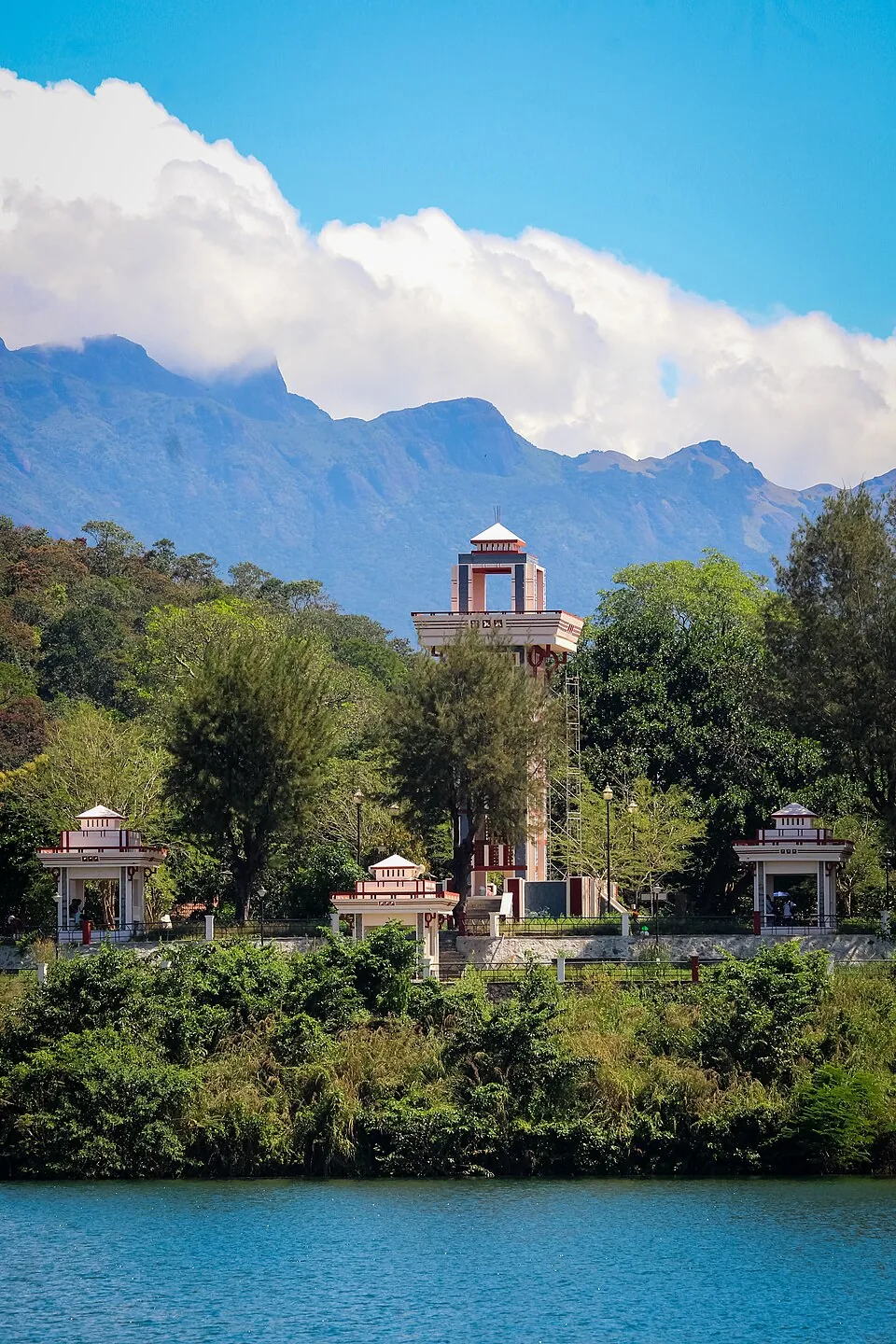
The old Neyyar lion safari began with a change of vehicles. At the sanctuary information centre, visitors boarded a boat for Marakkunnam island. On the other side, they entered a covered minibus with a guide. Inside the enclosure, lions moved outside the vehicle. The park’s official annual report records this arrangement: the visitors were contained, and the animals supplied the uncertainty.
Four arrivals from Thrissur
The Forest Department established the park in 1984 and opened it to the public in January 1985. The Forest Department’s management account describes four initial arrivals from Thrissur Zoo: one male and three lionesses. These arrivals explain an important feature of the story. Neyyar was creating a managed safari inside a sanctuary; the lions had been brought there. The wider forest had its own wildlife and purpose before that visitor attraction existed.
A safari held together by daily work
Behind the boat-and-bus outing was another journey across the water. The 2016–17 report describes meat being inspected and weighed at sanctuary headquarters, then carried by boat to the animals’ night shelters. Gates, separate cubicles and daily checks made the enclosure work. The visitor’s encounter depended on those daily arrangements.
When the attraction outlived its animals
The Forest Department’s management account describes an unsuccessful early phase and a restart in 1992. It also records the later sterilisation of males because they were not purebred Asiatic lions. That history makes the park more complicated than a simple conservation-success story. The enclosure could continue to attract visitors while questions about breeding and the ageing animals remained.
The annual report eventually describes only two lionesses. A note also records a male’s death on 22 October 2017, despite the report’s stated 2016–17 period. In April 2023, Kerala Kaumudi reported an empty park and said the last lion had died in 2021. These dated accounts do not supply today’s animal inventory.
The reservoir keeps a larger story
Kerala Tourism’s April 2011 sanctuary account placed the lion safari beside boating, crocodile watching and trekking. The attraction helped sell a day at Neyyar, but it was one chapter in a larger protected catchment. The reservoir and sanctuary story follows that landscape beyond the island enclosure.
The old route is worth remembering because it shows how an encounter was built: a boat, a bus, a fence and a working routine. Before travelling specifically for a lion safari now, ask the Forest Department whether it operates and which animals are part of the public visit. The history explains the name on an old itinerary; current confirmation determines the outing.