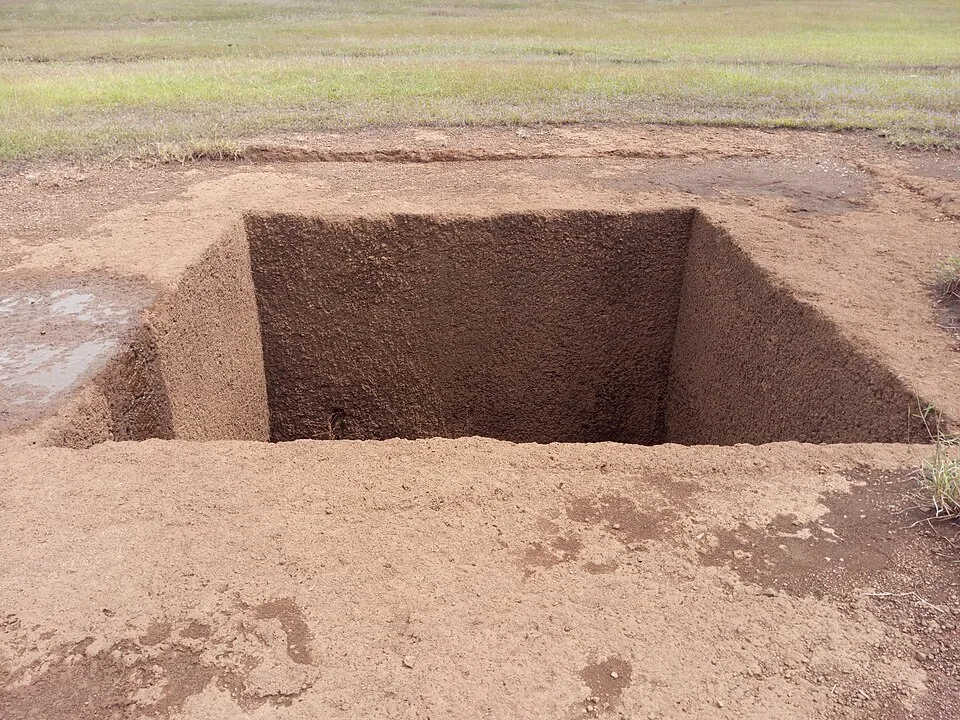
Madayipara is unusually easy: a flat-topped laterite plateau of about 365 hectares, rising to only 40 to 47 metres above the sea, immediately above the coastal town of Pazhayangadi in Kannur district. There is no climb, no gate and no ticket. Almost everything that can go wrong with a visit here is a question of timing.
When to come
The plateau by season
| Months | What you find |
|---|---|
| Late May through the monsoon, to about November | Water standing in every shallow depression and the whole tableland in flower — blues, violets, whites, yellows. Bladderworts, sundews, pipeworts. This is the reason to come. |
| From about January | The water is gone. The surviving flora is drought-adapted and much less showy, but this is when the ponds, the fort ground and the shrines read most clearly. |
| March and April | Hot, bare and brown. This is the visit that makes people think the plateau was oversold. Avoid if the flora is why you are going. |
How to walk it
Slowly, and looking down. The scale of what is interesting here is centimetres — insectivorous plants, pipeworts standing in a film of water on bare rock, species that grow on laterite hillocks and nowhere else. The wide view west to the Arabian Sea is a pleasant bonus rather than the point.
Two hours covers the plateau at a reasonable pace, including the ponds and the kavu. There is essentially no shade and no shelter on the open rock, which matters in both seasons for opposite reasons.
- Carry water and a hat. There is nothing up there and no reason to expect there to be.
- The Madayi Kavu is a working temple of the mother goddess, belonging to the Chirakkal royal family — not a ruin. Behave accordingly.
- Everything growing in a seasonal pool is shallow-rooted and fragile. Walk on rock, not through the pools.
- The mosque is below the plateau at Pazhayangadi and is a working mosque, not a monument. Its dated inscription is remarkable; visitors are not its purpose.
What else is within reach
Pazhayangadi is the town at the foot of the hill, and Kannur is the district base for anything more than a day. The plateau sits in a stretch of coast dense with Theyyam country and with the Ezhimala hills a short way north, so Madayipara works better as a strong half-day inside a north Kerala trip than as a destination in its own right.
What it does not have
No facilities, no interpretation, no signage worth relying on, no guide service, and — in the dry months — not much visible reason for its reputation. It is a bare rock with an extraordinary amount going on at ankle height for half the year. Turn up in the right month, look down, and it is one of the most interesting pieces of ground in Kerala.