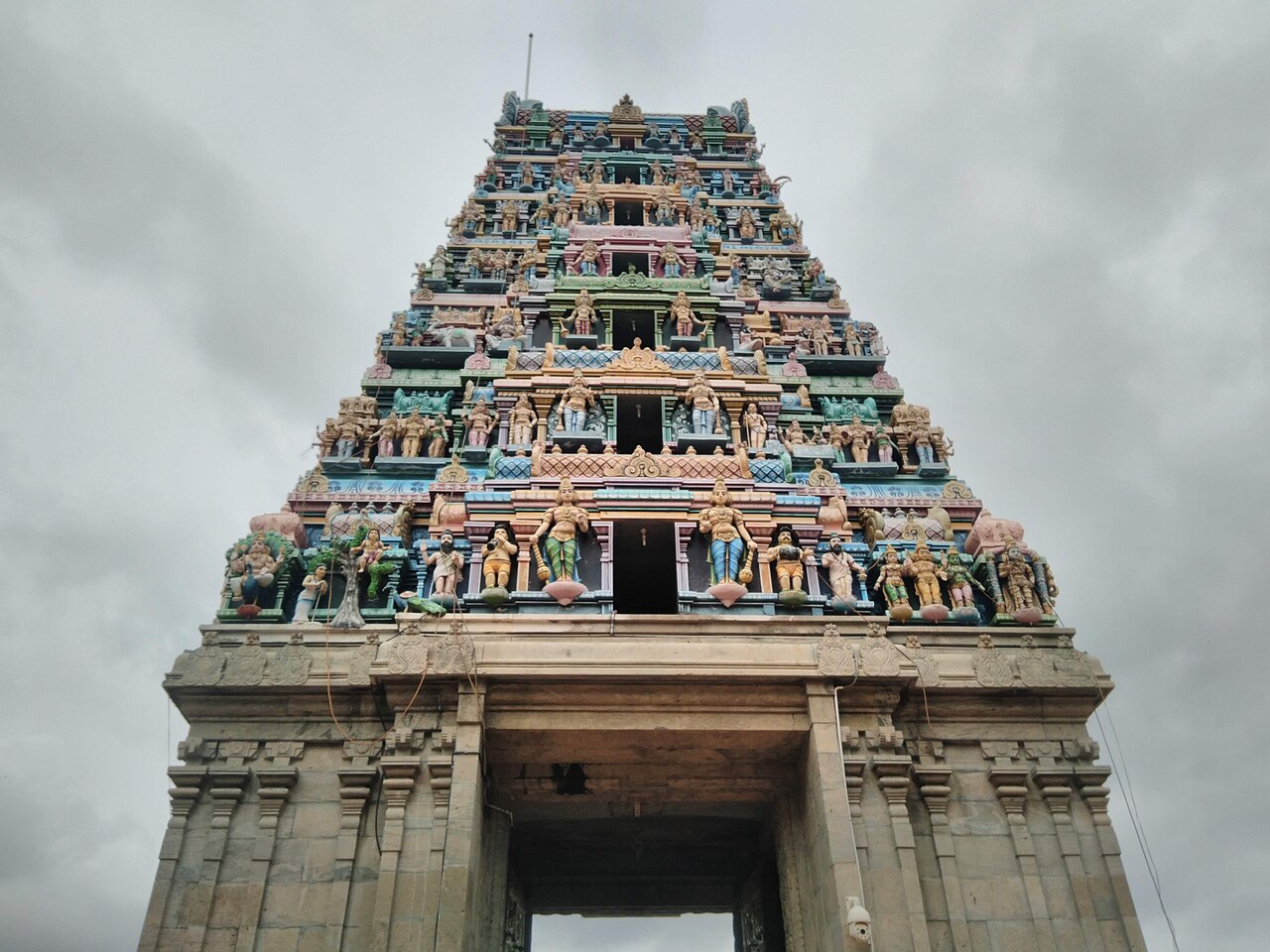
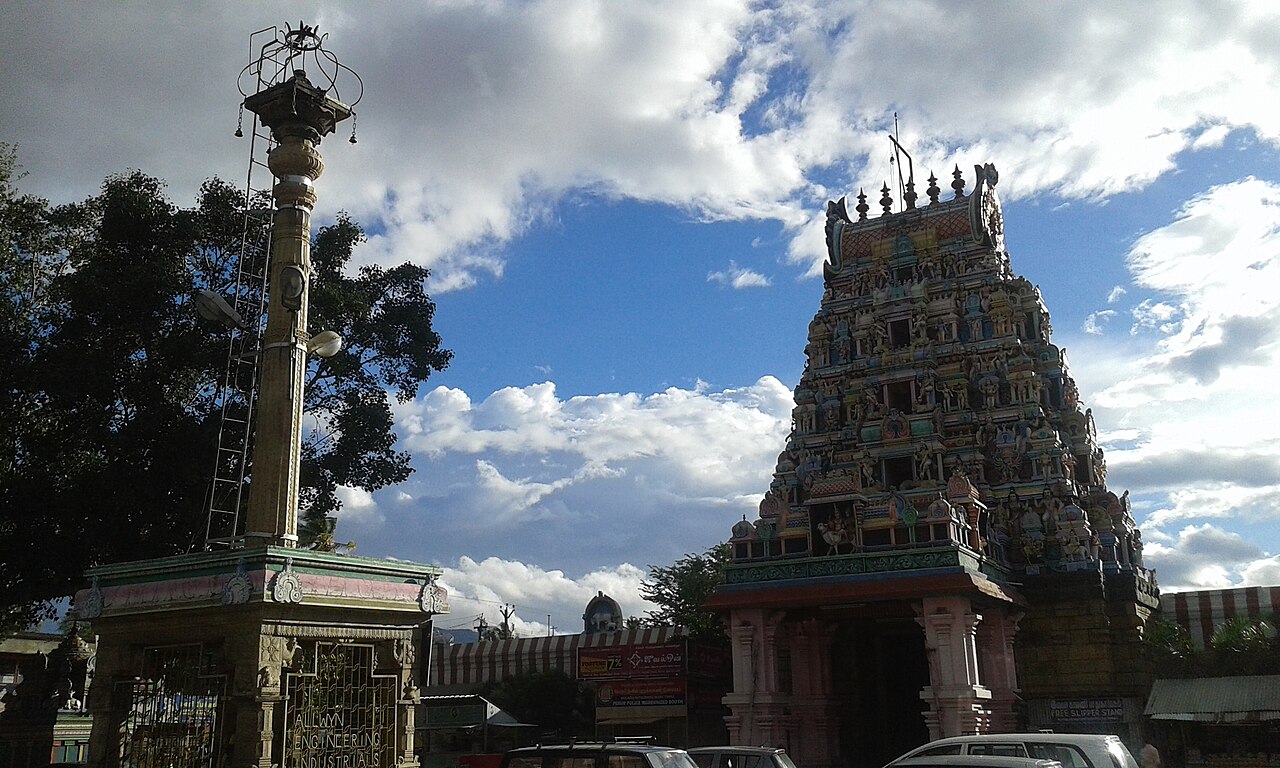
This hill temple to Lord Murugan sits on Anuvavi Hills at Periya Thadagam, about 19 km from Coimbatore city, reached by a long flight of steps. It is best known for a natural spring within the sanctum that flows perennially through all twelve months, tied by legend to Hanuman striking water from the rock. The perennial theertham and forested hill setting make it a popular local pilgrimage and picnic spot.
The story of Anubhavi Subramaniar Temple
For Anubhavi Subramaniar Temple, this hill temple to Lord Murugan sits on Anuvavi Hills at Periya Thadagam, about 19 km from Coimbatore city, reached by a long flight of steps. For Anubhavi Subramaniar Temple, it is best known for a natural spring within the sanctum that flows perennially through all twelve months, tied by legend to Hanuman striking water from the rock. For Anubhavi Subramaniar Temple, the perennial theertham and forested hill setting make it a popular local pilgrimage and picnic spot. For Anubhavi Subramaniar Temple, this is a living place of worship, so its architecture and history should be read without turning devotional tradition into proven chronology.
Use Thondamuthur as the practical starting point for Anubhavi Subramaniar Temple, but verify the final approach before setting out. For Anubhavi Subramaniar Temple, roadworks, worship sessions, conservation work and seasonal restrictions can change access even when the map still draws an uninterrupted route.
Read Anubhavi Subramaniar Temple as both sacred space and built history. For Anubhavi Subramaniar Temple, give worshippers priority, dress conservatively and let the priest or site notice define camera and entry rules instead of assuming that every hall or shrine is open to visitors.
Keep the rest of the day flexible around Anubhavi Subramaniar Temple. For Anubhavi Subramaniar Temple, heat, rain and crowds affect small sites disproportionately, so carry drinking water, choose secure footwear and move the visit rather than ignoring a closure or unsafe surface.