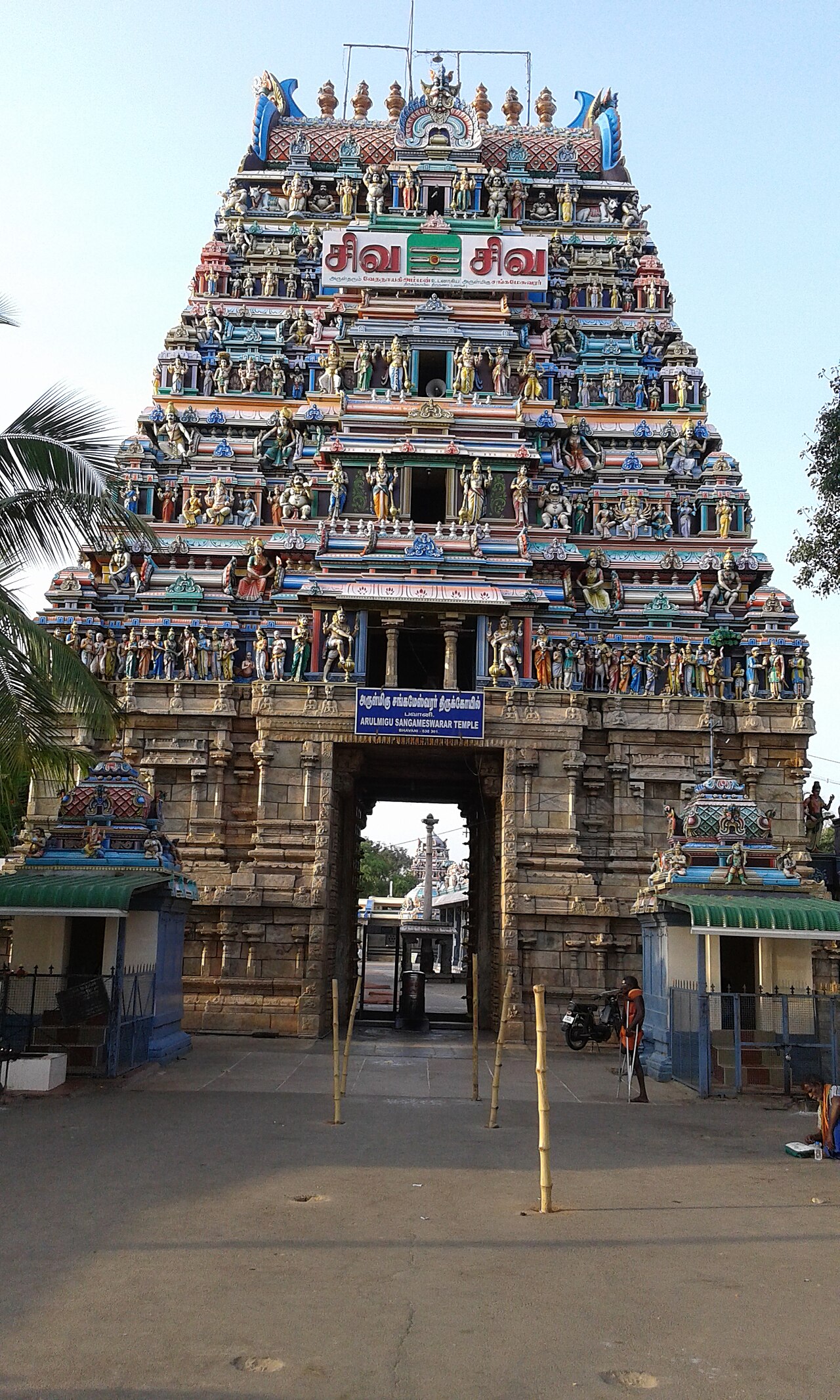
Amarapaneeswarar Temple, Pariyur

The Amarapaneeswarar Temple at Pariyur is a Shiva temple dating to about the 10th century CE, with its consort worshipped as Soundaranayaki Amman.

A
Amarapaneeswarar Temple, Pariyur
Place
Practical guide

Plan Amarapaneeswarar Temple, Pariyur

Who's going?Tailor Amarapaneeswarar Temple, Pariyur to your trip
Typeheritage
Nearest basePariyur
DistrictErode
Best timeChoose a cooler daylight visit and…
Time neededAllow about one to two hours at…
Places to visit5
The story

The Amarapaneeswarar Temple at Pariyur is a Shiva temple dating to about the 10th century CE, with its consort worshipped as Soundaranayaki Amman. Originally built during the Chola period, it received later additions from the Pandya, Hoysala and Mysore rulers, and today is rebuilt almost entirely in white marble. Maha Shivaratri and Pradosham are celebrated here with particular grandeur.

The story of Amarapaneeswarar Temple, Pariyur

For Amarapaneeswarar Temple, Pariyur, the Amarapaneeswarar Temple at Pariyur is a Shiva temple dating to about the 10th century CE, with its consort worshipped as Soundaranayaki Amman. For Amarapaneeswarar Temple, Pariyur, originally built during the Chola period, it received later additions from the Pandya, Hoysala and Mysore rulers, and today is rebuilt almost entirely in white marble. For Amarapaneeswarar Temple, Pariyur, maha Shivaratri and Pradosham are celebrated here with particular grandeur. For Amarapaneeswarar Temple, Pariyur, this is a living place of worship, so its architecture and history should be read without turning devotional tradition into proven chronology.

Amarapaneeswarar Temple, Pariyur is best attempted as a focused stop from Pariyur, with a clear turnaround time and minimal baggage. For Amarapaneeswarar Temple, Pariyur, save the route offline, arrange onward transport in advance and accept an exterior-only visit if staff, worship or conservation rules limit entry.

A respectful visit to Amarapaneeswarar Temple, Pariyur does not depend on unrestricted photography. For Amarapaneeswarar Temple, Pariyur, observe the building, sound and movement of worship from permitted areas, and treat any request concerning clothing, phones, offerings or queue order as part of access.

The final check is practical: confirm the way out, the next transport and any weather change before lingering at Amarapaneeswarar Temple, Pariyur. For Amarapaneeswarar Temple, Pariyur, families and travellers with limited mobility should ask about the complete route, not merely whether a vehicle can reach the gate.
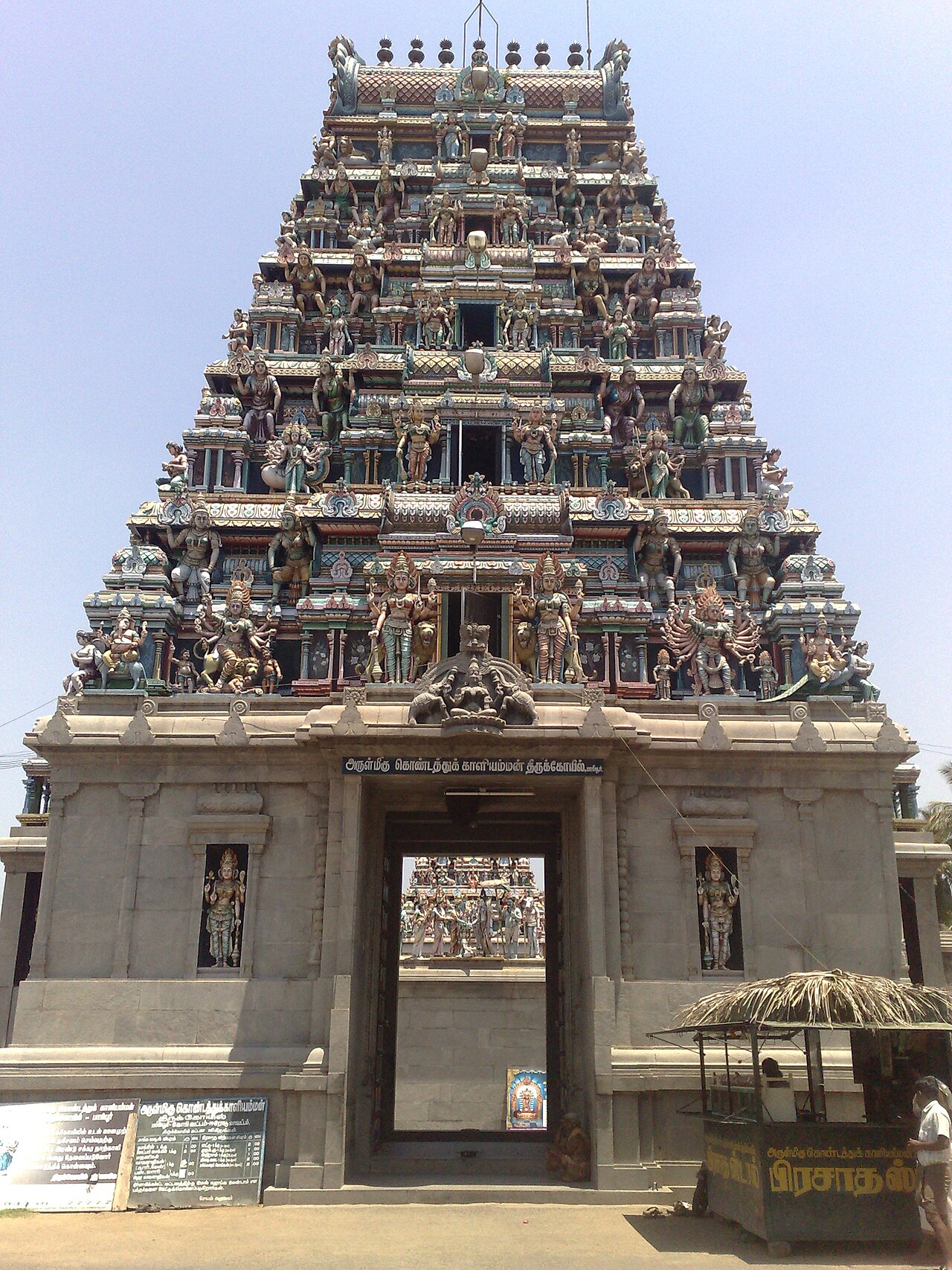
Read the full history of Amarapaneeswarar Temple, Pariyur 55 more words

Why visit

Visit Amarapaneeswarar Temple, Pariyur for the specific feature and local history described on this page, rather than as a generic stop in Erode.

The most useful visit combines close observation at Amarapaneeswarar Temple, Pariyur with a realistic return plan through Pariyur; it does not depend on an unverified ticket, unrestricted access or a promised experience.

What to expect

Highlights

  • Read the defining shrine and living worship tradition of Amarapaneeswarar Temple, Pariyur.
  • Understand how Amarapaneeswarar Temple, Pariyur belongs to Pariyur and Erode rather than treating it as an isolated map pin.
  • Separate documented evidence from local tradition, later alteration and unsupported online claims.
Getting there

How to visit

  • Reach Pariyur, then enter Amarapaneeswarar Temple, Pariyur through the public worship entrance indicated locally.
  • Plan around the shrine's published worship sessions and allow for footwear storage, security checks and festival queues.
  • Keep the return journey separate from darshan time, especially for an evening visit.
Timing

Best time

Choose a cooler daylight visit and verify the current operating or worship session for Amarapaneeswarar Temple, Pariyur; festivals, maintenance and weather can change access.

Weather in Amarapaneeswarar Temple, PariyurSeasonal guide

Live forecast loads in your browser.

Today at Amarapaneeswarar Temple, Pariyur
Sunrise6:09 am
Sunset6:02 pm
Golden hour best light5:02 pm–6:02 pm
Blue hour after sunset6:02 pm–6:27 pm
Sun sets toward compass bearingW · 261°
Moon tonight🌒 Waxing crescent · 24%

Sun and moon are calculated for this location and shown in IST. Photography windows are the hour around sunrise and sunset; the sunset bearing is degrees clockwise from true north. Moon phase is accurate to about half a day.

Visitor notes

  • Confirm the exact visitor entrance, current access and last safe return from Amarapaneeswarar Temple, Pariyur on the day of travel.
  • Ask before photographing interiors, worship, residents or working areas at Amarapaneeswarar Temple, Pariyur.
Safety

Good to know

  • Obey barriers and staff instructions at Amarapaneeswarar Temple, Pariyur; do not climb structures, enter restricted ground or block worship and working access.
  • Use suitable footwear, carry water and keep enough daylight for the return to Pariyur.
Stay · eat · do · rent · see · shop

Stays, food & things to do near Amarapaneeswarar Temple, Pariyur

Verified hotels, homestays, restaurants, experiences, sights, shops and rentals around Amarapaneeswarar Temple, Pariyur — commission-free, with direct contact. Filter by what you need.

Verified inventory is being added here.

Verified places are being added. The category filters will fill in as approved stays, restaurants, experiences, sights, shops and nature listings go live.

List your place
Ranked guides

Top experiences around Pariyur

4 more places around Pariyur. Open a guide to plan the visit and onward journey.

heritagePariyur Kondathu Kaliamman Temple

220 m · 3 min walk

The Kondathu Kaliamman Temple at Pariyur is a widely revered shrine to the goddess Kaliamman, believed to be around 1,500 years old. It is known for its annual fire-walking ceremony held in January and a grand temple car festival that draws large crowds. Several shrines feature marble work, and the temple owns a golden chariot.

K
Kunderipallam Dam
Place
heritageKunderipallam Dam

13.6 km · ~23 min by cab

Kunderipallam Dam is an earthen dam built across a tributary feeding the Bhavani River at Kongarpalayam in Gobichettipalayam taluk, constructed between 1975 and 1980. It stands about 42 feet high and over 2,100 metres long, with a reservoir capacity of roughly 1.72 tmcft used for irrigation. Set at the foot of forested hills, it is a quiet local picnic and scenic spot.

P
Perumpallam Dam
Place
heritagePerumpallam Dam

19.2 km · ~32 min by cab

Perumpallam Dam is an earthen dam near Sathyamangalam, built in the 1980s and measuring about 2 km long and 40 metres high. It is fed by rainwater from the Kadambur Hills and the Bhavani River, and its reservoir level swings dramatically between drought and heavy floods. It is a lesser-known reservoir on the fringe of the Sathyamangalam forests.

P
Pavalamalai Muthukumaraswamy Temple
Place
heritagePavalamalai Muthukumaraswamy Temple

3.3 km · ~8 min by auto

The Muthukumaraswamy Temple on Pavalamalai hill near Gobichettipalayam is the second of the town's two Murugan hill shrines, the other being Pachaimalai. It sits on a small hill on the road toward Pariyur and is dedicated to Lord Murugan. It is a popular local pilgrimage climb offering views over the surrounding countryside.

Roampedia is commission-free — own or know a stay, eatery, guide or shop near Amarapaneeswarar Temple, Pariyur? List it and it appears here once verified.

Add a nearby business
Before you go

Amarapaneeswarar Temple, Pariyur — at a glance

TimingsUse Amarapaneeswarar Temple, Pariyur's published worship schedule and expect festival days to alter queues or visitor movement.
Best timePrefer a cooler daylight session and recheck current access on the day.
Getting here

How to reach Amarapaneeswarar Temple, Pariyur

Reach Pariyur, follow the map link to Amarapaneeswarar Temple, Pariyur, and use the entrance indicated for worshippers and visitors.

Do

Things to do

  • Identify the feature that gives Amarapaneeswarar Temple, Pariyur its visitor value.
  • Read the site in relation to Pariyur and Erode.
  • Distinguish documented history from living tradition and later alteration.
  • Combine it only with genuinely nearby stops that preserve a safe return margin.
Plan

Good to know

  • Save the route offline before leaving Pariyur.
  • Carry water and sun or rain protection.
  • Accept an exterior-only visit when current access does not permit entry.
Facilities

On site

  • Use refreshments and toilets in Pariyur before the visit if needed, and respect Amarapaneeswarar Temple, Pariyur's rules for food and drinking water in worship areas.
  • Use the shrine office or staff on duty for darshan, offerings or accessibility assistance.
Stay safe

Safety

  • Follow current site, worship and security instructions.
  • Do not cross barriers, climb structures or enter unstable, private or restricted ground.
  • Keep enough daylight and transport margin for the return to Pariyur.
Getting around Amarapaneeswarar Temple, Pariyur

If you need step-free access, contact the site before travelling. Ask about a level entrance, steps along the route, the nearest drop-off point, seating and accessible toilets.

If you need help at Amarapaneeswarar Temple, Pariyur
112All emergencies (police · fire · medical)The single number to call in any emergency (ERSS).

Emergency numbers are verified against official government and state tourism sources. 112 works anywhere in India.

Nearby

What’s near Amarapaneeswarar Temple, Pariyur

heritagePariyur Kondathu Kaliamman Temple

The Kondathu Kaliamman Temple at Pariyur is a widely revered shrine to the goddess Kaliamman, believed to be around 1,500 years old. It is known for its annual fire-walking ceremony held in January and a grand temple car festival that draws large crowds. Several shrines feature marble work, and the temple owns a golden chariot.

220 m · 3 min walk · straight line
P
Pavalamalai Muthukumaraswamy Temple
Place
heritagePavalamalai Muthukumaraswamy Temple

The Muthukumaraswamy Temple on Pavalamalai hill near Gobichettipalayam is the second of the town's two Murugan hill shrines, the other being Pachaimalai. It sits on a small hill on the road toward Pariyur and is dedicated to Lord Murugan. It is a popular local pilgrimage climb offering views over the surrounding countryside.

3.3 km · ~8 min by auto · straight line
K
Kunderipallam Dam
Place
heritageKunderipallam Dam

Kunderipallam Dam is an earthen dam built across a tributary feeding the Bhavani River at Kongarpalayam in Gobichettipalayam taluk, constructed between 1975 and 1980. It stands about 42 feet high and over 2,100 metres long, with a reservoir capacity of roughly 1.72 tmcft used for irrigation. Set at the foot of forested hills, it is a quiet local picnic and scenic spot.

13.6 km · ~23 min by cab · straight line
P
Perumpallam Dam
Place
heritagePerumpallam Dam

Perumpallam Dam is an earthen dam near Sathyamangalam, built in the 1980s and measuring about 2 km long and 40 metres high. It is fed by rainwater from the Kadambur Hills and the Bhavani River, and its reservoir level swings dramatically between drought and heavy floods. It is a lesser-known reservoir on the fringe of the Sathyamangalam forests.

19.2 km · ~32 min by cab · straight line
S
Sri Gurunatha Swamy Temple, Pudupalayam
Place
heritageSri Gurunatha Swamy Temple, Pudupalayam

Located at Pudupalayam near Anthiyur, this temple enshrines Gurunathaswami, worshipped through three sacred stones representing Kamakshi, Vishnu, and Shiva combined with Murugan. Legend holds the stones were once worshipped near Chidambaram, hidden in a river, and rediscovered at Pudupalayam, where a temple was built with Pandya patronage about 600 years ago. Its annual festival falls in the Tamil month of Aadi.

19.4 km · ~32 min by cab · straight line
viewpointKooduthurai Triveni Sangamam

The riverside confluence and bathing ghat at Bhavani where the Kaveri, Bhavani and mythical Amudha rivers meet, adjoining the Sangameswarar Temple — a pilgrimage spot for ancestral rites, known as the Triveni Sangamam of the South.

24.9 km · ~41 min by cab · straight line
templeBhavani Sangameswarar Temple

A large Shiva temple at Kooduthurai in Bhavani town, built at the confluence of the Kaveri, Bhavani and the mythical Amudha rivers, revered as the Dakshina Triveni Sangamam ("Triveni Sangamam of the South").

25.0 km · ~42 min by cab · straight line
templeVijayamangalam Jain Temple

The oldest Jain temple in the Kongu Nadu region, dedicated to Chandraprabha (the 8th Tirthankara) and dated to around 678 CE — an ASI-protected monument near Vijayamangalam, Perundurai taluk.

25.7 km · ~43 min by cab · straight line
U
Urachikottai Varadaraja Perumal Temple
Place
heritageUrachikottai Varadaraja Perumal Temple

This Vishnu temple sits on the Vedagiri hill at Urachikottai, about 5 km from Bhavani on the western bank of the Cauvery, and is regarded as the first of five hills known as the Panchagiri. Dedicated to Varadaraja Perumal, the temple is believed to be more than 1,000 years old. The hill is dotted with Saiva and Vaishnava shrines and overlooks the river.

26.8 km · ~45 min by cab · straight line
templeChennimalai Murugan Temple

An ancient hilltop Murugan shrine reached by a stairway of about 1,320 steps or a road with nine hairpin bends, roughly 28 km from Erode, linked to the Kanda Sashti Kavasam line "Siragiri Velavan".

29.0 km · ~48 min by cab · straight line
A
Anthiyur Lake and Waterfalls
Place
heritageAnthiyur Lake and Waterfalls

Anthiyur has a large irrigation lake whose overflow forms a seasonal waterfall dependent on rainfall in the Bargur Hills catchment. It is a local family spot used for fishing and swimming, most impressive during the monsoon months. The lake sits at the edge of the Anthiyur reserve forest belt.

29.3 km · ~49 min by cab · straight line
templeThindal Murugan Temple

A hilltop temple to Lord Murugan (Arulmigu Velayuthaswamy) on the Thindalmalai hillock about 7 km from Erode city, known for its golden temple chariot that circles the hill during festivals.

29.5 km · ~49 min by cab · straight line

All 5 places to visit in Pariyur →

On the map

Where Amarapaneeswarar Temple, Pariyur is

Good to know

Amarapaneeswarar Temple, Pariyur — frequently asked

What should I verify before visiting Amarapaneeswarar Temple, Pariyur?

Confirm the current public entrance, opening session, permission or ticket rule and return transport from Pariyur. Site management and local notices take priority over an undated listing.

How much time should I allow for Amarapaneeswarar Temple, Pariyur?

Allow about an hour at the site, plus the complete approach, any worship or security queue and a comfortable daylight margin for returning to Pariyur.

When is the best time to visit Amarapaneeswarar Temple, Pariyur?

Choose a cooler daylight visit and verify the current operating or worship session for Amarapaneeswarar Temple, Pariyur; festivals, maintenance and weather can change access.

What are the entry fee and timings at Amarapaneeswarar Temple, Pariyur?

Timings: Use Amarapaneeswarar Temple, Pariyur's published worship schedule and expect festival days to alter queues or visitor movement.

How do I reach Amarapaneeswarar Temple, Pariyur?

Reach Pariyur, then enter Amarapaneeswarar Temple, Pariyur through the public worship entrance indicated locally. Plan around the shrine's published worship sessions and allow for footwear storage, security checks and festival queues. Keep the return journey separate from darshan time, especially for an evening visit.

How much time do I need for Amarapaneeswarar Temple, Pariyur?

Allow about one to two hours at Amarapaneeswarar Temple, Pariyur, plus the complete approach, any queue and the return to Pariyur.

What else is near Amarapaneeswarar Temple, Pariyur?

Nearby you can pair Pariyur Kondathu Kaliamman Temple (220 m), Pavalamalai Muthukumaraswamy Temple (3.3 km), Kunderipallam Dam (13.6 km), Perumpallam Dam (19.2 km).

What should I know before visiting Amarapaneeswarar Temple, Pariyur?

Obey barriers and staff instructions at Amarapaneeswarar Temple, Pariyur; do not climb structures, enter restricted ground or block worship and working access. Use suitable footwear, carry water and keep enough daylight for the return to Pariyur.