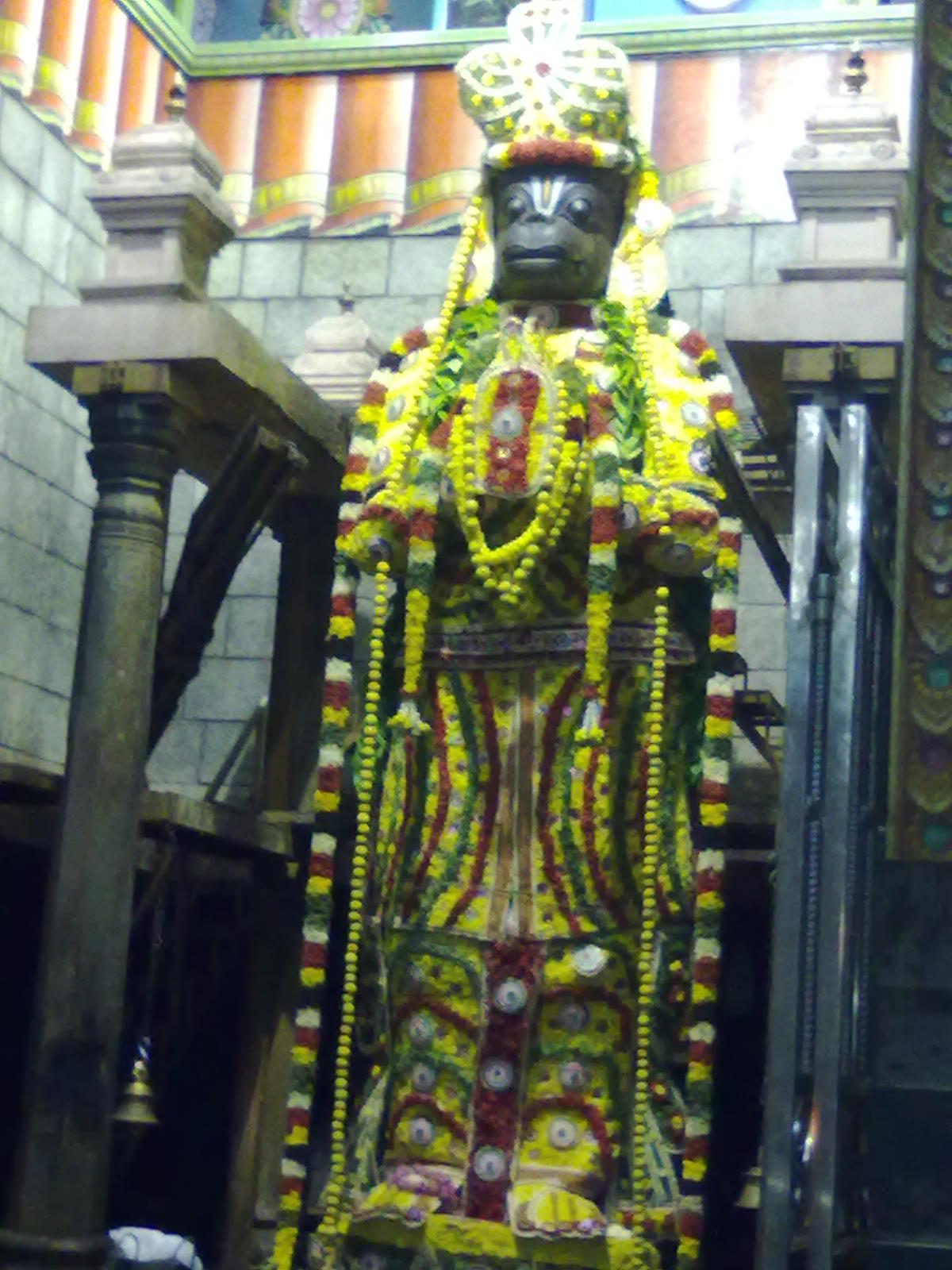
A Murugan temple on the same hill as the Ardhanareeswarar shrine in Tiruchengode. A major pilgrimage centre, it is closely associated with the Sengunthar (Kaikolar) community, whose name derives from Murugan's red spear.
The story of Chenkottu Velavar Temple
For Chenkottu Velavar Temple, a Murugan temple on the same hill as the Ardhanareeswarar shrine in Tiruchengode. For Chenkottu Velavar Temple, a major pilgrimage centre, it is closely associated with the Sengunthar (Kaikolar) community, whose name derives from Murugan's red spear. For Chenkottu Velavar Temple, this is a living place of worship, so its architecture and history should be read without turning devotional tradition into proven chronology.
Before leaving Tiruchengode for Chenkottu Velavar Temple, confirm the public entrance and the latest local instructions. For Chenkottu Velavar Temple, the final section may be a village street, hill path, institutional gate or active religious precinct, so the route must be judged on the day rather than from distance alone.
Allow the sequence of thresholds, halls and subsidiary shrines at Chenkottu Velavar Temple to set the pace. For Chenkottu Velavar Temple, avoid blocking a queue for photographs, do not promise a ritual outcome, and check whether visitors of every faith may enter each inner area.
For Chenkottu Velavar Temple, finish the visit while transport and visibility are still dependable. For Chenkottu Velavar Temple, take litter back to Tiruchengode, avoid intrusive portraits and record any changed entrance or rule instead of trying to work around it.
Read the full history of Chenkottu Velavar Temple 268 more words
History
A Murugan temple on the same hill as the Ardhanareeswarar shrine in Tiruchengode. A major pilgrimage centre, it is closely associated with the Sengunthar (Kaikolar) community, whose name derives from Murugan's red spear. This documented core is the safest starting point for understanding Chenkottu Velavar Temple. Dates, dynastic associations and superlatives repeated without a named inscription, conservation record or official interpretation should be treated cautiously rather than added as fact.
Chenkottu Velavar Temple also belongs to the history of Tiruchengode and the wider Namakkal district. Its present condition reflects continuing use, repair, environmental exposure or changing settlement around it; the surviving place is not an unchanged remnant of one period.
A useful historical visit compares the defining feature described above with what is visible now. Notice materials, plan, landscape and present use, and allow a locked area, altered structure or living ritual to remain part of the honest account rather than filling the gap with an unsupported reconstruction.
Why visit
Visit Chenkottu Velavar Temple for the specific living worship, architecture and local history described on this page, rather than as a generic stop in Namakkal.
The most useful visit combines close observation at Chenkottu Velavar Temple with a realistic return plan through Tiruchengode; it does not depend on an unverified ticket, unrestricted access or a promised experience.
Its value is clearest when you give the place enough time to understand the feature named in its story instead of reducing the stop to a photograph.
The surrounding Tiruchengode context makes Chenkottu Velavar Temple practical to combine with verified local food, accommodation and visitor services while keeping the attraction itself in focus.