What to expect
Highlights
- Manikkavachakar tradition
- Distinctive Atmanatha worship
- Fine stone carving
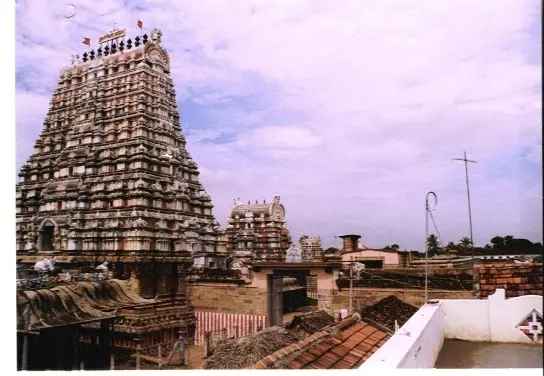
Avudaiyarkoil is the Tirupperunturai temple associated with Manikkavachakar, renowned for stone carving and an aniconic approach to Shiva worship.
Check entry arrangements. Ask temple staff about visitor entry, dress requirements and access to the inner shrine before you travel, especially if you are visiting as a non-Hindu.
Dress respectfully and follow the institution’s admission and photography rules.
Avudaiyarkoil is the Tirupperunturai temple associated with Manikkavachakar, renowned for stone carving and an aniconic approach to Shiva worship. Come for living worship and close study of permitted stonework. Popular claims that the temple has “no deity” misrepresent its distinctive sacred form.
The temple worships Atmanatha through the avudaiyar form rather than a conventional visible lingam. Its relationship with Manikkavachakar and Tiruvachakam is central.
Stone ceilings, chains and sculpted details reward slow looking, but do not touch carvings or repeat every “looks like wood” claim as a verified material fact.
Check the worship session, dress modestly and respect restrictions around the sanctum and photography.
For the visit itself, allow one to two hours. The best time is a quieter open worship session. Check current darshan hours. Study carvings without touching or blocking worship. Bare stone and thresholds require care.
A quieter open worship session.
Live forecast loads in your browser.
Sun and moon are calculated for this location and shown in IST. Photography windows are the hour around sunrise and sunset; the sunset bearing is degrees clockwise from true north. Moon phase is accurate to about half a day.
Verified hotels, homestays, restaurants, experiences, sights, shops and rentals around Athmanathaswamy Temple, Avudaiyarkoil (Tirupperunturai) — commission-free, with direct contact. Filter by what you need.
Verified places are being added. The category filters will fill in as approved stays, restaurants, experiences, sights, shops and nature listings go live.
List your place4 more places around Thirumayam. Open a guide to plan the visit and onward journey.
37.2 km · ~62 min by cab
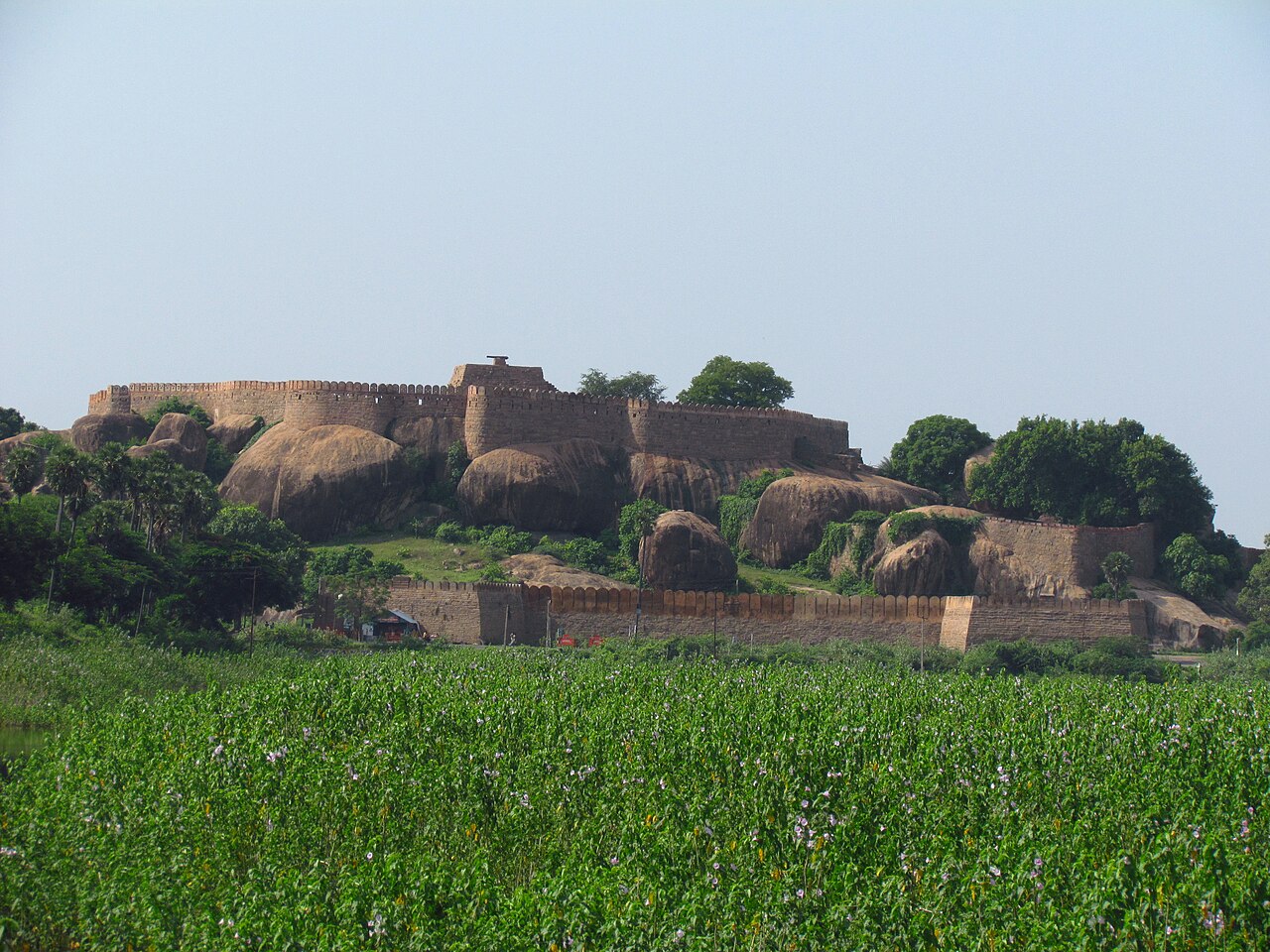
A seventeenth-century hill fort above Thirumayam, with a separate visitor route from the living temples below.

37.2 km · ~62 min by cab
A rock-cut Vishnu temple within Thirumayam Fort, home to one of the largest reclining-Vishnu (Anantasayana) rock-cut sculptures in India.

37.2 km · ~62 min by cab
A Shiva rock-cut cave temple hewn from the same hill as the Vishnu shrine, dated to the 8th-9th century and noted for sculptures of Mahishasuramardini and the Sapta Matrikas.
40.1 km · ~67 min by cab
A 17th-century Sufi mosque and dargah built by Arcot Nawab Muhammad Ali Khan Wallajah in Indo-Islamic style with a large dome, arched gateway and minarets. It houses the tomb of the Sufi saint Bava Fakruddin, believed to be a grandson of the Nagore saint Shahul Hamid. Its annual urs festival draws pilgrims of many faiths, including Hindus, making it a symbol of local interfaith harmony.
Roampedia is commission-free — own or know a stay, eatery, guide or shop near Athmanathaswamy Temple, Avudaiyarkoil (Tirupperunturai)? List it and it appears here once verified.
Add a nearby businessEntry: Ordinary darshan and paid offerings are separate.
Road excursion to Avudaiyarkoil; arrange return transport.
If you need step-free access, contact the site before travelling. Ask about a level entrance, steps along the route, the nearest drop-off point, seating and accessible toilets.
Emergency numbers are verified against official government and state tourism sources. 112 works anywhere in India.
A ruined fort built by the Tondaiman chieftains who ruled the area as feudatories under the Vijayanagara and Pandya kingdoms around the 16th-17th century. Its most distinctive feature is that the outer ramparts were built largely of mud rather than stone or brick. Little of the interior survives, but the earthen walls make it an unusual example of regional fort construction.
11.0 km · ~18 min by cab · straight line
A coastal beach point near the old port town of Kottaipattinam on the Bay of Bengal/Palk Strait, a local seaside outing spot with an active fishing harbour.
24.6 km · ~41 min by cab · straight line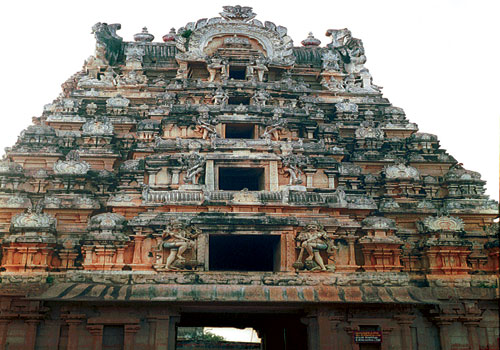
A Shiva temple where the deity is worshipped as Arangulanathar with his consort Brahadambal (Periyanayaki). It is a Vaippu Sthalam praised in the Tevaram hymns of Sambandar and is traditionally linked to the Sangam-era Chola king Karikala. The temple has a large hundred-pillar hall, and a superb Nataraja bronze from here is now displayed at the National Museum, New Delhi.
36.3 km · ~60 min by cab · straight lineA seventeenth-century hill fort above Thirumayam, with a separate visitor route from the living temples below.
37.2 km · ~62 min by cab · straight lineA Shiva rock-cut cave temple hewn from the same hill as the Vishnu shrine, dated to the 8th-9th century and noted for sculptures of Mahishasuramardini and the Sapta Matrikas.
37.2 km · ~62 min by cab · straight lineA rock-cut Vishnu temple within Thirumayam Fort, home to one of the largest reclining-Vishnu (Anantasayana) rock-cut sculptures in India.
37.2 km · ~62 min by cab · straight lineA 17th-century Sufi mosque and dargah built by Arcot Nawab Muhammad Ali Khan Wallajah in Indo-Islamic style with a large dome, arched gateway and minarets. It houses the tomb of the Sufi saint Bava Fakruddin, believed to be a grandson of the Nagore saint Shahul Hamid. Its annual urs festival draws pilgrims of many faiths, including Hindus, making it a symbol of local interfaith harmony.
40.1 km · ~67 min by cab · straight lineThe palace of the Thondaiman rulers of the former princely state of Pudukkottai, built in 1930 by Raja Rajagopala Thondaiman, the last monarch, in an Indo-Saracenic Dravidian style. It today houses the District Collector's office. It is the surviving royal landmark of the town's heritage core, whose planned layout was itself an early example of formal town planning in the region.
42.0 km · ~70 min by cab · straight line
A major museum founded in 1910 with 18 galleries spanning archaeology, bronzes, sculpture, geology and anthropology, housing the former princely state's art collection.
43.8 km · ~73 min by cab · straight line
A Pallava rock-cut Shiva temple carved around the mid-7th century by Mahendravarman I, with goddess Brihadambal as the tutelary deity of the Tondaiman kings of Pudukkottai.
44.0 km · ~73 min by cab · straight line
A 9th-century Shiva temple attributed to Aditya Chola I, one of the earliest structural (as opposed to rock-cut) temples in the region, with fine sculptural panels on all four vimana faces.
50.6 km · ~84 min by cab · straight line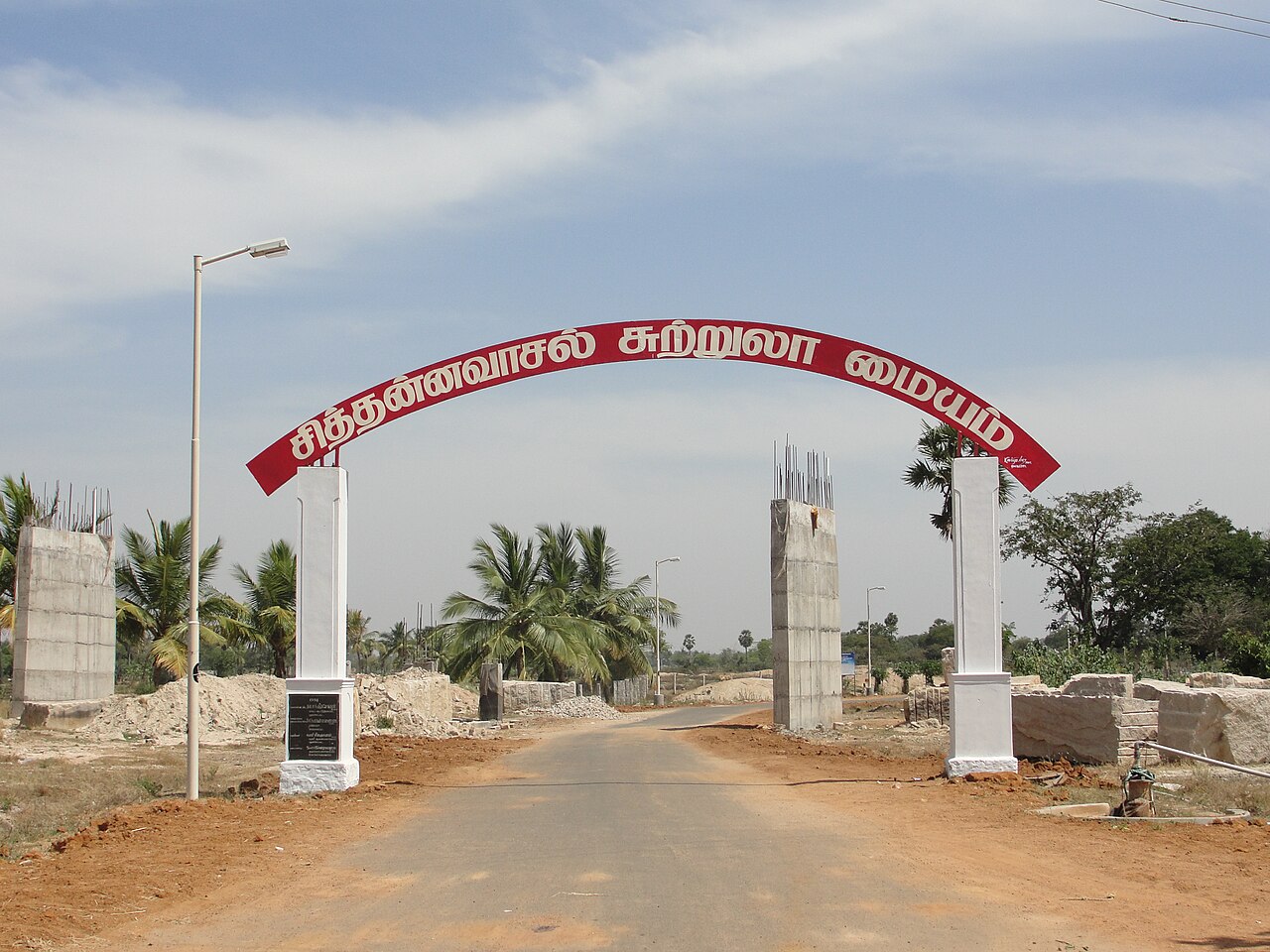
A 2nd-century Jain rock-cut cave temple famed for its Pandya-era fresco murals of a lotus pond, dancers and animals, regarded as second only to Ajanta among Indian cave paintings.
54.6 km · ~91 min by cab · straight lineThat is misleading; worship centres on Atmanatha in a distinctive aniconic form.
No. The point is exceptional stone workmanship.
A quieter open worship session.
Entry: Ordinary darshan and paid offerings are separate. Timings: Confirm current temple sessions.
Check current darshan hours. Study carvings without touching or blocking worship.
Allow one to two hours.
Nearby you can pair Aranthangi Fort (11.0 km), Kottaipattinam Beach (Pudukkudi) (24.6 km), Arangulanathar Temple (Haratheertheeswarar) (36.3 km), Thirumayam Fort (37.2 km).
Bare stone and thresholds require care.
We have not published a story about Athmanathaswamy Temple, Avudaiyarkoil (Tirupperunturai) itself yet. These cover Thirumayam and the wider district, with separate journeys between stops.
These guides explore Thirumayam and the surrounding area. Choose a visit that fits your interests, allowing separately for travel between stops.

Route-level itineraries and practical guides for the rest of Tamil Nadu.
Photographs: Arockiarajj (Public domain). Wikimedia Commons.