What to expect
Highlights
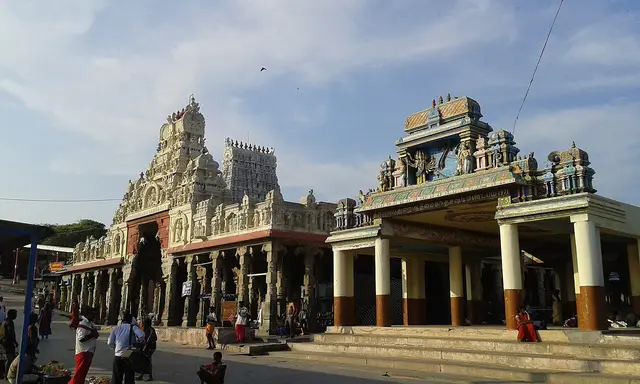
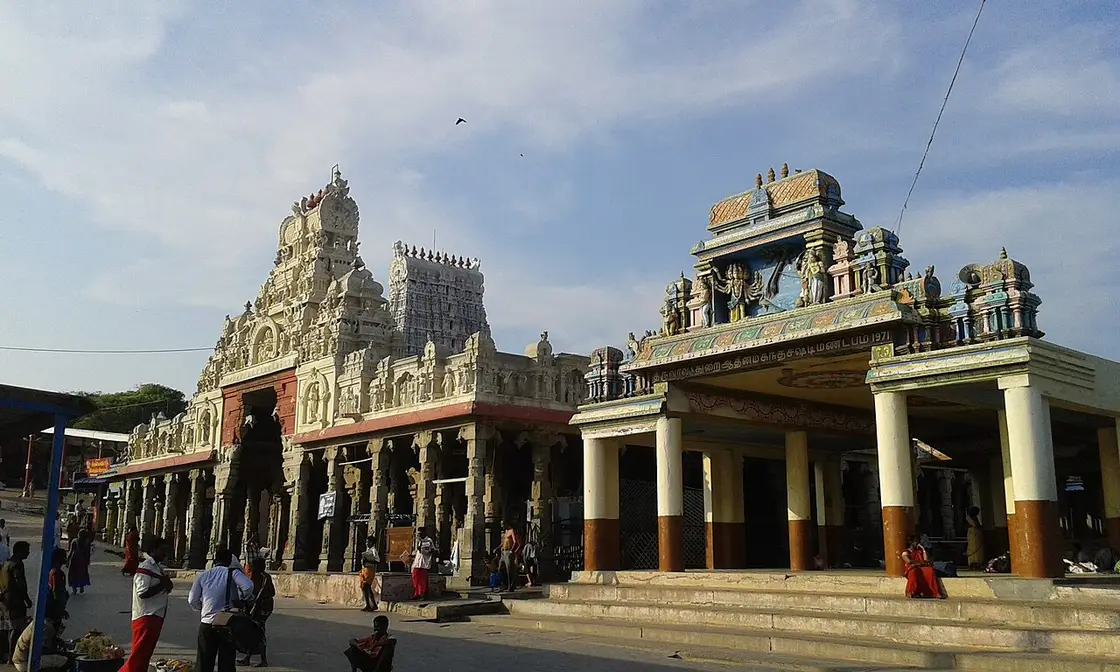
- Subramaniya Swamy Temple, Tiruchendur — One of the six Arupadai Veedu abodes of Lord Murugan, a vast seashore temple on the Gulf of Mannar where Murugan is said to have worshipped Shiva before defeating the asura Surapadman.
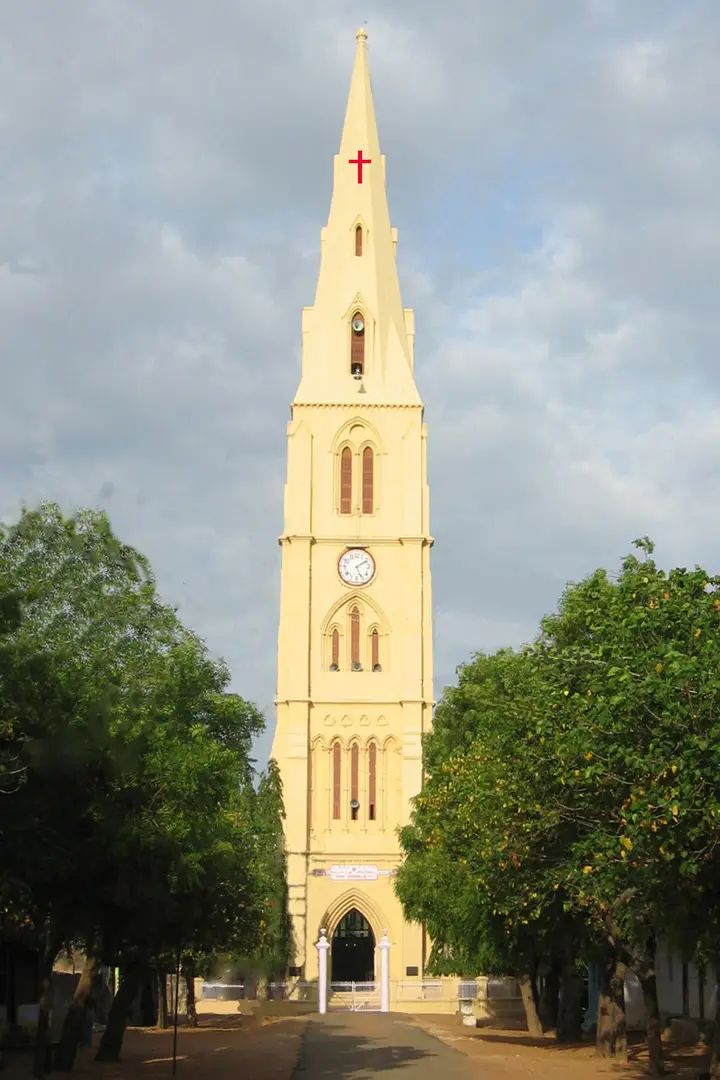
- Holy Cross Church, Manapad — A 16th-century coastal church on the cape where St Francis Xavier is said to have lived and prayed in a seaside cave; holds a relic believed to be a fragment of the True Cross.
- Mutharamman Temple, Kulasekharapatnam — A coastal Amman temple famed for its 10-day Dasara festival, when devotees dress as gods, goddesses and other figures in elaborate disguise processions after weeks of fasting.
- Kayalpatnam Historic Port Town and Mosques — A centuries-old Arab-trade port town of Islamic heritage, home to some of India's oldest mosques rebuilt over successive centuries with pillared prayer halls.
- Ayyanarsunai — A natural spring about 10 km from Tiruchendur where water gushes out to form a narrow stream locally called a 'sunai'. The Arunchunai Kaatha Ayyanar Temple stands on the banks of this spring, giving the place its name. It is a small pilgrimage and picnic spot combining a temple with a perennial natural water source.
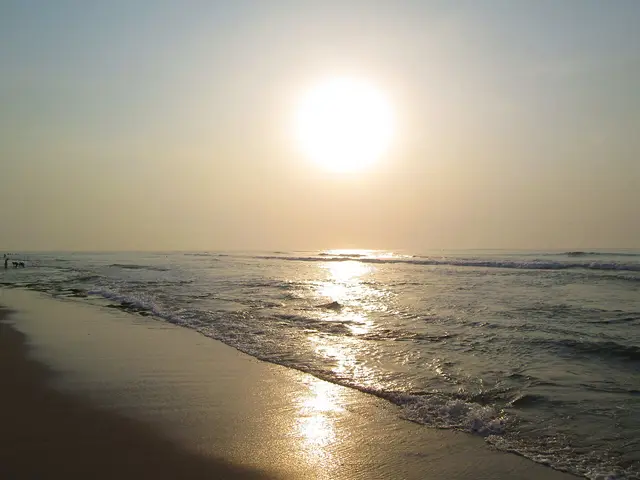
- Tiruchendur Beach — The named beach beside Tiruchendur's Murugan temple. Open-sea conditions vary and ritual bathing does not imply that swimming is always safe.