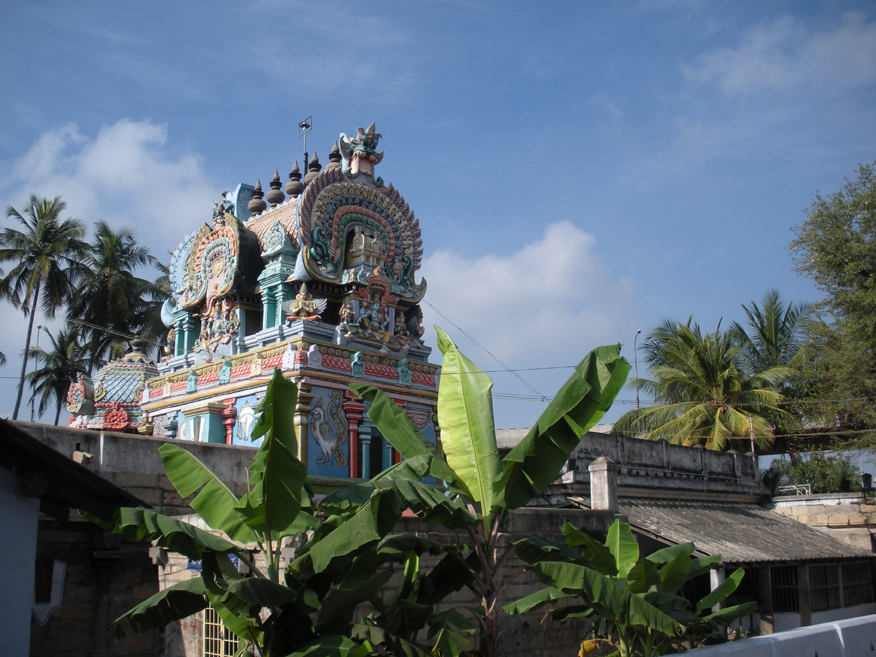
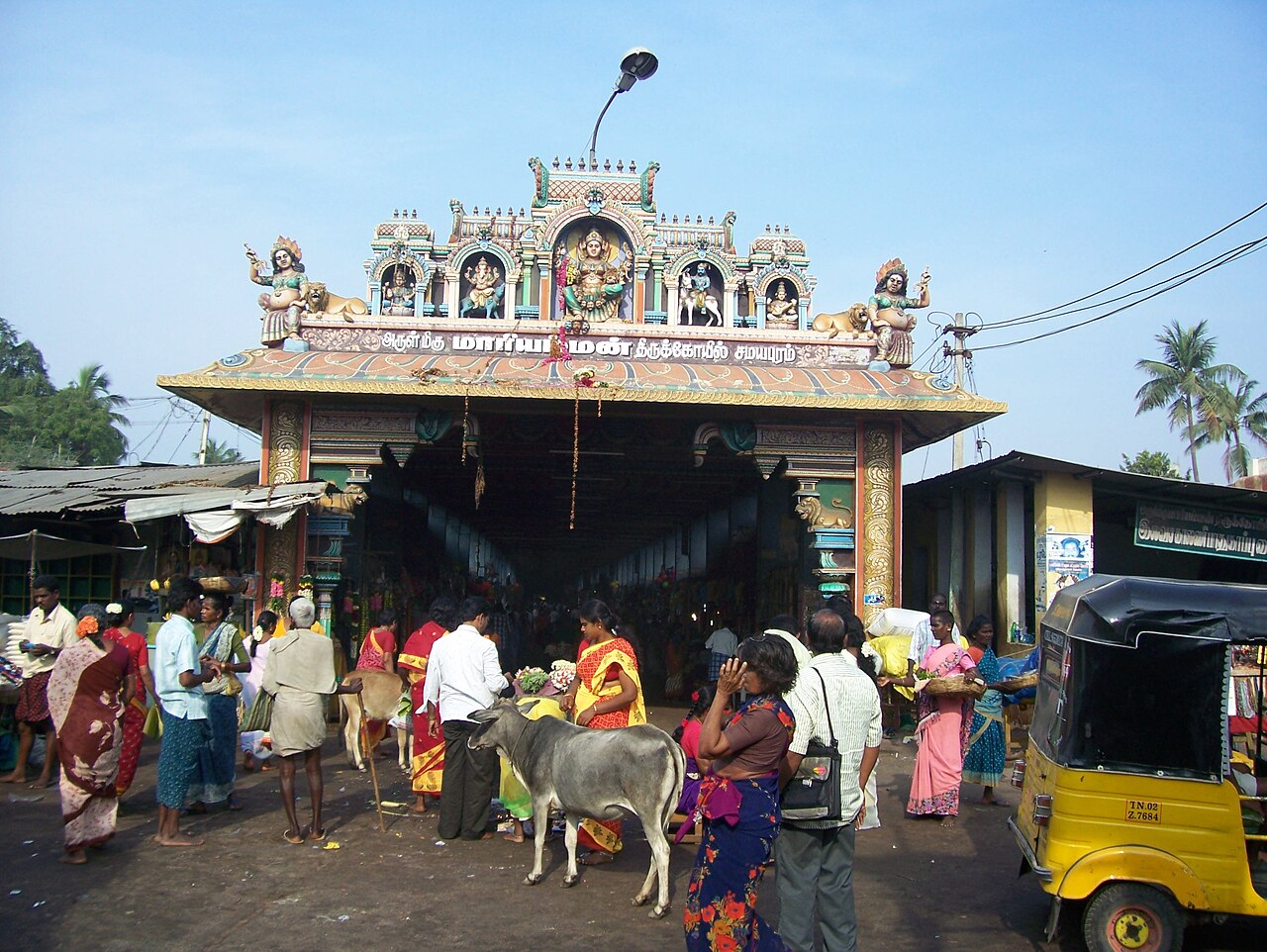
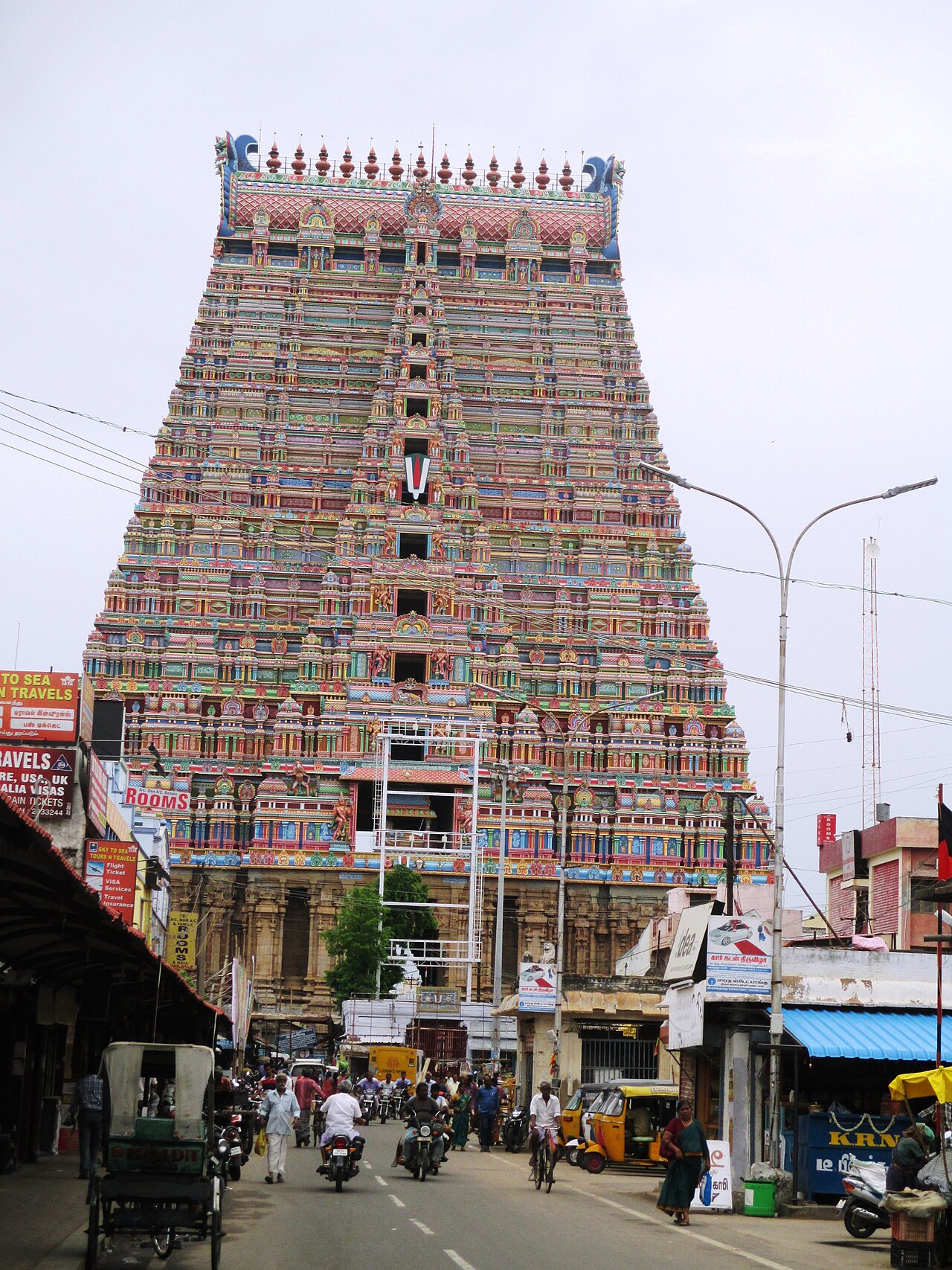
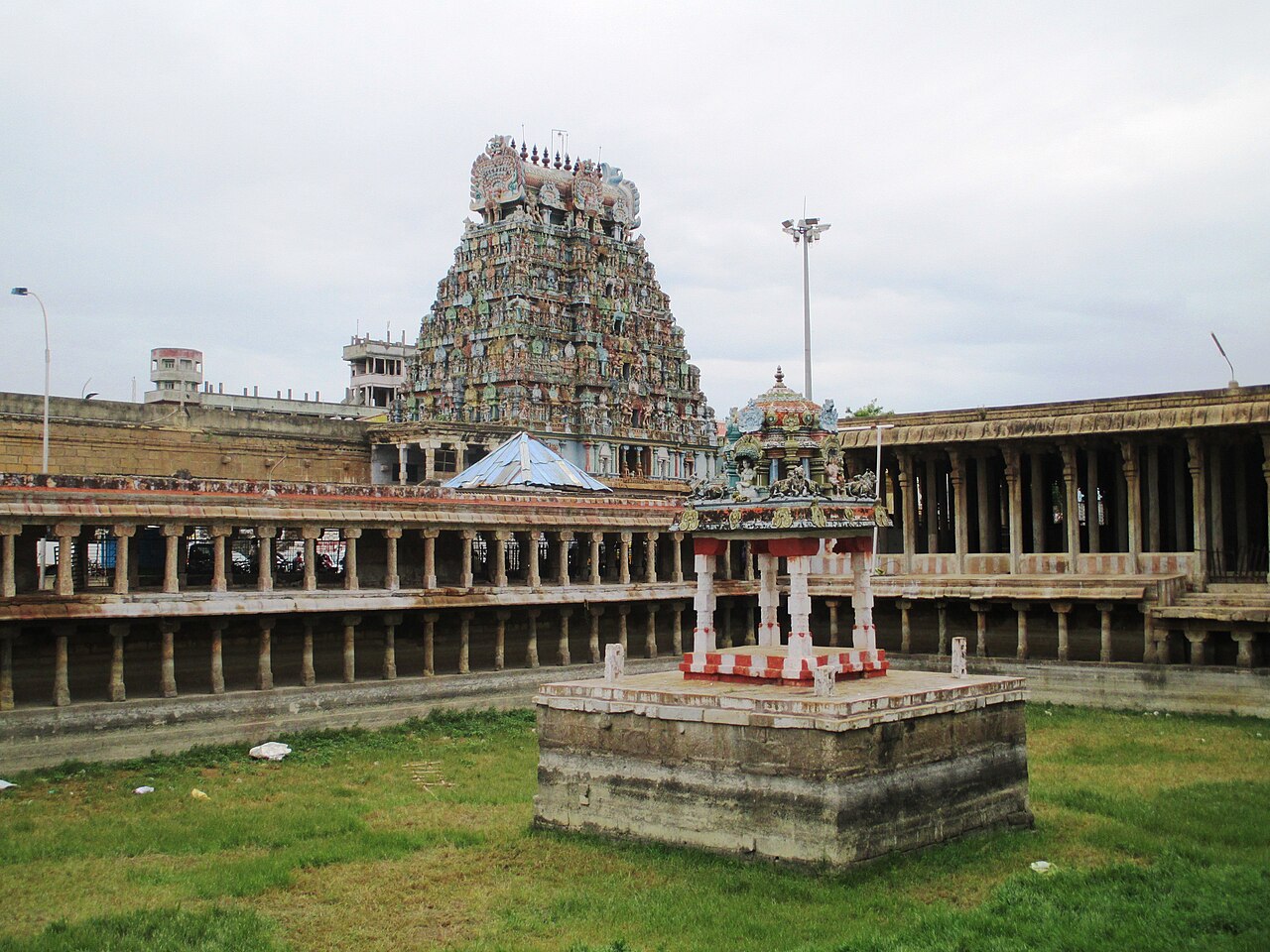
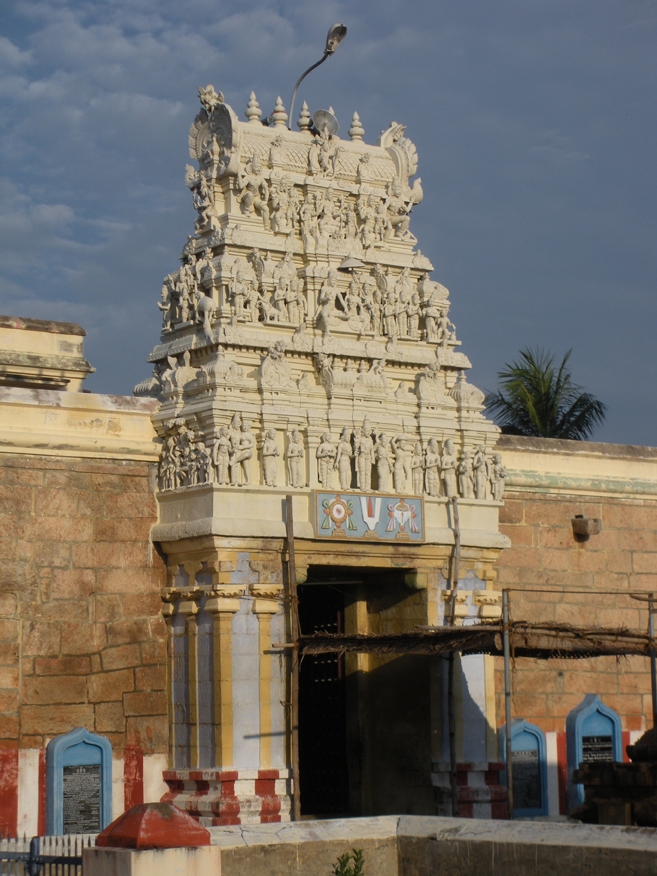
A Paadal Petra Sthalam Shiva temple about 20 km north of Trichy, praised by the Saivite trio Sambandar, Appar and Sundarar. It is unusual for having a dedicated shrine to Yama, the god of death, in a cave-like chamber said to be built by the Pallava king Mahendravarman. Devotees perform Ayush Homa here to overcome the fear of death, and the temple carries inscriptions of Rajaraja I and Rajendra Chola I.
The story of Neelivaneswarar Temple (Thiruppainjeeli)
For Neelivaneswarar Temple (Thiruppainjeeli), a Paadal Petra Sthalam Shiva temple about 20 km north of Trichy, praised by the Saivite trio Sambandar, Appar and Sundarar. For Neelivaneswarar Temple (Thiruppainjeeli), it is unusual for having a dedicated shrine to Yama, the god of death, in a cave-like chamber said to be built by the Pallava king Mahendravarman. For Neelivaneswarar Temple (Thiruppainjeeli), devotees perform Ayush Homa here to overcome the fear of death, and the temple carries inscriptions of Rajaraja I and Rajendra Chola I. For Neelivaneswarar Temple (Thiruppainjeeli), this is a living place of worship, so its architecture and history should be read without turning devotional tradition into proven chronology.
Neelivaneswarar Temple (Thiruppainjeeli) is best attempted as a focused stop from Thiruppainjeeli, with a clear turnaround time and minimal baggage. For Neelivaneswarar Temple (Thiruppainjeeli), save the route offline, arrange onward transport in advance and accept an exterior-only visit if staff, worship or conservation rules limit entry.
A respectful visit to Neelivaneswarar Temple (Thiruppainjeeli) does not depend on unrestricted photography. For Neelivaneswarar Temple (Thiruppainjeeli), observe the building, sound and movement of worship from permitted areas, and treat any request concerning clothing, phones, offerings or queue order as part of access.
The final check is practical: confirm the way out, the next transport and any weather change before lingering at Neelivaneswarar Temple (Thiruppainjeeli). For Neelivaneswarar Temple (Thiruppainjeeli), families and travellers with limited mobility should ask about the complete route, not merely whether a vehicle can reach the gate.