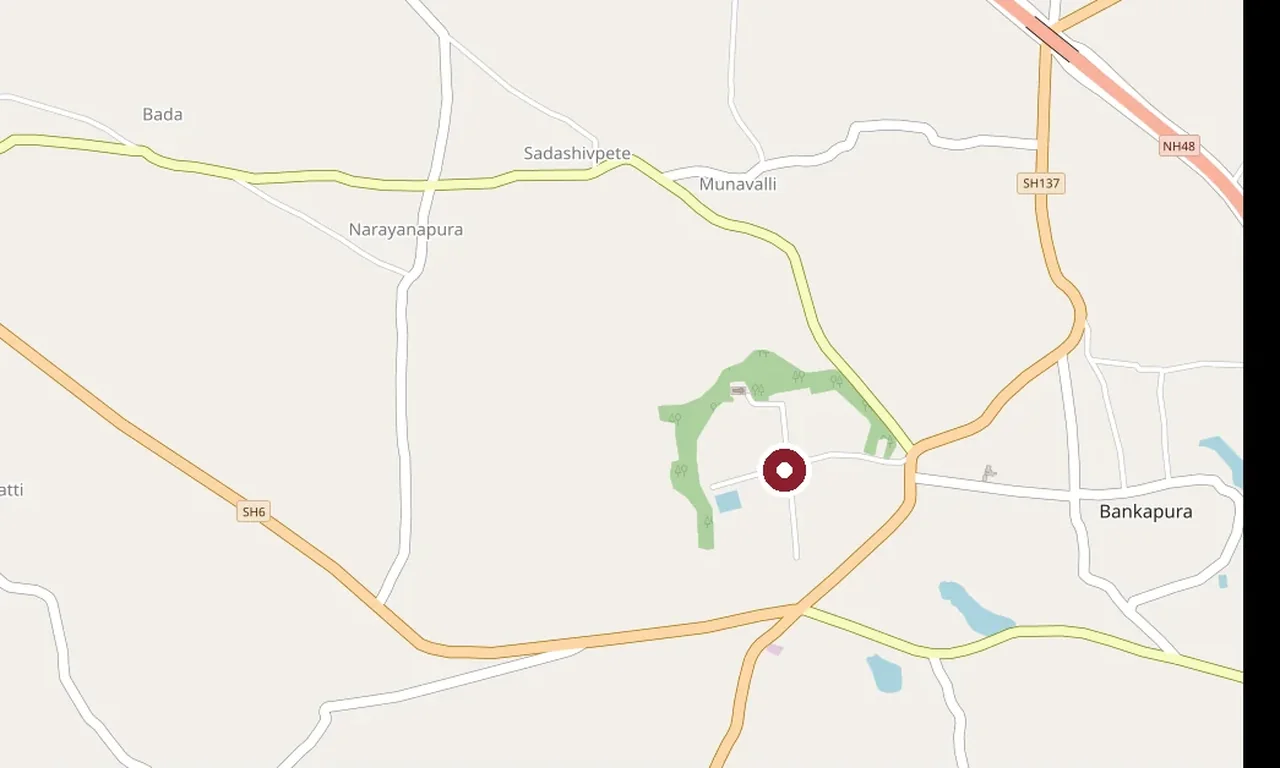
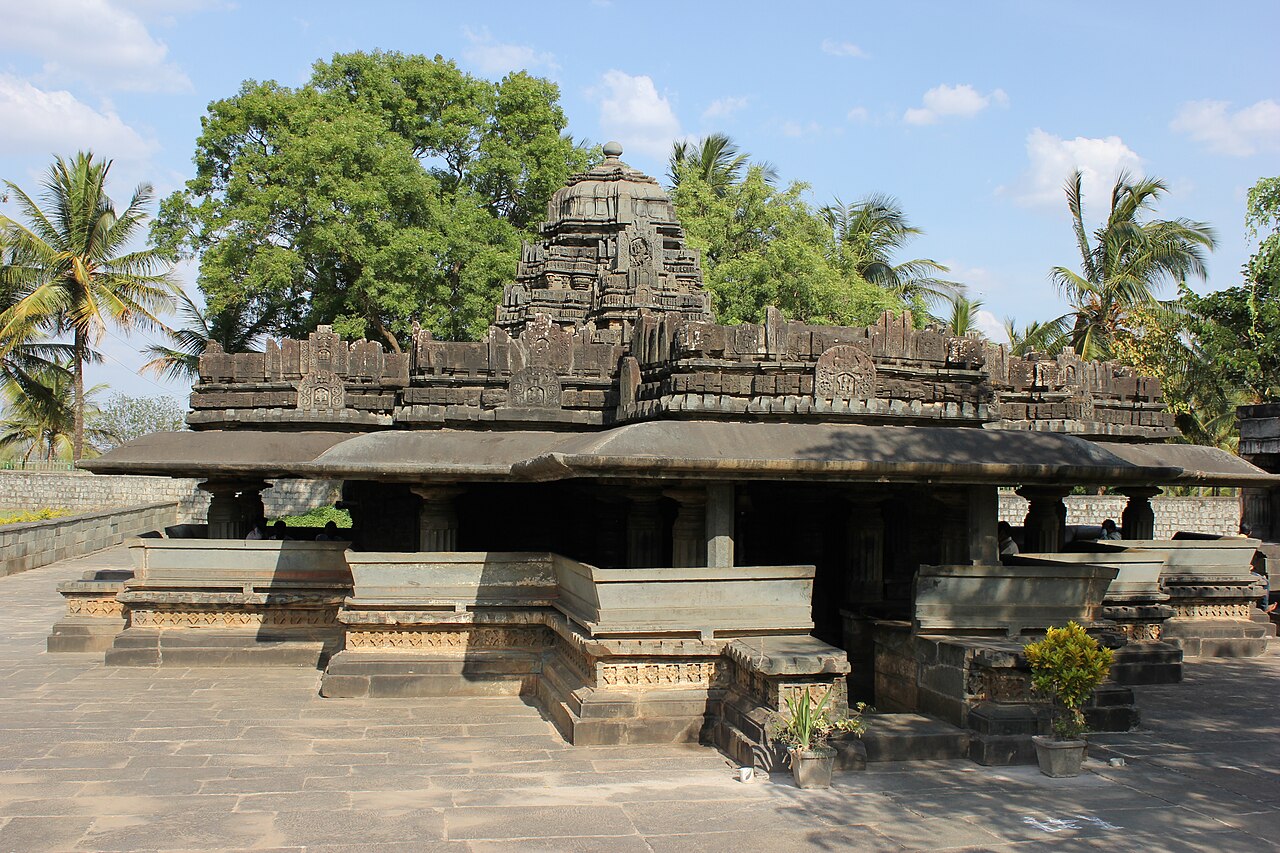
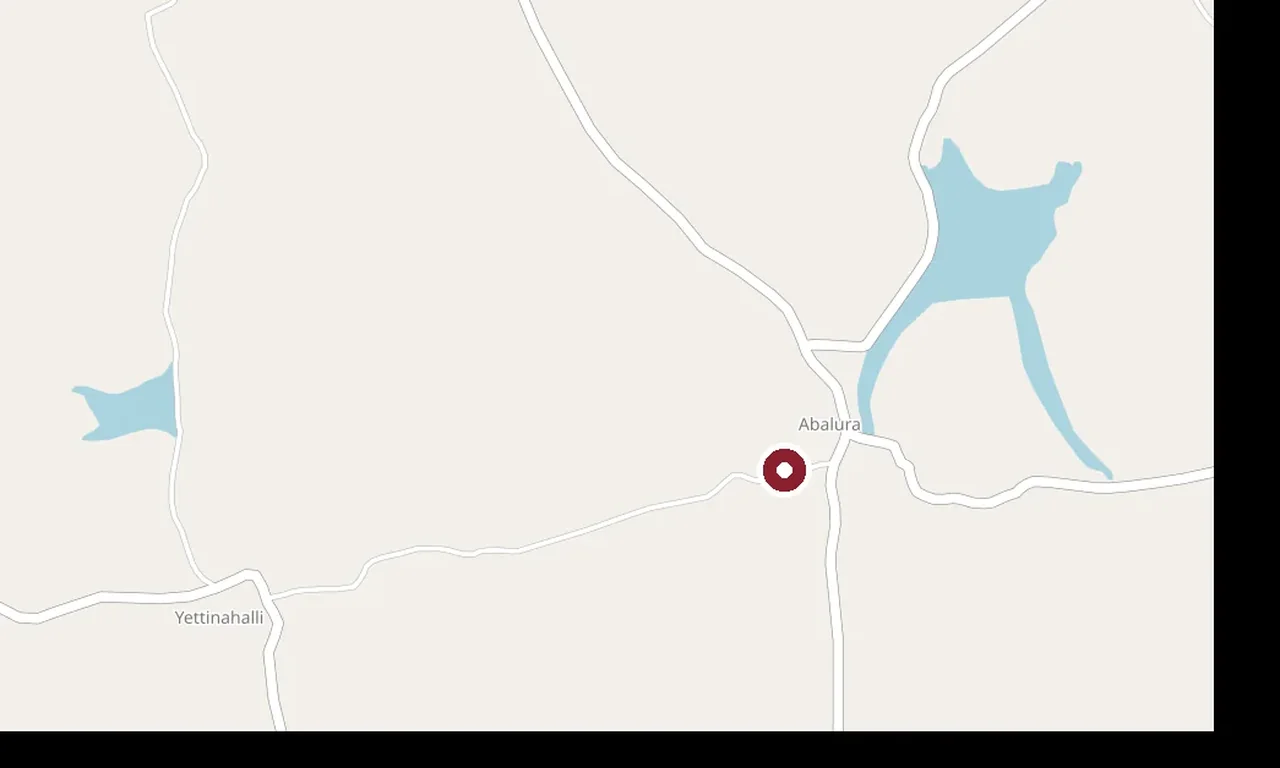
Hangal Fort is the low, fragmentary fortified seat of the Hangal Kadambas at their former capital Panungal, where the nationally protected Veerabhadra temple and the remains of a Jain basadi survive within the old enclosure.
The story of Hangal Fort
This is not a complete stone citadel with a ticket gate and battlements. Gazetteer descriptions identify a mud fort with bastions, while the surviving religious buildings provide the clearest material evidence inside it. Arrive expecting an archaeological landscape woven into a living town.
Hangal was capital of a Kadamba branch that ruled as feudatories of the Kalyani Chalukyas. The fort’s Veerabhadra temple is listed by the Archaeological Survey of India as a Monument of National Importance; the designation applies to the monument and its protected setting even when no staffed visitor office is visible.
Henry Cousens photographed the small Jain temple ruin here in 1885. Its roofless hall and lathe-turned pillars make that image valuable evidence, but the historical photograph should be used to compare carefully with permitted present-day views, not as an invitation to climb or handle displaced stone.
Tarakeshwara, less than a kilometre away, is the architectural anchor of a Hangal visit. Give its elaborate ceiling and active worship separate time, then use the fort to understand the political town that surrounded it.
Tradition and living practice
The Veerabhadra shrine is a religious place as well as protected heritage. Remove footwear and follow local worship instructions where it remains active.
Stories identifying Hangal with Viratanagara belong to regional tradition; they should not replace inscriptional history or be presented as proven archaeology.
Read the full history of Hangal Fort 122 more words
History
Hangal appears as Panungal in early records and served as the capital of the Hangal Kadambas.
ASI lists the Veerabhadra temple in Hangal Fort as a nationally important monument associated with the Chalukyas of Kalyana.
An 1885 photograph by Henry Cousens documents the roofless Jain temple hall inside the fort.
The larger earthen enclosure has lost much of the monumental completeness suggested by the word “fort”; describe surviving elements rather than reconstructing vanished walls in prose.
Why visit
Read a former Kadamba capital through fragments that still occupy the modern town.
See a nationally protected Chalukya-period shrine without claiming the whole enclosure is intact.
Use a nineteenth-century archaeological photograph as evidence of change.
Pair political history at the fort with architectural history at Tarakeshwara.