What to expect
Highlights
- Identify the principal structure before photographing it.
- Read architecture and setting together.
- Respect current worship or commemoration.
- Combine it with one realistic nearby stop.
Bankapura Fort is a layered fort whose surviving walls and monuments share ground with the Bankapura Peacock Sanctuary.
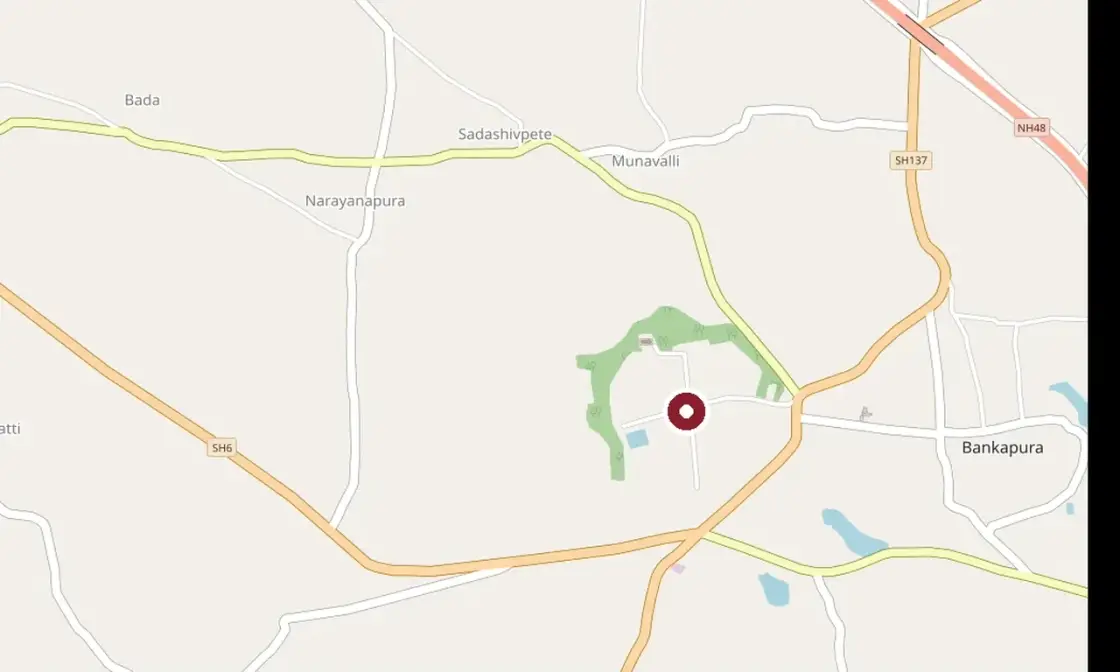
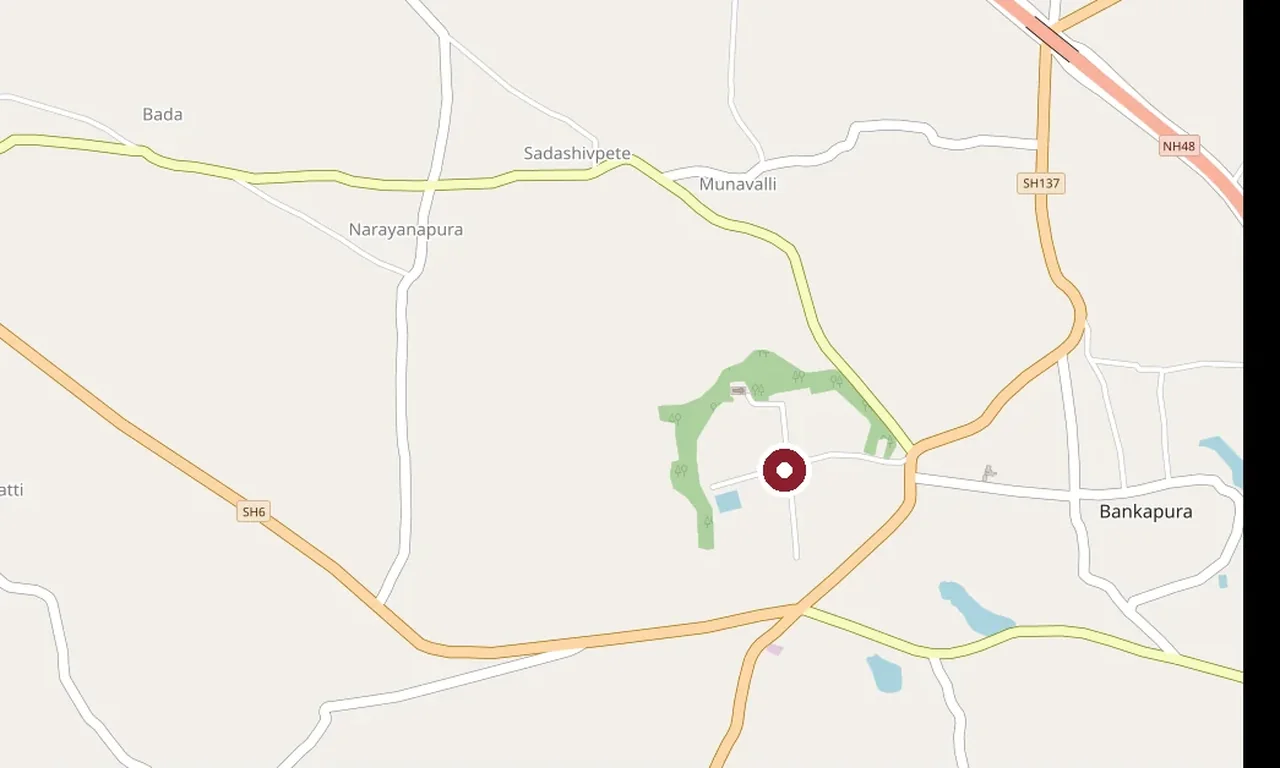
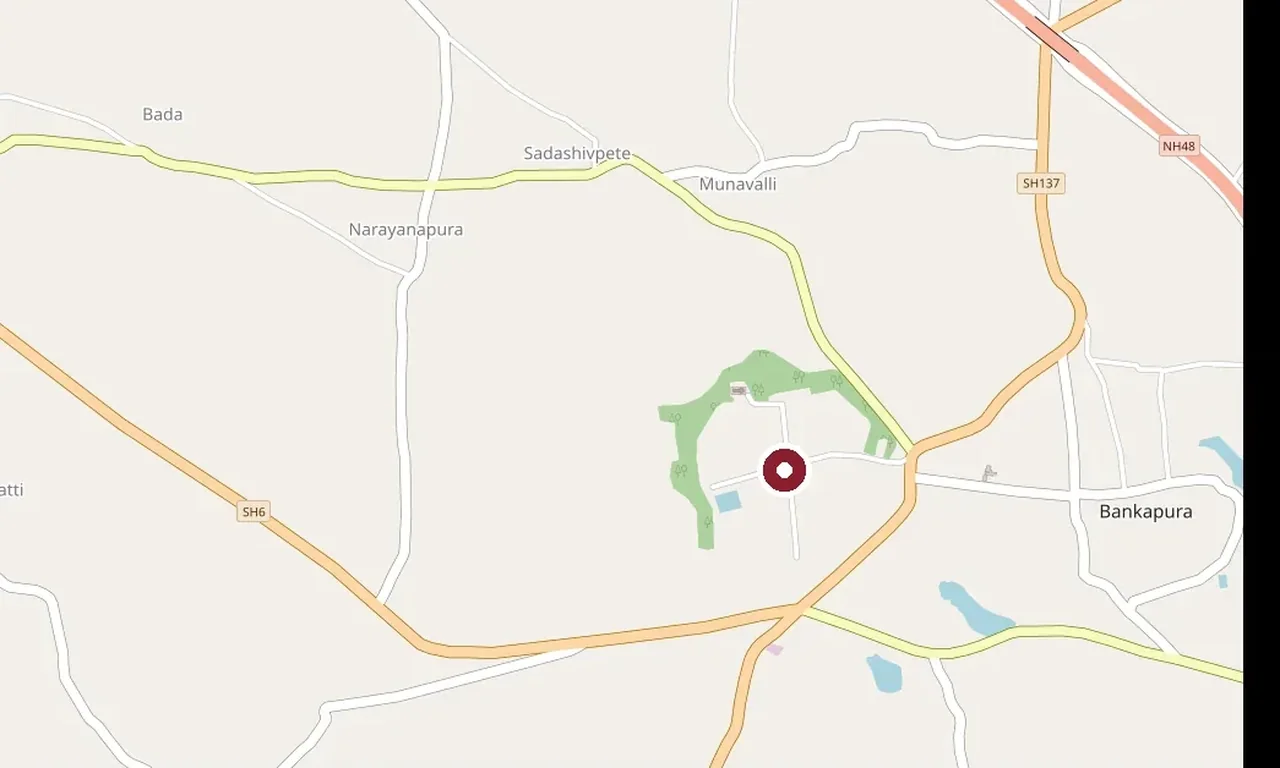
OpenStreetMap view centred on Bankapura Fort; the marker identifies the mapped subject, not a guaranteed public entrance.
Successive dynasties shaped Bankapura, but today archaeology and wildlife protection must be planned together. A fort coordinate is not permission to roam sanctuary ground.
The nearby Nagareshwara temple and local worship remain active. Keep ritual spaces distinct from ruined defensive fabric and sanctuary habitat.
Bankapura Fort is a layered fort whose surviving walls and monuments share ground with the Bankapura Peacock Sanctuary.
Bankapura Fort is a layered fort whose surviving walls and monuments share ground with the Bankapura Peacock Sanctuary.
Successive dynasties shaped Bankapura, but today archaeology and wildlife protection must be planned together. A fort coordinate is not permission to roam sanctuary ground.
The nearby Nagareshwara temple and local worship remain active. Keep ritual spaces distinct from ruined defensive fabric and sanctuary habitat.
The useful way to read Bankapura Fort is to slow down and keep the named subject separate from neighbouring monuments, institutions and landscapes. Current signs and staff directions settle what is open; the map centre is orientation, not an invented entrance.
The nearby Nagareshwara temple and local worship remain active. Keep ritual spaces distinct from ruined defensive fabric and sanctuary habitat.
Successive dynasties shaped Bankapura, but today archaeology and wildlife protection must be planned together. A fort coordinate is not permission to roam sanctuary ground.
The documented record places Bankapura Fort within Haveri district. Claims beyond the cited government, institutional and mapped evidence are deliberately avoided.
Identify the principal structure before photographing it.
Read architecture and setting together.
Respect current worship or commemoration.
Combine it with one realistic nearby stop.
October to February, preferably morning; check festival crowds and closures.
Live forecast loads in your browser.
Sun and moon are calculated for this location and shown in IST. Photography windows are the hour around sunrise and sunset; the sunset bearing is degrees clockwise from true north. Moon phase is accurate to about half a day.
Browse local stays, food, activities and useful shops. Confirm current service directly; rural options identify their own locality.
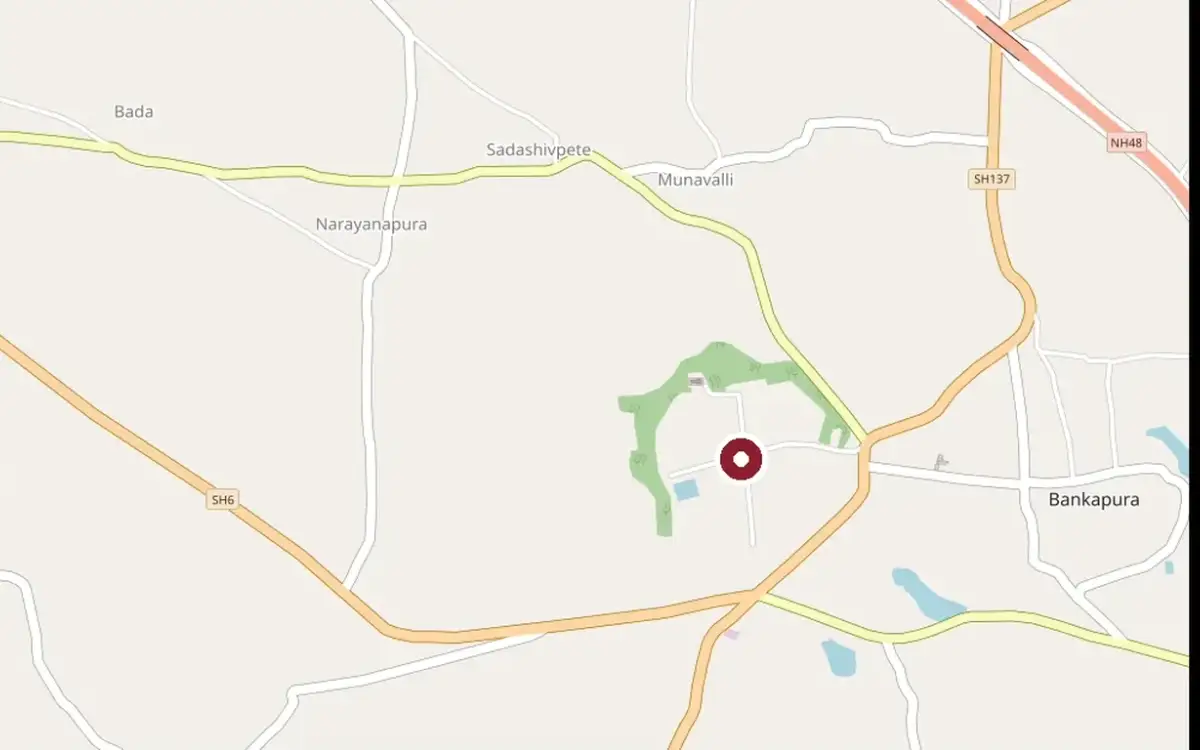
Bankapura Fort combines surviving defensive fabric, the Nagareshwara temple and protected peacock habitat. Follow the authorised sanctuary and monument route.
Book with the place itself. India’s cyber-crime coordination centre warned in April 2025 that convincing copies of hotel and pilgrimage booking sites are being pushed through sponsored search and social ads, taking payment for rooms the property never hears about. Every listing here links to the business’s own contact details and its own Google or Bing profile — we take no commission and sit in nobody’s payment path. If a booking page reached you through an ad, check the address bar against the property’s own site before you pay. Fraud can be reported on cybercrime.gov.in or on 1930.
Choose a local circuit or a separate road outing. Check worship, market and forest access independently; these places do not share one admission or timetable.
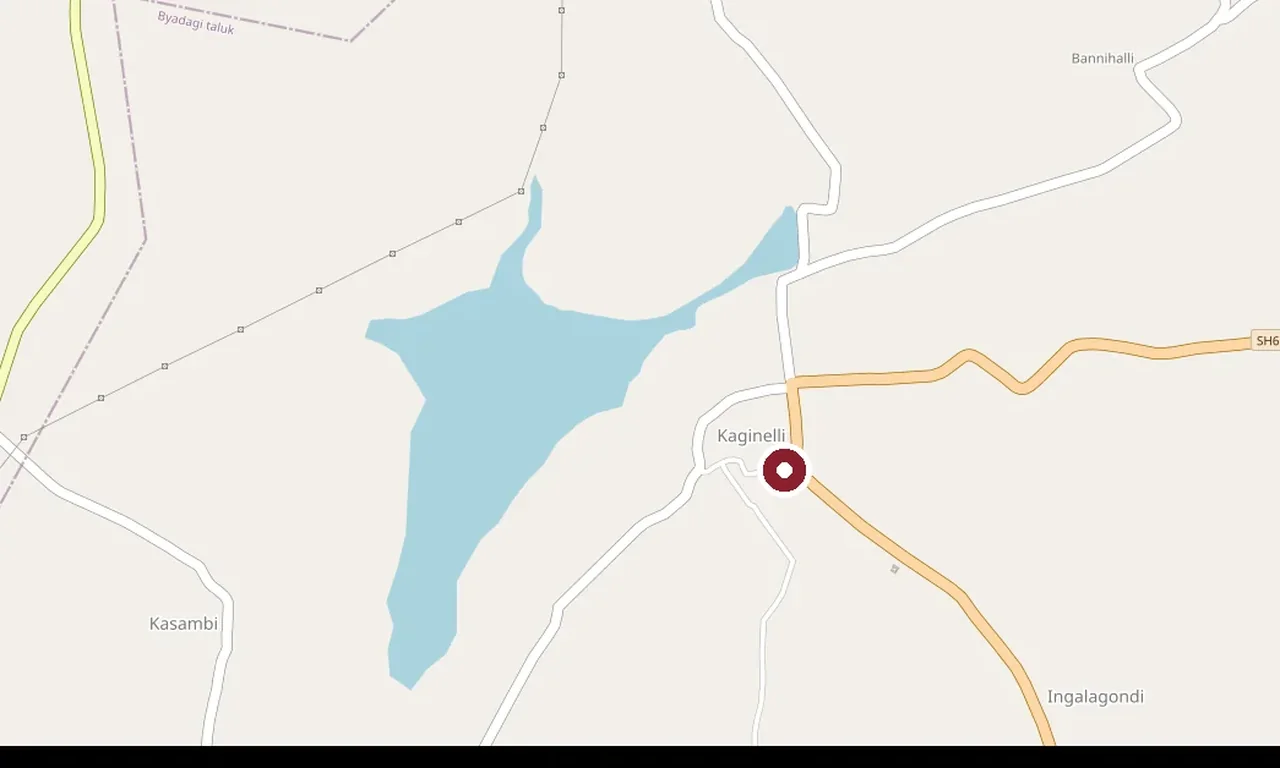
OpenStreetMap view centred on Kaginele Kanaka Guru Peetha.
pilgrimage centreKaginele Kanaka Guru PeethaA living centre of Kanakadasa memory and Adikeshava worship.
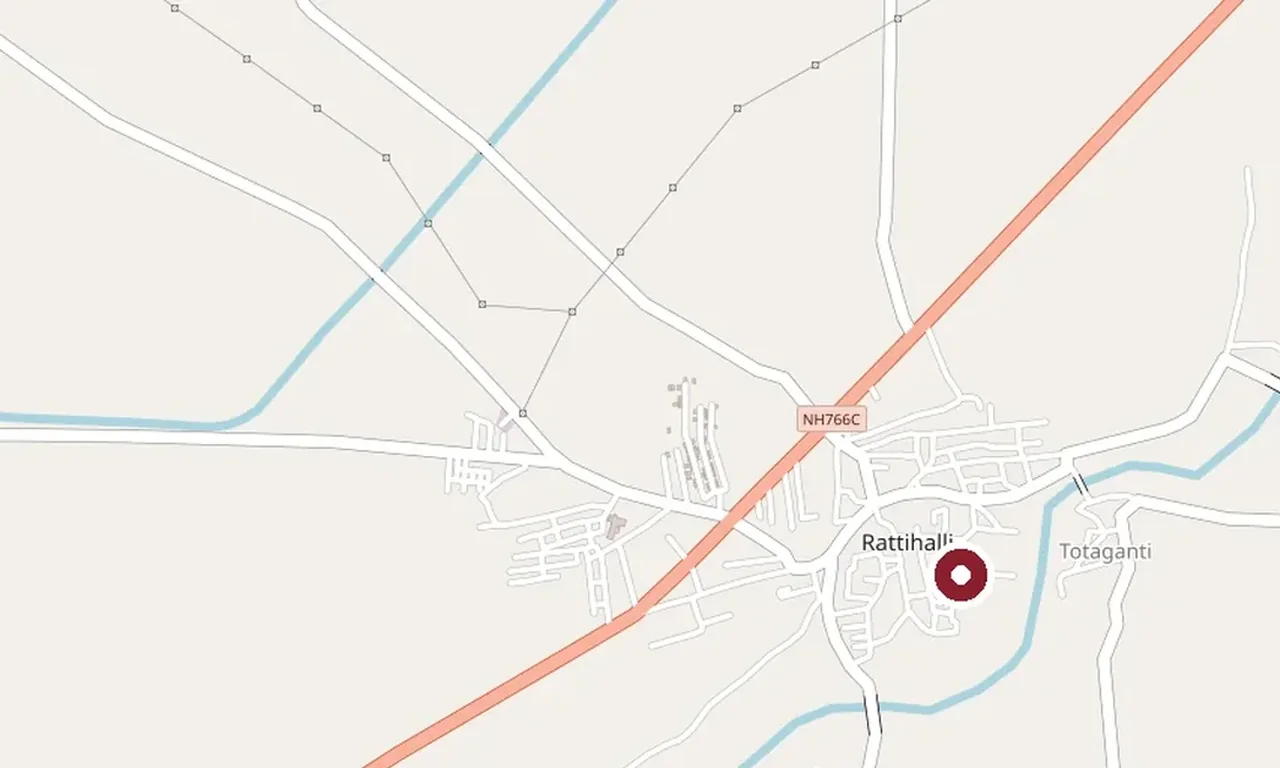
OpenStreetMap view centred on Kadambeshwara Temple.
heritage templeKadambeshwara Temple, RattihalliA three-shrine temple with a separate rural approach and worship timetable.
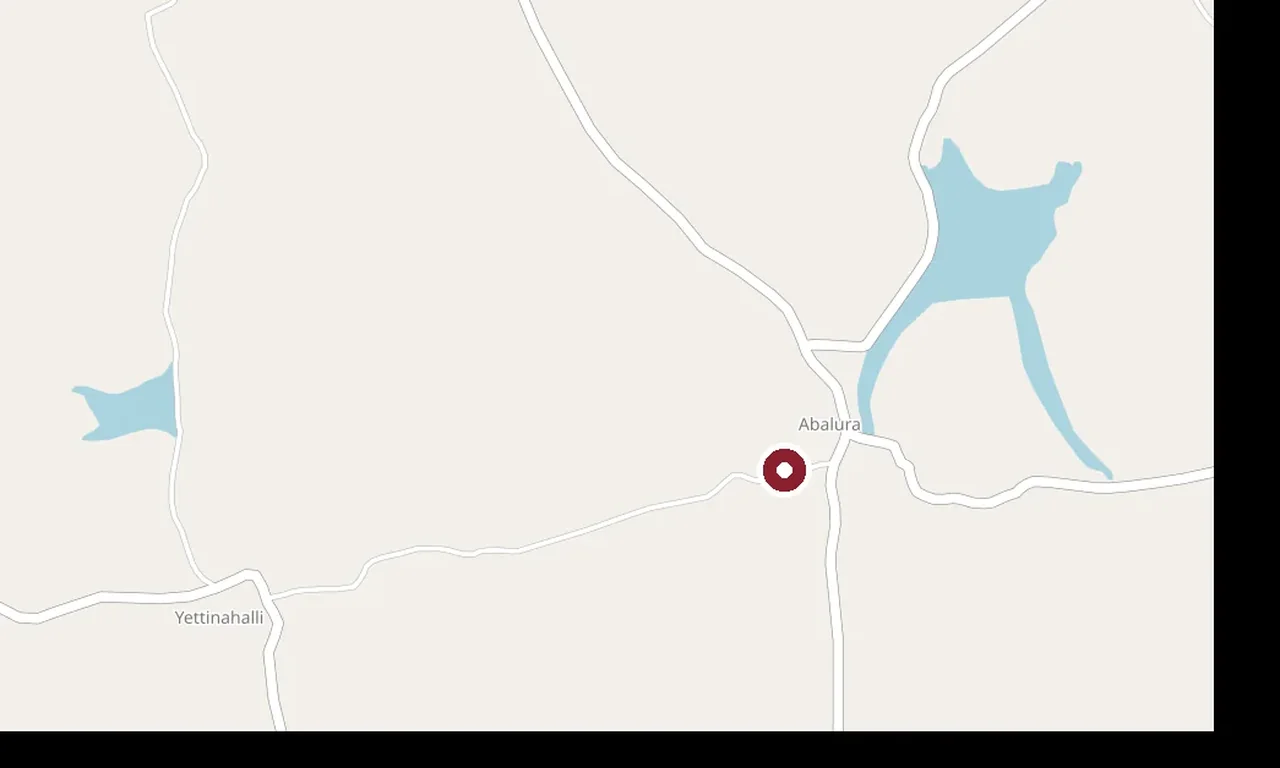
OpenStreetMap view centred on Abalur’s temple area.
temples and inscriptionsAbalur temple villagePaired Shaiva temples and inscriptions need a careful daylight village visit.
Hangal’s fort and temple landscape.
fort townHangal FortA separate Haveri heritage visit with Tarakeshwara Temple and surviving fort fabric.
Roampedia is commission-free — own or know a stay, eatery, guide or shop near Bankapura Fort? List it and it appears here once verified.
Add a nearby businessEntry: No verified current public tariff is published; use only official on-site or authority information.
Photography: Photograph only from open public positions; do not cross barriers or disturb people or wildlife.
Parking: Use only a signed or locally directed space that does not block homes, gates, buses or emergency access.
Move slowly on the open visitor route and ask before entering side paths or compounds.
Online taxis: App-taxi pickup is not dependable at Bankapura Fort. Arrange a return vehicle or confirm a local driver before arrival.
If you are travelling by bus or ferry, check the return service with the operator before setting out. Leave time to reach the stop or jetty after your visit.
Ask at the jetty or stand for the time of the last service back, not the next one. If you miss it, an auto or app cab is the fallback — agree the fare before you get in.
Checked 6 September 2026 against source 1source 2. Conditions change and surfaces vary with weather — if step-free access is essential, confirm with the site before you travel.
For toilets, drinking water or a cash machine, ask at the site or a nearby business. No local service locations are available on this page.
Emergency numbers are verified against official government and state tourism sources. 112 works anywhere in India.
Use shiggaon for dependable meals and drinking water; do not assume the destination itself has refreshments.
Explore food in Shiggaon →Eat before the last-mile journey and carry sealed drinking water.
Plan lunch in the town centre after the visit rather than carrying food into protected, sacred or waterside ground.
Local stops come first, followed by separate district outings. Check each place’s own access and return journey; this is a choice of visits, not a single walking circuit.
The pillared Nagareshwara Temple at Bankapura.
templeNagareshwara Temple, BankapuraThe sixty-pillar Western Chalukya hall anchors Bankapura’s heritage circuit. Pair it with the fort and sanctuary only with confirmed road transport and daylight.
Indian peafowl shown as species context; wildlife sightings are never guaranteed.
wildlifeBankapura Peacock SanctuaryA protected peafowl habitat in the old fort landscape. Cooler hours improve the chance of activity, but no particular sighting is guaranteed.

One of Savanur’s mature baobabs, photographed in May 2007; the image does not establish the tree’s precise age.
heritageSavanurThe former princely seat of the Savanur Nawabs, with surviving fort gates and walls — and, at the Doddahunase Matha nearby, ancient baobab trees of enormous girth, a rare botanical heritage of the town.

A rural-life sculpture at Utsav Rock Garden, a separately managed attraction.
museumUtsav Rock Garden, GotagodiA separately ticketed open-air sculpture park depicting rural Karnataka life. Use its published session and allow enough time; it is not a quick roadside sculpture stop.

Tarakeshwara Temple at Hangal, a separate living monument near the fort.
templeTarakeshwara Temple, HangalThe town’s architectural centrepiece, with a celebrated domed ceiling and polished pillars. Visit as a living protected temple and allow devotees priority.

The small ruined Jain temple in Hangal Fort, photographed by Henry Cousens in 1885.
fortHangal FortThe fragmentary old Kadamba enclosure contains protected religious remains. Use the public approach, keep off unstable walls and do not expect a complete ticketed citadel.
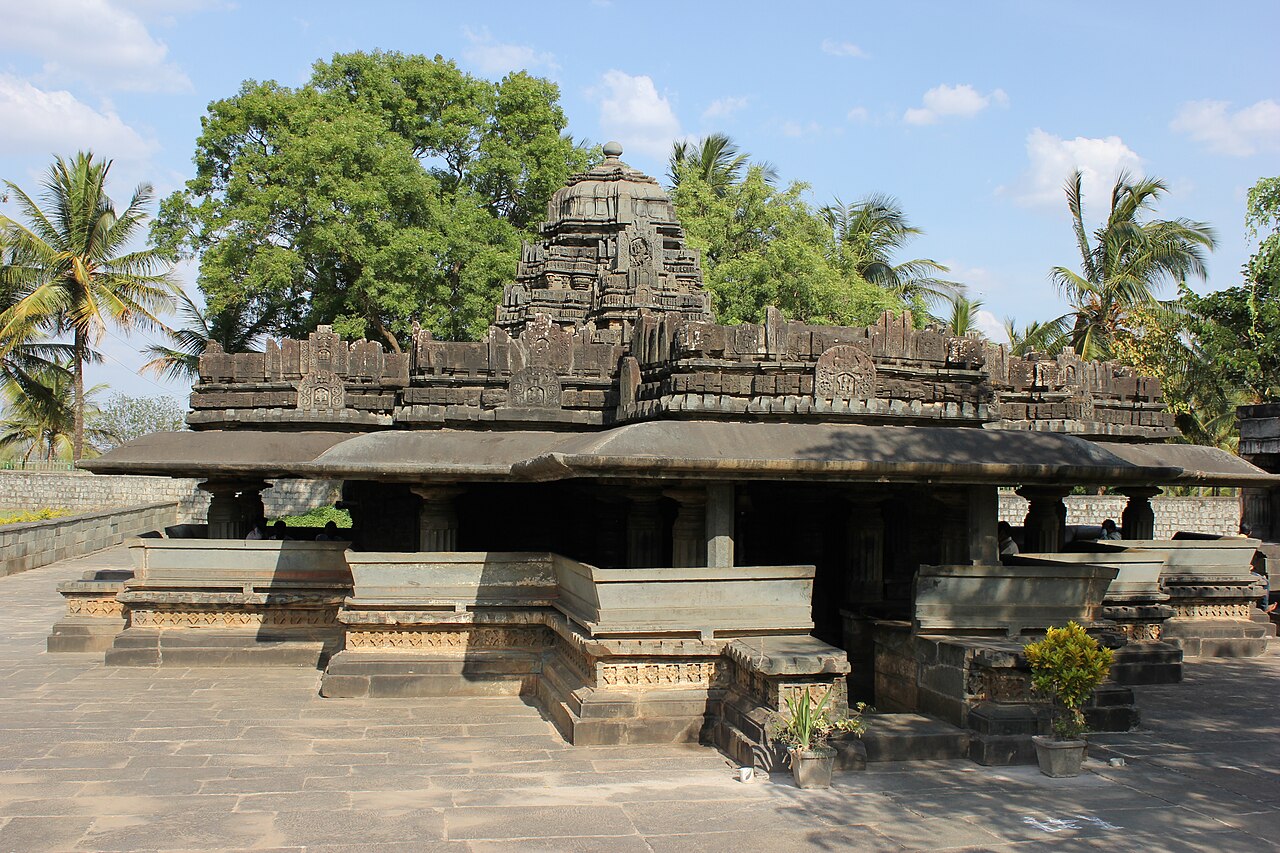
Siddheshwara Temple, Haveri
templeSiddheshwara Temple, HaveriAn ornate Western Chalukya temple in Haveri town consecrated in the late 11th century, with dated inscriptions of 1087 and 1108 CE — unusually west-facing, and celebrated for the loose deity sculptures collected around it.
OpenStreetMap view centred on Kaginele Kanaka Guru Peetha; the marker identifies the mapped subject, not a guaranteed public entrance.
templeKaginele Kanaka Guru PeethaA pilgrimage centre associated with the saint-poet Kanakadasa. Confirm worship access, dress appropriately and plan the village road leg independently.

Byadgi Chilli Market
heritageByadgi Chilli MarketA working agricultural market associated with the GI-tagged Byadgi chilli. Ask permission before photographing traders and protect eyes and throat from chilli dust.

Mukteshwara Temple, Chaudayyadanapura
templeMukteshwara Temple, ChaudayyadanapuraA finely wrought single-cella Kalyani Chalukya temple (11th–12th century) at Chaudayyadanapura on the Tungabhadra — its inscriptions carry among the earliest references to Basavanna, making it a landmark in the history of Veerashaivism.

Galageshwara Temple, Galaganatha
templeGalageshwara Temple, GalaganathaA Western Chalukya temple on the Tungabhadra with an important inscriptional history. It is a longer road outing from Savanur, with limited facilities and an exposed river edge.
OpenStreetMap view centred on Someshwara & Veerabhadra Temples, Abalur; the marker identifies the mapped subject, not a guaranteed public entrance.
heritageSomeshwara & Veerabhadra Temples, AbalurThe Someshwara and Veerabhadra temples of Abalur (Ablur) in Hirekerur taluk, site of the Ekantada Ramayya legend — their inscriptions are key sources on the medieval Shaiva–Jain conflict and the rise of early Veerashaivism.
Nearby toilets, pharmacies, ATMs, seating and vets are community-mapped and may be incomplete or out of date. Map data © OpenStreetMap contributors | Walking times © openrouteservice.org by HeiGIT
The locator identifies the temple precinct. Use the currently open worship entrance and follow any procession diversions.
Bankapura Fort is a layered fort whose surviving walls and monuments share ground with the Bankapura Peacock Sanctuary.
Successive dynasties shaped Bankapura, but today archaeology and wildlife protection must be planned together. A fort coordinate is not permission to roam sanctuary ground.
Approach through shiggaon using the exact mapped feature and confirm the final public entrance locally.
Opening arrangements depend on the place: worship sessions, museum days and controlled forest or dam access are different. Use the linked official source or a posted local notice, and plan rural visits in daylight.
No current fee is guessed here. Pay only an officially displayed or receipted charge.
Ask for the nearest vehicle drop-off and step-free public area; thresholds, uneven ground and rural approaches may remain barriers.
October to February, preferably morning; check festival crowds and closures.
Entry: No verified current public tariff is published; use only official on-site or authority information. Timings: There is no single timetable for this group. Follow the linked official source or posted notice for worship, institutional, museum, forest or dam access, and keep rural visits to useful daylight.
Allow 1–2 unhurried hours, excluding the road journey.
Nearby you can pair Nagareshwara Temple, Bankapura, Bankapura Peacock Sanctuary, Savanur, Utsav Rock Garden, Gotagodi.
Use daylight, stable public paths and current local directions; do not climb walls, sculpture, roofs or loose rock. Ask before entering worship, institutional, household or protected spaces and retain transport for the return.
Local stories and practical reading for a visit to Bankapura Fort and its surroundings.
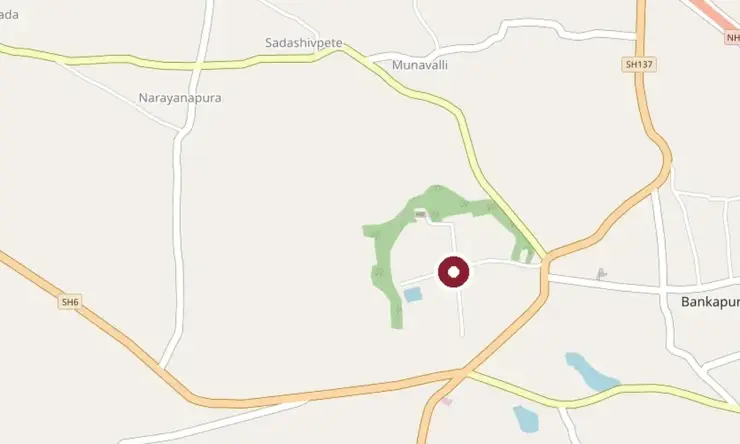
OpenStreetMap context centred on Bankapura Fort; this planning image does not assert a gate or public path.
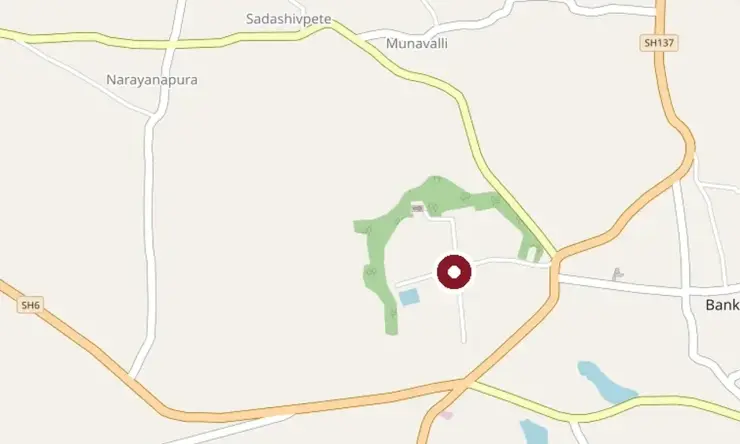
OpenStreetMap context centred on Bankapura Fort; this planning image does not assert a gate or public path.
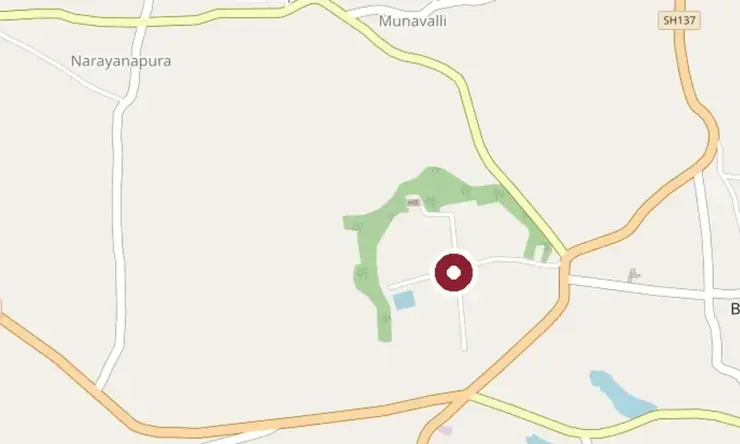
OpenStreetMap context centred on Bankapura Fort; this planning image does not assert a gate or public path.
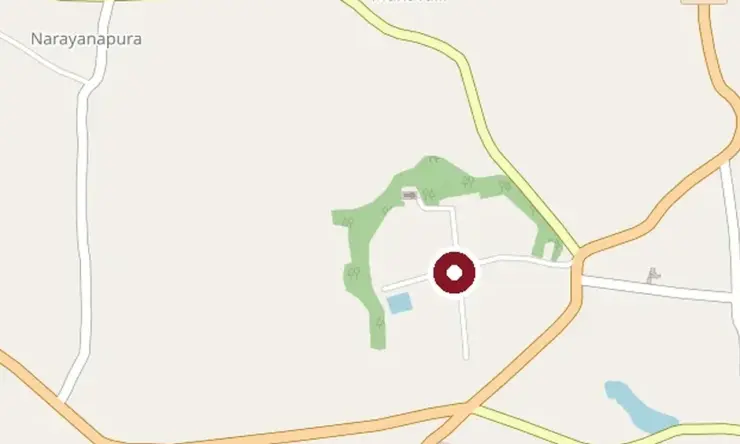
OpenStreetMap context centred on Bankapura Fort; this planning image does not assert a gate or public path.
Photographs: © OpenStreetMap contributors, ODbL (ODbL), Henry Cousens (Public domain), D V Rajendra Kumar (CC BY-SA 2.5), Sadanand pamadi, CC BY-SA 4.0, via Wikimedia Commons (CC BY-SA 4.0), Manjunath Doddamani, Gajendragad, North Karnataka, India, Public domain, via Wikimedia Commons (Public domain), Dineshkannambadi, CC BY-SA 4.0, via Wikimedia Commons (CC BY-SA 4.0), GI tagged products, CC BY-SA 4.0, via Wikimedia Commons (CC BY-SA 4.0), Manjunath nikt at English Wikipedia, Public domain, via Wikimedia Commons (Public domain). Wikimedia Commons.