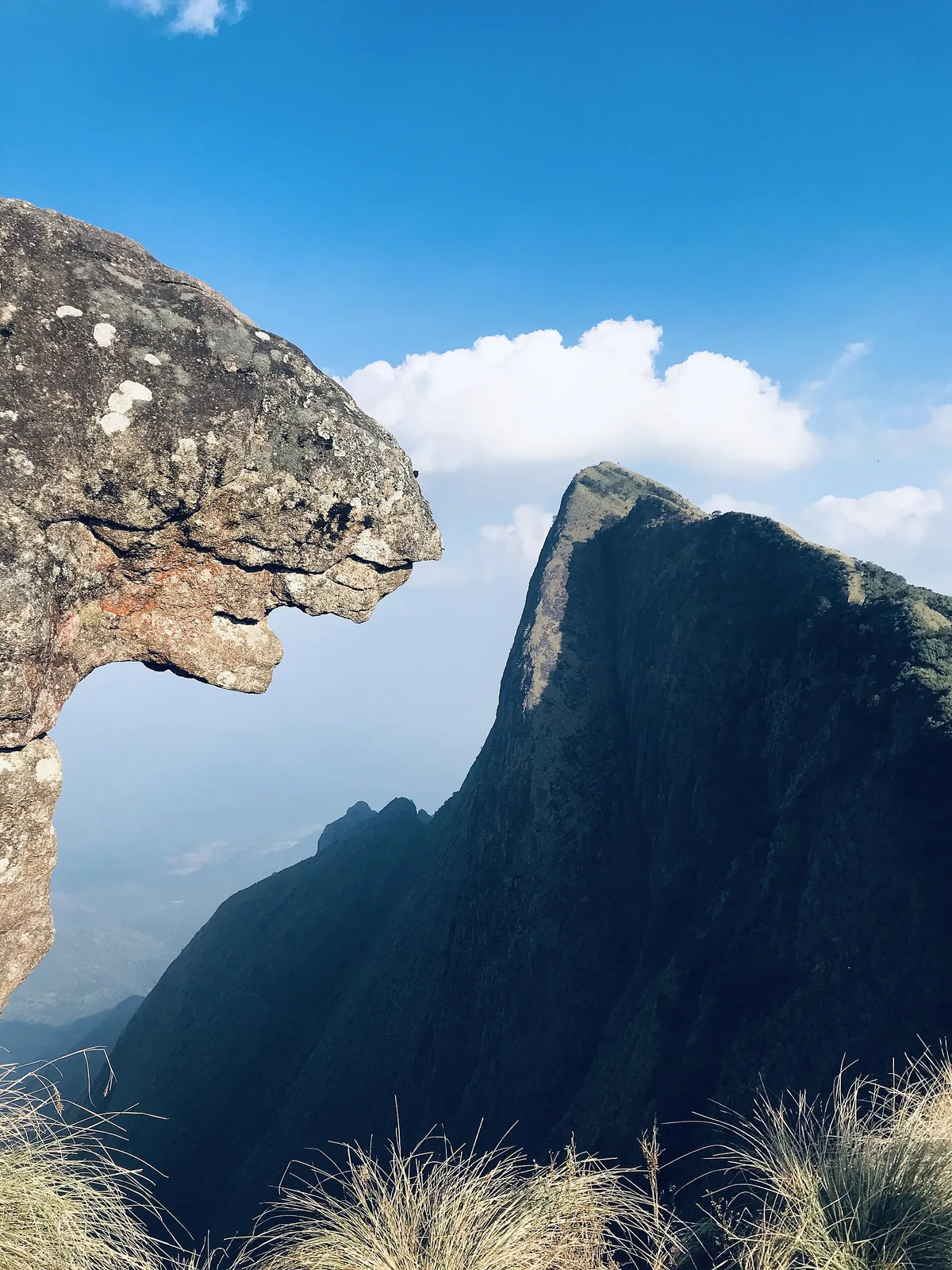
This three-day loop keeps Munnar as a base but reaches into the quieter northern high range — the sandalwood village of Marayoor, the rain-shadow Chinnar Wildlife Sanctuary and the cool farming villages of Kanthalloor and Vattavada — before finishing with a Kolukkumalai sunrise.
The 3-day loop at a glance
| Day | Focus | Highlights |
|---|---|---|
| 1 | Munnar core | Tea Museum, Eravikulam, Mattupetty circuit |
| 2 | Marayoor & Chinnar | Sandalwood forest, dolmens, dry-forest sanctuary |
| 3 | Kanthalloor & Kolukkumalai | Farm villages, pre-dawn Kolukkumalai sunrise |
Day 1 — Munnar core
Ease in with the Tea Museum (closed Mondays), Eravikulam National Park — book online, and note the February–March calving closure — and the Mattupetty–Top Station circuit. This is the busy, classic Munnar; the next two days get quieter.
Day 2 — Marayoor and Chinnar
Drive north to Marayoor, home to Kerala’s only natural sandalwood forests, prehistoric dolmens and traditional jaggery-making. Continue to Chinnar, a dry-thorn-forest sanctuary in the rain shadow of the high range that stays accessible when the west of Munnar is wet — its guided treks and safaris are booked through the forest department.
Day 3 — farm villages and a high sunrise
Kanthalloor and Vattavada, near the Tamil Nadu border, are cool terraced-farm villages growing apples, oranges, strawberries and vegetables — the “Kashmir of Kerala” tag is earned. Cap the trip with a pre-dawn jeep to Kolukkumalai, often called the world’s highest tea estate, for sunrise above a sea of cloud.
Practicalities
These are winding high-range roads — allow generous drive times and avoid night driving. October to March is the easiest window; see the best time to visit Munnar. For a shorter trip, Munnar in 2 days drops the Marayoor–Chinnar leg.
Frequently asked questions
Is Marayoor worth the drive from Munnar?
Yes, if you have a third day. Marayoor’s natural sandalwood forests, dolmens and jaggery-making are unlike anything on the Munnar tea circuit, and it pairs naturally with the dry-forest Chinnar sanctuary on the same road.
Do Kanthalloor and Vattavada need permits?
The villages themselves are freely accessible farming settlements. Some surrounding forest areas and trails are protected and need forest-department arrangements, so ask locally before wandering off the village roads.
When can you see the Neelakurinji bloom?
The mass Neelakurinji bloom in the Munnar high range recurs only about once every twelve years (last in 2018), so it isn’t something you can plan a normal trip around. In ordinary years, the grasslands are still beautiful without the purple bloom.