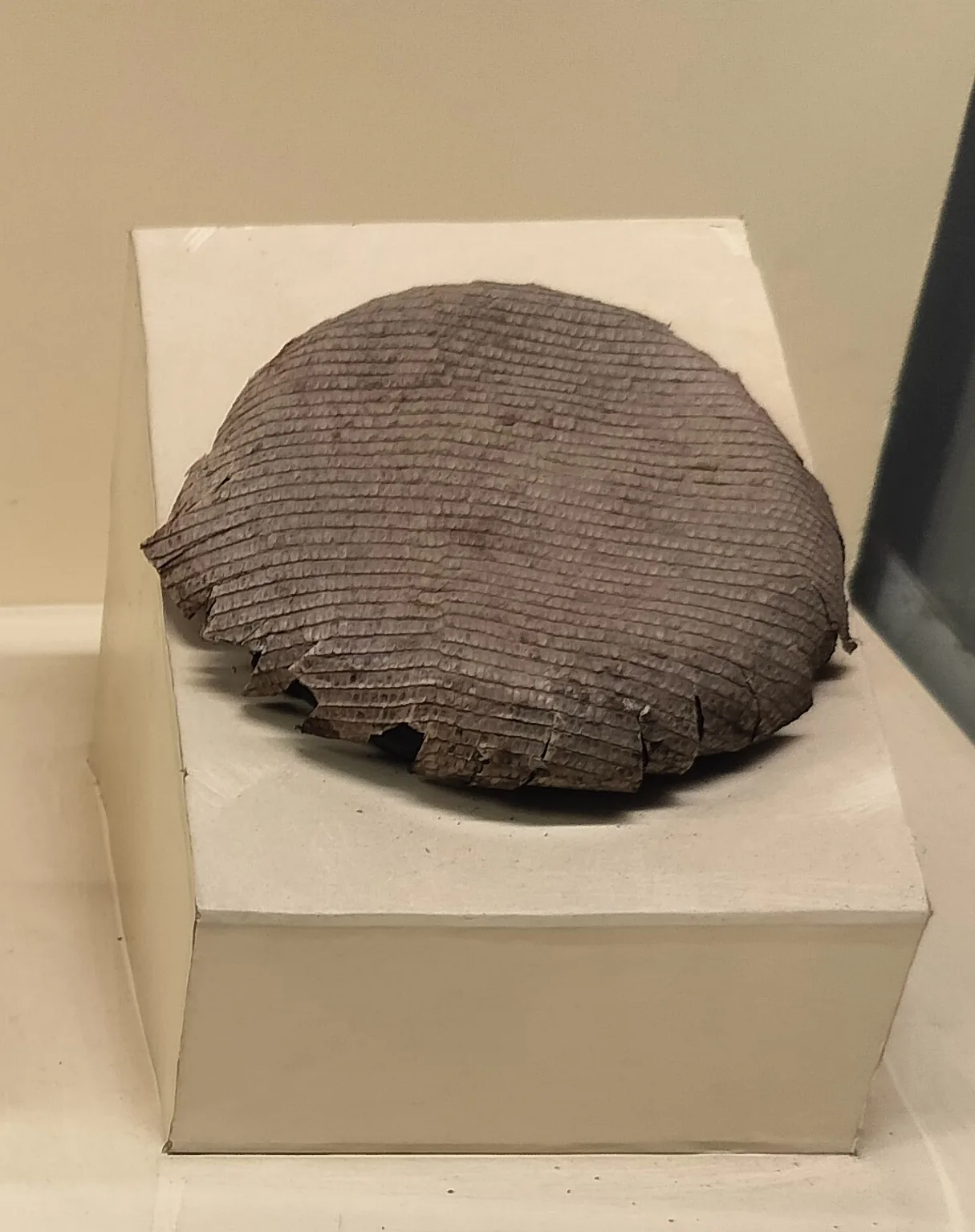
A small instrument at Koyikkal Palace could be easy to miss. Kerala Tourism calls it the Chandravalayam and describes its use with Ramakathappattu, a recited ballad about Rama. In a case, it cannot supply its own rhythm. The visitor has to make the first imaginative step: this object belonged to a performed story, not to a shelf.
The missing sound
The Chandravalayam was a percussion accompaniment. That is a precise relationship. It did not carry the words of the ballad by itself; a performer did that. Nor was every instrument in the folklore collection part of the same performance. Kerala Tourism separately identifies the wooden, stringed Nanthuni with Onappattu and Nanthunippattu. A label that blurs these uses would make the room seem like a pile of curiosities instead of evidence of several living forms.
The department’s older tourism account says the Chandravalayam is not found in another such museum in Kerala. That statement is about known public displays in that account, not a census of all instruments or performers. Its real importance does not depend on winning a rarity contest. It gives a listener a physical point of entry into a tradition that would otherwise survive on the page only as the name of a song.
Why the palace collects ordinary things
Koyikkal’s folklore museum was set up in 1992. The Kerala Tourism description places musical instruments beside household tools, occupational implements and models of performance traditions. A palace can therefore tell a story beyond the people who ruled from it. The collections record objects used in work, domestic life and communal art; the house around them has become a setting for histories it was not built to hold.
The same account mentions palm-leaf manuscripts, ritual lamps, bark cloth and models associated with Theyyam, Patayani and Ottanthullal. These are different materials and practices, and a short walk through the rooms will not make anyone an expert in them. They do show why the Chandravalayam should not be isolated as a strange single exhibit. It sits among other attempts to keep traces of actions, sounds and skills when the original moment of use has passed.
Listen through the labels
Begin with the Chandravalayam label, then look for the Nanthuni and ask how the museum explains their different songs. If a current demonstration or recording is available, let it add sound to the objects; normal museum admission should not be assumed to include a performance. The point is to move from object to practice and back, noticing what the case can show and what it cannot.
The building adds a final layer. Koyikkal’s courtyard and roof belong to a house with a disputed date; the coin collection connects the same building to money from different places and periods. The Chandravalayam gives the folklore room its own question: what happens to a story when the voice fades but an instrument remains? Koyikkal cannot answer with sound alone, yet it gives the question a shape you can stand before.