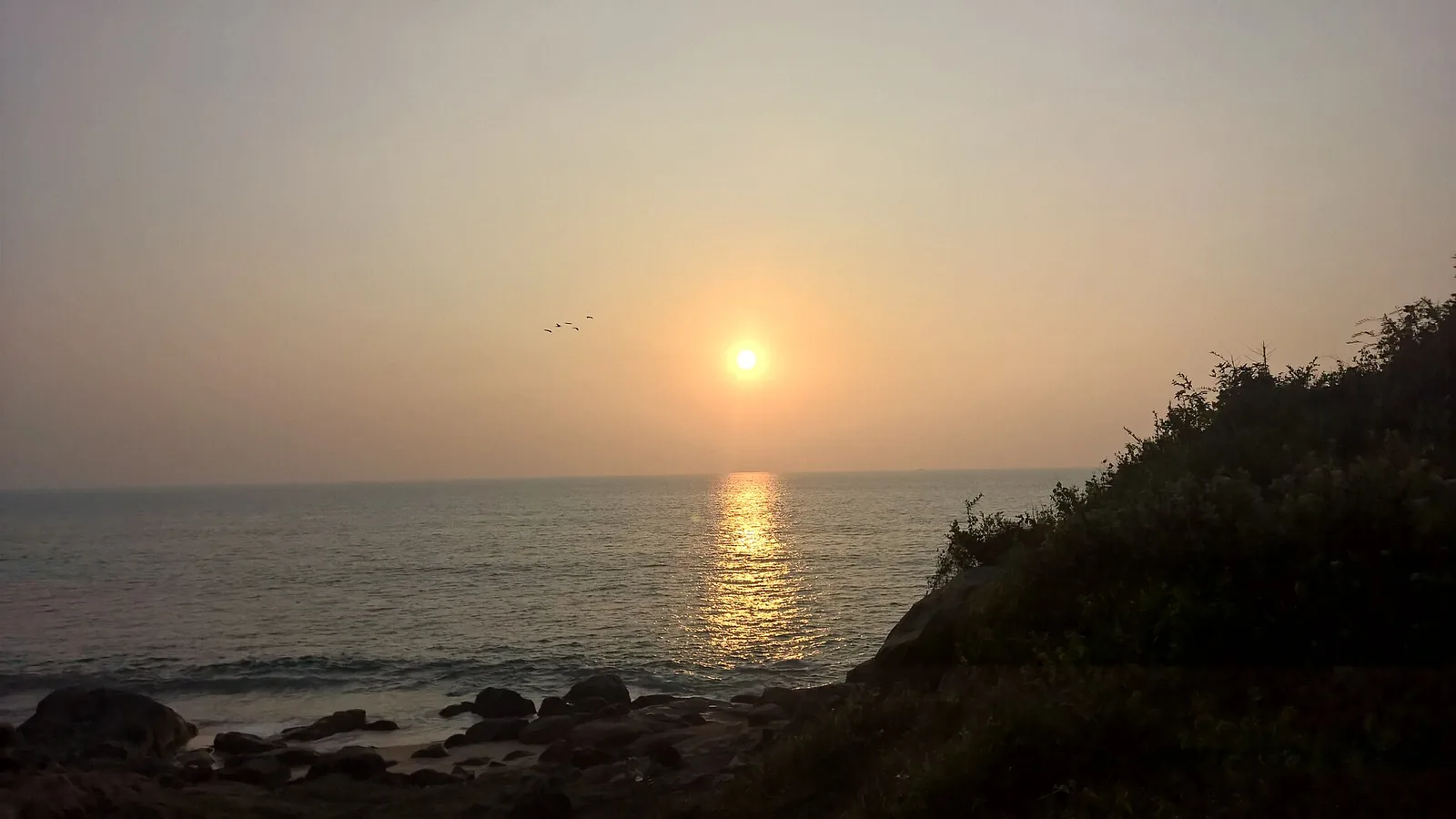
On a map, Lighthouse Beach, Hawa Beach and Samudra Beach appear to be one easy stroll. On the ground, rock interrupts that line. Kerala Tourism describes Samudra as separated from the other Kovalam beaches by a prominent promontory and rugged fissures. That is a reason to plan access, not a promise that the sand stays passable.
The missing link in an old plan
In a 2005 tourism notice, officials said a walkway connecting Samudra with Grove Beach would be considered. A proposal is not evidence of a completed public path. It does, however, show that the connection needed planning rather than being treated as an ordinary uninterrupted beach walk.
A sensible way to visit
If you are staying at Samudra, reach the hotel or public beach entrance by road. If you are exploring from Lighthouse or Hawa, ask locally whether a current, public shore path is open before starting. Do not climb wet rocks or enter a tide channel to finish a route that looked straightforward on a map. Turn back and use the road if access is unclear.
Kerala Tourism recommends Samudra for a quieter shoreline and mentions fishing boats and a sea wall. Those are reasons to spend time there in their own right. The cove is a destination, even when you choose a road transfer between beaches.
Plan the return before sunset
The coast faces the Arabian Sea, so an evening visit can be rewarding. Decide how you will return before it gets dark. Check access and transport on the day, and treat water conditions separately from how quiet the beach feels. A calm looking shore is not a swimming safety assessment.
A map line is not a public path
The three named coves make Kovalam look continuous from above. On the ground, rocky points, private property and changing access can interrupt a simple shore walk. The old proposal for a walkway is evidence of a planned connection, not proof that every segment can be used today. If an open public path is unclear, use a road transfer rather than trying to force a beach-to-beach route over rocks.
The three-beach guide compares the coves. The Samudra working-shore story explains what you may see once there. Neither promises a continuous promenade between them.
Plan how to return while transport is easy to arrange. The quiet end of Kovalam is more enjoyable when getting back is a choice already made, not a scramble after dark.
Frequently asked questions
Can I walk on the sand from Lighthouse Beach to Samudra Beach?
Do not rely on a continuous sand route. Kerala Tourism describes a rocky promontory separating Samudra from the other coves. Check current public access locally and use the road if the shore route is uncertain.
Is there a completed walkway to Samudra Beach?
The 2005 Kerala Tourism notice describes a walkway as something to be considered, not a completed path. Check current access on arrival.
Is Samudra a good sunset stop?
It can be a pleasant evening shore visit. Arrange a safe return route before dark and follow current beach and sea-safety advice.