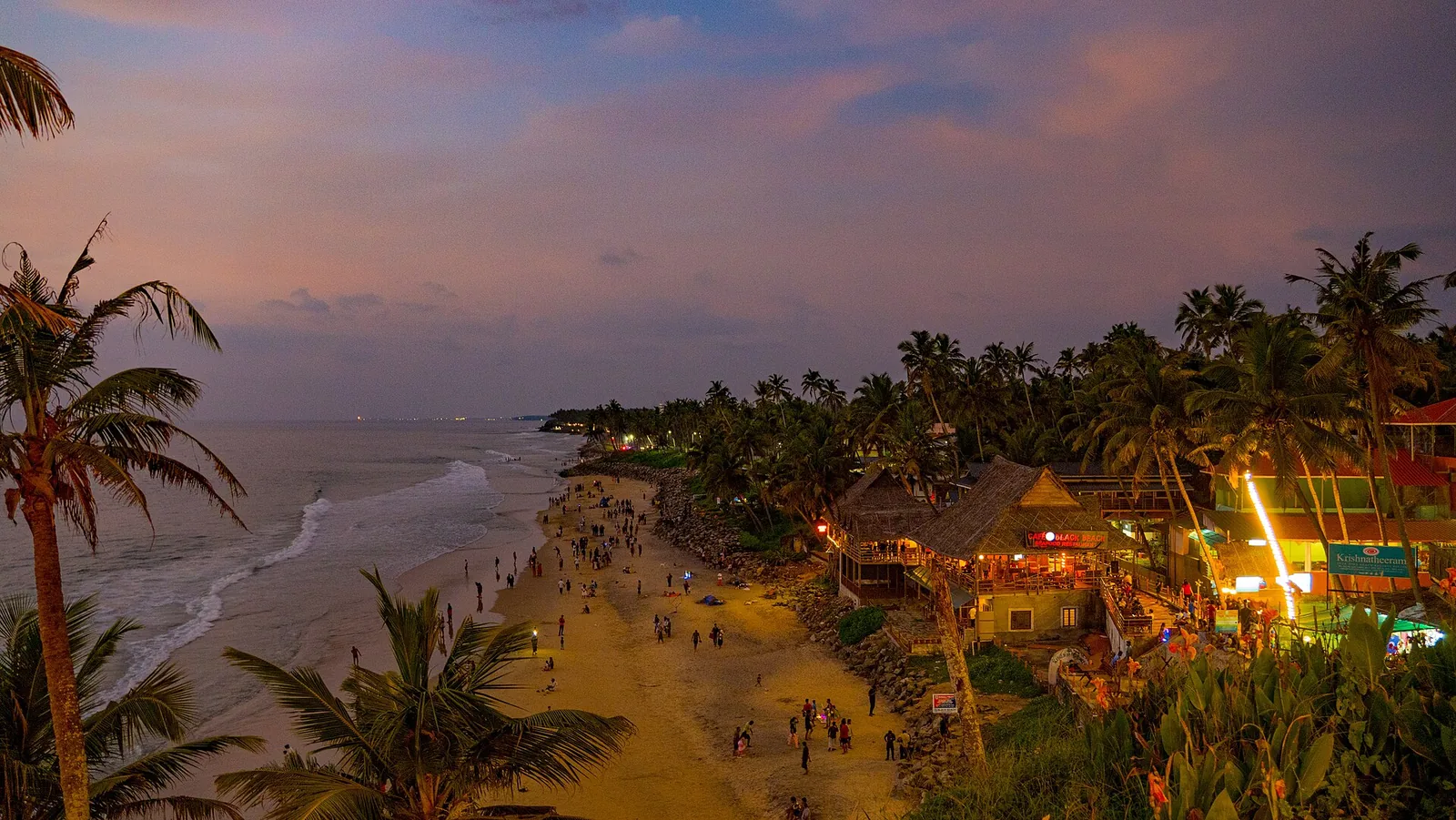
At Varkala Cliff, a measure described as landslide prevention became a conservation dispute. A Central Pollution Control Board reply filed in the National Green Tribunal records a 2024 news report alleging that part of the cliff had been demolished and that the Geological Survey of India called the action shocking. The reply records what triggered the case; it is not a finding that every allegation has been proved.
What the case actually establishes
The tribunal registered the matter on its own motion after an October 2024 report, first as OA 1320/2024 before the Principal Bench and then as OA 313/2024 before the Southern Bench. That establishes a formal inquiry into the cliffs’ condition and management. It does not, by itself, decide who caused each damaged section or what engineering response should have been used.
The cliff does not fail in only one way
A 2017 peer-reviewed model of Varkala cliff recession includes spring seepage and wave action in undercutting, and distinguishes rock falls from deeper slippage across several layers. That is more useful than blaming all loss on buildings, all loss on the sea, or one day of earthworks. Any intervention needs site-specific assessment of water, rock and the shoreline.
Kerala Tourism’s 2014 notice described the cliffs as a geological reference section and anticipated national recognition. Its 2025 update says the site entered UNESCO’s tentative list. Tentative listing is a step toward assessment, not World Heritage inscription and not a guarantee against further erosion.
Why the dispute matters to a visitor
The view from the cafés is also a view of active geology and a contested public responsibility. Use designated paths, heed temporary barriers and keep clear of unstable edges or the cliff foot after heavy rain and surf. The tribunal filing is a record of concern; current access conditions must be checked on site.
The hard decision behind a simple headline
A cliff with businesses and walking routes above it raises an urgent safety question when its edge becomes unstable. Yet removing rock from a geological reference section can damage the very layers that earned protection. The tribunal case grew from that conflict. It should lead to site-specific evidence about drainage, surf, slope condition and past interventions, rather than a simple choice between “save tourists” and “save rock.”
The geological monument story explains why the layered exposure matters. The spring story follows one mechanism in its natural change. Together they show why a construction dispute on this cliff is also a question about water moving through it.
For now, the responsible account is an open one: a formal case exists, the reported cutting prompted scrutiny, and the cited filing alone is not a final finding. The cliff will keep changing while the management decisions are examined.
Frequently asked questions
Did the National Green Tribunal open a Varkala cliff case?
Yes. A CPCB filing identifies OA 313/2024 before the Southern Bench, transferred from OA 1320/2024 after the tribunal acted on a news report.
Did the filing prove that cliff cutting was unlawful?
The cited reply records allegations reported in the news item; it is not, on its own, a final finding on liability or the correct engineering response.
What causes Varkala cliff recession?
A published scientific model considers both spring seepage and wave action for undercutting and distinguishes falls from deeper slippage. Conditions vary by section.