Thirparappu Falls

Popular man-made cascade on the Kodayar river, about 50 feet high, a well-known picnic and swimming spot with a small Shiva temple nearby.

Thirparappu Falls, Padmanabhapuram
Practical guide

Plan Thirparappu Falls

Who's going?Tailor Thirparappu Falls to your trip
Typewaterfall
Nearest basePadmanabhapuram
DistrictKanniyakumari
Best timeChoose a cooler daylight visit and…
Time neededAllow about one to two hours at…
Entry₹15
Places to visit7Listed businesses3

Thirparappu Falls works best as a focused visit from Padmanabhapuram, with enough time to understand its defining feature and follow current access rules.

The story

Popular man-made cascade on the Kodayar river, about 50 feet high, a well-known picnic and swimming spot with a small Shiva temple nearby.

The story of Thirparappu Falls

For Thirparappu Falls, popular man-made cascade on the Kodayar river, about 50 feet high, a well-known picnic and swimming spot with a small Shiva temple nearby. For Thirparappu Falls, the useful visit is built around the specific feature described here, not around promotional superlatives or facilities that have not been verified.

A sensible plan for Thirparappu Falls begins in Padmanabhapuram: settle the return journey, carry water and keep time in reserve for a closed gate or a slower rural road. For Thirparappu Falls, do not infer toilets, food, parking or step-free access from the existence of a map pin.

The value of Thirparappu Falls lies in close observation rather than a rapid photograph. For Thirparappu Falls, notice materials, setting and present-day use, while treating locked rooms, unstable remains, working premises and private homes as firm limits to the visit.

Understanding Thirparappu Falls also means placing it within Kanniyakumari: the attraction's identity comes from its own surviving feature, living use and local setting, not from borrowing the fame or story of a better-known site elsewhere in Tamil Nadu.

Do not make Thirparappu Falls responsible for an overfilled district itinerary. For Thirparappu Falls, one carefully observed visit, followed by a meal or transport break in Padmanabhapuram, is more reliable than assuming several rural sites share the same hours and facilities.

Read the full history of Thirparappu Falls 251 more words

History

Popular man-made cascade on the Kodayar river, about 50 feet high, a well-known picnic and swimming spot with a small Shiva temple nearby. This documented core is the safest starting point for understanding Thirparappu Falls. Dates, dynastic associations and superlatives repeated without a named inscription, conservation record or official interpretation should be treated cautiously rather than added as fact.

Thirparappu Falls also belongs to the history of Padmanabhapuram and the wider Kanniyakumari district. Its present condition reflects continuing use, repair, environmental exposure or changing settlement around it; the surviving place is not an unchanged remnant of one period.

A useful historical visit compares the defining feature described above with what is visible now. Notice materials, plan, landscape and present use, and allow a locked area, altered structure or living ritual to remain part of the honest account rather than filling the gap with an unsupported reconstruction.

Why visit

Visit Thirparappu Falls for the specific feature and local history described on this page, rather than as a generic stop in Kanniyakumari.

The most useful visit combines close observation at Thirparappu Falls with a realistic return plan through Padmanabhapuram; it does not depend on an unverified ticket, unrestricted access or a promised experience.

Its value is clearest when you give the place enough time to understand the feature named in its story instead of reducing the stop to a photograph.

The surrounding Padmanabhapuram context makes Thirparappu Falls practical to combine with verified local food, accommodation and visitor services while keeping the attraction itself in focus.

What to expect

Highlights

  • Read the defining surviving feature and physical setting of Thirparappu Falls.
  • Understand how Thirparappu Falls belongs to Padmanabhapuram and Kanniyakumari rather than treating it as an isolated map pin.
  • Separate documented evidence from local tradition, later alteration and unsupported online claims.
  • Use the verified Padmanabhapuram inventory for practical trip support without assuming every listing is beside the entrance.
Getting there

How to visit

  • Use Padmanabhapuram as the practical base and confirm the recognised public approach to Thirparappu Falls before departure.
  • Check the current opening, permission, worship or conservation arrangements with the authority responsible for Thirparappu Falls.
  • Arrange the return journey before entering; do not assume app-cab coverage, lighting or a ticket counter at the site.
  • Allow the current visitor boundary, worship routine or conservation instruction to determine what can actually be seen.
Timing

Best time

Choose a cooler daylight visit and verify the current operating or worship session for Thirparappu Falls; festivals, maintenance and weather can change access.

Weather in Thirparappu FallsSeasonal guide

Live forecast loads in your browser.

Today at Thirparappu Falls
Sunrise6:08 am
Sunset6:05 pm
Golden hour best light5:05 pm–6:05 pm
Blue hour after sunset6:05 pm–6:30 pm
Sun sets toward compass bearingW · 261°
Moon tonight🌒 Waxing crescent · 24%
Retreating monsoon. October and November still see spells of rain from the retreating monsoon, though it is usually lighter than mid-year. Conditions are generally good but worth checking.

Sun and moon are calculated for this location and shown in IST. Photography windows are the hour around sunrise and sunset; the sunset bearing is degrees clockwise from true north. Moon phase is accurate to about half a day.

Visitor notes

  • Confirm the exact visitor entrance, current access and last safe return from Thirparappu Falls on the day of travel.
  • Ask before photographing interiors, worship, residents or working areas at Thirparappu Falls.
  • Treat the map as a locator and follow signs or staff directions to the currently open public entrance.
Safety

Good to know

  • Obey barriers and staff instructions at Thirparappu Falls; do not climb structures, enter restricted ground or block worship and working access.
  • Use suitable footwear, carry water and keep enough daylight for the return to Padmanabhapuram.
  • Keep children close around traffic, water, drops, crowds and uneven surfaces; seek local advice where the visitor boundary is unclear.
Stay · eat · do · rent · see · shop

Stays, food & things to do near Thirparappu Falls

Verified hotels, homestays, restaurants, experiences, sights, shops and rentals around Thirparappu Falls — commission-free, with direct contact. Filter by what you need.

Top pick
Hospital
Asha Hospital
17.8 km · ~30 min by cab

Hospital. Nearby corridor service.

DirectionsView details
Top pick
Hospital
S R Hospital
17.8 km · ~30 min by cab

Hospital. Nearby corridor service.

DirectionsView details
Top pick
Useful shop
Nikki Bonsai Garden
17.2 km · ~29 min by cab

Useful shop. Nearby corridor service.

Directions Commission-freeView details

Book with the place itself. India’s cyber-crime coordination centre warned in April 2025 that convincing copies of hotel and pilgrimage booking sites are being pushed through sponsored search and social ads, taking payment for rooms the property never hears about. Every listing here links to the business’s own contact details and its own Google or Bing profile — we take no commission and sit in nobody’s payment path. If a booking page reached you through an ad, check the address bar against the property’s own site before you pay. Fraud can be reported on cybercrime.gov.in or on 1930.

Ranked guides

Top experiences around Thirparappu Falls

6 more places around Padmanabhapuram. Open a guide to plan the visit and onward journey.

heritagePadmanabhapuram Palace

Former capital and wooden palace complex of the Kingdom of Travancore, one of the largest surviving wooden palaces in Asia, noted for its carved teak ceilings.

heritageMathur Aqueduct

7.3 km · ~18 min by auto

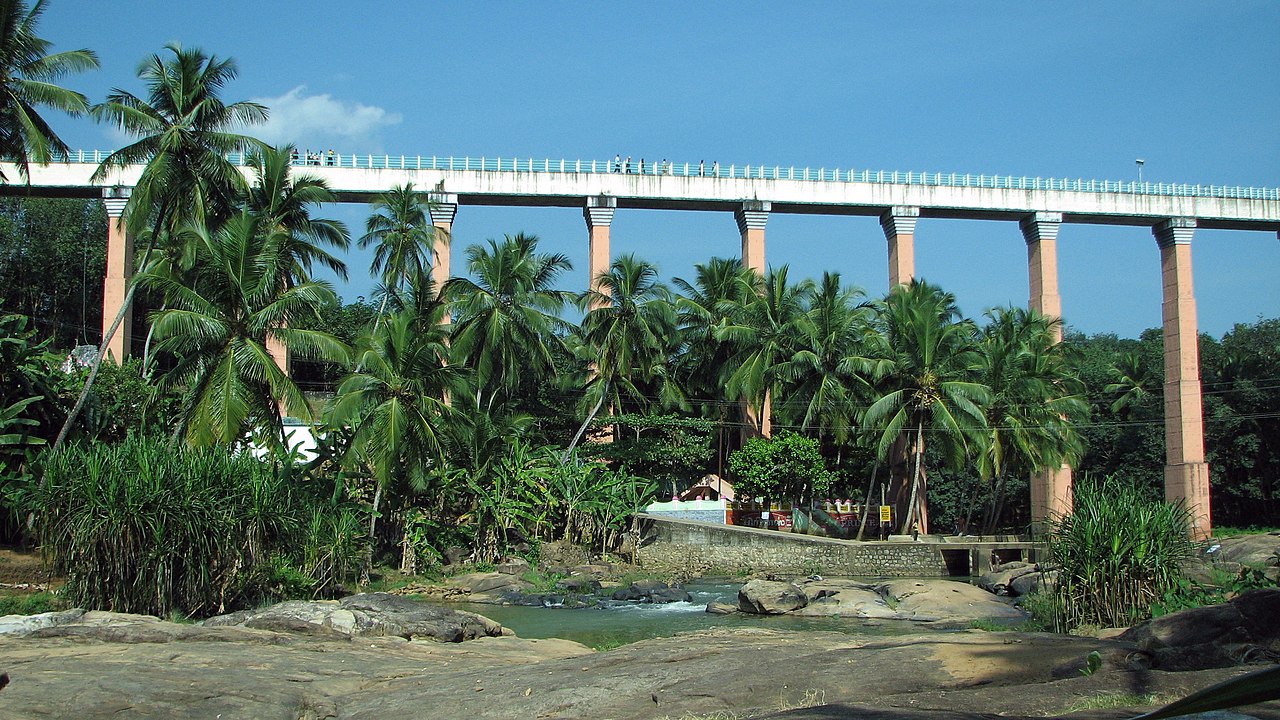
One of Asia's tallest and longest trough bridges, carrying an irrigation canal across a valley on tall stone piers; built in 1966.

templeAdikesava Perumal Temple

6.9 km · ~17 min by auto

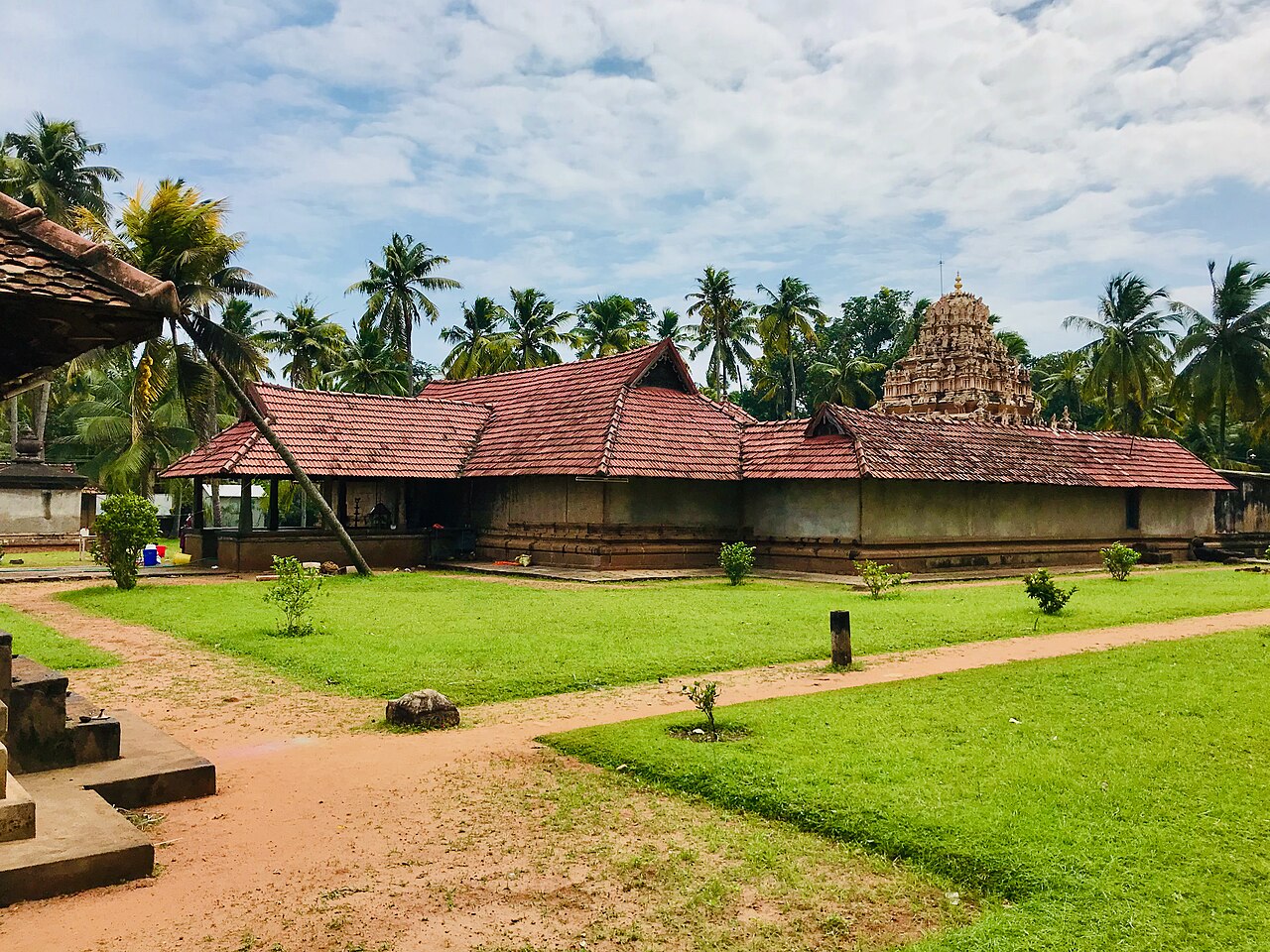
One of the 108 Divya Desams of Vaishnavism, dedicated to Adikesava Perumal (Vishnu), set amid three rivers and known for its reclining deity image.

heritageChitharal Jain Monuments

7.1 km · ~18 min by auto

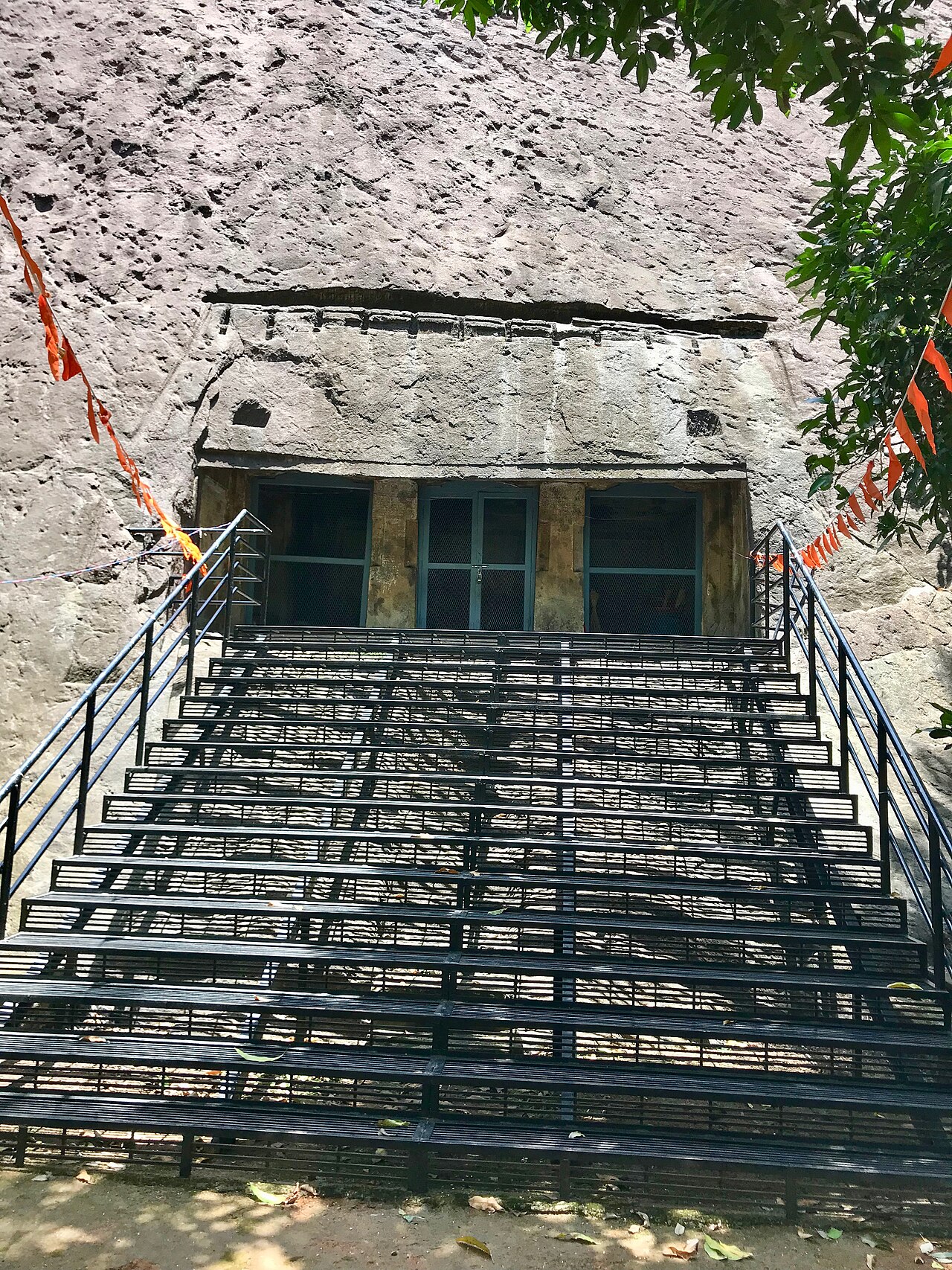
Rock-cut Jain temple (locally Bhagavathy Amman koil) carved into a hillock, dating to the 9th century, with sculpted Tirthankara images and a rock-cut stepped approach.

heritageColachel

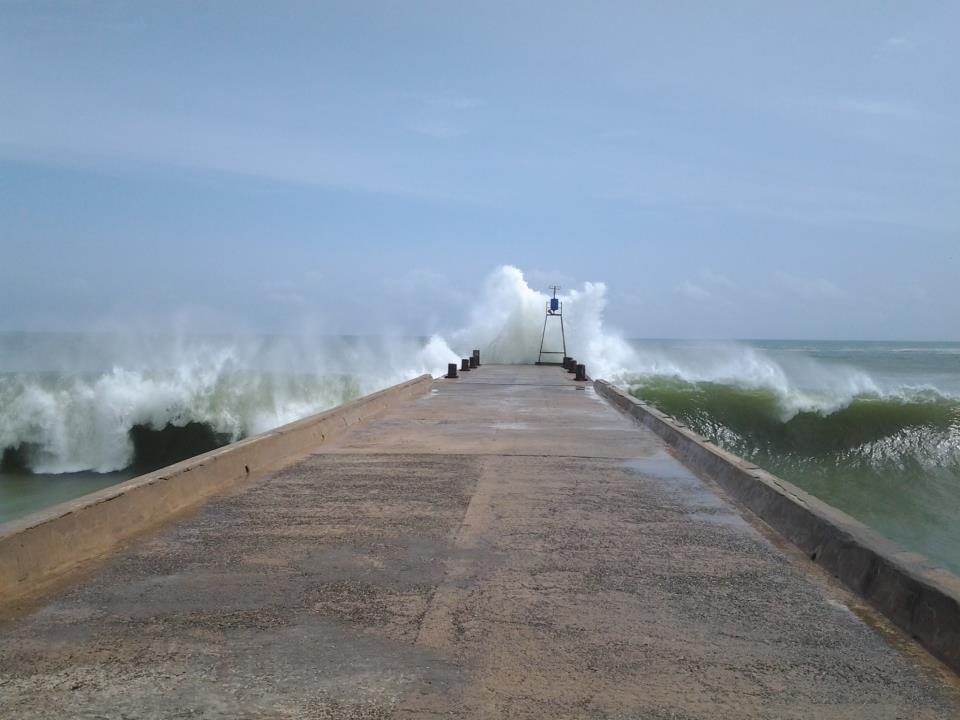
Coastal town and site of the 1741 Battle of Colachel, where Travancore forces under De Lannoy defeated the Dutch East India Company, and a working fishing harbour today.

damPechiparai Dam

8.5 km · ~14 min by cab

Reservoir and dam across the Kodayar river built 1897-1906, a scenic Western Ghats picnic spot with a garden and boating facility.

Roampedia is commission-free — own or know a stay, eatery, guide or shop near Thirparappu Falls? List it and it appears here once verified.

Add a nearby business
Before you go

Thirparappu Falls — at a glance

TimingsRoughly 8:00 AM–6:00 PM (indicative — confirm on site).
Best timeOctober–February for safe swimming; monsoon (Jun–Sep) for peak flow but caution needed
Entry price
Indian adult
₹15

Fees change without notice. Check the current rate at the counter.

Entry: Small entry ticket, roughly ₹10–20 (indicative — confirm on site).

Festivals: Thirparappu Falls does not have a reliably documented fixed public festival in the source record. Plan around current opening, weather and local-event notices instead of travelling for an assumed celebration.

Photography: Photography rules can change with worship, conservation, security and private activity. Follow signs and ask before photographing interiors, ceremonies, collections or identifiable people at Thirparappu Falls.

Parking: Park only in a marked public area serving Thirparappu Falls. Do not block local roads, gates, working premises or emergency access.

Getting here

How to reach Thirparappu Falls

  • ✈︎ By air Use the airport serving Kanniyakumari and complete the journey to Padmanabhapuram by road or rail; verify the transfer time before booking a same-day visit to Thirparappu Falls.
  • 🚆︎ By train Use the practical railhead for Padmanabhapuram, then confirm the final local-road connection to Thirparappu Falls; the geographically nearest station may not have the most useful service.
  • 🚗︎ By road Travel to Padmanabhapuram, then follow the map link to Thirparappu Falls. Use public streets and marked visitor paths, and respect any access signs or barriers at the destination.
  • 🚌︎ By bus Check current TNSTC or local-bus service to Padmanabhapuram and ask for the correct stop for Thirparappu Falls. Confirm the last usable return before starting the visit.
Getting around

Getting around Thirparappu Falls

Padmanabhapuram is the practical movement base. Use walking, an auto-rickshaw, a locally arranged taxi or current public transport according to distance, and agree the return plan before entering Thirparappu Falls.

Online taxis: App-cab availability can change by time and locality. Check the live Uber or Ola app before relying on a pickup at Thirparappu Falls, and keep the local bus or auto-rickshaw option as a fallback.

Do

Things to do

  • Identify the feature that gives Thirparappu Falls its visitor value.
  • Read the site in relation to Padmanabhapuram and Kanniyakumari.
  • Distinguish documented history from living tradition and later alteration.
  • Combine it only with genuinely nearby stops that preserve a safe return margin.
  • Pause at the principal viewpoint, shrine, exhibit or surviving feature instead of treating Thirparappu Falls as a drive-by photo stop.
Plan

Good to know

  • Save the route offline before leaving Padmanabhapuram.
  • Carry water and sun or rain protection.
  • Accept an exterior-only visit when current access does not permit entry.
  • Keep identification, personal medication and enough cash for local transport.
Facilities

On site

  • Carry water and weather protection suited to Thirparappu Falls, and use designated public facilities where provided.
  • Plan dependable food, cash and essential purchases in Padmanabhapuram as part of the same itinerary.
  • Use staff, posted notices and the emergency contacts on this page for practical assistance at the destination.
Stay safe

Safety

  • Follow current site, worship and security instructions.
  • Do not cross barriers, climb structures or enter unstable, private or restricted ground.
  • Keep enough daylight and transport margin for the return to Padmanabhapuram.
Getting around Thirparappu Falls

If you need step-free access, contact the site before travelling. Ask about a level entrance, steps along the route, the nearest drop-off point, seating and accessible toilets.

If you need help at Thirparappu Falls
112All emergencies (police · fire · medical)The single number to call in any emergency (ERSS).

Emergency numbers are verified against official government and state tourism sources. 112 works anywhere in India.

Eat nearby

What to eat in Padmanabhapuram

Padmanabhapuram is the sensible meal base for a visit to Thirparappu Falls. These are regional dishes to look for, not claims that food is sold at the attraction; check current opening hours and dietary requirements directly.

Explore food in Padmanabhapuram →
01

Fresh Tamil tiffin

For breakfast or an early supper, choose idli, pongal, vadai or dosai cooked to order at a busy local dining room.

02

Tamil Nadu meals

A rice meal with sambar, kuzhambu, vegetables, rasam and curd is the most dependable midday option; arrive before the lunch service finishes.

03

Tea, coffee and a fresh snack

Use the nearest town for filter coffee or tea with a freshly fried or baked snack, especially before travelling to a rural site with no dependable food counter.

Nearby

What’s near Thirparappu Falls

heritageThirunanthikarai Cave Temple

A rock-cut cave temple dedicated to Shiva as Nandeeswarar, dated to around the 8th-9th century and regarded as a showcase of Pallava-era cave architecture. Its interior frescoes and murals are considered early examples of the Kerala mural style, and the cave carries old inscriptions. It is one of the few surviving rock-cut cave shrines in the far south of Tamil Nadu.

4.2 km · ~11 min by auto · straight line
B
Bala Subramanya Swamy Temple, Vellimalai
Place
heritageBala Subramanya Swamy Temple, Vellimalai

A Murugan temple standing atop the roughly 200-foot Vellimalai hill, reached by about 106 stone steps leading to a shrine that occupies an acre at the summit. The hill sits between the Western Ghats to the north and the ocean to the south. It offers wide views over the far south of the peninsula.

4.3 km · ~11 min by auto · straight line
C
Chittar Dam
Place
heritageChittar Dam

A pair of dams, Chittar I and Chittar II, built across the Chittar tributaries of the Kodayar river system in the Western Ghats foothills. Together with Pechiparai and Perunchani, they form the district's main irrigation reservoir network. They are visited for their forested, hilly surroundings.

5.6 km · ~14 min by auto · straight line
templeAdikesava Perumal Temple

One of the 108 Divya Desams of Vaishnavism, dedicated to Adikesava Perumal (Vishnu), set amid three rivers and known for its reclining deity image.

6.9 km · ~17 min by auto · straight line
heritageChitharal Jain Monuments

Rock-cut Jain temple (locally Bhagavathy Amman koil) carved into a hillock, dating to the 9th century, with sculpted Tirthankara images and a rock-cut stepped approach.

7.1 km · ~18 min by auto · straight line
heritageMathur Aqueduct

One of Asia's tallest and longest trough bridges, carrying an irrigation canal across a valley on tall stone piers; built in 1966.

7.3 km · ~18 min by auto · straight line
damPechiparai Dam

Reservoir and dam across the Kodayar river built 1897-1906, a scenic Western Ghats picnic spot with a garden and boating facility.

8.5 km · ~14 min by cab · straight line
heritagePerunchani Dam

A major reservoir built across the Paraliyar river where it emerges from the forested Western Ghats. It is a key irrigation source for Kanyakumari district and a scenic picnic spot with hill backdrops. It complements the nearby Pechiparai and Chittar dams in the district's reservoir network.

11.2 km · ~19 min by cab · straight line
heritageSt. Mary's Basilica, Mulagumoodu

A prominent Roman Catholic church in the Diocese of Kottar, raised to the status of a minor basilica. It is a major centre of the strong Catholic community of interior Kanyakumari district. The basilica is a well-known pilgrimage and festival church in the Marthandam-Kuzhithurai belt.

14.6 km · ~24 min by cab · straight line
heritageParthasarathy Temple, Parthivapuram

A 9th-century temple dedicated to Vishnu as Parthasarathy, established by the Ay king Karunandadakkan. Copper-plate inscriptions record that it was built with a salai, a Vedic boarding school supporting 95 students of the Taittiriya, Talavakara and Bhavishya Vedic branches. It stands as an important early religious and educational endowment of the region.

16.3 km · ~27 min by cab · straight line
P
Peer Mohammed Dargah
Place
heritagePeer Mohammed Dargah

The dargah of Peer Mohammed Appa, a 17th-18th-century Sufi philosopher and Tamil poet who settled at Thuckalay and kept close ties with the Travancore rulers. It is one of the most renowned Sufi pilgrim centres in Kanyakumari district. His annual Urs in the Islamic month of Rajab is a local holiday drawing devotees of all faiths from Tamil Nadu and Kerala.

17.2 km · ~29 min by cab · straight line
heritageThiruvithamcode Arappally (St. Mary's Orthodox Church)

Also called Thomayar Kovil or Amalagiri Church, it is traditionally believed to have been founded by St. Thomas the Apostle around AD 63, making it one of the oldest church structures in India. The Malankara Orthodox Syrian Church proclaimed it an international St. Thomas pilgrim centre in 2007. Its oldest sections date to the 17th century and it has never been fully reconstructed.

17.3 km · ~29 min by cab · straight line

All 7 places to visit in Padmanabhapuram →

On the map

Where Thirparappu Falls is

Good to know

Thirparappu Falls — frequently asked

What should I verify before visiting Thirparappu Falls?

Confirm the current public entrance, opening session, permission or ticket rule and return transport from Padmanabhapuram. Site management and local notices take priority over an undated listing.

How much time should I allow for Thirparappu Falls?

Allow about an hour at the site, plus the complete approach, any worship or security queue and a comfortable daylight margin for returning to Padmanabhapuram.

What is significant about Thirparappu Falls?

Popular man-made cascade on the Kodayar river, about 50 feet high, a well-known picnic and swimming spot with a small Shiva temple nearby.

Can I photograph Thirparappu Falls?

Do not assume that every interior, ceremony, resident, object or protected area may be photographed. Follow current signs and ask the responsible staff or worship authority before taking pictures.

Is Thirparappu Falls accessible without steps?

A vehicle reaching the mapped point does not prove a step-free visit. Confirm the actual entrance, surface, gradients, thresholds, seating and toilet access before travelling.

When is the best time to visit Thirparappu Falls?

Choose a cooler daylight visit and verify the current operating or worship session for Thirparappu Falls; festivals, maintenance and weather can change access.

What are the entry fee and timings at Thirparappu Falls?

Entry: Small entry ticket, roughly ₹10–20 (indicative — confirm on site). Timings: Roughly 8:00 AM–6:00 PM (indicative — confirm on site). The rupee figure quoted is the Indian adult rate.

How do I reach Thirparappu Falls?

Use Padmanabhapuram as the practical base and confirm the recognised public approach to Thirparappu Falls before departure. Check the current opening, permission, worship or conservation arrangements with the authority responsible for Thirparappu Falls. Arrange the return journey before entering; do not assume app-cab coverage, lighting or a ticket counter at the site. Allow the current visitor boundary, worship routine or conservation instruction to determine what can actually be seen.

How much time do I need for Thirparappu Falls?

Allow about one to two hours at Thirparappu Falls, plus the complete approach, any queue and the return to Padmanabhapuram.

What else is near Thirparappu Falls?

Nearby you can pair Thirunanthikarai Cave Temple (4.2 km), Bala Subramanya Swamy Temple, Vellimalai (4.3 km), Chittar Dam (5.6 km), Adikesava Perumal Temple (6.9 km).

What should I know before visiting Thirparappu Falls?

Obey barriers and staff instructions at Thirparappu Falls; do not climb structures, enter restricted ground or block worship and working access. Use suitable footwear, carry water and keep enough daylight for the return to Padmanabhapuram. Keep children close around traffic, water, drops, crowds and uneven surfaces; seek local advice where the visitor boundary is unclear.

Read before you go

Thirparappu Falls guides, stories & itineraries

Stories & history of Thirparappu Falls

Written about Thirparappu Falls itself — its history, its legends and the arguments about them.

Around Padmanabhapuram

These reads cover nearby destinations, each with its own arrival point and visit arrangements.

Tamil Nadu-wide guides & itineraries

Route-level itineraries and practical guides for the rest of Tamil Nadu.

See all 43 Kanniyakumari guides & stories →

Image credits

Photographs: Mythilinadaraj (CC BY-SA 4.0), Naagesh2509 (CC BY-SA 4.0), Mahesh Gudladona (CC BY 3.0), w:en:Kanithapithan (CC BY-SA 3.0). Wikimedia Commons.