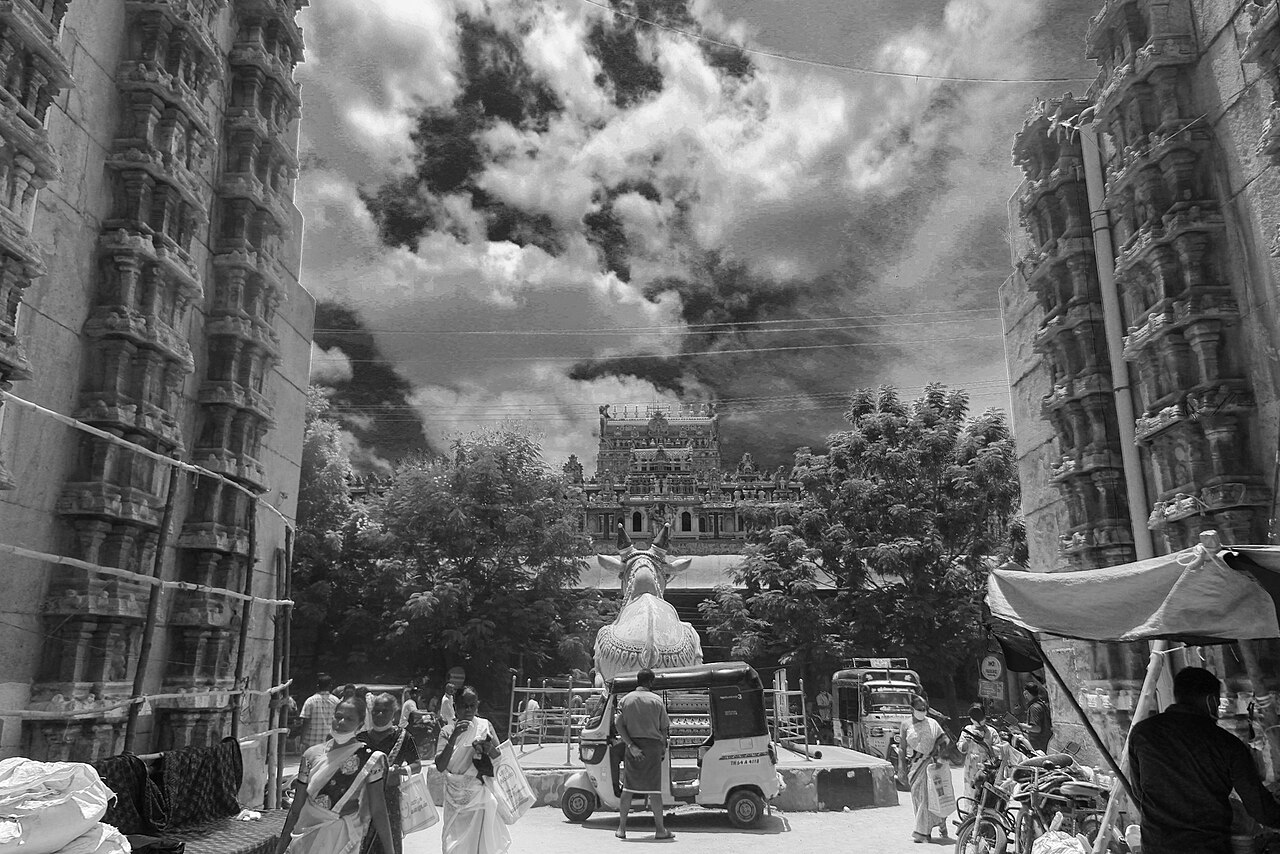
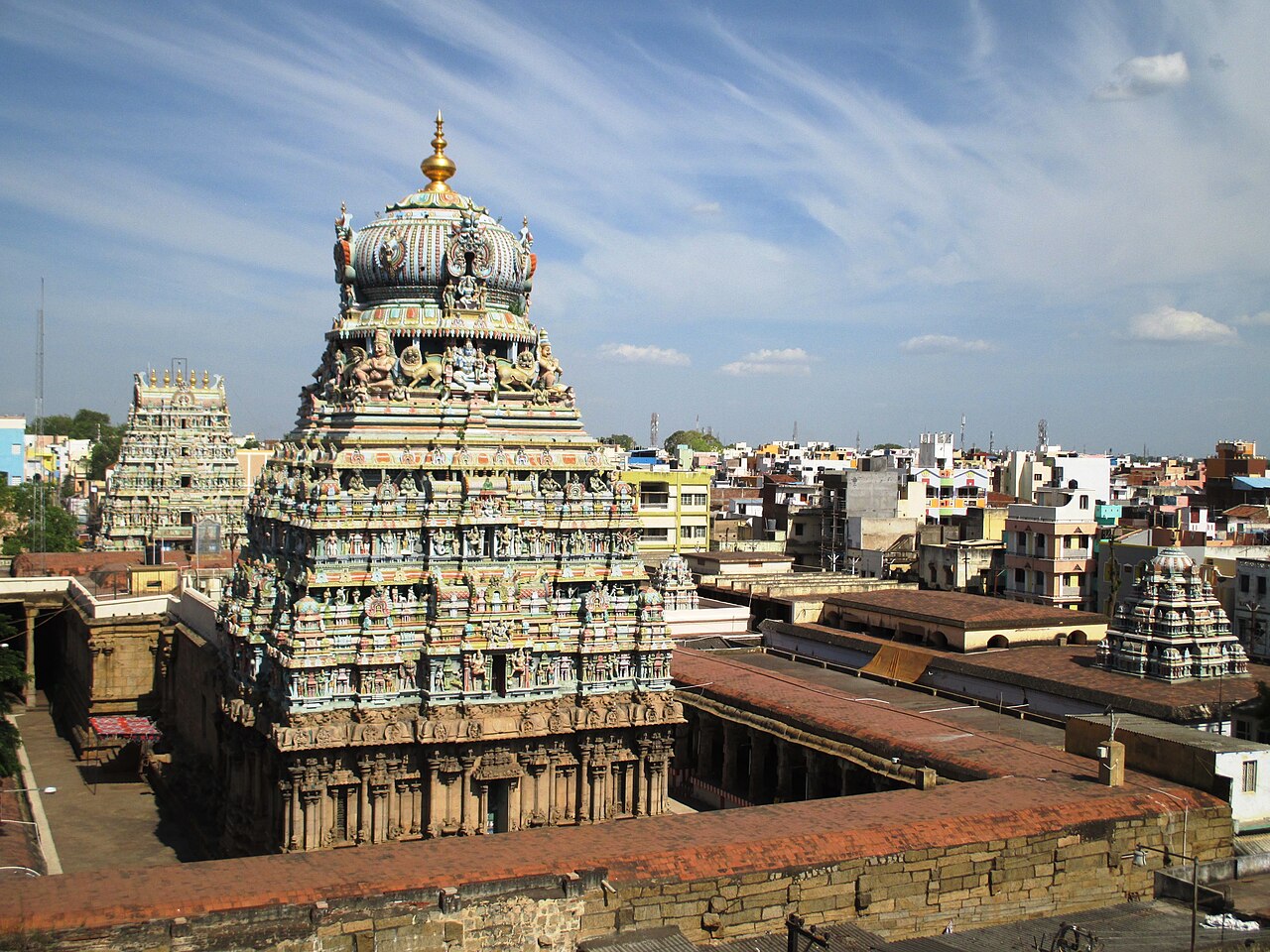
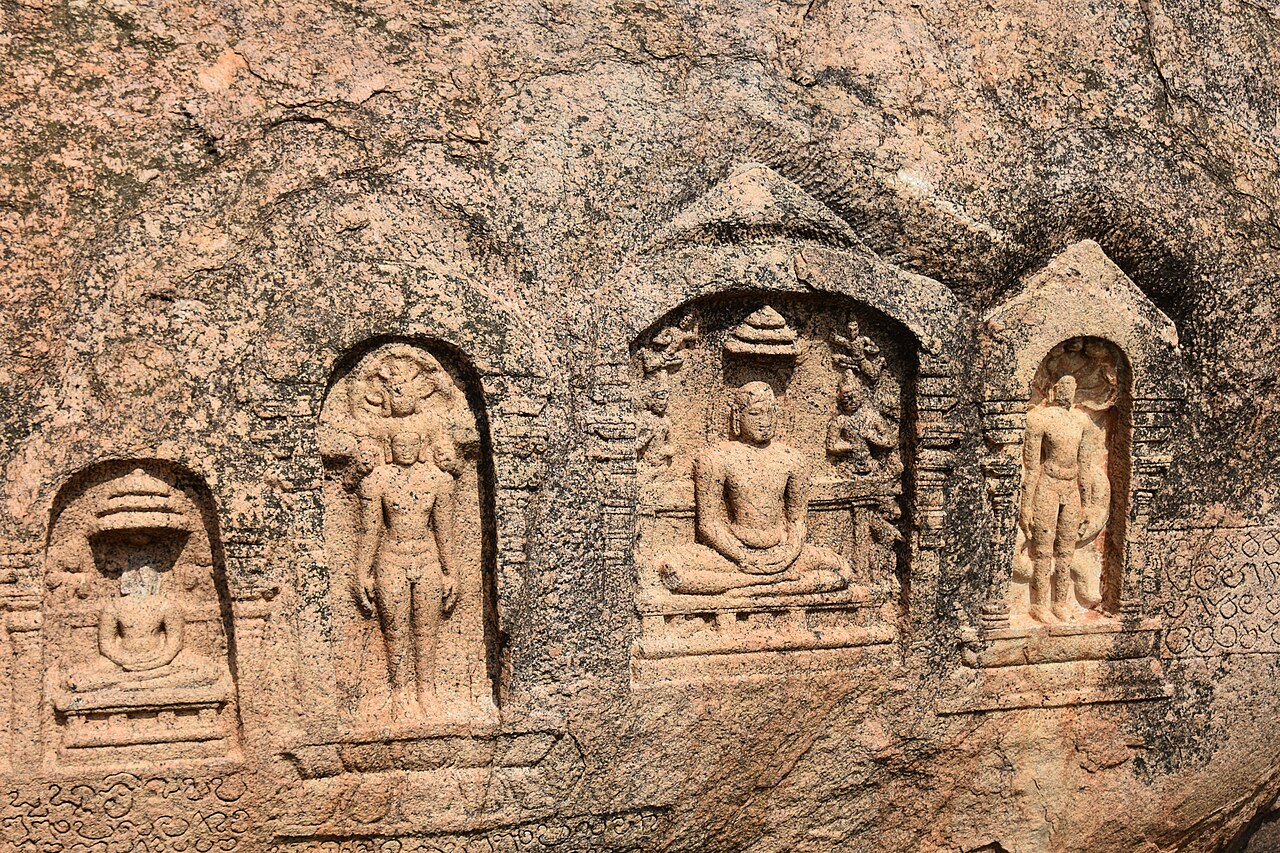
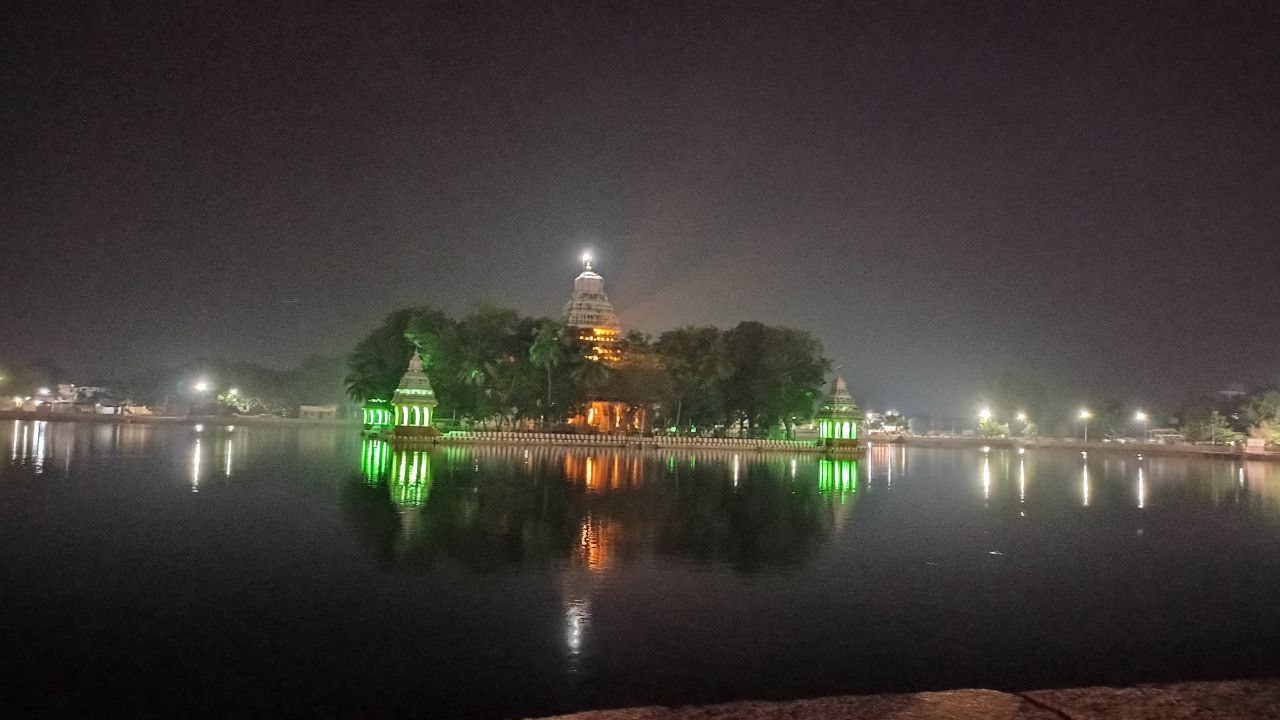
A traditional potters' settlement on the southern edge of Madurai, known for generations of families who hand-mould clay idols, especially the vividly painted Vinayaka figures made for the Vinayaka Chaturthi festival. Visitors can watch the wheel-throwing, sun-drying and painting of terracotta ware, making it a living craft heritage site.
The story of Vilacheri Pottery Village
For Vilacheri Pottery Village, a traditional potters' settlement on the southern edge of Madurai, known for generations of families who hand-mould clay idols, especially the vividly painted Vinayaka figures made for the Vinayaka Chaturthi festival. For Vilacheri Pottery Village, visitors can watch the wheel-throwing, sun-drying and painting of terracotta ware, making it a living craft heritage site. For Vilacheri Pottery Village, it is part of an inhabited or working landscape rather than a self-contained attraction, which means residents, livelihoods and private thresholds come before sightseeing.
Approach Vilacheri Pottery Village from Vilacheri with enough daylight to identify the recognised entrance and return by the same lawful route. For Vilacheri Pottery Village, check current opening, local transport and any permission at the source responsible for the site; an old listing cannot confirm what is operating today.
At Vilacheri Pottery Village, look first for the feature that gives the site its identity, then place later repairs and present use around it. For Vilacheri Pottery Village, stay on public ground, ask before photographing people or work, and do not climb masonry, enter an excavation or cross a barrier for a cleaner view.
For Vilacheri Pottery Village, allow roughly an hour on site, then adjust for queues, walking and the return to Vilacheri. For Vilacheri Pottery Village, pair it only with nearby stops that leave a safe daylight margin, and verify food, toilets and accessible drop-off separately when those are essential.