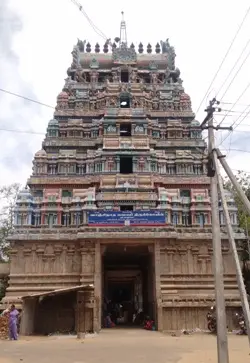
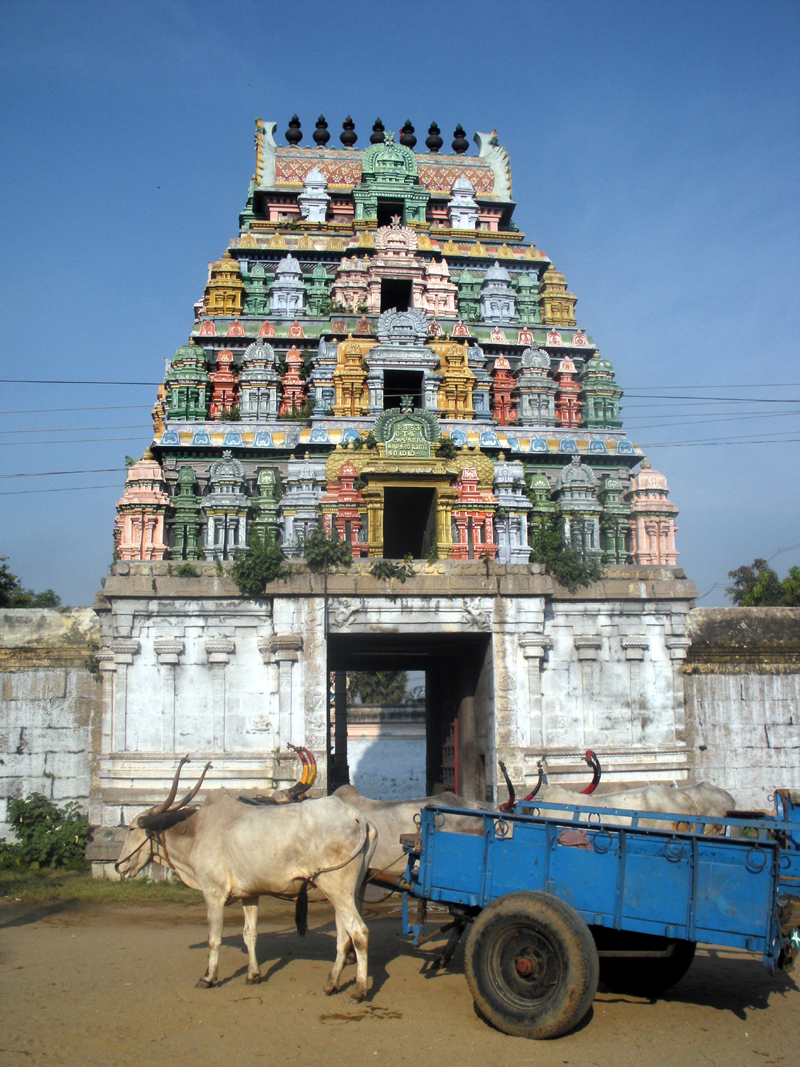
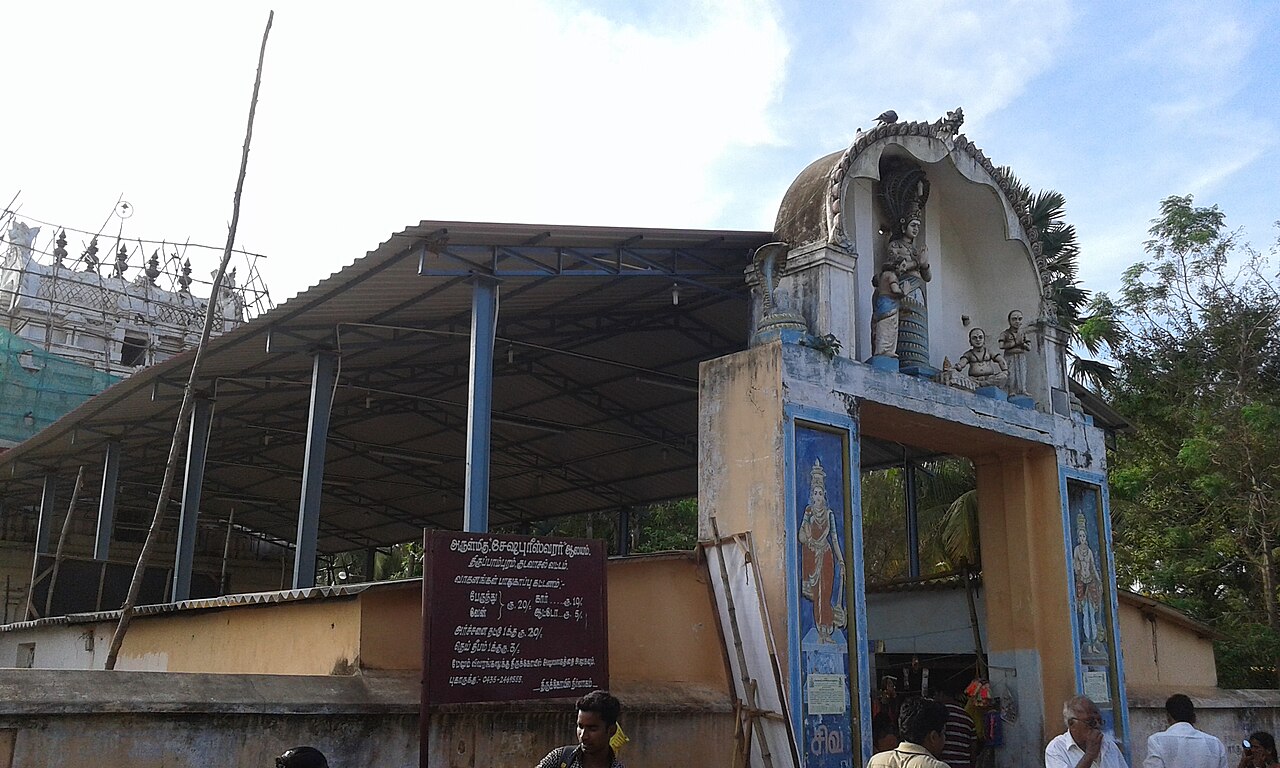
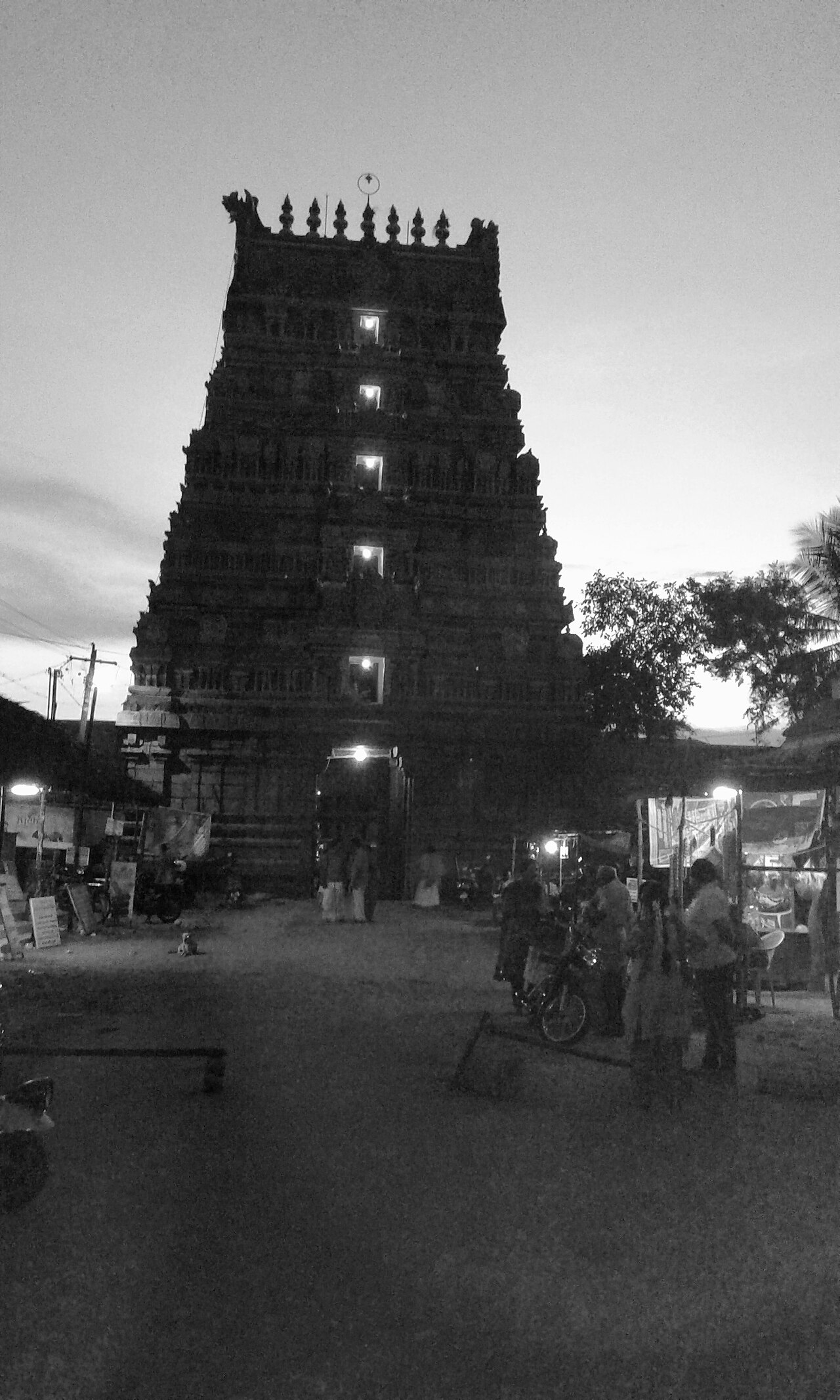
A Shiva temple on the southern bank of the Cauvery, revered as the 70th Paadal Petra Sthalam in the 7th-century Tevaram hymns. It is one of very few temples with a separate shrine for Yama, the god of death, seated beside Chitragupta. Regarded as a Mukti (Moksha) Sthalam where those who die are believed to attain liberation, it draws pilgrims performing death and ancestral rites.
The story of Vanchinathaswamy Temple, Srivanchiyam
For Vanchinathaswamy Temple, Srivanchiyam, a Shiva temple on the southern bank of the Cauvery, revered as the 70th Paadal Petra Sthalam in the 7th-century Tevaram hymns. For Vanchinathaswamy Temple, Srivanchiyam, it is one of very few temples with a separate shrine for Yama, the god of death, seated beside Chitragupta. For Vanchinathaswamy Temple, Srivanchiyam, regarded as a Mukti (Moksha) Sthalam where those who die are believed to attain liberation, it draws pilgrims performing death and ancestral rites. For Vanchinathaswamy Temple, Srivanchiyam, this is a living place of worship, so its architecture and history should be read without turning devotional tradition into proven chronology.
A sensible plan for Vanchinathaswamy Temple, Srivanchiyam begins in Srivanchiyam: settle the return journey, carry water and keep time in reserve for a closed gate or a slower rural road. For Vanchinathaswamy Temple, Srivanchiyam, do not infer toilets, food, parking or step-free access from the existence of a map pin.
At Vanchinathaswamy Temple, Srivanchiyam, the most important distinction is between inscription or documented patronage and the traditions through which devotees understand the shrine. For Vanchinathaswamy Temple, Srivanchiyam, both belong in the story, but a belief, healing claim or foundation legend should remain clearly labelled as tradition.
Do not make Vanchinathaswamy Temple, Srivanchiyam responsible for an overfilled district itinerary. For Vanchinathaswamy Temple, Srivanchiyam, one carefully observed visit, followed by a meal or transport break in Srivanchiyam, is more reliable than assuming several rural sites share the same hours and facilities.