What to expect
Highlights
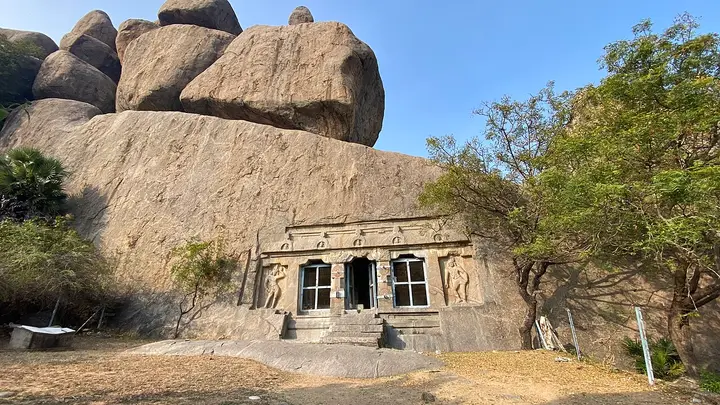
- Ranganatha Rock-Cut Cave Temple, Singavaram — A 7th-century Pallava-period rock-cut cave shrine set on a hill just north of Gingee Fort. It enshrines a large monolithic reclining Ranganatha (Vishnu) figure carved from the living rock, about 24 feet long. The temple served as a lookout and refuge point linked to the Gingee fortifications.
- Thirunathakunru Jain Caves — A granite hillock about 2 km north of Gingee with rock caverns and early Jain sculptures, including carvings of the Tirthankaras. Early Tamil-Brahmi and later inscriptions record Jain monks who undertook ritual fasts-unto-death here, notably Chandranandi's 57-day fast in the 5th-6th century. It is one of the important early Jain monastic sites of the district.
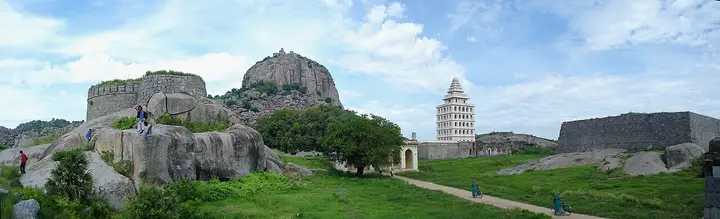
- Sadatullah Khan Mosque, Gingee — A mosque built in 1717-1718 CE by Sadatullah Khan, Nawab of the Carnatic, to commemorate his victory over Raja Desingh. It carries a Persian inscription recording the date of construction. It is one of the notable Islamic-period monuments within the Gingee fort complex.
- Raja Desingh Memorial, Gingee — The memorial and cremation platform associated with Raja Desingh (Tej Singh), the young Bundela chieftain of Gingee who died fighting the Nawab of the Carnatic in 1714, after which his wife committed sati. His heroic stand is celebrated in Tamil ballads and folk plays. The site near Gingee fort commemorates the episode.