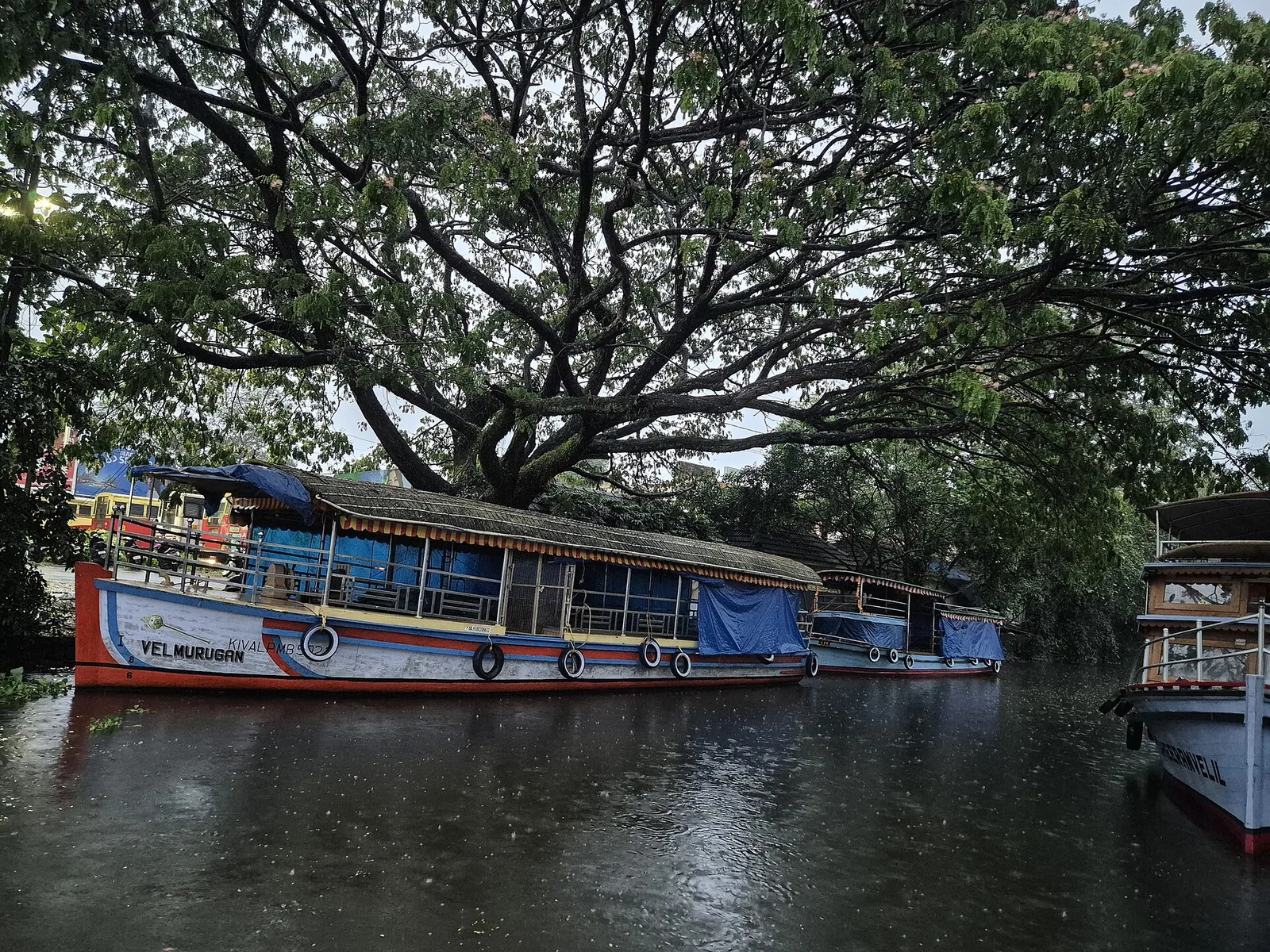
Stand on the bank of one of Alappuzha’s canals today and it is easy to think the water was always there. It was not. The straight channels that run through the centre of town were dug on purpose, as part of a plan to turn a stretch of coast into a trading port. The man behind that plan was a minister of Travancore called Raja Kesavadas, and the town still calls him the "Maker of modern Alleppey".
His story begins in the court of Travancore. According to the Alappuzha district history, Kesavadas served as Diwan, the king’s chief minister, during the reign of Dharma Raja, in the second half of the 18th century. Trade along this coast was not new. The same district history says Alappuzha had trade links with ancient Greece and Rome, and that the Dutch later built warehouses in the district to store pepper and ginger. What Travancore lacked was a port of its own that could hold that trade. Kesavadas decided to build one.
Building a port meant much more than building a jetty. Goods had to reach the sea from the farms and forests inland, so Kesavadas built roads and dug canals to carry them. Kerala Tourism also links the town’s canal network to his time, and those canals still join the wider backwaters today. You will sometimes read that one canal, the Vadai, was dug as a defensive moat, but the district history does not confirm that. Once the goods arrived, they needed somewhere safe to wait for ships, so he built warehouses. And a port is nothing without people to trade in it, so he gave, in the district history’s words, "all facilities to merchants and traders from far and near".
Those traders came. Conservation architect Benny Kuriakose’s studio, which has worked on restoring the old port town, writes that Gujaratis, Rajasthanis and Tamils were brought here to trade. Spices, coir, copra and timber left from the port. You can still see traces of those newcomers today. A Jain temple stands on a street named after the Gujarati traders, a story told in the Jain temple on Gujarati Street.
As the trade grew, so did the town. A lighthouse was added to guide ships in; the Directorate General of Lighthouses records that it was first lit in 1862. The coir trade grew too, and in 1859 the first modern factory for coir mats and matting in the region was set up in Alappuzha, according to the district history. By the early 1900s the town looked so remarkable from the water that, as the district history tells it, the Viceroy Lord Curzon is said to have called it "the Venice of the East". The name has stuck ever since.
But the port that Kesavadas built did not last forever. When the port at Cochin grew, Alappuzha’s port lost its importance, as the Benny Kuriakose studio notes. The port buildings, the sea pier and the railway tracks that once ran to it were left behind. Many of the old warehouses found a second life as coir and copra factories, until labour troubles closed most of those as well.
That is why Alappuzha’s centre looks the way it does today: a town of wide canals and large old warehouses, built for a busier age than this one. Many of those buildings are now being restored as part of a museum project, so the port Kesavadas built is slowly being turned into a museum. To see where the ships once came in, follow the story of the old pier and the rails on Beach Road. For the warehouses themselves and the coir trade that filled them, read the warehouses on the canals.
Frequently asked questions
Who founded Alappuzha?
Raja Kesavadas, Diwan of Travancore under Dharma Raja, is credited with founding the modern town in the second half of the 18th century (Alappuzha district history).
What did Raja Kesavadas build in Alappuzha?
Roads, canals and warehouses, along with facilities for traders, which made Alappuzha a major port of Travancore.
Why is Alappuzha called the Venice of the East?
The district history says Lord Curzon is said to have called it that when he visited in the early 1900s, because of its canals, bridges and waterways.
Why did Alappuzha port decline?
It lost its importance when the port at Cochin grew.