What to expect
Highlights
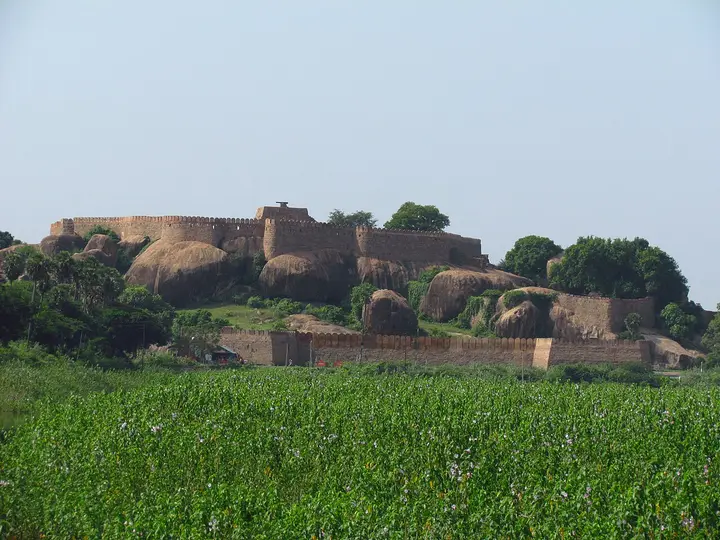
- Aranthangi Fort — A ruined fort built by the Tondaiman chieftains who ruled the area as feudatories under the Vijayanagara and Pandya kingdoms around the 16th-17th century. Its most distinctive feature is that the outer ramparts were built largely of mud rather than stone or brick. Little of the interior survives, but the earthen walls make it an unusual example of regional fort construction.
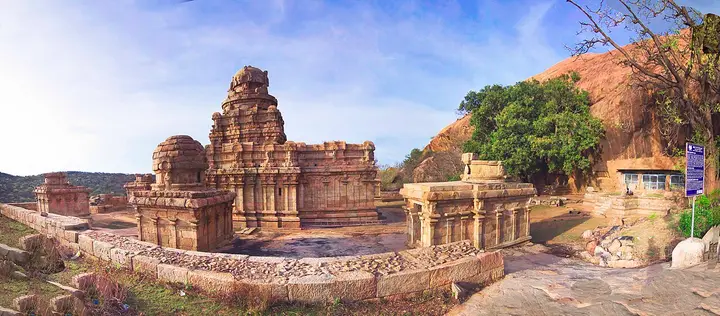
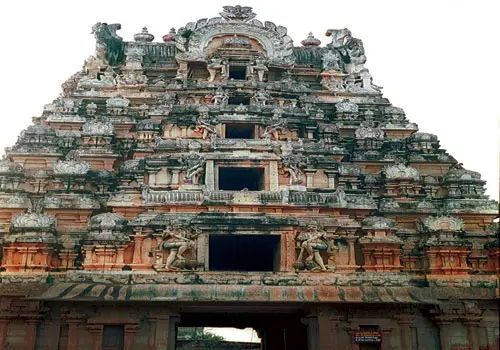
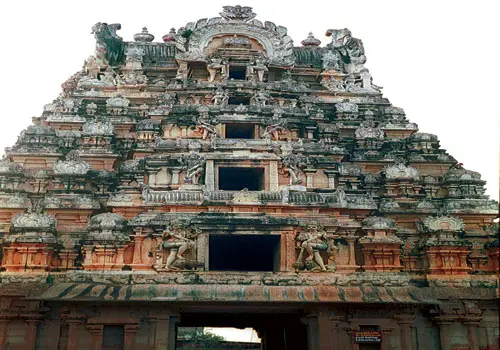
- Arangulanathar Temple (Haratheertheeswarar) — A Shiva temple where the deity is worshipped as Arangulanathar with his consort Brahadambal (Periyanayaki). It is a Vaippu Sthalam praised in the Tevaram hymns of Sambandar and is traditionally linked to the Sangam-era Chola king Karikala. The temple has a large hundred-pillar hall, and a superb Nataraja bronze from here is now displayed at the National Museum, New Delhi.
- Vijaya Raghunatha Thondaman Palace (Pudukkottai Palace) — The palace of the Thondaiman rulers of the former princely state of Pudukkottai, built in 1930 by Raja Rajagopala Thondaiman, the last monarch, in an Indo-Saracenic Dravidian style. It today houses the District Collector's office. It is the surviving royal landmark of the town's heritage core, whose planned layout was itself an early example of formal town planning in the region.