Suryanar Kovil

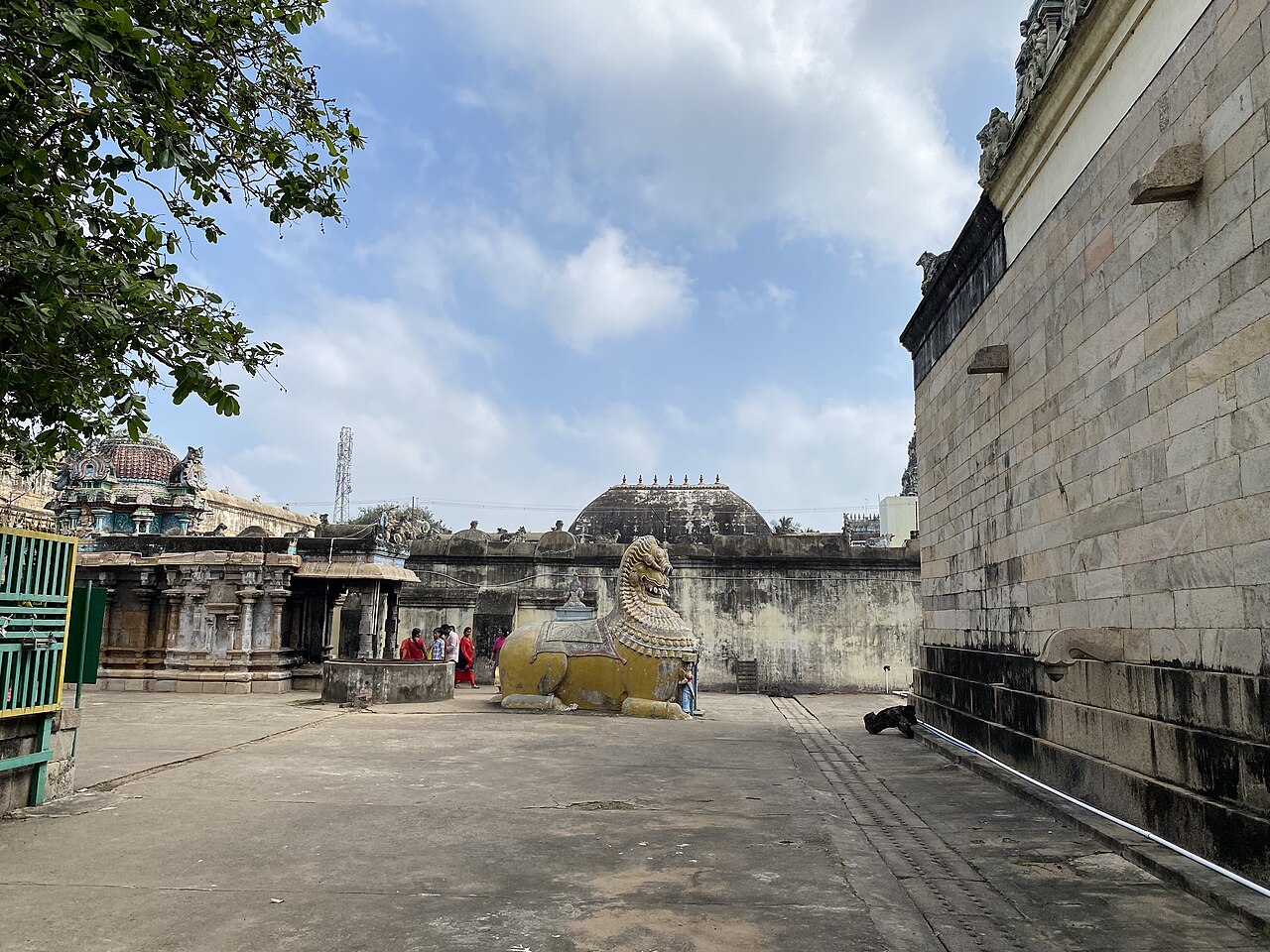
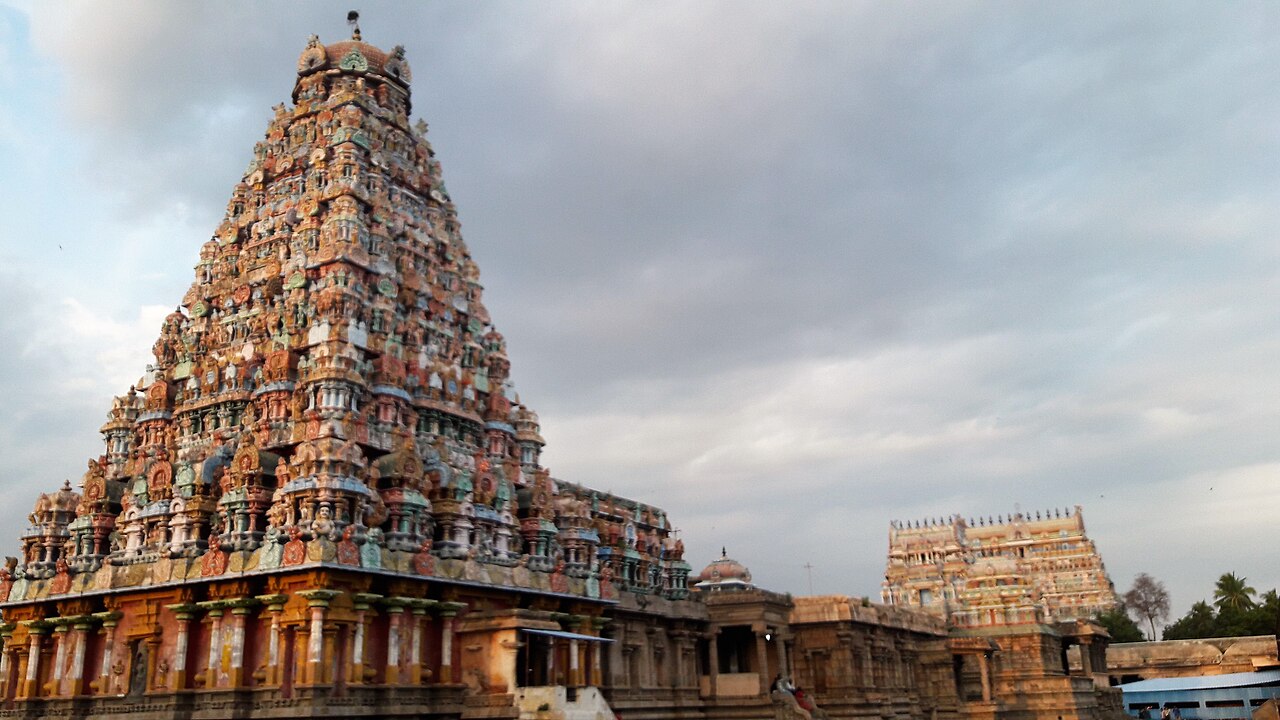
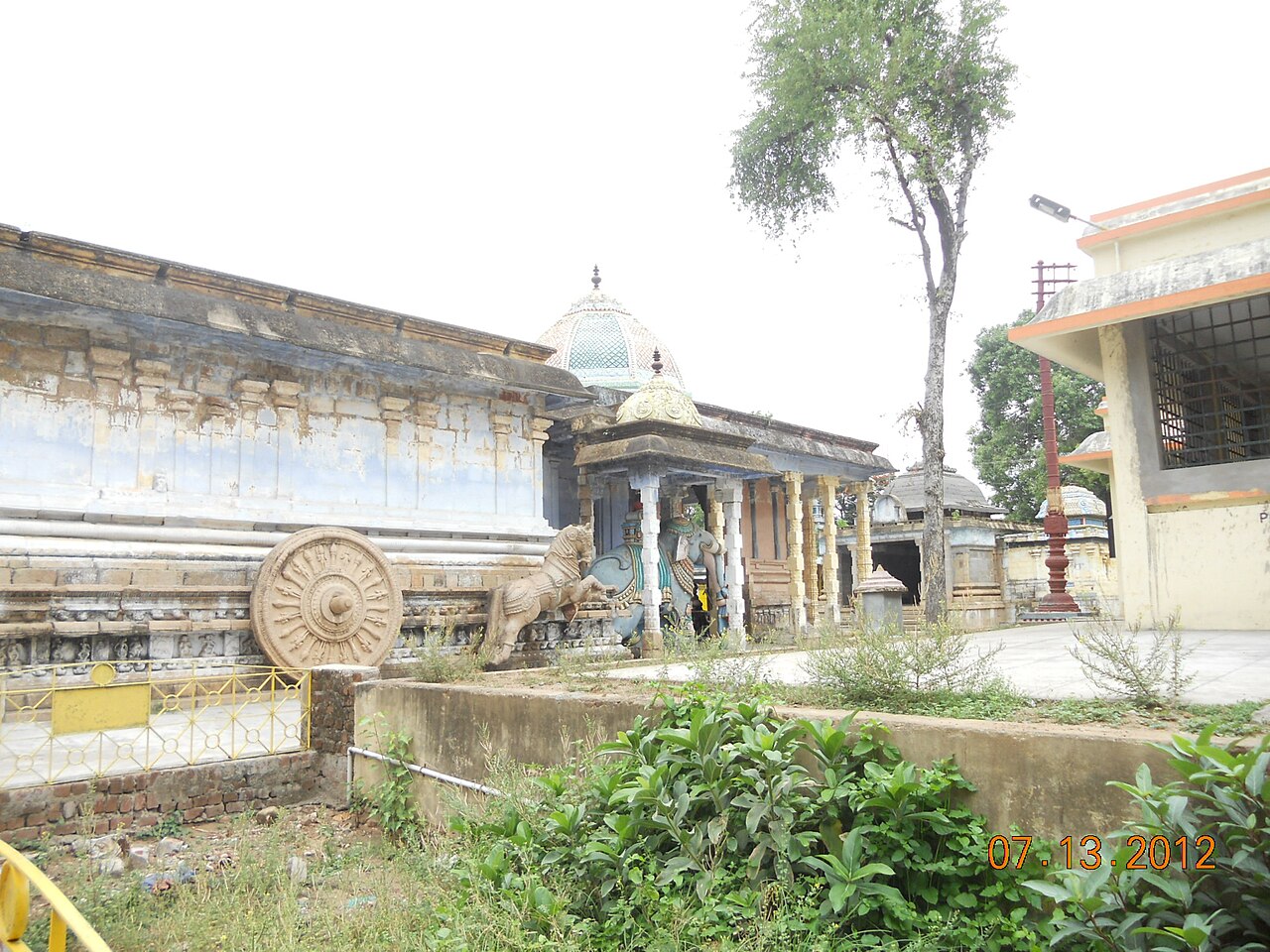
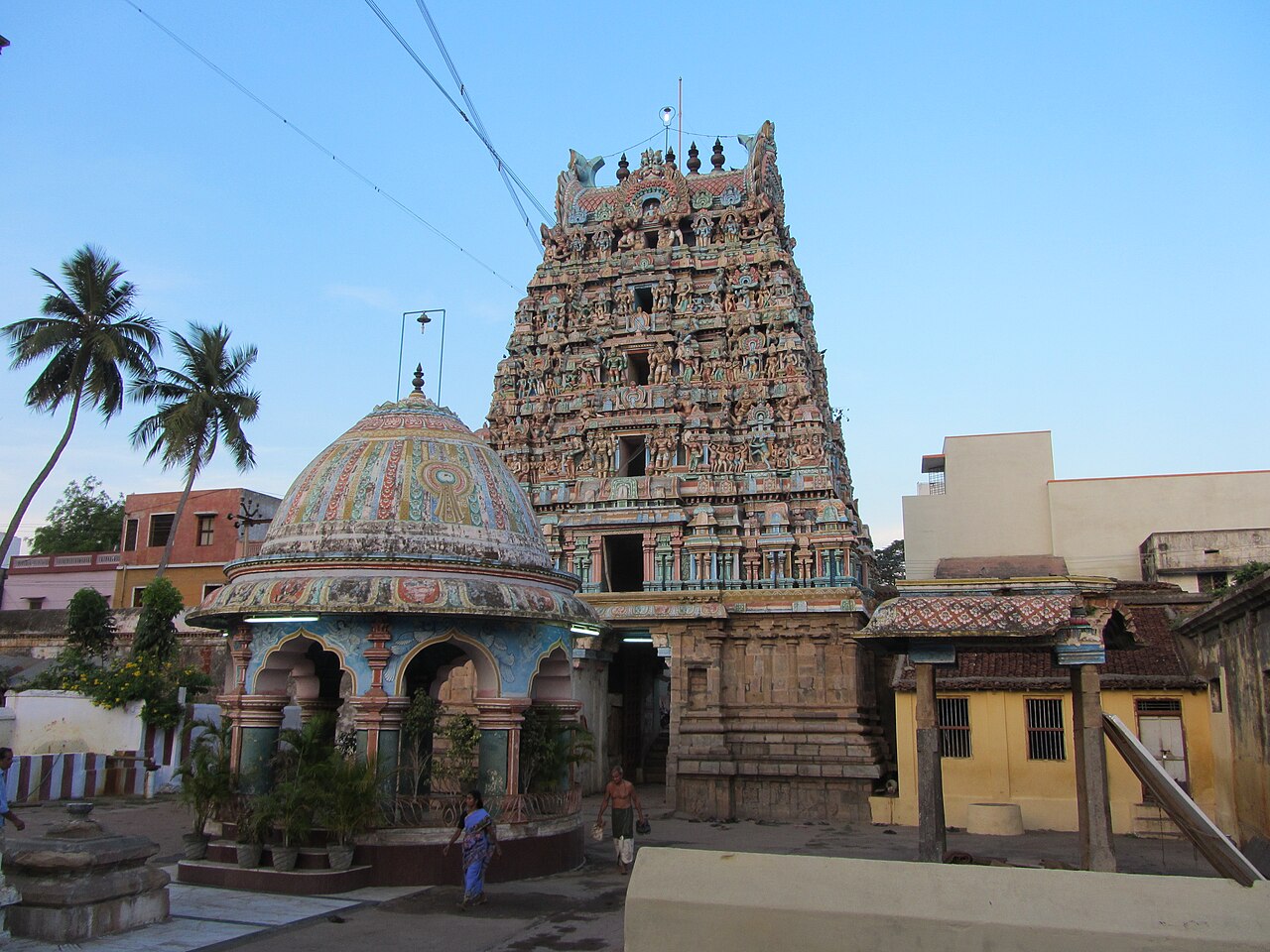
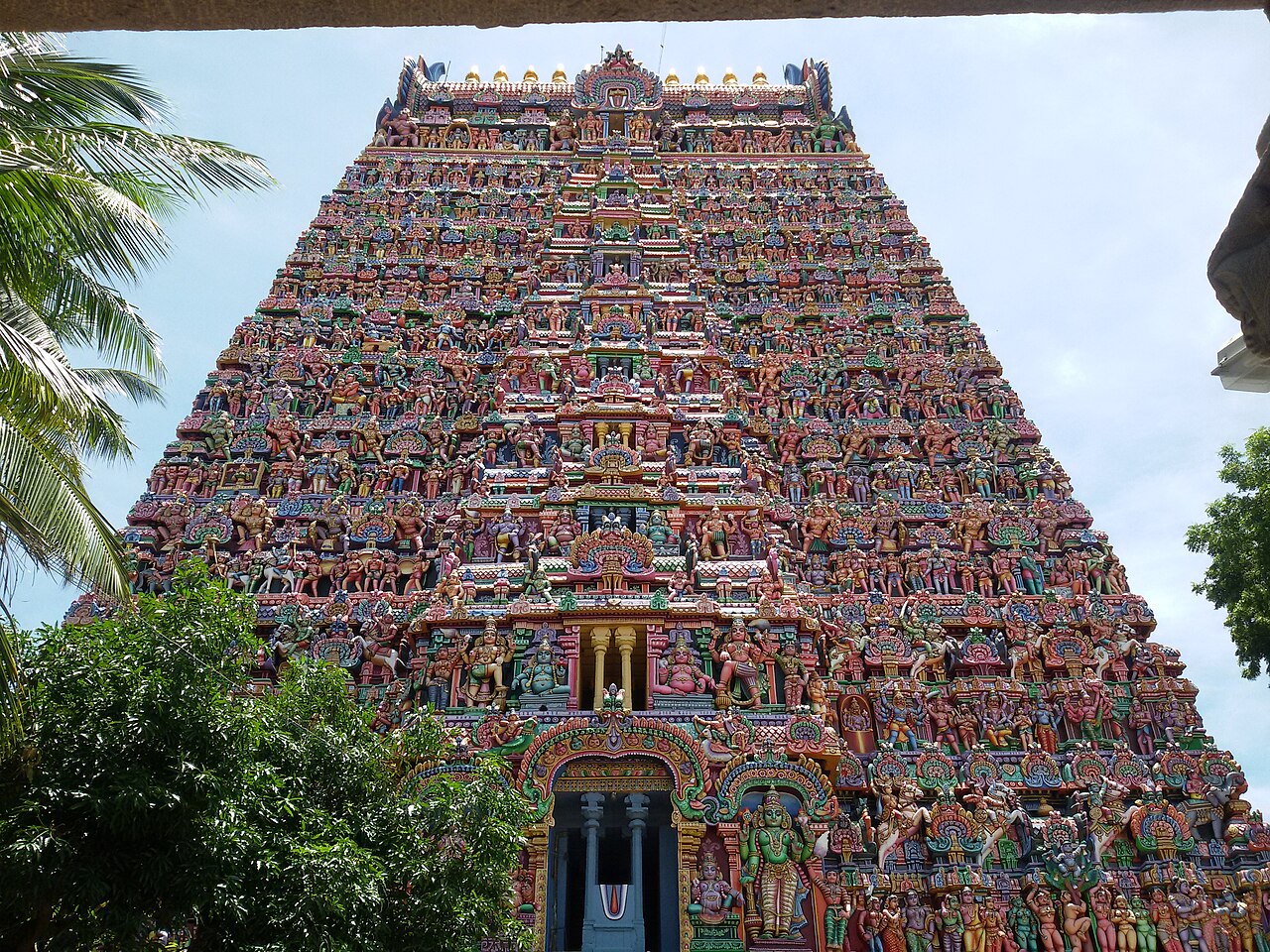
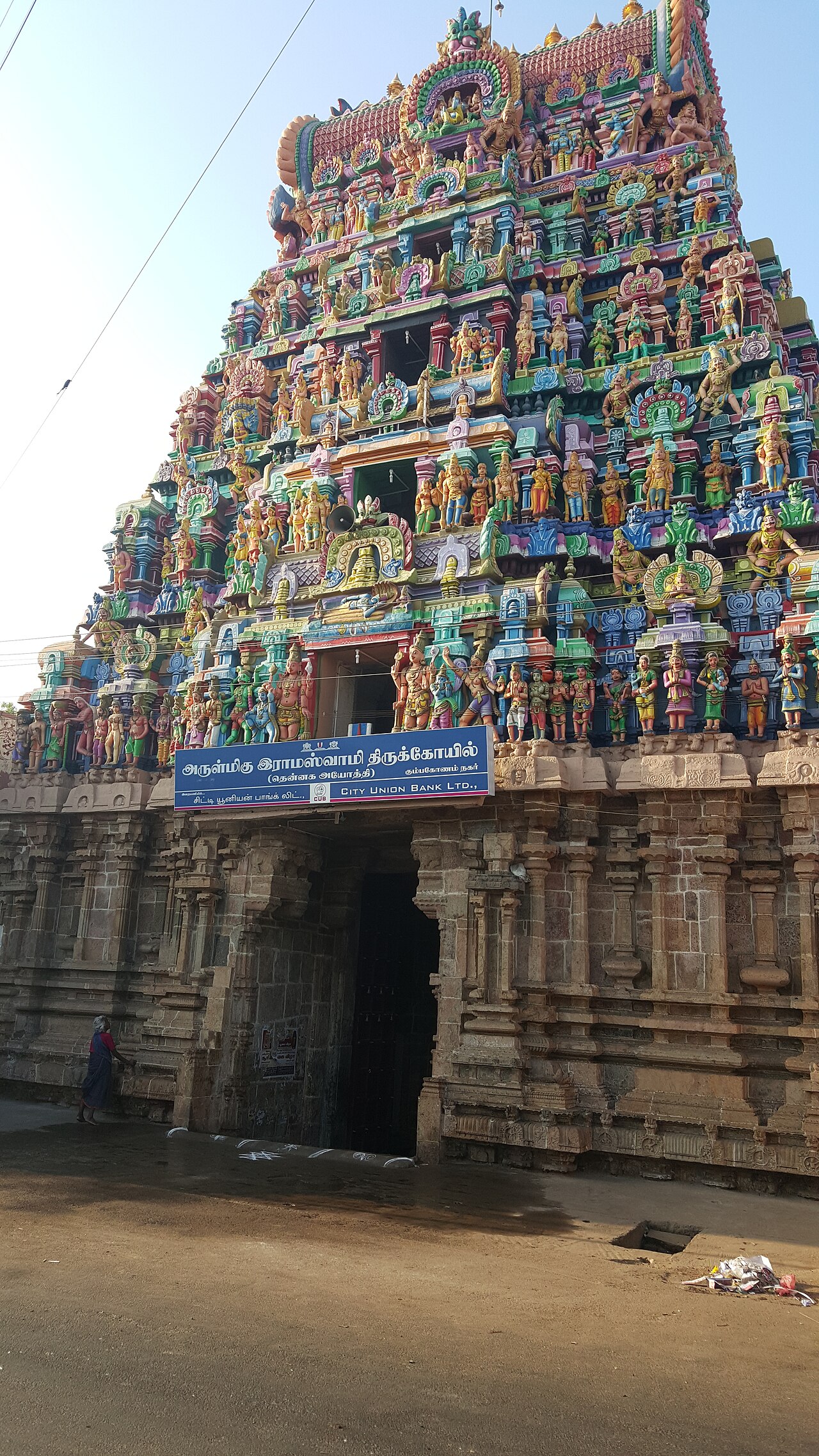
The Navagraha temple dedicated to Surya, the Sun God, unusual for having separate shrines for all nine planetary deities within one complex. Built during the Kulothunga Chola I period in the 11th-12th century, it is the principal Sun temple of the Kaveri delta…

Suryanar Kovil, Suryanar Koil
Practical guide

Plan Suryanar Kovil

Who's going?Tailor Suryanar Kovil to your trip
Before you go to Suryanar Kovil

Check entry arrangements. Ask temple staff about visitor entry, dress requirements and access to the inner shrine before you travel, especially if you are visiting as a non-Hindu.

Dress respectfully and follow the institution’s admission and photography rules.

Typetemple
Nearest baseSuryanar Koil
DistrictThanjavur
Best timeChoose a cooler daylight visit and…
Time neededAllow about one to two hours at Suryanar…
The story

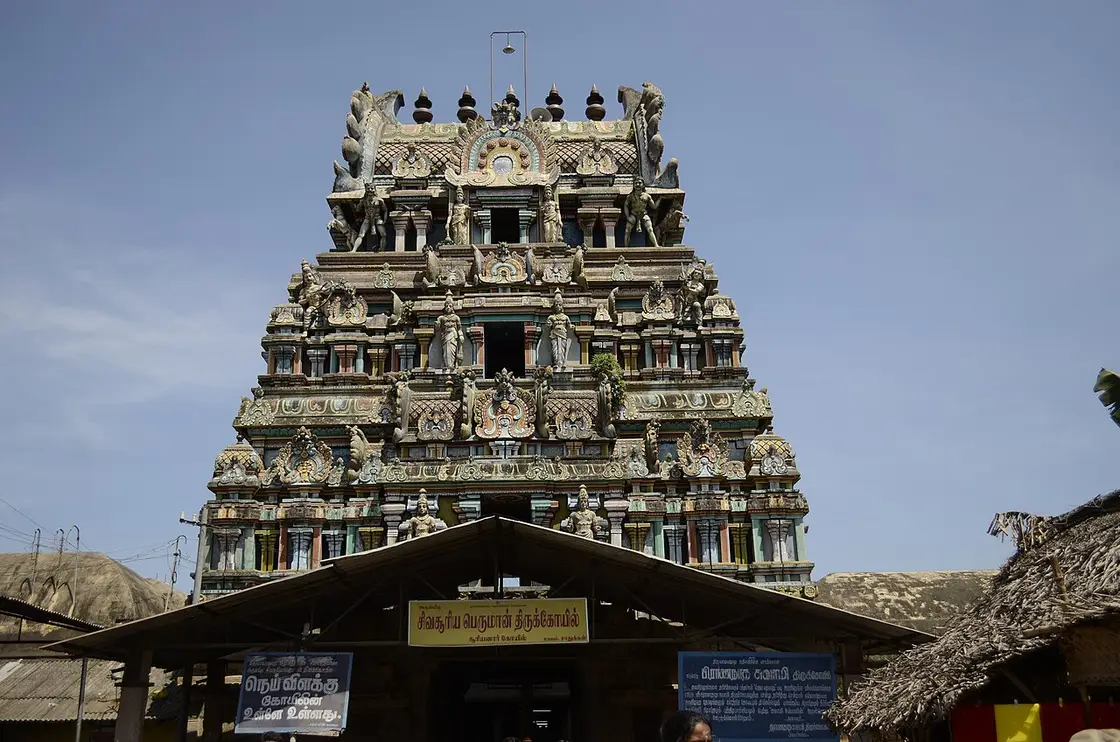
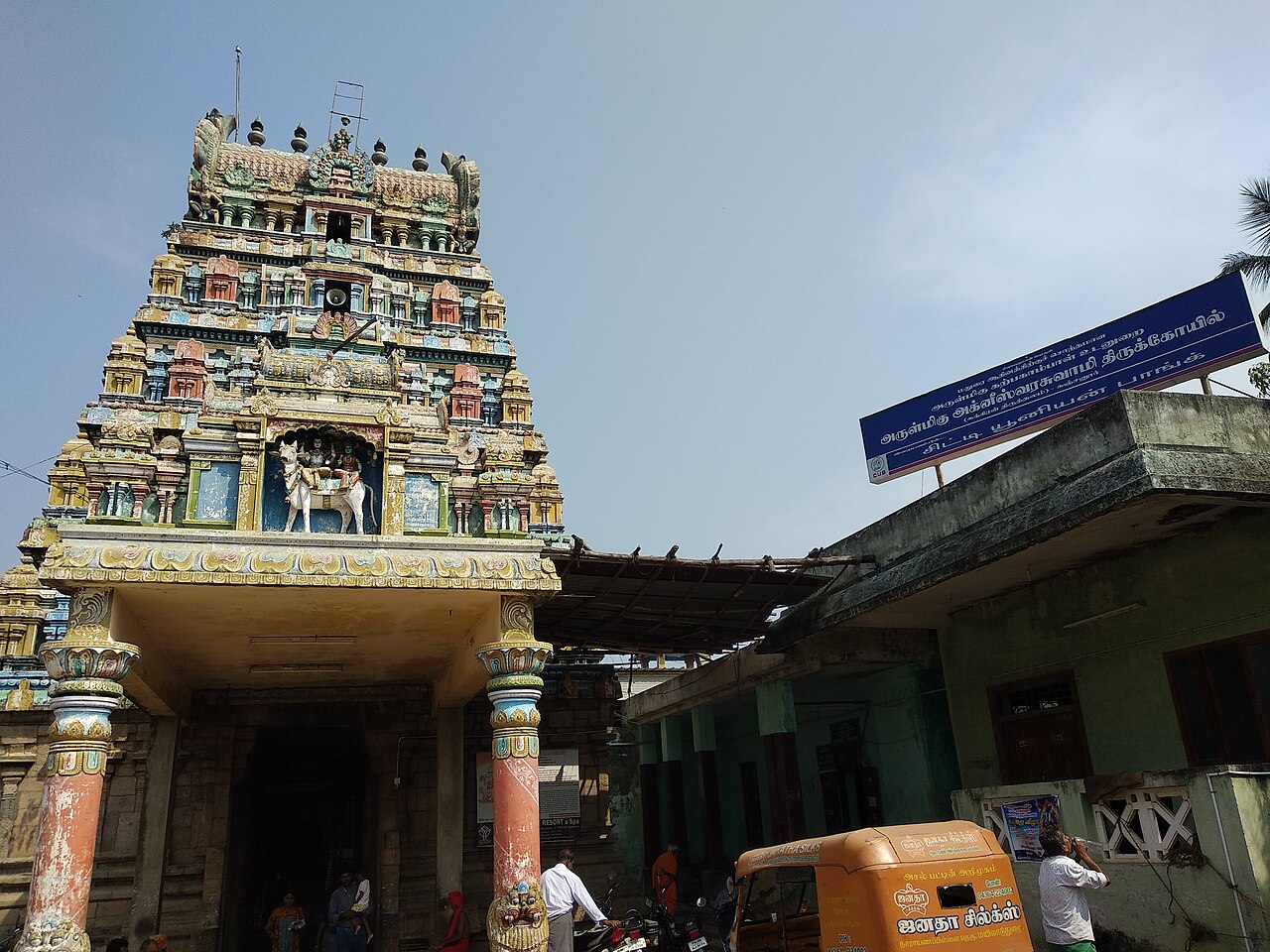
The Navagraha temple dedicated to Surya, the Sun God, unusual for having separate shrines for all nine planetary deities within one complex. Built during the Kulothunga Chola I period in the 11th-12th century, it is the principal Sun temple of the Kaveri delta Navagraha circuit. Pilgrims doing the nine-temple Navagraha tour typically centre their journey here.

The story of Suryanar Kovil

For Suryanar Kovil, the Navagraha temple dedicated to Surya, the Sun God, unusual for having separate shrines for all nine planetary deities within one complex. For Suryanar Kovil, built during the Kulothunga Chola I period in the 11th-12th century, it is the principal Sun temple of the Kaveri delta Navagraha circuit. For Suryanar Kovil, pilgrims doing the nine-temple Navagraha tour typically centre their journey here. For Suryanar Kovil, this is a living place of worship, so its architecture and history should be read without turning devotional tradition into proven chronology.

Suryanar Kovil is best attempted as a focused stop from Suryanar Koil, with a clear turnaround time and minimal baggage. For Suryanar Kovil, save the route offline, arrange onward transport in advance and accept an exterior-only visit if staff, worship or conservation rules limit entry.

A respectful visit to Suryanar Kovil does not depend on unrestricted photography. For Suryanar Kovil, observe the building, sound and movement of worship from permitted areas, and treat any request concerning clothing, phones, offerings or queue order as part of access.

The final check is practical: confirm the way out, the next transport and any weather change before lingering at Suryanar Kovil. For Suryanar Kovil, families and travellers with limited mobility should ask about the complete route, not merely whether a vehicle can reach the gate.
Read the full history of Suryanar Kovil 56 more words

Why visit

Visit Suryanar Kovil for the specific living worship, architecture and local history described on this page, rather than as a generic stop in Thanjavur.

The most useful visit combines close observation at Suryanar Kovil with a realistic return plan through Suryanar Koil; it does not depend on an unverified ticket, unrestricted access or a promised experience.

What to expect

Highlights

  • Read the defining shrine and living worship tradition of Suryanar Kovil.
  • Understand how Suryanar Kovil belongs to Suryanar Koil and Thanjavur rather than treating it as an isolated map pin.
  • Separate documented evidence from local tradition, later alteration and unsupported online claims.
Getting there

How to visit

  • Reach Suryanar Koil, then enter Suryanar Kovil through the public worship entrance indicated locally.
  • Plan around the shrine's published worship sessions and allow for footwear storage, security checks and festival queues.
  • Keep the return journey separate from darshan time, especially for an evening visit.

Distance by road

  • Tiruchirappalli (Trichy)58 km
  • Madurai190 km
  • Puducherry170 km
  • Coimbatore215 km
  • Chennai350 km

Road km to Thanjavur; ghat roads and traffic vary — allow extra.

Timing

Best time

Choose a cooler daylight visit and verify the current operating or worship session for Suryanar Kovil; festivals, maintenance and weather can change access.

Weather in Suryanar KovilSeasonal guide

Live forecast loads in your browser.

Today at Suryanar Kovil
Sunrise6:01 am
Sunset5:54 pm
Golden hour best light4:54 pm–5:54 pm
Blue hour after sunset5:54 pm–6:19 pm
Sun sets toward compass bearingW · 261°
Moon tonight🌒 Waxing crescent · 24%

Sun and moon are calculated for this location and shown in IST. Photography windows are the hour around sunrise and sunset; the sunset bearing is degrees clockwise from true north. Moon phase is accurate to about half a day.

Visitor notes

  • Confirm the exact visitor entrance, current access and last safe return from Suryanar Kovil on the day of travel.
  • Ask before photographing interiors, worship, residents or working areas at Suryanar Kovil.
Safety

Good to know

  • Obey barriers and staff instructions at Suryanar Kovil; do not climb structures, enter restricted ground or block worship and working access.
  • Use suitable footwear, carry water and keep enough daylight for the return to Suryanar Koil.
Stay · eat · do · rent · see · shop

Stays, food & things to do near Suryanar Kovil

Verified hotels, homestays, restaurants, experiences, sights, shops and rentals around Suryanar Kovil — commission-free, with direct contact. Filter by what you need.

Verified inventory is being added here.

Verified places are being added. The category filters will fill in as approved stays, restaurants, experiences, sights, shops and nature listings go live.

List your place

Roampedia is commission-free — own or know a stay, eatery, guide or shop near Suryanar Kovil? List it and it appears here once verified.

Add a nearby business
Before you go

Suryanar Kovil — at a glance

TimingsUse Suryanar Kovil's published worship schedule and expect festival days to alter queues or visitor movement.
Best timePrefer a cooler daylight session and recheck current access on the day.
Getting here

How to reach Suryanar Kovil

Reach Suryanar Koil, follow the map link to Suryanar Kovil, and use the entrance indicated for worshippers and visitors.

Do

Things to do

  • Identify the feature that gives Suryanar Kovil its visitor value.
  • Read the site in relation to Suryanar Koil and Thanjavur.
  • Distinguish documented history from living tradition and later alteration.
  • Combine it only with genuinely nearby stops that preserve a safe return margin.
Plan

Good to know

  • Save the route offline before leaving Suryanar Koil.
  • Carry water and sun or rain protection.
  • Accept an exterior-only visit when current access does not permit entry.
Facilities

On site

  • Use refreshments and toilets in Suryanar Koil before the visit if needed, and respect Suryanar Kovil's rules for food and drinking water in worship areas.
  • Use the shrine office or staff on duty for darshan, offerings or accessibility assistance.
Stay safe

Safety

  • Follow current site, worship and security instructions.
  • Do not cross barriers, climb structures or enter unstable, private or restricted ground.
  • Keep enough daylight and transport margin for the return to Suryanar Koil.
Getting around Suryanar Kovil

If you need step-free access, contact the site before travelling. Ask about a level entrance, steps along the route, the nearest drop-off point, seating and accessible toilets.

If you need help at Suryanar Kovil
112All emergencies (police · fire · medical)The single number to call in any emergency (ERSS).

Emergency numbers are verified against official government and state tourism sources. 112 works anywhere in India.

Nearby

What’s near Suryanar Kovil

templeAgneeswarar Temple

The Navagraha temple associated with Sukra (Venus), located a few kilometres from Suryanar Kovil. Uniquely, Venus has no separate idol here; the presiding Shiva lingam Agneeswarar is worshipped as Sukra himself, and the temple is linked to the legend of sage Kalava and the god Agni. It is an essential stop on the Thanjavur Navagraha pilgrimage.

1.8 km · 22 min walk · straight line
templeMahalingaswamy Temple, Thiruvidaimarudur

The Mahalingeswarar (Mahalingaswamy) temple at Thiruvidaimarudur near Kumbakonam is a large and historically important Shiva temple, traditionally regarded as the central Madhyarjuna among the great Arjuna (Marudur) Shiva temples of the Cauvery delta. It carries extensive Chola-and-later architecture and hosts major festivals.

5.1 km · ~13 min by auto · straight line
T
Thirubuvanam Silk Weaving
Place
heritageThirubuvanam Silk Weaving

The second reason to stop here, and the one you can walk into. Thirubuvanam weaves silk sarees on pit looms set into the floors of sheds behind ordinary front doors, and the trade runs through one body — the Thirubuvanam Silk Handloom Weavers Co-operative, registered in 1955 and known as THICO — which also holds the Geographical Indication the cloth was granted in March 2019. Its counter is on Sannathi Street a couple of hundred metres east of the temple, which makes this one of the few crafts in Tamil Nadu you can buy from the society that owns its name, in the village the name refers to. What to look at before you buy: the korvai join, where a pallu of a different colour is interlocked thread by thread with the body rather than stitched on.

6.6 km · ~16 min by auto · straight line
templeKampahareswarar Temple

The last of the great Chola temples, raised by Kulothunga Chola III around 1176 CE to mark a northern campaign. Its vimana stands taller than its own gateway tower — the Chola signature shared with Thanjavur, Gangaikonda Cholapuram and Darasuram, though unlike those three it carries no UNESCO listing. It is the only temple in the country with a shrine to Sarabha, the winged lion-man form Shiva is said to have taken to calm Narasimha, and the name means "the Lord who stilled the trembling".

6.7 km · ~17 min by auto · straight line
A
Arunajadeswarar Temple, Thiruppanandal
Place
templeArunajadeswarar Temple, Thiruppanandal

The Shiva temple whose lingam stands at a tilt. A woman named Thadagai came daily with a garland, the tradition holds, and one day could not get it over him — one account says her sari was slipping and she had only one hand free, another that she was there on a vow for a child — so the god leaned to receive it, and stayed leaning; a Chola king tried elephants and horses and could not straighten it, and the Nayanar Kungiliya Kalaya, arriving from Thirukkadaiyur, tied a rope from his own neck to the shaft and pulled. The temple takes its other name, Thalavaneswarar, from the palmyra grove it stands in — thalam is the palm, and two of the trees still stand in the precinct. The town's Kasi Mutt, seated here, holds many shrines across the delta.

7.3 km · ~18 min by auto · straight line
templeNaganathaswamy Temple, Thirunageswaram

The Naganathaswamy Shiva temple at Thirunageswaram near Kumbakonam is one of the nine Navagraha (planet) temples of the Cauvery delta and is dedicated to Rahu. It is especially known for the Rahu abhishekam, during which the milk poured over the deity is seen by devotees to take on a bluish tinge before running clear.

9.2 km · ~15 min by cab · straight line
templeOppiliappan Temple

The Oppiliappan (Uppiliappan) Perumal temple at Thirunageswaram near Kumbakonam is one of the 108 Divya Desams, dedicated to Vishnu with his consort Bhumi Devi. By tradition it is the one Divya Desam where the offering (prasadam) is prepared entirely without salt, giving the deity the name Oppiliappan (uppu-illa, without salt), and the site is linked in lore to the sage Markandeya.

9.3 km · ~15 min by cab · straight line
templeNageswaran Temple

The Nageswaraswamy Temple in Kumbakonam is one of the earliest Chola temples, dedicated to Shiva worshipped as Nagaraja, the serpent king. Founded in the 9th century, it is celebrated for its refined early Chola sculpture and for an astronomical design in which sunlight reaches the sanctum during the Tamil month of Chithirai.

13.6 km · ~23 min by cab · straight line
damMahamaham Tank

A vast sacred temple tank of about 20 acres, ringed by 16 ornate mandapams and small shrines. Once every twelve years the Mahamaham festival draws millions of pilgrims who bathe here, believing the nine holy rivers of India converge in its waters. It is one of the most important mass-bathing pilgrimage sites in South India.

13.7 km · ~23 min by cab · straight line
templeChakrapani Temple

The Chakrapani Temple in Kumbakonam is a Vishnu temple on the bank of the Cauvery, where Vishnu is worshipped as Chakrapani, the Sudarshana or discus form. By legend the discus emerged from the river and, having humbled Surya the sun god, gave Vishnu the name Chakrapani; the present temple is generally dated to the Nayaka period.

13.7 km · ~23 min by cab · straight line
templeSarangapani Temple

One of the largest Vishnu temples in the Cauvery delta and a Divya Desam, its towering gopuram dominates central Kumbakonam; the sanctum is shaped like a temple chariot drawn by horses and elephants.

13.9 km · ~23 min by cab · straight line
templeRamaswamy Temple

A 16th-century Nayak-era Rama temple in Kumbakonam, famous for its sculpted pillars and painted mandapa panels illustrating scenes from the Ramayana.

14.1 km · ~23 min by cab · straight line
On the map

Where Suryanar Kovil is

Good to know

Suryanar Kovil — frequently asked

What should I verify before visiting Suryanar Kovil?

Confirm the current public entrance, opening session, permission or ticket rule and return transport from Suryanar Koil. Site management and local notices take priority over an undated listing.

How much time should I allow for Suryanar Kovil?

Allow about an hour at the site, plus the complete approach, any worship or security queue and a comfortable daylight margin for returning to Suryanar Koil.

When is the best time to visit Suryanar Kovil?

Choose a cooler daylight visit and verify the current operating or worship session for Suryanar Kovil; festivals, maintenance and weather can change access.

What are the entry fee and timings at Suryanar Kovil?

Timings: Use Suryanar Kovil's published worship schedule and expect festival days to alter queues or visitor movement.

How do I reach Suryanar Kovil?

Reach Suryanar Koil, then enter Suryanar Kovil through the public worship entrance indicated locally. Plan around the shrine's published worship sessions and allow for footwear storage, security checks and festival queues. Keep the return journey separate from darshan time, especially for an evening visit.

How much time do I need for Suryanar Kovil?

Allow about one to two hours at Suryanar Kovil, plus the complete approach, any queue and the return to Suryanar Koil.

What else is near Suryanar Kovil?

Nearby you can pair Agneeswarar Temple (1.8 km), Mahalingaswamy Temple, Thiruvidaimarudur (5.1 km), Thirubuvanam Silk Weaving (6.6 km), Kampahareswarar Temple (6.7 km).

What should I know before visiting Suryanar Kovil?

Obey barriers and staff instructions at Suryanar Kovil; do not climb structures, enter restricted ground or block worship and working access. Use suitable footwear, carry water and keep enough daylight for the return to Suryanar Koil.

Image credits

Photographs: PJeganathan, CC BY-SA 4.0, via Wikimedia Commons (CC BY-SA 4.0). Wikimedia Commons.