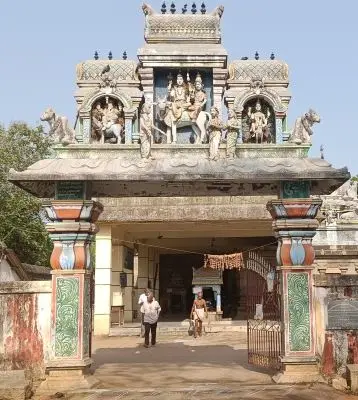
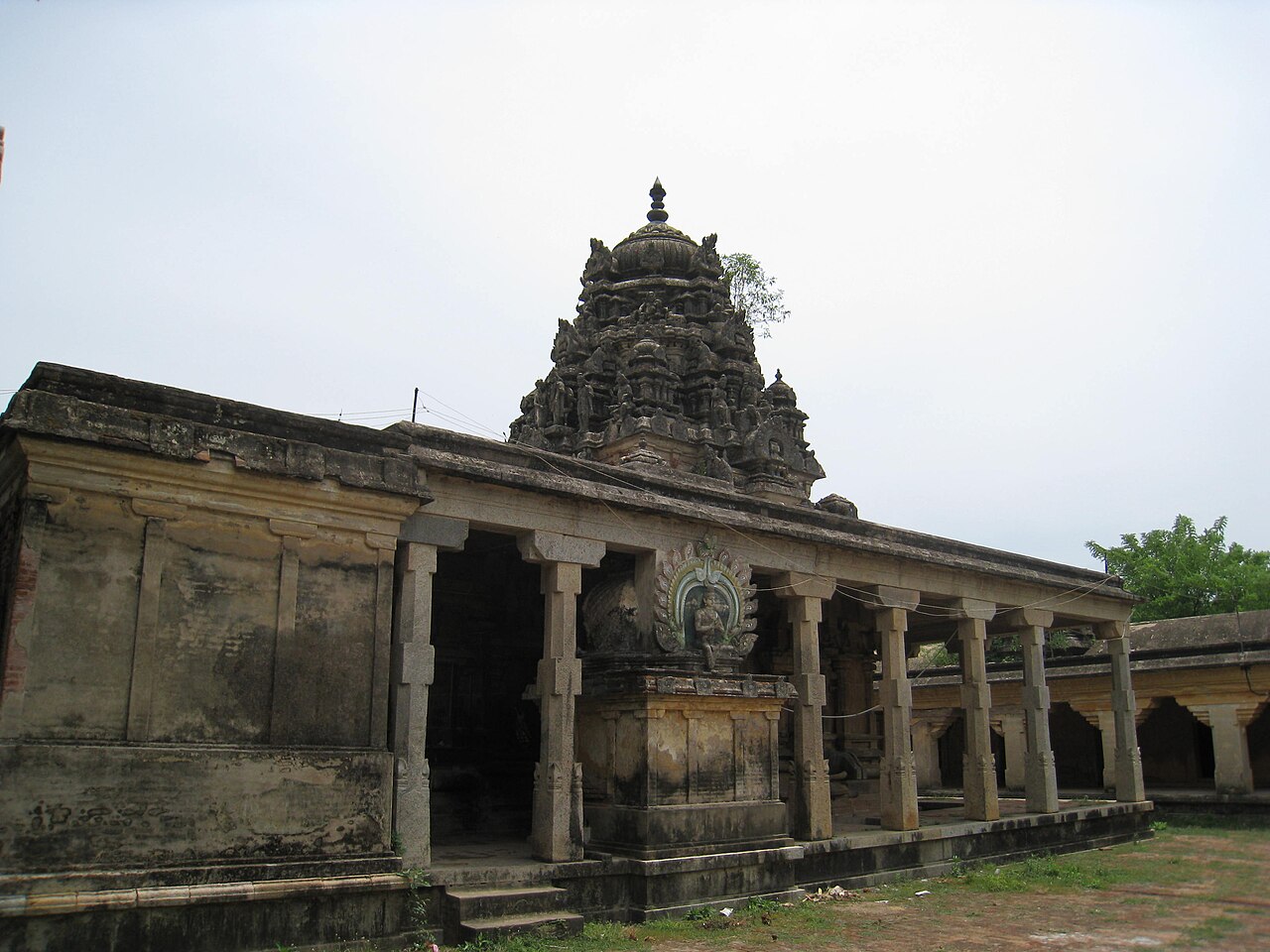
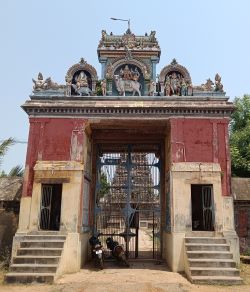
A Paadal Petra Sthalam Shiva temple whose deity Satchinathar signifies Shiva as the eternal witness (satchi) to truth. It is one of the Pancha Aranya Sthalams, five 'forest' temples of the delta, once set in a grove of trumpet-flower (Paadhiri) trees. Glorified in the Tevaram of Sambandar and Sundarar, it has the Chandra Pushkarini tank linked to lunar worship.
The story of Satchinathar Temple, Avalivanallur
For Satchinathar Temple, Avalivanallur, a Paadal Petra Sthalam Shiva temple whose deity Satchinathar signifies Shiva as the eternal witness (satchi) to truth. For Satchinathar Temple, Avalivanallur, it is one of the Pancha Aranya Sthalams, five 'forest' temples of the delta, once set in a grove of trumpet-flower (Paadhiri) trees. For Satchinathar Temple, Avalivanallur, glorified in the Tevaram of Sambandar and Sundarar, it has the Chandra Pushkarini tank linked to lunar worship. For Satchinathar Temple, Avalivanallur, this is a living place of worship, so its architecture and history should be read without turning devotional tradition into proven chronology.
Before leaving Avalivanallur for Satchinathar Temple, Avalivanallur, confirm the public entrance and the latest local instructions. For Satchinathar Temple, Avalivanallur, the final section may be a village street, hill path, institutional gate or active religious precinct, so the route must be judged on the day rather than from distance alone.
Allow the sequence of thresholds, halls and subsidiary shrines at Satchinathar Temple, Avalivanallur to set the pace. For Satchinathar Temple, Avalivanallur, avoid blocking a queue for photographs, do not promise a ritual outcome, and check whether visitors of every faith may enter each inner area.
For Satchinathar Temple, Avalivanallur, finish the visit while transport and visibility are still dependable. For Satchinathar Temple, Avalivanallur, take litter back to Avalivanallur, avoid intrusive portraits and record any changed entrance or rule instead of trying to work around it.