What to expect
Highlights
- Sea views and sunset at Kappil Beach
- Nearby seafood, cafes or beach walks where available
- Easy pairing with local stays and short day trips
A quiet cliff-and-cove beach a few kilometres north of Bekal, with the Kodi cliff viewpoint — much less crowded than the fort beach.
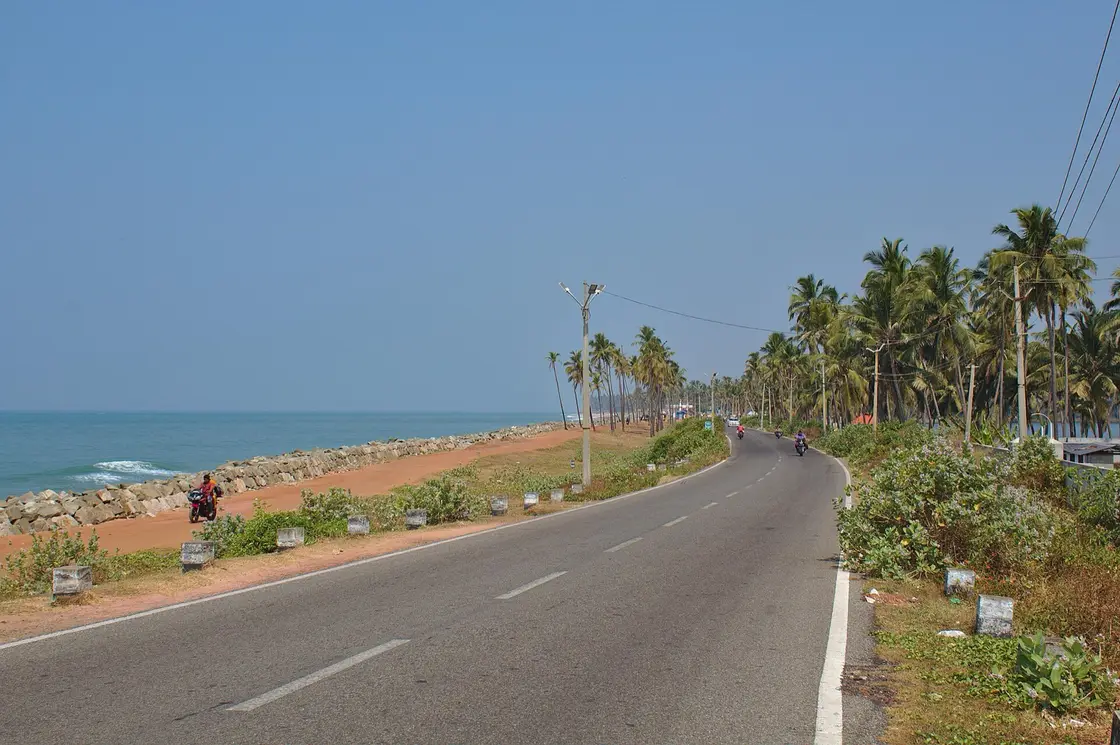
Kappil Beach is a quiet, unspoilt stretch of coast in the far north of Kerala, in Kasaragod district, lying only about six to seven kilometres from the great laterite ramparts of Bekal Fort. This is the northern, Bekal Kappil — not the better-known Kappil near Varkala in the south of the state — and it remains one of the least crowded beaches on the Kerala coast, prized for its wide sandy shore, its black rocks and casuarina groves, the meeting of backwater and Arabian Sea, and the little Kodi cliff whose green hillock offers one of the best coastal viewpoints in the region.
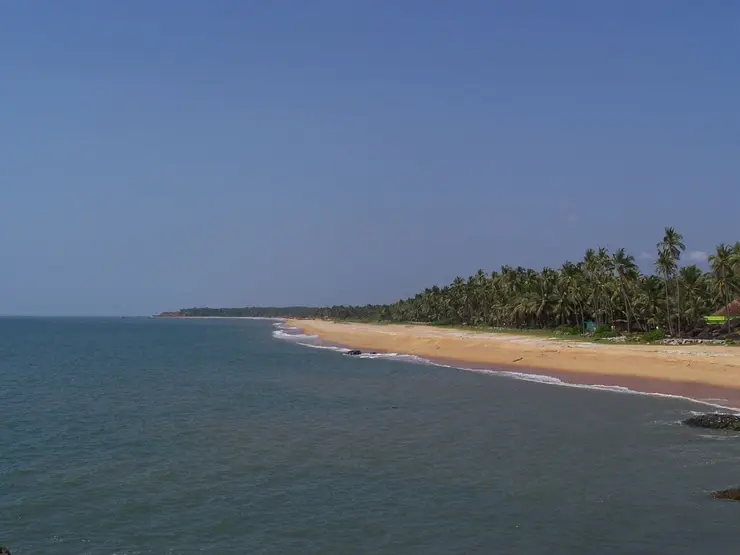
Reach Kappil in the golden light of a late afternoon and you understand at once why locals guard it as a secret. The road from Bekal peels away from the highway, past coconut smallholdings and paddy, and delivers you to a broad, near-empty beach where the sand runs for a long way in both directions. There are no rows of deckchairs, no jet-ski touts, no promenade of stalls — just the wide sweep of the Arabian Sea, the wind in the casuarinas, and a scatter of large black rocks half-buried in the shore. On many days you may share the whole beach with only a handful of fishermen and a few families who have driven out from Kasaragod town.
The defining feature of Kappil is the way land, freshwater and sea braid together here. At the southern end of the beach a backwater — fed by the small Kappil stream — curls behind the sand and finally opens to the sea, so that within a few hundred metres you move from calm, glassy backwater to the open surf of the ocean. This is the picture people come to photograph: the still lagoon on one side, the breakers on the other, and a thin bar of golden sand holding the two apart. Small and medium boats sometimes work the backwater, and a slow paddle along it is one of the gentlest ways to spend an hour here.
Rising above the northern edge of the beach is the Kodi cliff, a low green hillock that gives the beach its most memorable view. A short scramble up the slope rewards you with a panorama of the entire beach curving away below, the backwater threading behind it, and the Arabian Sea filling the horizon to the west. It is a favourite spot for trekkers, photographers and anyone who wants to watch the sun drop into the sea; on a clear evening the whole coastline glows amber and the surf turns to silver far below. The climb is modest, but the vantage feels wonderfully wild for the little effort it takes.
The beach itself is not a swimming beach in the resort sense. The shore shelves steeply and the waves can be strong, so most people wade only at the edge, walk the long tideline, sit on the warm rocks, or simply watch the sea. That very ruggedness is part of Kappil’s appeal — it has been left largely to itself, without the crowds and commerce that busier beaches attract. The large flat rocks that break the sand have long been favoured by visitors as natural perches for sitting quietly, for yoga and for meditation, with nothing but the rhythm of the surf for company.
Because Kappil sits so close to Bekal, most travellers fold it into a Bekal day: the towering seaside fort and its parks in the morning, then a short drive out to Kappil for a slower, wilder counterpoint in the afternoon. Where Bekal Fort is monumental and much-visited, Kappil is empty and elemental, and the contrast is exactly why the pairing works so well. Some visitors are lucky enough to spot dolphins offshore, for this is one of the few stretches of the Kerala coast where they are occasionally seen from the sand.
As the evening comes on and the fishing boats draw their nets, Kappil settles into the kind of stillness that has all but vanished from India’s more famous beaches. There is little to do here but let the place work on you — walk the sand, climb the little cliff, watch the backwater slide into the sea, and stay until the last light goes. For travellers exploring Bekal and the Kasaragod coast, that unhurried emptiness is the whole point, and it is what keeps Kappil on the short list of Kerala beaches still worth seeking out.
Kappil belongs to the coastal belt of Kasaragod, the northernmost district of Kerala and historically one of its most cosmopolitan shores. This stretch of the Malabar coast has for centuries been a meeting point of Malayali and Tulu-Kannada cultures, and the wider Bekal region carries the imprint of successive powers — local chieftains, the Kolathiri rajas, the Ikkeri and Bednore Nayakas who are credited with building Bekal Fort, and later Tipu Sultan of Mysore and the British — who prized this coast for its harbours and trade.
The beach takes its name, like several places along the coast, from the small Kappil watercourse and settlement behind it; the word recurs elsewhere in Kerala, which is why this northern Kappil is so often confused with the Kappil near Varkala far to the south. Historically the surrounding land was a place of fishing hamlets, coconut groves and paddy rather than any town of note, and it is that low-key agrarian and fishing character that has survived into the present and kept the beach undeveloped.
For most of the modern era Kappil was known only to locals and to fishermen working the surf. It came to wider notice only as Bekal itself was promoted as a special tourism zone — Bekal Fort and its coast were identified for major tourism development from the 1990s onward — and Kappil was gradually listed by the district and state tourism authorities among the attractions to visit near the fort.
Even so, it has been deliberately left far less developed than Bekal’s headline sites. Today it is promoted by Kerala Tourism and the Kasaragod District Tourism Promotion Council chiefly as a scenic, unspoilt beach-and-backwater spot and a viewpoint, rather than as a built-up resort beach. The Kodi cliff, the backwater mouth and the long empty sands remain essentially natural features, and the beach continues to trade on exactly the quiet that development elsewhere on the coast has erased.
That positioning — a wild, low-footfall beach a short hop from a famous fort — is the reason Kappil is repeatedly described in guides as one of Kerala’s best-kept secrets, and why it is usually recommended as a companion to a Bekal visit rather than a destination with a long history of its own.
It is one of the quietest, most unspoilt beaches on the Kerala coast — wide, sandy and often near-empty, a genuine escape from the crowds of better-known shores.
The Kodi cliff hillock at the northern end gives a superb panoramic viewpoint over the whole beach, the backwater and the Arabian Sea — a short, rewarding climb that is a favourite with trekkers and photographers.
The meeting of backwater and sea, where the Kappil stream opens to the ocean behind a bar of golden sand, is a rare and photogenic landscape you can take in on a short walk or a slow boat ride.
It sits only about six to seven kilometres from Bekal Fort, making it the perfect slower, wilder counterpoint to fold into the same day as Kerala’s most famous seaside fort.
Large black rocks along the shore make natural perches for sitting, yoga and meditation, and the surf and casuarina groves make it a wonderful place simply to watch the sunset.
It is one of the few beaches on the Kerala coast where dolphins are occasionally spotted offshore, an unexpected bonus for patient visitors.
Road km to Kasaragod; ghat roads and traffic vary — allow extra.
November to February for dry weather; avoid rough-sea days during monsoon warnings.
Verified hotels, homestays, restaurants, experiences, sights, shops and rentals around Kappil Beach — commission-free, with direct contact. Filter by what you need.
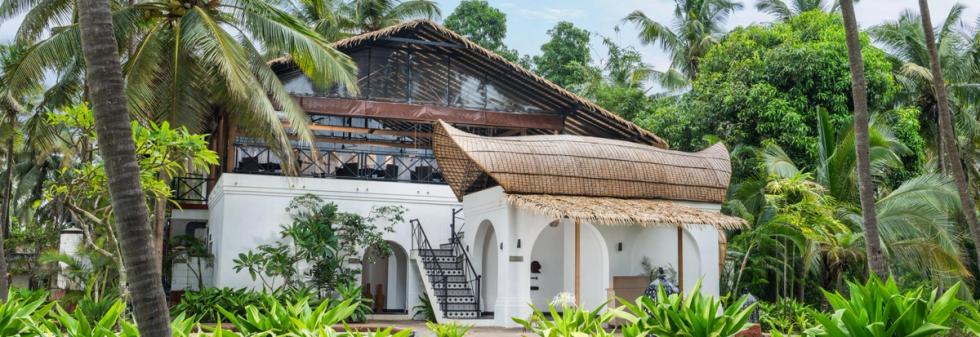
Seafood restaurant in Bekal. Taj Bekal Resort & Spa, Bekal, Kasaragod district, Kerala · bekal, eat, Seafood restaurant.
Book with the place itself. India’s cyber-crime coordination centre warned in April 2025 that convincing copies of hotel and pilgrimage booking sites are being pushed through sponsored search and social ads, taking payment for rooms the property never hears about. Every listing here links to the business’s own contact details and its own Google or Bing profile — we take no commission and sit in nobody’s payment path. If a booking page reached you through an ad, check the address bar against the property’s own site before you pay. Fraud can be reported on cybercrime.gov.in or on 1930.
Find food, accommodation and activities across Bekal. Browse the guides for places to eat, stay and explore along your route.
2 more places around Bekal. Open a guide to plan the visit and onward journey.
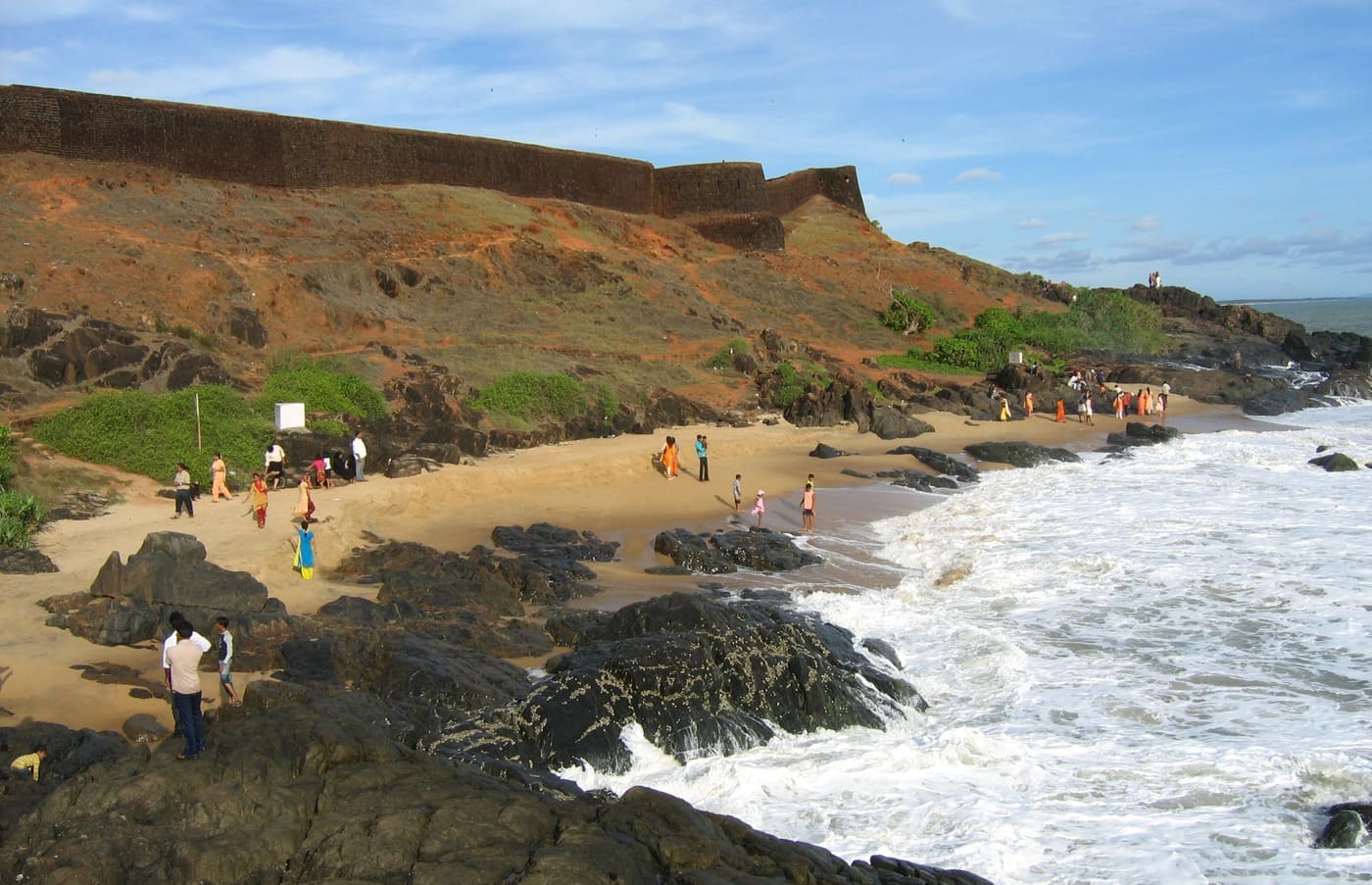
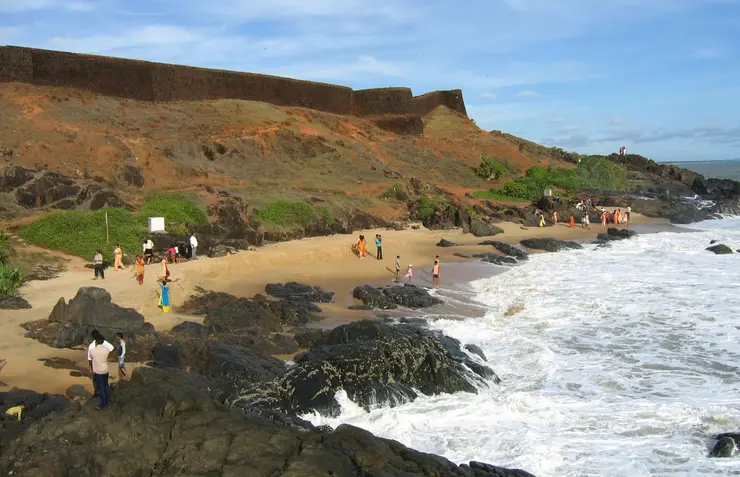
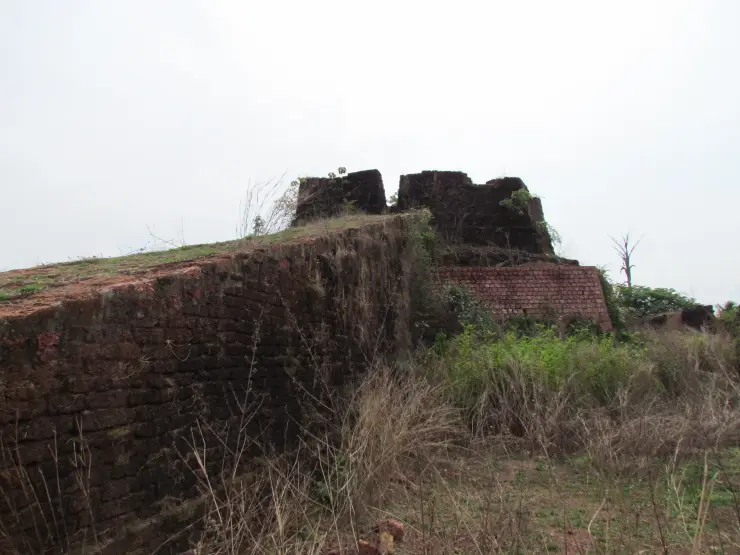
Kerala’s largest fort (~40 acres), a keyhole-shaped laterite bastion jutting into the Arabian Sea, built around 1650 by the Keladi Nayakas; its observation tower once mounted cannons.
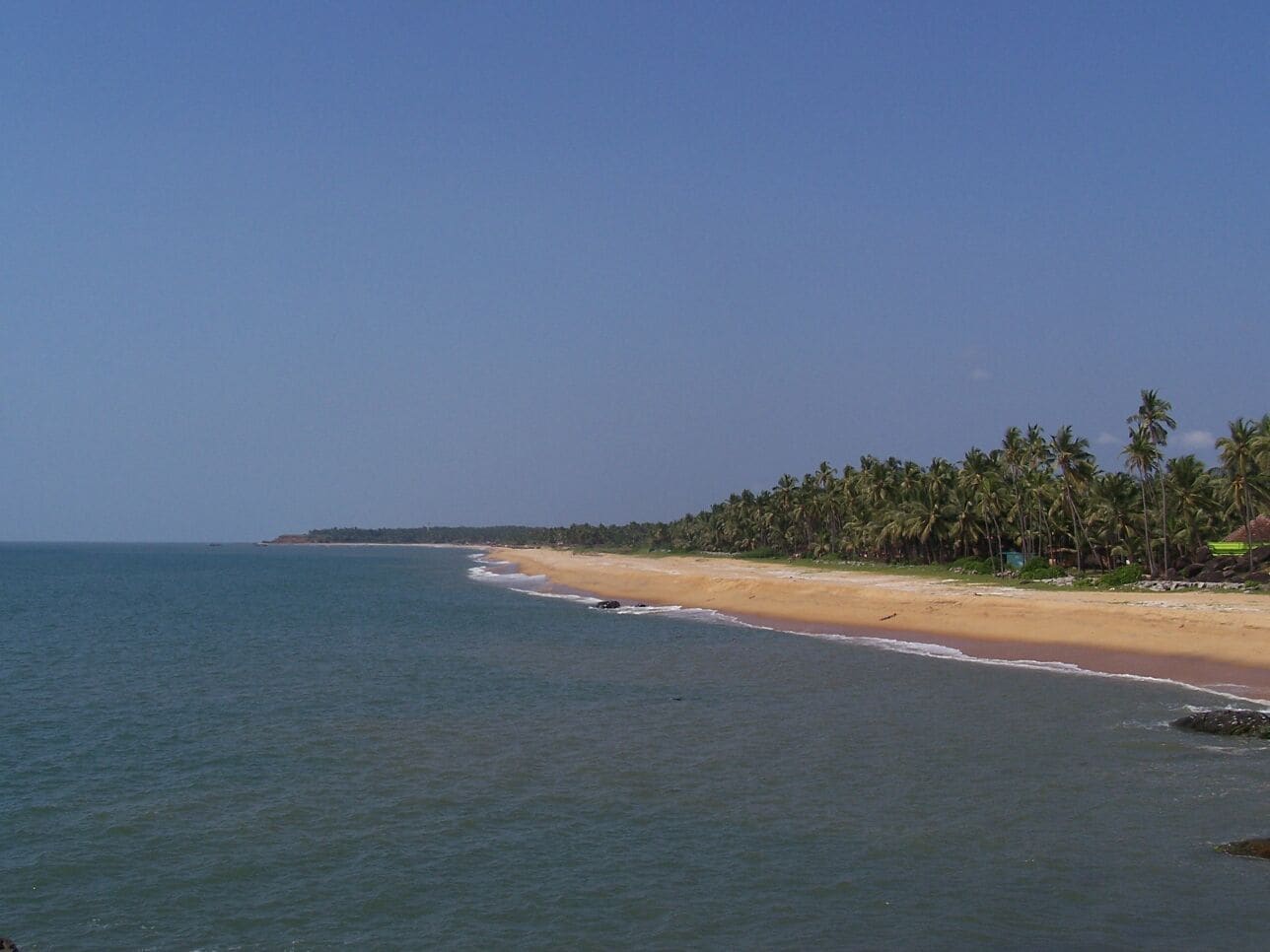
The beach stretch below Bekal Fort, with a landscaped park — famously the setting of the song “Uyire” from the film Bombay.
Roampedia is commission-free — own or know a stay, eatery, guide or shop near Kappil Beach? List it and it appears here once verified.
Add a nearby businessEntry: No entry fee — Kappil is a free, open public beach; you may pay only for parking or for an optional boat ride if available.
Festivals: Kappil itself hosts no major festival, but visits are often timed with the wider Bekal and Kasaragod calendar; Onam (August–September) and regional temple festivals bring the surrounding area to life, and the cool winter months are the peak visiting season.
Photography: No camera fee for personal photography on this open beach; the backwater-meets-sea view and the panorama from Kodi cliff are the standout shots, and sunset is the best light. Respect the privacy of fishermen and other visitors.
If you are travelling by bus or ferry, check the return service with the operator before setting out. Leave time to reach the stop or jetty after your visit.
Ask at the bus stand for the time of the last service back, not the next one. If you miss it, an auto or app cab is the fallback — agree the fare before you get in.
If you need step-free access, contact the site before travelling. Ask about a level entrance, steps along the route, the nearest drop-off point, seating and accessible toilets.
These services are listed within about 1.2 km of Kappil Beach. Walking distances follow mapped routes; access and opening hours can change. Other services may be closer but are not included here.
Emergency numbers are verified against official government and state tourism sources. 112 works anywhere in India.
Walking and driving times are real routed distances, except the few marked “straight line”, which are direct-line estimates and will read short. Fare figures are estimates from Kerala’s notified auto/taxi tariff and exclude waiting and night charges. Routing: © openrouteservice.org by HeiGIT | Map data © OpenStreetMap contributors
Nearby toilets, pharmacies, ATMs, seating and vets are community-mapped and may be incomplete or out of date. Map data © OpenStreetMap contributors | Walking times © openrouteservice.org by HeiGIT
No. This is the northern Kappil Beach in Kasaragod district, near Bekal Fort — a different place from the Kappil Beach and backwater near Varkala in southern Kerala. They share only the name. The Bekal Kappil lies about six to seven kilometres from Bekal Fort in the far north of the state.
It is roughly six to seven kilometres from Bekal Fort by road (some listings say around five to six), an easy short drive of about fifteen to twenty minutes, which is why most travellers visit it on the same day as the fort.
Swimming is generally not recommended. The shore shelves steeply and the waves can be strong, so most visitors wade only at the edge, walk the tideline or sit on the rocks rather than swim. Always judge the sea conditions on the day and heed any local warnings.
Kodi cliff is a low green hillock at the northern end of the beach. A short climb up it gives a panoramic view over the entire beach, the backwater and the Arabian Sea, and it is a favourite spot for trekkers, photographers and sunset-watchers.
The months from October or November to March offer the most pleasant, dry weather and calmest conditions. Late afternoon into sunset is the most rewarding time of day for the light and the views from Kodi cliff.
Facilities are minimal — there may be a few small kiosks or eateries near the access point, but Kappil is a quiet, undeveloped beach with little commercial infrastructure. It is best to carry your own water and essentials, and to use the fuller facilities available at Bekal or Kasaragod town.
Entry: No entry fee — Kappil is a free, open public beach; you may pay only for parking or for an optional boat ride if available. Timings: Open daylight hours; as an open public beach there is no gate or fixed timing, but visiting in daylight and leaving before dark is strongly advised as the beach is quiet and unlit.
Base yourself in Bekal or a nearby town in Kasaragod, then confirm the last-mile route locally before leaving. Arrive before sunset if you want photos and a calmer walk; beach roads can slow down in the evening. If the visit depends on forest, temple, boat, ferry, weather or seasonal access, check the official/local rule on the day before travel.
1 to 3 hours, longer if staying for food or sunset.
Do not swim during rough-sea warnings. Avoid isolated stretches after dark unless with a trusted local/operator.
We have not published a story about Kappil Beach itself yet. These cover Bekal and the wider district, with separate journeys between stops.
These guides explore Bekal and the surrounding area. Choose a visit that fits your interests, allowing separately for travel between stops.
Route-level itineraries and practical guides for the rest of Kerala.
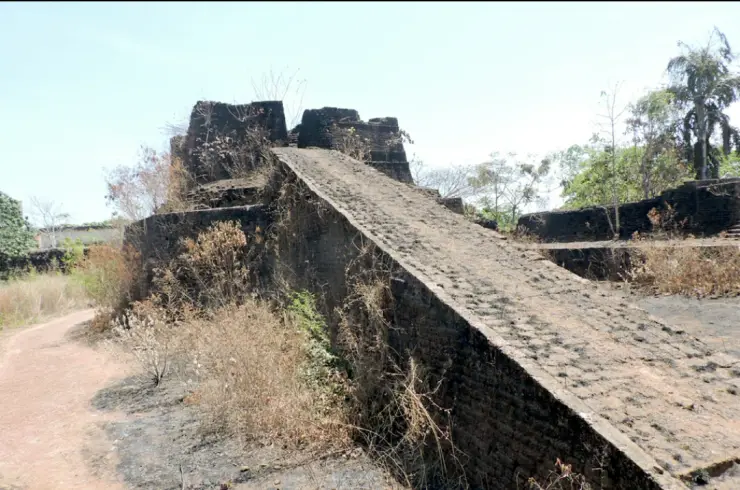
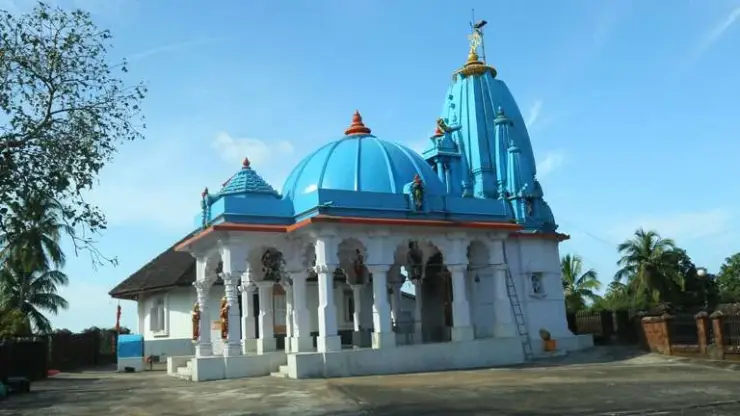
Photographs: Shishirdasika (CC BY-SA 4.0), Ikroos (Public domain), Arun Muralidhar (CC BY-SA 3.0). Wikimedia Commons.