The name of Vadakara is a small piece of geography that every visitor carries without noticing. Kerala Tourism explains that the town was once Vadakkekara, the place north of the river, and that everyday speech shortened it to Vadakara. That river goes by several names along its course, Moorad, Kuttiadi or Kottakkal. The town became an ancient centre of trade and commerce about 48 kilometres from Kozhikode. Yet Vadakara is remembered across Kerala for something older than its markets, because it is the home of the heroes of the Northern Ballads.
Those ballads, the Vadakkan Pattukal of North Malabar, celebrate local warriors, and the most famous of them belongs to this town. Kerala Tourism records that Thacholi Othenan, the legendary hero of the ballads, was born in Vadakara, and that the Thacholi Manikkoth arena where he practised his martial skills still draws visitors. Unniyarcha is honoured in the same songs, and the town's rich martial arts tradition grows out of these songs.
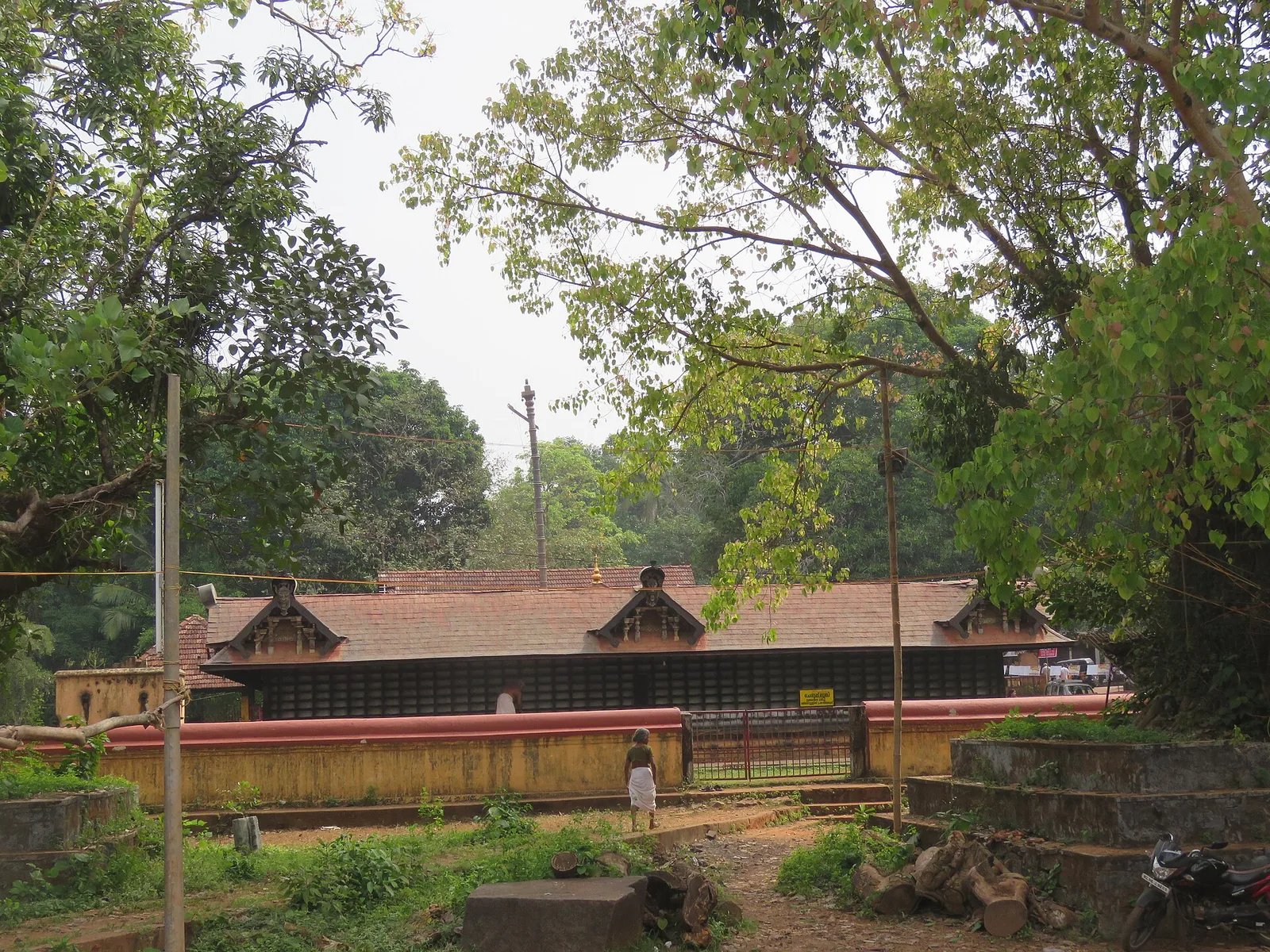
That literature keeps returning to one temple, which is why Lokanarkavu is the natural first stop in Vadakara. Lokanarkavu Temple stands in the village of Memunda near the town, and its main deity is Lokanarkavilamma, a form of the goddess Durga. Shrines to Vishnu and Shiva share the same complex. The northern ballads mention it many times, and Kerala Tourism notes that Othenan is believed to have worshipped here. The temple was a spiritual centre for kalaripayattu warriors, and its wood carvings and murals reward a slow walk around the courtyard under the tall trees.
The temple's festivals carry the ballads into the present, so their dates shape many visits. The Lokanarkavu Utsavam falls in November and December and again in March and April, with Theyyam and Thira among its folk arts. The Pooram brings processions of caparisoned elephants and drums. Thacholikali, a folk dance that re-enacts the exploits of warriors such as Othenan, belongs to this temple, and the nearby Lokanarkavu Kalaripayattu Academy draws students from around the world. The full ballad story is told in Lokanarkavu and the Vadakkan Pattukal.
From the temple, the river that named the town leads to the second great stop of the day. Iringal Sargaalaya, the Kerala Arts and Crafts Village, spreads over 20 acres on the shore of the Moorad. It is an initiative of Kerala Tourism, built on the Responsible Tourism model, and the Uralungal Labour Contract Cooperative Society runs it. Its 60 stalls sit in ethnic-style cottages, where visitors watch artisans at work, buy their handicrafts and learn a little of how they are made, and Iringal railway station lies only about 1.5 kilometres away.
The same stretch of coast holds a quieter story about the sea. Kolavipalam Beach, also called Turtle Beach, runs for about 4 kilometres between Vadakara and Payyoli, and Kerala Tourism names it a nesting ground for the endangered olive ridley turtle. Every year between November and December the turtles come ashore to lay their eggs, and local fishermen set up a conservation centre called Theeram to guard them. Onmanorama wrote in June 2026 that local communities have spent decades protecting nesting sites such as Kolavipalam, while seawalls now cover a large share of Kerala's coast and leave turtles fewer beaches to use.
A museum and a lighthouse finish the circuit. The Kunjali Marakkar Museum and the Thikkoti Lighthouse lie along the same coast. Together with the temple and the craft village, they fill one unhurried day from a base in Vadakara.
Frequently asked questions
What is Vadakara famous for?
It is the home of Thacholi Othenan and the Vadakkan Pattukal, the Northern Ballads, and of the Lokanarkavu temple they sing about.
How far is Vadakara from Kozhikode?
Kerala Tourism puts it about 48 kilometres from Kozhikode.
When is the Lokanarkavu festival?
The Utsavam falls in November–December and again in March–April.
Who runs Sargaalaya?
The Uralungal Labour Contract Cooperative Society manages it.