What to expect
Highlights
- Museum visit at Kunjali Marakkar Museum
- Indoor cultural or historical context
- Easy pairing with nearby food and heritage stops
The Kerala Archaeology Department’s museum in the surviving part of the Marakkar family house at Kottakkal, Iringal — three rooms and a vestibule holding swords, stone shot and megalithic finds, with an Indian Navy obelisk in the garden. Not the fort: that was razed in 1600.
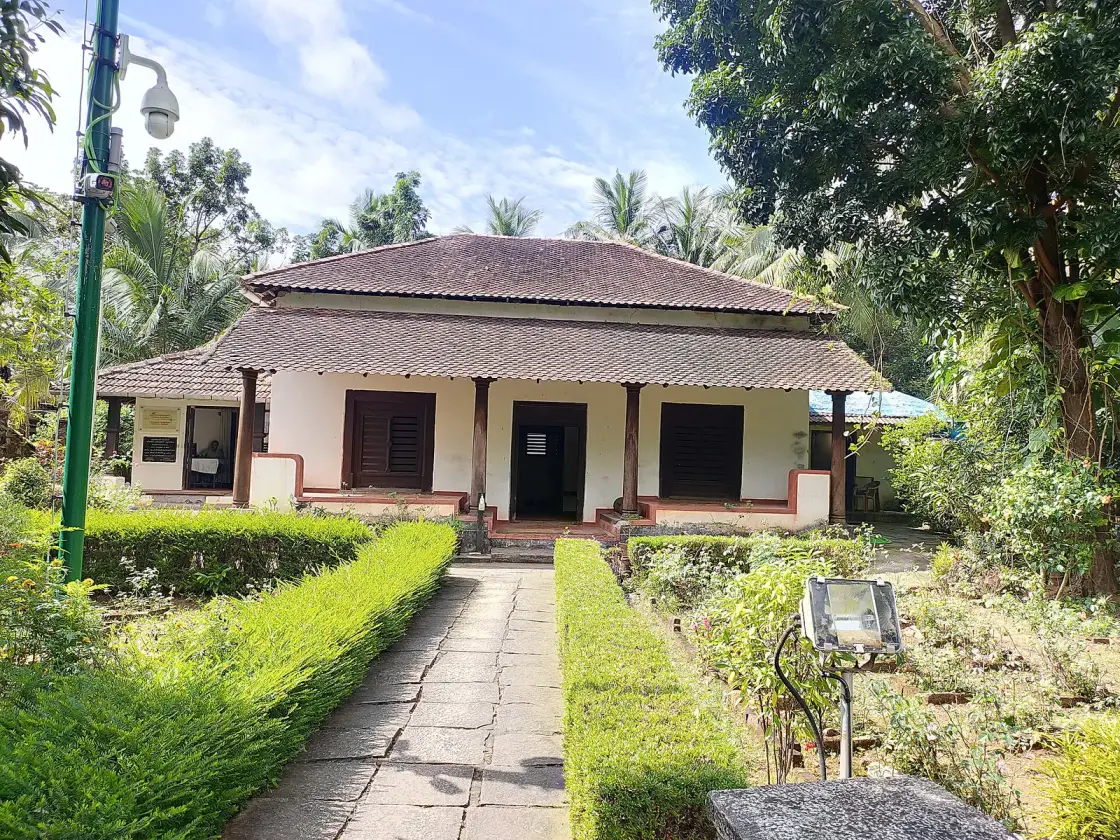
Three rooms and a vestibule on the south bank of the Moorad river at Kottakkal, Iringal — the surviving part of the house of the Kunjali Marakkars, the Zamorin of Calicut's admirals, protected as a monument in 1976 and opened as a museum by the Kerala Archaeology Department in 2004. It is not in the fort; the fort was razed to the ground in March 1600 and nothing of it stands. What is here is a small, quiet, unglamorous state museum with swords, stone shot, prehistoric pottery and an Indian Navy obelisk in the garden — and, on one wall, the most authoritative list of the four Kunjalis that exists anywhere.
The museum is a single-storey house under a deep Mangalore-tiled hip roof, whitewashed, with four turned wooden pillars along the veranda and dark louvred shutters. A stone path runs up to it between clipped hedges. There is a ticket desk in the left-hand bay with an attendant sitting at it, and a CCTV mast on the lawn. It looks exactly like what it is: a well-kept small government museum in a village.
Be clear about what the building is, because this is the commonest misunderstanding about the place. The Kerala Archaeology Department's own description is unambiguous: the Portuguese destroyed the original house in the late sixteenth century, the current building is a renovated version of an older structure, and a modern addition in traditional style serves as a library and museum. So this is a rebuilt house on the Marakkar family's ground plus a modern annexe — not the admirals' own walls, and emphatically not the fort. Anything that tells you that you can walk the fort ramparts here is wrong.
Inside it is three rooms and a vestibule, and a visit takes fifteen to thirty minutes. Saying so is a service rather than a criticism: come knowing it is small and you will look at the objects properly instead of hunting for more.
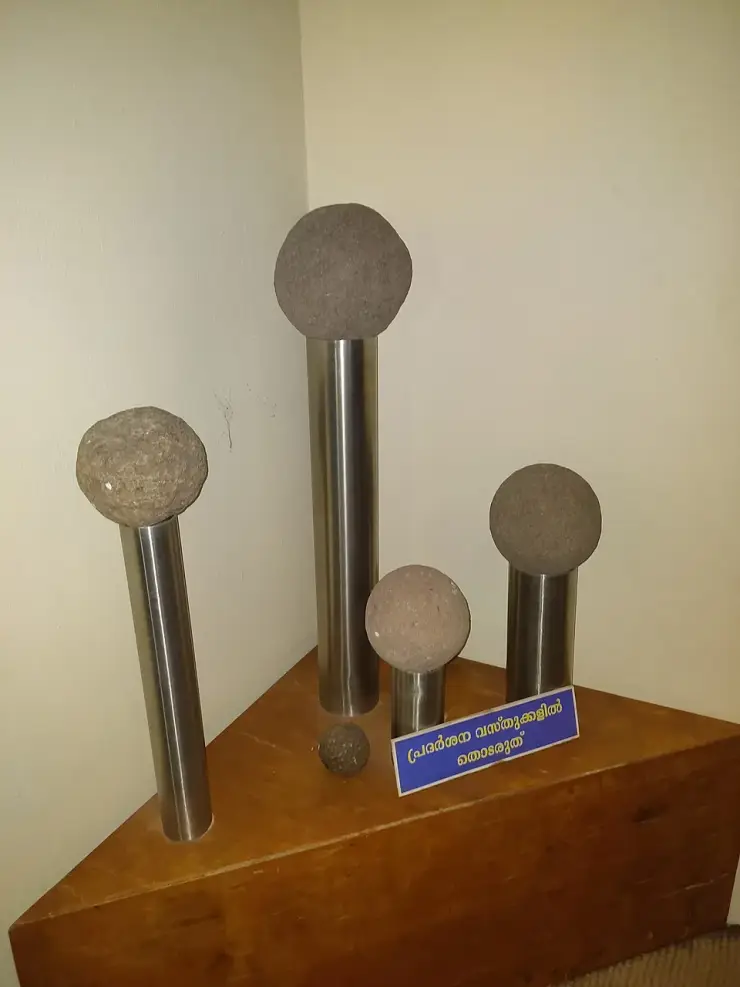
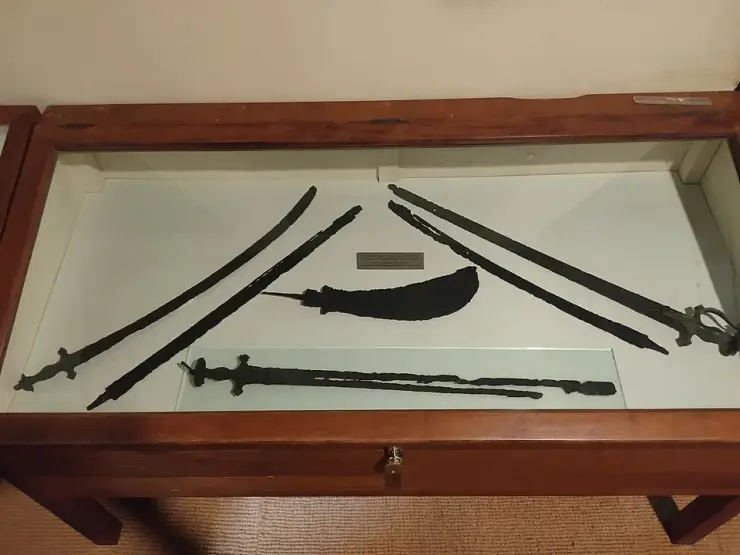
What is in the cases is worth slowing down for. There is one flat wooden vitrine holding six heavily corroded straight iron blades — some cross-hilted, one with a knuckle guard — laid out in a fan, with one short curved weapon in a decayed scabbard across the middle. Nothing has been polished for display; it is all black with corrosion, and it is better for it. In a corner stand stone cannonballs of graduated calibre, mounted on polished steel rods of different heights on a plain wooden plinth, the largest about the size of a human head, with a blue-and-white Malayalam sign beside them reading do not touch the exhibits. And there is a case of megalithic and Neolithic material with its find-spots recorded — pottery from Kakkur, pottery and beads from Peringathur, a stone axe and iron tools from laterite caves in the district.
That last case is the thing nobody writes about. This is not only a Marakkar museum. It is the Archaeology Department's cabinet for prehistoric Kozhikode, and the Iron Age material in it has nothing whatever to do with the sixteenth century. You come for admirals and you find yourself looking at beads two thousand years older.
Outside, in a clipped garden with a red terrazzo apron and chain posts, stands a granite obelisk on a black polished plinth carrying the Indian Navy crest and two gold inscriptions. It is the reason to walk round the back, and what it says — and how it spells the name — is the subject of this page's myth section. The year the Navy erected it is not stated on anything we could find, so do not trust a page that gives you one.
Two things stand within walking distance and both matter. The Kottakkal Valiya Juma'ath Mosque is about four hundred metres north-north-east and holds objects that tradition identifies as taken from the Portuguese; it is a working mosque, so normal etiquette applies and permission should be asked. And Sargaalaya, the Kerala Arts and Crafts Village, is 1.1 km east — close enough to do both in a morning, except on a Monday, when both are closed.
Everyone says Kunjali Marakkar. There were four of him, the most reliable list of the four is a framed sheet of card on a wall in this house, it hedges every date it gives, and the Indian Navy standing ten metres away in the garden spells the name differently.
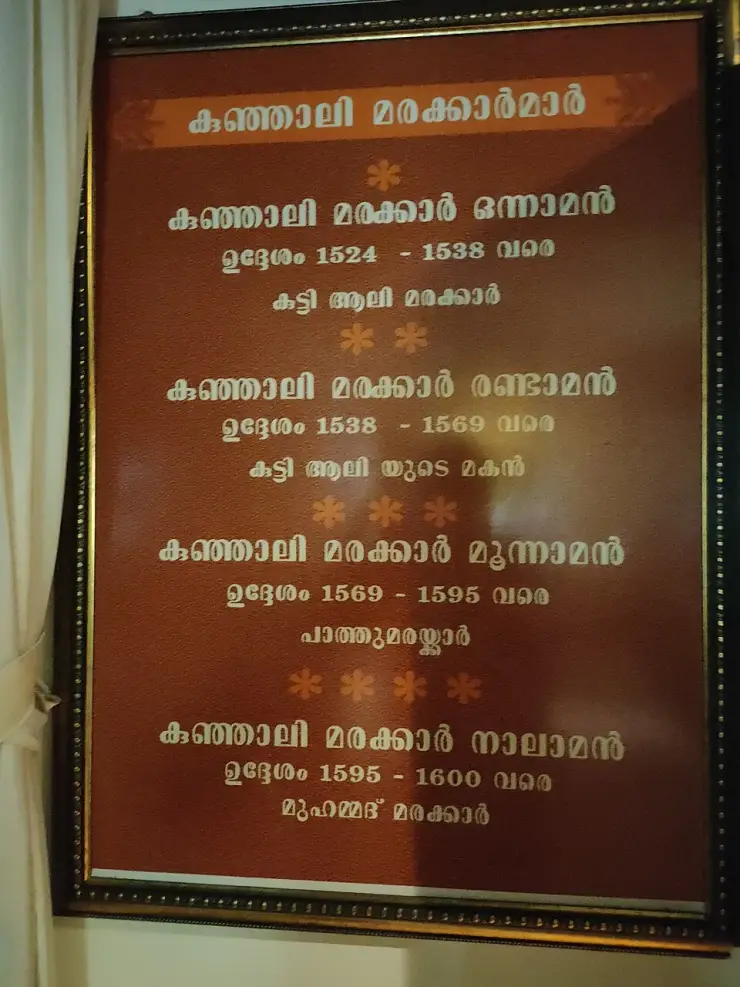
Start with the board. It hangs inside the museum, a framed Malayalam panel headed കുഞ്ഞാലി മരക്കാർമാർ — the Kunjali Marakkars, plural — and it lists four men. Kunjali Marakkar I, ഉദ്ദേശം 1524 to 1538, Kutti Ali Marakkar. Kunjali Marakkar II, ഉദ്ദേശം 1538 to 1569, described only as the son of Kutti Ali. Kunjali Marakkar III, ഉദ്ദേശം 1569 to 1595, Pathu Marakkar. Kunjali Marakkar IV, ഉദ്ദേശം 1595 to 1600, Muhammad Marakkar.
Two things about that. First, ഉദ്ദേശം means approximately, and the Department has put it in front of every single date on its own wall. This is a state archaeology department declining to be certain about the dates of the men its museum exists to commemorate. Second, the board disagrees with the internet. The chronology copied across most websites gives Kunjali II as Kutti Pokker with dates of 1531 to 1571; the museum's board declines to name him at all, calling him only the son of Kutti Ali, and dates him 1538 to 1569. English Wikipedia's article on the Kunjali Marakkars does not carry a complete four-man list with dates at all. So the most authoritative enumeration of the four Kunjalis available anywhere is a framed card in a three-room house at Iringal, and it hedges.
Now walk out to the garden. The granite obelisk there reads: THE KUNHALI MARAKKARS OCCUPY A SPECIAL POSITION IN THE HISTORY OF THE MALABAR COAST. THEY SYMBOLISE NATIVE RESISTANCE TO FOREIGN RULE, AND MADE LASTING CONTRIBUTIONS TO OUR GLORIOUS SEAFARING TRADITIONS. And below it: THIS MEMORIAL HAS BEEN ERECTED BY THE INDIAN NAVY AS A TRIBUTE TO THE KUNHALI MARAKKARS, WHOSE EXTRAORDINARY FEATS OF VALOUR OVER THE SEAS IN THE 16TH CENTURY NOT ONLY STAND OUT AS SHINING EPISODES IN OUR RICH MARITIME PAST, BUT ALSO CONTINUE TO INSPIRE THE INDIAN SEA FARER TO THIS DAY.
KUNHALI, and plural both times. The Department's board prints Kunjali; Kerala Tourism writes Kunjali, singular, as though there were one man; O. K. Nambiar's standard book is titled The Kunjalis, plural. The Navy got the plural right and the popular usage got it wrong, and the two are standing in the same garden about ten metres apart. Notice also what the Navy's text does not say — no claim that this was India's first navy or that guerrilla naval warfare was invented here. Just feats of valour over the seas in the sixteenth century. The service with the strongest institutional interest in claiming more is the one being careful.
And there is a third leg, which is the uncomfortable one. Zainuddin Makhdum II's Tuhfat al-Mujahidin is cited constantly on this coast as the Arabic, Malabar, insider witness to the Portuguese wars. It was completed in 1583, and its narrative runs from 1498 to 1583. Kunjali IV did not become Kunjali until about 1595 and was executed in 1600. The Tuhfat cannot describe him, his fort, the siege of Kottakkal or his death — and it does not. Which means that every narrative account we have of the fall of this place is Portuguese: Diogo do Couto's Décadas, the Jesuit Litterae Annuae, François Pyrard of Laval writing from Goa a few years after. Nambiar, producing the standard Indian account, quotes De Couto at length and verbatim because there is nothing else to quote. The Mappila side of this shore kept its memory of 1600 in a mosque and in a family's oral tradition rather than in a book. In a museum built to commemorate native resistance to foreign rule, the only surviving narrative of how that resistance ended was written by the foreigners.
The Marakkars were a Muslim trading family who became the Zamorin of Calicut's naval commanders against the Portuguese through the sixteenth century, the title Kunjali passing down four holders between roughly 1524 and 1600.
The fort here was the Zamorin's own answer to Ponnani. Nambiar records that while the Portuguese were negotiating for a fort site at Ponnani, the Calicut admiral asked the king's permission to build on a square peninsula at the mouth of the Kotta river, and the Zamorin granted it. Kotta was raised as an alternative base, ready before the Portuguese fort went up. The same sovereign who authorised it in the 1580s besieged it in 1600.
What was built is described in the Portuguese chronicles: on the land side a deep ditch with a double wall about seven feet thick, flanked at regular distances with towers mounted with cannon; between the two creeks a strong wall with two towers to secure the town; and the sea-shore lined with palisades and flanked by bastions, one higher than the other and mounted with heavy cannon to defend the harbour entrance — which was further secured by a boom of masts strongly chained together. From this base, De Couto complains, he began to make war on us, taking many of our ships richly laden. A boom of chained masts across the Moorad river mouth is the most vivid physical fact about this site, and not a stone of any of it survives.
The end came in 1600. The Zamorin allied with the Portuguese against his own admiral; André Furtado de Mendonça's forces assembled through the winter, seventeen ships were dragged overland by men and elephants because the river mouth could not be forced, the final assault went in on 7 March, and Kunjali IV surrendered on 16 March. The fort was razed and the bazaars, town and mosque burned. Kunjali IV was taken to Goa and executed. Nambiar's figures and English Wikipedia's differ materially — Nambiar has over 1,200 Portuguese and over 12,000 Nayars against 800 Moors inside the fort, Wikipedia has 2,000 and 6,000 against 1,500 — and both agree on the two March dates. Treat the numbers as disputed.
The Kerala State Department of Archaeology — not the ASI, not Kerala Tourism, not the DTPC — took the surviving portion of the house under protection as a monument in 1976 and opened it as a museum in 2004, in what its own record calls a small building consisting of one vestibule and three rooms. Its published description says the roof is thatched; it is not, and has not been for some time — the building carries Mangalore tile. India issued a Kunjali Marakkar commemorative postage stamp in 2000, four hundred years after the execution.
One absence is worth recording, because it is unusual for a site of this importance. No excavation report for the Kottakkal fort site could be found — no year, no agency, no report number. The Department describes its finds as coming from nearby areas and from laterite caves in Kozhikode district. So far as its own published record shows, the fort site has never been systematically excavated.
Read the board. A framed Malayalam panel on the wall lists all four Kunjali Marakkars with their dates, and puts ഉദ്ദേശം — approximately — in front of every one of them. It is the most authoritative list of the four that exists anywhere, and it is more careful than the internet.
Then read the obelisk in the garden. The Indian Navy's memorial spells the name KUNHALI and puts it in the plural, twice — which is right, and which almost nobody else does.
The objects are unpolished and specific: six corroded iron blades in one flat case, stone shot of graduated calibre mounted on steel rods, and — unexpectedly — megalithic pottery and beads with their find-spots recorded, from Kakkur and Peringathur.
It is honest about what it is not. This is the surviving part of the family house, rebuilt, plus a modern annexe. The fort was razed to the ground in March 1600 and nothing of it stands — which is itself worth understanding on the spot.
The Moorad river below is the reason the fort was here at all: a defensible peninsula, a harbour that could be closed with a boom of chained masts, and a channel a Portuguese fleet could not force. It is still a working fishing river with wooden canoes drawn up on the mud.
It pairs with Sargaalaya, the Kerala Arts and Crafts Village, 1.1 km east — an easy morning for the two together, on any day except Monday, when both are closed.
Road km to Kozhikode; ghat roads and traffic vary — allow extra.
Midday works well for museums, especially when outdoor heat is high.
Live forecast loads in your browser.
Sun and moon are calculated for this location and shown in IST. Photography windows are the hour around sunrise and sunset; the sunset bearing is degrees clockwise from true north. Moon phase is accurate to about half a day.
Verified hotels, homestays, restaurants, experiences, sights, shops and rentals around Kunjali Marakkar Museum — commission-free, with direct contact. Filter by what you need.
Four-star hotel in central Vadakara with 18 rooms and the SAMRAT multi-cuisine restaurant. It sits by the Kannur-Calicut bypass, steps from the town bus terminal.
Four-star business hotel at the heart of Vadakara near the NH bypass. It sits close to the Arabian Sea shoreline with an infinity pool, gym and banquet halls.
Kerala Tourism accredited hotel at Link Road Junction, beside the national highway through Vadakara.
Kerala Tourism accredited tourist home beside Vadakara's old bus stand, walkable to the town centre.
Kerala Tourism accredited hotel at Vadakara's new bus stand, the easiest base if you arrive by bus.
Vadakara's cooperative coffee house, on Nut Street, run by the Kannur society since 1958.
Gayathri Hotels' restaurant by the new bus stand at Edodi, open for breakfast, lunch and dinner.
Fine-dining restaurant of Queens Tourist Home, on Queens Road, with a rooftop section.
Vadakara's state bus depot, on the NH66 corridor, run by an Assistant Transport Officer. Office of the Assistant Transport Officer, KSRTC Vadakara, Kozhikode, Kerala 673513.
Station code BDJ, on the Shoranur-Mangalore line, open since 1907 and busy with about 9,967 passengers a day.
Book with the place itself. India’s cyber-crime coordination centre warned in April 2025 that convincing copies of hotel and pilgrimage booking sites are being pushed through sponsored search and social ads, taking payment for rooms the property never hears about. Every listing here links to the business’s own contact details and its own Google or Bing profile — we take no commission and sit in nobody’s payment path. If a booking page reached you through an ad, check the address bar against the property’s own site before you pay. Fraud can be reported on cybercrime.gov.in or on 1930.
Find food, accommodation and activities across Vadakara. Browse the guides for places to eat, stay and explore along your route.
4 more places around Vadakara. Open a guide to plan the visit and onward journey.
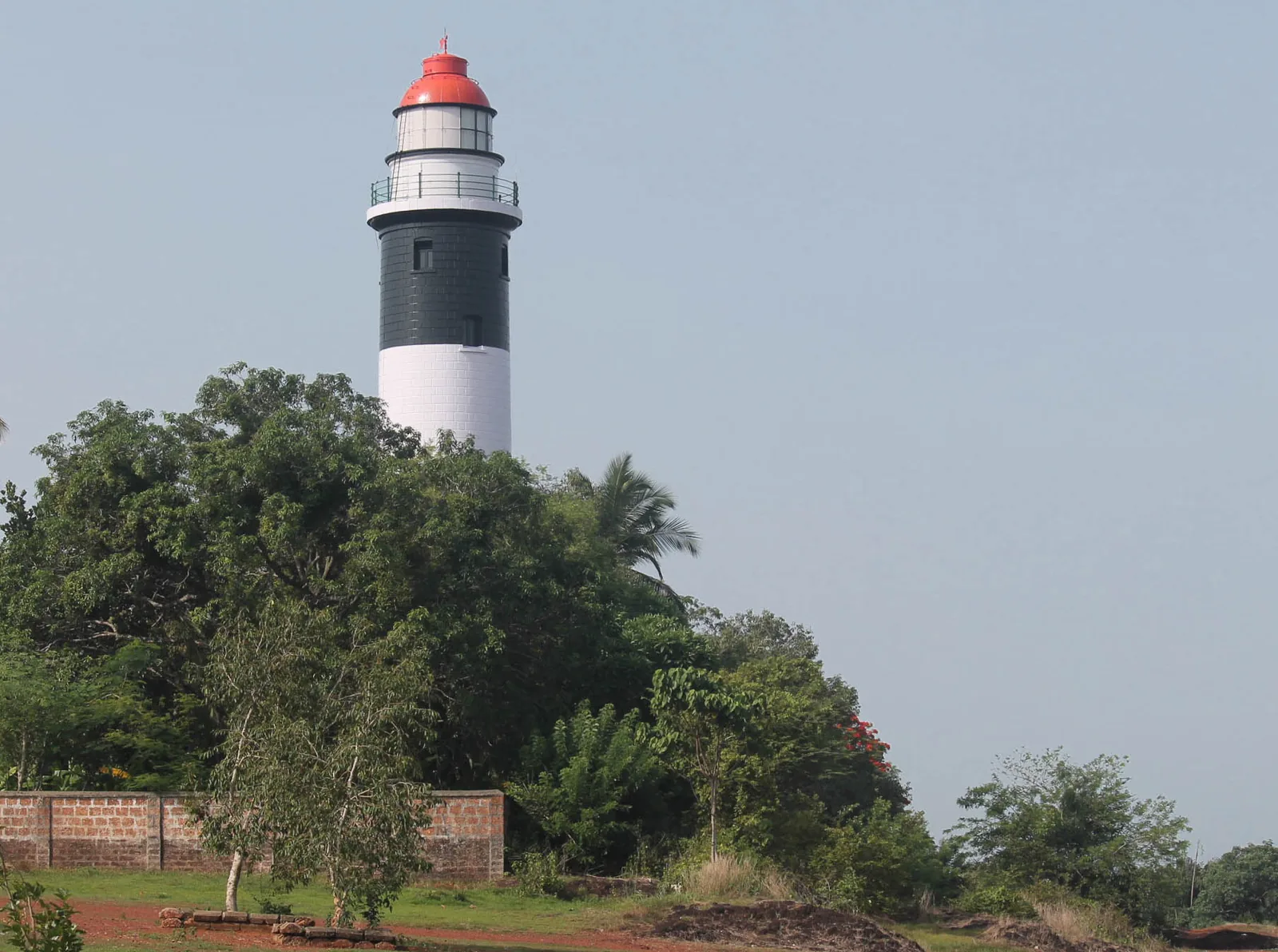
11.2 km · ~19 min by cab
A 1909 lighthouse on the laterite headland at Kadalur Point, built to mark the submerged Sacrifice Rock eight kilometres offshore.
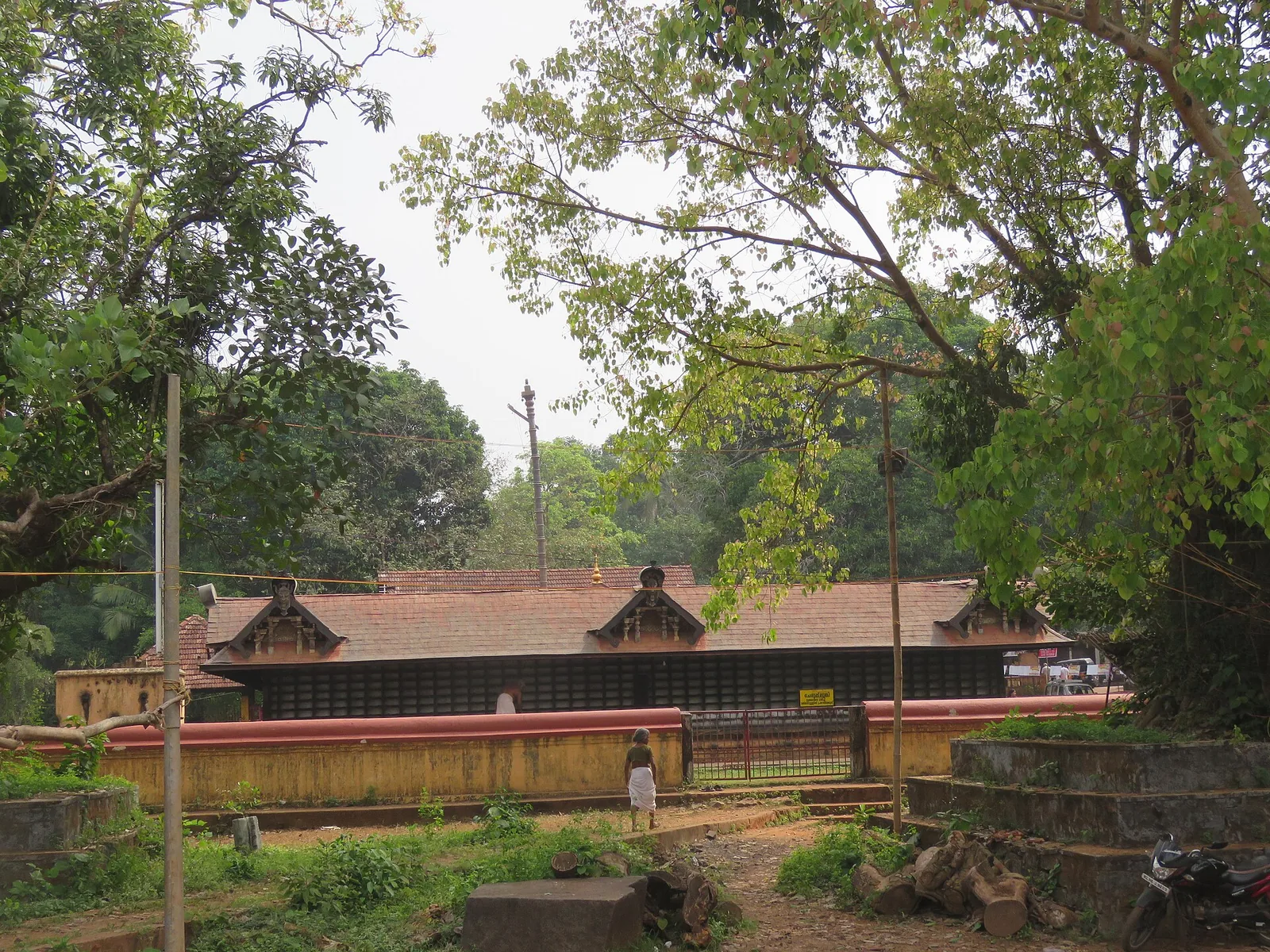
4.7 km · ~12 min by auto
Ancient Durga/Bhagavathy temple at Vadakara, celebrated in the Vadakkan Pattukal and linked to the Kalaripayattu hero Thacholi Othenan.
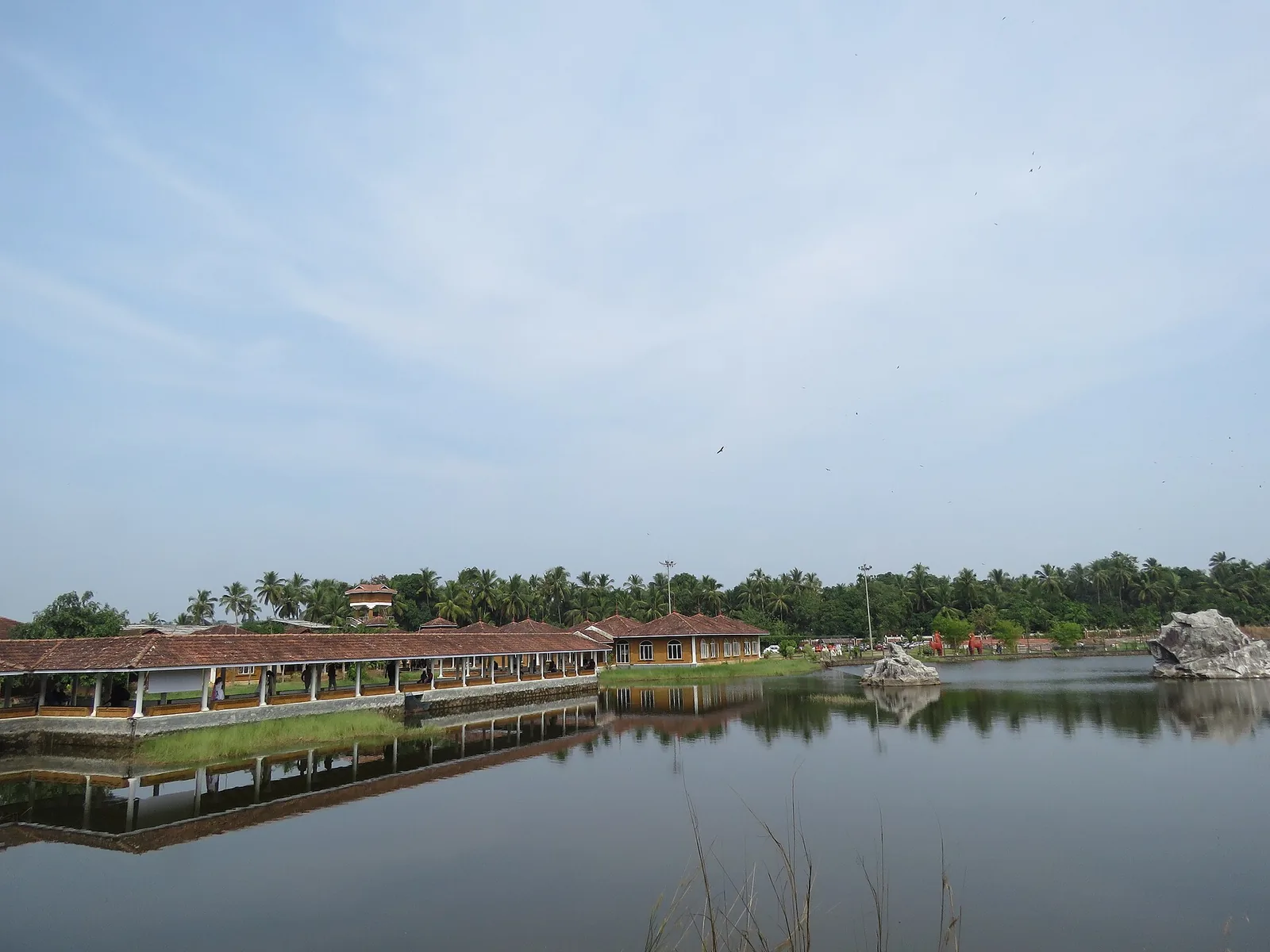
1.1 km · 14 min walk
Kerala Arts & Crafts Village at Iringal near Vadakara — a riverside campus of working artisans and crafts pavilions.
1.6 km · 19 min walk
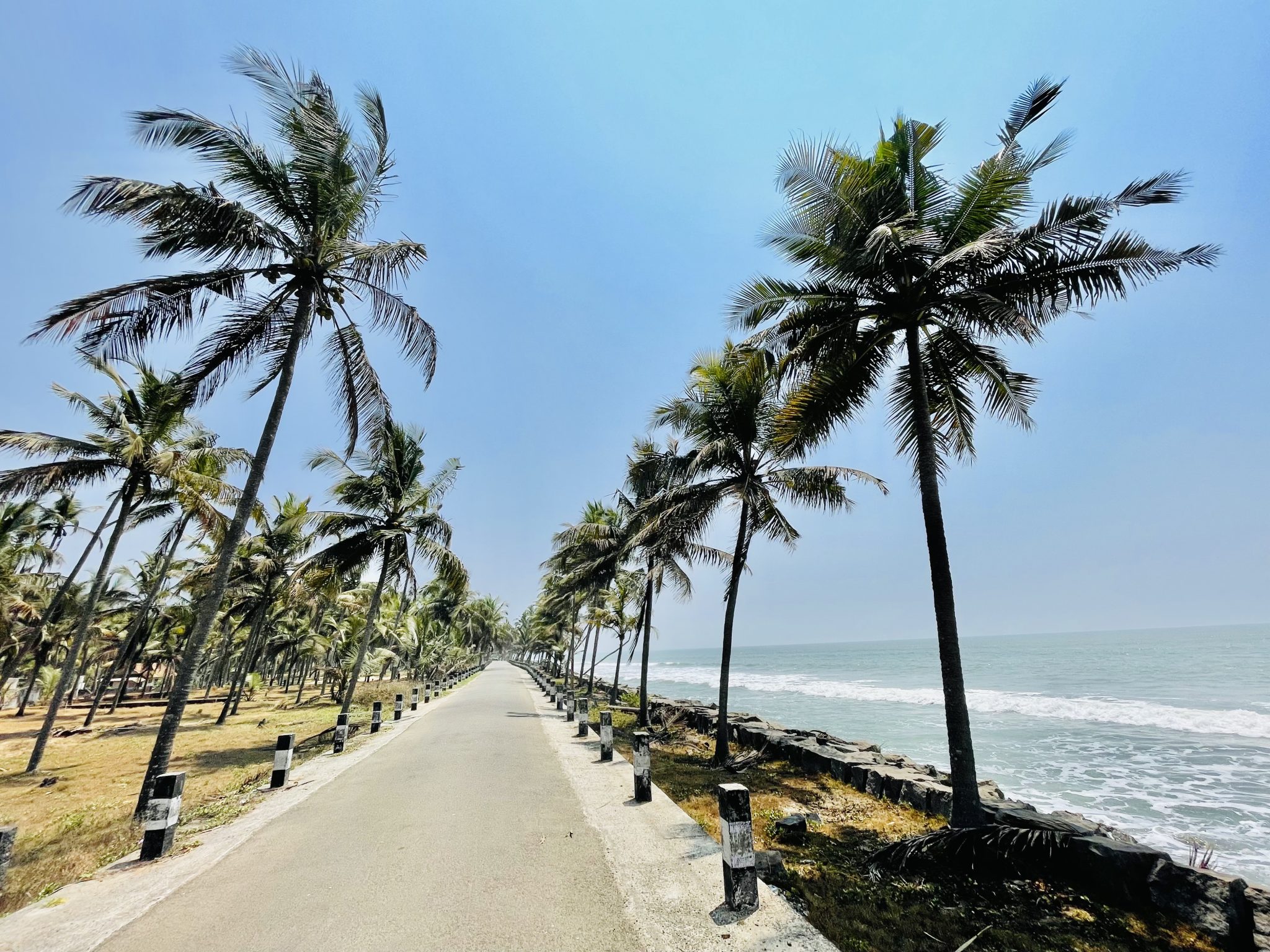
An 8 km olive ridley nesting shore at Iringal, protected since 1992 by a village committee of twelve — and now largely armoured with seawalls, with seven nesting females recorded across the four seasons to 2023.
Roampedia is commission-free — own or know a stay, eatery, guide or shop near Kunjali Marakkar Museum? List it and it appears here once verified.
Add a nearby businessEntry: Around ₹10 for an adult, ₹5 for a child, and ₹20 for a mobile-phone camera. As above, the published figures are undated — treat as indicative and confirm locally.
Photography: A mobile-phone camera ticket is charged separately, around ₹20. There is a sign in the galleries reading, in Malayalam, do not touch the exhibits. The mosque nearby is a working place of worship — ask before photographing there.
If you are travelling by bus or ferry, check the return service with the operator before setting out. Leave time to reach the stop or jetty after your visit.
Ask at the bus stand for the time of the last service back, not the next one. If you miss it, an auto or app cab is the fallback — agree the fare before you get in.
If you need step-free access, contact the site before travelling. Ask about a level entrance, steps along the route, the nearest drop-off point, seating and accessible toilets.
Emergency numbers are verified against official government and state tourism sources. 112 works anywhere in India.
Kerala Arts & Crafts Village at Iringal near Vadakara — a riverside campus of working artisans and crafts pavilions.
1.1 km · 14 min walk · straight lineAn 8 km olive ridley nesting shore at Iringal, protected since 1992 by a village committee of twelve — and now largely armoured with seawalls, with seven nesting females recorded across the four seasons to 2023.
1.6 km · 19 min walk · straight lineAncient Durga/Bhagavathy temple at Vadakara, celebrated in the Vadakkan Pattukal and linked to the Kalaripayattu hero Thacholi Othenan.
4.7 km · ~12 min by auto · straight lineA 1909 lighthouse on the laterite headland at Kadalur Point, built to mark the submerged Sacrifice Rock eight kilometres offshore.
11.2 km · ~19 min by cab · straight line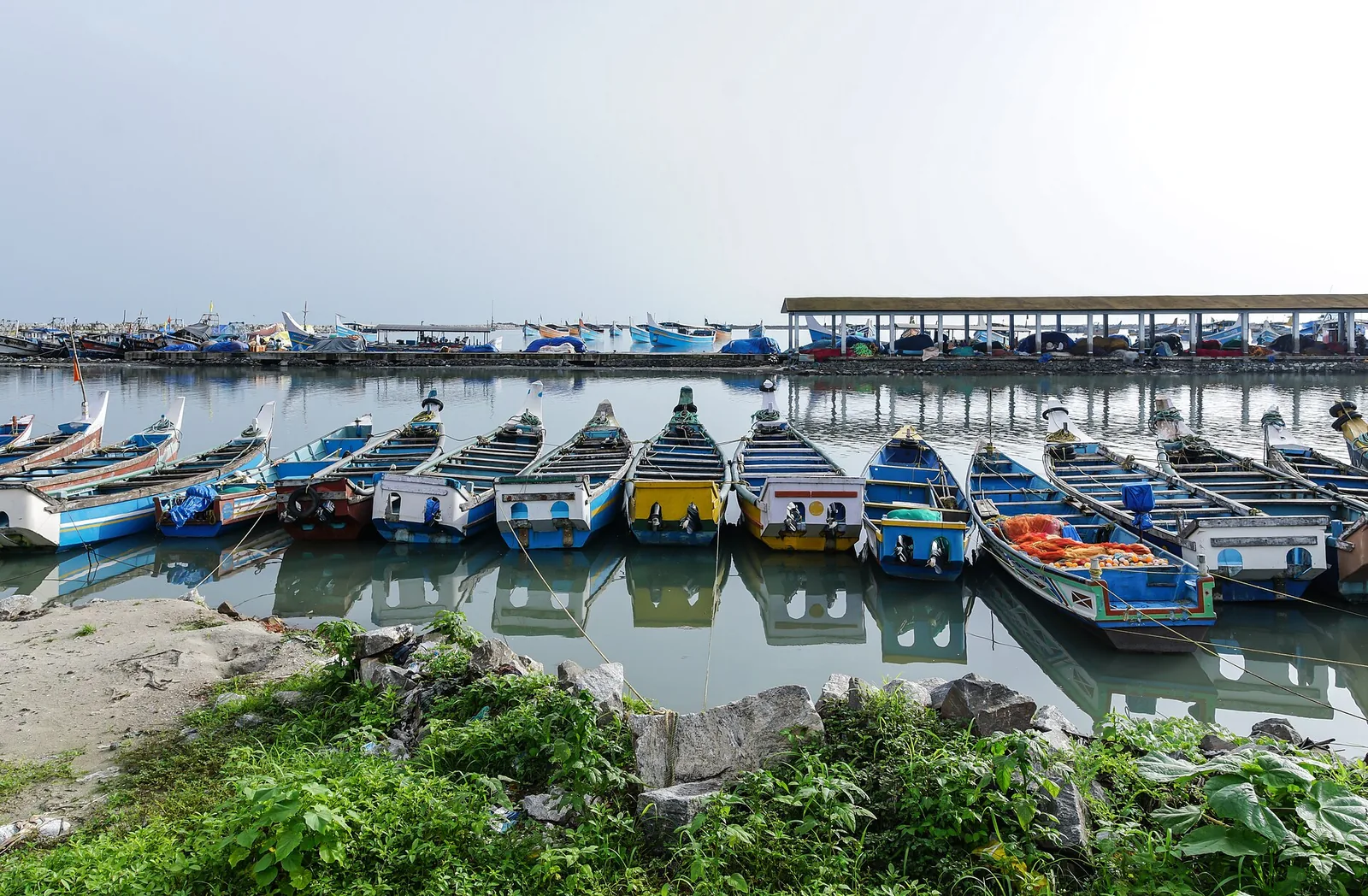
The medieval port of Panthalayani Kollam — Ibn Battuta’s Fandarayna, where Chinese junks wintered, and the anchorage where da Gama’s fleet lay 88 days in 1498. Nothing of the port survives above ground; the working fishing harbour is what you come for.
17.5 km · ~29 min by cab · straight line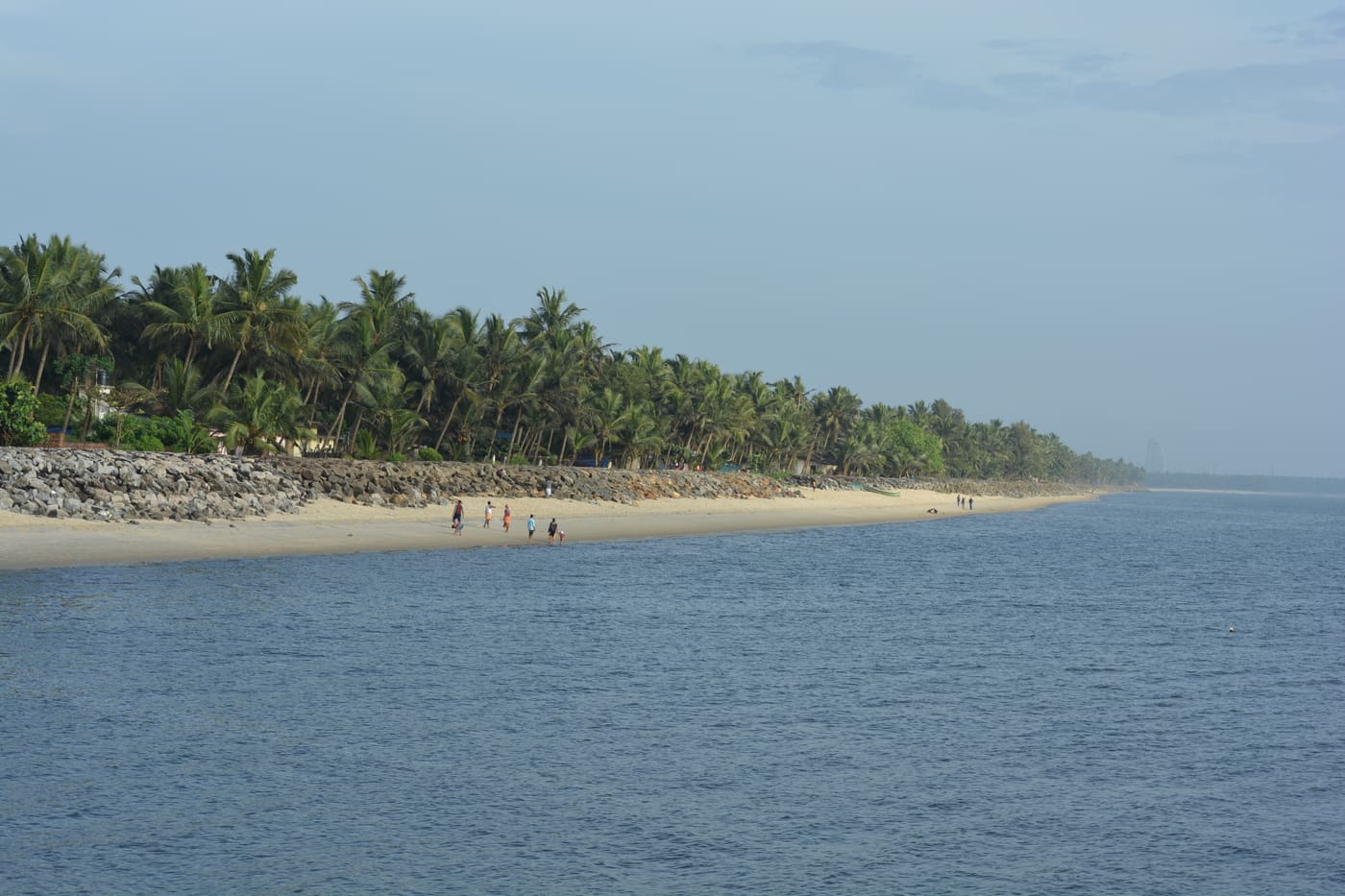
Historic beach associated with Vasco da Gama’s arrival on the Malabar coast.
23.6 km · ~39 min by cab · straight line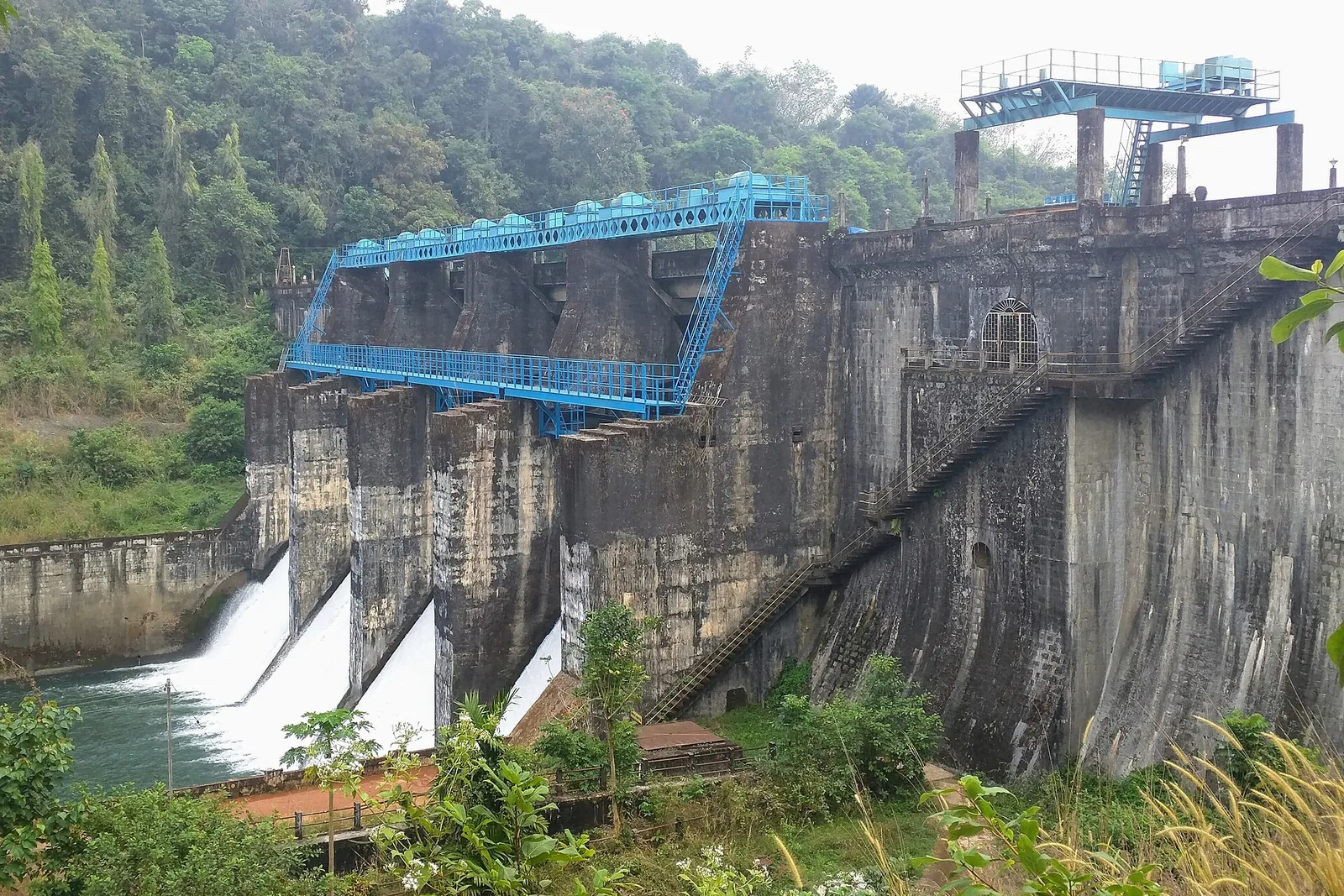
Irrigation reservoir and boating spot in the Kozhikode high ranges, with a 1977 government crocodile breeding centre on the shore.
24.9 km · ~41 min by cab · straight line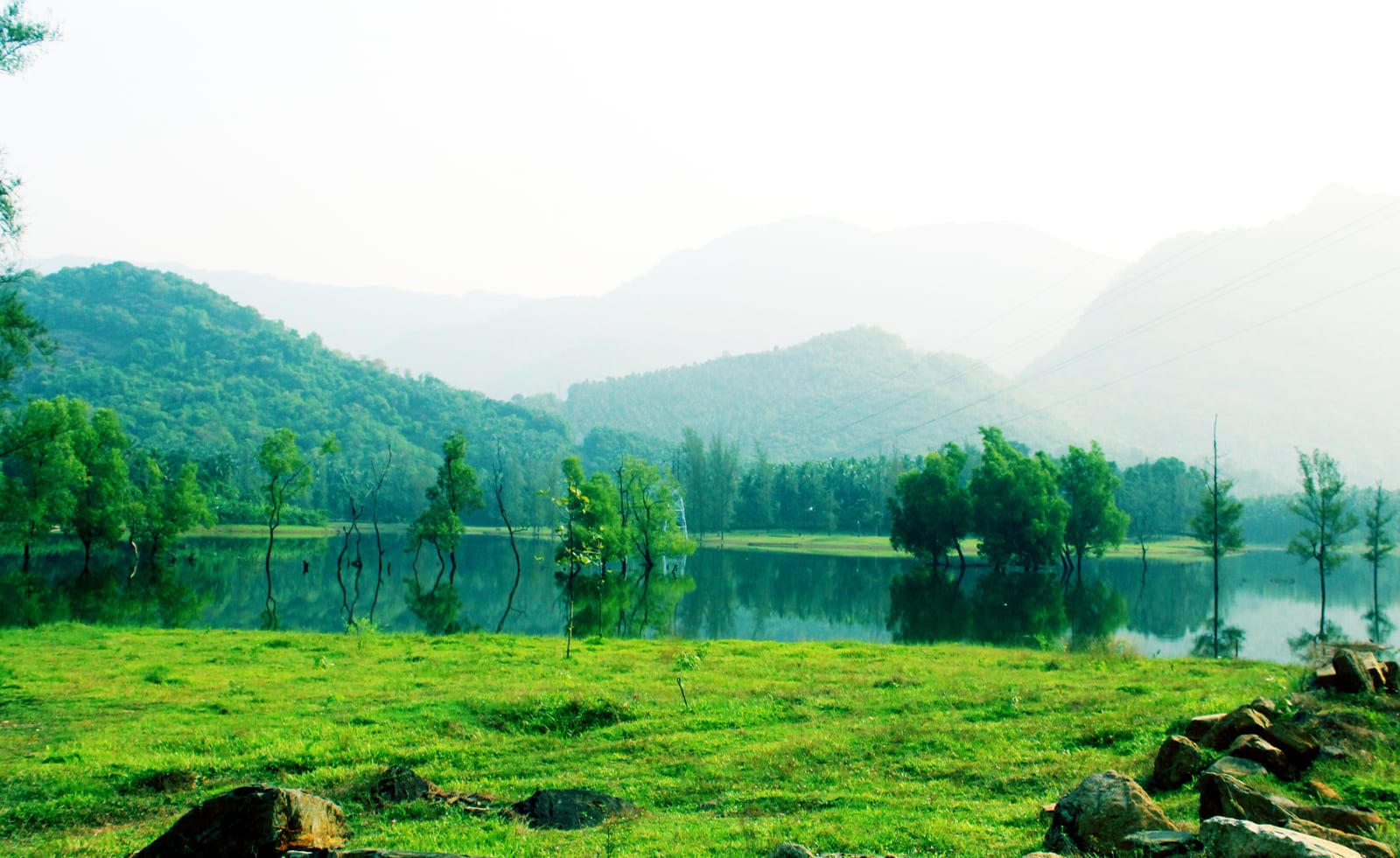
A ticketed riverside bathing and picnic centre on Irrigation Department land where the Kuttiyadi runs over a bedrock sheet into the head of the Peruvannamuzhi backwater — at 57 m, with no drop and no forest permit, but a serious drowning history.
32.5 km · ~54 min by cab · straight line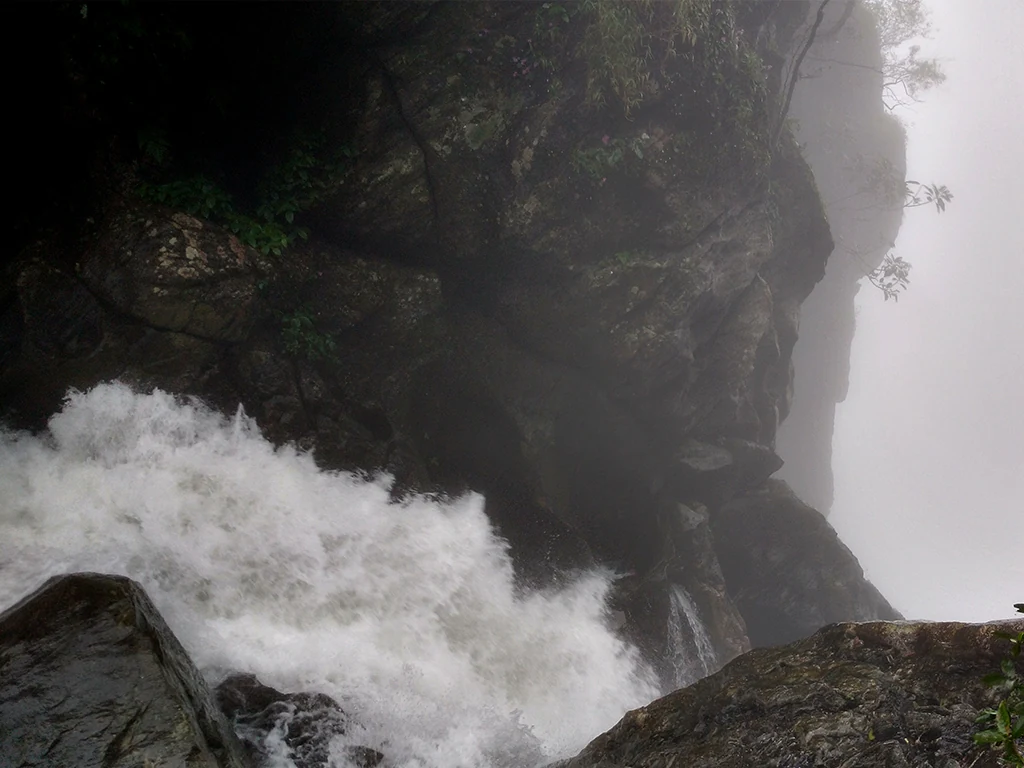
The managed forest outing towards Urakkuzhi Falls above Kakkayam, distinct from reservoir boating. Confirm the admitted route with the forest counter: recent reports describe restrictions at the waterfall viewpoint and Shankaranpuzha.
32.5 km · ~54 min by cab · straight line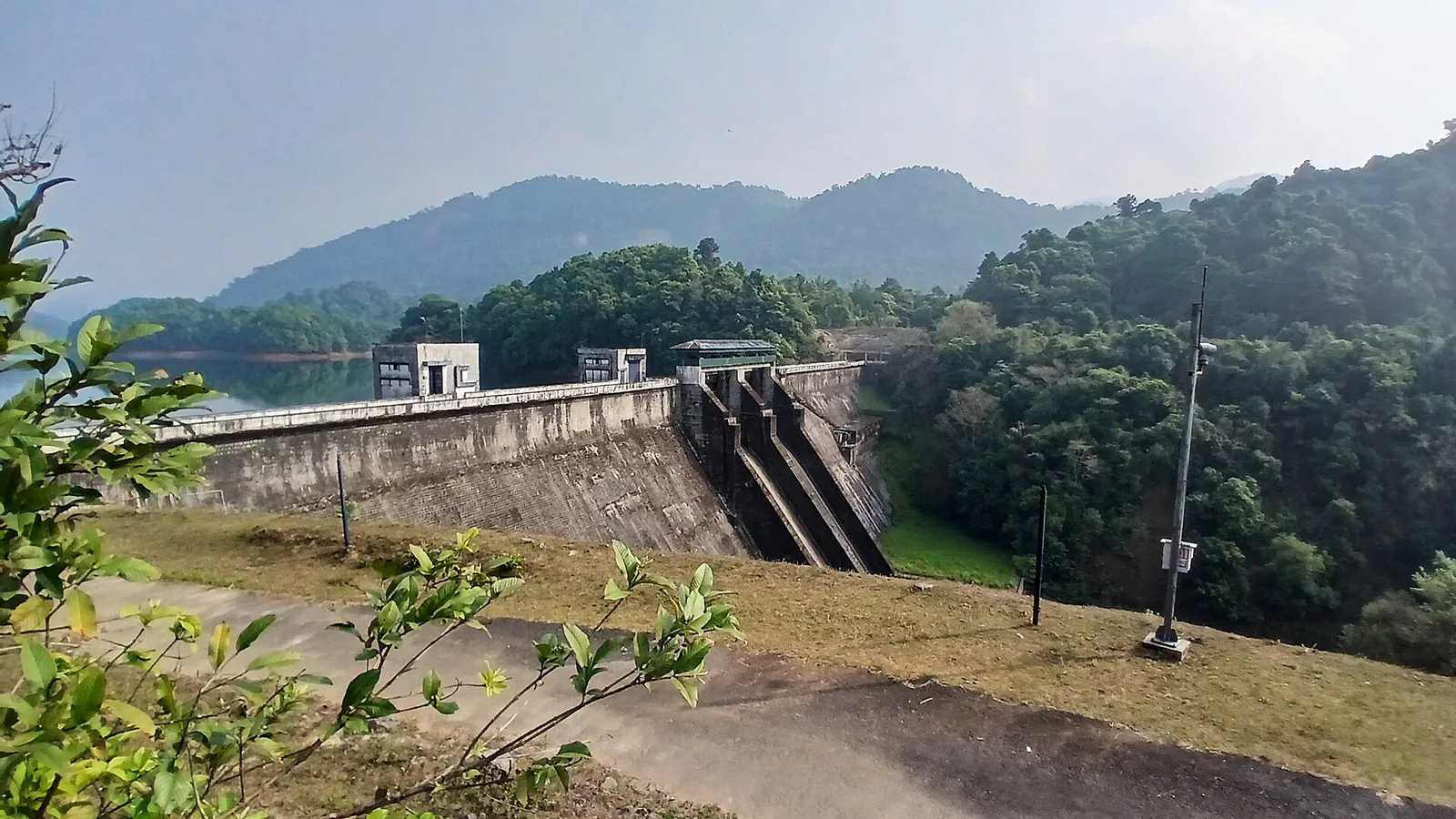
Reservoir and forested day-trip area in the Western Ghats foothills.
35.6 km · ~59 min by cab · straight line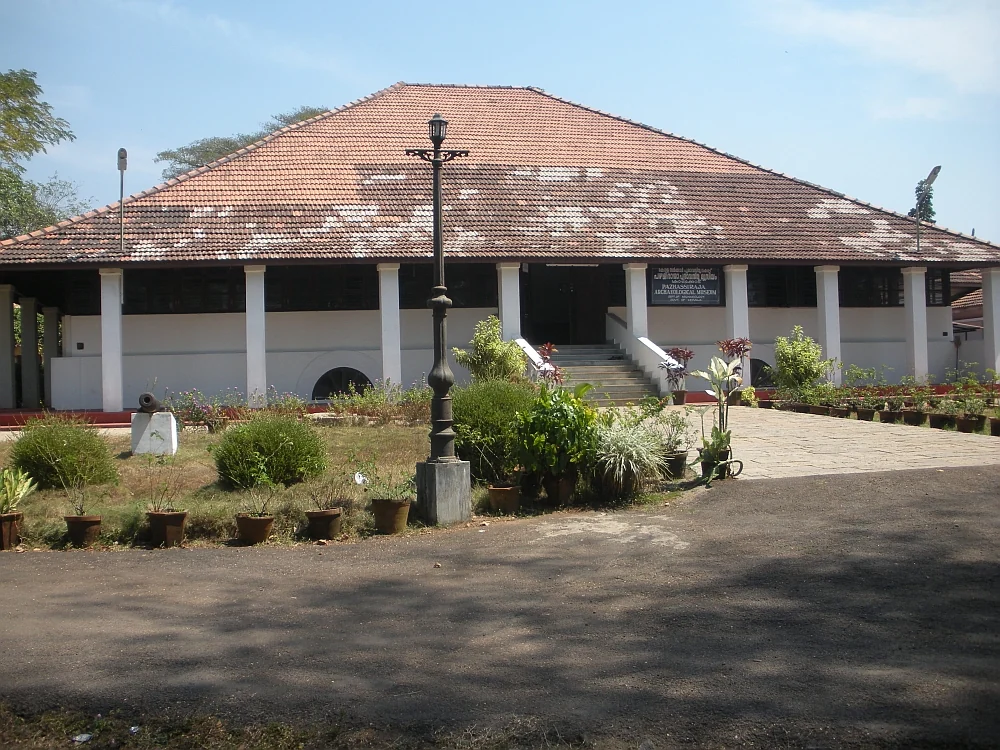
State archaeology museum at East Hill in an 1812 bungalow, with murals, bronzes, coins and megalithic monuments.
35.8 km · ~60 min by cab · straight line
City beach with old pier remains and sunset food stalls.
38.8 km · ~65 min by cab · straight lineNo, and the Kerala Archaeology Department says so itself: the Portuguese destroyed the original house in the late sixteenth century, the current building is a renovated version of an older structure, and a modern addition in traditional style serves as library and museum. The fort was razed to the ground by André Furtado de Mendonça in March 1600. Nothing of it stands, and any page offering you fort ramparts here is wrong.
09:00 to 17:00 with ticketing stopping at 16:45, closed Mondays and national holidays. Entry is around ₹10 for an adult, ₹5 for a child and ₹20 for a mobile-phone camera. The Department's page carries no revision date, so treat all of this as indicative and confirm on 0496 2606011 before travelling.
Fifteen to thirty minutes — it is three rooms and a vestibule. In it: a case of six corroded iron blades and one short curved weapon, stone shot of graduated calibre on steel mounts, and megalithic and Neolithic material with recorded find-spots including pottery from Kakkur and pottery and beads from Peringathur. There is a model of the fort. The Department also lists Veerarayan silver and Portuguese tanka coins; the coins actually visible in photographs of the case are modern Portuguese India copper issues, three centuries later than Kunjali, so treat the older coinage as the Department's claim.
Four, and the museum's own framed board gives them as Kutti Ali Marakkar (approximately 1524–1538), the son of Kutti Ali (approximately 1538–1569), Pathu Marakkar (approximately 1569–1595) and Muhammad Marakkar (approximately 1595–1600). The word before every date is ഉദ്ദേശം, approximately. Widely copied web chronologies name the second Kunjali as Kutti Pokker with dates of 1531–1571; the museum declines to name him at all.
That is often printed, including by Kerala Tourism, and it is not established. This is the family's ancestral ground at Kottakkal, which is a different claim from a birthplace, and there is no primary record we could find that fixes one.
Kottakkal, Iringal, near Vadakara, in Kozhikode district — postcode 673521, and about 6 km south of Vadakara town. We do not name a taluk on purpose: the Archaeology Department's own two records for this one site disagree, its museum page saying Vatakara and its monument page Quilandi, while OpenStreetMap's reverse geocode returns Koyilandi. Ignore Incredible India entirely on this point — it files the museum under Thrissur district, which is simply wrong.
Sargaalaya, the Kerala Arts and Crafts Village, is 1.1 km east — both are closed on Mondays, so the pairing does not work that day. The Kottakkal Valiya Juma'ath Mosque is about 400 m north-north-east and holds objects tradition identifies as taken from the Portuguese; it is a working mosque, so ask before entering or photographing. The Moorad river runs below the site.
Not so far as the Archaeology Department's own published record shows. We could find no excavation report for the Kottakkal fort site — no year, no agency, no report number. The Department describes its finds as coming from nearby areas and from laterite caves in Kozhikode district.
Midday works well for museums, especially when outdoor heat is high.
Entry: Around ₹10 for an adult, ₹5 for a child, and ₹20 for a mobile-phone camera. As above, the published figures are undated — treat as indicative and confirm locally. Timings: 09:00 to 17:00, with ticketing stopping at 16:45. Closed on Mondays and national holidays. ⚠ Sargaalaya, 1.1 km east, is also closed on Mondays — the two cannot be paired that day. The Kerala Archaeology Department's page carries no revision date, so confirm on 0496 2606011 before travelling.
Base yourself in Vadakara or a nearby town in Kozhikode, then confirm the last-mile route locally before leaving. Check weekly closure day and ticket counter timings before going. If the visit depends on forest, temple, boat, ferry, weather or seasonal access, check the official/local rule on the day before travel.
1 to 2 hours.
Nearby you can pair Iringal Sargaalaya (1.1 km), Kolavipalam Beach (1.6 km), Lokanarkavu Temple (4.7 km), Thikkoti Lighthouse (11.2 km).
Use official ticket counters and cloakroom rules. Keep bags and cameras within permitted areas.
Written about Kunjali Marakkar Museum itself — its history, its legends and the arguments about them.
These guides explore Vadakara and the surrounding area. Choose a visit that fits your interests, allowing separately for travel between stops.
Route-level itineraries and practical guides for the rest of Kerala.


