Places to Visit in Vadakara

Vadakara (Vatakara) is the northern Kozhikode base for the Lokanarkavu temple of the Vadakkan Pattukal ballads, the Sargaalaya crafts village at Iringal and the Thikkoti lighthouse coast.

Vadakara
Practical guide

Plan Vadakara

Who's going?Tailor Vadakara to your trip
DistrictKozhikode
RoleNorthern heritage base
Time neededA day for Lokanarkavu, Sargaalaya and…
Places to visit4Listed businesses8

Vadakara is the north Kozhikode town where the Vadakkan Pattukal — the Northern Ballads of Malayalam — are set, and where their three great figures are said to have been born. Around it are the Lokanarkavu temple of the ballads, the Sargaalaya crafts village at Iringal, the Kunjali Marakkar museum in the surviving part of the family house at Kottakkal, and a protected olive ridley nesting shore at Kolavipalam.

The single most useful thing to know is that the town does not present that literature to visitors: there is no interpretive centre, no marked ballad trail and no reliable scheduled kalaripayattu display. Read before you come and the places light up; arrive expecting a heritage circuit and you will find an ordinary Malabar town.

What to expect

Highlights

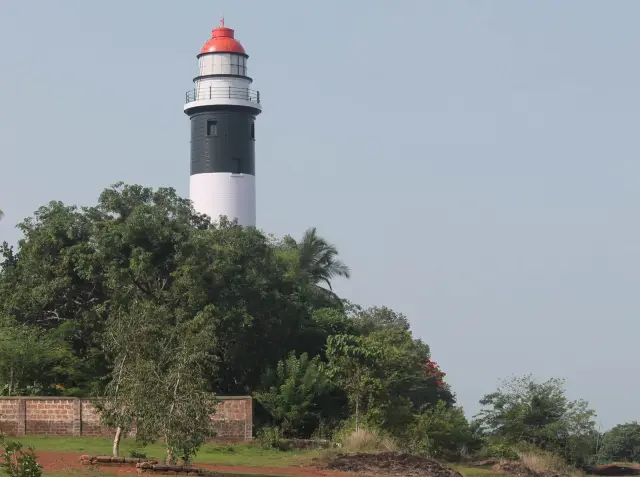
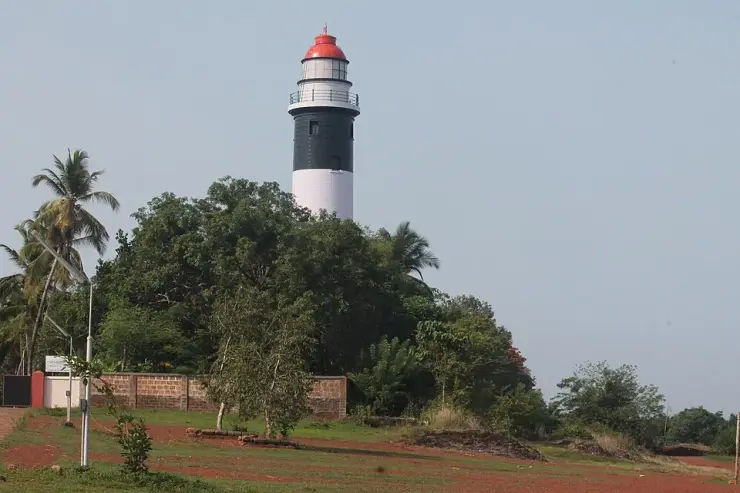
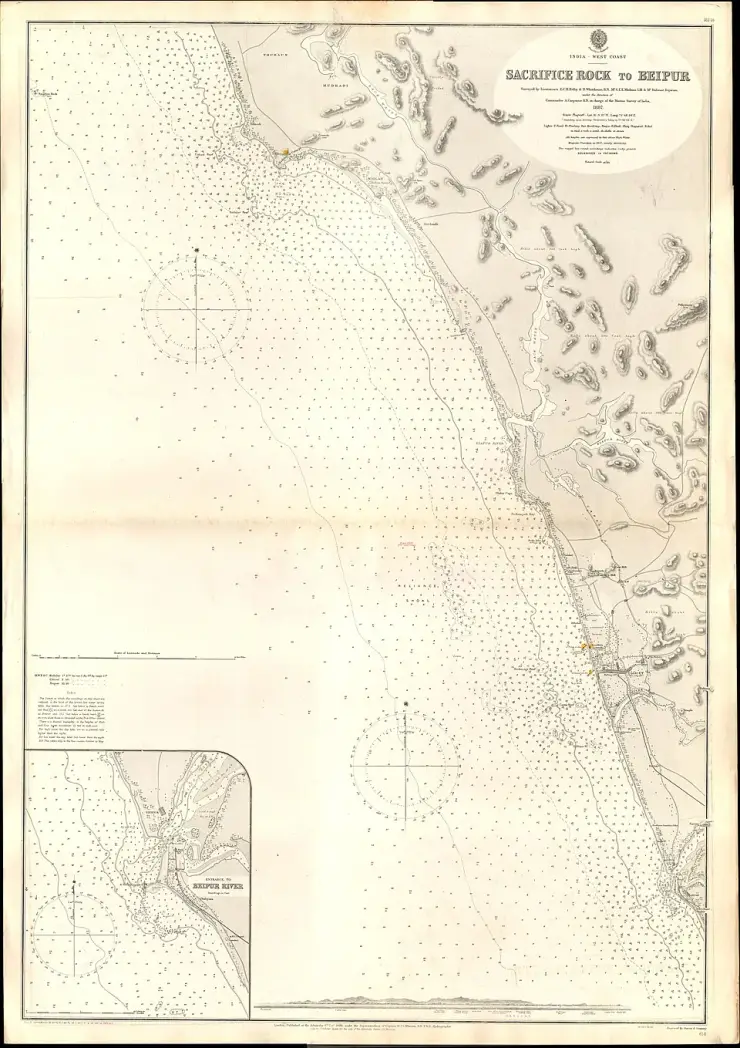
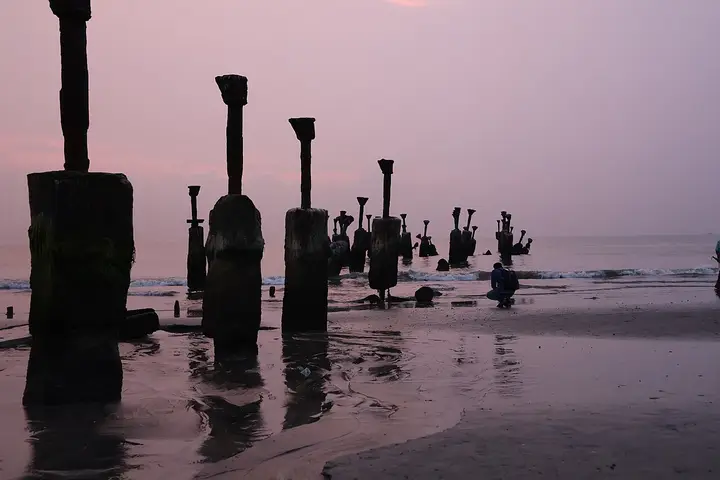
  • Thikkoti Lighthouse — A 1909 lighthouse on the laterite headland at Kadalur Point, built to mark the submerged Sacrifice Rock eight kilometres offshore.
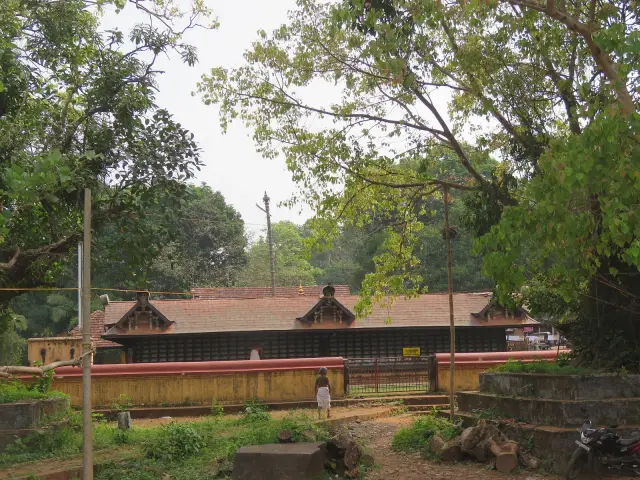
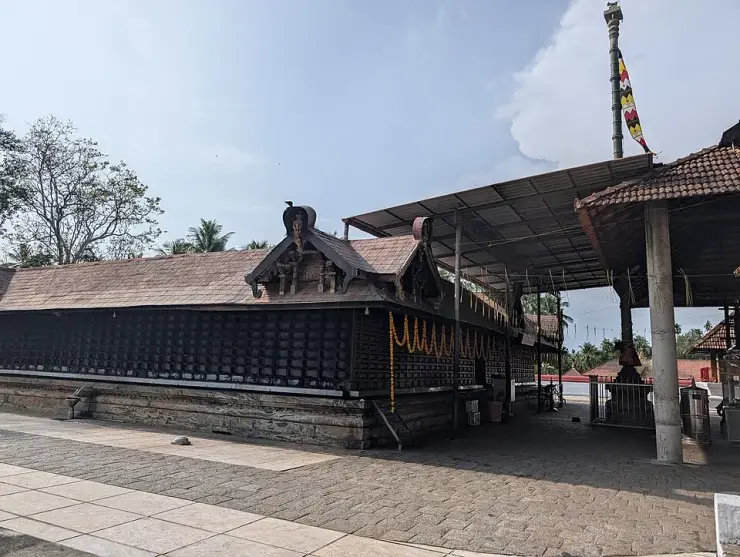
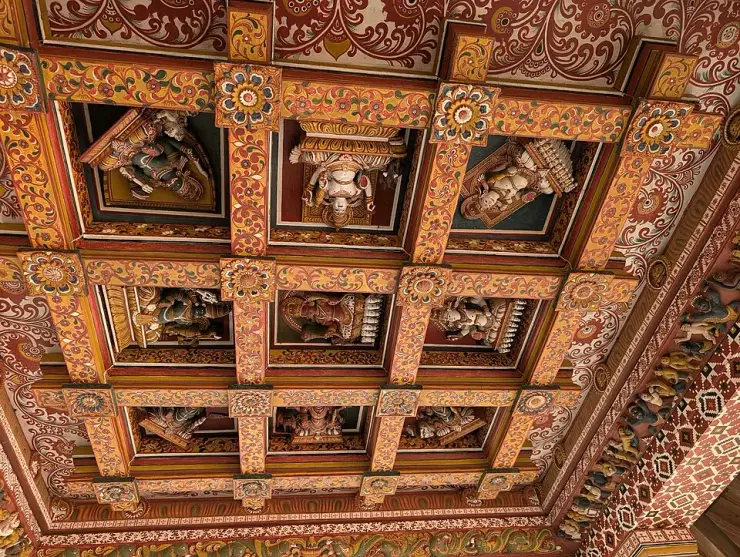
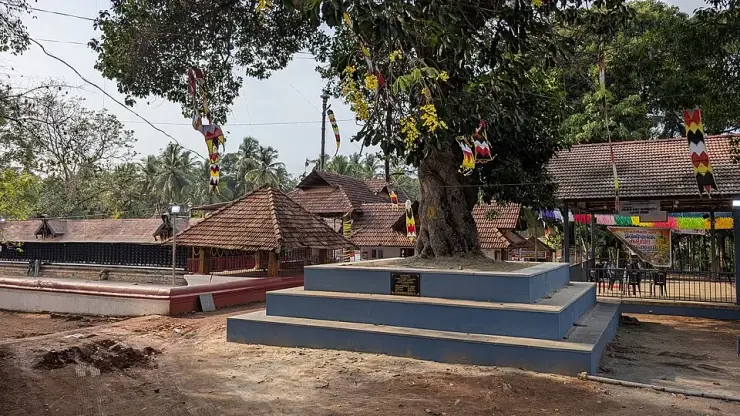
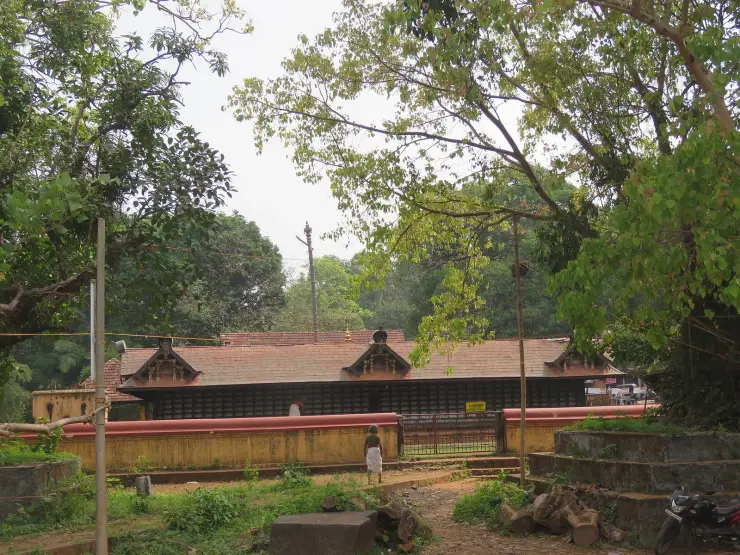
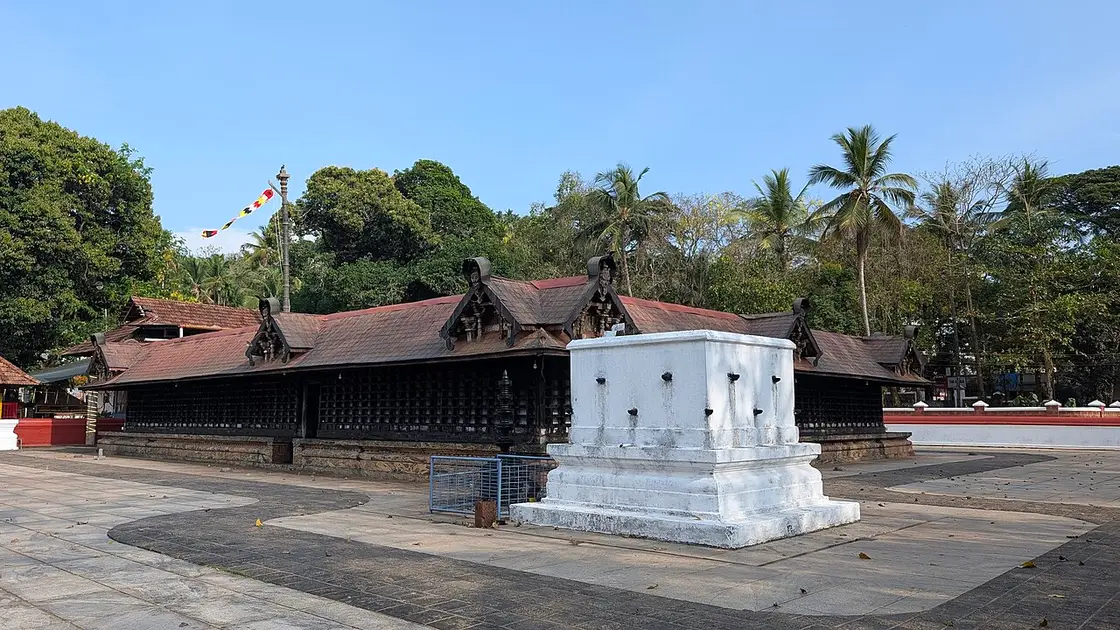
  • Lokanarkavu Temple — Ancient Durga/Bhagavathy temple at Vadakara, celebrated in the Vadakkan Pattukal and linked to the Kalaripayattu hero Thacholi Othenan.
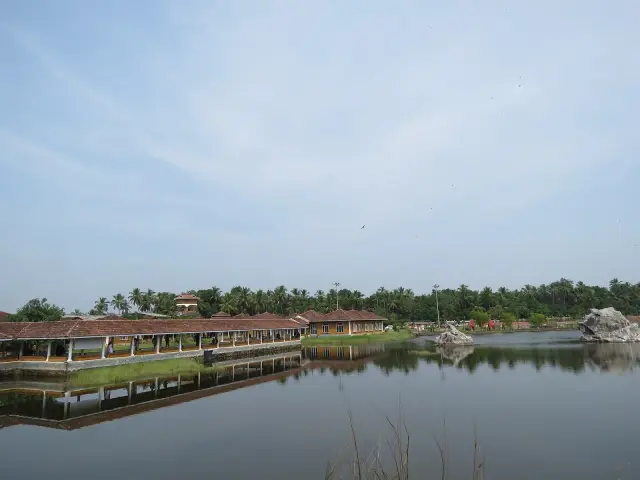
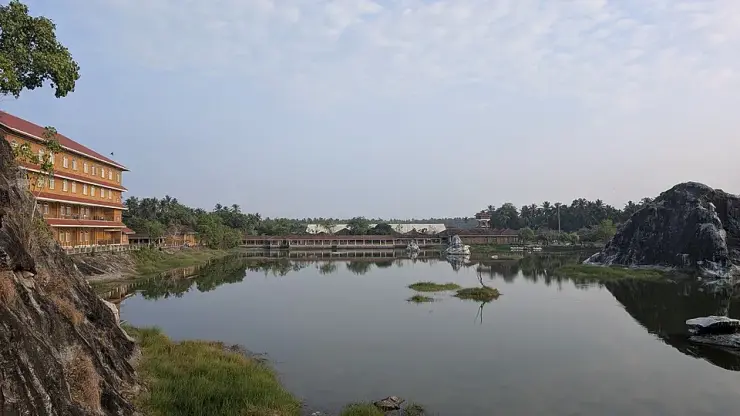
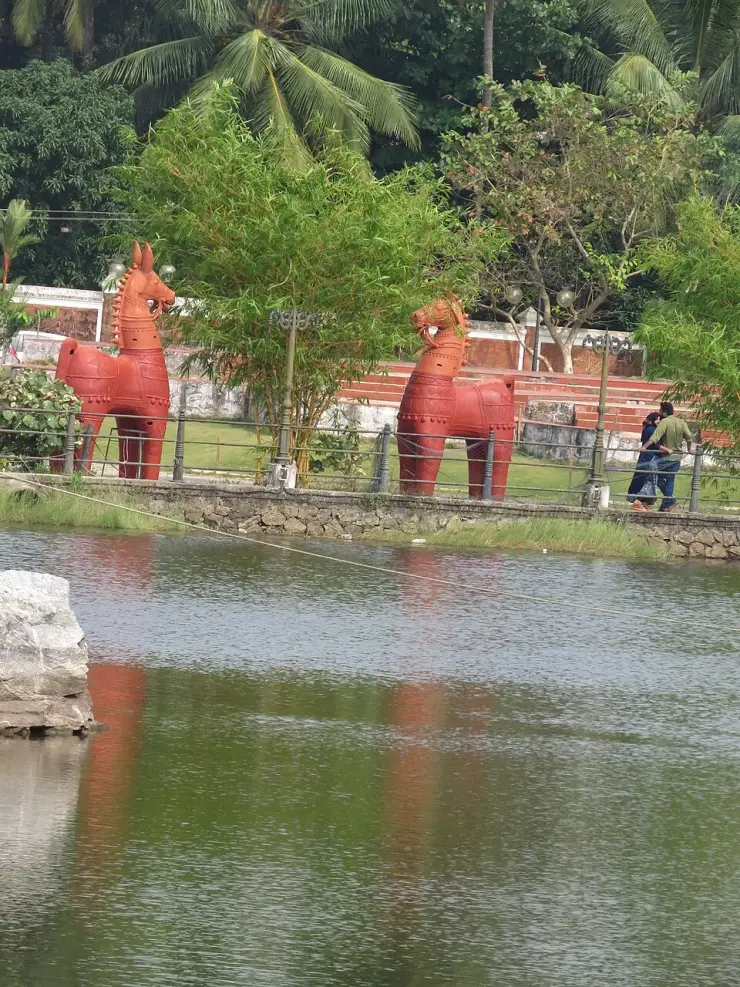
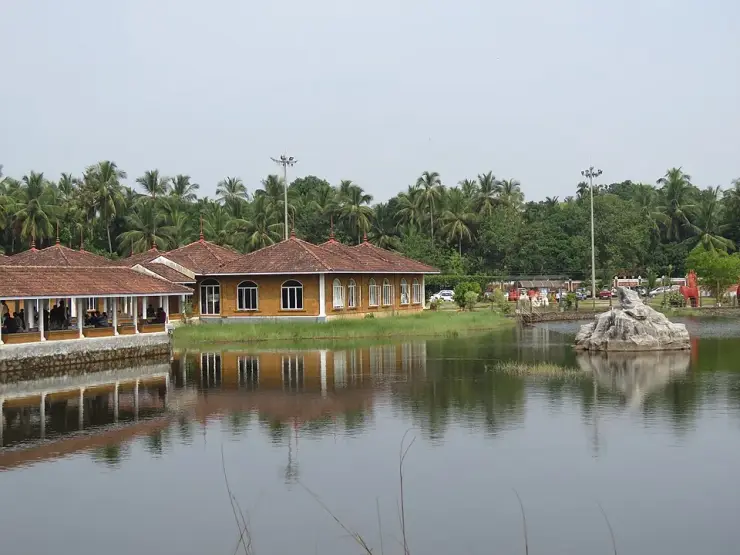
  • Iringal Sargaalaya — Kerala Arts & Crafts Village at Iringal near Vadakara — a riverside campus of working artisans and crafts pavilions.
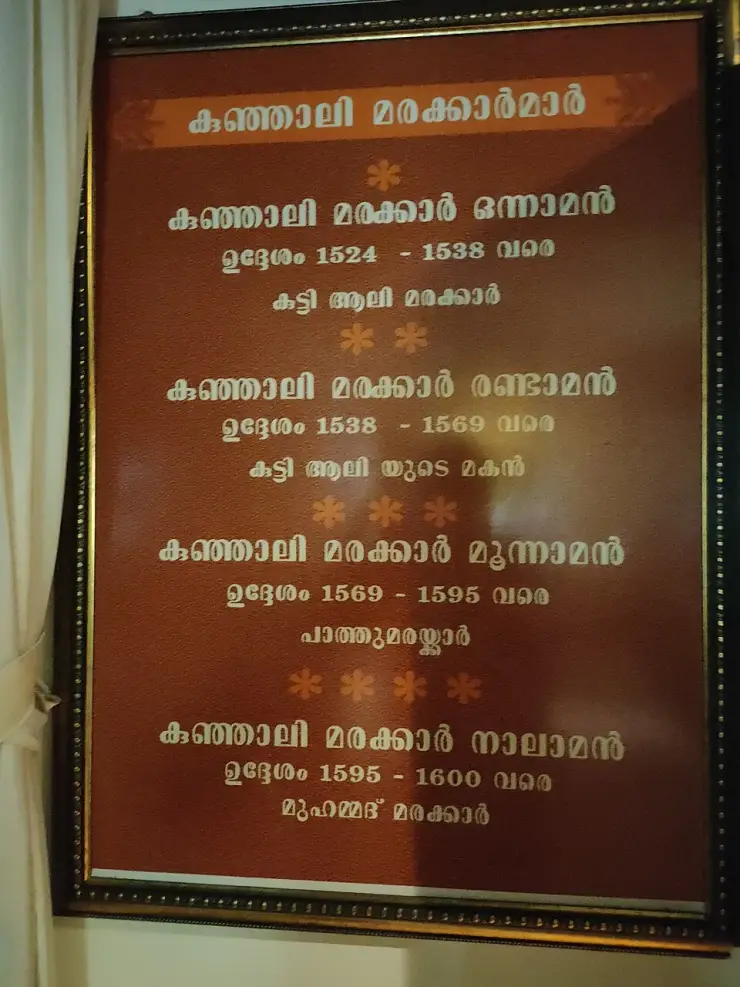
  • Kunjali Marakkar Museum — The Kerala Archaeology Department’s museum in the surviving part of the Marakkar family house at Kottakkal, Iringal — three rooms and a vestibule holding swords, stone shot and megalithic finds, with an Indian Navy obelisk in the garden. Not the fort: that was razed in 1600.
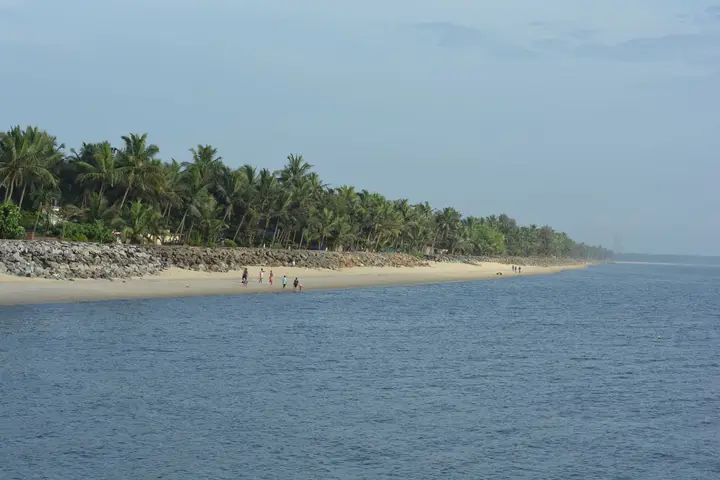
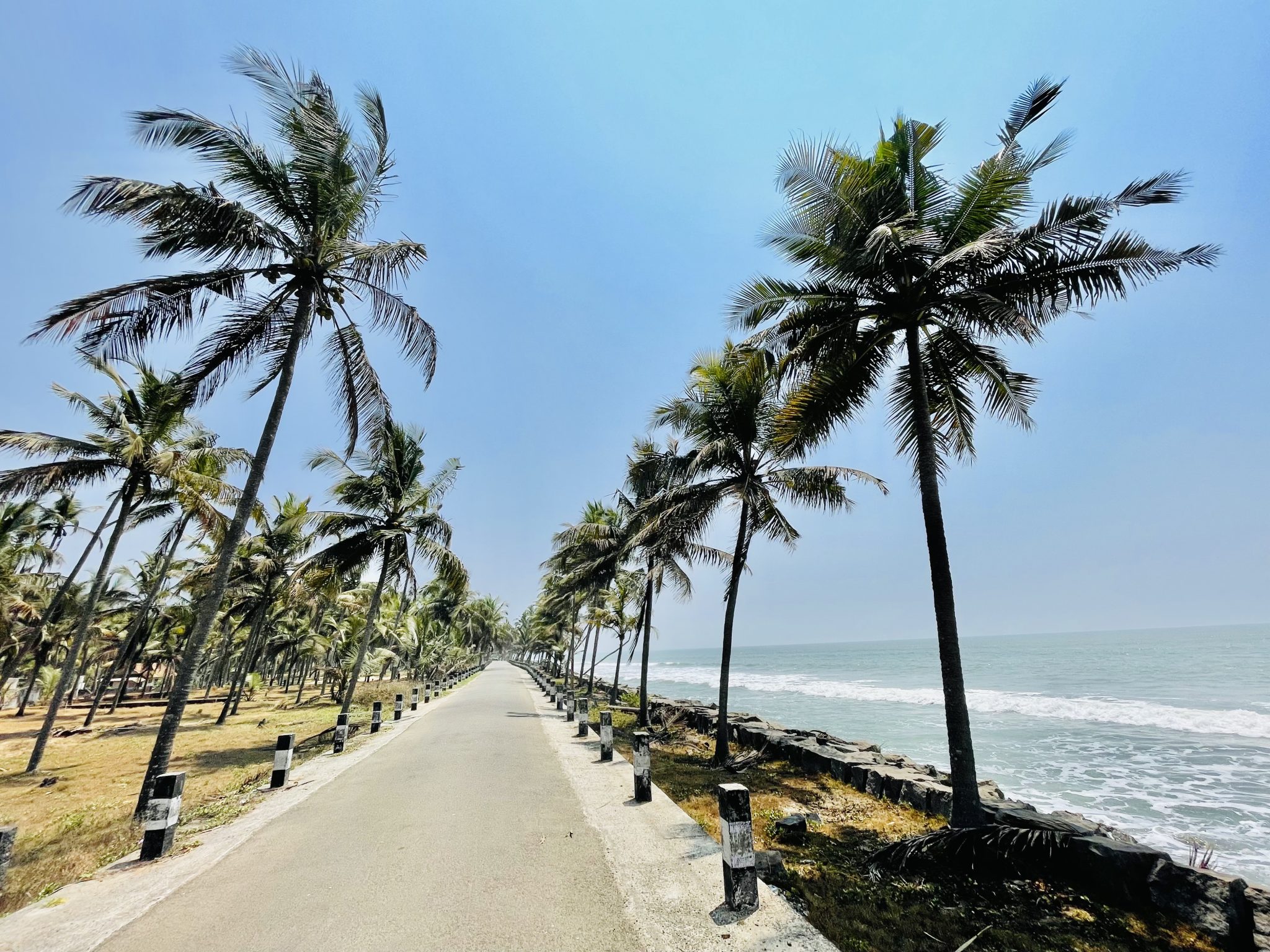
  • Kolavipalam Beach — An 8 km olive ridley nesting shore at Iringal, protected since 1992 by a village committee of twelve — and now largely armoured with seawalls, with seven nesting females recorded across the four seasons to 2023.
Getting there

How to visit

  • Nearest airport: Calicut (CCJ), ~31 km
  • Rail gateway: Kozhikode (CLT)
Timing

Best time to visit Vadakara

October–February for the coast. The north Malabar theyyam season runs roughly October–May, and olive ridley nesting at Kolavipalam is broadly November–March.

Weather in VadakaraSeasonal guide

Live forecast loads in your browser.

Today at Vadakara
Sunrise6:18 am
Sunset6:41 pm
Golden hour best light5:41 pm–6:41 pm
Blue hour after sunset6:41 pm–7:06 pm
Sun sets toward compass bearingW · 281°
Moon tonight🌔 Waxing gibbous · 99%
South-west monsoon. June to September is the south-west monsoon in Kerala. Expect heavy showers, mostly in bursts rather than all day — carry rain cover, allow extra time for getting around, and note that ferries and open-air sites are the first things affected.

Sun and moon are calculated for this location and shown in IST. Photography windows are the hour around sunrise and sunset; the sunset bearing is degrees clockwise from true north. Moon phase is accurate to about half a day.

The story

The story of Vadakara

The north Kerala town that produced a literature. Vadakara — in the old chieftaincy of Kadathanadu — is where the Vadakkan Pattukal, the Northern Ballads of Malayalam, are set and where their three great figures are said to have been born: Thacholi Othenan, Aromal Chekavar and Unniyarcha. Almost every one of those ballads runs on kalaripayattu, which is why this coast is called the martial heartland of Kerala.

Vadakara sits on the coast of northern Kozhikode district, between Kozhikode city and Kannur, in the tract historically known as Kadathanadu. It is a working town — a harbour, a highway, a railway station, coir and fishing — and its claim on Kerala's imagination is out of all proportion to its size, because this is where the Northern Ballads happen.

The Vadakkan Pattukal are a body of Malayalam ballads of the medieval period, sung and transmitted orally, whose subject is heroism, feud, honour and the duel. Their stage is Kolathunadu, Kadathanadu, Wayanad and Vadakara, and their heroes belong to this coast: Thacholi Othenan, the warrior of Kadathanadu whose exploits dominate the cycle; Aromal Chekavar, whose story turns on the ankam, the arranged duel fought as a legal settlement between houses; and Unniyarcha, whose place in the tradition is the reason any account of Kerala's martial culture that describes it as exclusively male is wrong.

Vadakara is given as the birthplace of all three. That concentration is the single fact that makes this town what it is in Malayalam culture: not a place where the ballads are set in general, but the specific ground the tradition assigns to its principal figures.

What binds every one of these stories together is kalaripayattu. The ballads are unimaginable without it — the training, the kalari, the gurukkal, the ankam fought before witnesses, the weapons and the codes. This is why Vadakara and its surroundings are routinely described as the home of the martial art, and why the association is not a tourism invention: the literature that carries kalaripayattu's memory is set here.

The town's temple carries that literature directly. Lokanarkavu is treated as the spiritual home of kalaripayattu and is bound into the Thacholi cycle — the quarrel at its aarattu festival and the duel that followed is one of the tradition's central episodes, and the temple's own page tells it properly.

The rest of what Vadakara offers is quieter and unrelated. Kolavipalam is one of the very few places in Kerala where olive ridley turtles nest and are protected by a local volunteer effort. Sargaalaya at Iringal is the state's craft village, a serious working collection of Kerala artisans rather than a souvenir market. And the Kunjali Marakkar memorial at Iringal commemorates the naval commanders of the Zamorin who fought the Portuguese at sea for the better part of a century — a different martial tradition entirely, and one whose base was here.

That is an unusual amount for one small coastal town: a body of national literature, a martial art, a turtle beach, a craft village and an admiral's memorial, within a few kilometres of each other.

Vadakara itself will not perform any of this for you. There is no ballad centre, no heritage trail with panels, no daily kalari display aimed at visitors in the town. What there is, is the ground the stories are set on, and a few genuinely good individual sites. It is a place that rewards reading beforehand more than almost anywhere else we cover.

Legend & myth

The first thing to be precise about is what the Vadakkan Pattukal actually are, because they are frequently described as though they were a single epic. They are not. They are a collection of ballads — orally transmitted songs of the medieval period, conventionally placed anywhere from the twelfth to the twentieth century, composed and recomposed by many hands. There is no fixed text and no single author, and different versions of the same episode disagree, sometimes about who killed whom. Anyone quoting the Northern Ballads as though quoting a settled source is overstating what the tradition is.

The second is the relationship between the ballads and history, which is genuinely uncertain and which we will not resolve for you. Thacholi Othenan, Aromal Chekavar and Unniyarcha are figures of a heroic tradition attached to real places, real institutions such as the kalari and the ankam, and a real social order. Whether any of them existed as described is not something the ballads can establish, and the honest position is the one taken with heroic literature everywhere: the world is real, the events are shaped by the telling.

The third is caste, and it matters more here than any question of historicity. The Vadakkan Pattukal are not neutral folk adventure. They are stories about a martial society organised by caste — Chekavar and Thiyya fighters, Nair houses, the ankam fought by professional duellists on behalf of others, and the obligations and humiliations that follow from all of it. Recent scholarship reads the ballads specifically for those dynamics. A visitor who meets them only as tales of dashing swordsmen is getting a version with the politics removed, and the politics is much of what the ballads are about.

The fourth is the claim that kalaripayattu originated here. It is fair and common to describe Vadakara and Kadathanadu as the martial heartland of Kerala, and Lokanarkavu as the spiritual home of the art. It is a step further, and not a supportable one, to say the martial art was invented in this town. What can be said with confidence is that this is the landscape the surviving literature of kalaripayattu is set in, that the tradition is unusually concentrated here, and that this is why the association exists.

The fifth is Unniyarcha, who is regularly reduced in retellings and should not be. She stands in the tradition as a heroine in her own right, not as a hero's sister or wife, and her presence is the standing answer to the assumption that Kerala's martial culture was a male preserve. Where a modern account mentions Othenan and Aromal and drops her, that is the retelling's choice, not the tradition's.

The sixth is a practical caution about what the town shows. Vadakara does not present the ballads to visitors. There is no interpretive centre, no marked circuit of ballad sites, and no reliable scheduled kalaripayattu performance in the town aimed at travellers. The sites that are genuinely visitable — Lokanarkavu, Kolavipalam, Sargaalaya, the Kunjali Marakkar memorial at Iringal — are separate places with separate reasons to go, and none of them is a ballad museum. Come having read, or the connection will remain an assertion.

The seventh is a boundary note. Kadathanadu is a historical chieftaincy, not a modern administrative unit, and the ballad landscape spreads across Kolathunadu, Kadathanadu, Wayanad and Vadakara — which today means parts of Kozhikode, Kannur and Wayanad districts. Vadakara is in Kozhikode district. Itineraries that gather all the ballad country into one town are compressing a region into a stop.

More about Vadakara

History

Vadakara is a coastal town in northern Kozhikode district, between Kozhikode city and Kannur, in the tract historically known as Kadathanadu.

It is the setting and, by tradition, the birthplace of the principal figures of the Vadakkan Pattukal — the Northern Ballads — a collection of Malayalam ballads of the medieval period transmitted orally and conventionally dated across a long span. Their heroes include Thacholi Othenan, a warrior of Kadathanadu whose exploits dominate the cycle, Aromal Chekavar, and the heroine Unniyarcha. The ballads are set principally in Kolathunadu, Kadathanadu, Wayanad and Vadakara.

Almost all of the ballads are bound up with kalaripayattu, the martial art of Kerala, and with its institutions — the kalari, the gurukkal and the ankam, the formal duel fought as a settlement between houses. For this reason Vadakara and its surroundings are widely described as the martial heartland of Kerala, and the Lokanarkavu temple as the spiritual home of the art.

One of the central episodes of the Thacholi cycle is set at Lokanarkavu, where Othenan is said to have quarrelled with Kadirur Gurukkal during the aarattu festival, killed him in the ensuing duel, and been shot dead on returning to the arena for a forgotten sword.

Iringal, near Vadakara, holds the memorial to the Kunjali Marakkars, the naval commanders of the Zamorin of Calicut who fought Portuguese sea power off this coast, and Sargaalaya, the Kerala craft village. Kolavipalam beach nearby is a protected olive ridley turtle nesting site maintained by local volunteers.

Why visit

To stand in the country of the Vadakkan Pattukal — the Northern Ballads of Malayalam — in the town tradition names as the birthplace of Thacholi Othenan, Aromal Chekavar and Unniyarcha.

For Lokanarkavu, treated as the spiritual home of kalaripayattu and the setting of the central episode of the Thacholi cycle.

For Sargaalaya at Iringal, Kerala's craft village and a serious working collection of the state's artisans.

For the Kunjali Marakkar memorial at Iringal, commemorating the Zamorin's naval commanders who fought the Portuguese at sea.

For Kolavipalam, one of the few olive ridley turtle nesting beaches in Kerala, protected by a local volunteer effort.

For a stretch of north Kerala coast that carries an extraordinary density of history and almost no visitor infrastructure built around it.
Before you go

Vadakara — at a glance

Getting here

How to reach Vadakara

  • ✈︎ By air Kannur international airport is the nearest; Kozhikode international is a similar distance south.
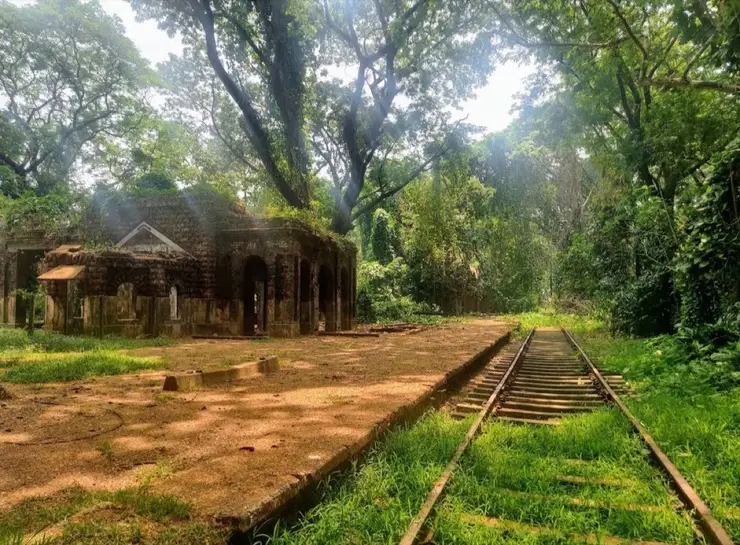
  • 🚆︎ By train Vadakara has its own station on the Mangalore–Kozhikode coastal line.
  • 🚗︎ By road On the NH-66 between Kozhikode and Kannur.
  • 🚌︎ By bus Frequent KSRTC and private services along the NH-66; local buses to Iringal and Lokanarkavu.
Getting back

Work out your return before you settle into the day. Services in Kerala thin out sharply in the evening, and Vadakara is easier to reach than to leave once the last long-distance bus has gone. We do not publish departure times: there is no official live feed we are permitted to republish, and a wrong time here would strand you. Check the operator directly on the day.

Ask at the jetty or the stand for the time of the last service back, not the next one. If you miss it, an auto or a taxi is the fallback — agree the fare before you get in.

Getting around Vadakara

We have not assessed physical access at this place yet. Across India, step-free routes, handrails and accessible toilets are the exception rather than the rule, and pavements are often interrupted — if step-free access matters to you, contact the site or a local operator before committing to the trip.

Practical things near Vadakara
Bus stopsBus station 117 m · 1 min walkMapped Oct 2020DirectionsTaxi & auto standsTaxi Stand Vadakara 875 m · 11 min walkMapped Sept 2020DirectionsFuelFuel station 1.3 km · 15 min walkMapped Aug 2020DirectionsPharmacyFareeda Pharmacy839 m · 10 min walkMapped Oct 2020DirectionsHospitalAsha hospital 840 m · 10 min walkMapped May 2020DirectionsClinicDr Faisel's Ortho Clinic 450 m · 5 min walkMapped Feb 2026DirectionsPolice stationPolice Station, Vadakara 658 m · 8 min walkMapped Jun 2022DirectionsATMATM 484 m · 6 min walkMapped May 2020DirectionsBankState Bank of India 240 m · 3 min walkMapped Jan 2021DirectionsWater & snacksgalexy supermarket 640 m · 8 min walkMapped Apr 2020DirectionsGroceries & bakerySupreem Bakery 365 m · 4 min walkMapped Jan 2021DirectionsBookshopFaith Books Bookshop839 m · 10 min walkMapped Sept 2017DirectionsPost officehead post office 471 m · 6 min walkMapped Apr 2020DirectionsSomewhere to prayAdakkatheru Juma Masjid 745 m · 9 min walkMapped Mar 2012DirectionsPark or gardenPark 783 m · 9 min walkMapped Jan 2021Directions
What the cash actually costs
  • Withdrawing from a bank that is not your own is free for a set number of times a month, then costs up to ₹23 plus GST — about ₹27 a withdrawal. This is not one of the RBI’s six metro centres, so the allowance here is the higher one: at least five free other-bank withdrawals a month, and at least five at your own bank.
  • That free allowance belongs to Indian bank accounts. On a card issued abroad your own bank’s international withdrawal and exchange charges apply instead. If the machine offers to bill you in your home currency, choose rupees — the conversion rate on that offer is set by the machine, not by your bank.
  • Given a choice, use an ATM inside or attached to a branch: it sits in view of staff and cameras, and there is someone to ask if the machine keeps your card. A machine standing alone on a tourist street is the one to be wary of. Banks are listed here alongside the ATMs, but the map data does not record which ATMs sit inside a branch — check when you get there.

Charge cap and free-transaction limits: Reserve Bank of India, in force since 1 May 2025.

Mapped within about 1.2 km of Vadakara, with real walking routes rather than straight-line distances. Community-mapped data: opening hours are shown only where they are recorded, and this is not a complete list — something unmapped may well be closer. Please confirm on the ground.

In the district

Where Vadakara sits in Kozhikode district

District HQKozhikode
LandscapeMalabar coast

Kozhikode district is known for: Malabar food (biryani, halwa), beaches and trading history.

Kozhikode BeachKappad (Vasco da Gama landing)Beypore boatyards
Stay · eat · do · rent · see · shop

Places in Vadakara

Every verified place in Vadakara — filter by what you’re after.

H
Hotel Golden Couch
Place to stay
Top pick
Hotel · Vadakara
Hotel Golden Couch

Four-star hotel in central Vadakara with 18 rooms and the SAMRAT multi-cuisine restaurant. It sits by the Kannur-Calicut bypass, steps from the town bus terminal.

Commission-freeView details
H
Hotel Crystal Suites
Place to stay
Top pick
Hotel · Vadakara
Hotel Crystal Suites

Four-star business hotel at the heart of Vadakara near the NH bypass. It sits close to the Arabian Sea shoreline with an infinity pool, gym and banquet halls.

Commission-freeView details
T
The North Park
Place to stay
Top pick
Hotel · Vadakara
The North Park

Kerala Tourism accredited hotel at Link Road Junction, beside the national highway through Vadakara.

Commission-freeView details
Q
Queens Tourist Home
Place to stay
Top pick
Hotel · Vadakara
Queens Tourist Home

Kerala Tourism accredited tourist home beside Vadakara's old bus stand, walkable to the town centre.

Commission-freeView details
G
Gayathri Hotels
Place to stay
Top pick
Hotel · Vadakara
Gayathri Hotels

Kerala Tourism accredited hotel at Vadakara's new bus stand, the easiest base if you arrive by bus.

Commission-freeView details
I
Indian Coffee House, Vadakara
Where to eat
Café · Vadakara
Indian Coffee House, Vadakara

Vadakara's cooperative coffee house, on Nut Street, run by the Kannur society since 1958.

Commission-freeView details
B
Blue Lagoon Restaurant, Vadakara
Where to eat
Restaurant · Vadakara
Blue Lagoon Restaurant, Vadakara

Gayathri Hotels' restaurant by the new bus stand at Edodi, open for breakfast, lunch and dinner.

Commission-freeView details
Q
Queens Restaurant, Vadakara
Where to eat
Restaurant · Vadakara
Queens Restaurant, Vadakara

Fine-dining restaurant of Queens Tourist Home, on Queens Road, with a rooftop section.

Commission-freeView details
K
KSRTC Vadakara Depot
Things to do
Bus station · Vadakara
KSRTC Vadakara Depot

Vadakara's state bus depot, on the NH66 corridor, run by an Assistant Transport Officer. Office of the Assistant Transport Officer, KSRTC Vadakara, Kozhikode, Kerala 673513.

Commission-freeView details
V
Vadakara Railway Station (BDJ)
Things to do
Railway station · Vadakara
Vadakara Railway Station (BDJ)

Station code BDJ, on the Shoranur-Mangalore line, open since 1907 and busy with about 9,967 passengers a day.

Directions Commission-freeView details

Book with the place itself. India’s cyber-crime coordination centre warned in April 2025 that convincing copies of hotel and pilgrimage booking sites are being pushed through sponsored search and social ads, taking payment for rooms the property never hears about. Every listing here links to the business’s own contact details and its own Google or Bing profile — we take no commission and sit in nobody’s payment path. If a booking page reached you through an ad, check the address bar against the property’s own site before you pay. Fraud can be reported on cybercrime.gov.in or on 1930.

For hotels, homestays and local businesses

Get listed in Vadakara for free

Roampedia is commission-free. Travellers discover your business, book directly and contact you through official details. Basic listings are free, while Gold and Platinum package upgrades can be requested from the owner dashboard after approval.

List your business — free
Read before you go

Vadakara guides, stories & itineraries

Stories & history of Vadakara

Written about Vadakara itself — its history, its legends and the arguments about them.

Around Vadakara

These are written about individual places you can reach from Vadakara, rather than about the town as a whole.

Planning a trip to Vadakara

The practical half — what is actually here, in what order to see it, and how to arrive.

More from Kozhikode

Wider guides to Kozhikode — its coast, its culture and the routes through it.

See all 87 Kozhikode guides & stories →

Image credits
Map

Where things are in Vadakara

FAQ

Vadakara travel FAQs

What are the Vadakkan Pattukal?

The Northern Ballads — a collection of Malayalam ballads of the medieval period, orally transmitted, about heroism, feud and the duel. They are not a single epic and have no fixed text or single author; versions differ. Their heroes include Thacholi Othenan, Aromal Chekavar and Unniyarcha, and their setting is Kolathunadu, Kadathanadu, Wayanad and Vadakara.

Was kalaripayattu invented at Vadakara?

That is a step too far. Vadakara and Kadathanadu are fairly described as the martial heartland of Kerala, and Lokanarkavu as the spiritual home of the art, because this is the landscape the surviving literature of kalaripayattu is set in and the tradition is unusually concentrated here. Claiming the art was invented in this town is not supportable.

Who was Unniyarcha?

One of the principal figures of the Northern Ballads, and a heroine in her own right rather than a hero's relative. Her place in the tradition is the standing answer to the assumption that Kerala's martial culture was exclusively male — though modern retellings often drop her in favour of Othenan and Aromal.

Can I see kalaripayattu at Vadakara?

Not reliably as a scheduled visitor attraction in the town itself. Vadakara does not present the ballads or the martial art to travellers — there is no interpretive centre and no marked circuit. Ask locally, and treat any performance you find as a separate arrangement rather than a fixture.

What is Kadathanadu?

A historical chieftaincy of northern Kerala, not a modern administrative unit, and the tract Vadakara belongs to in the ballads. The wider ballad landscape spreads across Kolathunadu, Kadathanadu, Wayanad and Vadakara, which today means parts of Kozhikode, Kannur and Wayanad districts. Vadakara itself is in Kozhikode district.

How do I reach Vadakara?

Vadakara has its own railway station on the Mangalore–Kozhikode coastal line and sits on the NH-66 between Kozhikode and Kannur. Kannur and Kozhikode international airports are both close. Distances and services are indicative — confirm locally.

What are the best places to visit in Vadakara?

Top places to visit in Vadakara include Lokanarkavu Temple, Iringal Sargaalaya, Kolavipalam Beach, Thikkoti Lighthouse — each has a full guide with how to reach it and what to see nearby on this page.

What is the best time to visit Vadakara?

October to March is the driest and most comfortable season to visit Vadakara and the rest of Kerala. The June–September monsoon is lush and green but wet, and often brings lower low-season prices.