The north Kerala town that produced a literature. Vadakara — in the old chieftaincy of Kadathanadu — is where the Vadakkan Pattukal, the Northern Ballads of Malayalam, are set and where their three great figures are said to have been born: Thacholi Othenan, Aromal Chekavar and Unniyarcha. Almost every one of those ballads runs on kalaripayattu, which is why this coast is called the martial heartland of Kerala.
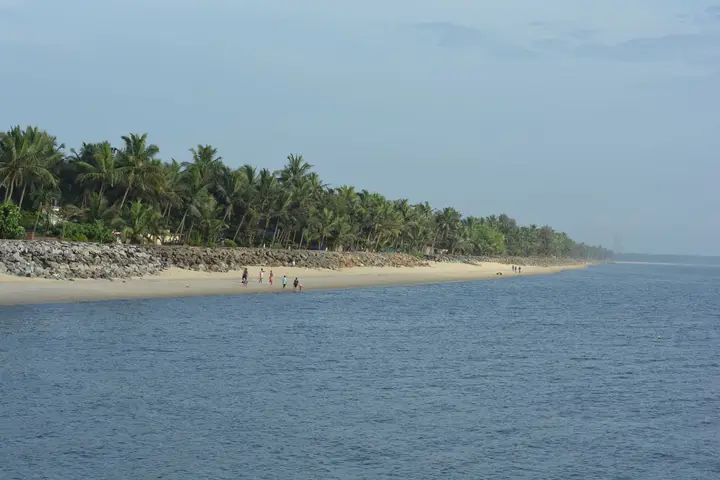
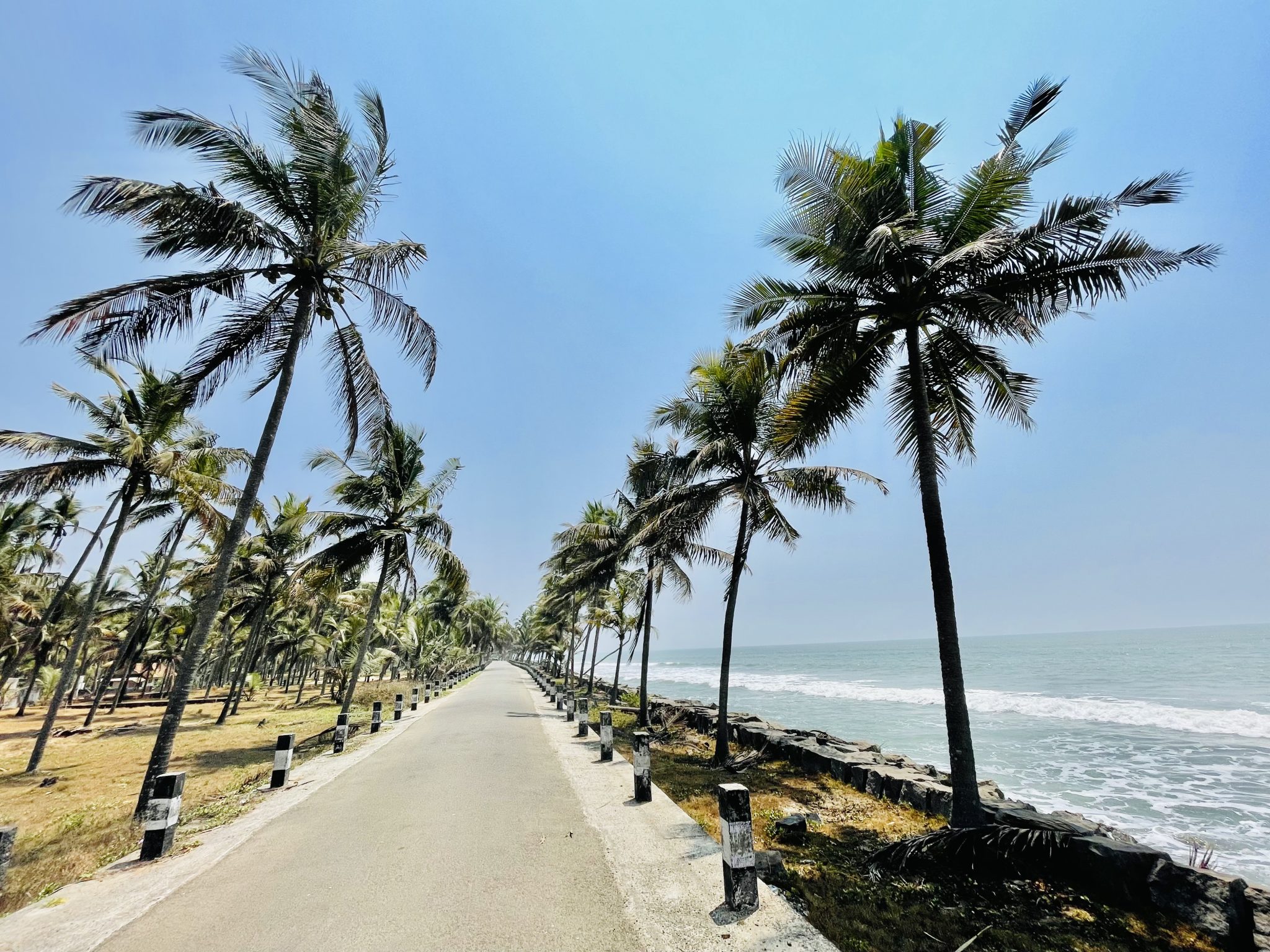
Vadakara sits on the coast of northern Kozhikode district, between Kozhikode city and Kannur, in the tract historically known as Kadathanadu. It is a working town — a harbour, a highway, a railway station, coir and fishing — and its claim on Kerala's imagination is out of all proportion to its size, because this is where the Northern Ballads happen.
The Vadakkan Pattukal are a body of Malayalam ballads of the medieval period, sung and transmitted orally, whose subject is heroism, feud, honour and the duel. Their stage is Kolathunadu, Kadathanadu, Wayanad and Vadakara, and their heroes belong to this coast: Thacholi Othenan, the warrior of Kadathanadu whose exploits dominate the cycle; Aromal Chekavar, whose story turns on the ankam, the arranged duel fought as a legal settlement between houses; and Unniyarcha, whose place in the tradition is the reason any account of Kerala's martial culture that describes it as exclusively male is wrong.
Vadakara is given as the birthplace of all three. That concentration is the single fact that makes this town what it is in Malayalam culture: not a place where the ballads are set in general, but the specific ground the tradition assigns to its principal figures.
What binds every one of these stories together is kalaripayattu. The ballads are unimaginable without it — the training, the kalari, the gurukkal, the ankam fought before witnesses, the weapons and the codes. This is why Vadakara and its surroundings are routinely described as the home of the martial art, and why the association is not a tourism invention: the literature that carries kalaripayattu's memory is set here.
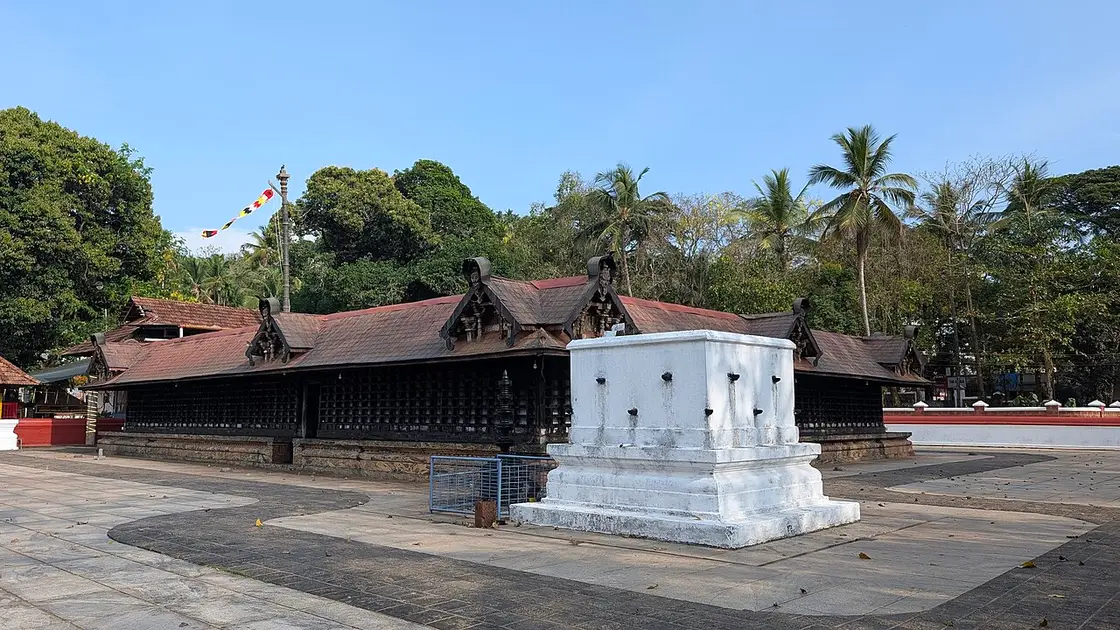
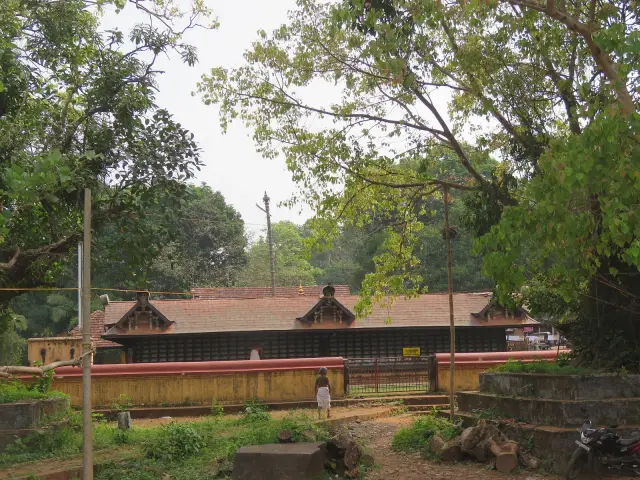
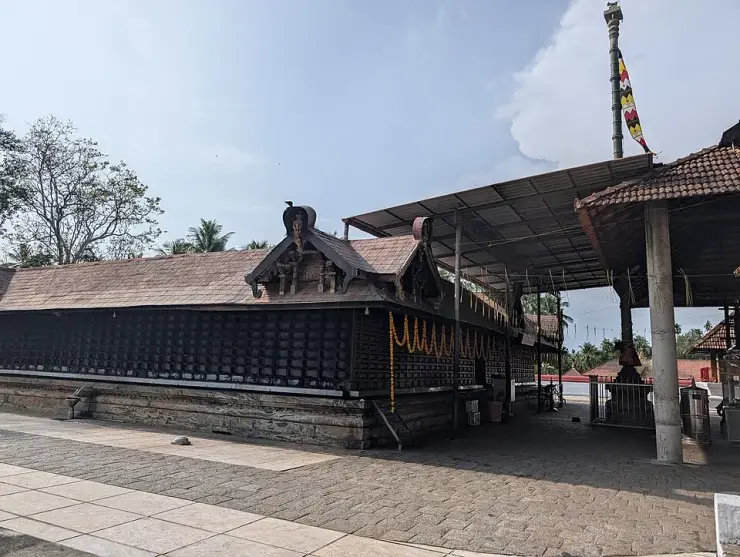
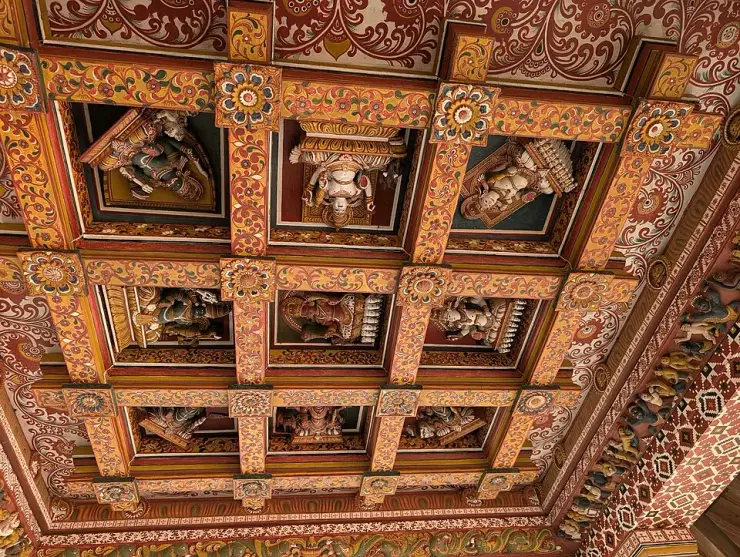
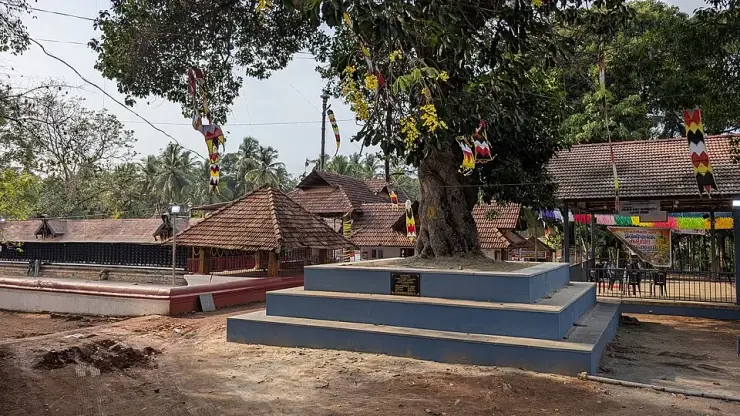
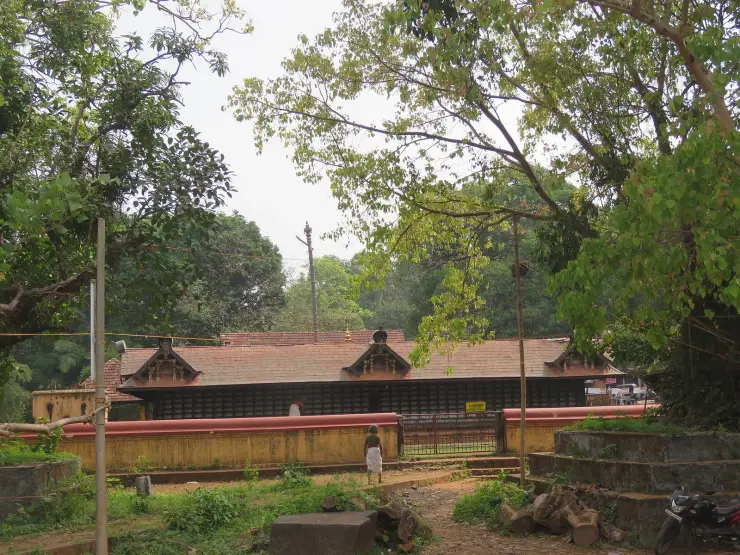
The town's temple carries that literature directly. Lokanarkavu is treated as the spiritual home of kalaripayattu and is bound into the Thacholi cycle — the quarrel at its aarattu festival and the duel that followed is one of the tradition's central episodes, and the temple's own page tells it properly.
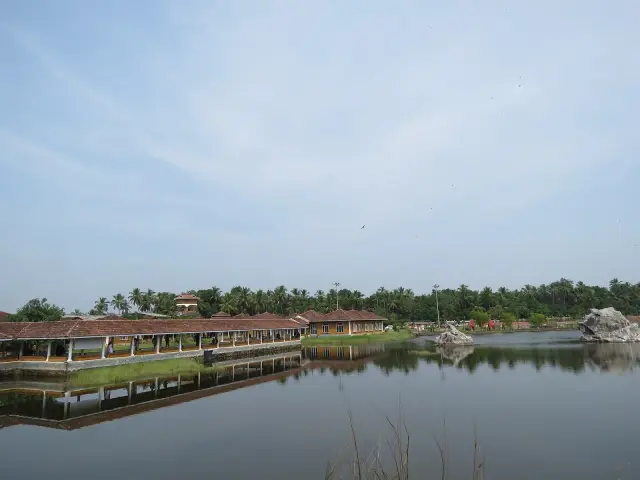
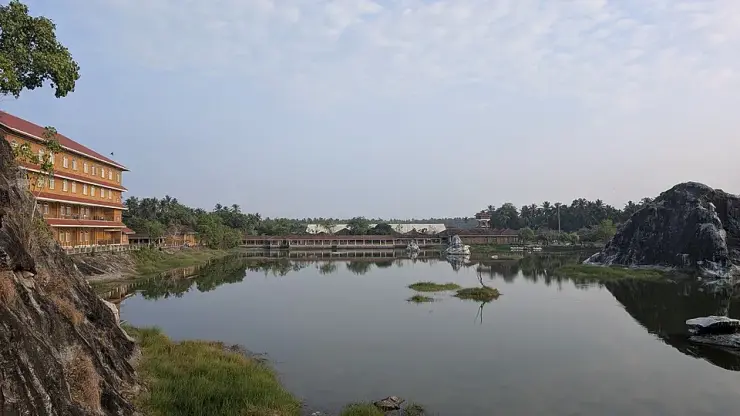
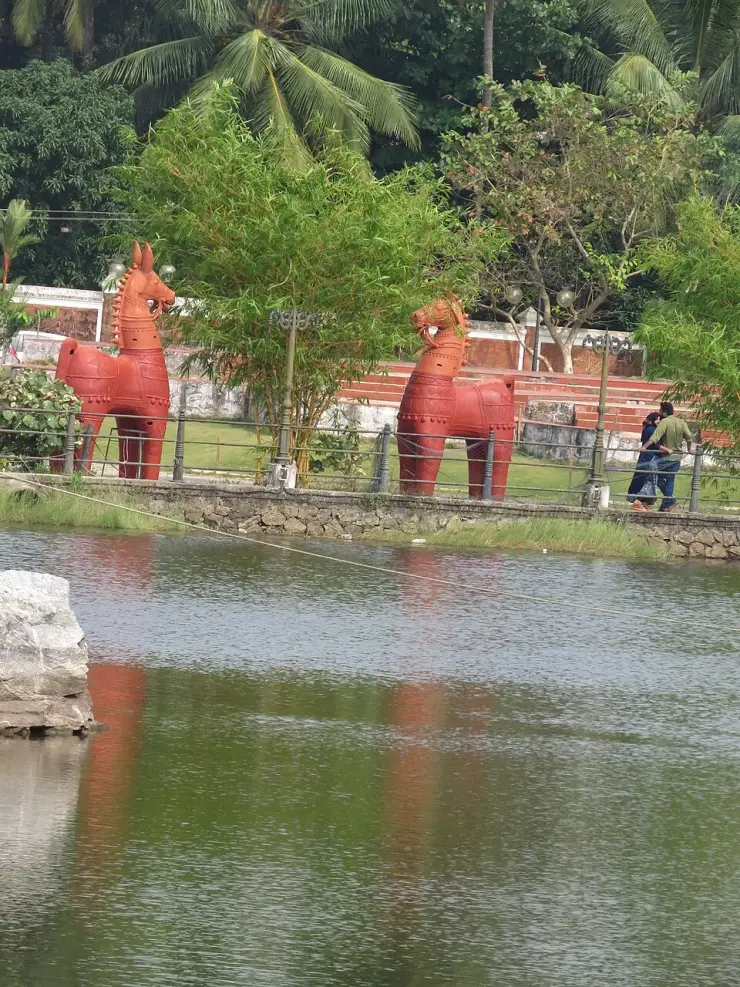
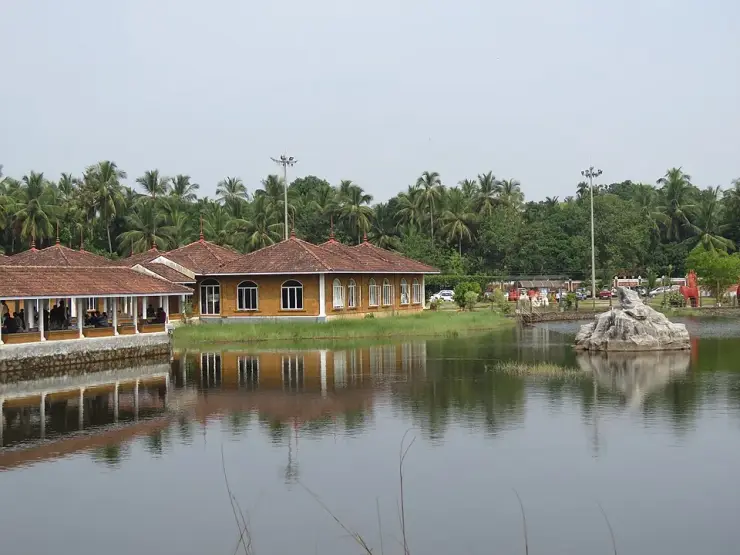
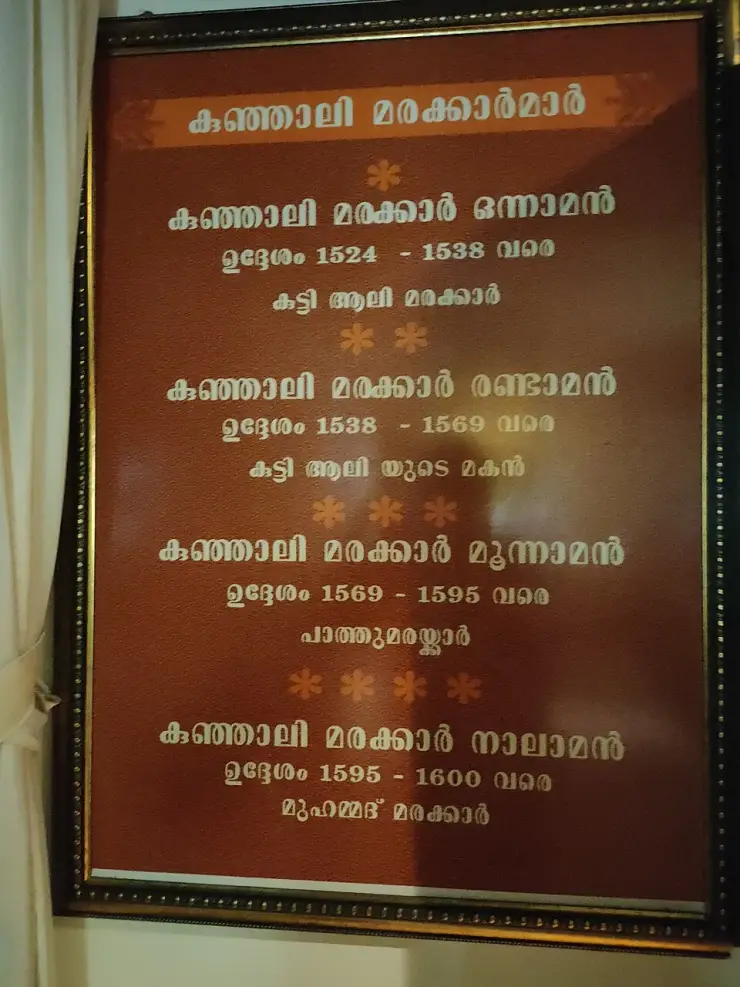
The rest of what Vadakara offers is quieter and unrelated. Kolavipalam is one of the very few places in Kerala where olive ridley turtles nest and are protected by a local volunteer effort. Sargaalaya at Iringal is the state's craft village, a serious working collection of Kerala artisans rather than a souvenir market. And the Kunjali Marakkar memorial at Iringal commemorates the naval commanders of the Zamorin who fought the Portuguese at sea for the better part of a century — a different martial tradition entirely, and one whose base was here.
That is an unusual amount for one small coastal town: a body of national literature, a martial art, a turtle beach, a craft village and an admiral's memorial, within a few kilometres of each other.
Vadakara itself will not perform any of this for you. There is no ballad centre, no heritage trail with panels, no daily kalari display aimed at visitors in the town. What there is, is the ground the stories are set on, and a few genuinely good individual sites. It is a place that rewards reading beforehand more than almost anywhere else we cover.
Legend & myth
The first thing to be precise about is what the Vadakkan Pattukal actually are, because they are frequently described as though they were a single epic. They are not. They are a collection of ballads — orally transmitted songs of the medieval period, conventionally placed anywhere from the twelfth to the twentieth century, composed and recomposed by many hands. There is no fixed text and no single author, and different versions of the same episode disagree, sometimes about who killed whom. Anyone quoting the Northern Ballads as though quoting a settled source is overstating what the tradition is.
The second is the relationship between the ballads and history, which is genuinely uncertain and which we will not resolve for you. Thacholi Othenan, Aromal Chekavar and Unniyarcha are figures of a heroic tradition attached to real places, real institutions such as the kalari and the ankam, and a real social order. Whether any of them existed as described is not something the ballads can establish, and the honest position is the one taken with heroic literature everywhere: the world is real, the events are shaped by the telling.
The third is caste, and it matters more here than any question of historicity. The Vadakkan Pattukal are not neutral folk adventure. They are stories about a martial society organised by caste — Chekavar and Thiyya fighters, Nair houses, the ankam fought by professional duellists on behalf of others, and the obligations and humiliations that follow from all of it. Recent scholarship reads the ballads specifically for those dynamics. A visitor who meets them only as tales of dashing swordsmen is getting a version with the politics removed, and the politics is much of what the ballads are about.
The fourth is the claim that kalaripayattu originated here. It is fair and common to describe Vadakara and Kadathanadu as the martial heartland of Kerala, and Lokanarkavu as the spiritual home of the art. It is a step further, and not a supportable one, to say the martial art was invented in this town. What can be said with confidence is that this is the landscape the surviving literature of kalaripayattu is set in, that the tradition is unusually concentrated here, and that this is why the association exists.
The fifth is Unniyarcha, who is regularly reduced in retellings and should not be. She stands in the tradition as a heroine in her own right, not as a hero's sister or wife, and her presence is the standing answer to the assumption that Kerala's martial culture was a male preserve. Where a modern account mentions Othenan and Aromal and drops her, that is the retelling's choice, not the tradition's.
The sixth is a practical caution about what the town shows. Vadakara does not present the ballads to visitors. There is no interpretive centre, no marked circuit of ballad sites, and no reliable scheduled kalaripayattu performance in the town aimed at travellers. The sites that are genuinely visitable — Lokanarkavu, Kolavipalam, Sargaalaya, the Kunjali Marakkar memorial at Iringal — are separate places with separate reasons to go, and none of them is a ballad museum. Come having read, or the connection will remain an assertion.
The seventh is a boundary note. Kadathanadu is a historical chieftaincy, not a modern administrative unit, and the ballad landscape spreads across Kolathunadu, Kadathanadu, Wayanad and Vadakara — which today means parts of Kozhikode, Kannur and Wayanad districts. Vadakara is in Kozhikode district. Itineraries that gather all the ballad country into one town are compressing a region into a stop.
More about Vadakara
History
Vadakara is a coastal town in northern Kozhikode district, between Kozhikode city and Kannur, in the tract historically known as Kadathanadu.
It is the setting and, by tradition, the birthplace of the principal figures of the Vadakkan Pattukal — the Northern Ballads — a collection of Malayalam ballads of the medieval period transmitted orally and conventionally dated across a long span. Their heroes include Thacholi Othenan, a warrior of Kadathanadu whose exploits dominate the cycle, Aromal Chekavar, and the heroine Unniyarcha. The ballads are set principally in Kolathunadu, Kadathanadu, Wayanad and Vadakara.
Almost all of the ballads are bound up with kalaripayattu, the martial art of Kerala, and with its institutions — the kalari, the gurukkal and the ankam, the formal duel fought as a settlement between houses. For this reason Vadakara and its surroundings are widely described as the martial heartland of Kerala, and the Lokanarkavu temple as the spiritual home of the art.
One of the central episodes of the Thacholi cycle is set at Lokanarkavu, where Othenan is said to have quarrelled with Kadirur Gurukkal during the aarattu festival, killed him in the ensuing duel, and been shot dead on returning to the arena for a forgotten sword.
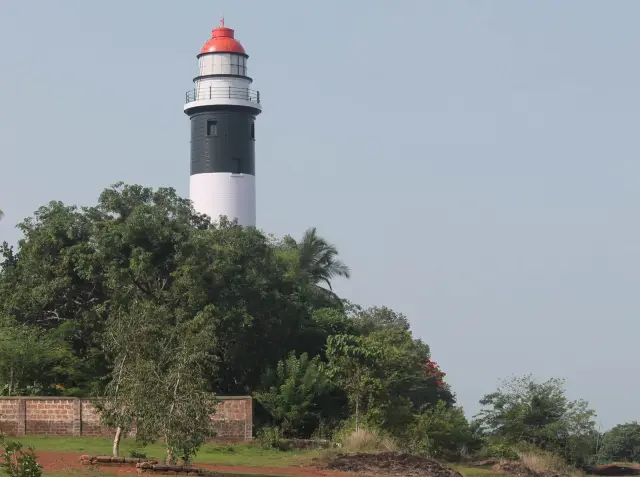
Iringal, near Vadakara, holds the memorial to the Kunjali Marakkars, the naval commanders of the Zamorin of Calicut who fought Portuguese sea power off this coast, and Sargaalaya, the Kerala craft village. Kolavipalam beach nearby is a protected olive ridley turtle nesting site maintained by local volunteers.
Why visit
To stand in the country of the Vadakkan Pattukal — the Northern Ballads of Malayalam — in the town tradition names as the birthplace of Thacholi Othenan, Aromal Chekavar and Unniyarcha.
For Lokanarkavu, treated as the spiritual home of kalaripayattu and the setting of the central episode of the Thacholi cycle.
For Sargaalaya at Iringal, Kerala's craft village and a serious working collection of the state's artisans.
For the Kunjali Marakkar memorial at Iringal, commemorating the Zamorin's naval commanders who fought the Portuguese at sea.
For Kolavipalam, one of the few olive ridley turtle nesting beaches in Kerala, protected by a local volunteer effort.
For a stretch of north Kerala coast that carries an extraordinary density of history and almost no visitor infrastructure built around it.