Highlights
- Major Lord Krishna temple and one of Kerala's busiest pilgrimage towns.
- Guruvayur Ekadasi, temple festivals, weddings and nearby Mammiyoor Temple circuit.
- Local services run to pilgrim lodges, vegetarian restaurants and taxis.
Guruvayur Temple is Kerala's most famous Krishna pilgrimage centre and one of the busiest temple towns in the state. The visit is shaped by temple customs, darshan timing, dress rules, festival crowds, wedding activity and official Devaswom systems.

Hindus only — non-Hindus are not admitted.Entry is restricted to Hindus. Non-Hindus may visit the surrounding precinct but are not admitted to the temple itself, and ID proof is checked at the entrance.
Checked 4 August 2026 against source 1source 2. Check the institution’s current rules and visiting session before travelling.
Plan Guruvayur as a pilgrim-town stay rather than a quick monument stop. The surrounding town needs verified vegetarian restaurants, pilgrim lodges, family hotels, official-service guidance and local transport listings, because misinformation and paid-access claims can cause real problems for devotees.
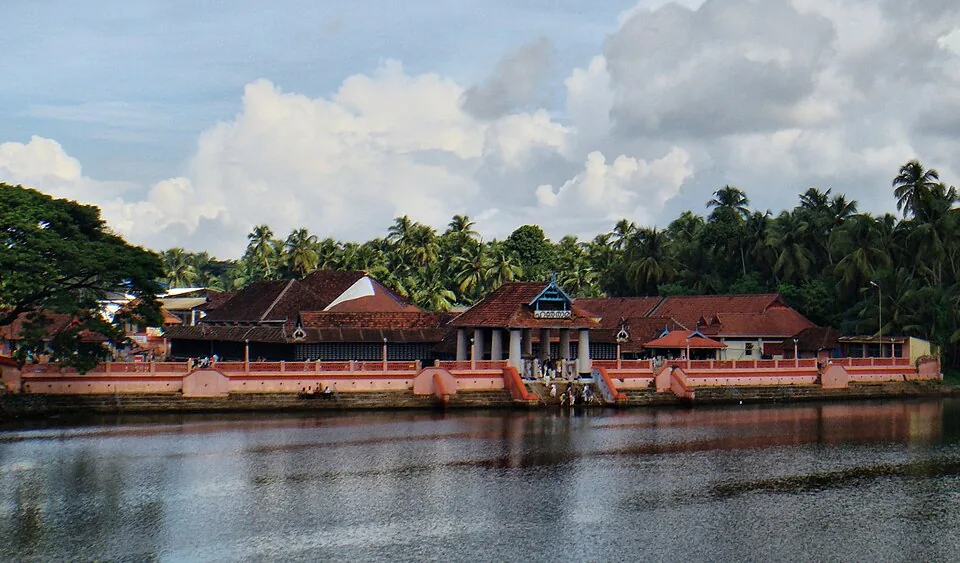
Guruvayur Sree Krishna Temple is among the most revered Vaishnava shrines in India, drawing millions of pilgrims to a small temple town in Thrissur district where the child-form of Krishna — Guruvayurappan — is worshipped. Often called the “Dwarka of the South” and “Bhooloka Vaikuntha” (heaven on earth), it is a living centre of Kerala devotion, famed for its dawn-to-dusk queues, its temple elephants, and its status as an auspicious venue for weddings and a child’s first feeding.
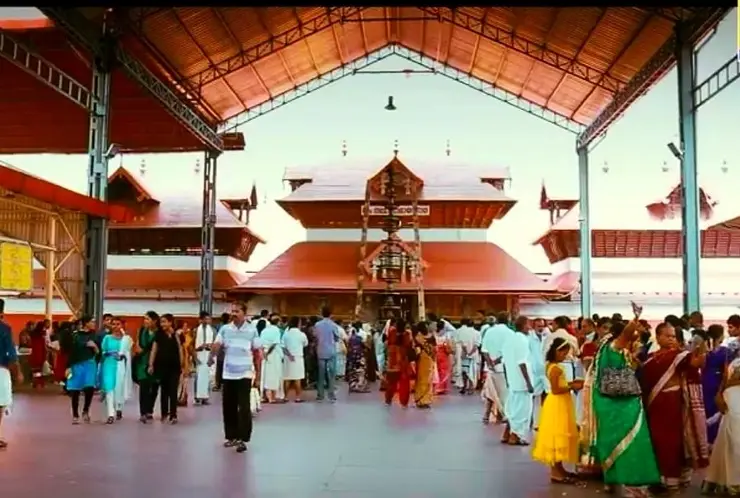
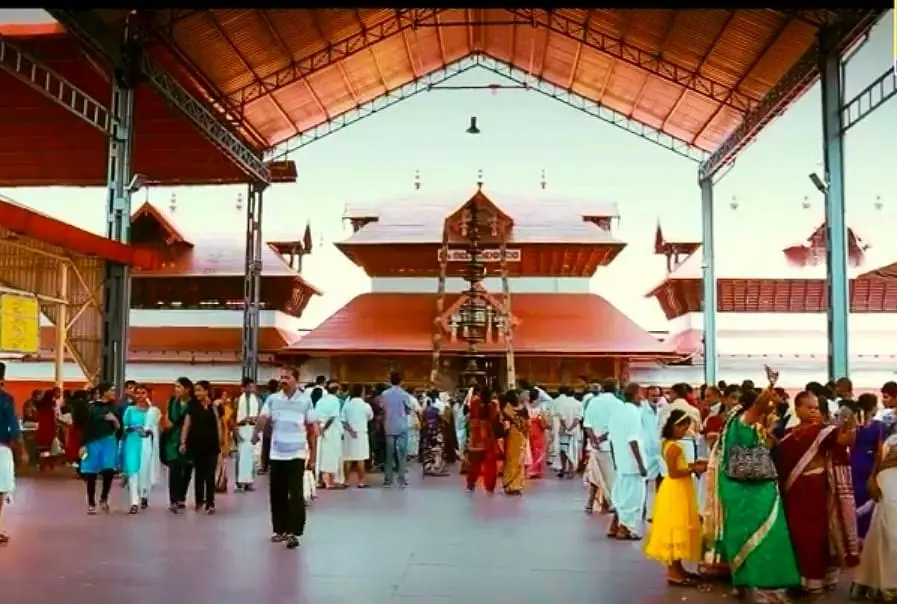
Long before first light, the streets around the shrine fill with barefoot devotees. The temple opens in the small hours for the Nirmalya darshanam — the day’s earliest glimpse, when the deity is still adorned with the previous night’s flowers and ornaments before the morning rituals begin. Standing in the pre-dawn dark for this first sight of Guruvayurappan is, for many pilgrims, the emotional heart of the whole visit, and the queues form well before the doors part.
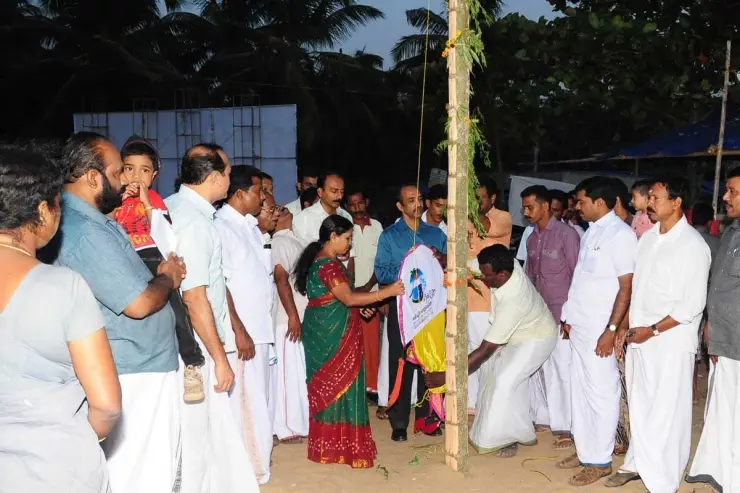
The atmosphere inside is intensely devotional rather than touristic. Bare-chested men in mundus and women in traditional dress move slowly through the pradakshina path, chanting and pressing forward for a few seconds of darshan at the sanctum. Because the shrine draws such crowds, the experience is often brief and jostling, yet devotees speak of an unmistakable charge to the air — the collective longing of thousands focused on the small, dark idol holding conch, discus, mace and lotus.
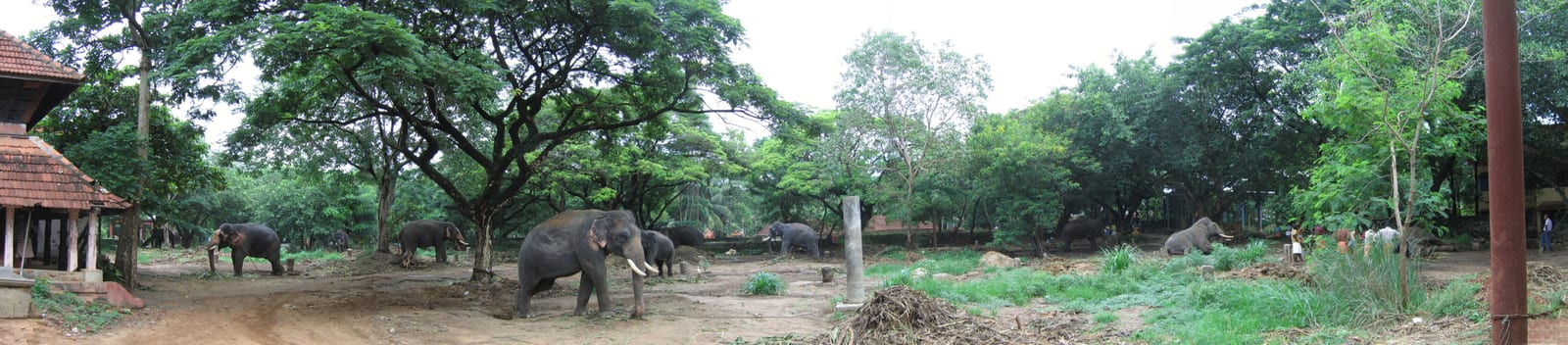
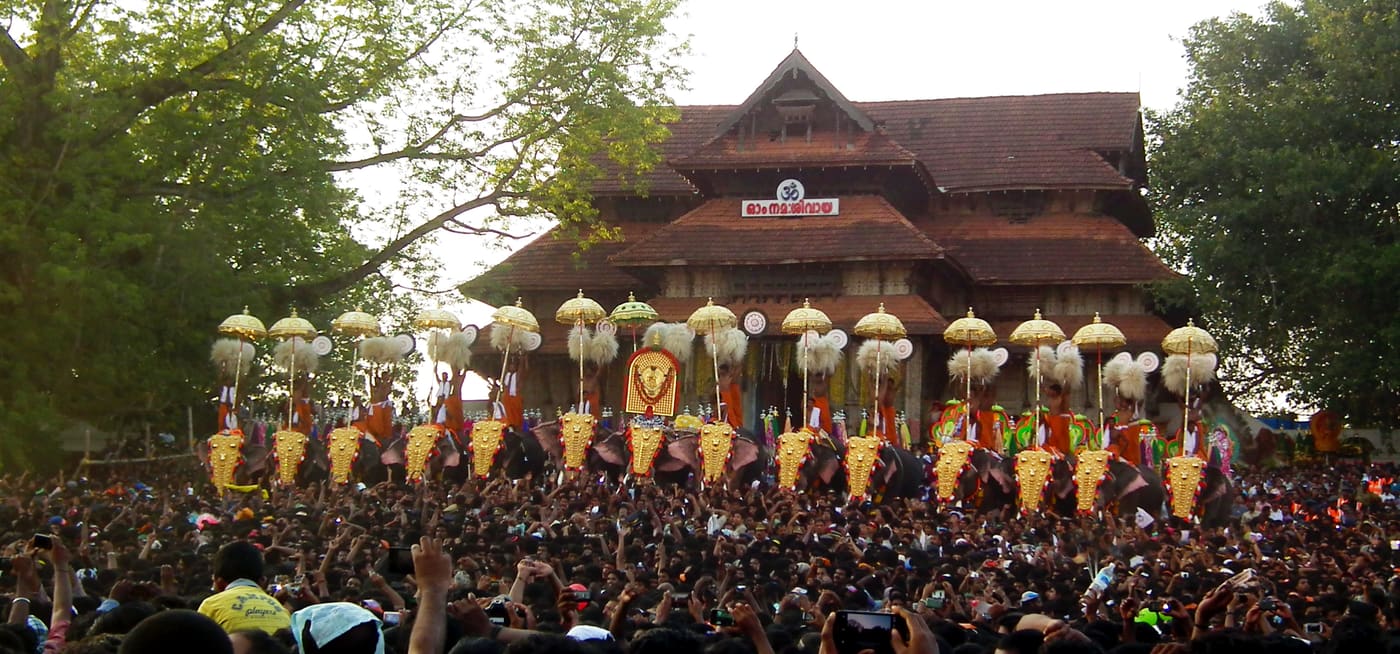
Guruvayur is inseparable from its elephants. A short distance from the temple, at Punnathurkotta, a former palace compound houses the temple’s herd — animals donated over the years by devotees as offerings to the Lord. On festival days the elephants are caparisoned in gold for processions, and the Anayoottu, a mass elephant-feeding ceremony, sees the tuskers lined up and fed ceremonially with rice, jaggery, coconut and greens amid great crowds (dates and practice vary — confirm locally).
The temple is one of Kerala’s most sought-after venues for life-milestones. Guruvayur weddings — simple, swift ceremonies performed in the presence of the deity — are booked far in advance, and on auspicious days a steady procession of couples marries under the Lord’s gaze. Equally cherished is the Annaprasana, or Choroonu, a baby’s first taste of solid rice, performed here by families who travel long distances so the child’s first meal is offered before Guruvayurappan. Tulabharam, where a devotee is weighed against offerings such as bananas, sugar or sandalwood, is another much-loved vow fulfilled at the temple.
Ritual offerings shape the day’s rhythm. Devotees sponsor the Udayasthamana pooja (a full day of worship from sunrise to sunset), light rows of lamps, and offer Palpayasam and other prasadam. The famous elephant race and the Ekadasi observances, the flag-hoisting festivals and the temple’s many seva slots mean the shrine is rarely still — there is almost always a ceremony, a name being called, a family fulfilling a promise made in gratitude or hope.
The town itself has grown up entirely around the shrine. Lanes radiating from the eastern and western gates are lined with stalls selling tulsi garlands, framed images of the Lord, brass lamps, prasadam sweets and pilgrim provisions, alongside modest lodges, choultries and eateries serving Kerala vegetarian meals. Nearby stand associated shrines including the Mammiyur Mahadeva Temple, and pilgrims often combine Guruvayur with a wider Thrissur circuit — but everything in this town, from its economy to its daily timetable, orbits the presence of Guruvayurappan.
By legend, the idol worshipped at Guruvayur is no ordinary image but one fashioned by Vishnu himself and worshipped across ages — passed, the stories say, from Brahma to the king Sutapas and his consort Prishni, and eventually to Krishna at Dwarka, where the Lord worshipped it in his own palace. It is said to be carved from a rare stone, patala-anjana, and to be many thousands of years old.
When, according to the legend, Krishna departed the earthly world and the city of Dwarka was swallowed by the sea, his devotee Uddhava was anxious to save the sacred idol from the waters. It was entrusted to Brihaspati — Guru, preceptor of the gods — and to Vayu, the wind god, who is said to have carried it across the land in search of a worthy place to install it. The tale holds that Shiva himself guided them to a beautiful spot beside a lake and consecrated the site, and because Guru and Vayu installed the Lord there, the place became known as Guruvayur — Guru + Vayu + ur (place). This account is preserved and cherished as sacred tradition.
So closely is the shrine linked to Krishna’s own city that Guruvayur is popularly called the “Dwarka of the South,” a place where devotees believe they stand before the very form the Lord worshipped in his mortal days. Whatever a historian may say of the idol’s age, for the pilgrim the legend is the point — it is what transforms a brief, crowded darshan into a meeting with an image believed to have travelled from Vaikuntha to Dwarka to this small Kerala town.
Guruvayur is an ancient shrine, though pinning an exact founding date is difficult; devotional tradition claims immense antiquity, while the temple in something like its present institutional form is documented across the medieval and early-modern centuries. It grew into one of Kerala’s foremost Krishna centres, closely associated for long periods with the Zamorins of Calicut, who are traditionally credited with rebuilding and patronising the shrine, and later passing through periods of turbulence including a raid during Tipu Sultan’s campaigns in the region (historical detail varies by source — confirm locally).
The temple’s religious literature made it famous across the Sanskrit and Malayalam devotional worlds. In the 16th–17th centuries, Melpathur Narayana Bhattathiri (1559–1632) is said to have composed the Narayaneeyam here — a Sanskrit devotional work of over a thousand verses distilling the Bhagavata Purana — traditionally as he sought relief from illness through the Lord’s grace. His contemporary Poonthanam Nambudiri, author of the beloved Malayalam Jnanappana, is remembered in the affectionate tradition that the Lord favoured Poonthanam’s heartfelt devotion over mere scholarship, a story still told to pilgrims.
On 30 November 1970 a major fire broke out in the temple, reportedly starting in the western part of the complex and burning for hours. The Sreekovil (sanctum) with the main idol and several sub-shrines were spared, but significant portions of the surrounding structures were damaged. An extensive restoration followed, funded in large part by devotee contributions, and the temple was reopened after renovation in the early 1970s (accounts commonly cite a reopening in 1973 — confirm locally).
Punnathurkotta, once a palace and fort compound near the temple, was acquired to house the shrine’s elephants and today functions as the temple’s elephant sanctuary and care centre. Over generations, devotees have gifted elephants to Guruvayurappan, and the sanctuary has at times sheltered dozens of animals used in temple processions and festivals; its most legendary resident, the tusker Guruvayur Kesavan, is still commemorated with an annual observance on the anniversary of his death (details and current animal numbers vary — confirm locally).
In the modern era the temple is administered by the Guruvayur Devaswom, a statutory management body, which oversees the shrine, its finances, festivals, queue and darshan systems, wedding and Annaprasana bookings, guest houses and the elephant sanctuary. Entry to the temple premises is restricted to Hindus — not merely to the inner shrine, which is how it is often put and is easily misread — and a strict traditional dress code is enforced — a point long noted in the temple’s history and still central to how it presents itself to visitors.
To experience one of India’s most intensely devotional living temples, where the child-Krishna Guruvayurappan is worshipped amid dawn queues, lamp light and near-constant ritual.
For the Nirmalya darshanam — the pre-dawn first sight of the deity still bedecked in the night’s flowers — considered by devotees the most blessed glimpse of the day.
To see the temple elephants at Punnathurkotta, a sanctuary of tuskers gifted to the Lord, and, on the right days, the spectacular Anayoottu mass elephant-feeding (confirm dates locally).
As an auspicious place for life’s milestones — weddings, a baby’s first rice-feeding (Annaprasana), Tulabharam and other vows fulfilled before the deity.
For a window into Kerala’s devotional literary heritage, tied to Melpathur’s Narayaneeyam and Poonthanam’s Jnanappana.
To combine the shrine with a wider Thrissur pilgrimage and cultural circuit, including nearby associated temples and the town’s vibrant devotional bazaars.
Road km to Thrissur; ghat roads and traffic vary — allow extra.
Early morning and evening are common darshan windows. Festival periods are important but very crowded; October to March is easier for general travel.
Live forecast loads in your browser.
Sun and moon are calculated for this location and shown in IST. Photography windows are the hour around sunrise and sunset; the sunset bearing is degrees clockwise from true north. Moon phase is accurate to about half a day.
Verified hotels, homestays, restaurants, experiences, sights, shops and rentals around Guruvayur Temple — commission-free, with direct contact. Filter by what you need.

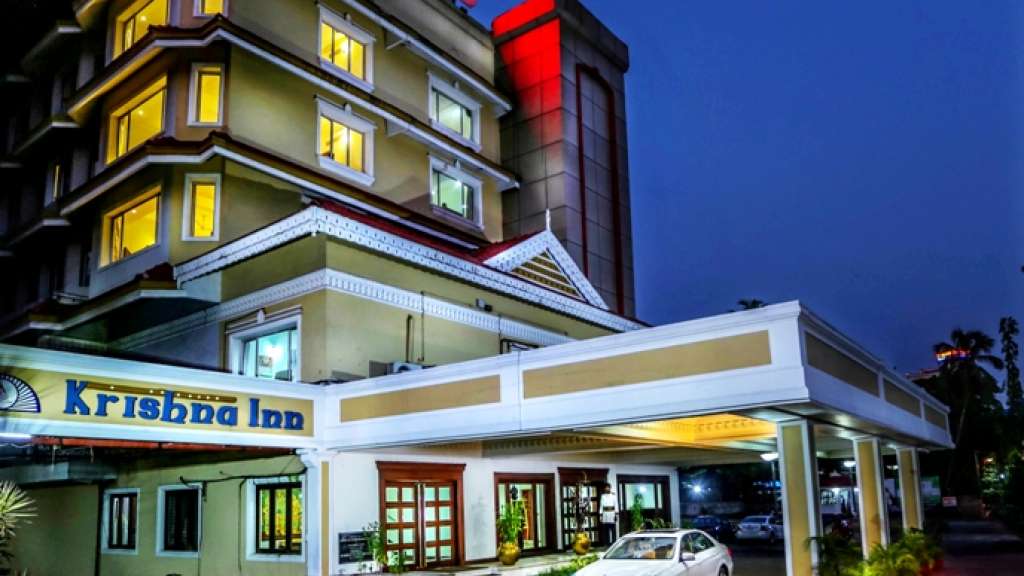
Four-star hotel at East Nada, a short walk from the Guruvayur Sree Krishna Temple, with air-conditioned rooms, a multi-cuisine restaurant and banquet facilities. Its Kerala Tourism provider record classifies it as one of Guruvayur’s larger full-service four-star hotels for temple-town visitors.

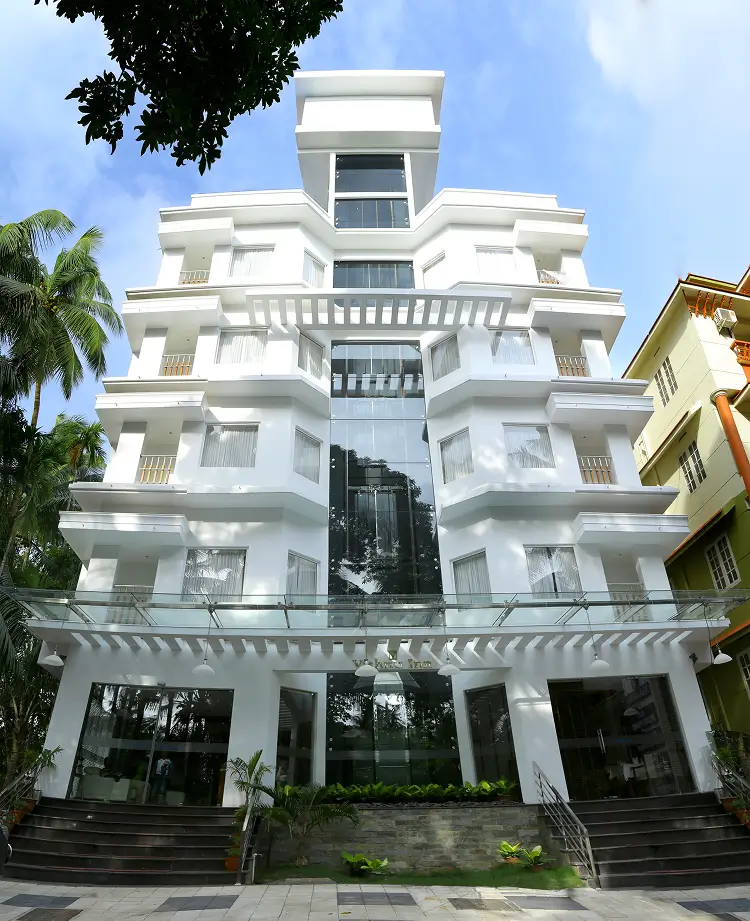
Modern multi-storey business hotel on the Inner Ring Road at East Nada, about 200 metres from the Guruvayur Sree Krishna Temple. Its own website and Kerala Tourism provider record list air-conditioned deluxe and temple-view rooms with a restaurant, positioning it as a comfortable mid-range temple-town stay.

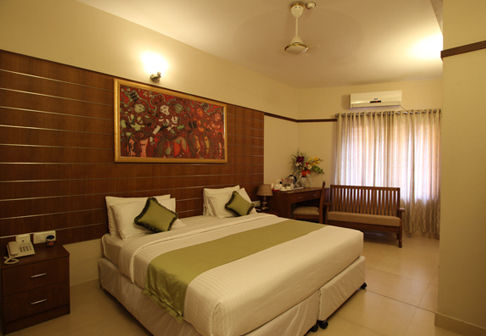
3-Star hotel in Guruvayur. Kerala State Housing Board Road, Sannidhi, Thiruvenkidam, Guruvayur, Thrissur, Kerala 680101 · 3-Star hotel, deluxe rooms · Hotel, 3-Star, Deluxe.

Kerala Tourism-classified homestay at Manathala, Chavakkad, in the Guruvayur temple-and-beach belt, well placed for temple visits and Chavakkad beach.

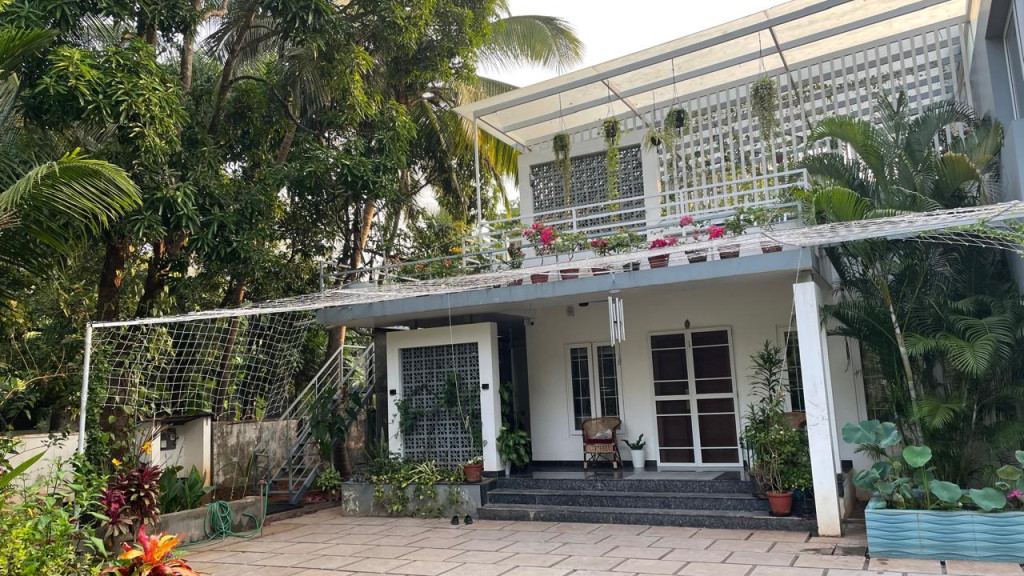
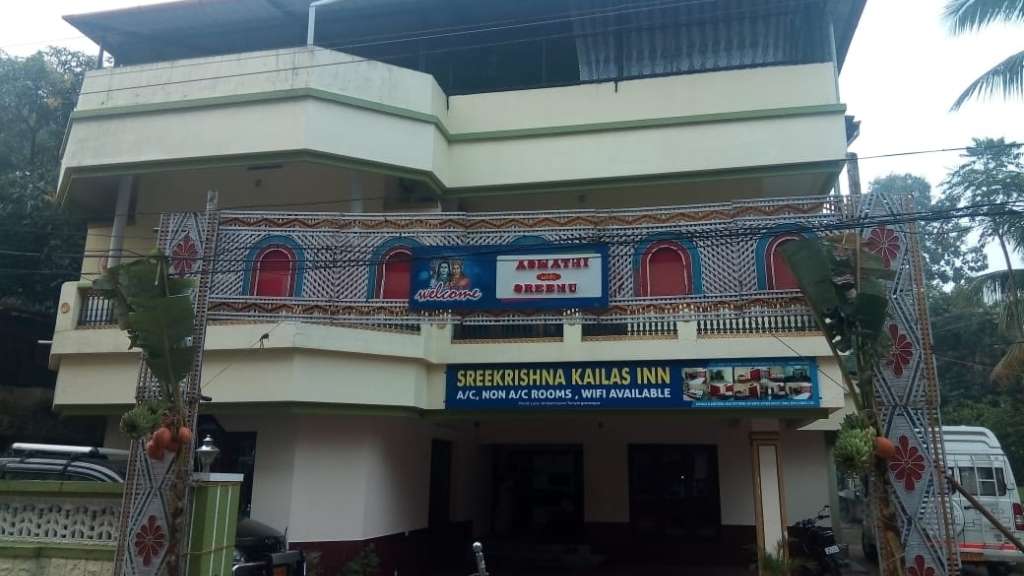
Kerala Tourism Silver Star-classified homestay at Guruvayur, a simple host-led base for temple-town visitors with a direct owner contact.

Family-run serviced-apartment homestay at Mammiyoor, about 1.2 km from the Guruvayur Sree Krishna Temple, railway station and bus stand.

Kerala Tourism-listed Guruvayur hotel for temple visitors needing a town stay. Budget pilgrim hotel · Guruvayur, Mammiyur Temple, Hotel.

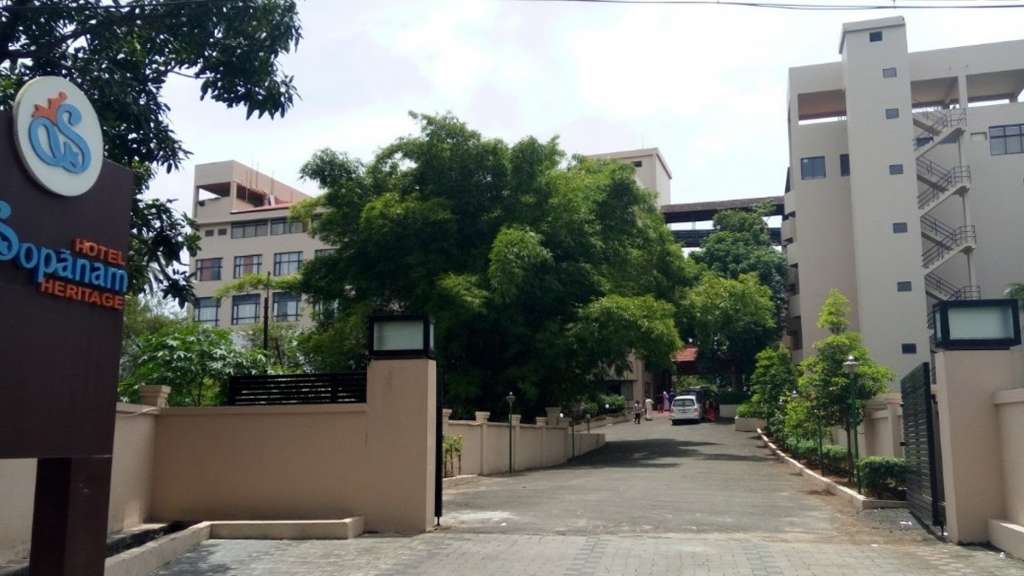
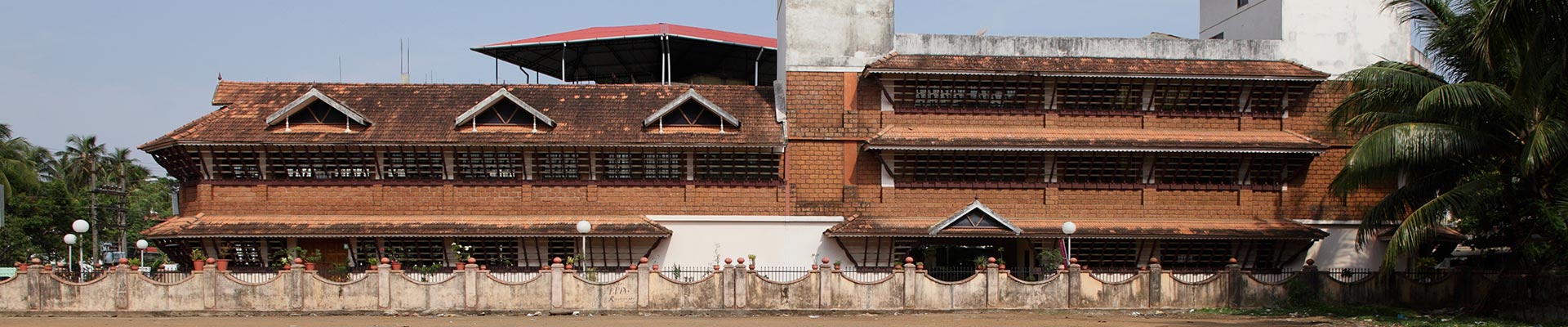
Guruvayur heritage hotel with direct website evidence for temple-town stays. Guruvayur, East Nada, Hotel.

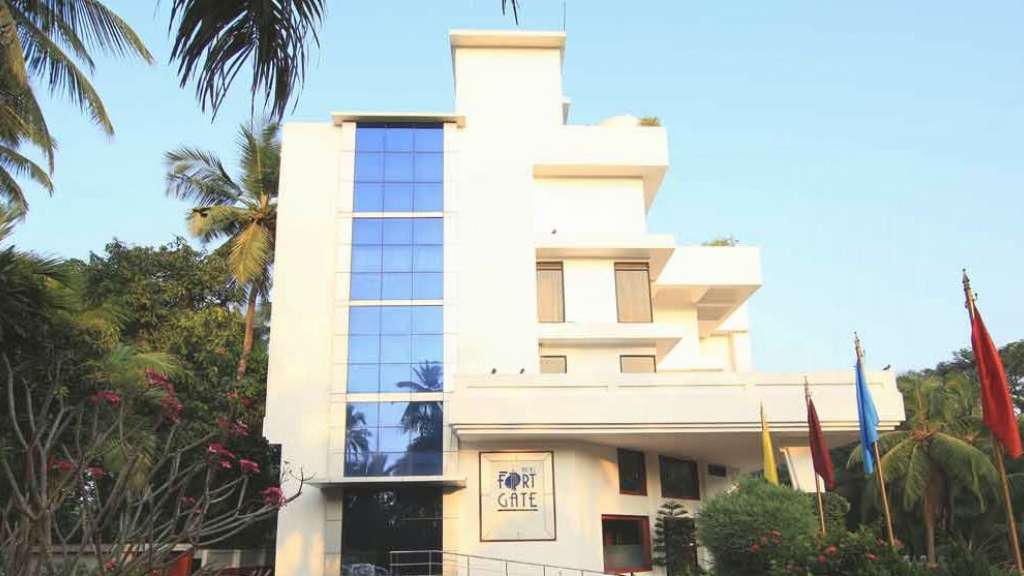
Hotel in Guruvayur. Fort Gate Hotels & Resorts, Kottappady, Guruvayur, Thrissur, Kerala 680505 · Guruvayur, Kottappady, Hotel.

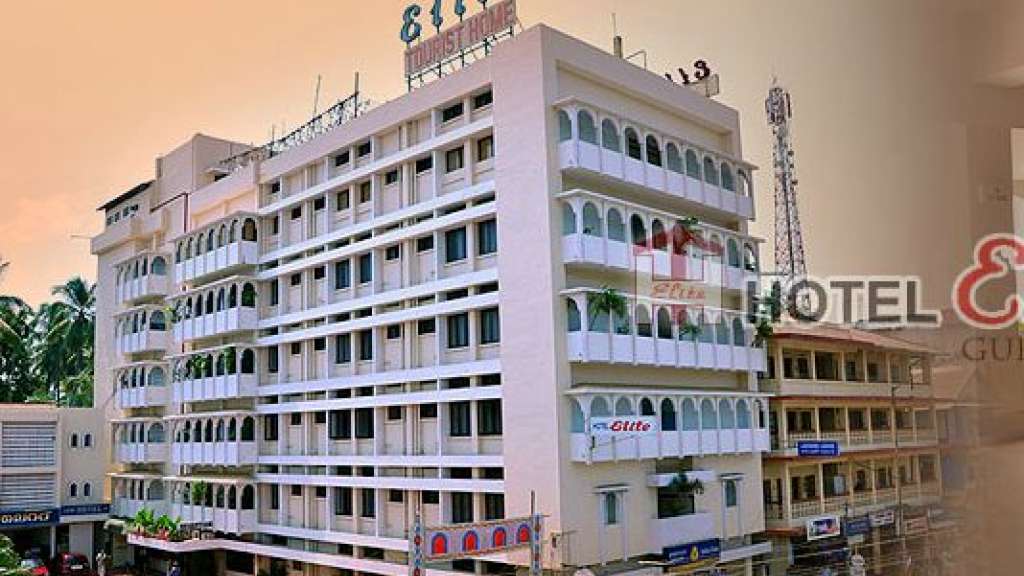
Hotel in Guruvayur. Hotel Elite, East Nada, Guruvayur, Thrissur, Kerala 680101 · Guruvayur, East Nada, Hotel.

KTDC Tamarind Easy Hotel at East Nada with official contact details. Guruvayur, KTDC Tamarind, East Nada.

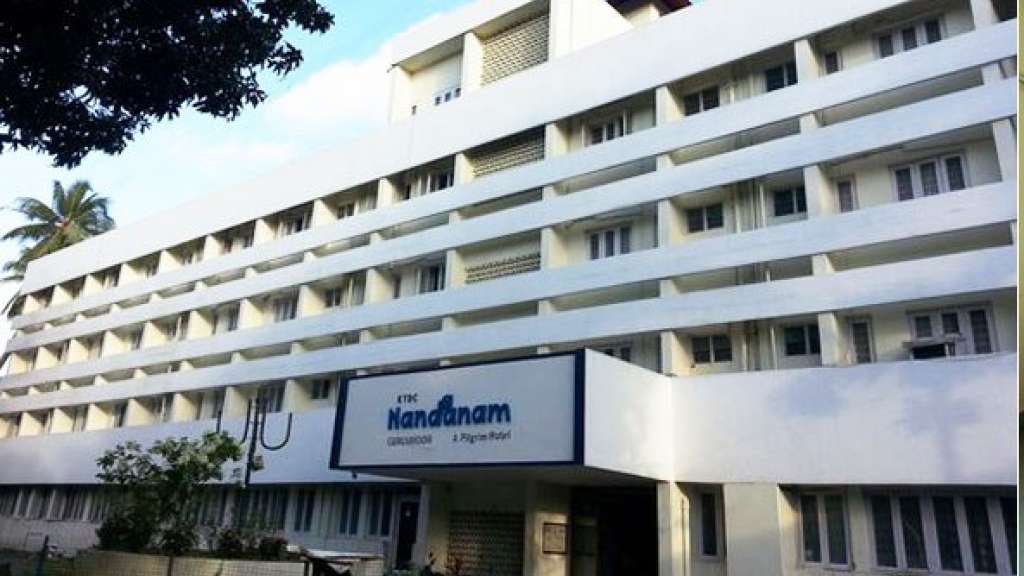
KTDC hotel at East Nada with Kerala Tourism-listed direct contact fields. Budget hotel (KTDC) · Guruvayur, KTDC, East Nada.
Book with the place itself. India’s cyber-crime coordination centre warned in April 2025 that convincing copies of hotel and pilgrimage booking sites are being pushed through sponsored search and social ads, taking payment for rooms the property never hears about. Every listing here links to the business’s own contact details and its own Google or Bing profile — we take no commission and sit in nobody’s payment path. If a booking page reached you through an ad, check the address bar against the property’s own site before you pay. Fraud can be reported on cybercrime.gov.in or on 1930.
Find food, accommodation and activities across Guruvayur. Browse the guides for places to eat, stay and explore along your route.
2 more places around Guruvayur. Open a guide to plan the visit and onward journey.

2.4 km · 30 min walk
The Guruvayur temple’s elephant sanctuary (Anakkotta) at Punnathur, where the devaswom’s elephants are housed.

4.3 km · ~11 min by auto
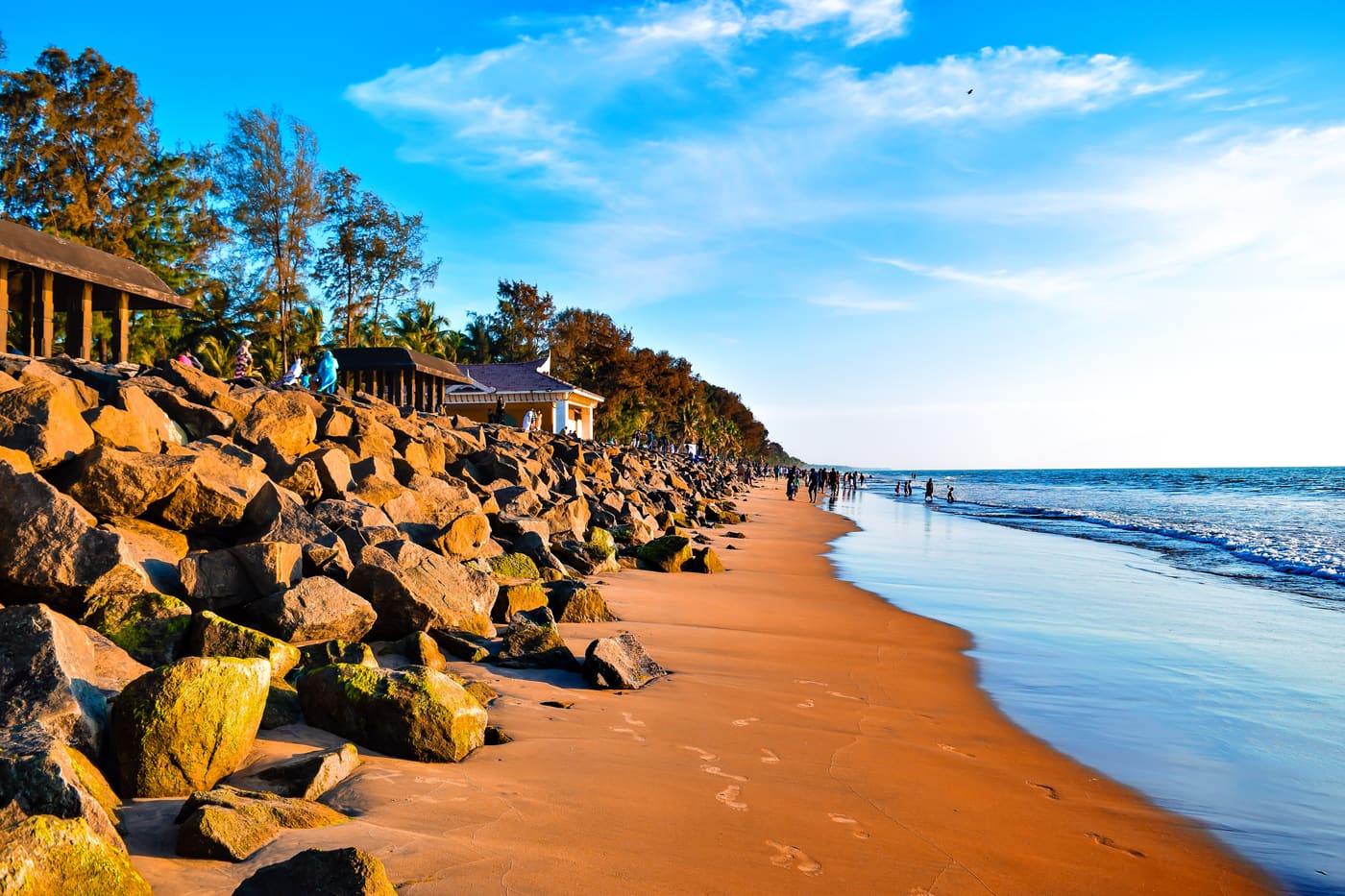
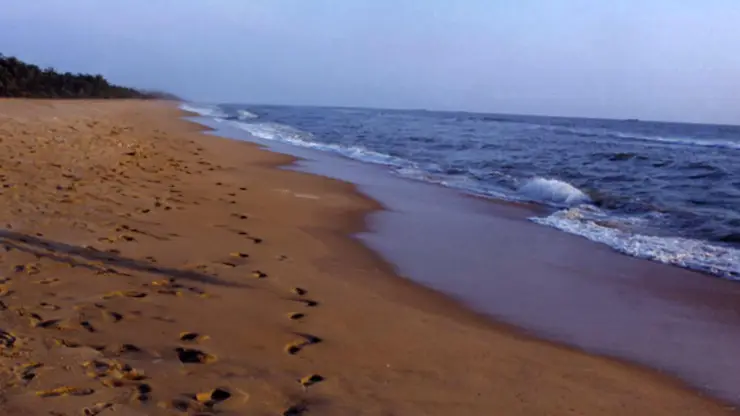
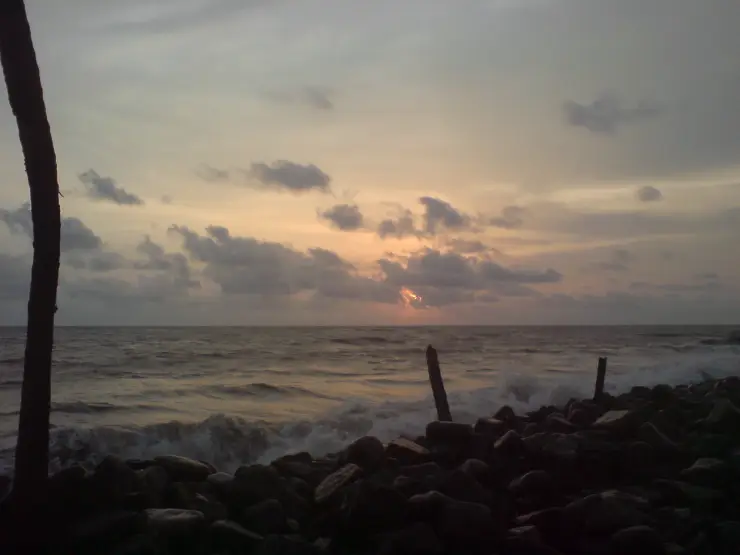
A calm beach near Guruvayur where the backwater meets the sea at the Chavakkad azhimukham.
Roampedia is commission-free — own or know a stay, eatery, guide or shop near Guruvayur Temple? List it and it appears here once verified.
Add a nearby businessEntry: General darshan is free. Faster special or VIP darshan, and rituals such as thulabharam, choroonu (annaprasana) and udayasthamana pooja, are booked and paid for separately through the Devaswom. Fees and the booking system change periodically.
Dress code: Strictly enforced. Men and boys must wear a mundu (dhoti) and go bare-chested, with only a thin angavastram permitted over the shoulders — shirts, vests and trousers are not allowed. Women and girls wear a saree or set-mundu; churidar and half-saree are generally accepted while trousers and modern Western dress are not. Rules are traditional and can be updated.
Festivals: Key festivals include the ten-day Ulsavam beginning with flag-hoisting in Kumbham (around February to March); Guruvayur Ekadasi in Vrischikam (around November to December), the temple’s most important observance; Ashtami Rohini / Janmashtami celebrating Krishna’s birth (Chingam, around August to September); and Vishu (Medam, mid-April). Exact dates follow the Malayalam calendar and change each year.
Photography: Cameras and mobile phones are generally prohibited inside the temple, and belongings are usually left in cloakrooms before entry. Photography of the sanctum and deity is not permitted.
If you are travelling by bus or ferry, check the return service with the operator before setting out. Leave time to reach the stop or jetty after your visit.
Ask at the bus stand for the time of the last service back, not the next one. If you miss it, an auto or app cab is the fallback — agree the fare before you get in.
If you need step-free access, contact the site before travelling. Ask about a level entrance, steps along the route, the nearest drop-off point, seating and accessible toilets.
Charge cap and free-transaction limits: Reserve Bank of India, in force since 1 May 2025.
These services are listed within about 1.2 km of Guruvayur Temple. Walking distances follow mapped routes; access and opening hours can change. Other services may be closer but are not included here.
Emergency numbers are verified against official government and state tourism sources. 112 works anywhere in India.

The Guruvayur temple’s elephant sanctuary (Anakkotta) at Punnathur, where the devaswom’s elephants are housed.
2.4 km · 30 min walk · straight line
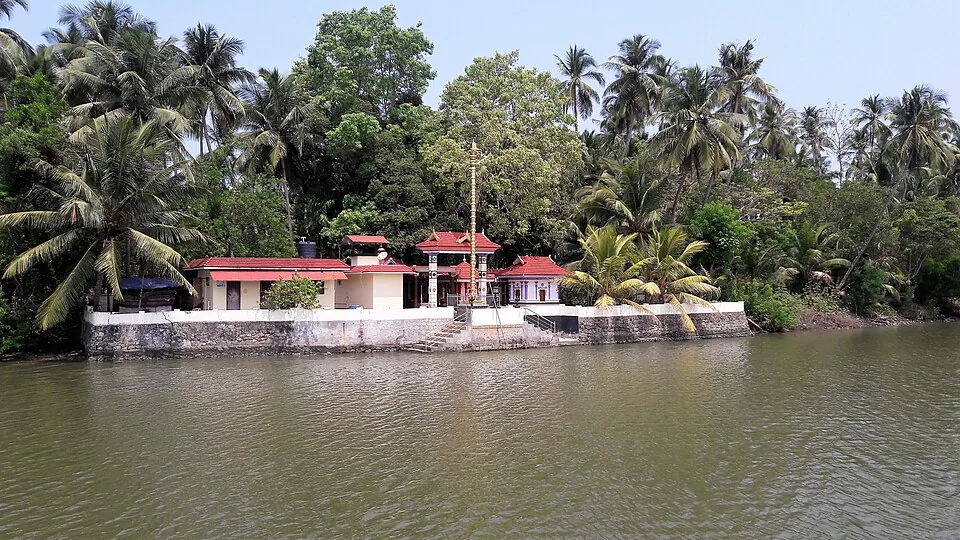
A calm estuarine backwater, mangroves and fishing-harbour belt on the Thrissur coast near Chavakkad, quieter than Alappuzha.
4.1 km · ~10 min by auto · straight line
A calm beach near Guruvayur where the backwater meets the sea at the Chavakkad azhimukham.
4.3 km · ~11 min by auto · straight line
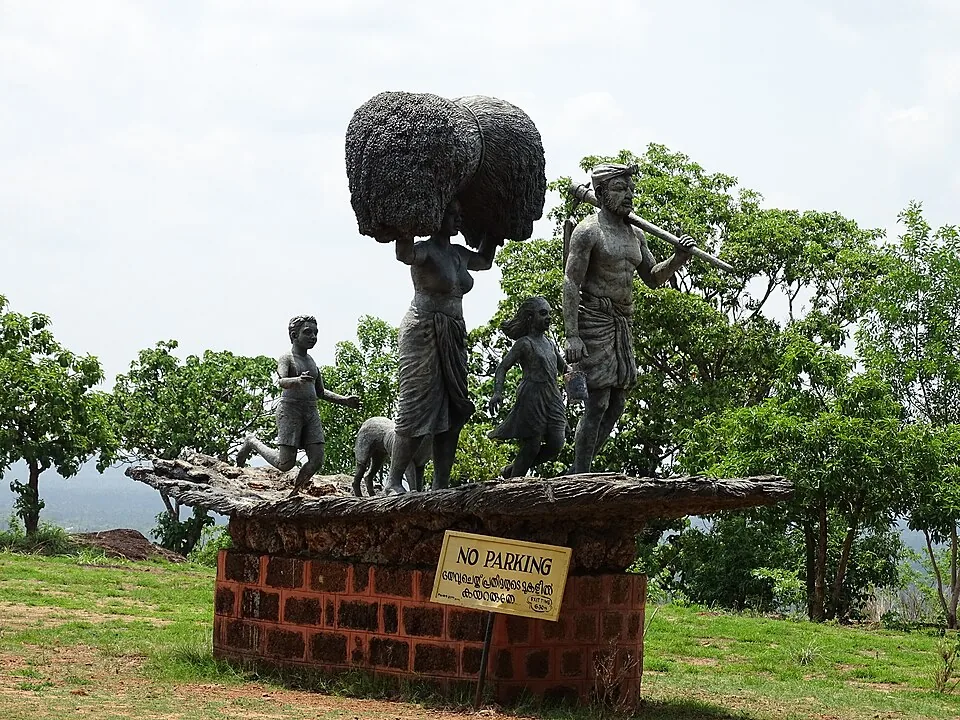
A low hill and park on the edge of Thrissur city, popular for sunset views and morning walks.
14.7 km · ~25 min by cab · straight line
Family-friendly beach south-west of Thrissur city.
18.7 km · ~31 min by cab · straight line
Restored palace and archaeological museum in Thrissur city, built by Raja Rama Varma Sakthan Thampuran.
20.6 km · ~34 min by cab · straight line
Ancient temple at the centre of Thrissur’s round, associated with Thrissur Pooram.
20.7 km · ~35 min by cab · straight line
Kerala’s most famous temple festival, held around April/May at the Thekkinkadu ground around Vadakkunnathan.
20.7 km · ~35 min by cab · straight line
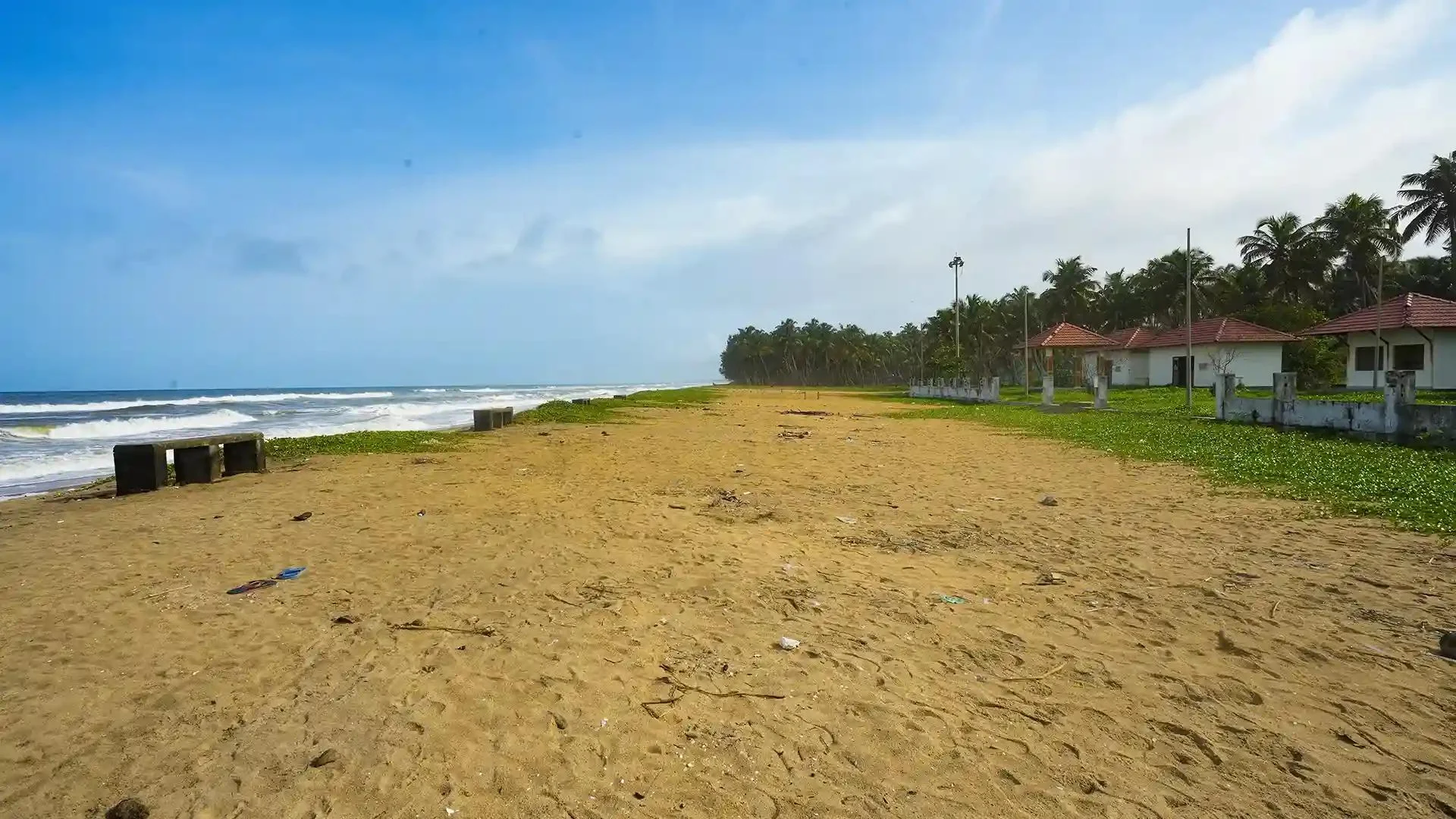
Nattika Beach is the Arabian Sea shore of Nattika in Thrissur district, also identified by Kerala Tourism as Attakuzhi Bandhar Kadapuram. Its long sand frontage, fishing-life connections and association with the Malayalam film Chemmeen give it a character distinct from a resort’s private grounds. Use the named public beach approach for a shore visit, with Nattika and Triprayar providing the wider town plan. The beach, Triprayar Sree Rama Temple and any accommodation property require separate arrival instructions.
20.8 km · ~35 min by cab · straight line
The “Puthan Pally” basilica in Thrissur, known for its Bible Tower — among the tallest church towers in Asia.
21.2 km · ~35 min by cab · straight line
State museum, art gallery and natural-history collection at Chembukkavu; the zoo animals moved to the new zoological park at Puthur, open since February 2026.
21.4 km · ~36 min by cab · straight line
Sree Rama temple on the Theevra river near Triprayar, another of the Nalambalam circuit shrines.
21.7 km · ~36 min by cab · straight lineNearby toilets, pharmacies, ATMs, seating and vets are community-mapped and may be incomplete or out of date. Map data © OpenStreetMap contributors | Walking times © openrouteservice.org by HeiGIT
No. Entry into the temple is traditionally restricted to Hindus, a rule the Devaswom enforces. Visitors of other faiths can experience the temple town, the surrounding bazaars and the Punnathurkotta elephant sanctuary, but not the inner shrine (confirm current rules locally).
Yes, and it is strict. Men typically wear a mundu (dhoti) without a shirt or with a cloth over the shoulder, and women wear a saree or set-mundu; girls and women commonly wear traditional attire. Trousers, shorts and other modern dress are generally not permitted inside (confirm exact current requirements locally).
It is the day’s first darshan in the pre-dawn hours, when devotees see the deity still adorned with the previous night’s flowers and ornaments before they are removed for the morning rituals. It is regarded as an especially auspicious sight, so expect long early queues (timings vary — confirm locally).
The temple’s elephants are kept at Punnathurkotta, a former palace-fort compound a short distance from the shrine, now run as an elephant sanctuary. Anayoottu is a ceremonial mass feeding of the elephants held on certain festival occasions; dates and access change year to year, so confirm locally.
Yes. Guruvayur is one of the most popular temples in Kerala for weddings and for the Annaprasana (Choroonu, a baby’s first feeding of solid rice). Both are typically booked in advance through the Devaswom, and auspicious days fill up early, so plan ahead (confirm booking procedure locally).
The temple is busy year-round and can be extremely crowded on weekends, festival days and auspicious muhurtham dates for weddings. Early morning generally offers the most serene experience, and the cooler months are pleasant for the wider Thrissur circuit.
Early morning and evening are common darshan windows. Festival periods are important but very crowded; October to March is easier for general travel.
Entry: General darshan is free. Faster special or VIP darshan, and rituals such as thulabharam, choroonu (annaprasana) and udayasthamana pooja, are booked and paid for separately through the Devaswom. Fees and the booking system change periodically. Timings: The temple generally opens around 3am for nirmalyam and continues through a fixed cycle of poojas until about 9.15pm, with a midday closure (commonly around 1.30pm to 4.30pm). Darshan is admitted in timed slots via the eastern Nada; queues are longest at dawn and on festival days.
Check current Guruvayur Devaswom timing, queue, dress and offering rules before arrival. Base in Guruvayur town if darshan timing matters; Thrissur city works for a broader culture itinerary. Use only official channels for darshan and offerings; avoid agents claiming paid special access.
2 hours to a full day depending on queues, rituals and nearby temple visits.
Nearby you can pair Punnathur Kotta (2.4 km), Chettuva Backwaters (4.1 km), Chavakkad Beach (4.3 km), Vilangan Kunnu (14.7 km).
Do not pay unofficial agents for darshan promises. Keep valuables minimal in crowded queue areas. Respect worship rules, photography restrictions and gender/family queue guidance where posted.
We have not published a story about Guruvayur Temple itself yet. These cover Guruvayur and the wider district, with separate journeys between stops.
These guides explore Guruvayur and the surrounding area. Choose a visit that fits your interests, allowing separately for travel between stops.
Route-level itineraries and practical guides for the rest of Kerala.
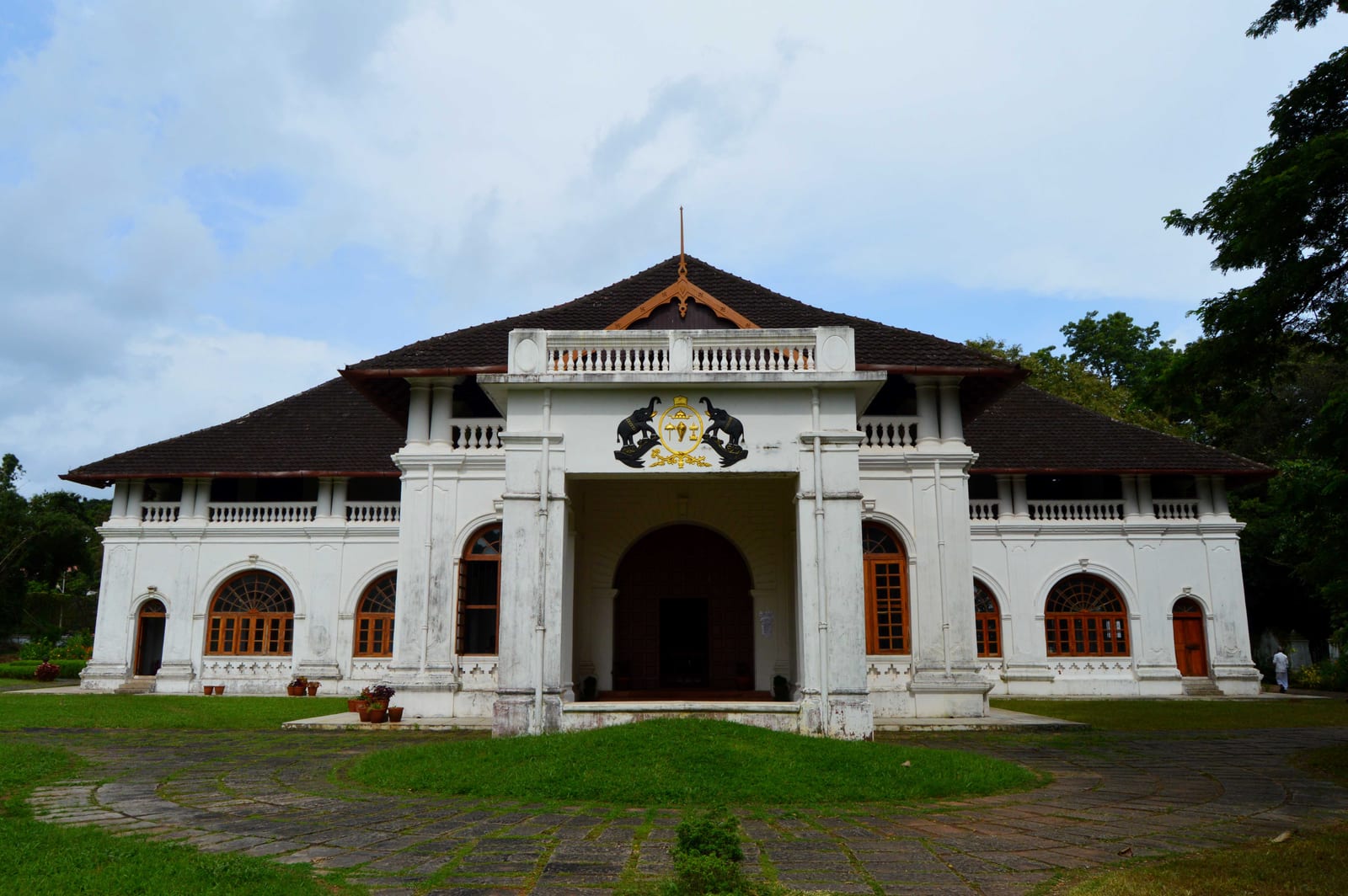
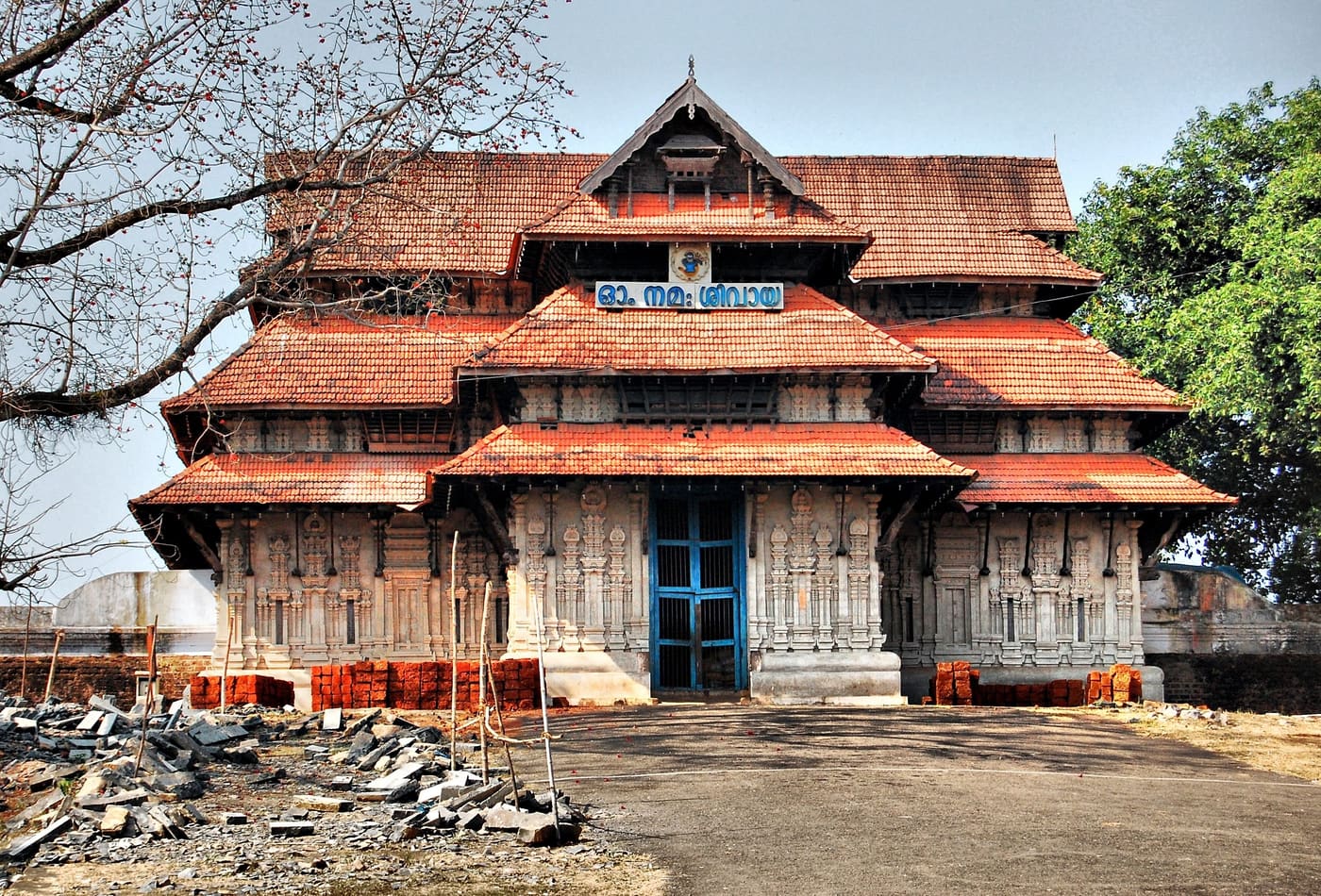
Photographs: Susmitanair (CC BY-SA 4.0), Ms Sarah Welch (CC0), Vinayaraj (CC BY-SA 3.0). Wikimedia Commons.