
Say ‘hill station in Tamil Nadu’ and most people picture Ooty’s toy train or Kodaikanal’s misty lake — both wonderful, and both, in season, gridlocked with cars. Yet the Eastern Ghats and the state’s inland ranges hide a whole tier of quieter hills: greener, cheaper and often a good few degrees cooler than the plains below. Reached by dizzying ghat roads and dotted with waterfalls, orchards and tribal hamlets, they reward travellers willing to trade five-star polish for a genuine sense of escape.
- Coolest, quietest months: roughly November to February, once the north-east monsoon has greened the slopes.
- Kolli Hills (Namakkal): famous for a ghat road of 70 hairpin bends and the Agaya Gangai waterfall.
- Yelagiri & Sirumalai: gentle, family-friendly hills with lakes, boating and fruit orchards.
- Jawadhu, Parvathamalai & the Kalrayans: forested plateaux, a hard pilgrim trek and Malayali tribal country.
Beyond Ooty & Kodai
Tamil Nadu’s two celebrity hill stations earn their fame, but they are only a small part of the picture. Scattered across the interior and the Eastern Ghats are a dozen lesser ranges that barely register on the average itinerary — low enough to stay accessible, high enough to feel a world apart from the sweltering plains. What they lack in polished resorts they make up for in space and silence. Here are five worth seeking out.
The Kolli Hills & Agaya Gangai
The Kolli Hills — Kollimalai, in Namakkal district — are the pin-up of Tamil Nadu’s lesser-known ranges. The climb is half the fun: the main ghat road twists through a much-photographed sequence of 70 hairpin bends, each numbered, before topping out on a plateau that rises to around 1,300 metres. Up here the air is cool, the fields are thick with jackfruit, pepper and coffee, and much of the population is Malayali, one of the hill communities of the Eastern Ghats.
The range’s showpiece is the Agaya Gangai falls, sometimes called Akasa Gangai — a broad cascade reached by a long, steep flight of several hundred stone steps down into a wooded gorge; the climb back up is the price of the view. Nearby, the Arapaleeswarar temple is wrapped in local legend, traditionally linked to Siddha medicine and tales of magic — stories best enjoyed as folklore rather than fact. For a gentler reward, the Seekuparai viewpoint looks out over the plains far below.

Sirumalai & Yelagiri
Sirumalai, rising behind Dindigul, is the low-key one — a modest forested range better known to farmers than tourists. Its slopes are famous for the small, intensely sweet ‘Sirumalai hill banana’, and for orchards of guava, jackfruit and coffee tucked among the trees. There is little in the way of resorts; the appeal is birdsong, cool air and winding roads with almost no traffic — a hill for a slow half-day rather than a packed itinerary.
Yelagiri, in the newer Tirupathur district, is the most developed of this group and the easiest first taste of the quiet hills. A small scatter of hamlets sitting at just over a thousand metres, it comes with the gentle trappings of a hill holiday: a boating lake at Nilavoor, trekking up Swamimalai peak — the range’s high point — and the Jalagamparai falls, which run hardest after the monsoon. It is popular with weekenders from Bengaluru and Chennai, yet still a fraction as busy as Ooty.
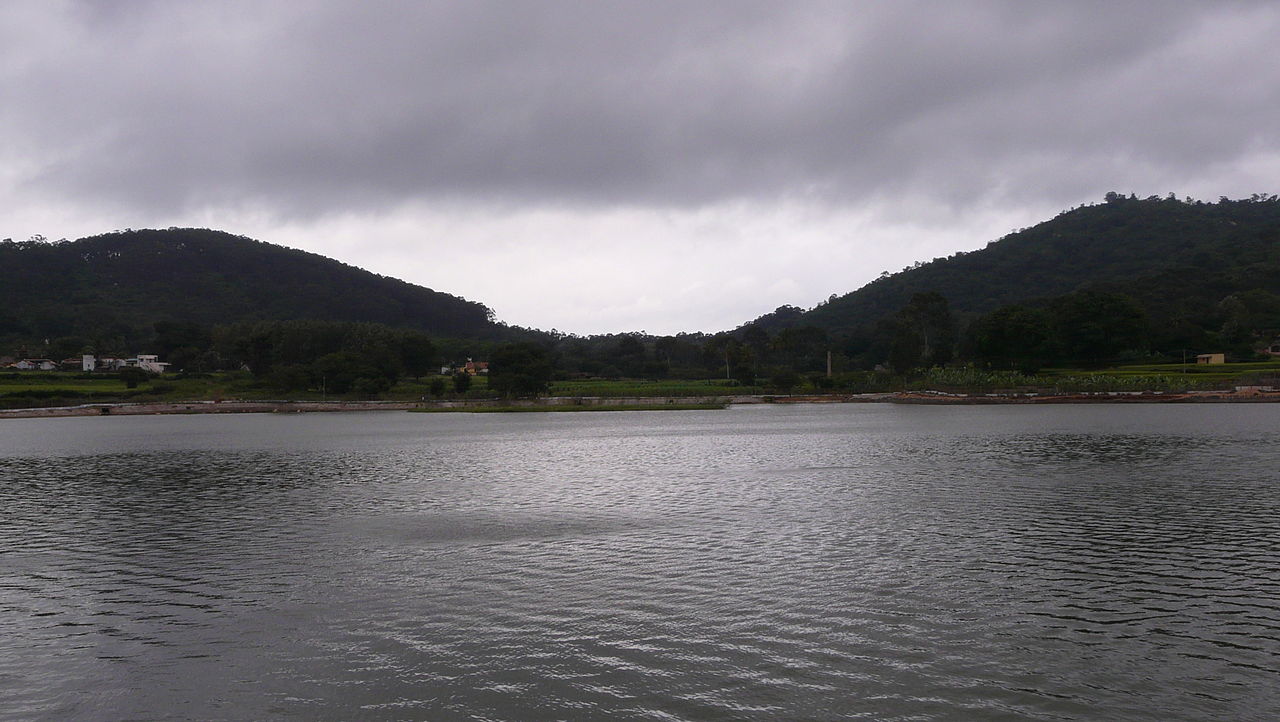
The Jawadhu Hills, Parvathamalai & the Kalrayans
North and east, the ranges grow wilder. The Jawadhu Hills — Javadi, in Tamil — form a broad forested plateau straddling the Tiruvannamalai and Vellore districts, historically prized for sandalwood and still home to scattered Malayali tribal villages, terraced millet fields and the occasional sunflower plot. Roads are rough and facilities minimal; this is a place to drive slowly and simply look.
Close to Chengam rises Parvathamalai, a sharp, solitary peak crowned by an ancient Shiva temple. The pilgrimage to the top is famously demanding — a steep climb with iron ladders and rock-cut steps that is not for the faint-hearted, and busiest on full-moon nights when devotees throng the path. Further south, the Kalrayan Hills — Kalvarayan Malai — spread across the Salem and Kallakurichi districts: a large, still largely untouched range of deciduous forest, tribal settlements and cascades such as the Megam Falls. Like the Jawadhus, they are for travellers who prefer forest and silence to cafés and viewpoints.
Getting there & when to go
All of these hills sit within a few hours’ drive of larger towns — Kolli from Namakkal or Salem, Sirumalai from Dindigul, Yelagiri from Jolarpettai on the Chennai–Bengaluru line, the Jawadhus and Parvathamalai from Tiruvannamalai, and the Kalrayans from Kallakurichi or Salem. Public transport is patchy once you leave the highway, so a car or hired taxi makes the winding ghat roads far easier; drive them in daylight and take the hairpins gently.
The kindest season is broadly November to February, when the north-east monsoon has passed, the slopes are green and the waterfalls are full without the roads being washed out. Summers are milder than the plains but hazier, while the monsoon itself brings leeches and slippery trails. For more on the state’s high country, see the wider round-up at /india/tamil-nadu/guides/tamil-nadu-hill-stations, and time your trip with /india/tamil-nadu/guides/best-time-to-visit-tamil-nadu.
Frequently asked questions
Which is the least crowded hill station in Tamil Nadu?
The Jawadhu and Kalrayan Hills are among the quietest, with few resorts and long stretches of undisturbed forest, and Sirumalai near Dindigul is also very low-key. All three see only a tiny fraction of the crowds that fill Ooty and Kodaikanal.
How many hairpin bends does the Kolli Hills road have?
The main ghat road up the Kolli Hills is well known for its 70 hairpin bends, each numbered along the climb. It is a spectacular but slow drive, best taken in daylight and at an unhurried pace.
Is the Agaya Gangai waterfall hard to reach?
The falls lie at the bottom of a long, steep stone stairway of several hundred steps. Going down is easy; the climb back up is strenuous, so carry water and allow plenty of time, especially in warm weather.
Is the Parvathamalai trek suitable for beginners?
Not really. Parvathamalai is a steep pilgrim hill with narrow paths, iron ladders and rock-cut steps, and the final stretch is very demanding. Fit, experienced walkers manage it, but it is not a casual family outing.
When is the best time to visit these hills?
Roughly November to February is ideal — the north-east monsoon has greened the slopes and filled the waterfalls, and the weather is cool and clear. Avoid heavy monsoon days, when trails turn slippery and leeches appear.
Do I need my own vehicle?
It helps a great deal. Buses reach the main towns and some hilltops, but services are infrequent and the ghat roads are winding. A car or hired taxi gives you the freedom to explore viewpoints, orchards and villages at your own pace.