What to expect
Highlights
- Boat or canoe routes around Pookode Lake
- Village life, canals and lake/river scenery
- Good fit for homestays and local food stops
Freshwater lake near Vythiri/Lakkidi, commonly paired with the ghat entrance and En Ooru side.
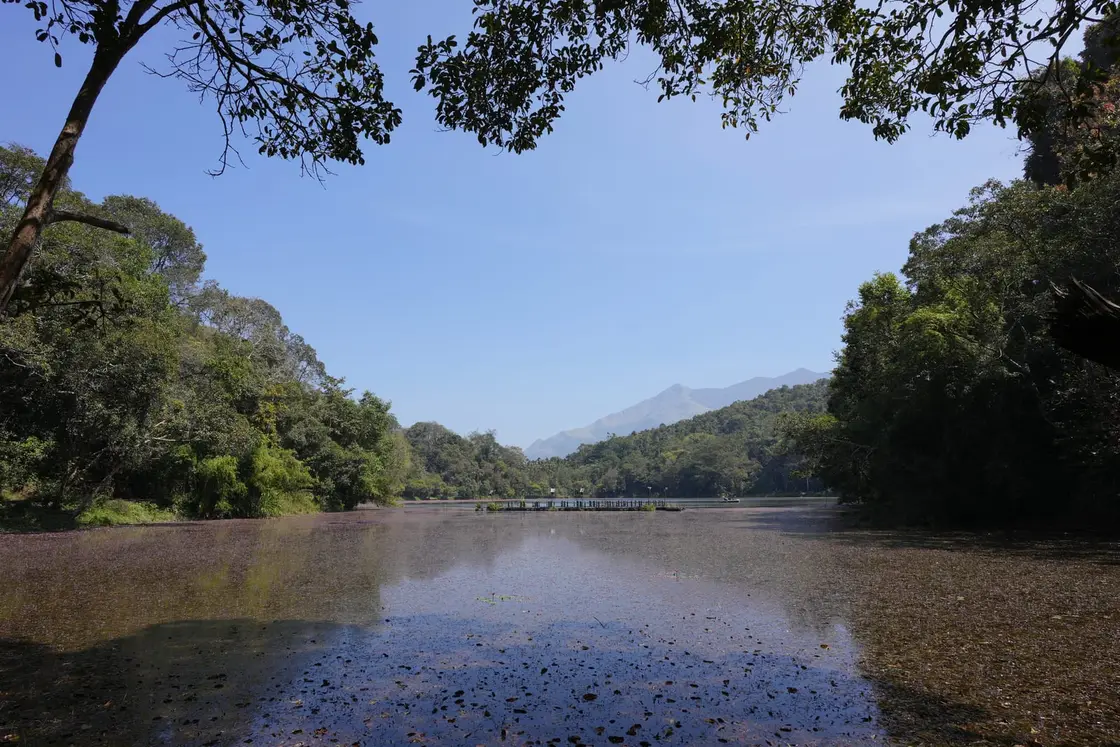
Cradled in a bowl of evergreen forest high on the Wayanad plateau, Pookode Lake is a mirror of still green water where pedal-boats trace lazy loops beneath hills that seem to lean in for a closer look.
Reached by a short walk down through shola forest from the Thamarassery ghat road near Vythiri, Pookode Lake arrives almost as a surprise — one moment you are among tall trees and birdsong, the next a broad sheet of jade-green water opens up, ringed by wooded ridges on every side. It is a compact lake, spread across roughly thirteen acres, yet its setting makes it feel like a hidden world tucked into the folds of the Western Ghats. Locals and guidebooks alike are fond of saying its outline resembles the map of India when seen from above; whether or not the resemblance holds, the phrase has stuck, and it is the first thing many visitors are told as they arrive.
The lake sits at around 770 metres above sea level, which earns it the frequently repeated distinction of being the highest-altitude natural freshwater lake in Kerala, and among the smallest. Its water is perennial, fed by monsoon rains and underground springs rather than by any large inflowing river, so it holds its level through the dry months when so much of the plateau turns brown. On a bright morning the surface is glassy and doubles the surrounding forest; by afternoon a breeze usually ruffles it, and the light shifts from silver to deep bottle-green.
For most day-trippers, the great pleasure here is the boating. A jetty on the near shore hires out pedal-boats and rowing boats in two, four and seven-seat sizes, and gliding out towards the centre of the lake is the best way to feel the scale of the amphitheatre of hills around you. Scattered across parts of the water are blue water-lilies, and beneath the surface swim shoals of freshwater fish — including a small barb, Pethia pookodensis, so closely tied to this single lake that it is named after it and is found nowhere else in the world.
The shore has been gently developed for visitors without losing the forest hush. A small freshwater aquarium displays fish from the lake and other Indian waters, a favourite with children, while a children's park nearby gives younger visitors somewhere to run off their energy. Close to the entrance, a cluster of stalls forms an informal market for Wayanad spices — cardamom, pepper, cinnamon, coffee — alongside handicrafts, handmade soaps and Ayurvedic products, so it is easy to combine the visit with a little shopping for things to carry home.
Because it is so easy to reach from the main ghat road, and because it packs a lake, a forest, boating, an aquarium and a market into one compact stop, Pookode has become one of the most-visited spots in all of Wayanad. On weekends and during the winter holiday season it can be genuinely busy, with queues at the boat jetty and families spread along the paths. Arriving early in the day, before the coaches roll in, rewards you with the lake at its calmest and quietest.
Yet even at its busiest, the forest reasserts itself the moment you step a little away from the crowd. The surrounding woods shelter birds, butterflies and the occasional larger animal, and the trail that skirts part of the shore lets you swap the chatter of the jetty for the drip and rustle of the shola. It is this easy braiding of gentle tourism and wild green backdrop — a boat ride one minute, a canopy of ancient trees the next — that keeps drawing people back to Pookode.
Pookode Lake was not built or dammed; it formed naturally over a very long span of time, when a depression among the hills of the Western Ghats filled and held rainwater and spring water, becoming a permanent lake in a valley that drains the high Wayanad country. It is often noted that the Panamaram rivulet, which eventually joins to become the Kabini River, has its beginnings in this catchment — a reminder that the small, still lake is stitched into a much larger river system flowing east towards the Deccan.
The Wayanad plateau on which the lake sits has one of the oldest and densest concentrations of Adivasi settlements in Kerala, and the forests and waters here were long the domain of these communities before outsiders arrived. For generations the area was known chiefly for its forests, its tribal heritage and, later, its plantations, rather than as a place tourists sought out; the lake was simply part of the living landscape.
Broader outside interest in this stretch of the Ghats grew during the colonial era, when the British moved through Wayanad opening up the highlands for coffee, tea, pepper and cardamom, and building the winding ghat road up from the Malabar coast that still carries traffic past Lakkidi and Vythiri today. Improved access gradually brought the scenic corners of the plateau, Pookode among them, within reach of travellers.
In more recent decades the lake has been formally organised as a tourist destination, coming under the South Wayanad forest division and managed for visitors by the District Tourism Promotion Council. It is under this arrangement that the boating jetty, the freshwater aquarium, the children's park and the shopping stalls were developed, turning a quiet forest lake into one of the district's flagship attractions while keeping it within a protected forest setting.
That protected status matters, because the lake is ecologically fragile as well as scenic. Its endemic barb, Pethia pookodensis, is assessed as critically endangered precisely because it clings to this one tiny body of water, and conservationists have repeatedly flagged concerns about pollution, silting and the pressure of heavy visitor numbers. The history of Pookode is therefore also an ongoing balancing act between welcoming the crowds it has come to depend on and safeguarding the small, singular world that made it special in the first place.
It offers a rare combination in one compact, easy-to-reach spot — a natural forest lake, gentle boating, a freshwater aquarium, a children's park and a spice-and-handicraft market — making it ideal for families and casual travellers who want a lot without much effort.
The setting is genuinely lovely: a jade-green lake ringed by evergreen shola forest and rolling Western Ghats hills, at its most beautiful in the soft light of early morning when the water lies mirror-still.
Pedal-boating and rowing across the lake, past scattered blue water-lilies with wooded ridges rising on all sides, is a simple pleasure that both children and adults enjoy.
It carries the distinction of being the highest-altitude natural freshwater lake in Kerala, and it shelters a fish, Pethia pookodensis, found in this single lake and nowhere else on Earth — a small but real touch of the extraordinary.
Its position right beside the Thamarassery ghat road near Vythiri and Lakkidi makes it a natural, low-fuss stop when travelling up or down between the Malabar coast and Wayanad, easily paired with the nearby Lakkidi viewpoint and chain tree.
The cluster of stalls at the entrance is a convenient, atmospheric place to buy fresh Wayanad spices, coffee, handicrafts and Ayurvedic products to take home.
Road km to Wayanad; ghat roads and traffic vary — allow extra.
October to March is best for comfortable boat trips; monsoon is greener but weather can disrupt plans.
Live forecast loads in your browser.
Check the official alert before you travel. Kerala’s beaches, waterfalls and trekking routes close at short notice during heavy rain, and district alert levels change day to day. We do not publish an alert level of our own — read it from the state authority: Kerala State Disaster Management Authority, or the district control room on 1077.
Sun and moon are calculated for this location and shown in IST. Photography windows are the hour around sunrise and sunset; the sunset bearing is degrees clockwise from true north. Moon phase is accurate to about half a day.
Verified hotels, homestays, restaurants, experiences, sights, shops and rentals around Pookode Lake — commission-free, with direct contact. Filter by what you need.
CGH Earth Wayanad Wild dining record using fresh local produce and direct dining-page evidence. Restaurant, Dining, Lakkidi.
Kerala Tourism-listed restaurant record in Vythiri — a source-backed local meal stop for the ghat-road side, between the village street and the resort belt.

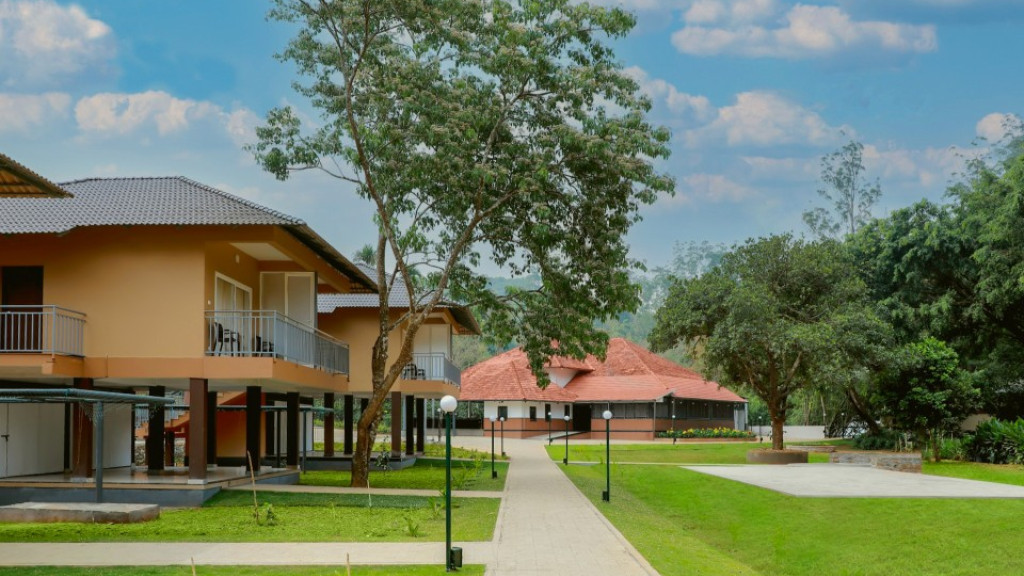
The restaurant at Vythiri Village Resort on NH 766 near Vythiri town — a sourced resort dining option that non-residents can use for the ghat-road side.
Family multi-cuisine restaurant on NH-766 in Vythiri town. Open since 2017, it is known for North Indian, Arabic and tandoori dishes.
Vythiri Resort buffet restaurant with direct dining-page evidence. Restaurant, Vythiri, Dining.
Book with the place itself. India’s cyber-crime coordination centre warned in April 2025 that convincing copies of hotel and pilgrimage booking sites are being pushed through sponsored search and social ads, taking payment for rooms the property never hears about. Every listing here links to the business’s own contact details and its own Google or Bing profile — we take no commission and sit in nobody’s payment path. If a booking page reached you through an ad, check the address bar against the property’s own site before you pay. Fraud can be reported on cybercrime.gov.in or on 1930.
Find food, accommodation and activities across Vythiri and Lakkidi. Browse the guides for places to eat, stay and explore along your route.
4 more places around Vythiri and Lakkidi. Open a guide to plan the visit and onward journey.
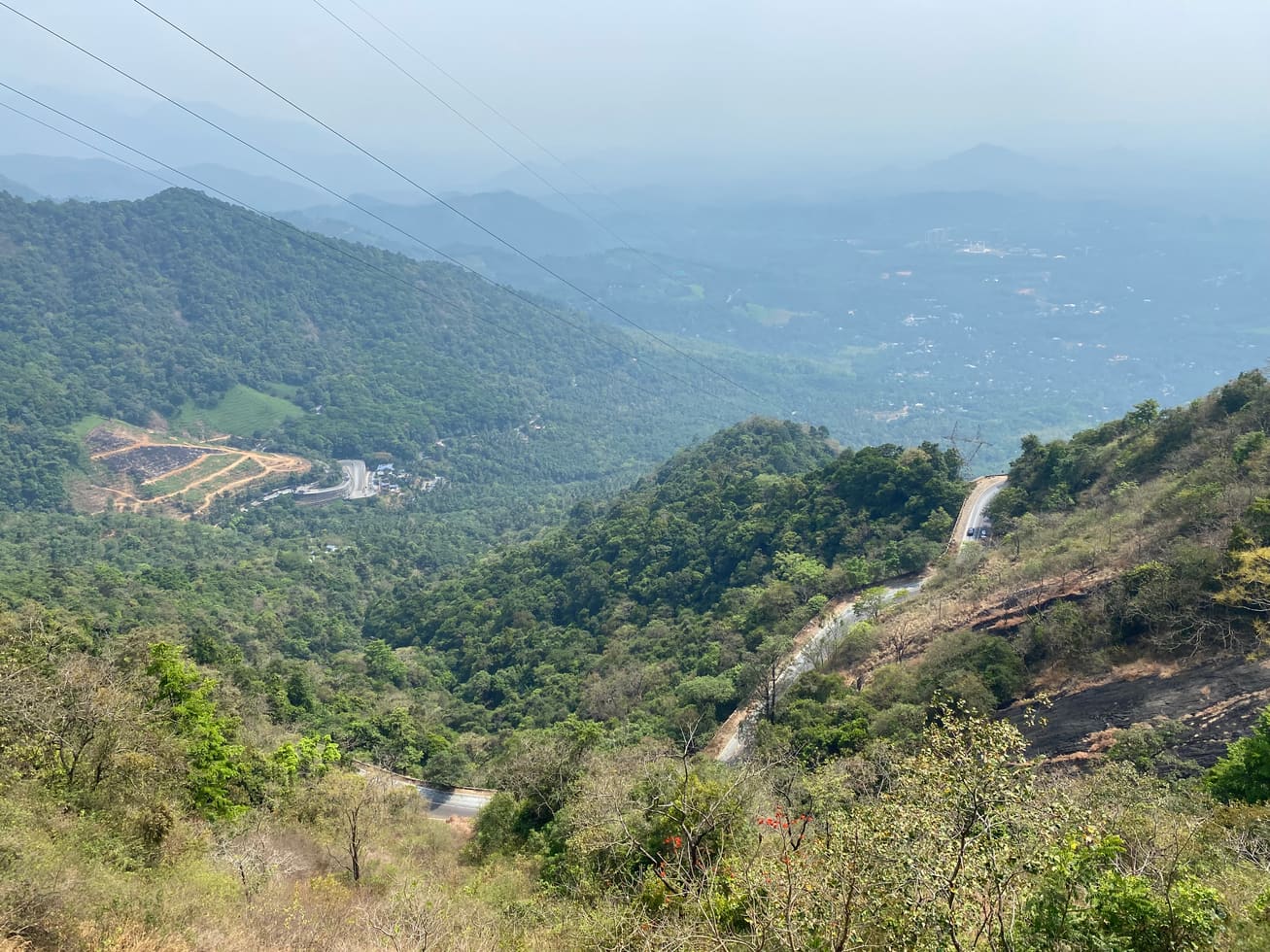
3.5 km · ~9 min by auto
The railing at the top of the nine hairpins — the crest of the Thamarassery churam, where the Kozhikode plain drops away below and the cloud pours over the pass. Come early: the view is a morning creature, and by afternoon in season the mist can sit on the bends for the day. Watch the monkeys on the parapet.
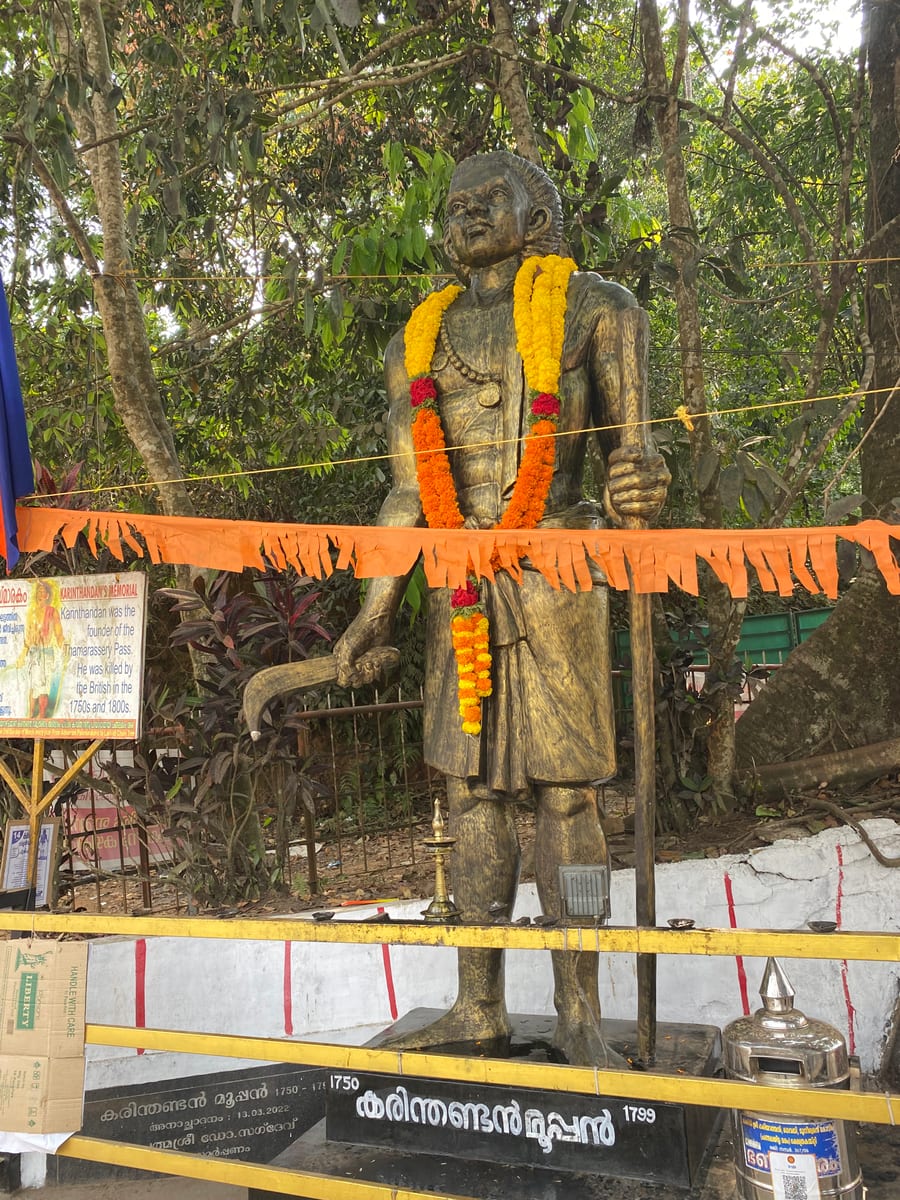
2.7 km · ~7 min by auto
A ficus by the roadside at Lakkidi with a heavy chain run into its branches — the tree of the Karinthandan legend, the tribal guide the ghat road never credited, whose statue now stands beside it. A ten-minute stop that carries more of Wayanad’s history than most full attractions.
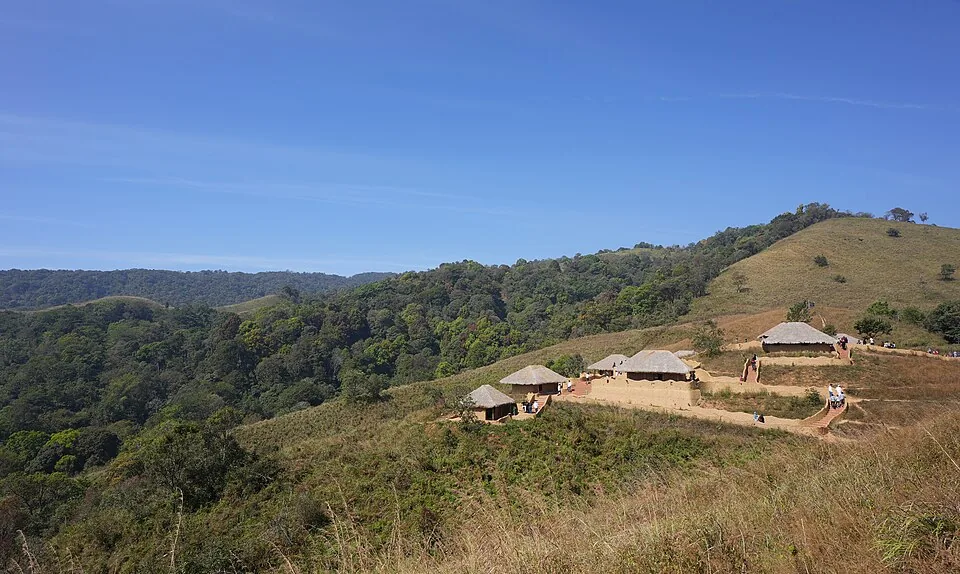
1.1 km · 14 min walk
The tribal heritage village on a hillock at Pookode, opened in 2022 after a decade’s building — ten huts in the styles of Wayanad’s communities, a craft workshop and a market, run by residents who live there. Private cars stop at the veterinary-college gate; the site’s shared jeep does the last climb.
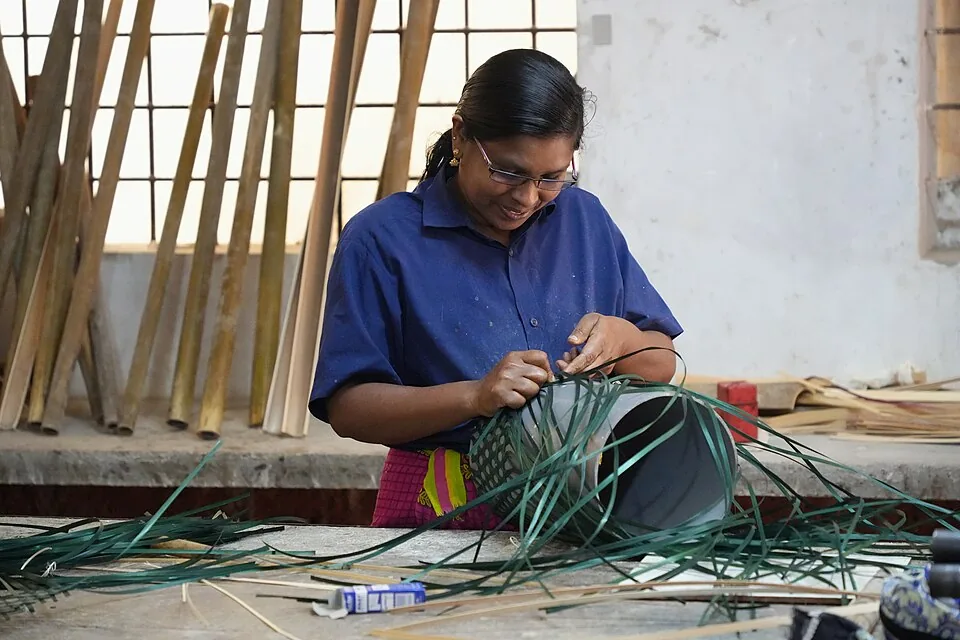
Thrikkaipetta, 21 km out via Kalpetta, where the URAVU study centre has built livelihoods on bamboo since 1996 — a working craft campus of nurseries, training and a workshop floor, not a show village. Go on a working morning and buy at the outlet; the sales are the model.
Roampedia is commission-free — own or know a stay, eatery, guide or shop near Pookode Lake? List it and it appears here once verified.
Add a nearby businessFees change without notice. Check the current rate at the counter.
Entry: Around ₹40 for adults and ₹30 for children for entry; boating is charged separately, commonly quoted at roughly ₹300 (two-seat), ₹450 (four-seat) and ₹700 (seven-seat rowing boat).
Photography: The lake is highly photogenic in the soft light of early morning, when the still water mirrors the surrounding forest; the boat jetty, blue water-lilies and hill backdrop all reward a camera. A dedicated commercial photo-shoot at the lake may attract a separate fee.
If you are travelling by bus or ferry, check the return service with the operator before setting out. Leave time to reach the stop or jetty after your visit.
Ask at the bus stand for the time of the last service back, not the next one. If you miss it, an auto or app cab is the fallback — agree the fare before you get in.
If you need step-free access, contact the site before travelling. Ask about a level entrance, steps along the route, the nearest drop-off point, seating and accessible toilets.
These services are listed within about 1.2 km of Pookode Lake. Walking distances follow mapped routes; access and opening hours can change. Other services may be closer but are not included here.
Emergency numbers are verified against official government and state tourism sources. 112 works anywhere in India.
Tribal heritage village near Pookode/Vythiri with culture, craft and Wayanad community context.
1.1 km · 14 min walk · straight lineLakkidi landmark tied to the Karinthandan legend, usually visited with Lakkidi View Point and Pookode Lake.
2.7 km · ~7 min by auto · straight lineGhat-road viewpoint at the entrance to Wayanad from the Kozhikode side.
3.5 km · ~9 min by auto · straight line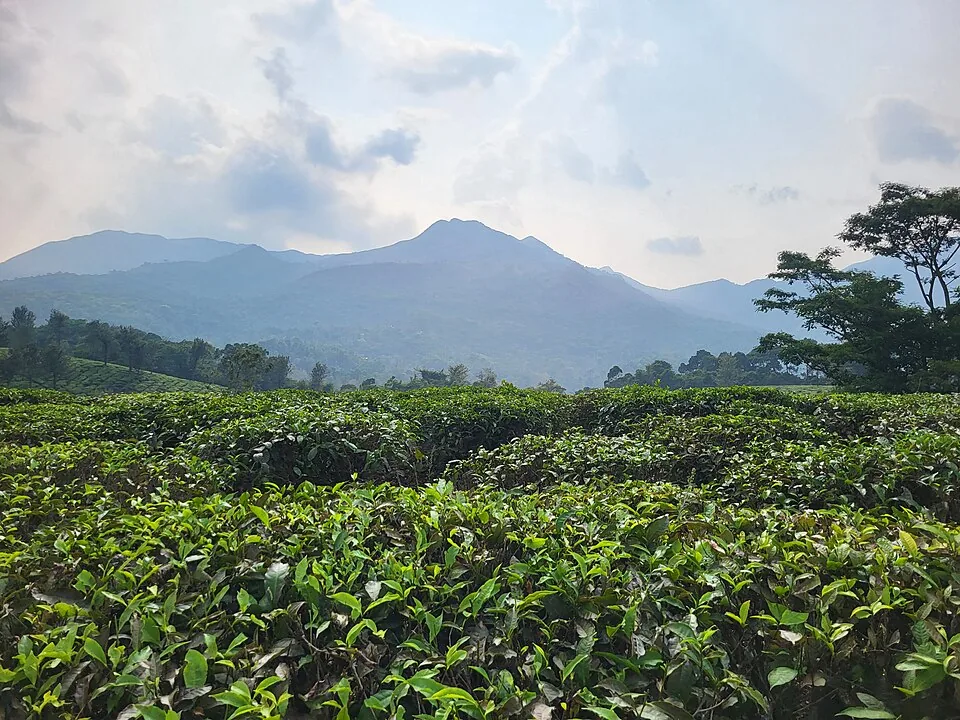
Harrisons Malayalam’s three-storey tea museum in its 1911 former factory at Achoor, with separately scheduled museum, tasting, working-factory and garden visits.
6.2 km · ~16 min by auto · straight line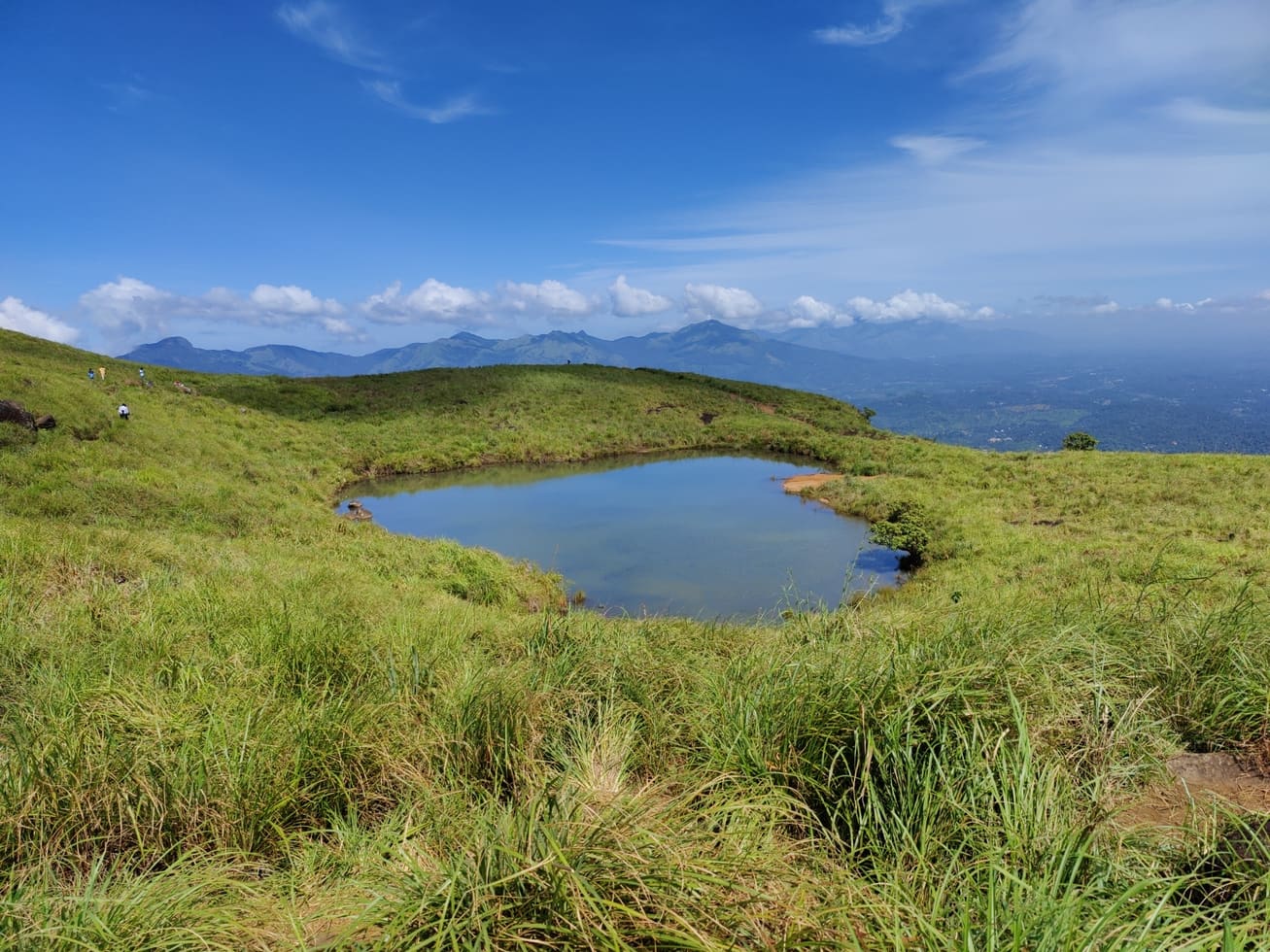
Famous highland trek area, known for the heart-shaped lake viewpoint; permits and access vary.
7.6 km · ~19 min by auto · straight line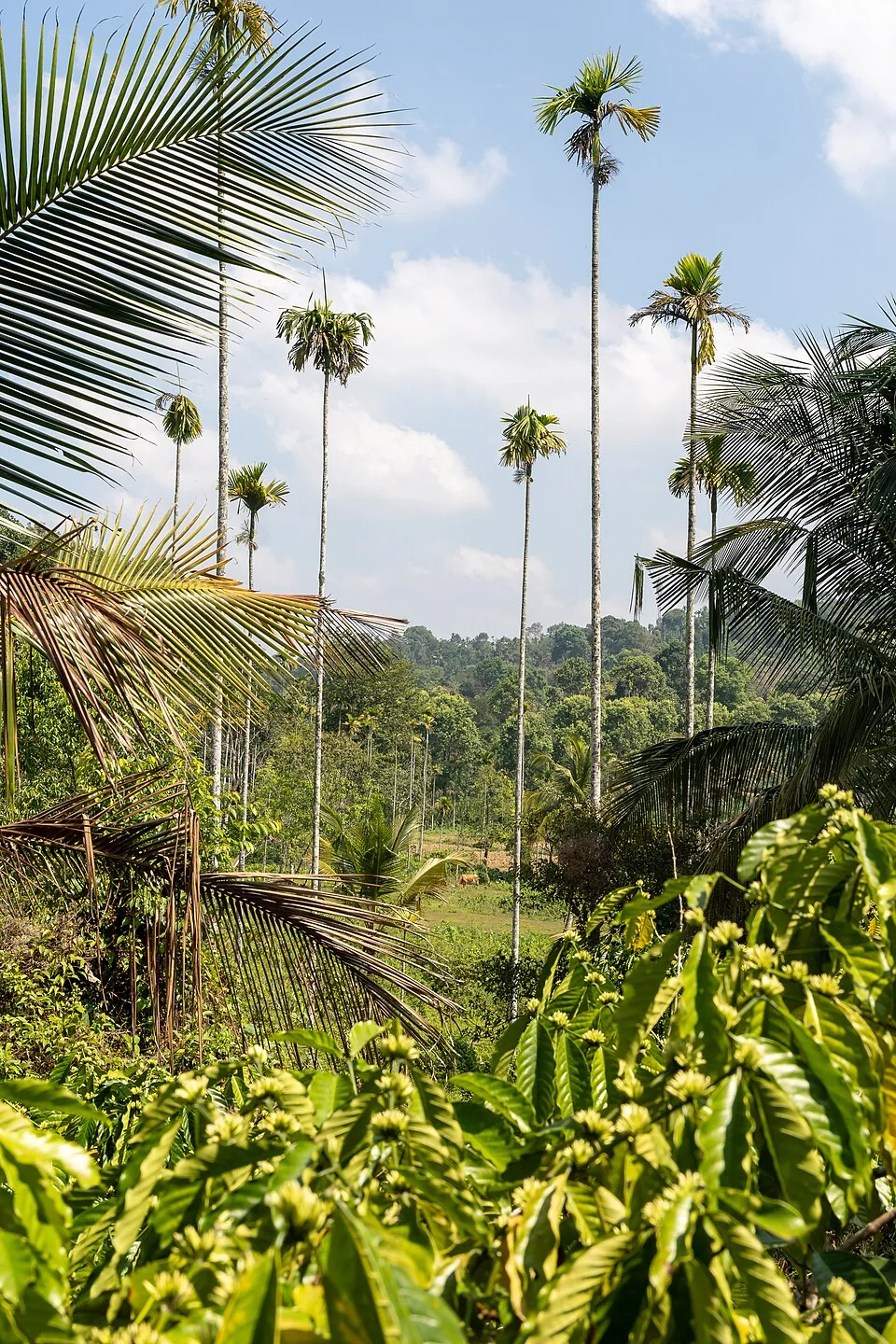
A distributed, working coffee landscape rather than one ticketed attraction: arrange an estate walk with a host, farm or accredited operator, and use Kalpetta town as the honest visitor base.
9.7 km · ~16 min by cab · straight line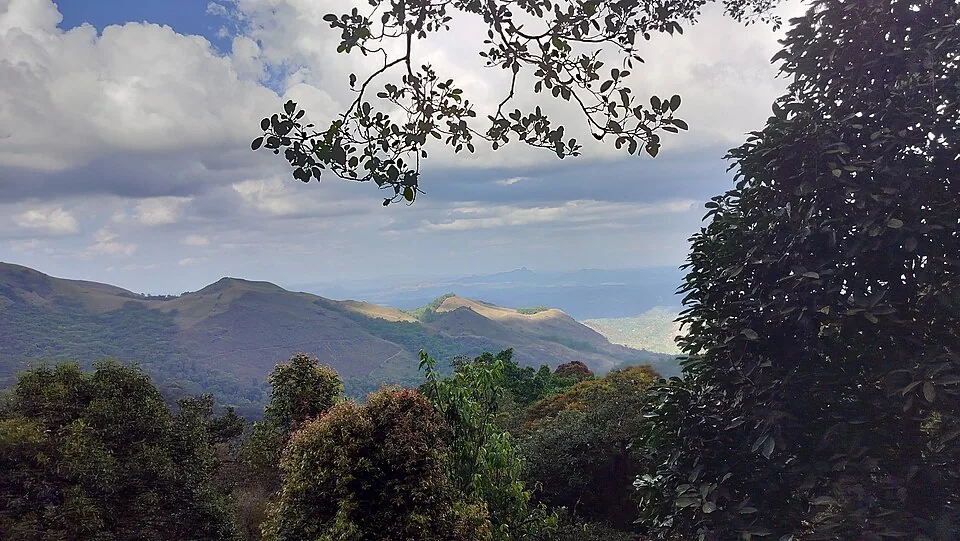
The distinct Skypark adventure operator at 900 Kandi, with a glass walk, zip activities and a DTPC-published visitor marker separate from the neighbouring Eco Park.
10.1 km · ~17 min by cab · straight line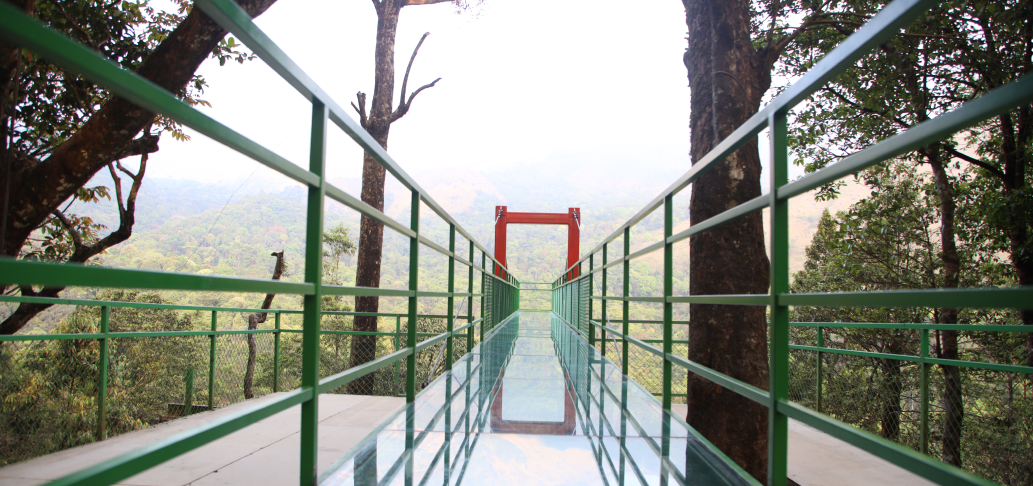
A comparison guide to the distinct glass-bridge offers at 900 Kandi Eco Park and Skypark; choose the operator before navigating or buying a ticket.
10.4 km · ~17 min by cab · straight line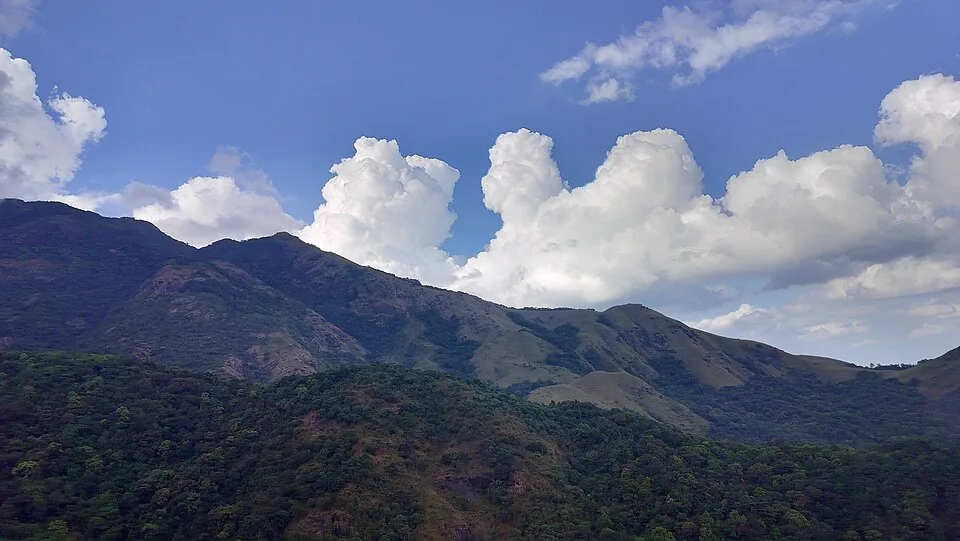
The named private Eco Park at 900 Kandi, with its own glass bridge, skywalk and activity ticketing; it is separate from nearby Skypark.
10.4 km · ~17 min by cab · straight line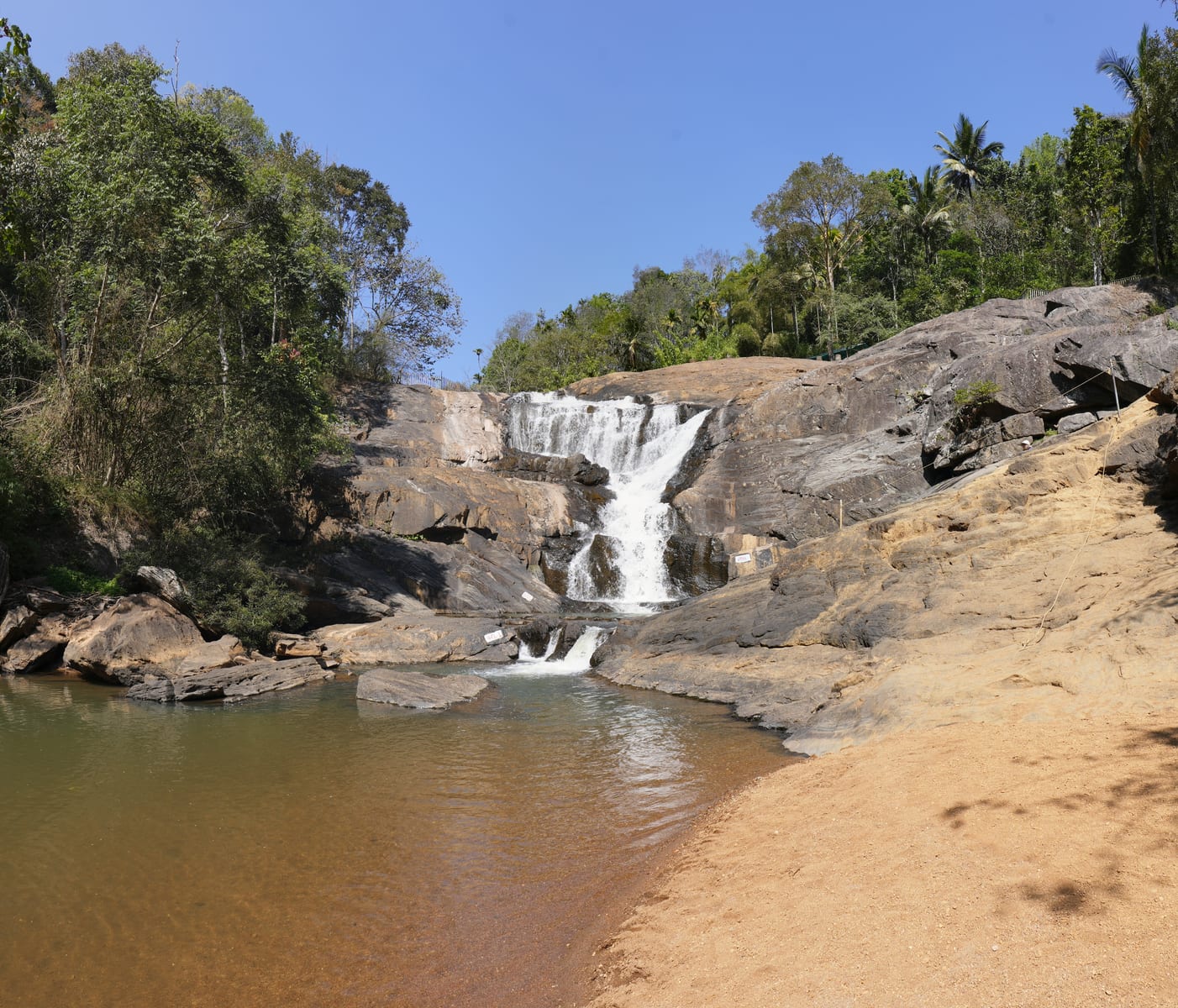
Meppadi-side waterfall with easier access than some larger Wayanad falls, still weather-sensitive in monsoon.
11.4 km · ~19 min by cab · straight line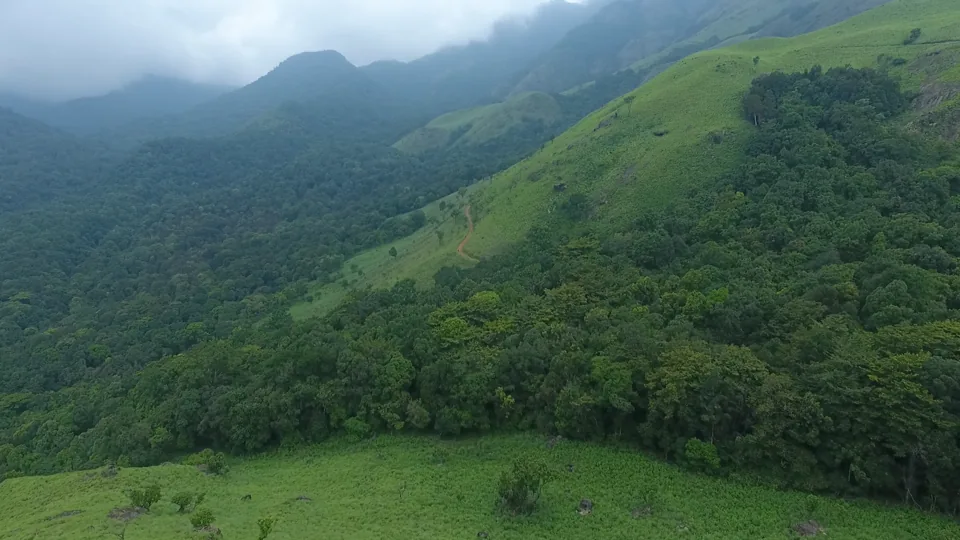
Meppadi-side hill and trek landscape around Aranamala, best planned with local route, weather and access checks.
12.3 km · ~20 min by cab · straight line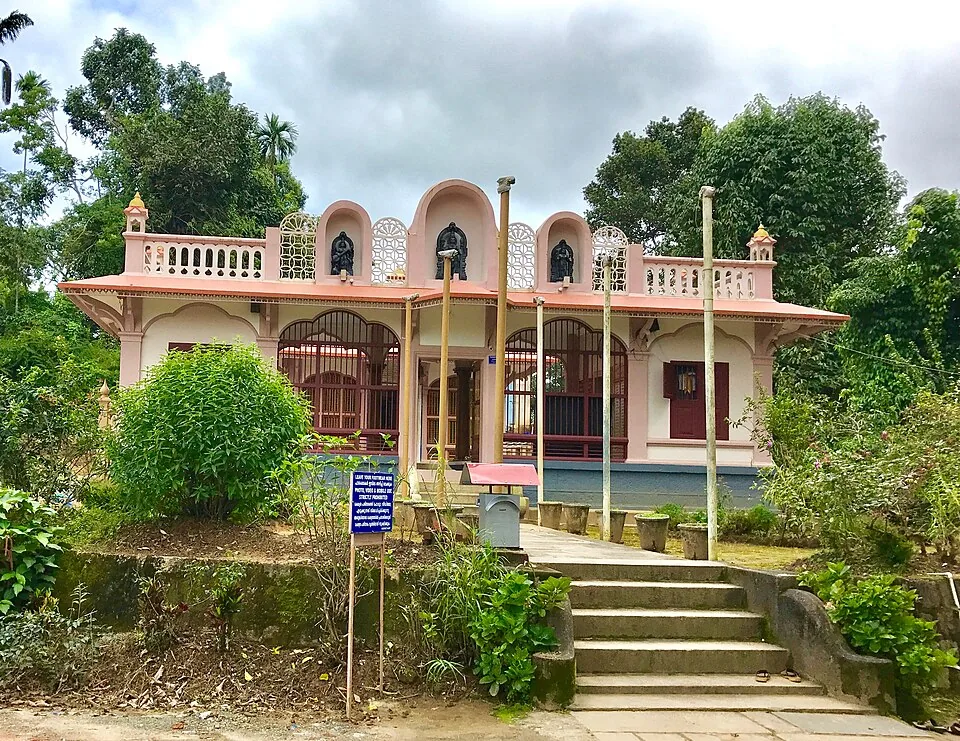
The Anantnath Swami temple at Puliyarmala near Kalpetta — the quieter, living Jain shrine of Wayanad, often paired with the conserved basti at Sulthan Bathery.
12.7 km · ~21 min by cab · straight lineNearby toilets, pharmacies, ATMs, seating and vets are community-mapped and may be incomplete or out of date. Map data © OpenStreetMap contributors | Walking times © openrouteservice.org by HeiGIT
Entry is modest, commonly cited at around ₹40 for adults and ₹30 for children. Boating is charged separately by boat type, with rates often quoted around ₹300 for a two-seat pedal-boat, ₹450 for a four-seat and ₹700 for a seven-seat rowing boat.
The lake is generally open to visitors from about 9.00 am to 6.00 pm, with the boating counter usually closing earlier, around 5.00 pm. It is worth arriving in the morning to enjoy calm water and shorter queues at the jetty.
It is a popular saying, repeated in many guides, that the lake resembles the outline of the map of India when seen from above. Treat it as a charming local description rather than an exact fact — from the shore you simply see a pretty, roughly heart-shaped forest lake.
Most visitors spend around one to two hours here — enough for a boat ride, a look at the aquarium, a stroll along part of the shore and a browse through the spice and handicraft stalls. Families with children may happily linger longer.
Alongside boating you can visit the small freshwater aquarium, let children play at the park, walk part of the forest-fringed shore to watch birds and butterflies, and shop for Wayanad spices, coffee, handicrafts and Ayurvedic products at the entrance stalls.
The winter months, roughly October to February, are considered ideal: the weather is cool and pleasant and the recent monsoon leaves the forest lush and the lake full. The monsoon itself brings dramatic green landscapes but heavier crowds are fewer, though rain can interrupt boating and leeches appear on the trails.
Entry: Around ₹40 for adults and ₹30 for children for entry; boating is charged separately, commonly quoted at roughly ₹300 (two-seat), ₹450 (four-seat) and ₹700 (seven-seat rowing boat). Timings: Approximately 9.00 am to 6.00 pm daily, with the boating counter typically closing around 5.00 pm. The rupee figure quoted is the Indian adult rate.
Base yourself in Vythiri and Lakkidi or a nearby town in Wayanad, then confirm the last-mile route locally before leaving. Plan boat timings first, then arrange road transfer around the departure point. If the visit depends on forest, temple, boat, ferry, weather or seasonal access, check the official/local rule on the day before travel.
2 hours to a full day; overnight if using a houseboat area.
Nearby you can pair En Ooru Tribal Heritage Village (1.1 km), Chain Tree (2.7 km), Lakkidi View Point (3.5 km), Achoor Tea Museum (6.2 km).
Use operators with life jackets and clear weather judgement. Avoid overloaded boats.
Written about Pookode Lake itself — its history, its legends and the arguments about them.
Route-level itineraries and practical guides for the rest of Kerala.
Photographs: Ingo Mehling (CC BY-SA 4.0). Wikimedia Commons.