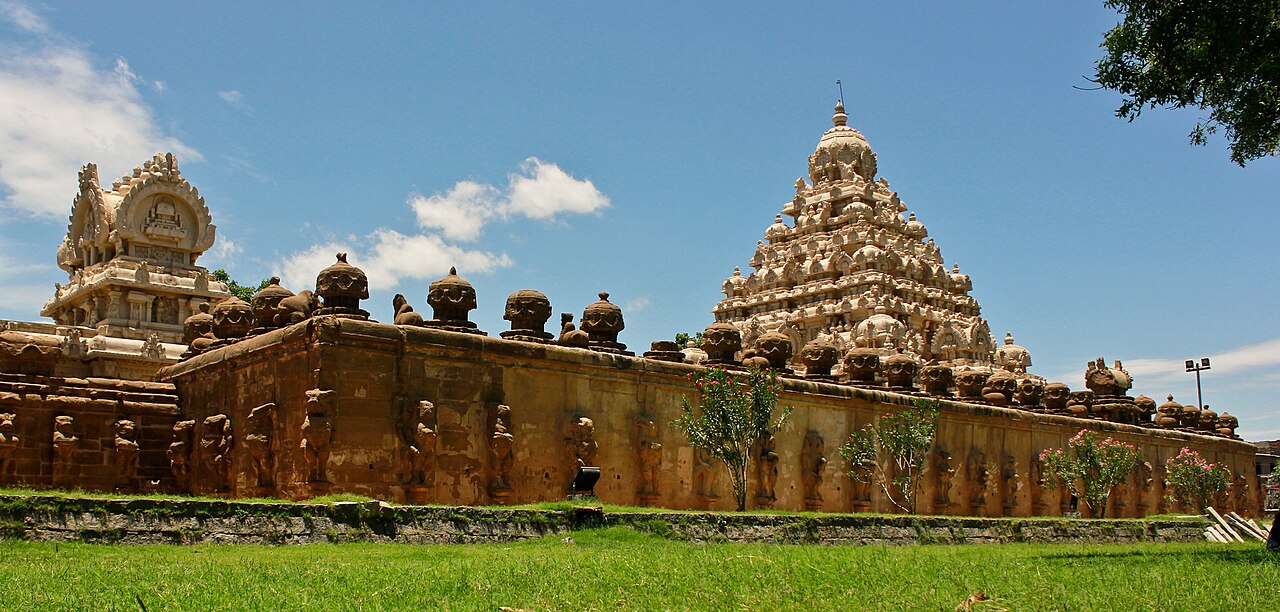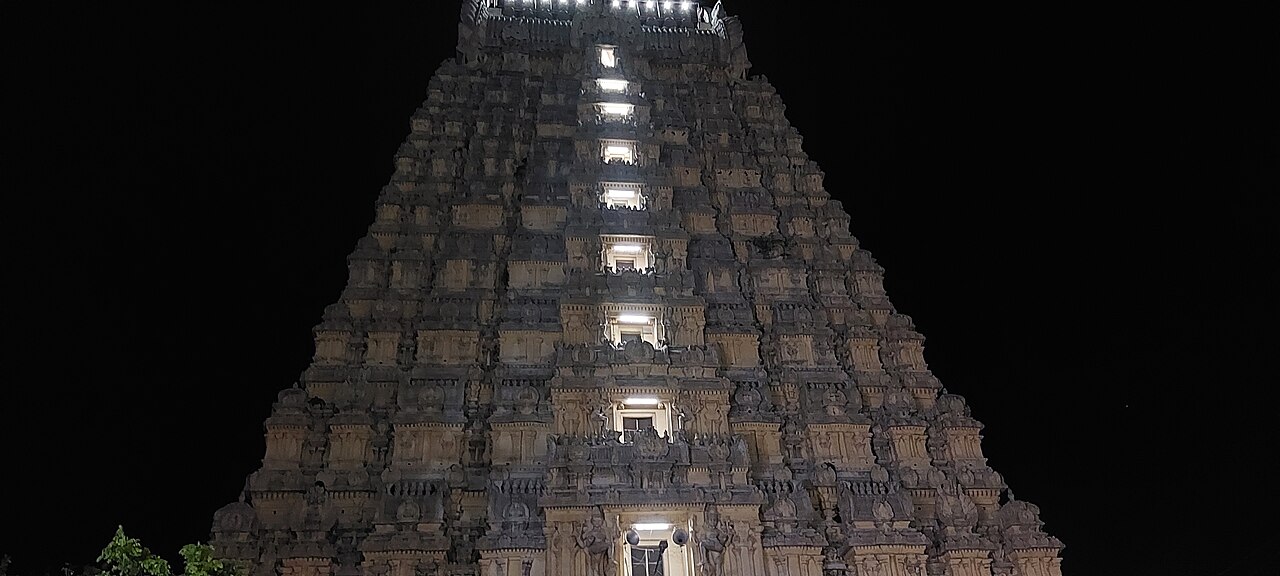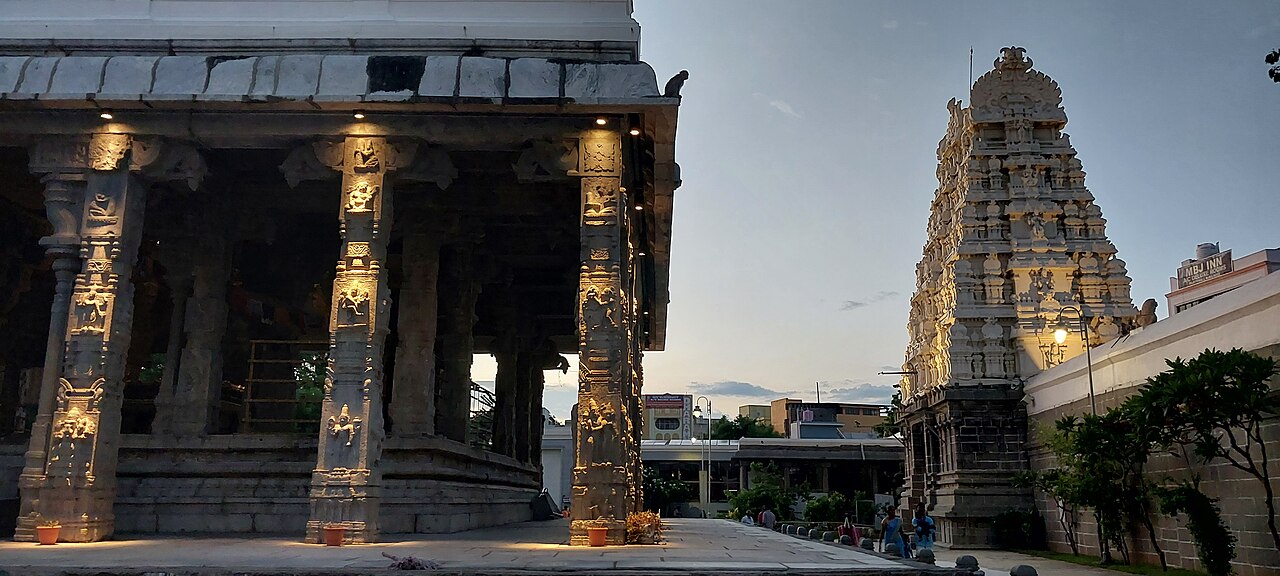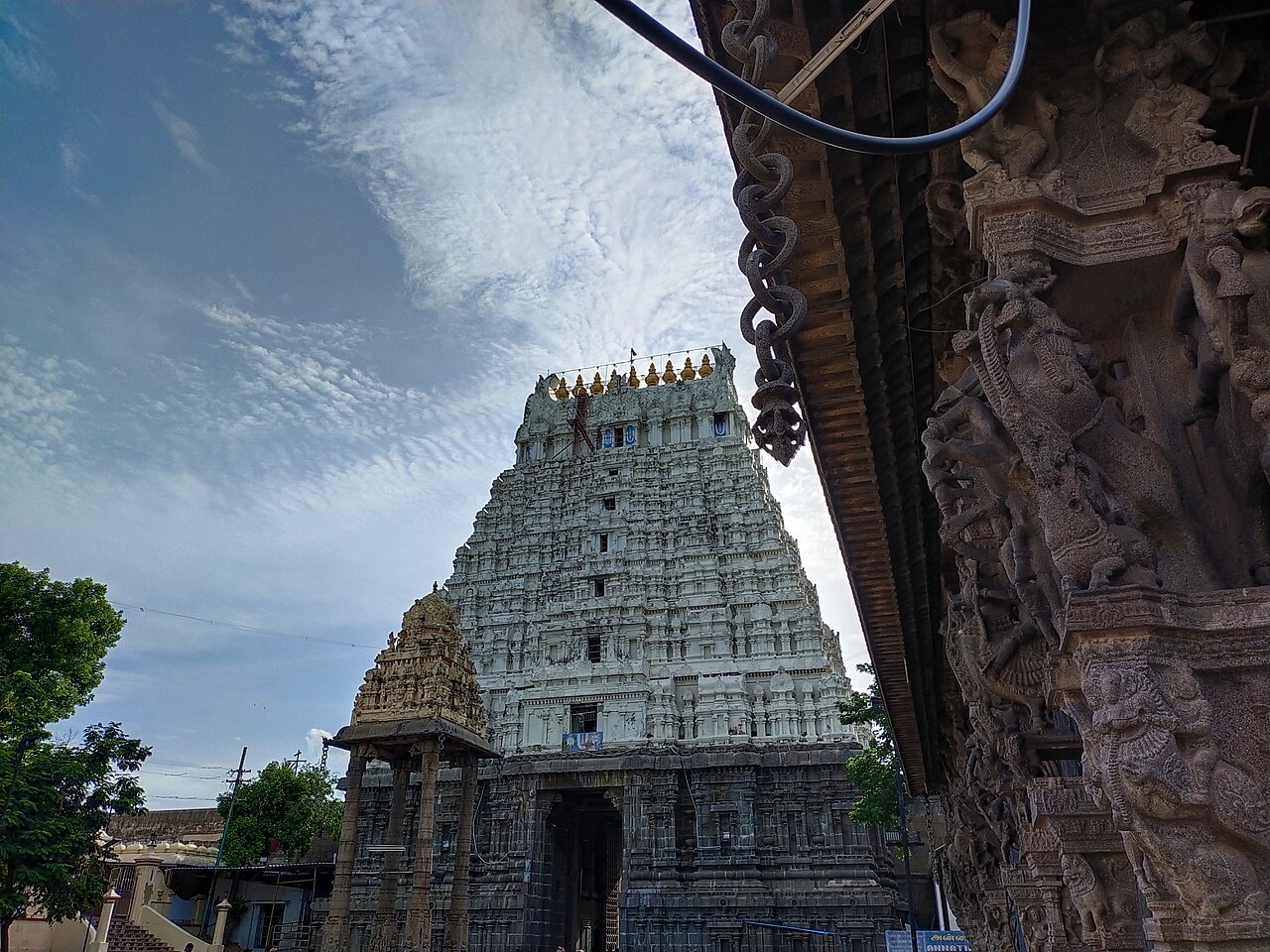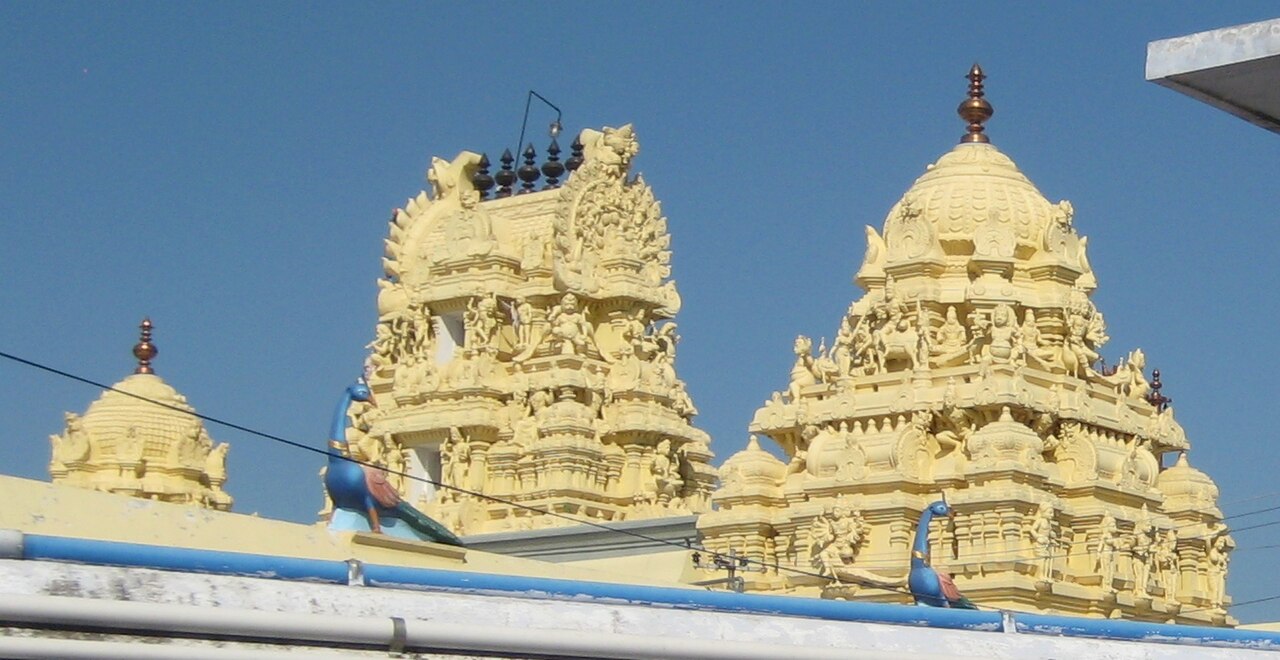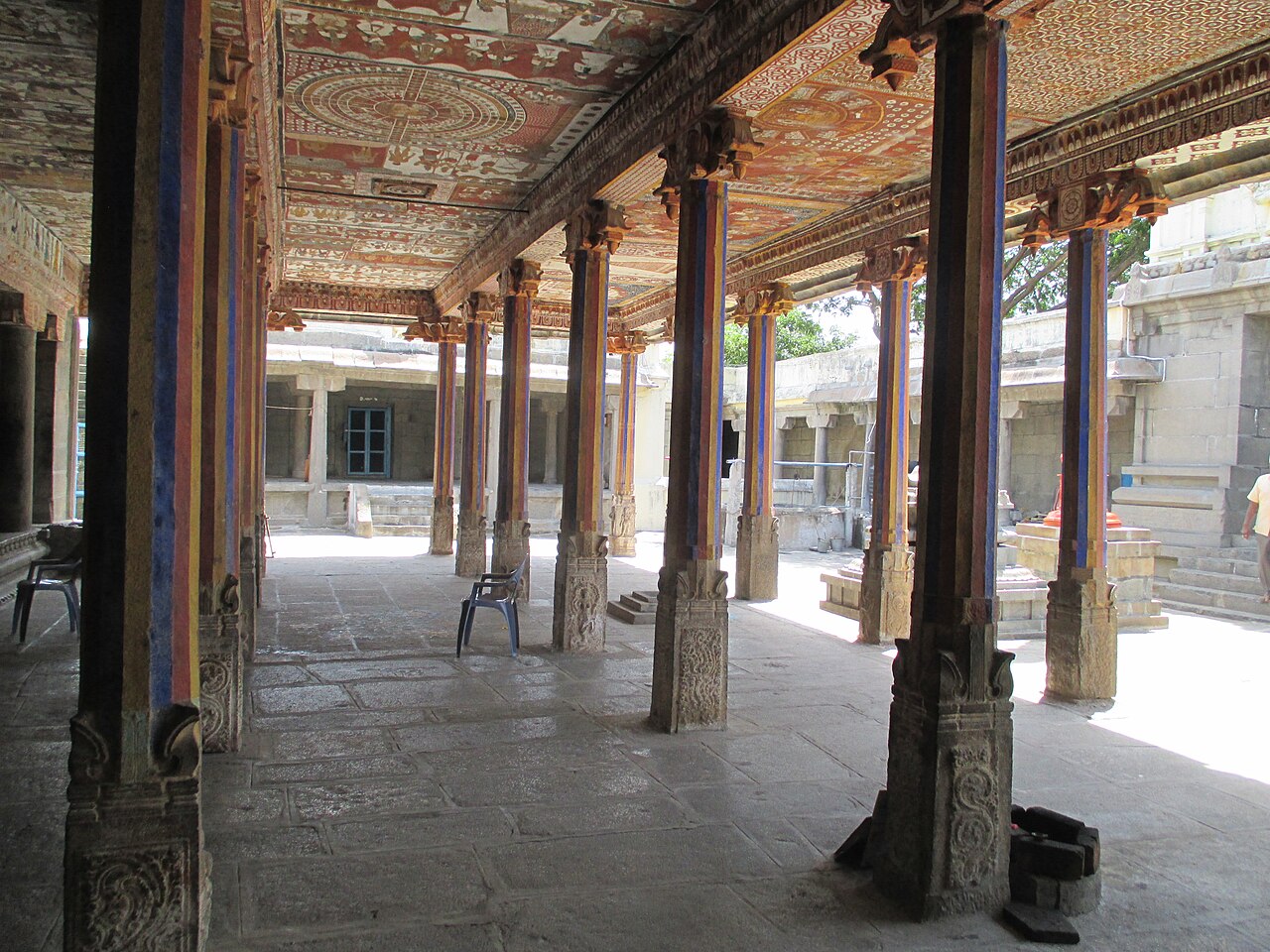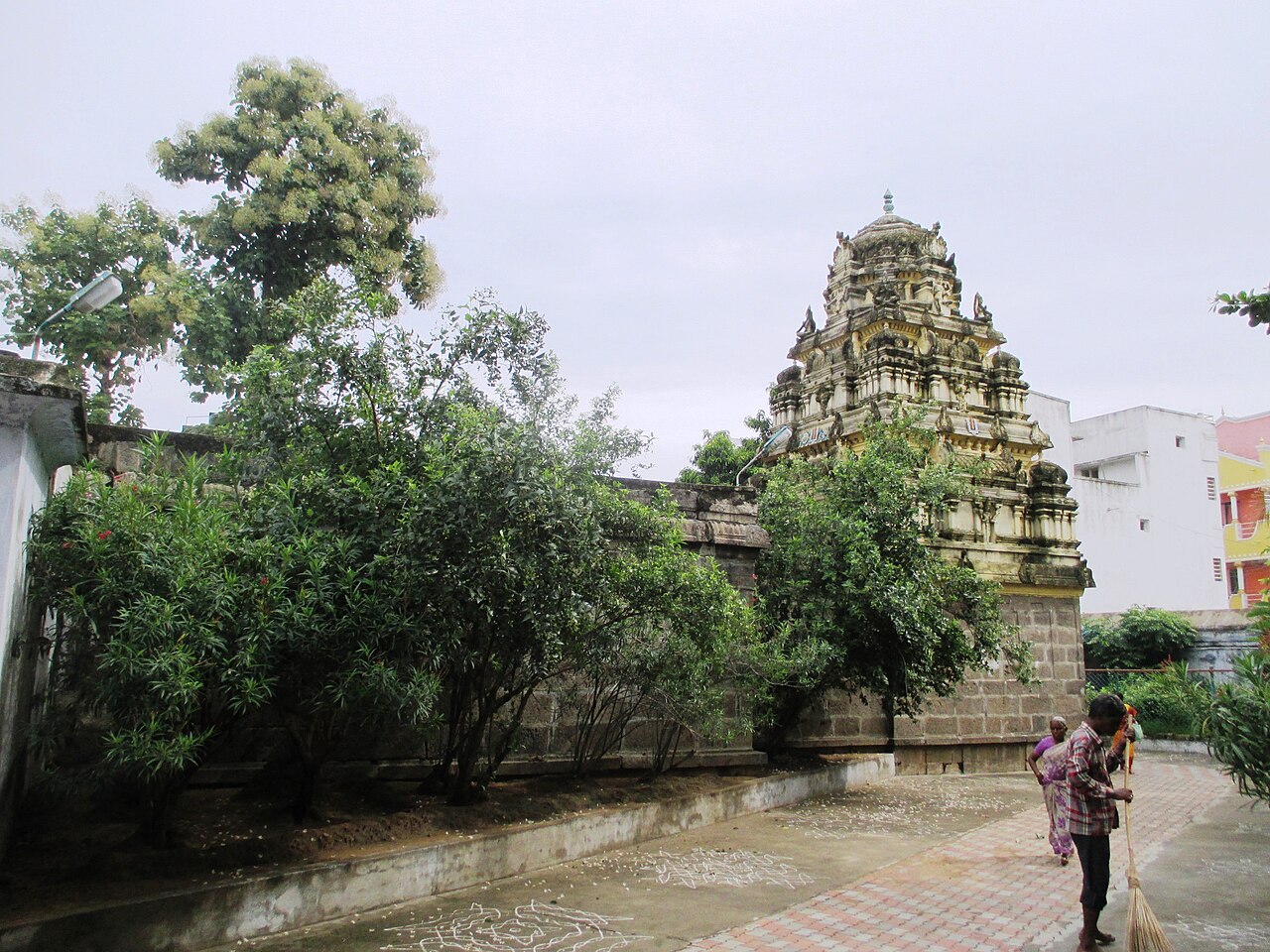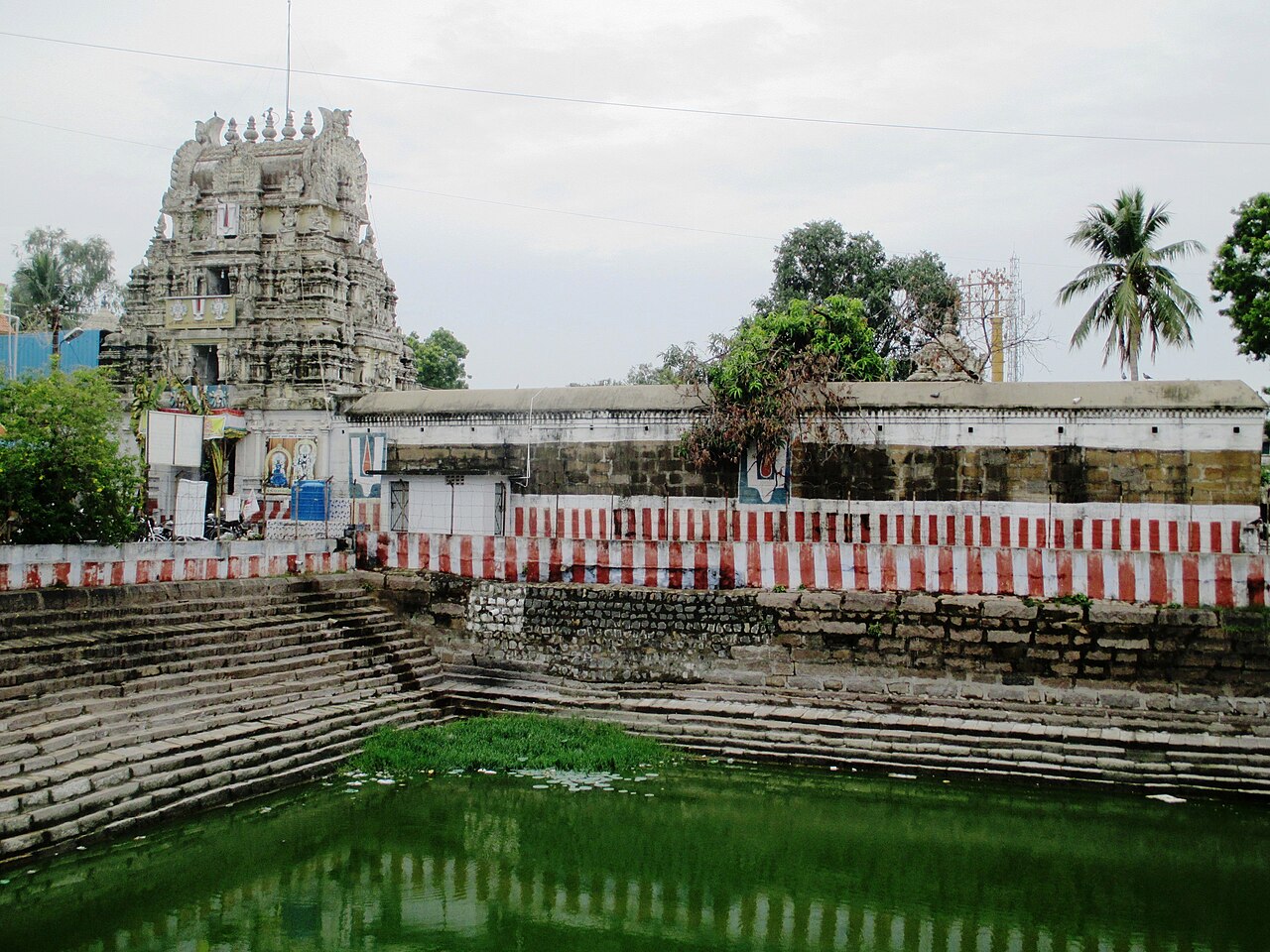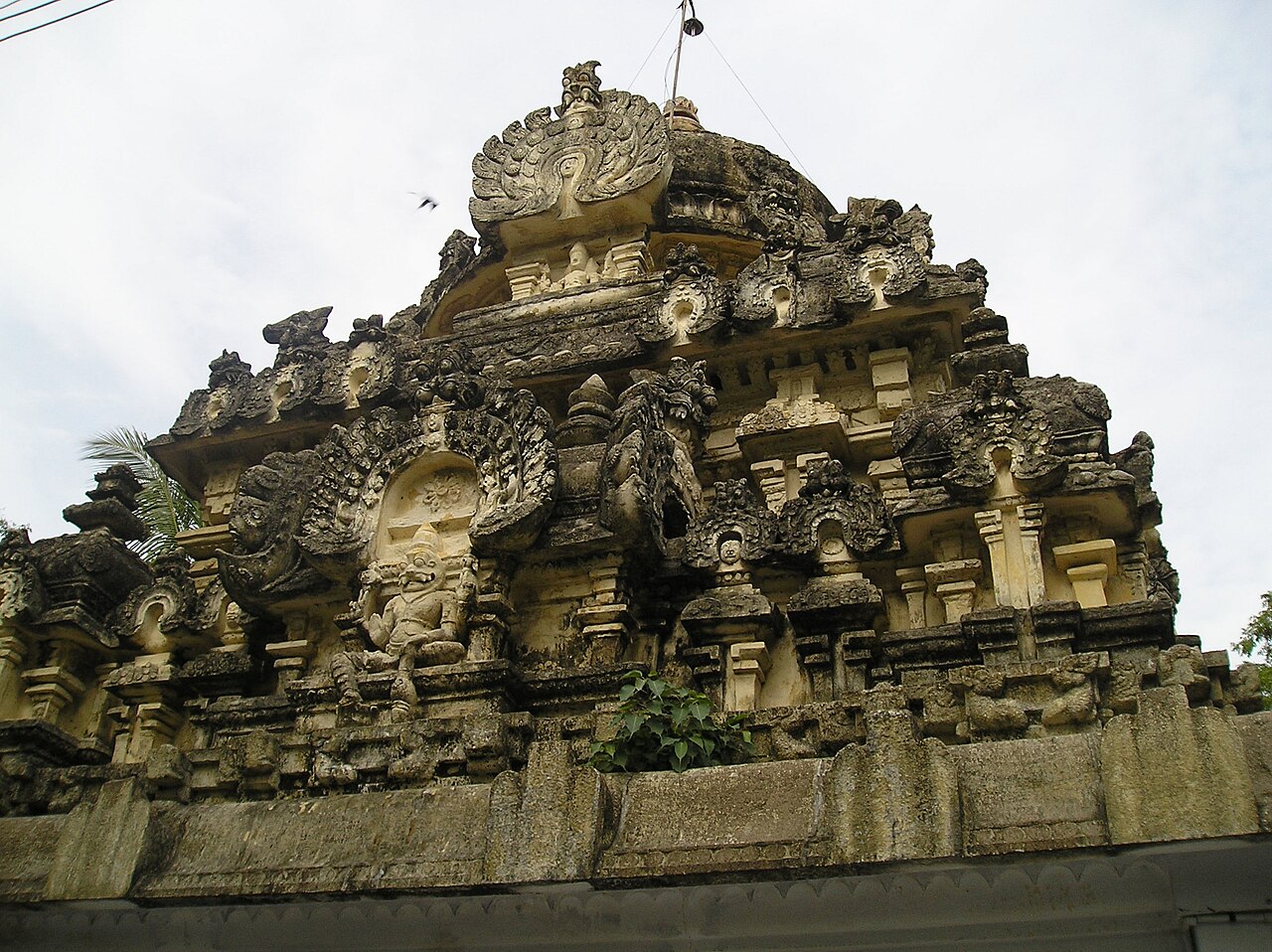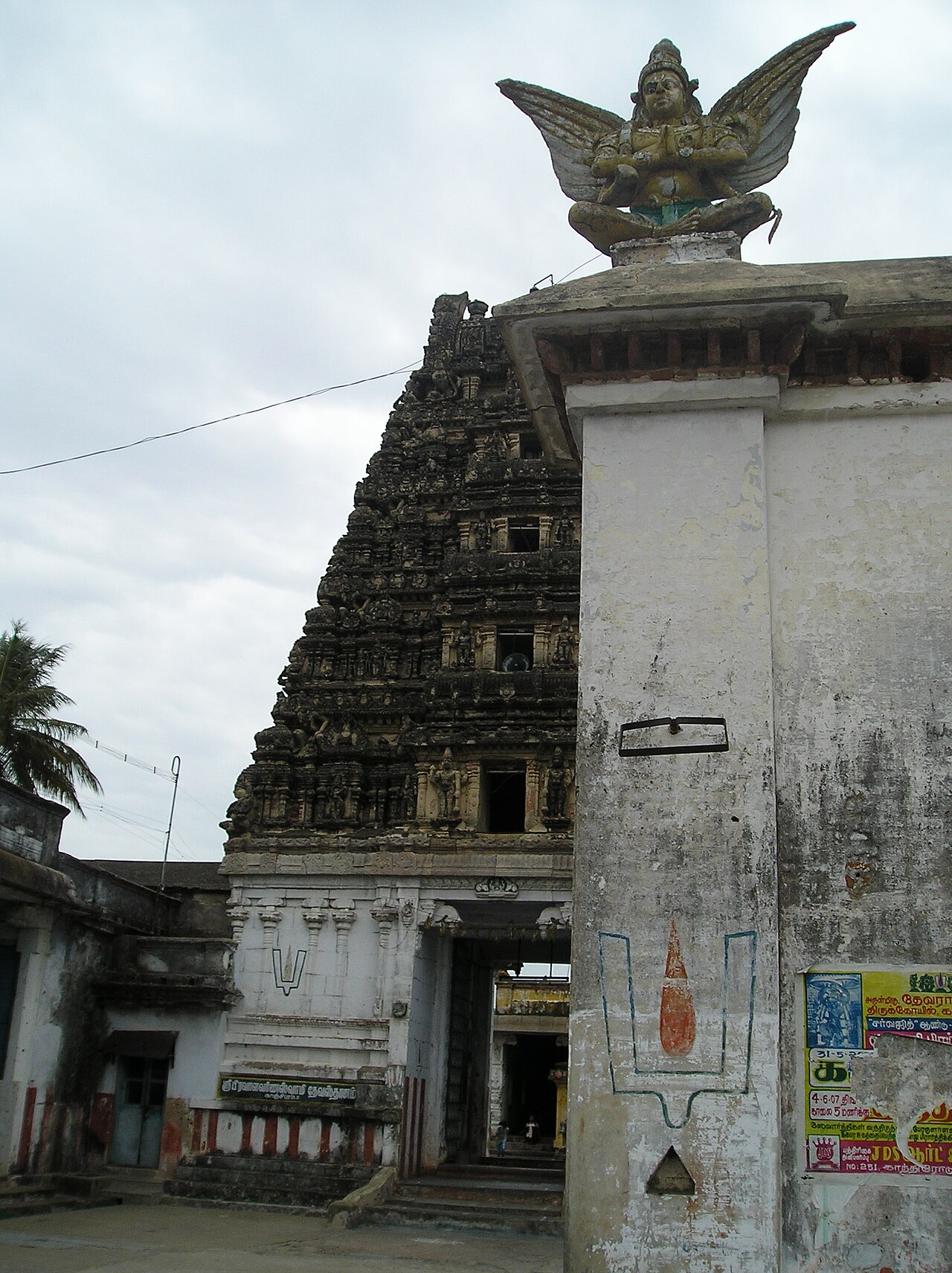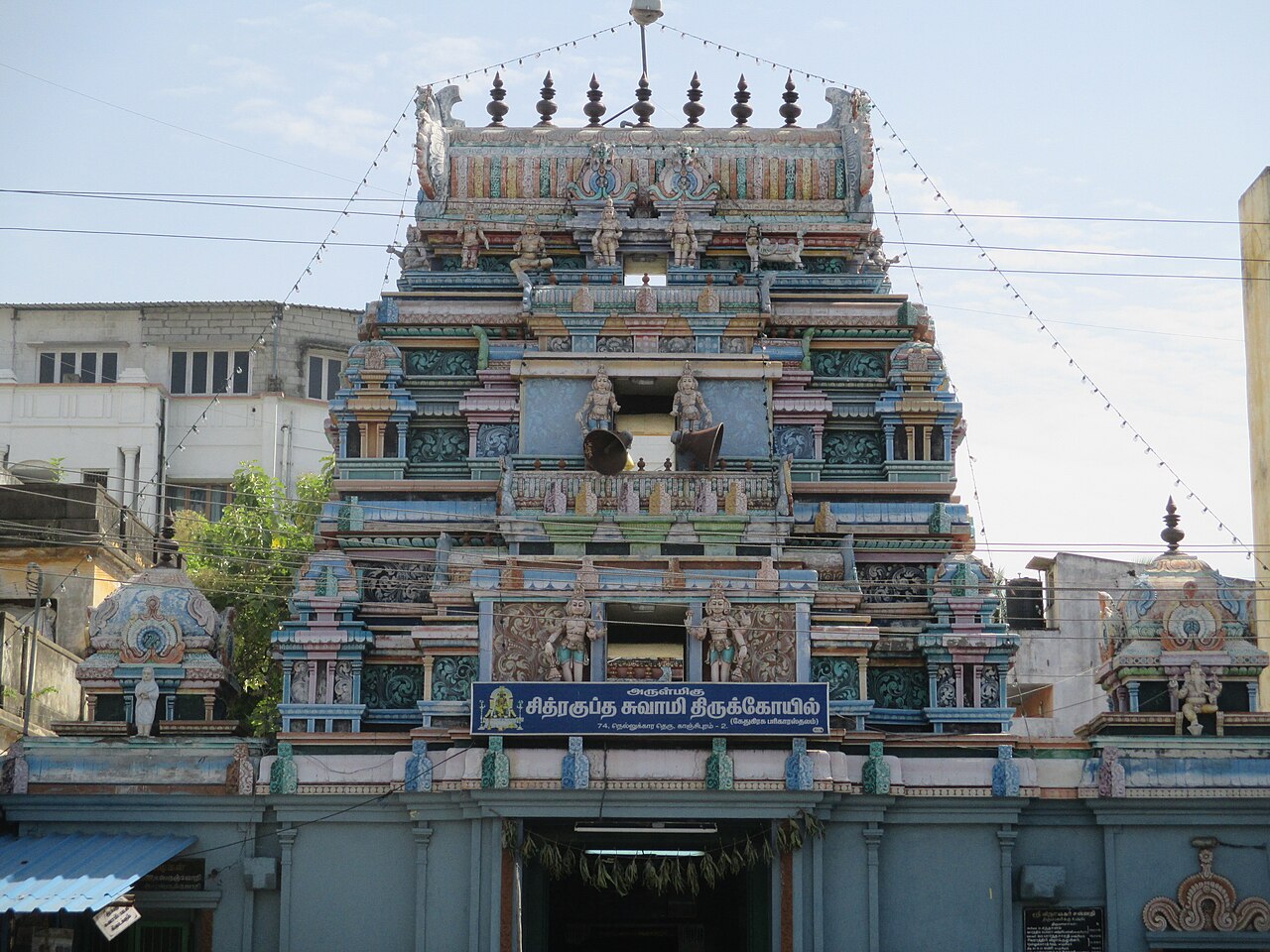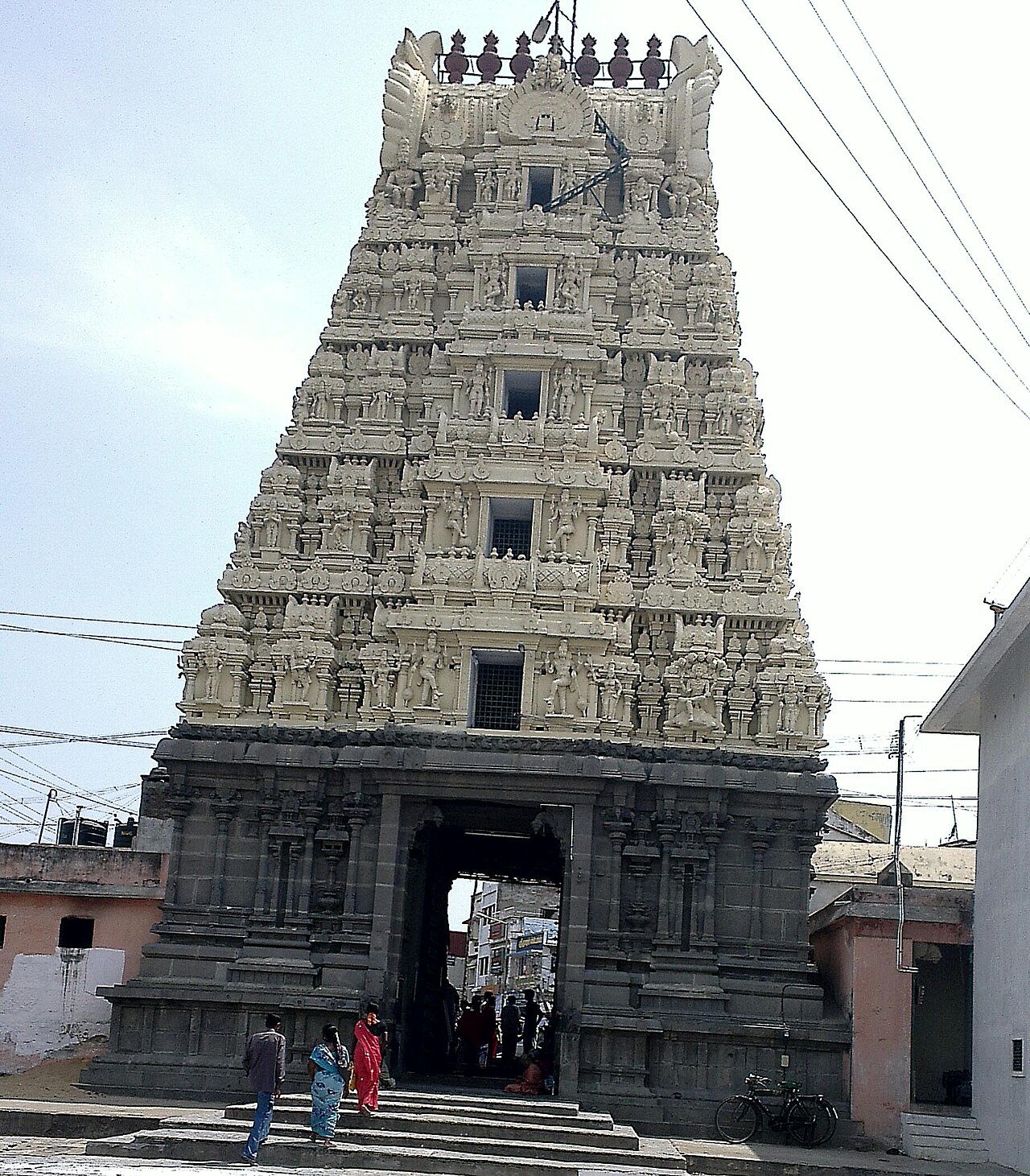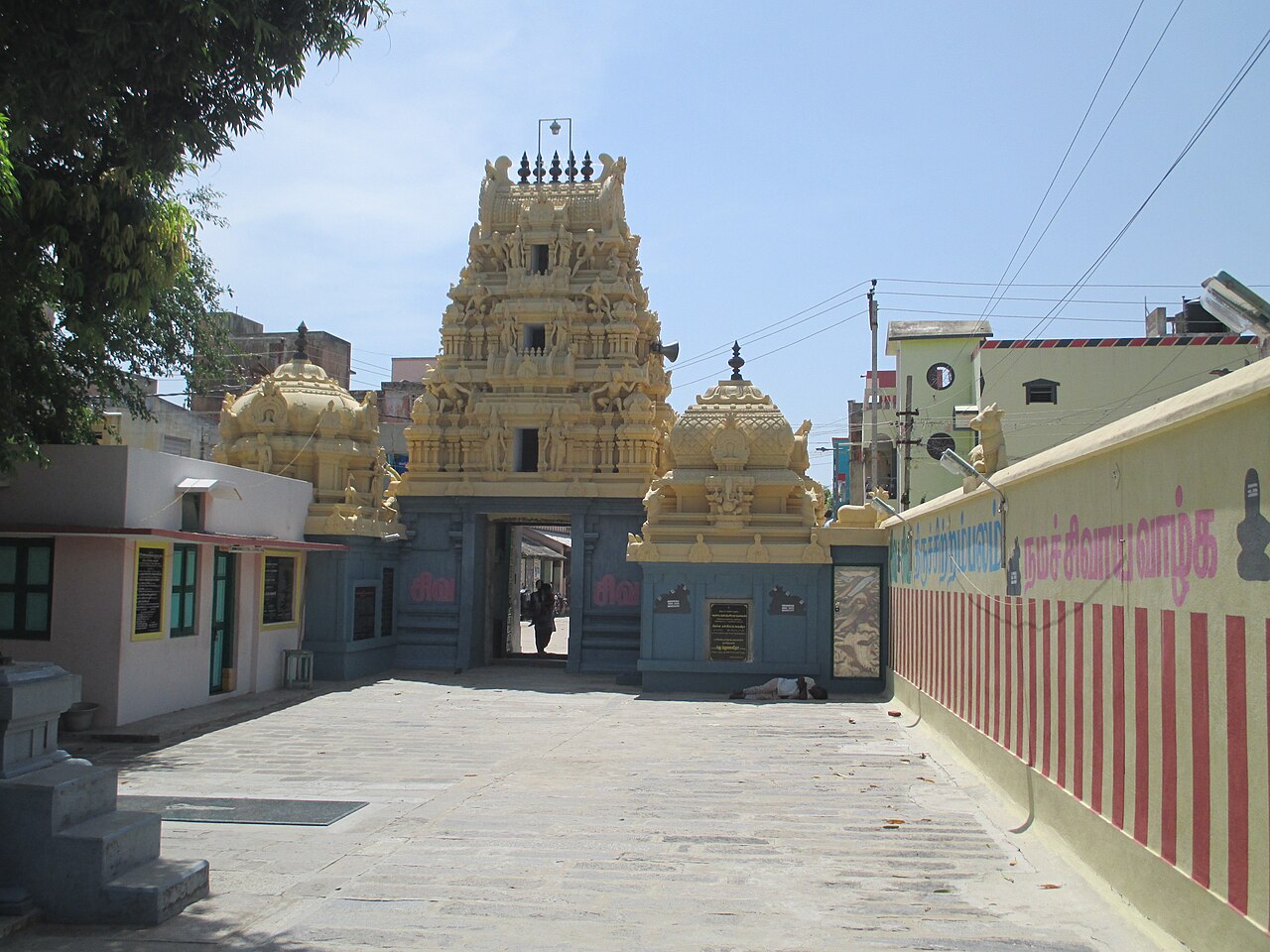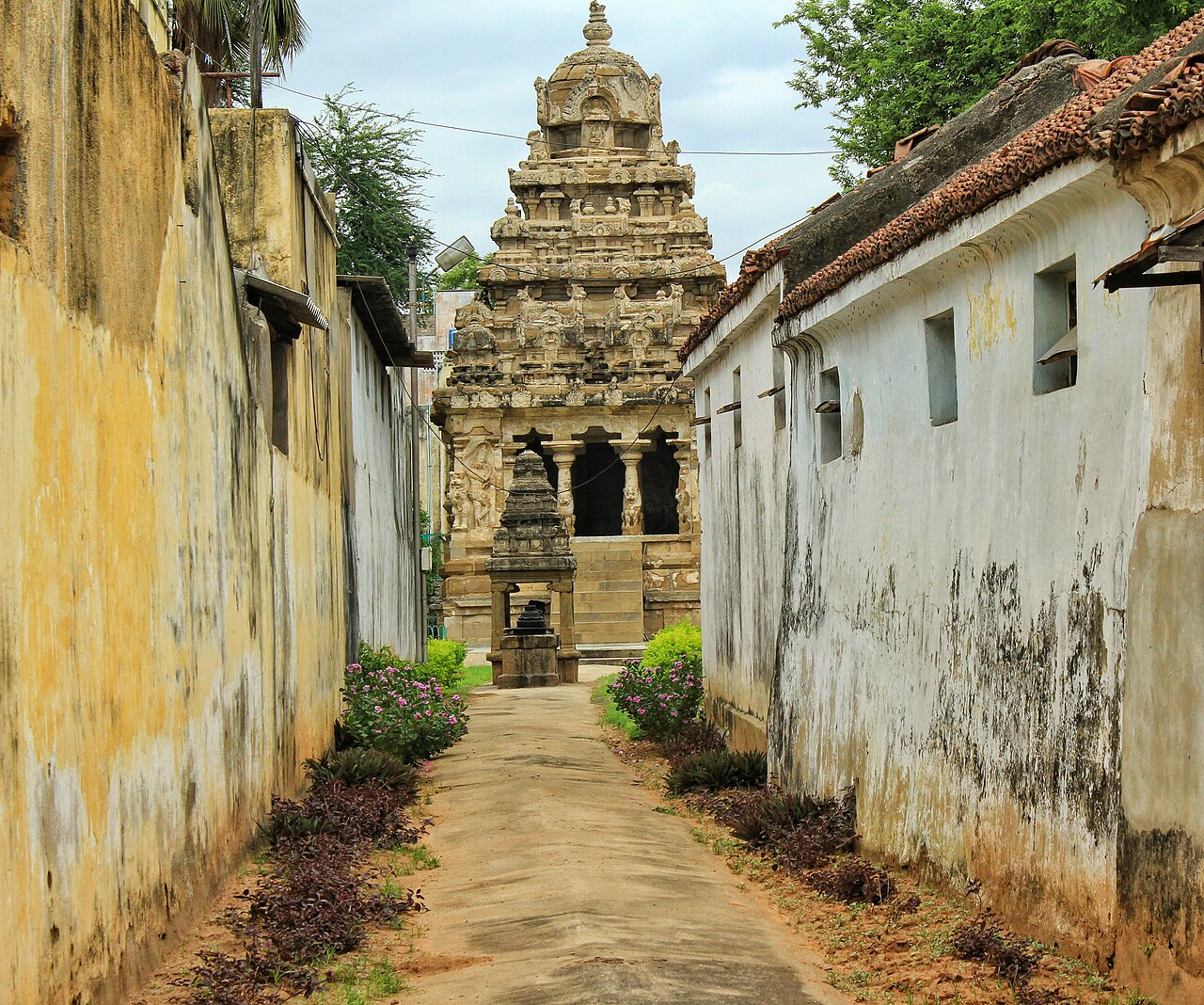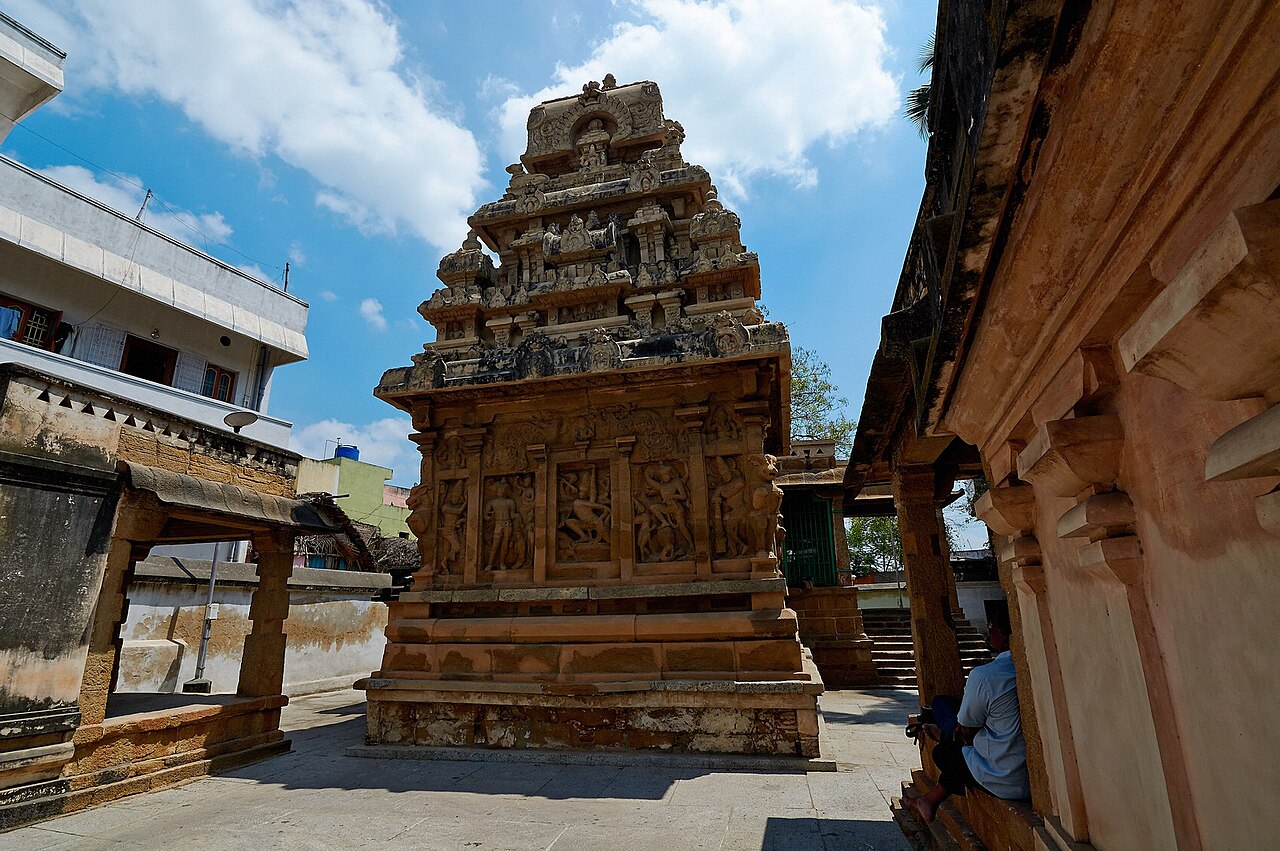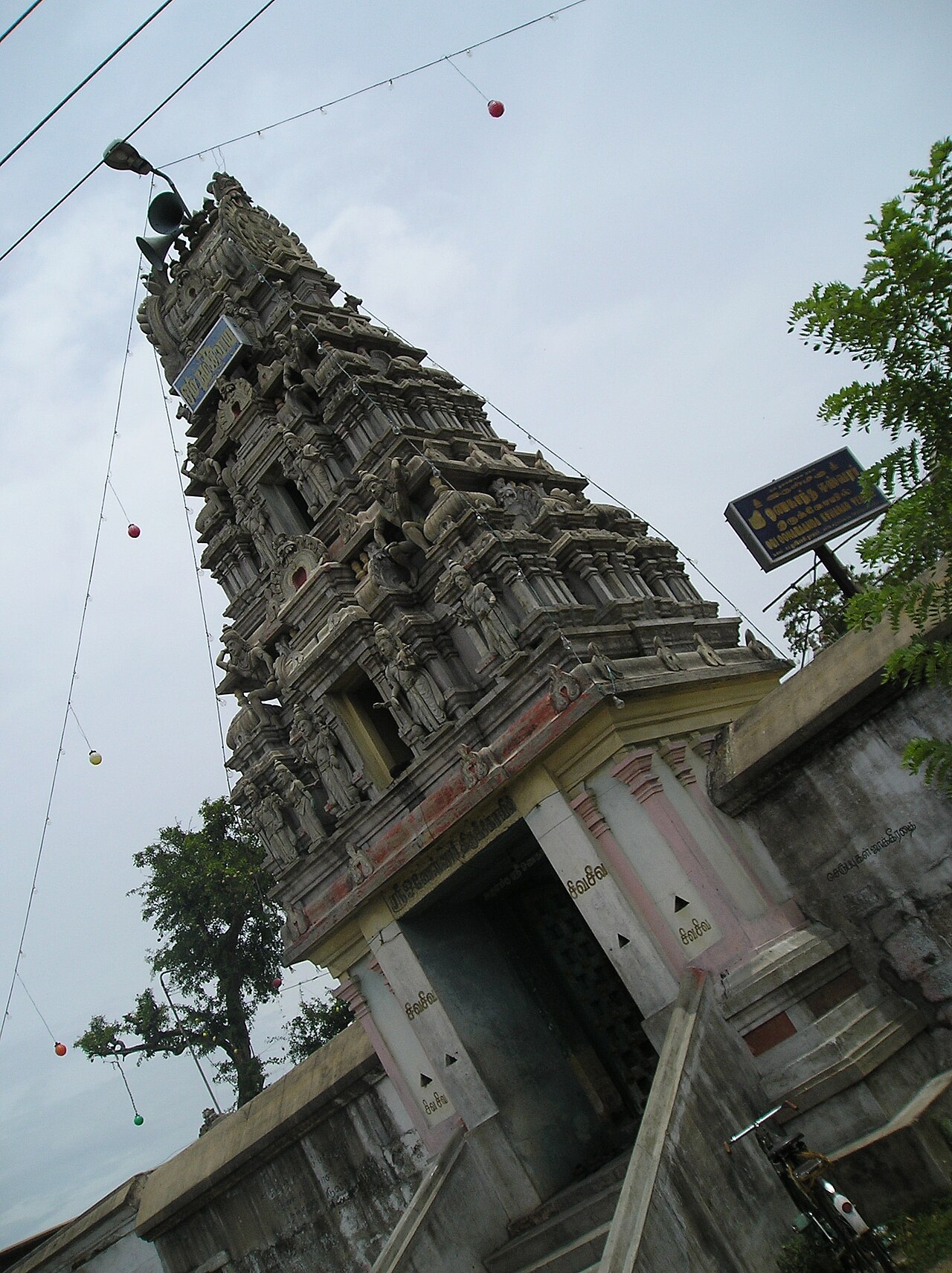
Deepaprakasar Temple, Thooppul
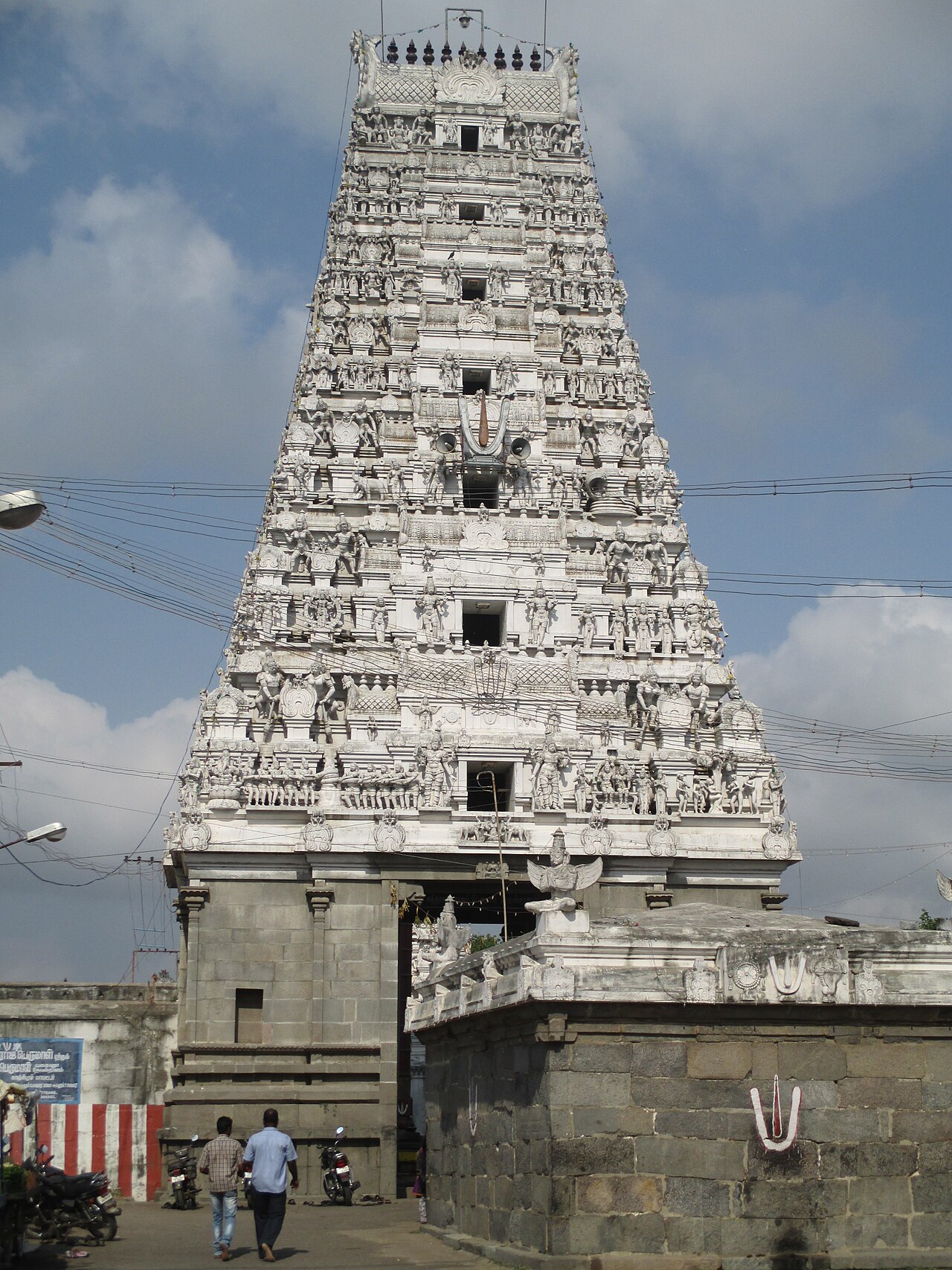
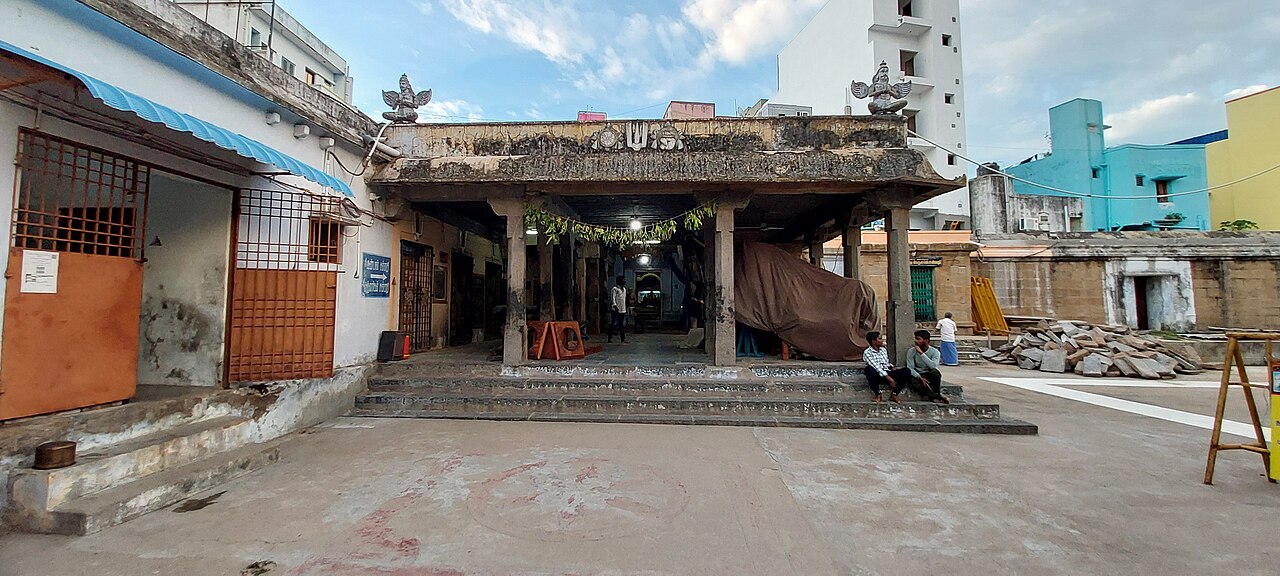
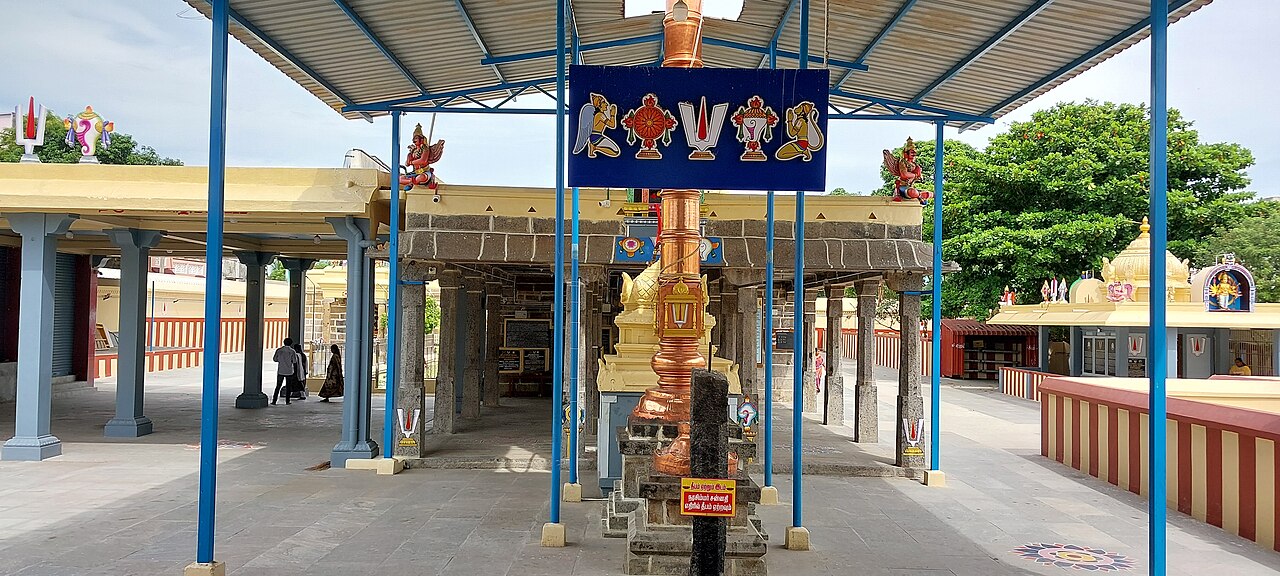
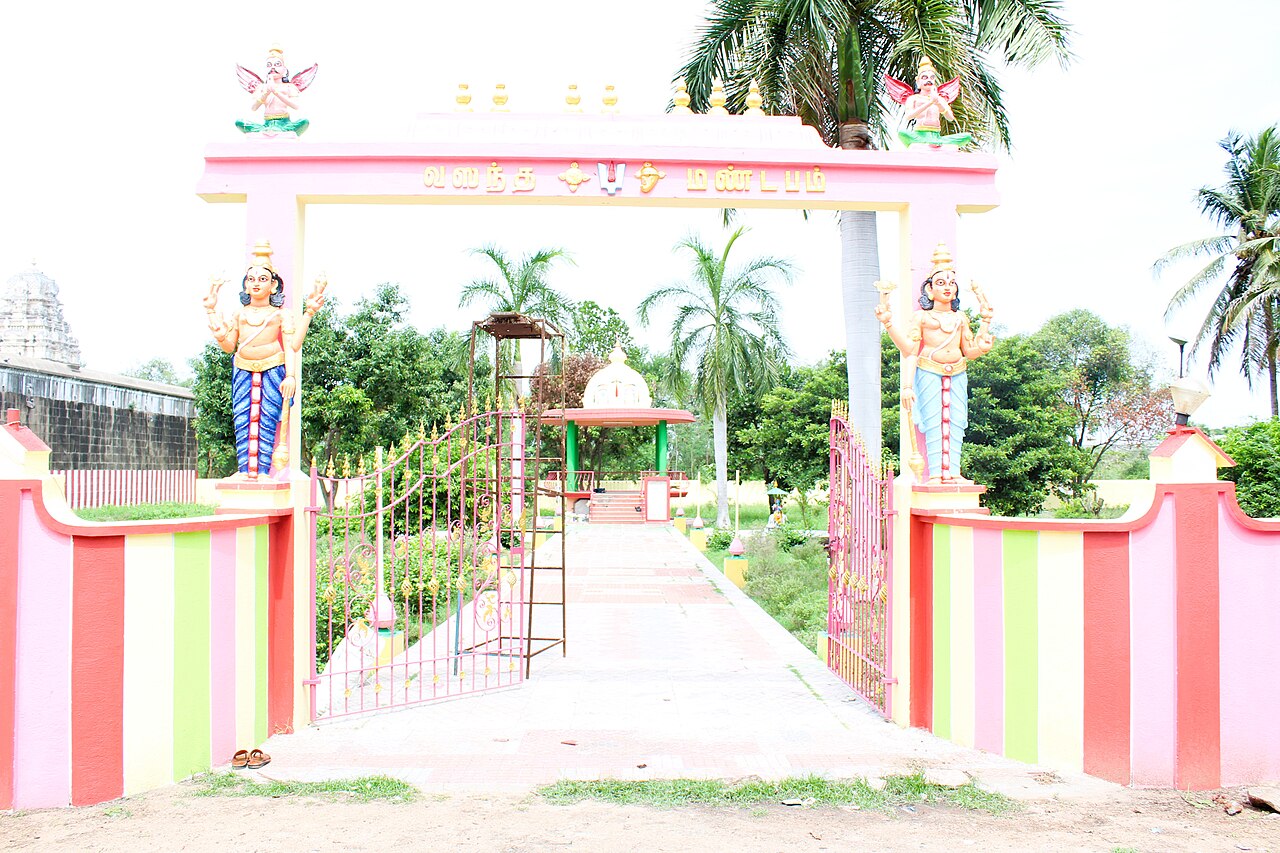
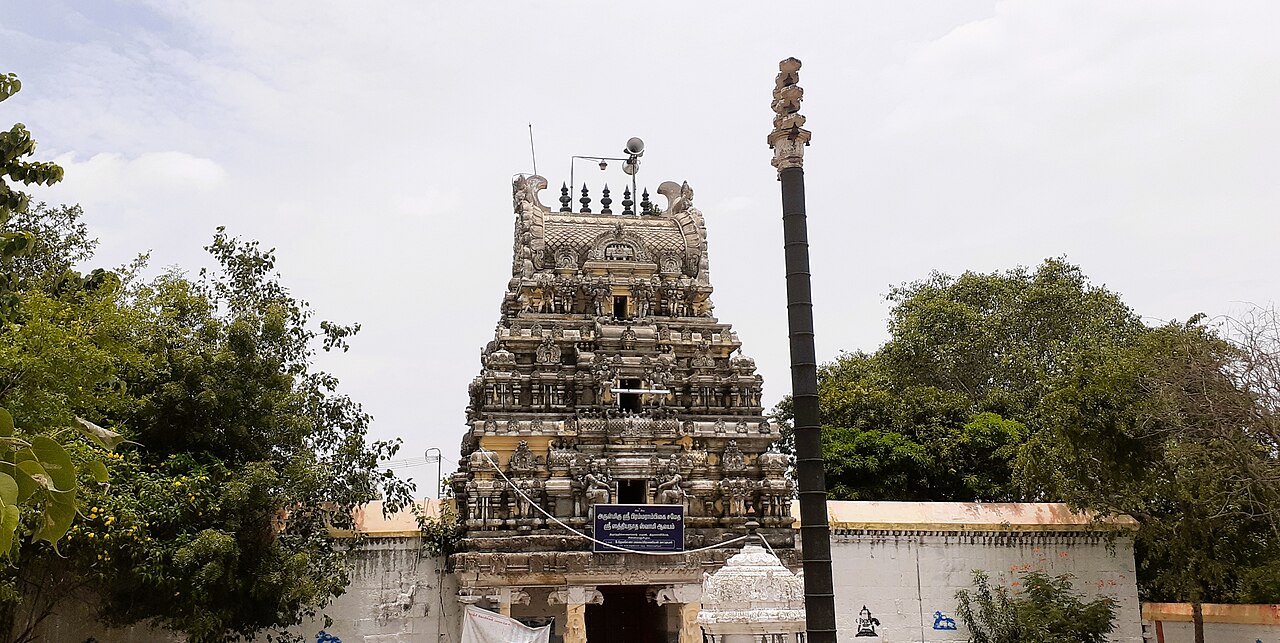
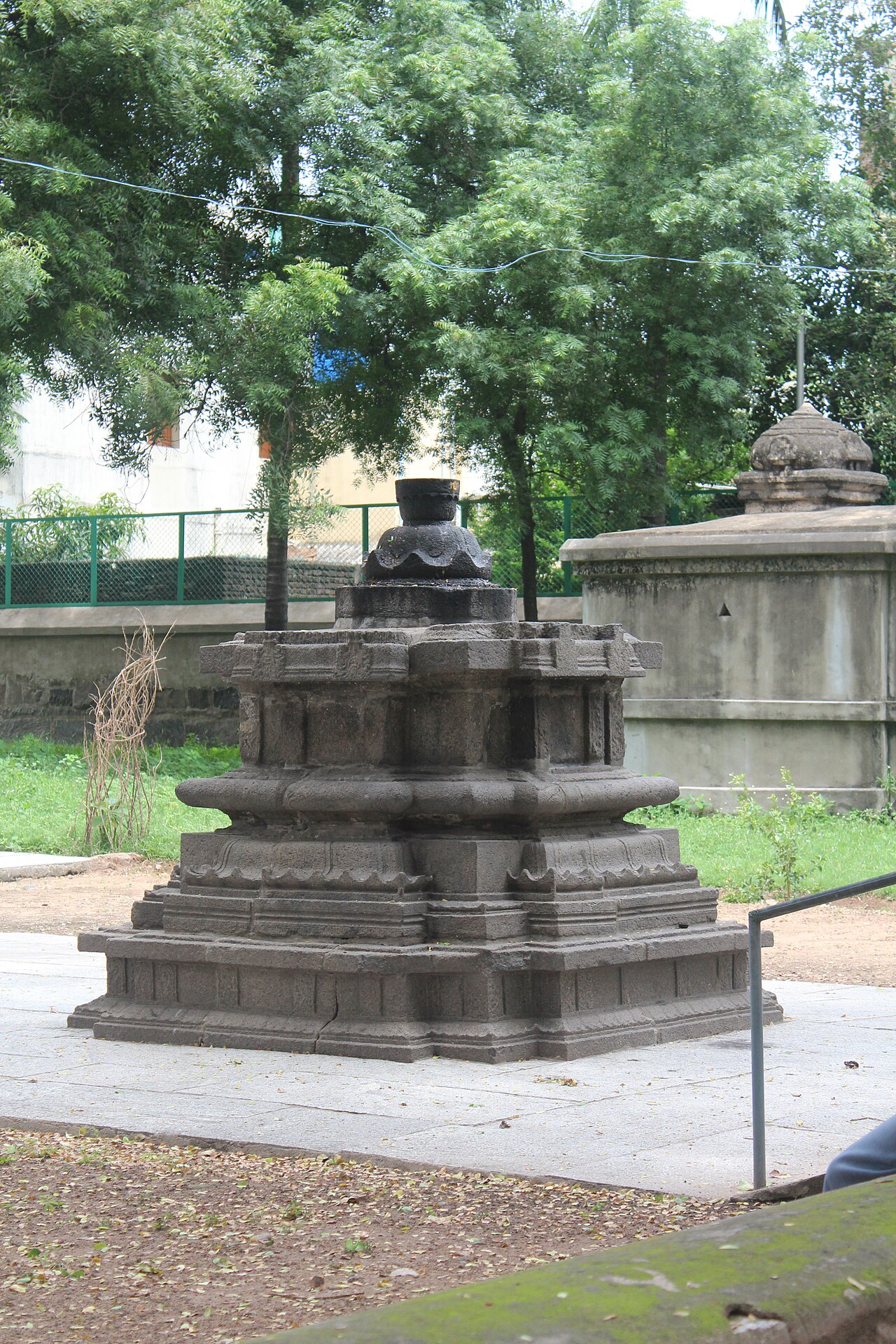
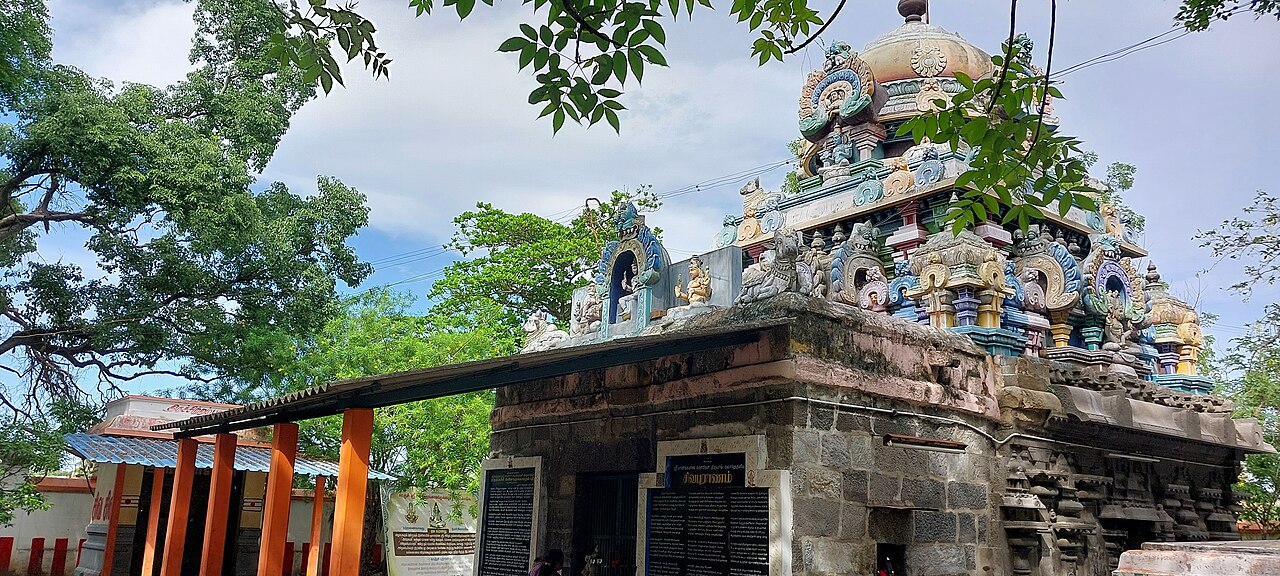
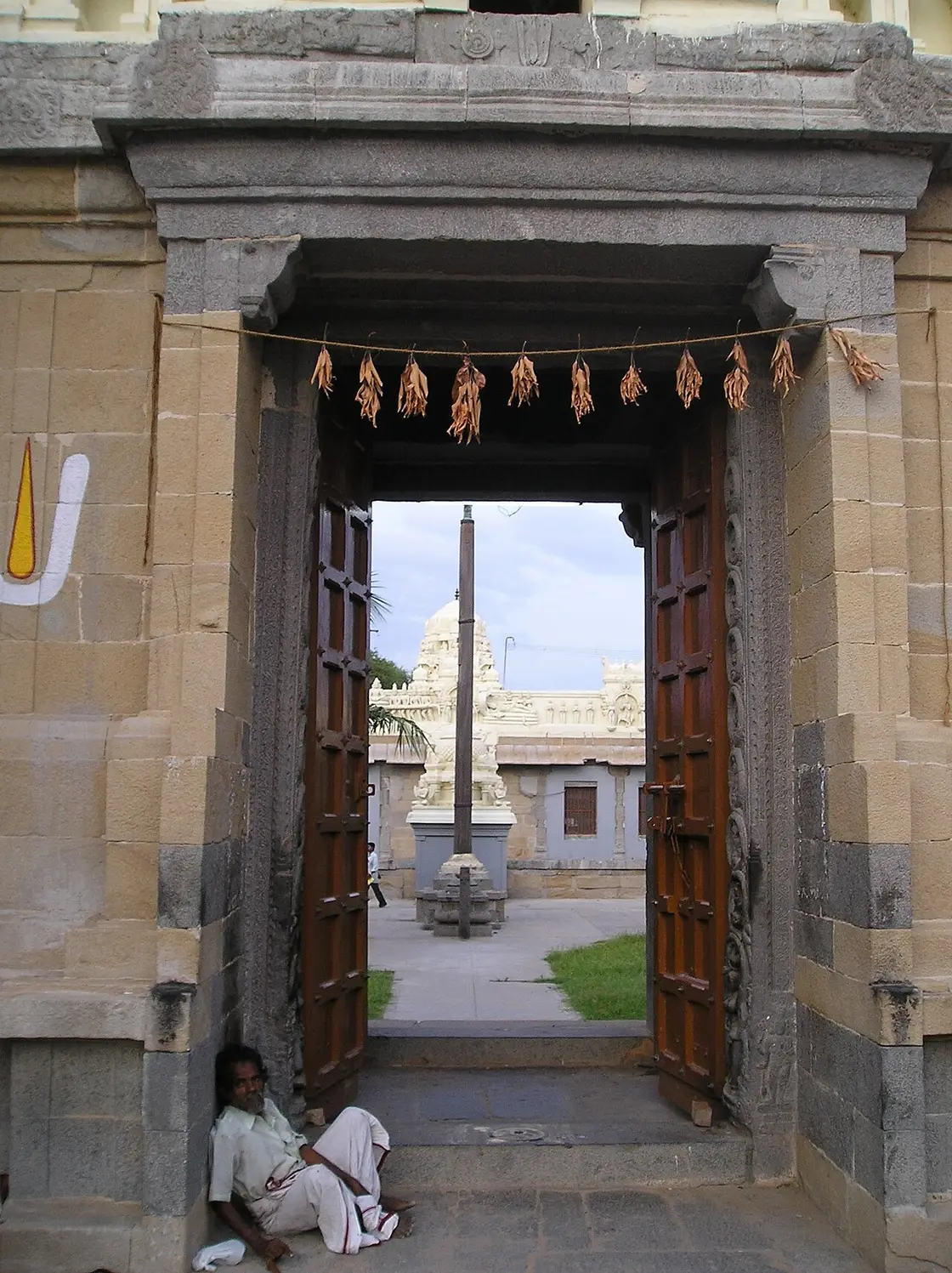
A Vishnu temple at Thiruthanka (Thooppul), counted among the 108 Divya Desams, where the deity is worshipped as Deepaprakasar (Vilakkoli Perumal), the light-radiant one. It is revered as the birthplace of the 13th-14th century Srivaishnava philosopher-poet Vedanta Desika, whose shrine stands within. The temple also houses shrines to Hayagriva and Andal and is glorified in the hymns of the Alvars.
Plan Deepaprakasar Temple, Thooppul
Entry rules not verified for this temple. Some Hindu temples admit only Hindus, and most enforce a dress code at the door. We have not verified the rule for this particular temple, so please check before you travel — especially if you are not Hindu or are visiting from outside India.
We report each site's own published rules neutrally, and only where we can source them.
Deepaprakasar Temple, Thooppul is planned from Kanchipuram, one of the travel bases in Kancheepuram district. Use Kanchipuram for stays, food and local transport, then plan this place as a focused stop.
How to visit
- Base yourself in Kanchipuram or nearby in Kancheepuram, then confirm the last-mile route locally before travel.
- If access depends on temple, museum or seasonal rules, check on the day before you go.
Distance by road
- Chennai72 km
- Mahabalipuram (Mamallapuram)65 km
- Vellore70 km
- Puducherry110 km
- Tirupati115 km
Road km to Kancheepuram; ghat roads and traffic vary — allow extra.
Best time
October to March is the cooler, drier season in the Cauvery delta.
Live forecast loads in your browser.
Sun and moon are calculated for this location and shown in IST. Photography windows are the hour around sunrise and sunset; the sunset bearing is degrees clockwise from true north. Moon phase is accurate to about half a day.
Stays, food & things to do near Deepaprakasar Temple, Thooppul
Verified hotels, homestays, restaurants, experiences, sights, shops and rentals around Deepaprakasar Temple, Thooppul — commission-free, with direct contact. Filter by what you need.
3 places to stay near Deepaprakasar Temple, Thooppul
8 places to eat near Deepaprakasar Temple, Thooppul
3 things to do near Deepaprakasar Temple, Thooppul
7 places to shop near Deepaprakasar Temple, Thooppul
2 nature spots near Deepaprakasar Temple, Thooppul
The largest and most conventional hotel in the town, on Gandhi Road about a kilometre south of the bus stand — 1.06 km by a routed walk. GRT's own page describes 30-odd rooms: three Standard at 160 sq ft and twenty-nine Deluxe at 161 sq ft, with a choice of queen or twin beds, plus a multi-cuisine restaurant, two banquet halls and an in-house gym, and the group lists the property as pet-friendly. Note that GRT markets it as a hotel near the Kamakshi temple; the temple is on the far side of the bus stand from here, so read that as the same town rather than the same street. We have not stayed. Everything above is from the hotel's own website rather than a review aggregator, and we publish no rates because the hotel prices its own rooms.
The Tamil Nadu Tourism Development Corporation's own hotel in the town — the state-run option, of the kind TTDC keeps at most of the pilgrimage centres. It stands on Railway Road out to the north-east, 1.23 km from the bus stand by a routed walk, and the useful fact about it is what it is next to: 257 metres by footpath from Kanchipuram East station, the town's original railway station, which is why local directions still place it opposite the old station. Rooms are the usual TTDC pattern of plain twin-bed air-conditioned and non-air-conditioned units. ⚠ We could not read a current room count, tariff or facility list on TTDC's own booking portal and would rather say so than repeat an aggregator's figures. Book through ttdconline.com and confirm at the counter.
A small guest house on Kamakshi Amman Sannadhi Street, 622 metres north of the bus stand by a routed walk and about two hundred metres from the Kamakshi Amman temple — which is the street a great many pilgrims want to be on. OpenStreetMap carries a phone number (9092808882) and an Instagram page rather than a website, which is a fair description of the scale of the place. ⚠ We have found no independent page for it, no published tariff and no room count. Treat it as a walk-in-and-ask lodge by the temple rather than something to book ahead sight-unseen.
The Kanchipuram branch of A2B — Adyar Ananda Bhavan — the Chennai sweet-shop-and-tiffin chain, on Nellukara Street 341 metres from the bus stand, about four minutes on foot. It is what it is everywhere: a sweet and savoury counter at the front, a vegetarian tiffin and meals section behind, reliable, busy, priced like a chain. In a town where most of the eating is small independent messes that publish no hours at all, that predictability is the reason to know it is here. OpenStreetMap records the phone as +91 44 2723 3295.
A Saravana Bhavan 355 metres from the bus stand, tagged in OpenStreetMap as South Indian vegetarian. The name is the best known in the Tamil restaurant trade and is used both by the chain and by a number of unconnected local houses, so do not assume which you have walked into — the food either way is the standard tiffin and meals repertoire. Useful mainly because it is four minutes from where the buses put you down and open across the hours the temples are shut. ⚠ Hours and ownership unverified.
A restaurant 283 metres north-east of the bus stand, the closest thing on this page to a first stop off the bus. In Tamil Nadu a place calling itself a hotel on its street sign is an eating house, not a place to sleep, and this is one of them — a working local restaurant among the doctors' rooms and small hospitals on this stretch. ⚠ No website, and no published menu, hours or rates. It is here because it is a real eating house three minutes from the stand, not because we have eaten in it.
A pure-vegetarian restaurant 393 metres north-east of the bus stand. Pure veg matters here in practice rather than as a label: pilgrims working through the temple circuit generally want somewhere they can eat between darshans without asking questions about the kitchen. ⚠ Unverified hours and no website — an OpenStreetMap survey record rather than a recommendation we have tested.
An eating house 974 metres east-north-east of the bus stand, on the side of town that runs out towards Kanchipuram East station. Another of the town's plain restaurants — the sort that runs a tiffin service morning and evening and a set meal at midday. ⚠ No website, no published hours, and we have not eaten here. Recorded from an OpenStreetMap survey because a visitor staying at the TTDC hotel on this side will otherwise find nothing marked between there and the centre.
A mess 1.7 km north-west of the bus stand, out on the way towards Kailasanathar and the older western end of the city. A mess in Tamil Nadu is a plain working eating house that serves whatever has been cooked that day rather than a menu, usually as a set meal at midday, and it is the cheapest honest lunch in any Tamil town. OpenStreetMap tags this one as Indian. ⚠ Hours and rates unverified.
A tiffin shop about two kilometres west of the bus stand, in the residential streets on the Kailasanathar side. Tiffin is the South Indian short-meal repertoire — idli, dosai, pongal, vadai — served early morning and again in the evening, with the middle of the day usually dead. Shops like this are how the town actually eats, and there are far more of them than any map records. ⚠ No published hours; it opens early and shuts when the trade stops. Too far to walk to in the heat — one to notice if you are already out at that end.
A bakery 750 metres south of the bus stand, in the commercial streets rather than the temple ones. Worth knowing for a specific reason: the temples shut in the middle of the day, the heat is at its worst then, and a bakery is one of the few things in an Indian temple town that stays open through it and will sell you something to carry. ⚠ Unverified hours, no website.
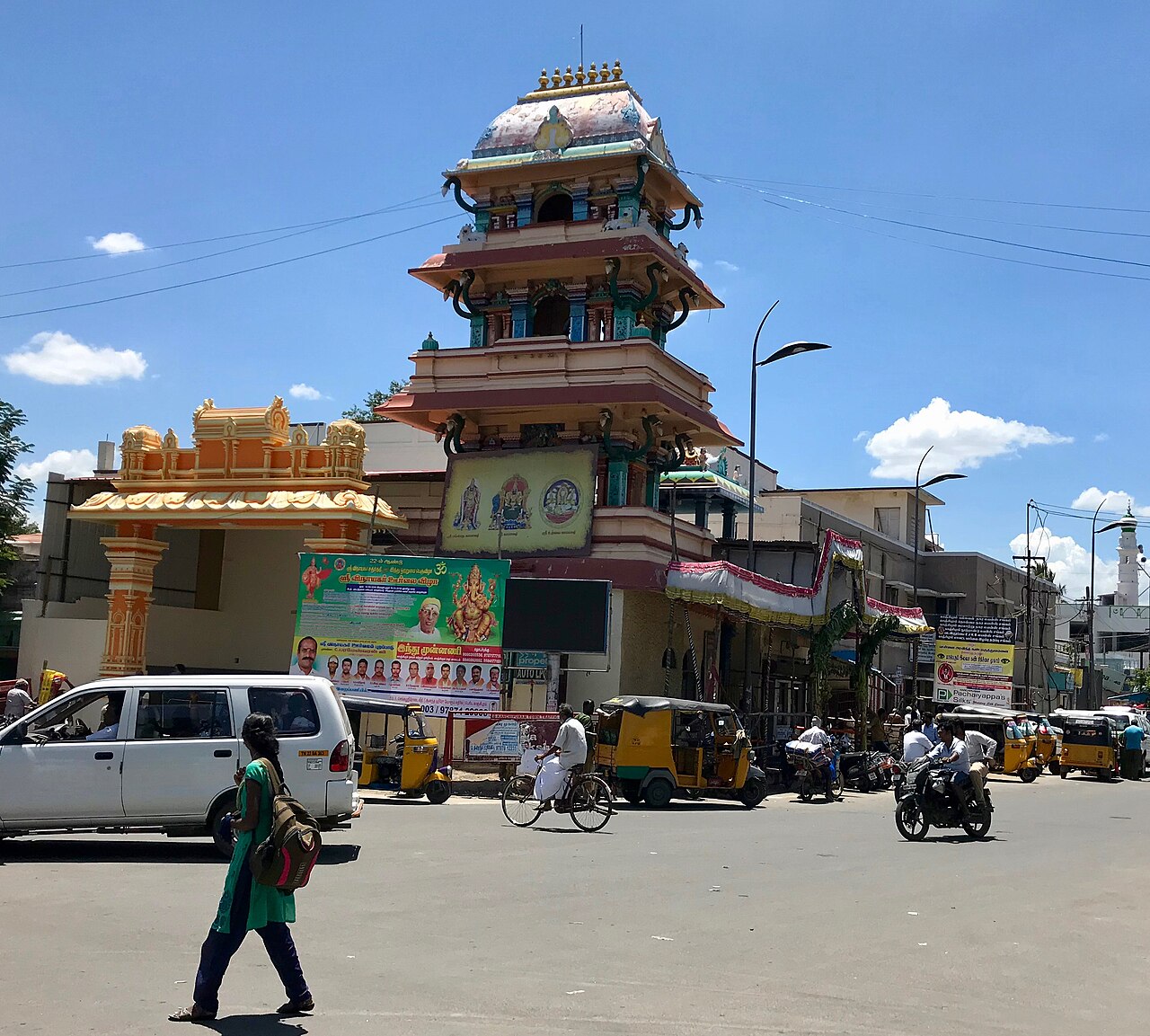
One of the town's big silk names, and one of the few with a real published history. Its own site says the retail business began in 1974 under the company name Babu Sarees Private Limited, that four generations of the family have run it, and — the part that matters to a buyer — that it keeps its own handloom factory and its own weavers rather than only buying in. The range runs from light everyday silks through soft silks to bridal and nine-yard sarees. Its hoarding appears in two of the street photographs on this page. Phone 044-27222058. ⚠ We publish no coordinate for this shop: it is not in the OpenStreetMap survey and we would rather give you the published street address than a pin we guessed. We publish no prices either — ask at the counter, and look at the border join before you buy.
The showroom whose hoardings are on every junction in the middle of Kanchipuram — including two of the photographs on this page, where the address 87 Gandhi Road is painted across a road barrier. Its own site says the business was established in 1989 by K. Thulasi Sah and K. Nagoo Sah and is now run by K.T. Prakash Sah, K.N. Eshwar Sah, Ganesh Sah and K.E. Vigneshwar Sah, selling silk, soft silk and traditional sarees, with its own online store. ⚠ Note what its own advertising says: several of those hoardings read “avoid brokers”. Brokers work the bus stand and the station here and are paid a commission on what you spend, so walk into a counter yourself. ⚠ No coordinate published — the shop is not in the OpenStreetMap survey and we will not guess a pin.
A Kanchipuram silk saree shop on Nadu Street, 386 metres south of the bus stand — OpenStreetMap's own description of it is exactly that. This is the part of town most visitors misread: Ekambareswarar, Kailasanathar and Kamakshi Amman are all north or north-west of the bus stand, and the shops, the market and most of the silk are south of it. Varadharaja Perumal, out in Vishnu Kanchi, is the exception that goes the other way. Nadu Street is one of the silk streets, with several counters inside a couple of hundred metres of each other, which makes it the obvious place to compare two or three before deciding. Its own website gives the shop as 91 Gandhi Road, with a second counter on Nadu Street. ⚠ No published hours found.
A silk shop 569 metres south-west of the bus stand, in the commercial blocks below the centre. One of the many independent counters that are not the big advertised names — usually where the price is more negotiable and the pressure lower. ⚠ Unverified hours and no website. Whatever the shop, the test is the same: on a genuine saree the body and the contrasting border are interlocked thread by thread where they meet, not printed and not stitched.
A silk shop 820 metres south of the bus stand, on the same stretch as several others. Worth knowing because it is one of the counters you walk past rather than one of the ones advertised at you, and because comparing three shops in one afternoon is the only way to get a feel for what a given quality costs in this town. ⚠ No website, hours unverified.
A clothes shop on Pallikoodathan Street, 1.2 km south of the bus stand, and one of the very few businesses in the town whose opening hours anyone has recorded: OpenStreetMap has it as nine in the morning to nine at night, seven days, with the phone as +91 94433 51115. In a town where almost nothing publishes a timetable, that is genuinely useful. ⚠ Those hours are a surveyor's note rather than the shop's own statement, so treat them as a guide.
A supermarket 1.3 km south of the bus stand, in the commercial end of town. Worth a line because self-service groceries are thin on the ground here, and this is where you replace the water, the sunscreen and the snacks that a day of barefoot temple courtyards in delta heat actually consumes. Its own website gives the head office as 43 K.A. Kovil Street and says it delivers within Kanchipuram city. ⚠ Hours unverified.
A town park about two kilometres south-west of the bus stand, named for C. N. Annadurai — Arignar Anna, the Dravidian leader and first DMK chief minister of Tamil Nadu, after whom a great many public things in this state are named. It is a municipal park rather than a garden anyone travels for: trees, paths, benches, children in the evening. Its use to a visitor is shade and somewhere to sit, in a town that offers very little of either between temples. ⚠ Hours and any entry charge unverified, and at 24 minutes' walk it is a park to reach by auto rather than on foot in the middle of the day.
A neighbourhood park in Pallava Nagar, 3.7 km south-west of the bus stand. Local, small, and not a destination — it is on this page because it is a green space on the far side of town from the temples, and because a hub that lists only temples tells you nothing about where people here actually live. ⚠ Hours unverified. Take an auto; the walk is three quarters of an hour.
The town auditorium, 942 metres north-west of the bus stand — kalai arangam means arts hall. Municipal halls like this are where a Tamil town's public cultural life actually happens: music and dance programmes, school and college events, government functions, the occasional touring performance. Nothing is aimed at visitors and there is no published season, but the board outside is worth a look if you are passing, because what is on is the town's own. ⚠ No website or programme we could find.
One of the town's single-screen cinemas, 871 metres south-east of the bus stand. Kanchipuram still has several — Aruna, Babu and Indira among them — which is now unusual, and a Tamil single-screen on a first-day evening is a genuine spectacle whether or not you follow the film. Tickets are bought at the counter. ⚠ We have no published showtimes; the boards outside carry them.
The district library office, about 1.9 km south of the bus stand, with a Perarignar Anna full-time branch library beside it. Kanchipuram was described as a place of learning — a ghatikasthanam — long before it was described as a place of pilgrimage, and its public libraries are the ordinary modern end of that. Free to walk into, quiet, and cool in the middle of the day when the temples are shut. ⚠ Opening hours unverified.
Book with the place itself. India’s cyber-crime coordination centre warned in April 2025 that convincing copies of hotel and pilgrimage booking sites are being pushed through sponsored search and social ads, taking payment for rooms the property never hears about. Every listing here links to the business’s own contact details and its own Google or Bing profile — we take no commission and sit in nobody’s payment path. If a booking page reached you through an ad, check the address bar against the property’s own site before you pay. Fraud can be reported on cybercrime.gov.in or on 1930.
The best of Kanchipuram, ranked
Deepaprakasar Temple, Thooppul sits in Kanchipuram, and these rank everything verified across the town rather than this one spot — built from the same listings shown above, ordered by the strength of the source evidence behind each entry rather than by anyone's star score. Every card shows how many places are really on it. Nobody pays to appear.
Across the whole of Kanchipuram
Top experiences around Kanchipuram
10 more places around Kanchipuram, each worth a day of its own.
The oldest temple in Kanchipuram, this early 8th-century Shiva temple was built by the Pallava king Narasimhavarman II (Rajasimha) around 700-728 CE. It is celebrated for its sandstone superstructure, granite foundations and finely carved Pallava-era sculptures, and is protected today by the Archaeological Survey of India.
A vast and ancient Shiva temple in Kanchipuram, Ekambareswarar is one of the Pancha Bhoota Sthalams, representing the earth (Prithvi) element. It is famous for its towering gopuram, one of the tallest in South India, and a revered old mango tree that tradition holds to be its sacred temple tree.
One of Kanchipuram's most important temples, Kamakshi Amman is dedicated to the goddess Kamakshi, a form of Parvati, and is revered as a principal Shakti temple. It is closely linked with Adi Shankara and the Kanchi Kamakoti Peetham, and is traditionally counted among the great Shakti shrines of India.
A major Vishnu temple in Vishnu Kanchi (the Vaishnava quarter of Kanchipuram) and one of the 108 Divya Desams. The presiding deity, Varadharaja Perumal, is enshrined on the Hastagiri (elephant hill), and the temple complex is celebrated for its Vijayanagara-era art.
1.5 km · 19 min walk
An 8th-century Pallava Vishnu temple in Kanchipuram, also called Tiru Parameswara Vinnagaram, built by Nandivarman II Pallavamalla. It is prized by historians for its carved bas-relief panels and its unusual arrangement of three stacked sanctums.
An Advaita Hindu monastery (matha) at Kanchipuram and the seat of the Shankaracharya of Kanchi. By its own tradition it was founded by Adi Shankara, though this claim and its early history are debated by scholars; today it is a well-known religious and heritage institution.
740 m · 9 min walk
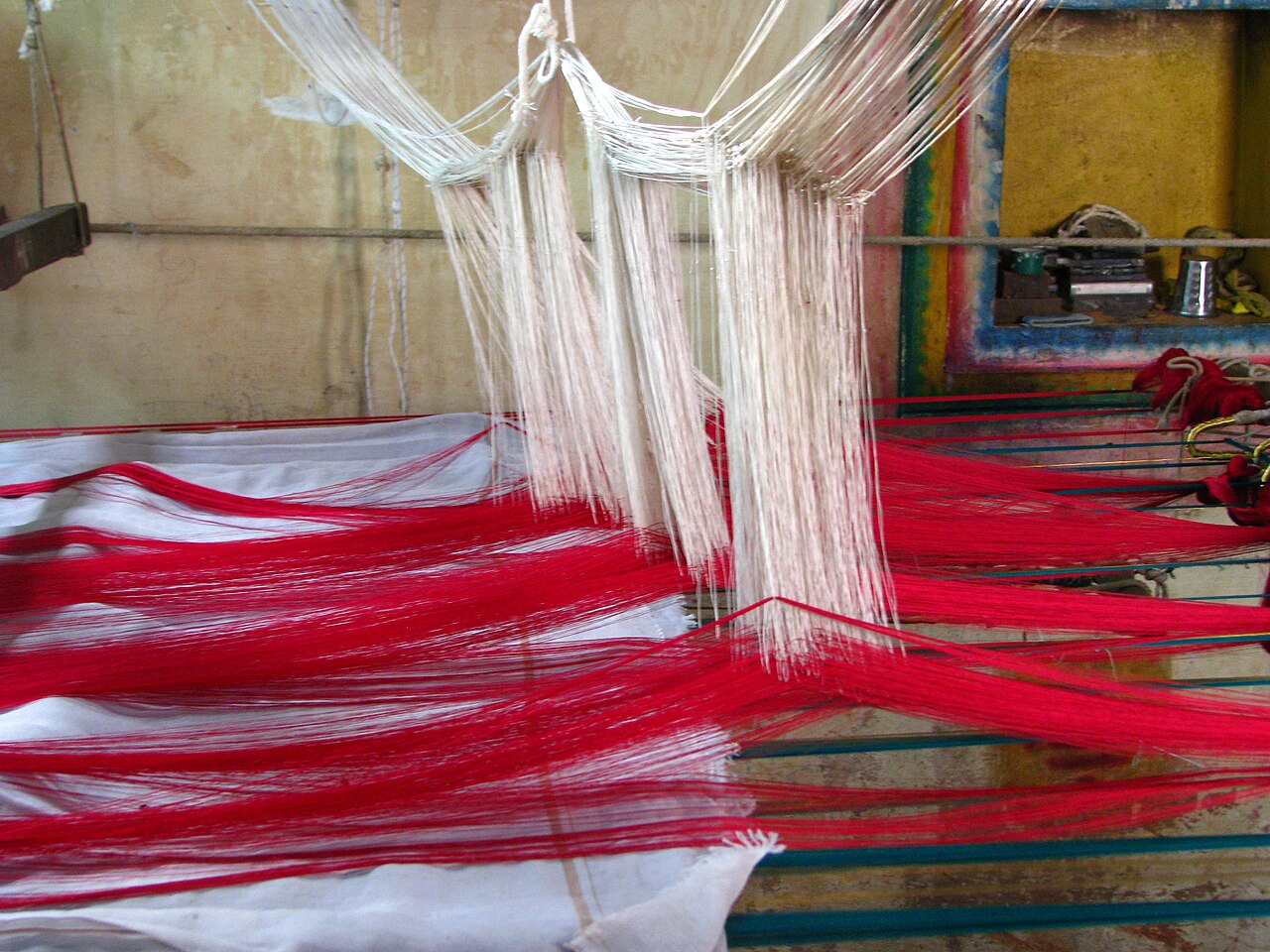
Kanchipuram (Kanjivaram) silk sarees are a centuries-old handloom tradition woven in pure mulberry silk with real gold-and-silver zari, best known for the contrast korvai border and pallu woven separately and interlocked by hand, and for temple-inspired motifs. The craft carries a Geographical Indication (GI) tag registered in 2005-06, protecting sarees genuinely made in and around Kanchipuram town by its traditional weaver communities.
This Dravidian-style Vishnu temple at Sriperumbudur (Kancheepuram district) is revered as the birthplace of the 11th-12th century Vaishnava philosopher-saint Ramanuja (Ramanujacharya), exponent of Vishishtadvaita. Vishnu is worshipped here as Adikesava, and the temple - also called the Ramanujar temple - is an important Sri Vaishnava pilgrimage site, with a separate shrine devoted to Ramanuja.
Uthiramerur, a temple town about 35 km south of Kanchipuram, is world-famous for 10th-century Chola inscriptions that record the village assembly's 'kudavolai' (pot-ticket) election system - one of history's earliest documented examples of local self-government. The town's Pallava-origin Vishnu temples, expanded by the Cholas, carry these epigraphs; the celebrated sabha-election inscriptions of Parantaka Chola I are engraved on the enclosure walls of the Vaikunta Perumal temple here, alongside the well-known Sundaravarada Perumal (Vishnu) temple.
1.6 km · 20 min walk
A Vishnu temple in central Kanchipuram counted among the 108 Divya Desams (Tiru Ooragam), famous for its towering image of Vishnu as Trivikrama/Ulagalantha, 'he who measured the worlds,' with one leg raised. Temple tradition links the form to the Vamana avatar and the legend of King Mahabali, and the complex uniquely enshrines several Divya Desam shrines within one precinct.
Roampedia is commission-free — own or know a stay, eatery, guide or shop near Deepaprakasar Temple, Thooppul? List it and it appears here once verified.
Add a nearby businessDeepaprakasar Temple, Thooppul — at a glance
Entry: Free
How to reach Deepaprakasar Temple, Thooppul
Kanchipuram bus stand/railway station; Chennai airport ~75 km
We have not assessed physical access at this place yet. Across India, step-free routes, handrails and accessible toilets are the exception rather than the rule, and pavements are often interrupted — if step-free access matters to you, contact the site or a local operator before committing to the trip.
Emergency numbers are verified against official government and state tourism sources. 112 works anywhere in India.
What’s near Deepaprakasar Temple, Thooppul
Where Deepaprakasar Temple, Thooppul is
Deepaprakasar Temple, Thooppul — frequently asked
When is the best time to visit Deepaprakasar Temple, Thooppul?
October to March is the cooler, drier season in the Cauvery delta.
What are the entry fee and timings at Deepaprakasar Temple, Thooppul?
Entry: Free. Timings: 6:00 AM - 12:00 PM, 4:00 PM - 8:30 PM.
How do I reach Deepaprakasar Temple, Thooppul?
Base yourself in Kanchipuram or nearby in Kancheepuram, then confirm the last-mile route locally before travel. If access depends on temple, museum or seasonal rules, check on the day before you go.
How much time do I need for Deepaprakasar Temple, Thooppul?
About an hour.
What else is near Deepaprakasar Temple, Thooppul?
Nearby you can pair Azhagiya Singar Temple (270 m), Pavalavannar Temple (530 m), Ashtabhujakaram Temple (590 m), Yathothkari Perumal Temple (710 m).
Deepaprakasar Temple, Thooppul guides, stories & itineraries
We have not published a story about Deepaprakasar Temple, Thooppul itself yet. These cover Kanchipuram, the town it sits in, and the wider district.
Around Kanchipuram
Deepaprakasar Temple, Thooppul sits in Kanchipuram, so these cover the streets, buildings and surroundings around it.
Tamil Nadu-wide guides & itineraries
Route-level itineraries and practical guides for the rest of Tamil Nadu.
Image credits
- Deepaprakasar Temple, Thooppul:Ssriram mt, CC BY-SA 3.0, via Wikimedia Commons · CC BY-SA 3.0