What to expect
Highlights
- Early Chola architectural interest
- Shiva worship in Kumbakonam
- Sculptural details
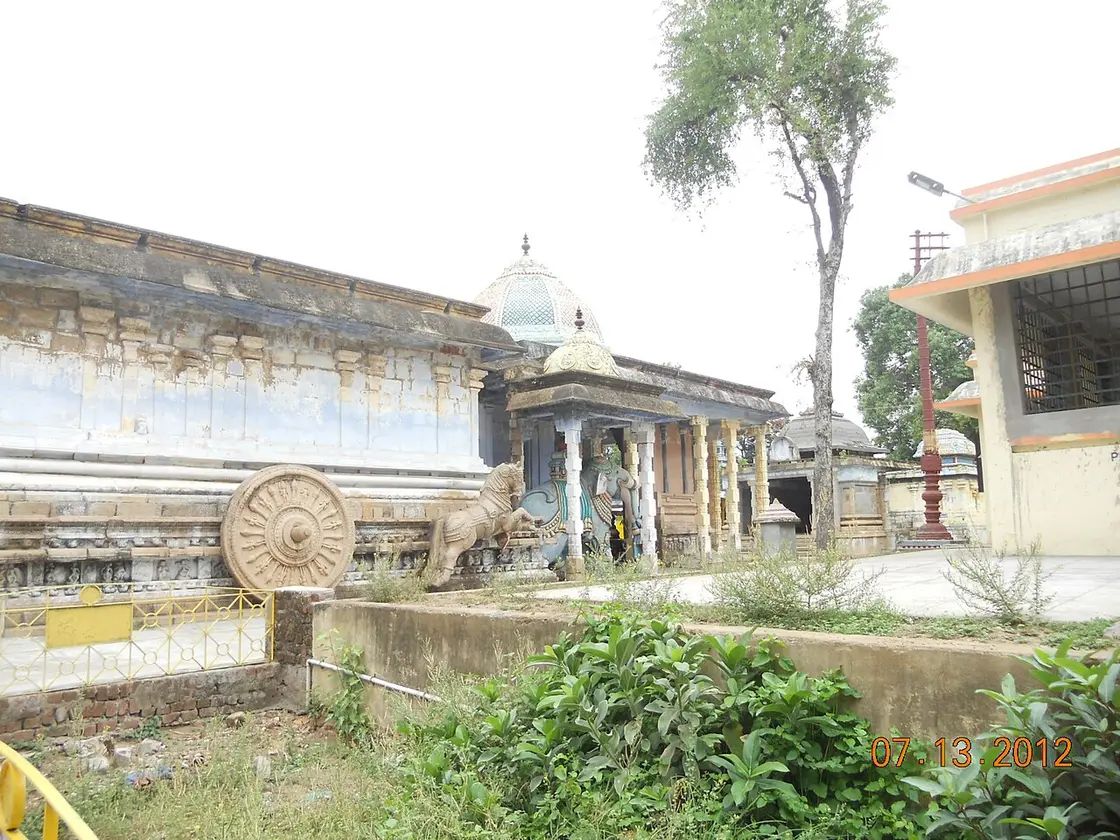
Nageswaran Temple is a Shiva shrine in Kumbakonam with early Chola architectural interest, distinct from the Rahu-associated temple at Thirunageswaram.
Check entry arrangements. Ask temple staff about visitor entry, dress requirements and access to the inner shrine before you travel, especially if you are visiting as a non-Hindu.
Dress respectfully and follow the institution’s admission and photography rules.
Nageswaran Temple is a Shiva shrine in Kumbakonam with early Chola architectural interest, distinct from the Rahu-associated temple at Thirunageswaram. Check the name carefully when planning a temple circuit. Nageswaran in town and Naganathaswamy at Thirunageswaram are not interchangeable destinations.
The temple’s sculptural and architectural character rewards close looking. Allow a little time beyond darshan to notice how figures and forms are integrated into the building.
Accounts of sunlight reaching a shrine on particular dates should not be treated as an everyday feature. If that is the reason for your journey, confirm the exact event and access arrangements locally.
For an architecture-focused Kumbakonam visit, a slow stop here can be more worthwhile than adding another distant temple. Keep cameras away from restricted shrine areas and never touch carved surfaces for a photograph.
For the visit itself, allow 45–60 minutes, longer for architecture study. The best time is an opening session with comfortable light and time for close observation. Specify the Kumbakonam Nageswaran Temple. Leave time for the permitted architectural areas.
Road km to Thanjavur; ghat roads and traffic vary — allow extra.
An opening session with comfortable light and time for close observation.
Live forecast loads in your browser.
Sun and moon are calculated for this location and shown in IST. Photography windows are the hour around sunrise and sunset; the sunset bearing is degrees clockwise from true north. Moon phase is accurate to about half a day.
Verified hotels, homestays, restaurants, experiences, sights, shops and rentals around Nageswaran Temple — commission-free, with direct contact. Filter by what you need.
The pure vegetarian restaurant inside Rae by Tamara, open for breakfast, lunch and dinner. The centrepiece is a traditional Kumbakonam thali; the kitchen also runs a mini-tiffin, a morning buffet timed for pilgrims setting out on the Navagraha circuit, and South Indian staples — kuzhambu, kootu, pongal, rasam and payasam.
The pure vegetarian restaurant at Hotel Sri Balaji Grand on T.S.R. Big Street, opened as the hotel's own dining room. The kitchen runs traditional South Indian alongside North Indian and Chinese dishes, and the hotel's banquet hall sits on the same premises.
Hotel ARK's vegetarian restaurant on TSR Big Street in the centre of Kumbakonam, serving hotel guests and walk-ins from the surrounding temple streets. The hotel's two banquet halls and terrace garden are on the same site.
The KFC outlet on Thiruvidaimaruthur Main Road, the only international fast-food chain in the town. Listed on KFC India's own restaurant locator as store 295645, serving the standard fried chicken, wings and burger menu.
A long-standing tiffin shop on Kumbeswarar North Street serving pure vegetarian tiffin and filter coffee, and selling its own kitchen goods over the counter — 80:20 filter coffee powder, poondu milagu kuzhambu, tamarind rice paste and mor milagai.
A vegetarian restaurant at Nachiyarkoil, in business since 1995 and still run as a dine-in room while online takeaway is being set up. It also caters across Kumbakonam for weddings, temple events, office functions and housewarmings, with a separate number for the catering team.
A sweet and savoury shop on Big Bazaar Street near the Ramasamy temple, trading since 1915 and describing itself as the original Murari. Orders are taken by phone for collection.
A family restaurant on National Highway 36 at the Asoor bypass near TS Mahal, on the way in and out of Kumbakonam. The kitchen runs biryani, shawarma, tandoor and grills, Indo-Chinese and parottas, and the place is set up as a highway stop as much as a town restaurant.
A Chettinad kitchen in Kumbakonam serving traditional Tamil Nadu cooking, in business since 2009. Its own site carries little beyond that, so check opening hours before making a journey for it.
The Kumbakonam branch of Only Coffee, which began in 2009 as a rented shop on the Chennai–Trichy highway and has grown into a chain. Filter coffee is the point, alongside steam-cooked food, tea and hot drinks; the shops keep books on the shelves for customers and mark poojas and festivals with lamps and snacks. No-onion no-garlic food is available.
The Narasu's outlet on Big Bazaar Street at Valayapettai Agraharam, selling the brand's filter coffee, tea and food products over the counter. It is one of two Kumbakonam shops listed on Narasu's own store locator.
That makes it a stop for people driving the Navagraha circuit rather than a town restaurant — there is parking, and it is on the way in and out.
A palkova counter 110 metres from the bus stand — the nearest food to the buses in Kumbakonam, and the right thing to buy there. Palkova is milk boiled down for hours with sugar until it turns to a soft grainy fudge; the delta's dairy country makes it in quantity and it travels, which is why these counters cluster at bus stands and railway stations across Tamil Nadu.
A South Indian eating house on the Thanjavur road at Velakudi, 1. 5 km from the bus stand. In Tamil Nadu a board reading “hotel” over a street front is an eating house, not a place to sleep, and this is one of the old ones — the same name appears on a lodging house a few hundred metres away, which suggests one family's two businesses. Check before you walk out there on a weekend.
That last word is the useful one: on a temple circuit a good many people want a kitchen where the question does not arise, and this is one.
A restaurant 400 metres from the bus stand, tucked in the lane running towards the ARK Inn. Being that close to the terminus is the reason to know it — bus arrivals in Kumbakonam are at all hours and most of the town's eating houses keep tiffin times.
A biryani shop on the Mannargudi road, 640 metres from the bus stand — the name is spelled exactly as it is painted on the board, and it tells you the whole menu. Kumbakonam's eating is overwhelmingly vegetarian, tied to the temples; the handful of chicken-and-mutton biryani counters near the bus stand are where the town's non-vegetarian trade actually happens, and they run to their own hours rather than tiffin hours.
A tea and snack shop on the Thanjavur road at Velakudi, 1. 2 km from the bus stand — the name is its own description, and the name is what the sign says. A Tamil tea shop is a standing counter rather than a café: tea poured from a height, a glass case of vadai and bonda, and no seating to speak of. It is how the working town takes its breaks.
A juice and cold-drinks café on Bharathiyar Street, 880 metres from the bus stand and a few minutes from the Mahamaham tank. Worth a line for one practical reason: the delta is punishingly hot from March to June, the temples shut through the middle of the day, and a juice counter is one of the few things that stays open through it.
A restaurant on the Sirkali road at Chekkankanni, 890 metres from the bus stand, confirmed as trading by a survey in September 2024. Alif is the first letter of the Arabic alphabet and the name marks a Muslim-run kitchen, which in this part of the delta generally means biryani, and means somewhere open on the days a vegetarian house is not.
The canteen on SASTRA University's Srinivasa Ramanujan Centre campus at Banadurai, 900 metres from the bus stand. It is here for what stands around it rather than for the food. The centre was founded in 2002 for the mathematician who spent his formative years in this town, and SASTRA bought and restored the house Srinivasa Ramanujan lived in on Sarangapani Sannidhi Street; President A. P. J. Abdul Kalam declared it an international monument in 2003 and it is open as the House of Ramanujan museum.
Book with the place itself. India’s cyber-crime coordination centre warned in April 2025 that convincing copies of hotel and pilgrimage booking sites are being pushed through sponsored search and social ads, taking payment for rooms the property never hears about. Every listing here links to the business’s own contact details and its own Google or Bing profile — we take no commission and sit in nobody’s payment path. If a booking page reached you through an ad, check the address bar against the property’s own site before you pay. Fraud can be reported on cybercrime.gov.in or on 1930.
Find food, accommodation and activities across Kumbakonam. Browse the guides for places to eat, stay and explore along your route.
10 more places around Kumbakonam. Open a guide to plan the visit and onward journey.
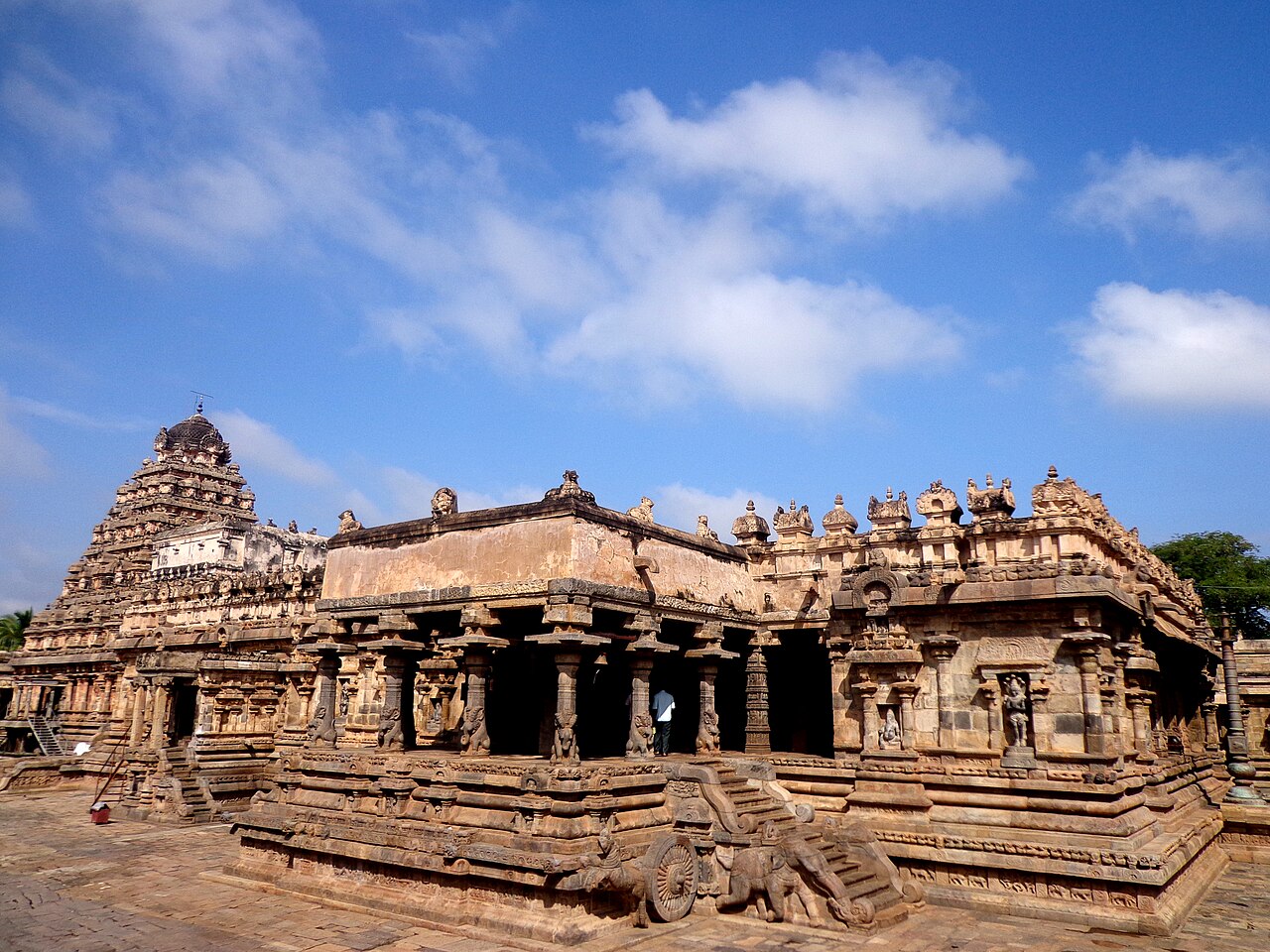
2.6 km · ~7 min by auto
A UNESCO-listed Great Living Chola Temple at Darasuram near Kumbakonam, built by Rajaraja Chola II in the 12th century and famous for its stone chariot-form mandapa and “musical” steps. It is a day trip east of Thanjavur.
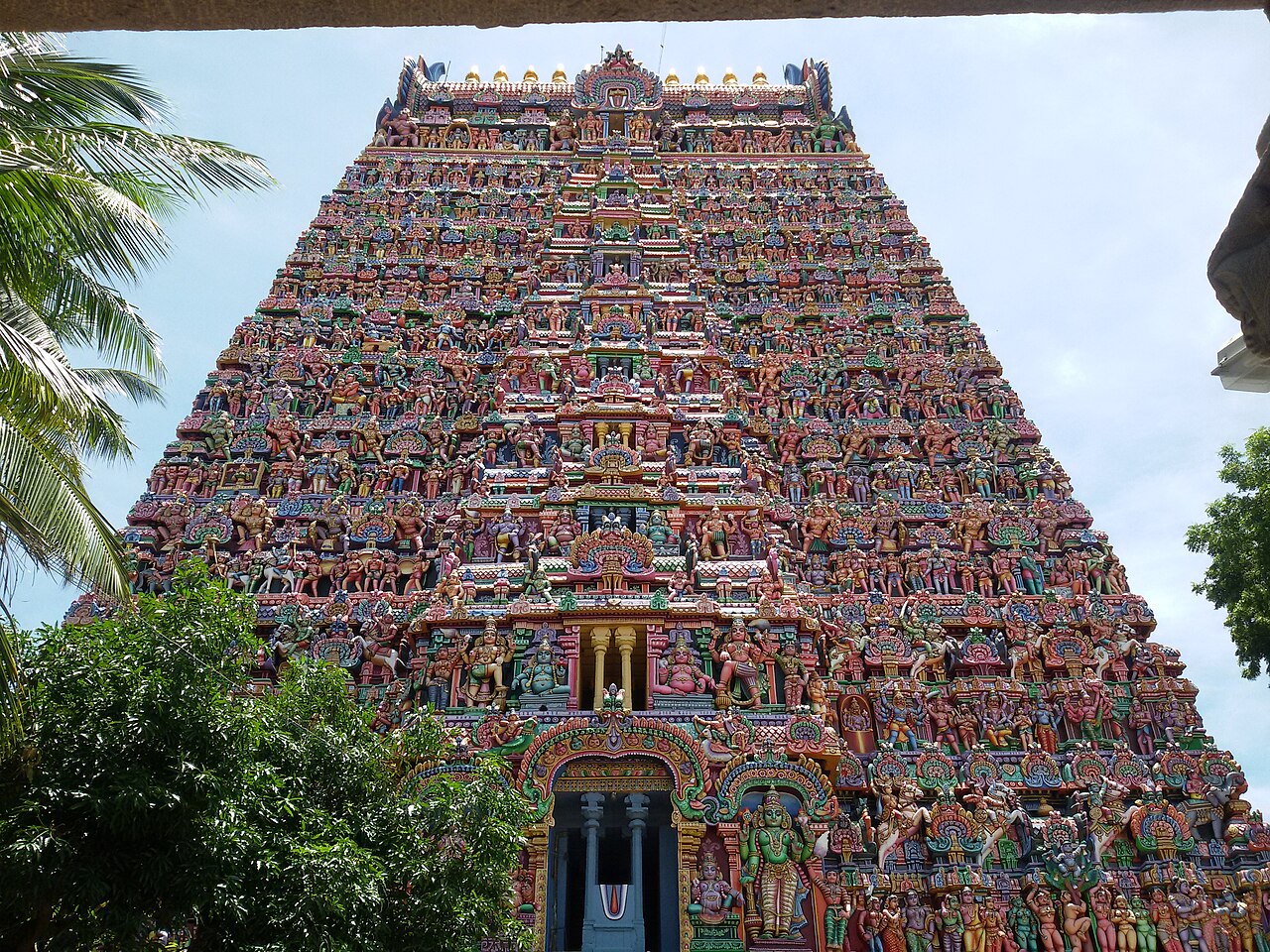
370 m · 5 min walk
One of the largest Vishnu temples in the Cauvery delta and a Divya Desam, its towering gopuram dominates central Kumbakonam; the sanctum is shaped like a temple chariot drawn by horses and elephants.
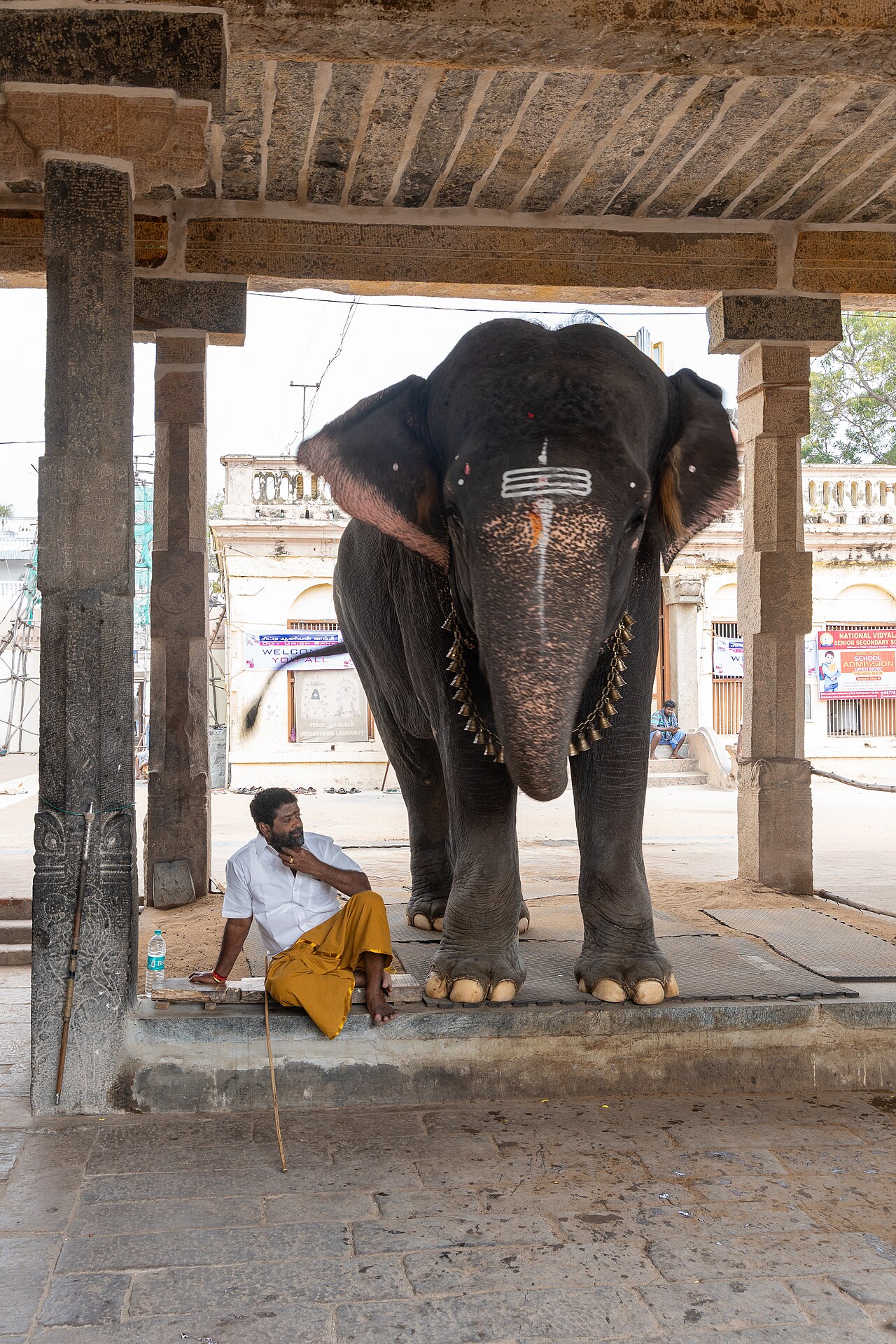
760 m · 10 min walk
The principal Shiva temple of Kumbakonam and the town’s namesake, at the heart of the old bazaar; the focus of the 12-yearly Mahamaham festival at the nearby tank.
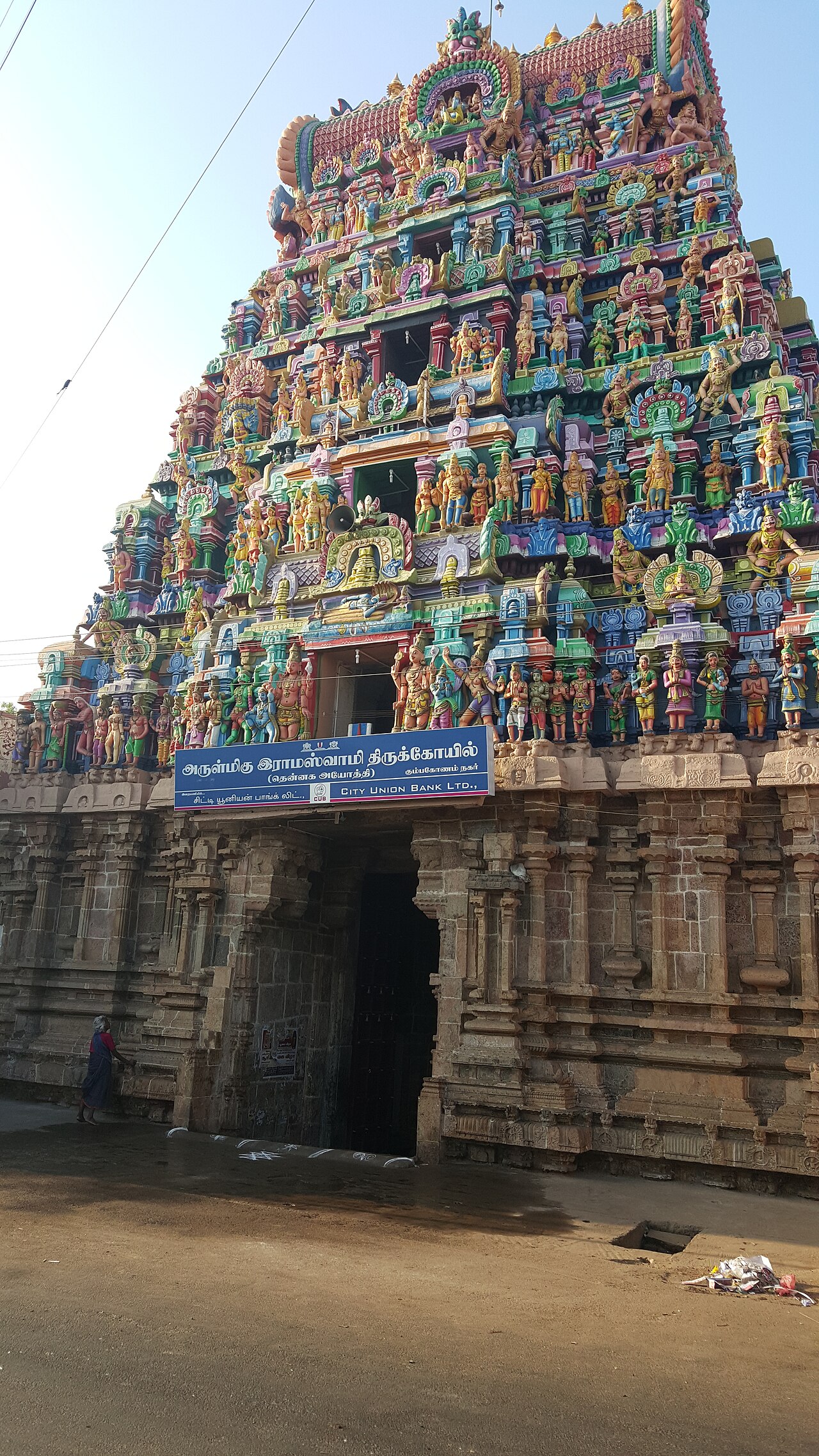
500 m · 6 min walk
A 16th-century Nayak-era Rama temple in Kumbakonam, famous for its sculpted pillars and painted mandapa panels illustrating scenes from the Ramayana.
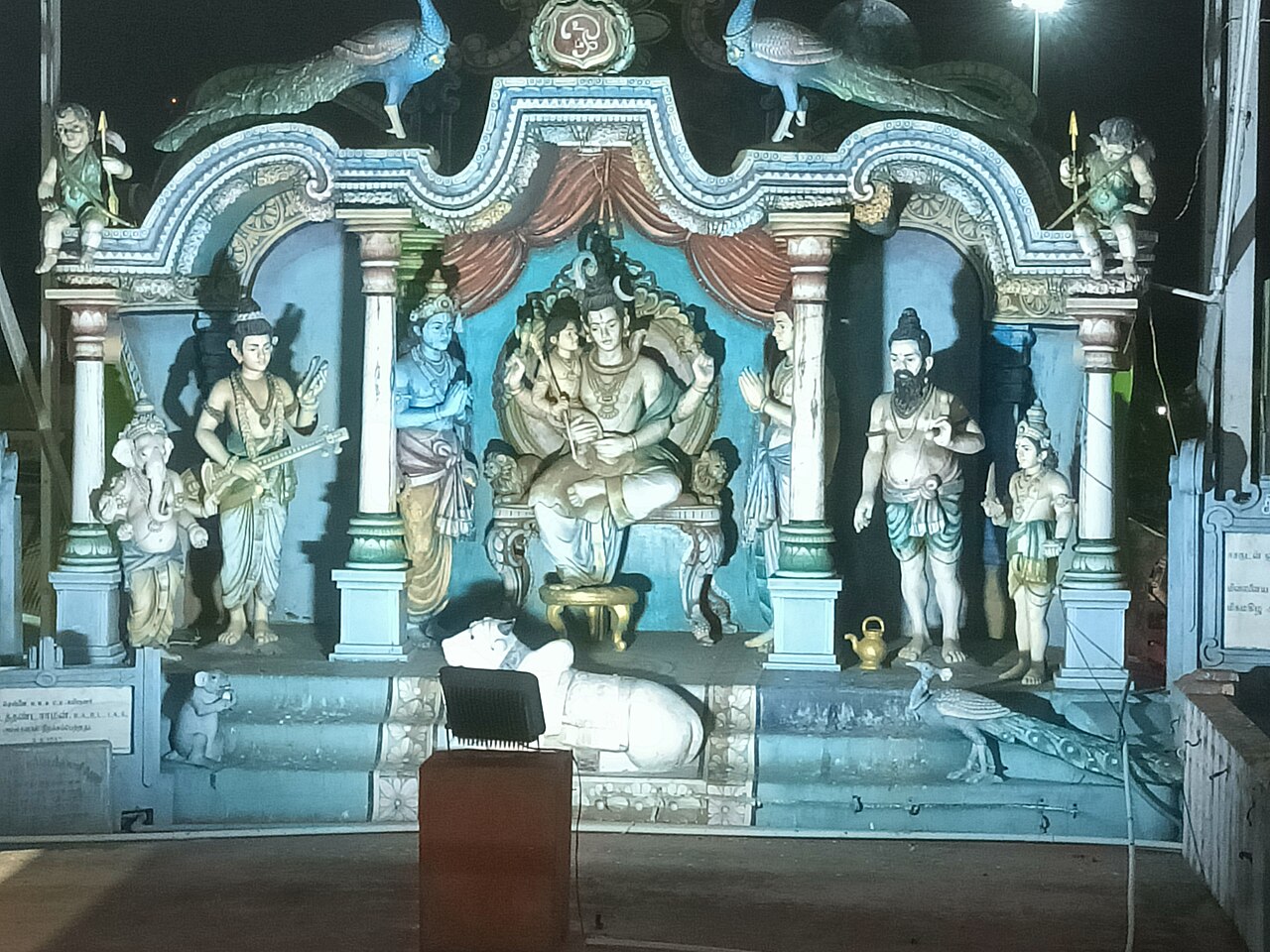
5.7 km · ~14 min by auto
The Swaminathaswamy (Murugan) temple at Swamimalai, one of the six sacred “Padai Veedu” abodes of Murugan, reached by a flight of steps; the surrounding town is the living centre of Chola-style lost-wax bronze icon-making. About 7 km west of Kumbakonam.
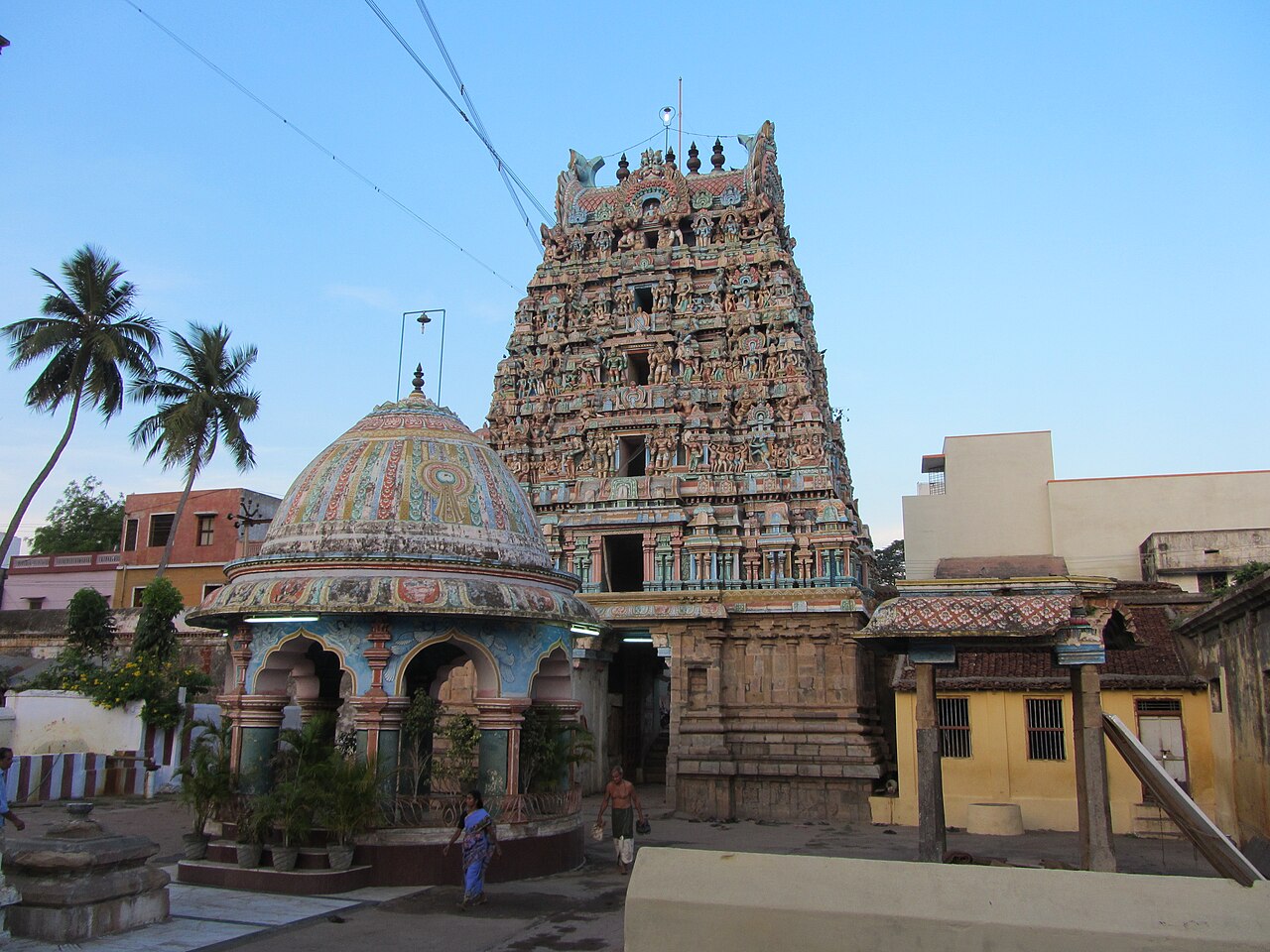
760 m · 9 min walk
The Chakrapani Temple in Kumbakonam is a Vishnu temple on the bank of the Cauvery, where Vishnu is worshipped as Chakrapani, the Sudarshana or discus form. By legend the discus emerged from the river and, having humbled Surya the sun god, gave Vishnu the name Chakrapani; the present temple is generally dated to the Nayaka period.
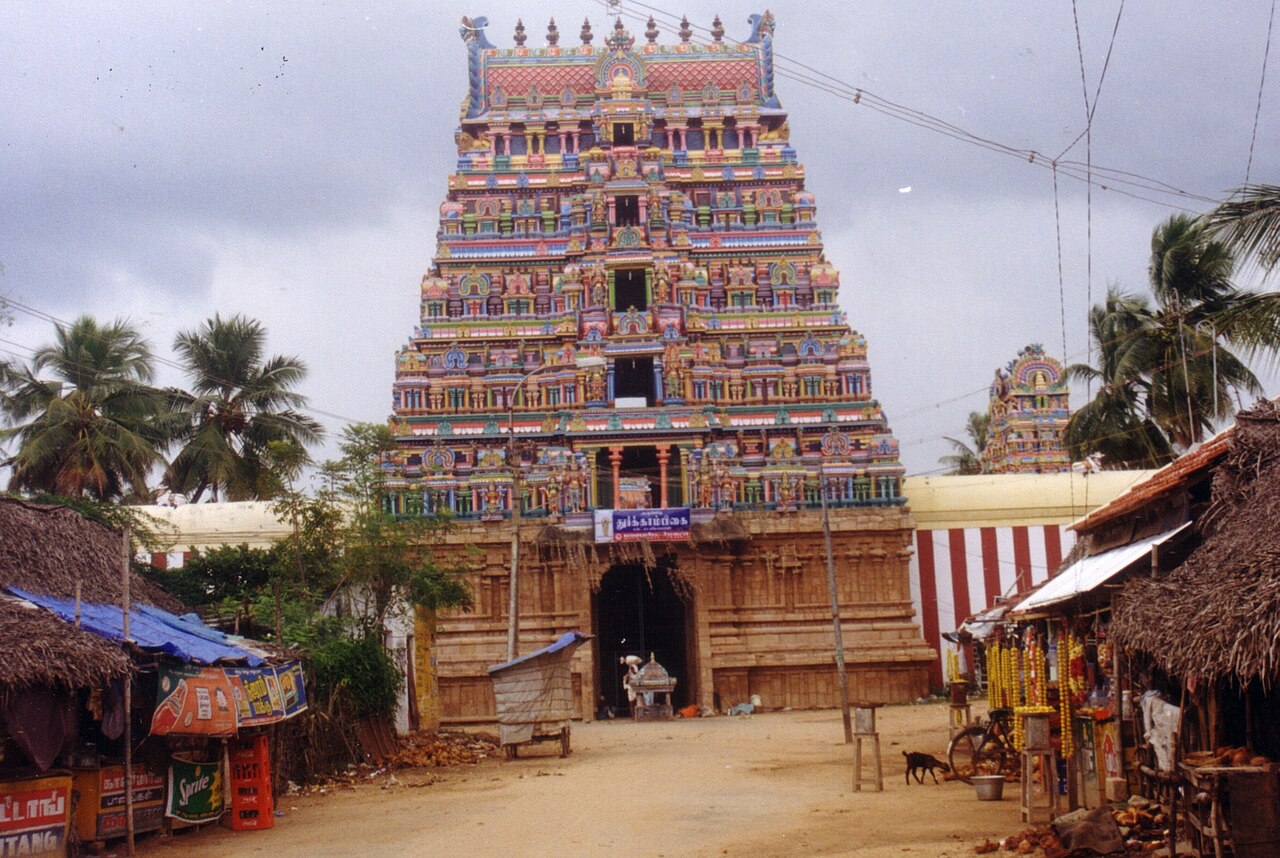
5.1 km · ~13 min by auto
The Dhenupureeswarar (Shiva) temple at Patteeswaram near Kumbakonam is best known for its graceful, benevolent Durga (Durgai) shrine, where the goddess is shown in a calm, gentle form rather than a fierce one. By tradition the Cholas revered this Durga and are said to have sought her blessing before going into battle.
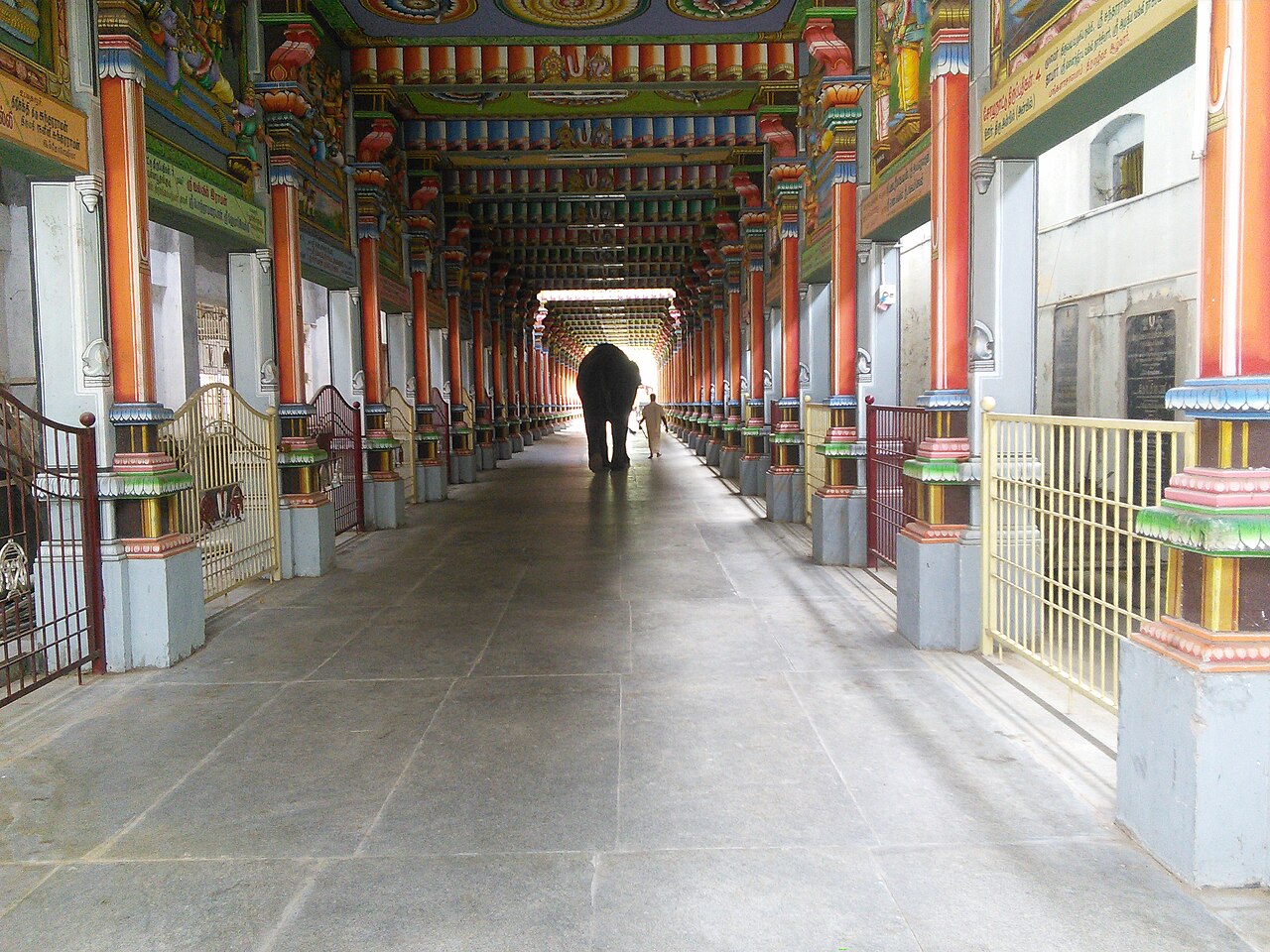
5.9 km · ~15 min by auto
The Oppiliappan (Uppiliappan) Perumal temple at Thirunageswaram near Kumbakonam is one of the 108 Divya Desams, dedicated to Vishnu with his consort Bhumi Devi. By tradition it is the one Divya Desam where the offering (prasadam) is prepared entirely without salt, giving the deity the name Oppiliappan (uppu-illa, without salt), and the site is linked in lore to the sage Markandeya.
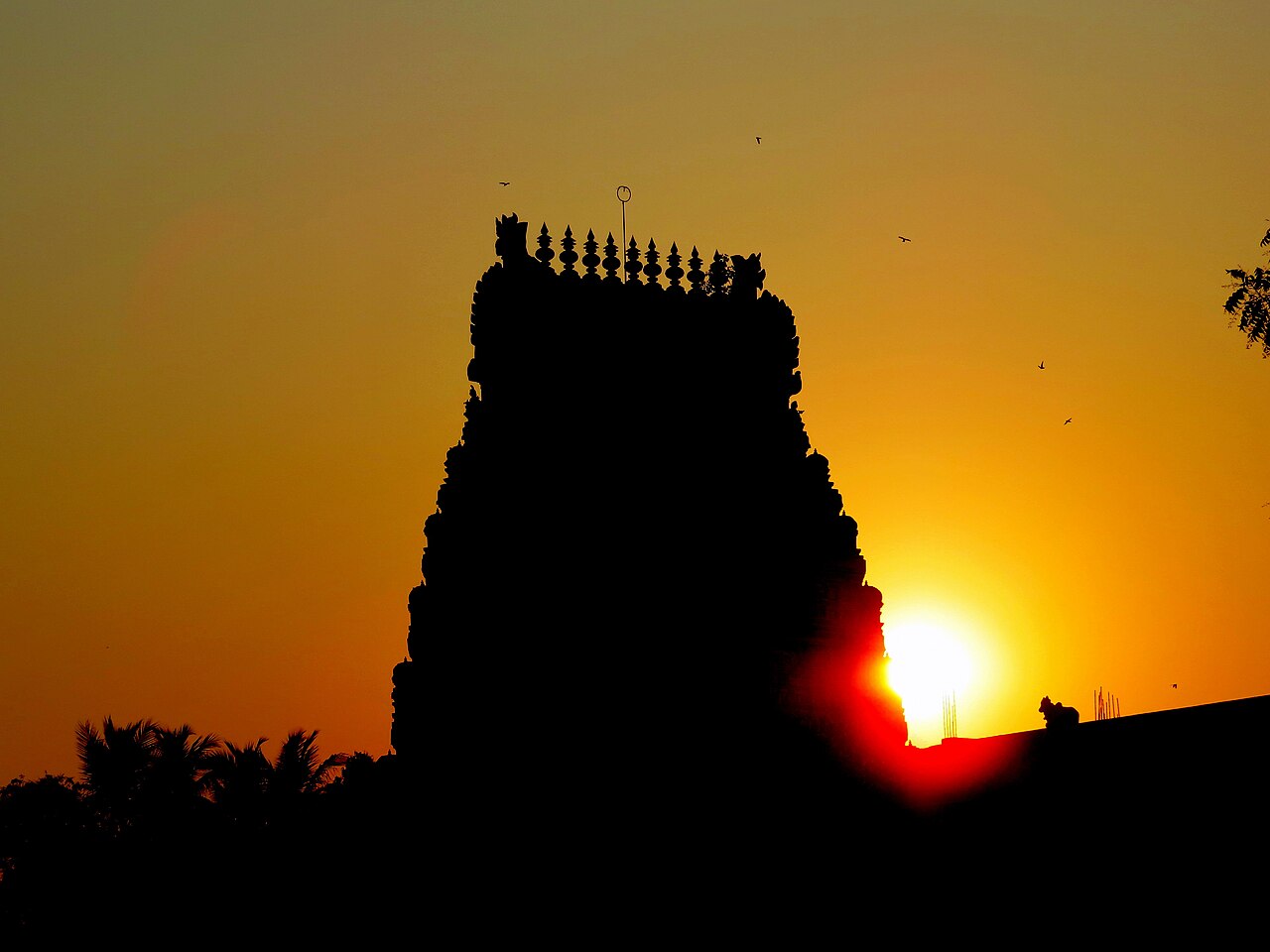
5.6 km · ~14 min by auto
The Naganathaswamy Shiva temple at Thirunageswaram near Kumbakonam is one of the nine Navagraha (planet) temples of the Cauvery delta and is dedicated to Rahu. It is especially known for the Rahu abhishekam, during which the milk poured over the deity is seen by devotees to take on a bluish tinge before running clear.
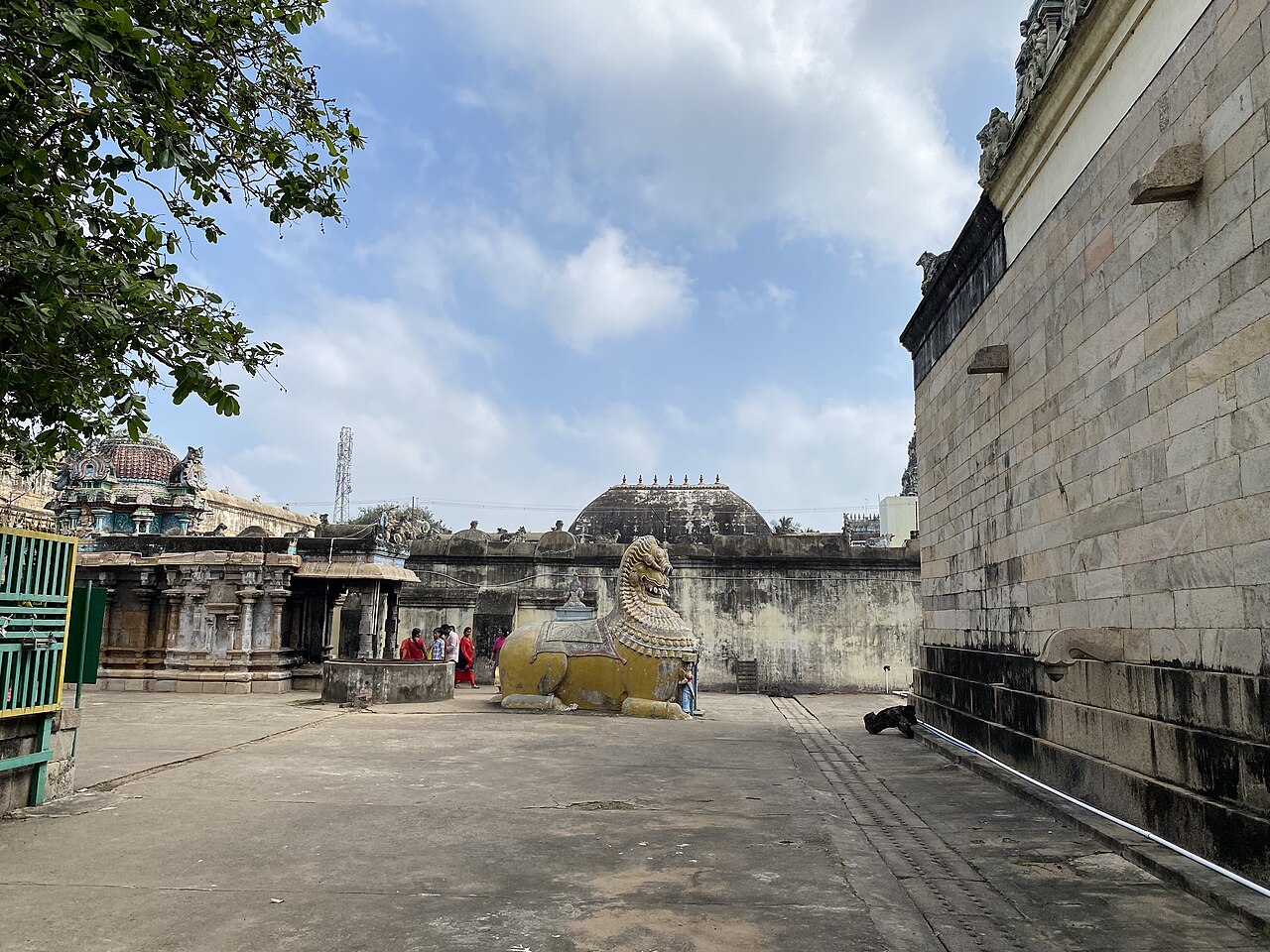
The Mahalingeswarar (Mahalingaswamy) temple at Thiruvidaimarudur near Kumbakonam is a large and historically important Shiva temple, traditionally regarded as the central Madhyarjuna among the great Arjuna (Marudur) Shiva temples of the Cauvery delta. It carries extensive Chola-and-later architecture and hosts major festivals.
Roampedia is commission-free — own or know a stay, eatery, guide or shop near Nageswaran Temple? List it and it appears here once verified.
Add a nearby businessIf you need step-free access, contact the site before travelling. Ask about a level entrance, steps along the route, the nearest drop-off point, seating and accessible toilets.
Emergency numbers are verified against official government and state tourism sources. 112 works anywhere in India.

A vast sacred temple tank of about 20 acres, ringed by 16 ornate mandapams and small shrines. Once every twelve years the Mahamaham festival draws millions of pilgrims who bathe here, believing the nine holy rivers of India converge in its waters. It is one of the most important mass-bathing pilgrimage sites in South India.
330 m · 4 min walk · straight lineOne of the largest Vishnu temples in the Cauvery delta and a Divya Desam, its towering gopuram dominates central Kumbakonam; the sanctum is shaped like a temple chariot drawn by horses and elephants.
370 m · 5 min walk · straight lineA 16th-century Nayak-era Rama temple in Kumbakonam, famous for its sculpted pillars and painted mandapa panels illustrating scenes from the Ramayana.
500 m · 6 min walk · straight lineThe Chakrapani Temple in Kumbakonam is a Vishnu temple on the bank of the Cauvery, where Vishnu is worshipped as Chakrapani, the Sudarshana or discus form. By legend the discus emerged from the river and, having humbled Surya the sun god, gave Vishnu the name Chakrapani; the present temple is generally dated to the Nayaka period.
760 m · 9 min walk · straight lineThe principal Shiva temple of Kumbakonam and the town’s namesake, at the heart of the old bazaar; the focus of the 12-yearly Mahamaham festival at the nearby tank.
760 m · 10 min walk · straight lineA UNESCO-listed Great Living Chola Temple at Darasuram near Kumbakonam, built by Rajaraja Chola II in the 12th century and famous for its stone chariot-form mandapa and “musical” steps. It is a day trip east of Thanjavur.
2.6 km · ~7 min by auto · straight lineThe Dhenupureeswarar (Shiva) temple at Patteeswaram near Kumbakonam is best known for its graceful, benevolent Durga (Durgai) shrine, where the goddess is shown in a calm, gentle form rather than a fierce one. By tradition the Cholas revered this Durga and are said to have sought her blessing before going into battle.
5.1 km · ~13 min by auto · straight line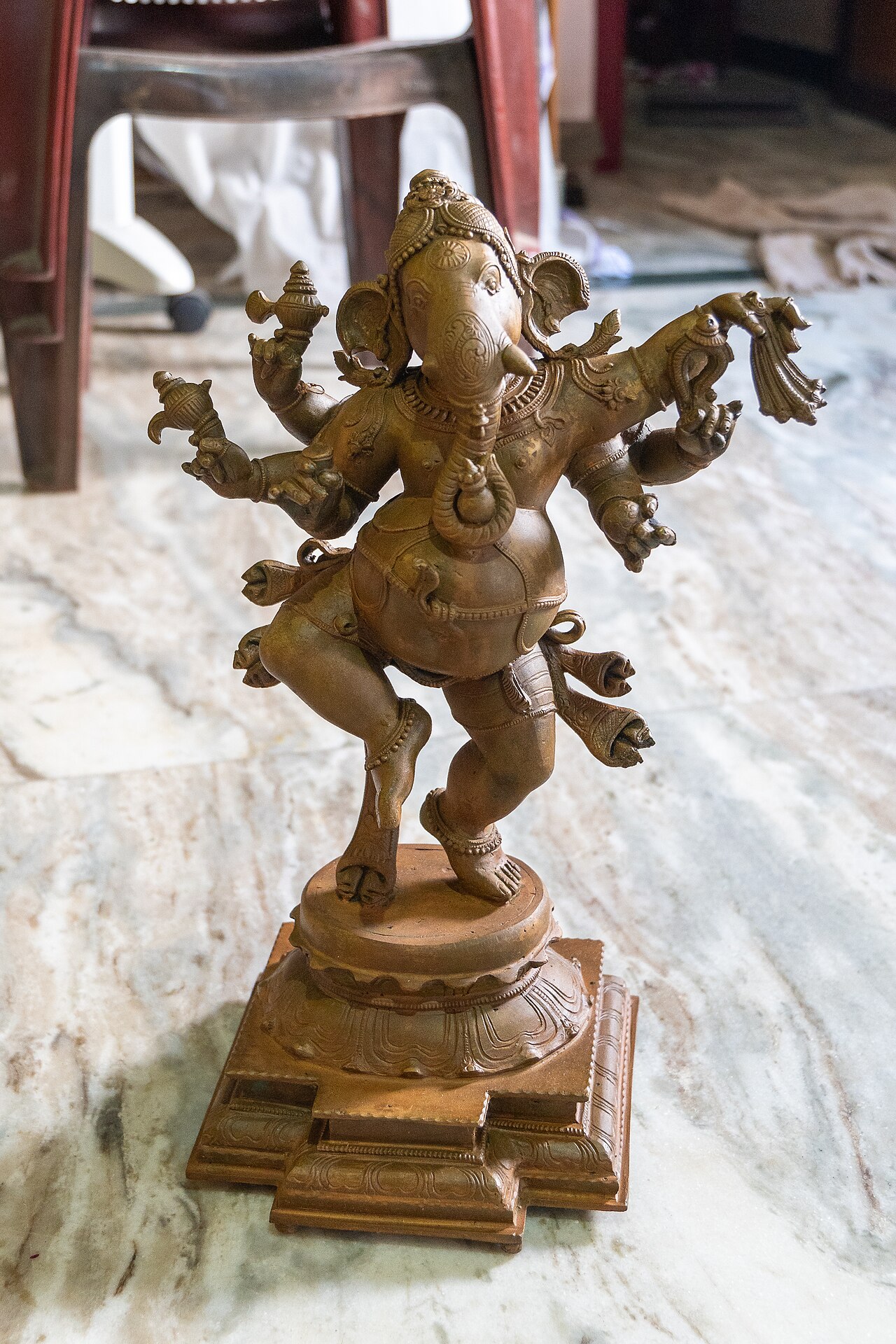
Swamimalai near Kumbakonam is the world's foremost centre for traditional lost-wax (cire perdue) bronze icon casting, practised by sthapathi families for over a thousand years since Chola times. The panchaloha idols follow strict Shilpa Shastra proportions and are exported to temples worldwide. The craft holds a Geographical Indication tag as Swamimalai bronze icons.
5.5 km · ~14 min by auto · straight lineThe Naganathaswamy Shiva temple at Thirunageswaram near Kumbakonam is one of the nine Navagraha (planet) temples of the Cauvery delta and is dedicated to Rahu. It is especially known for the Rahu abhishekam, during which the milk poured over the deity is seen by devotees to take on a bluish tinge before running clear.
5.6 km · ~14 min by auto · straight lineThe Swaminathaswamy (Murugan) temple at Swamimalai, one of the six sacred “Padai Veedu” abodes of Murugan, reached by a flight of steps; the surrounding town is the living centre of Chola-style lost-wax bronze icon-making. About 7 km west of Kumbakonam.
5.7 km · ~14 min by auto · straight lineThe Oppiliappan (Uppiliappan) Perumal temple at Thirunageswaram near Kumbakonam is one of the 108 Divya Desams, dedicated to Vishnu with his consort Bhumi Devi. By tradition it is the one Divya Desam where the offering (prasadam) is prepared entirely without salt, giving the deity the name Oppiliappan (uppu-illa, without salt), and the site is linked in lore to the sage Markandeya.
5.9 km · ~15 min by auto · straight line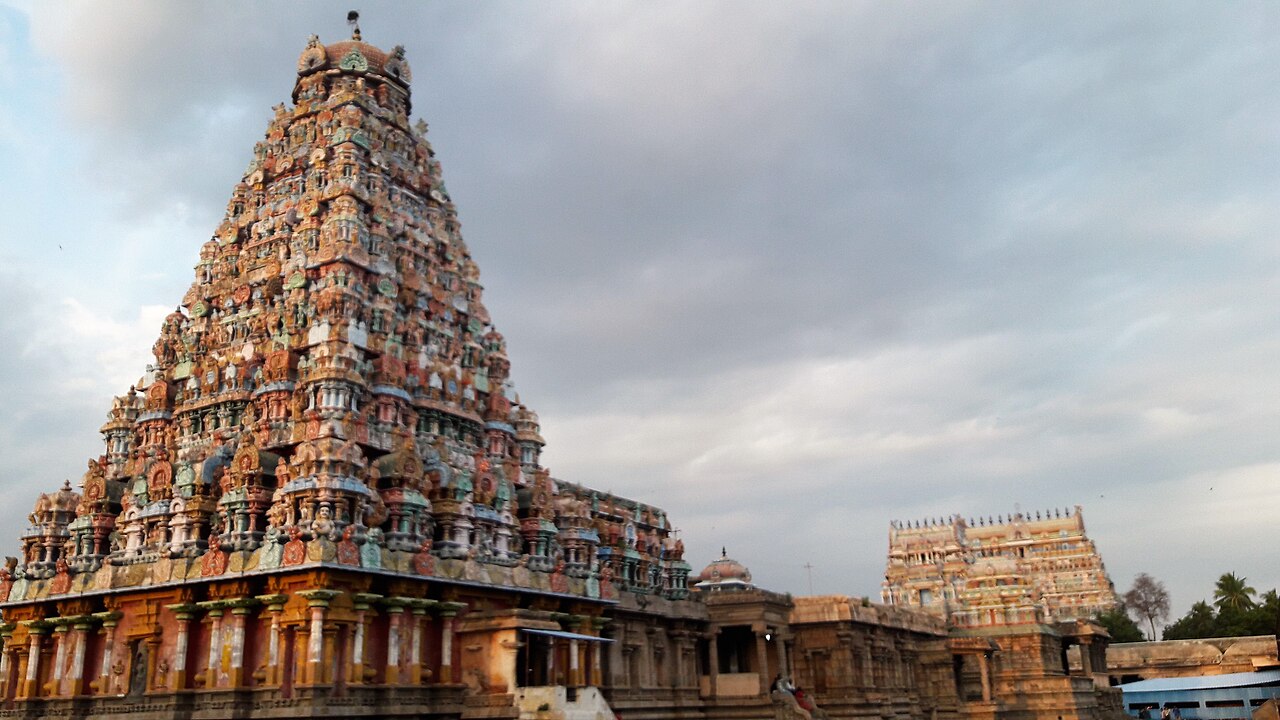
The last of the great Chola temples, raised by Kulothunga Chola III around 1176 CE to mark a northern campaign. Its vimana stands taller than its own gateway tower — the Chola signature shared with Thanjavur, Gangaikonda Cholapuram and Darasuram, though unlike those three it carries no UNESCO listing. It is the only temple in the country with a shrine to Sarabha, the winged lion-man form Shiva is said to have taken to calm Narasimha, and the name means "the Lord who stilled the trembling".
7.0 km · ~18 min by auto · straight lineNo. The two similarly named Shiva temples are separate destinations.
No. Confirm any date-specific phenomenon before planning a visit around it.
An opening session with comfortable light and time for close observation.
Specify the Kumbakonam Nageswaran Temple. Leave time for the permitted architectural areas.
Allow 45–60 minutes, longer for architecture study.
Nearby you can pair Mahamaham Tank (330 m), Sarangapani Temple (370 m), Ramaswamy Temple (500 m), Chakrapani Temple (760 m).
We have not published a story about Nageswaran Temple itself yet. These cover Kumbakonam and the wider district, with separate journeys between stops.
These guides explore Kumbakonam and the surrounding area. Choose a visit that fits your interests, allowing separately for travel between stops.


Route-level itineraries and practical guides for the rest of Tamil Nadu.
Photographs: Ssriram mt (CC BY-SA 3.0). Wikimedia Commons.