Highlights
- Kannur city beach with sunset walks and easy access from town.
- Good pairing with St. Angelo Fort, Baby Beach, Arakkal Museum and Kannur food stops.
- Services here come down to city stays, restaurants, transport and family beach services.
Payyambalam Beach is Kannur city's main sunset beach, easier and more urban than Muzhappilangad and useful for travellers staying near Kannur town. It is a straightforward coast stop for walks, evening light and city-beach downtime.

Use Payyambalam as part of a Kannur city loop: St. Angelo Fort, the Arakkal Museum, Baby Beach, city food and, in season, Theyyam. What you will be using around it is a city hotel, restaurants, autos or taxis and the beach services themselves.
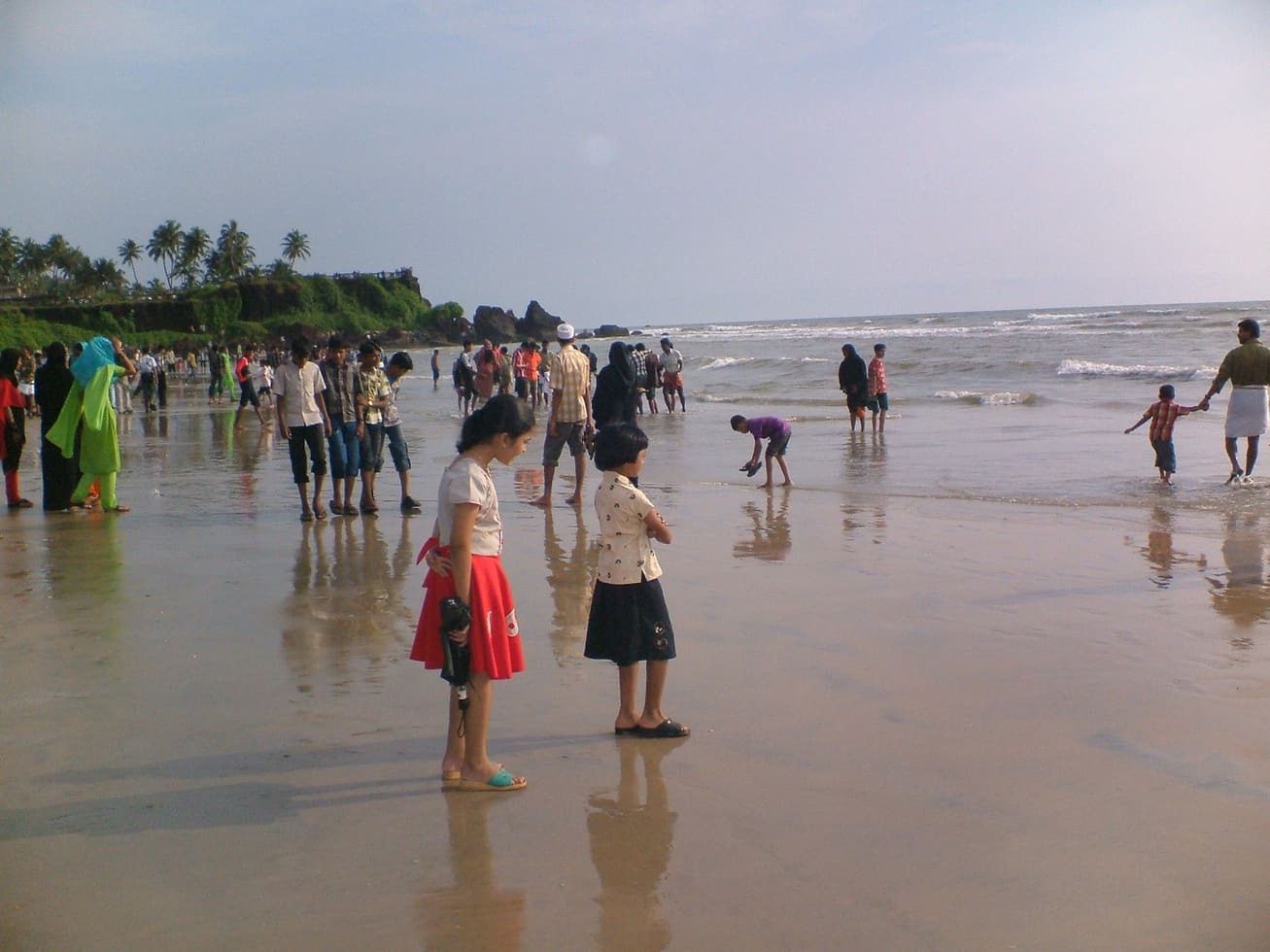
Payyambalam Beach is Kannur’s best-loved public shoreline — a broad, clean sweep of golden sand backed by a landscaped garden park, presided over by Kanayi Kunhiraman’s monumental “Mother and Child” sculpture, and famous for some of the finest sunsets on Kerala’s Malabar coast.
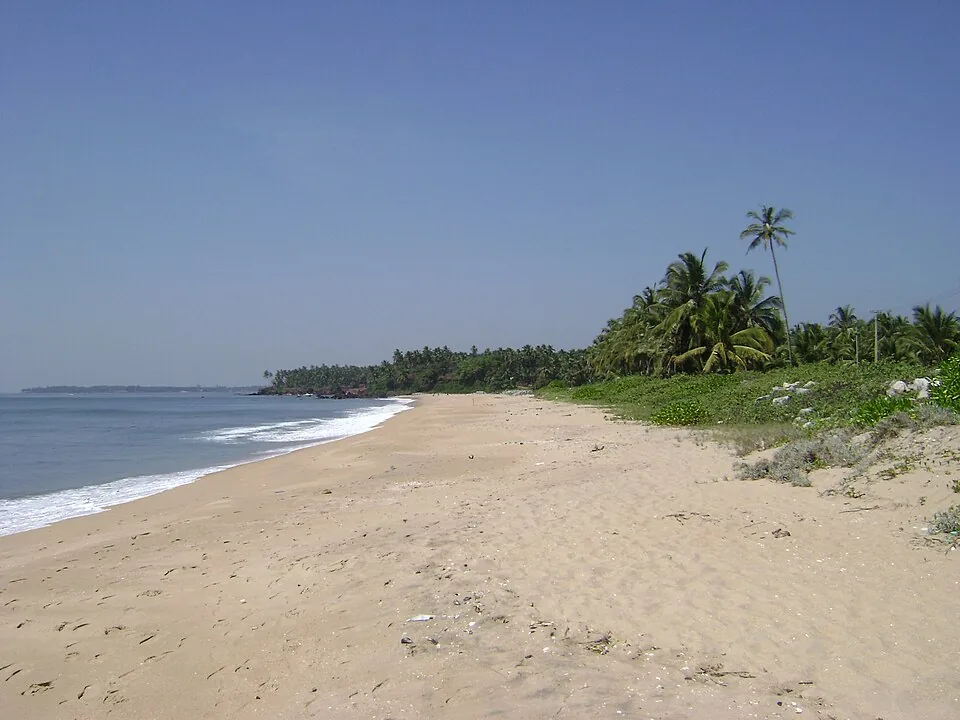
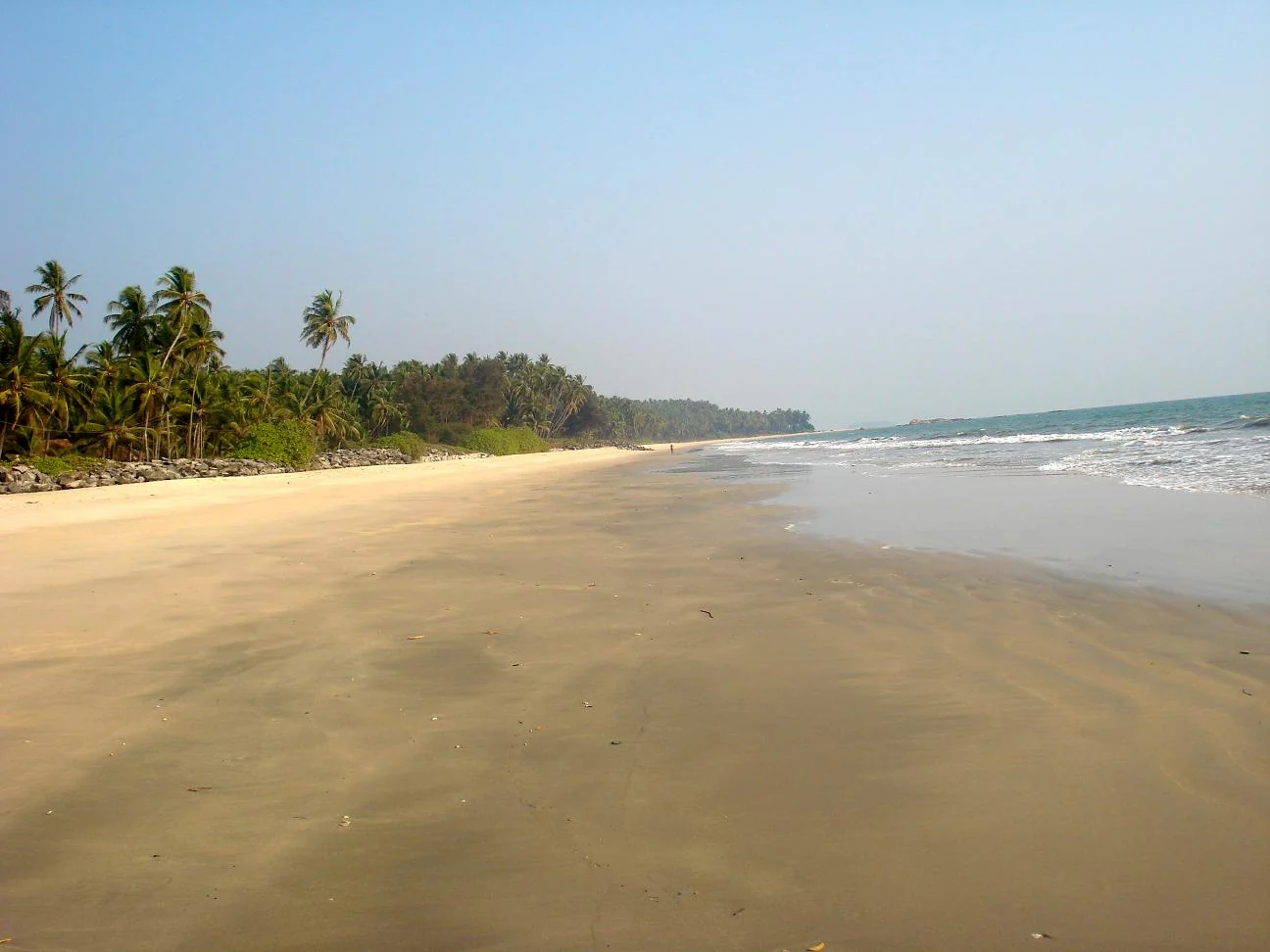
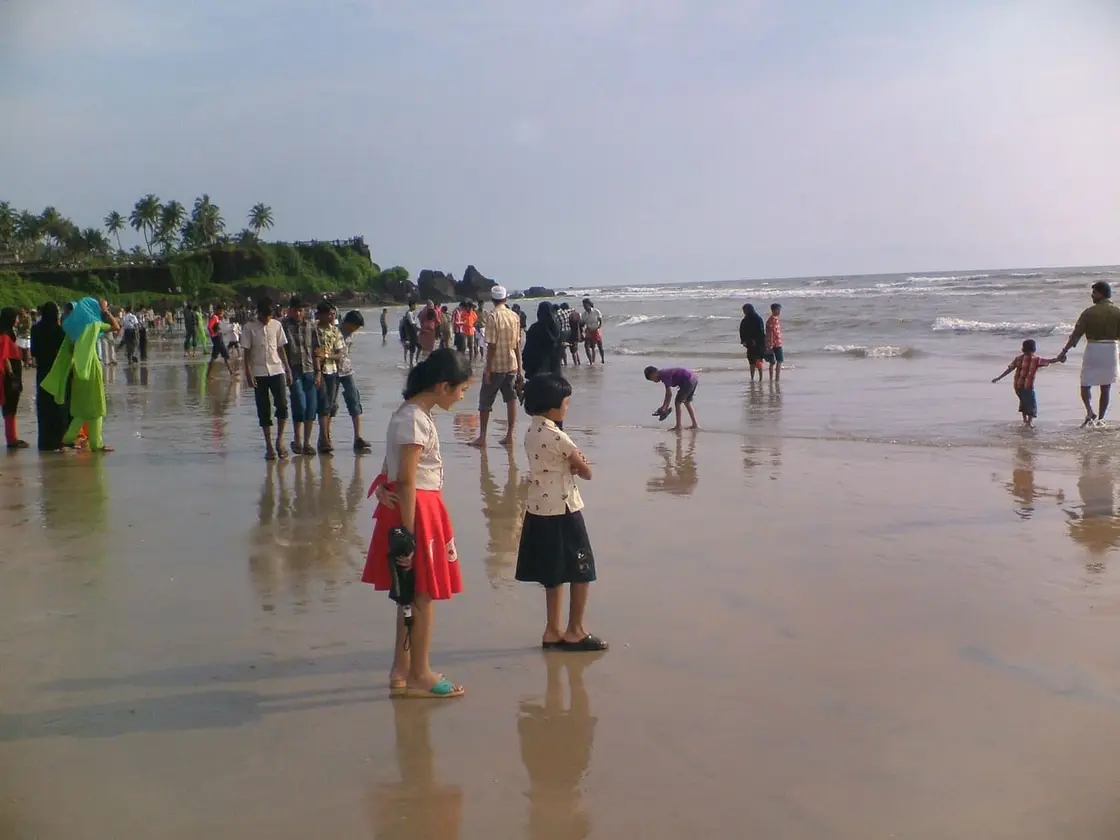
Just a short drive from the heart of Kannur town, Payyambalam unspools as a long, unbroken arc of soft sand where the Arabian Sea rolls in with an easy, roaring rhythm. Unlike many Kerala beaches hemmed in by fishing harbours or rocky outcrops, Payyambalam keeps a wide, open horizon, and that expanse is precisely what draws families, joggers, courting couples and solitary sunset-watchers here every single evening.
The beach is known first and foremost for how well it is kept. A landscaped garden and manicured lawns run alongside the sand, threaded with walking paths, shaded seating and children’s play areas, so that a visit here feels as much like a stroll through a seaside park as a day at the beach. Locals treat it as the town’s open-air living room — a place to walk off a heavy lunch, let the children run, or simply sit and watch the light change over the water.
Rising over the garden is the landmark that gives Payyambalam its face: the huge sculpture of a mother cradling her child, carved by the celebrated Kerala sculptor Kanayi Kunhiraman. Standing near the entrance to the beach, the “Mother and Child” is a tribute to the universal tenderness between parent and infant, and it has become the single most photographed image of the shoreline — a silhouette that every visitor seems to pause beneath.
Payyambalam is also a place of quiet remembrance. Set among the gardens are memorials and samadhis of some of Kannur’s and Kerala’s most cherished public figures — the pioneering journalist Swadeshabhimani Ramakrishna Pillai and the towering Communist leader A. K. Gopalan (widely known as AKG) among them, with other statesmen of the region honoured nearby. The result is an unusual blend: a carefree seaside park that doubles as a solemn ground of state memory.
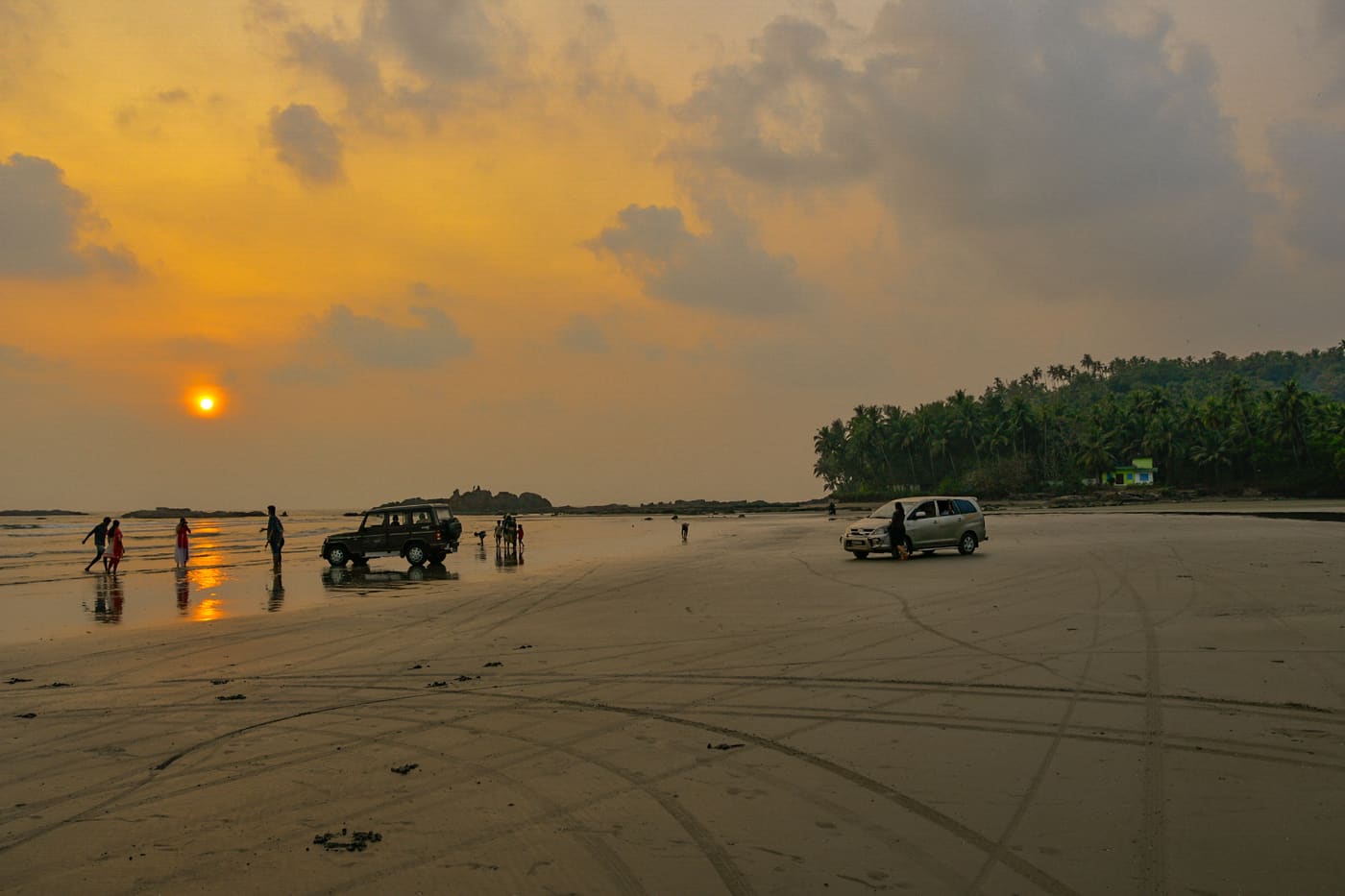
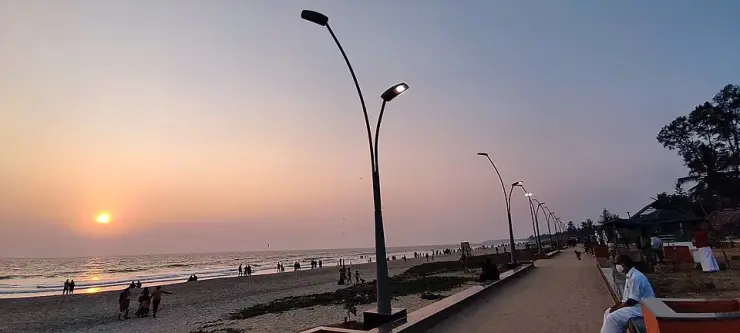
As the afternoon fades, the beach fills up. Vendors set out roasted corn, cut fruit, ice cream and hot Malabar snacks; children fly kites; and the whole crowd drifts towards the water’s edge for the main event — the sunset. When the sun sinks into the Arabian Sea and the sky turns through orange, rose and deep violet, Payyambalam earns its reputation as one of the north Kerala coast’s great places to watch the day end.
Its cinematic good looks have not gone unnoticed. The beach has stood in as a filming location for Malayalam and Tamil cinema and for advertisements, its clean sands and dramatic skies making an easy frame. For most who come, though, the appeal is simpler still: a safe, open, well-tended stretch of shore where the sea, the garden and a famous sculpture come together in a single, unhurried evening.
Payyambalam lies on the outskirts of Kannur, a city whose coast has been shaped for centuries by seafaring, trade and colonial contest — the nearby St Angelo Fort, raised by the Portuguese in the early sixteenth century and later held by the Dutch and the British, is a reminder of how prized this stretch of the Malabar shore once was to competing European powers.
The beach itself rose to prominence in the modern era less as a port and more as a public amenity. Over recent decades it was developed and landscaped into a maintained beach park, with gardens, lawns, pathways and family facilities added to what had been an open shoreline, turning it into Kannur’s premier recreational space.
Its civic character was sealed when the grounds beside the beach became a place of memorial. The mortal remains of the reformist journalist Swadeshabhimani Ramakrishna Pillai and of the Communist leader A. K. Gopalan were laid to rest here, and statues and samadhis honouring other prominent Kerala personalities followed — anchoring the beach in the region’s political and cultural memory.
The commissioning of Kanayi Kunhiraman’s “Mother and Child” sculpture gave the beach its defining artistic landmark. Kanayi, one of Kerala’s most eminent modern sculptors, is celebrated across the state for monumental public works, and his figure at Payyambalam lifted the shoreline from a simple picnic spot to a recognised cultural site.
Today Payyambalam is promoted by Kerala Tourism as one of Kannur’s signature attractions, and continues to serve the townspeople as it has for generations — a clean, watched-over public beach where recreation, remembrance and art share the same few hundred metres of sand.
For the sunsets — Payyambalam’s wide, open horizon over the Arabian Sea makes it one of the finest places on the north Kerala coast to watch the sun go down.
For the “Mother and Child” sculpture by Kanayi Kunhiraman, the beach’s iconic landmark and its most photographed sight.
For a genuinely clean, broad and well-kept shoreline — one of the best-maintained public beaches in Kerala, safe and comfortable for families.
For the landscaped garden and beach park alongside the sand, with lawns, shaded seating, walking paths and children’s play areas.
For the memorials and samadhis of Kannur’s celebrated leaders, which give the beach an unusual layer of history and civic meaning.
For an easy, unhurried evening close to Kannur town — corn and ice-cream vendors, sea breeze, kite-flying and long walks on firm sand.
Road km to Kannur; ghat roads and traffic vary — allow extra.
November to February is most comfortable. Monsoon brings rougher seas and beach-condition changes.
Live forecast loads in your browser.
Check the official alert before you travel. Kerala’s beaches, waterfalls and trekking routes close at short notice during heavy rain, and district alert levels change day to day. We do not publish an alert level of our own — read it from the state authority: Kerala State Disaster Management Authority, or the district control room on 1077.
Sun and moon are calculated for this location and shown in IST. Photography windows are the hour around sunrise and sunset; the sunset bearing is degrees clockwise from true north. Moon phase is accurate to about half a day.
Verified hotels, homestays, restaurants, experiences, sights, shops and rentals around Payyambalam Beach — commission-free, with direct contact. Filter by what you need.

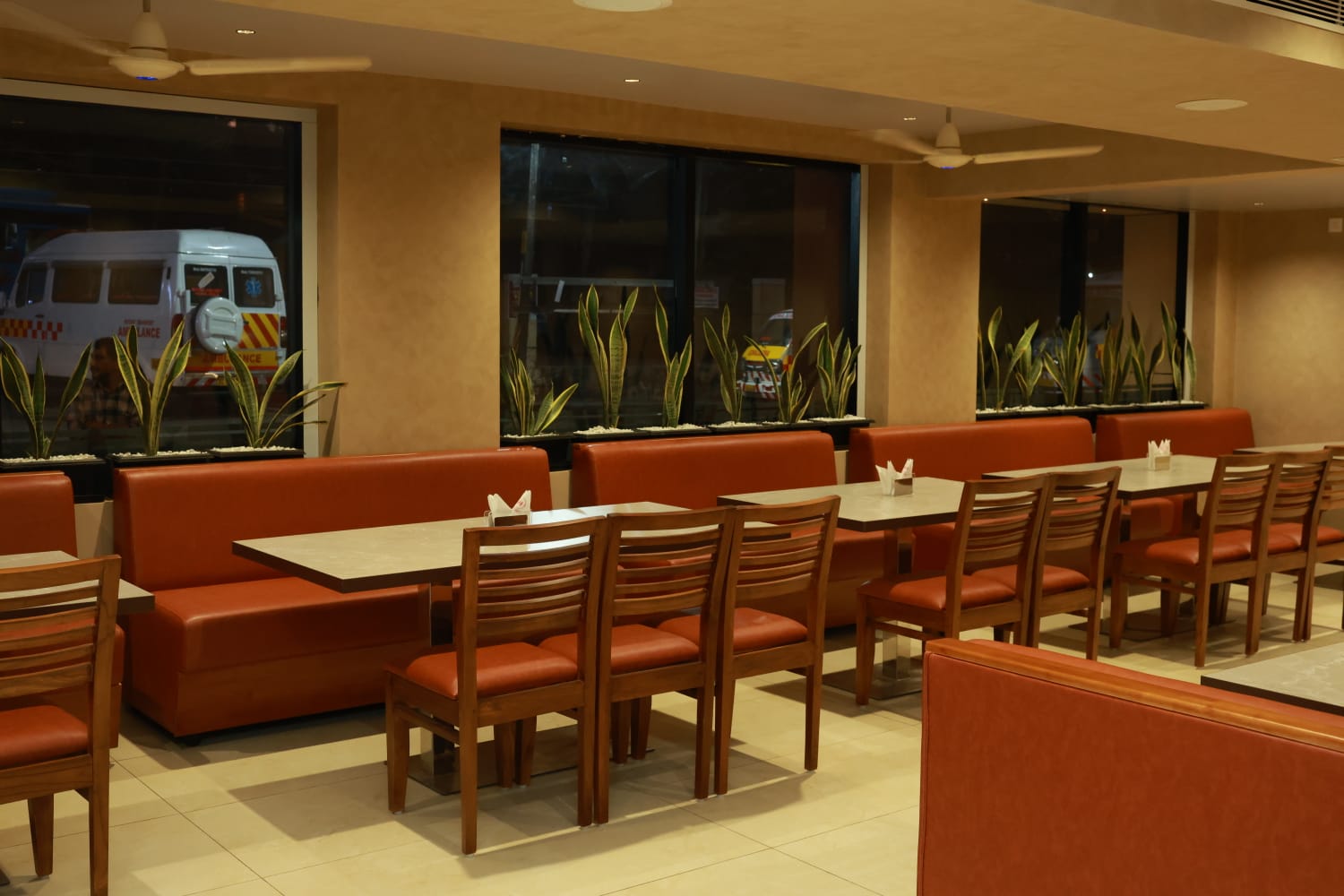
Kannur restaurant in Payyambalam. Kannur city / Payyambalam beach access, Kerala · payyambalam, eat, Kannur restaurant.

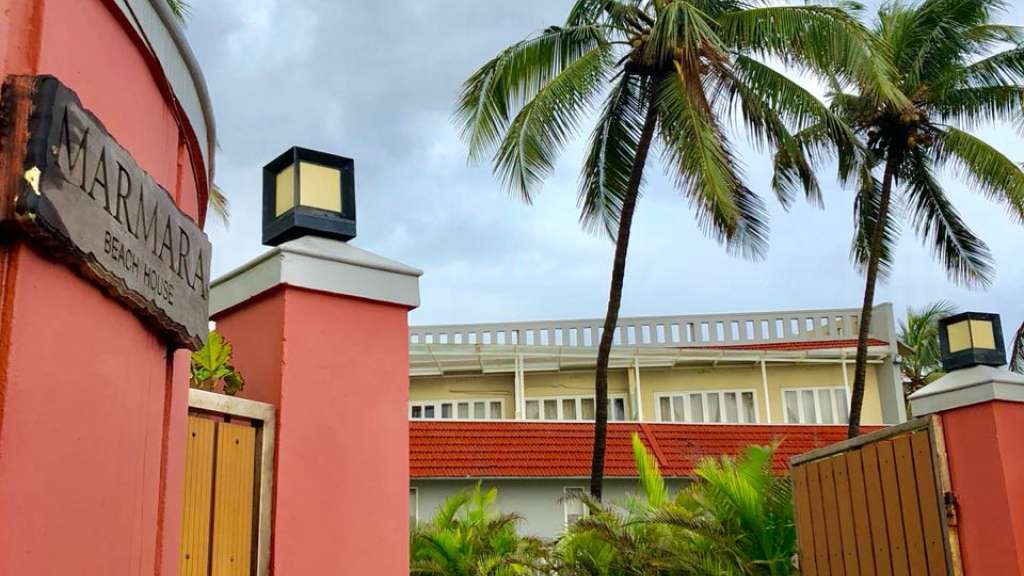
Kerala Tourism-listed Beach Road resort near Payyambalam Beach. Payyambalam resort, Beach Road, Kerala Tourism listed.

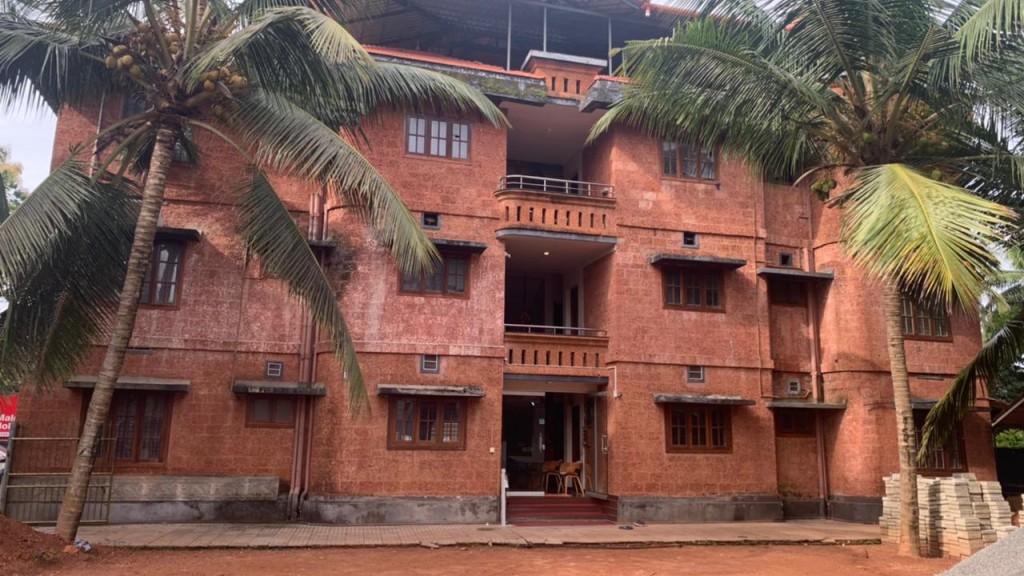
Kerala Tourism-listed serviced villa on Beach Road, Payyambalam. Payyambalam villa, Beach Road, Kerala Tourism listed.

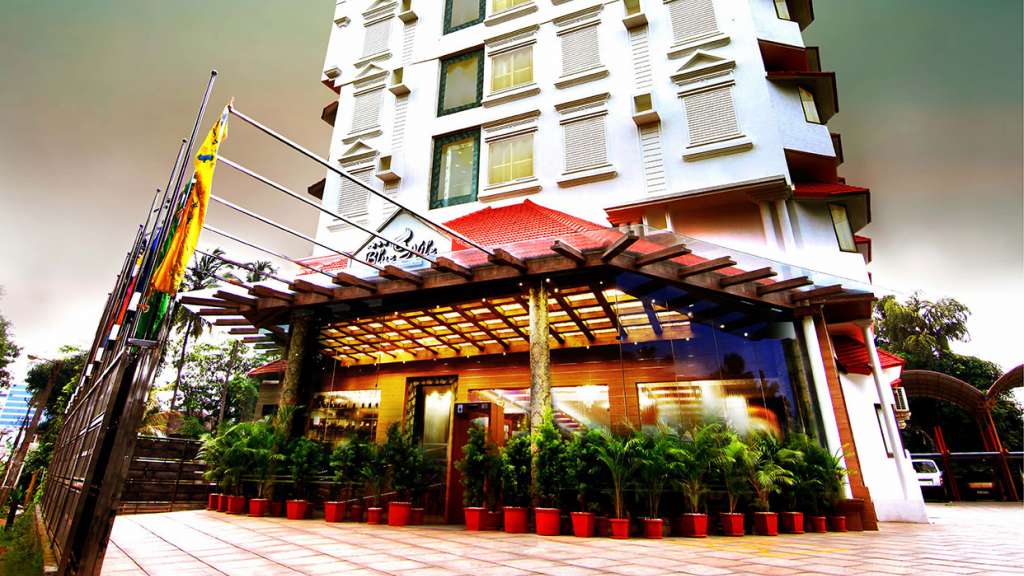
Hotel in Payyambalam. S.N. Park Road, Kannur, Kerala 670001 · S.N. Park Road, Payyambalam access, Kannur hotel.

The Kannur Club is a Payyambalam Beach Road stay, dining and club base with separate room, restaurant, guest-relations and membership contacts. Payyambalam, Kannur club, Restaurant.

Beach resort and Ayurveda centre in Payyambalam. Payyambalam Beach Road, Palliyamoola P.O., Kannur, Kerala 670008 · Payyambalam stay, Ayurveda, Beach resort.
Beach resort in Payyambalam. Payyambalam Beach, Palliyamoola, Kannur, Kerala, India · Payyambalam beach stay, Family stay, Pool.
Payyambalam Beach is Kannur city beach and sunset/picnic stop, best planned with surf, swimming and weather caution rather than generic beach claims. Public beach; check current safety rules · Payyambalam Beach, Kannur beach, Sunset.
Book with the place itself. India’s cyber-crime coordination centre warned in April 2025 that convincing copies of hotel and pilgrimage booking sites are being pushed through sponsored search and social ads, taking payment for rooms the property never hears about. Every listing here links to the business’s own contact details and its own Google or Bing profile — we take no commission and sit in nobody’s payment path. If a booking page reached you through an ad, check the address bar against the property’s own site before you pay. Fraud can be reported on cybercrime.gov.in or on 1930.
Find food, accommodation and activities across Payyambalam. Browse the guides for places to eat, stay and explore along your route.
One more place around Payyambalam worth a day of its own.

1.7 km · 21 min walk
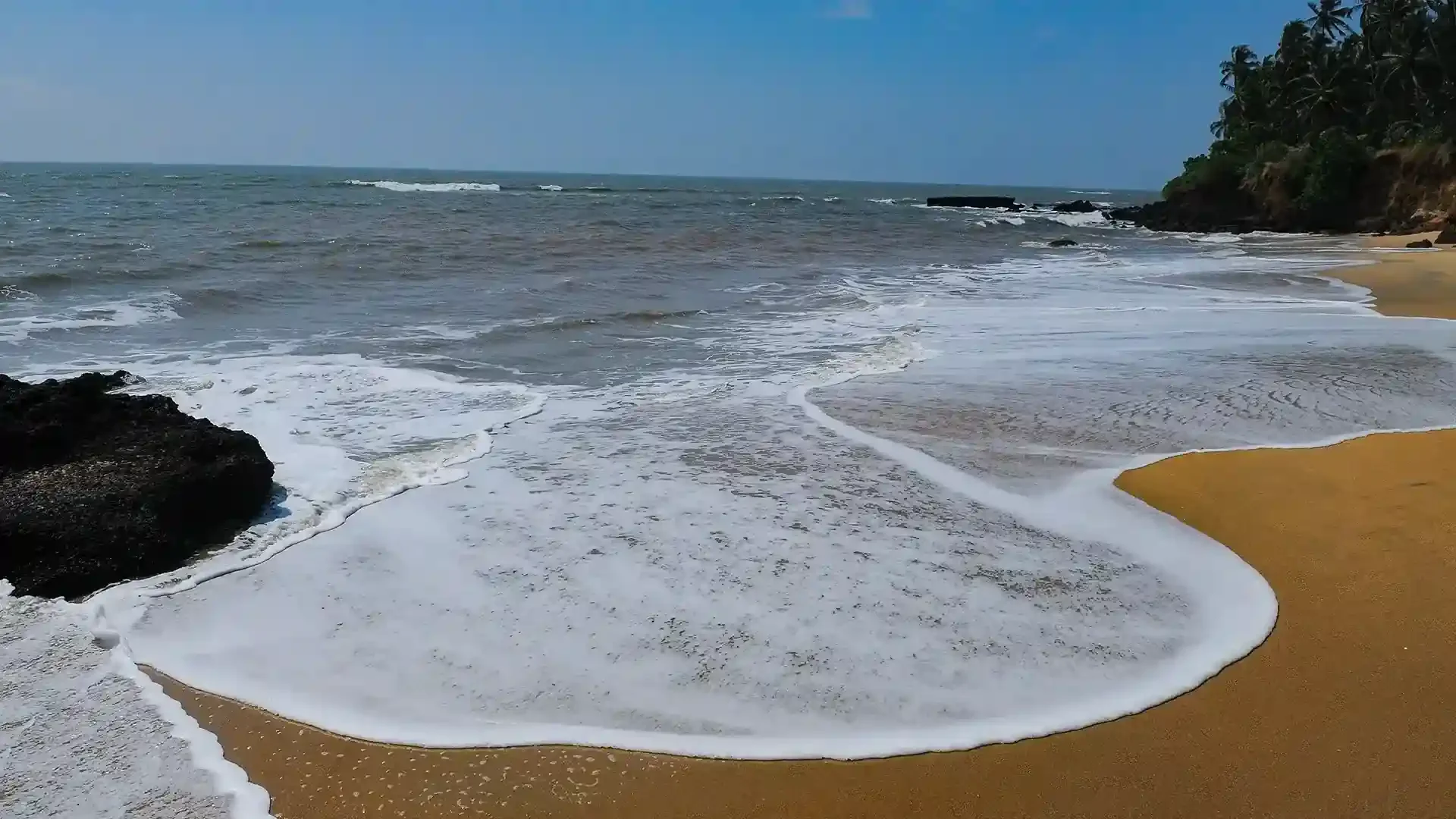
A small rocky beach in the Kannur cantonment, an extension of Payyambalam and within a few minutes of St Angelo’s Fort and the Kannur lighthouse. Not a swimming beach — the draw is the rocks, the quiet and the lighthouse beam after dark.
Roampedia is commission-free — own or know a stay, eatery, guide or shop near Payyambalam Beach? List it and it appears here once verified.
Add a nearby businessEntry: Entry to the beach is generally free; a small fee may apply for the maintained garden or park area, with separate modest parking charges depending on vehicle type.
Festivals: The beach hosts an annual beach festival with cultural performances and entertainment, and is a gathering place for local celebrations and events through the year.
Photography: Photography is freely enjoyed here — the “Mother and Child” sculpture, the open shoreline and the sunset are the star subjects. Respect any signage around the memorials, and be considerate of other visitors.
If you are travelling by bus or ferry, check the return service with the operator before setting out. Leave time to reach the stop or jetty after your visit.
Ask at the bus stand for the time of the last service back, not the next one. If you miss it, an auto or app cab is the fallback — agree the fare before you get in.
If you need step-free access, contact the site before travelling. Ask about a level entrance, steps along the route, the nearest drop-off point, seating and accessible toilets.
Charge cap and free-transaction limits: Reserve Bank of India, in force since 1 May 2025.
These services are listed within about 1.2 km of Payyambalam Beach. Walking distances follow mapped routes; access and opening hours can change. Other services may be closer but are not included here.
Emergency numbers are verified against official government and state tourism sources. 112 works anywhere in India.

A small rocky beach in the Kannur cantonment, an extension of Payyambalam and within a few minutes of St Angelo’s Fort and the Kannur lighthouse. Not a swimming beach — the draw is the rocks, the quiet and the lighthouse beam after dark.
1.7 km · 21 min walk · straight line
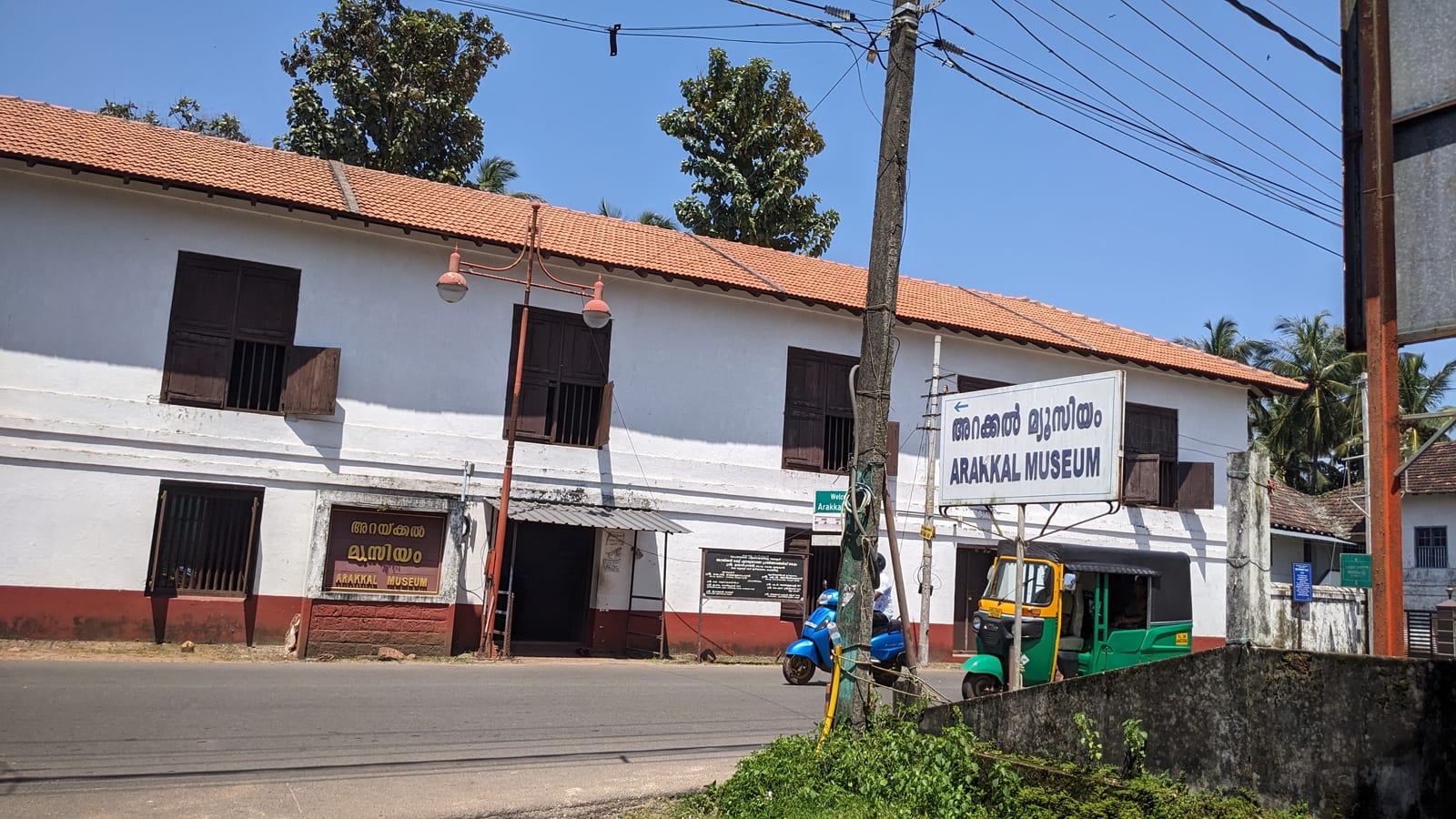
The Arakkal Kettu (palace museum) of the Arakkal Ali Rajas — Kerala’s only Muslim royal house, matrilineal so ruled at times by a Beevi (queen).
3.9 km · 5 min drive
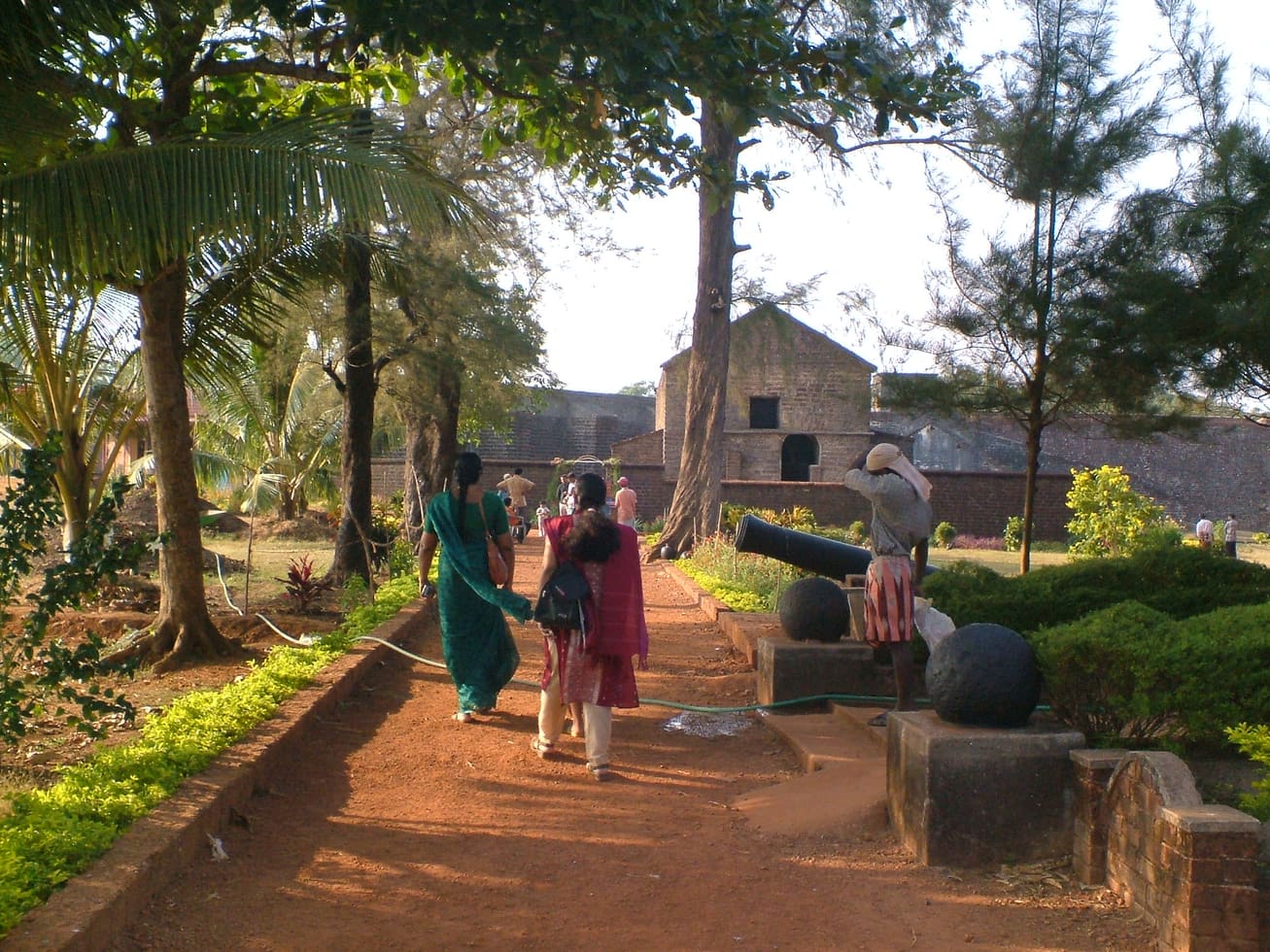
Sea-facing laterite fort built by the Portuguese in 1505, later held by the Dutch, the Arakkal royal house and the British — Kannur city’s great coastal landmark overlooking Mappila Bay.
3.9 km · 6 min drive
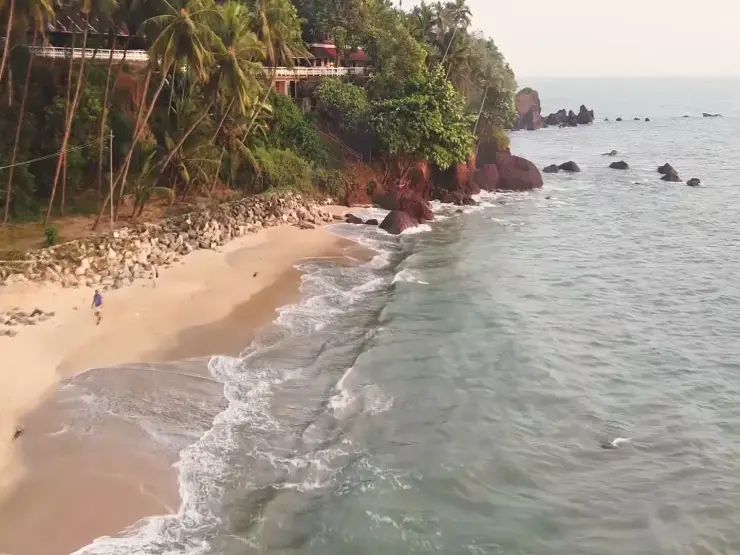
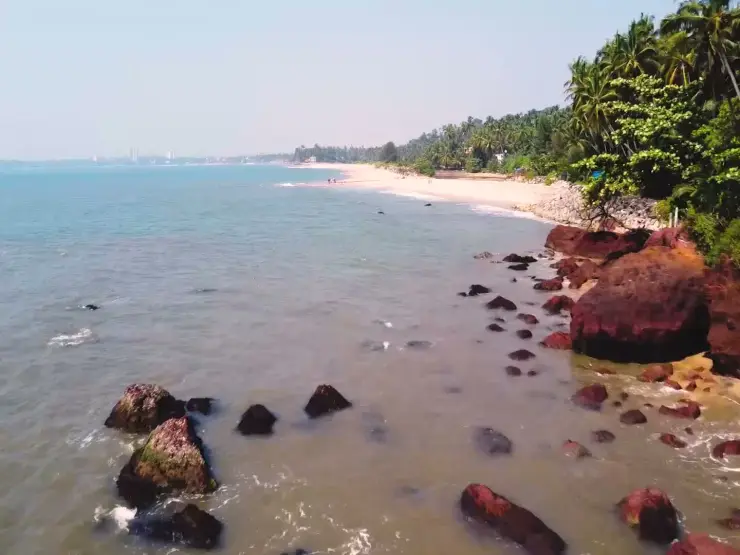
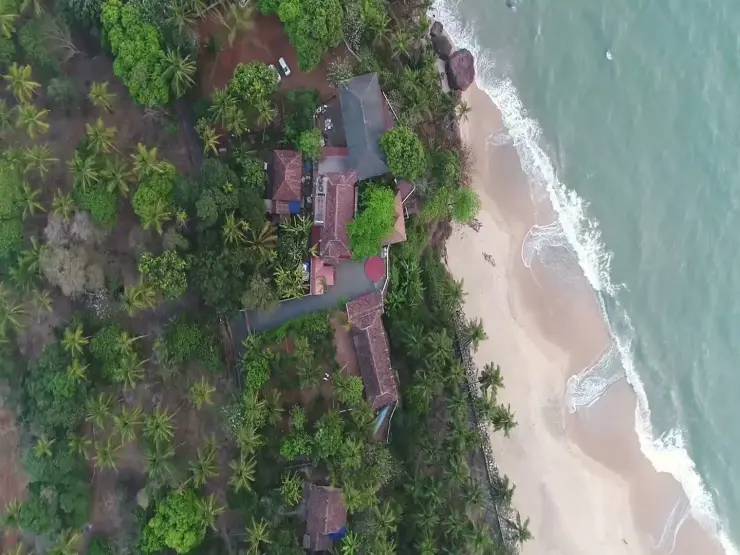
Adikadalayi Beach, also called Kadalayi Beach in Kerala’s coastal tourism study, is a Kannur shore with sandy pockets, exposed red coastal rock and palms above the water. It belongs to the Adikadalayi locality, not the separately named Thottada, Kizhunna or Ezhara beaches farther along the coast. Use the mapped public steps from Tippu Sulthan Beach Road as the arrival reference. Nearby cliff-side homestays have their own entrances and facilities, and should not be used as assumed public access.
5.8 km · ~14 min by auto · straight line
A Bhagavathy temple near Valapattanam regarded as the mother shrine of Kalaripayattu — Kerala’s martial art — where Theyyam is performed; the goddess is guardian of the kalari.
6.0 km · ~15 min by auto · straight line
A quiet, unspoilt cove-and-stream beach south of Kannur city, known for its homestays and calm, uncrowded sands.
7.1 km · ~18 min by auto · straight line
Kizhunna’s sandy shore lies between Thottada and Ezhara, with palm-backed village edges and the Cherakallu rock formations breaking up the coastline.
8.0 km · ~20 min by auto · straight line
A ~4 km hard-sand beach, the longest drive-in beach in India — you can drive along the sand at low tide; Dharmadam Island lies just offshore.
12.9 km · ~22 min by cab · straight line
On the Valapattanam river, the temple of Muthappan — where the Muthappan Theyyam is performed morning and evening on nearly every day of the year, and where entry is open to all castes and religions; a snake park is nearby. The exception is the six weeks from the first of Thulam to the fifteenth of Vrischikam, when it stops, and the ritual year begins again with Puthari Thiruvappana around the first of December.
13.6 km · ~23 min by cab · straight line
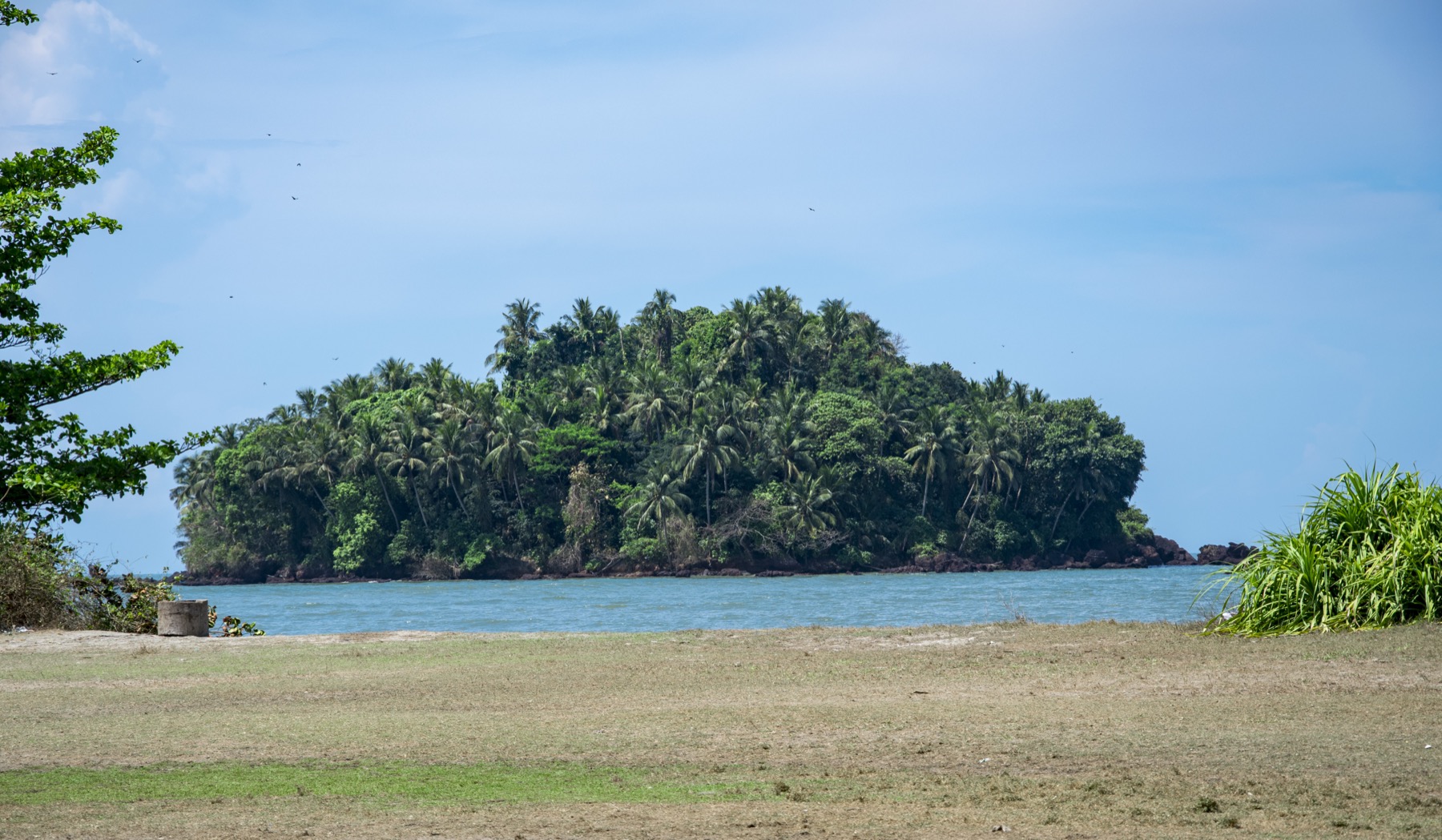
A small green private island off Muzhappilangad, reachable on foot across the sand at low tide (viewing only; landing is restricted).
15.6 km · ~26 min by cab · straight line
At Illikkunnu near Thalassery, the hillside home of the German missionary-scholar Hermann Gundert, who compiled the first Malayalam–English dictionary and grammar here in the mid-1800s.
18.2 km · ~30 min by cab · straight line
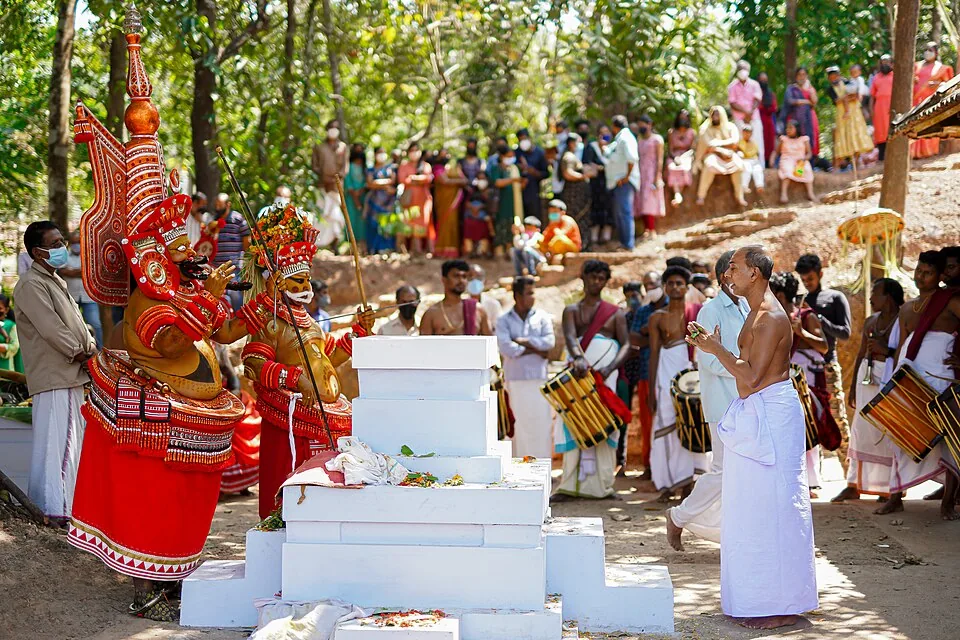
The ritual season of north Malabar, in which a man of the Vannan or Malayan community is dressed, painted and crowned until the shrine treats him as the deity itself. It runs from the tenth of Thulam, about mid-October, to the middle of Edavam at the end of May, at kavus and household shrines rather than on any stage, and the peak is January to April. Outside the season the kavus are quiet — the exception is Parassinikkadavu, north of the city, which performs Muthappan on a fixed daily schedule and is the anchor this page is pinned to.
18.5 km · 24 min driveWalking and driving times are real routed distances, except the few marked “straight line”, which are direct-line estimates and will read short. Fare figures are estimates from Kerala’s notified auto/taxi tariff and exclude waiting and night charges. Routing: © openrouteservice.org by HeiGIT | Map data © OpenStreetMap contributors
Nearby toilets, pharmacies, ATMs, seating and vets are community-mapped and may be incomplete or out of date. Map data © OpenStreetMap contributors | Walking times © openrouteservice.org by HeiGIT
The monumental “Mother and Child” sculpture was created by the renowned Kerala sculptor Kanayi Kunhiraman. It stands near the entrance to the beach in the landscaped garden and is the shoreline’s most famous landmark, a tribute to a mother’s love and care.
The beach park is the resting place of the pioneering journalist Swadeshabhimani Ramakrishna Pillai and the Communist leader A. K. Gopalan (AKG), among memorials and statues honouring other prominent Kerala personalities. They sit among the gardens beside the beach.
Yes — it is one of Kerala’s best-kept public beaches, with a broad clean shoreline, a landscaped park, lawns and children’s play areas, which makes it popular with families. As with any sea, take normal care with currents and swimming, and follow any local safety instructions.
Late afternoon into evening is the classic time, so you can walk the sand, enjoy the garden and stay for the sunset over the Arabian Sea. Early mornings are also pleasant and quiet, avoiding the midday heat.
The beach lies on the edge of Kannur city, roughly 2 km from the town centre and from Kannur railway station, making it very easy to reach by taxi or auto-rickshaw.
Entry to the beach itself is generally free; a small charge may apply to enter the maintained garden or park area, and parking fees vary by vehicle type. Amounts are modest but change over time, so confirm the current rates locally.
November to February is most comfortable. Monsoon brings rougher seas and beach-condition changes.
Entry: Entry to the beach is generally free; a small fee may apply for the maintained garden or park area, with separate modest parking charges depending on vehicle type. Timings: The beach is open through the day and is popular into the evening for sunsets; the adjoining garden or park may keep set hours (roughly daytime into evening). Water sports and vendor activity typically run in daylight hours.
Base in Kannur city and visit early morning or late afternoon for comfortable beach time. Combine with fort/museum stops earlier in the day and keep Payyambalam for sunset. Use local autos/taxis if returning after dark or staying away from the beach road.
1 to 2 hours; half day with nearby city heritage stops.
Nearby you can pair Baby Beach (1.7 km), Arakkal Museum (3.9 km), St. Angelo Fort (3.9 km), Adikadalayi Beach (5.8 km).
Do not swim during rough-sea warnings. Avoid isolated beach stretches after dark. Keep valuables light and use known transport for late returns.
Written about Payyambalam Beach itself — its history, its legends and the arguments about them.
Route-level itineraries and practical guides for the rest of Kerala.
Photographs: MANOJTV at English Wikipedia (CC BY-SA 3.0), Kpsudeep (CC BY-SA 4.0), Navaneeth Krishnan S (CC BY-SA 4.0), Dexsolutions (CC BY 3.0), ജസ്റ്റിൻ (CC BY-SA 3.0), LJAlumkal (CC BY-SA 4.0), FarEnd2018 (CC BY-SA 4.0), Jasinthmv (CC BY-SA 3.0), Ks.mini (CC BY-SA 3.0), Abhijith919 (CC0), Ajeeshcphilip (CC BY-SA 3.0), RanjithSiji (CC BY-SA 3.0), Gnoeee (CC BY-SA 3.0), Prof tpms (CC BY-SA 3.0), Edukeralam (CC BY-SA 3.0). Wikimedia Commons.