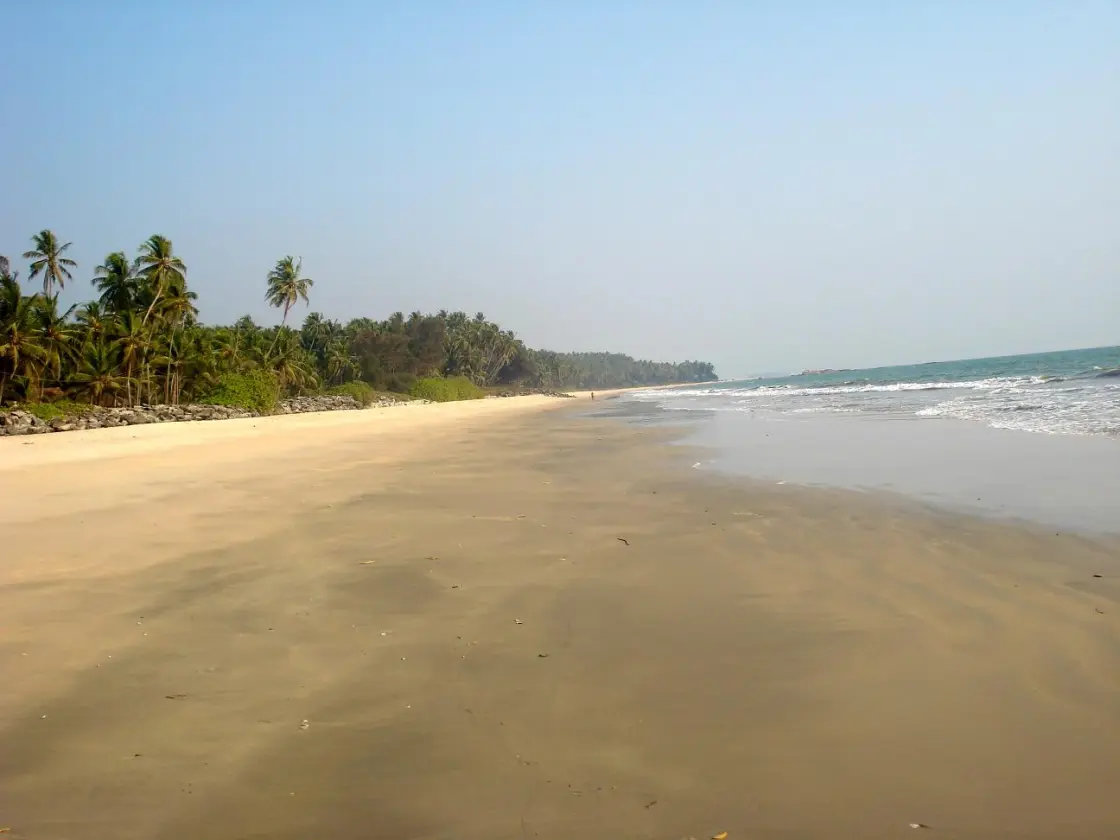
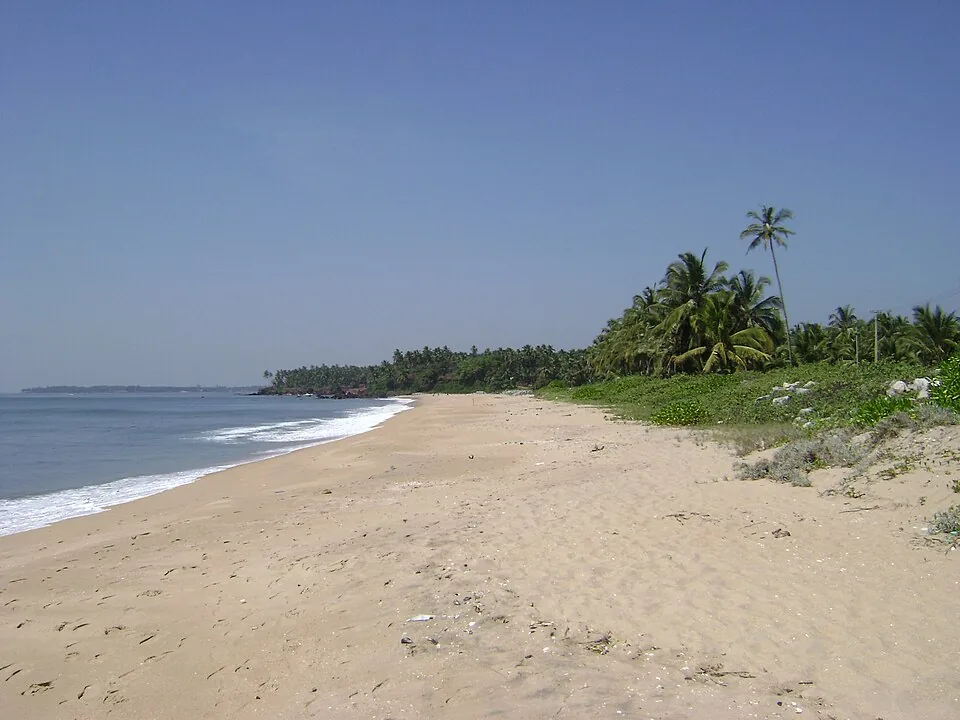
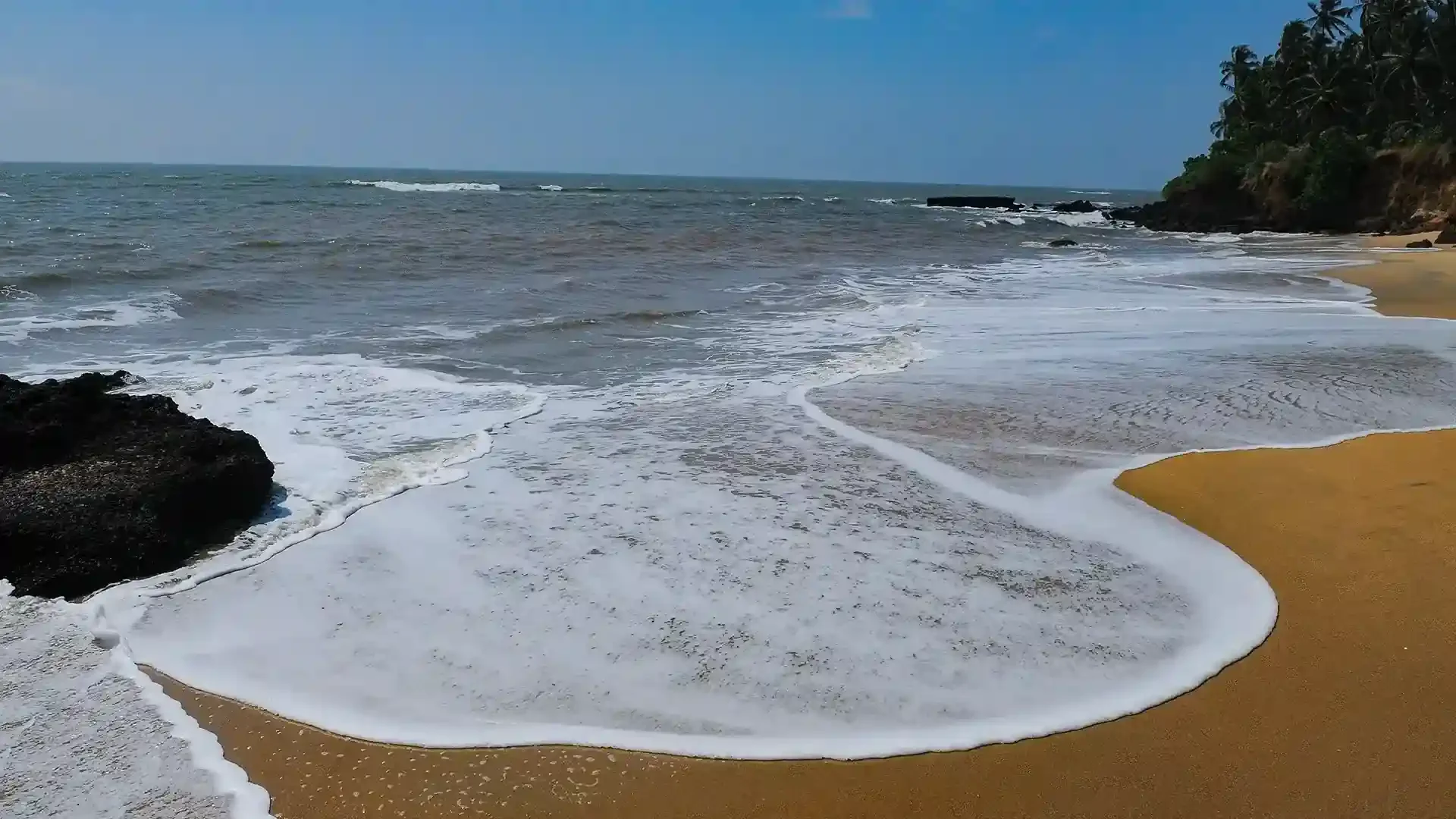
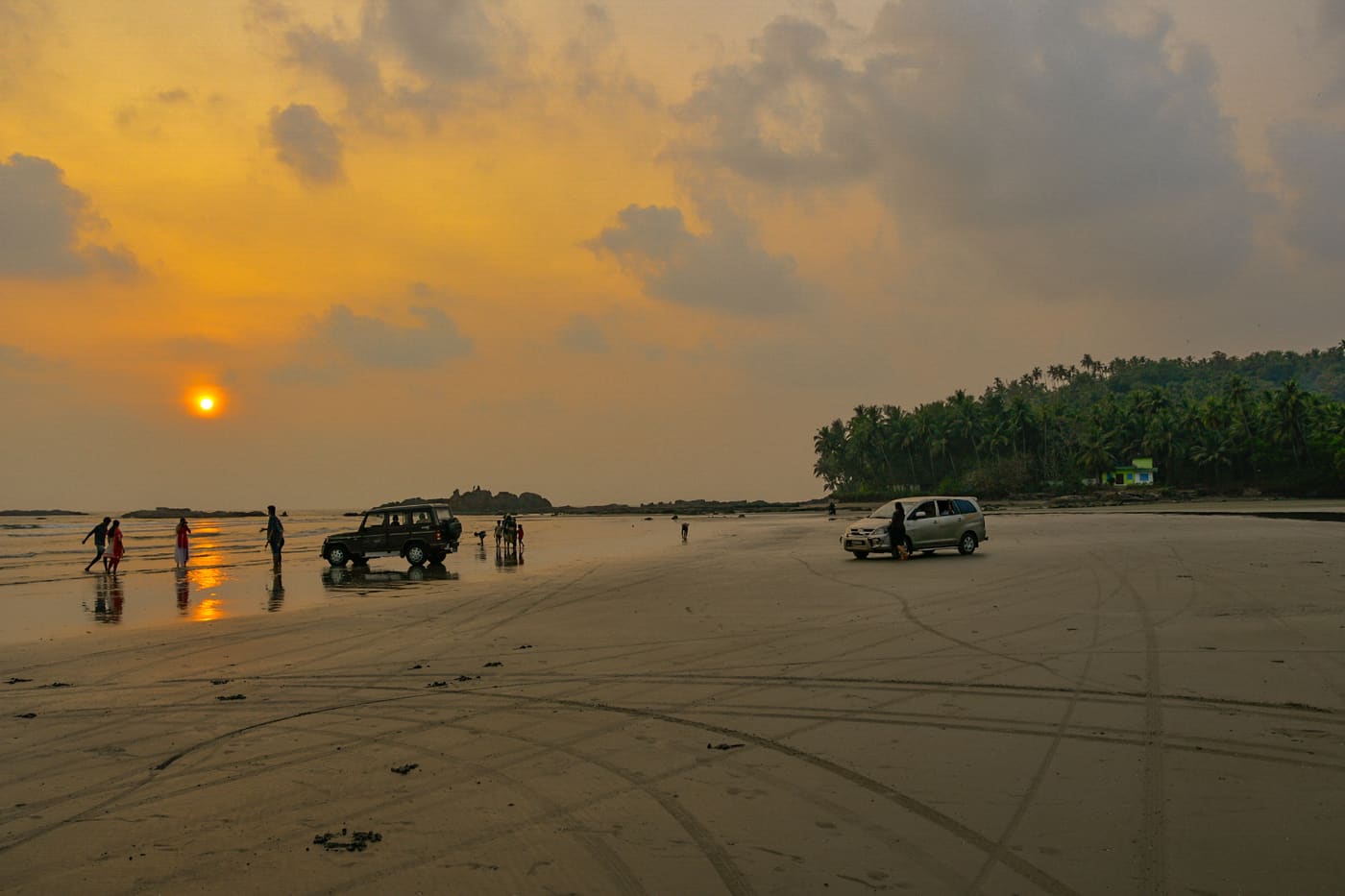
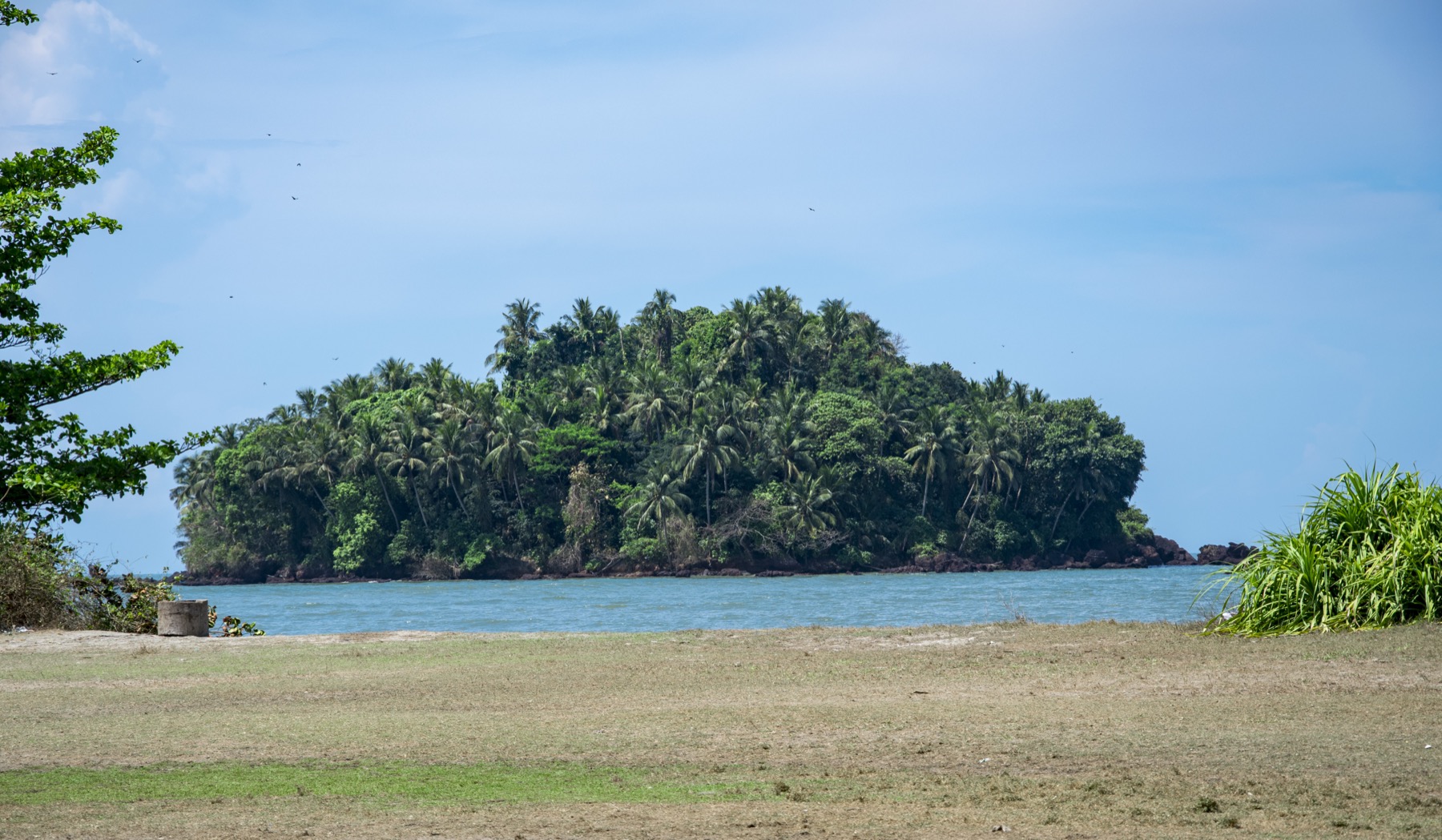
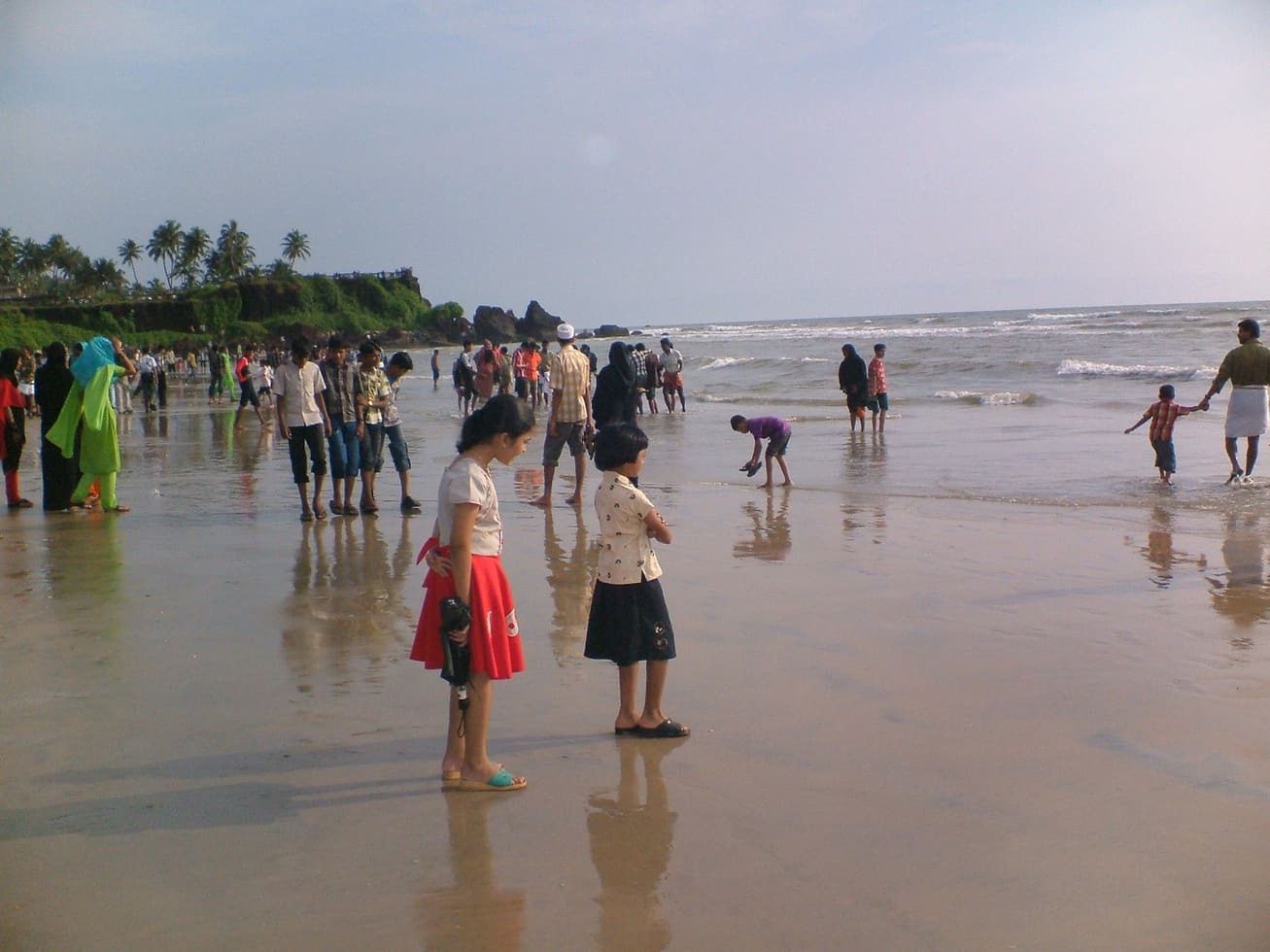
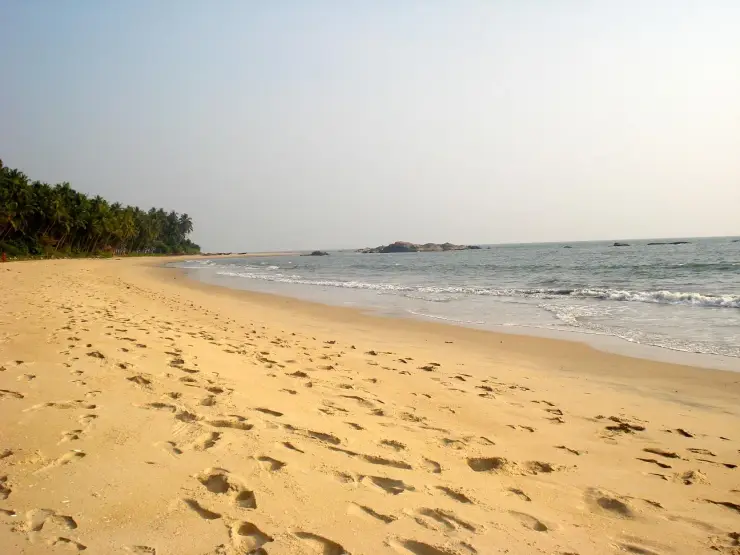
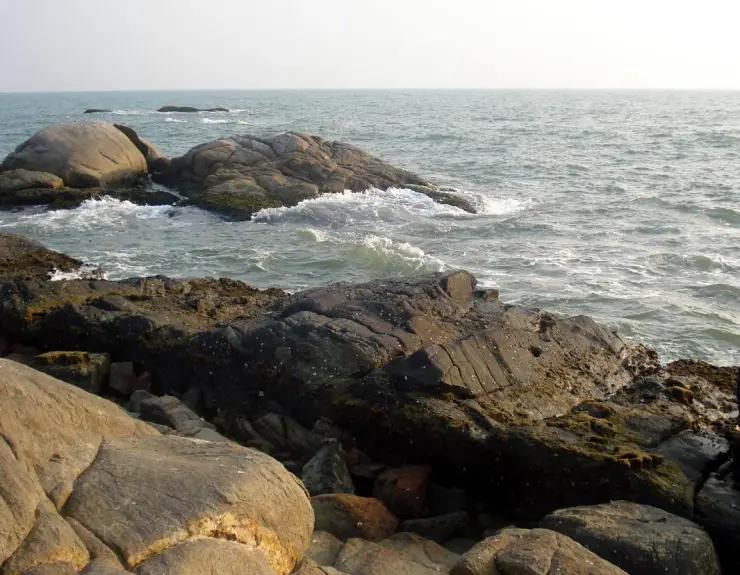
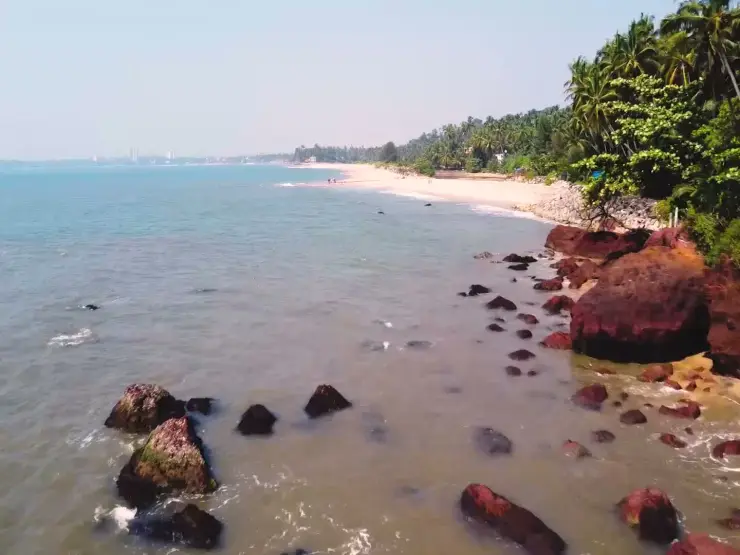
Kizhunna changes character as the sand meets rock. On the open stretch, the eye follows the long surf line towards a palm-covered bend. Around Cherakallu, rounded outcrops divide that line into smaller patches of water, foam and sheltered-looking sand. The contrast gives this village beach much of its visual interest.
The story of Kizhunna Beach
The shore has two scales. From a distance it belongs to the long coast south of Kannur; at walking pace it becomes a sequence of access lanes, boat spaces, stretches of wet sand and rocky interruptions. Paying attention to these smaller divisions makes the place easier to understand than treating every beach south of the city as one destination.
Thottada, Kizhunna and Ezhara occupy neighbouring stretches. Kerala Tourism identifies Thottada to the north and Ezhara to the south, with hilly ground and rock outcrops separating the beaches. The combined Kizhunna–Ezhara label is useful for a wider stay, but it conceals those physical breaks when used as a walking instruction.
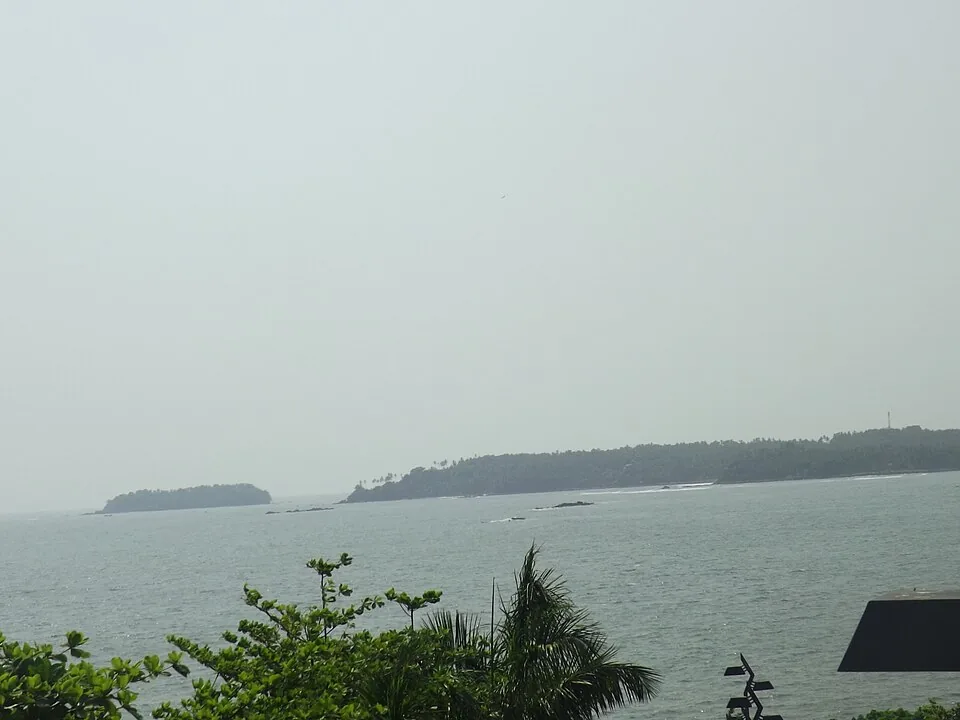
Cherakallu is especially visible in photographs of Kizhunna’s rocky shore. Some frames show a broad low mass beyond a curving waterline; others reveal individual rounded blocks with dark lower surfaces and waves running between them. These are different views of a shore feature, not evidence that every exposed rock offers a safe route.
The fishing setting is visible at the landward edge. Boats rest on the sand near palms and buildings, and the public walking space shares the beach with local work. A boat is more than a decorative object in a photograph. Its position, ropes and surrounding equipment should be left undisturbed even when no crew is standing beside it.
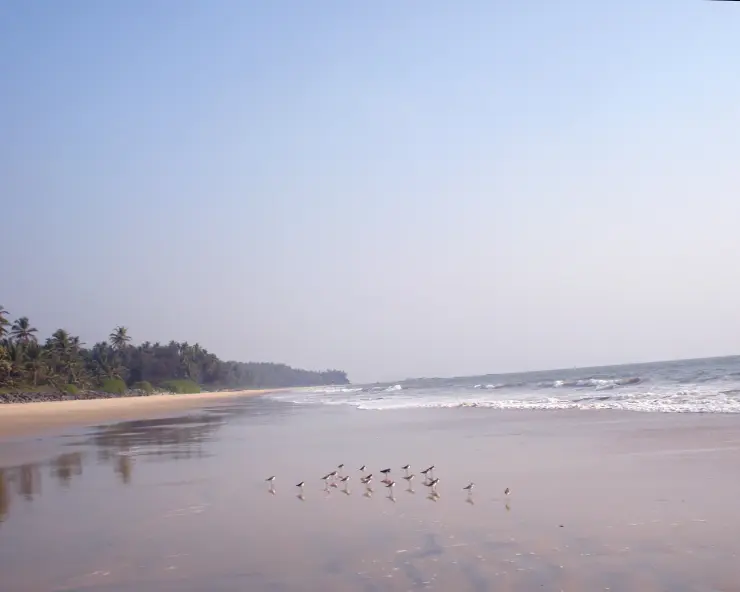
The small birds on the wet sand offer another reason to slow down. A photograph can hold the whole group and its reflections in one frame, but a person approaching directly may interrupt the feeding. Watch from a comfortable distance and let the birds move across the shore on their own. Their presence is an opportunity for observation, not a guaranteed feature of every visit.
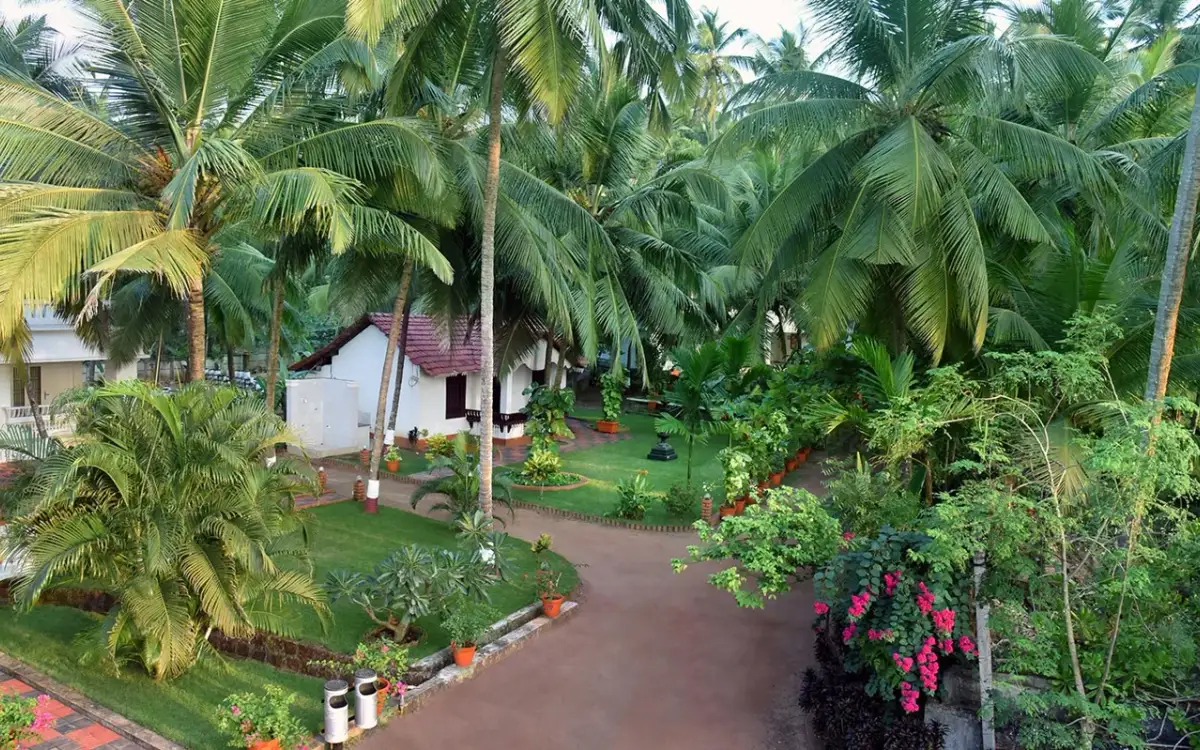
The landward vegetation creates a clear edge to the sand. Palm trunks rise above lower foliage, while shore-protection stones appear on some stretches. Looking both towards the sea and back towards the village gives a fuller picture: the beach is connected to homes, weather exposure and local access rather than detached from daily life.
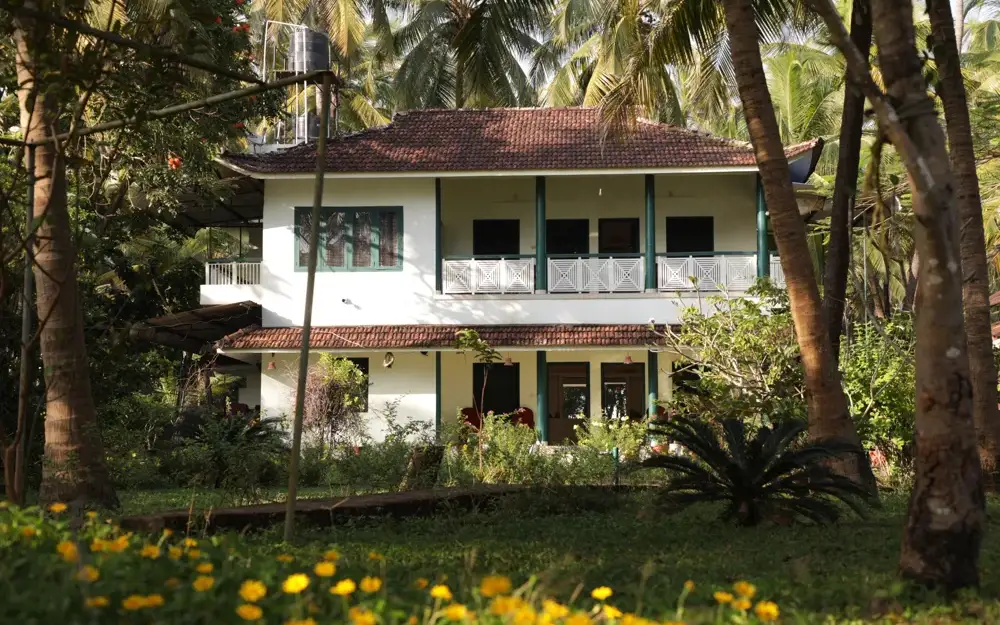
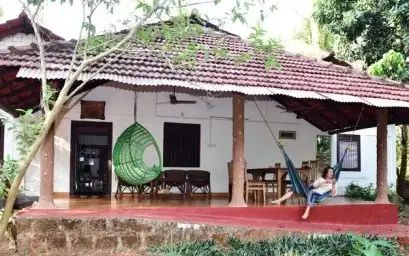
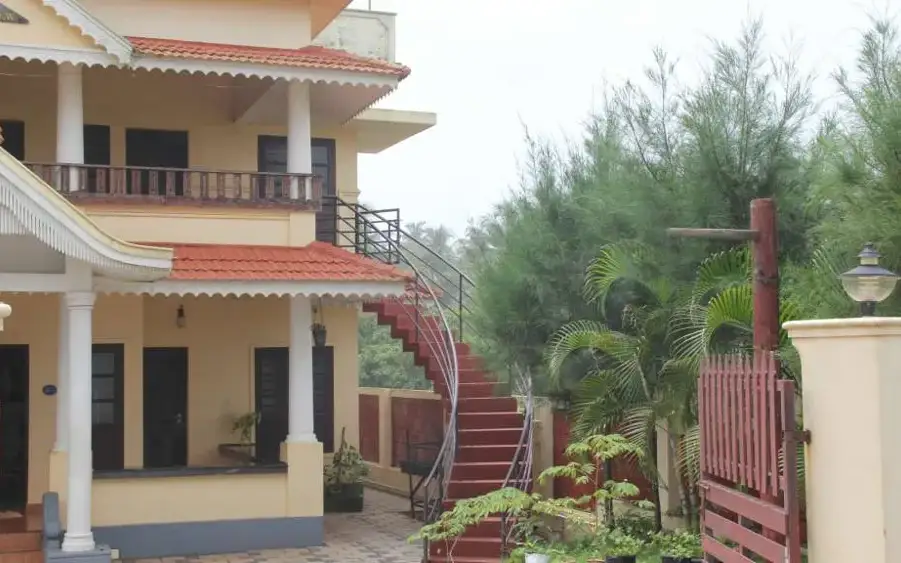
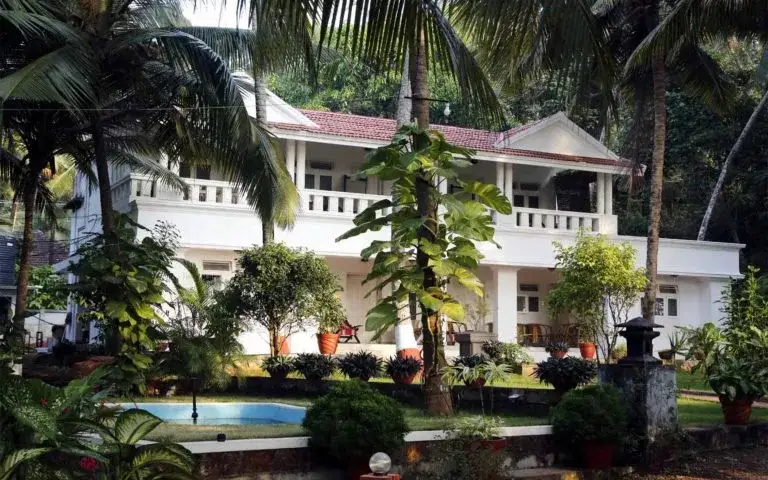
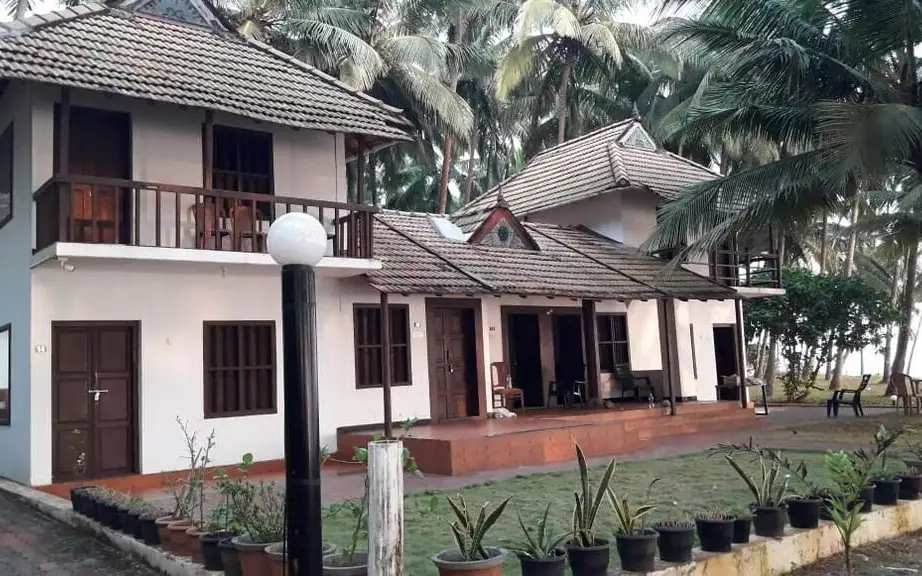
A stay beside this coast has a different rhythm from a short city-beach stop. The useful questions are which cove a property faces, where its approach meets the road and whether meals are provided there. The answer can matter more than the general promise of a sea view, particularly when returning after an evening on the sand.
Kizhunna rewards a visit that leaves room for these details. One can spend time on the open shore, observe the reef from land and watch the working beach without adding a chain of distant attractions. The neighbouring coves remain separate options for another stop, each with its own approach and conditions.
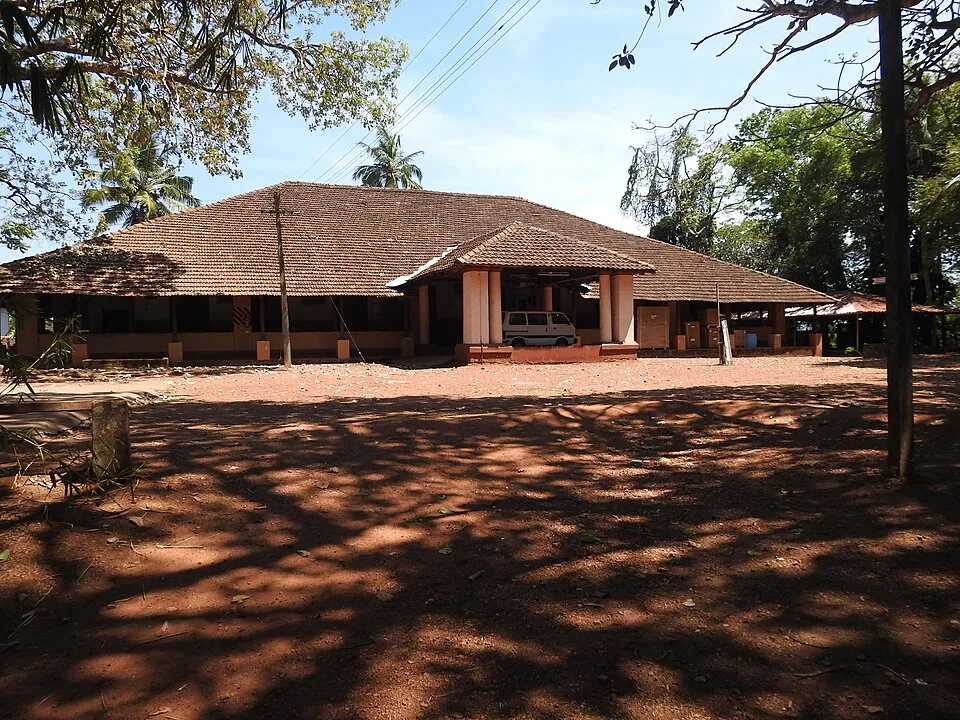
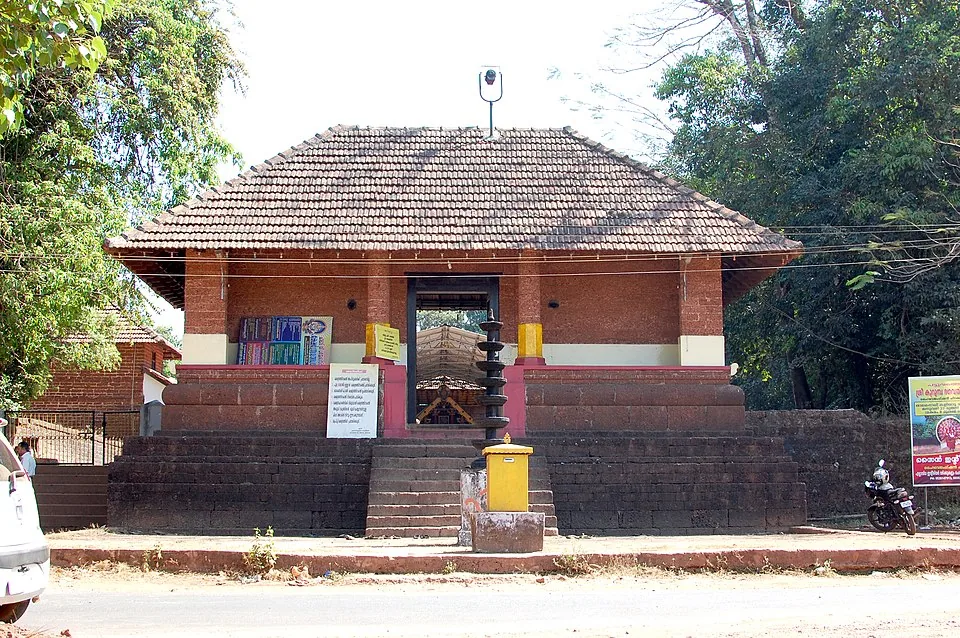
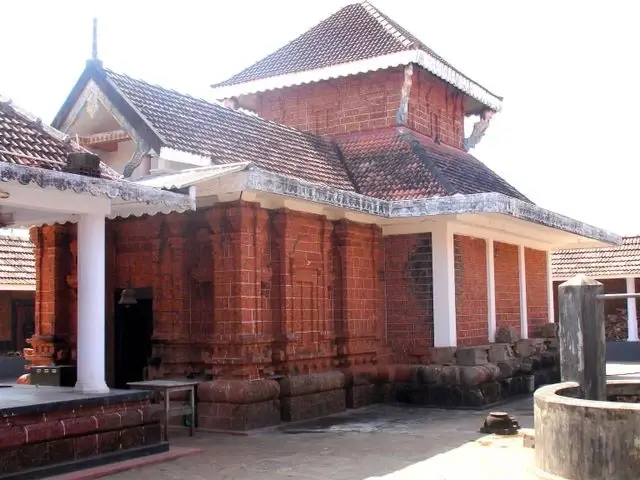
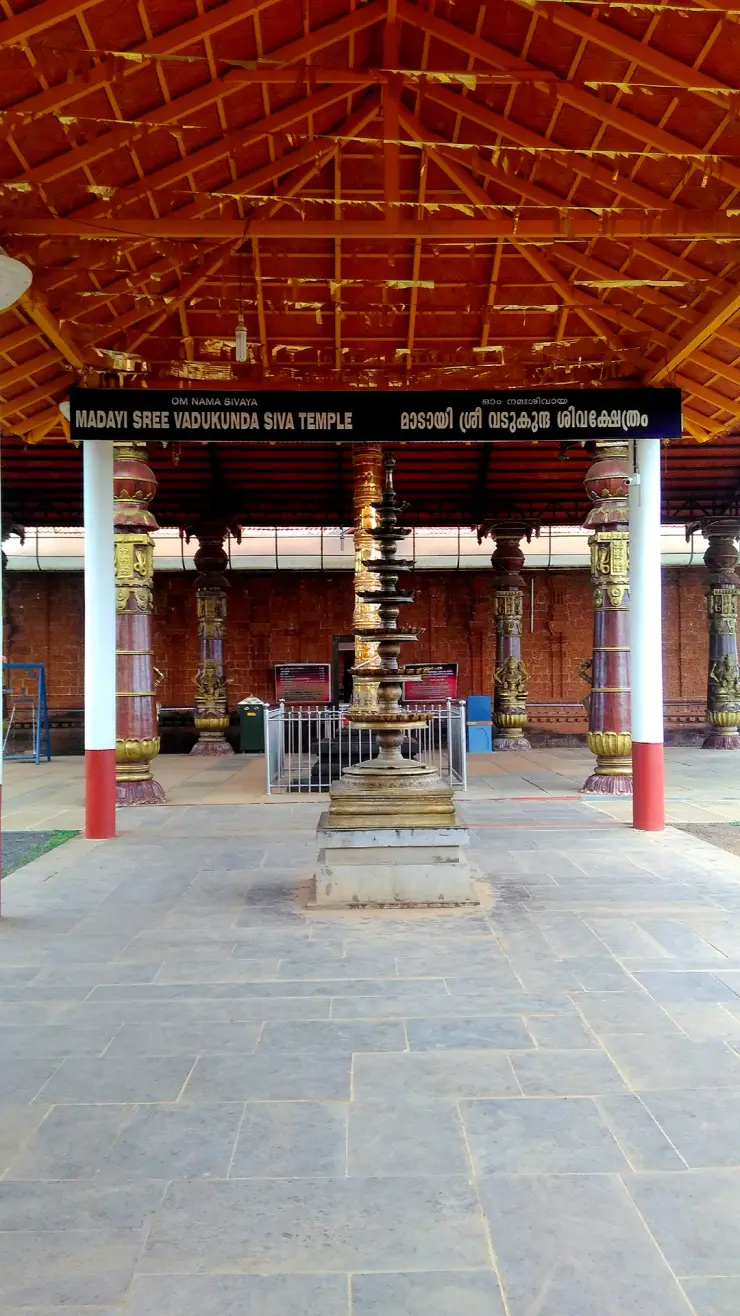
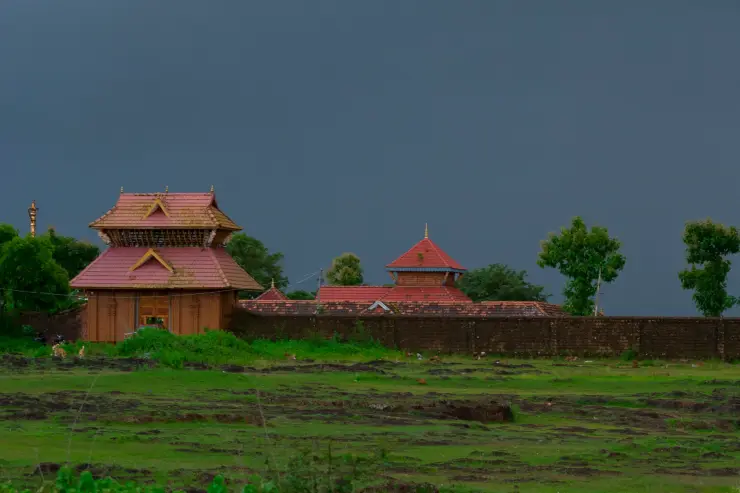
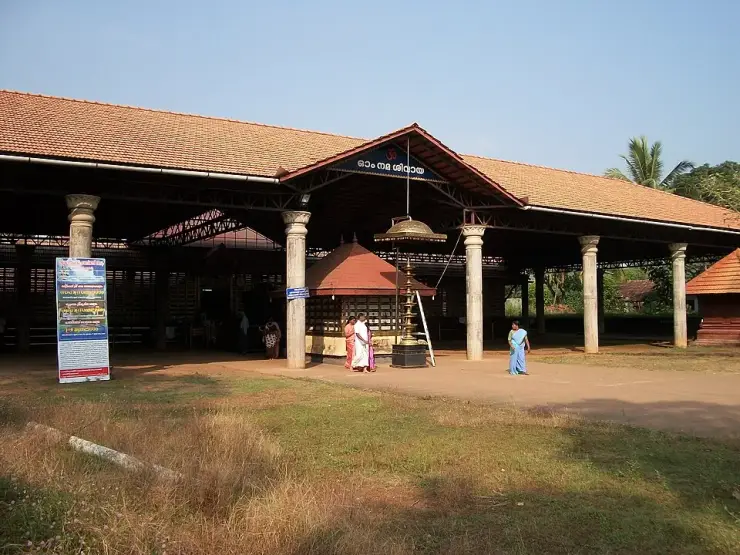
Kizhunna’s village setting extends inland to several named shrines. Kerala Tourism’s local directory identifies Muchilott Bhagavathy Temple, Perum Thrikkovil Shiva Temple and other neighbourhood places separately from the beach. These names can help a visitor understand the settlement behind the shore, but a temple entrance has its own purpose. Follow the local approach and worship rules if adding a shrine visit, and keep beach clothing and photography habits appropriate to the change of setting.
Theyyam belongs to the wider cultural life of North Malabar, and Muchilott Bhagavathy is among the forms described by Kerala Tourism. The practice is a religious encounter for the participating community as well as a striking performance for an observer. A named shrine and a broad Theyyam season are not enough to establish that a ceremony takes place on the day of a beach visit. Use that shrine’s announced programme before organising travel around a performance.
The distinction between Thottada, Kizhunna and Ezhara becomes useful when choosing accommodation. A property’s advertised coastal area may be broader than the cove immediately below it. Ask which beach the actual entrance serves and where its road meets the public route. If the room is marketed with photographs from several nearby stretches, match the view that matters to the property itself before booking a stay specifically for that outlook.
The rocky dividers make a road-based combination more dependable than assuming a continuous beach walk. Thottada lies to the north, while Ezhara lies to the south; the land and exposed rocks between them break up the sand. Begin with Kizhunna’s own public approach, then decide whether another cove adds something useful to the day. Moving by the appropriate local road keeps the outing independent of whether a wave-washed edge happens to look passable at one moment.
The bird photograph gives a smaller scale to the open shore. The birds stand where a thin film of water reflects their legs and bodies, with pale sand and dark specks breaking the surface around them. Their shared use of the wet margin is more interesting to observe than a close portrait obtained by making the group move. Pause to one side of their path and allow the birds to feed or rest without changing direction around the visitor.
Cherakallu supplies the contrasting large scale. In one view the rocky mass forms a dark shape beyond the sweep of the surf; in another, separate rounded surfaces become visible. A photograph including both wet sand and rock helps preserve that relationship. The exposed surfaces are part of the coastal feature being observed, while the public walking ground provides the place from which to appreciate it.
Kannur and Thalassery offer different directions for the wider journey. Kerala Tourism places Kannur railway station about eleven kilometres from Kizhunna, while its regional ebook lists Thalassery about thirteen kilometres away. These are published orientation distances, not promised driving times. Select the railway gateway according to the train’s stopping pattern and the rest of the itinerary, then arrange the local beach transfer as a separate stage.
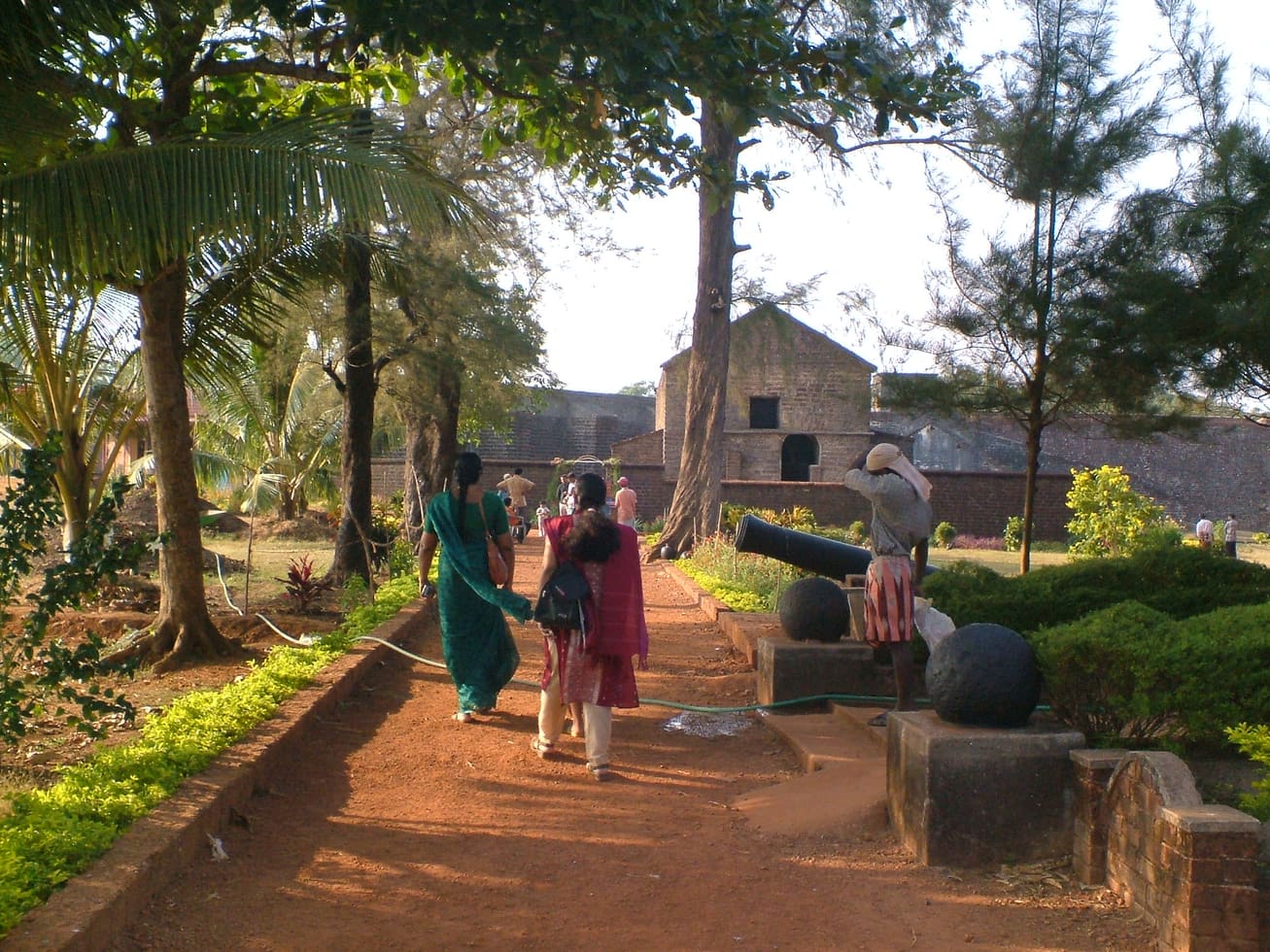
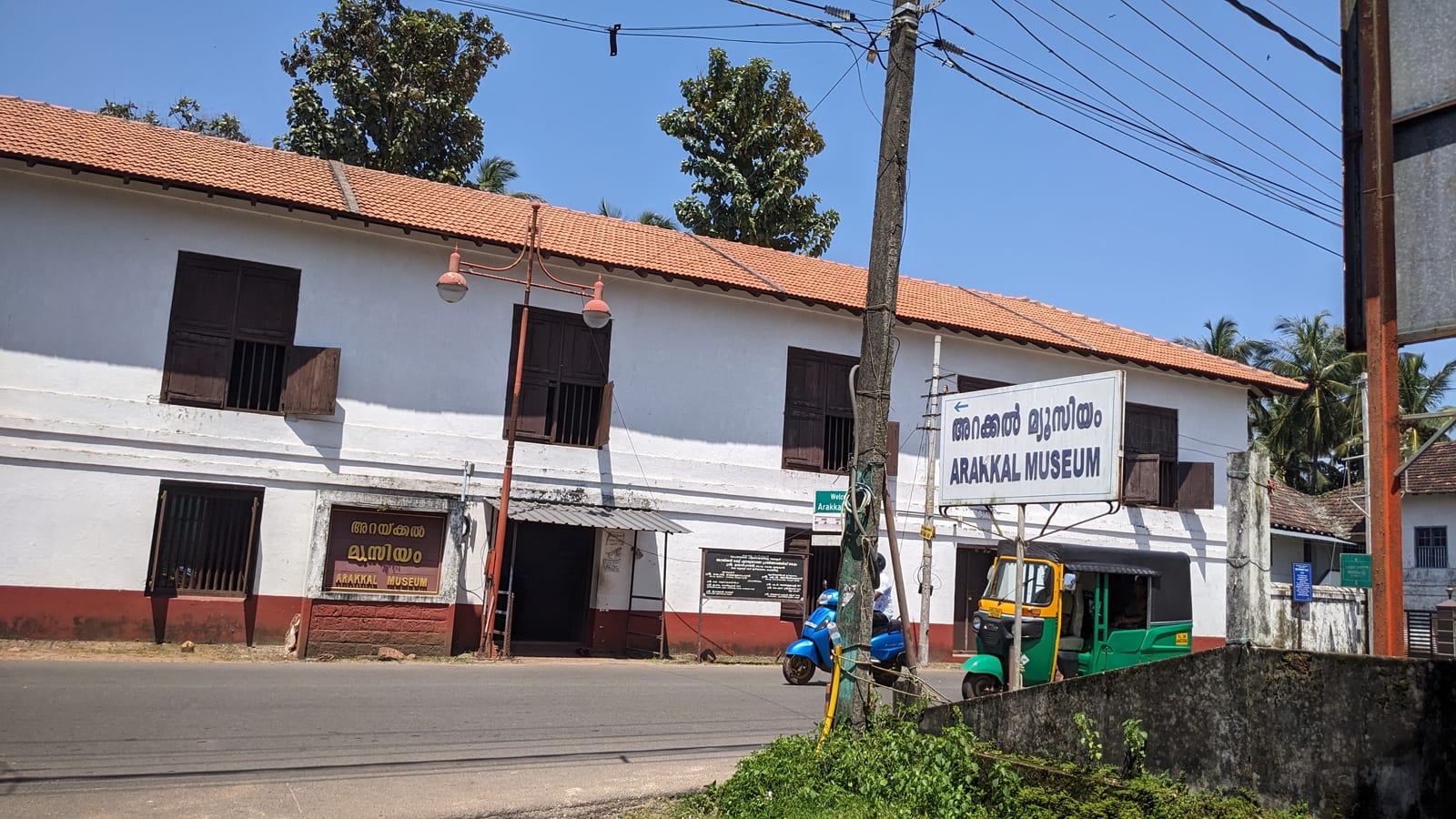
If combining Kizhunna with a town museum or fort, let the scheduled attraction determine the fixed part of the day. The beach walk can occupy a suitable daylight period around it. That avoids arriving at a museum near closing merely because the sea view invited a longer pause. Kizhunna can be the main outing or a deliberate second stop; it does not need a chain of distant attractions to fill the time spent here.
The most useful photographic sequence follows the place’s own changes in scale: a broad view of sand and the rocky division, a landward view of boats and palms, then a closer observation of birds or the pattern of water around rock. All can be made from a permitted, stable position. The result tells more about this particular fishing hamlet than repeatedly framing the horizon while leaving the inhabited shore out of view.
The Muchilott Bhagavathy shrine named in Kerala Tourism's Kizhunna directory gives the village's cultural setting a specific point of reference. In the department's account of Theyyam, Muchilottu Bhagavathy is identified among the major goddess forms. This connects the shrine's name with a wider ritual vocabulary, but the particular local programme still belongs to the temple. A visitor should distinguish learning about that tradition from having a confirmed opportunity to attend it during a beach stay.
Theyyam's visual work begins with preparation as well as movement. Kerala Tourism describes headgear, face painting and ornaments that vary according to the represented figure. The headgear is called mudi, and the performer undertakes disciplined preparation before the ritual. These details help explain why a ceremony cannot be reduced to a colourful costume available for a quick tourist portrait. If an announced Kizhunna observance is open to visitors, the meaningful subject includes the preparation, worship and community gathering, within whatever access the organisers permit.
The relationship with the audience also differs from an ordinary stage show. In the devotional understanding described by Kerala Tourism, the deity is present among the people and hears their concerns. Someone watching should leave room for that interaction and avoid occupying the space where participants approach. The beach and the shrine may be close within the same village, but they call for different behaviour. Ask about photography at the actual event rather than applying the freedom of an open-shore photograph to a ritual encounter.
For an itinerary, keep the shrine's full name and meeting point alongside the beach address. A broad Theyyam-season label may describe many events across North Malabar, while a booking advertised through Kannur may involve travel away from Kizhunna. Establish which temple and which announced ceremony are intended before arranging transport. This allows a stay to include both the fishing hamlet's shoreline and a meaningful cultural visit, without presenting a regional performance as something staged daily beside Cherakallu.