What to expect
Highlights
- Museum visit at Arakkal Museum
- Indoor cultural or historical context
- Easy pairing with nearby food and heritage stops
The Arakkal Kettu (palace museum) of the Arakkal Ali Rajas — Kerala’s only Muslim royal house, matrilineal so ruled at times by a Beevi (queen).
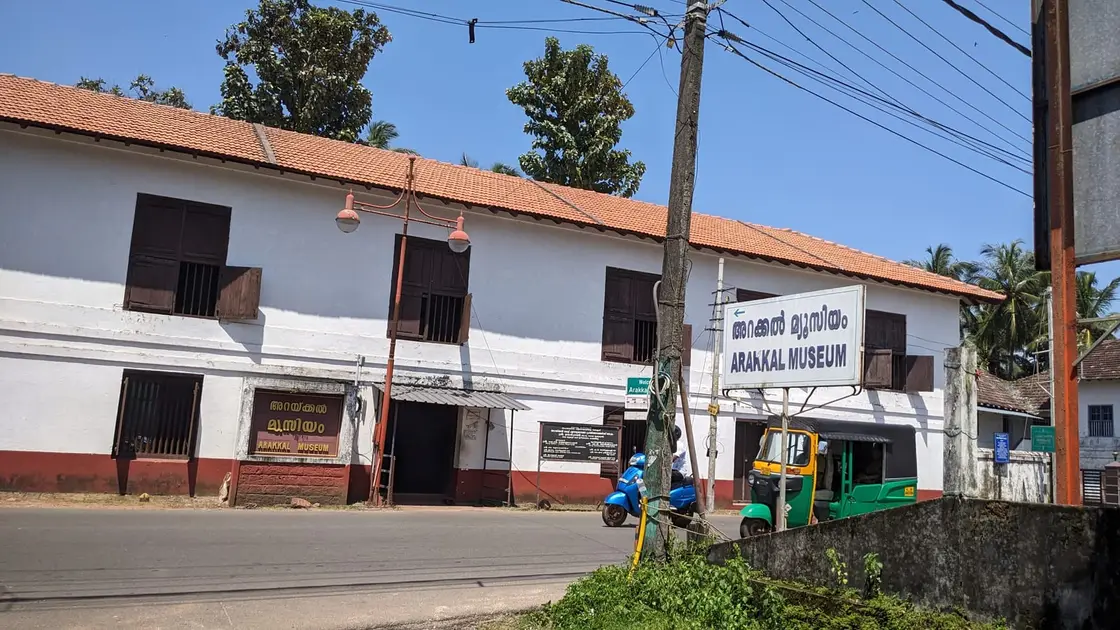
Behind a weathered seafront palace in Kannur lies the durbar hall of Kerala’s only Muslim royal dynasty — a house where a woman could be crowned queen and rule the Arabian Sea.
The Arakkal Museum occupies a wing of the Arakkalkettu, the rambling ancestral palace of the Arakkal Ali Rajas at Ayikkara, a breeze-blown coastal pocket of Kannur city just inland of St Angelo Fort and Mappila Bay. When the Government of Kerala restored the old durbar hall — the royal court — and opened it to the public in 2005, it turned one of the state’s most unusual stories into something you can walk through. This was the seat of the only Muslim royal family Kerala ever produced, and, remarkably, a dynasty in which a woman could hold the throne in her own right.
Step inside and the palace itself becomes an exhibit. The architecture is unmistakably Malabar — polished wooden floors that creak underfoot, deep verandahs, and double-shuttered windows fitted with panes of coloured glass that throw pools of red and green light across the boards. The main residence was traditionally ringed by mosques, a reminder that this was a devout court as much as a political one. Members of the present-day Arakkal family still live within the larger complex, so the museum sits inside a place that is genuinely, quietly alive.
The collection is small but intimate, the kind of assemblage that rewards slow looking. On display are the family’s ceremonial seal, royal copies of the Holy Quran, swords and daggers from the household armoury, and a brass telescope and navigational odds and ends that speak to a family whose power came from the sea. There are wooden grain-storage chests known as pathaayam, heavy antique furniture, oil lamps, and even vintage telephones — humbler objects that trace the dynasty’s long slide from a maritime power into a private household.
What gives the place its charge is the human story pressed into these ordinary things. The Arakkal followed marumakkathayam, the matrilineal system of inheritance widespread in old Malabar, in which lineage and property passed through the female line — from a man to his sister’s son rather than to his own children. The eldest member of the family, whether man or woman, became head and ruler. A male ruler took the title Ali Rajah; a female ruler was the Arakkal Beevi. In an age when queens regnant were rare almost everywhere, the Beevi could command an army, sign treaties and rule islands.
The seafront setting is part of the experience. The palace faces the Arabian Sea, and from Ayikkara you are only a short walk from St Angelo Fort’s laterite ramparts and the fishing boats of Mappila Bay. Standing at the edge of the old court, it is easy to picture the vantage the Ali Rajas once held — looking out at the waters they taxed, traded across, and once ruled as far as the distant Lakshadweep archipelago.
For all its modest scale, the museum lands as more than a display of heirlooms. It is a rare, tangible record of a syncretic Malabar in which Islamic tradition and Kerala’s matrilineal custom fused into something found nowhere else in India — a Muslim court where the crown could pass to a queen.
Local tradition offers more than one romantic account of how the dynasty began, and the museum’s story is inseparable from them. The best-loved version tells of a Kolathiri (Chirakkal) princess who was rescued from drowning — or from danger — by a Muslim man of Arakkal; the two married, she embraced Islam, and from this union sprang the ruling line, established under the patronage of the Kolathiri rajas. A second tradition names the founder as Arayankulangara Nair, a minister of the Kolathiris who converted to Islam and rose to become the first Ali Rajah. A grander legend still traces the family’s Islam back to the conversion of the last Chera emperor by the missionary Malik ibn Dinar. Historians treat these as competing origin stories rather than settled fact, but together they capture how the Arakkal saw themselves — born where the Kolathiri kingdom, the sea and Islam met.
The Arakkal kingdom is generally dated to the mid-sixteenth century, around 1545, and rose at Kannur (Cannanore) under the overlordship of the neighbouring Kolathiri (Chirakkal) rajas, from whom the family originally held its lands and privileges. Whatever the truth of the origin traditions, the Ali Rajas emerged as the leading Muslim power on the Malabar coast, their authority rooted as much in trade and religion as in territory.
Their real strength was maritime. Commanding the harbour at Kannur, the Arakkal built what historians describe as a Muslim thalassocracy — a sea-based power — dominating coastal commerce, including the lucrative import of horses from West Asia, and extending their reach across the water. Most strikingly, they controlled much of the Lakshadweep archipelago, including islands such as Agatti, Kavaratti, Androth, Kalpeni and Minicoy, held under arrangements that traced back to the Kolathiri rulers.
The dynasty’s distinctive marumakkathayam succession meant the throne could pass to a woman, and several Arakkal Beevis ruled in their own name. The eighteenth century, however, drew the family into the violent contest for Malabar. The Arakkal aligned with the Mysore sultans, Hyder Ali and Tipu Sultan, during their campaigns in the region — a connection that brought both power and peril. Tradition records the ordeal of Junumabi Beevi, remembered as the twenty-third ruler, whose forces were overwhelmed and whose court at Kannur was besieged in the 1790s as Mysore’s fortunes collapsed.
With the defeat of Tipu Sultan and the rise of British paramountcy, the Arakkal star fell. The English East India Company and the British Raj steadily stripped the family of authority: the kingdom’s independent power was broken in the nineteenth century, and by around 1870 the British had effectively seized control at Kannur. In 1905 the Ali Rajah formally surrendered the family’s remaining rights over the Lakshadweep islands to the British in return for a pension and the honorific title of Sultan.
Thereafter the Arakkal declined from a ruling house into a private family, its ceremonial insignia — sceptre, sword and the trappings of sovereignty — passing out of use in the early twentieth century. What survives is the palace at Ayikkara and the heirlooms now gathered in the durbar-hall museum: the physical memory of a dynasty that was, uniquely in Kerala, both Muslim and matrilineal, and that once ruled a stretch of coast and a scatter of islands from this house by the sea.
See the durbar hall of Kerala’s only Muslim royal dynasty — a genuinely one-of-a-kind story.
Discover a matrilineal court where a woman, the Arakkal Beevi, could rule as sovereign.
View royal copies of the Holy Quran, the family seal, swords, a telescope and antique furniture up close.
Walk a living Malabar palace with coloured-glass windows and creaking wooden floors, still home to the family.
Stand on the seafront the Ali Rajas once commanded, moments from St Angelo Fort and Mappila Bay.
A quick, inexpensive and richly atmospheric stop that anchors a half-day of Kannur’s coastal heritage.
Road km to Kannur; ghat roads and traffic vary — allow extra.
Midday works well for museums, especially when outdoor heat is high.
Live forecast loads in your browser.
Sun and moon are calculated for this location and shown in IST. Photography windows are the hour around sunrise and sunset; the sunset bearing is degrees clockwise from true north. Moon phase is accurate to about half a day.
Verified hotels, homestays, restaurants, experiences, sights, shops and rentals around Arakkal Museum — commission-free, with direct contact. Filter by what you need.
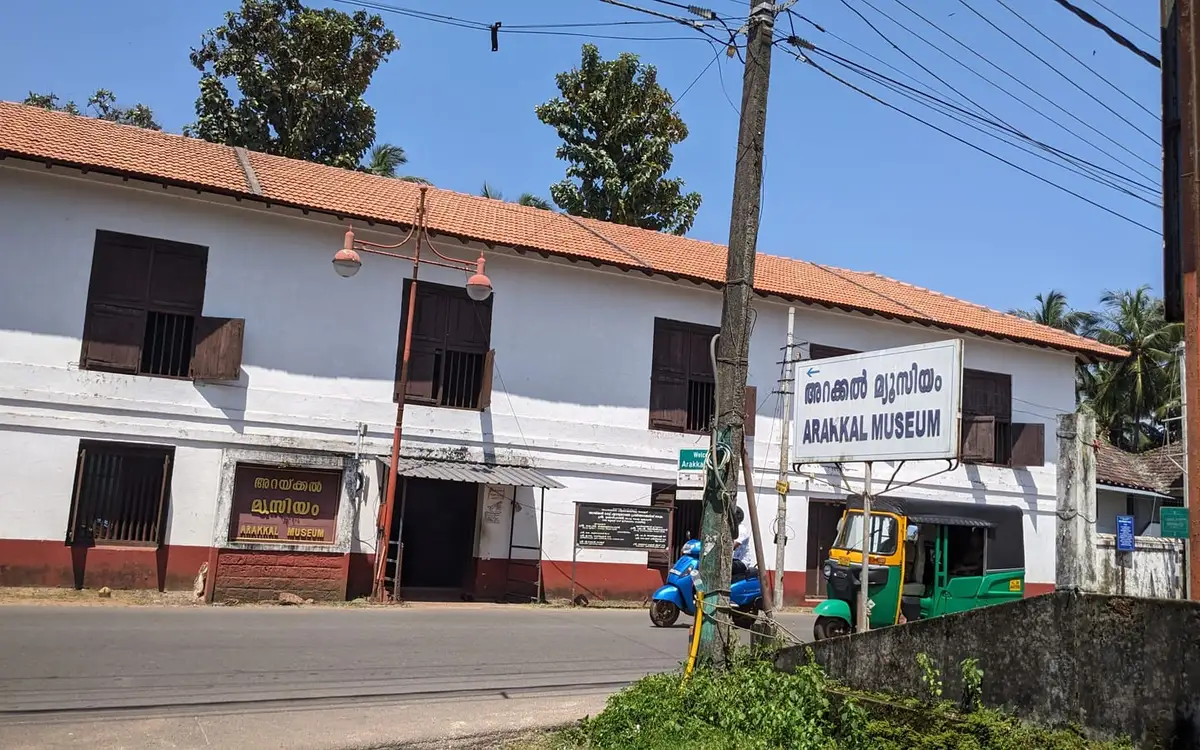
The Arakkal Kettu — the palace museum of the Arakkal Ali Rajas, the only Muslim royal house in Kerala and a matrilineal one, so it was ruled at times by a Beevi rather than a Raja. Ticketed by the Arakkal Trust; confirm the current rate on site.
Statue of A. K. Gopalan, born in this district and the first Leader of the Opposition in the Lok Sabha. It is a street landmark on the way past rather than a visit in itself.
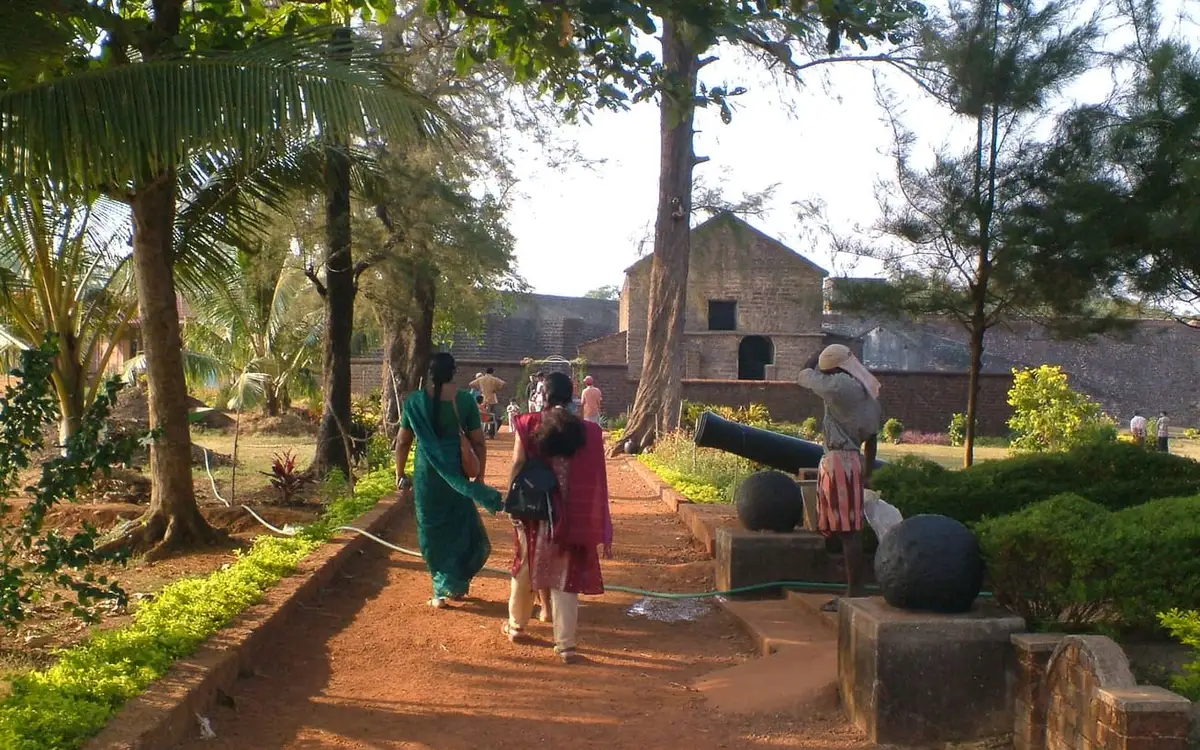
Sea-facing laterite fort begun by the Portuguese in 1505 and later held by the Dutch, the Arakkal royal house and the British. It stands over Mappila Bay and the working fishing harbour at Ayikkara, and the seaward bastions are the part worth the walk.
A thodu, or tidal creek, at Chovva on the eastern side of the town. It runs through a residential area rather than past a viewpoint, and there is no formal access path along it.
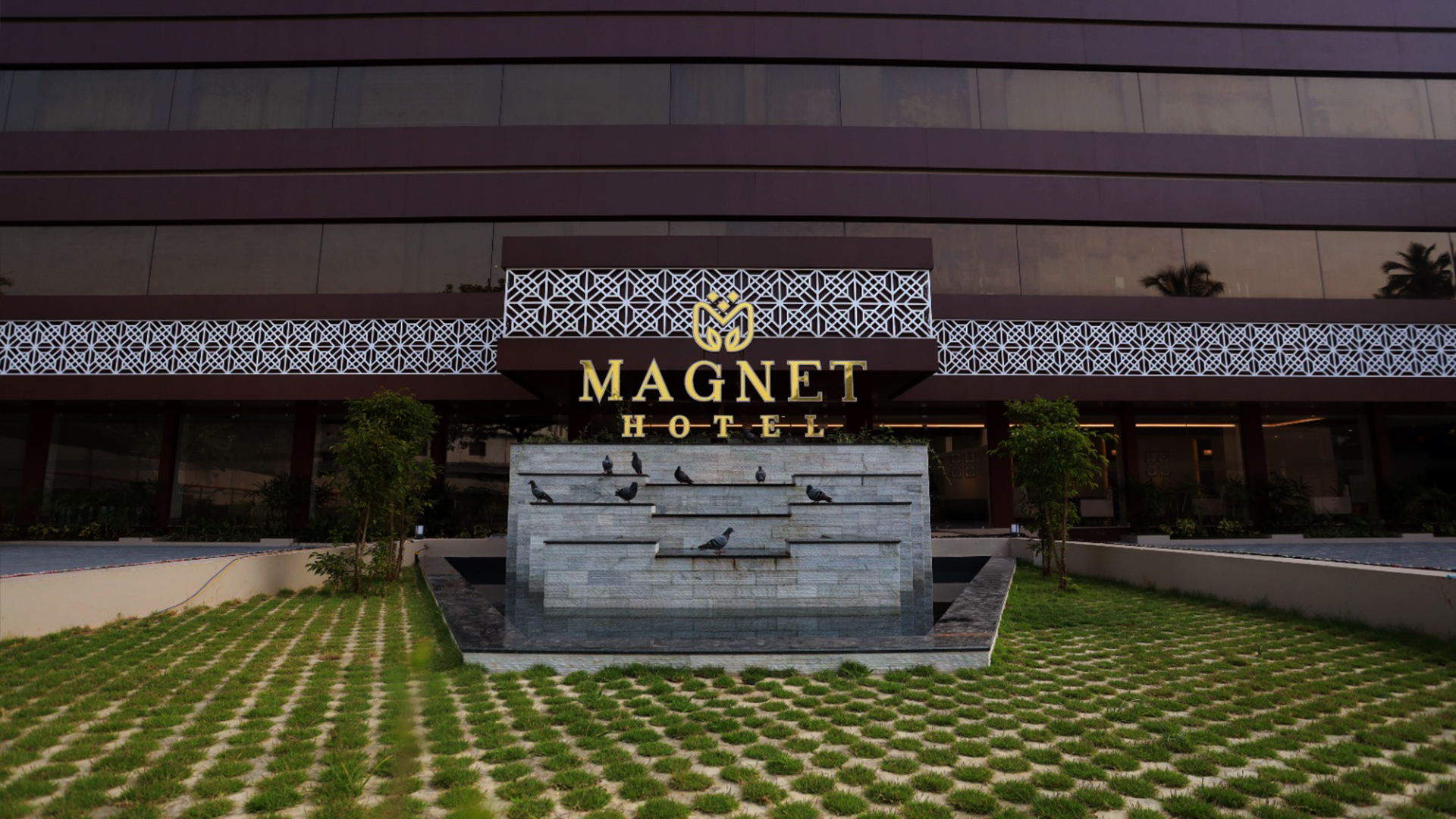
Four-star facility hotel at Chirakkal, Puthiyatheru, on the northern edge of Kannur city. It offers luxury air-conditioned rooms, multi-cuisine dining and banquet and event spaces as one of the city’s newer upmarket hotels.
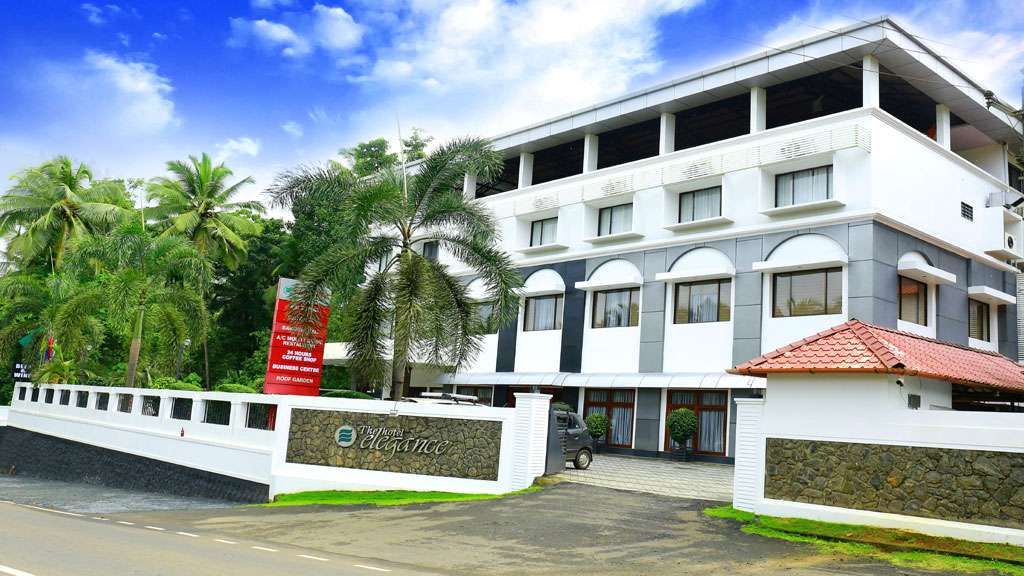
Kerala Tourism-classified 4-star hotel on the banks of the Tejaswini river at Karuvanchal, Alakode, in the eastern highlands of Kannur district. It offers luxury air-conditioned rooms and suites, a coffee shop, business centre and roof garden as an upmarket riverside base.

Registered Ayurveda and panchakarma hospital at Puracheri, Ezhilode, north of Kannur city. It provides physician-led classical Ayurvedic treatment, panchakarma therapy and rejuvenation programmes in a dedicated treatment facility rather than a hotel spa.
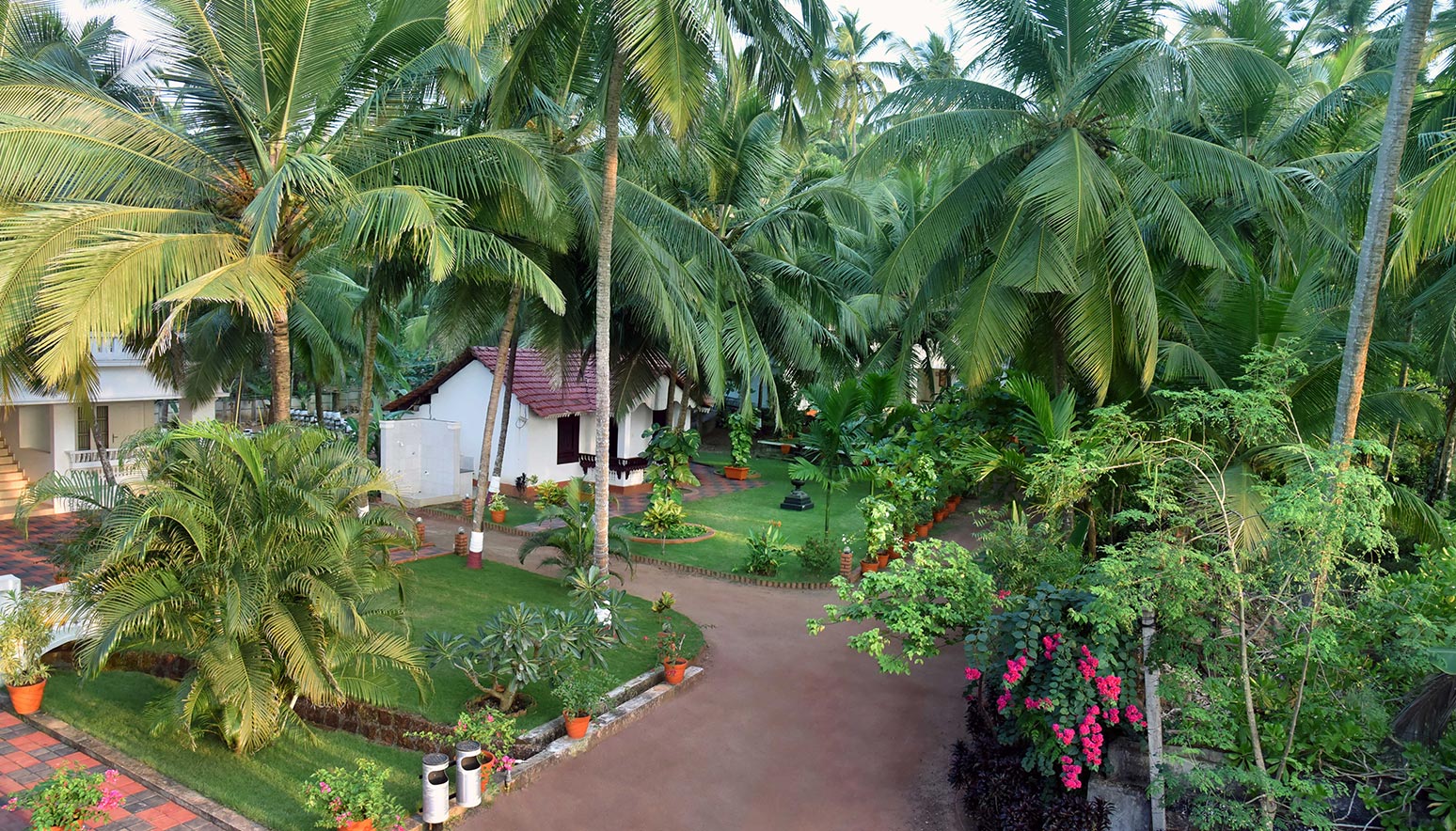
Ayurvedic spa and wellness centre at the Malabar Beach Resort on Thottada Beach south of Kannur city. It offers Ayurveda massage, therapy and rejuvenation packages in a palm-fringed seafront garden setting, aimed at travellers combining coast and wellness.
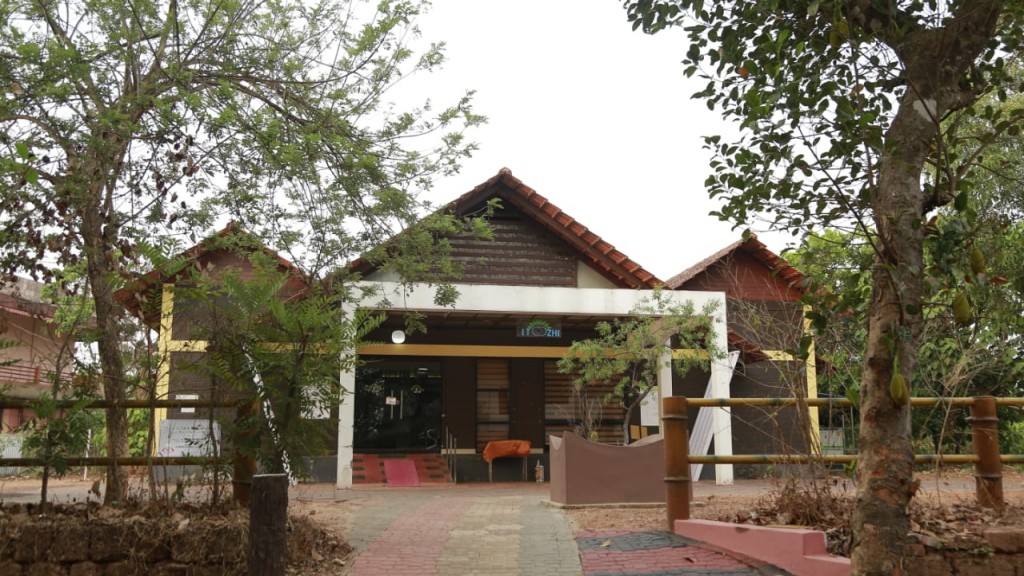
Kerala Tourism Ayur-Silver classified Ayurveda nursing home at Mayyil in Kannur district, run by the traditional Itoozhi Namboothiri Ayurveda family. It offers physician-led panchakarma, classical treatments and residential Ayurveda care rooted in a long Namboothiri lineage.
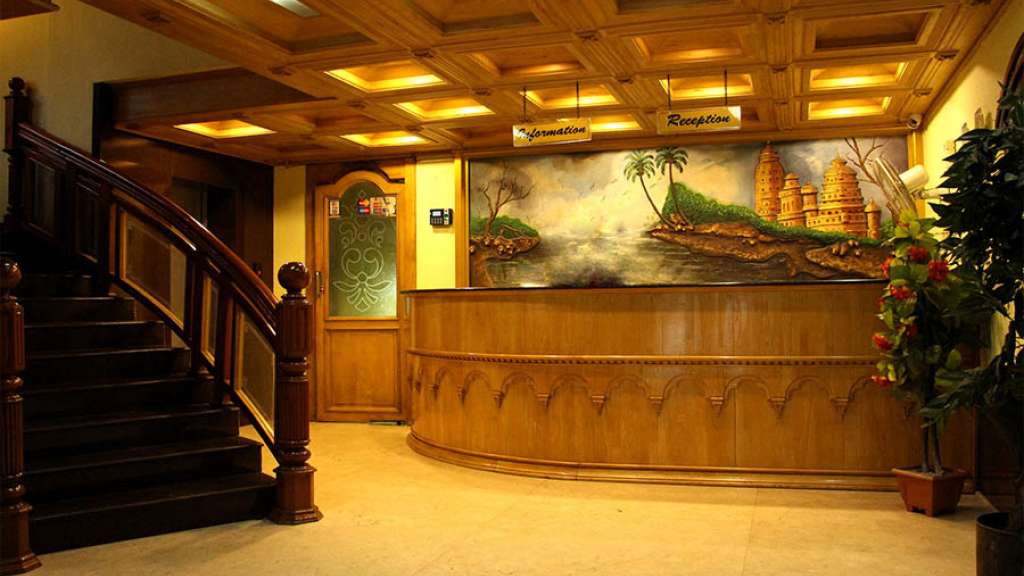
Affordable business hotel at Metro Tower, Thavakkara Road, in central Kannur, positioned by Kerala Tourism as meeting travellers’ needs at surprisingly affordable rates. It provides value air-conditioned rooms, a restaurant and city-centre access close to the railway station and bus stand.
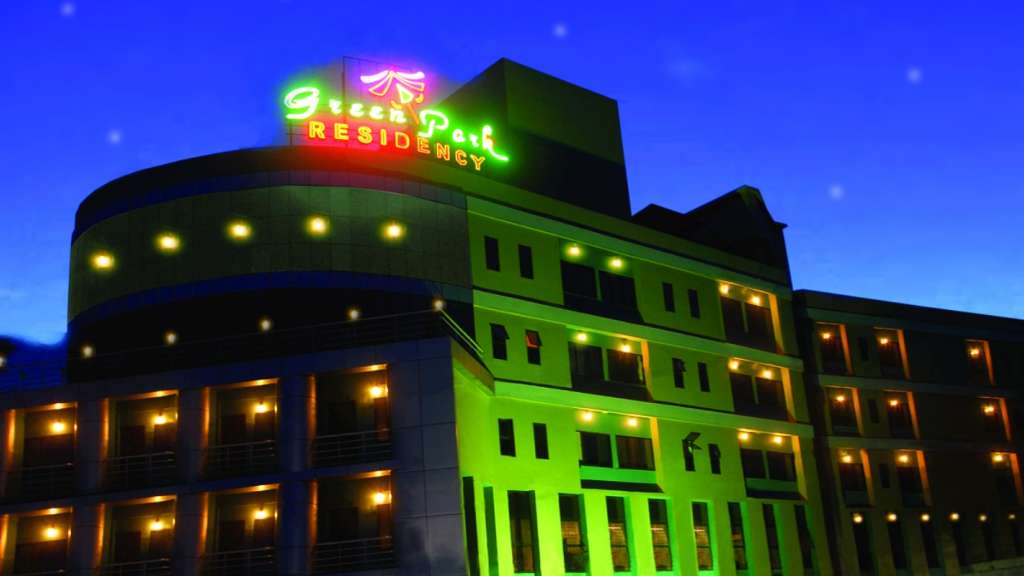
Kerala Tourism-classified 2-star deluxe hotel opposite the Railway Muthappan Temple at Thavakkara in central Kannur, within walking distance of Kannur Railway Station. It offers affordable air-conditioned rooms, a restaurant and banquet facilities as one of the city’s most economical KT-classified hotels.
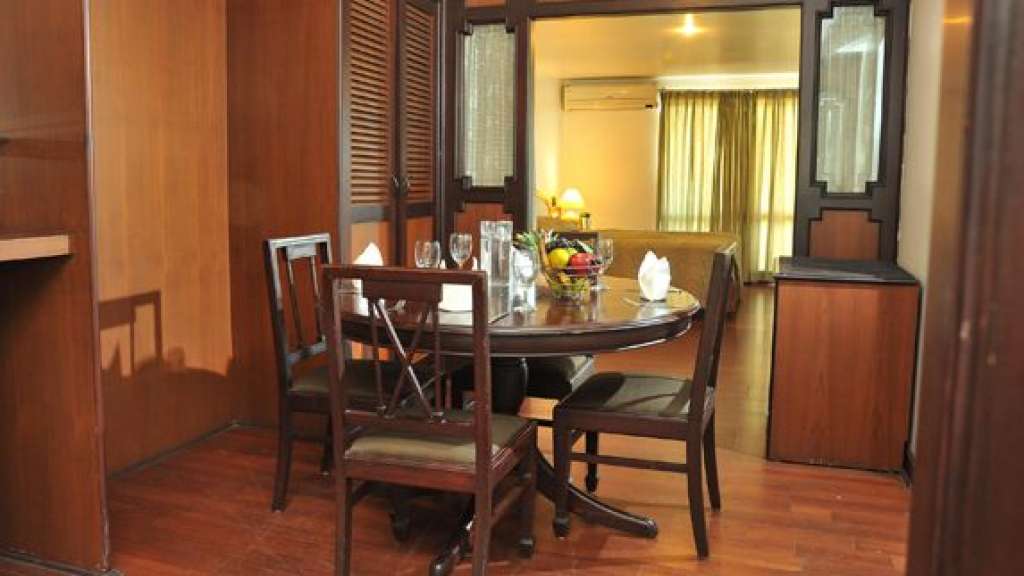
Kerala Tourism-classified three-star business hotel at Thavakkara in the heart of Kannur city, about a three-minute walk from Kannur Railway Station. It offers 42 air-conditioned rooms and suites, the multi-cuisine Barka Restaurant and a banquet hall, and is billed as the first three-star hotel in Kannur.
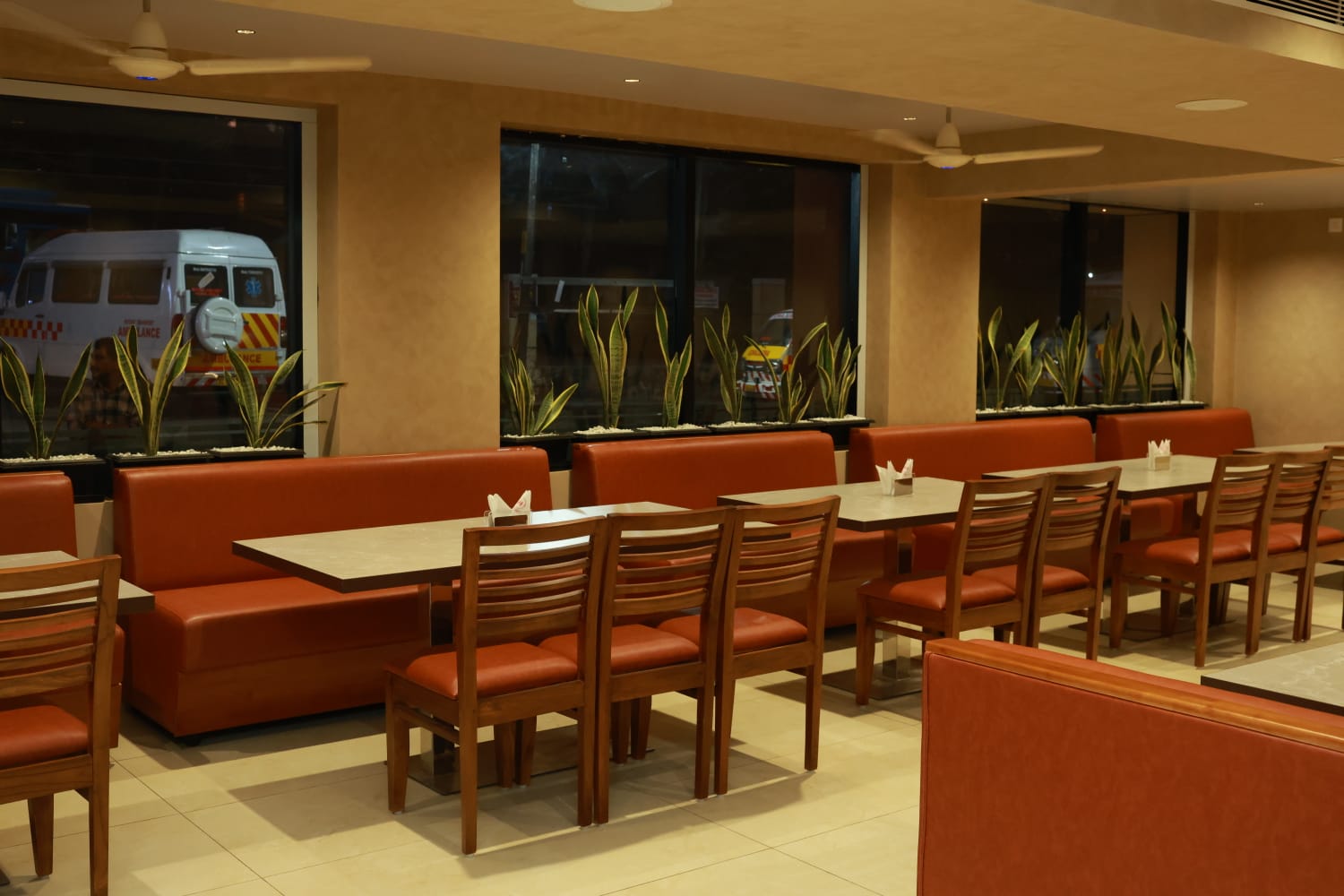
Restaurant in Kannur city. Pamban Madhavan Road, Talap, opposite AKG Hospital, Kannur, Kerala 670002 · MVK Heritage Foods, Talap, Malabar food.
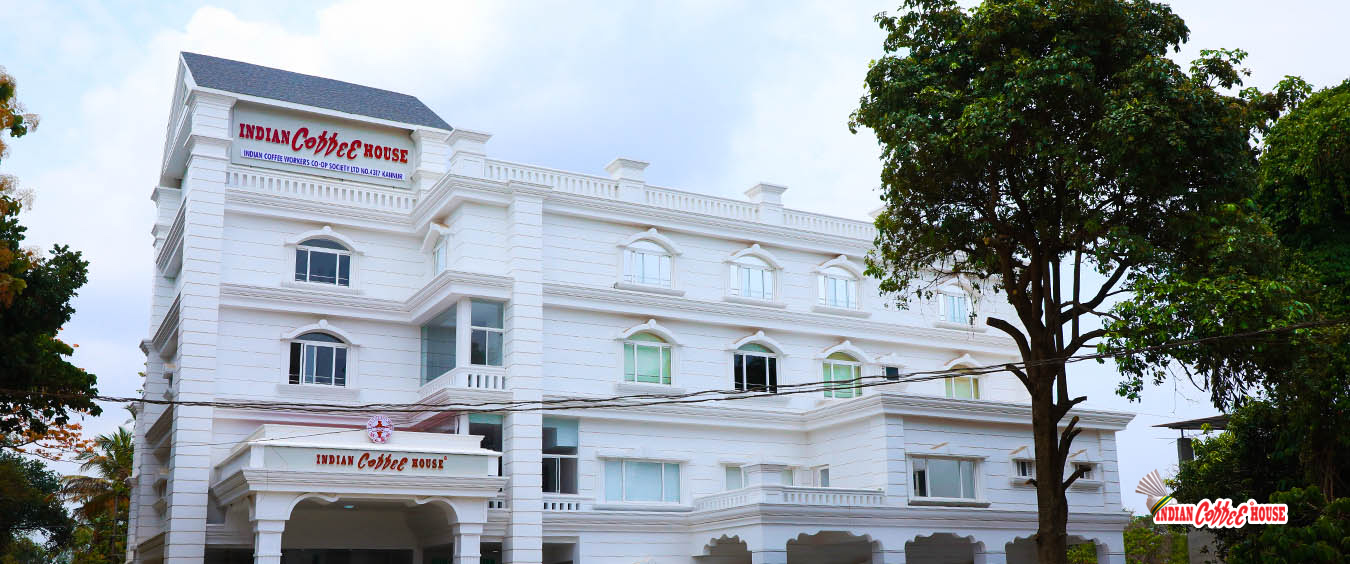
Kannur branch of the historic worker-run Indian Coffee House cooperative. Serves classic South Indian snacks, filter coffee and traditional set meals.
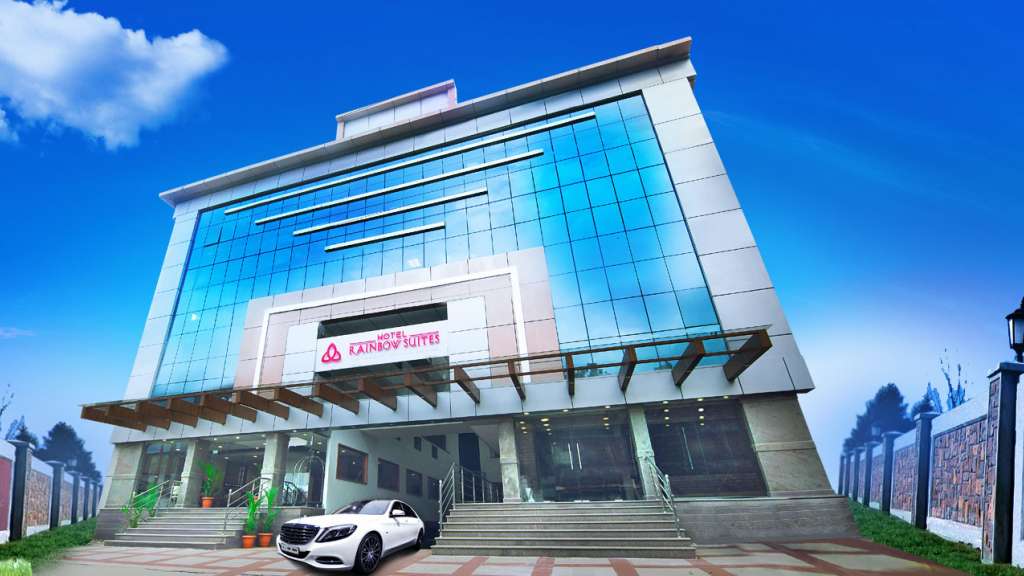
Kerala Tourism-listed hotel opposite Kannur railway station. Kannur railway station, Business hotel, City stay.
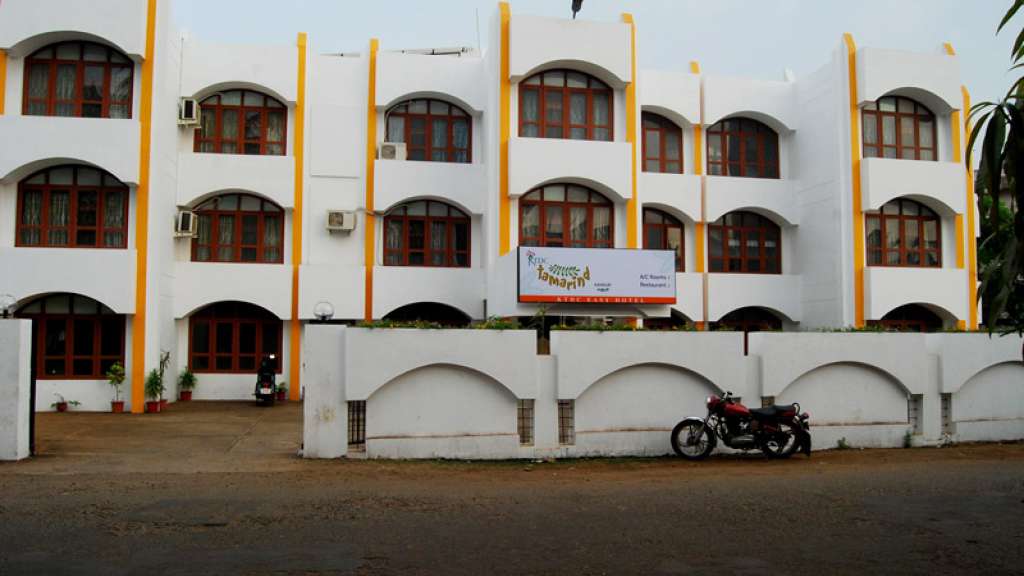
KTDC city stay near Police Club and Kannur railway-side logistics. Budget hotel (KTDC Easy Hotel) · KTDC, Kannur city hotel, Railway side stay.
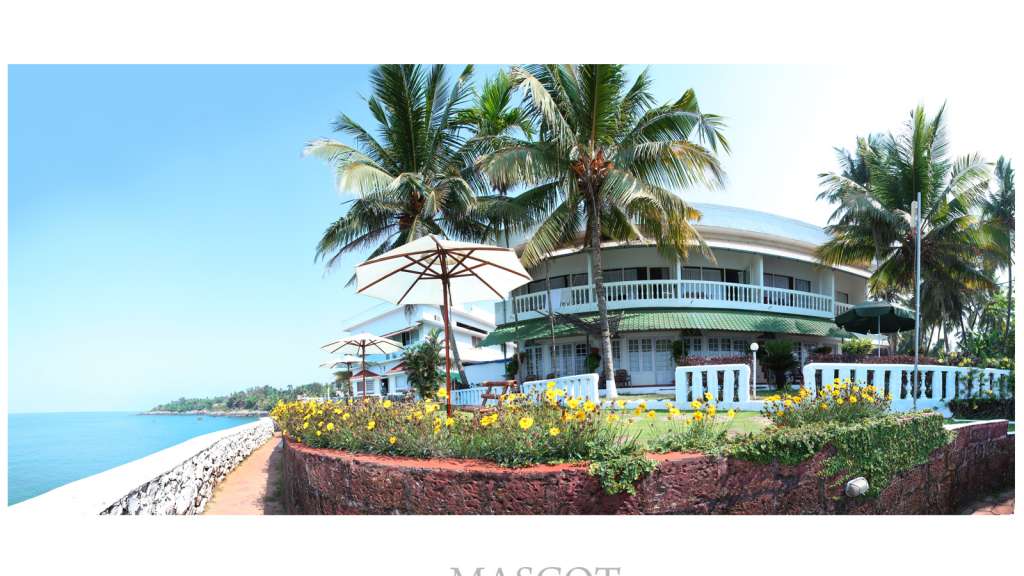
Kerala Tourism-listed cliff-facing beach resort near Kannur city. Mascot Beach Resort, Kannur resort, Sea view.
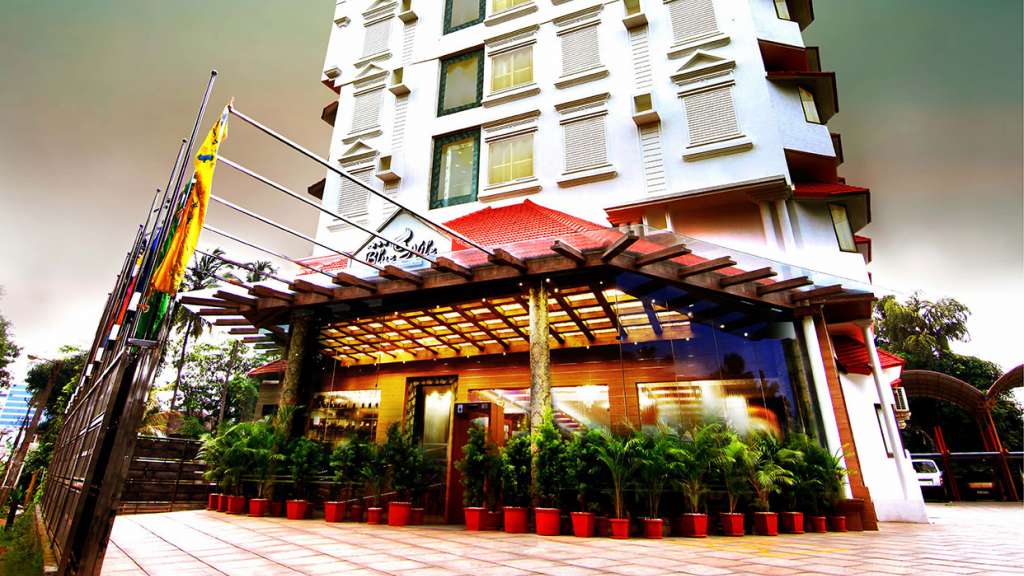
Kerala Tourism-listed four-star hotel on S.N. Park Road, Kannur. Kannur hotel, S N Park Road, City stay.
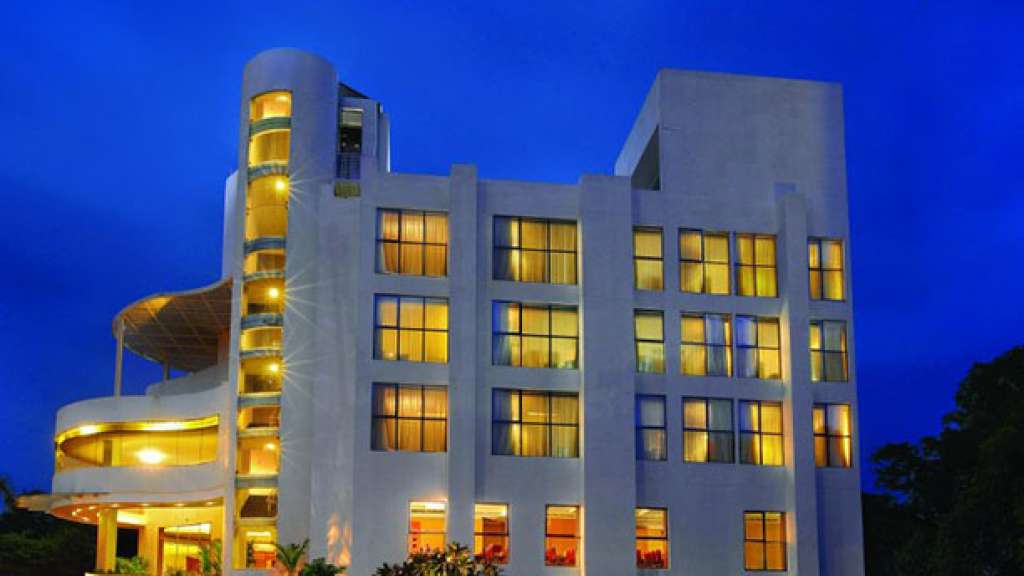
Kerala Tourism-listed four-star hotel near Thavakkara, Kannur. Kannur hotel, Thavakkara, City base.
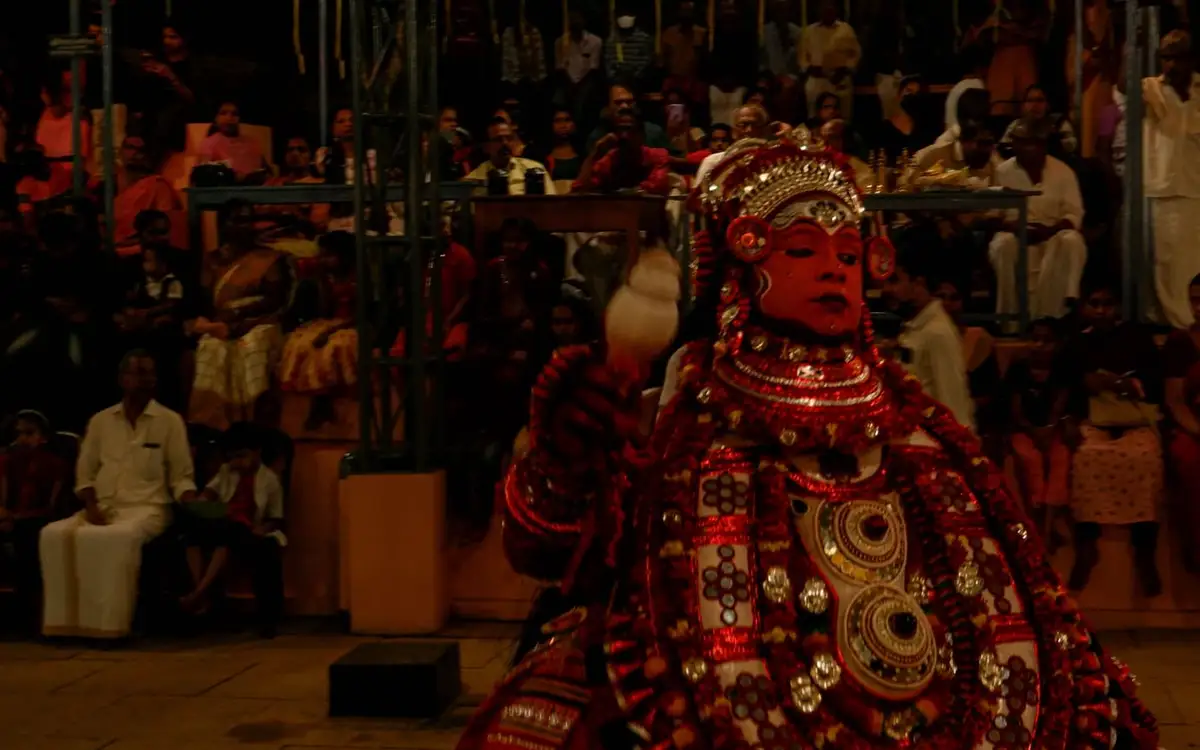
DTPC Kannur Theyyam Calendar is the responsible first check for seasonal Theyyam venues, dates and local timing before planning a ritual-arts itinerary. Kannur district, Kerala · Public calendar; confirm locally · Theyyam, Kannur culture, DTPC calendar.
St. Angelo Fort is Kannur city sea-fort anchor, best planned with current entry, timing, heat and nearby Payyambalam or Arakkal context checked before travel. St Angelo Fort, Kannur Fort, Heritage.
Café (burger, ice cream, indian, local, tea) on Thana Kakkad Road in Kannur City.
Restaurant (regional) on Kannur-Calicut-Valanchery Highway in Kannur City.
Cliff-top resort overlooking the Arabian Sea near Baby Beach. Over 30 rooms with a pool, Malabar restaurant and an in-house Ayurveda centre.
Book with the place itself. India’s cyber-crime coordination centre warned in April 2025 that convincing copies of hotel and pilgrimage booking sites are being pushed through sponsored search and social ads, taking payment for rooms the property never hears about. Every listing here links to the business’s own contact details and its own Google or Bing profile — we take no commission and sit in nobody’s payment path. If a booking page reached you through an ad, check the address bar against the property’s own site before you pay. Fraud can be reported on cybercrime.gov.in or on 1930.
Find food, accommodation and activities across Kannur city. Browse the guides for places to eat, stay and explore along your route.
Walking routes start at Arakkal Museum. Check the route and access before setting out, especially where a road, gate or waterway separates the stops.
8 more places around Kannur city. Open a guide to plan the visit and onward journey.
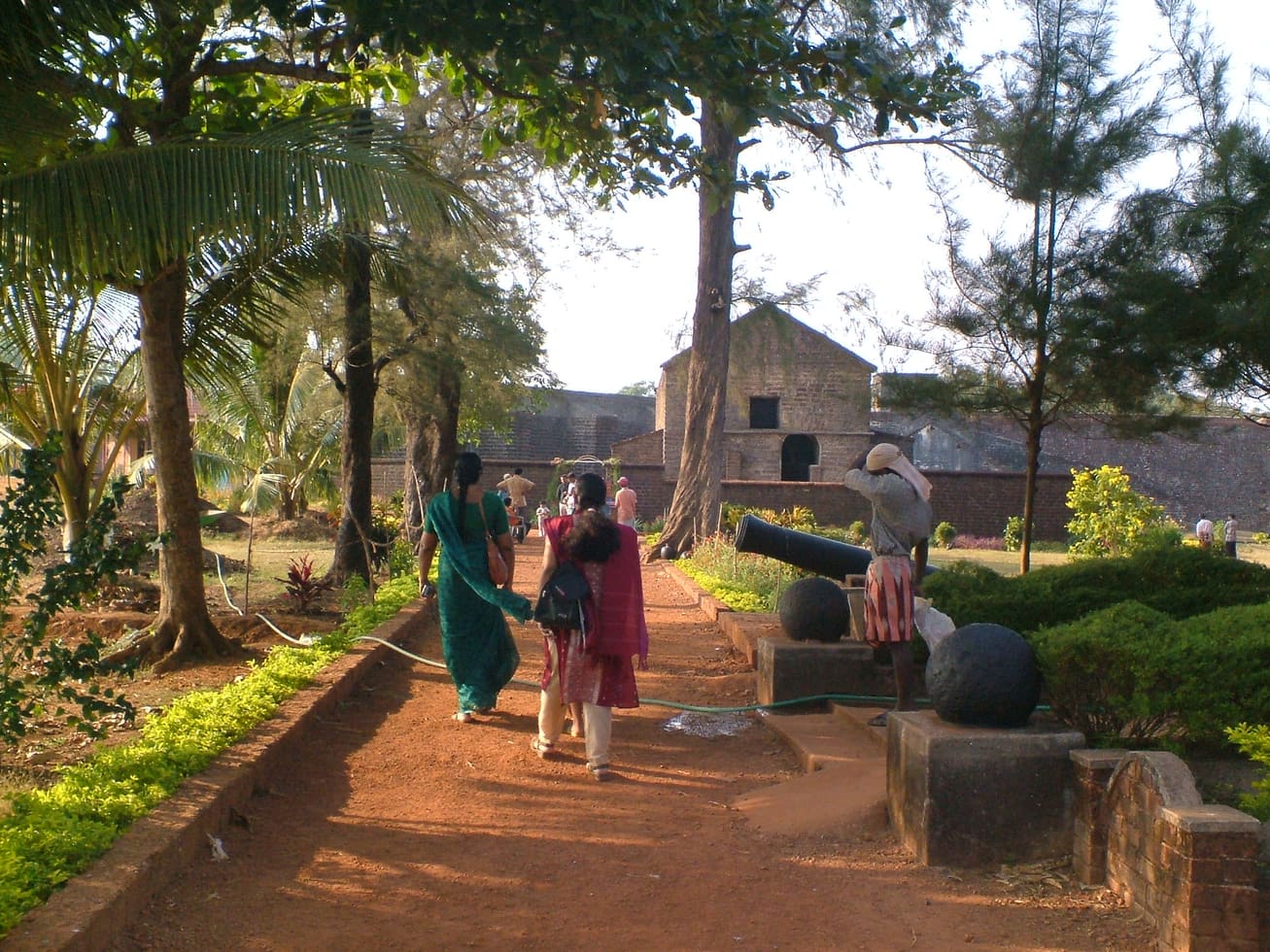
1.2 km · 14 min walk
Sea-facing laterite fort built by the Portuguese in 1505, later held by the Dutch, the Arakkal royal house and the British — Kannur city’s great coastal landmark overlooking Mappila Bay.
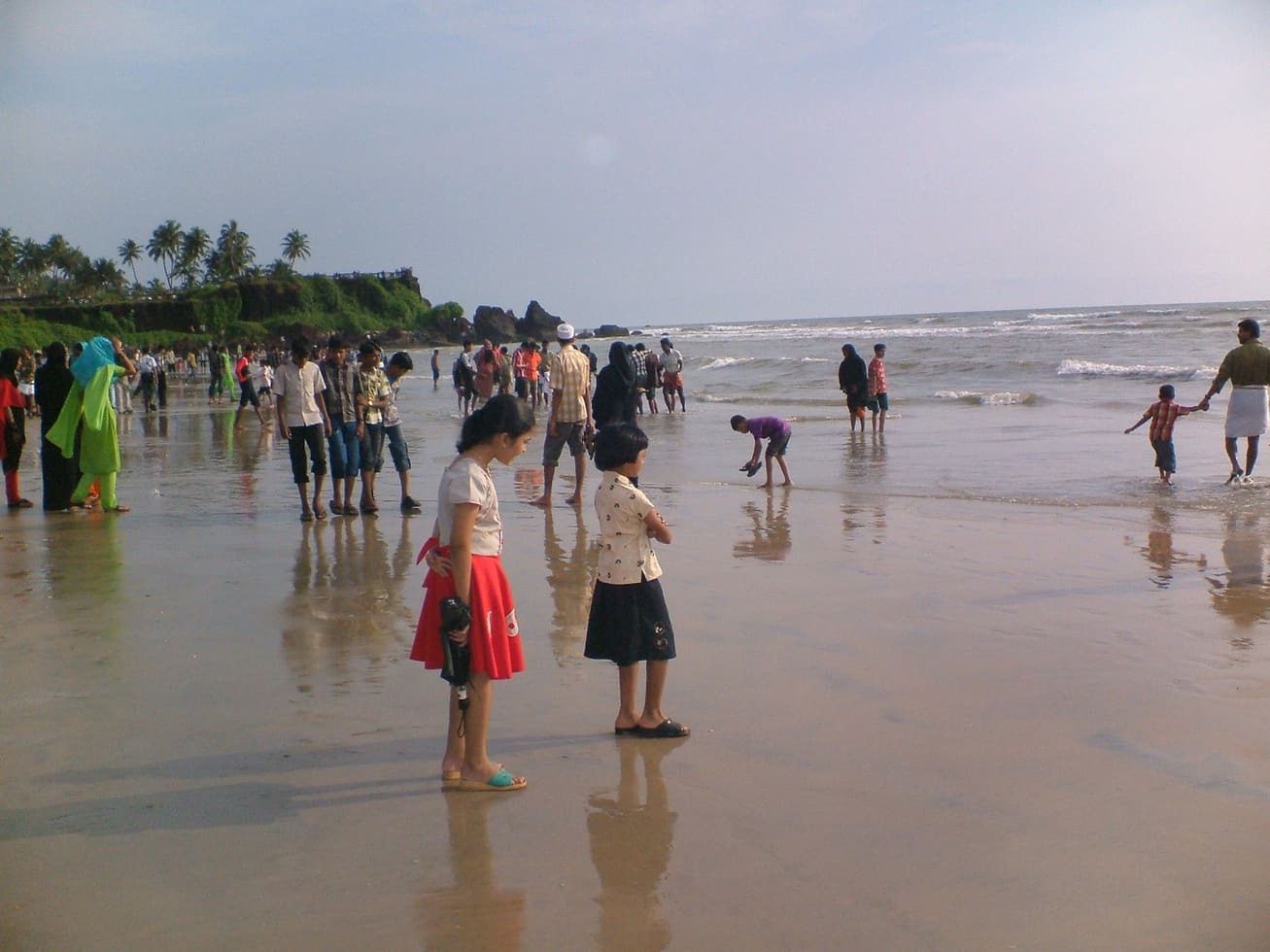
3.9 km · 5 min drive
Kannur city’s main beach, with a landscaped garden, the mother-and-child sculpture and long sunset walkways.
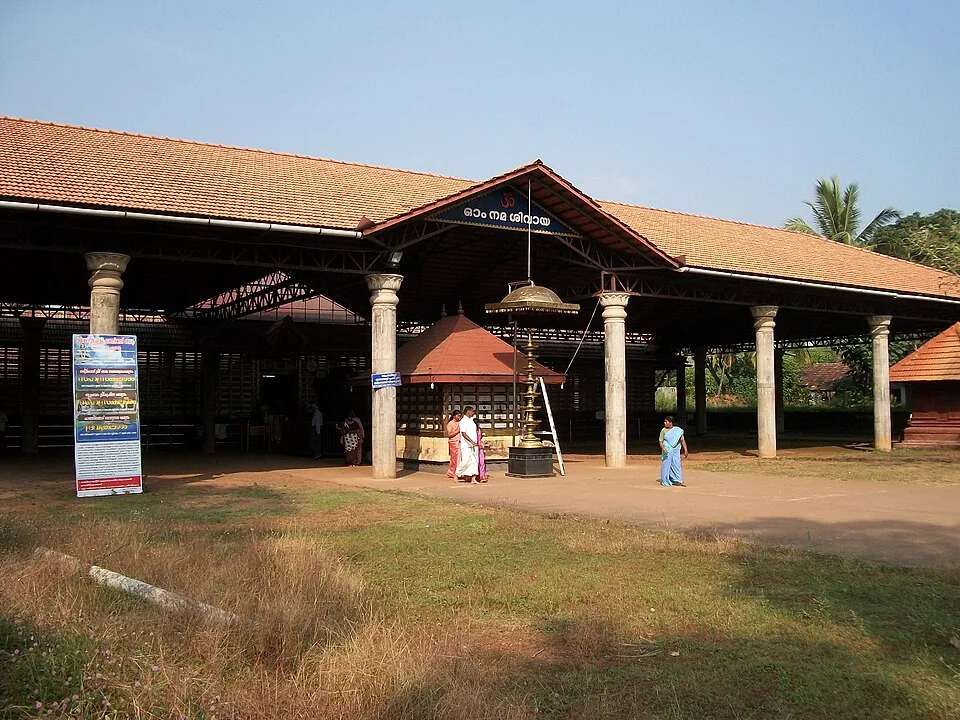
An ancient Shiva temple at Taliparamba, one of the 108 Shiva temples and the Dwadasha Shivalayams of old Kerala; men remove their shirt to enter and photography is restricted.
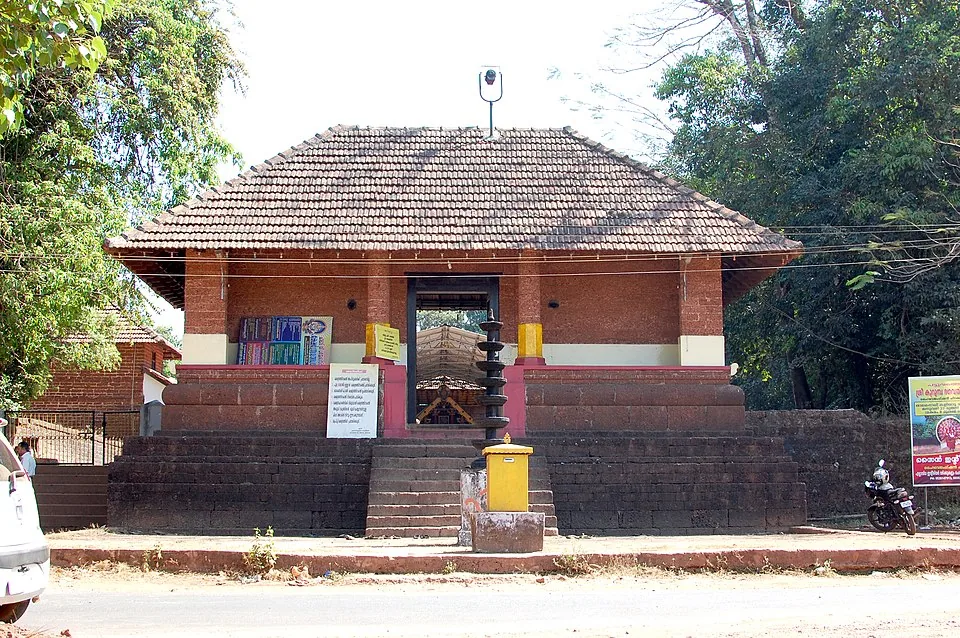
7.6 km · ~19 min by auto
A Bhagavathy temple near Valapattanam regarded as the mother shrine of Kalaripayattu — Kerala’s martial art — where Theyyam is performed; the goddess is guardian of the kalari.
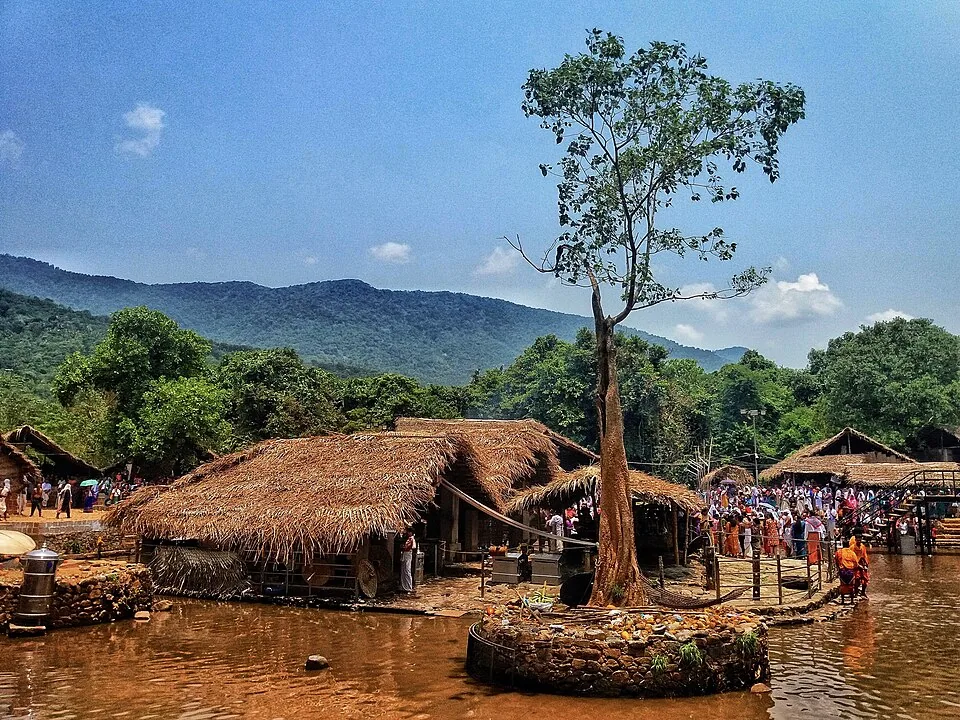
A remote forest Shiva shrine on the Bavali river, site of the ancient 28-day Kottiyoor Vaisakha Mahotsavam pilgrimage; the Akkare shrine has no permanent roof and is open only during the festival.
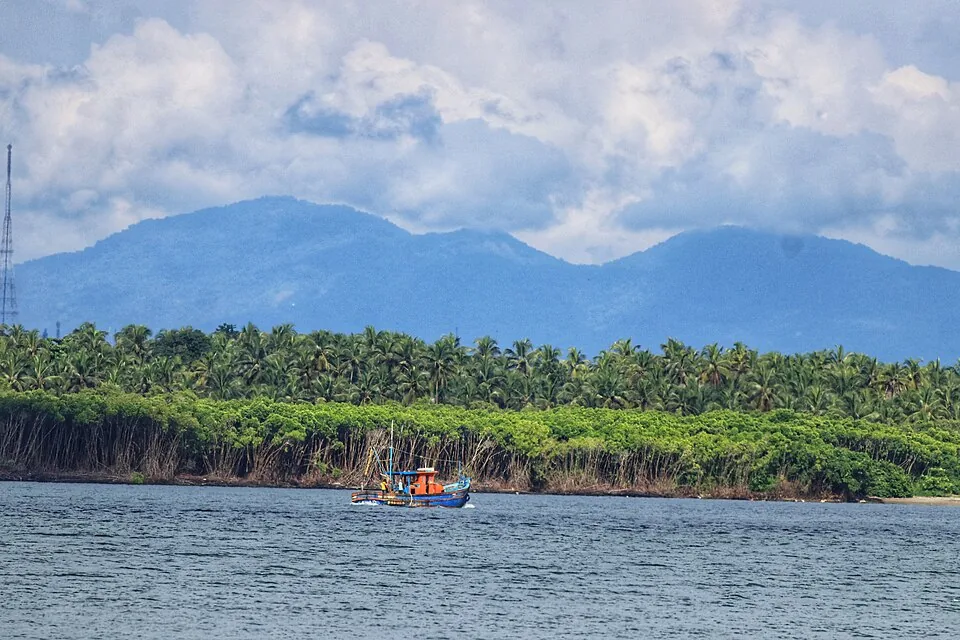
A dramatic 286 m headland near Payyannur, now home to the Indian Naval Academy — the hill itself is off-limits, but the beach and views below are open; rich in legend and rare herbs.
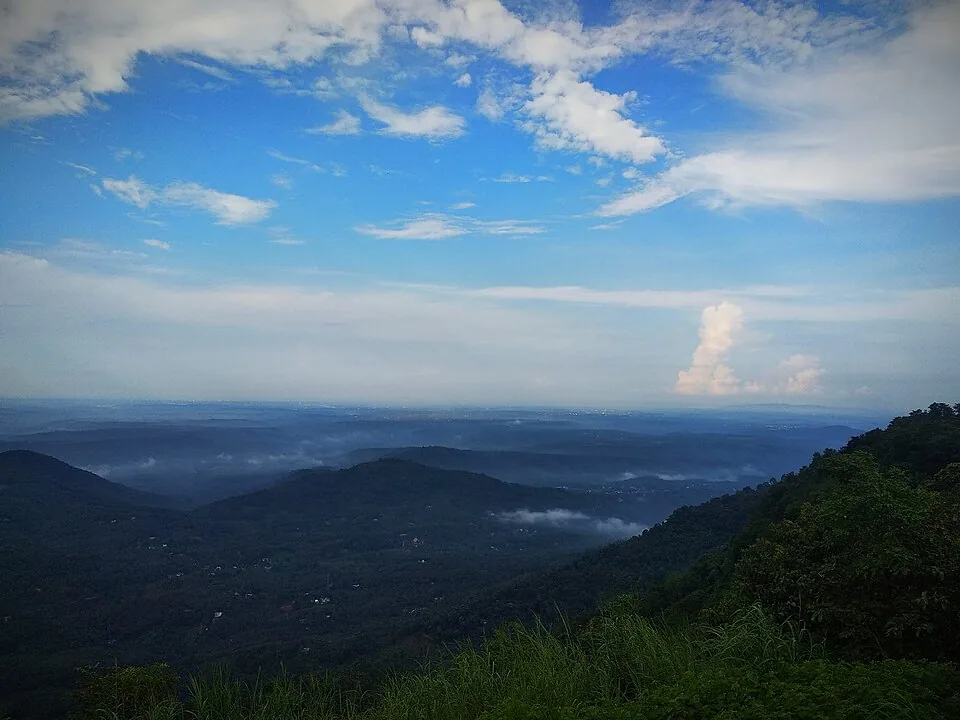
A misty grassland hill viewpoint in the Western Ghats near Kolari, ~3,000 ft, known for cloud-touched meadows, a small waterfall and adventure activities.
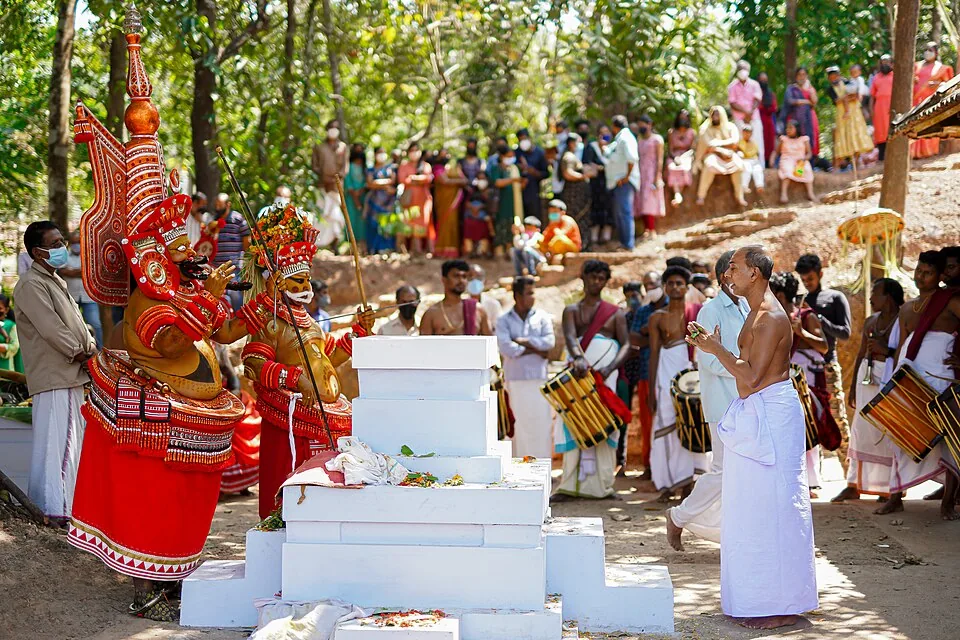
19.8 km · 25 min drive
A man of the Vannan or Malayan community is painted, dressed and crowned until the shrine treats him as the deity, and the people who come kneel to someone most of them would not have eaten beside within living memory. The season is set by the Malayalam calendar — the tenth of Thulam, about mid-October, to the middle of Edavam at the end of May — and outside it the kavus are quiet. The exception is Parassinikkadavu, north of the city, where Muthappan is performed most mornings and evenings for most of the year, though it too stops for six weeks each autumn. These are rituals, not ticketed shows.
Roampedia is commission-free — own or know a stay, eatery, guide or shop near Arakkal Museum? List it and it appears here once verified.
Add a nearby businessEntry: A nominal ticket of around ₹20 for adults and ₹10 for children, with a small extra charge (about ₹25) for cameras.
Dress code: No formal dress code, but as a palace of a devout royal family within a living family compound and near mosques, modest clothing is appreciated.
Photography: Photography is generally allowed for a small camera fee, though some galleries or specific exhibits may be restricted — check signage and ask staff before photographing.
If you are travelling by bus or ferry, check the return service with the operator before setting out. Leave time to reach the stop or jetty after your visit.
Ask at the bus stand for the time of the last service back, not the next one. If you miss it, an auto or app cab is the fallback — agree the fare before you get in.
If you need step-free access, contact the site before travelling. Ask about a level entrance, steps along the route, the nearest drop-off point, seating and accessible toilets.
Charge cap and free-transaction limits: Reserve Bank of India, in force since 1 May 2025.
These services are listed within about 1.2 km of Arakkal Museum. Walking distances follow mapped routes; access and opening hours can change. Other services may be closer but are not included here.
Emergency numbers are verified against official government and state tourism sources. 112 works anywhere in India.
Sea-facing laterite fort built by the Portuguese in 1505, later held by the Dutch, the Arakkal royal house and the British — Kannur city’s great coastal landmark overlooking Mappila Bay.
1.2 km · 14 min walkA small rocky beach in the Kannur cantonment, an extension of Payyambalam and within a few minutes of St Angelo’s Fort and the Kannur lighthouse. Not a swimming beach — the draw is the rocks, the quiet and the lighthouse beam after dark.
1.7 km · 21 min walk · straight line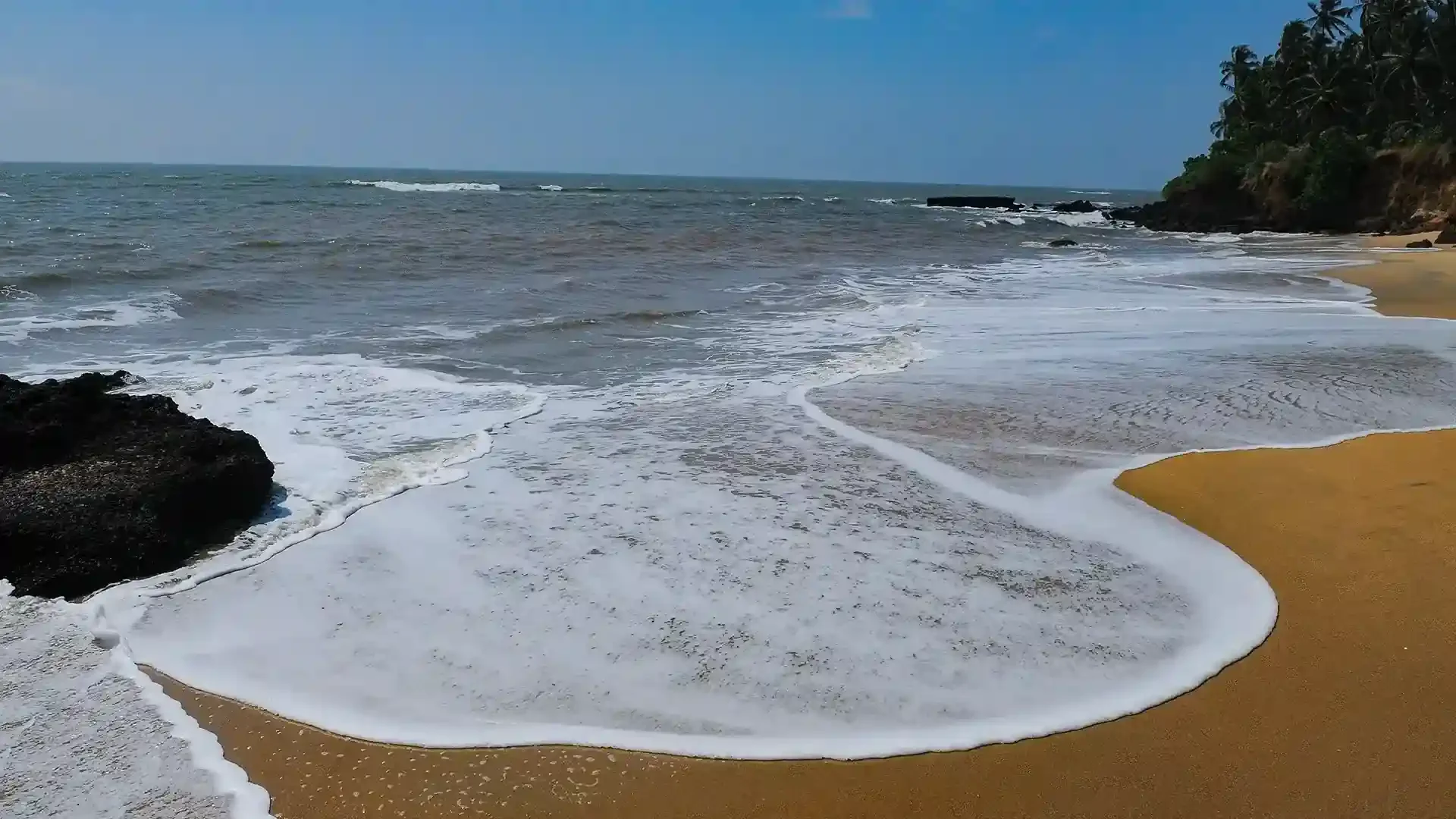
Adikadalayi Beach, also called Kadalayi Beach in Kerala’s coastal tourism study, is a Kannur shore with sandy pockets, exposed red coastal rock and palms above the water. It belongs to the Adikadalayi locality, not the separately named Thottada, Kizhunna or Ezhara beaches farther along the coast. Use the mapped public steps from Tippu Sulthan Beach Road as the arrival reference. Nearby cliff-side homestays have their own entrances and facilities, and should not be used as assumed public access.
2.8 km · ~7 min by auto · straight lineKannur city’s main beach, with a landscaped garden, the mother-and-child sculpture and long sunset walkways.
3.9 km · 5 min drive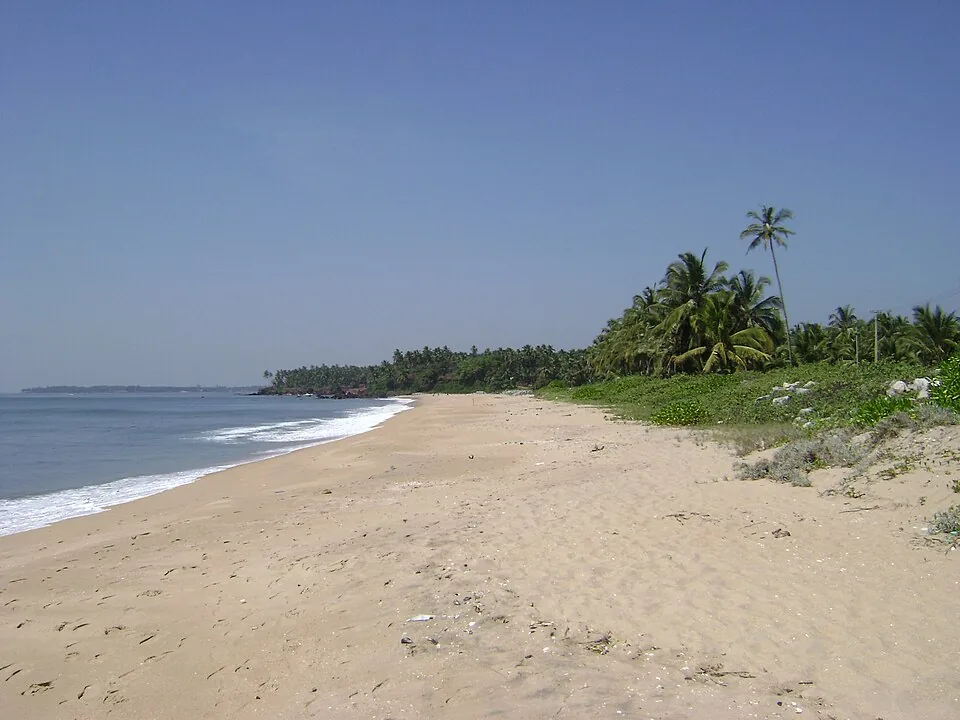
A quiet, unspoilt cove-and-stream beach south of Kannur city, known for its homestays and calm, uncrowded sands.
4.2 km · ~11 min by auto · straight line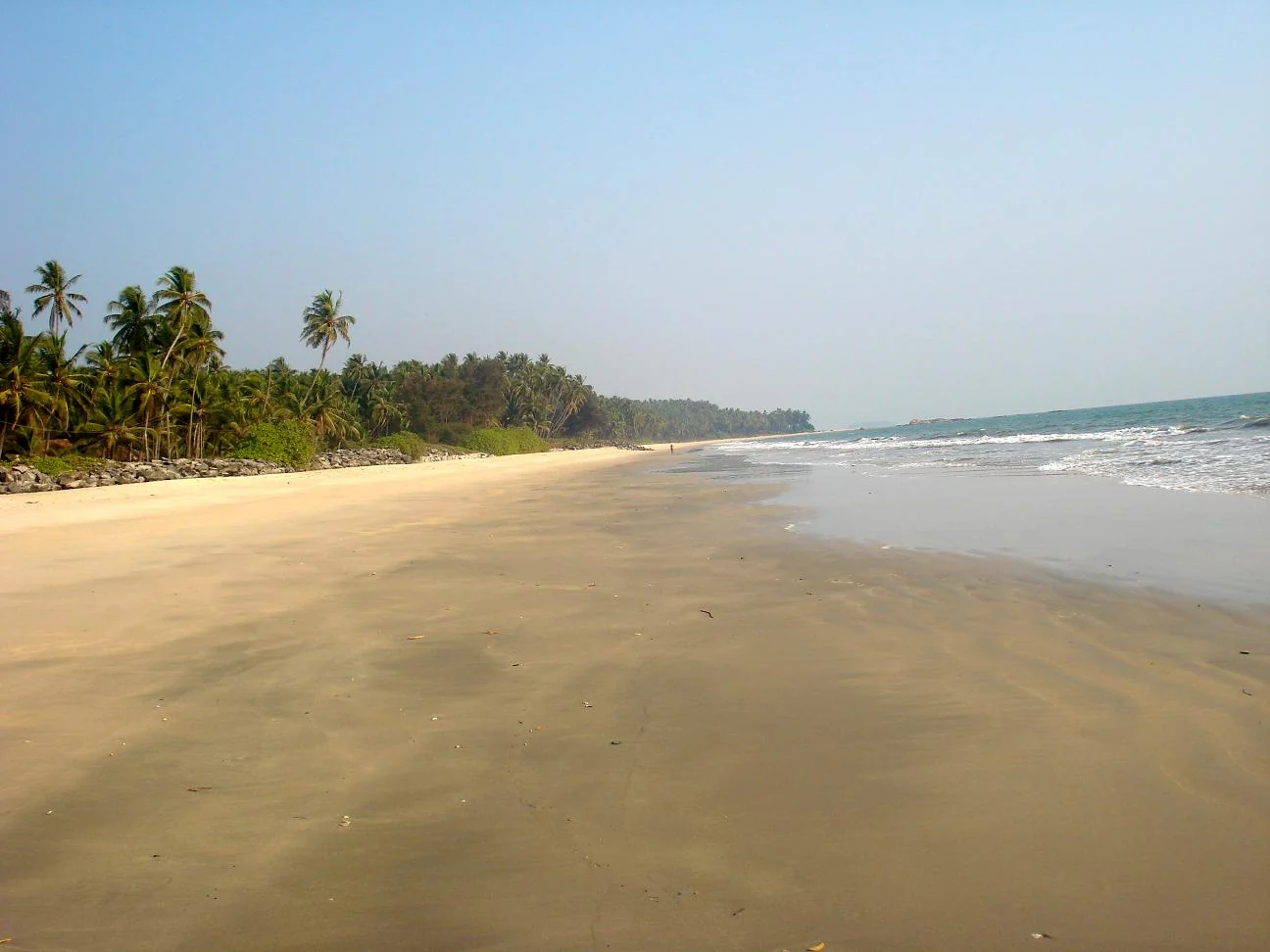
Kizhunna’s sandy shore lies between Thottada and Ezhara, with palm-backed village edges and the Cherakallu rock formations breaking up the coastline.
5.1 km · ~13 min by auto · straight lineA Bhagavathy temple near Valapattanam regarded as the mother shrine of Kalaripayattu — Kerala’s martial art — where Theyyam is performed; the goddess is guardian of the kalari.
7.6 km · ~19 min by auto · straight line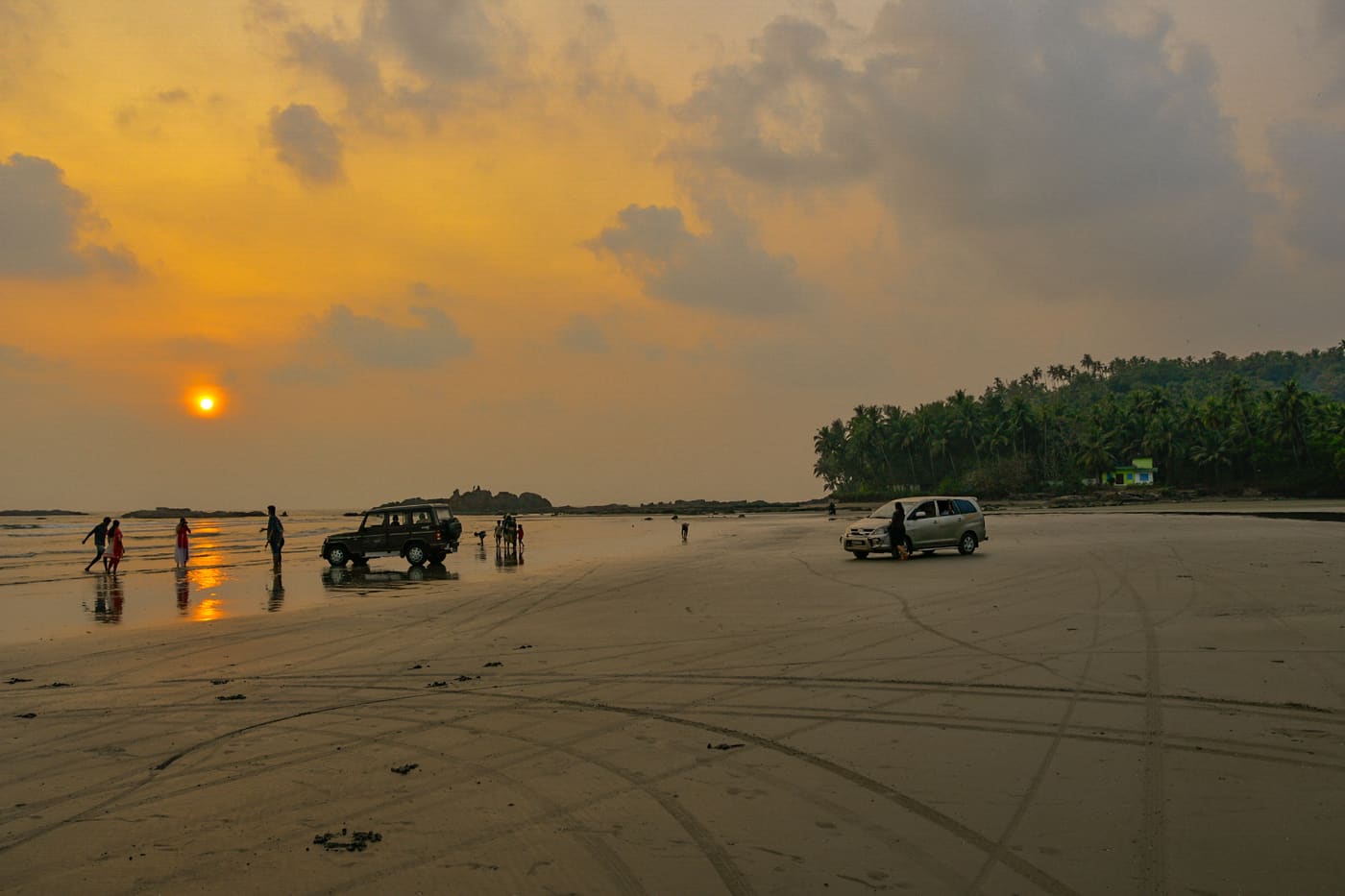
A ~4 km hard-sand beach, the longest drive-in beach in India — you can drive along the sand at low tide; Dharmadam Island lies just offshore.
10.1 km · ~17 min by cab · straight line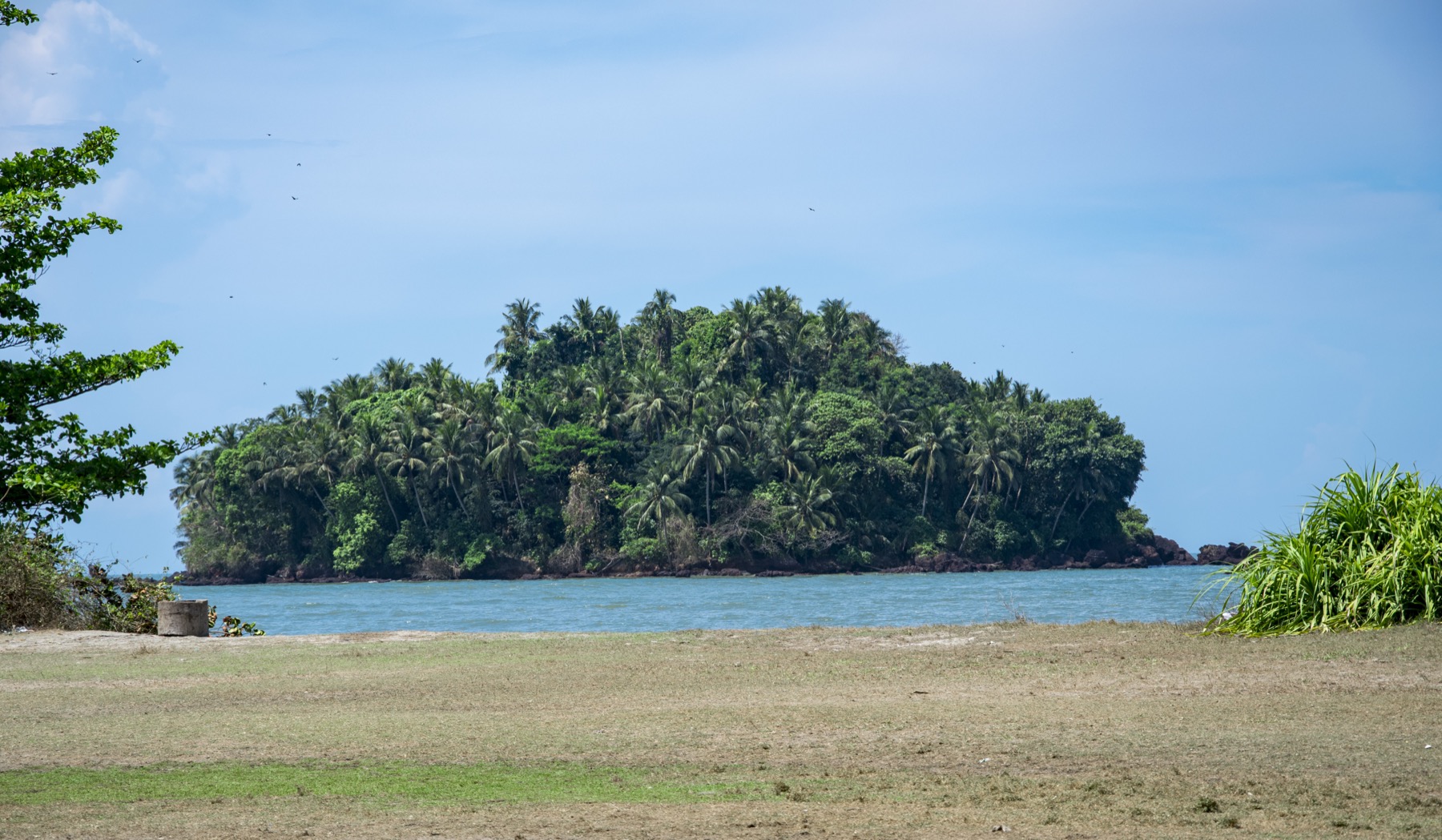
A small green private island off Muzhappilangad, reachable on foot across the sand at low tide (viewing only; landing is restricted).
12.9 km · ~21 min by cab · straight line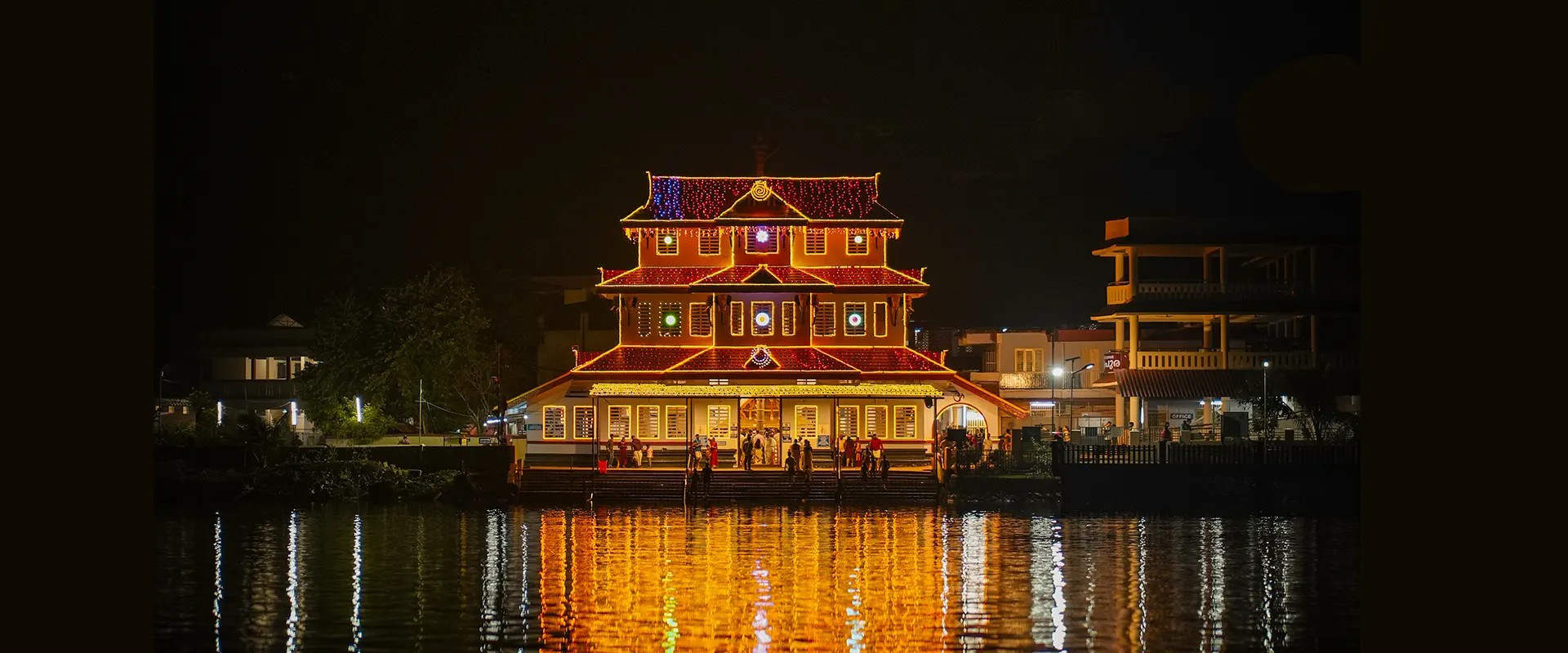
On the Valapattanam river, the temple of Muthappan — where the Muthappan Theyyam is performed morning and evening on nearly every day of the year, and where entry is open to all castes and religions; a snake park is nearby. The exception is the six weeks from the first of Thulam to the fifteenth of Vrischikam, when it stops, and the ritual year begins again with Puthari Thiruvappana around the first of December.
14.0 km · ~23 min by cab · straight line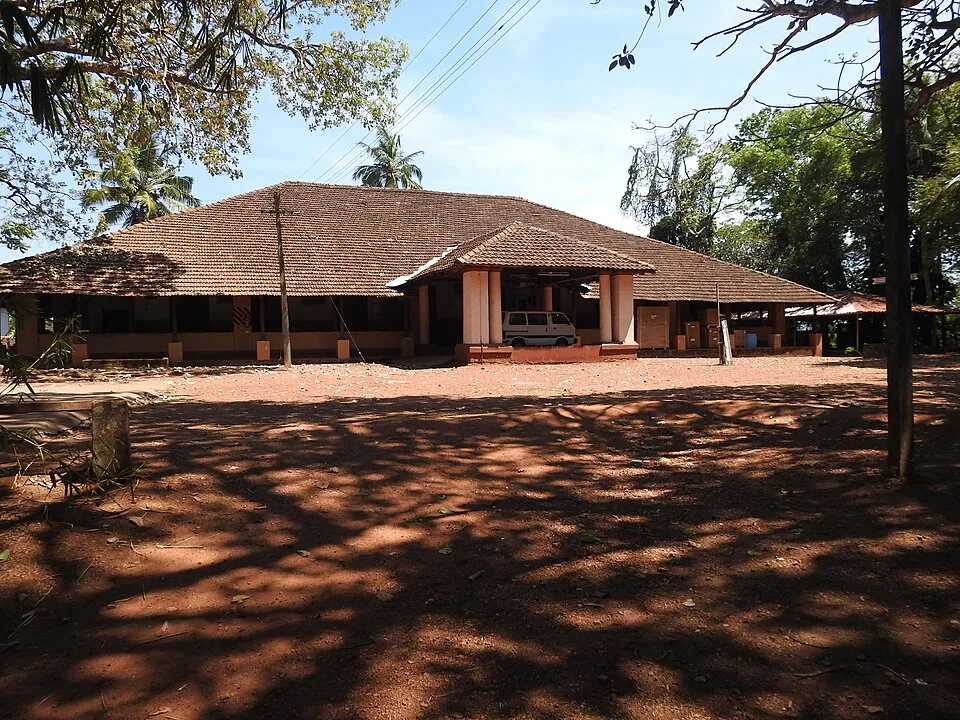
At Illikkunnu near Thalassery, the hillside home of the German missionary-scholar Hermann Gundert, who compiled the first Malayalam–English dictionary and grammar here in the mid-1800s.
15.3 km · ~26 min by cab · straight lineThe ritual season of north Malabar, in which a man of the Vannan or Malayan community is dressed, painted and crowned until the shrine treats him as the deity itself. It runs from the tenth of Thulam, about mid-October, to the middle of Edavam at the end of May, at kavus and household shrines rather than on any stage, and the peak is January to April. Outside the season the kavus are quiet — the exception is Parassinikkadavu, north of the city, which performs Muthappan on a fixed daily schedule and is the anchor this page is pinned to.
19.8 km · 25 min driveWalking and driving times are real routed distances, except the few marked “straight line”, which are direct-line estimates and will read short. Fare figures are estimates from Kerala’s notified auto/taxi tariff and exclude waiting and night charges. Routing: © openrouteservice.org by HeiGIT | Map data © OpenStreetMap contributors
Nearby toilets, pharmacies, ATMs, seating and vets are community-mapped and may be incomplete or out of date. Map data © OpenStreetMap contributors | Walking times © openrouteservice.org by HeiGIT
It is a heritage museum set inside the durbar (court) hall of the Arakkalkettu, the ancestral palace of the Arakkal Ali Rajas — Kerala’s only Muslim royal family. The Kerala government restored the hall and opened it to visitors in 2005.
The Arakkal followed marumakkathayam, a matrilineal system, so the eldest family member — man or woman — became ruler. A male ruler was called the Ali Rajah and a female ruler the Arakkal Beevi, meaning several women ruled the kingdom in their own right.
Yes. At their height the Ali Rajas controlled much of the Lakshadweep archipelago, including islands such as Agatti, Kavaratti, Androth, Kalpeni and Minicoy. They formally ceded their remaining rights over the islands to the British in 1905 in exchange for a pension and the title of Sultan.
Exhibits include the family’s ceremonial seal, royal copies of the Holy Quran, swords and daggers, a brass telescope, wooden grain chests (pathaayam), antique furniture, oil lamps and vintage telephones, displayed within the old palace with its coloured-glass windows and wooden floors.
Most visitors spend around 30 to 45 minutes. It sits at Ayikkara on the Kannur seafront, a short walk from St Angelo Fort and Mappila Bay, so it pairs naturally with those and with Payyambalam Beach for a half-day of coastal Kannur.
It is generally open daily except Mondays, roughly from mid-morning to late afternoon, with a small entry ticket. Timings and fees can change, so it is best to confirm locally before visiting.
Midday works well for museums, especially when outdoor heat is high.
Entry: A nominal ticket of around ₹20 for adults and ₹10 for children, with a small extra charge (about ₹25) for cameras. Timings: Generally open daily except Mondays, roughly 9.30 am to 5.30 pm (some sources say 10 am to 5 pm); closed Mondays.
Base yourself in Kannur city or a nearby town in Kannur, then confirm the last-mile route locally before leaving. Check weekly closure day and ticket counter timings before going. If the visit depends on forest, temple, boat, ferry, weather or seasonal access, check the official/local rule on the day before travel.
1 to 2 hours.
Nearby you can pair St. Angelo Fort (1.2 km), Baby Beach (1.7 km), Adikadalayi Beach (2.8 km), Payyambalam Beach (3.9 km).
Use official ticket counters and cloakroom rules. Keep bags and cameras within permitted areas.
We have not published a story about Arakkal Museum itself yet. These cover Kannur city and the wider district, with separate journeys between stops.
Route-level itineraries and practical guides for the rest of Kerala.
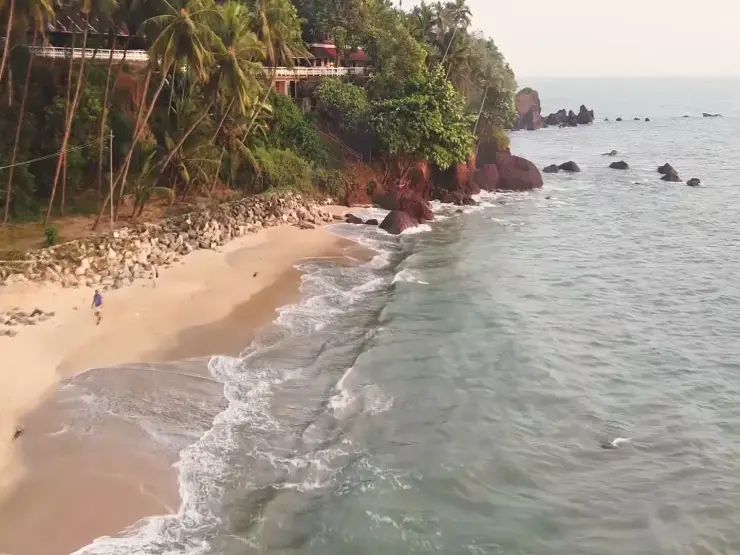
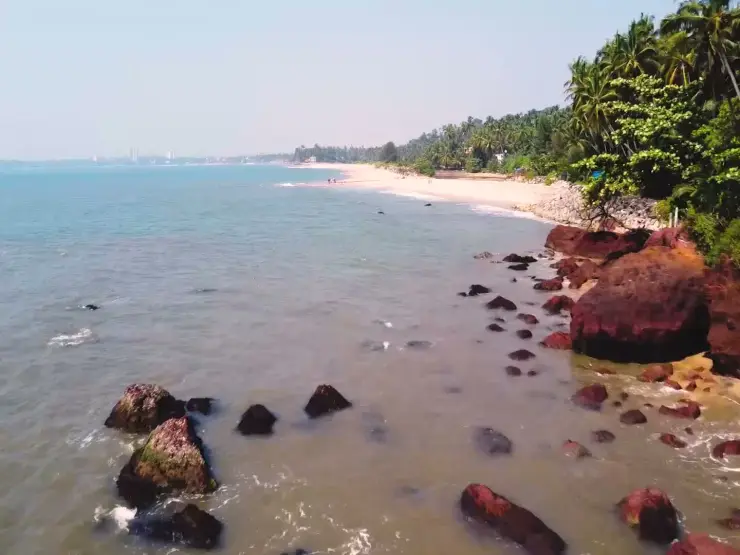
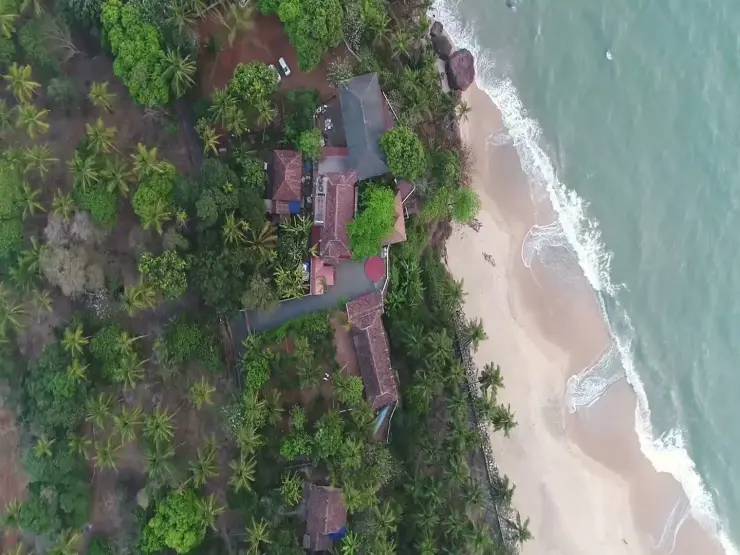
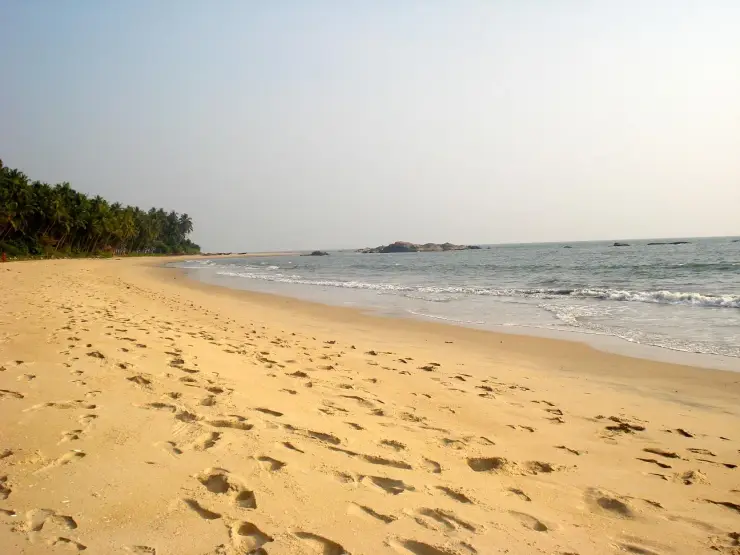
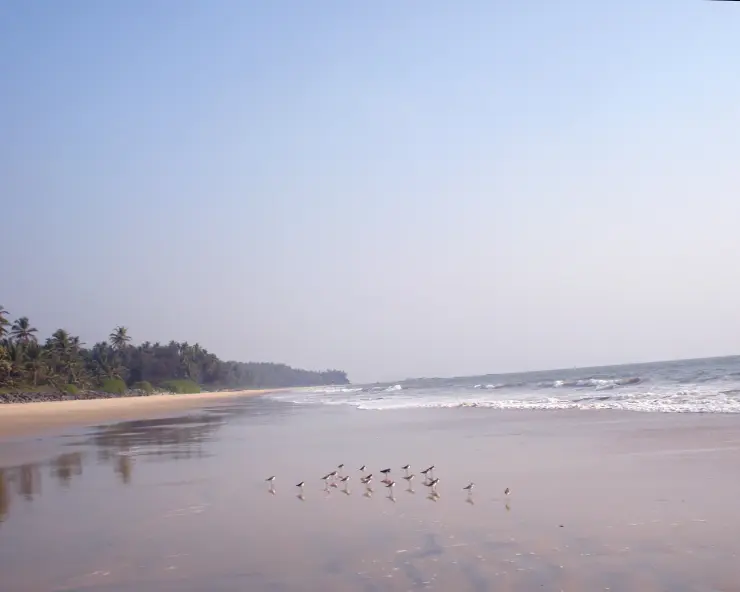
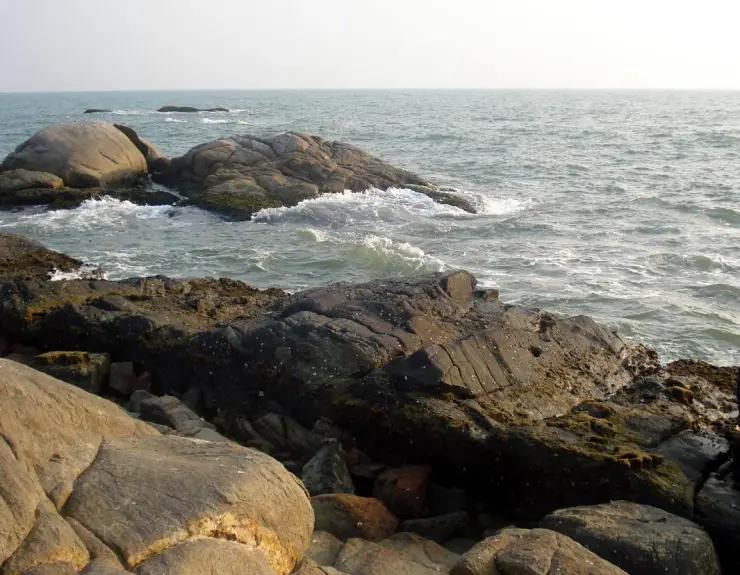
Photographs: Vinayaraj (CC BY-SA 4.0). Wikimedia Commons.