Indicative entry fees and opening hours for the ticketed and timed places in Kannur. These change — always confirm with the official operator before you go.
PlaceEntry feeTimingsBest time
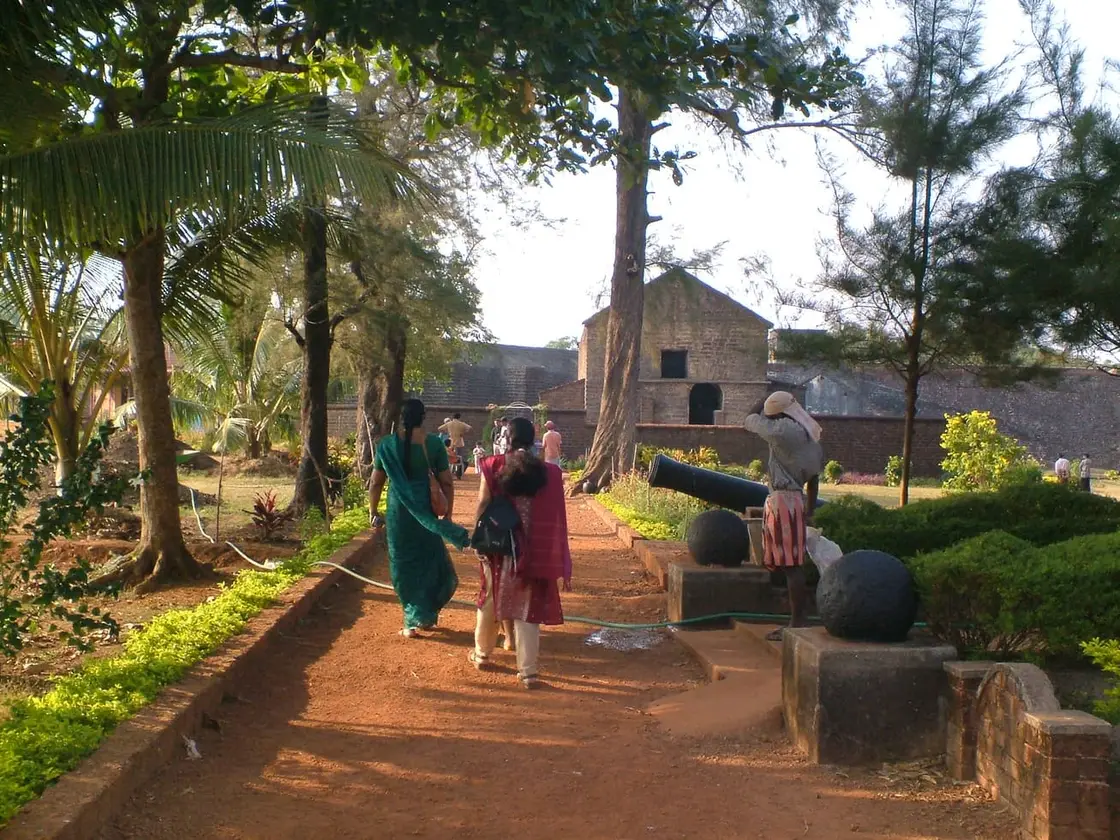
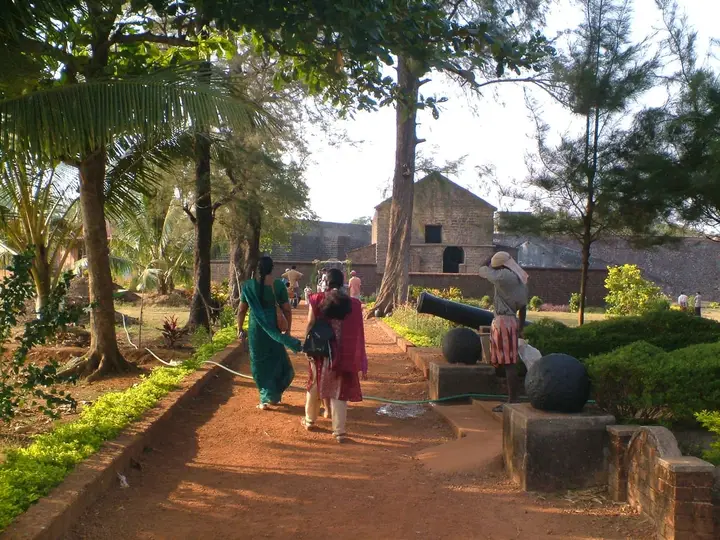
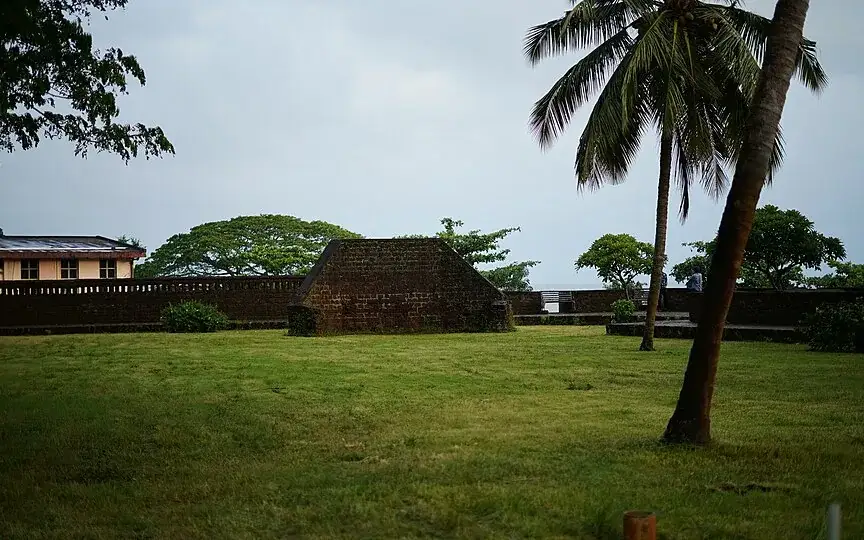
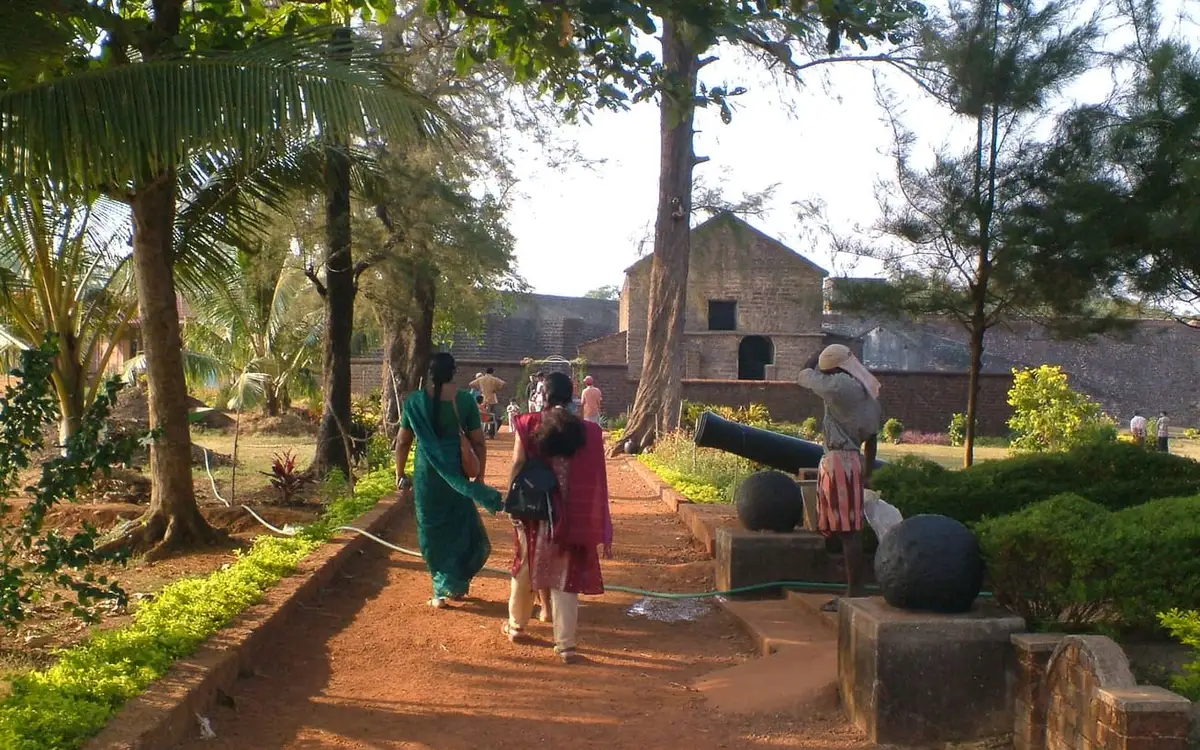
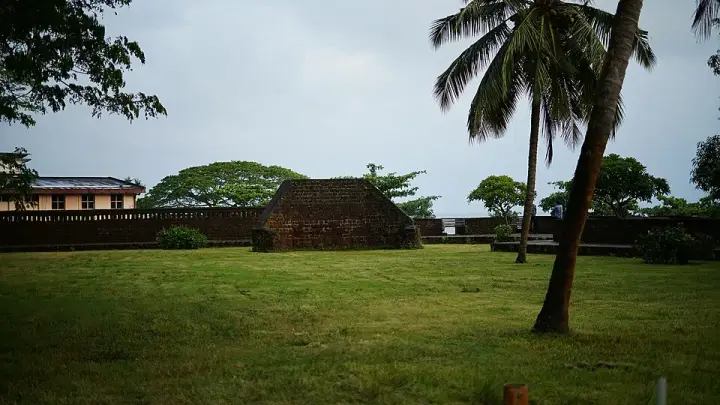
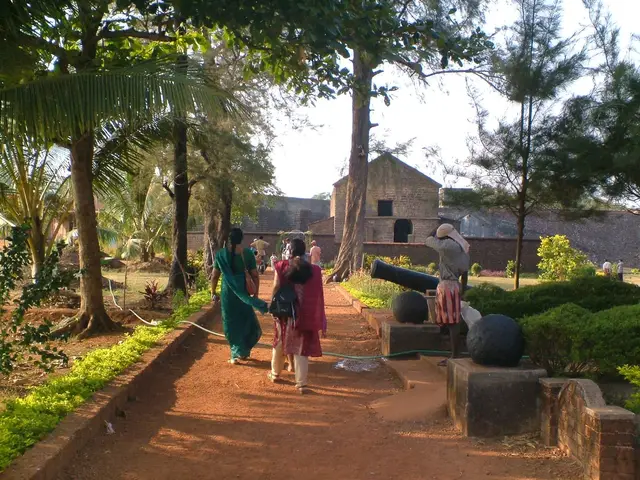
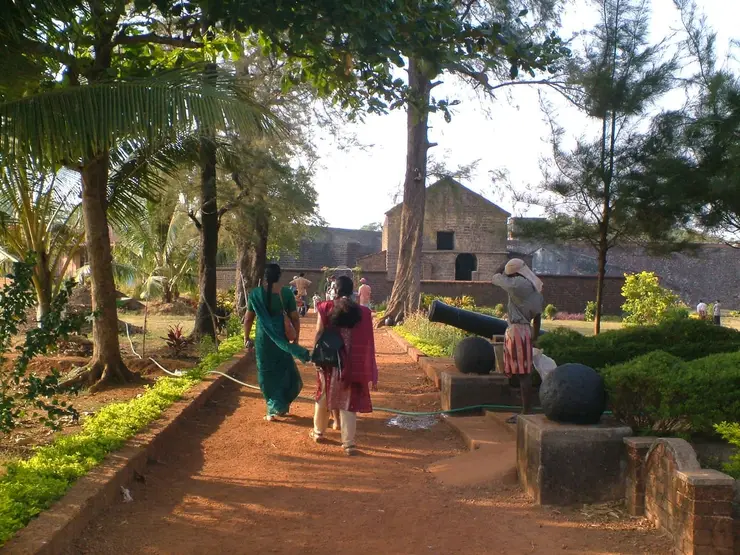
St. Angelo Fort Nominal ASI entry ticket — around ₹25 for Indian visitors and a higher rate (about ₹300) for foreign nationals; digital/QR payment is often required.Generally open daily, roughly 8 am to 6 pm.October to March, when the coastal weather is cool and pleasant; late afternoon into sunset is the most rewarding time for the sea and harbour views.
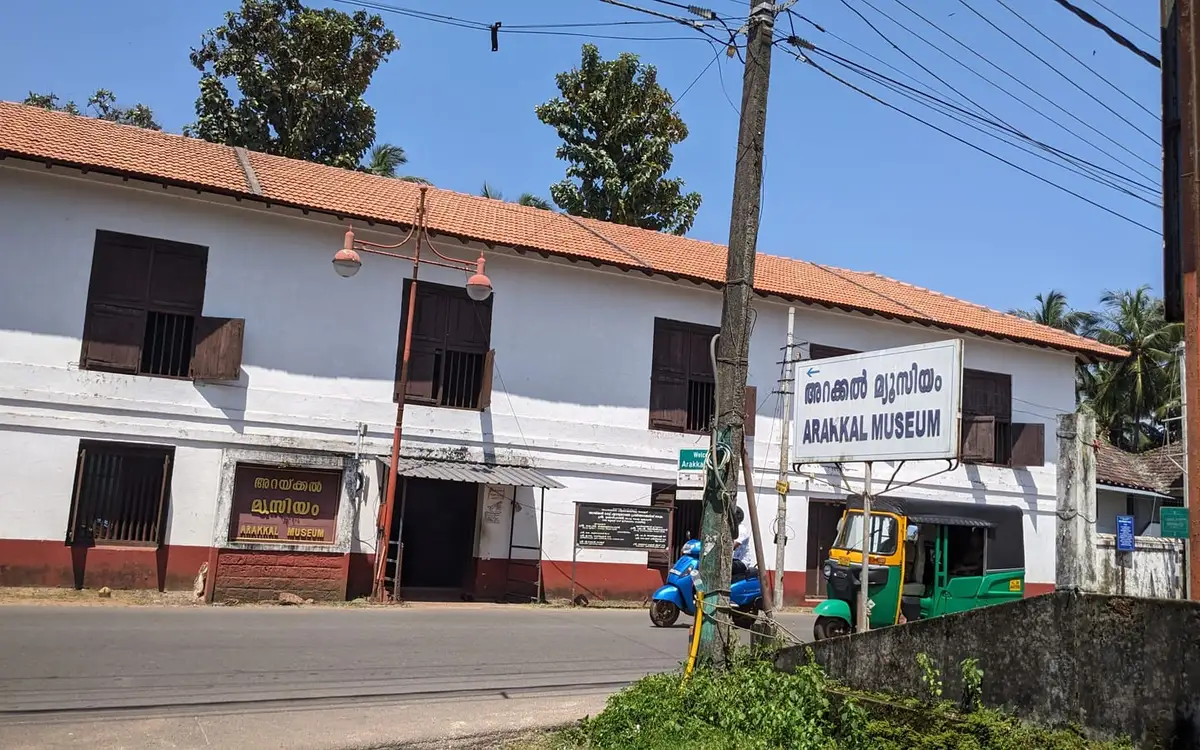
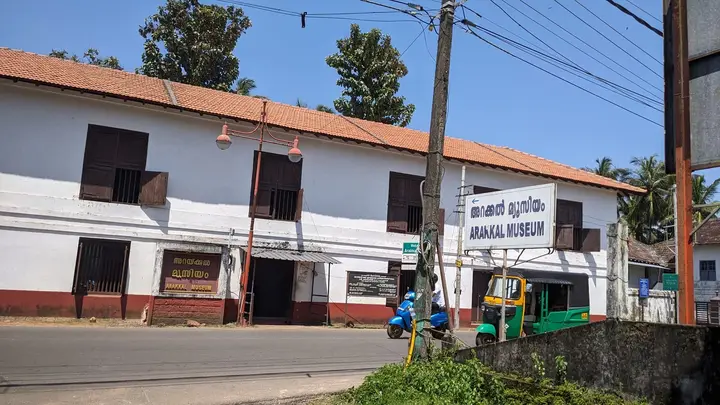
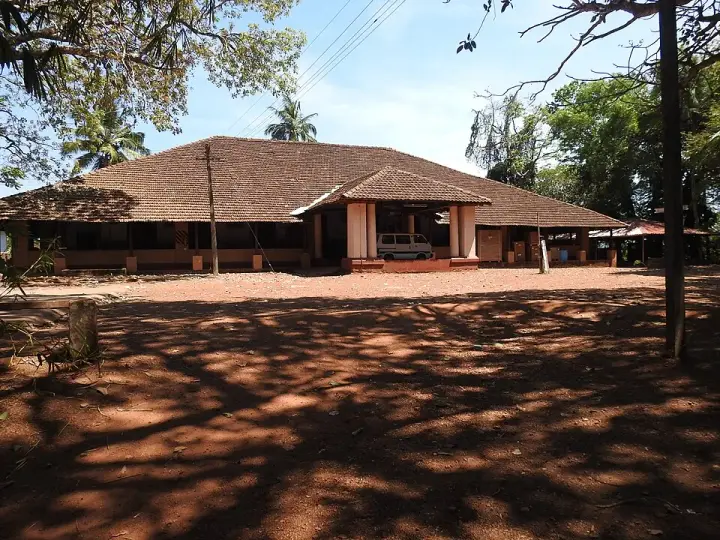
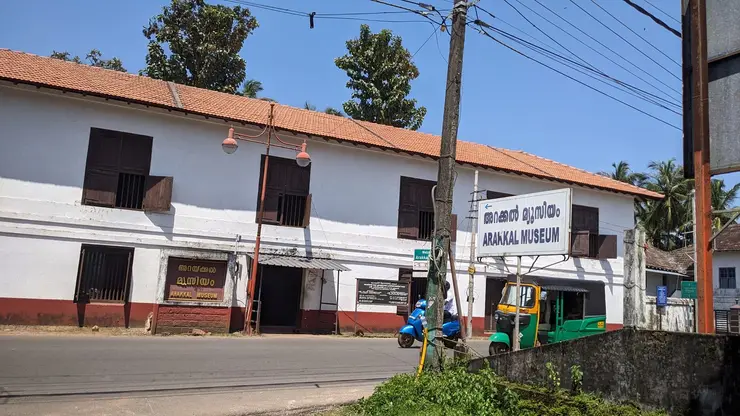
Arakkal Museum A nominal ticket of around ₹20 for adults and ₹10 for children, with a small extra charge (about ₹25) for cameras.Generally open daily except Mondays, roughly 9.30 am to 5.30 pm (some sources say 10 am to 5 pm); closed Mondays.October to March, when Kannur’s coastal weather is dry and pleasant; mornings are cooler and quieter for a relaxed visit.
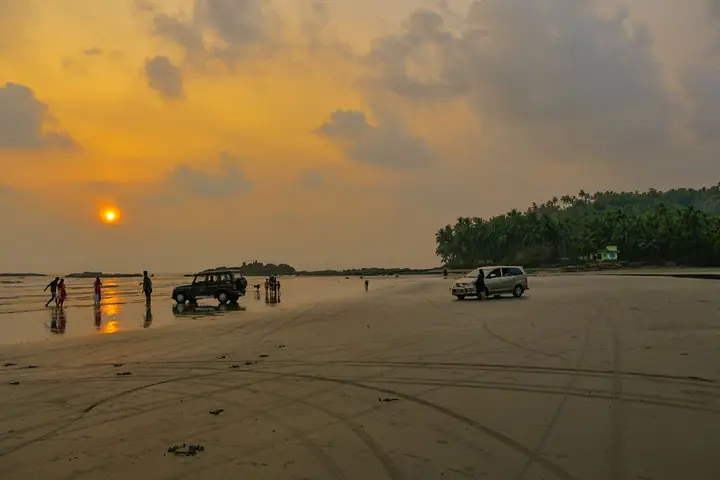
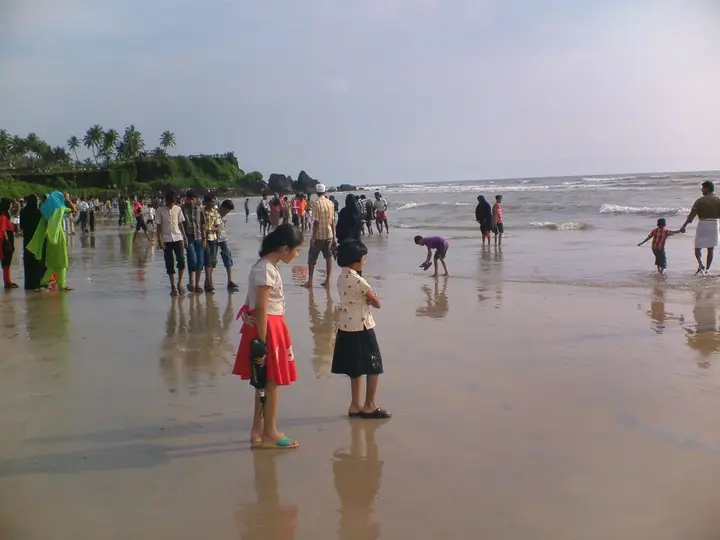
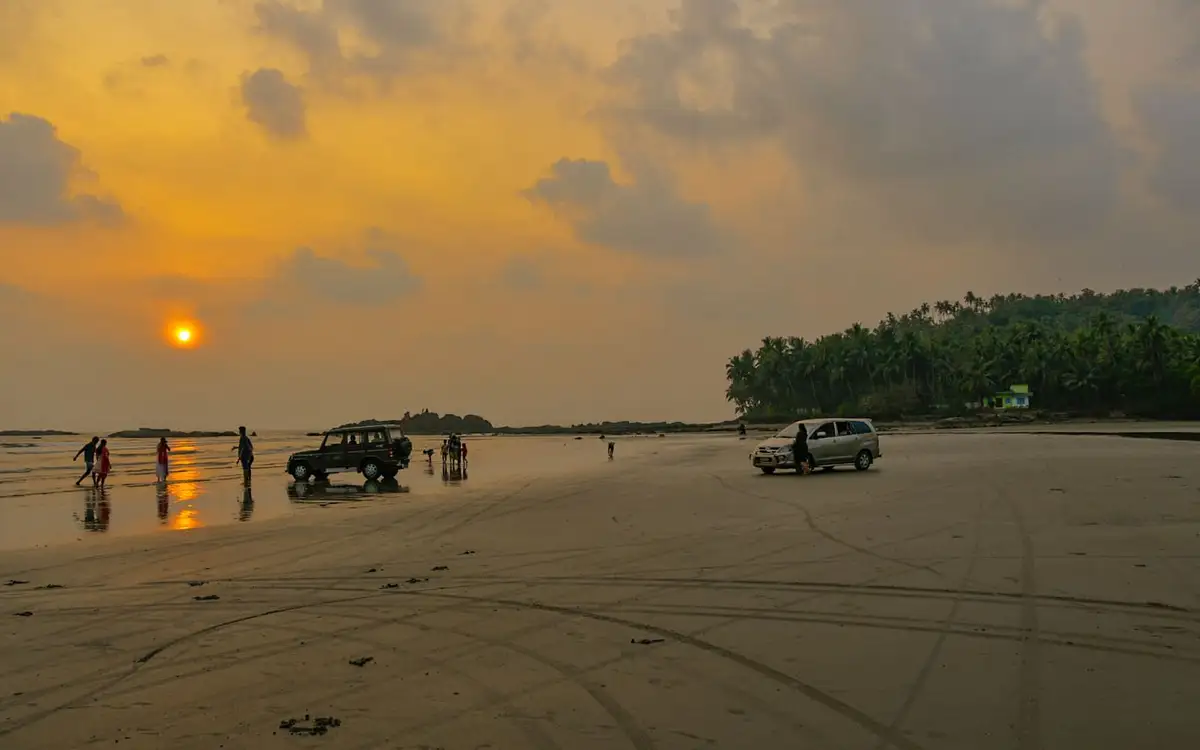
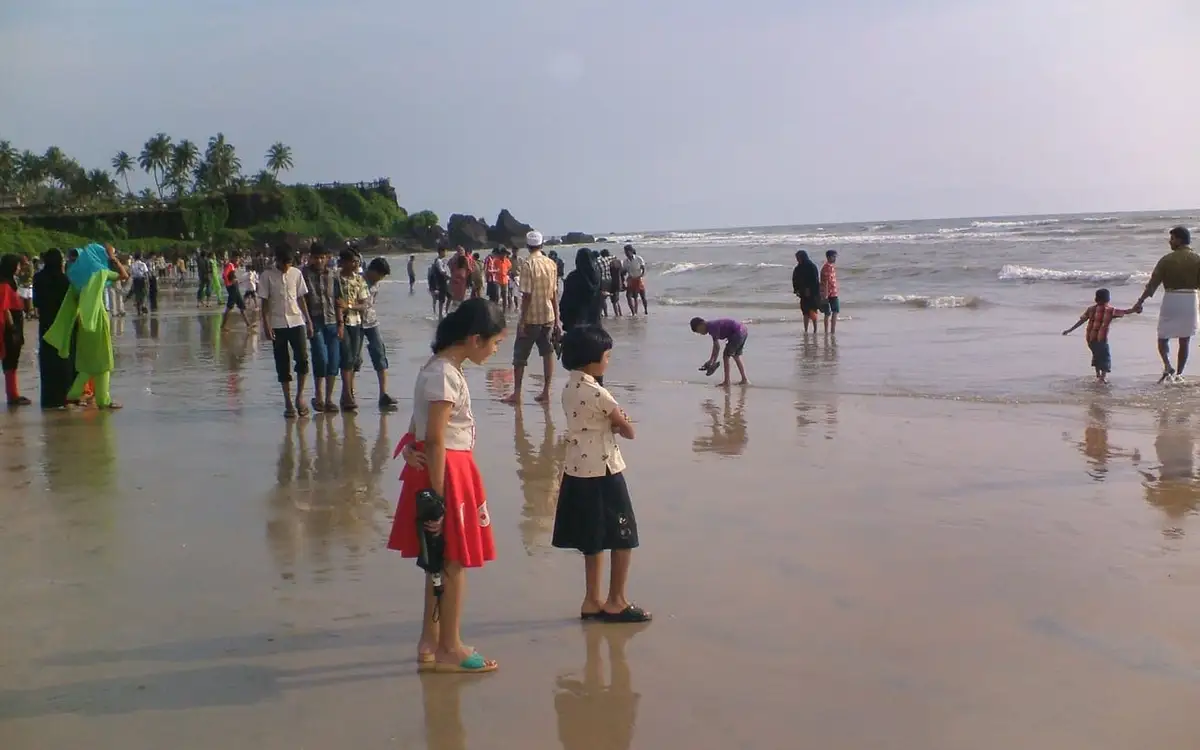
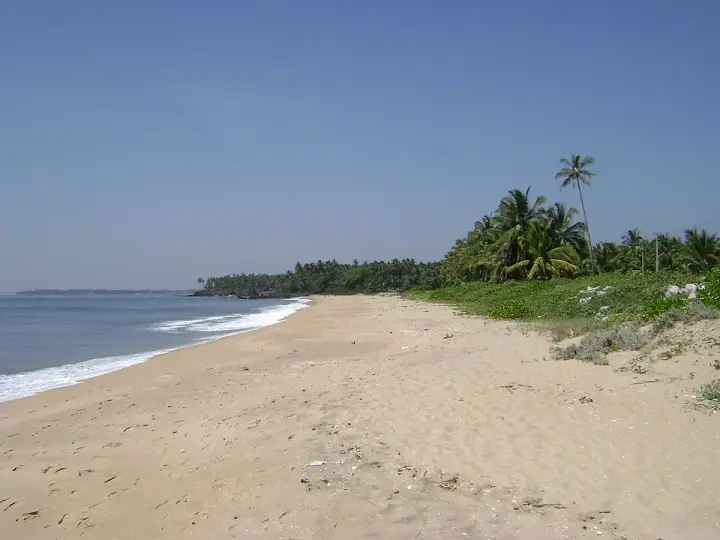
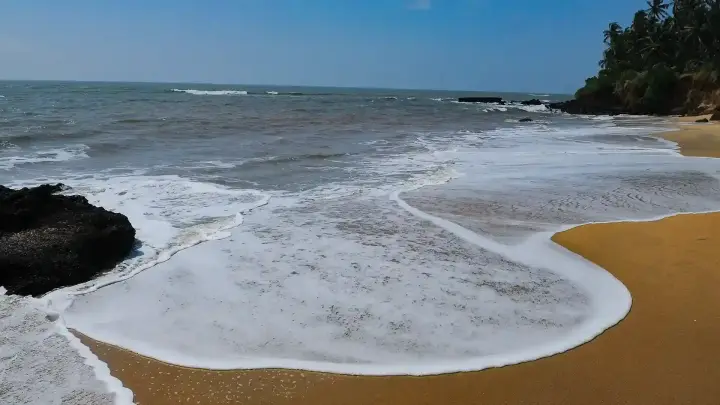
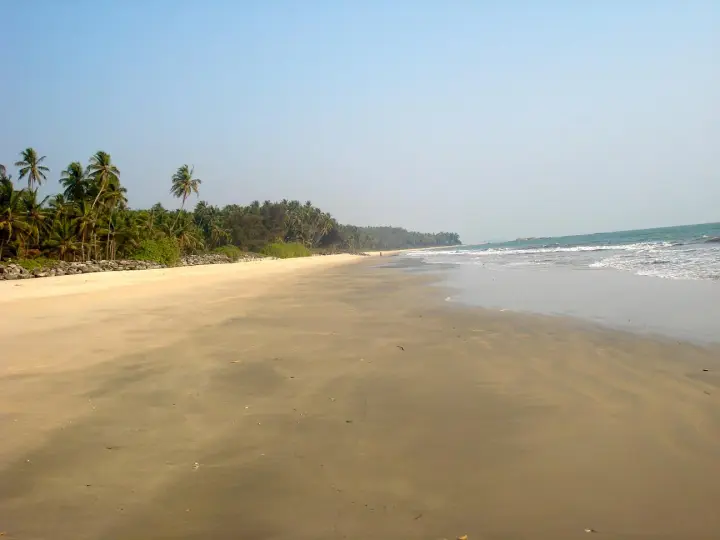
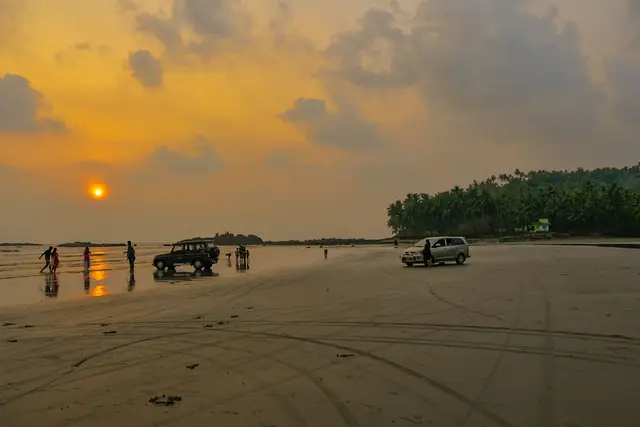
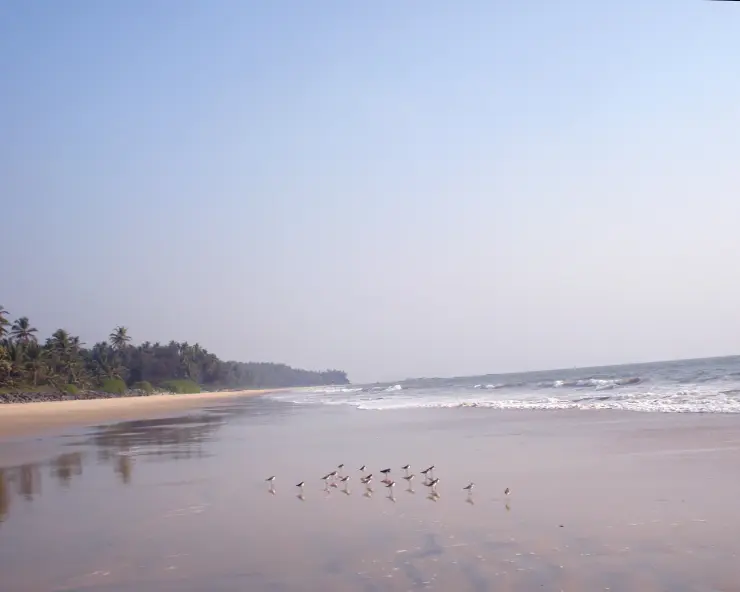
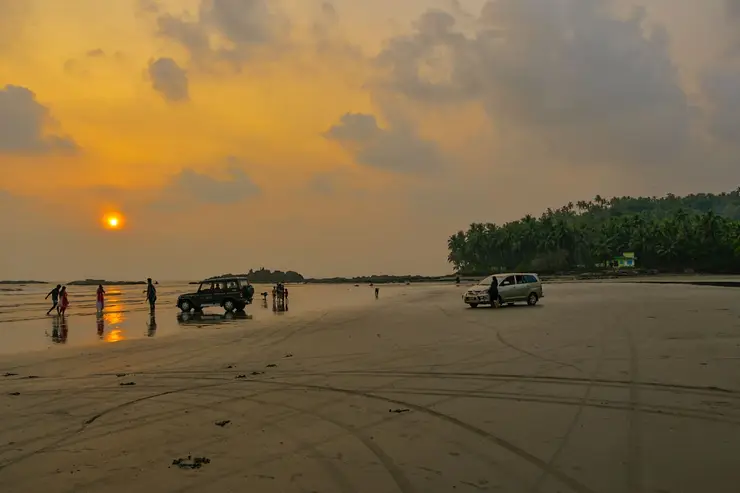
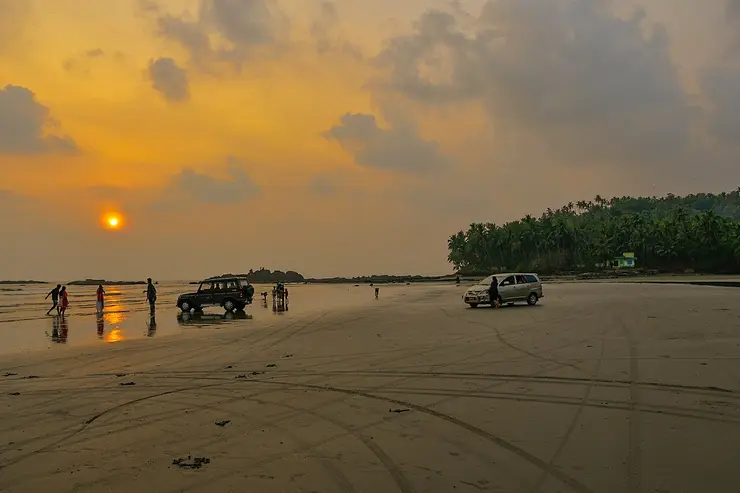
Muzhappilangad Drive-in Beach Free to enter the beach; bringing a vehicle onto the sand and driving is done at your own risk, and any parking or vehicle charge is payable locallyOpen beach; best driven and visited in daylight at low tide, when the sand is firm and the sea is calmestOctober to March (into May) for pleasant, dry weather; avoid the June–September monsoon when the sea is rough and driving unsafe. Aim for low tide, and early morning or sunset for the best light
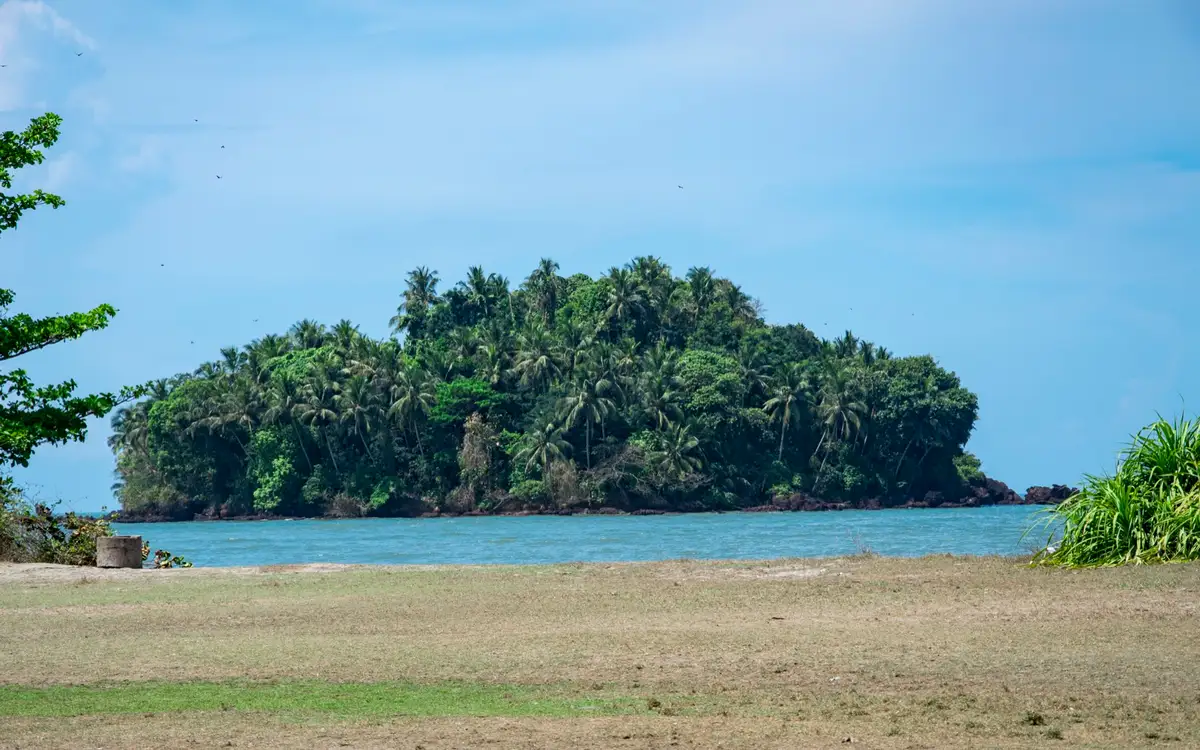
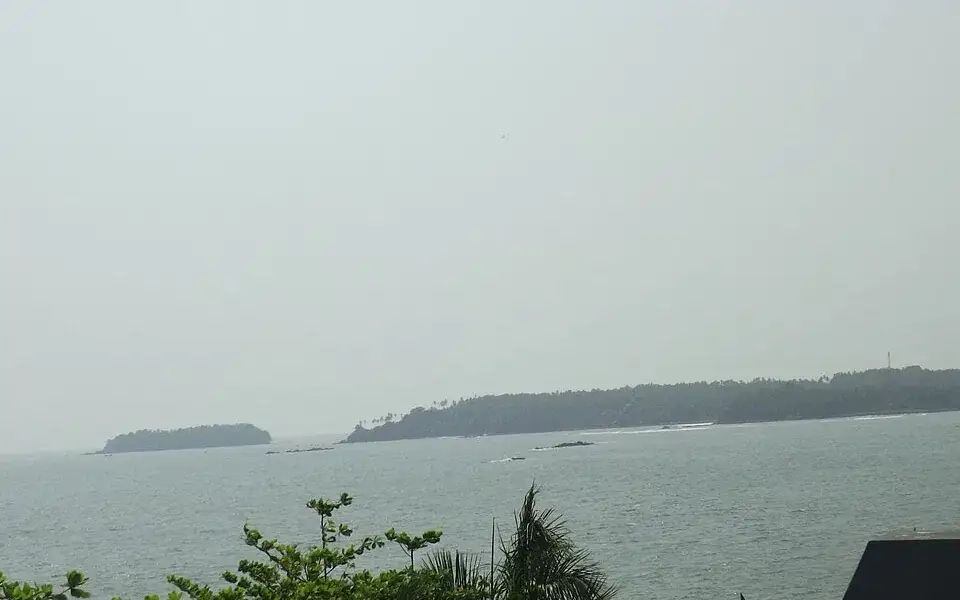
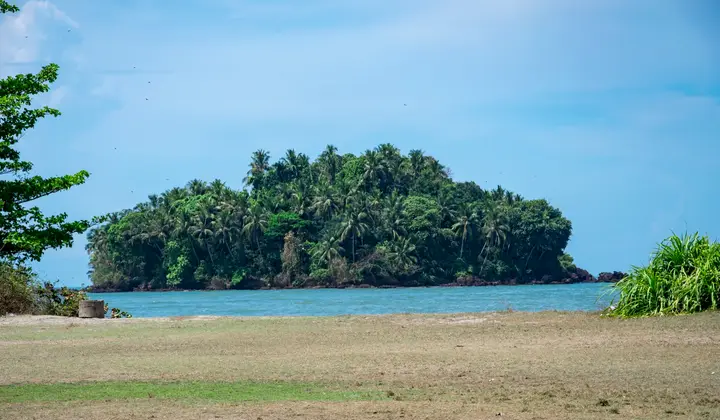
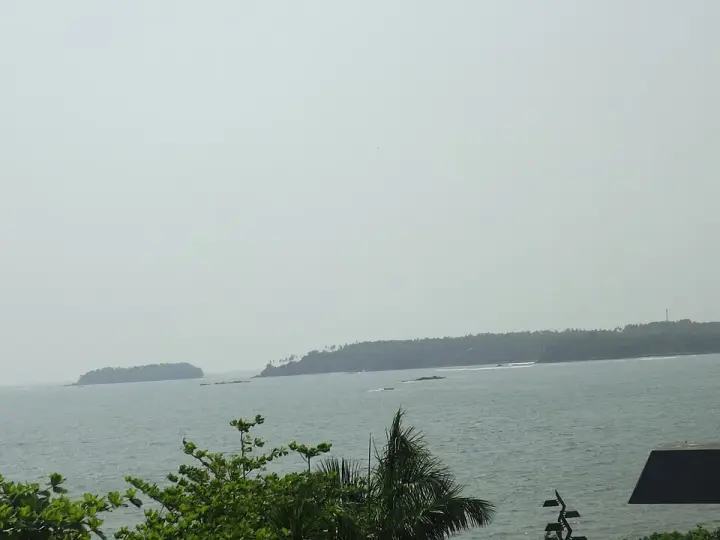
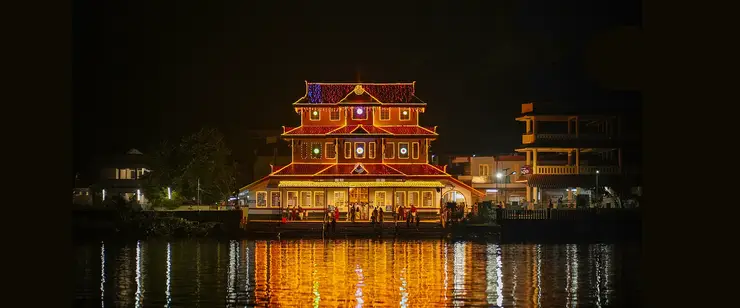
Dharmadam Island No publicly advertised entry ticket — the island is private property rather than a standard ticketed site. Any cost is typically for boat transfer or a guided visit, paid directly to the operator; figures quoted online are indicative only (confirm locally).There are no fixed visitor hours in the usual sense — access is governed by the tide and by the fact that the island is private. At low tide it can be reached on foot across shallow water; at high tide the crossing is submerged and boats are used instead. Because it is privately held, actually landing and exploring generally requires prior permission.Roughly October to February is considered the pleasant window, with cooler weather and calmer seas for a tidal crossing. Whatever the month, plan around a falling/low tide for the walk across; avoid the June–September monsoon for water access.
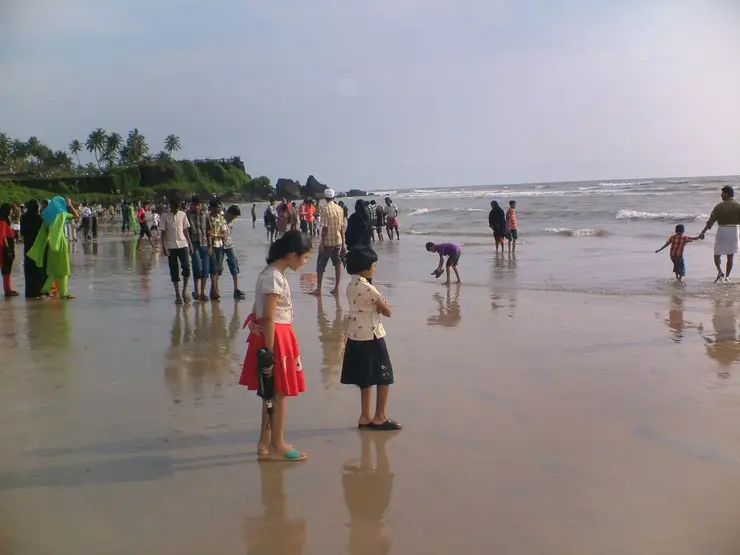
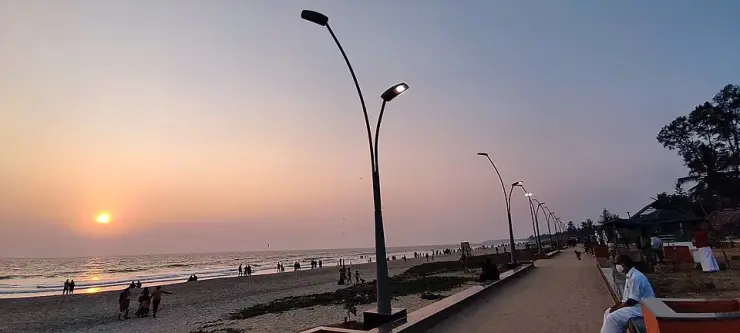
Payyambalam Beach Entry to the beach is generally free; a small fee may apply for the maintained garden or park area, with separate modest parking charges depending on vehicle type.The beach is open through the day and is popular into the evening for sunsets; the adjoining garden or park may keep set hours (roughly daytime into evening). Water sports and vendor activity typically run in daylight hours.October to March offers the coolest, most pleasant weather for a visit; the monsoon months (roughly June to September) bring heavy rain and rough seas. On any day, late afternoon to sunset is the finest window.
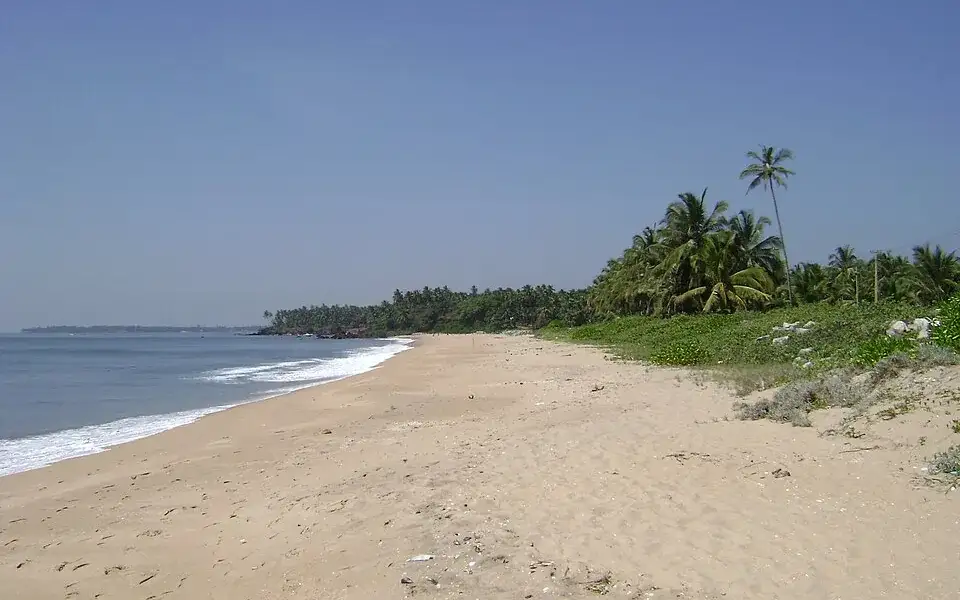
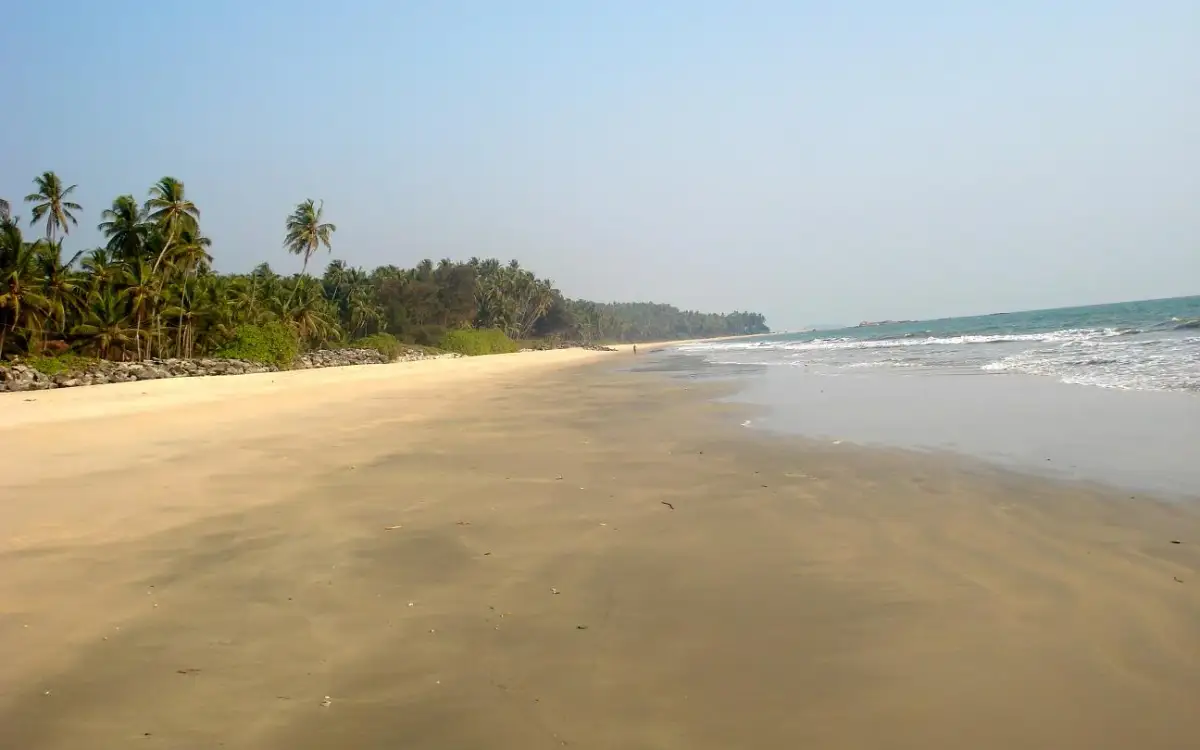
Thottada Beach No entry fee for the open beach. There is no formal car park; visitors typically park along the access lane or at their homestay.Open public beach, accessible at all hours, but it is best enjoyed in daylight — from sunrise to a little after sunset. It is quiet and unlit after dark, with no lifeguards, so avoid the water and lonely stretches at night.Best from about October/November to March, when the sea is calmer and the weather is pleasant and less humid; November to February is the sweet spot. The monsoon (roughly June–September) is scenic but rough and wet.
Adikadalayi Beach —A published daily gate schedule is not established for this public approach. Plan a daylight shore visit and follow any local access restriction.—
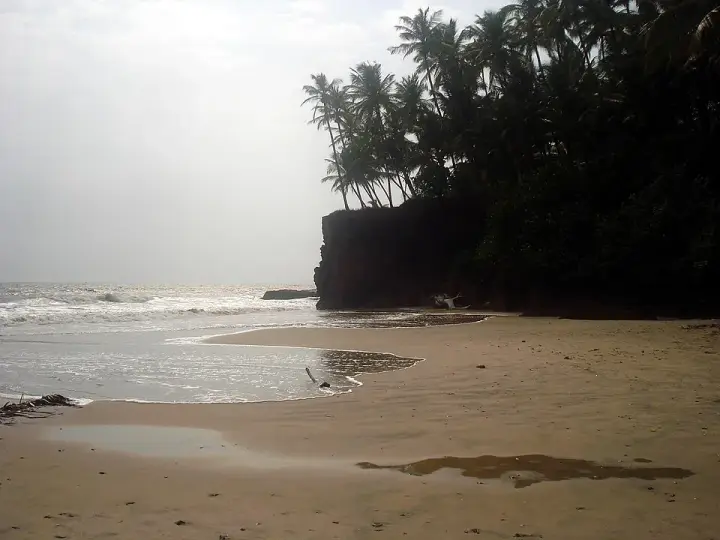
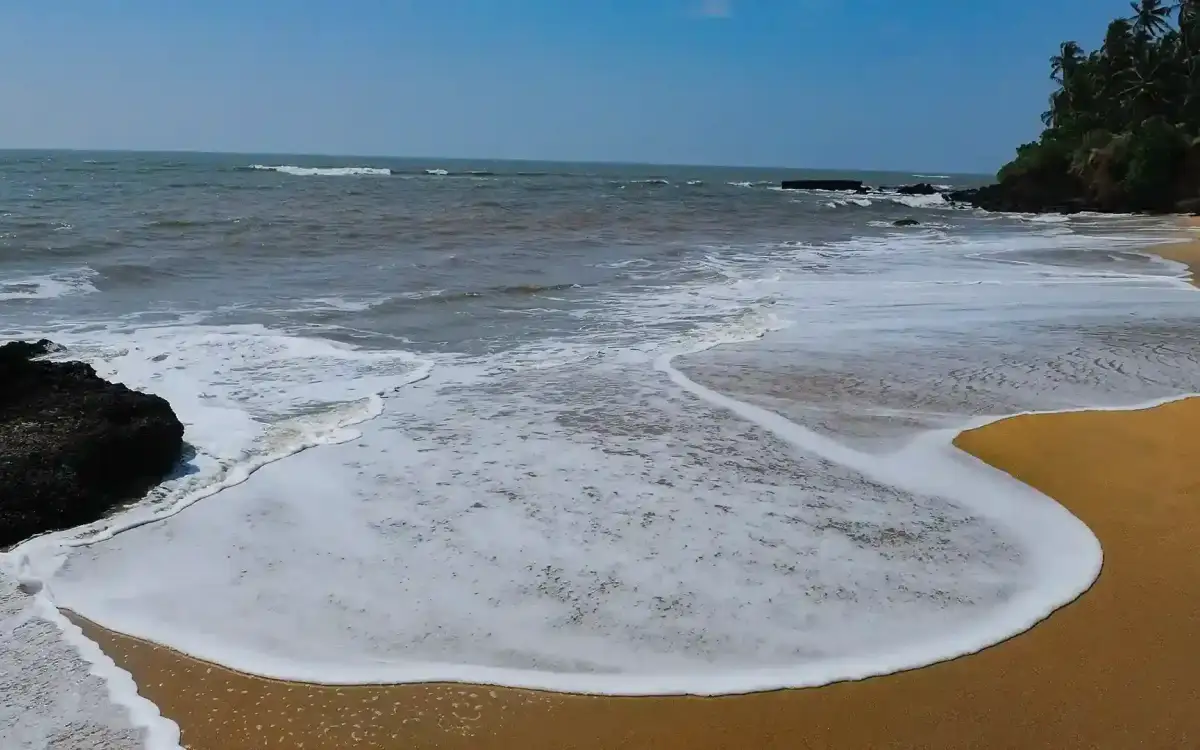
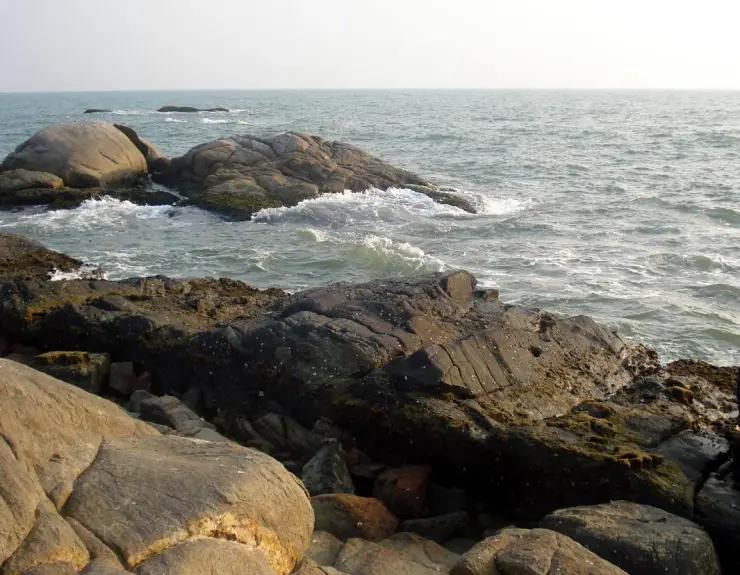
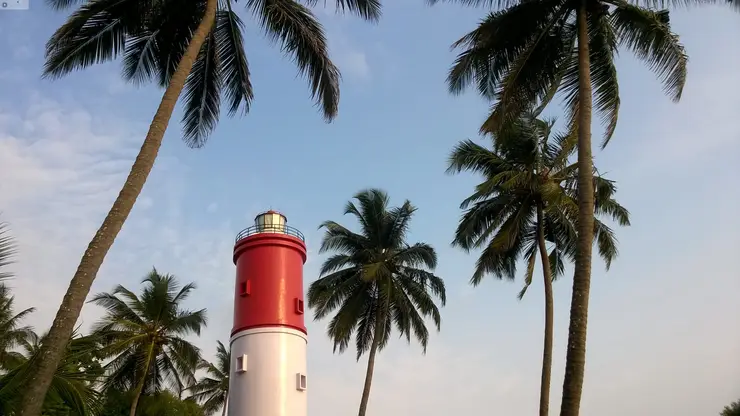
Baby Beach Free. The beach takes no ticket. St Angelo’s Fort, the lighthouse and the lighthouse museum keep their own arrangements.Open access. Best in the late afternoon and after dark, when the Kannur lighthouse beam is visible from the rocks.October to March is the comfortable window on this coast. Sunset is the point; the monsoon, roughly June to September, is rough and wet.
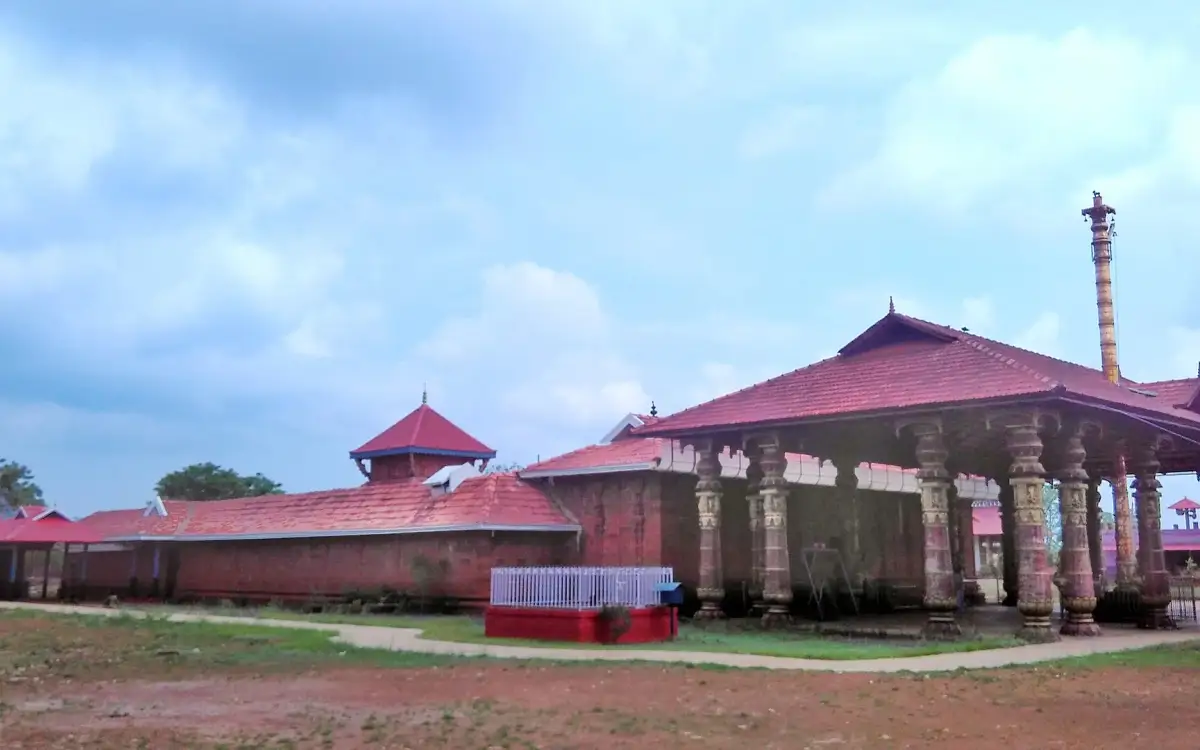
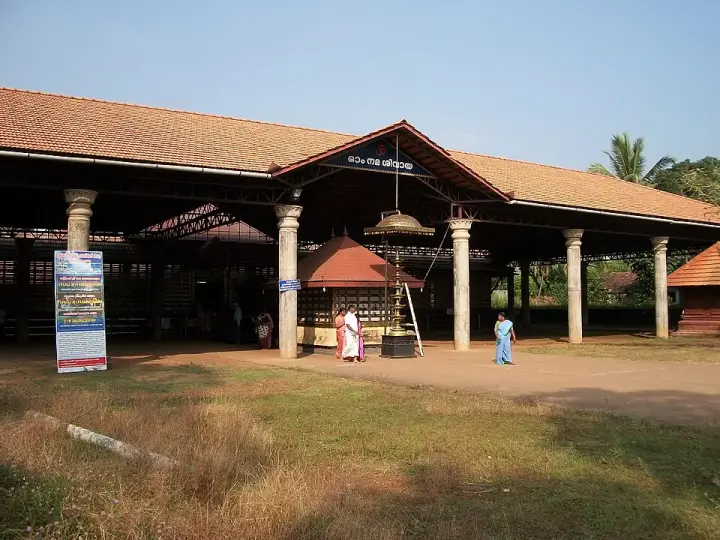
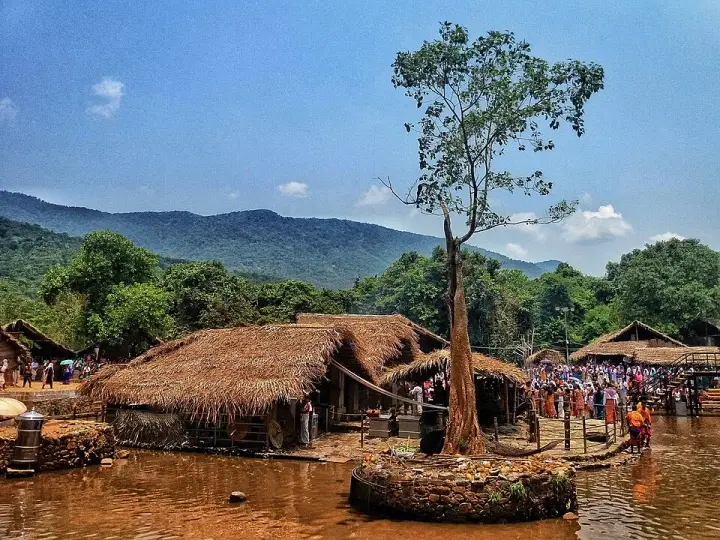
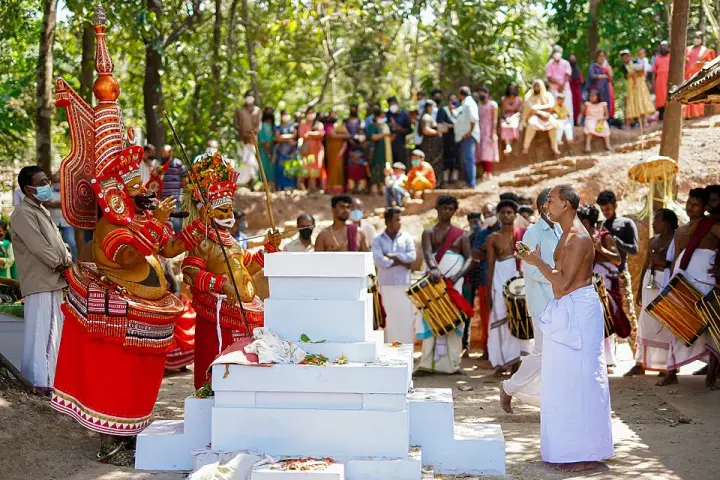
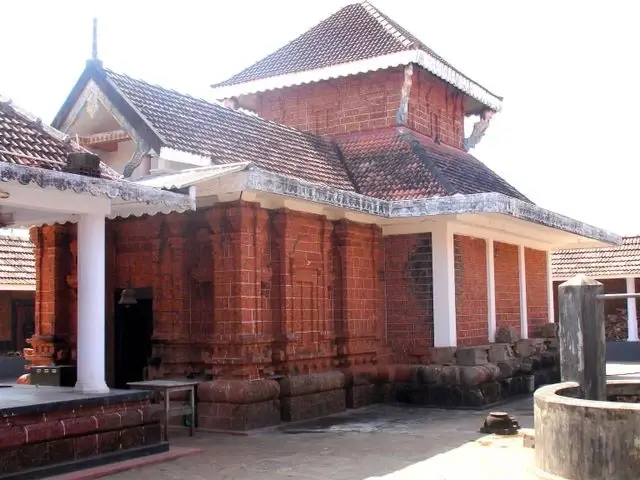
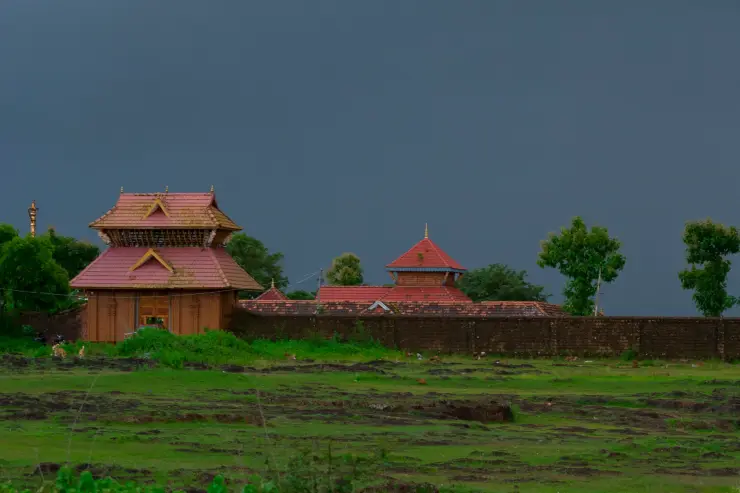
Parassinikadavu Muthappan Temple Free — there is no charge to enter the temple or to witness the daily theyyam. Some accounts mention a small nominal fee for a reserved theyyam viewing.The temple is generally open in two sessions — roughly early morning until around midday and again in the evening (about 5 am–12 pm and 5 pm–8.30 pm). The Muthappan theyyam is performed daily in two rounds — an early-morning ritual (around dawn) and an evening ritual (around dusk); exact timings shift seasonally, so confirm locally before you travel.Open and performing theyyam year-round, which is its great draw. The cooler, drier months from roughly November to February are the most comfortable for travel, and the annual Puthari Thiruvappana festival around the first week of December is the liveliest time. Mornings and evenings coincide with the theyyam.
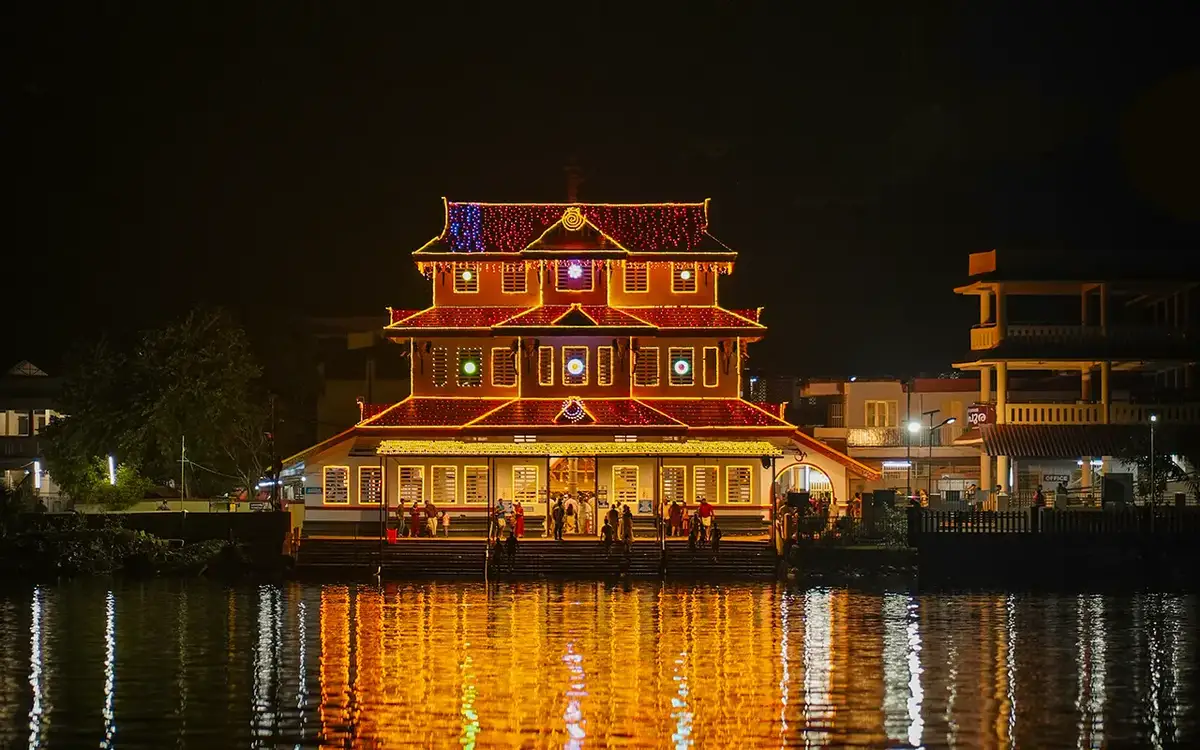
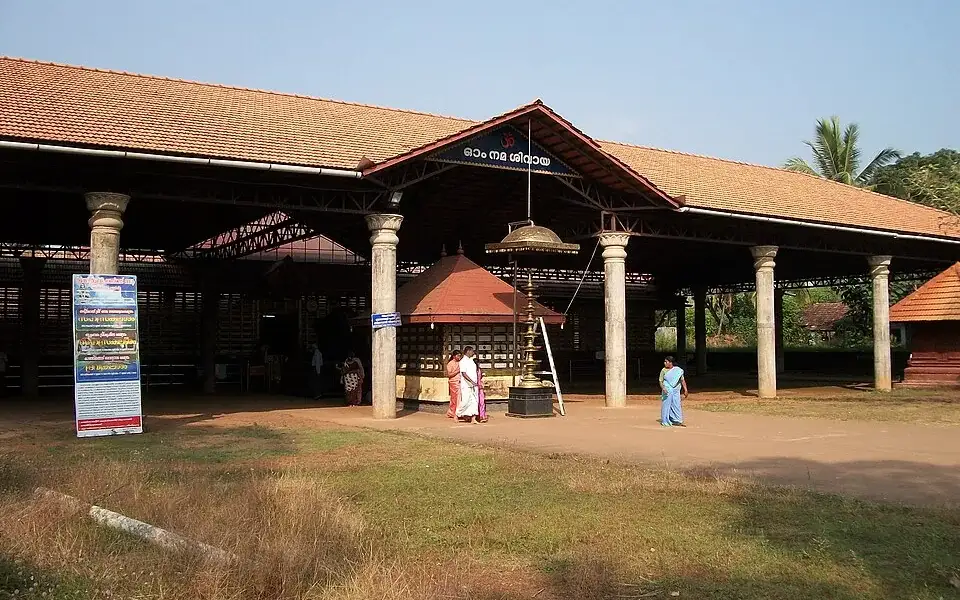
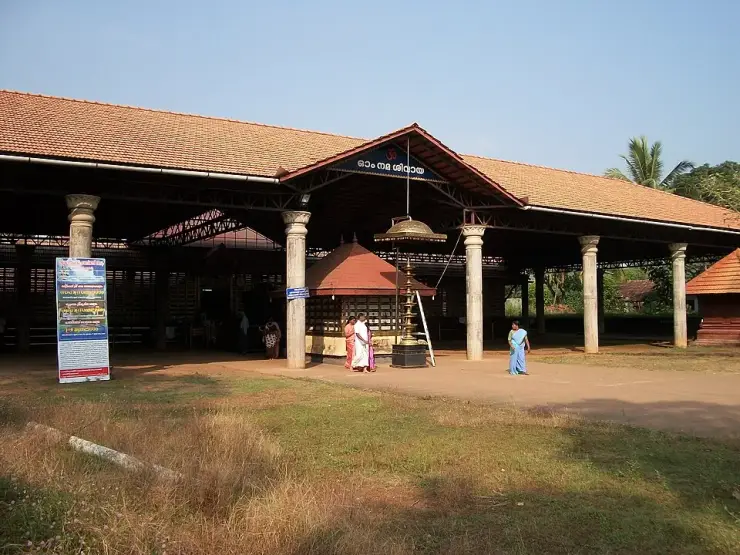
Rajarajeswara Temple, Taliparamba No entry fee for darshan; offerings, poojas and vazhipadu such as Neyyamruthu and Ponkudam are paid separately at the temple counter.Typically open in the morning from about 5.00 am to noon and again in the evening from about 5.00 pm to 8.30 pm, with the most auspicious Jyotirlinga darshans at Nirmalyam around 5.30 am and after the decorations are removed around 9.30 am.October to March brings the pleasant, drier north-Malabar weather ideal for a visit. Maha Shivaratri (February–March) and Vishu (mid-April) are the great devotional occasions, though they draw large crowds; early mornings and the lamp-lit evening worship are the most atmospheric times year-round.
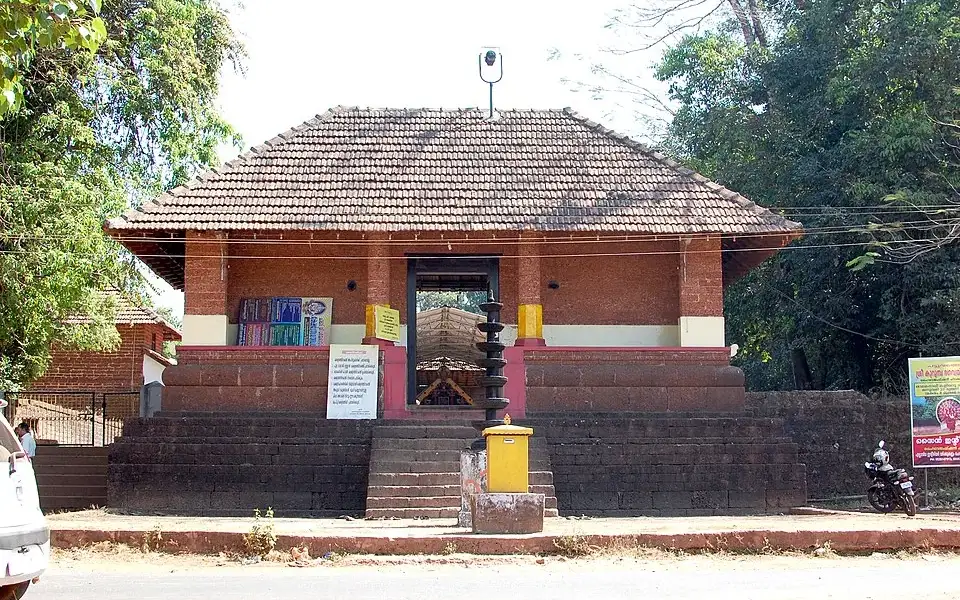
Kalarivathukkal Temple Free; there is no entry charge, as at most Kerala temples. Specific poojas, offerings and vazhipadu are paid separately at the counter.Temple darshan is generally in the early morning and again in the evening, with a midday break, in line with typical Kerala temple practice — expect roughly early morning to late morning and again from around early evening.October to March offers the most pleasant weather and coincides with much of the theyyam season, while the spring Pooram (around March–April) is the temple’s grandest time. The monsoon months are lush but wet. (Indicative — confirm locally.)
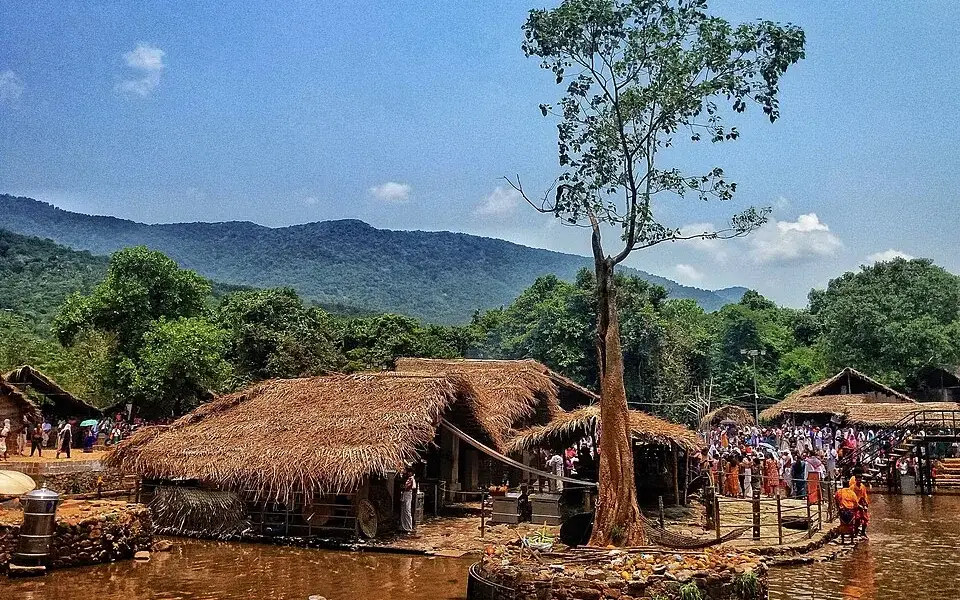
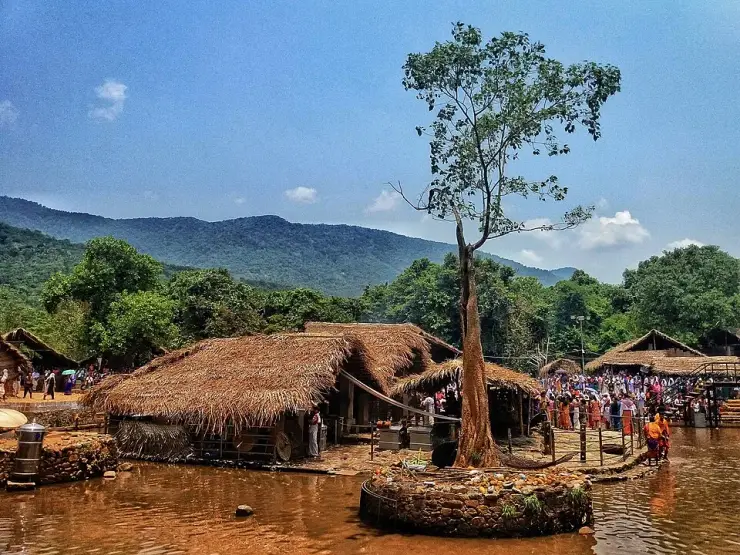
Kottiyoor Temple Free — there is no entry fee for darshan. Specific offerings, poojas and vazhipadu are paid separately as per the temple tariff.Akkare Kottiyoor — the open-air sacred shrine on the far bank — is open only during the annual Vaishakha Mahotsavam (roughly 27–28 days in May–June). For the rest of the year worship takes place at Ikkare Kottiyoor on the near bank, which generally follows typical Kerala temple hours with morning and evening darshan sessions and a midday break.The Kottiyoor Vaishakha Mahotsavam in May–June is the only time Akkare Kottiyoor opens, and is by far the most meaningful time to visit — the festival falls at the onset of the monsoon, when the forest is at its greenest and the rituals are in full flow. In 2026 the festival is reported to run from around 23 May to 24 June (dates are set by the Malayalam-calendar asterisms Chothi to Chithira and are fixed by the Devaswom each year). Outside the festival, only Ikkare Kottiyoor can be visited.
Thalassery Fort Free or a small nominal charge.Generally open to visitors through the day, roughly morning to evening.October to March, when north Kerala’s weather is cooler and drier, is the most comfortable time to explore the fort and coast; late afternoon is best for sea breezes and sunset over the Arabian Sea. The monsoon months (June to September) can be very wet.
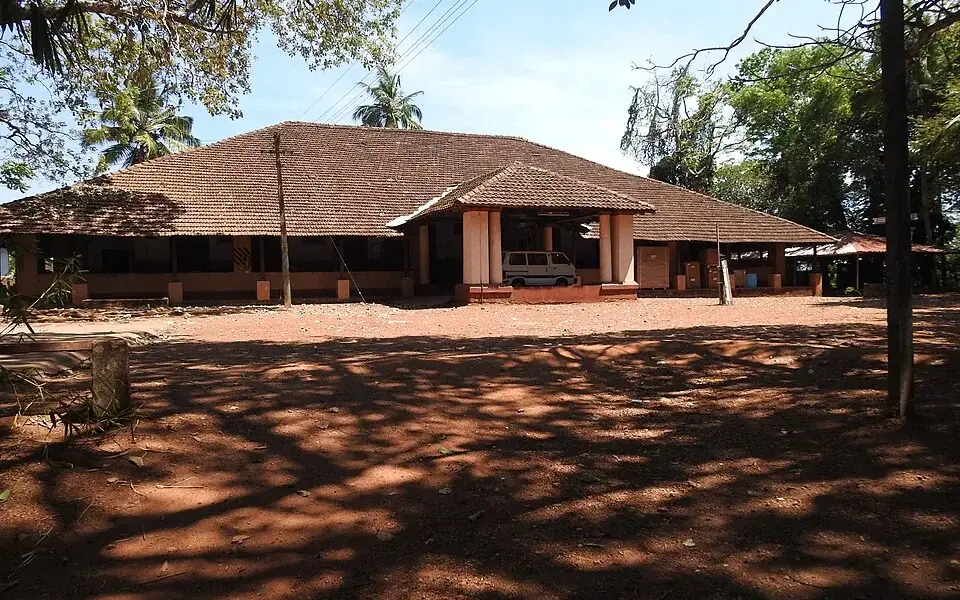
Gundert Bungalow A nominal museum entry fee is charged — commonly reported at about ₹50 per person; confirm the current fee at the ticket counter.Now open as the Gundert Museum (reopened 7 May 2022); mornings from around 10:00 a.m. are commonly cited as a good time to visit, and hours may vary (for example during Ramadan) — verify current opening days and times locally before going.October to March, when the Malabar coast is drier and cooler, is the most comfortable season; a clear morning gives the best hilltop light and sea views.
Overbury’s Folly FreeFree; a small public cliff-garden.Best in the late afternoon and at sunset.—
Ezhimala FreeThe beach below is free; the hill itself is inside the Indian Naval Academy and is off-limits to visitors.Daylight for the beach; do not attempt to climb the hill (restricted defence area).—
Madayipara No entry fee reported for the plateau itself.Open plateau, best visited in daylight; commonly cited as roughly 6 am to 6 pm. Nearby temples keep separate darshan hours.Monsoon (around June to September, extending through the wet phase to November) for the spectacular blue-violet-white wildflower bloom and insectivorous plants; the cooler, drier months of about November to March are most comfortable for walking, the fort and general sightseeing.
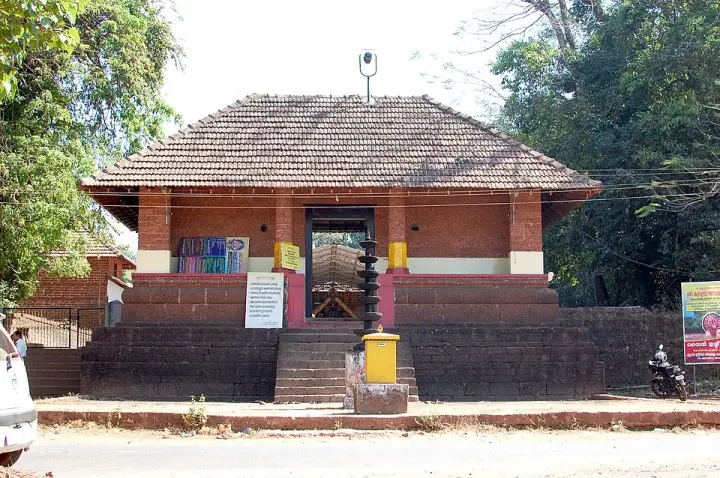
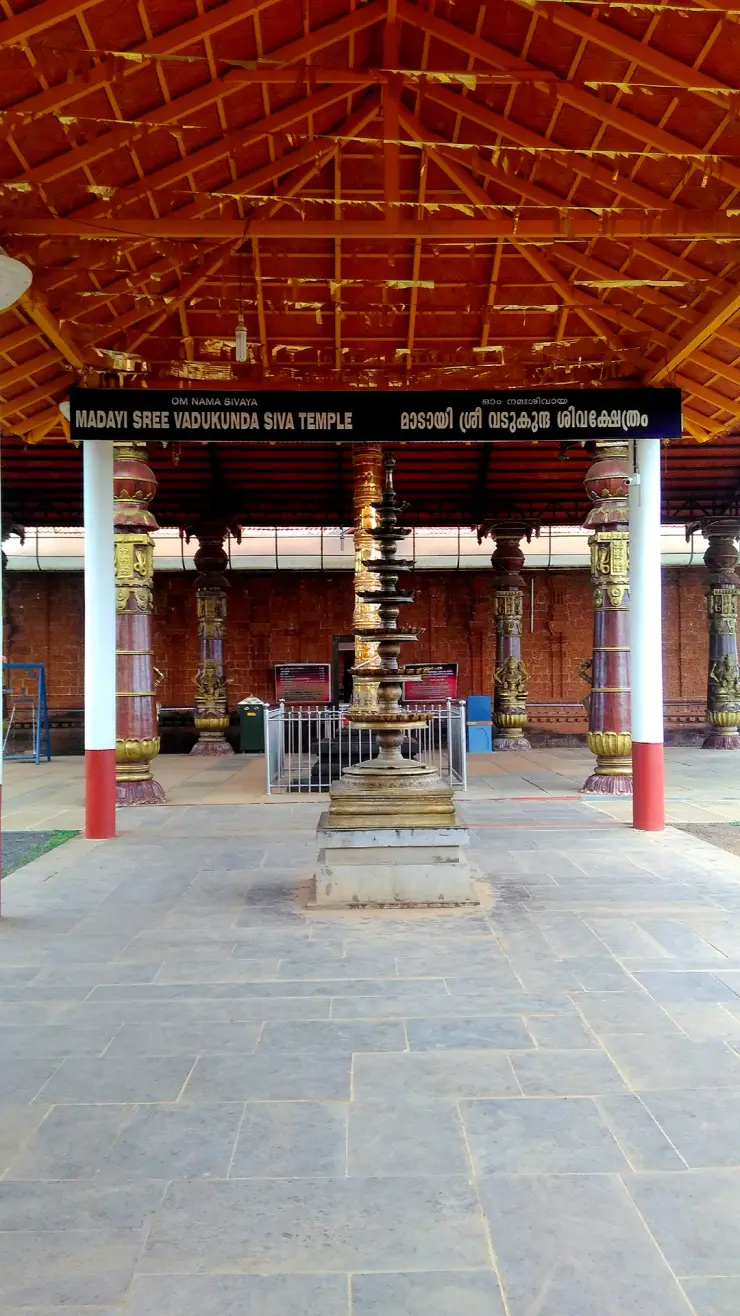
Vadukunnu Siva Temple No current visitor-admission tariff is published in the temple community archive, Kerala Tourism’s Madayipara pages or the administrative sources checked. Offerings and booked rituals are separate; no free-entry price is assumedA dependable current daily opening schedule is not published by the sources checked. The archived community timetable is too old to use as present-day hours; confirm the intended worship with the temple before arranging an early or late visitChoose clear daylight for the uneven open ground and pond bank. Rain brings green cover but can make the approach slippery; dry-season grass and exposed laterite offer a different view of the same plateau.
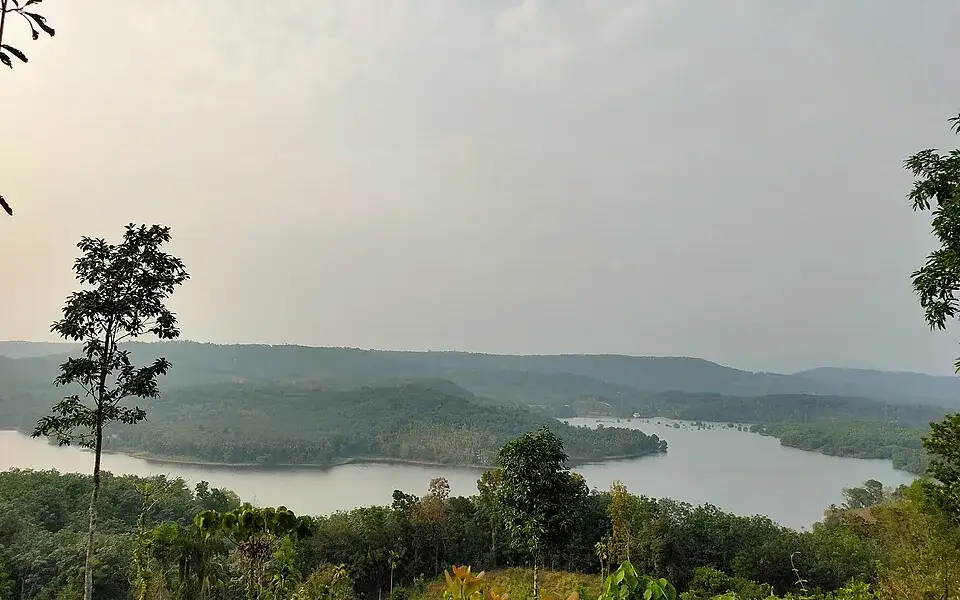
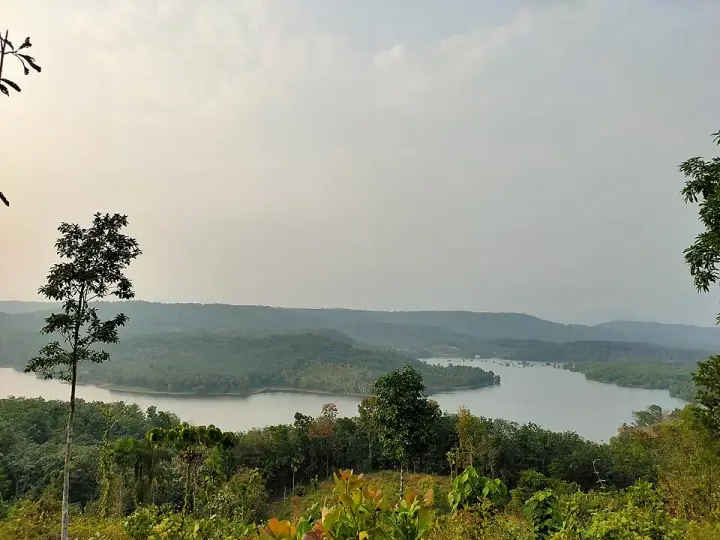
Pazhassi Dam A small entry ticket for the garden is usual, with boating charged separately per boat or per person, and possible extra charges for camera and parking.Generally open daily through the day, commonly reported around 9:00 am to 6:00 pm, with the last boating slot before closing.October to February is the most comfortable window, with a full reservoir and pleasant weather; late afternoon into sunset offers the best light. The monsoon (June–September) can be lush but wet, and boating may pause during high water.
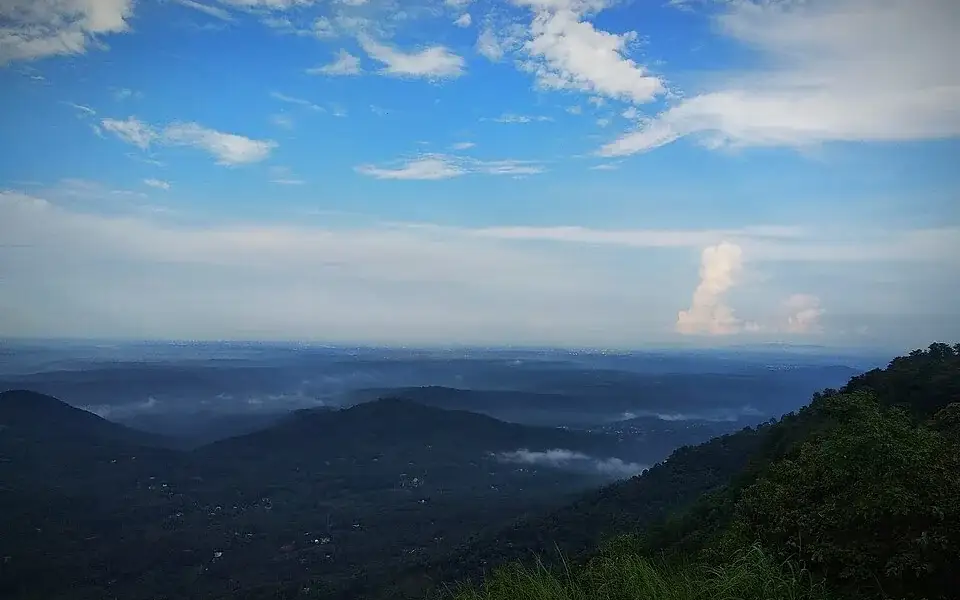
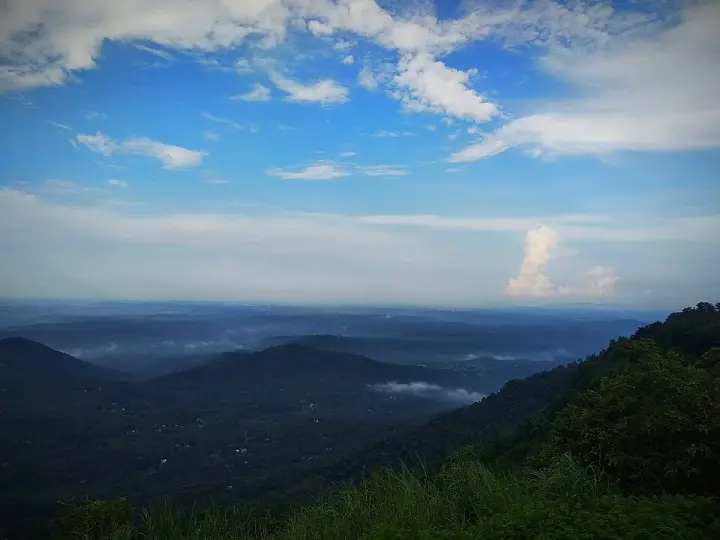
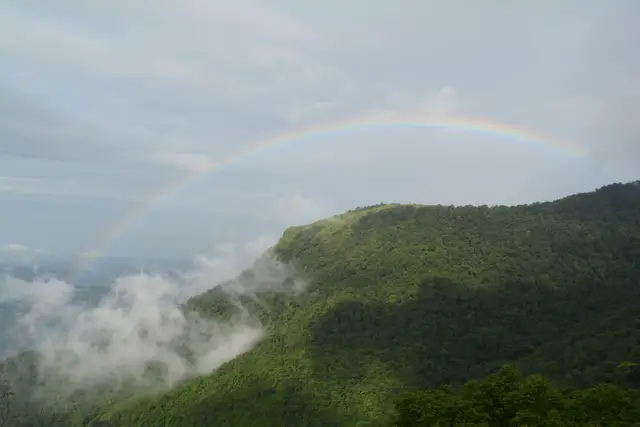
Palakkayam Thattu A nominal entry ticket of about ₹40 per adult and ₹10 per child, plus separate parking charges for two- and four-wheelers; the jeep ride to the top (around ₹700 for a round trip, shared among passengers) and each adventure activity are charged additionally.Generally open daily from around 6:00 am, with last entry in the early evening and the site clearing by nightfall; camping guests stay on overnight by arrangement.October to February offers the clearest skies, coolest air and the famous sunrise cloud views; the monsoon (June to September) turns the plateau lushest but makes the steep track slippery and hazardous. Early morning and the hour before sunset give the best light and the most dramatic mist.
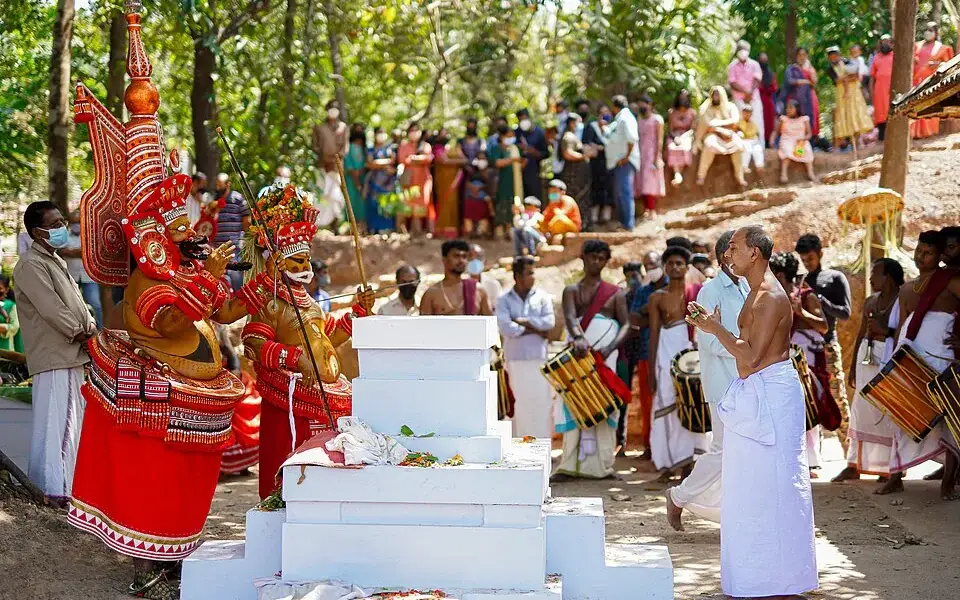
Theyyam performances Nothing is ticketed. A kaliyattam is a shrine’s own festival and there is no admission to it; Parassinikkadavu charges no entry either, and gives food away rather than selling it — prasadam from 07:30, lunch 12:30 to 14:30 and dinner 20:30 to 21:30. What money is involved goes the other way, in offerings, and none of it is required of a visitor.There are no opening hours, because there is nothing open. A kaliyattam at a village kavu typically begins in the evening and runs past dawn, with the best-known Theyyam of that shrine often appearing between midnight and sunrise. The exception, Parassinikkadavu, does publish times: the temple is open 05:00 to 20:00, and Thiruvappana and Vellattam are performed from about 05:45 to 08:00 in the morning and again from about 18:30 in the evening. ⚠ It stops for six weeks a year — no Thiruvappana from the first of Thulam to the fifteenth of Vrischikam, which is roughly mid-October to the end of November, and the ritual year restarts with Puthari Thiruvappana on Vrischikam 16, the first or second of December. That closure overlaps the very weeks the kavu season is opening.The season runs from the tenth of Thulam, in the second half of October, to the middle of Edavam in late May — about seven and a half months — and January to April is when most of it happens. It opens at Kolacheri and closes at Kalarivathukkal, both in this district. Between June and mid-October there is nothing to see at the kavus at all, and Parassinikkadavu is the only thing running.
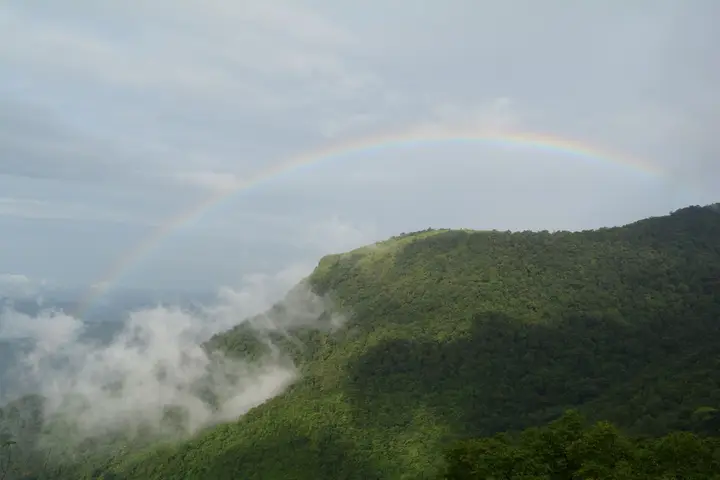
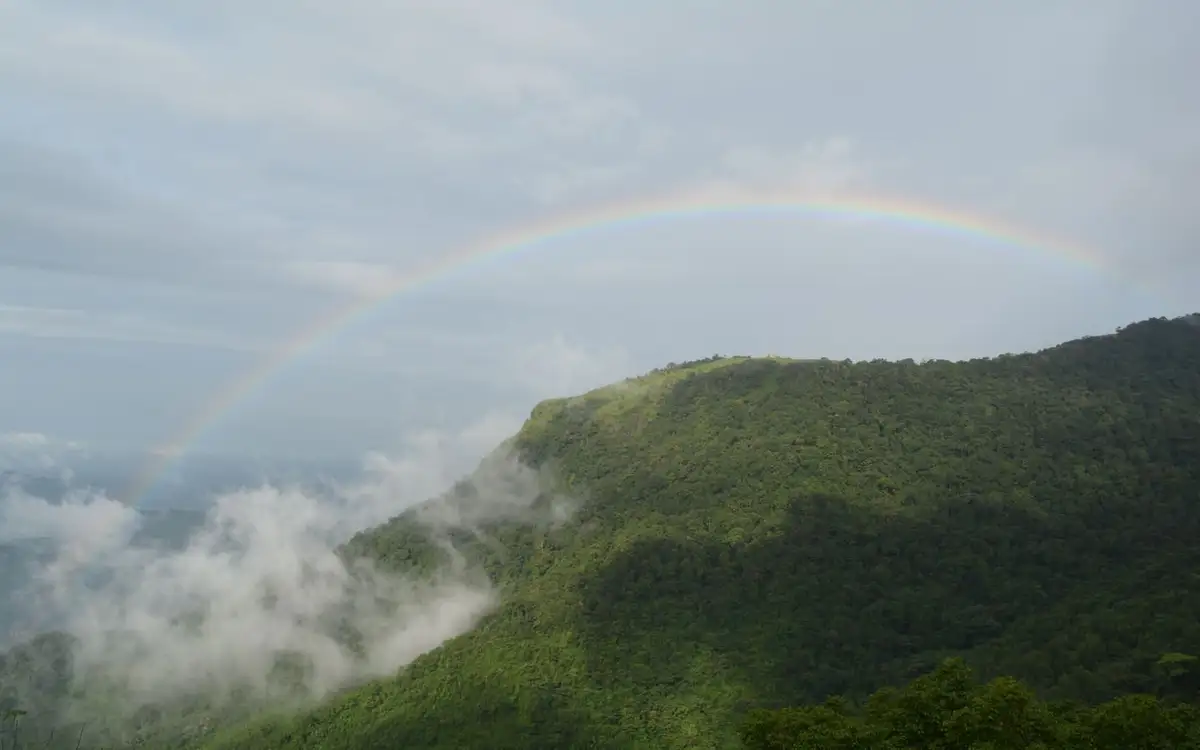
Paithalmala trek Kerala Tourism publishes INR 30 for an Indian adult and INR 100 for a foreign national, collected at the base. Additional charges may apply for guides, parking or camera — confirm current rates at the counter.Kerala Tourism gives the trek timing as 9.00 am to 5.30 pm. Start early anyway, to be off the exposed summit before the afternoon weather. Access may be restricted during heavy monsoon spells or forest-department closures.Two windows: the monsoon and post-monsoon (roughly July–September) for lush green, misty, waterfall-fed scenery (but heavy leech activity); and the cooler, drier months (roughly January–March) for firmer trails and clearer panoramic views.
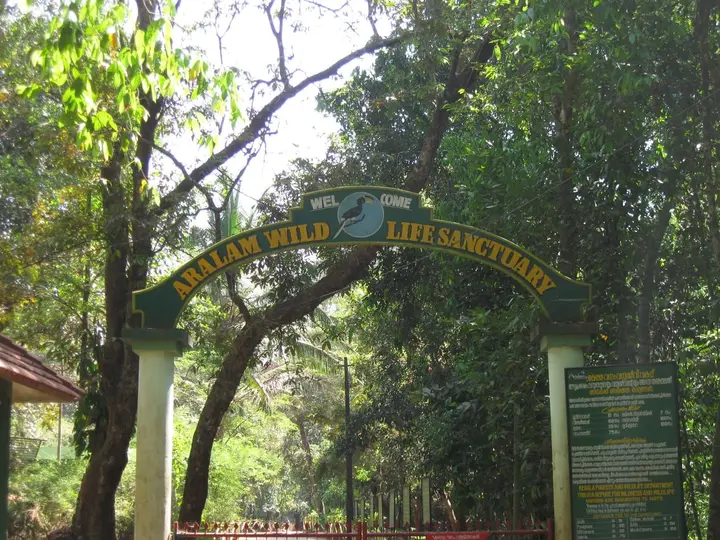
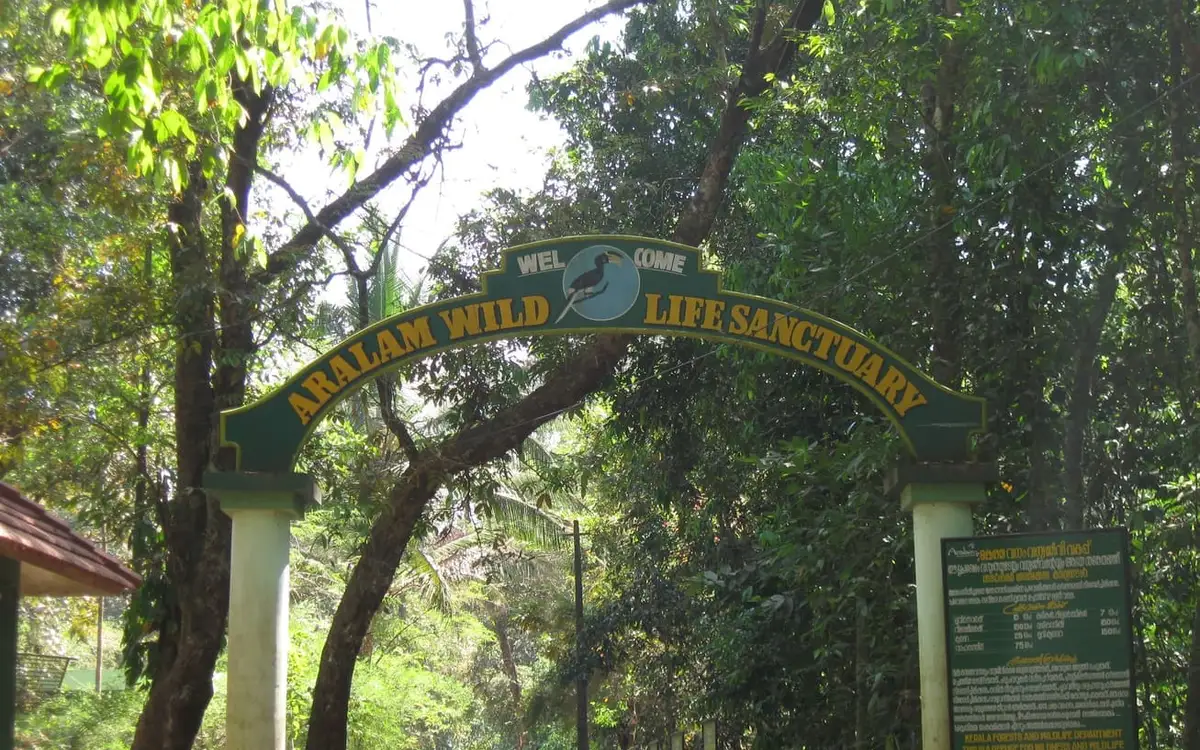
Aralam Wildlife Sanctuary The Forest Department's booking system for this centre publishes ₹130 for an Indian adult, ₹10 for a child, ₹360 for a foreign visitor and ₹40 for students, with ₹40 for a still camera, ₹240 for a video camera and ₹110 for a vehicle. Kerala Tourism's page gives ₹115 for the Indian adult and matches on the rest. The ₹15 and ₹150 figures that circulate are the tariff for the department's residential nature camps, which are a different programme.Kerala Tourism publishes the park's hours as 08:00 to 16:00. The Forest Department's own booking system runs the guided programmes from 08:00 to 15:00, and that earlier close is what governs any trek. Access is closed or heavily restricted during the peak south-west monsoon.October to June is the pleasant, drier season; November-December is best for butterflies and comfortable trekking, and the October-to-February period covers the butterfly migration. Avoid the heavy south-west monsoon (roughly June-September), when streams are dangerous and trails are often closed.
Aralam trek ₹130 for an Indian adult, ₹10 for a child, ₹360 for a foreign visitor and ₹40 for students, with ₹40 for a still camera, ₹240 for a video camera and ₹110 for a vehicle. Those are the department's own ticketing figures. Kerala Tourism prints ₹115 for the Indian adult and agrees on every other line. The Ambalappara treks are priced by the group instead of the head: ₹500 for three hours covering up to five people and ₹60 for each person after that, or ₹800 for six hours and ₹100 for each extra, in both cases to a ceiling of ten.08:00 to 15:00. That is the window the Forest Department's own booking system sets for the guided programmes, and it is the one that governs a trek. Kerala Tourism separately gives the park's hours as 08:00 to 16:00. The two are not in conflict so much as describing different things — the gate, and the guided day inside it.November to May, and the sanctuary is open all year.