What to expect
Highlights
- The old tiled mansion with four courtyards and a white columned porch.
- The Martyr’s Gallery and the cases of police medals.
- The statues of Sardar Patel and Gandhi in the compound.
The Sardar Vallabhbhai Patel Police Museum Kollam sits directly across from Kollam Railway Station, about 150 metres away by DTPC Kollam’s count. It traces police weapons, ammunition and machines through the eighteenth and nineteenth centuries, and it keeps a Martyr’s Gallery for officers killed in service.
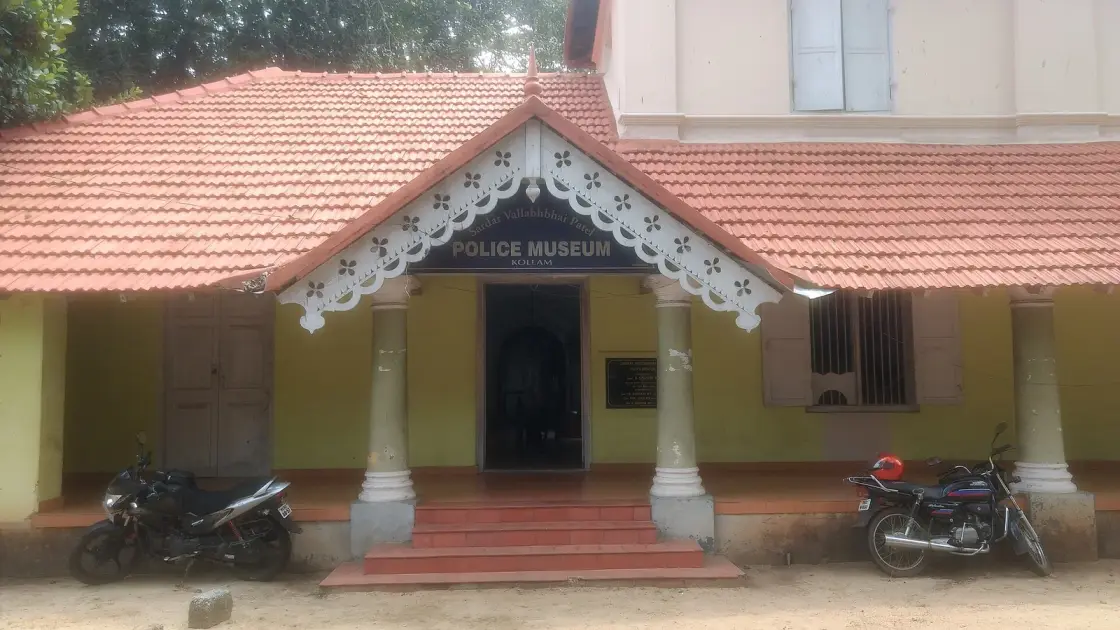
The collection is housed in an old tiled mansion with four courtyards. One of them is given over to investigation, with charts on fingerprints and DNA, photographs of police dogs and cases of medals. Because it is so close to the station, the museum fits neatly into a long train connection or a walk towards Asramam.
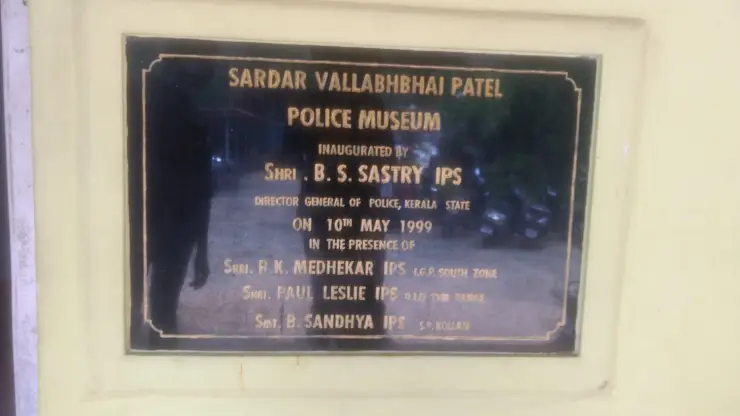
A district police force put its own history into an old mansion beside the railway station, and recorded the opening on a brass plaque at the door.
The plaque on the museum's porch tells how it began. It records that the museum was inaugurated on 10 May 1999 by B. S. Sastry IPS, Director General of Police, Kerala State, in the presence of R. K. Medhekar IPS, Inspector General of Police South Zone, Paul Leslie IPS, DIG Thiruvananthapuram Range, and B. Sandhya IPS, Superintendent of Police, Kollam.
That last name explains how the museum began. DTPC Kollam credits B. Sandhya with putting the museum together to raise awareness of the work of the police. The plaque shows that in 1999 she held the post of district Superintendent of Police. Her interest in the force's past runs through her career, since she is also recorded as the editor of a short history of the Kerala Police. The plaques and what they record are told in full in the police museum: what the plaques say.
The statues outside came seven years later, and their plinths carry the date. Sardar Vallabhbhai Patel stands upright holding a book, and Gandhi sits cross-legged on a white plinth, and both plaques record that T. P. Senkumar IPS, then Inspector General of Police South Zone, unveiled them on 25 January 2006. Gandhi's plaque also names the artist, A. Ashok Kumar.
The 2006 plaque shows how the museum is run. It lists the Superintendent of Police, Kollam, as President of the Police Museum and the Circle Inspector, Kollam East, as its Secretary. So a committee of serving officers keeps the place going. That arrangement fits the modest scale of the museum and its low ticket price.
Inside, the displays move from the armoury to the work of investigation. Guns, bullets and machines from the eighteenth and nineteenth centuries come first, then the Martyr's Gallery gives the collection its weight. The forensic room explains fingerprints, DNA testing and human bones with charts. The compound also houses the Kollam Vanitha Cell, the women's police cell, so people come through the gate on real police business while visitors walk the galleries.
Kerala Tourism and DTPC Kollam both describe this as the only police museum of its kind in India. The Delhi Police Museum was established in 1991, eight years before Kollam's opened, and the National Police Museum in New Delhi opened on 21 October 2018.
B. Sandhya was Superintendent of Police, Kollam, when the museum opened, as the 1999 plaque records, and she became an Inspector General later, in 2007.
10 May 1999: B. S. Sastry IPS, Director General of Police, inaugurates the museum.
25 January 2006: T. P. Senkumar IPS unveils the statues of Sardar Patel and Gandhi.
2007: B. Sandhya becomes an Inspector General of Police.
Today: the museum is open daily, run by a committee of Kollam police officers.
See police arms and ammunition from the eighteenth and nineteenth centuries.
Stand in the Martyr's Gallery for officers killed in service.
Learn how fingerprints, DNA and bone evidence are read.
Read the 1999 and 2006 plaques, which carry names found nowhere else.
Fill a long connection at Kollam Junction, then walk on to the British Residency or the Kollam town guide.
Road km to Kollam; ghat roads and traffic vary — allow extra.
Live forecast loads in your browser.
Sunset is in about 2 hours.
Sun and moon are calculated for this location and shown in IST. Photography windows are the hour around sunrise and sunset; the sunset bearing is degrees clockwise from true north. Moon phase is accurate to about half a day.
Listed stays, food, activities, sights, shops and rentals around Sardar Vallabhbhai Patel Police Museum, each with its locality and direct contact details.
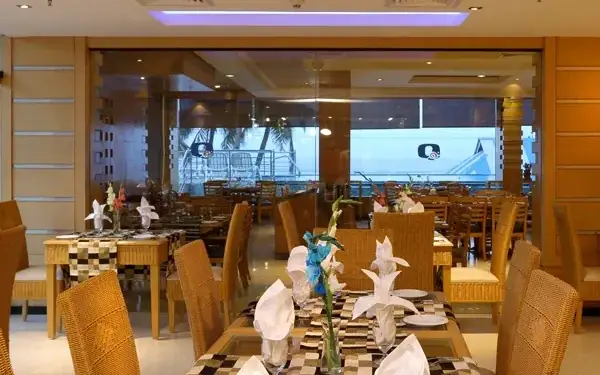
24-hour coffee shop at The Quilon Beach Hotel on Kollam Beach. Cafe.
Multi-cuisine restaurant at Chinnakada, Kollam, serving Kerala, Chinese and North Indian food.
Art gallery and café in a heritage building at Asramam Picnic Village, Kollam, beside Ashtamudi Lake.
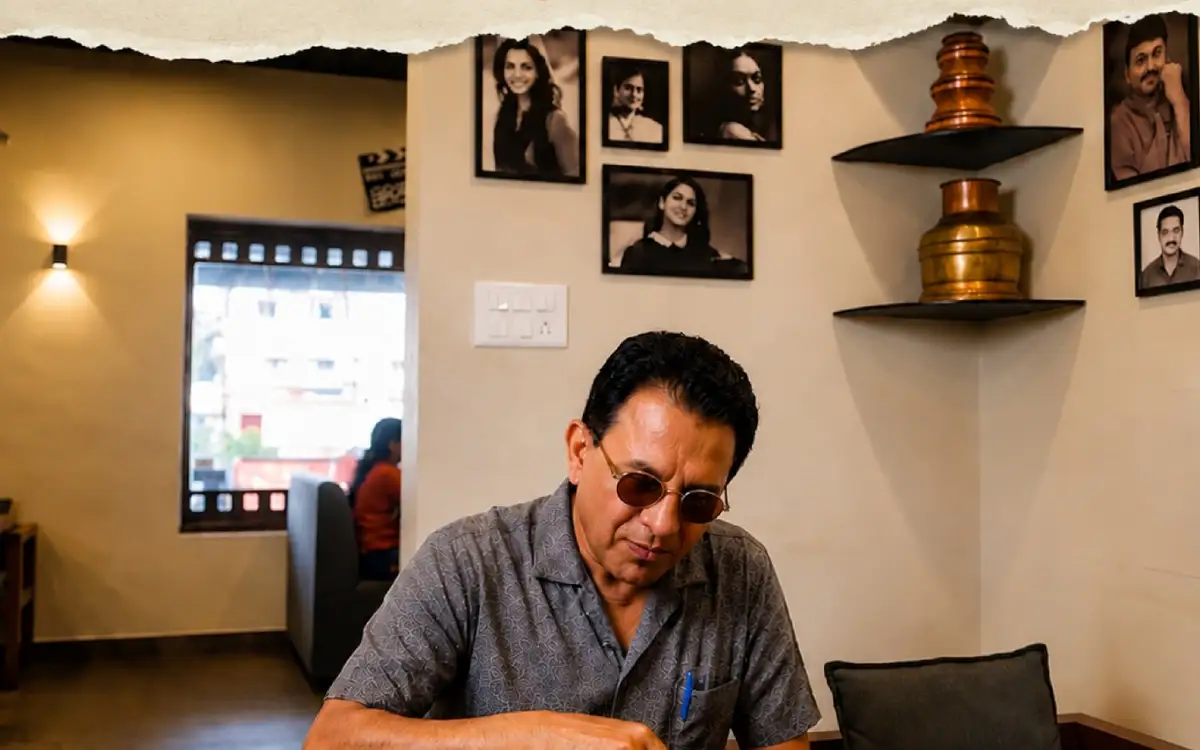
A film-themed restaurant in Kollam town serving Kerala and Arabic dishes, with dine-in, outdoor seating and pickup.
Poolside multi-cuisine restaurant at The Quilon Beach Hotel on Kollam Beach.
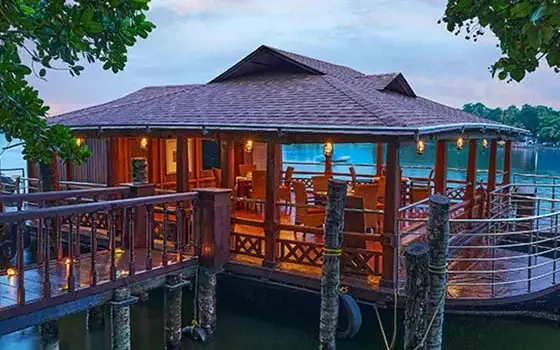
Floating seafood restaurant on Ashtamudi Lake at The Leela Ashtamudi, Thevally.
All-day lakeview restaurant at The Leela Ashtamudi, Thevally, serving Kerala and international food.
Lakeview lobby café at The Leela Ashtamudi in Thevally, open daily 11 am to 7 pm. Cafe.
Multi-cuisine restaurant at Hotel Nani, opposite the Clock Tower in Chinnakada, Kollam.
Supreme group restaurant at Kadappakkada, Kollam, serving Indian, Asian, Continental and Arabic dishes.
Book with the place itself. India’s cyber-crime coordination centre warned in April 2025 that convincing copies of hotel and pilgrimage booking sites are being pushed through sponsored search and social ads, taking payment for rooms the property never hears about. Each profile carries the business’s own contact details and its source. Roampedia takes no commission and does not collect booking payments. Booking pages reached through ads sometimes imitate a property’s own site. Fraud can be reported on cybercrime.gov.in or on 1930.
Find food, accommodation and activities across Kollam town. Browse the guides for places to eat, stay and explore along your route.
13 more places around Kollam town. Open a guide to plan the visit and onward journey.
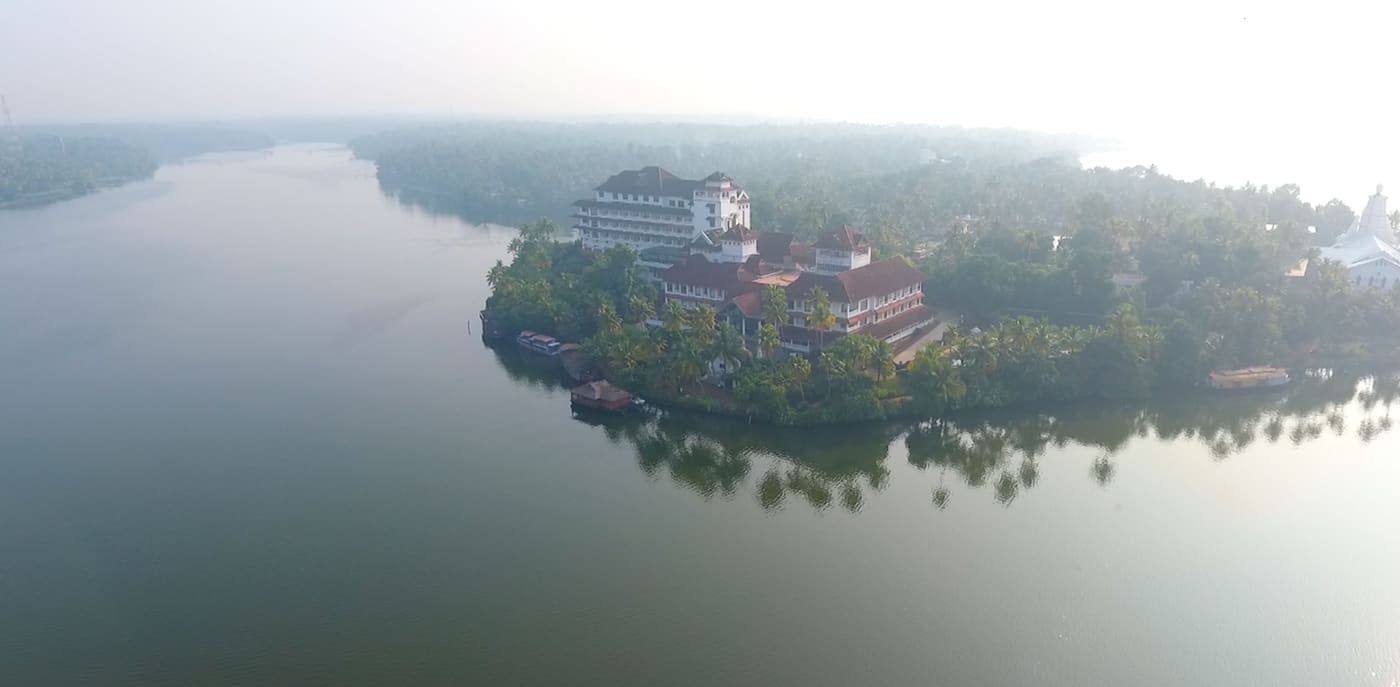
1.3 km · straight line
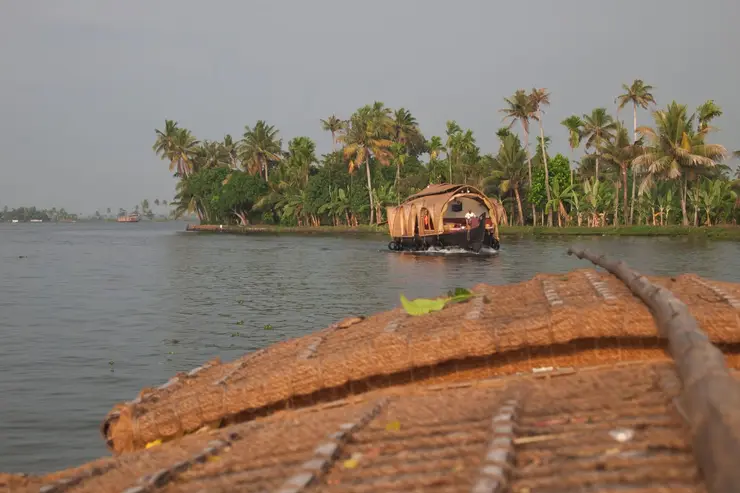
Large palm-fringed backwater system and houseboat base around Kollam.
3.1 km · straight line
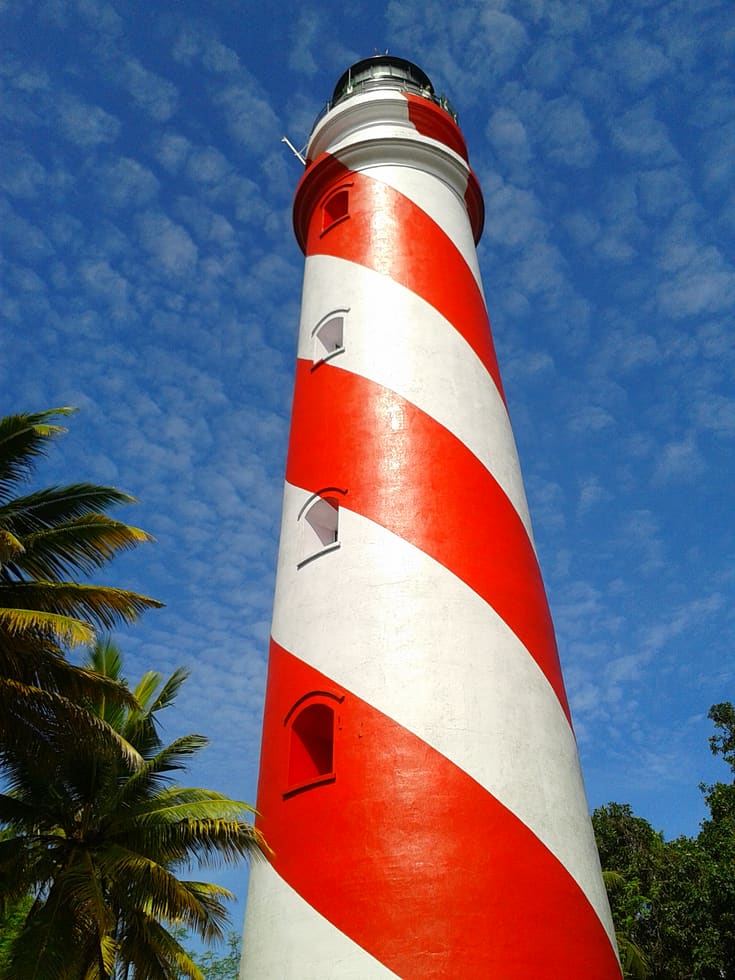
Thangassery Lighthouse raises Kollam’s sea view above a historic coastal neighbourhood. The red-and-white tower is a working navigation landmark with a separate visitor session.
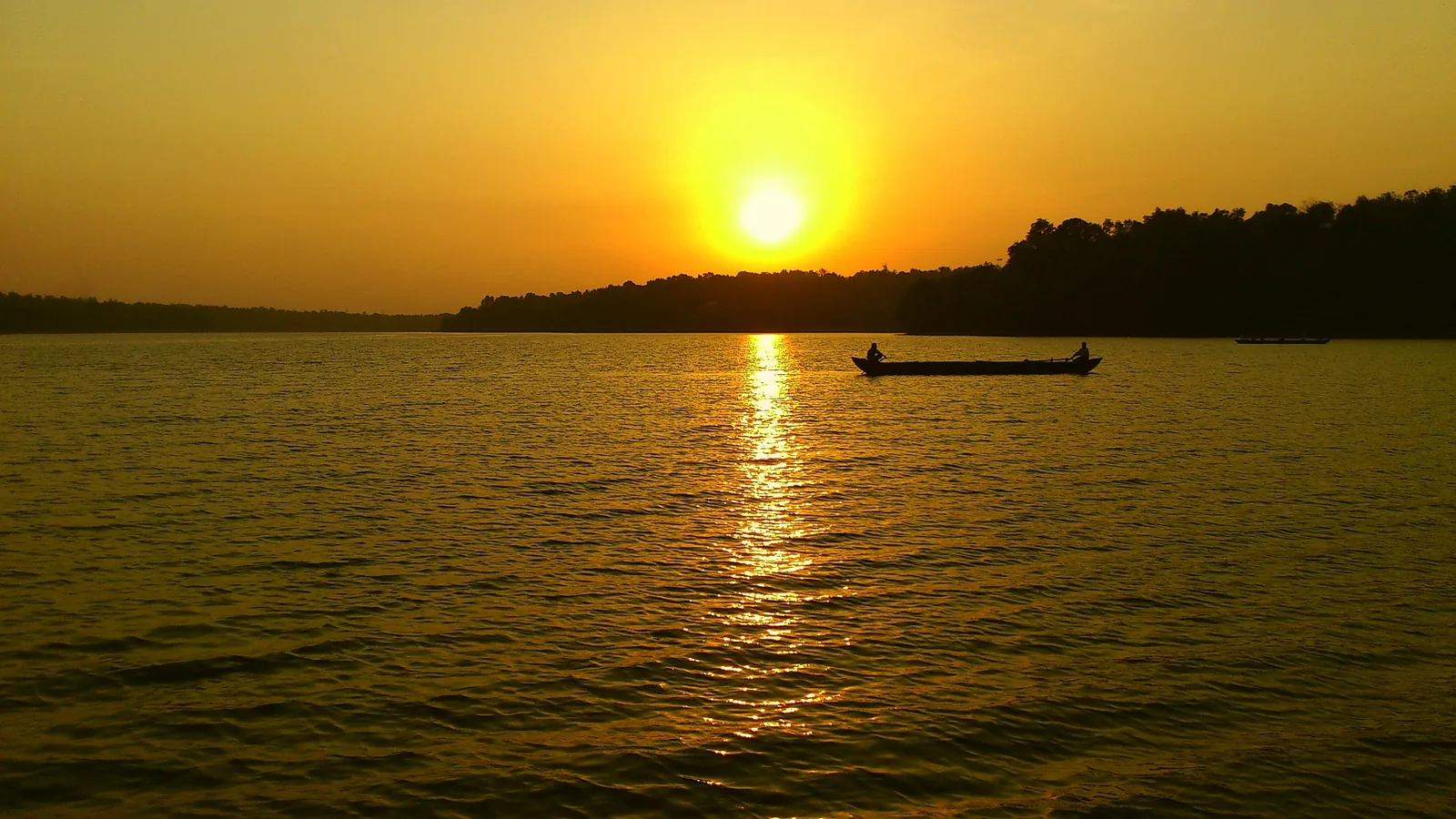
Kerala’s largest freshwater lake, a Ramsar wetland ringed by hills and a Sastha temple, north of Kollam.
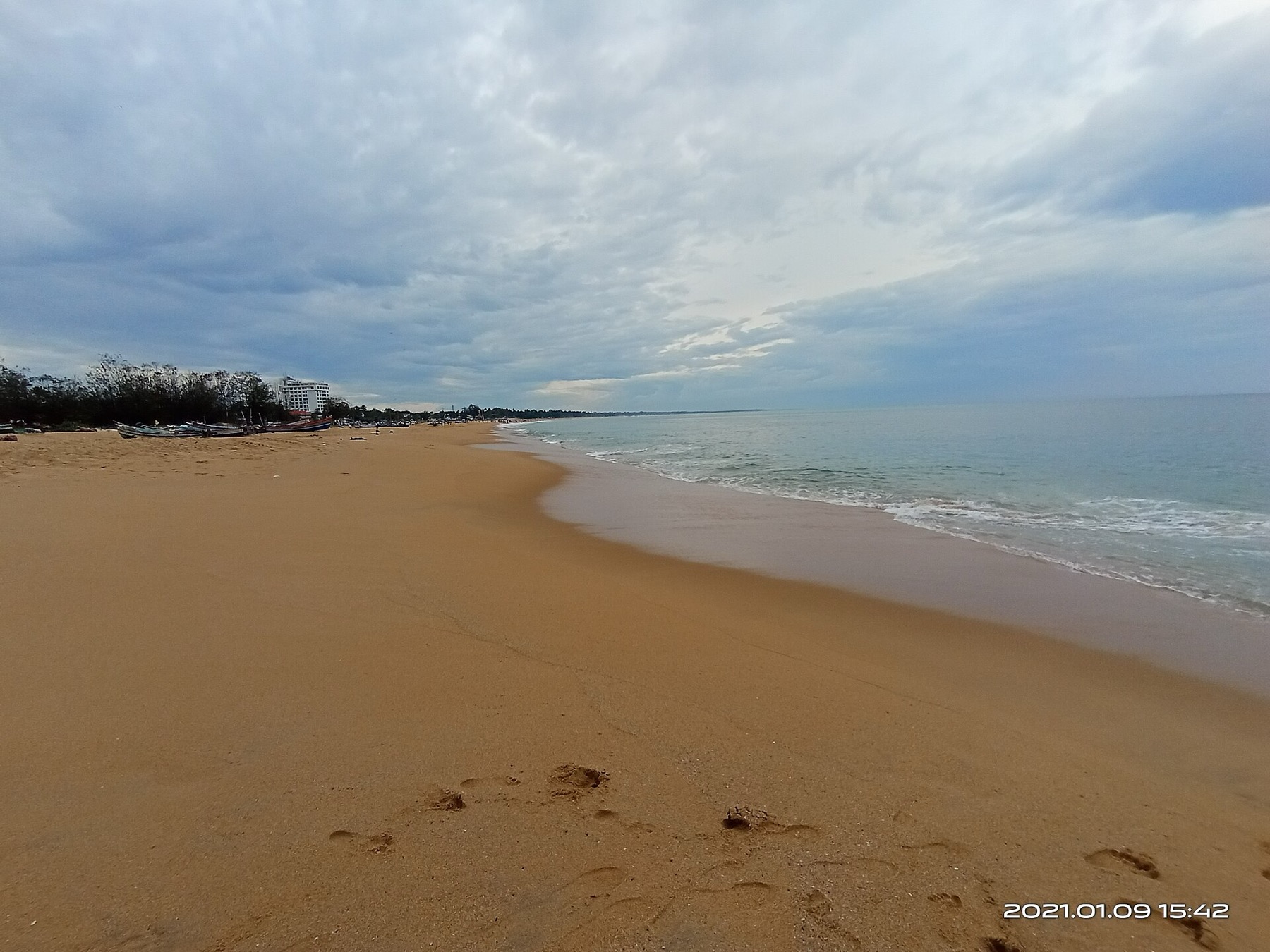
1.1 km · straight line
The city’s Mahatma Gandhi beach and park on the Arabian Sea, a popular evening spot near Kollam town.
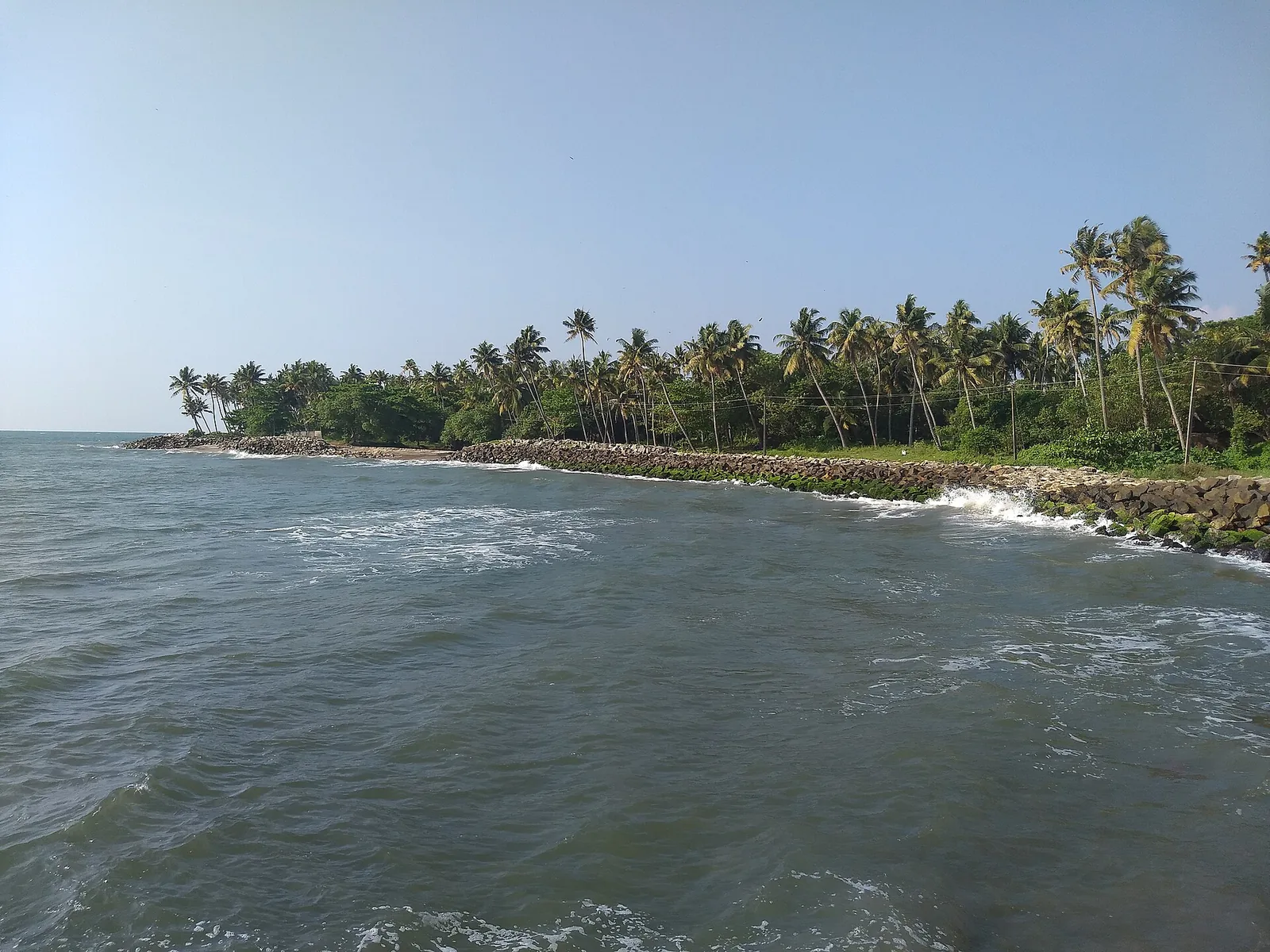
4.5 km · straight line
A quiet, curved bay beach west of Kollam town, calmer than the city beach and good for a relaxed evening.
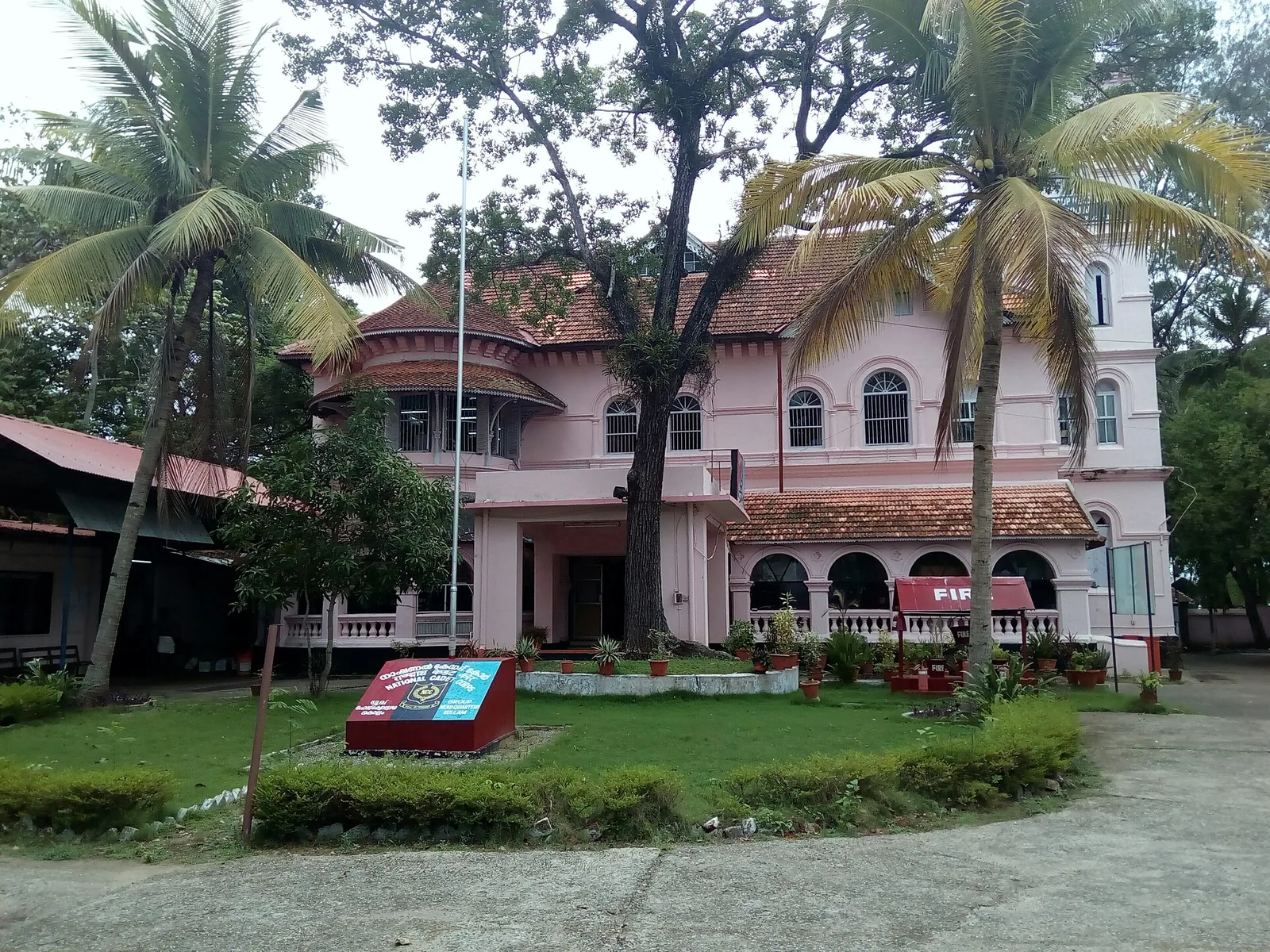
2.5 km · straight line
A Travancore royal residence on the Ashtamudi shore in Kollam, built to be arrived at by boat and now a working NCC establishment — viewed from outside or from the water.
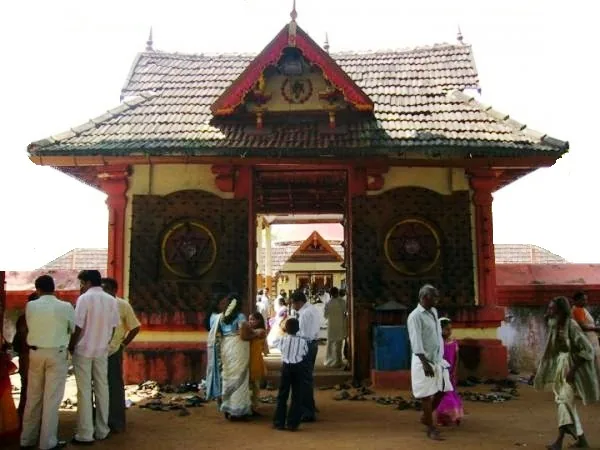
2.5 km · straight line
Anandavalleeswaram is an active Shiva temple in Kollam, with an Anandavally shrine and a ten-day annual festival in March or April. Ritual processions and cultural performances bring another dimension to the temple visit. Follow its worship session, admission and photography rules.
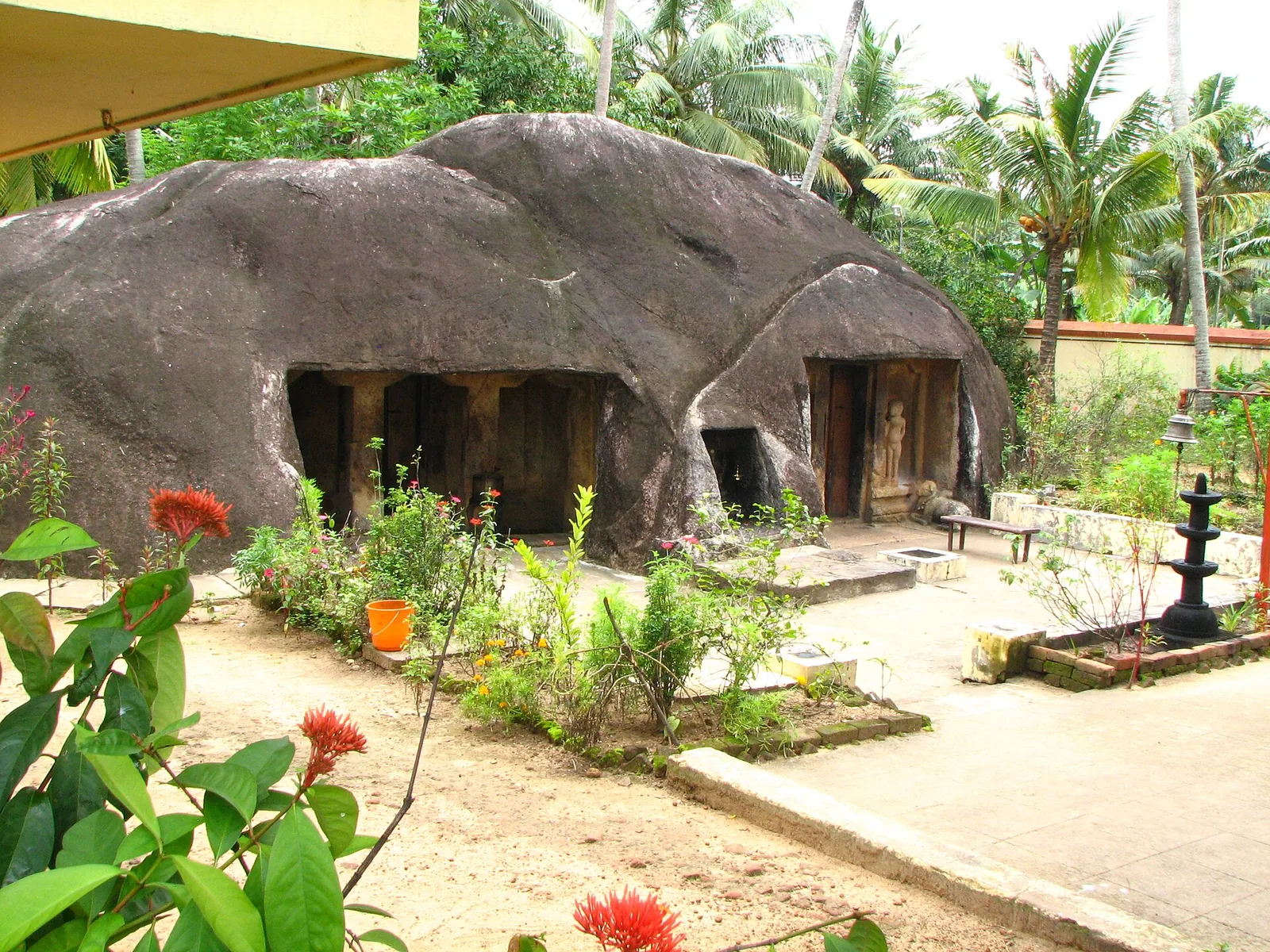
A monolithic rock-cut cave temple near Anchal/Kadakkal in south Kollam, carved with a Shiva shrine.
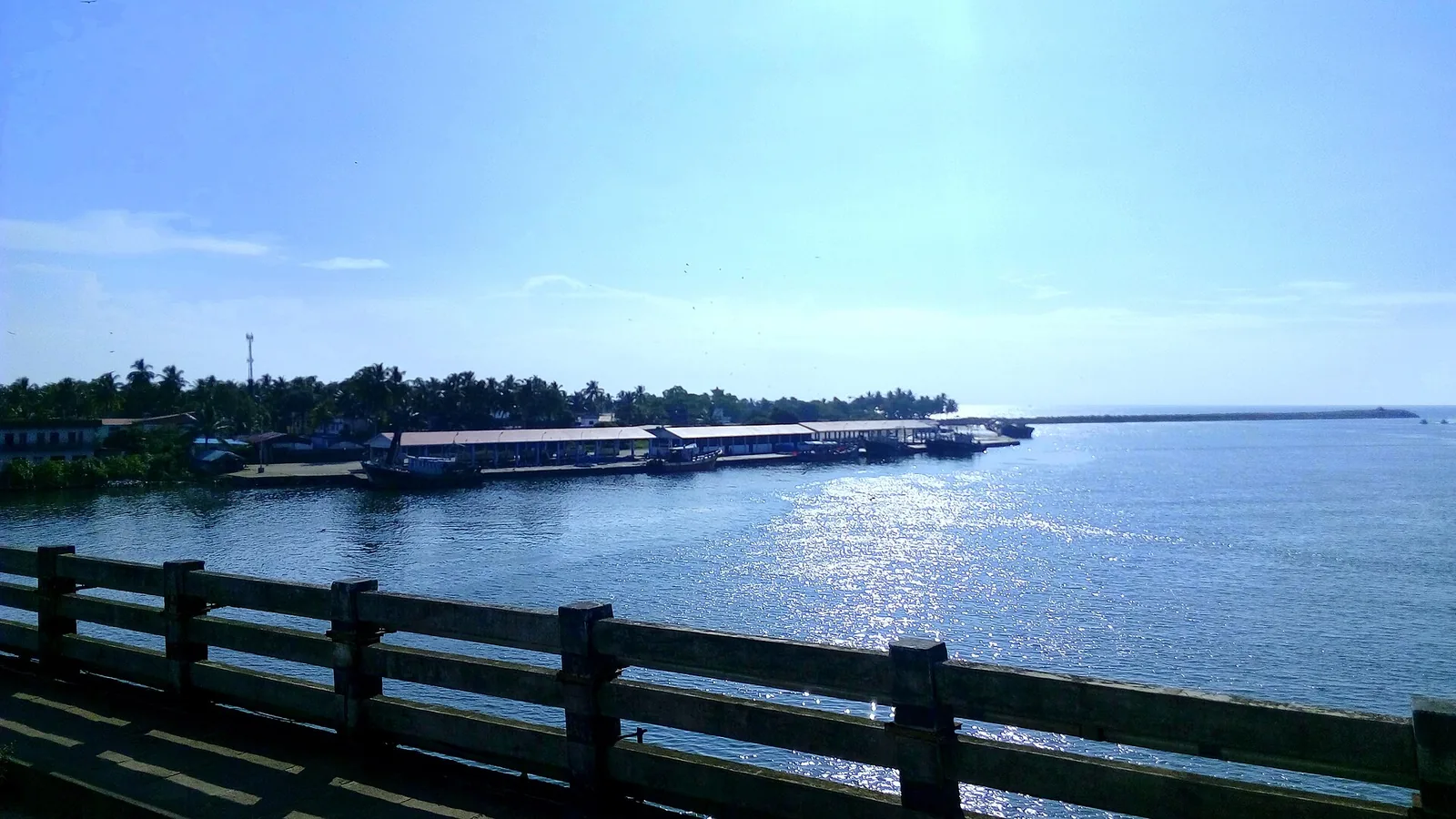
8.4 km · straight line
By most accounts Kerala’s largest fishing harbour, at the mouth of Ashtamudi Lake about 9 km from Kollam town, and where Indian fishing was mechanised; two bridges cross the confluence and the early-morning auction is the sight to catch.
10.1 km · straight line
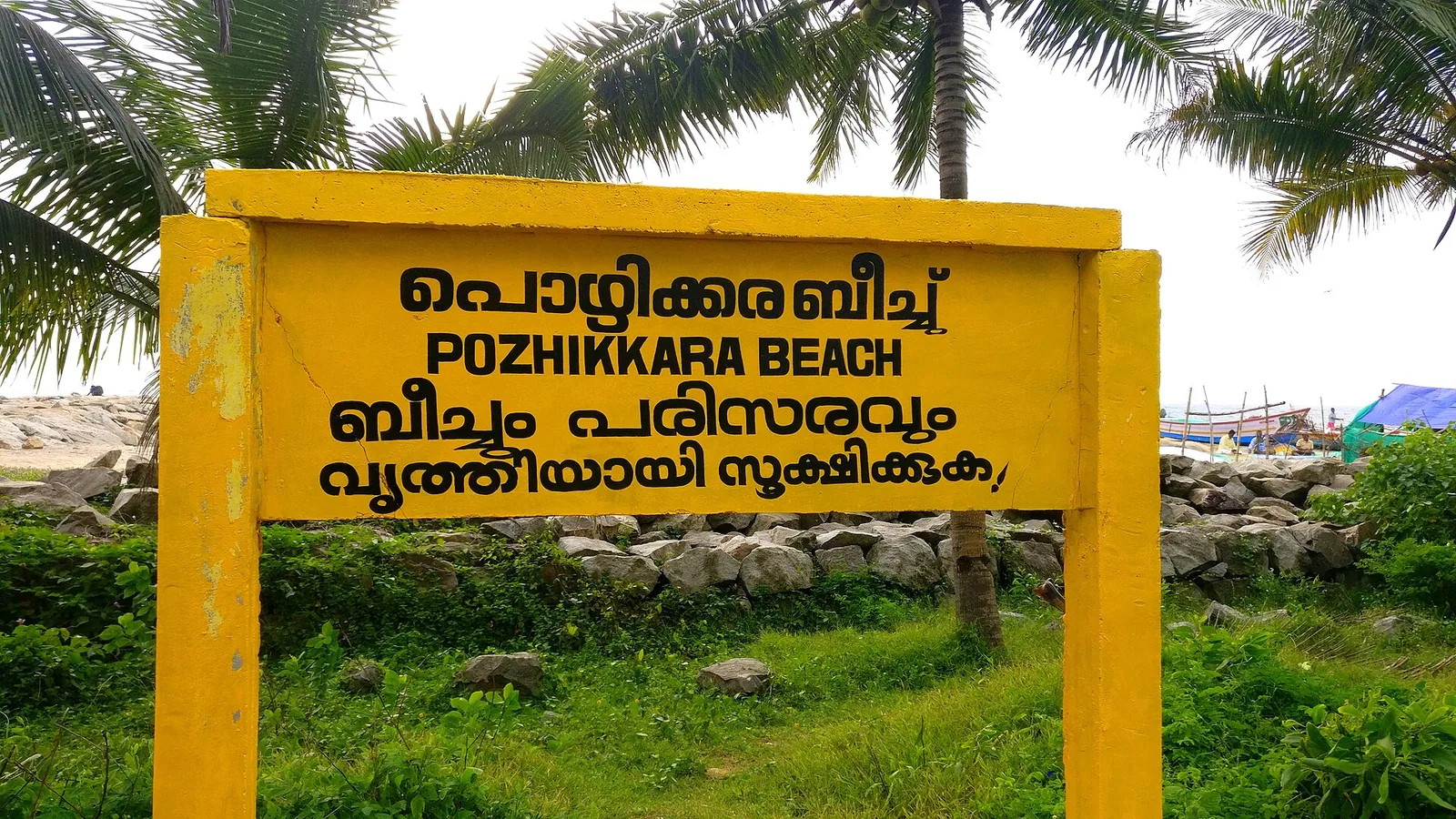
The estuary and beach at Paravur south-east of Kollam, where the Paravur backwaters meet the sea across a sandbar — a quiet spot known for its regulator bridge, the TS Canal and calm backwater-and-sea scenery.
1.6 km · straight line
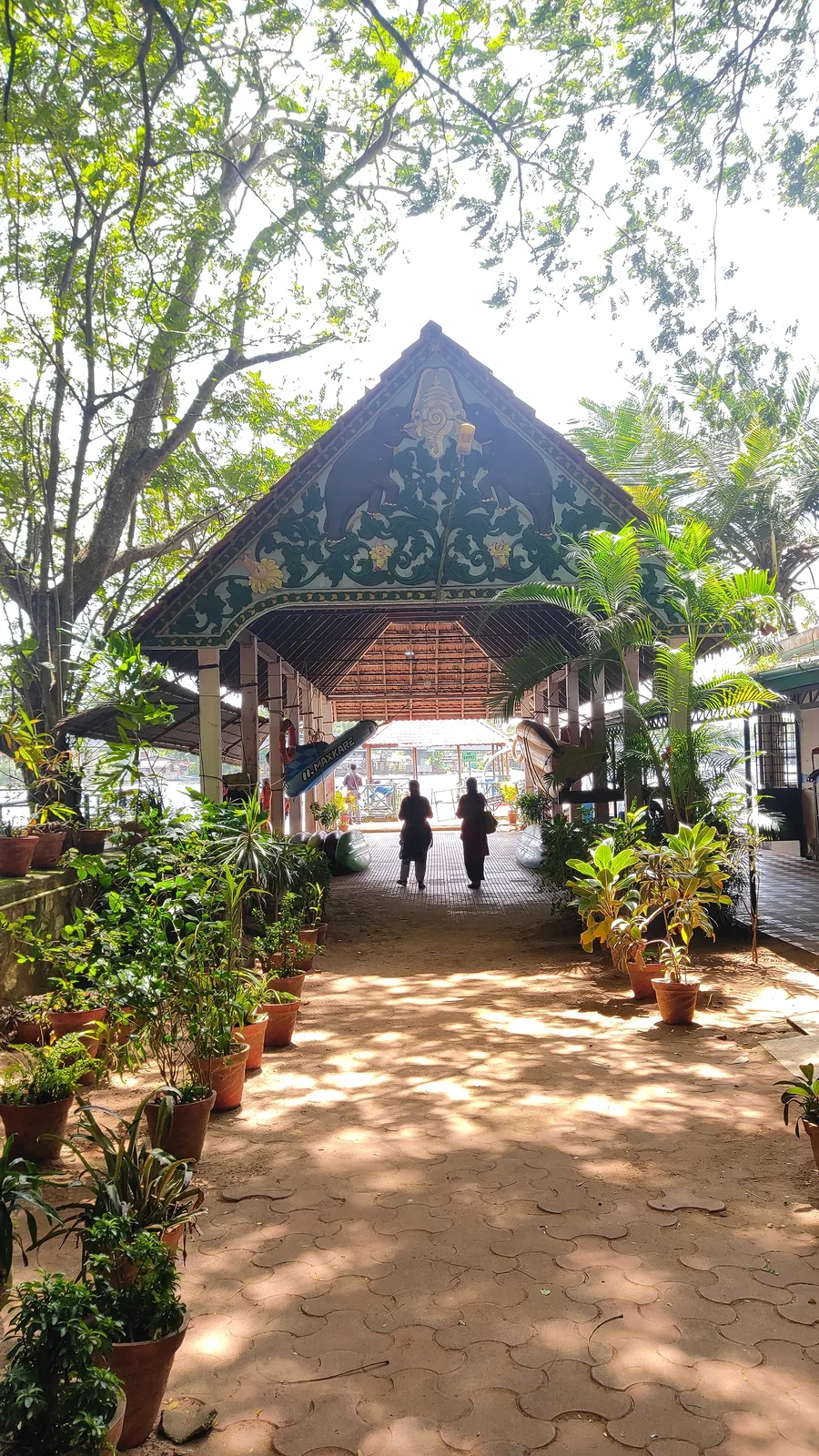
Forty-eight acres of municipal park on the Ashtamudi shore in the middle of Kollam, run by the DTPC — boating and kayaking off a painted jetty, ziplines and rope courses, a heritage walkway of terracotta reliefs, contemporary sculpture left behind by a 2012 festival, and a mangrove wetland with a state biodiversity heritage tag.
1.7 km · straight line
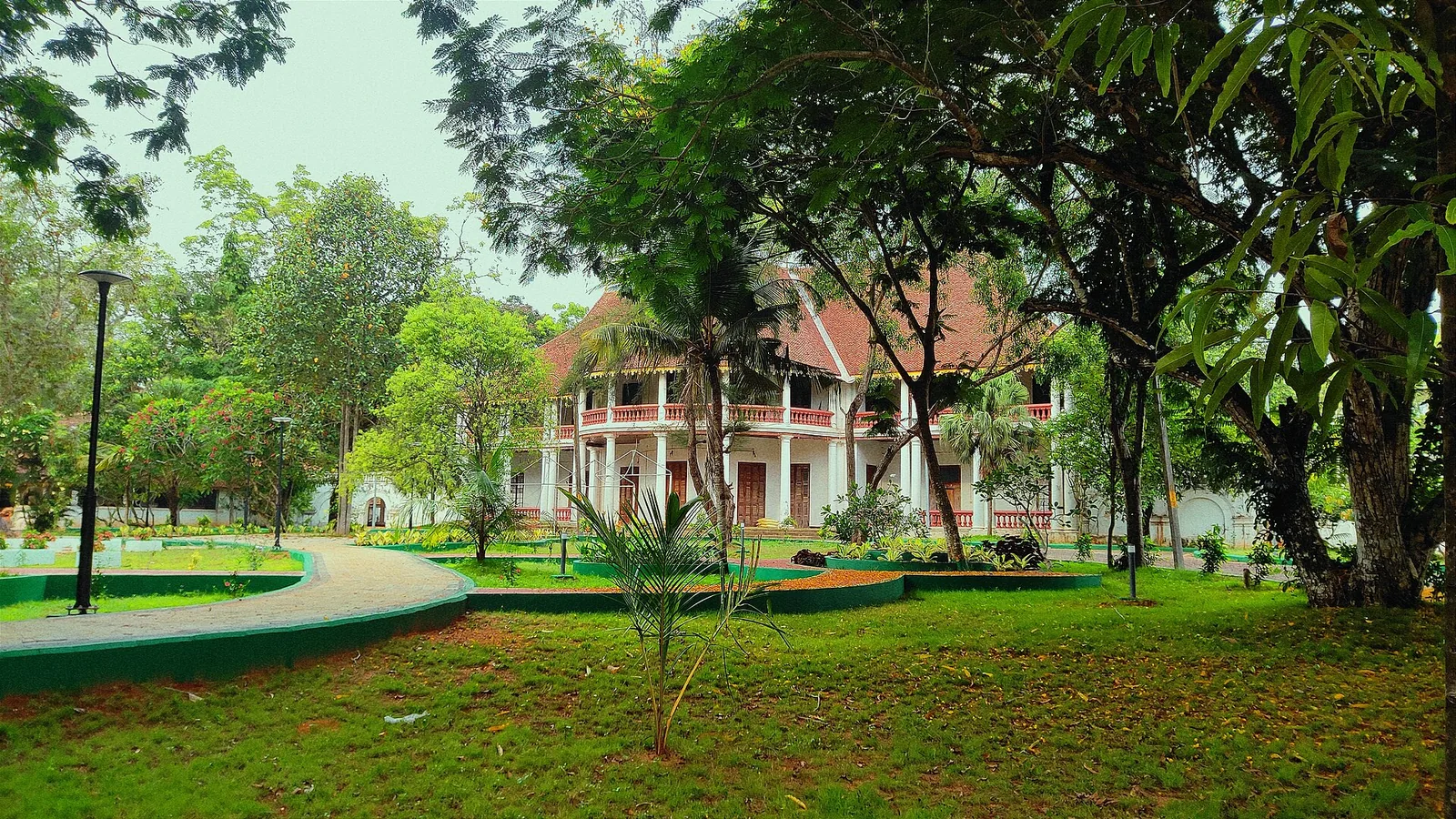
The former British Residency at Asramam survives as a government guest house beside Kollam’s backwater landscape. Its architecture is the attraction, with access governed by its working use.
1.4 km · straight line
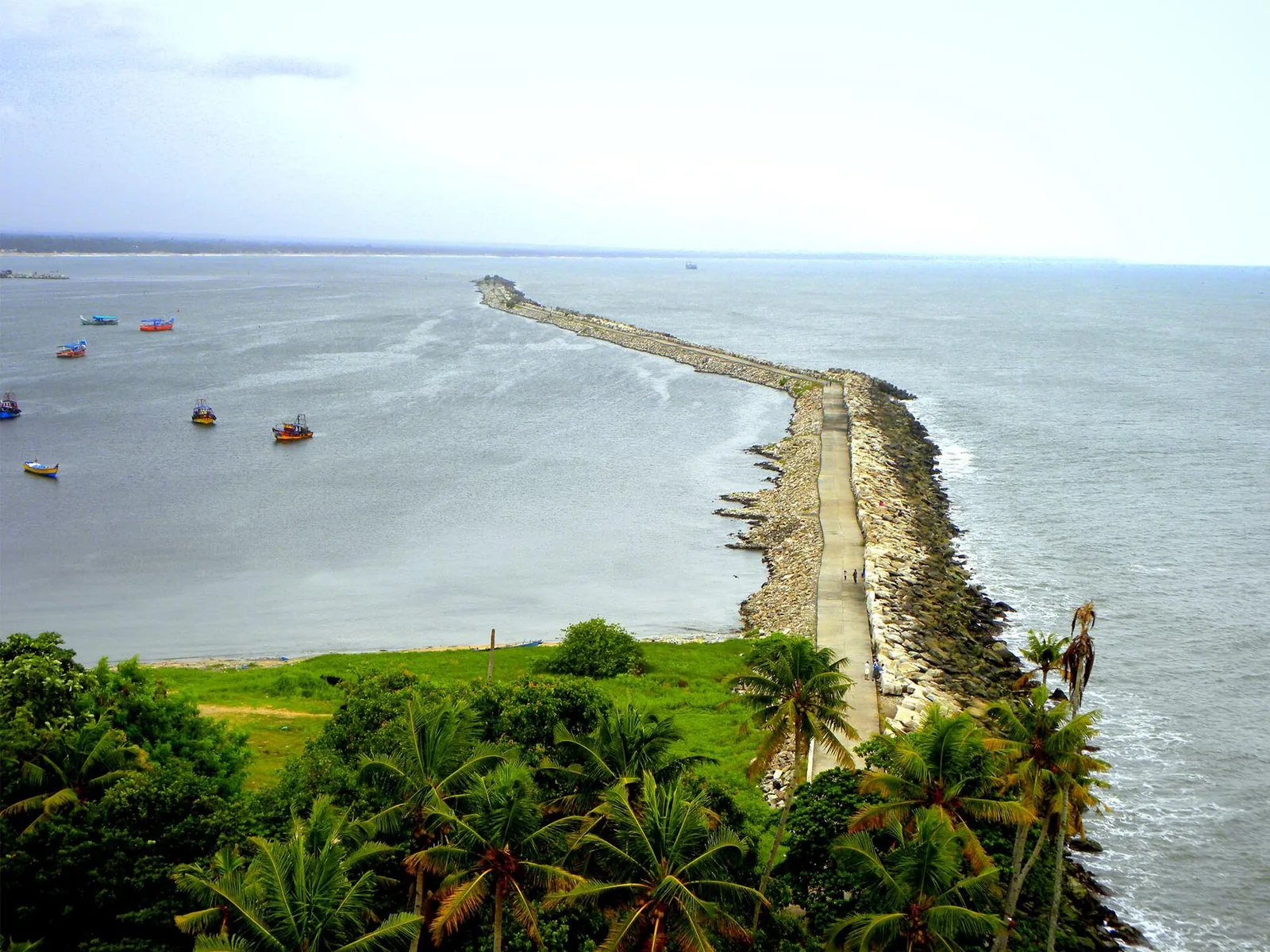
The working wharf and breakwater at Thangassery, conventionally founded in AD 825 — the event the Malayalam calendar counts from. A short cargo quay and a long public breakwater walk, above a seabed that has produced Tang and Song coins and Lower Palaeolithic tools.
Roampedia is commission-free — own or know a stay, eatery, guide or shop near Sardar Vallabhbhai Patel Police Museum? Submit public business details for review.
Add a nearby businessThe city’s Mahatma Gandhi beach and park on the Arabian Sea, a popular evening spot near Kollam town.
1.1 km · straight lineLarge palm-fringed backwater system and houseboat base around Kollam.
1.3 km · straight lineThe working wharf and breakwater at Thangassery, conventionally founded in AD 825 — the event the Malayalam calendar counts from. A short cargo quay and a long public breakwater walk, above a seabed that has produced Tang and Song coins and Lower Palaeolithic tools.
1.4 km · straight lineForty-eight acres of municipal park on the Ashtamudi shore in the middle of Kollam, run by the DTPC — boating and kayaking off a painted jetty, ziplines and rope courses, a heritage walkway of terracotta reliefs, contemporary sculpture left behind by a 2012 festival, and a mangrove wetland with a state biodiversity heritage tag.
1.6 km · straight lineThe former British Residency at Asramam survives as a government guest house beside Kollam’s backwater landscape. Its architecture is the attraction, with access governed by its working use.
1.7 km · straight lineAnandavalleeswaram is an active Shiva temple in Kollam, with an Anandavally shrine and a ten-day annual festival in March or April. Ritual processions and cultural performances bring another dimension to the temple visit. Follow its worship session, admission and photography rules.
2.5 km · straight lineA Travancore royal residence on the Ashtamudi shore in Kollam, built to be arrived at by boat and now a working NCC establishment — viewed from outside or from the water.
2.5 km · straight lineThangassery Lighthouse raises Kollam’s sea view above a historic coastal neighbourhood. The red-and-white tower is a working navigation landmark with a separate visitor session.
3.1 km · straight lineA quiet, curved bay beach west of Kollam town, calmer than the city beach and good for a relaxed evening.
4.5 km · straight line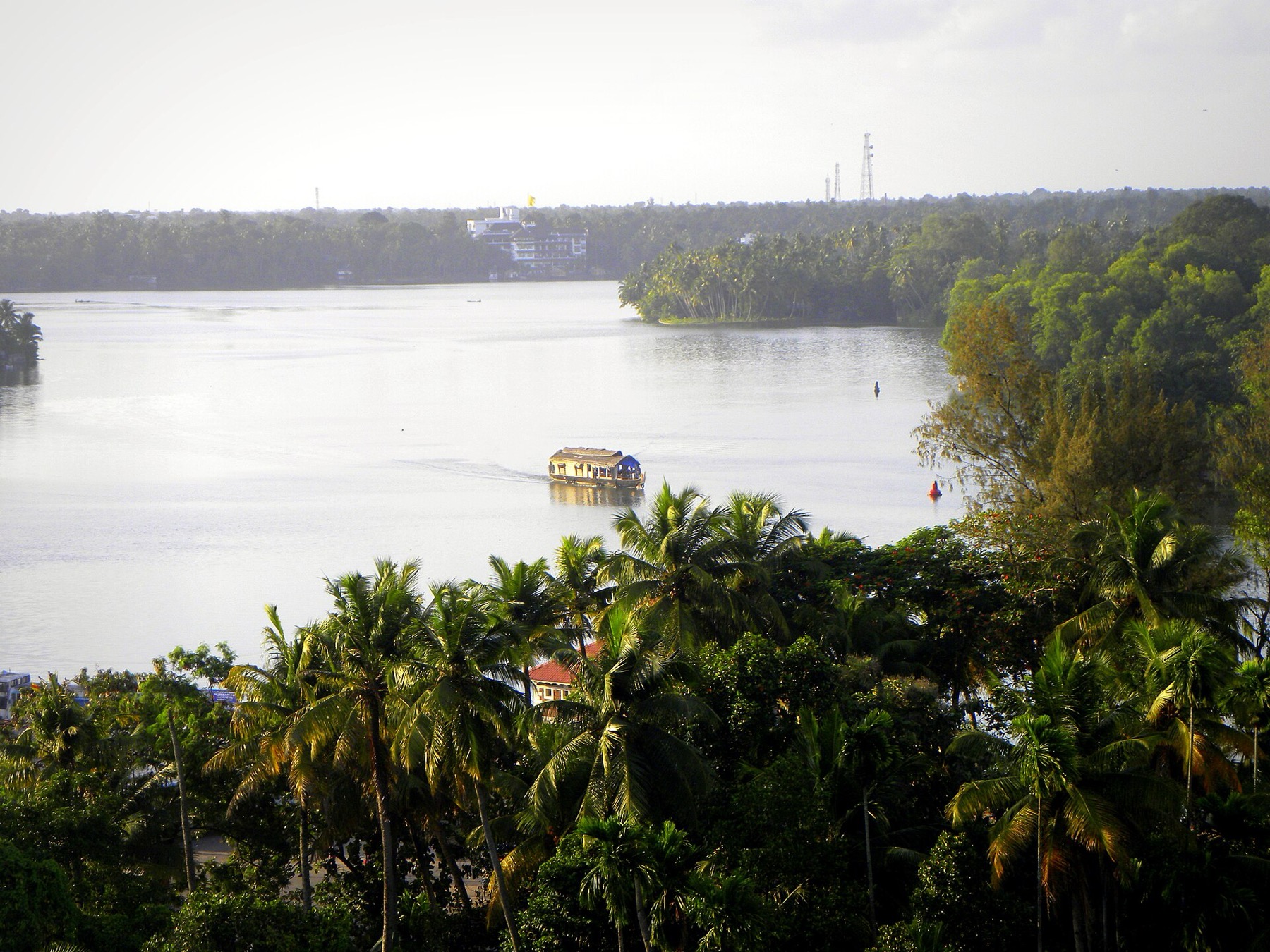
The open-water outlooks on the Munroe Island and Perumon side of Ashtamudi, where the lake widens out — the wide views the canal trips themselves do not give you.
8.2 km · straight lineBy most accounts Kerala’s largest fishing harbour, at the mouth of Ashtamudi Lake about 9 km from Kollam town, and where Indian fishing was mechanised; two bridges cross the confluence and the early-morning auction is the sight to catch.
8.4 km · straight lineThe estuary and beach at Paravur south-east of Kollam, where the Paravur backwaters meet the sea across a sandbar — a quiet spot known for its regulator bridge, the TS Canal and calm backwater-and-sea scenery.
10.1 km · straight lineNearby toilets, pharmacies, ATMs, seating and vets come from OpenStreetMap community mapping. Map data © OpenStreetMap contributors | Walking times © openrouteservice.org by HeiGIT
It is directly across from Kollam Railway Station, about 150 m away.
DTPC Kollam lists 9 am to 6 pm on all days (read 22 Nov 2026).
DTPC Kollam lists ₹20 for adults and ₹10 for children, sold at the museum.
It was inaugurated on 10 May 1999 by B. S. Sastry IPS, Director General of Police, Kerala.
DTPC Kollam credits B. Sandhya IPS, who was Superintendent of Police, Kollam, in 1999.
Old arms and ammunition, a Martyr's Gallery, forensic charts, police dog photographs and medals.
The museum stands directly across from Kollam Railway Station, about 150 m away, and about 1.7 km from Kollam Bus Stand (DTPC Kollam). DTPC Kollam lists entry at ₹20 for adults and ₹10 for children, with offline booking only (read 22 Nov 2026). DTPC Kollam lists hours of 9 am to 6 pm on all days (read 22 Nov 2026).
Nearby you can pair Kollam Beach (1.1 km, approximate straight-line separation), Ashtamudi Lake (1.3 km, approximate straight-line separation), Port of Kollam (1.4 km, approximate straight-line separation), Asramam Adventure Park (1.6 km, approximate straight-line separation).
Written about Sardar Vallabhbhai Patel Police Museum itself — its history, its legends and the arguments about them.
These guides explore Kollam town and the surrounding area. Choose a visit that fits your interests, allowing separately for travel between stops.
Route-level itineraries and practical guides for the rest of Kerala.
Photographs: Pranav Mohan (CC BY-SA 4.0). Wikimedia Commons.