Ashtamudi Lake

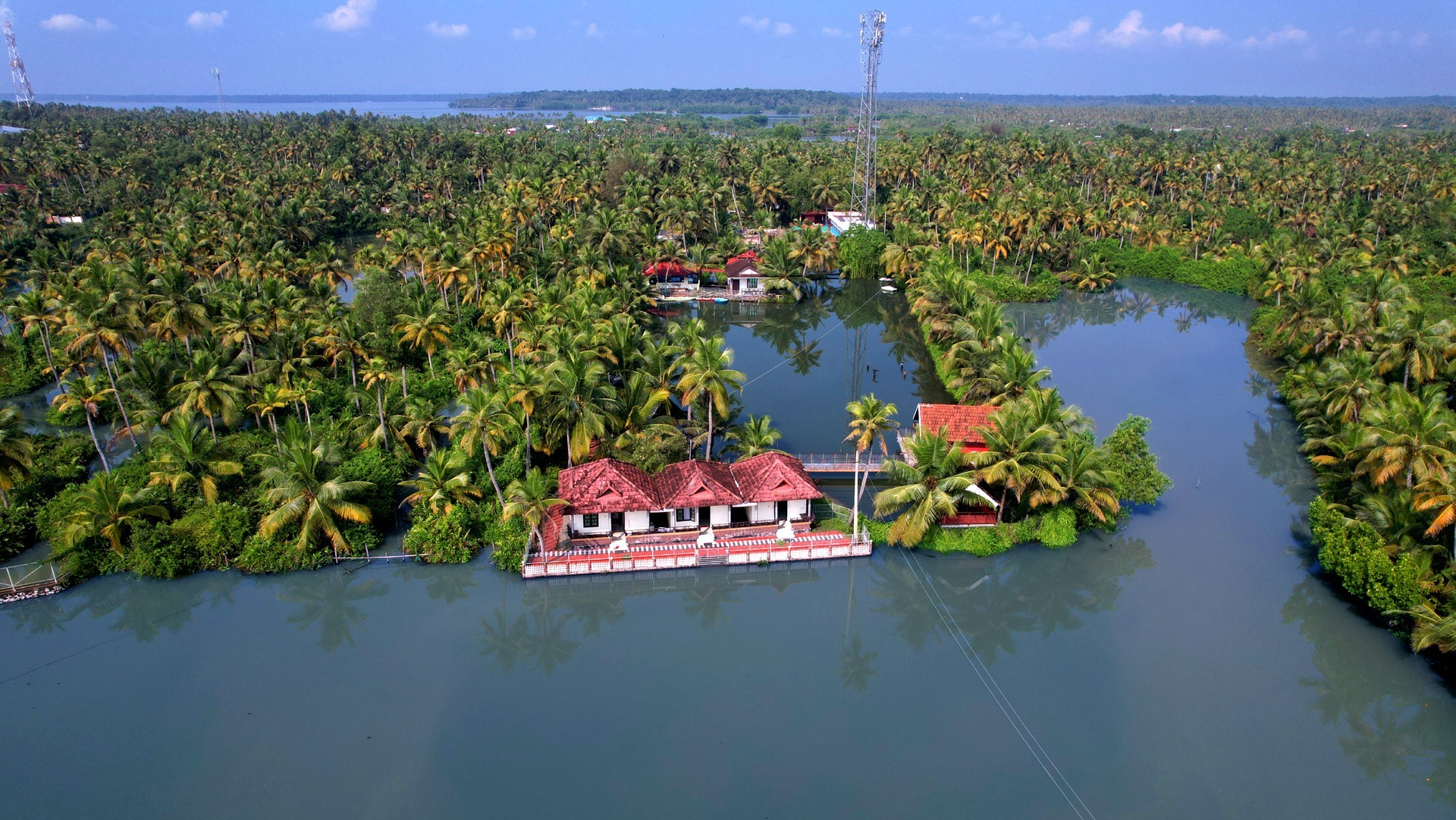
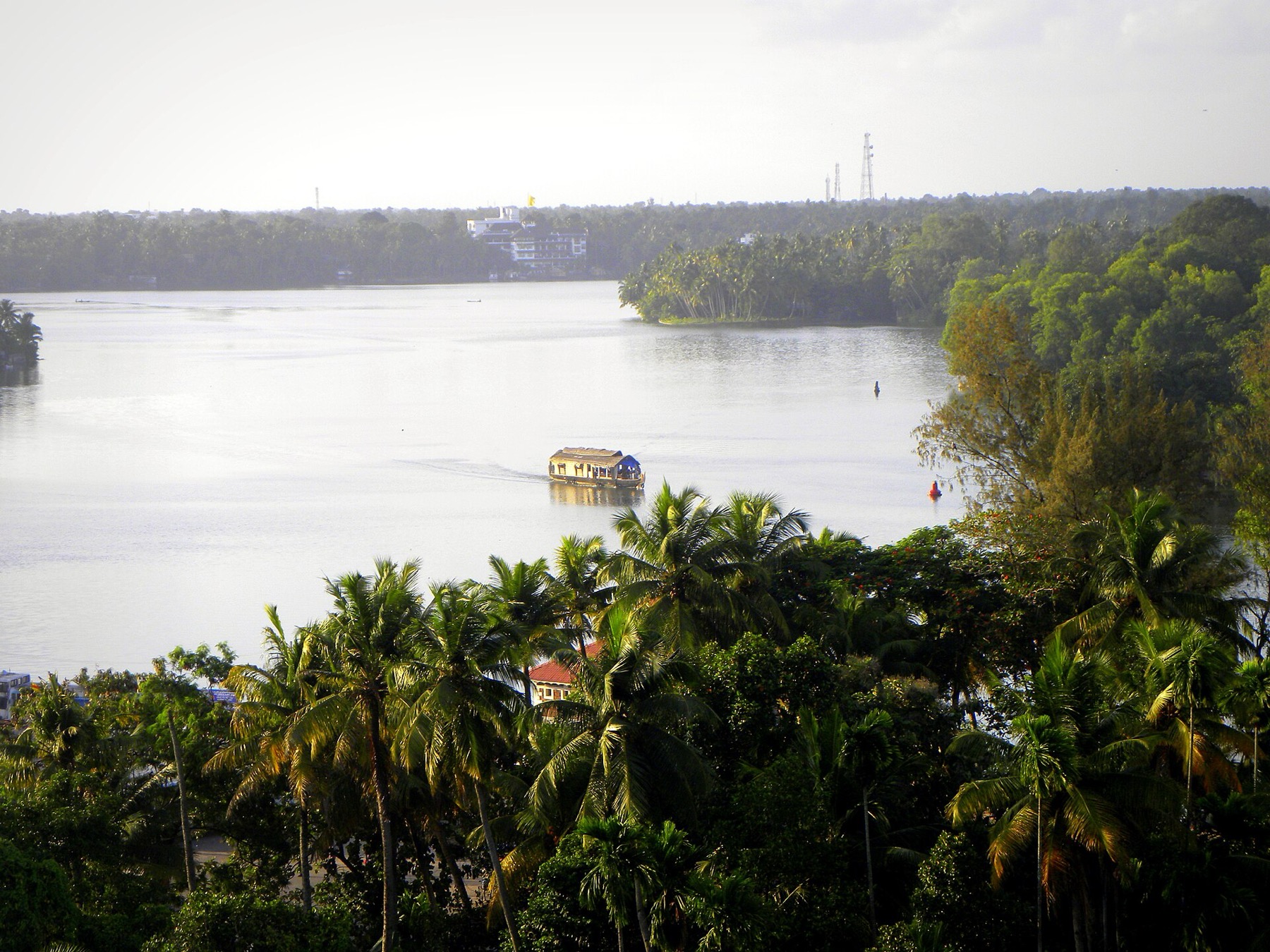
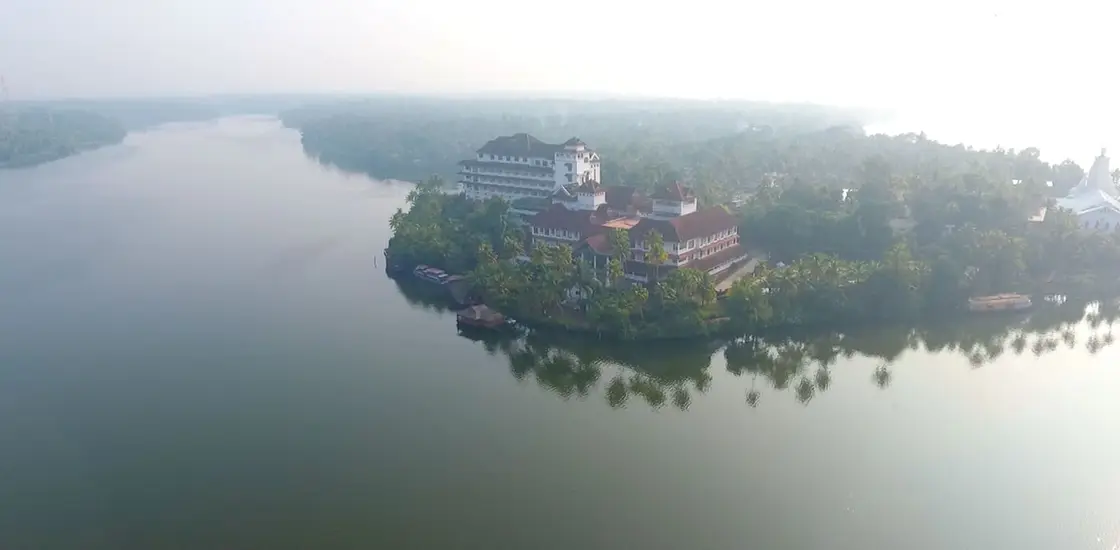
Ashtamudi Lake is Kollam's signature backwater system, a branched Ramsar wetland that opens Kerala's southern backwater belt. It is quieter than Alleppey but still has houseboats, canoe routes, ferries, island villages and lakefront resorts around Kollam, Munroe Island and the Kallada river side.

Ashtamudi Lake, Kollam town
Practical guide

Plan Ashtamudi Lake

Who's going?Tailor Ashtamudi Lake to your trip
Typebackwater
AreaKollam town
DistrictKollam
Best timeNovember to February is most comfortable
Time needed2 to 4 hours for a short cruise
EntryThere is no entry fee to see the lake
Places to visit9Listed businesses49

Use Ashtamudi as a slow-water base: settle the exact jetty, route and duration first, then add Kollam town, Thangassery Lighthouse or Munroe Island around it. What you will be booking is a boat operator, a lakefront stay or homestay, a seafood stop and a local guide.

The story

Ashtamudi Lake is Kerala's second-largest backwater lake and the celebrated gateway to the Kerala backwaters, spreading its eight palm-shaped arms across Kollam town and converging on a single outlet at Neendakara before draining to the sea. It is the deepest estuary in Kerala, a Ramsar wetland of international importance, and the home of what was once India's first sustainably certified clam fishery — a certificate the lake no longer holds, for reasons that have nothing to do with the clams. It is the serene southern counterpart to the more famous Alappuzha backwaters.

The story of Ashtamudi Lake

Say the name slowly — Ashtamudi, from the Malayalam ashta, eight, with mudi read variously as peaks or braids — and you already have the shape of the place. The lake does not lie in a single sheet like an ordinary lagoon; it fans out from Kollam town in long, finger-like arms, so that from the air it resembles an outstretched palm, or, as locals like to say, a coconut palm laid on its side. Eight branches are conventionally named — Thevally, Kureepuzha, Kandachira, Thekkumbhagam, Perumon, Kanjirottu, Kallada and Kumbalathu kayals — and it is this many-armed geometry, more than its size, that gives Ashtamudi its labyrinthine magic. One honest caveat about that famous eight: the Ramsar sheet describes a palm-shaped water body with eight prominent arms and names none of them, and the list above, which appears on our page and on every other, could not be traced back to a survey, a gazetteer or a hydrographic source. The count is conventional rather than measured. Nobody, as far as we can establish, has ever gone out and counted them.

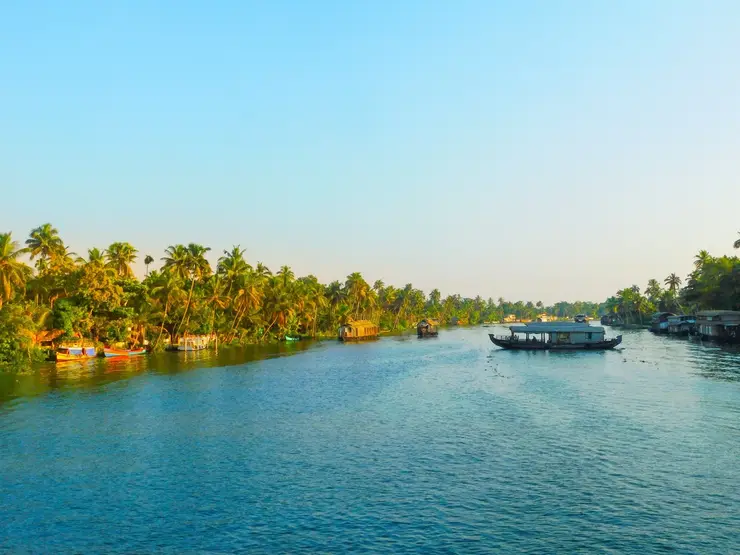
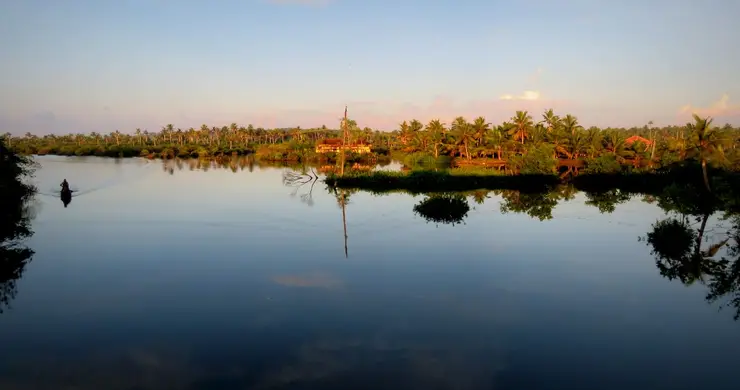
This is the lake that earns Kerala the title Gateway to the Backwaters. Where Alappuzha is broad and open, Ashtamudi is intimate and secretive: narrow canals hemmed by coconut palms, still lagoons that mirror the sky, and hidden channels where a country canoe can slip between overhanging branches. It is the point at which the great inland waterway of Kerala begins its journey north, and for the traveller arriving from Thiruvananthapuram it is very often the first true taste of the slow, water-borne rhythm that defines the region.

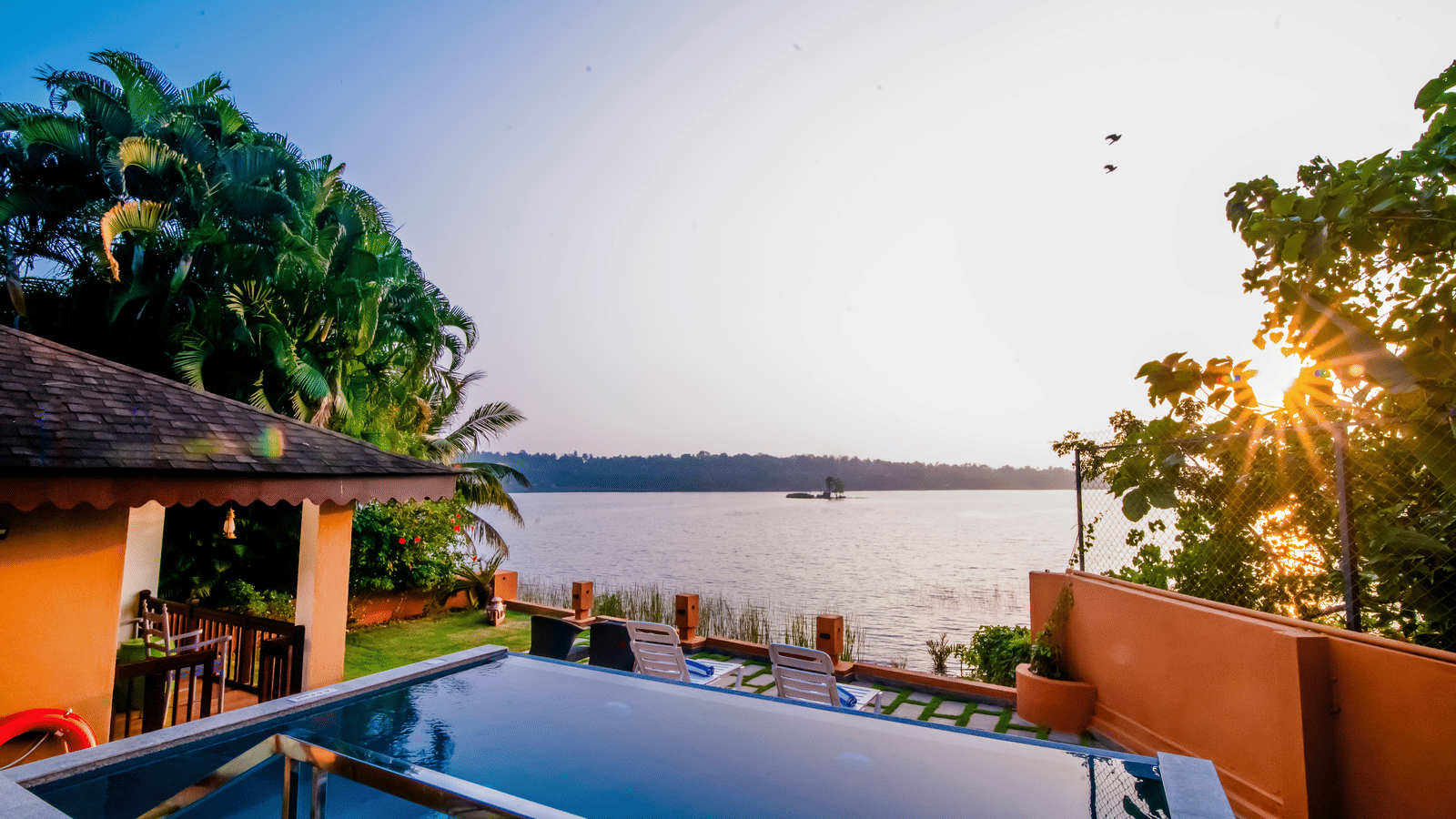
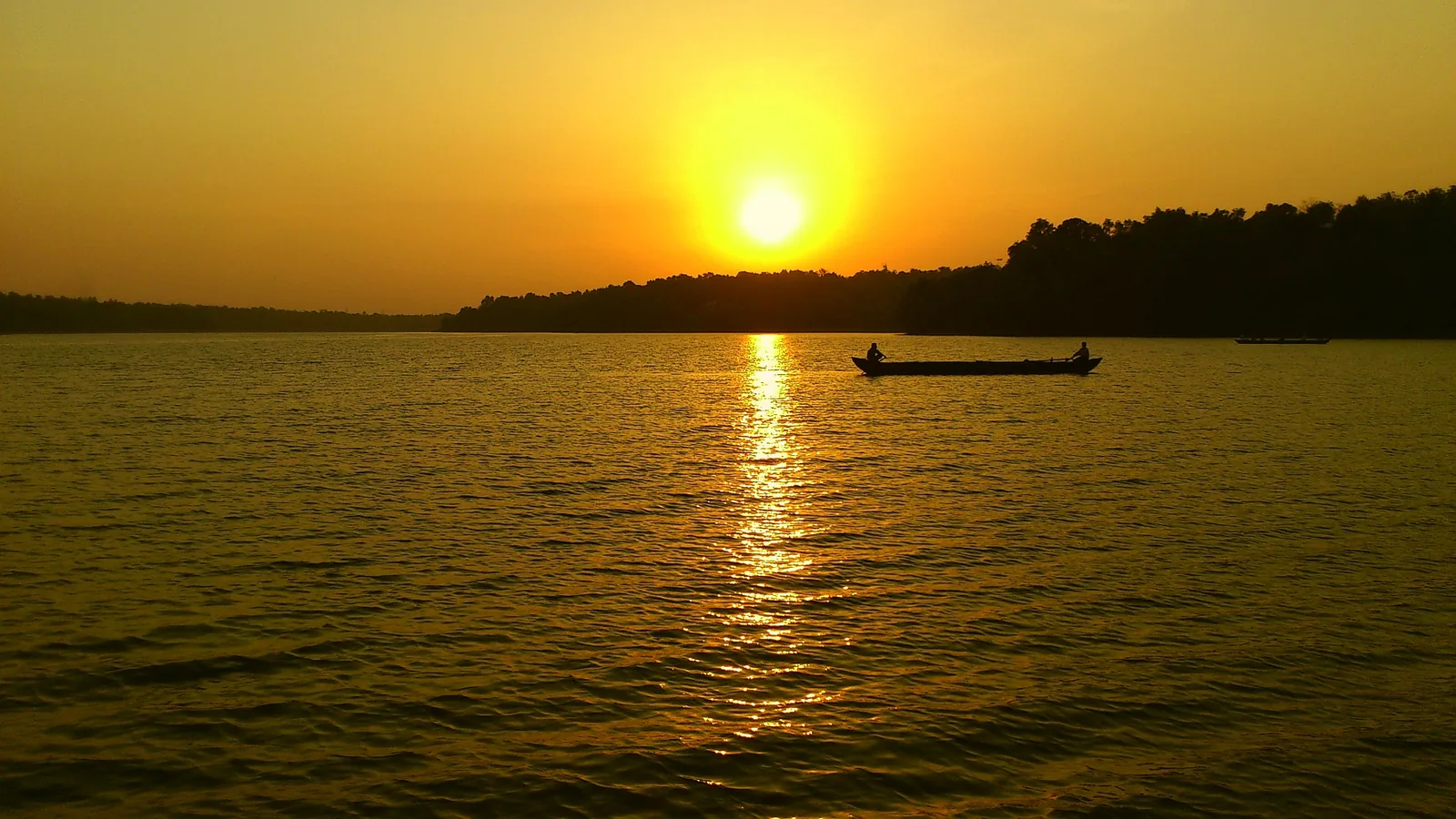
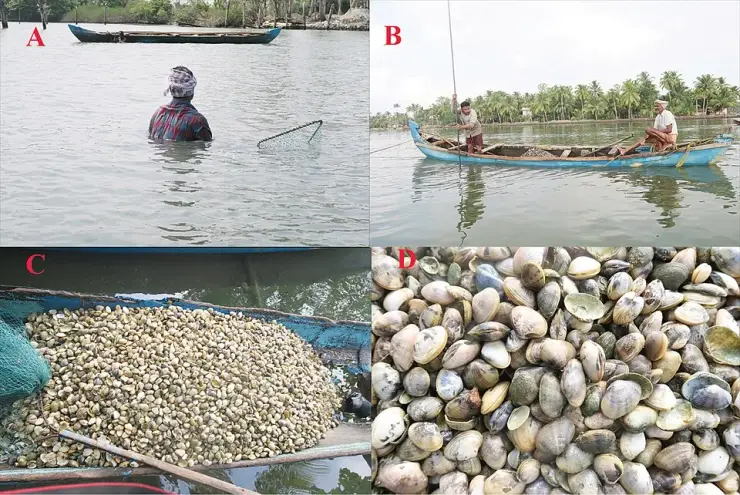
The classic way to meet the lake is from the deck of a kettuvallam, the thatched houseboat rebuilt from the old rice barges that once ferried cargo along these waters. Drifting out from the Kollam jetty in the late afternoon, you pass Chinese-style cantilever fishing nets dipping into the shallows, women wading waist-deep to rake clams from the bed with their feet, and toddy tappers shinning up the palms on the banks. As the sun lowers, the whole western sky pours itself into the water, and Ashtamudi delivers what many consider the finest backwater sunset in Kerala — a long, unhurried burning-out of the light behind silhouetted palms.

The lake's single most famous journey does not stay on Ashtamudi at all. From the Kollam jetty the District Tourism Promotion Council runs what is billed as the longest backwater cruise in Kerala — an eight-hour public ferry that threads north through a chain of canals to link Ashtamudi with the Kayamkulam and Vembanad lakes, ending at Alappuzha. It is a slow, sociable, budget-friendly voyage past village life, coir-making yards and endless green, and for many backpackers it remains the definitive Kerala backwater experience.

Turn instead into the lake's quieter reaches and you reach Munroe Island — Munroturuttu — a cluster of little islets knitted together by narrow canals where the water is so close to the land that the two seem to merge. Here the tourist houseboats cannot follow; you transfer to a small country canoe poled by a local boatman, and glide beneath low bridges past fish farms, coir-twisting units and village playschools. It is Ashtamudi at its most tranquil, a living portrait of Kerala backwater life largely unchanged for generations.

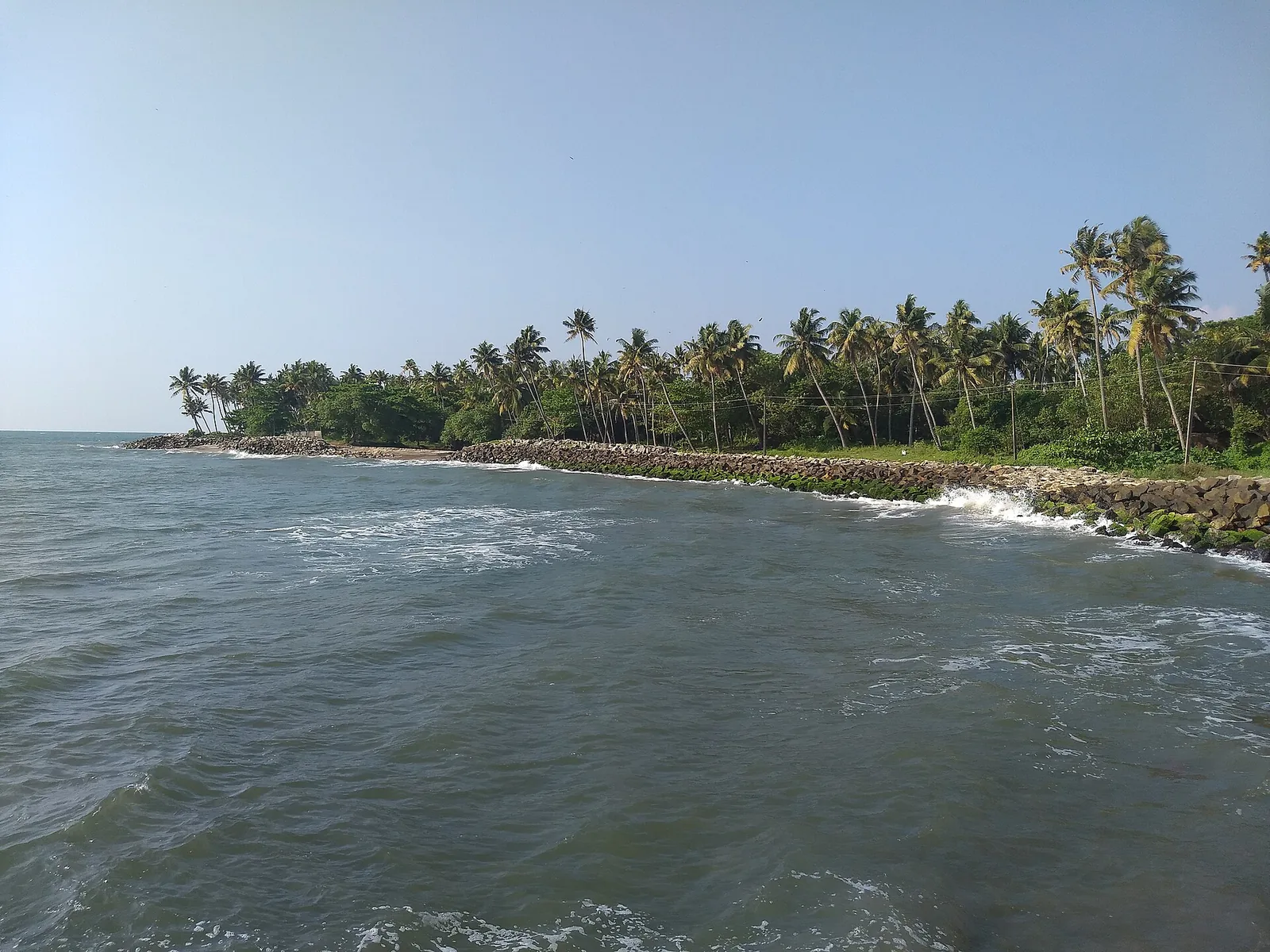
For all its beauty, Ashtamudi is a serious working ecosystem as much as a scenic one. Its mangrove fringes and mudflats nurse shrimp and fish, draw migratory birds in winter, and support thousands of fishing families whose clam rakes and cast-nets are part of the view. The Chinese cantilever nets here are genuine and photographable — Wikimedia Commons keeps a whole category of them geotagged inside the lake, and there is a documented net at Chavara Thekkumbhagom on one of the eight arms — so if you have only seen them at Fort Kochi, these are the real thing in a quieter setting. Green mussels and fish are farmed on staked enclosures alongside the clam beds. To cruise here is to move through a landscape that is simultaneously a Ramsar-listed wetland, a working fishery and one of Kerala's most photogenic waterscapes.

Legend & myth

In November 2014 the clam fishery of this lake became the first in India to be certified sustainable by the Marine Stewardship Council. That is true, it is on every page about Ashtamudi including ours, and it is where every account stops. The second half is public, it is on the MSC's own website, and it says in plain English that the clams were never the problem.

Start with the rise, because it was real. The fishery dates from 1981 and supports around three thousand people who collect, clean, process and trade the catch. It entered MSC assessment on 11 June 2013. The site visit was announced on 25 July, the draft report went out for public comment on 31 July 2014, the final determination came on 16 September, the public certification report was published on 4 November, and the certificate was handed over at Kochi on 5 November 2014. Certificate MSC-F-31164, two units of certification — clams taken by traps, and clams taken by hand dredges — assessed by Acoura Marine trading as Lloyd's Register. Reported catch in 2018: 5,010 tonnes.

Now the fall, which survives in four documents. On 10 October 2019 the certifier issued a Notice of Intent to Suspend. The reason is given in a single line: invoice 163 days overdue. The section of the same form asking which sustainability indicators were failing is answered, in full: not applicable, the fishery has just had its fourth surveillance and continues to meet the MSC requirements. The section on unmet conditions reads: not applicable, there are no conditions placed on this fishery.

Eighteen days later the suspension was lifted, in a letter from Lloyd's Register to WWF India at Lodi Estate in New Delhi acknowledging receipt of payment for the outstanding invoice and confirming that the fishery would not be suspended on 9 November. On 5 November 2019 — the very day the five-year certificate expired — the MSC granted an extension to 5 September 2020 to allow the recertification to be completed, noting that the client had recently tried to secure funding for the assessment, which had delayed both the fourth surveillance and the reassessment.

On 15 January 2020 came the Notice of Suspension, effective 14 February. The stated reason is a clause about delay in the audit schedule due to unforeseen circumstances. And once more, in writing, under the heading asking what was wrong with the fishery: not applicable, the fishery continues to meet the MSC standard. The effect was that the certificate holder could not sell any catch as MSC-certified after that date, and the fishery was no longer eligible to use the ecolabel.

The reassessment never completed. The extended certificate would have run out on 5 September 2020. The MSC database today lists the Ashtamudi estuary short-necked clam fishery with a certified status of Withdrawn.

So the honest version is this. India's first sustainable fishery did not lose its label because the clam beds failed. Twice, on official forms, its own auditor wrote down the opposite. It lost the label because an invoice went unpaid for a hundred and sixty-three days, and because nobody could find the money for the next audit. As far as any assessor ever recorded, the clams of Ashtamudi are still being fished sustainably. What ran out was the budget for saying so.

Three small precisions, because this is the kind of claim that gets garbled. The certificate did not simply lapse: the record distinguishes an expiry, a suspension and a withdrawal, and all three happened. The MSC publishes the status but not the date on which withdrawal took effect, so nobody should print one. And the certificate was held on the fishery's behalf by WWF India — the certifier's letters are addressed to them — which is not at all the same as WWF owning the fishery.

Read the full history of Ashtamudi Lake 1654 more words

History

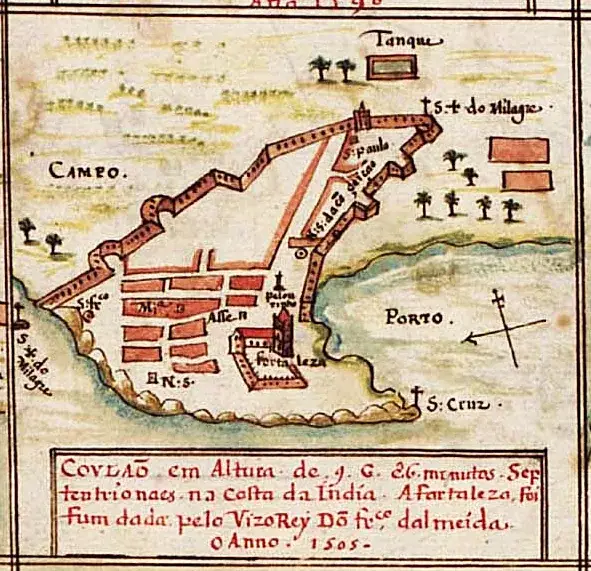
Kollam's harbour is the reason the lake has a history at all. The town's own calendar begins in 825 CE — the Kollam Era, still used in Kerala — and within a generation the port was important enough to leave one of South India's most remarkable documents. The Tarisappalli copper plates of 849 CE, a grant to the Syrian Christian merchant Maruvan Sapir Iso, are signed by witnesses in Arabic Kufic, cursive Pahlavi and Judeo-Persian Hebrew: proof that Persian, Arab and Jewish traders were living and doing business here twelve hundred years ago. Chinese ships came too. A Tang minister's sailing directions of about 801 place a kingdom identified with Kollam on the Guangzhou–Persian Gulf run, and a Persian merchant writing around 851 reports that Kollam was the one Indian port the great Chinese junks called at, charging them a thousand dinars where other ships paid ten. Pepper, sapanwood, coconut and areca nut went out; Chinese coins and celadon came in, and they are still coming up out of the ground at Thangassery and out of the dredged mud of the harbour. Marco Polo reached the town he called Coilum around 1292 and wrote down its pepper and its indigo; Ibn Battuta, fifty years later, called it one of the finest towns on the Malabar coast.

One correction to the story as it is usually told. Kollam is routinely said to have traded with the Phoenicians and the Romans in the early centuries of the Common Era. It did not, on any evidence we can find: Phoenicia as a maritime power was gone by the end of the fourth century BCE, no Phoenician or Roman source names Kollam, and none of the Periplus ports — Nelcynda, Bacare, Tyndis — is placed here by any scholar we could trace. The line descends from a single self-refuting sentence on the district administration's own website, which cites "Roman and Phoenecian accounts from the first century C.E." A thousand-year documented record needs no help from a fictional extra millennium. Nor does the lake itself carry the claim: the excavated medieval port site is at Thangassery, on the open sea coast, and the modern harbour is at Neendakara on the barmouth, so the sheltered water was the country behind the port rather than, so far as anyone has shown, the anchorage itself.

The Portuguese arrived in the early 16th century and built a fort at Thangasseri to control the pepper trade, followed in turn by the Dutch and the British — layers of history still legible along the Kollam waterfront.

Ecologically, Ashtamudi is an estuarine wetland of about 61 square kilometres, second in Kerala only to Vembanad — and it is the deepest estuary in the state, reaching about 6.4 metres at the confluence zone, a figure most descriptions of it omit entirely. All eight arms converge on a single outlet at Neendakara before entering the sea, which is the fact that explains almost everything else about the place: eight arms, one door. It sits about ten metres above sea level. It was designated a Ramsar Wetland of International Importance on 19 August 2002, as site number 1204.

A caution about that Ramsar listing, because the numbers on it do not agree with each other. The Information Sheet gives the site area as 61,400 hectares — 614 square kilometres, which would make Ashtamudi larger than the whole coastal plain of Kollam district. Six pages later the same sheet says twice that the extent of the lake zone is 61.4 square kilometres, which is 6,140 hectares. A decimal point has moved one place at the top of the form while the body of the form kept the real number, and because Ramsar is the authority the tenfold figure has been copied into gazetteers, tourism boards and study guides ever since. The 61 square kilometres on this page is the one that matches the scientific literature and the sheet's own body text.

It is fed chiefly by the Kallada, which the sheet describes as originating in the Western Ghats, traversing virgin forest and falling into the Ashtamudi wetland after about 120 kilometres — and which is not really a single river at all. It is formed by the meeting of three hill streams, the Kulathupuzha, the Chenthurunipuzha (also called the Shendurney) and the Kalthuruthipuzha, which come together in the Parappar reservoir at Thenmala. The commonly printed catchment figure of about 1,700 square kilometres is repeated everywhere and we could not put a primary source under it, so treat it as indicative. The tidal mixing of fresh and salt water at Neendakara creates the brackish conditions on which the whole food web depends.

The lake supports remarkable biodiversity for its size: dozens of fish species, more than fifty species of birds, and fringing mangroves — three true ones, Avicennia officinalis, Bruguiera gymnorrhiza and Sonneratia caseolaris, with some forty-three marsh and mangrove associates — that act as nurseries for commercially important shrimp. The most reliable bird count comes not from the Ramsar sheet but from the Ashramam Biodiversity Heritage Site on the Kollam waterfront, over fifty hectares of guest-house grounds, mangroves and creek, where surveys record 15 mangrove species, 22 associates, 122 plants, 34 edible fish and 62 birds. Winter brings migratory waterfowl to the mudflats, and the mangrove pockets shelter herons, egrets, kingfishers and cormorants — making the quieter arms, and Munroe Island in particular, a rewarding stretch for casual birdwatching from a canoe.

It is worth knowing what the lake was actually listed for. The Ramsar criteria invoked in 2002 were numbers one, two, three and eight, with the eighth named as the most significant — and criterion eight is about fish. Ashtamudi was placed on the list of internationally important wetlands primarily as a nursery and migration route for fish, not for scenery and not for birds. The same sheet is unusually blunt about what was being done to protect it at the time. Under conservation measures taken, it says NIL. Under current scientific research and facilities, NIL. Under current conservation education, NIL. Three consecutive nils on the form that made it internationally important.

The threats the sheet named are still the threats. First on its list is pollution from oil spills from thousands of fishing boats. Then coconut husk retting — concentrated, not general, and predominant in the eastern arms nearest the Kallada inflow where the water is freshest. Then untreated sewage from Kollam city and direct disposal from hanging latrines. And then, named individually rather than lumped together as industry, the Punalur paper mills, Aluminium Industries Ltd and the ceramics works. The management plan of the day proposed a marine bio-reserve, a mangrove rehabilitation zone at the Kallada confluence, and a nature conservation park for small mammals and birds on an uninhabited island inside the reserve. The island park was never built.

Ashtamudi's best-known modern distinction is its clam fishery. The short-neck clam beds here have been worked since 1981 and support around three thousand people who collect, clean and process the catch, once driven by export demand from Vietnam, Thailand and Japan. After overfishing crashed the harvest in the early 1990s, a closed season, a minimum export size and a ban on mechanical harvesting were introduced; the recovery was so successful that in November 2014 the fishery became the first Marine Stewardship Council-certified sustainable fishery in India — a landmark achieved jointly by CMFRI, WWF, the State Fisheries Department and the local fishing community. That certificate no longer exists, and the reason is set out in full below.

There is a stranger footnote to it. In November 2018, four years after the certificate was issued, a paper in the journal ZooKeys by Arathi A. R., P. Graham Oliver, R. Ravinesh and A. Biju Kumar established that the certificate — and every published report before it — had named the wrong animal. The clam was everywhere identified as Paphia malabarica. That name did not conform to current nomenclature and properly referred to Protapes gallus; and Protapes gallus, the authors showed, does not live in Ashtamudi Lake at all but in the shallow coastal waters offshore. The clam actually being fished here is Marcia recens. Working taxonomists then disagreed about the fix — a molecular study argued from a 28.9 per cent genetic distance that the older name should be retained — but nobody disputed the underlying point, which is that the clam on the certificate was not the clam in the bucket.

Why visit

The gateway to Kerala's backwaters — Ashtamudi is where the great inland waterway begins, offering the same palm-fringed canals and kettuvallam cruising as Alappuzha but with noticeably fewer crowds and a more intimate, tucked-away feel.

The eight-armed lake itself — a genuinely unusual, many-branched waterscape whose hidden channels, wide lagoons and mirror-still reaches reward slow exploration by houseboat or canoe.

Kerala's most famous long cruise — the eight-hour DTPC ferry from Kollam to Alappuzha, billed as the longest backwater cruise in the state, linking three great lakes through a chain of village canals.

Munroe Island — a serene cluster of islets explored by small country canoe through canals too narrow for houseboats, giving one of the most authentic glimpses of Kerala backwater village life anywhere in the state.

Sunsets and birdlife — Ashtamudi is renowned for luminous backwater sunsets, while its mangroves and mudflats draw kingfishers, egrets, herons and winter migratory birds for easy waterborne birdwatching.

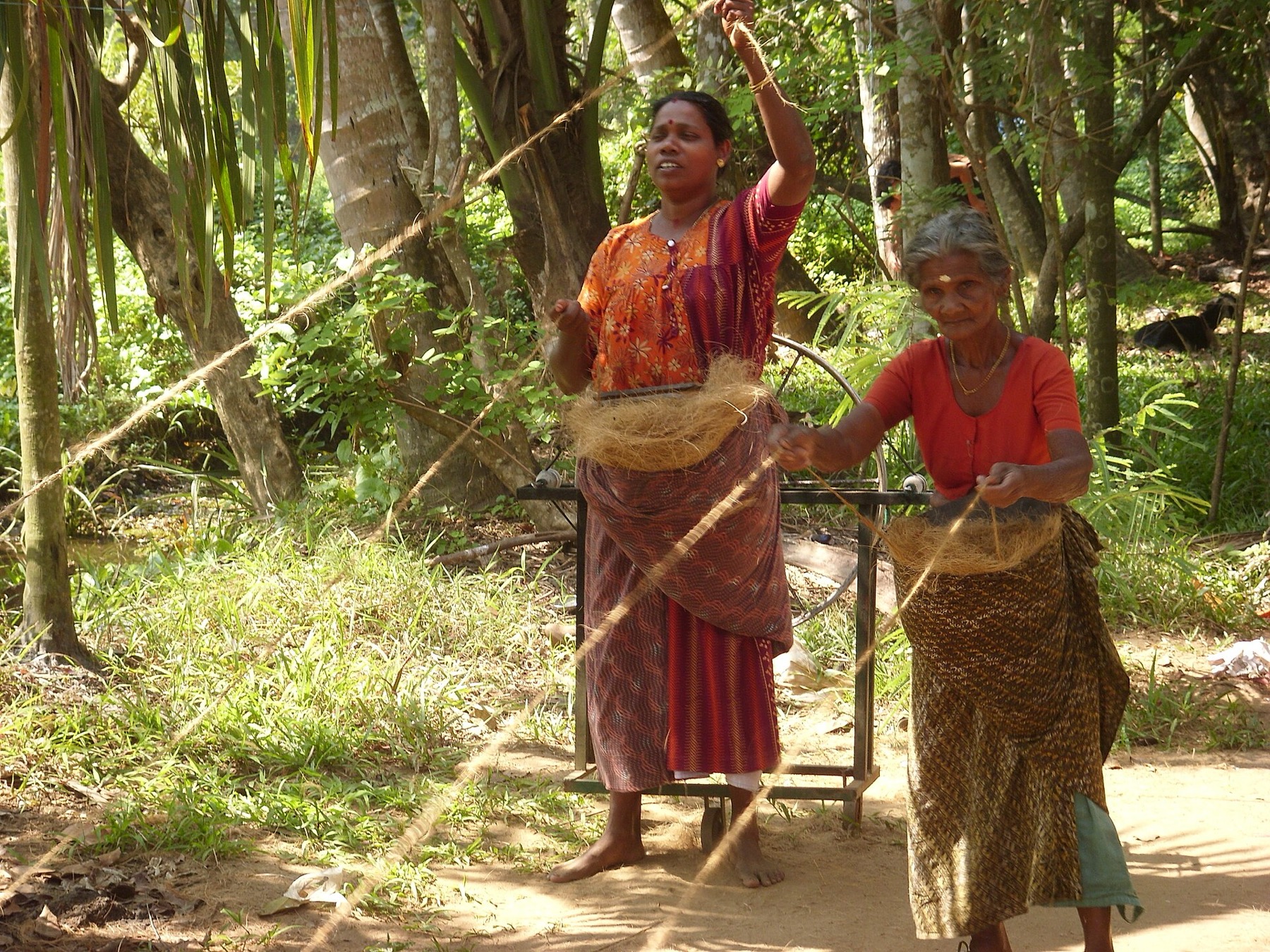
A living wetland with a story — a Ramsar site, the deepest estuary in Kerala, and the home of what was India's first MSC-certified clam fishery until the certificate was withdrawn in 2020, where you can watch traditional clam-raking and coir work as part of a genuinely working landscape, all beside the ancient port of Kollam. Worth knowing that the working landscape and the wetland are not always on the same side: coconut-husk retting is a documented pollutant of this estuary, and Kerala's own labour institute has recommended discouraging it.
What to expect

Highlights

  • Ramsar-listed backwater landscape with Kollam, Munroe Island and Kallada-side routes.
  • Houseboats, canoe rides, public ferry options and lakefront resort stays.
  • Good alternative or complement to Alleppey for travellers who want quieter backwaters.
Getting there

How to visit

  • Base in Kollam town for rail, food and boat logistics, or Munroe Island for village-canal stays.
  • Confirm departure jetty, route, life jackets, inclusions and return point before booking a boat.
  • Pair a lake cruise with Thangassery, Kollam Beach or Munroe Island depending on time.

Distance by road

  • Thiruvananthapuram66 km
  • Kochi139 km
  • Madurai262 km
  • Kozhikode312 km
  • Coimbatore321 km

Road km to Kollam; ghat roads and traffic vary — allow extra.

Timing

Best time

November to February is most comfortable. Monsoon is greener but rain and wind can disrupt small-boat plans.

Weather in Ashtamudi LakeSeasonal guide

Live forecast loads in your browser.

Today at Ashtamudi Lake
Sunrise6:13 am
Sunset6:22 pm
Golden hour best light5:22 pm–6:22 pm
Blue hour after sunset6:22 pm–6:47 pm
Sun sets toward compass bearingW · 272°
Moon tonight🌓 First quarter · 53%
South-west monsoon. June to September is monsoon season: the sea gets rough, swimming is often unsafe and boat services can be suspended. Follow lifeguard and local warnings, and expect changeable conditions.

Check the official alert before you travel. Kerala’s beaches, waterfalls and trekking routes close at short notice during heavy rain, and district alert levels change day to day. We do not publish an alert level of our own — read it from the state authority: Kerala State Disaster Management Authority, or the district control room on 1077.

Sun and moon are calculated for this location and shown in IST. Photography windows are the hour around sunrise and sunset; the sunset bearing is degrees clockwise from true north. Moon phase is accurate to about half a day.

Visitor notes

  • Ask whether the route enters narrow canals, open lake, village stretches or only a short loop.
  • Responsible operators should explain waste, plastic and bird/wetland etiquette.
  • Public ferries are useful for budget travellers but need schedule checks.
Safety

Good to know

  • Use life jackets on small boats and avoid overloaded services.
  • Open-lake wind can make small craft uncomfortable.
  • Do not book vague cash-only lake trips from unverified touts.
Stay · eat · do · rent · see · shop

Stays, food & things to do near Ashtamudi Lake

Verified hotels, homestays, restaurants, experiences, sights, shops and rentals around Ashtamudi Lake — commission-free, with direct contact. Filter by what you need.

T
Tangasery Light House
Sight
Top pick
Lighthouse · Kollam town
Tangasery Light House
15.9 km · 21 min drive Closed now ~₹390–460 by taxi

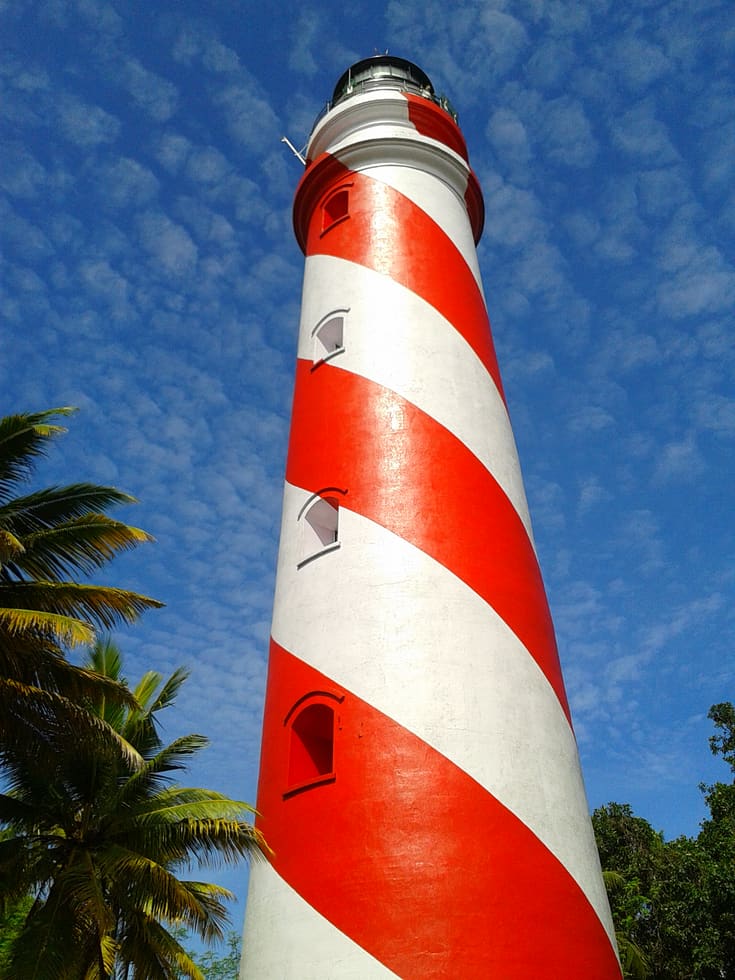
The working lighthouse above Thangassery, climbable for the coast view — the one vertical in a flat port town. Timings are the department’s, not ours; confirm before the walk out.

DirectionsView guide
Munroe Inn Homestay — Hotel in Kollam town
Hotel · Kollam town
Munroe Inn Homestay
11.4 km · ~19 min by cab

A family homestay reached by a short boat ride on Munroe Island in the Ashtamudi backwaters. Offers two AC rooms with home-cooked breakfasts.

Directions Commission-freeView details
Munroe Island Lake Resort — Hotel in Kollam town
Hotel · Kollam town
Munroe Island Lake Resort
11.1 km · ~19 min by cab

A backwater resort where Ashtamudi Lake meets the Kallada River. Named after Colonel John Munroe, it offers canoe tours and houseboat cruises.

Directions Commission-freeView details
C
Chinnakada Clock Tower
Sight
Historic
Memorial · Kollam town
Chinnakada Clock Tower
17.0 km · 22 min drive ~₹410–480 by taxi

The clock tower at Chinnakada junction — the point the town measures everything else from, and the natural start of any walk through Kollam.

DirectionsView guide
Kollam Beach — Beach in Kollam town
Beach · Kollam town
Kollam Beach
17.9 km · 22 min drive ~₹430–500 by taxi

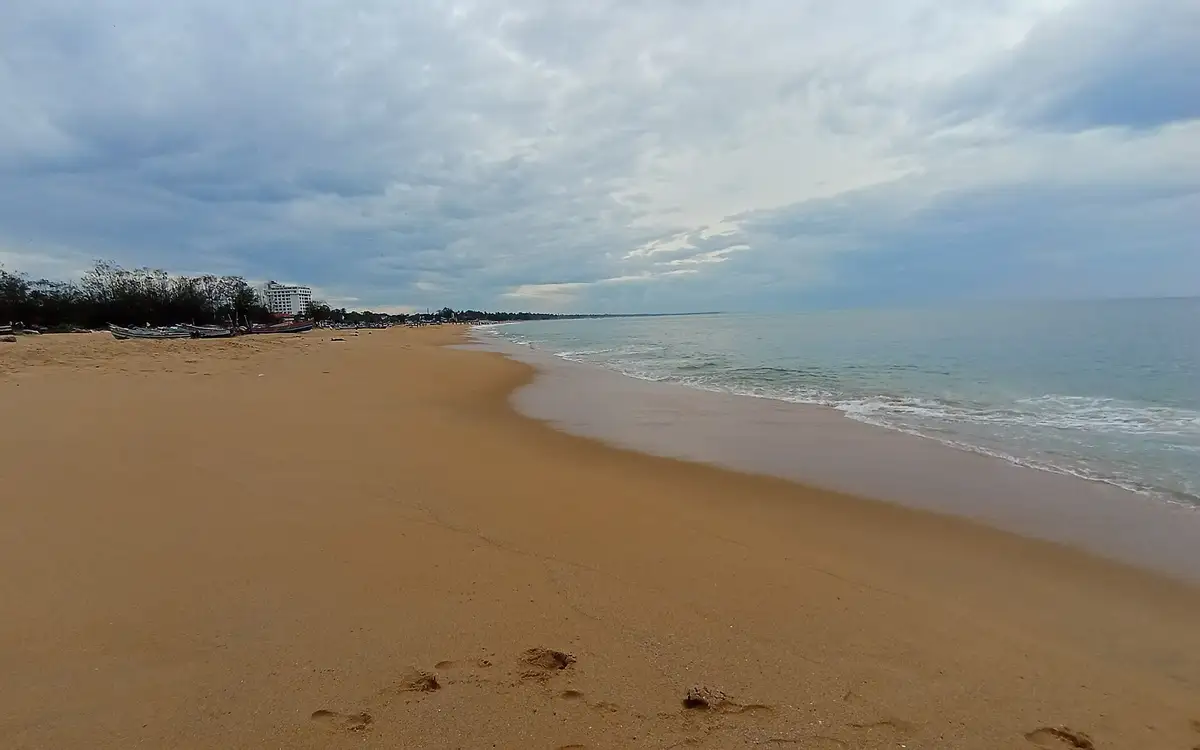
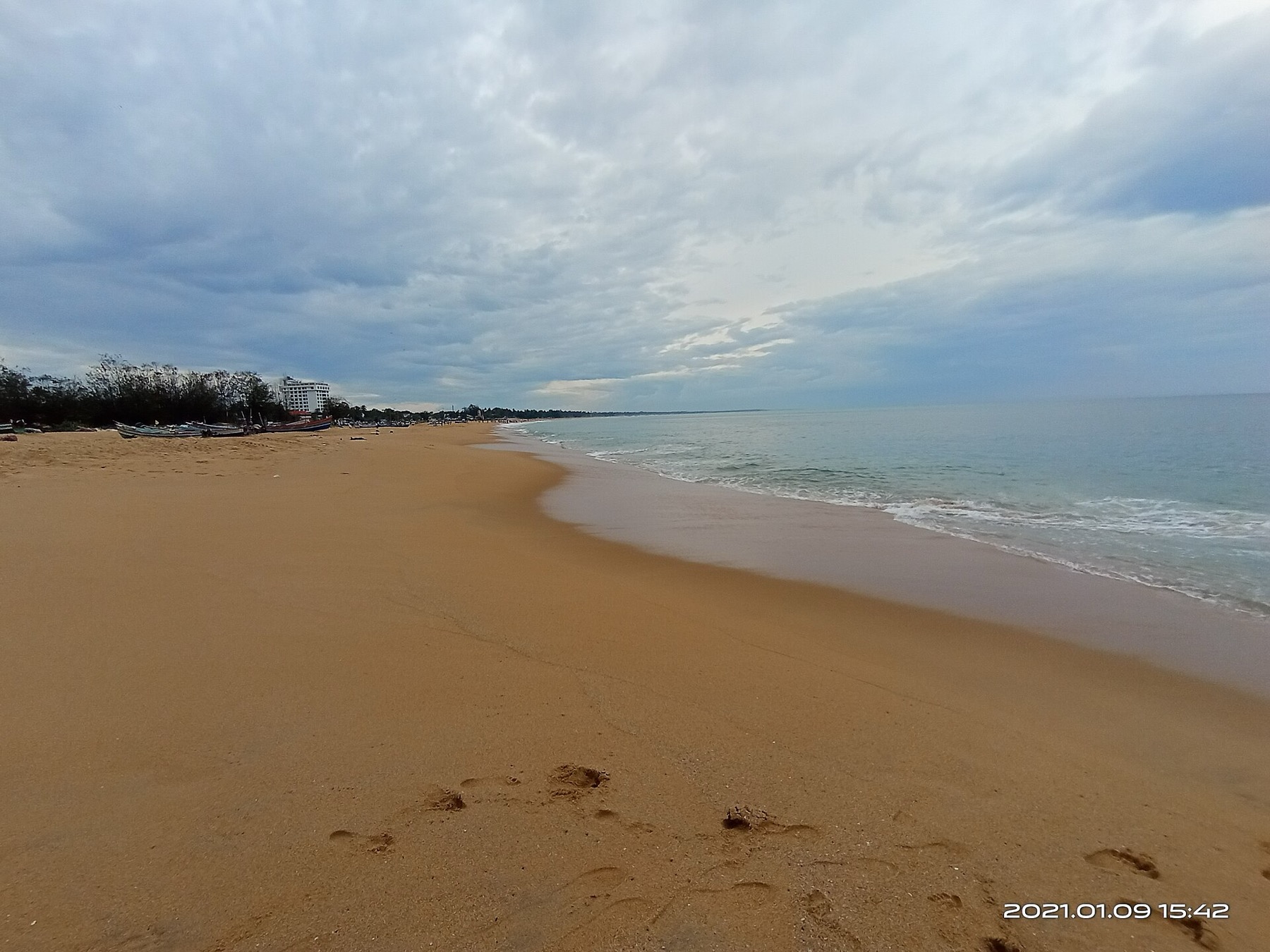
The town’s own beach — an open Arabian Sea shore with no verified lifeguard cover, best used as an early-evening walk when the fishing fleet works. Not a resort beach, and not Varkala.

DirectionsView guide
S
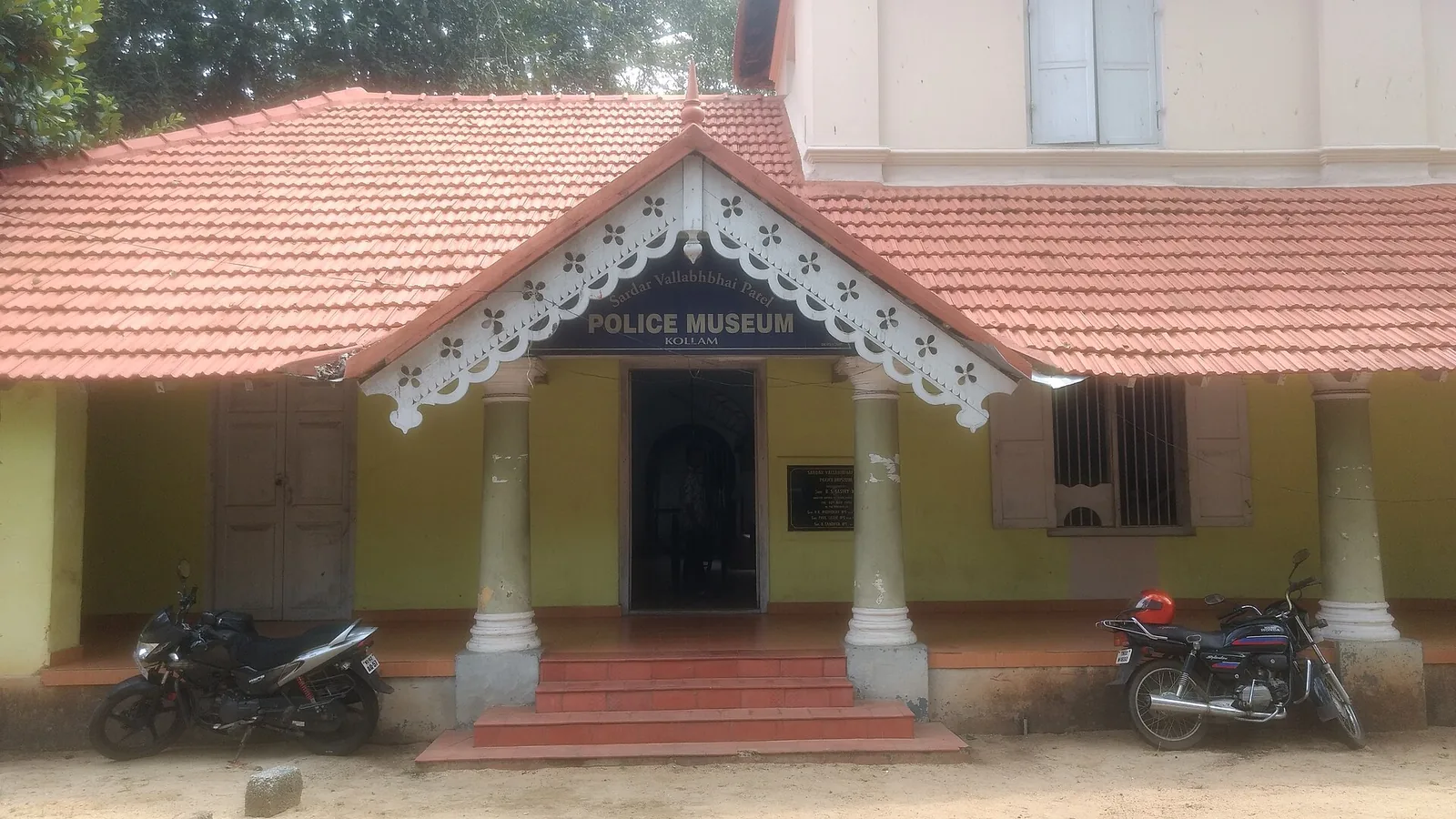
Sardar Vallabhai Patel Police Museum
Sight
Museum · Kollam town
Sardar Vallabhai Patel Police Museum
17.3 km · 23 min drive ~₹420–490 by taxi

The police museum 600 m from the centre — one of the town’s few ticketed indoor sights, and paired naturally with the Asramam green. Timings unverified; check before a special trip.

DirectionsView guide
Thevally Palace — Palace in Kollam town
Historic
Palace · Kollam town
Thevally Palace
17.4 km · 19 min drive ~₹420–490 by taxi

The palace across the water from Asramam, part of Kollam’s small colonial-era quarter on the lake side. Viewed from outside unless current access says otherwise.

DirectionsView guide
Ashtamudi Lake — Waterfront in Kollam town
Waterfront · Kollam town
Ashtamudi Lake
18.7 km · 22 min drive ~₹440–520 by taxi

The eight-armed lake that is the reason Kollam exists — a Ramsar wetland, quieter and cheaper than Alappuzha’s water, with the canoe country at Munroe Island up the same system.

DirectionsView guide
Madathil Regency Hotel Kollam — Budget hotel in Kollam town
Verified
Budget hotel · Kollam town
Madathil Regency Hotel Kollam
10.5 km · ~17 min by cab

Modern budget hotel at Aadichanalloor on the Kollam–Thiruvananthapuram highway side of Kollam district, south of the town. It offers clean, value air-conditioned rooms with a restaurant and parking, a low-cost highway base for travellers passing through greater Kollam.

Directions Commission-freeView details
Hotel Sudarsan Kollam — Budget hotel (2-star class) in Kollam town
Verified
Budget hotel (2-star class) · Kollam town
Hotel Sudarsan Kollam
520 m · 7 min walk

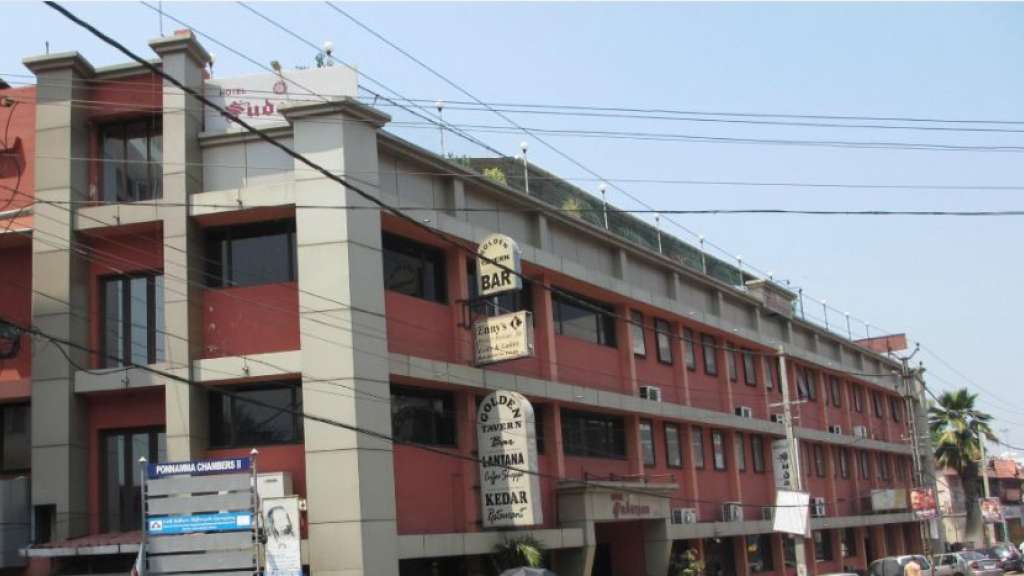
Long-running budget hotel at Parameswar Nagar in central Kollam, rated two-star class by travel directories. It offers value air-conditioned rooms with the Kedar multi-cuisine restaurant and Golden Tavern bar, a practical low-cost town-centre base for transit and business travellers.

Directions Commission-freeView details
Tamarind KTDC Easy Hotel Kollam — Budget hotel (KTDC Easy) in Kollam town
Verified
Budget hotel (KTDC Easy) · Kollam town
Tamarind KTDC Easy Hotel Kollam
150 m · 2 min walk

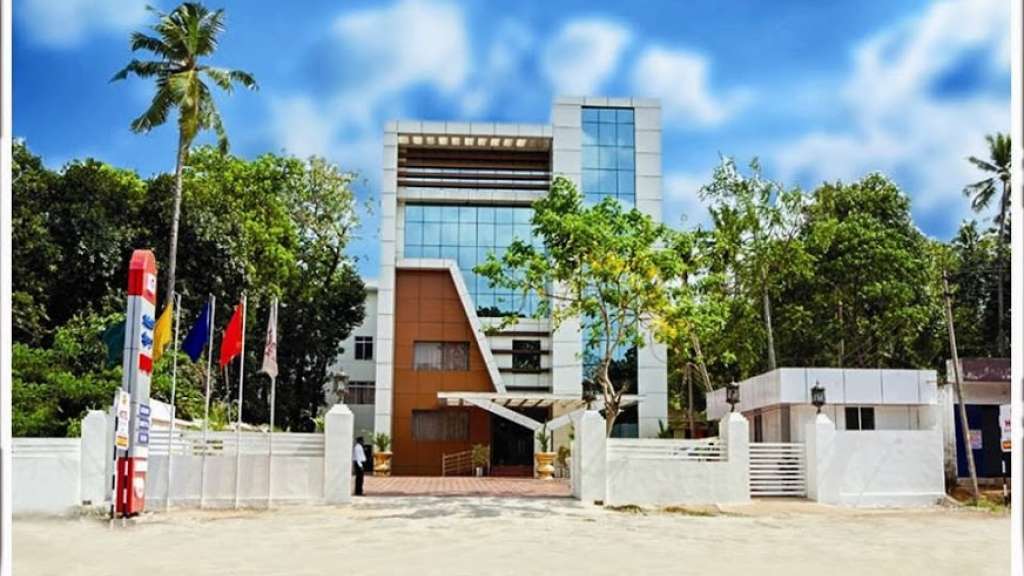
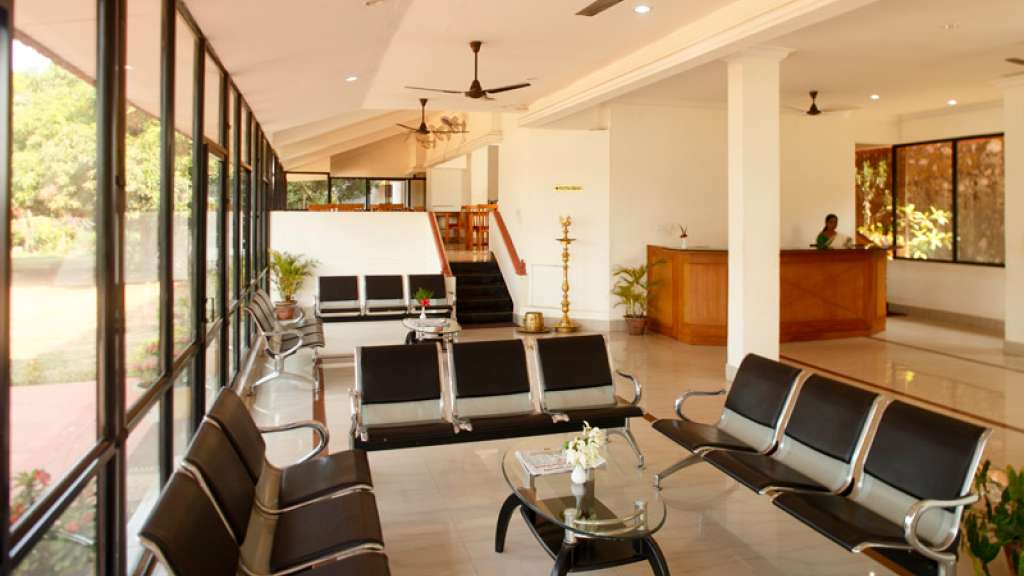
Government-run KTDC Easy budget hotel in the Guest House compound at Ashramom, beside Ashtamudi Lake on the quiet edge of Kollam town. It offers simple, low-cost air-conditioned and non-air-conditioned rooms with a restaurant, run under the Kerala Tourism Development Corporation budget brand.

Directions Commission-freeView details
Hotel Sea Bee Kollam — 3-Star-class hotel in Kollam town
Verified
3-Star-class hotel · Kollam town
Hotel Sea Bee Kollam
420 m · 5 min walk 3-star

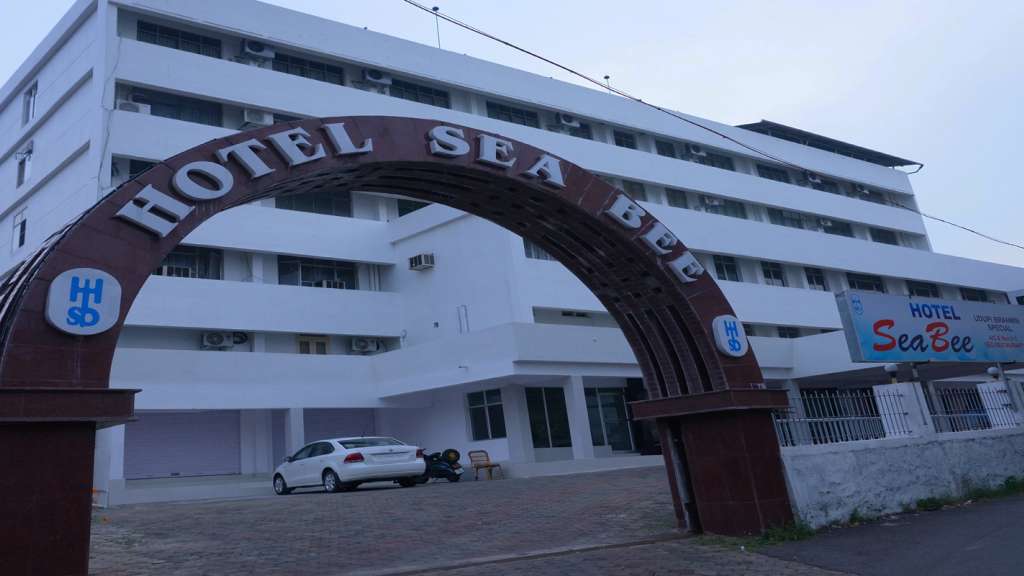
Long-running three-star-class hotel near the KSRTC bus station on Jetty Road in central Kollam, a short walk from the Ashtamudi backwater boat jetty. It offers 44 air-conditioned rooms, a multi-cuisine restaurant, bar, travel desk and boating assistance, a practical mid-range base for backwater and transit travellers.

Directions Commission-freeView details
Hotel Soorya Kollam — 3-Star hotel in Kollam town
Verified
3-Star hotel · Kollam town
Hotel Soorya Kollam
9.8 km · ~16 min by cab 3-star

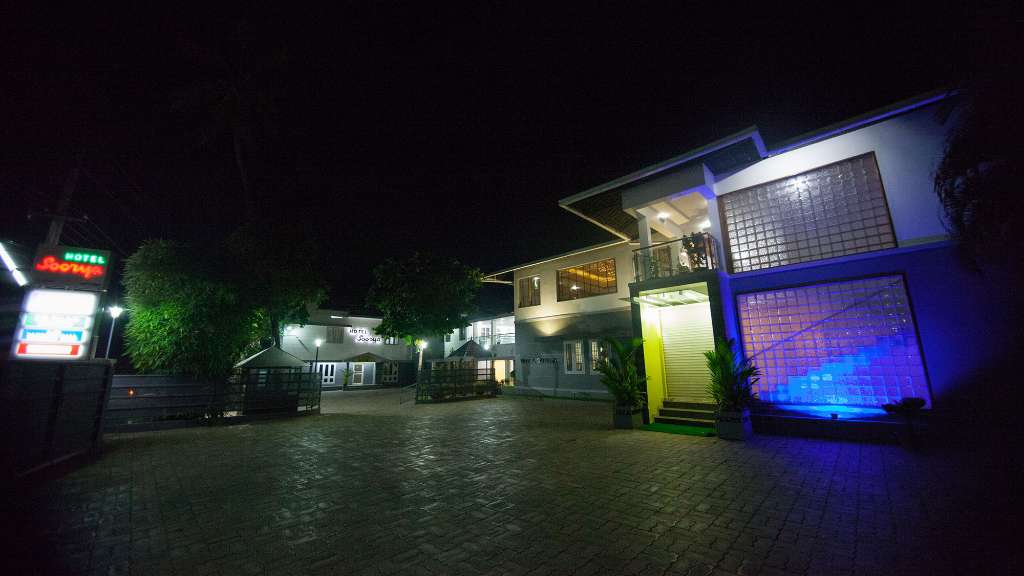
Kerala Tourism-classified three-star hotel at Kottiyam on the Kollam–Thiruvananthapuram highway, in the southern part of Kollam district. It offers air-conditioned rooms, a multi-cuisine restaurant, bar, banquet hall and travel desk, a comfortable mid-range highway base a short drive south of Kollam town.

Directions Commission-freeView details
Hotel Railview Kollam — 3-Star hotel in Kollam town
Verified
3-Star hotel · Kollam town
Hotel Railview Kollam
1.4 km · 17 min walk 3-star

Kerala Tourism-classified three-star hotel on NH-47 directly opposite Kollam Railway Station, in the heart of Kollam town. It offers air-conditioned rooms, a multi-cuisine restaurant, bar, banquet and conference halls and 24-hour room service, a convenient mid-range base for rail and business travellers.

Directions Commission-freeView details
Sarovaram Ayurvedic Backwater Health Center Kollam — Ayurveda centre (Kerala Tourism classified) in Kollam town
Verified
Ayurveda centre (Kerala Tourism classified) · Kollam town
Sarovaram Ayurvedic Backwater Health Center Kollam
7.3 km · ~18 min by auto

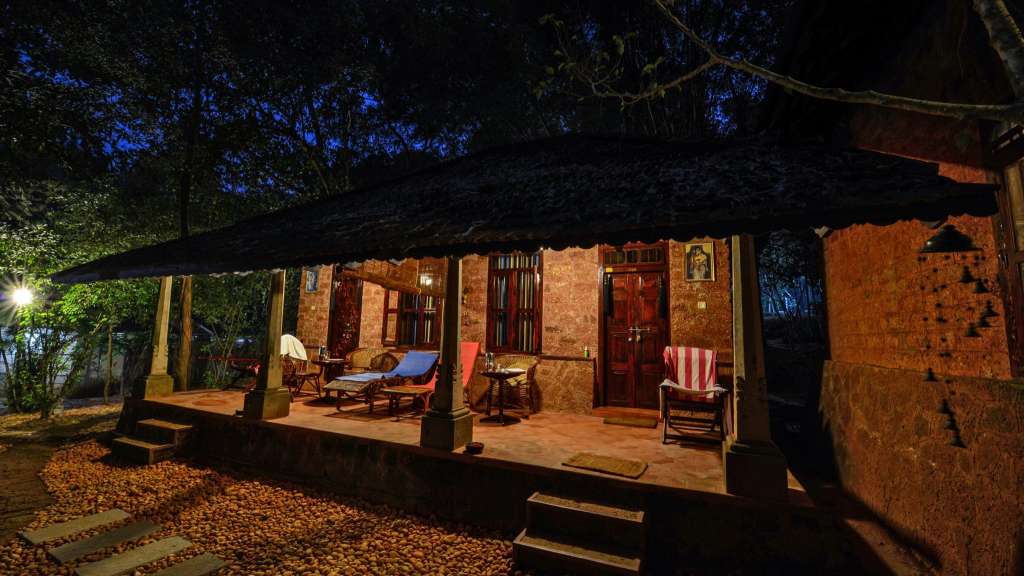
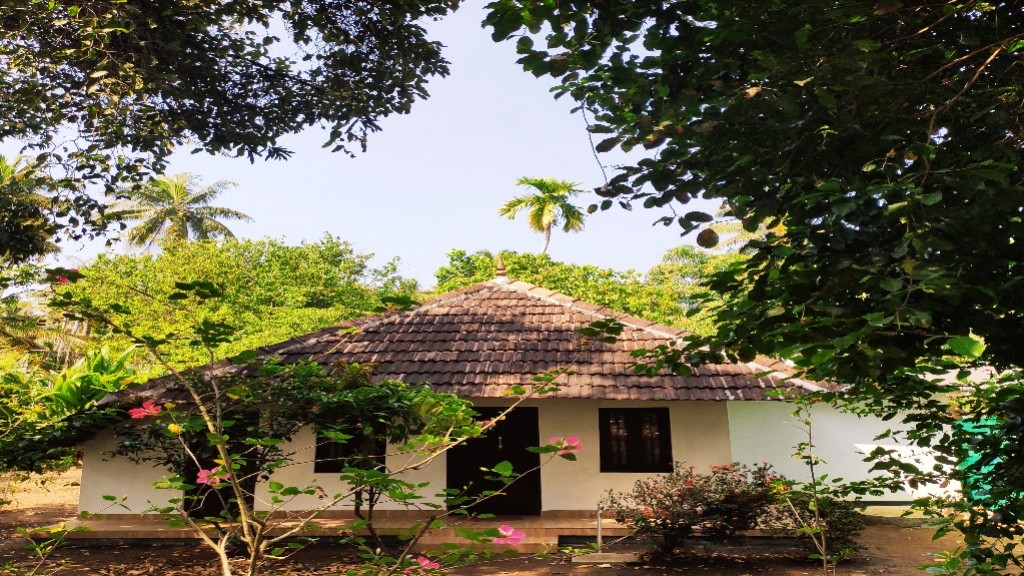
Kerala Tourism-classified Ayurveda centre on the banks of Ashtamudi Lake at Ashtamudi, on the backwater edge of Kollam. It runs residential Ayurveda and Panchakarma programmes in rustic laterite cottages beside the water, focused on treatment stays rather than casual spa visits.

Directions Commission-freeView details
Favourite Kerala Ayurveda and Spa Kollam — Ayurveda and spa (Kerala Tourism Green Leaf) in Kollam town
Verified
Ayurveda and spa (Kerala Tourism Green Leaf) · Kollam town
Favourite Kerala Ayurveda and Spa Kollam
1.8 km · 22 min walk

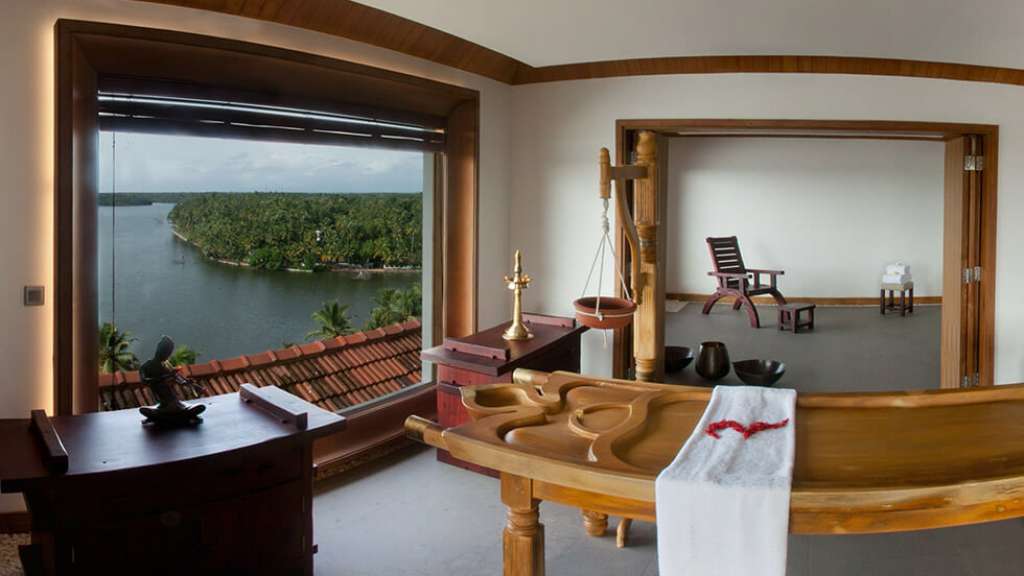
Kerala Tourism Green Leaf-classified Ayurveda and spa centre at The Leela Ashtamudi (Raviz), Thevally, overlooking Ashtamudi Lake in Kollam. Its therapy rooms offer classical Kerala Ayurveda treatments and rejuvenation packages with backwater views, run to the Green Leaf standard rather than as a generic hotel spa.

Directions Commission-freeView details
All Season Ayurvedic Resort Kollam — Ayurveda resort (Kerala Tourism Ayur Diamond) in Kollam town
Verified
Ayurveda resort (Kerala Tourism Ayur Diamond) · Kollam town
All Season Ayurvedic Resort Kollam
2.5 km · ~6 min by auto

Kerala Tourism Ayur Diamond-classified Ayurveda resort at Thangassery near the Kollam lighthouse, on the seafront edge of Kollam town. It offers doctor-supervised classical Ayurveda and Panchakarma treatments alongside resort rooms, run by the D-Fort group as a dedicated wellness retreat.

Directions Commission-freeView details
Fragrant Nature Kollam Backwater Resort — Backwater resort in Kollam town
Verified
Backwater resort · Kollam town
Fragrant Nature Kollam Backwater Resort
12.0 km · ~20 min by cab

Fragrant Nature at Paravur is a lake-side resort outside central Kollam. Allow separate road journeys for Thangassery, city dining and onward rail travel.

Directions Commission-freeView details
Club Mahindra Ashtamudi Resort — Lake resort in Kollam town
Verified
Lake resort · Kollam town
Club Mahindra Ashtamudi Resort
8.2 km · ~14 min by cab

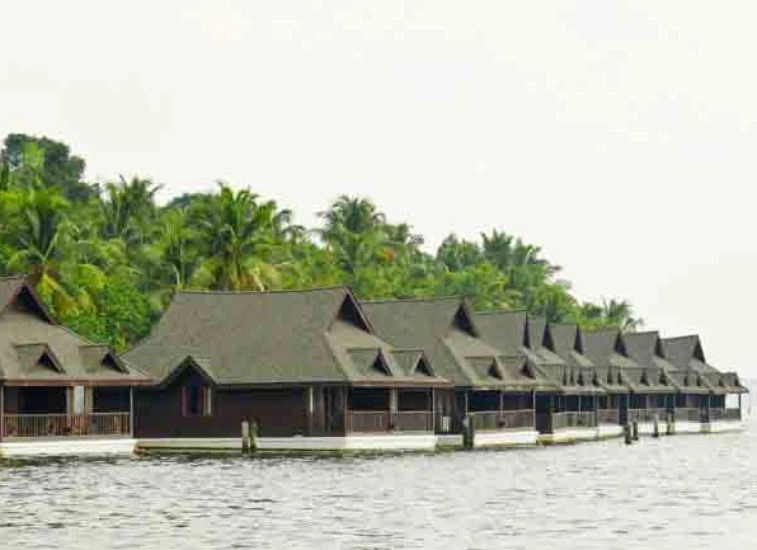
Club Mahindra Ashtamudi offers a lake-side stay, including floating-cottage options. Compare rooms, guest booking conditions and activities for your dates.

Directions Commission-freeView details
Kollam Taxi Services — Taxi service in Kollam town
Verified
Taxi service · Kollam town
Kollam Taxi Services
1.4 km · 17 min walk

Kollam Taxi Services arranges city, airport and district journeys. Request a total covering stops, waiting and return when combining lake-side stays with city sights.

Directions Commission-freeView details
Supreme UpperCrust Kollam — Restaurant in Kollam town
Verified
Restaurant · Kollam town
Supreme UpperCrust Kollam
2.6 km · ~6 min by auto

Supreme UpperCrust is a restaurant at Kadappakkada in Kollam. Use the branch’s menu and contact to choose a lunch or dinner stop during a city outing.

Directions Commission-freeView details
Supreme AllSpice Kollam — Restaurant in Kollam town
Verified
Restaurant · Kollam town
Supreme AllSpice Kollam
2.0 km · 25 min walk

Supreme AllSpice is a restaurant at Kadappakkada in Kollam. Check the branch’s menu when arranging a meal, takeaway or group enquiry.

Directions Commission-freeView details
D Fort Hotel Kollam — Hotel and Ayurveda in Kollam town
Verified
Hotel and Ayurveda · Kollam town
D Fort Hotel Kollam
2.3 km · 29 min walk

D Fort Hotel is a Thangassery stay near the lighthouse neighbourhood. Check room and wellness packages separately from the lighthouse’s own visitor session.

Directions Commission-freeView details
The Leela Ashtamudi A Raviz Hotel — Hotel in Kollam town
Verified
Hotel · Kollam town
The Leela Ashtamudi A Raviz Hotel
1.8 km · 22 min walk

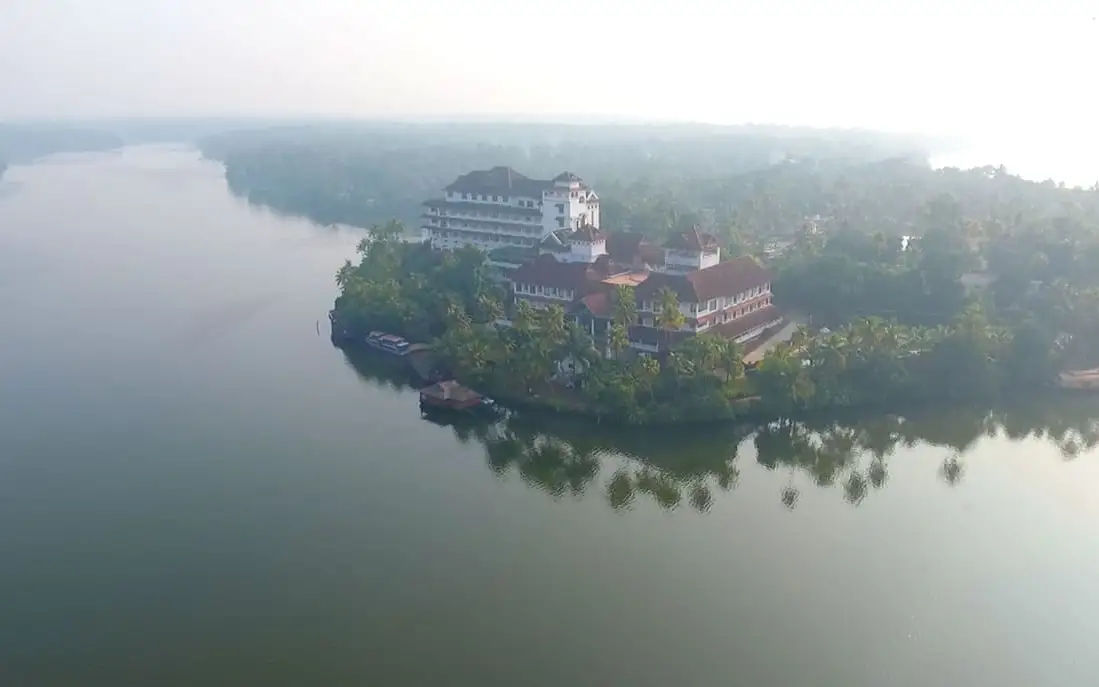
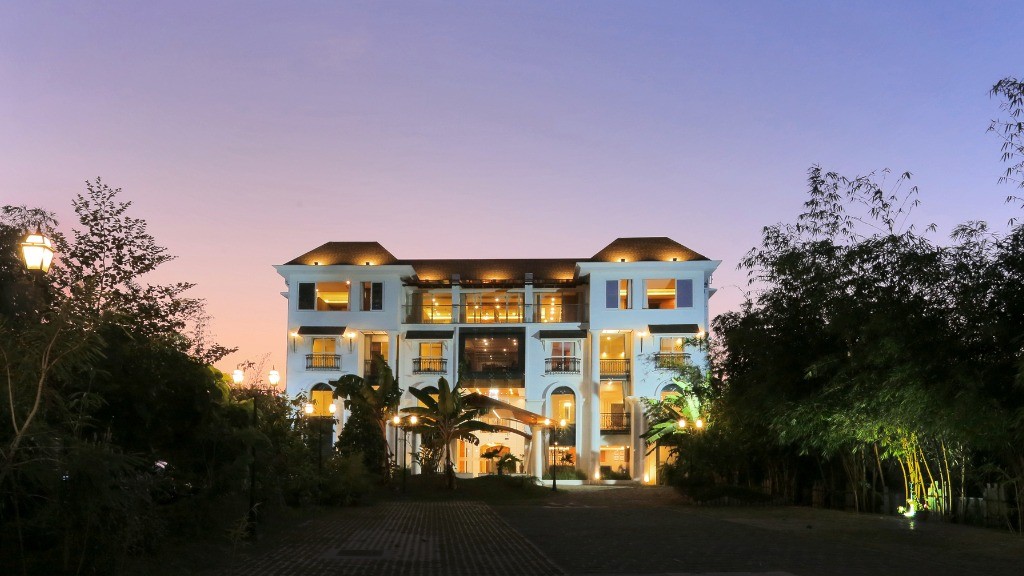
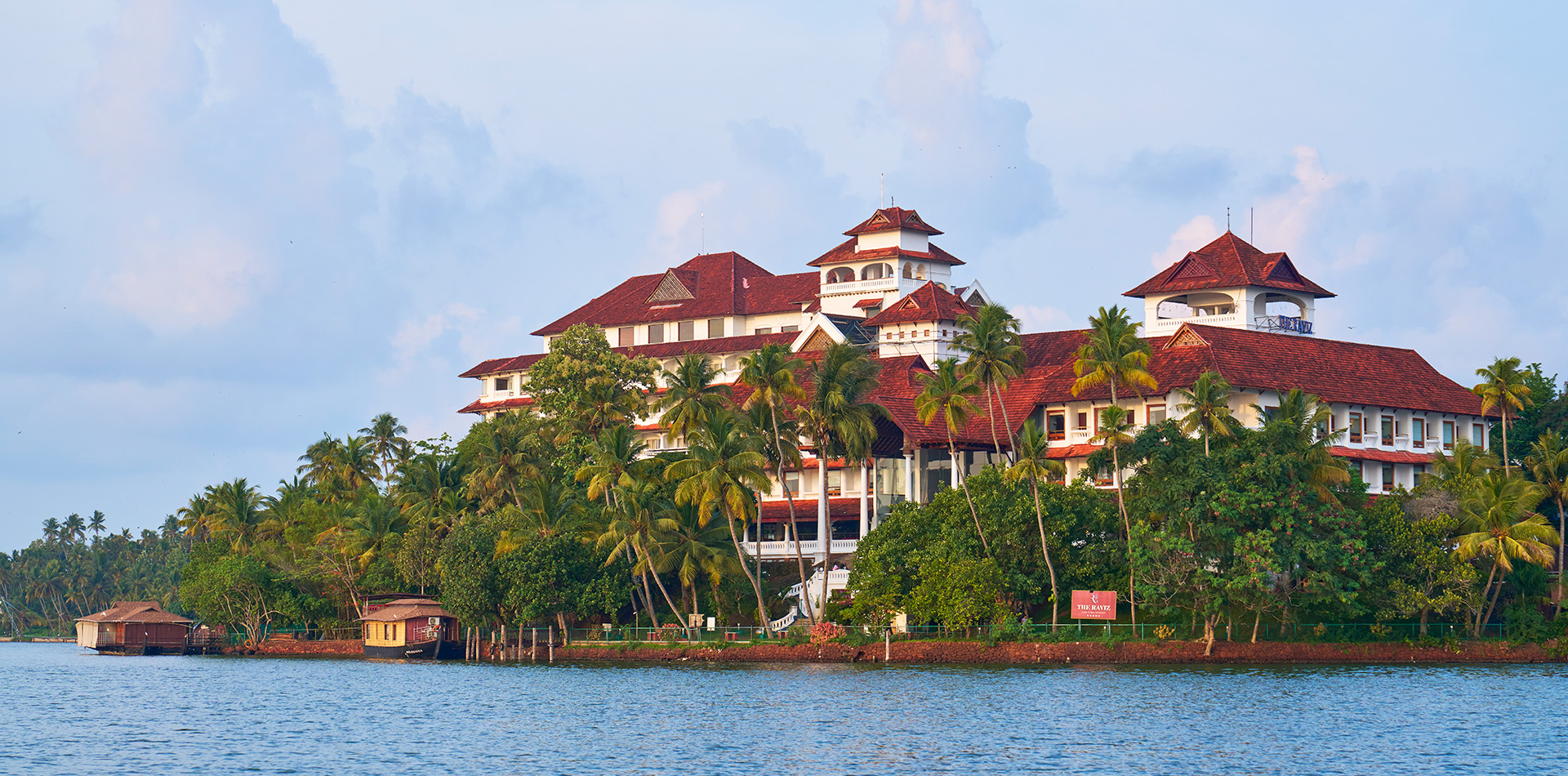
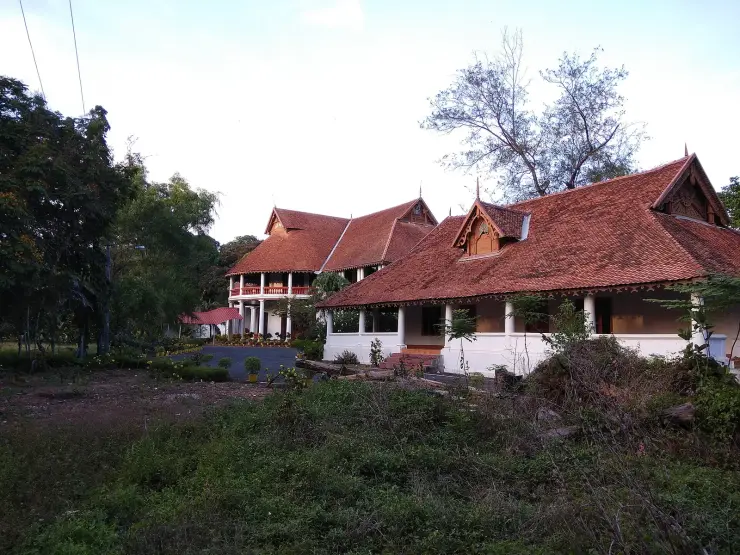
Five-star heritage resort in nalukettu style on the banks of Ashtamudi Lake. Dates to 1911, with a floating restaurant and backwater houseboats.

Directions Commission-freeView details

Book with the place itself. India’s cyber-crime coordination centre warned in April 2025 that convincing copies of hotel and pilgrimage booking sites are being pushed through sponsored search and social ads, taking payment for rooms the property never hears about. Every listing here links to the business’s own contact details and its own Google or Bing profile — we take no commission and sit in nobody’s payment path. If a booking page reached you through an ad, check the address bar against the property’s own site before you pay. Fraud can be reported on cybercrime.gov.in or on 1930.

Ranked guides

Top experiences around Kollam town

13 more places around Kollam town. Open a guide to plan the visit and onward journey.

heritageThangassery Lighthouse

15.7 km · 20 min drive

Thangassery Lighthouse raises Kollam’s sea view above a historic coastal neighbourhood. The red-and-white tower is a working navigation landmark with a separate visitor session.

backwaterSasthamcotta Lake

Kerala’s largest freshwater lake, a Ramsar wetland ringed by hills and a Sastha temple, north of Kollam.

beachKollam Beach

17.8 km · 22 min drive

The city’s Mahatma Gandhi beach and park on the Arabian Sea, a popular evening spot near Kollam town.

beachThirumullavaram Beach

14.3 km · 19 min drive

A quiet, curved bay beach west of Kollam town, calmer than the city beach and good for a relaxed evening.

heritageThevally Palace

17.4 km · 19 min drive

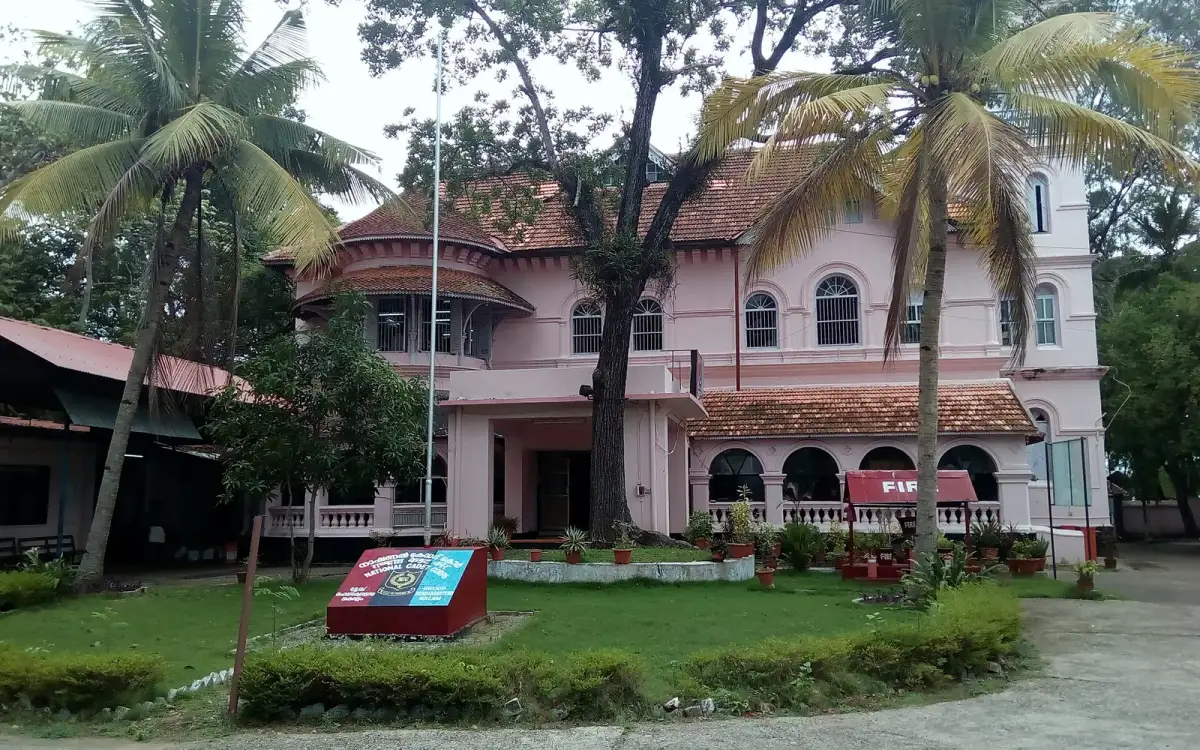
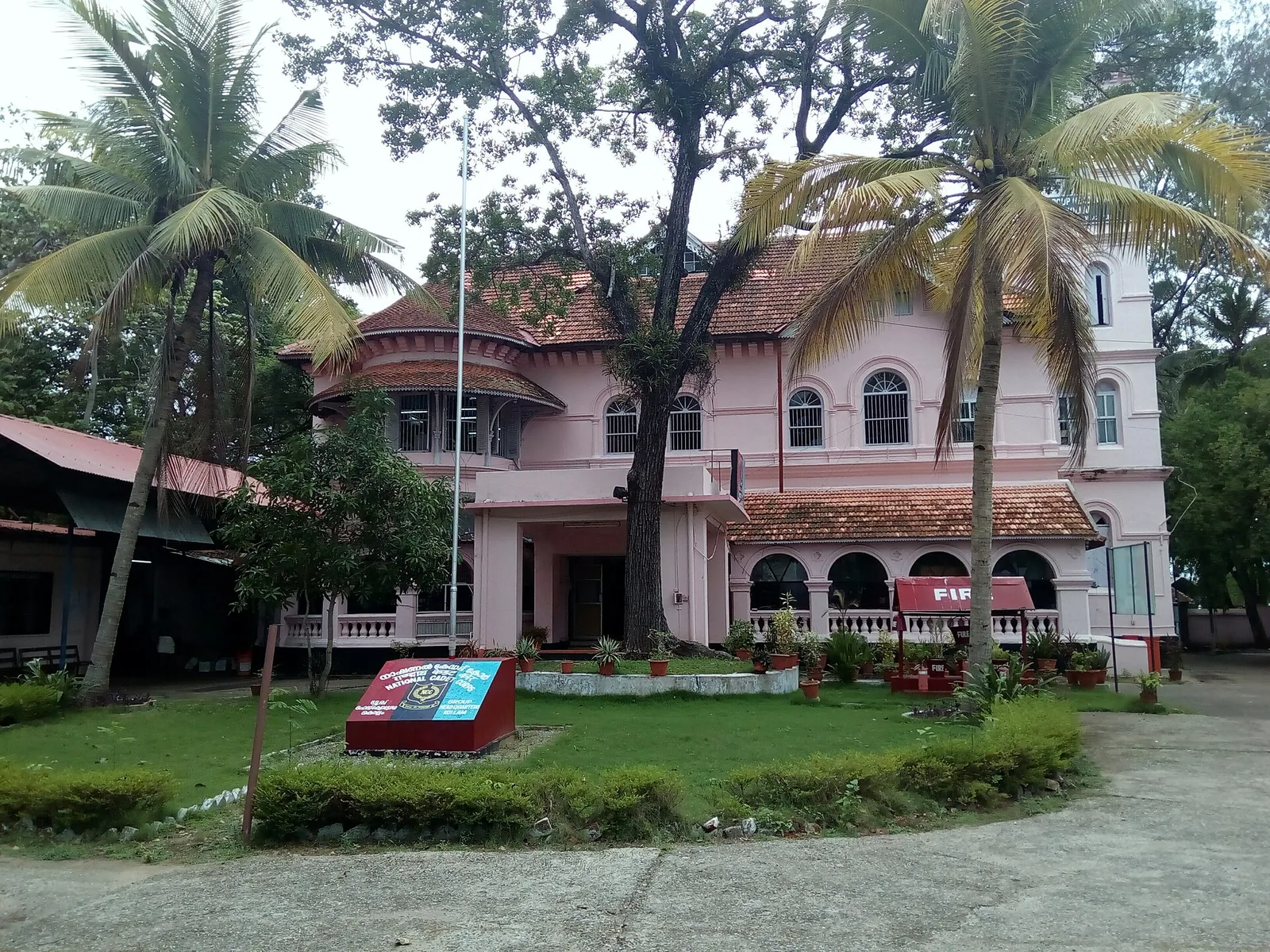
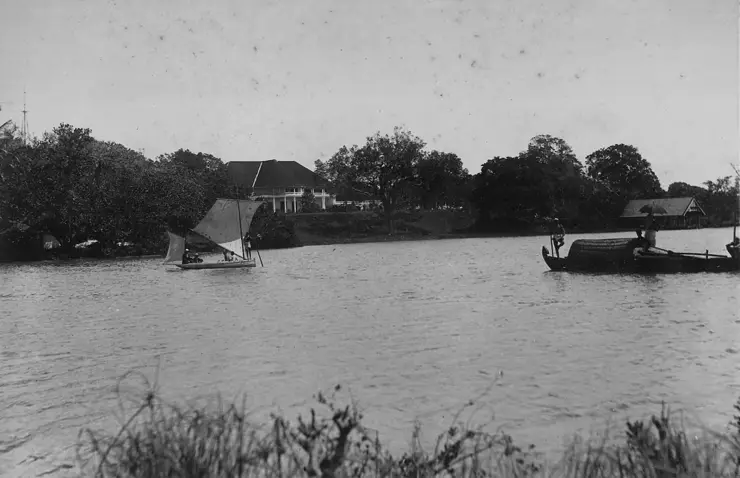
A Travancore royal residence on the Ashtamudi shore in Kollam, built to be arrived at by boat and now a working NCC establishment — viewed from outside or from the water.

templeAnandavalleeswaram Temple

1.4 km · 17 min walk

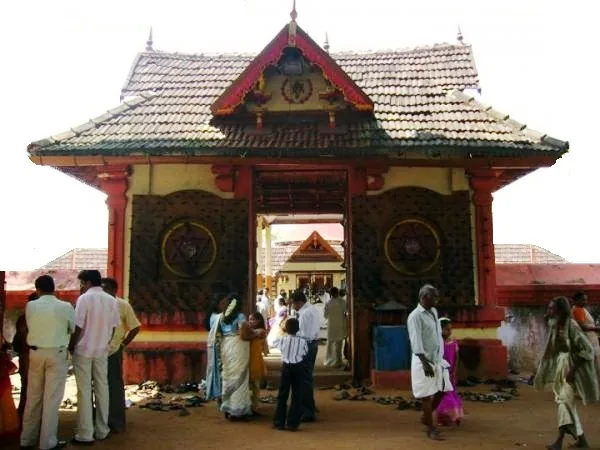
Anandavalleeswaram is an active Shiva temple in Kollam, with an Anandavally shrine and a ten-day annual festival in March or April. Ritual processions and cultural performances bring another dimension to the temple visit. Follow its worship session, admission and photography rules.
caveKottukal Cave Temple

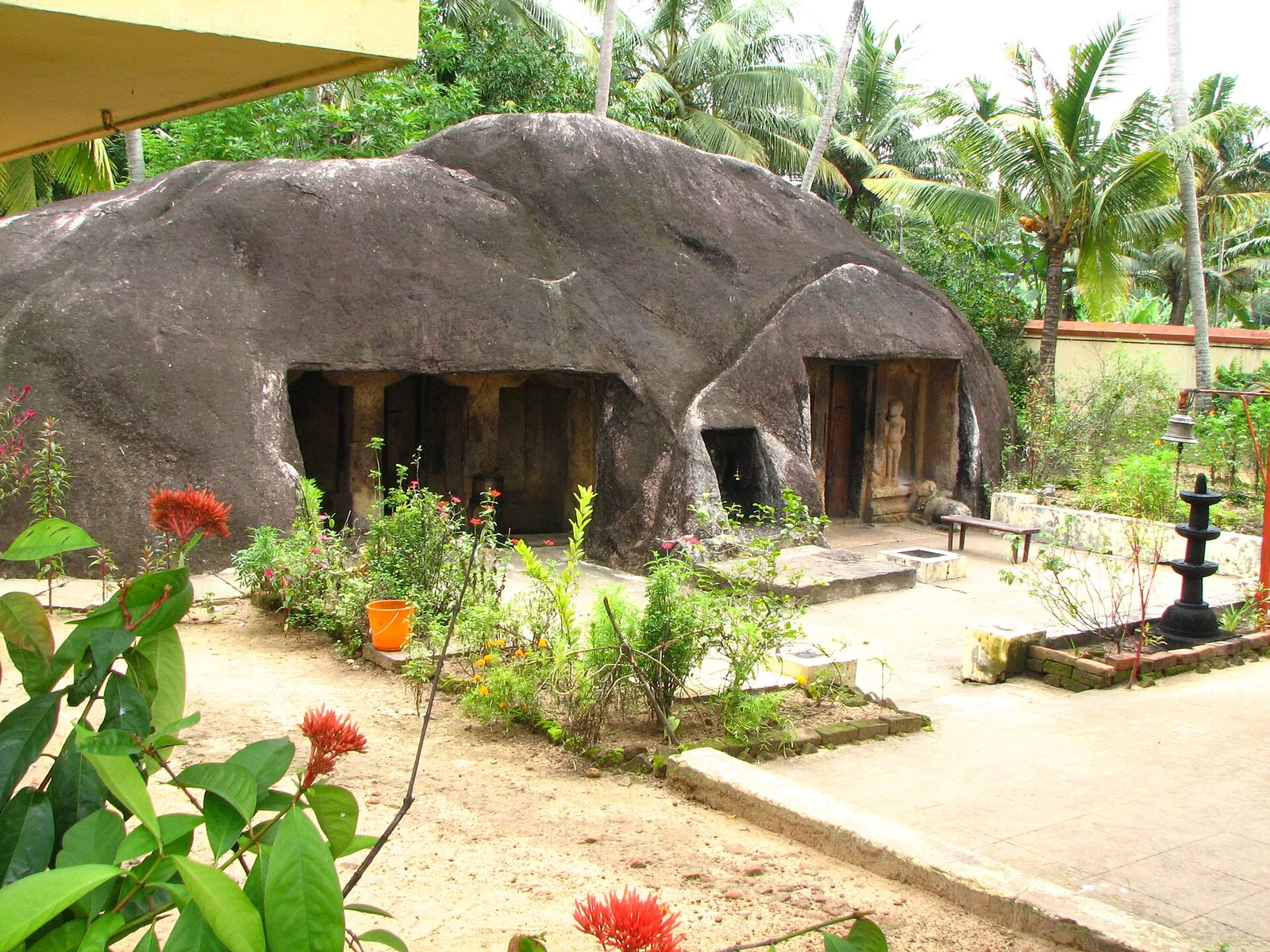
A monolithic rock-cut cave temple near Anchal/Kadakkal in south Kollam, carved with a Shiva shrine.

backwaterNeendakara

8.3 km · 12 min drive

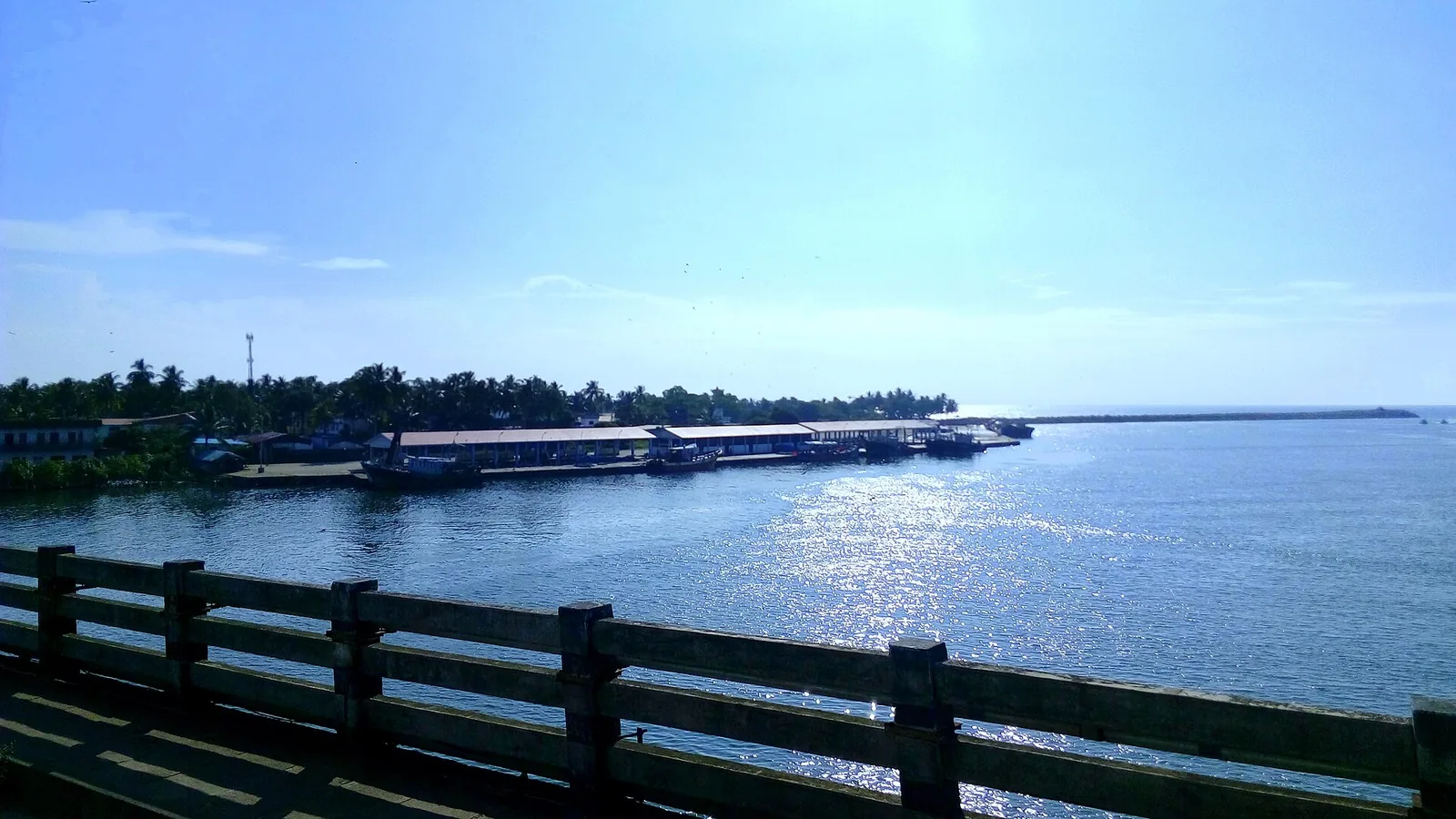
By most accounts Kerala’s largest fishing harbour, at the mouth of Ashtamudi Lake about 9 km from Kollam town, and where Indian fishing was mechanised; two bridges cross the confluence and the early-morning auction is the sight to catch.

beachParavur Pozhikkara

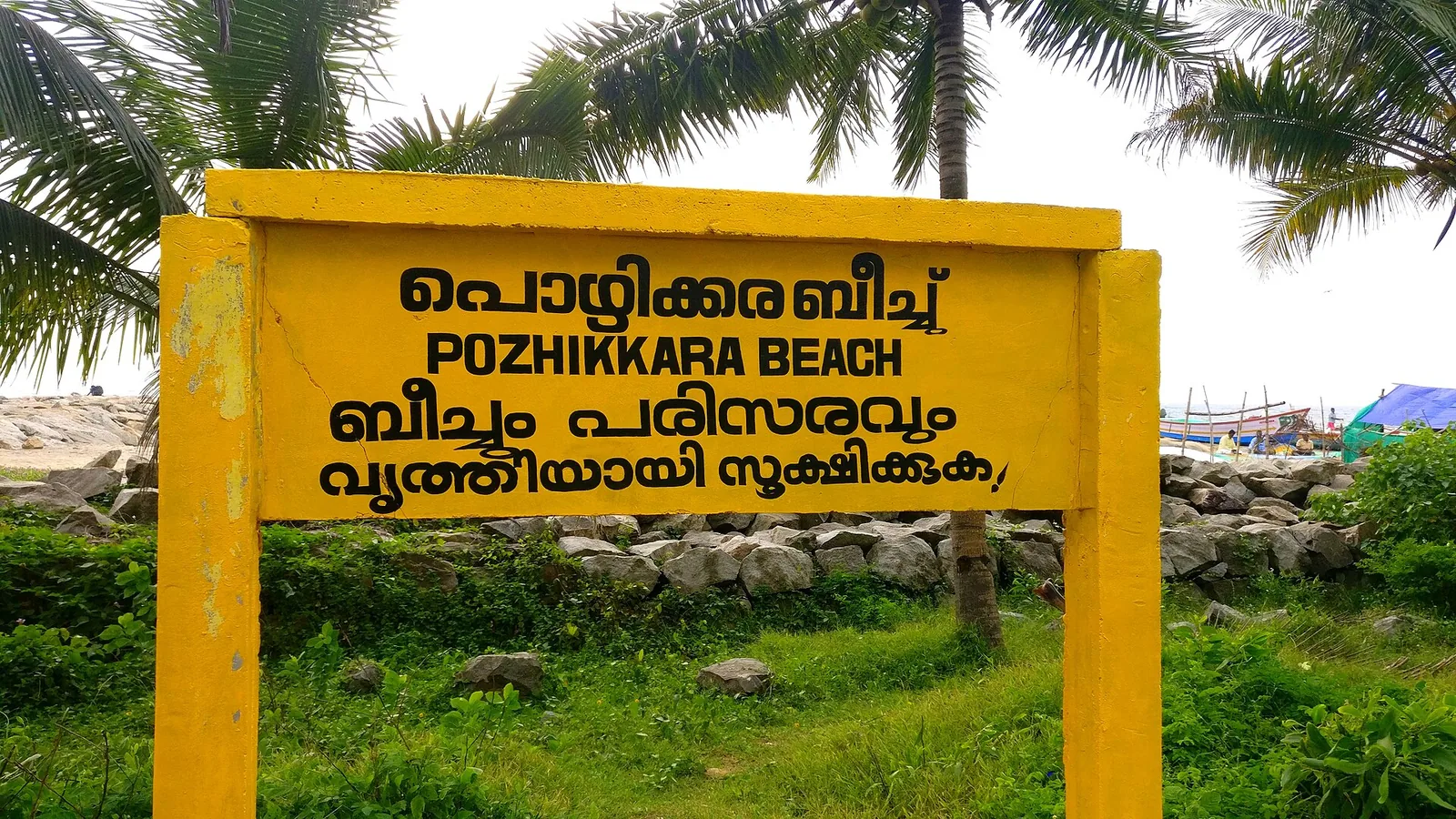
The estuary and beach at Paravur south-east of Kollam, where the Paravur backwaters meet the sea across a sandbar — a quiet spot known for its regulator bridge, the TS Canal and calm backwater-and-sea scenery.

activityAsramam Adventure Park

400 m · 5 min walk

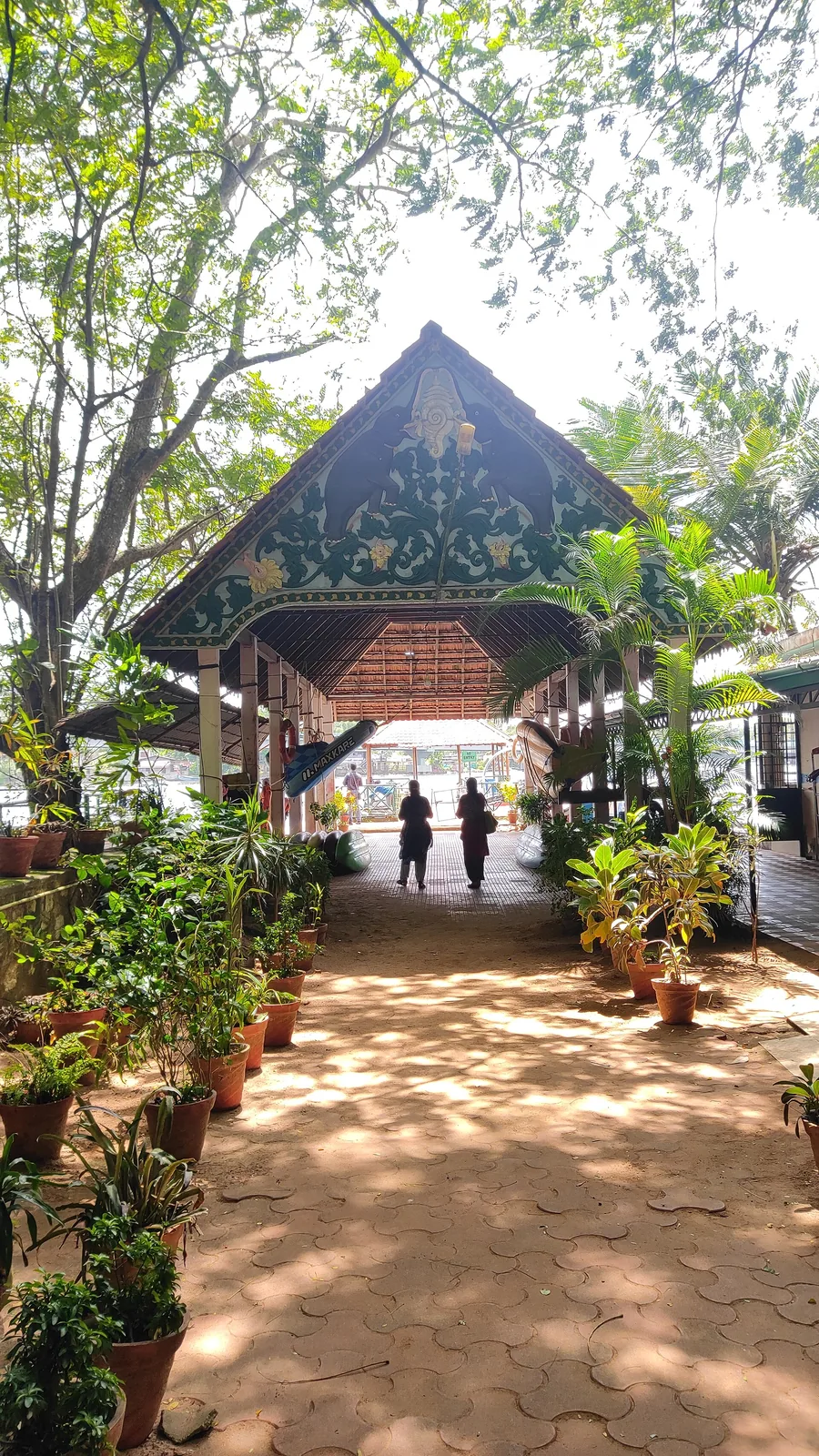
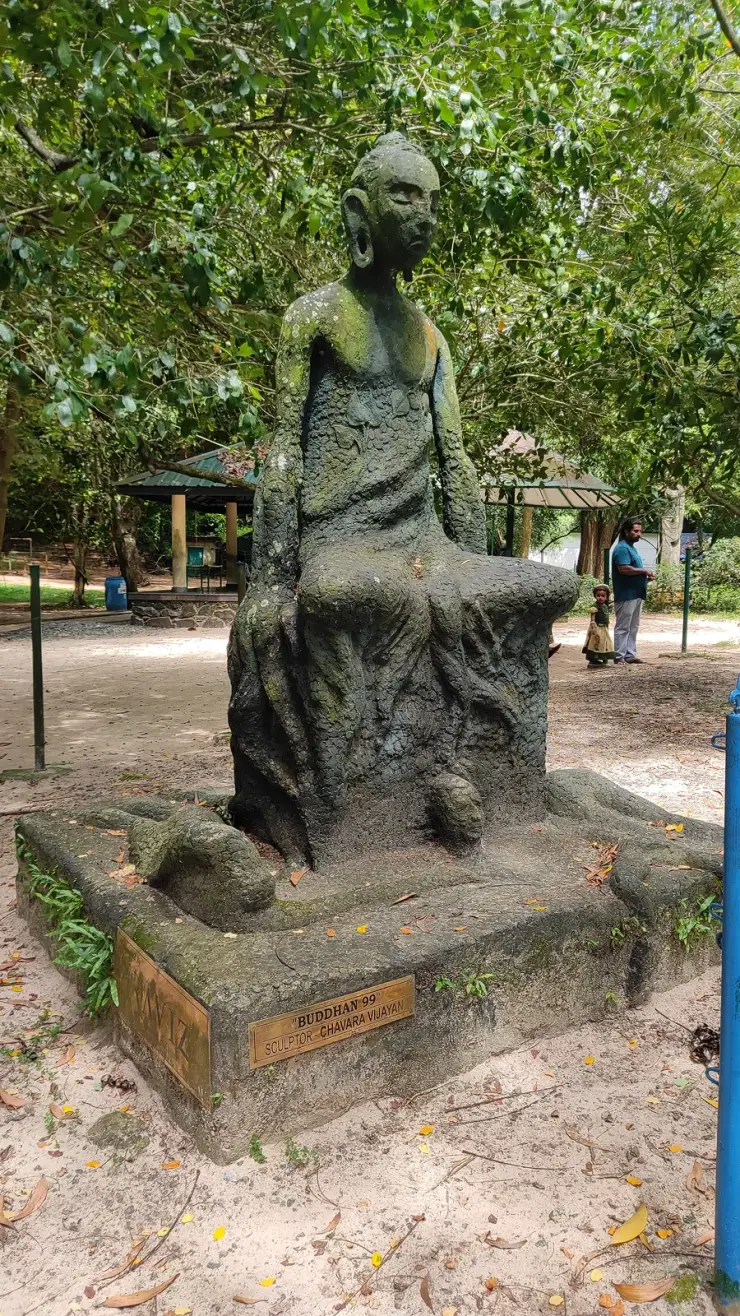
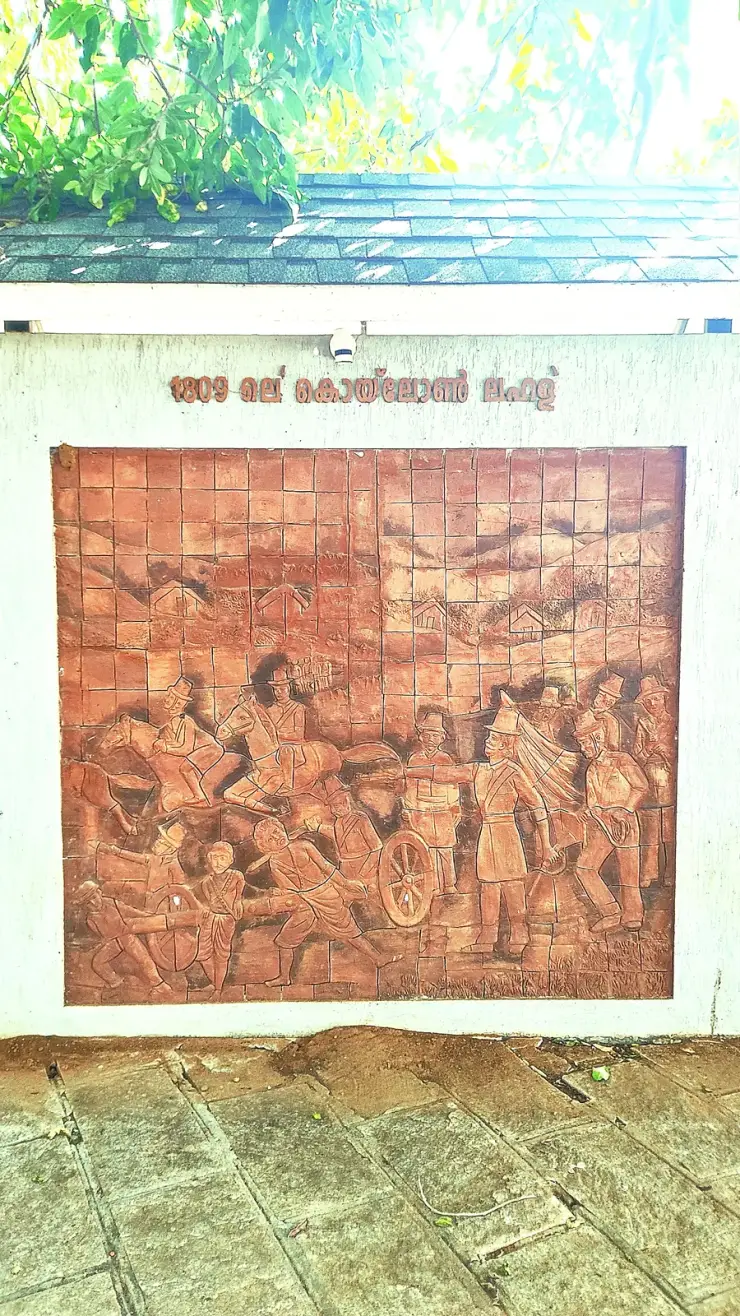
Forty-eight acres of municipal park on the Ashtamudi shore in the middle of Kollam, run by the DTPC — boating and kayaking off a painted jetty, ziplines and rope courses, a heritage walkway of terracotta reliefs, contemporary sculpture left behind by a 2012 festival, and a mangrove wetland with a state biodiversity heritage tag.

heritageBritish Residency, Asramam

550 m · 7 min walk

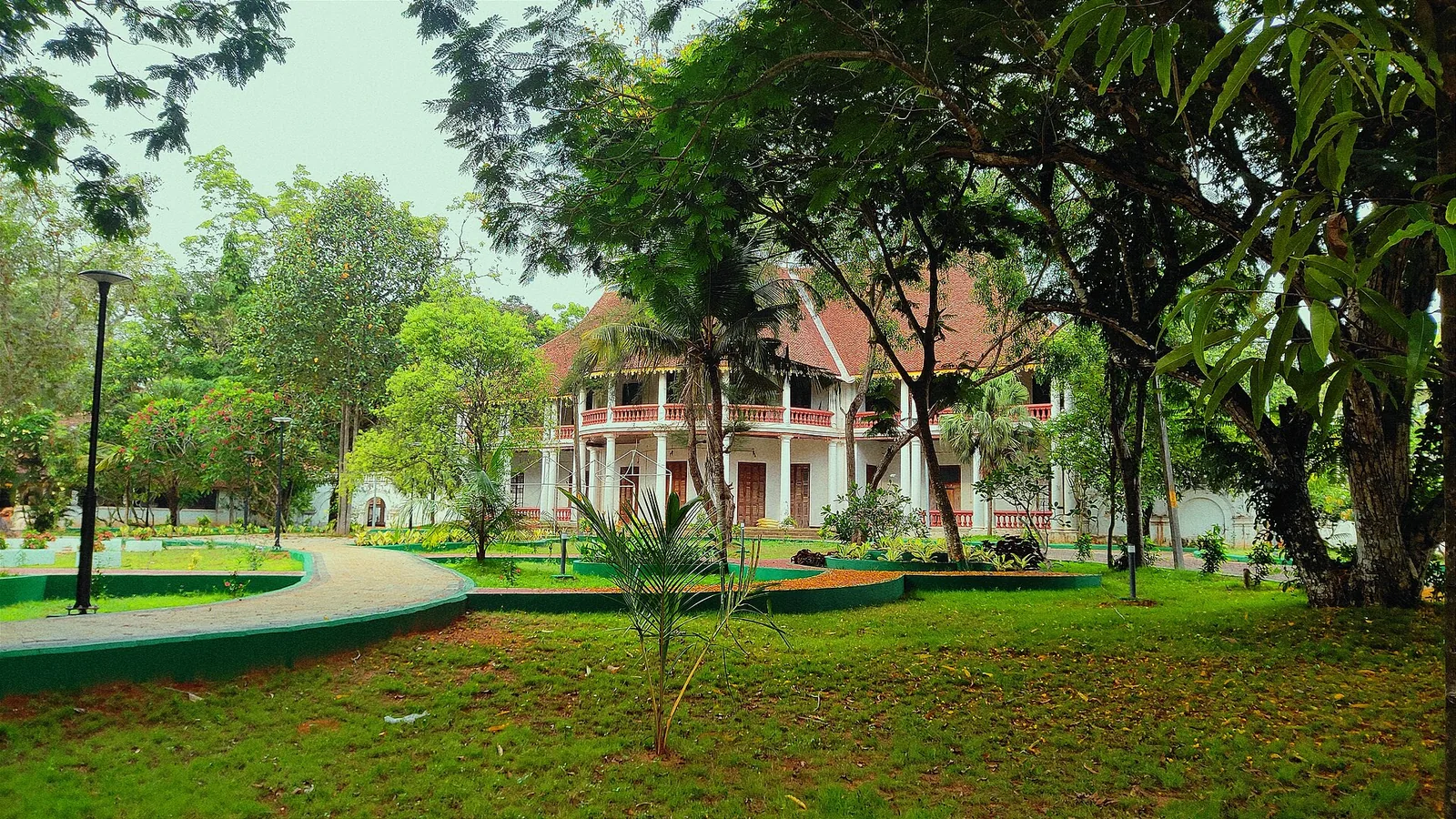
The former British Residency at Asramam survives as a government guest house beside Kollam’s backwater landscape. Its architecture is the attraction, with access governed by its working use.

museumSardar Vallabhbhai Patel Police Museum

1.3 km · 17 min walk

Kollam’s Sardar Vallabhbhai Patel Police Museum introduces the history of policing through arms, equipment and investigation displays. It offers an indoor history stop during a city outing. Check the museum’s session before choosing your day, and leave time to read the displays.

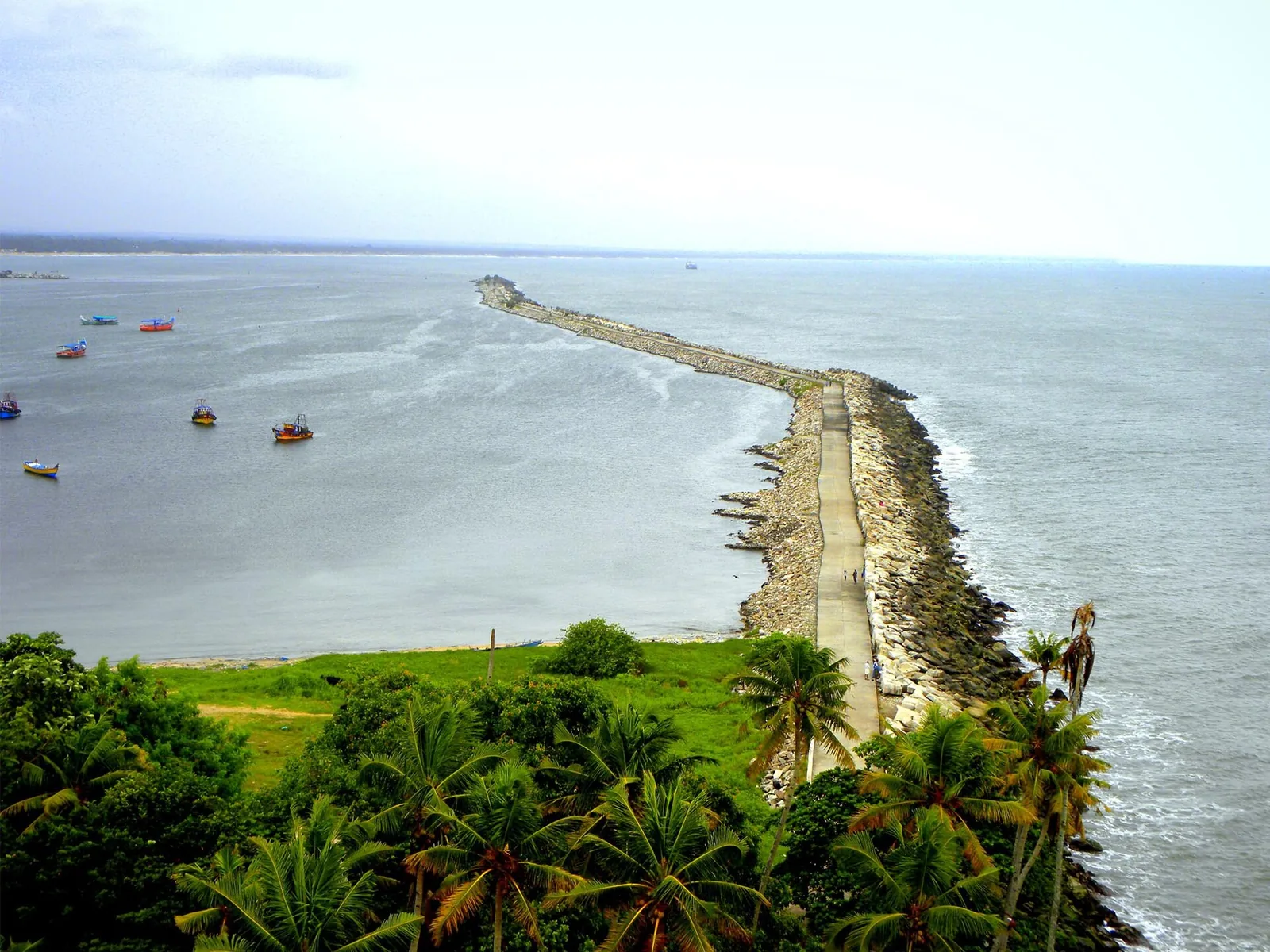
heritagePort of Kollam

1.7 km · 22 min walk

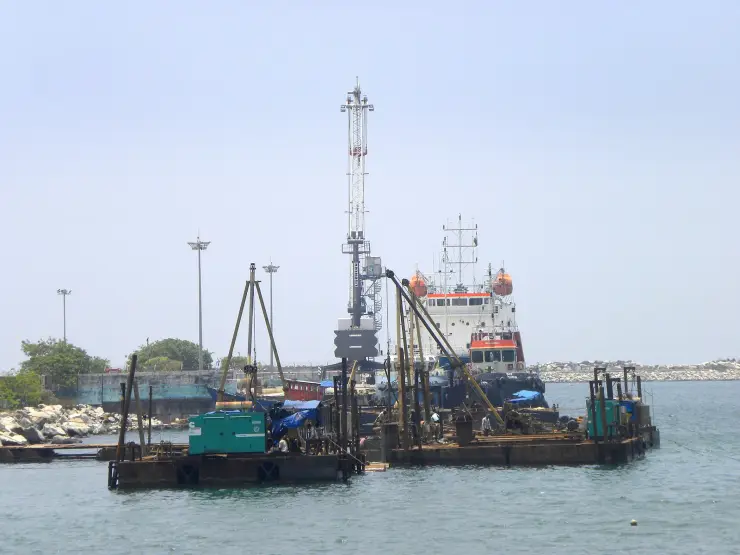
The working wharf and breakwater at Thangassery, conventionally founded in AD 825 — the event the Malayalam calendar counts from. A short cargo quay and a long public breakwater walk, above a seabed that has produced Tang and Song coins and Lower Palaeolithic tools.

Roampedia is commission-free — own or know a stay, eatery, guide or shop near Ashtamudi Lake? List it and it appears here once verified.

Add a nearby business
Before you go

Ashtamudi Lake — at a glance

TimingsThe lake is open water and can be viewed at any time; cruises operate to fixed schedules. Full-day houseboat cruises typically run about 10am to 5pm, and the Kollam–Alappuzha ferry departs around 10:30am. Sunset is the most rewarding time on the water.
Best timeOctober to February is the best season — cool, dry and calm. Avoid the heavy monsoon (June–September) for cruising, though the scenery is lush. Late afternoon into sunset is the finest time of day.

Entry: There is no entry fee to see the lake; you pay only for boat trips. Shared ferries such as the Kollam–Alappuzha service and Munroe Island canoe cruises are inexpensive, while private houseboat day cruises and overnight kettuvallams cost significantly more and vary by season.

Dress code: No formal dress code. Wear light, breathable cotton clothing, a hat and sunscreen for the open water, and carry a light layer for breezy evening cruises. Dress modestly if visiting village communities on Munroe Island.

Festivals: The lake is the setting for spirited backwater boat races during the Onam season (August–September), and Kollam town's Ashtamudi Craft and Tourism-linked events draw visitors in the cool months; dates shift annually, so confirm locally before planning around them.

Photography: A dream for photography — bring a camera for sunsets, Chinese fishing nets, birdlife and the narrow Munroe Island canals. Early morning and the golden hour before sunset give the best light; carry a dry bag to protect gear on small canoes.

Getting here

How to reach Ashtamudi Lake

  • ✈︎ By air The nearest airport is Trivandrum International Airport (Thiruvananthapuram), about 65–70 km / roughly 1.5–2 hours by road. Cochin International Airport is the next option, about 150 km to the north.
  • 🚆︎ By train Kollam Junction, one of Kerala's major railway stations on the Thiruvananthapuram–Ernakulam line, is the nearest railhead — only about 1–2 km from the boat jetty. For Munroe Island, the small Munroturuttu station is nearest to the island itself.
  • 🚗︎ By road Kollam lies on National Highway 66 along the coast; the lakeside jetty is in the town centre. It is about 65–70 km from Thiruvananthapuram and roughly 85 km from Alappuzha by road, with taxis and auto-rickshaws widely available in town.
  • 🚌︎ By bus Kollam is a major bus hub with frequent KSRTC and private services along the NH-66 corridor to Thiruvananthapuram, Alappuzha, Kochi and beyond; the main KSRTC bus station stands directly opposite the boat jetty.
Getting back

If you are travelling by bus or ferry, check the return service with the operator before setting out. Leave time to reach the stop or jetty after your visit.
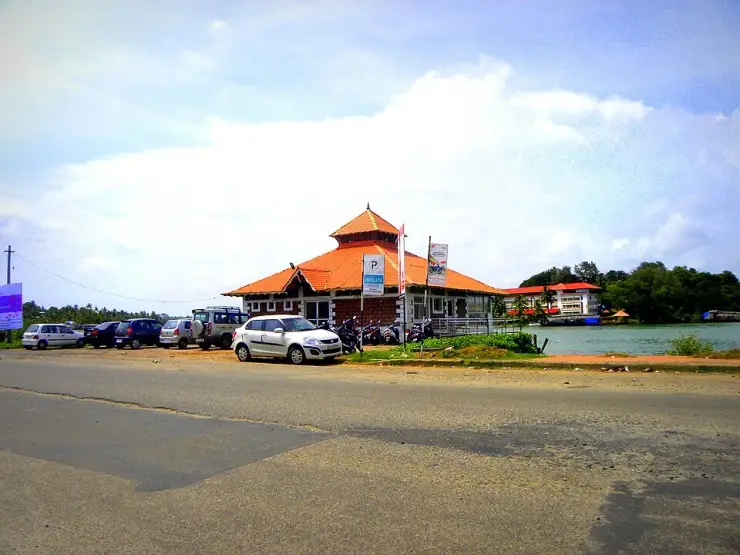
Ask at the bus stand for the time of the last service back, not the next one. If you miss it, an auto or app cab is the fallback — agree the fare before you get in.

Do

Things to do

  • Take a kettuvallam (houseboat) cruise across the lake's eight arms, ideally timed for sunset.
  • Ride the eight-hour DTPC ferry from Kollam to Alappuzha, billed as Kerala's longest backwater cruise.
  • Explore Munroe Island by small country canoe through its maze of narrow village canals.
  • Watch traditional clam-raking and coir-making, part of the lake's MSC-certified working fishery.
  • Go backwater birdwatching among the mangroves and mudflats for kingfishers, egrets, herons and winter migrants.
  • Photograph the Chinese-style cantilever fishing nets and palm-fringed sunsets from the Kollam waterfront.
  • Explore historic Kollam town nearby — the ancient Quilon port, Thangasseri lighthouse and old fort ruins.
Getting around Ashtamudi Lake

If you need step-free access, contact the site before travelling. Ask about a level entrance, steps along the route, the nearest drop-off point, seating and accessible toilets.

Nearby

What’s near Ashtamudi Lake

activityAsramam Adventure Park

Forty-eight acres of municipal park on the Ashtamudi shore in the middle of Kollam, run by the DTPC — boating and kayaking off a painted jetty, ziplines and rope courses, a heritage walkway of terracotta reliefs, contemporary sculpture left behind by a 2012 festival, and a mangrove wetland with a state biodiversity heritage tag.

400 m · 5 min walk · straight line
heritageBritish Residency, Asramam

The former British Residency at Asramam survives as a government guest house beside Kollam’s backwater landscape. Its architecture is the attraction, with access governed by its working use.

550 m · 7 min walk · straight line
museumSardar Vallabhbhai Patel Police Museum

Kollam’s Sardar Vallabhbhai Patel Police Museum introduces the history of policing through arms, equipment and investigation displays. It offers an indoor history stop during a city outing. Check the museum’s session before choosing your day, and leave time to read the displays.

1.3 km · 17 min walk · straight line
templeAnandavalleeswaram Temple

Anandavalleeswaram is an active Shiva temple in Kollam, with an Anandavally shrine and a ten-day annual festival in March or April. Ritual processions and cultural performances bring another dimension to the temple visit. Follow its worship session, admission and photography rules.

1.4 km · 17 min walk · straight line
heritagePort of Kollam

The working wharf and breakwater at Thangassery, conventionally founded in AD 825 — the event the Malayalam calendar counts from. A short cargo quay and a long public breakwater walk, above a seabed that has produced Tang and Song coins and Lower Palaeolithic tools.

1.7 km · 22 min walk · straight line
viewpointAshtamudi backwater viewpoints

The open-water outlooks on the Munroe Island and Perumon side of Ashtamudi, where the lake widens out — the wide views the canal trips themselves do not give you.

7.6 km · ~19 min by auto · straight line
backwaterNeendakara

By most accounts Kerala’s largest fishing harbour, at the mouth of Ashtamudi Lake about 9 km from Kollam town, and where Indian fishing was mechanised; two bridges cross the confluence and the early-morning auction is the sight to catch.

8.3 km · 12 min drive
activityCoir villages

The coir-working settlements of Munroe Island, where coconut husk is retted in the backwater and spun into yarn — a working craft economy on the canal banks rather than a demonstration laid on for visitors.

10.1 km · ~17 min by cab · straight line
beachThirumullavaram Beach

A quiet, curved bay beach west of Kollam town, calmer than the city beach and good for a relaxed evening.

14.3 km · 19 min drive
heritageThangassery Lighthouse

Thangassery Lighthouse raises Kollam’s sea view above a historic coastal neighbourhood. The red-and-white tower is a working navigation landmark with a separate visitor session.

15.7 km · 20 min drive
heritageThevally Palace

A Travancore royal residence on the Ashtamudi shore in Kollam, built to be arrived at by boat and now a working NCC establishment — viewed from outside or from the water.

17.4 km · 19 min drive
beachKollam Beach

The city’s Mahatma Gandhi beach and park on the Arabian Sea, a popular evening spot near Kollam town.

17.8 km · 22 min drive

All 9 places to visit in Kollam town →

Walking and driving times are real routed distances, except the few marked “straight line”, which are direct-line estimates and will read short. Fare figures are estimates from Kerala’s notified auto/taxi tariff and exclude waiting and night charges. Routing: © openrouteservice.org by HeiGIT | Map data © OpenStreetMap contributors

On the map

Where Ashtamudi Lake is

Good to know

Ashtamudi Lake — frequently asked

What is the best time to visit Ashtamudi Lake?

The ideal window is roughly October to February, when the weather is cool and dry and the backwaters are calm and clear — perfect for cruises, canoeing and sunsets. The heavy monsoon months of June to September bring rain and choppier water, though the landscape is at its greenest. Late afternoon into sunset is the loveliest time of day on the lake.

How much does an Ashtamudi houseboat cruise cost?

Prices vary widely by boat size, season and inclusions. A shared full-day cruise (roughly 10am–5pm) covering the lake, Kallada River and Munroe Island is the most economical option, while private one-bedroom kettuvallam day cruises and overnight houseboats with meals cost considerably more and rise sharply in the December–January peak. Book through DTPC Kollam or a reputable operator at the boat jetty for fair, transparent rates.

What is the Kollam to Alappuzha backwater cruise?

It is the public tourist ferry run by the District Tourism Promotion Council, billed as the longest backwater cruise in Kerala — an eight-hour voyage linking Ashtamudi, Kayamkulam and Vembanad lakes through a chain of canals. It typically departs around 10:30am from both Kollam and Alappuzha and arrives by about 6:30pm, with tickets bought at the DTPC office beside the jetty. It is slow, scenic and excellent value.

Is Munroe Island worth visiting and how do I get there?

Yes — Munroe Island (Munroturuttu), about 25–27 km from Kollam town, is one of the quietest and most authentic corners of the backwaters. The highlight is a small country-canoe canal cruise, offered by DTPC and local operators usually twice a day, gliding through narrow palm-lined channels past fish farms, coir units and village life. It has its own small railway station (Munroturuttu), or you can drive from Kollam.

How do I reach Ashtamudi Lake?

Ashtamudi wraps around Kollam town, so the lakeside jetty is very central. The nearest railhead is Kollam Junction, one of Kerala's major stations, about 1–2 km from the boat jetty; the nearest airport is Trivandrum International, roughly 65–70 km / about 1.5–2 hours by road. Kollam is well connected by KSRTC and private buses along the NH-66 corridor, and the main boat jetty sits opposite the KSRTC bus station.

Is the Ashtamudi clam fishery still MSC-certified?

No. It was certified in November 2014, the first fishery in India to be, and the Marine Stewardship Council's database now lists its status as Withdrawn. The sequence is public: a Notice of Intent to Suspend on 10 October 2019 giving the reason as an invoice 163 days overdue, the suspension lifted on payment eighteen days later, an extension granted on 5 November 2019 because funding for the reassessment had not been secured, and a Notice of Suspension effective 14 February 2020. On both suspension notices the certifier recorded in writing that the fishery continued to meet the MSC standard. The clams were not the problem.

How big is Ashtamudi Lake, really?

About 61 square kilometres, or 6,140 hectares — the figure that matches the scientific literature. You will also see 61,400 hectares, which is 614 square kilometres and about ten times too large. That figure comes from the Ramsar Information Sheet's own summary box, and the body of the same sheet contradicts it twice by giving 61.4 square kilometres. Because Ramsar is the authority, the tenfold version has been copied widely. It is also the deepest estuary in Kerala, about 6.4 metres at the confluence zone.

Are there really eight arms?

Eight are conventionally named — Thevally, Kureepuzha, Kandachira, Thekkumbhagam, Perumon, Kanjirottu, Kallada and Kumbalathu — and the name says eight. But the Ramsar sheet describes eight prominent arms without naming any of them, and we could not trace the standard list back to a survey, a gazetteer or a hydrographic source. Treat the count as conventional rather than measured, and enjoy the fact that a lake this famous has never, so far as we can tell, actually been counted.

Is Ashtamudi better than the Alappuzha backwaters?

It depends on what you want. Alappuzha is bigger, busier and has the largest houseboat fleet; Ashtamudi is quieter, more intimate and less commercialised, with its distinctive eight-armed shape, the Munroe Island canoe cruise and superb sunsets. Many travellers combine both by taking the day-long DTPC ferry between Kollam and Alappuzha. If you prefer serenity and village authenticity over scale, Ashtamudi often wins.

When is the best time to visit Ashtamudi Lake?

November to February is most comfortable. Monsoon is greener but rain and wind can disrupt small-boat plans.

What are the entry fee and timings at Ashtamudi Lake?

Entry: There is no entry fee to see the lake; you pay only for boat trips. Shared ferries such as the Kollam–Alappuzha service and Munroe Island canoe cruises are inexpensive, while private houseboat day cruises and overnight kettuvallams cost significantly more and vary by season. Timings: The lake is open water and can be viewed at any time; cruises operate to fixed schedules. Full-day houseboat cruises typically run about 10am to 5pm, and the Kollam–Alappuzha ferry departs around 10:30am. Sunset is the most rewarding time on the water.

How much time do I need for Ashtamudi Lake?

2 to 4 hours for a short cruise; full day or overnight for a deeper lake stay.

What else is near Ashtamudi Lake?

Nearby you can pair Asramam Adventure Park (400 m), British Residency, Asramam (550 m), Sardar Vallabhbhai Patel Police Museum (1.3 km), Anandavalleeswaram Temple (1.4 km).

What should I know before visiting Ashtamudi Lake?

Use life jackets on small boats and avoid overloaded services. Open-lake wind can make small craft uncomfortable. Do not book vague cash-only lake trips from unverified touts.

Read before you go

Ashtamudi Lake guides, stories & itineraries

Stories & history of Ashtamudi Lake

Written about Ashtamudi Lake itself — its history, its legends and the arguments about them.

Around Kollam town

These guides explore Kollam town and the surrounding area. Choose a visit that fits your interests, allowing separately for travel between stops.

Kerala-wide guides & itineraries

Route-level itineraries and practical guides for the rest of Kerala.

See all 129 Kollam guides & stories →

Image credits

Photographs: The Raviz (CC BY-SA 4.0), Timothy A. Gonsalves (CC BY-SA 4.0), Arathi AR, Oliver PG, Ravinesh R, Kumar AB (2018), ZooKeys 799: 1-20 (CC BY 4.0), Arunvrparavur (CC BY-SA 3.0). Wikimedia Commons.