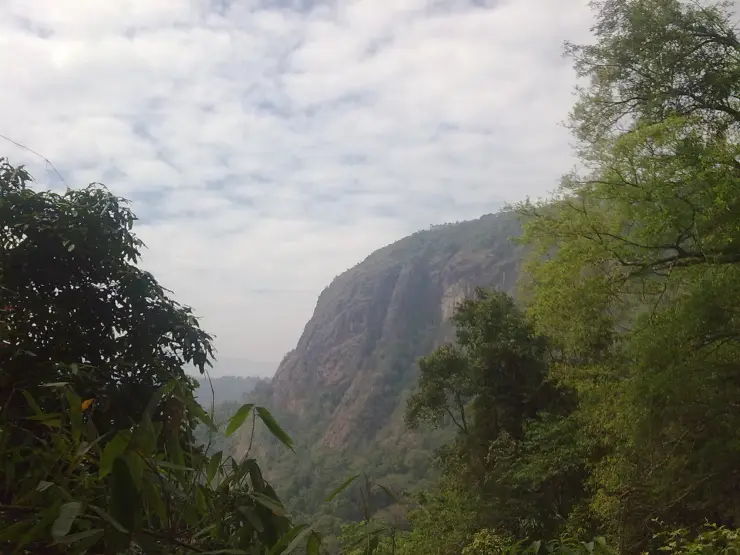
Places to Visit in Sulthan Bathery

Sulthan Bathery is the practical east-Wayanad base for Edakkal Caves, Jain Temple, Muthanga/Wayanad Wildlife Sanctuary, Wayanad Heritage Museum, Phantom Rock, Seetha Lava Kusha Temple, Chethalayam Falls, town hotels, restaurants and Mysuru/Bengaluru-side road transfers. Use it when the trip is built around caves, Jain heritage, wildlife access checks and onward routes toward Karnataka, while keeping extra time for forest rules, safari timing and hill-road traffic.

Sulthan Bathery
Practical guide

Plan Sulthan Bathery

Who's going?Tailor Sulthan Bathery to your trip
DistrictWayanad
RoleHeritage and wildlife base
Time needed1.5–2 hours for the town itself
Places to visit8Listed businesses37
What to expect

Highlights

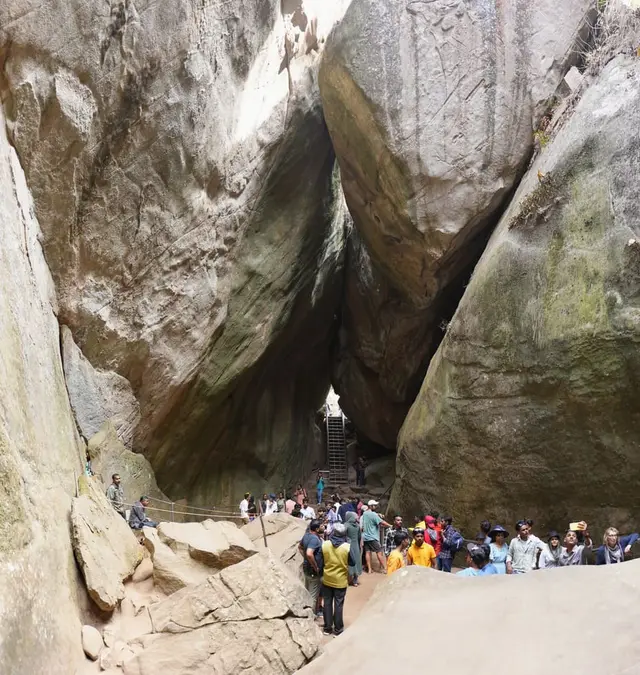
  • Edakkal Caves — Rock shelter with ancient petroglyphs and a steep Ambukuthi hill walk, best planned from Sulthan Bathery or Ambalavayal.
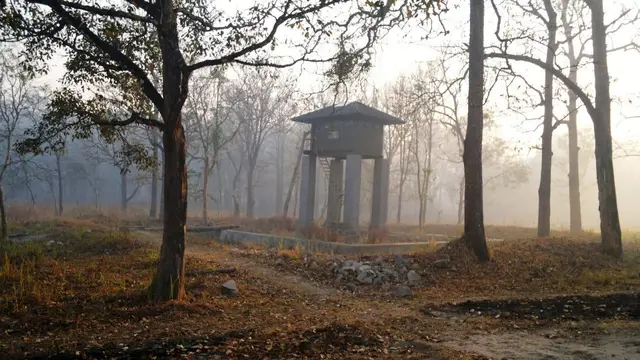
  • Wayanad Wildlife Sanctuary — Forest reserve around Muthanga and Tholpetty, part of the Nilgiri Biosphere landscape.
  • Muthanga Wildlife Sanctuary — Eastern Wayanad wildlife zone usually planned from Sulthan Bathery with official safari and access checks.
  • Chethalayam Falls — Seasonal waterfall near Sulthan Bathery, best treated as a quiet nature stop with access checked before travel.
  • Wayanad Heritage Museum — Ambalavayal museum focused on Wayanad archaeology, tribal history and heritage artefacts.
  • Puliyarmala Jain Temple — The Anantnath Swami temple at Puliyarmala near Kalpetta — the quieter, living Jain shrine of Wayanad, often paired with the conserved basti at Sulthan Bathery.
Getting there

How to visit

  • Nearest airport: Kannur International (CNN) 104 km and Calicut International (CCJ) 105 km by road, measured to the terminals — a near tie, so pick by fare and approach side
  • Rail gateway: Kozhikode railway station (CLT), 97 km down the ghat; Mysore Junction (116 km) is the Karnataka-side option — Wayanad has no rail station
  • KSRTC/private buses and taxis connect Kalpetta, Sulthan Bathery and Mananthavady from Kozhikode/Calicut, Mysuru and Bengaluru; confirm current ghat-road timings before travel.

Distance by road

  • Kozhikode96 km
  • Mysuru114 km
  • Kannur124 km
  • Bengaluru254 km
  • Kochi265 km

Road distances measured on real routed roads to Sulthan Bathery itself, not to the district headquarters, on 23 August 2026. Driving time is deliberately not published: free-flow routing badly understates a Kerala ghat road, so allow more than the distance suggests.

Timing

Best time to visit Sulthan Bathery

October to May. Post-monsoon October–December is greenest, January–March is clear and cool, and the pre-monsoon heat is mild at 900 m. June–September is heavy monsoon.

Weather in Sulthan BatherySeasonal guide

Live forecast loads in your browser.

Today at Sulthan Bathery
Sunrise6:14 am
Sunset6:24 pm
Golden hour best light5:24 pm–6:24 pm
Blue hour after sunset6:24 pm–6:49 pm
Sun sets toward compass bearingW · 272°
Moon tonight🌓 First quarter · 53%
South-west monsoon. June to September is the south-west monsoon in Kerala. Expect heavy showers, mostly in bursts rather than all day — carry rain cover, allow extra time for getting around, and note that ferries and open-air sites are the first things affected.

Sun and moon are calculated for this location and shown in IST. Photography windows are the hour around sunrise and sunset; the sunset bearing is degrees clockwise from true north. Moon phase is accurate to about half a day.

Visitor notes

  • Three bus stands, not one — town stand, Chungam and KSRTC — and long-distance and local services do not all leave from the same place. Ask which one your bus goes from rather than assuming.
  • Muthanga safari slots are booked at the forest gate about 14 km east, not in the town, and the counter opens well before the session — leave early rather than turning up at the gate at safari time.
  • Chethalayam Falls is a permission-first outing: the forest office on the Pulpally road issues the mandatory pass, the falls are a four-kilometre walk beyond it, and in the dry months there may be no water at all — ask at the office before committing the morning.
  • Not verified and deliberately not guessed: current Edakkal ticket prices, Muthanga safari fees and Chethalayam pass charges. All of them move; the counters have the current sheet.
The story

The story of Sulthan Bathery

Sulthan Bathery sits at about 900 metres on the Kozhikode–Mysuru highway, in the driest, flattest and most Karnataka-facing corner of Wayanad — a working market town of some 45,000 people that is the headquarters of a taluk, a block and a municipality, and the only taluk in Kerala to share a border with two other states. Its name is a British clerk’s spelling of a Mysore army store: before Hyder Ali and Tipu Sultan came up the ghat this was Ganapathivattam, the ground of the Ganapathi temple, and before that it was Kidanganad. The 2011 census counted 45,417 residents at roughly 441 to 444 people per square kilometre, with literacy at 89.36 per cent. Most visitors treat it as the bed-and-breakfast for Edakkal and Muthanga. It is worth an hour on its own terms.

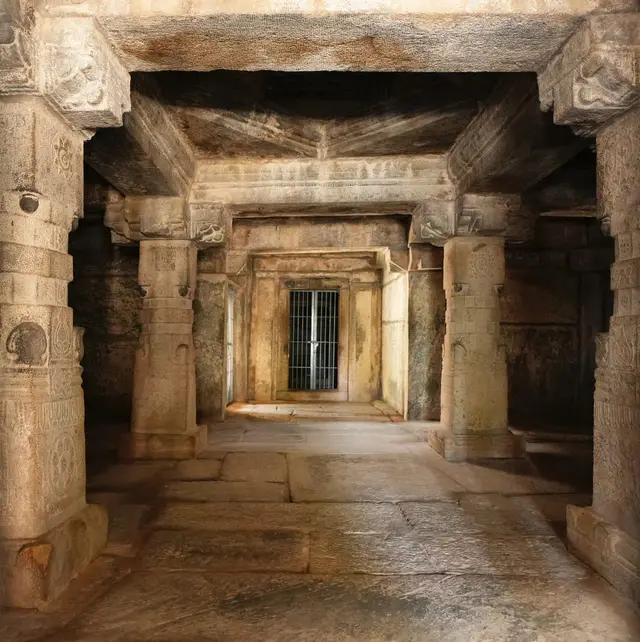
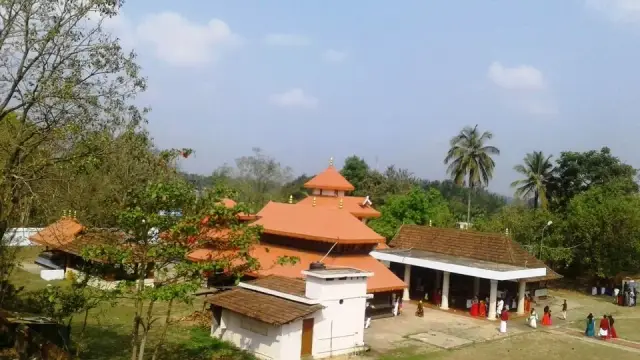
Start at the western end of the bazaar, where a low black-stone building stands on a raised plinth behind a fence, ringed by broken pillars and coconut palms. This is the Kidanganad basti, the Jain temple that gave the town its second name and its first identity. It is not a ruin in the picturesque sense — the walls are square, the roof slabs are still seated, the doorway still has its carved jambs — but it is empty. There is no image in the sanctum. What survives is the architecture: a garbhagriha, an antarala, a closed mahamandapa of four pillars in two rows, a pillared mukhamandapa of six, and, unusually for a building in this idiom, a detached namaskara mandapa of the sort Kerala temples use.

The pillars are the reason to come. They are square in section with their middle lengths cut back into sixteen facets, and across those facets run floral bands, serpent-coils, hanging garlands, vajra motifs, geese, and — set into shallow square frames near the top of the shafts — seated Tirthankara figures, cross-legged in padmasana with the hands folded in dhyanamudra. The stair rails into the mukhamandapa carry vyali beasts. Kerala has very little medieval stone carving of this quality, because Kerala built in laterite, timber and tile; this is a Karnataka building that happens to stand in Kerala, and its presence is the plainest evidence that Wayanad’s medieval trade ran uphill to Mysore, not downhill to the coast.

That trade is the town’s real founding story. Settlement here is dated to around 1400 CE, and the first settlers on record are Jain merchants who came down from Karnataka into a landscape that until then had been Adivasi country. They gave the place a Kannada name — recorded variously as Hannaradu Veedhi and Hennaru Beedike — and they used a forest track over the plateau to move pepper, cardamom and hill produce north-east. Hyder Ali and Tipu Sultan widened that track for an army. K. P. Unnikrishnan, as Surface Transport Minister in V. P. Singh’s government, made it National Highway 212. It is now NH-766, and the whole of Sulthan Bathery is still arranged along it.

The town proper is a Kerala highway town: a long main road, a bus stand full of blue-and-white private buses working the Kalpetta, Mananthavady, Gudalur and Mysuru routes, and behind them a grid of hardware shops, jewellers, bakeries, and the tea-and-parotta places that keep drivers going. Bathery is the district’s biggest trading centre, and it is unusually mixed even by Kerala standards. Roughly a third of the municipality is Muslim and about a fifth Christian; the rest is Hindu and Adivasi, and no single community holds a majority. The municipality counts 26 temples, 15 churches and 15 mosques inside its boundary. St Mary’s Orthodox Cathedral, founded in 1944, is the seat of the Sulthan Bathery diocese.

The land around the town is the flattest farmland in Wayanad — paddy in the low vayals, then coffee, pepper and ginger on the rises, with banana and areca filling in. This is also the district’s driest quarter. Bathery takes about 2,322 millimetres of rain a year, which sounds enormous until you set it against Lakkidi, Vythiri and Meppadi on the western scarp, which take 3,000 to 4,000. The ghat wrings the monsoon out before it reaches here, and the result is a growing season and a crop mix closer to Gundlupet’s than to Kozhikode’s.

Modern Bathery is largely a twentieth-century construction, and it happened fast. A single L. P. school appeared under the Malabar District Board in the 1920s. Until about 1940 the journey down to Kozhikode was made by bullock cart. Kidanganad panchayat was constituted in 1934; Sulthan Bathery panchayat was carved out of it in 1968, Noolpuzha the same year and Nenmeni in 1974. P. C. Ahmad Haji, an Indian Union Muslim League district office-holder, was panchayat president for three decades and is credited locally with the bus stand, the taluk hospital, the panchayat stadium, Kerala’s first mini industrial estate and Kerala’s first Lakshamveedu housing colony. Municipal status came in 2015.

The town’s least comfortable modern fact sits about fourteen kilometres east, at Muthanga. In August 2001, after 32 reported starvation deaths among Kerala’s Adivasi communities, C. K. Janu and the Adivasi Gothra Maha Sabha built huts outside the Secretariat in Thiruvananthapuram and stayed for 48 days. The government signed an agreement promising five acres where five acres could be found and at least one acre elsewhere, a protective law against alienation, and at least 10,000 acres to be located and distributed in Wayanad, the district with the most landless Adivasi families. Distribution was to begin on 1 January 2002. It did not begin.

On 5 January 2003 families occupied forest land at Muthanga and built an oor — a settlement — inside the sanctuary. The state left them there for about 45 days and then went in. On 19 February 2003 the police opened fire. Constable K. V. Vinod was killed and so was at least one Adivasi man; the official count of deaths connected to the operation is five, and independent accounts have run higher. Between 132 and 135 people were arrested, among them 99 women, and taken to the Central Jail in Kannur; C. K. Janu and M. Geethanandan were arrested on 21 February. Land titles for the last 37 of the 283 families involved were handed over only in March 2023, twenty years on. What the firing produced in the meantime was the Aralam resettlement in Kannur, which we cover on that page rather than this one.

Bathery is also where Kerala’s road east stops at nine o’clock at night. NH-766 crosses Bandipur, and Karnataka has barred night traffic through the park since 2009 — broadly 9 pm to 6 am for cars, and from 6 pm for two-wheelers. If you are driving to Mysuru or Bengaluru you either clear Muthanga before the gate shuts or you go round by Mananthavady and Kutta, which is longer and rougher but stays open. For a town whose whole existence is owed to that road, it is a live and much-argued grievance, and it is the single most useful thing to know before you plan a Bathery day.

Legend & myth

The best story in Sulthan Bathery is a hole in the ground. In front of the Jain basti, set into the paved court, there is a square stone well, now covered with a steel grille. Local tradition holds that a tunnel runs out of that well all the way to Mysore — a hundred and fifteen kilometres of it, under the Bandipur forest, dug or used by Tipu Sultan so that his garrison could move men and powder without touching the road. It is a wonderful story and it is almost certainly not true. No tunnel has ever been found, no survey records one, and the distance is preposterous. But the story is doing honest work: it is a folk memory of the fact that this small Wayanad bazaar really was, for a few years at the end of the eighteenth century, an outpost of Mysore rather than of Malabar, and that the temple in the middle of it really was full of ammunition.

The name carries its own contested lore. Bathery is generally derived from the Portuguese bateria, meaning a battery or gun emplacement, taken into the region’s vocabulary and then into English as the Sultan’s Battery; the Jain settlers’ Kannada name, Hannaradu Veedhi or Hennaru Beedike, dropped out entirely. The older Malayalam name, Ganapathivattam, comes from the Ganapathi temple — and this is where the published versions tangle. English-language sources routinely write that Tipu used a thirteenth-century Ganapathi temple as his battery, which folds two separate buildings into one sentence. The Bathery Mahaganapathi temple is a living Hindu temple in the town and is one of the few in Kerala where Ganapathi is the principal deity rather than the doorkeeper; the basti at the western end of the bazaar is Jain. Ganapathivattam is named for the first. The battery tradition attaches to the second. Both are true; they are not the same claim, and we do not merge them.

The Jain building has one more layer of borrowed identity. Before the archaeologists took charge of it, it was known locally as Tipuvinte Kotta — Tipu’s fort — and it is recorded as having served in turn as a Jain temple, a Hindu temple and a trading hall before it became a magazine. A building that has been four things to four communities in six hundred years is not a monument with a legend attached; it is a legend with a roof on it.

Around the town the older belief-world is Kurichiya, and it is intact enough to describe rather than reconstruct. The Kurichiya’s own god is Malakkari — Kari of the hills — understood as Shiva appearing in the form of a hunter, and it is Malakkari who is asked for release from sorcery, protection from possession and success in the hunt. Alongside him stand Malon, whom the Kurichiya hold to have been installed in the forest by Shankaracharya himself; Karimbil Bhagavathi, who is asked for safe childbirth; and Athiralan Theyyam. Once a year the Malakkari theyyam is performed, and the preparation is the beautiful part: long green bamboos are cut, split partway along their length, filled with toddy and stood leaning together. That is the kumbham. Through the night before the theyyam appears the Kurichiya circle the leaning bamboos to a single chenda, singing the kumbhappattu, which asks the god to keep four things in four pairs of three — woman, child and family; soil, hill and forest; mittam, oor and nadu; plough, bullock and cow — and promises, if he does, that the bunch of bananas and the coconut will not fail.

The bow is not only a weapon here. A Kurichiya carries a bow and ten or twenty arrows as a matter of course, and the bow appears at both ends of a life: when a child is born the bowstring is drawn and sounded over it, and when a Kurichiya dies the bow and an arrow are planted upright at the grave. That is worth holding in mind when reading what happened in 1812, because the rebels of that year, short of iron, are said to have levered the rods out of bridges to make arrowheads. The line between the ritual object and the insurgent weapon was not a line the Company ever managed to draw.

Bathery’s living festival calendar belongs to other buildings. The utsavam at the Sulthan Bathery Mariyamman Kovil is treated locally as the town’s own festival, the one everybody turns out for. The Mahaganapathi temple flies its flag on the fifteenth of Makaram for an eight-day kodiyettu utsavam, and marks Vinayaka Chaturthi in Chingam and Pathamudayam in Medam; it is run by a lay committee of residents rather than a devaswom. Kuppadi Devi temple and Karivallikkunnu temple hold their own festivals, and theyyam is performed at Pazhappathur.

The Jain basti holds none of this, and the absence is documented rather than assumed: it is in the custody of the archaeology department, and Malayalam sources state plainly that only temple rites are observed there and no utsavam is celebrated. A protected monument is not a dead building, but it is a quiet one, and Mahavir Jayanti aside, Bathery’s Jain temple keeps no festival calendar.

Two things we looked for and did not find, and say so rather than invent. Bathery town has no Ramayana legend of its own — the Wayanad Sita traditions belong to Pulpally and to the forest, and we tell them where they belong instead of borrowing them up the road. And the basti has no founder story that the sources agree on: one Malayalam account attributes it to the Hoysala king Vishnuvardhana, which cannot be reconciled with a thirteenth-century date or with the Vijayanagara idiom of the carving, and we set it out below as a conflict rather than repeating it as fact. What the forest around the town does hold, scattered and largely unstudied, are veerakkallu — hero stones, memorials to men who died in some medieval fight or migration — along with the remains of old check dams. Nobody has written their story. It is still lying there.

More about Sulthan Bathery

History

Wayanad’s recorded history reaches this plateau from Karnataka, not from the coast. The Ganga emperor Erayappa is said to have named the region Bayalnad, the land of swamps, around 930 CE; the Kadambas displaced the Gangas in the twelfth century, the Hoysala Vishnuvardhana campaigned here around 1104, the Vijayanagara period follows in the sixteenth century, and in 1610 Raja Wodeyar of Mysore took authority over the country. Every one of those powers came over the Deccan side. That is the single fact that explains why Sulthan Bathery looks the way it does.

The Jain temple at Kidanganad belongs to that world. It is generally dated to the thirteenth century CE and attributed to Jains who migrated in from Karnataka and Tamil Nadu, and its inscriptions, pillar reliefs and plan are read as Vijayanagara in idiom. It measures roughly 25 by 7.5 by 4 metres, is built of black basalt with stone slab roofing, and its gateway gopurams and outer mukhamandapa had already collapsed before conservation began. The Government of India declared it a monument of national importance in 1921 and it is protected by the Archaeological Survey of India; in October 2014 a section of the building came down during ASI conservation work. Other Jain remains survive nearby at Punchavayal and Puthenangadi, their carved pillars half-fallen and the ground around them under scrub.

The British arrived through Pazhassi Raja’s defeat, and Ganapathivattam appears in their paperwork almost at once. H. S. Grahame’s report records Wayanad’s first revenue settlement being begun by the Thalassery sub-collector T. H. Baber, working with divisions that included Munnanad, Muthurnad, Ilankurnad, Nallurnad, Porannur, Kurumbala, Nambikkolli and Ganapathivattam; a police picket at a place written as Ganapathipalayam also turns up in the records. Company rule over Wayanad ran until the Crown took direct charge in 1858, after which the district answered to the Malabar Collector until 1947.

The rising this town should be known for came in 1812. After Pazhassi’s death the Company’s treatment of the Kurichiya hardened: smallholdings were seized, arrears were enforced, shifting cultivation was banned outright, and Principal Collector Thomas Warden’s revenue settlement left the cultivator about a third of what remained after costs while the Company took six-tenths and the janmi four-tenths of the rest — payable in cash. Families sold household goods to clear arrears and defaulters were put to work as bonded labour. In 1812 the bamboo across the Wayanad hills flowered, which in these forests means the bamboo then dies, and scarcity followed.

On 25 March 1812 the Kurichiya met at Malloor to take counsel and the police broke the meeting up by force. That was the trigger. Under their leader Ramanambi, and with the Kurumbar alongside them, they stopped the revenue collectors, closed the ghat passes completely, attacked police stations and took control of movement across Wayanad; men in Company employment resigned to join. Their priests told them their clan gods were with them. Sub-collector T. H. Baber recorded that the aim was to drive the round-hat wearers out of the country. They defeated a Company detachment in the field at a place recorded as Elachuram, with Plakka Chandu, Ayiraveettil Konthappan, Masilottadan Yamu and Venkalon Kelu leading from the front. The weapons were bows and arrows. Baber asked for reinforcements; troops came from Srirangapatna with modern arms and closed on the rebels from every side, and the rising was fully suppressed by 8 May 1812. Venkalon Kelu was publicly hanged. Ramanambi was beheaded — Malayalam sources give the date as 1 May, in a year printed as 1825, which we flag rather than smooth over. Historians describe the Kurichiya rising as both the first and the last anti-colonial tribal revolt in South India, and as the final campaign fought by Pazhassi’s own veterans.

The best-known Kurichiya soldier belongs to the earlier war, not to 1812, and it is worth saying so because the two are constantly confused. Talakkal Chandu commanded Pazhassi’s Kurichiya archers and led the assault on the British military post at Panamaram on 11 October 1802, where about 150 Kurichiya fighters under Chandu and Edachena Kunkan wiped out a camp of seventy soldiers under Captain Dickenson, taking 112 muskets, six boxes of ammunition and six thousand rupees, burning the post, and losing five of their own — the figures are William Logan’s, in the Malabar Manual. Chandu was captured on 15 November 1805 and beheaded beneath a koli tree by the camp. He was dead seven years before the 1812 rising began. A memorial was finally raised at the spot at Panamaram 207 years later, built with ₹16 lakh from the local-area fund of the MP M. I. Shanavas; since 1982 KIRTADS has run an archery competition in his name for Kerala’s Scheduled Tribes.

Why visit

The Kidanganad basti is the finest piece of medieval stone carving in Wayanad and one of very few Vijayanagara-idiom buildings anywhere in Kerala — an ASI monument of national importance since 1921, and free to walk into.

It is the only place where you can read the whole of the town’s name off two buildings: the Mahaganapathi temple that made it Ganapathivattam, and the Jain temple that made it the Sultan’s Battery.

Sulthan Bathery is the practical base for Edakkal Caves and the Muthanga gate, with the district’s largest bus stand and the widest choice of rooms and food in eastern Wayanad.

It is the only taluk in Kerala bordering two other states, which makes it the natural staging point for a Wayanad–Bandipur–Mysuru run — provided you plan around the night closure.

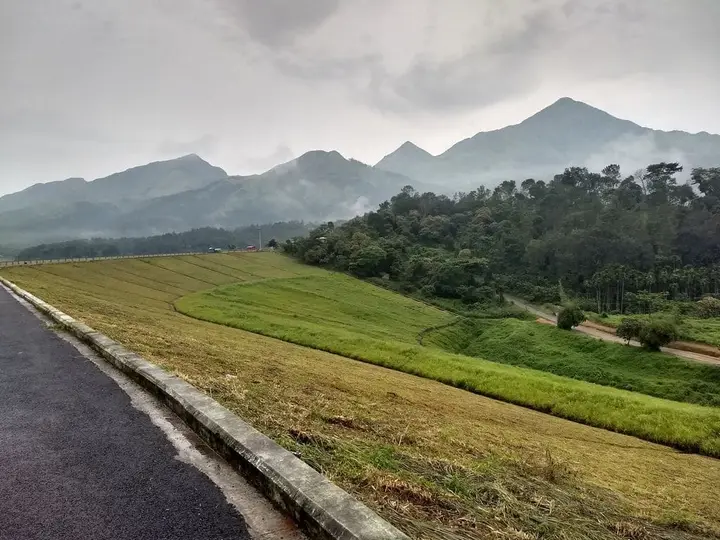
The country either side of the highway is the flattest, driest and most workaday farmland in Wayanad: paddy vayals, coffee, pepper and ginger, and an easy hour’s drive without hairpins.

It is where the Adivasi land question in Kerala became national news, and Muthanga is seventeen kilometres from the bus stand.
Before you go

Sulthan Bathery — at a glance

HoursTown and bazaar open all day; shops broadly 9 am–8 pm. The Jain temple is generally open daylight hours and is best visited mid-morning.

Entry: No charge for the town. The Kidanganad Jain temple is an ASI-protected monument and is free to enter; Edakkal Caves and Muthanga safaris are ticketed separately at their own gates.

Getting here

How to reach Sulthan Bathery

  • ✈︎ By air A measured near tie that nobody quotes: Kannur International (CNN) is 104 km by road and Calicut International at Karipur (CCJ) 105 km, both to the terminal — the difference is one kilometre, so choose by fares and by which side of the district you approach from. Both runs are slow: the Kannur road crosses the district via Mananthavady, the Calicut road climbs the Thamarassery ghat.
  • 🚆︎ By train There is no railway anywhere in Wayanad. Kozhikode (station code CLT), 97 km away down the ghat, is the practical railhead with the full coastal network; Mysore Junction, 116 km the other way across Bandipur, is the alternative when the night closure fits your timings — nothing a booking site offers nearer than those is a real arrival.
  • 🚗︎ By road Bathery sits on NH 766, the old Kozhikode–Mysuru trunk road, at about 900 m of altitude. Measured by road: Kozhikode 96 km, Mysuru 114, Kannur 124, Bengaluru 254, Kochi 265 — and Kalpetta, the district headquarters, 24 km west. The Karnataka leg runs through the Bandipur forest and its night closure, which the note below explains.
  • 🚌︎ By bus Three stands, none interchangeable: the town private stand is 400 m from the centre on the highway, Chungam stand sits 700 m out on the Kalpetta side, and the KSRTC station is 1.5 km up the Kozhikode road. KSRTC and private buses work Kozhikode, Kalpetta, Mananthavady, Gudalur and the Mysuru side — ask which stand your bus actually uses.
  • ⛴︎ By boat There is no water transport in Wayanad. The one raft crossing visitors meet — at Kuruva Island on the Kabini — is inside that eco-tourism site on the Mananthavady side, part of the visit rather than a way of getting anywhere.
Getting around

Getting around Sulthan Bathery

Bathery is a highway town and the middle of it is walked — the town bus stand, the bazaar and the Chungam side are all within ten minutes on foot, and the Jain temple is a 1.4 km walk from the centre. Everything else you came for is a drive out: Edakkal 12 km, the Muthanga gate 14, the Ambalavayal museum 11. The working pattern is the Wayanad one — a taxi or jeep hired for the day through your stay or the town stands, with autos for hops along the strip.

  • 🚕︎ Online taxis Not dependable out here. Uber and Ola may show the odd car in Bathery, but coverage is too thin to plan a day around — as in Kalpetta, app cabs are not dependable for full-day Wayanad sightseeing, and the waiting between stops does not suit per-ride hailing anyway. Hire a taxi or jeep for the day instead, and keep the apps for the Kozhikode-side intercity leg. Kerala Savaari, the state-run app, runs full-scale only in Kochi and Thiruvananthapuram so far. Where an app does respond, prices are set in-app; we print no fares.
Getting back

Check your return bus or ferry with the operator before setting out. Leave time to reach the stop or jetty after your visit, and arrange a return vehicle in advance for a remote outing.

Ask at the jetty or the stand for the time of the last service back, not the next one. If you miss it, an auto or a taxi is the fallback — agree the fare before you get in.

Do

Things to do in Sulthan Bathery

  • Walk to the Jain temple at Kidanganad, 1.4 km from the centre — the thirteenth-century Vijayanagara-style basti that Tipu Sultan used as an ammunition store, which is how Ganapathivattam became Sultan’s Battery. The sanctum stands deliberately empty; the story further down this page tells why.
  • Climb to the Edakkal cleft, 12 km out — park at the road head, buy the ticket and take the steep track up Ambukuthi to petroglyphs argued over by scholars since the 1890s. Go early: the site caps its crowds and the queue builds by mid-morning.
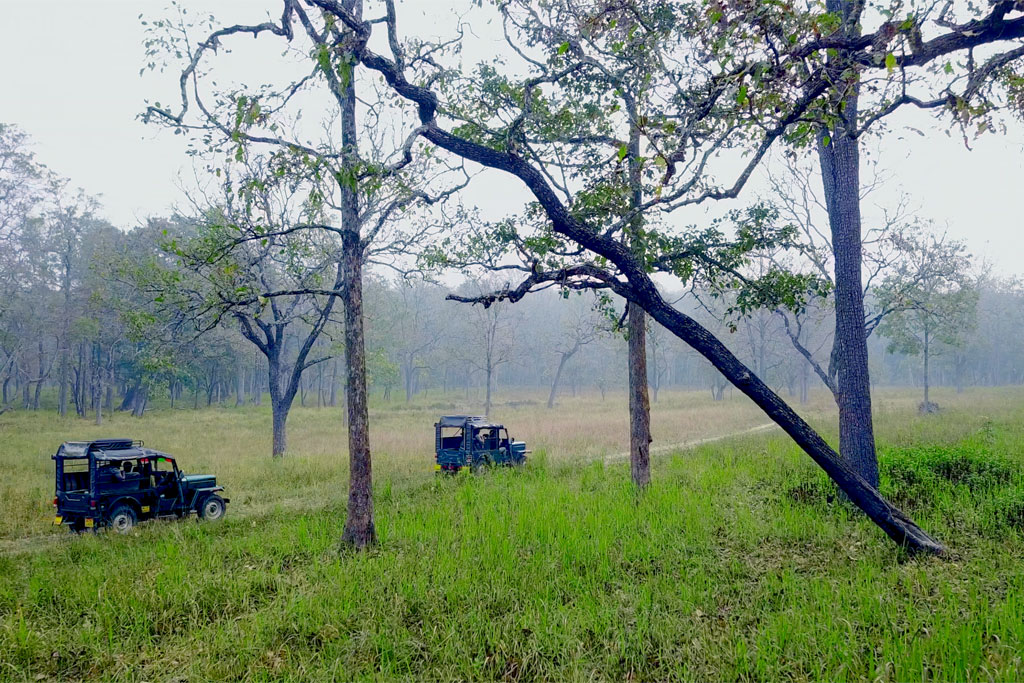
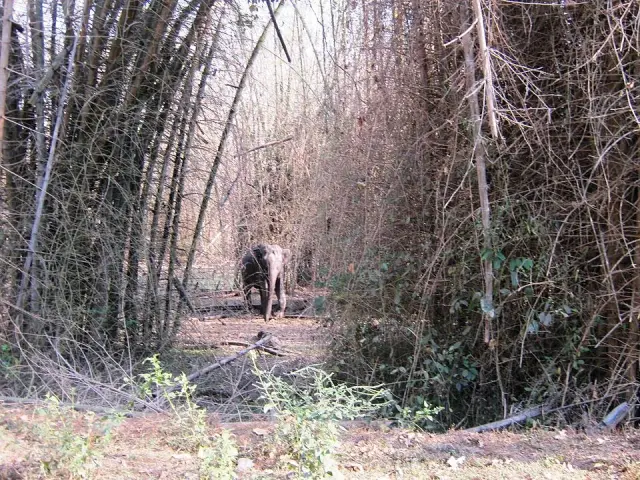
  • Book a Muthanga safari at the gate 14 km east — the eco-tourism counter at the sanctuary entrance runs a morning and an afternoon session, and the counter opens well before the drive. Elephants, gaur and deer are the honest expectation; the tiger is luck.
  • Give the Wayanad Heritage Museum at Ambalavayal, 11 km south, a slow hour — four small blocks of hero stones, megalithic finds and tribal artefacts that explain east Wayanad better than any viewpoint.
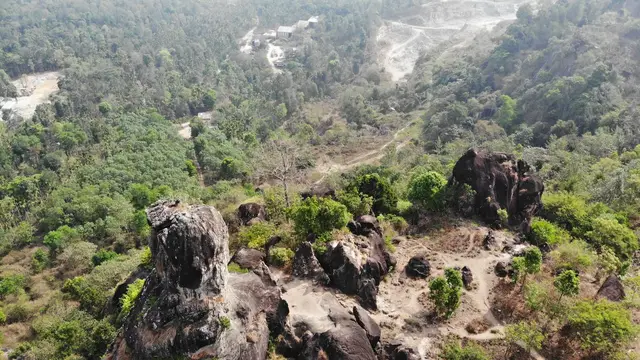
  • Take the short walk up to Phantom Rock, 9 km out toward Ambalavayal — the skull-shaped tor the locals call Cheengeri Mala, a quiet half-hour stop between the town and Edakkal.
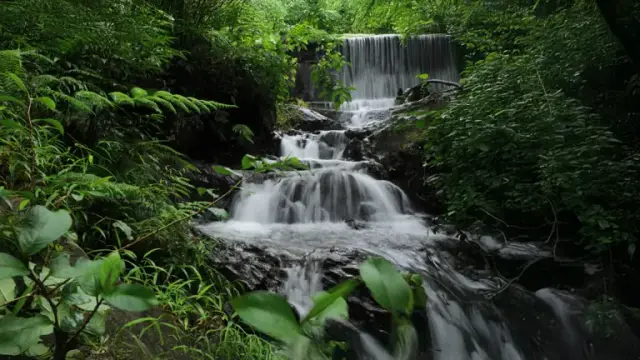
  • Ask at the Chethalayam forest office, 12.5 km up the Pulpally road, about the falls — a pass is mandatory, the walk in is about four kilometres, and outside the wet months the falls can be dry; the birding along the trek is the reliable half of the outing.
  • See the Mahaganapathi temple in the town — the living shrine that carries the old name Ganapathivattam, whose eight-day flag festival begins on the fifteenth of Makaram.
  • Drive out to the Seetha Lava Kusha temple at Pulpally, 26 km north-east — the anchor of Wayanad’s Ramayana country, where local tradition places Sita’s exile and her sons.
  • Walk the bazaar itself on a market morning — Bathery is the district’s biggest trading centre, and the coffee, pepper and hardware trade along the highway is the town’s real life.
Plan

Good to know

  • The Jain temple is a protected monument, not a working shrine — it holds no utsavam and there is no image in the sanctum. For a living temple in the town, go to the Mahaganapathi temple, whose eight-day flag festival begins on the fifteenth of Makaram.
  • Muthanga safari slots are booked at the forest gate about 14 km east, not in Sulthan Bathery town, and the counter opens well before the safari — leave the town early rather than turning up at the gate at the session time.
  • Bathery is the driest part of Wayanad, taking around 2,322 mm of rain a year against 3,000–4,000 mm on the Vythiri and Lakkidi scarp. If the western ghat side is washed out in the monsoon, this side is often still workable.
  • The airports are a measured near tie — Kannur 104 km, Calicut 105 — so pick by fare and approach: the Kannur road comes through Mananthavady, the Calicut road climbs the Thamarassery ghat and its hairpins.
Facilities

On site

  • Three bus stands — the town private stand 400 m from the centre, Chungam stand 700 m out on the Kalpetta side, and the KSRTC station 1.5 km up the Kozhikode road
  • A working municipal town: taluk hospital, banks, ATMs, fuel and a full bazaar along the highway — the best-supplied base in east Wayanad
  • Ticket counters at the sights themselves: Edakkal’s at the road-head climb, Muthanga’s at the sanctuary gate, and the Chethalayam forest office for the falls pass
  • Hotels, homestays and resorts from the town strip out toward Muthanga, Chethalayam and the Ambalavayal side
  • The practical-things list further down this page is OpenStreetMap data routed on foot from the town centre — what is mapped, not a survey. East Wayanad is thinly mapped compared with the coast, so absence here means less than it would in Kochi.
Stay safe

Safety

  • The forest stretches of NH 766 — Muthanga and Bandipur — are elephant country to the road’s edge. Do not stop, do not feed, and heed Forest Department advisories; the night closure exists because animals use the road after dark.
  • Edakkal’s climb is short but steep, and the rock steps turn slick in rain — shoes with grip, and do not rush the descent.
  • Plan hill and forest legs for daylight: the ghat roads mist over, and the Karnataka side closes at night in any case.
  • On any forest outing — Chethalayam especially — stay with your pass and your guide, and take leech protection seriously in and after the rains.
Getting around Sulthan Bathery

If you need step-free access, contact the site before travelling. Ask about a level entrance, steps along the route, the nearest drop-off point, seating and accessible toilets.

Nearby bases

Where to go from Sulthan Bathery

Use Sulthan Bathery as the east-Wayanad base, then choose Edakkal and Jain heritage stops, Muthanga wildlife access, Kalpetta for central Wayanad logistics, Mananthavady for the northern forest side, or Vythiri/Lakkidi for the ghat-road and hill-stay side.

In the district

Where Sulthan Bathery sits in Wayanad district

Local transportThe town centre is walked; use local taxis, jeeps and autos hired for the day for Edakkal Caves, the Muthanga gate, the Ambalavayal museum and Phantom Rock — app cabs are not dependable for full-day sightseeing here.
District HQKalpetta
LandscapeWestern Ghats highland — forests & plantations

Wayanad district is known for: Wildlife sanctuary, waterfalls, caves and spice estates.

Confirm current Edakkal Caves timing, Muthanga safari access and forest-road rules before fixing the day.Keep extra road buffer for Bandipur/Muthanga forest sections, ghat traffic and monsoon weather.Sulthan Bathery is the east-Wayanad base for Edakkal, Jain heritage, Muthanga wildlife and Mysuru/Bengaluru-side road links.Wayanad Wildlife SanctuaryEdakkal CavesChembra Peak & waterfalls
Stay · eat · do · rent · see · shop

Places in Sulthan Bathery

Every verified place in Sulthan Bathery — filter by what you’re after.

4 things to do in Sulthan Bathery

Camp TGH Sulthan Bathery — Tent camping in Sulthan Bathery
Verified
Tent camping · Sulthan Bathery
Camp TGH Sulthan Bathery

Kerala Tourism-accredited tent-camping operator near Santhinagar Colony at Kottakunnu — the town’s camping option for east-Wayanad trips, booked direct.

Directions Commission-freeView details
Wayanad Wildlife Sanctuary Official — Wildlife sanctuary in Sulthan Bathery
Verified
Wildlife sanctuary · Sulthan Bathery
Wayanad Wildlife Sanctuary Official

Wayanad Wildlife Sanctuary covers the Muthanga and Tholpetty tourism zones, with official contacts for safari, accommodation and forest-control-room checks. Wayanad Wildlife Sanctuary, Muthanga, Tholpetty.

Directions Commission-freeView details
Edakkal Caves DTPC Wayanad — Heritage site in Sulthan Bathery
Verified
Heritage site · Sulthan Bathery
Edakkal Caves DTPC Wayanad

Heritage site in Sulthan Bathery. Edakkal Caves, Sulthan Bathery, Heritage.

Directions Commission-freeView details
K
KSRTC Sulthan Bathery Bus Station
Things to do
Verified
Bus station and public transport · Sulthan Bathery
KSRTC Sulthan Bathery Bus Station

The official KSRTC station, 1.5 km up the Kozhikode road from the centre — the long-distance end of the town’s three bus stands, working Kalpetta, Mananthavady, Kozhikode and the Mysuru side.

Directions Commission-freeView details

Book with the place itself. India’s cyber-crime coordination centre warned in April 2025 that convincing copies of hotel and pilgrimage booking sites are being pushed through sponsored search and social ads, taking payment for rooms the property never hears about. Every listing here links to the business’s own contact details and its own Google or Bing profile — we take no commission and sit in nobody’s payment path. If a booking page reached you through an ad, check the address bar against the property’s own site before you pay. Fraud can be reported on cybercrime.gov.in or on 1930.

Ranked

The best of Sulthan Bathery, ranked

Nearest to the centre of Sulthan Bathery, on foot

Ordered by a real routed walk from the town centre — a different question, and the one that decides what you can do before lunch. Straight-line distance understates a real walk by about half again, so these are walking-network figures, not lines on a map.

  • Town Bus Stand387 m · 5 min
  • Chungam Bus Stand683 m · 8 min
  • Jain Temple1.4 km · 17 min
  • KSRTC Bus Station1.5 km · 18 min

Everything around Sulthan Bathery, by distance

Every place we hold for Sulthan Bathery, ordered by a real routed drive from the town centre. Times are free-flow and a real road rarely is, so read them as the floor rather than the estimate — anything that routed over ninety minutes is left out rather than published as a number we do not trust.

Places to visit

The places themselves, around Sulthan Bathery

The best tourist places to visit in Sulthan Bathery — temples, viewpoints, lakes, heritage and nature, each with a full guide, how to reach it and what to see nearby.

Edakkal Caves, Sulthan Bathery
PlaceEdakkal Caves

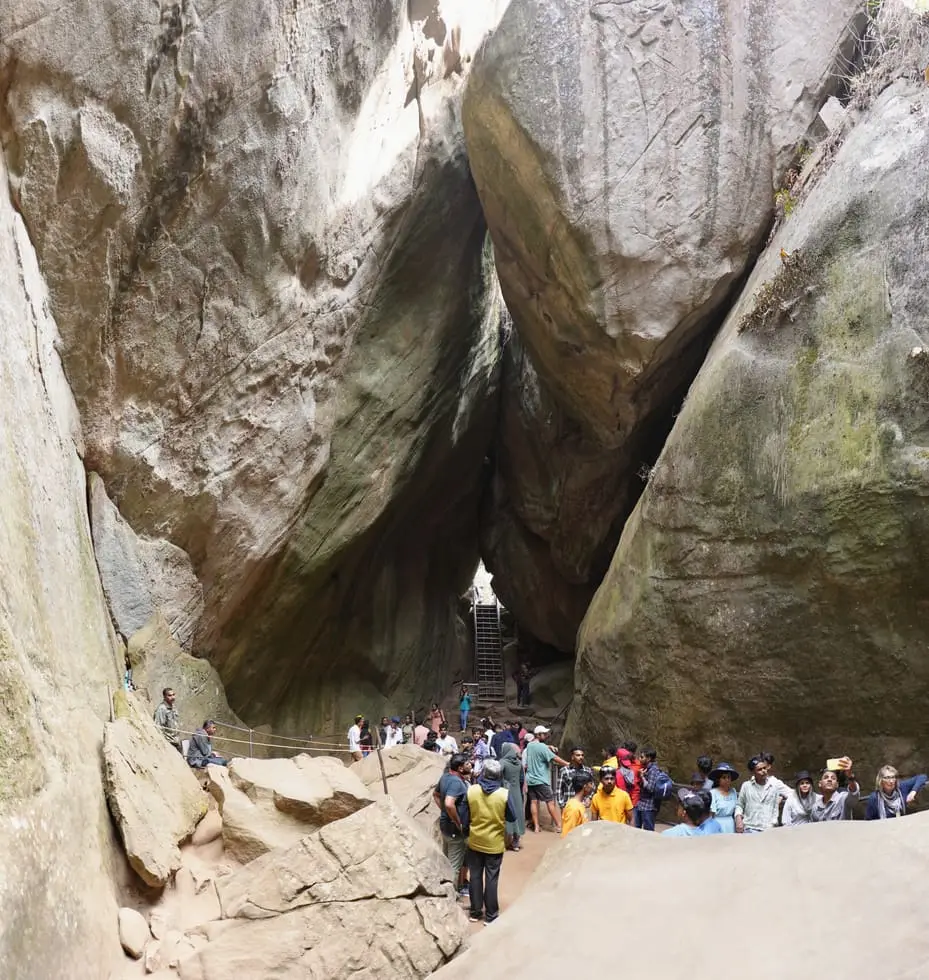
Not a cave but a cleft — a boulder wedged over a rift high on Ambukuthi, its walls scratched with petroglyphs that scholars have argued over since the 1890s. Park at the road head 12 km from town, buy the ticket and climb early: the site caps its crowds and the queue builds by mid-morning.

Open guide →
Jain Temple, Sulthan Bathery
PlaceJain Temple

The thirteenth-century granite basti at Kidanganad that gave the town its name — a shrine, then a trade depot, then Tipu Sultan’s ammunition store, the Sultan’s battery. ASI-protected, deliberately empty of image and festival, and the one sight in Bathery you can walk to, 1.4 km from the centre.

Open guide →
Muthanga Wildlife Sanctuary, Sulthan Bathery
PlaceMuthanga Wildlife Sanctuary

The southern gate of Wayanad Wildlife Sanctuary, 14 km east on the Mysuru highway — the eco-tourism counter at the entrance runs a morning and an afternoon safari session, and the counter opens well before the drive. Elephants, gaur and deer are the honest expectation; the tiger is luck.

Open guide →
Wayanad Wildlife Sanctuary, Sulthan Bathery
PlaceWayanad Wildlife Sanctuary

Kerala’s second-largest sanctuary, 344 square kilometres of teak and bamboo joining Bandipur, Nagarhole and Mudumalai — from the Bathery side you enter at the Muthanga gate, 14 km east. Notified in 1973, elephant country to the road’s edge, and the reason the highway closes at night.

Open guide →
Wayanad Heritage Museum, Sulthan Bathery
PlaceWayanad Heritage Museum

Four small galleries at Ambalavayal, 11 km south, holding what east Wayanad’s fields keep turning up — hero stones carved for men who died fighting battles and beasts, megalithic burial finds, Adivasi working kit. The natural second stop on an Edakkal day.

Open guide →
Seetha Lava Kusha Temple, Sulthan Bathery
PlaceSeetha Lava Kusha Temple

The anchor of Wayanad’s Ramayana country at Pulpally, 26 km north-east — local tradition places Sita’s forest exile and her twin sons Lava and Kusha here, and the temple carries the story. A half-day extension into the quiet north-east rather than a quick stop.

Open guide →
Phantom Rock, Sulthan Bathery
PlacePhantom Rock

The skull-shaped tor the locals call Cheengeri Mala, nine kilometres out toward Ambalavayal — a short walk from the road, a quiet half-hour, and the natural filler between the town, the museum and Edakkal on a caves day.

Open guide →
Chethalayam Falls, Sulthan Bathery
PlaceChethalayam Falls

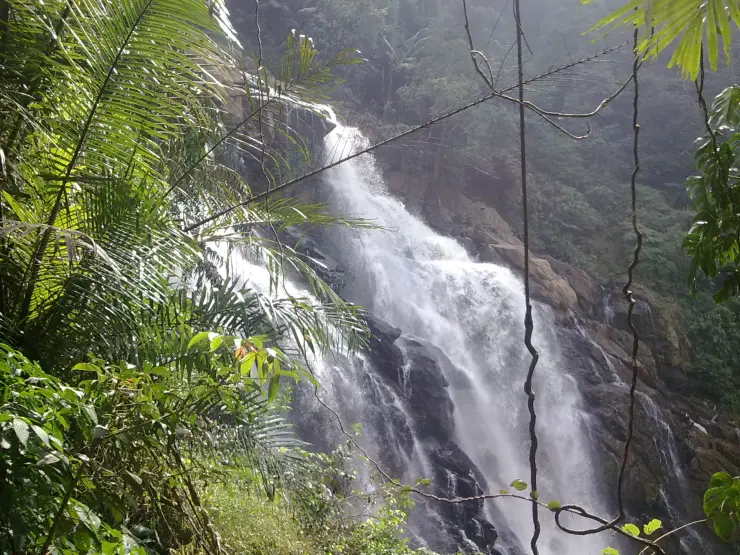
The permission-first waterfall: the forest office on the Pulpally road, 12.5 km from town, issues the mandatory pass, and the falls are a four-kilometre forest walk beyond it. Seasonal to the point of vanishing in the dry months — the birding along the trek is the reliable half of the outing.

Open guide →
Official eco & forest programmes

Forest stays, camping and treks around Sulthan Bathery

Official/public-sector eco offerings mapped to this town base. Always confirm current availability, tariff, permits and reporting time before travelling.

Wayanad Wildlife Sanctuary, Sulthan Bathery
safariwildlife

Wayanad Wildlife Sanctuary Muthanga jeep safari

Two-hour forest-department jeep safari in the Muthanga tourist zone, with morning and evening slots and separate jeep hire.

Wayanad Wildlife SanctuaryAbout 2 hours
Official source →
Wayanad Wildlife Sanctuary, Sulthan Bathery
forest staywildlife

Muthanga Serambi forest wood house

Forest Wood House / Serambi accommodation at Muthanga for small groups, listed on the official ecotourism programme page.

Wayanad Wildlife Sanctuaryforest cottageOvernight
Official source →
Wayanad Wildlife Sanctuary, Sulthan Bathery
forest staywildlife

Muthanga forest dormitory

Large forest-department dormitory accommodation at Muthanga, useful for budget wildlife travellers and groups.

Wayanad Wildlife SanctuarydormitoryOvernight
Official source →
For hotels, homestays and local businesses

Get listed in Sulthan Bathery for free

Roampedia is commission-free. Travellers discover your business, book directly and contact you through official details. Basic listings are free, while Gold and Platinum package upgrades can be requested from the owner dashboard after approval.

List your business — free
Ranked guide modules

The best of Sulthan Bathery, ranked

10 picks

Sulthan Bathery-scoped cards for east-Wayanad planning: Edakkal Caves, Muthanga wildlife checks, researched resorts, town stays, direct-source restaurants, camping and Mysuru-side road context.

Edakkal Caves DTPC Wayanad, Sulthan Bathery#1
Sulthan Bathery · Heritage climb

Edakkal Caves DTPC Wayanad

Official-source Edakkal Caves record for petroglyph-site timing, access checks and Sulthan Bathery-side planning.

EdakkalCavesDTPC
Wayanad Wildlife Sanctuary Official, Sulthan Bathery#2
Sulthan Bathery · Wildlife check

Wayanad Wildlife Sanctuary Official

Official sanctuary source for Muthanga and Tholpetty safari contacts, forest accommodation enquiry and current access checks.

MuthangaWildlifeOfficial
Sterling Wayanad, Sulthan Bathery#3
Sulthan Bathery · Muthanga-side resort

Sterling Wayanad

Kerala Tourism and direct-source resort record for a premium Sulthan Bathery base near Muthanga and Edakkal routes.

ResortMuthanga sidePremium stay
The Woods Resorts Wayanad, Sulthan Bathery#4
Sulthan Bathery · Luxury resort

The Woods Resorts Wayanad

Direct-source Chethalayam resort with cottages, family activities, spa and forest-side access near Sulthan Bathery.

Luxury resortChethalayamFamily stay
Pepper Trail Wayanad, Sulthan Bathery#5
Sulthan Bathery · Plantation resort

Pepper Trail Wayanad

Kerala Tourism-listed Chulliyode plantation resort for luxury tree-house, bungalow, dining and Ayurveda-led stays.

Plantation resortChulliyodeLuxury stay
Raindrops Resorts Wayanad, Sulthan Bathery#6
Sulthan Bathery · Boutique resort

Raindrops Resorts Wayanad

Nambikolli boutique resort on the Sultan Bathery Road, useful for Muthanga-side cottage and plantation stays.

Boutique resortNambikolliMuthanga side
Saptha Resort and Spa, Sulthan Bathery#7
Sulthan Bathery · Resort and spa

Saptha Resort and Spa

Kuppady resort and spa record for travellers comparing higher-comfort Sulthan Bathery stays with direct contact evidence.

ResortSpaKuppady
Hotel Pepper Grove KTDC, Sulthan Bathery#8
Sulthan Bathery · KTDC hotel

Hotel Pepper Grove KTDC

KTDC Sulthan Bathery hotel base for Edakkal, Muthanga and Mysuru-side route planning.

KTDCHotelTown base
Wilton Restaurant Sulthan Bathery, Sulthan Bathery#9
Sulthan Bathery · Food stop

Wilton Restaurant Sulthan Bathery

Direct-source restaurant for Edakkal, Muthanga and Sulthan Bathery town-route food planning.

RestaurantFood stopDirect source
Camp TGH Sulthan Bathery, Sulthan Bathery#10
Sulthan Bathery · Tent camping

Camp TGH Sulthan Bathery

Kerala Tourism-accredited tent-camping operator near Kottakunnu/Santhinagar Colony for east-Wayanad trips.

CampingAccreditedOperator
Search guides

Hotels, restaurants and stay-budget guides in Sulthan Bathery

Dedicated town guides for high-intent searches. Pages with limited verified supply stay visible for planning but are not submitted for search indexing until enough evidence-backed listings exist.

Food6 matches

Restaurants in Sulthan Bathery

Evidence-backed shortlist with verified local matches, direct planning context and clear next steps.

Search-ready guideOpen guide →
Hotels10 matches

Hotels in Sulthan Bathery

Evidence-backed shortlist with verified local matches, direct planning context and clear next steps.

Search-ready guideOpen guide →
Homestays4 matches

Homestays in Sulthan Bathery

Evidence-backed shortlist with verified local matches, direct planning context and clear next steps.

Search-ready guideOpen guide →
Resorts10 matches

Resorts in Sulthan Bathery

Evidence-backed shortlist with verified local matches, direct planning context and clear next steps.

Search-ready guideOpen guide →
Wellness5 matches

Ayurveda and wellness places in Sulthan Bathery

Evidence-backed shortlist with verified local matches, direct planning context and clear next steps.

Search-ready guideOpen guide →
Operators2 matches

Tour operators in Sulthan Bathery

Planning preview kept visible for travellers while more verified listings are added before search indexing.

Planning previewOpen guide →
Transport1 match

Taxi and transport providers in Sulthan Bathery

Planning preview kept visible for travellers while more verified listings are added before search indexing.

Planning previewOpen guide →
Budget stays5 matches

Cheap places to stay in Sulthan Bathery

Evidence-backed shortlist with verified local matches, direct planning context and clear next steps.

Search-ready guideOpen guide →
Budget stays5 matches

Budget stays in Sulthan Bathery

Evidence-backed shortlist with verified local matches, direct planning context and clear next steps.

Search-ready guideOpen guide →
Affordable hotels2 matches

Affordable hotels in Sulthan Bathery

Planning preview kept visible for travellers while more verified listings are added before search indexing.

Planning previewOpen guide →
Mid-range stays8 matches

Mid-range stays in Sulthan Bathery

Evidence-backed shortlist with verified local matches, direct planning context and clear next steps.

Search-ready guideOpen guide →
Premium stays10 matches

Premium stays in Sulthan Bathery

Evidence-backed shortlist with verified local matches, direct planning context and clear next steps.

Search-ready guideOpen guide →
Luxury stays5 matches

Luxury stays in Sulthan Bathery

Evidence-backed shortlist with verified local matches, direct planning context and clear next steps.

Search-ready guideOpen guide →
Ultra luxury stays0 matches

Ultra luxury stays in Sulthan Bathery

Planning preview kept visible for travellers while more verified listings are added before search indexing.

Planning previewOpen guide →
Town plans

2-day and 3-day plans for Sulthan Bathery

Practical Sulthan Bathery routes built from the town inventory, famous places and official access checks. Confirm activity status, weather, permits and road timing before travel.

2 days

Sulthan Bathery in 2 days

An east-Wayanad plan using Sulthan Bathery for Edakkal Caves, Jain Temple, town food stops and one Muthanga or Phantom Rock side.

Heritage and wildlifeEast-Wayanad baseMysuru-side arrivals
Moderate, with one cave/heritage day and one wildlife or side-trip day
3 days

Sulthan Bathery in 3 days

A fuller east-Wayanad route with Edakkal/Jain heritage, Muthanga wildlife and a choice of Kalpetta, Meppadi or Mananthavady extension.

Caves and forestFood and town logisticsLonger Wayanad routing
Comfortable, with one heritage day, one wildlife day and one wider Wayanad day
Stay safe

Emergency numbers in Sulthan Bathery

Save these before travelling around Sulthan Bathery and Wayanad. Use 112 for any emergency, and confirm local attraction or forest access through official contacts before remote trips.

Read before you go

Sulthan Bathery guides, stories & itineraries

Stories & history of Sulthan Bathery

Written about Sulthan Bathery itself — its history, its legends and the arguments about them.

Nearby in Wayanad

Wider reading from Wayanad. The stories about Sulthan Bathery itself are above.

Planning a trip to Sulthan Bathery

The practical half — what is actually here, in what order to see it, and how to arrive.

Kerala-wide guides & itineraries

Route-level itineraries and practical guides for the rest of the state.

See all 55 Wayanad guides & stories →

Map

Where things are in Sulthan Bathery

FAQ

Sulthan Bathery travel FAQs

Why is it called Sulthan Bathery?

Bathery is from the Portuguese bateria, a gun battery, taken into English as the Sultan’s Battery. During the Mysore campaigns in Malabar, Tipu Sultan’s army used the old Jain temple here as a store for weapons and ammunition, and British record-keepers named the place after the store. The town’s older Malayalam name is Ganapathivattam, from the Ganapathi temple in the town; before that it was Kidanganad, and the Jain settlers from Karnataka knew it by a Kannada name recorded as Hannaradu Veedhi or Hennaru Beedike.

Is it true that Tipu Sultan used the Jain temple as an ammunition store?

That is the tradition and it is recorded consistently enough to state — the building was locally called Tipuvinte Kotta, Tipu’s fort, and both Malayalam and English sources describe it as having been taken and used as a magazine during the Mysore period. What is not established is the detail: no contemporary account we could find describes the conversion, and the associated story of a tunnel from the temple well running to Mysore has never been substantiated. Take the armoury as tradition with good support, and the tunnel as folklore.

How old is the Jain temple, really?

Sources disagree and we print both. English and Malayalam encyclopaedia articles date it to the thirteenth century CE and read its carving as Vijayanagara in idiom. Other Malayalam material describes it as more than 2,000 years old, and one Malayalam page credits its construction to the Hoysala king Vishnuvardhana, which does not sit with a thirteenth-century date or with Vijayanagara ornament. The thirteenth-century dating is the one most consistently supported. It has been an ASI-protected monument of national importance since 1921.

What was the Kurichiya revolt of 1812?

A rising by the Kurichiya and Kurumbar of Wayanad against East India Company revenue policy, seven years after Pazhassi Raja’s death. It began when police broke up a Kurichiya assembly at Malloor on 25 March 1812. Under their leader Ramanambi the rebels stopped the tax collectors, closed the ghat passes, attacked police stations and beat a Company detachment in the field, fighting almost entirely with bows and arrows. Troops brought from Srirangapatna suppressed it by 8 May 1812. Talakkal Chandu, often named in connection with it, belongs to the earlier war — he was executed in 1805.

Can I drive from Sulthan Bathery to Mysuru at night?

Not on NH-766. Karnataka’s Bandipur night-traffic restriction has broadly run from 9 pm to 6 am, with two-wheelers stopped earlier. Clear Muthanga before the posted closure or use the longer Mananthavady–Kutta–Gonikoppal route; read the check-post notice because court and traffic orders can change.

Which Adivasi communities live around Sulthan Bathery?

Wayanad holds the largest Adivasi population of any Kerala district, and the communities around Bathery include the Paniya, Kattunayakan, Kuruma, Urali and Chetti, with the Kurichiya more numerous to the north and west. The Sulthan Bathery assembly constituency is reserved for Scheduled Tribe candidates in recognition of that population. Land, not culture, is the live issue: the 2003 Muthanga occupation and police firing took place inside this taluk.

How long do I need in Sulthan Bathery itself?

About an hour and a half for the town, separately from the sights around it. Thirty to forty minutes at the Jain basti, twenty at the Mahaganapathi temple, and the rest walking the main road and the bus stand. Most people use Bathery as a base rather than a destination — Edakkal is roughly 12 km away, the Muthanga gate about 14 km, and Kalpetta 24 km.
What are the best places to visit in Sulthan Bathery?

Top places to visit in Sulthan Bathery include Edakkal Caves, Jain Temple, Muthanga Wildlife Sanctuary, Wayanad Wildlife Sanctuary, Wayanad Heritage Museum, Seetha Lava Kusha Temple, and more — each has a full guide with how to reach it and what to see nearby on this page.

How do I reach Sulthan Bathery?

The nearest airport to Sulthan Bathery is Calicut (CCJ), ~95 km. The rail gateway is Kozhikode (CLT), ~80–100 km (no rail in Wayanad). KSRTC/private buses and taxis connect Kalpetta, Sulthan Bathery and Mananthavady from Kozhikode/Calicut, Mysuru and Bengaluru; confirm current ghat-road timings before travel.

What is the best time to visit Sulthan Bathery?

October to March is the driest and most comfortable season to visit Sulthan Bathery and the rest of Kerala. The June–September monsoon is lush and green but wet, and often brings lower low-season prices.

Photographs: Ingo Mehling (CC BY-SA 4.0), Nijusby (CC BY-SA 3.0), Vis M (CC BY-SA 4.0). Wikimedia Commons.

Image credits