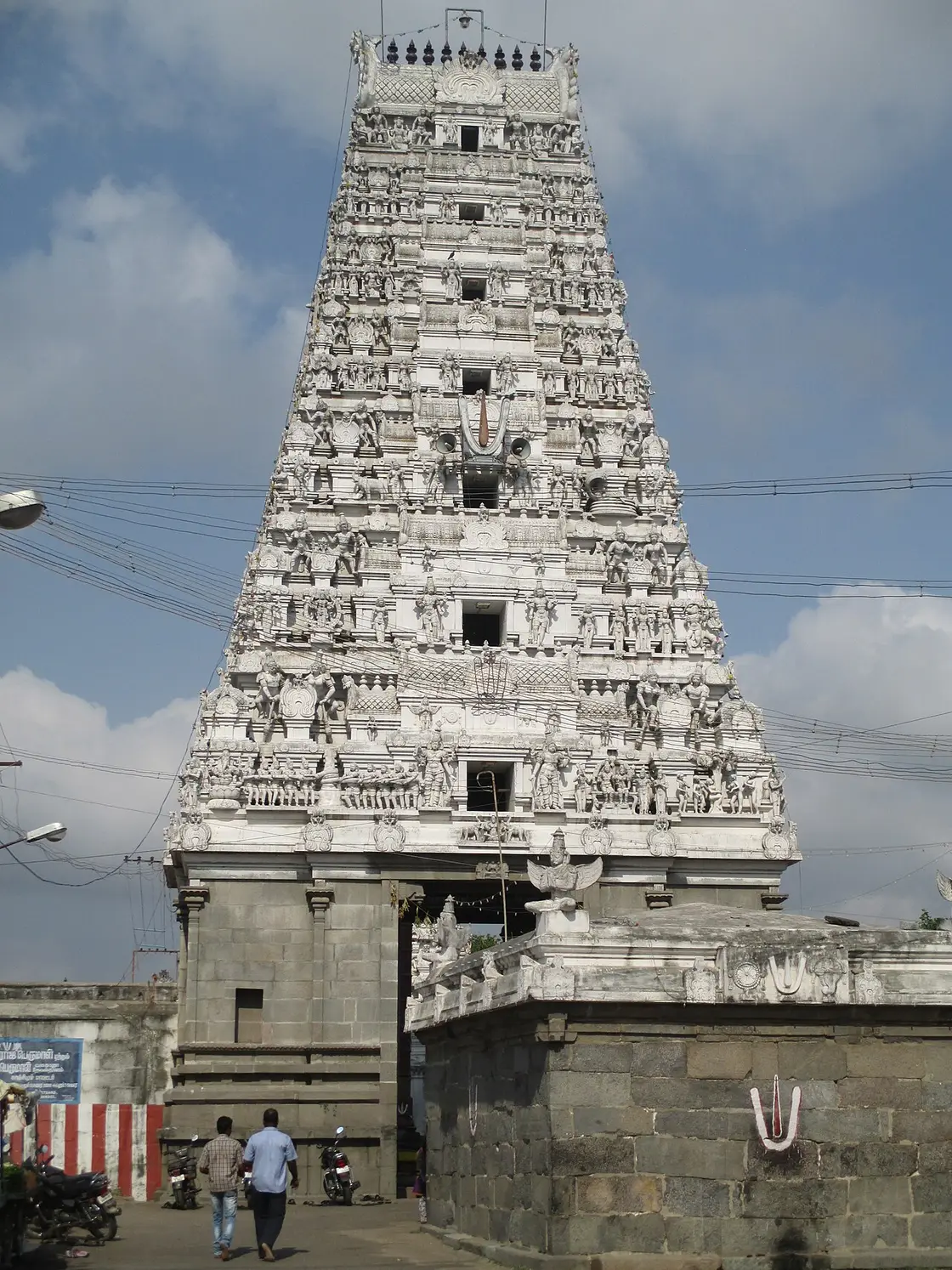
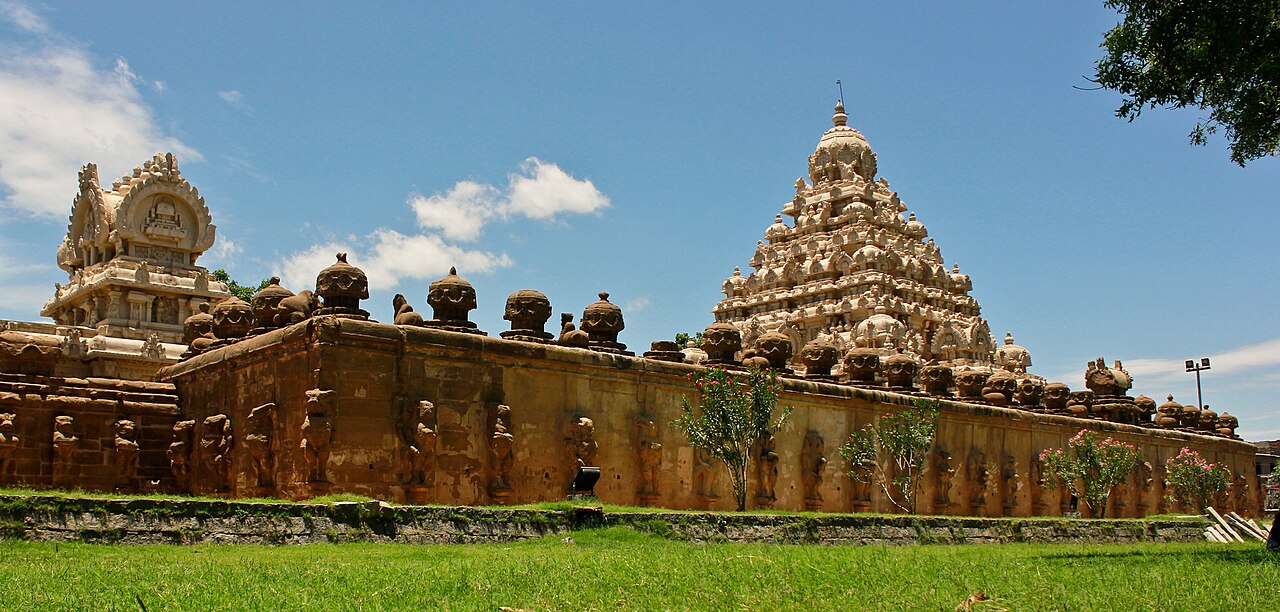
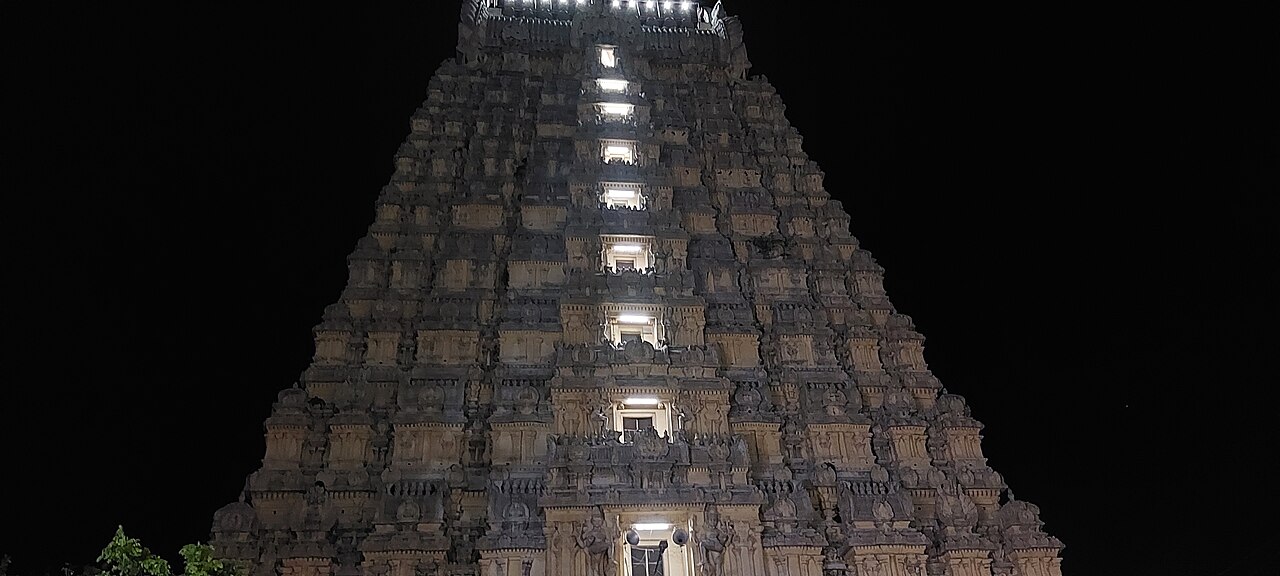
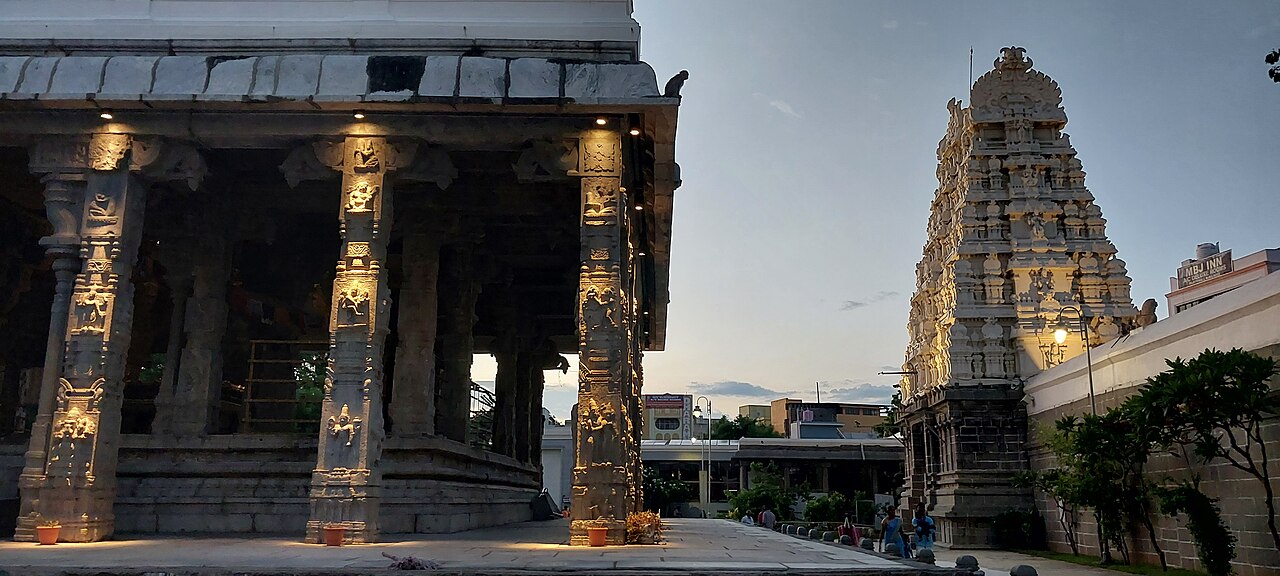
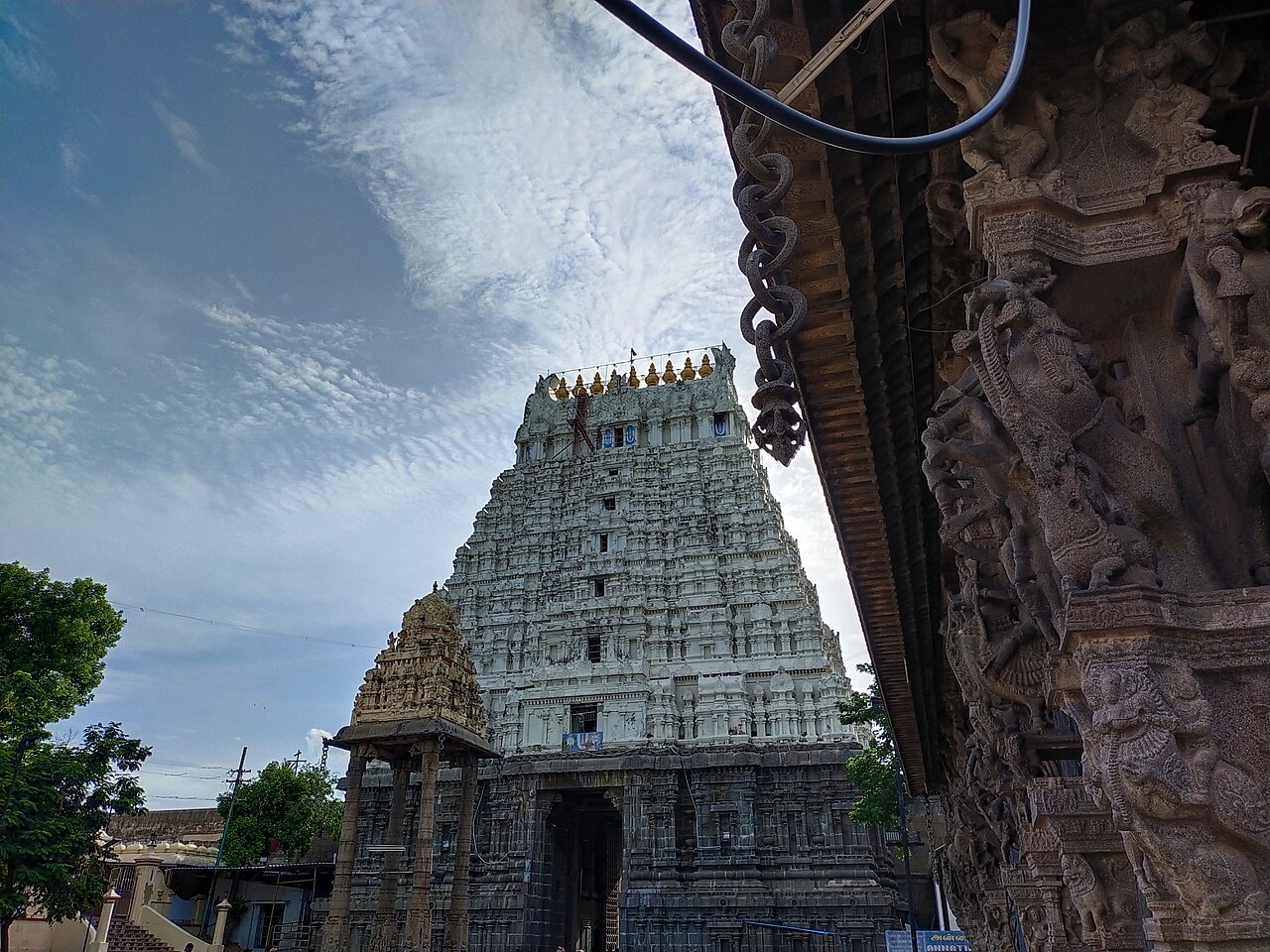
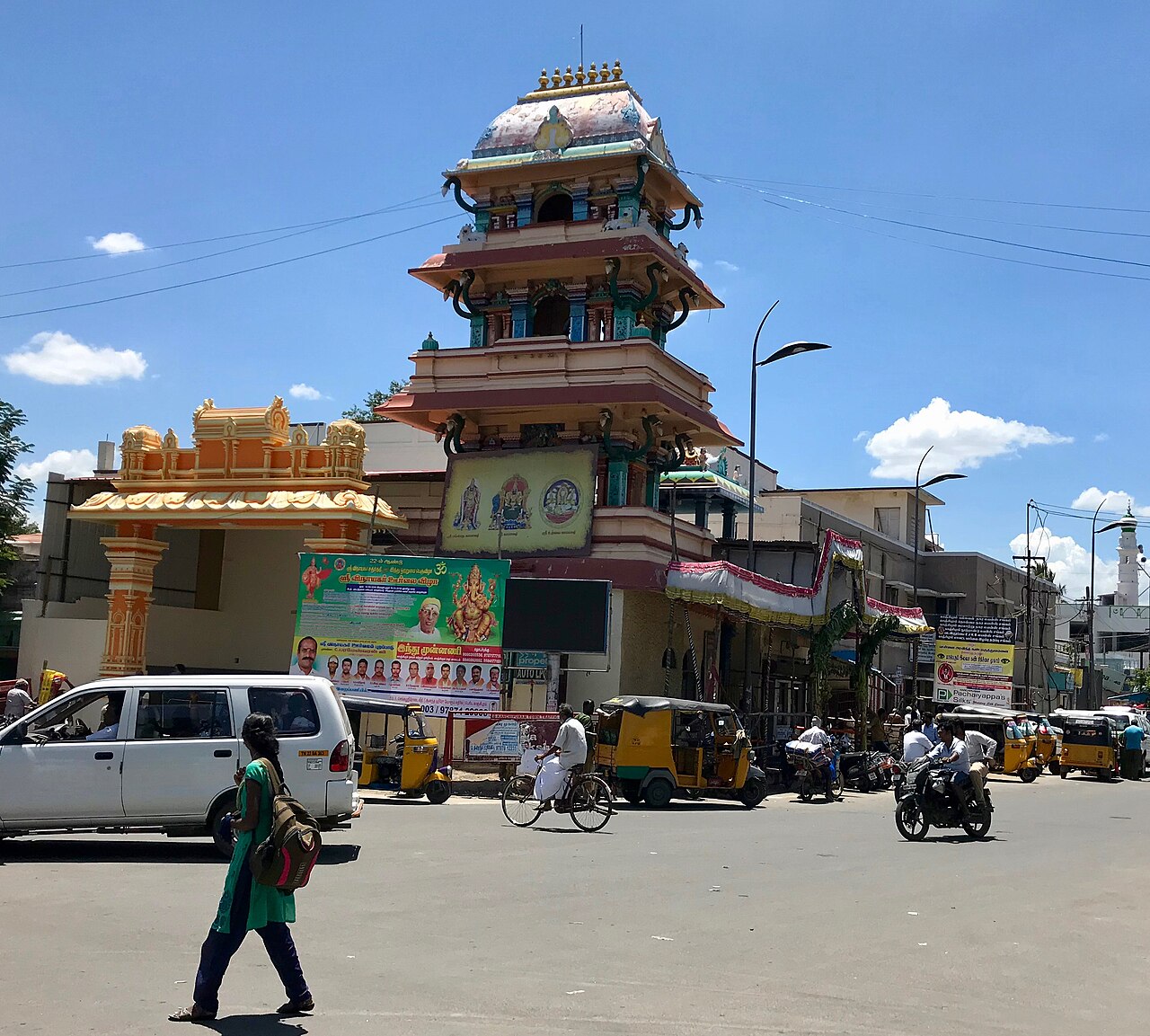
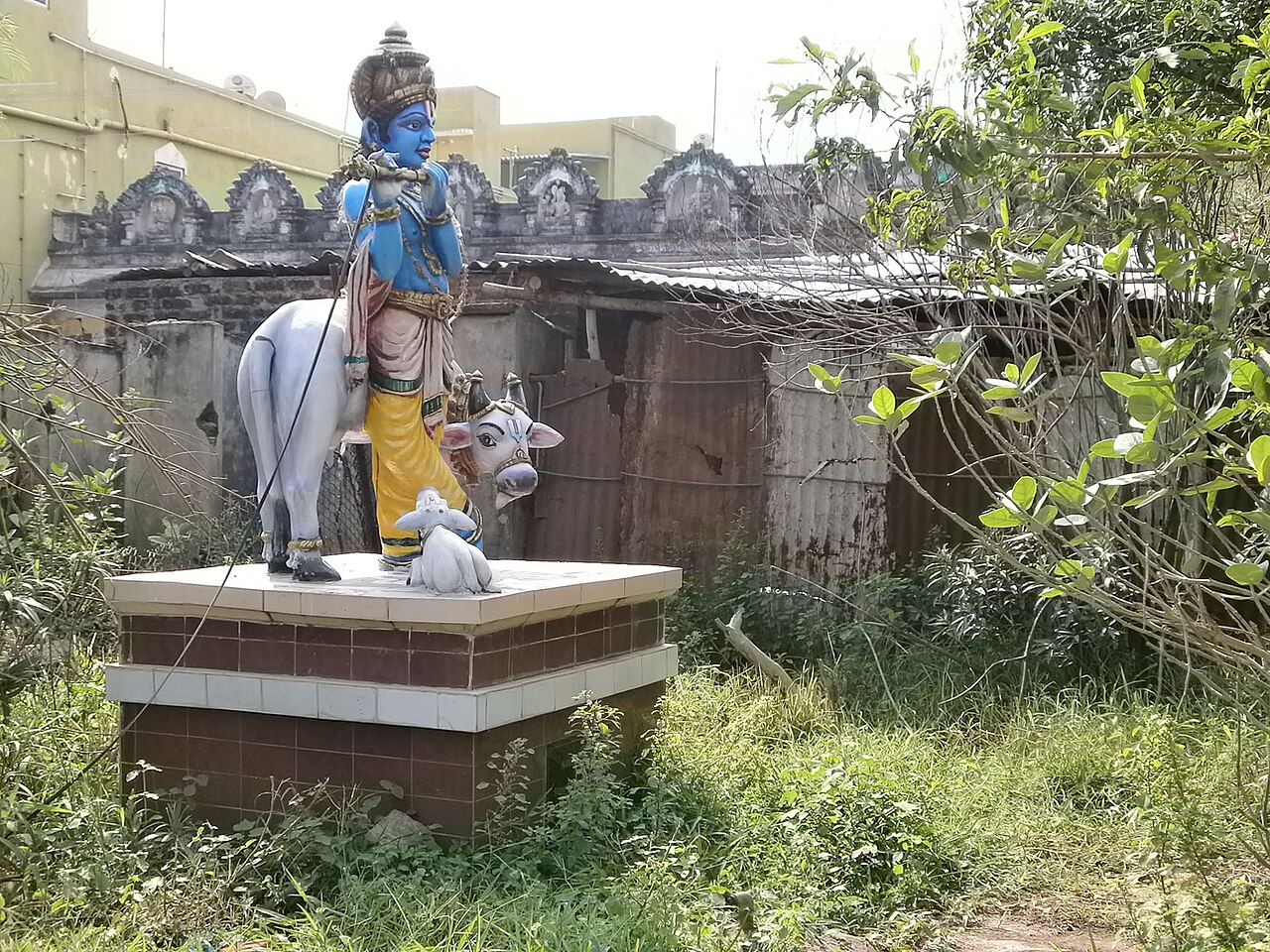
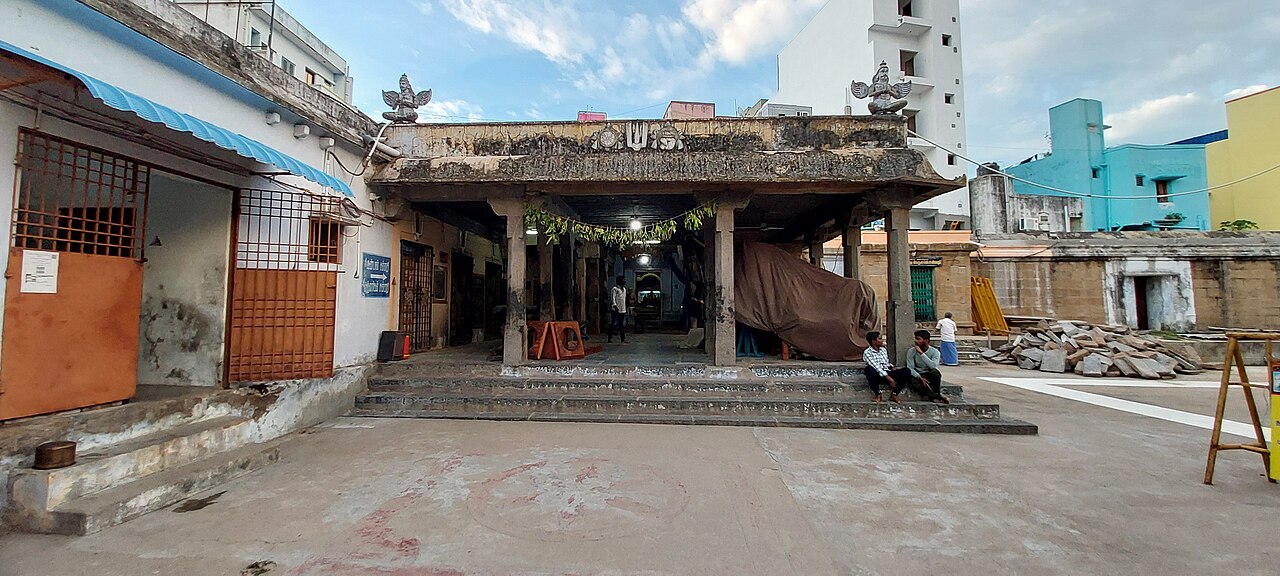
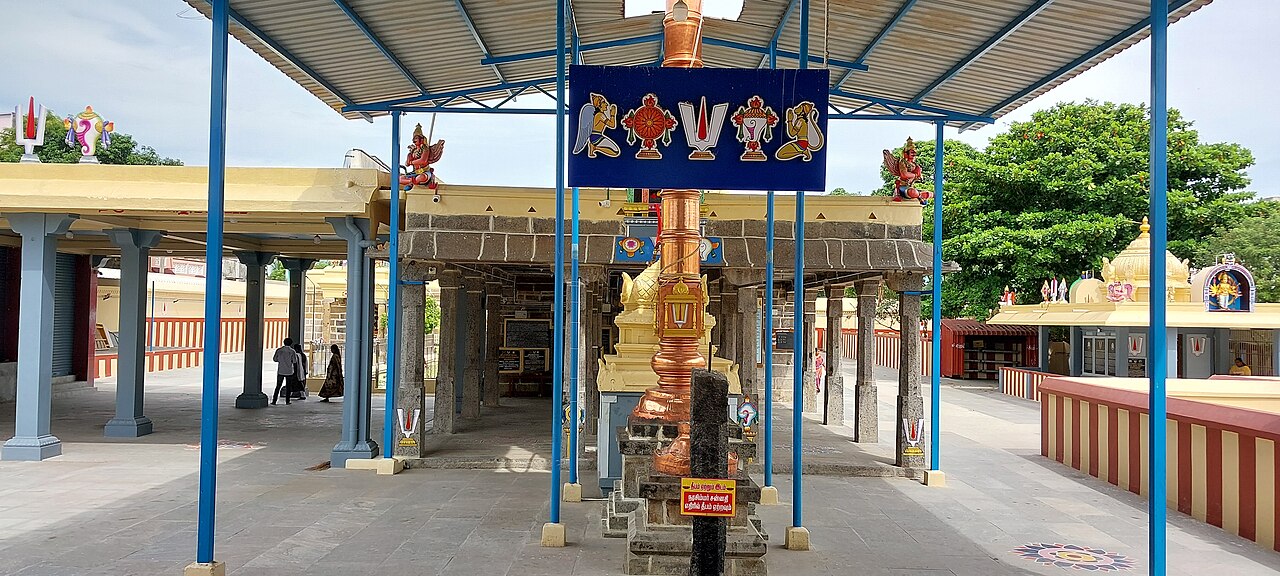
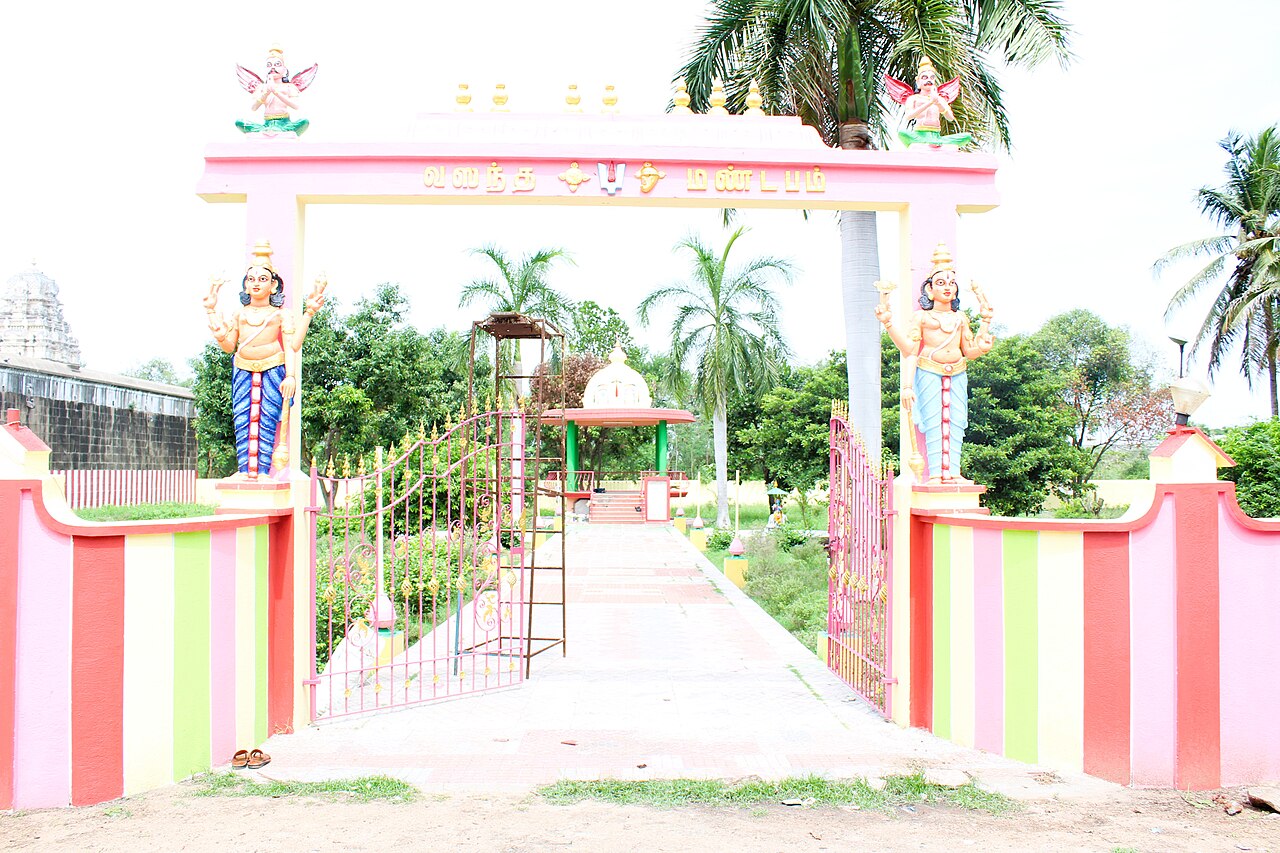
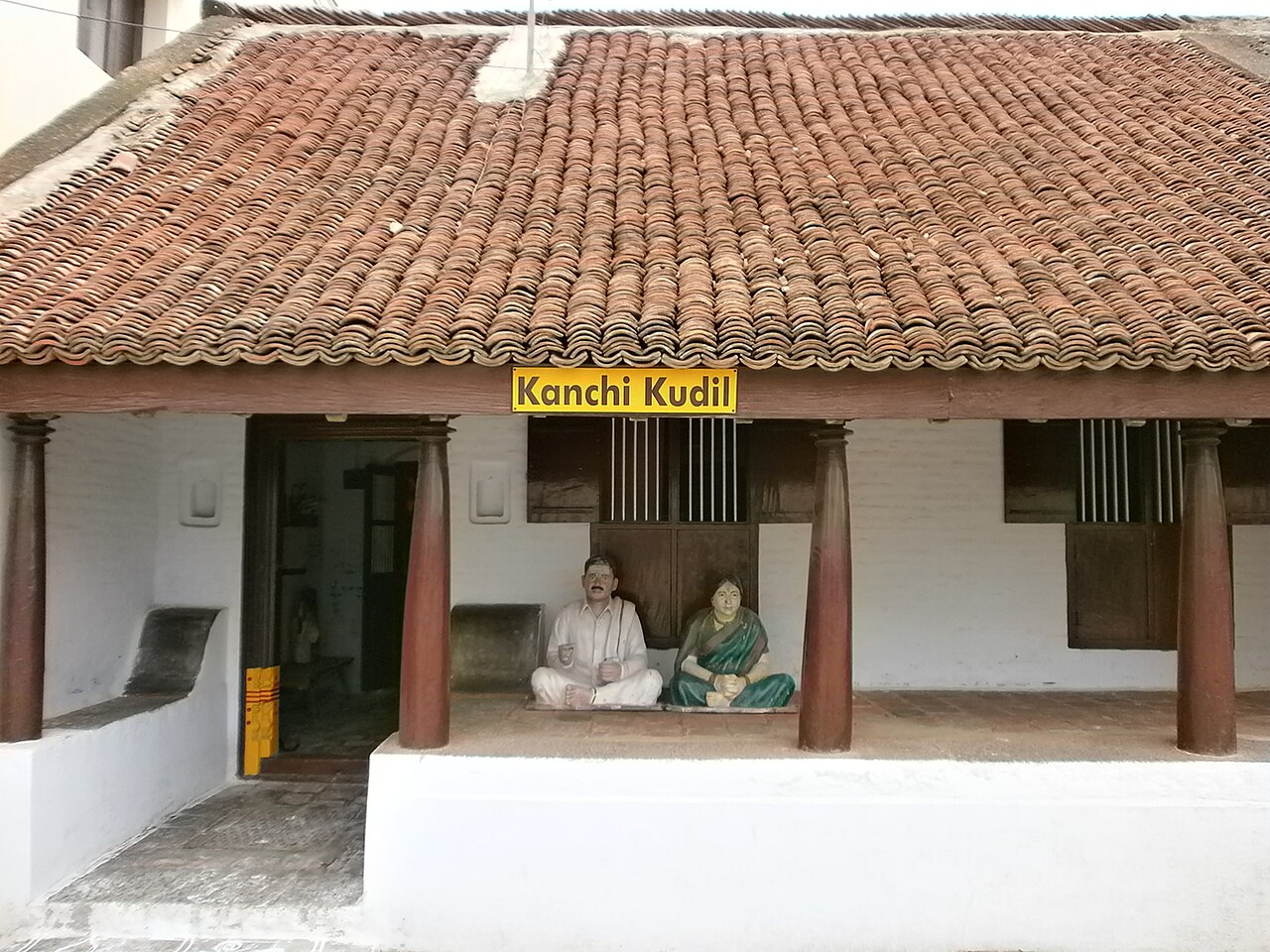
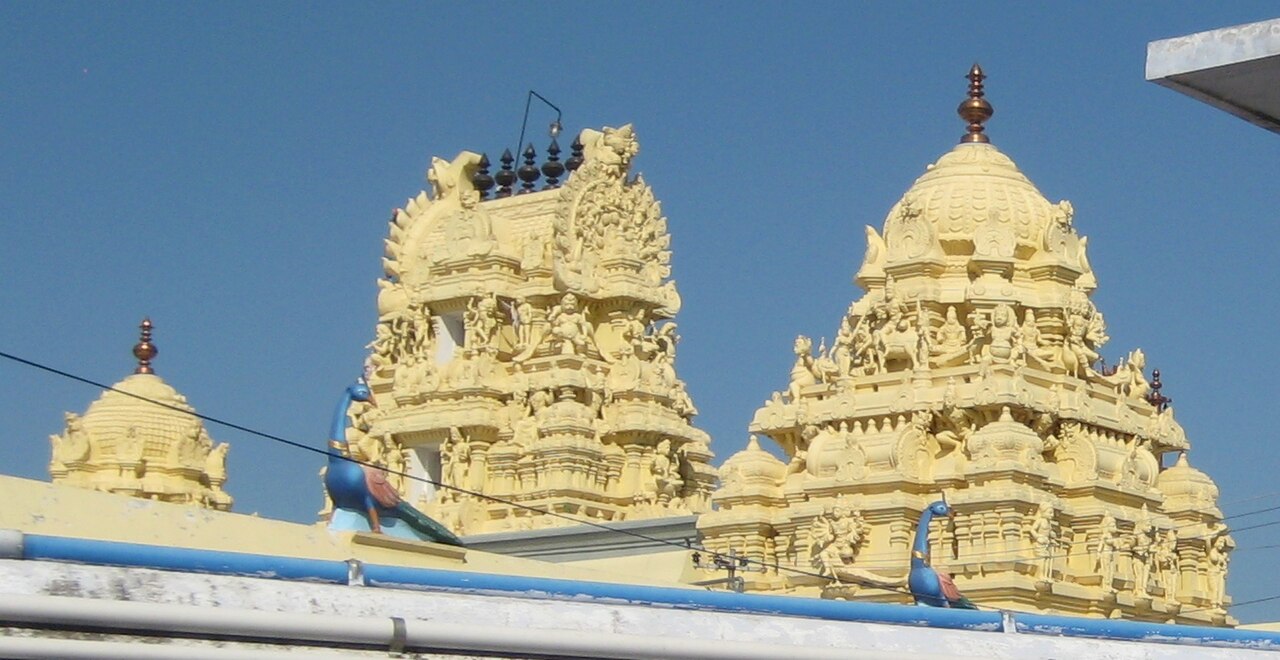
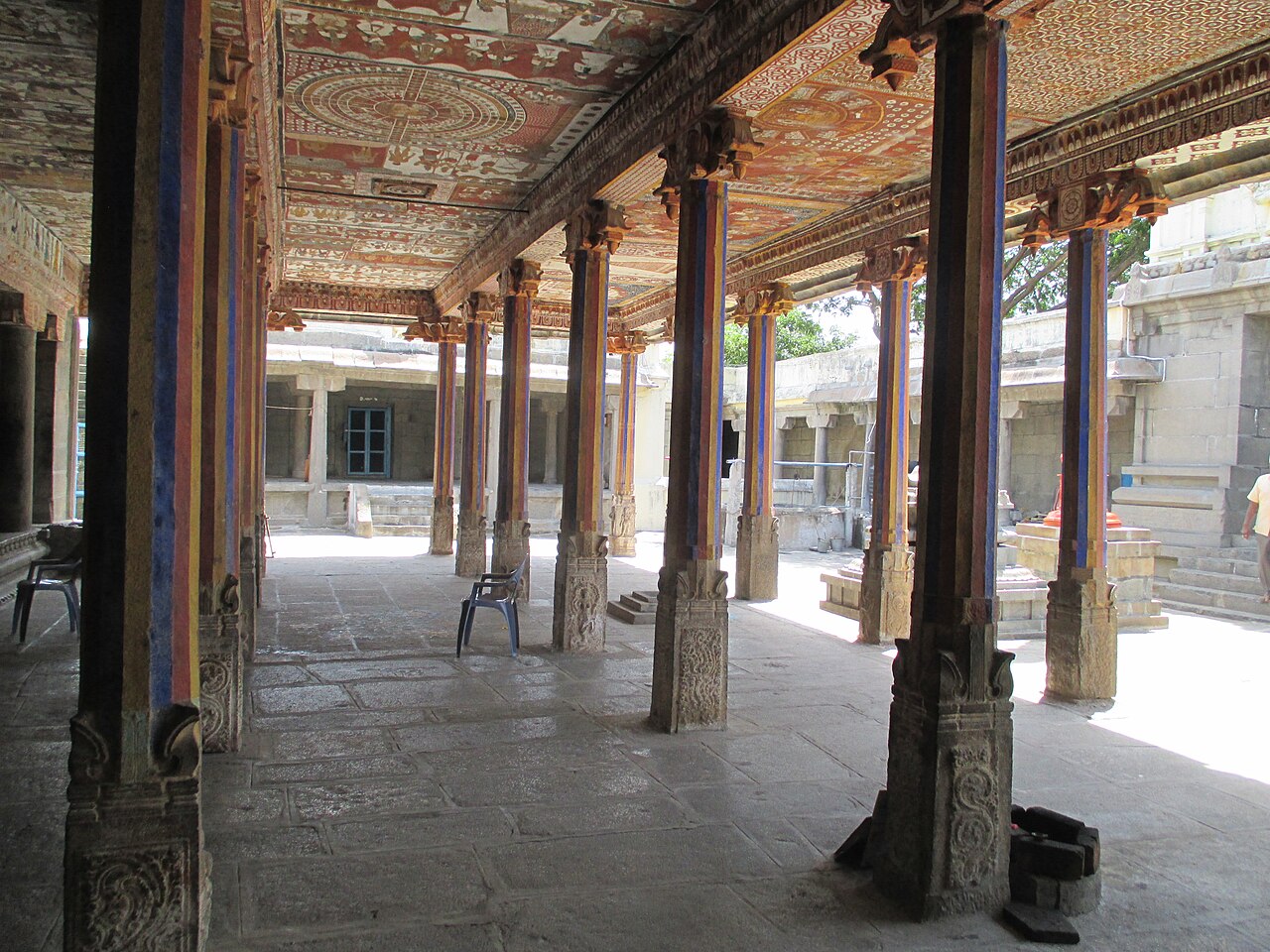
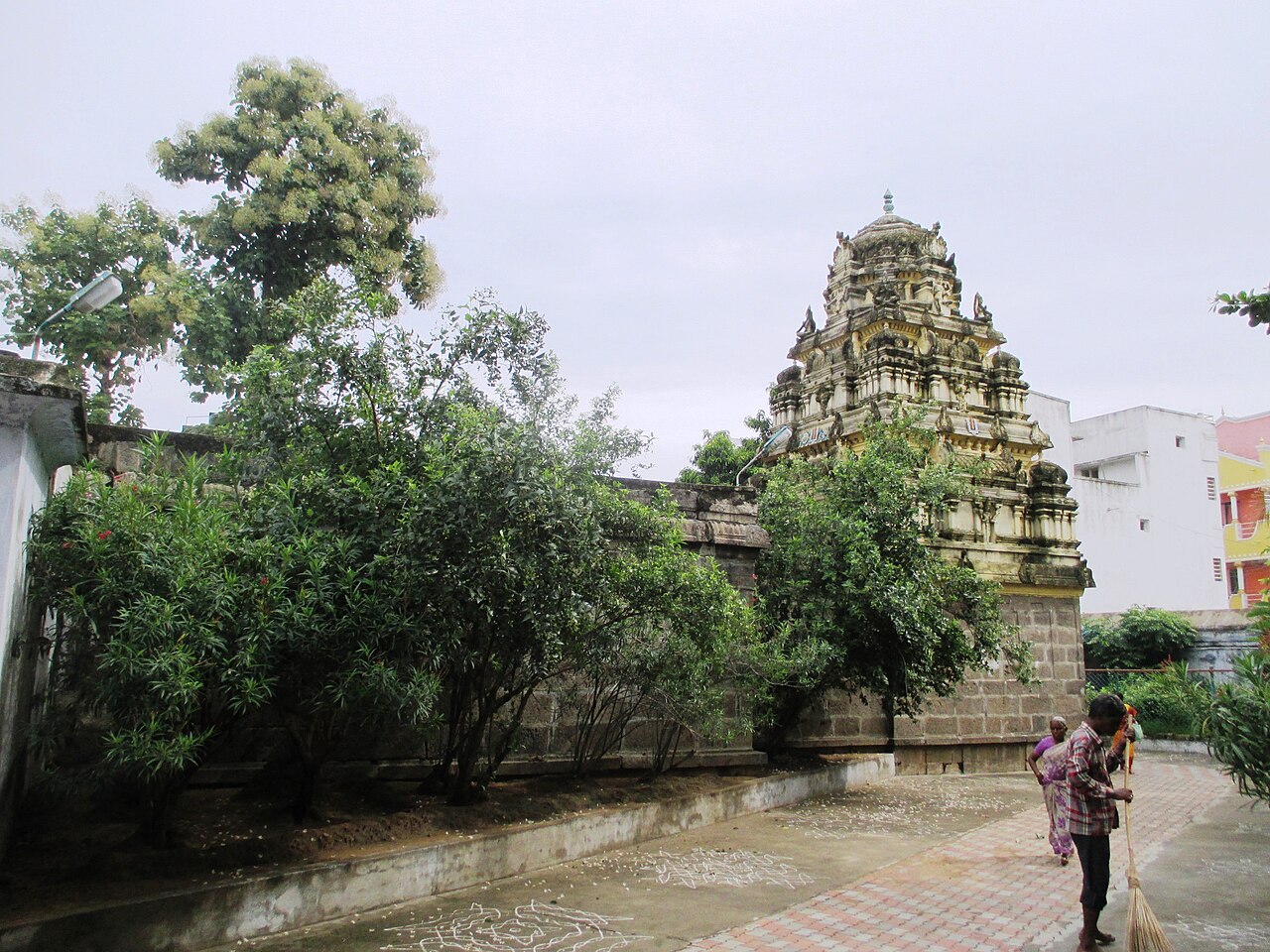
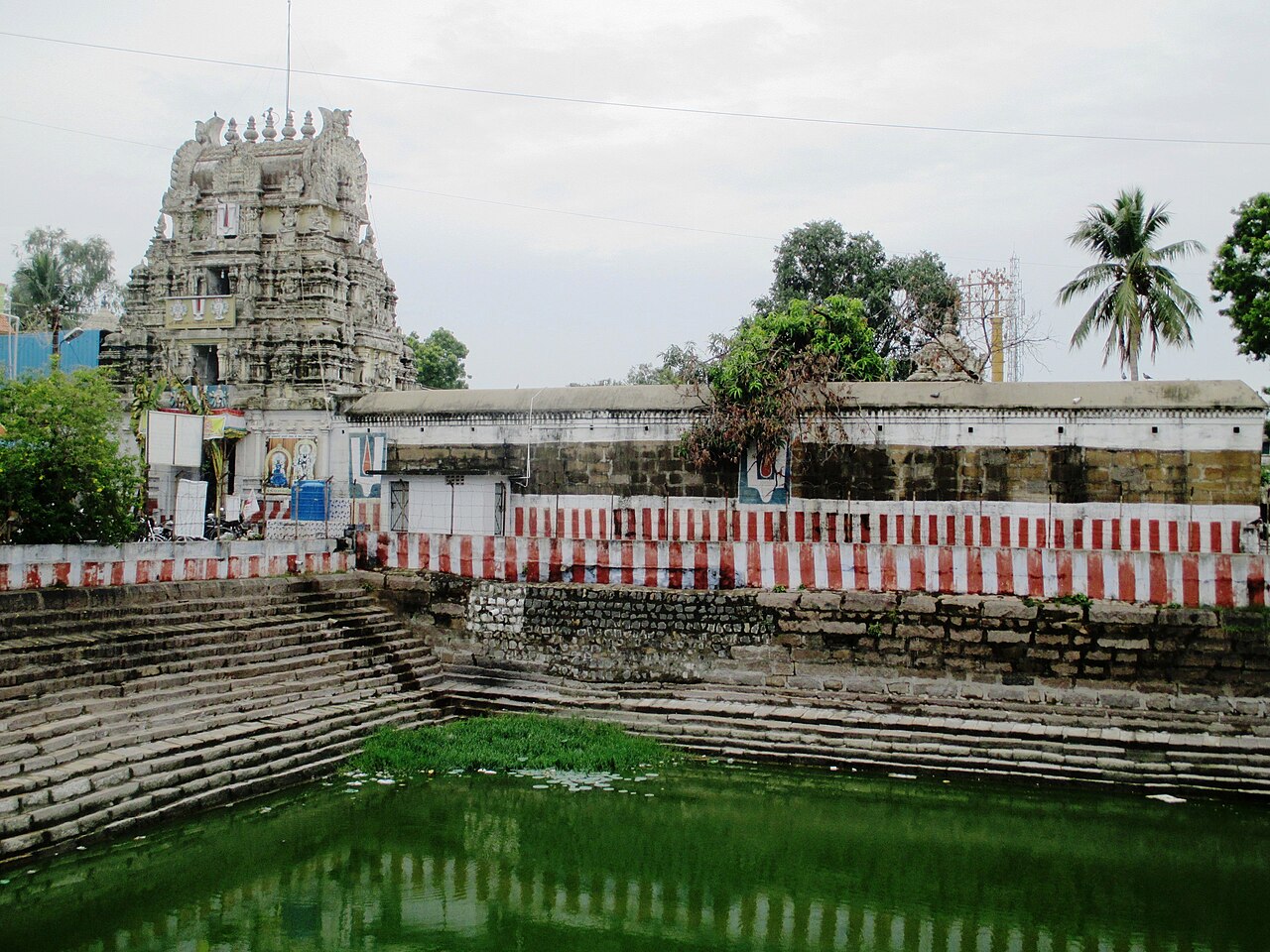
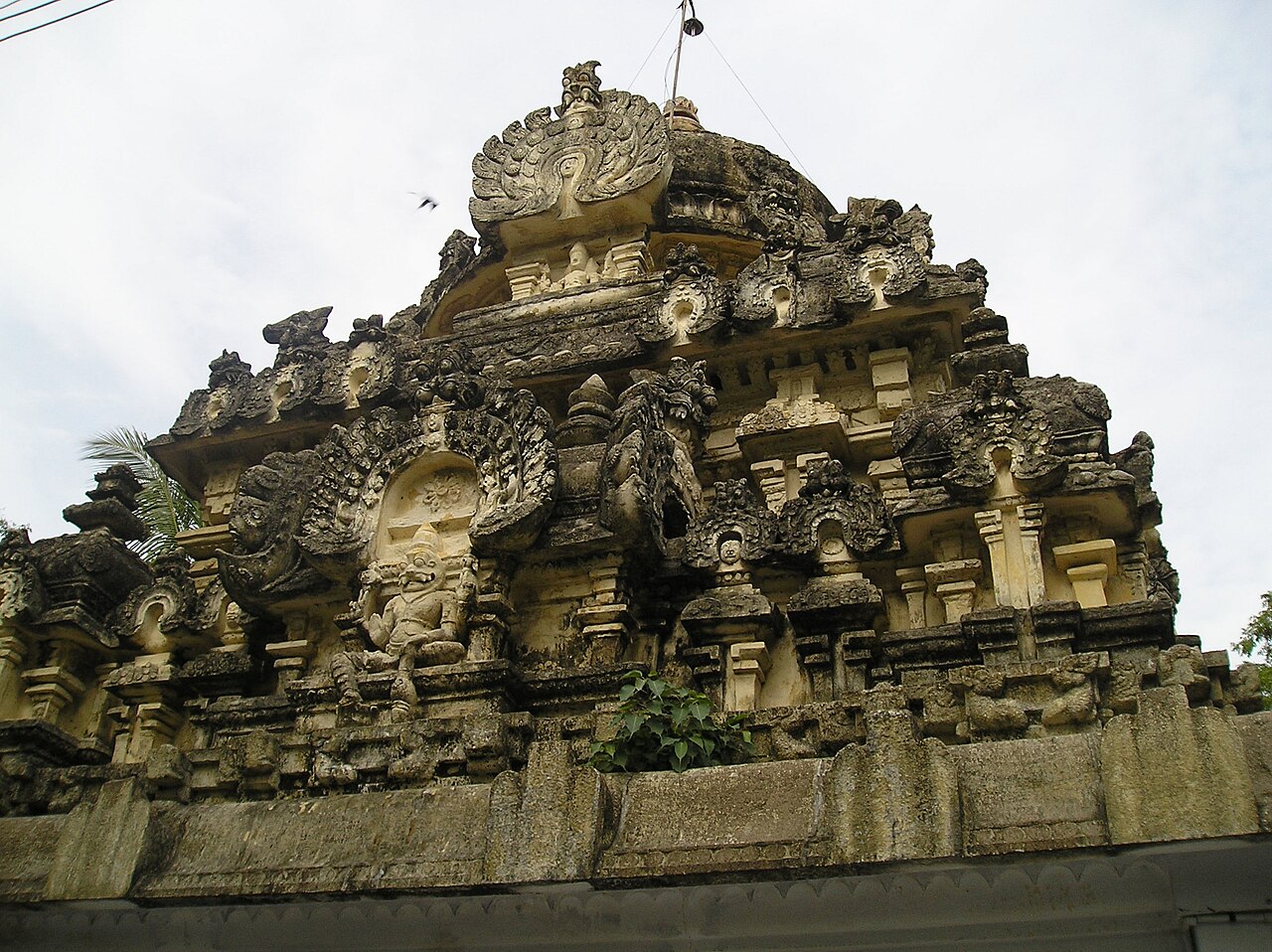
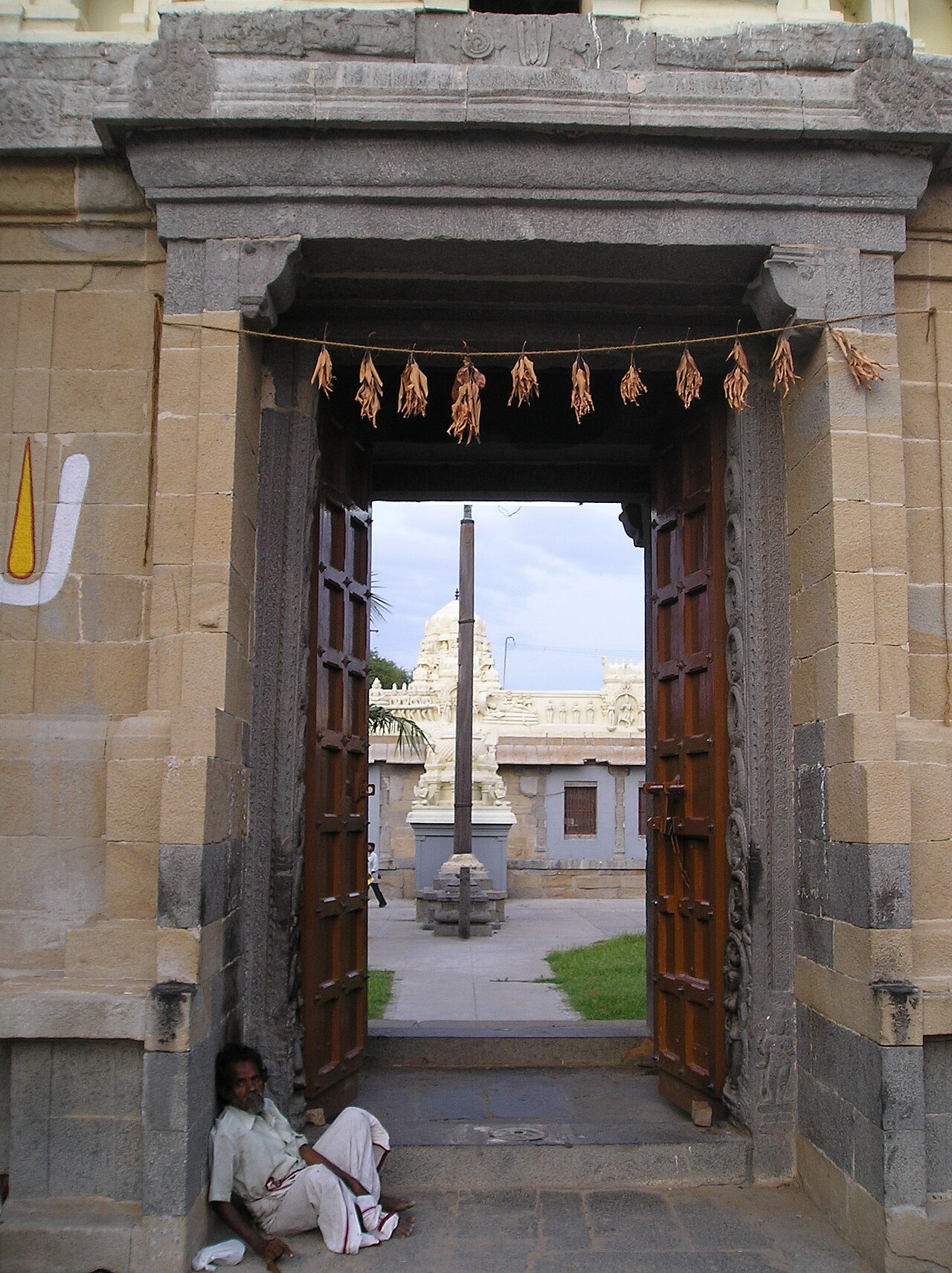
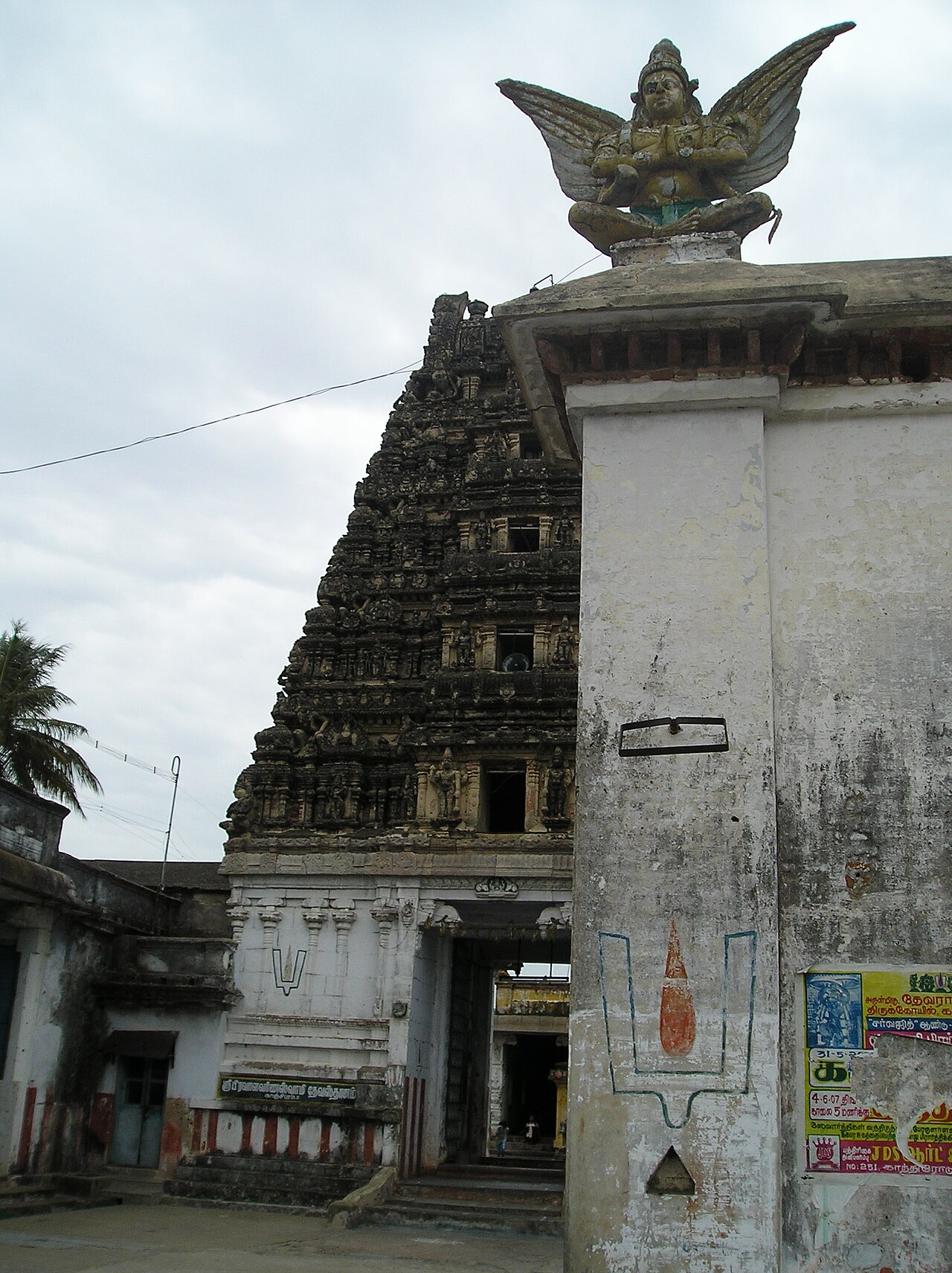
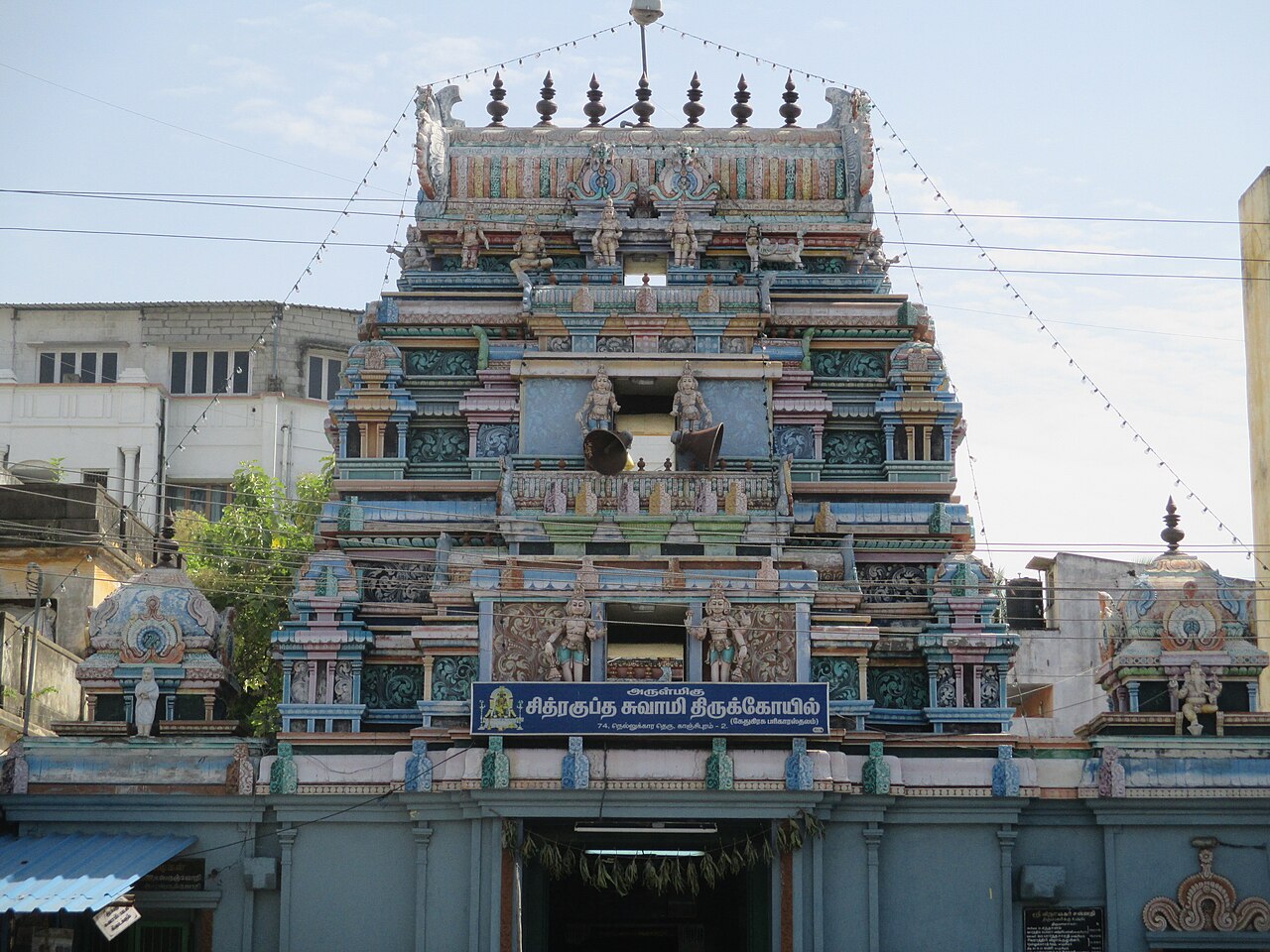
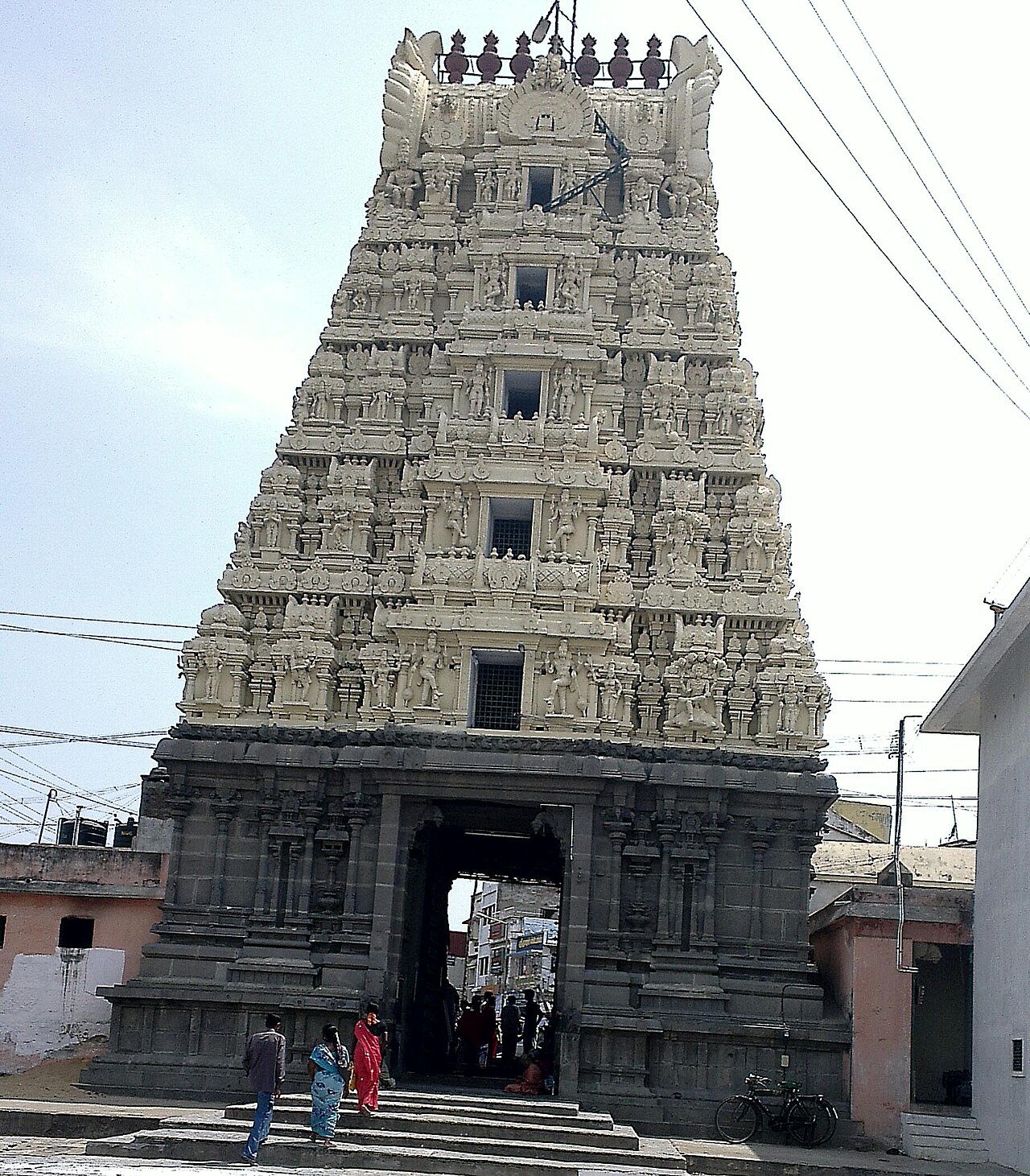
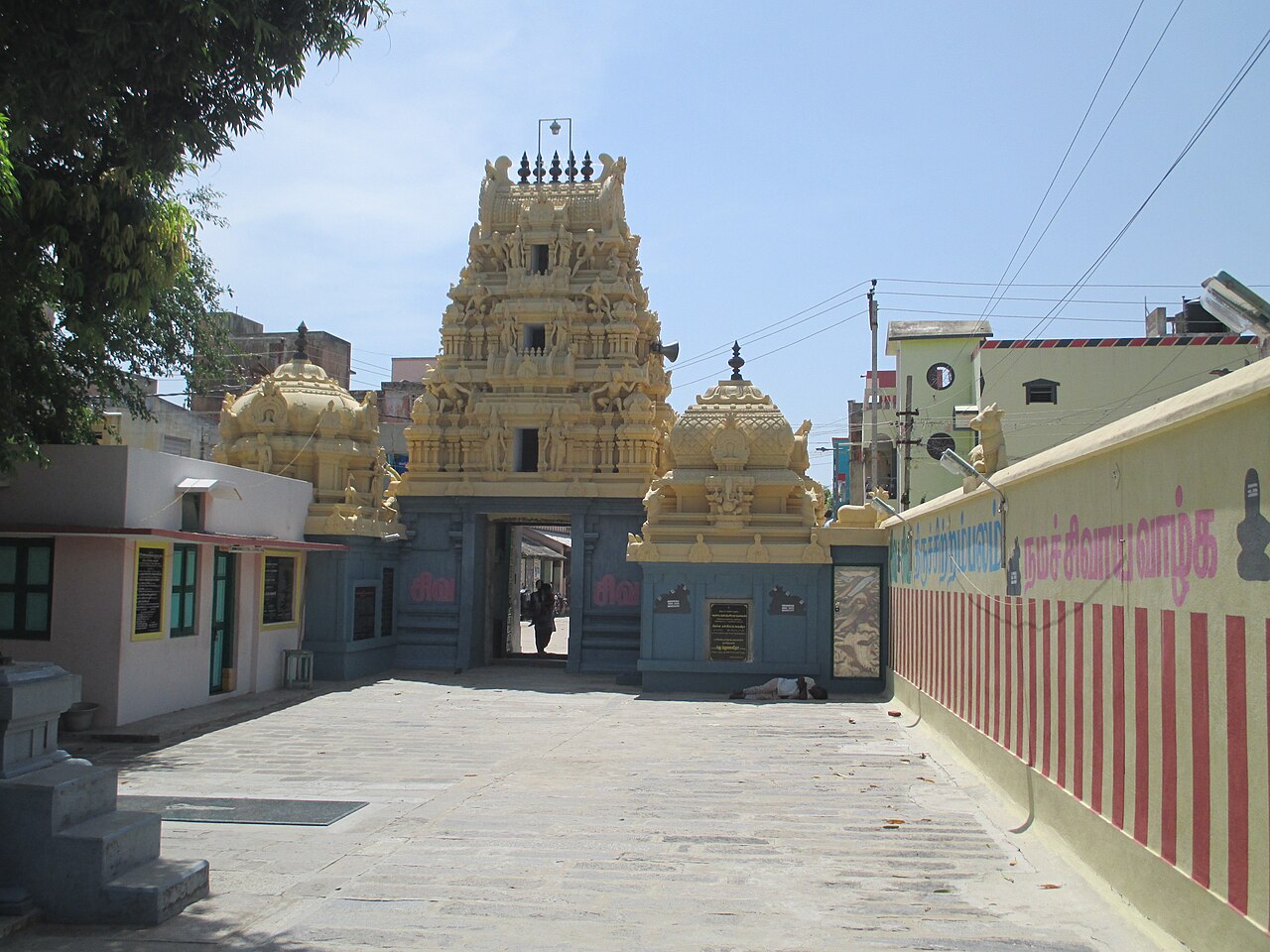
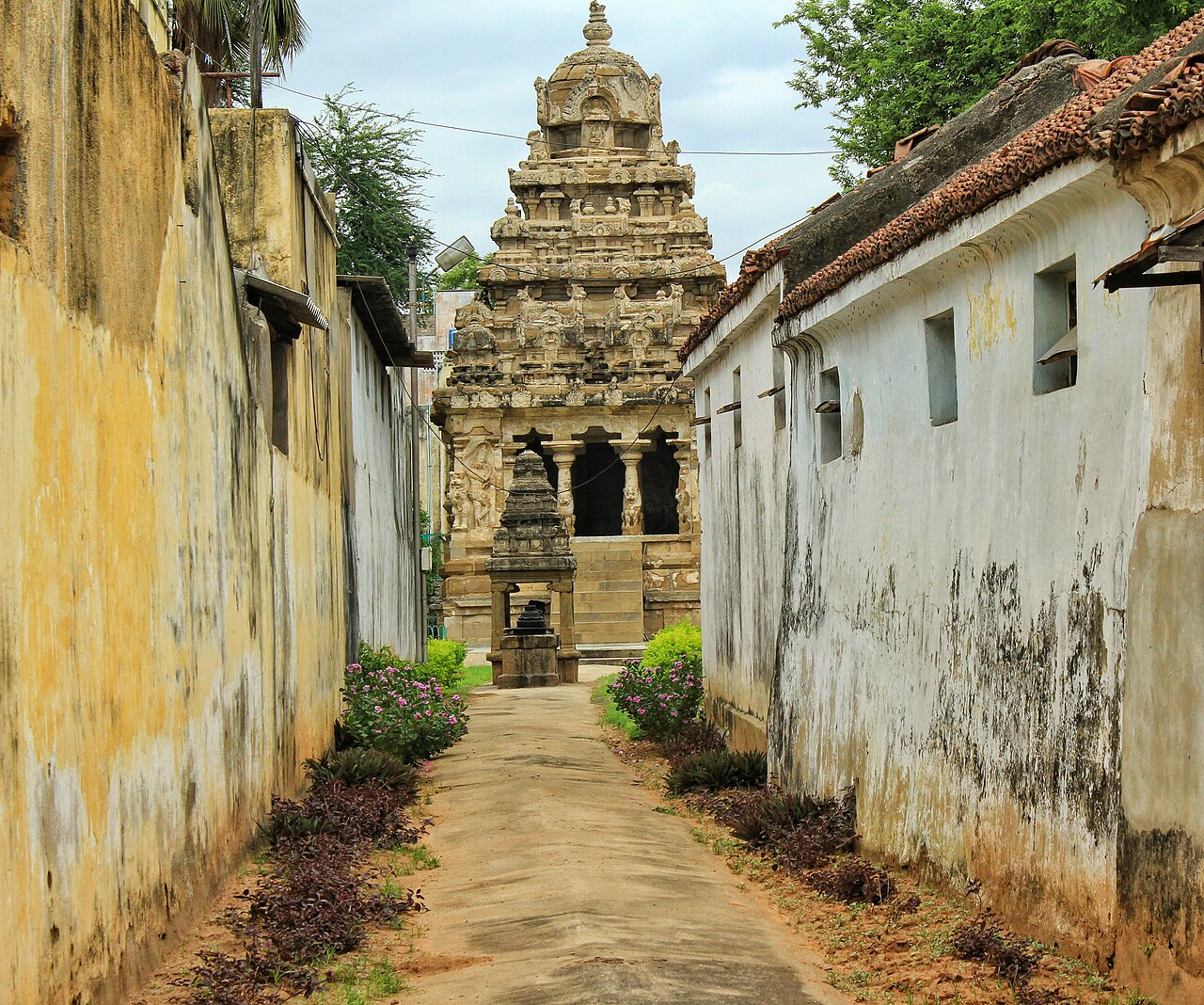
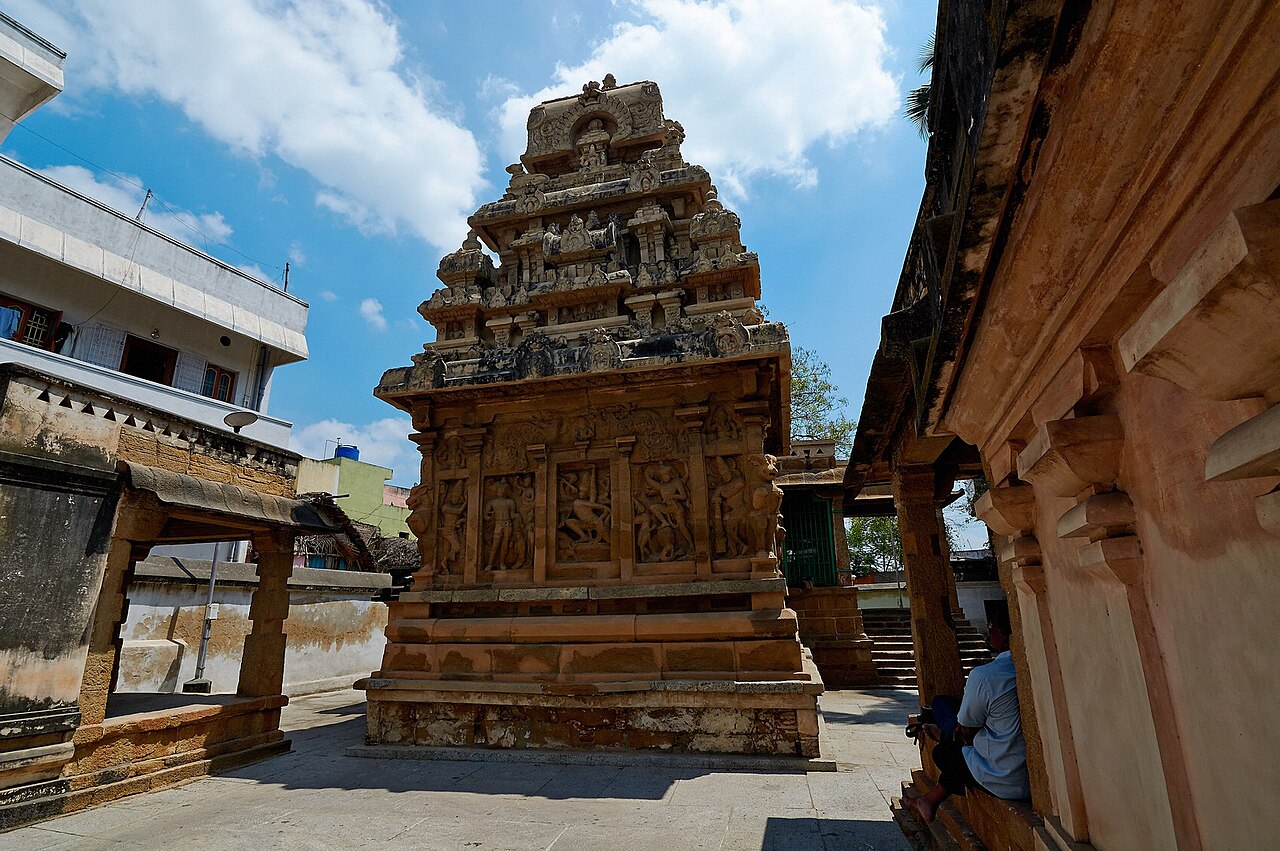
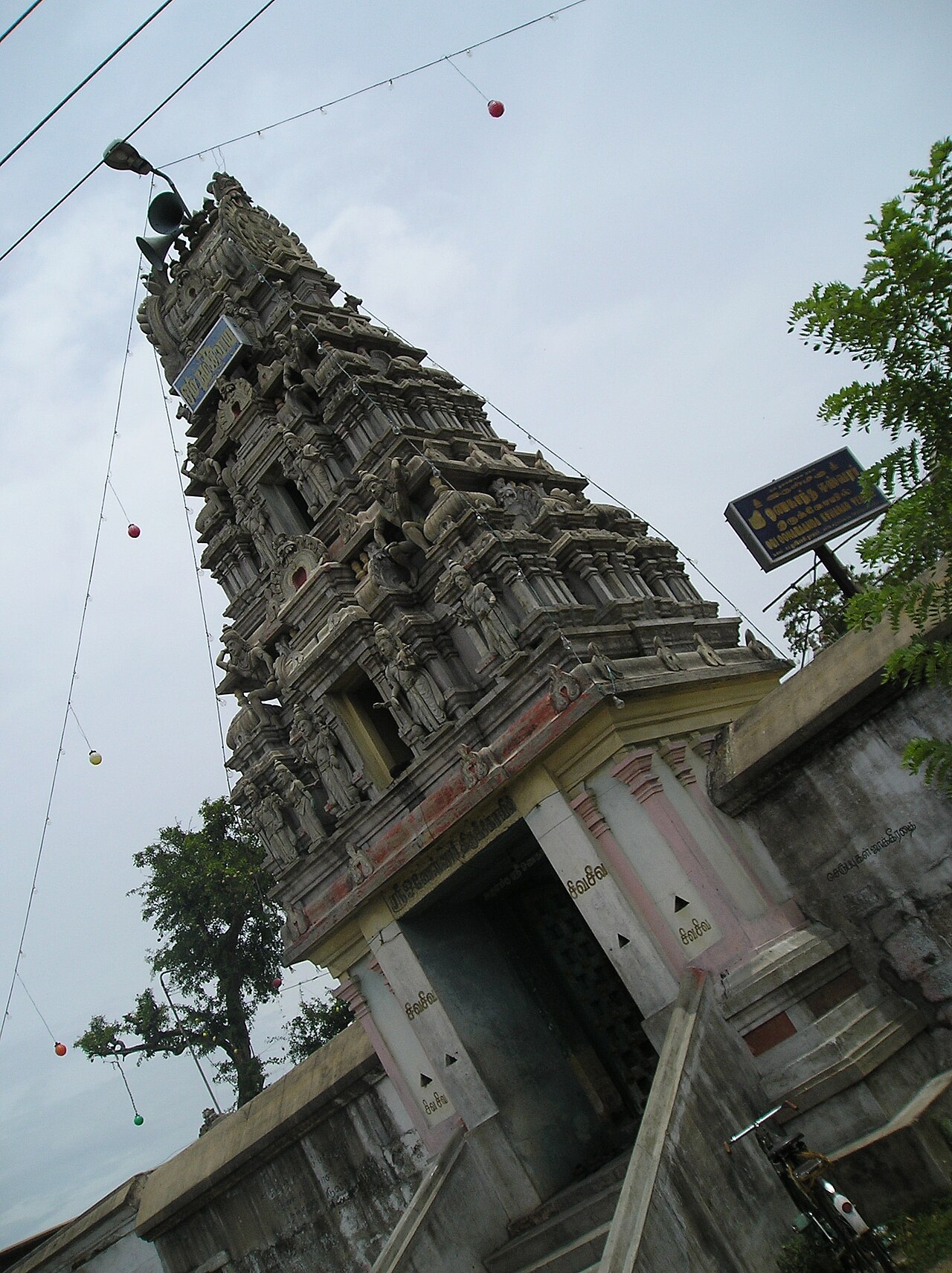
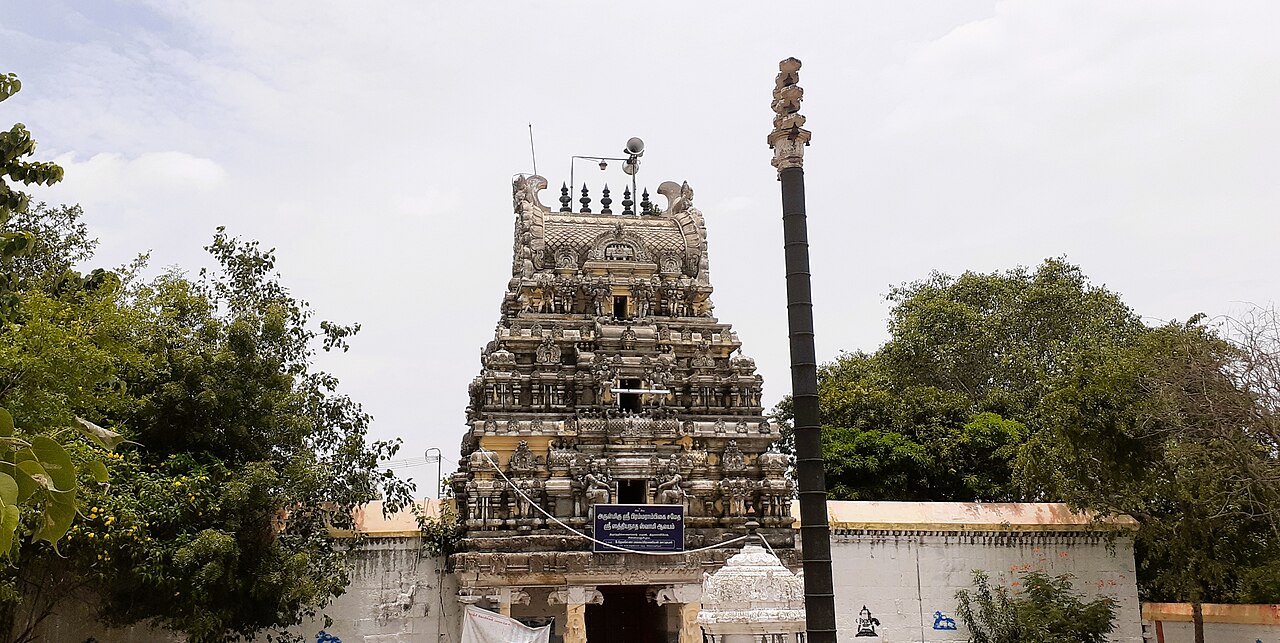
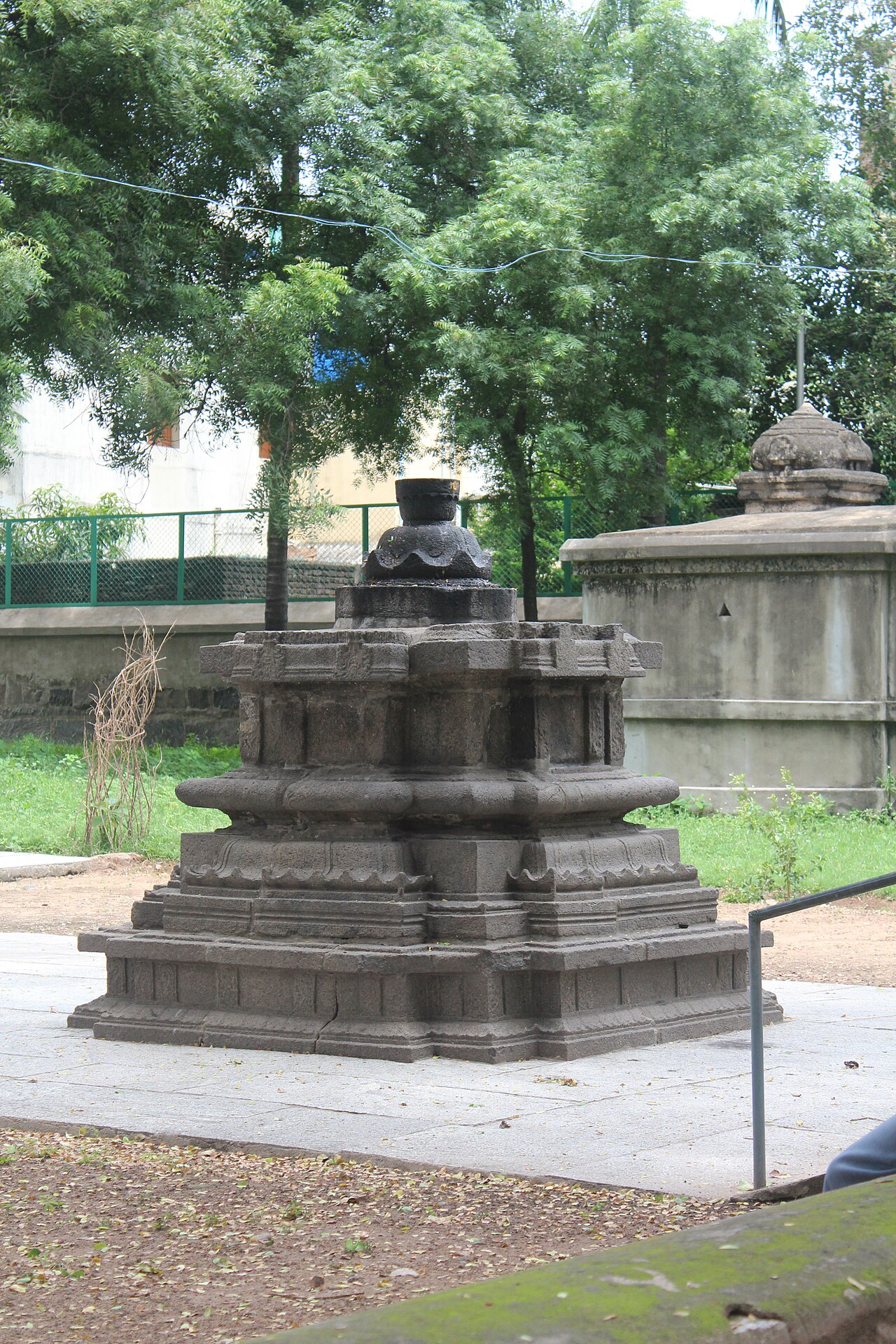
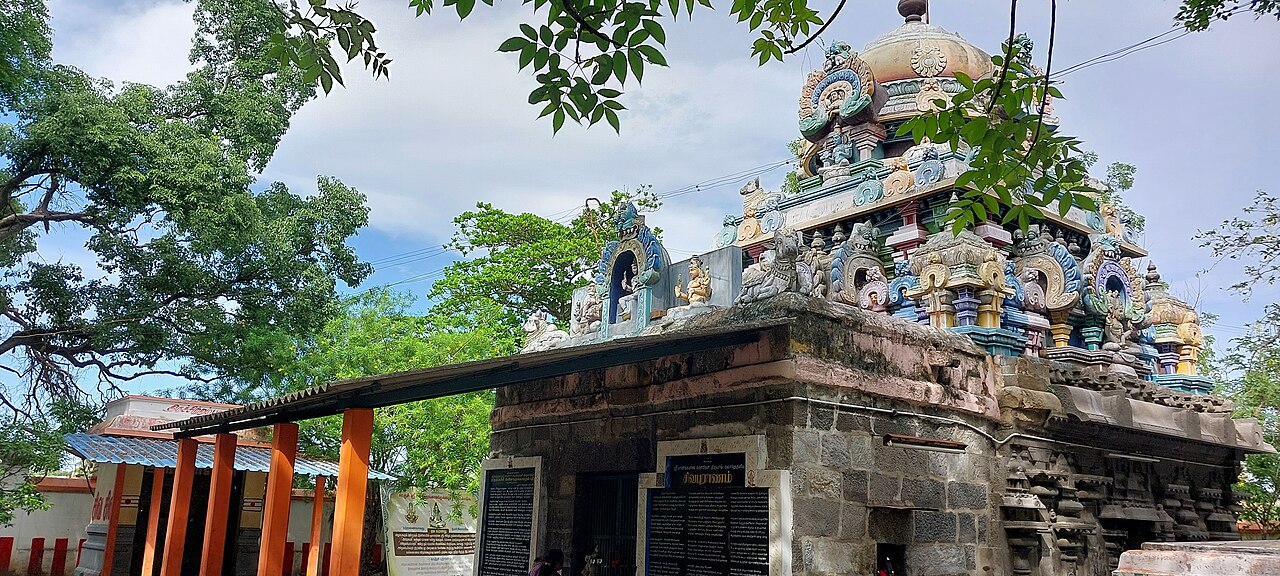
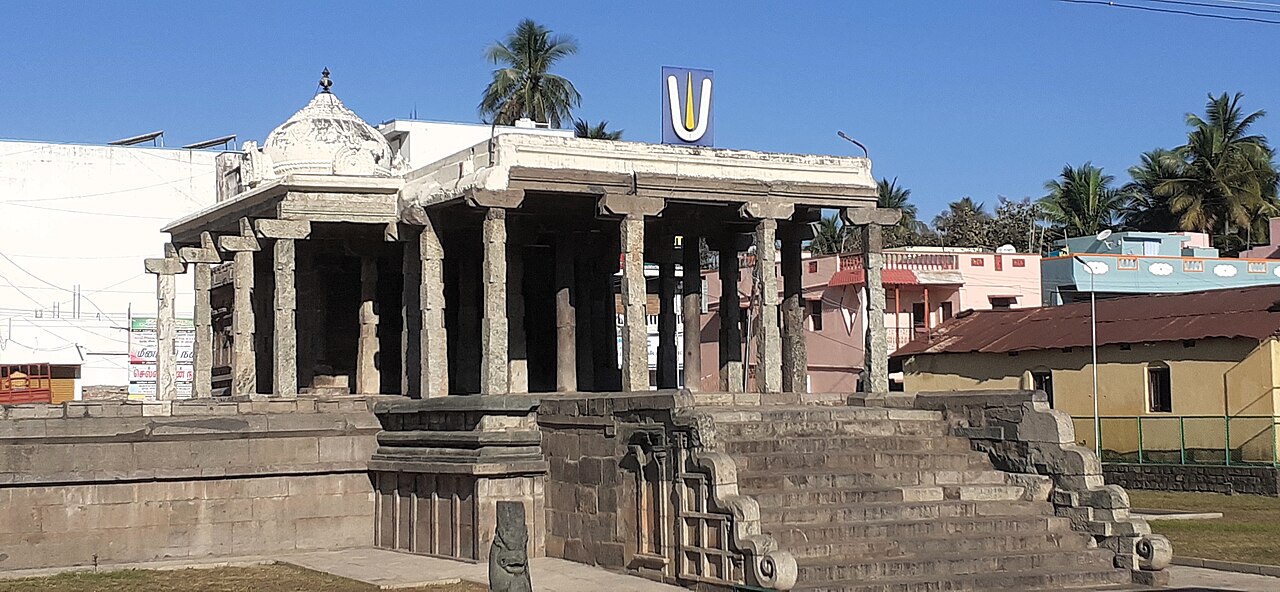
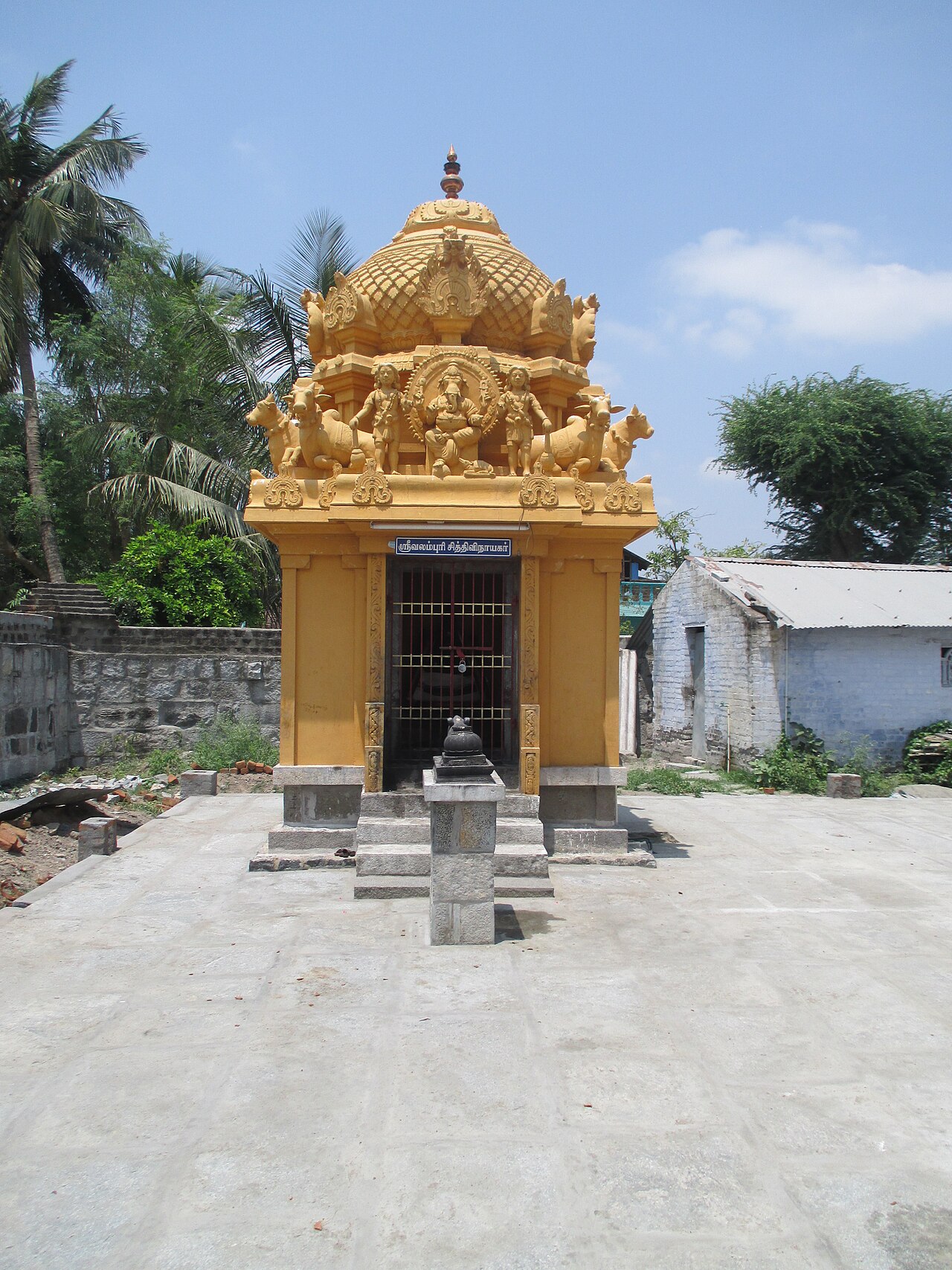
Uthiramerur is a historic temple town in Kancheepuram district whose fame rests on epigraphy rather than scale. Its Vishnu temples were originally founded by the Pallavas and expanded under the Cholas, and their granite walls preserve one of the most remarkable documents in Indian political history: detailed inscriptions describing how a village governed itself over a thousand years ago.
Who's going?Tailor Sundaravarada Perumal Temple, Uthiramerur to your trip
Before you go to Sundaravarada Perumal Temple, Uthiramerur
Entry rules not verified for this temple. Some Hindu temples admit only Hindus, and most enforce a dress code at the door. We have not verified the rule for this particular temple, so please check before you travel — especially if you are not Hindu or are visiting from outside India.
We report each site's own published rules neutrally, and only where we can source them.
Dated to around 920 CE in the reign of Parantaka Chola I, the inscriptions set out the constitution of the village sabha (assembly) - the ward divisions, the qualifications and disqualifications for candidates, and the 'kudavolai' method by which names written on palm-leaf tickets were drawn from a pot to select members of the variyam (committees) handling tanks, gardens, justice and finance. This documented, rule-bound system of choosing local representatives is celebrated as an early example of local self-government, and is genuine epigraphic history, not legend.
What to expect
Highlights
The famous kudavolai (pot-ticket) election inscriptions of Parantaka Chola I, c. 920 CE, detailing candidate qualifications and the village sabha's committees
Pallava-origin architecture later expanded by the Cholas, seen across Uthiramerur's Vishnu temples
The Sundaravarada Perumal (Vishnu) temple and the inscription-bearing Vaikunta Perumal temple in the same town
Getting there
How to visit
Treat it as a half-day trip paired with Kanchipuram, about 35 km to the north
Reach Uthiramerur by bus or taxi and go straight to the temple precinct where the inscription walls stand
Engage a local guide or read the on-site information to locate and understand the kudavolai and sabha-constitution panels
Distance by road
Chennai72 km
Mahabalipuram (Mamallapuram)65 km
Vellore70 km
Puducherry110 km
Tirupati115 km
Road km to Kancheepuram; ghat roads and traffic vary — allow extra.
Timing
Best time
Visit in the cooler months of November to February, and in the morning or late afternoon to read the walls in soft light and avoid midday heat.
Weather in Sundaravarada Perumal Temple, UthiramerurSeasonal guide
Live forecast loads in your browser.
Today at Sundaravarada Perumal Temple, Uthiramerur
Sunrise6:00 am
Sunset6:22 pm
Golden hour best light5:22 pm–6:22 pm
Blue hour after sunset6:22 pm–6:47 pm
Sun sets toward compass bearingW · 279°
Moon tonight🌖 Waning gibbous · 83%
South-west monsoon. June to September is the south-west monsoon in Tamil Nadu. Expect heavy showers, mostly in bursts rather than all day — carry rain cover, allow extra time for getting around, and note that ferries and open-air sites are the first things affected.
Sun and moon are calculated for this location and shown in IST. Photography windows are the hour around sunrise and sunset; the sunset bearing is degrees clockwise from true north. Moon phase is accurate to about half a day.
Visitor notes
This is a place for history and heritage more than grandeur - come for the inscriptions and their story, not for a large monumental complex
The exact panels can be hard to identify unaided, so a knowledgeable local guide greatly improves the visit
Safety
Good to know
Facilities in this small town are limited, so carry water and confirm temple timings before travelling to avoid arriving during the midday closure.
Stay · eat · do · rent · see · shop
Stays, food & things to do near Sundaravarada Perumal Temple, Uthiramerur
Verified hotels, homestays, restaurants, experiences, sights, shops and rentals around Sundaravarada Perumal Temple, Uthiramerur — commission-free, with direct contact. Filter by what you need.
The Kanchipuram branch of A2B — Adyar Ananda Bhavan — the Chennai sweet-shop-and-tiffin chain, on Nellukara Street 341 metres from the bus stand, about four minutes on foot. It is what it is everywhere: a sweet and savoury counter at the front, a vegetarian tiffin and meals section behind, reliable, busy, priced like a chain. In a town where most of the eating is small independent messes that publish no hours at all, that predictability is the reason to know it is here. OpenStreetMap records the phone as +91 44 2723 3295.
A Saravana Bhavan 355 metres from the bus stand, tagged in OpenStreetMap as South Indian vegetarian. The name is the best known in the Tamil restaurant trade and is used both by the chain and by a number of unconnected local houses, so do not assume which you have walked into — the food either way is the standard tiffin and meals repertoire. Useful mainly because it is four minutes from where the buses put you down and open across the hours the temples are shut. ⚠ Hours and ownership unverified.
A restaurant 283 metres north-east of the bus stand, the closest thing on this page to a first stop off the bus. In Tamil Nadu a place calling itself a hotel on its street sign is an eating house, not a place to sleep, and this is one of them — a working local restaurant among the doctors' rooms and small hospitals on this stretch. ⚠ No website, and no published menu, hours or rates. It is here because it is a real eating house three minutes from the stand, not because we have eaten in it.
A pure-vegetarian restaurant 393 metres north-east of the bus stand. Pure veg matters here in practice rather than as a label: pilgrims working through the temple circuit generally want somewhere they can eat between darshans without asking questions about the kitchen. ⚠ Unverified hours and no website — an OpenStreetMap survey record rather than a recommendation we have tested.
An eating house 974 metres east-north-east of the bus stand, on the side of town that runs out towards Kanchipuram East station. Another of the town's plain restaurants — the sort that runs a tiffin service morning and evening and a set meal at midday. ⚠ No website, no published hours, and we have not eaten here. Recorded from an OpenStreetMap survey because a visitor staying at the TTDC hotel on this side will otherwise find nothing marked between there and the centre.
A mess 1.7 km north-west of the bus stand, out on the way towards Kailasanathar and the older western end of the city. A mess in Tamil Nadu is a plain working eating house that serves whatever has been cooked that day rather than a menu, usually as a set meal at midday, and it is the cheapest honest lunch in any Tamil town. OpenStreetMap tags this one as Indian. ⚠ Hours and rates unverified.
A tiffin shop about two kilometres west of the bus stand, in the residential streets on the Kailasanathar side. Tiffin is the South Indian short-meal repertoire — idli, dosai, pongal, vadai — served early morning and again in the evening, with the middle of the day usually dead. Shops like this are how the town actually eats, and there are far more of them than any map records. ⚠ No published hours; it opens early and shuts when the trade stops. Too far to walk to in the heat — one to notice if you are already out at that end.
A bakery 750 metres south of the bus stand, in the commercial streets rather than the temple ones. Worth knowing for a specific reason: the temples shut in the middle of the day, the heat is at its worst then, and a bakery is one of the few things in an Indian temple town that stays open through it and will sell you something to carry. ⚠ Unverified hours, no website.
Book with the place itself. India’s cyber-crime coordination centre warned in April 2025 that convincing copies of hotel and pilgrimage booking sites are being pushed through sponsored search and social ads, taking payment for rooms the property never hears about. Every listing here links to the business’s own contact details and its own Google or Bing profile — we take no commission and sit in nobody’s payment path. If a booking page reached you through an ad, check the address bar against the property’s own site before you pay. Fraud can be reported on cybercrime.gov.in or on 1930.
Ranked
The best of Kanchipuram, ranked
Sundaravarada Perumal Temple, Uthiramerur sits in Kanchipuram, and these rank everything verified across the town rather than this one spot — built from the same listings shown above, ordered by the strength of the source evidence behind each entry rather than by anyone's star score. Every card shows how many places are really on it. Nobody pays to appear.
The oldest temple in Kanchipuram, this early 8th-century Shiva temple was built by the Pallava king Narasimhavarman II (Rajasimha) around 700-728 CE. It is celebrated for its sandstone superstructure, granite foundations and finely carved Pallava-era sculptures, and is protected today by the Archaeological Survey of India.
A vast and ancient Shiva temple in Kanchipuram, Ekambareswarar is one of the Pancha Bhoota Sthalams, representing the earth (Prithvi) element. It is famous for its towering gopuram, one of the tallest in South India, and a revered old mango tree that tradition holds to be its sacred temple tree.
One of Kanchipuram's most important temples, Kamakshi Amman is dedicated to the goddess Kamakshi, a form of Parvati, and is revered as a principal Shakti temple. It is closely linked with Adi Shankara and the Kanchi Kamakoti Peetham, and is traditionally counted among the great Shakti shrines of India.
A major Vishnu temple in Vishnu Kanchi (the Vaishnava quarter of Kanchipuram) and one of the 108 Divya Desams. The presiding deity, Varadharaja Perumal, is enshrined on the Hastagiri (elephant hill), and the temple complex is celebrated for its Vijayanagara-era art.
An 8th-century Pallava Vishnu temple in Kanchipuram, also called Tiru Parameswara Vinnagaram, built by Nandivarman II Pallavamalla. It is prized by historians for its carved bas-relief panels and its unusual arrangement of three stacked sanctums.
An Advaita Hindu monastery (matha) at Kanchipuram and the seat of the Shankaracharya of Kanchi. By its own tradition it was founded by Adi Shankara, though this claim and its early history are debated by scholars; today it is a well-known religious and heritage institution.
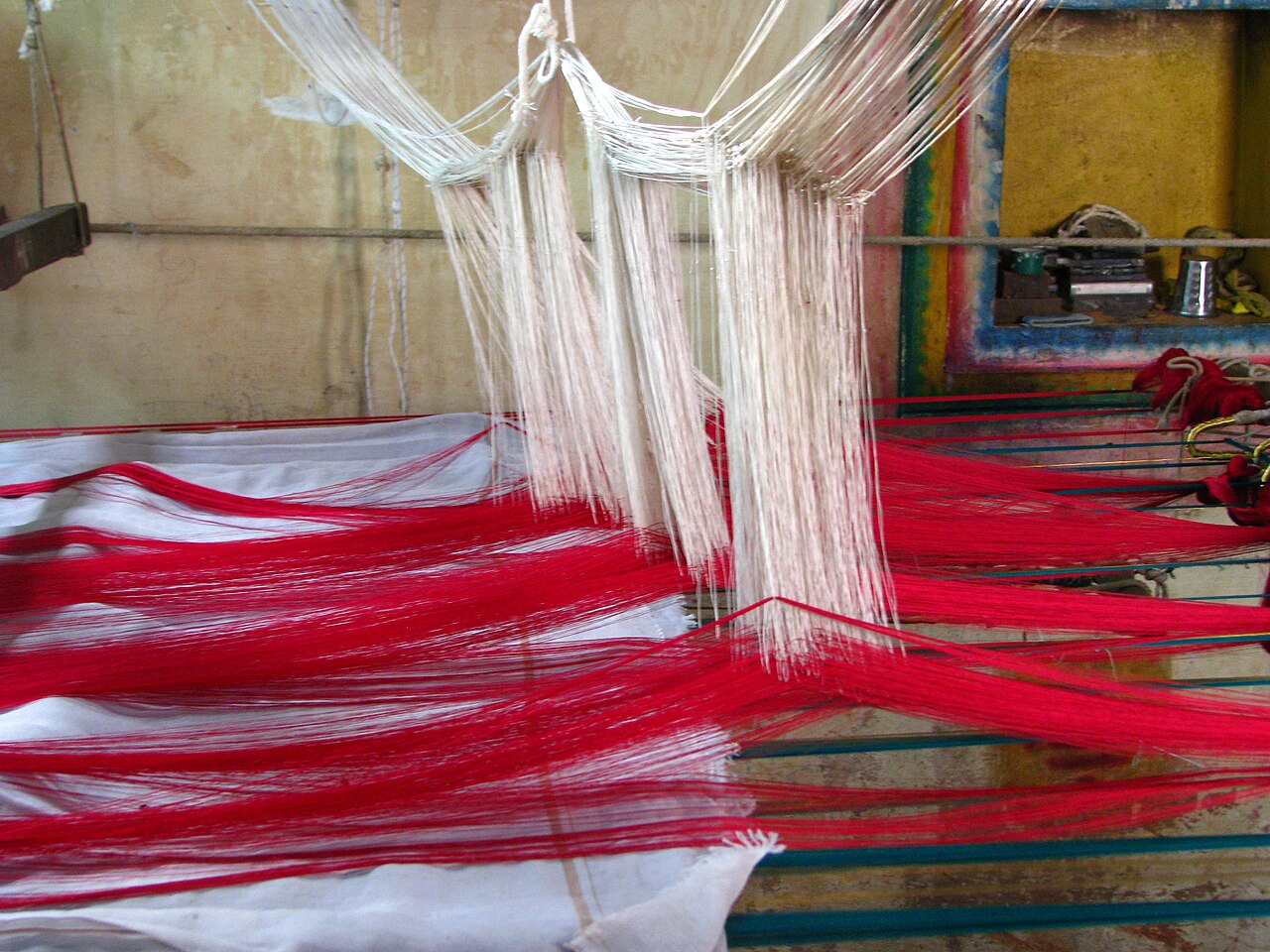
Kanchipuram (Kanjivaram) silk sarees are a centuries-old handloom tradition woven in pure mulberry silk with real gold-and-silver zari, best known for the contrast korvai border and pallu woven separately and interlocked by hand, and for temple-inspired motifs. The craft carries a Geographical Indication (GI) tag registered in 2005-06, protecting sarees genuinely made in and around Kanchipuram town by its traditional weaver communities.
This Dravidian-style Vishnu temple at Sriperumbudur (Kancheepuram district) is revered as the birthplace of the 11th-12th century Vaishnava philosopher-saint Ramanuja (Ramanujacharya), exponent of Vishishtadvaita. Vishnu is worshipped here as Adikesava, and the temple - also called the Ramanujar temple - is an important Sri Vaishnava pilgrimage site, with a separate shrine devoted to Ramanuja.
A Vishnu temple in central Kanchipuram counted among the 108 Divya Desams (Tiru Ooragam), famous for its towering image of Vishnu as Trivikrama/Ulagalantha, 'he who measured the worlds,' with one leg raised. Temple tradition links the form to the Vamana avatar and the legend of King Mahabali, and the complex uniquely enshrines several Divya Desam shrines within one precinct.
A Divya Desam Vishnu temple in Kanchipuram (Tiru Padagam) enshrining a large seated image of Vishnu worshipped as Pandava Thoothar. Temple tradition commemorates Krishna's role as the emissary or messenger who went to the Kauravas on behalf of the Pandavas before the Kurukshetra war, and it is counted among Kanchipuram's oldest temples.
Roampedia is commission-free — own or know a stay, eatery, guide or shop near Sundaravarada Perumal Temple, Uthiramerur? List it and it appears here once verified.
Sundaravarada Perumal Temple, Uthiramerur — at a glance
TimingsTemples generally open in the morning and evening with a long midday closure, roughly 8 am to 12 noon and 4 pm to 8 pm; confirm locally (indicative)
Best timeCooler, drier November to February is most comfortable for exploring the open temple precincts (indicative)
Entry: No general entry fee for temple darshan or to view the inscriptions; special sevas may carry a nominal charge (indicative)
Getting here
How to reach Sundaravarada Perumal Temple, Uthiramerur
A day trip about 35 km south of Kanchipuram and roughly 85 km from Chennai, reached by state buses to Uthiramerur town or by taxi; easily combined with Kanchipuram in one day (indicative)
Getting around Sundaravarada Perumal Temple, Uthiramerur
We have not assessed physical access at this place yet. Across India, step-free routes, handrails and accessible toilets are the exception rather than the rule, and pavements are often interrupted — if step-free access matters to you, contact the site or a local operator before committing to the trip.
If you need help at Sundaravarada Perumal Temple, Uthiramerur
When is the best time to visit Sundaravarada Perumal Temple, Uthiramerur?
Visit in the cooler months of November to February, and in the morning or late afternoon to read the walls in soft light and avoid midday heat.
What are the entry fee and timings at Sundaravarada Perumal Temple, Uthiramerur?
Entry: No general entry fee for temple darshan or to view the inscriptions; special sevas may carry a nominal charge (indicative). Timings: Temples generally open in the morning and evening with a long midday closure, roughly 8 am to 12 noon and 4 pm to 8 pm; confirm locally (indicative).
How do I reach Sundaravarada Perumal Temple, Uthiramerur?
Treat it as a half-day trip paired with Kanchipuram, about 35 km to the north Reach Uthiramerur by bus or taxi and go straight to the temple precinct where the inscription walls stand Engage a local guide or read the on-site information to locate and understand the kudavolai and sabha-constitution panels
How much time do I need for Sundaravarada Perumal Temple, Uthiramerur?
One to two hours is enough to see the temple and study the inscription walls, more if you enjoy epigraphy and history.
What else is near Sundaravarada Perumal Temple, Uthiramerur?
Nearby you can pair Vaikunta Perumal Temple, Uthiramerur (310 m), Kailasanathar Temple, Uthiramerur (370 m), Varadharaja Perumal Temple (23.0 km), Pavalavannar Temple (23.5 km).
What should I know before visiting Sundaravarada Perumal Temple, Uthiramerur?
Facilities in this small town are limited, so carry water and confirm temple timings before travelling to avoid arriving during the midday closure.
We have not published a story about Sundaravarada Perumal Temple, Uthiramerur itself yet. These cover Kanchipuram, the town it sits in, and the wider district.
Around Kanchipuram
Sundaravarada Perumal Temple, Uthiramerur sits in Kanchipuram, so these cover the streets, buildings and surroundings around it.