This is the only walk on the Vagamon shoulder that goes inside a wildlife sanctuary, and the only one where the ground in front of you belongs to elephants before it belongs to anybody selling tickets. Everything else about it — where it starts, what it costs, who is allowed on it — has been copied from one article for six years.
The story of Vagavanam Windy Walk trek
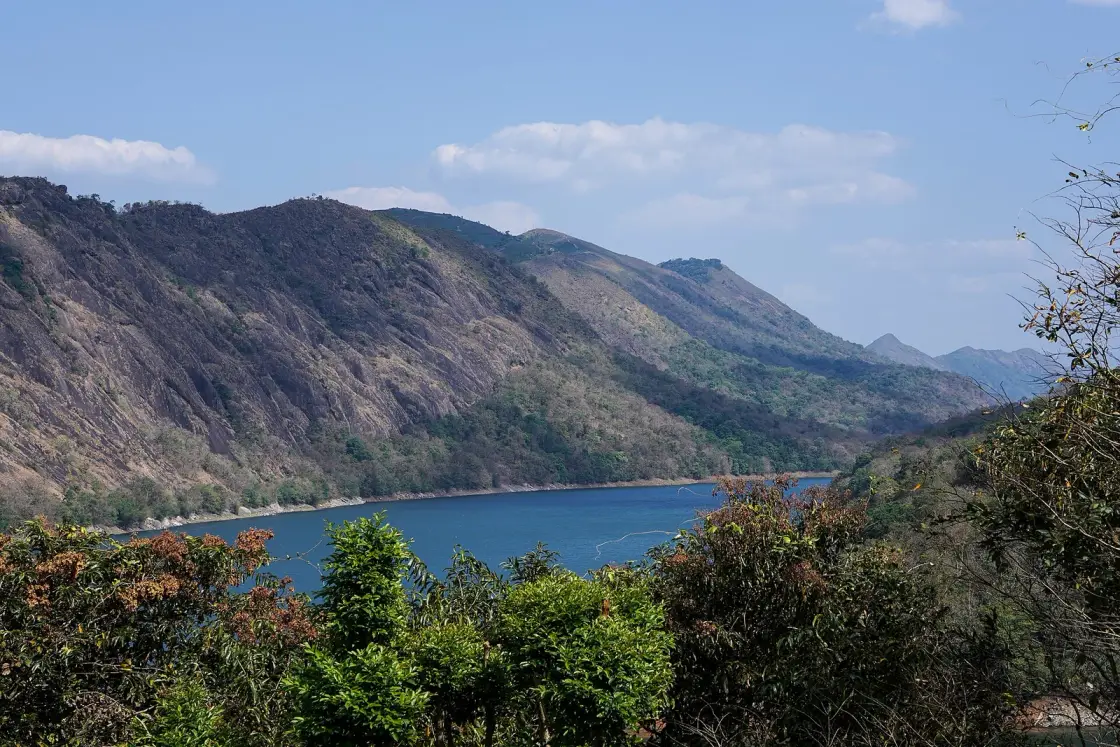
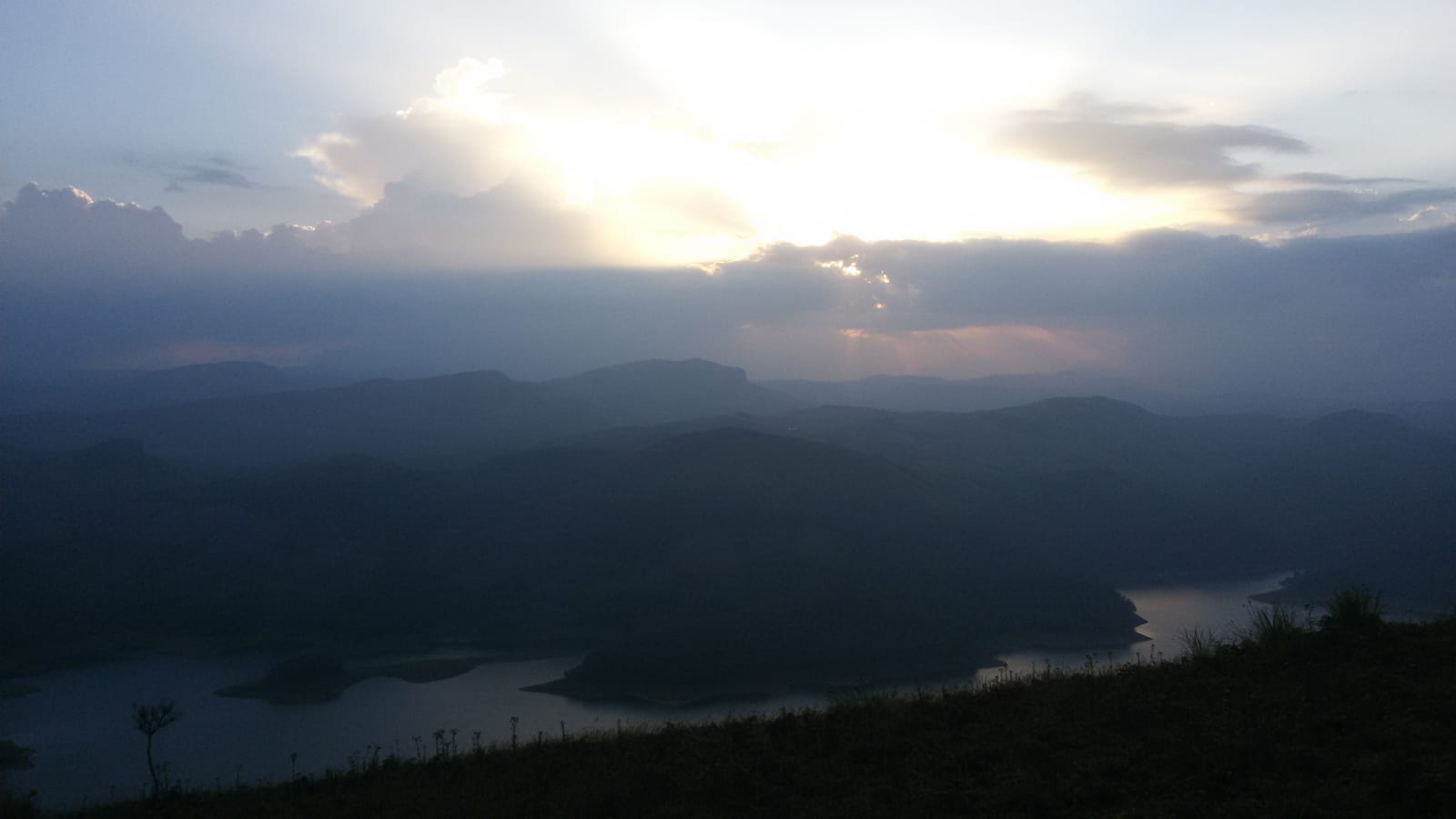
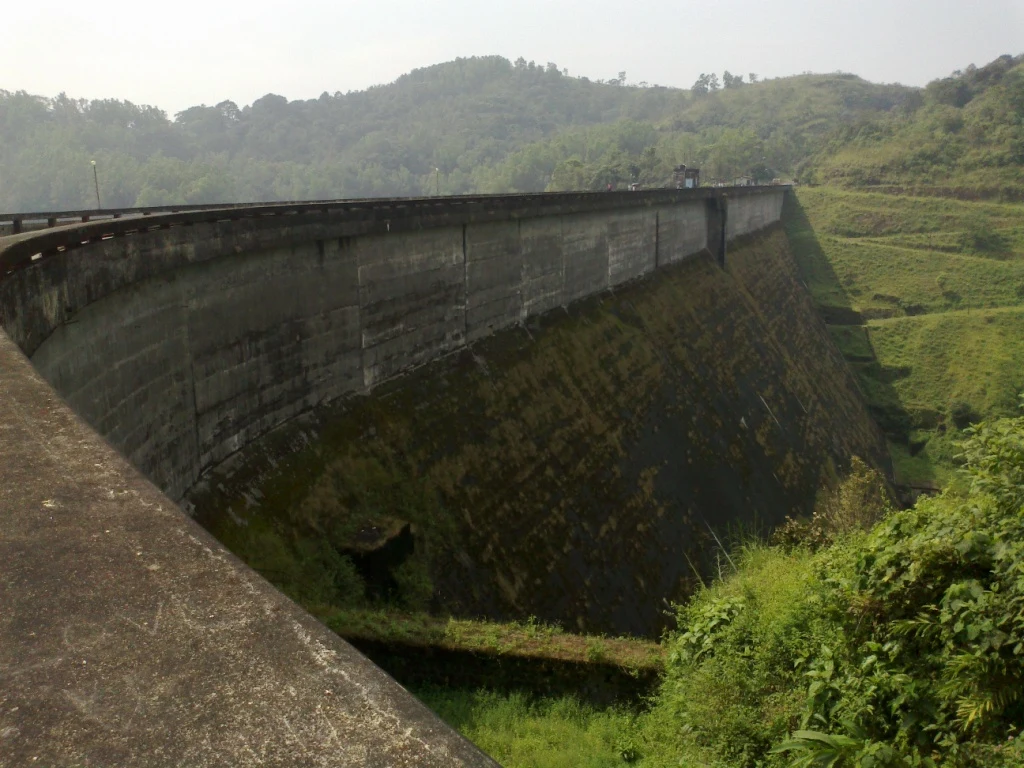
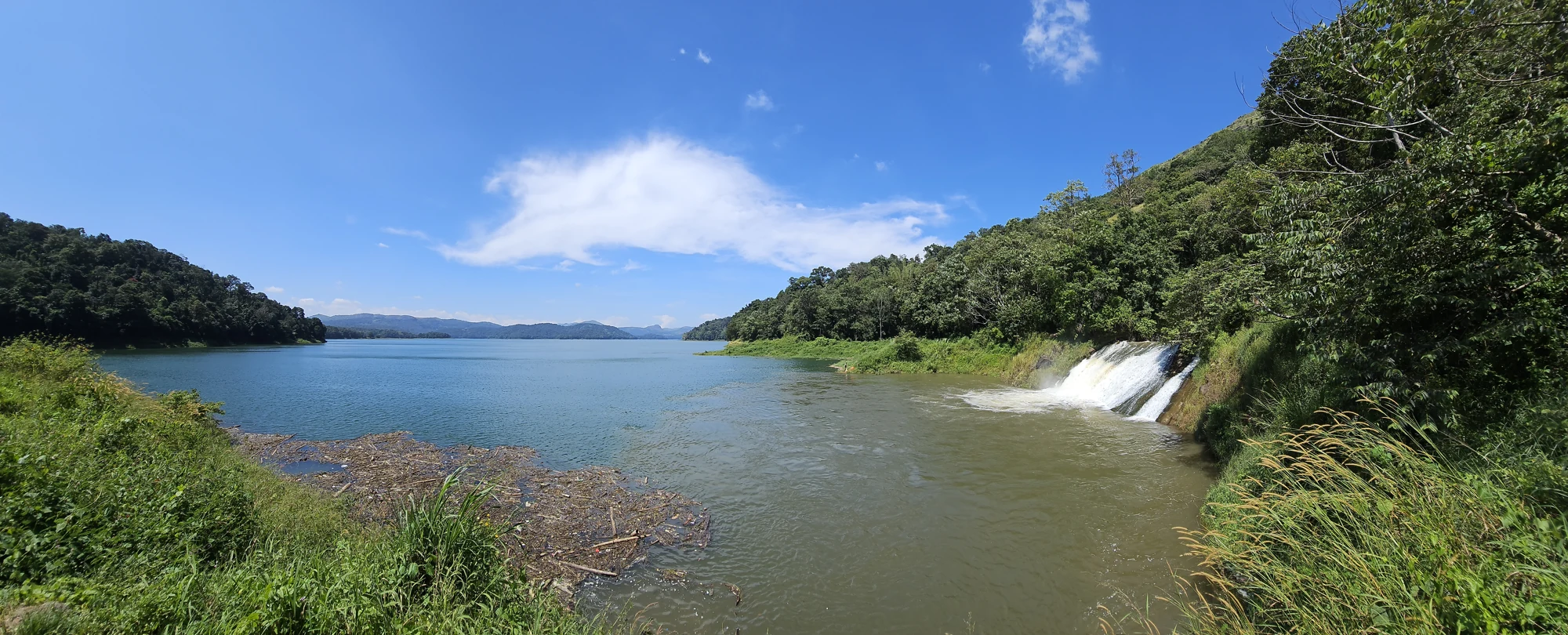
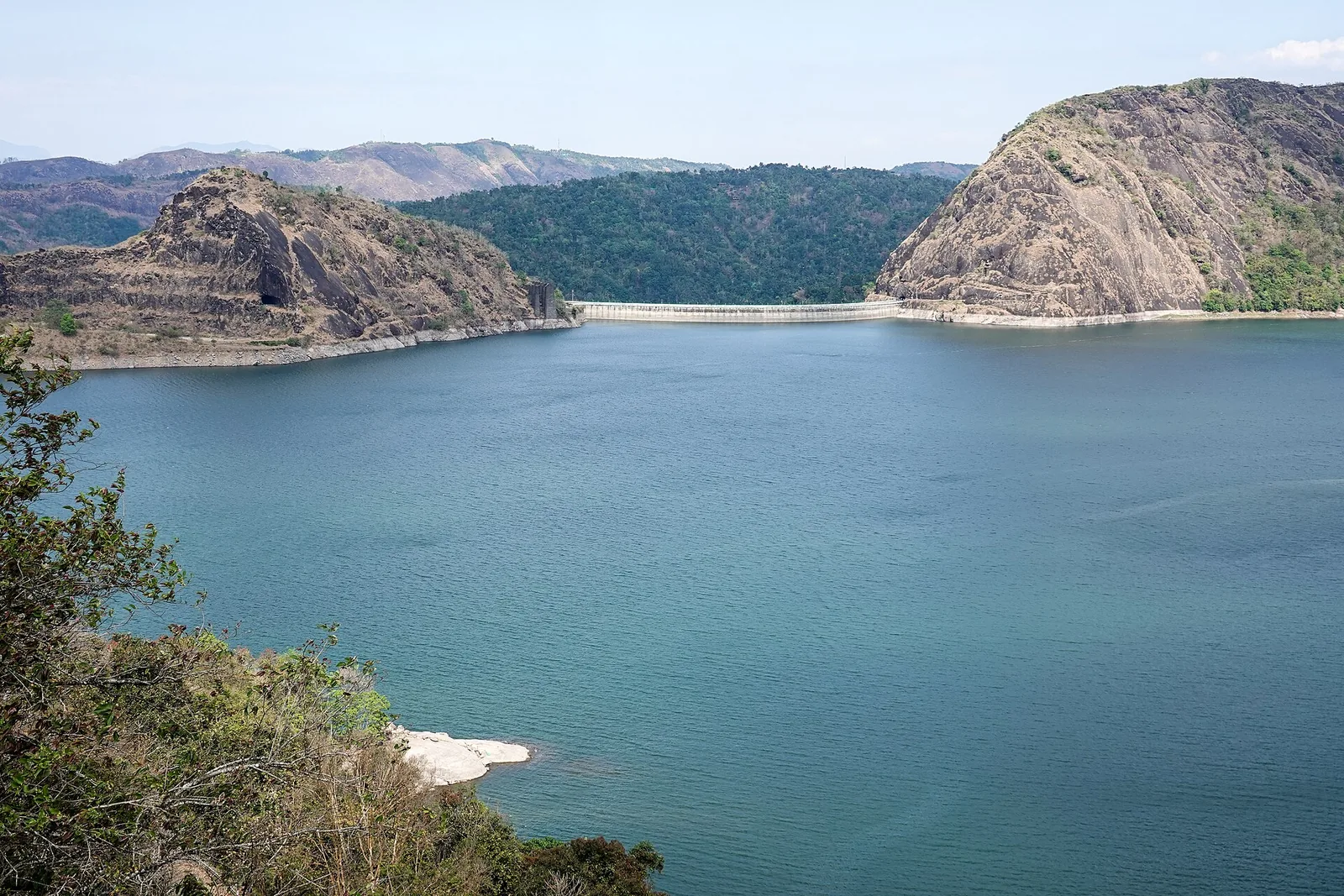
Start with what the walk is walking through, because the walk is the smaller half of it. The Idukki Wildlife Sanctuary is a ring of hill forest around a drowned valley. Three dams — Idukki, Cheruthoni and Kulamavu — closed off the Periyar in the seventies and put thirty-three square kilometres of water where a river and its villages had been, and the sanctuary exists because of what that did to the animals. The Windy Walk goes up the grass at the sanctuary’s southern tip, and the sheet of water you keep seeing to the north is the reservoir that caused it. One village went under in 1974 and reappears every summer as an islet called Vairamani when the water drops, and birds now nest on it because nothing else can get there without a boat.
Ask how big the sanctuary is and you get three answers from three arms of the same state. The Kerala Forest Department, which runs the place, publishes seventy square kilometres. Kerala Tourism publishes seventy-seven. The order that created it, quoted with its number and date, gives 105.364 square kilometres, of which thirty-three is the lake — which is the same sanctuary counted with the water in. Seventy plus thirty-three is a hundred and three, so the department and the order agree once you know what each is counting. Seventy-seven fits neither. Ask when, and the disagreement is sharper still: the department’s own table says 1976 and Kerala Tourism says 1984, eight years apart, for a sanctuary the department manages and the tourism board only writes about.
The map is no better. The sanctuary boundary as drawn on OpenStreetMap encloses 143 square kilometres when you measure it — a third more than the largest official figure, and twice the department’s. So the outline you see on a map is a direction rather than an edge, and it is worth saying that plainly here, because the same outline is what tells us the ticket counter stands at the sanctuary’s southern limit. Direction, not measurement. The sanctuary’s own entry on this site is pinned at its middle, up by the dam, which is why the list below reads it as seven kilometres away rather than underfoot.
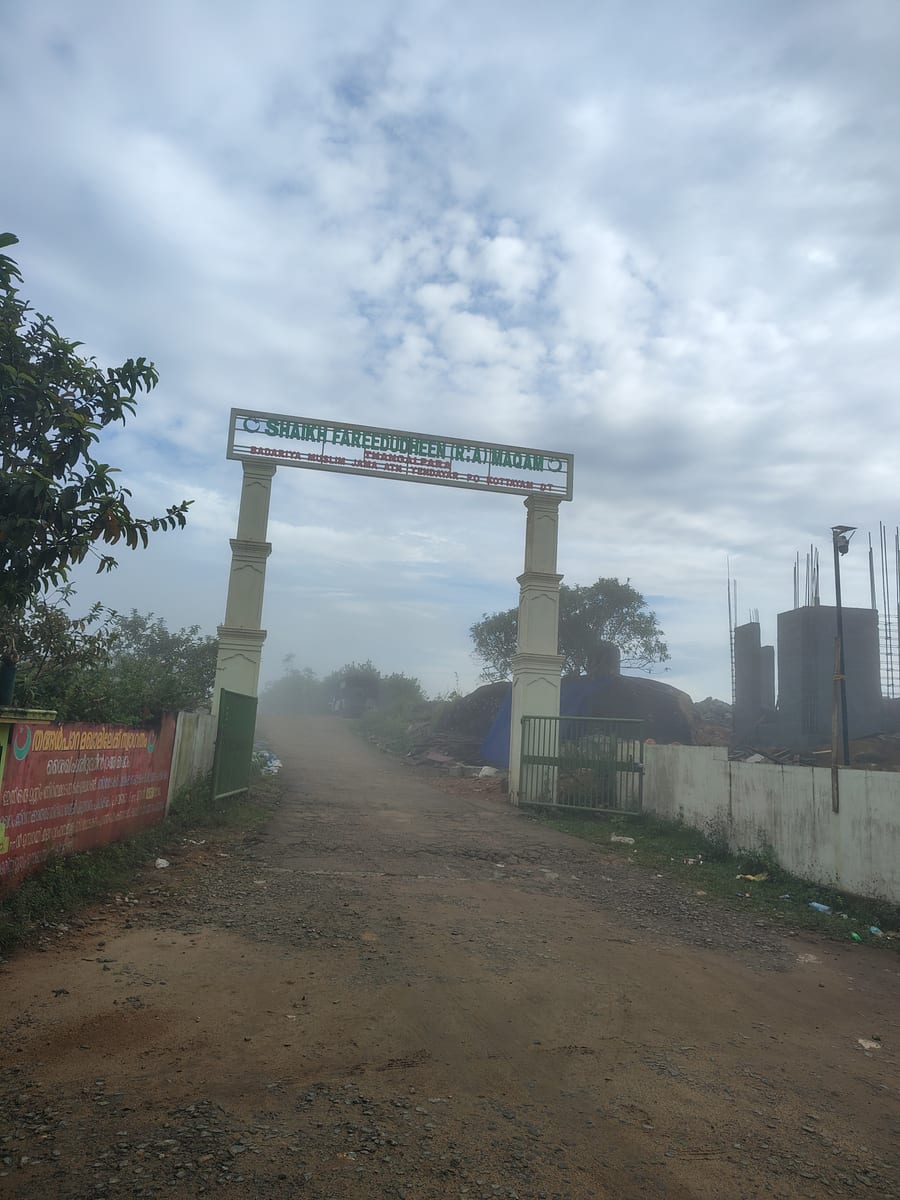
Then the names. In the state’s ecotourism register the eco centre is Vagavanam, under the Idukki Wildlife Division, and the programme is listed as the Windy walk at Vagavanam. The counter you actually stand at is recorded on the map as the Idukki Windy Walk ticket counter, operated by the Forest Department, open seven till three every day. And people who have done it come back writing about Kuvalettam, which is the hamlet on the road a mile and three-quarters west. Three names, one walk, and searching for any one of them will hide the other two.
What that fragmentation costs is accuracy. Almost every English page about this walk traces back to a single newspaper travel piece from November 2019, and the figures in it have been copied ever since without anyone going back to the source. The fee in those pages is a hundred and fifty-five rupees. The real one is now a little over two hundred and forty. The hours are given as eight to half past three in one widely read account; the department’s system and the sign on the counter both say seven to three. And not one of them mentions that six people are needed to open the gate — which is the only figure in the whole set that can stop a trip before it starts.
There is a way round the six-person problem, and it is a hundred metres of scrolling away in the same register. The Idukki Wildlife Division runs a second centre, Vellappara, on the far side of the water near the sanctuary headquarters, and it has a walk of its own: the Kolumban trail, seven in the morning to three in the afternoon, fifty tickets a day, three hundred and eighty-four rupees a head plus thirty at the gate. Its minimum is five, its maximum fifteen, and unlike the Windy Walk it can be booked online. The same centre takes boats out on the reservoir between nine and half past four for a party of ten or more, and it has the only beds inside the sanctuary — two jungle cottages, a lake-view room and a small dormitory, all of which check in at two in the afternoon. So a party of five is not shut out of these hills; it is shut out of this particular walk. That distinction is nowhere on any travel page, and it is the difference between a wasted drive and a good day.
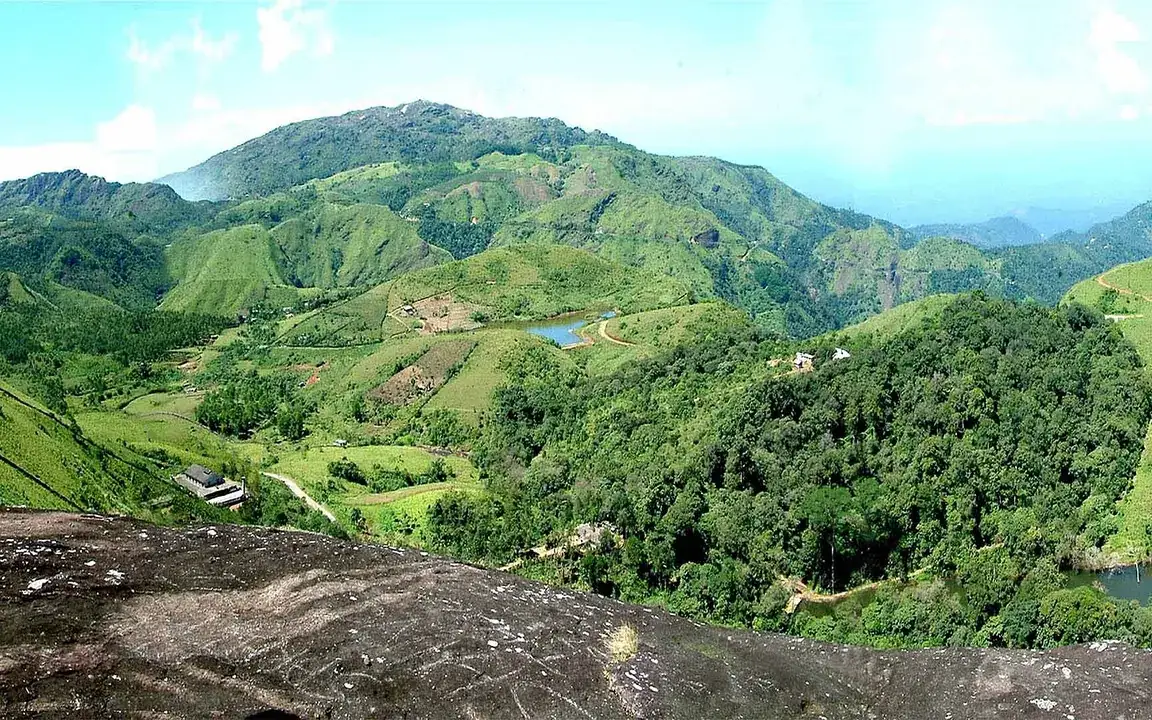
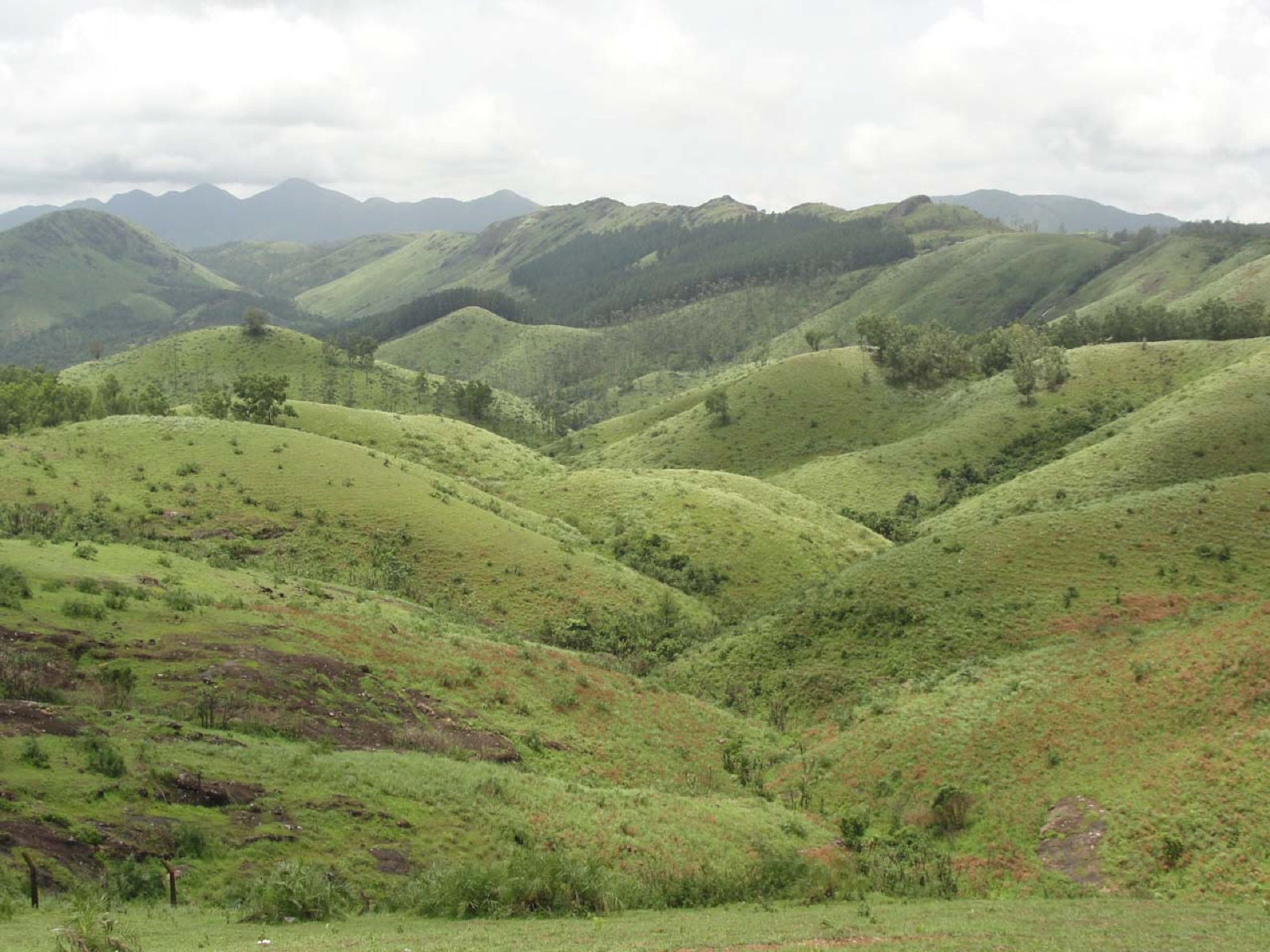
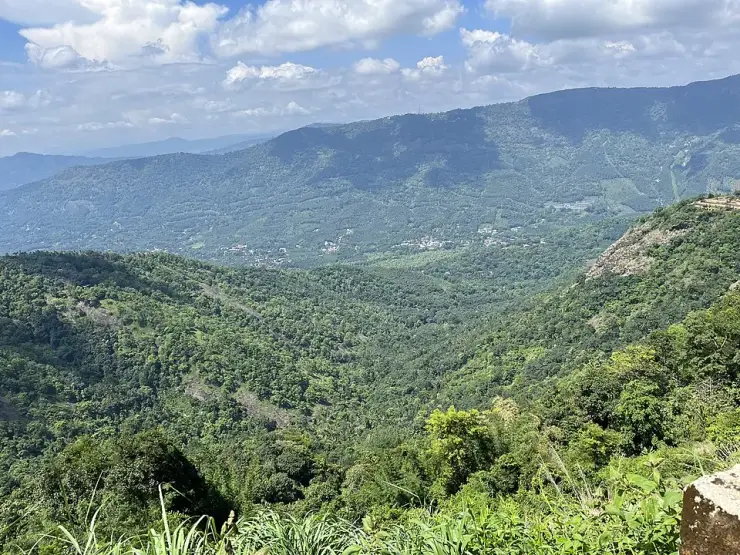
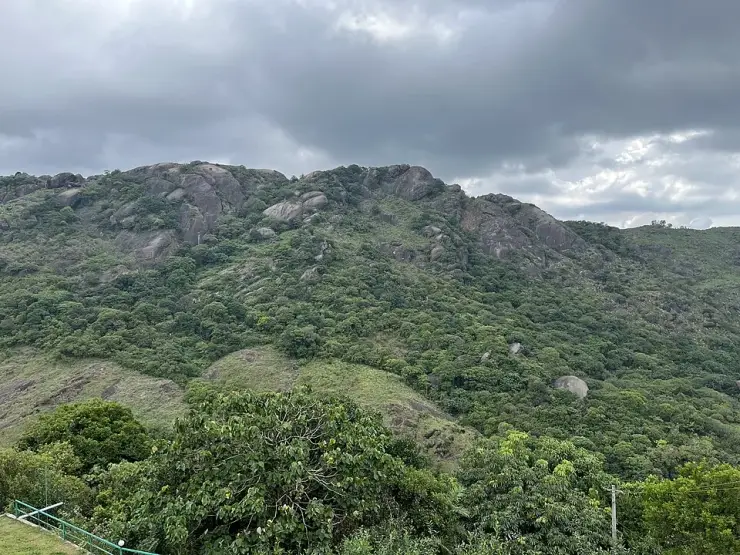
The ground itself is honest enough. Three elevation models put the counter at 1,016 to 1,022 metres and the hills north of it at 1,157 to 1,183, so the walk climbs around a hundred and fifty metres and gives most of it back, twice over, across seven kilometres of tar, jeep road and grass. The sanctuary as a whole runs from 450 metres at the waterline to 1,272 at Vanjur Medu, its highest point. This walk lives in the top third of that.
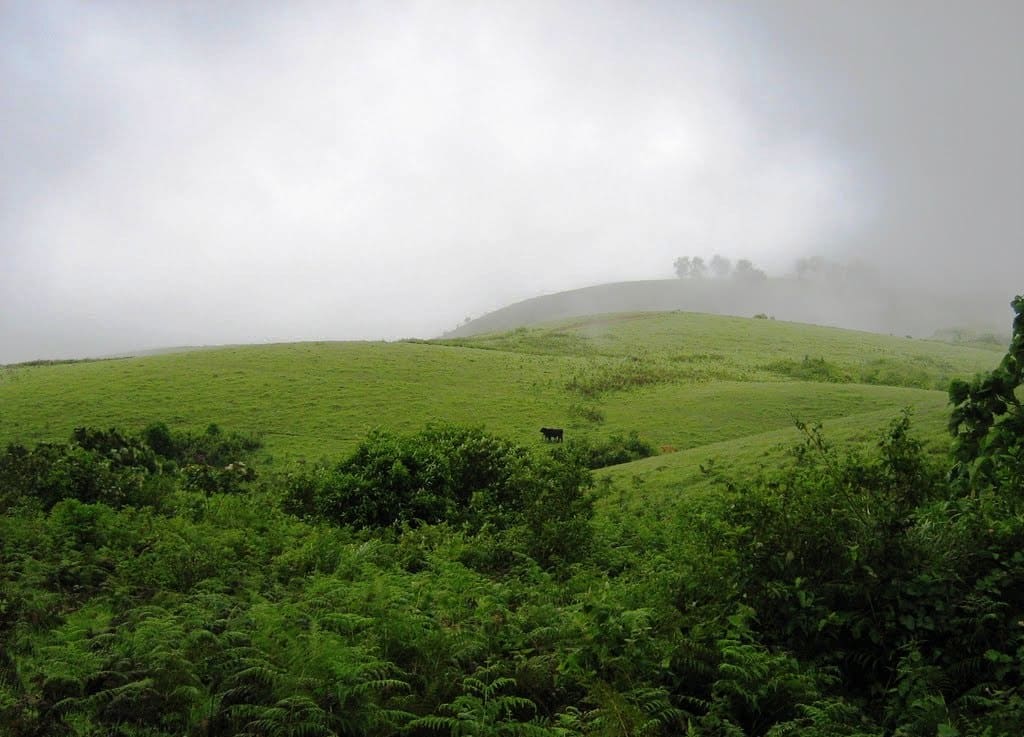
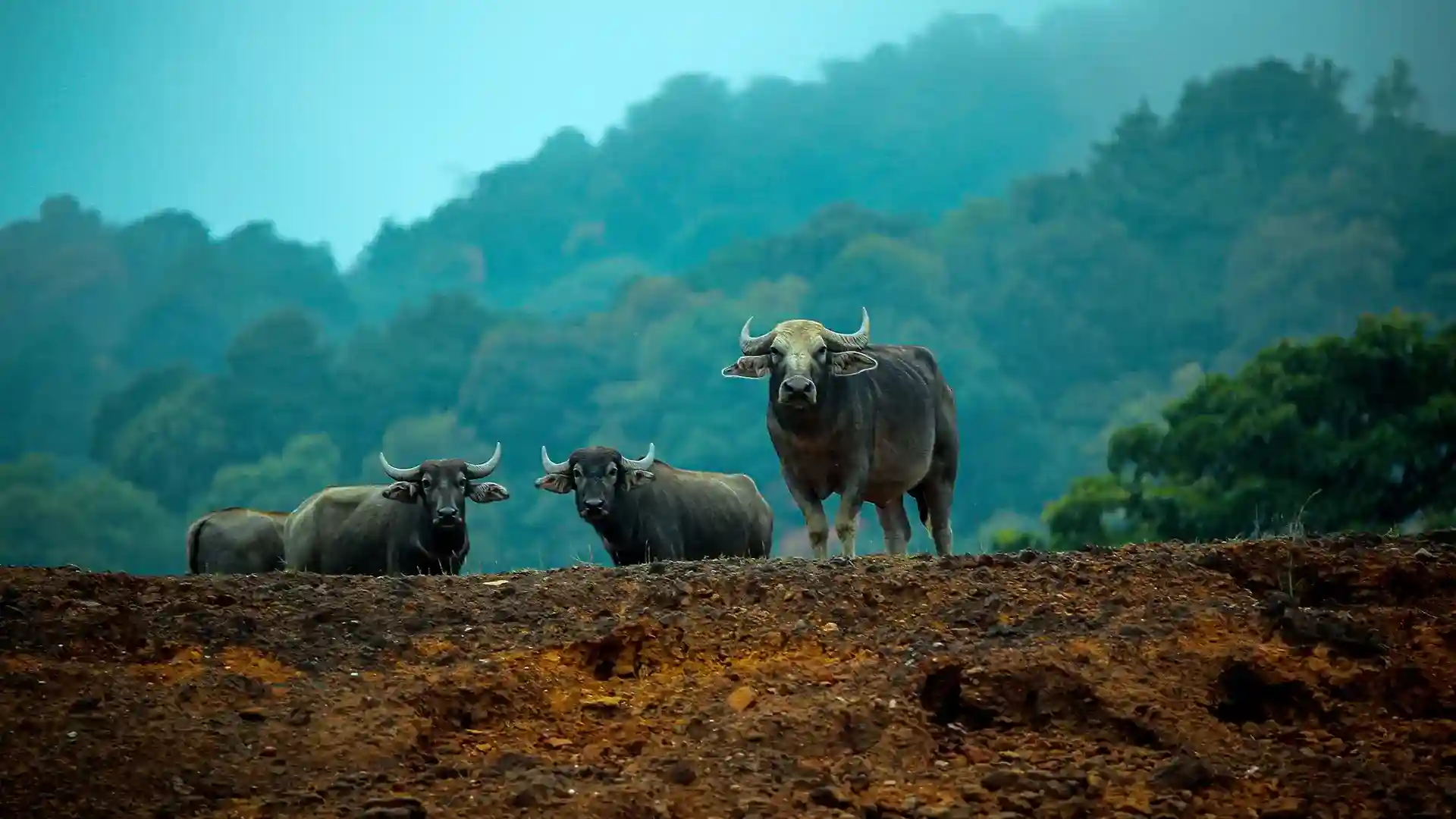
And it is inhabited. Elephants use these hills, and the sanctuary also carries something stranger — herds of cattle and buffalo that were cut off inside the boundary when the reservoir filled in 1976 and simply stayed, breeding for fifty years with almost nothing to prey on them, eating the grass this walk crosses. The bird and butterfly surveys give the other side of it: 163 bird species and 107 butterflies counted in 2017, and a butterfly count that went from 76 species in an old management plan to 182 by 2019. That is what the guide walking in front of you is there for, and why the party rules are what they are.
Read the full history of Vagavanam Windy Walk trek 403 more words
History
9 February 1976 — the forest around the new Idukki reservoir is declared a wildlife sanctuary by government order GO.7898/FM3/76/AD/09.02.76. The Kerala Forest Department’s own table of sanctuaries gives the same year and puts the area at 70 square kilometres. Kerala Tourism’s ecotourism page says 1984 and 77 square kilometres; on both counts the department is the body that manages the land.
The same decade — the Idukki, Cheruthoni and Kulamavu dams close, and the reservoir fills to about 33 square kilometres. Livestock grazing the valley is trapped inside the new boundary. Their descendants are still there.
2017 — a bird and butterfly survey run by the Forest Department with a volunteer consortium counts 163 species of bird and 107 of butterfly inside the sanctuary.
2019 — a follow-up survey with the Travancore Natural History Society raises the butterfly count to 182 species, against the 76 recorded in the management plan a decade earlier. Kerala’s state butterfly, the Malabar banded peacock, is among them.
November 2019 — a newspaper travel piece describes the Windy Walk with a fee of ₹155. Almost every English account of the walk published since has copied it, and the article itself is no longer online.
Today — the walk is listed in the Forest Department’s ecotourism register as the Windy walk at Vagavanam, under the Idukki Wildlife Division, with sixty tickets a day, a seven-day booking window and online booking switched off.
Why visit
It is the only walk in Kerala’s ecotourism register that will take a party of six to seven and no other size, which makes it a genuinely uncommon thing to have done.
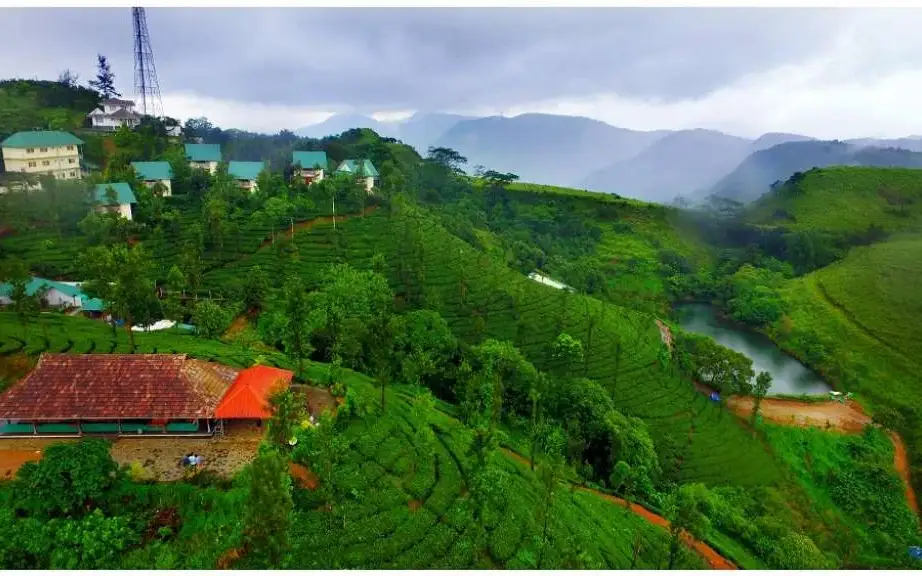
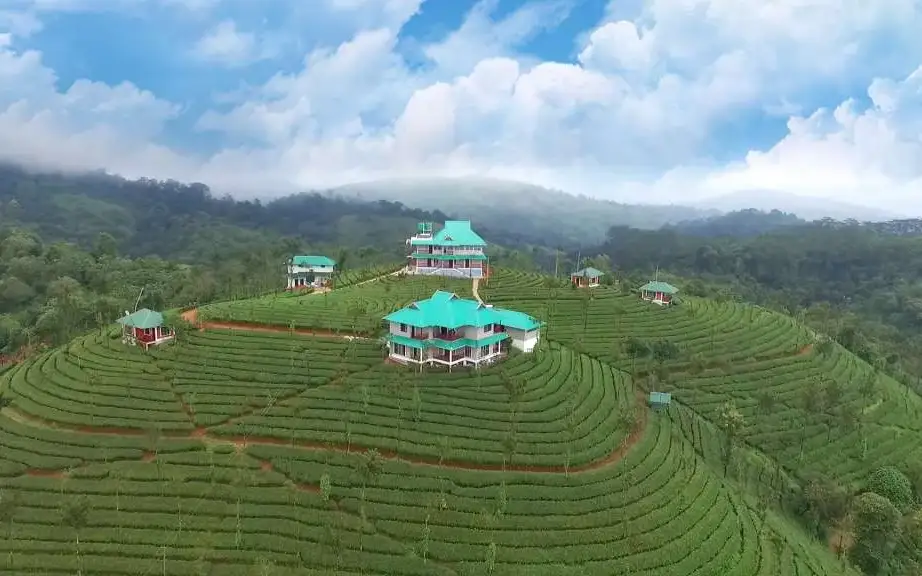
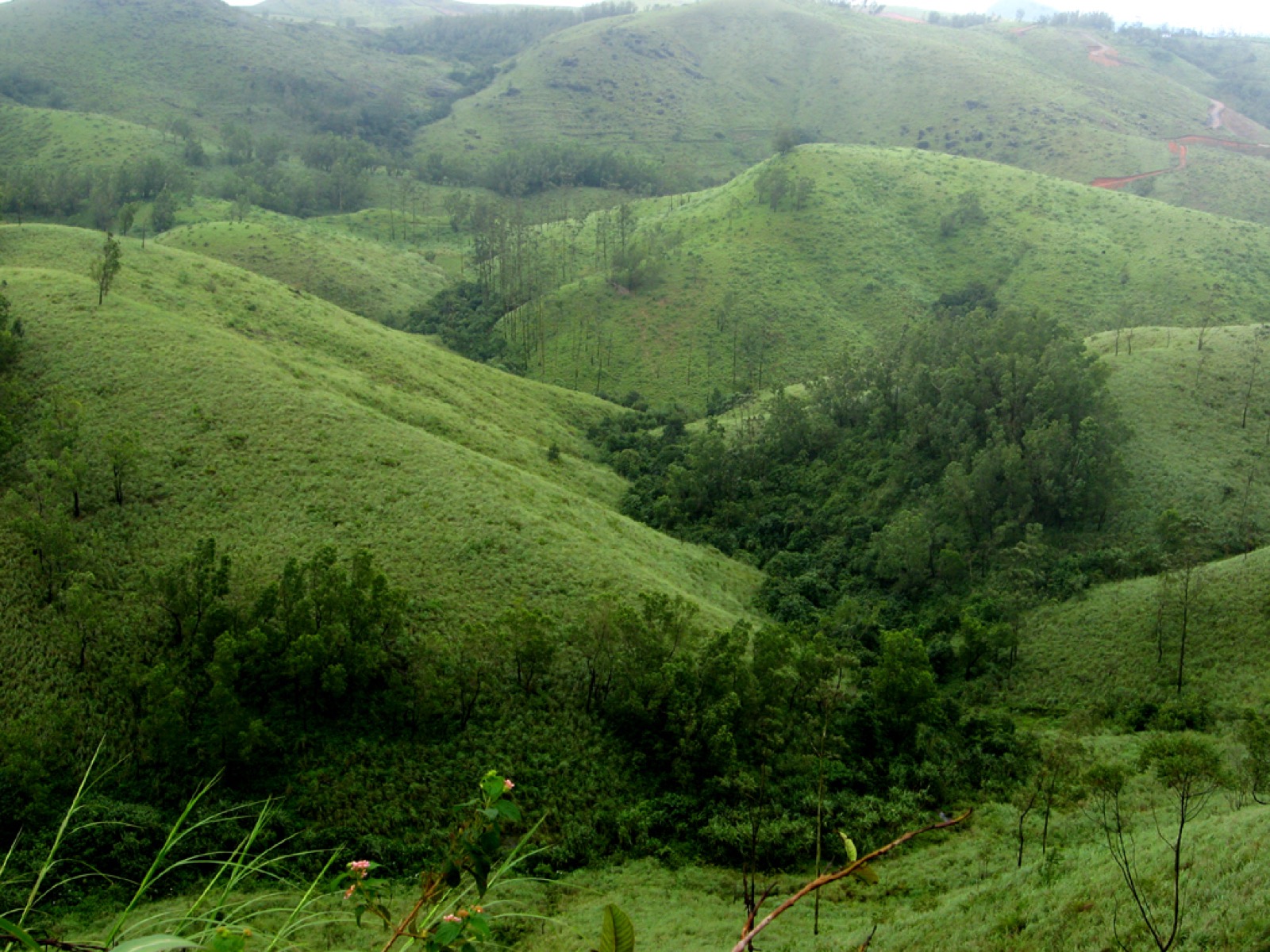
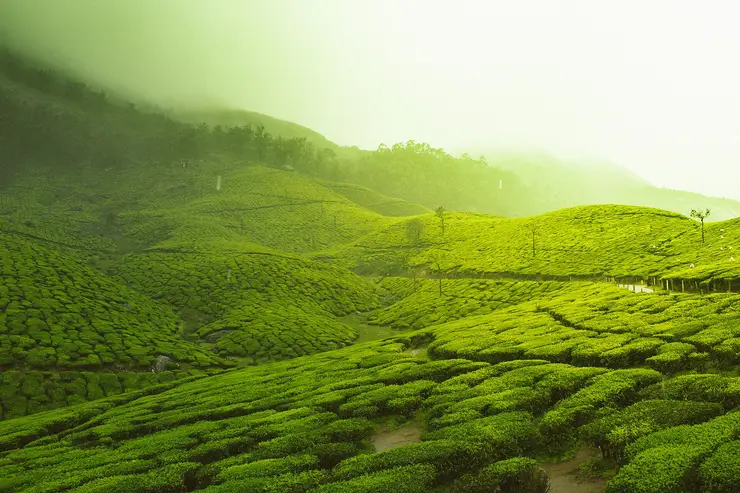
Seven kilometres of open grass hill with the wind never off you and the Idukki reservoir spread out below — a landscape with no trees in the way of it.
There are elephants on the same hillside, and a guide who knows where they were this morning.
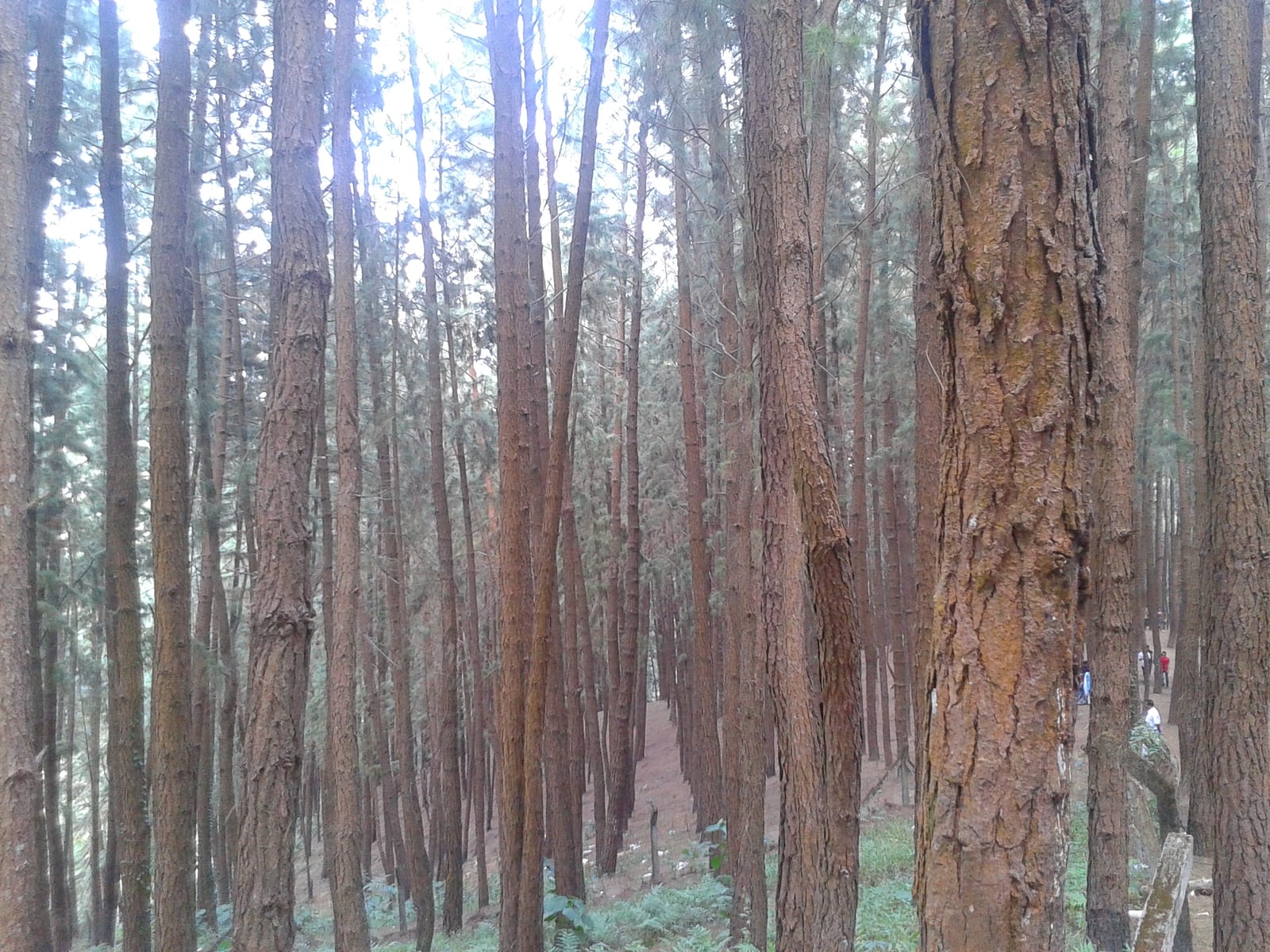
It sits eight kilometres from the pine forest and the Kolahalamedu ridge, so it turns a Vagamon weekend into something with a real walk in it.
It is a Forest Department programme rather than a viewpoint with a car park, so you walk with someone who reads the ground — and that is a different day out from anything else on this shoulder.
Because you will arrive knowing the fee, the hours and the party rule, and nothing else published about this walk gets all three right.