What to expect
Highlights
- Heritage experience at Thunchath Ezhuthachan Malayalam University
- Architecture, local stories and old trade/cultural routes
- Good fit for guided walks and nearby cafes/shops
The state university at Vakkad, four kilometres west of Thunchan Parambu, founded in 2012 to teach the humanities and social sciences through Malayalam rather than English.
Thunchath Ezhuthachan Malayalam University belongs under Tirur, one of the practical travel bases in Malappuram district. Use Tirur for stays, food, local transport and operators, then plan this place as a focused stop rather than an isolated pin.
This is a working campus rather than a sight, and it is worth being clear about that before making the trip west from Thunchan Parambu. What is here is a small postgraduate university at Vakkad on the flat land towards the coast, five and a half kilometres west of the memorial by road, founded on a single stubborn idea: that a person should be able to take a master's degree in film studies, or sociology, or environmental science, in Malayalam. Almost every other university in the state teaches those subjects in English. This one was created so that one would not.
The teaching is postgraduate and the subject list is wider than the name suggests. Alongside Malayalam literature and linguistics there are master's programmes in journalism and mass communication, creative writing, cultural heritage studies, environment studies, development studies and local development, history, sociology and film studies. Research degrees run across most of the same ground, with comparative literature added.
There is a second tier of shorter diplomas that reads like a list of jobs: new media, writing and presenting for television, advertising and copywriting, heritage tourism, script writing and videography, and project preparation and evaluation. For a university founded to defend a language, a striking amount of what it teaches is how to work in one.
The harder half of the project is vocabulary. Teaching science and social science through Malayalam means the words have to exist, and a good deal of the university's effort goes into making them. The Ezhuthachan Padana Kendram is compiling a lexicon of the poet the place is named for; an online Malayalam dictionary is in progress; there is a language technology centre, a heritage survey and a linguistic survey museum project.
The reach is not only local. The university established a Hermann Gundert Chair at the University of Tübingen in Germany — Gundert being the missionary whose Malayalam–English dictionary of 1872 remains the foundation of Malayalam lexicography, and whose papers are held at Tübingen. A university at Vakkad endowing a chair in Swabia to sit next to its own language's archive is not the ordinary behaviour of a small regional institution.
Kerala has a particular reason to take the question seriously. The state's own literacy is near-total and its public life is conducted in Malayalam, but its higher education has run in English for as long as it has existed, so a student who thinks in Malayalam has had to change languages at exactly the point where the thinking gets hard. The university's answer is not to translate textbooks; it is to build the terminology and then teach in it, which is slower and is the reason a dictionary project sits at the centre of a teaching institution.
The subject list follows from that rather than from tradition. Putting film studies, development studies and environmental science into a Malayalam-medium syllabus is a deliberate choice of the fields where the vocabulary gap is widest — nobody doubts that Malayalam can carry a discussion of Malayalam literature. The diplomas in television writing, copywriting and videography come from the other end of the same argument: the language has to be employable, not only teachable.
There is a heritage museum on the campus at Vakkad. Its opening hours are not published, and it is a university facility rather than a public one, so anyone making the trip specifically for it should ring the university first on 0494 2631230 rather than turn up.
The motto is Shreshtam Malayalam. It sits oddly with the fact that almost everything written about the university in the wider world is written in English, which is more or less the problem it was founded to work on.
The idea of a university for the language is older than the institution and had been argued for in Kerala for decades before it existed, usually against the objection that a language does not need a university of its own. The counter-argument, and the one that won, was that a language which cannot carry a science syllabus eventually stops being used for serious work — and that this is a decision a state makes rather than a fate a language suffers.
That Tirur was chosen is not sentimental. Thunchath Ezhuthachan settled the alphabet Malayalam still uses on ground five kilometres east of this campus, and the Kerala school of astronomy wrote in these villages — including Jyeshthadeva's Yuktibhasa, composed in plain Malayalam rather than Sanskrit around 1530, four hundred and eighty years before anyone drafted an ordinance about teaching in it. The university is a late instalment of an old local habit.
The university was created by the Thunchath Ezhuthachan Malayalam University Ordinance in 2012 and inaugurated on 1 November 2012 by the chief minister, Oommen Chandy. Its first vice-chancellor was K. Jayakumar, a retired chief secretary of Kerala who had written the project report that led to it. The Governor of Kerala is chancellor and the state's higher education minister is pro-chancellor.
It began with nothing. At inauguration the university had no land and no buildings of its own, and its offices ran out of the premises of the Thunchan Memorial Government College in Tirur. Teaching began the following year from an interim campus at Vakkad given the name Aksharam — the word for a letter of the alphabet, and for the indestructible.
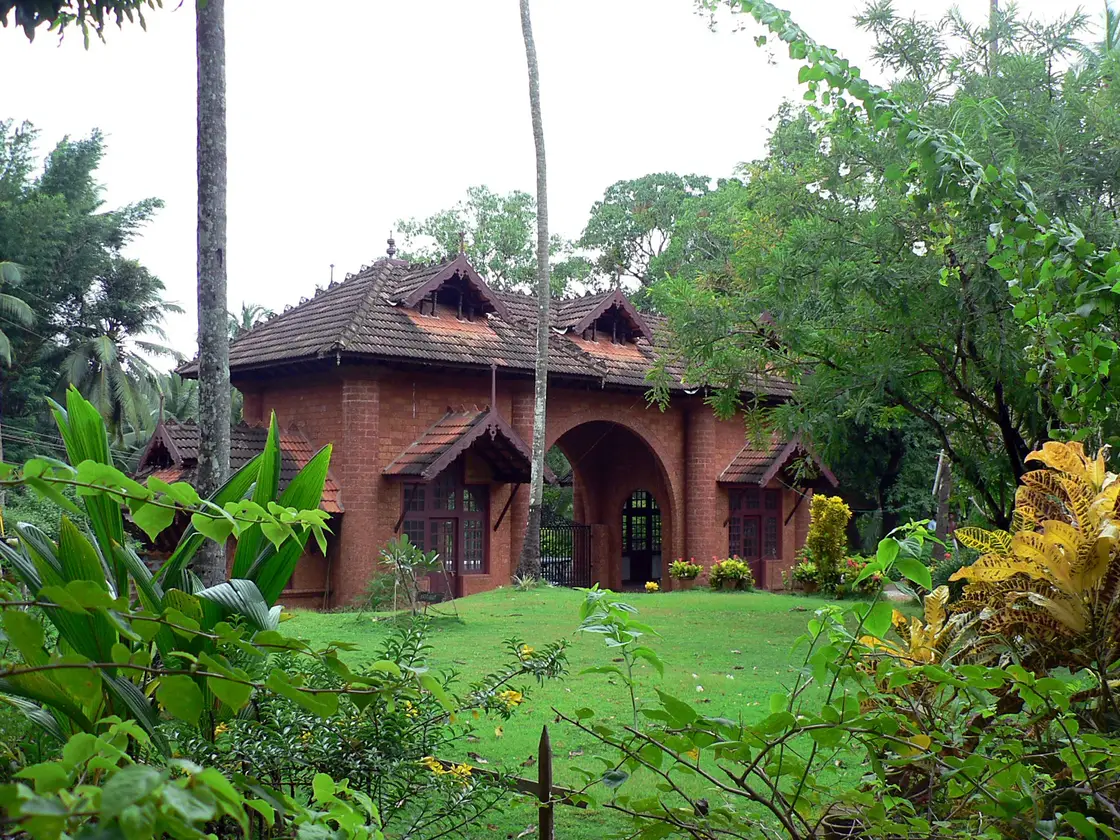
The permanent campus at Vakkad has been built out since, and the newest of its buildings is the one most photographs of the university show. Fourteen years is a short life for a university and the institution is still visibly assembling itself, which is part of what there is to see.
It is the only university in Kerala that teaches its postgraduate subjects through Malayalam, and it was created for that single purpose.
The campus is five and a half kilometres west of the ground where the alphabet those subjects are taught in was settled on.
The lexicon and dictionary work here is the practical side of the argument — a language being fitted out with the vocabulary to do new jobs.
It endows a chair in Hermann Gundert's name at Tübingen, where the papers of the first Malayalam–English dictionary are kept.
There is a heritage museum on the campus, though it is a university facility and worth telephoning about before travelling for it.
It rounds out a day at Tirur: the poet's ground, the temple, the memorial, and the institution the language got four centuries later.
Road km to Malappuram; ghat roads and traffic vary — allow extra.
November to February and early mornings are best for walking; avoid midday heat where possible.
Live forecast loads in your browser.
Sun and moon are calculated for this location and shown in IST. Photography windows are the hour around sunrise and sunset; the sunset bearing is degrees clockwise from true north. Moon phase is accurate to about half a day.
Verified hotels, homestays, restaurants, experiences, sights, shops and rentals around Thunchath Ezhuthachan Malayalam University — commission-free, with direct contact. Filter by what you need.
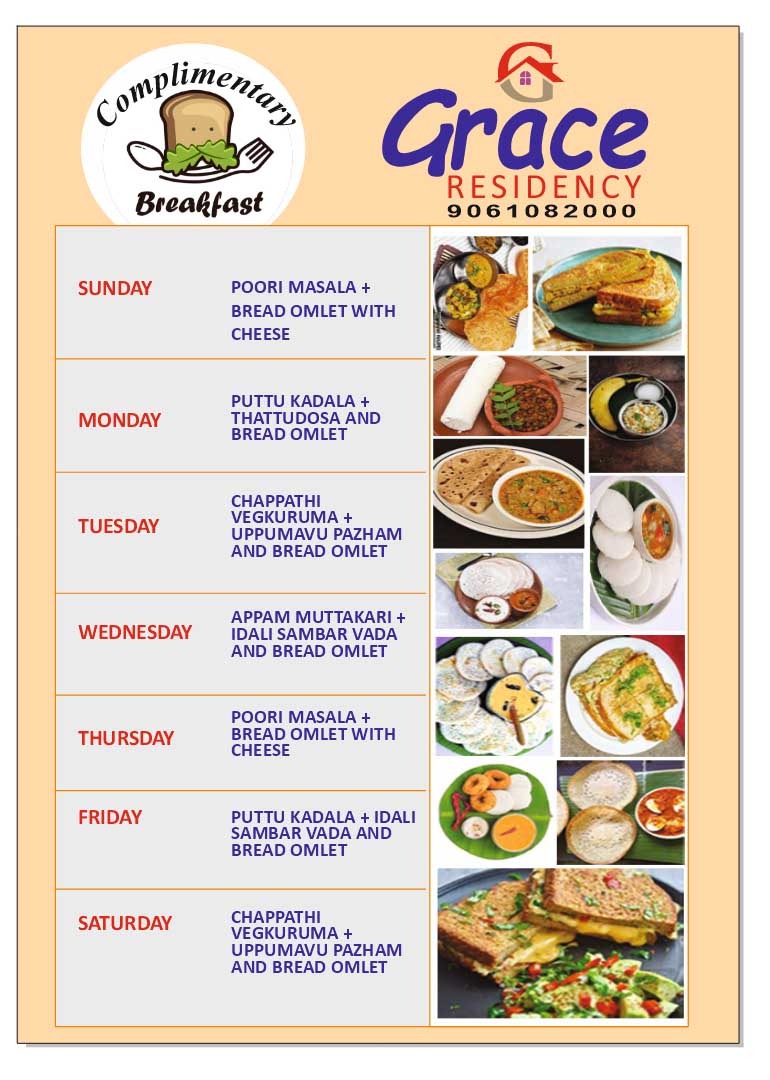
The dining side of Grace Residency, the budget hotel at Thazhepalam in central Tirur. The hotel's own site lists breakfast among its services and gives no separate name, address or phone for a restaurant, so treat this as the hotel's kitchen rather than a place in its own right.
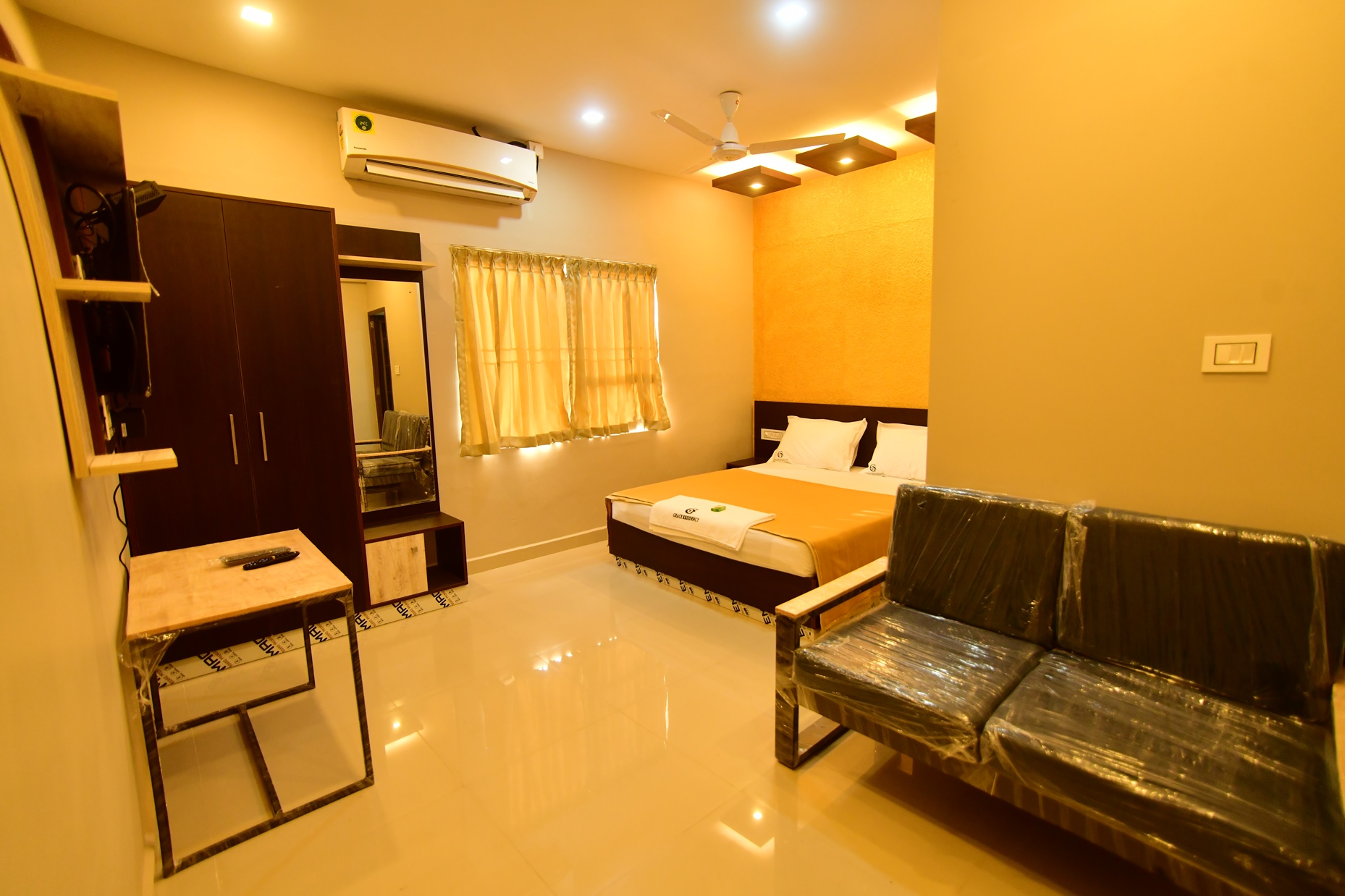
A budget-friendly hotel in the heart of Tirur town with AC suites and deluxe rooms. It sits within walking distance of Thunchan Parambu.
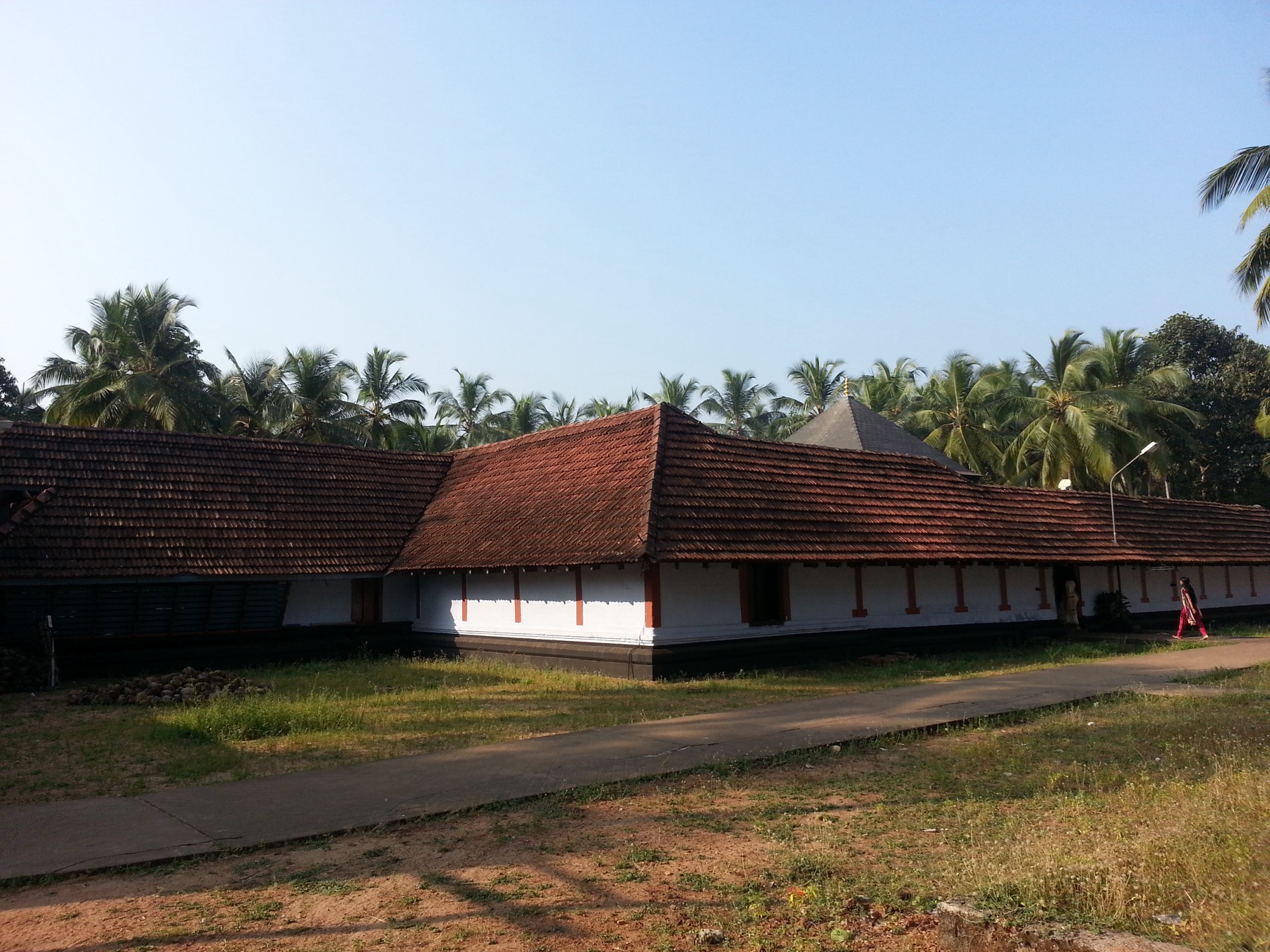
A Hanuman temple at Alathiyur, about six kilometres south of Tirur, where the deity is shown leaning forward as though listening. It is a working temple with its own timings and customs, so check locally before planning a visit around it.

One of the hundred and eight Shiva shrines of Kerala, a kilometre from Thunchan Parambu in the same locality. It opens at about half past two in the morning, which is earlier than almost any temple in the state, and its signature hour is the pradosha twilight worship.

A ninth-century Shiva temple complex about six kilometres south of Tirur, in the same direction as Alathiyur. It is a working temple with its own timings, and it is a separate place from the Trikkandiyoor shrine in the town.
A contemporary hotel at B.P Angadi in central Tirur with suites and a party hall. Its kitchen serves regional and global cuisine, plus spa services.
The Thunchan Memorial Trust’s own book house, on the memorial grounds at Trikkandiyoor. It sells the Trust’s publications alongside other Malayalam publishers, and the reading room beside it keeps different hours from the rest of the grounds.
Kerala’s only Malayalam-medium university, named for the poet whose ground lies four kilometres east at Thunchan Parambu. It was inaugurated in 2012 and teaches the humanities and social sciences through Malayalam from a campus at Vakkad.
The town hall is built in the form of the closed goods wagon in which about a hundred prisoners were shut at Tirur station on 19 November 1921, and it carries a full-size red wagon lettered MSM LV 1711. A memorial statue stands beside it.
Book with the place itself. India’s cyber-crime coordination centre warned in April 2025 that convincing copies of hotel and pilgrimage booking sites are being pushed through sponsored search and social ads, taking payment for rooms the property never hears about. Every listing here links to the business’s own contact details and its own Google or Bing profile — we take no commission and sit in nobody’s payment path. If a booking page reached you through an ad, check the address bar against the property’s own site before you pay. Fraud can be reported on cybercrime.gov.in or on 1930.
Thunchath Ezhuthachan Malayalam University sits in Tirur, and these rank everything verified across the town rather than this one spot — built from the same listings shown above, ordered by the strength of the source evidence behind each entry rather than by anyone's star score. Every card shows how many places are really on it. Nobody pays to appear.
6 more places around Tirur, each worth a day of its own.

10.1 km · ~17 min by cab
An ancient Vishnu temple on the Bharathapuzha at Thirunavaya, near the historic Mamankam fair-ground and a major venue for ancestral (bali/shraddha) rites.
5.0 km · ~13 min by auto
The Alathiyur Perumthrikkovil near Tirur, where the sanctum holds Sri Rama alone and the Hanuman carved outside it — leaning, caught in the act of listening to his orders — is the figure the crowds come for.
4.0 km · ~10 min by auto
One of the hundred and eight Shiva temples of Kerala, a kilometre from Thunchan Parambu — an apsidal ninth-century shrine that opens at half past two in the morning because the god here was installed at dusk.
6.5 km · ~16 min by auto
A west-facing Shiva temple south of Tirur, nine shrines inside six acres, built around the moment Shiva came out of the linga to stop Death taking the boy Markandeya.

4.5 km · ~11 min by auto
Tirur's town hall, built as a full-size railway goods wagon in signal red and lettered MSM LV 1711 — the memorial to the hundred prisoners shut into wagon 1711 at the station down the road on 19 November 1921.
3.6 km · ~9 min by auto
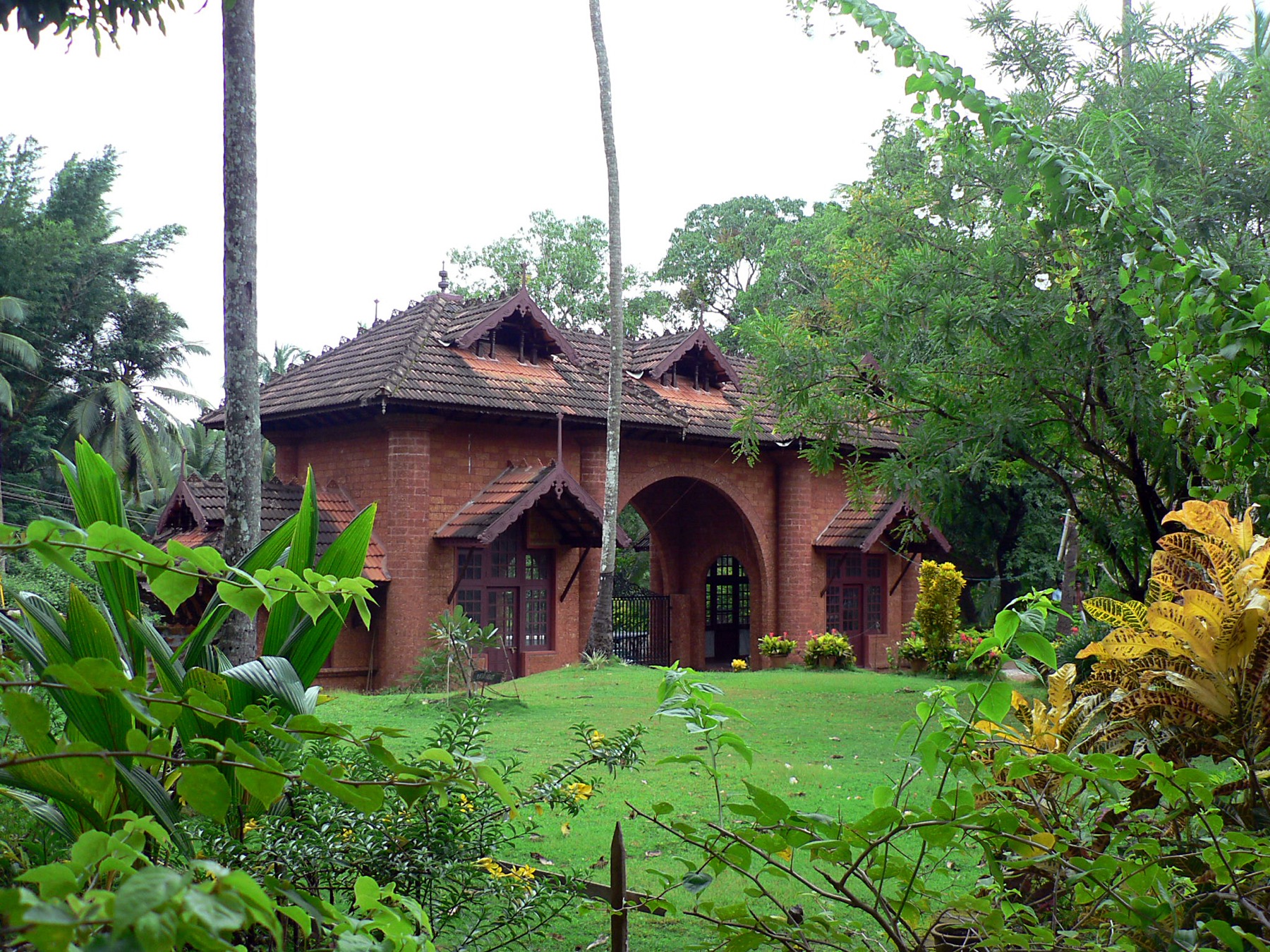
At Tirur, the ground of Thunchath Ezhuthachan, the “father of the Malayalam language” — a working literary institution with a museum, a manuscript library and the Vidyarambham first-letters tradition at Vijayadashami.
Roampedia is commission-free — own or know a stay, eatery, guide or shop near Thunchath Ezhuthachan Malayalam University? List it and it appears here once verified.
Add a nearby businessEntry: Nothing is charged, but this is a working campus rather than a visitor attraction and there is no public admission arrangement.
Photography: The building most often photographed is the newest one on the campus. Ask at the office before photographing anywhere on the grounds.
Parking: Campus parking, subject to whatever the university's own arrangements are on the day.
Work out your return before you settle in for the sunset. Public transport here thins out sharply in the evening, and Thunchath Ezhuthachan Malayalam University is easier to reach than to leave. We do not publish departure times: there is no official live feed we are permitted to republish, and a wrong time here would strand you. Check the operator directly on the day.
Ask at the bus stand for the time of the last service back, not the next one. If you miss it, an auto or app cab is the fallback — agree the fare before you get in.
We have not assessed physical access at this place yet. Across India, step-free routes, handrails and accessible toilets are the exception rather than the rule, and pavements are often interrupted — if step-free access matters to you, contact the site or a local operator before committing to the trip.
Emergency numbers are verified against official government and state tourism sources. 112 works anywhere in India.


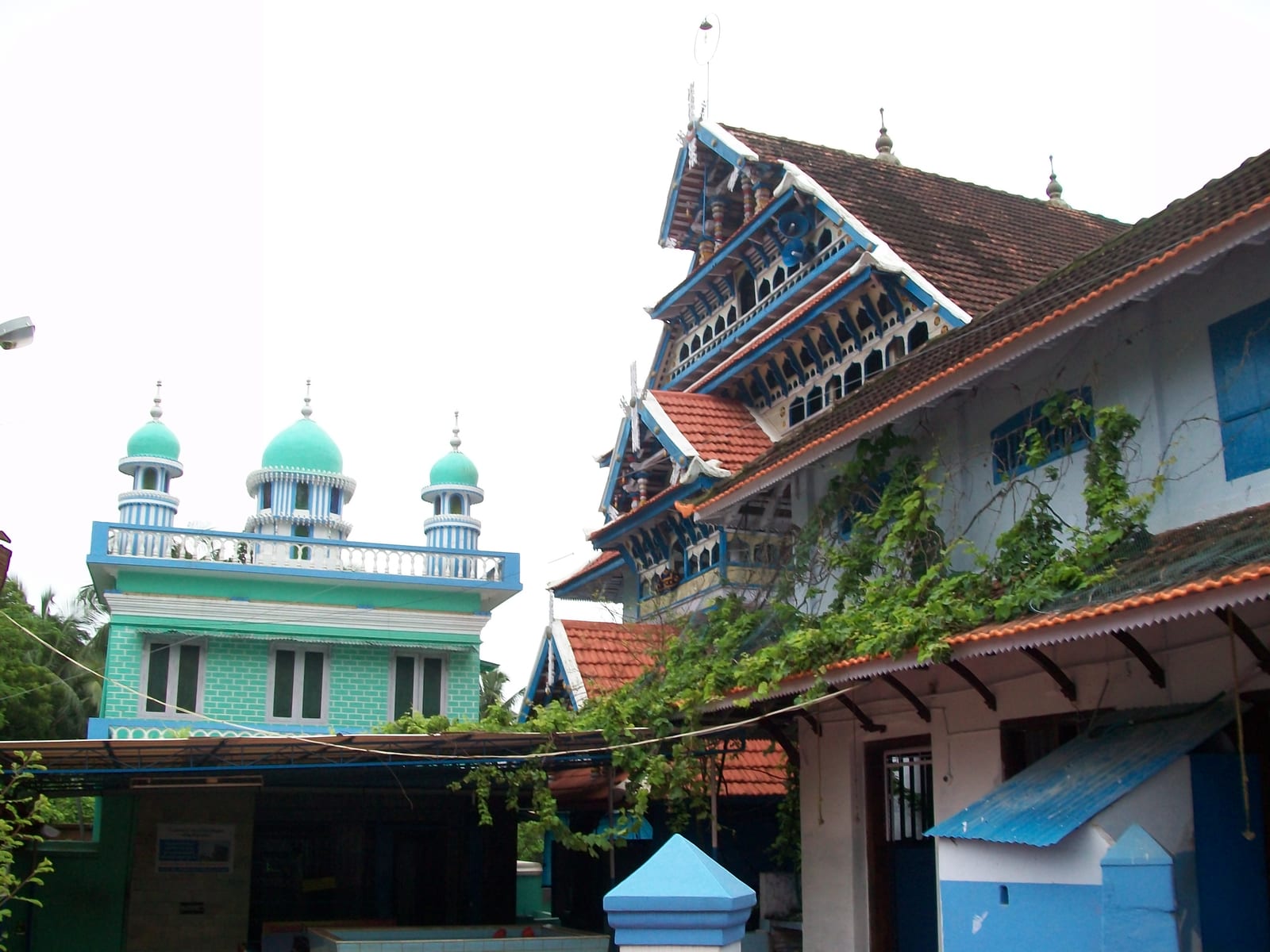
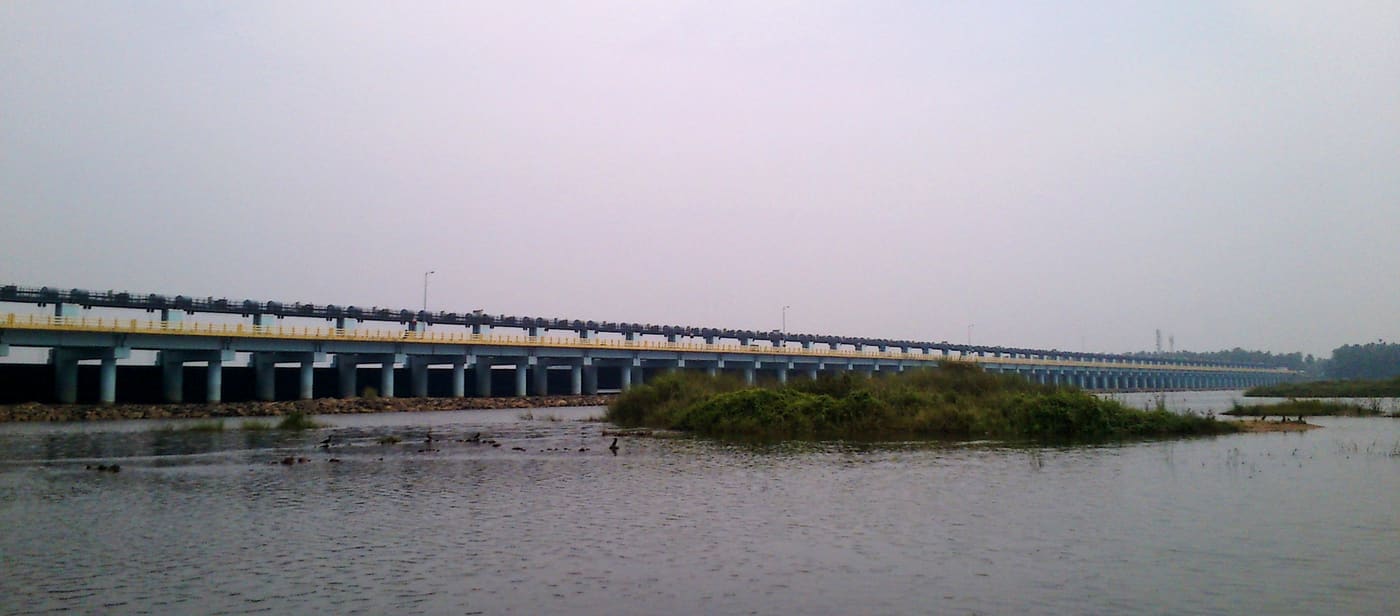


Thunchath Ezhuthachan Malayalam University, at Vakkad in Tirur — a small state postgraduate and research university created by ordinance in 2012 to teach the humanities and social sciences through Malayalam rather than English. It is named after the poet whose memorial ground lies five and a half kilometres east by road.
It is a working campus rather than a visitor attraction. There is a heritage museum on the grounds, but its hours are not published and it is a university facility, so telephone 0494 2631230 before making the trip for it.
It was created by the Thunchath Ezhuthachan Malayalam University Ordinance of 2012 and inaugurated on 1 November 2012 by the then chief minister, Oommen Chandy. Teaching began in 2013 from an interim campus at Vakkad called Aksharam. Its first vice-chancellor was K. Jayakumar, a retired chief secretary who had written the project report.
Master's degrees in Malayalam literature, linguistics, journalism and mass communication, creative writing, cultural heritage studies, environment studies, development studies and local development, history, sociology and film studies, with research degrees across most of the same fields. There are also shorter diplomas in new media, television writing and presentation, advertising and copywriting, heritage tourism, script writing and videography, and project preparation.
No. Thunchan Parambu is the memorial ground run by its own trust, five and a half kilometres east by road. The university is a separate state institution named after the same poet and founded in 2012.
The working argument is about vocabulary: teaching science and social science in Malayalam requires the terms to exist, so a large part of what the university does is make them — a lexicon of Ezhuthachan, an online dictionary, a language technology centre and a linguistic survey.
A chair the university established at the University of Tübingen in Germany, named for Hermann Gundert, whose Malayalam–English dictionary of 1872 underlies Malayalam lexicography and whose papers are held at Tübingen.
Vakkad is 5.4 km west of Thunchan Parambu towards the coast, on Tippu Sulthan Road, and 7.2 km from Tirur station. Tirur railway station is the practical arrival point and an auto covers the rest.
November to February and early mornings are best for walking; avoid midday heat where possible.
Entry: Nothing is charged, but this is a working campus rather than a visitor attraction and there is no public admission arrangement.. Timings: Ordinary university working hours, and no visitor hours are published. The heritage museum on the campus does not publish opening times either; telephone 0494 2631230 before travelling out for it.
Base yourself in Tirur or a nearby town in Malappuram, then confirm the last-mile route locally before leaving. Walkable heritage areas are best done slowly; combine nearby streets, museums, markets and food stops. If the visit depends on forest, temple, boat, ferry, weather or seasonal access, check the official/local rule on the day before travel.
1 to 3 hours.
Nearby you can pair Thunchan Parambu (3.6 km), Trikkandiyoor Mahadeva Temple (4.0 km), Wagon Tragedy Memorial (4.5 km), Alathiyur Hanuman Temple (5.0 km).
Watch traffic on narrow heritage streets. Keep valuables close in crowded markets.
We have not published a story about Thunchath Ezhuthachan Malayalam University itself yet. These cover Tirur, the town it sits in, and the wider district.
Thunchath Ezhuthachan Malayalam University sits in Tirur, so these cover the streets, buildings and surroundings around it.

Route-level itineraries and practical guides for the rest of Kerala.