What to expect
Highlights
- Reservoir, dam garden, viewpoint and family recreation zone near Palakkad town.
- Easy pairing with Palakkad Fort, Kalpathy and town stays.
- Expect to be booking family restaurants, drivers, hotels and activity services.
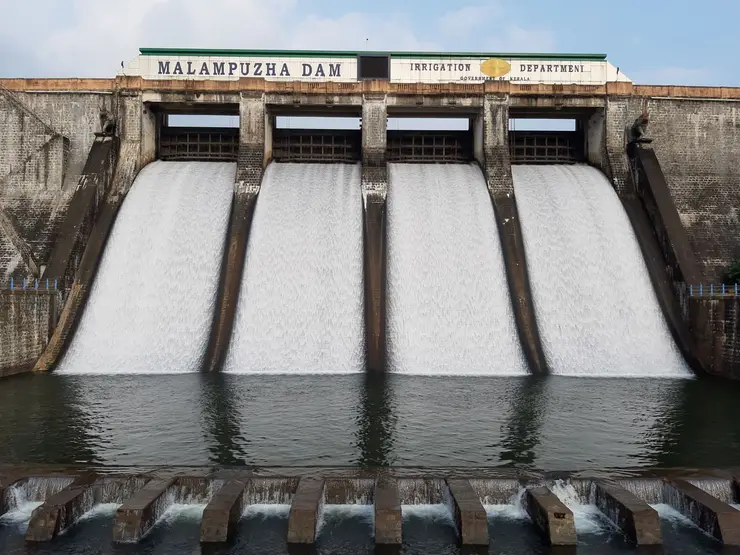
Malampuzha Dam and Garden is Palakkad's classic family day-trip zone, combining reservoir views, gardens, ropeway/park-style attractions where operating and the Western Ghats backdrop. It is close enough to Palakkad town to be a practical half-day stop.
Maintenance, ticketing and the season all close things here from time to time, so check what is actually running on the day rather than expecting every attraction to be open.
Cradled where the Palakkad plains rise to meet the blue wall of the Western Ghats, Malampuzha is Kerala’s largest reservoir and its most beloved family day-out — a masonry dam of the 1950s married to a sprawling landscaped garden of fountains, an aerial ropeway, boats on still green water, a rock garden built from rubbish, and the state’s most famous piece of public art: Kanayi Kunhiraman’s giant reclining Yakshi. Come for the engineering, stay for the picnic, and leave arguing about a sculpture.
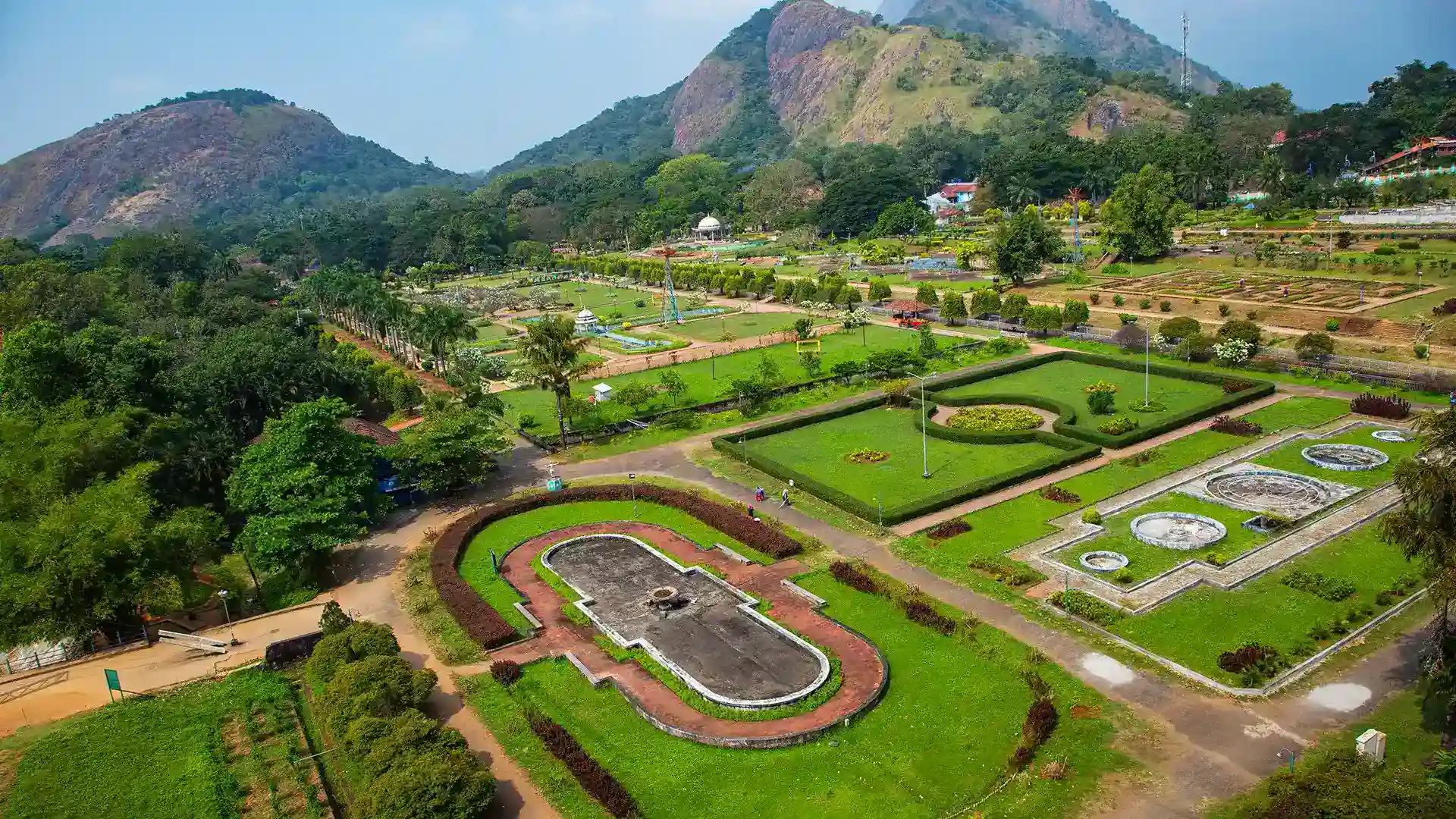
Malampuzha is that rare Kerala destination that is not built around a temple, a beach or a legend, but around water and human ambition. The dam holds back the Malampuzha river — a tributary of the Bharathapuzha, Kerala’s second-longest — in a broad reservoir that laps against low, wooded hills. On a clear morning the far shore dissolves into the Western Ghats, and the whole scene has the calm, engineered beauty of a place that was designed to be looked at as much as to be useful.
The garden below the dam is the emotional heart of the visit. Laid out in the tidy, geometric style of a mid-century public park, it runs on manicured lawns, ribboned flower beds, ornamental pools and fountains that come alive in the evening. For generations of Palakkad and Coimbatore families this has been the Sunday outing — children scattering across the grass, couples on the boats, grandparents on the shaded benches — and that unhurried, multi-generational picnic energy is really what Malampuzha is about.
Gliding above it all is the aerial ropeway, a chain of small cabins that carries you sixty-odd feet over the gardens and out towards the dam for a slow, panoramic view of reservoir, lawns and mountains. It is gentle rather than white-knuckle, the kind of ride that makes children shriek with delight and adults reach for their phones, and it remains one of the most photographed experiences in the whole park.
Then there is the rock garden — Malampuzha’s quiet stroke of genius. Inspired by Nek Chand’s celebrated rock garden in Chandigarh, it is assembled almost entirely from waste: broken bangles, shards of tile and crockery, discarded tin, plastic and stone, coaxed into sculptures, walls and grottoes. It is playful, slightly surreal, and carries a genuinely modern message about turning rubbish into wonder, long before recycling became a slogan.
But the image most visitors carry home is the Yakshi — a colossal reclining female figure in cement, thirty feet from head to toe, lying back with her eyes turned to the mountains. Created by the great Kerala sculptor Kanayi Kunhiraman, she is at once serene and startling, a piece of serious modern art dropped into a family picnic ground. She has been adored, photographed, moralised over and fought about for more than half a century, and she gives Malampuzha a cultural weight that no fountain or boat ride could.
Add a freshwater aquarium, a snake park, a children’s play area, a swimming pool and boating on the reservoir, and Malampuzha becomes less a single attraction than a full day’s worth of them — an easy, joyful, deliberately un-solemn place that rewards families, photographers and anyone curious about how a working irrigation dam grew into one of Kerala’s favourite outings.
The Malampuzha project belongs to the great post-Independence age of Indian dam-building, when new reservoirs were spoken of as temples of a modern nation. Work on the dam is generally dated to the late 1940s, with construction beginning around March 1949 and the completed dam commissioned on 9 October 1955. It was conceived first and foremost as an irrigation work, to water the thirsty paddy tracts of the Palakkad plain.
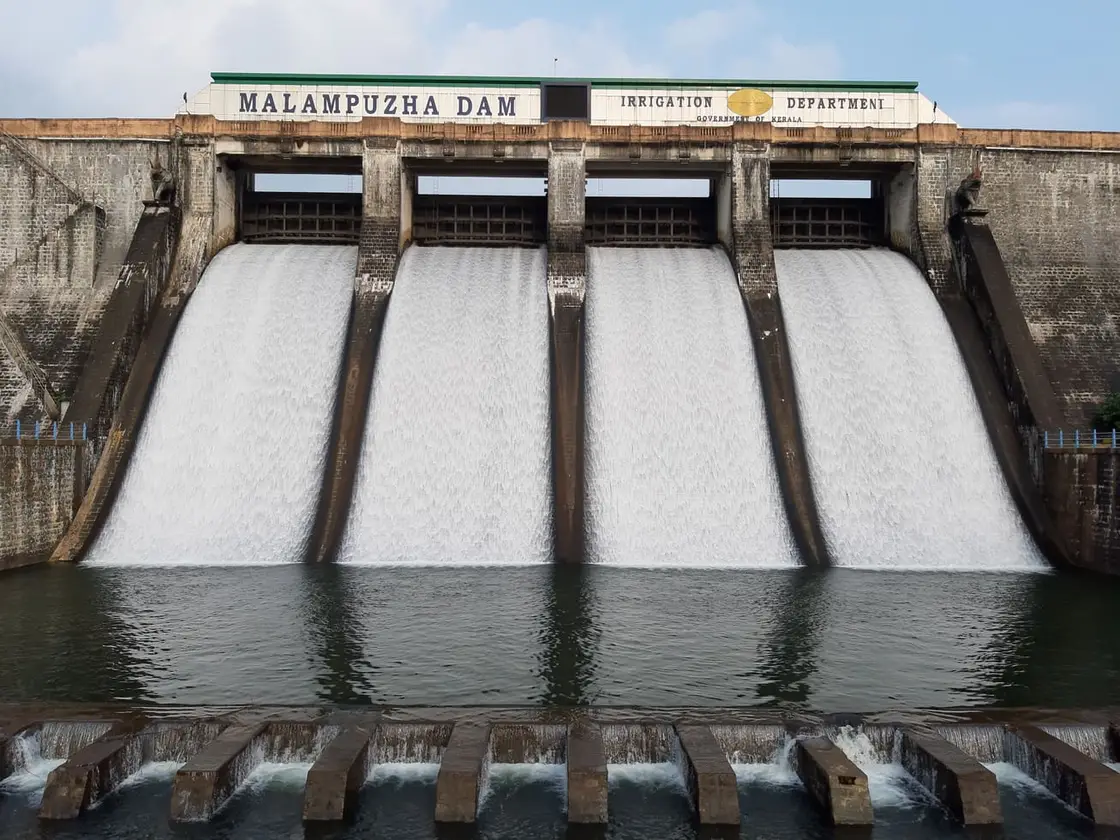
Engineering-wise, Malampuzha is Kerala’s largest reservoir. The scheme pairs a masonry dam of 1,626.71 m with an earthen saddle of 222.20 m — about 1,849 m, or a little under two kilometres, taken together — rising to a maximum height of 38.10 m and impounding a gross storage of 226 million cubic metres (figures from the Kerala Irrigation Department's own project page). Sitting just where the Palakkad Gap breaks the Western Ghats, it draws on the run-off of those hills to feed a wide network of irrigation canals downstream.
The landscaped garden, ropeway, aquarium and boating facilities were developed later, as the authorities recognised that a scenic reservoir at the foot of the mountains was a tourism asset as much as an agricultural one. Over the decades Malampuzha steadily accumulated its family-park attractions, turning a piece of irrigation infrastructure into one of the most visited leisure spots in the district.
The garden’s cultural landmark, the Yakshi, was created by Kanayi Kunhiraman in 1969, reportedly taking him close to a year of work. A leading figure of modern Indian sculpture, Kanayi conceived the reclining nude not as titillation but as an image of nature herself — memorably explaining that the Yakshi, drawn towards the mountain before her, signifies nature, and that nature is naked. Its installation provoked a storm: traditionalists condemned it as obscene, agitations were mounted, and the sculptor has spoken of being physically and mentally drained, even threatened and attacked over the work. The Yakshi survived every campaign and is today celebrated as a milestone of public art in Kerala — proof that Malampuzha’s history is not only about concrete and canals, but about the fight over what art in a public place is allowed to be.
It is a genuine all-in-one family day out. Ropeway, boating, rock garden, aquarium, snake park, children’s play areas and wide lawns sit within a single ticketed garden, so one stop keeps children and grown-ups happily occupied for hours.
The setting is quietly spectacular. Kerala’s largest reservoir spreads out beneath the blue ridge of the Western Ghats at the Palakkad Gap, giving you big-sky mountain-and-water views that are rare on the coastal side of the state.
The Yakshi is a must-see piece of modern Indian art. Kanayi Kunhiraman’s thirty-foot reclining figure is one of the most talked-about public sculptures in the country, and standing beneath it — knowing its story of controversy and survival — is a genuinely memorable experience.
The rock garden is unexpectedly delightful. Built in the Nek Chand tradition from broken tiles, bangles and other waste, it is a playful, slightly surreal maze that children love and that carries a real message about creativity and recycling.
The aerial ropeway offers the best view for the least effort. Drifting sixty feet above the gardens and out towards the dam wall, it turns the whole park, reservoir and mountain backdrop into one sweeping, camera-ready panorama.
It is refreshingly un-touristy in the temple-circuit sense. This is a leisure destination pure and simple — no dress-code anxieties, no ritual queues, just lawns, boats, ice cream and a slow evening among the fountains — which makes it an easy, relaxed contrast to Kerala’s heritage sights.
Road km to Palakkad; ghat roads and traffic vary — allow extra.
Post-monsoon to winter is best for scenery and comfort. Summer afternoons can be hot.
Live forecast loads in your browser.
Sunset is in about 14 minutes.
Check the official alert before you travel. Kerala’s beaches, waterfalls and trekking routes close at short notice during heavy rain, and district alert levels change day to day. We do not publish an alert level of our own — read it from the state authority: Kerala State Disaster Management Authority, or the district control room on 1077.
Sun and moon are calculated for this location and shown in IST. Photography windows are the hour around sunrise and sunset; the sunset bearing is degrees clockwise from true north. Moon phase is accurate to about half a day.
Verified hotels, homestays, restaurants, experiences, sights, shops and rentals around Malampuzha Dam & Garden — commission-free, with direct contact. Filter by what you need.
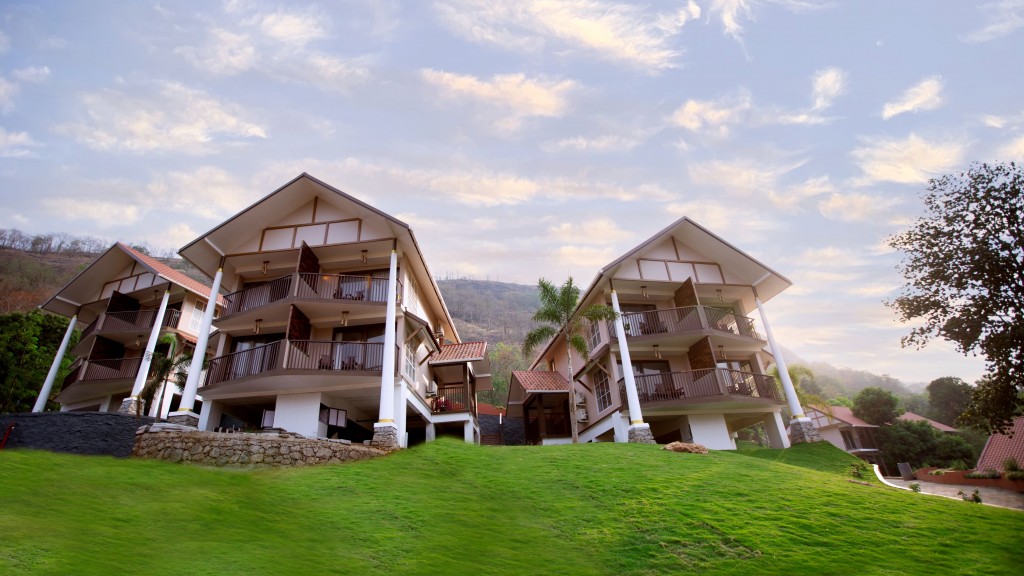
Restaurant and coffee-shop context at Kerala Tourism-listed Au Revoir Resorts Malampuzha. Resort restaurant, Au Revoir Resorts Malampuzha Restaurant.
Udan Khatola Malampuzha Ropeway is the operator record for the Malampuzha Garden cable-car experience. The direct operator source identifies Malampuzha as a ropeway destination and provides customer-care contact details. Ropeway attraction, Udan Khatola Malampuzha Ropeway.
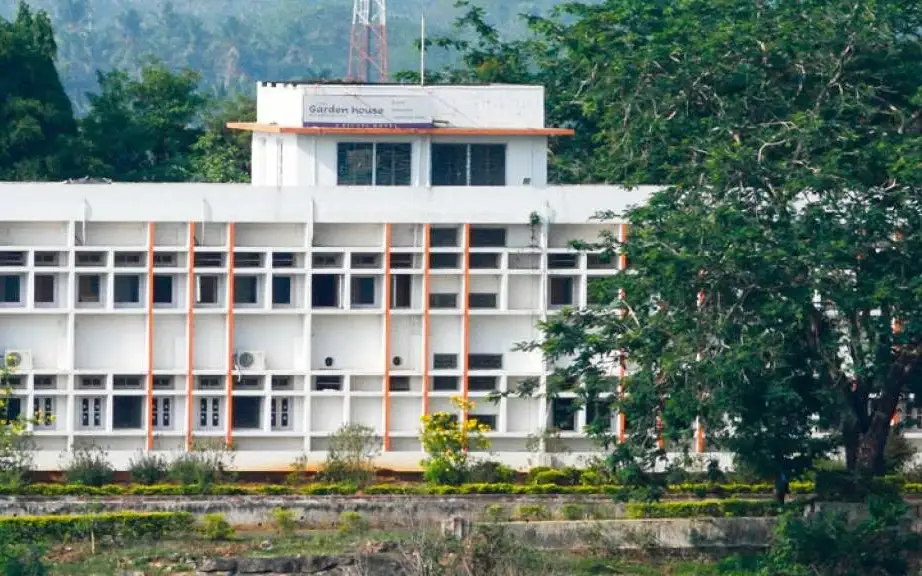
Hotel in Malampuzha. Budget hotel (KTDC) · KTDC, Garden House, Hotel.
Kerala Tourism and district-source Malampuzha Dam and Garden visitor record. Dam, Garden, Palakkad.
Kerala Tourism-listed resort on Malampuzha Dam Ring Road for Palakkad/Malampuzha stays. Au, Kerala Tourism-listed resort.
Book with the place itself. India’s cyber-crime coordination centre warned in April 2025 that convincing copies of hotel and pilgrimage booking sites are being pushed through sponsored search and social ads, taking payment for rooms the property never hears about. Every listing here links to the business’s own contact details and its own Google or Bing profile — we take no commission and sit in nobody’s payment path. If a booking page reached you through an ad, check the address bar against the property’s own site before you pay. Fraud can be reported on cybercrime.gov.in or on 1930.
Find food, accommodation and activities across Malampuzha. Browse the guides for places to eat, stay and explore along your route.
4 more places around Malampuzha. Open a guide to plan the visit and onward journey.
4.0 km · ~10 min by auto
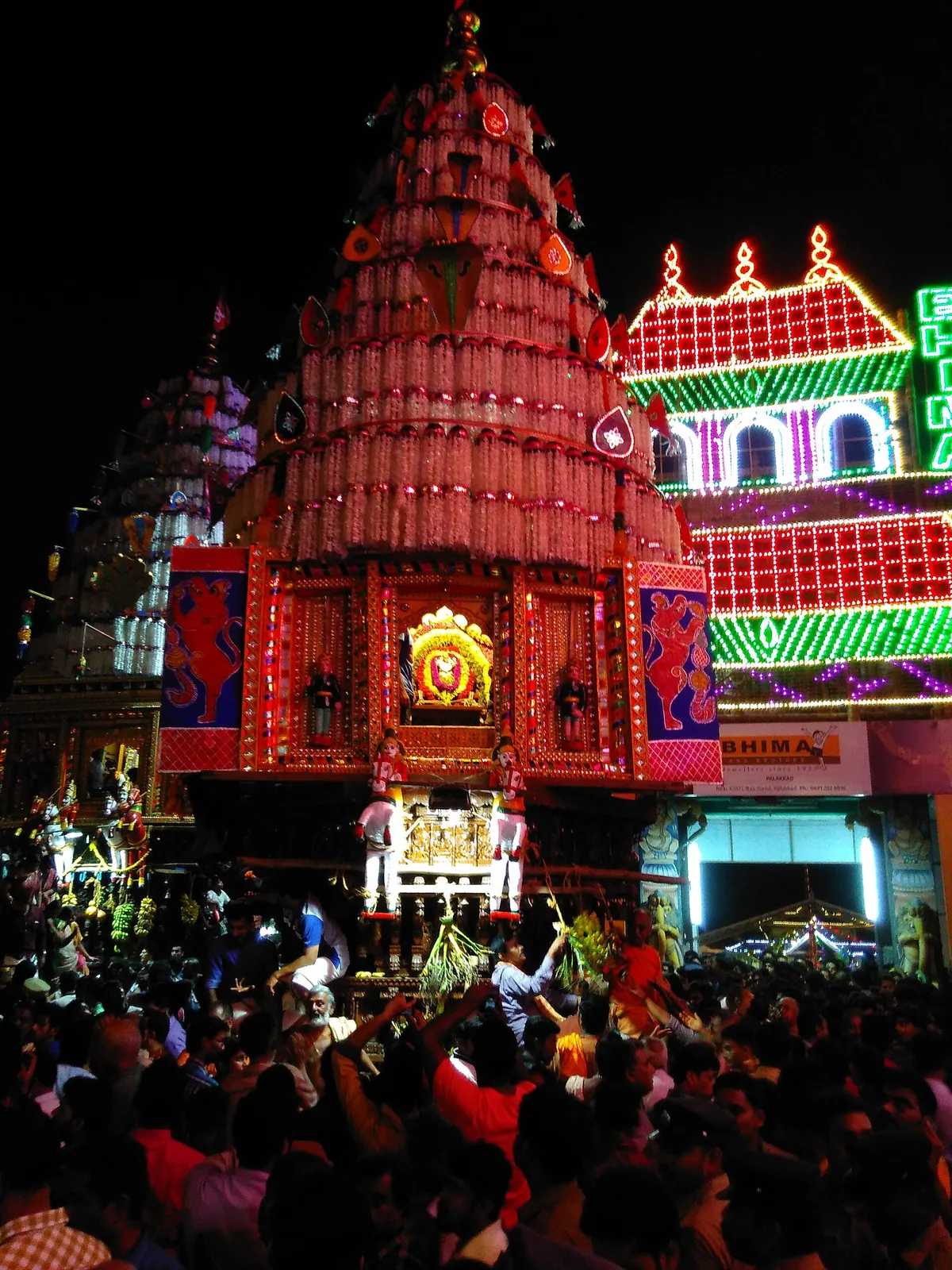
Kerala’s first heritage village, ~3 km from Palakkad town, built around the Sri Viswanatha Swamy temple on the Kalpathy river — a Tamil-Brahmin agraharam known as the “Kashi of the South” and for its November Ratholsavam chariot festival.
6.7 km · ~17 min by auto
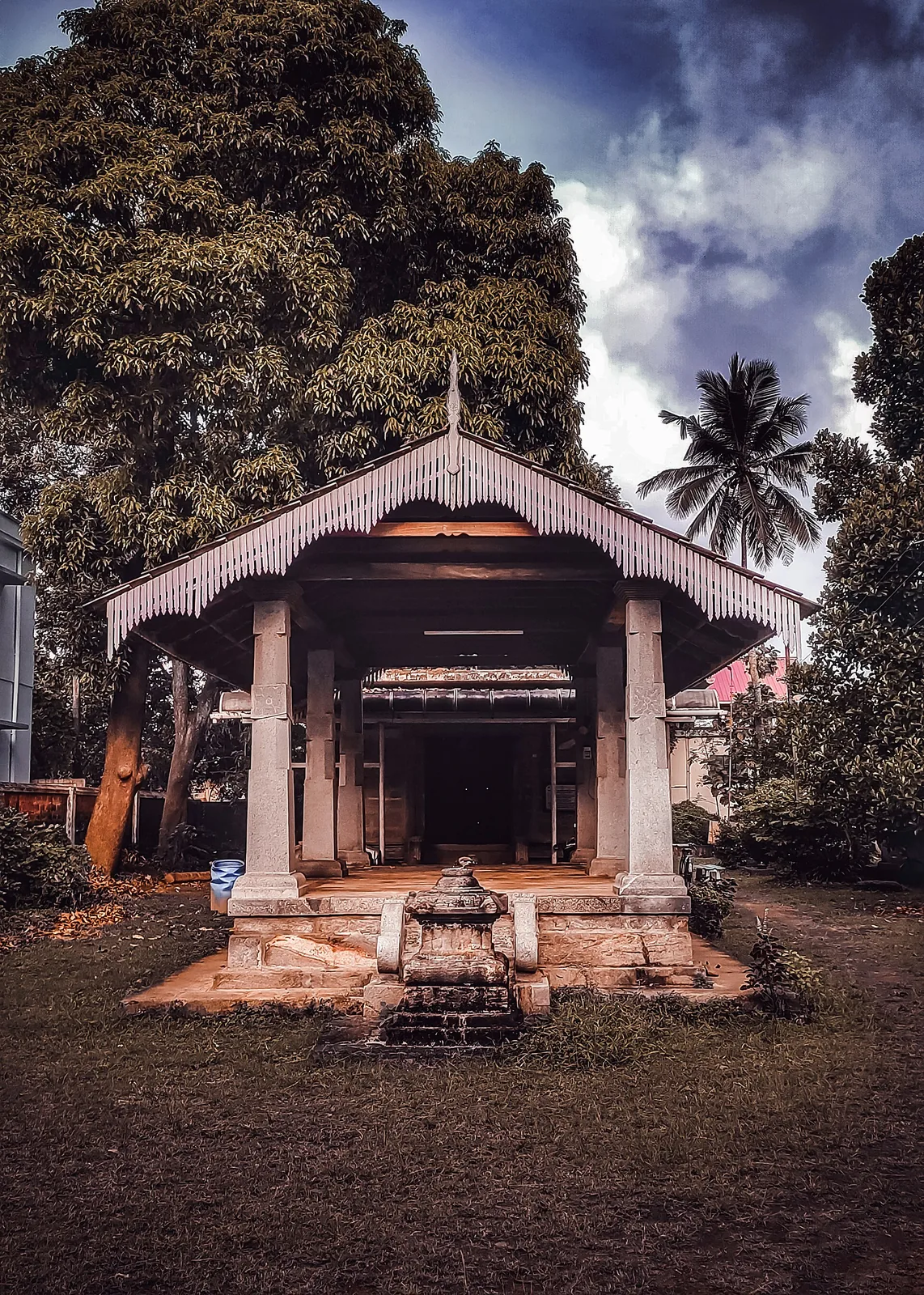
A ~15th-century Jain temple on the western edge of Palakkad town, one of the few surviving traces of Jainism in Kerala, with images of the Thirthankaras and Yakshinis.
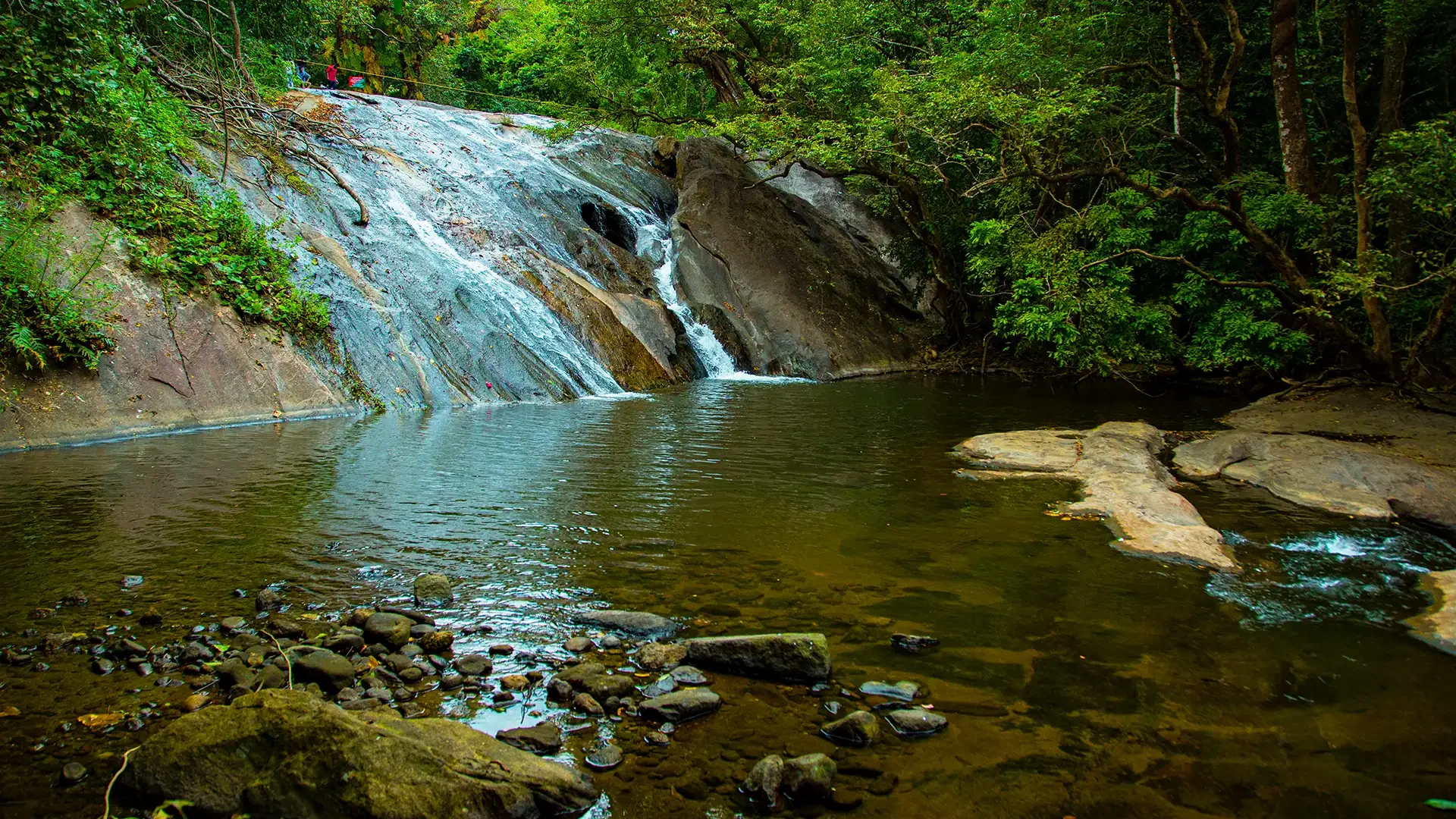
7.4 km · ~18 min by auto
A Forest Department controlled walk from Dhoni’s forest-office base to a cascade in the Palakkad foothills, with offline admission and a Monday closure.
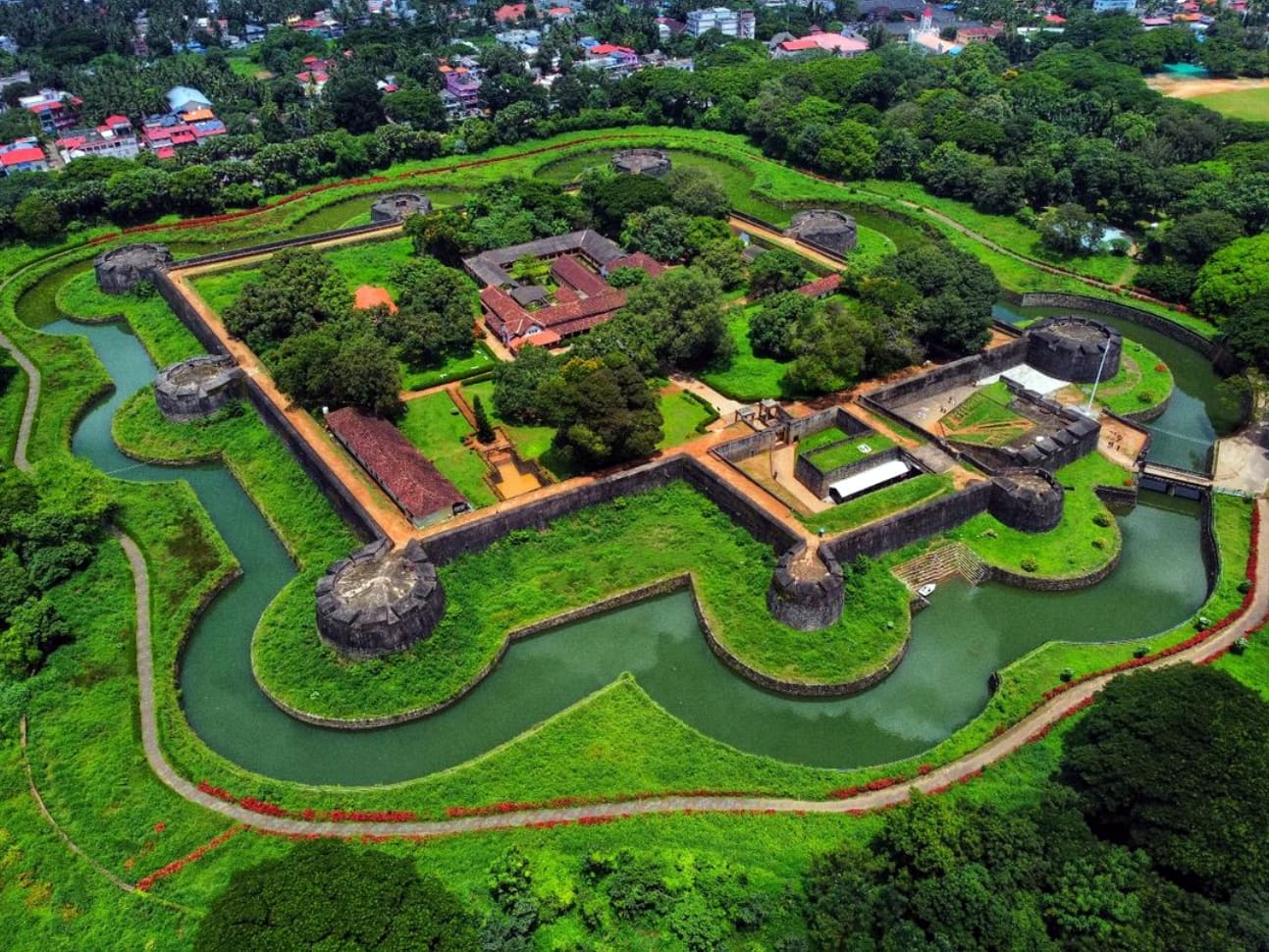
7.4 km · ~19 min by auto
Well-preserved fort in Palakkad town, associated with Hyder Ali and Tipu Sultan.
Roampedia is commission-free — own or know a stay, eatery, guide or shop near Malampuzha Dam & Garden? List it and it appears here once verified.
Add a nearby businessFees change without notice. Check the current rate at the counter.
Entry: No tickets are being sold — the complex is closed (see hours). The pre-closure rates, for reference only: a garden entry ticket of about ₹25 for adults and ₹10 for children (roughly ages 3–12), with the ropeway, boating, aquarium, snake park and swimming pool each charged separately on the spot.
Dress code: None — this is a leisure garden, not a place of worship, so comfortable casual clothes and walking shoes are ideal. Bring a hat, sunscreen and water for the daytime, and swimwear if you plan to use the pool.
Photography: Photography is a big part of the fun, and the ropeway, fountains, reservoir-and-mountain views and the Yakshi are all favourites. Assume ordinary personal photography is fine; separate camera fees or restrictions may apply for some attractions or for professional and drone equipment.
If you are travelling by bus or ferry, check the return service with the operator before setting out. Leave time to reach the stop or jetty after your visit.
Ask at the bus stand for the time of the last service back, not the next one. If you miss it, an auto or app cab is the fallback — agree the fare before you get in.
If you need step-free access, contact the site before travelling. Ask about a level entrance, steps along the route, the nearest drop-off point, seating and accessible toilets.
These services are listed within about 1.2 km of Malampuzha Dam & Garden. Walking distances follow mapped routes; access and opening hours can change. Other services may be closer but are not included here.
Emergency numbers are verified against official government and state tourism sources. 112 works anywhere in India.
Kerala’s first heritage village, ~3 km from Palakkad town, built around the Sri Viswanatha Swamy temple on the Kalpathy river — a Tamil-Brahmin agraharam known as the “Kashi of the South” and for its November Ratholsavam chariot festival.
4.0 km · ~10 min by auto · straight lineA ~15th-century Jain temple on the western edge of Palakkad town, one of the few surviving traces of Jainism in Kerala, with images of the Thirthankaras and Yakshinis.
6.7 km · ~17 min by auto · straight lineA Forest Department controlled walk from Dhoni’s forest-office base to a cascade in the Palakkad foothills, with offline admission and a Monday closure.
7.4 km · ~18 min by auto · straight lineWell-preserved fort in Palakkad town, associated with Hyder Ali and Tipu Sultan.
7.4 km · ~19 min by auto · straight line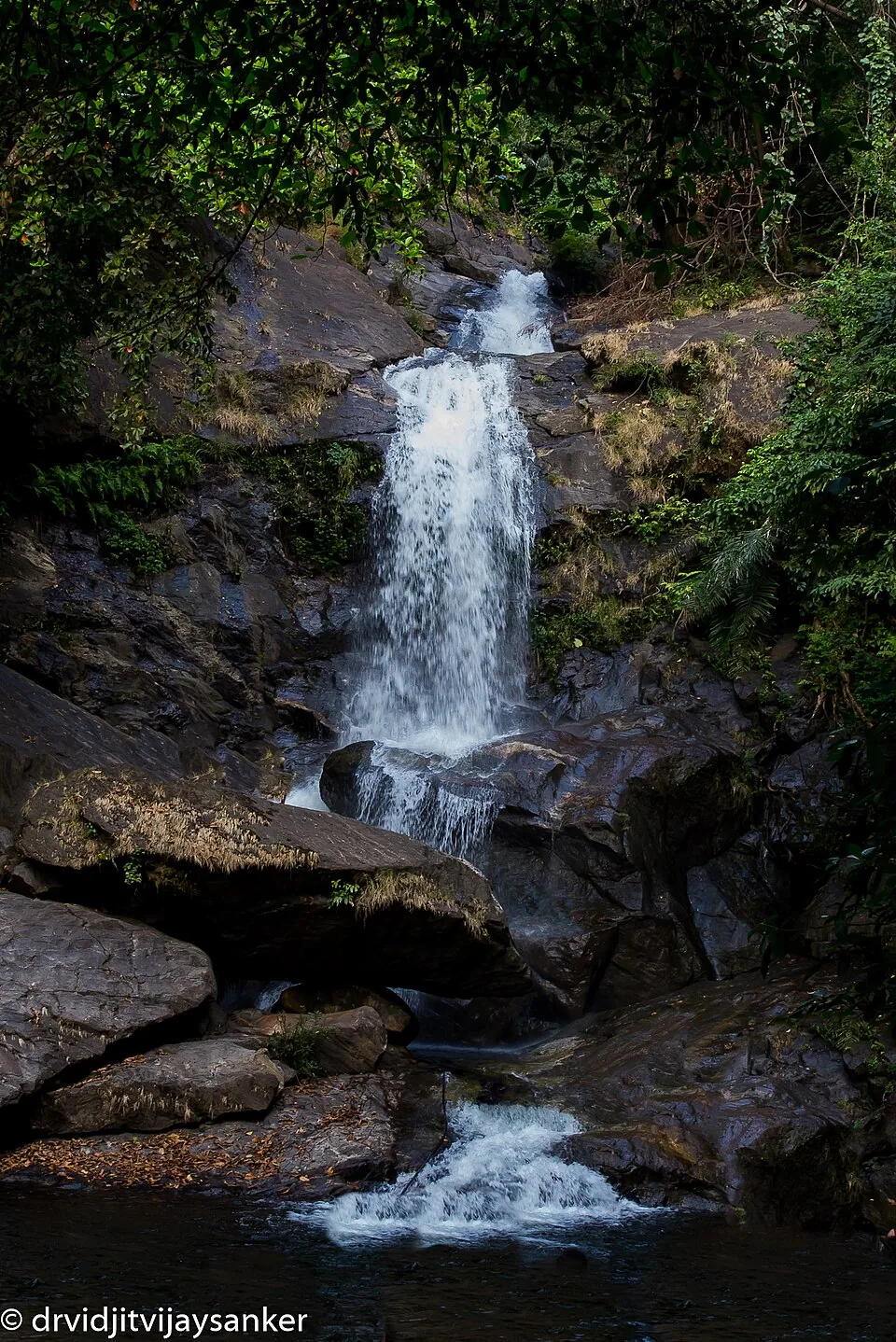
A step waterfall on the Thuppanadu river in the Western Ghats near Thuppanad on the Palakkad–Mannarkkad road, reached by a short forest trek that crosses the river.
17.2 km · ~29 min by cab · straight line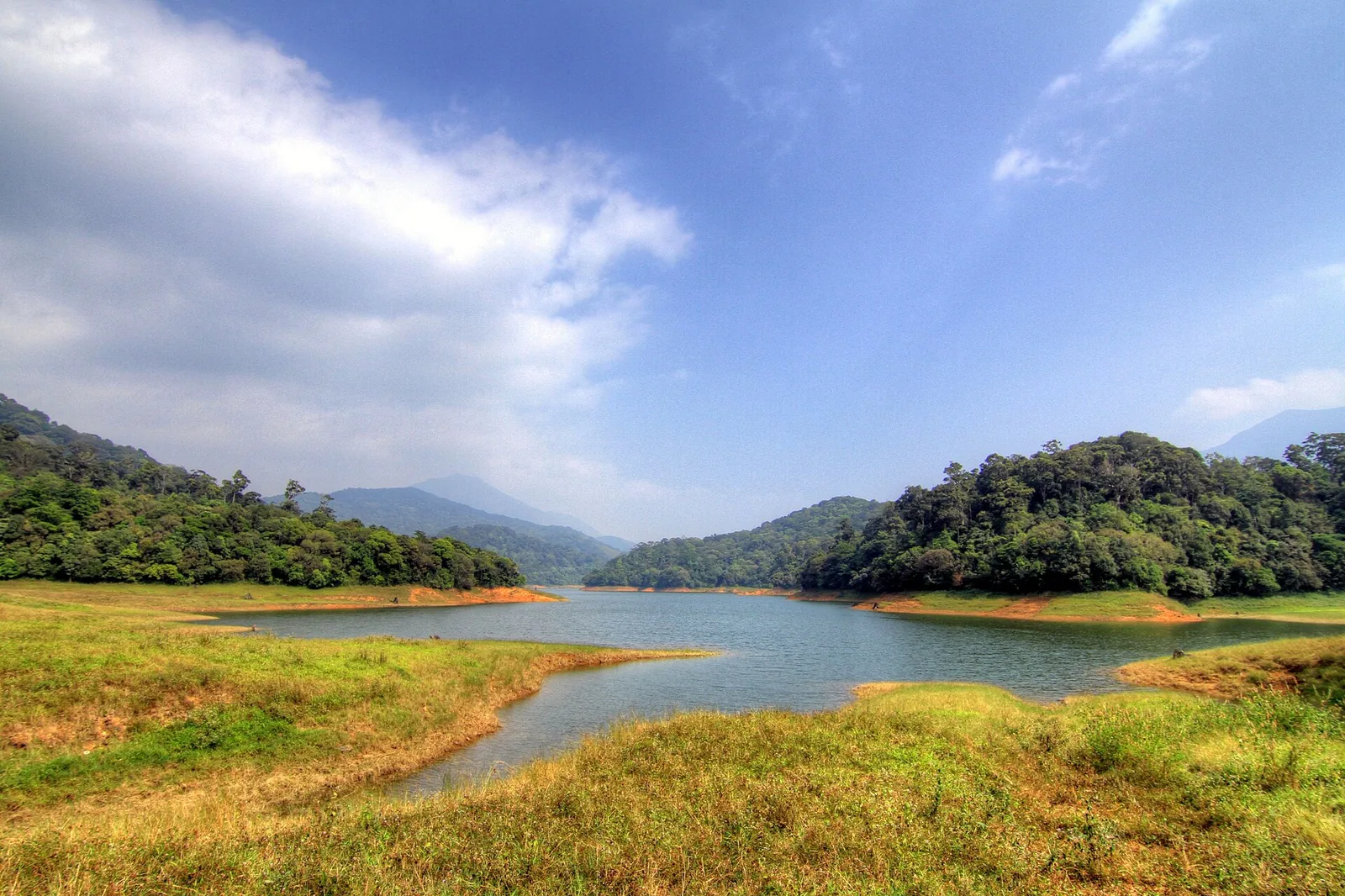
A Forest Department safari and walk into the closed Siruvani reserve, starting at the Inchikunnu check post: about 10 km of escorted rainforest road to the dam that supplies Coimbatore’s drinking water, then an hour on foot up to the Keralamedu grasslands on the Kerala–Tamil Nadu border.
20.3 km · ~34 min by cab · straight line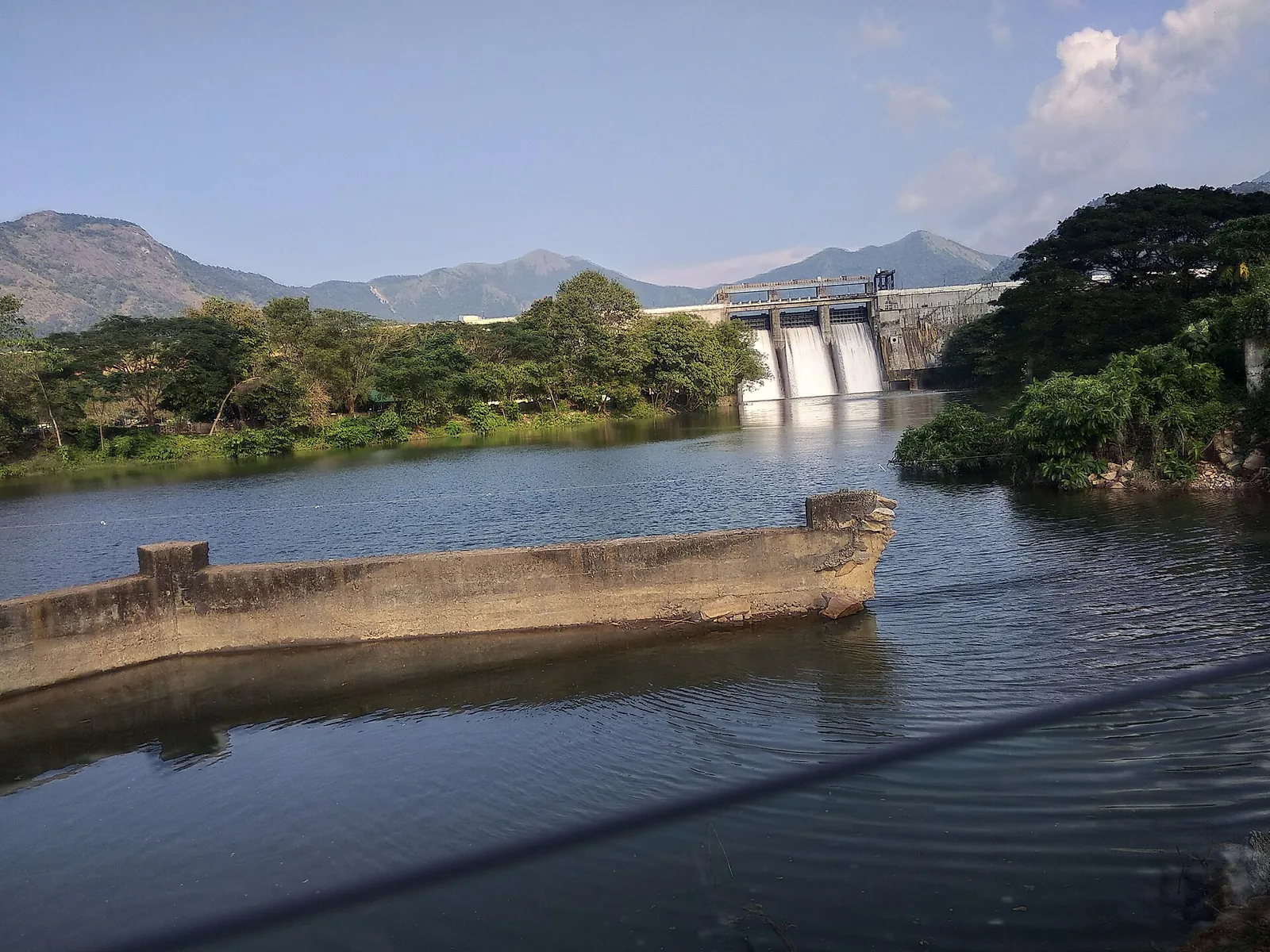
A calm reservoir and garden set among hills in the Mannarkkad side of Palakkad, a quieter alternative to Malampuzha.
23.5 km · ~39 min by cab · straight line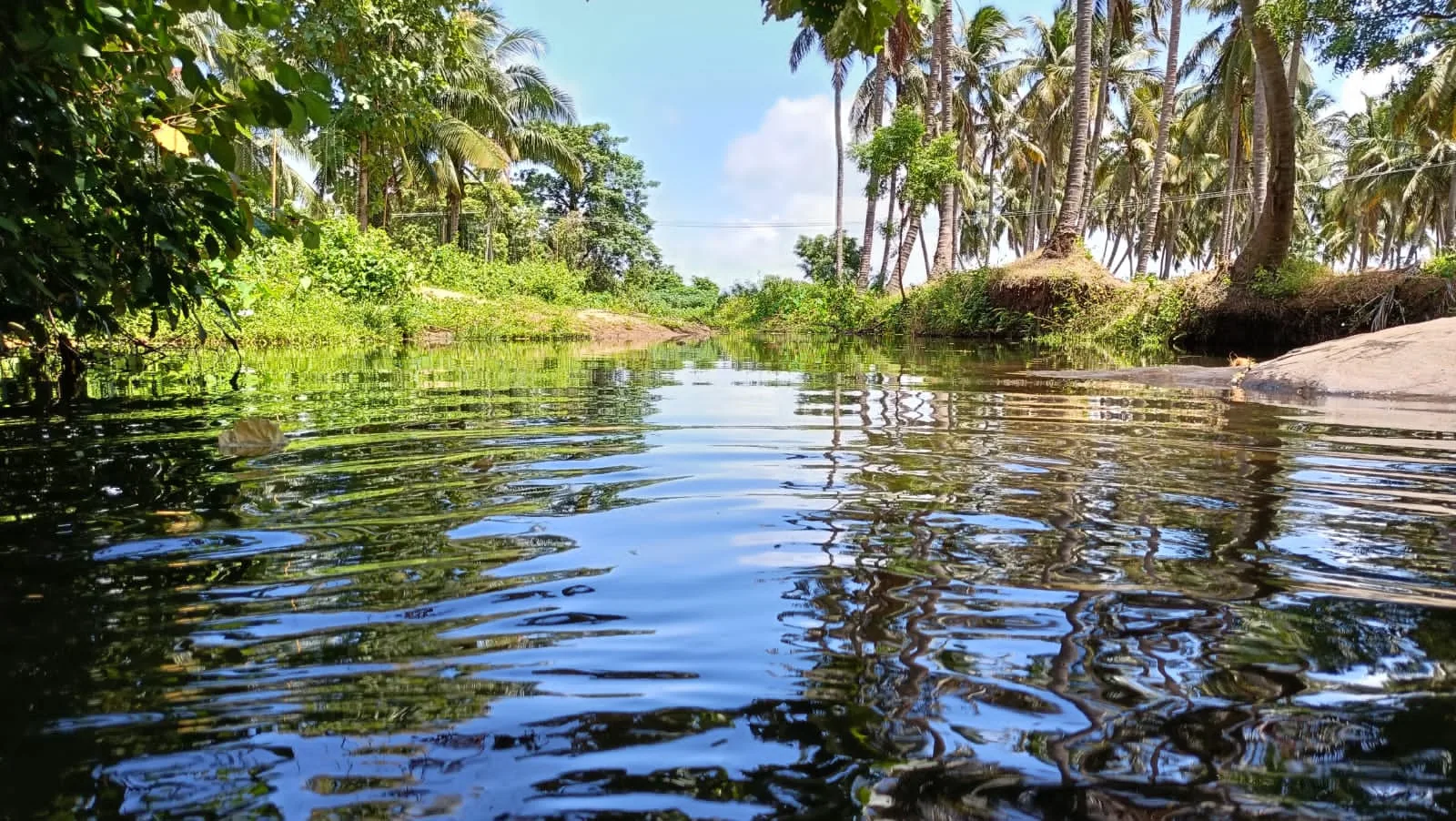
A rural village ~19 km south of Palakkad below the Nelliampathy hills, known for its palace, the Vishnu temple, paddy landscapes and old Tamil-Brahmin heritage.
24.3 km · ~40 min by cab · straight line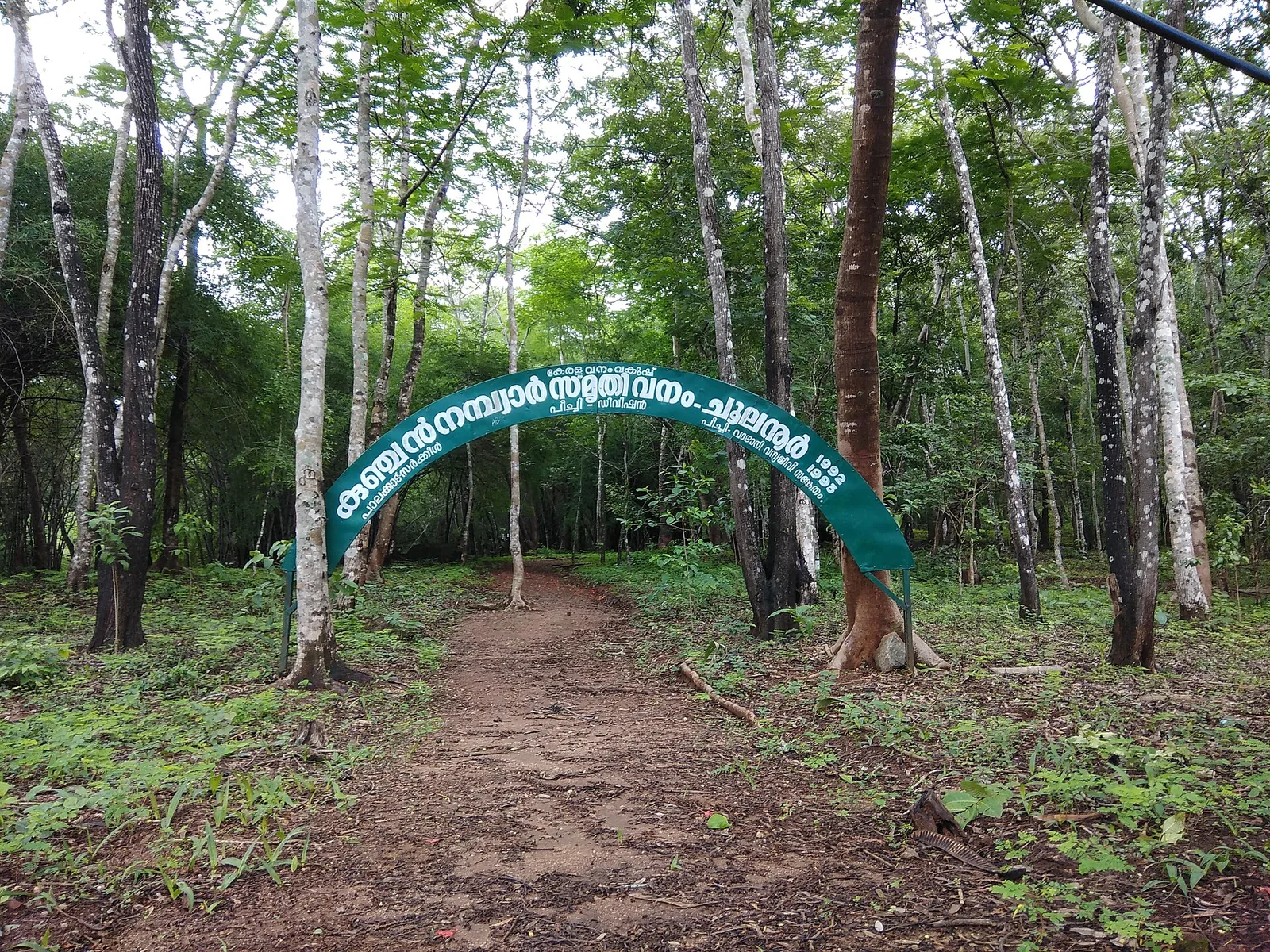
A peafowl sanctuary at Mayiladumpara (“the rock where peacocks dance”) near Alathur, home to 200-plus free-roaming peacocks and over 100 bird species; best at dawn and dusk.
26.5 km · ~44 min by cab · straight line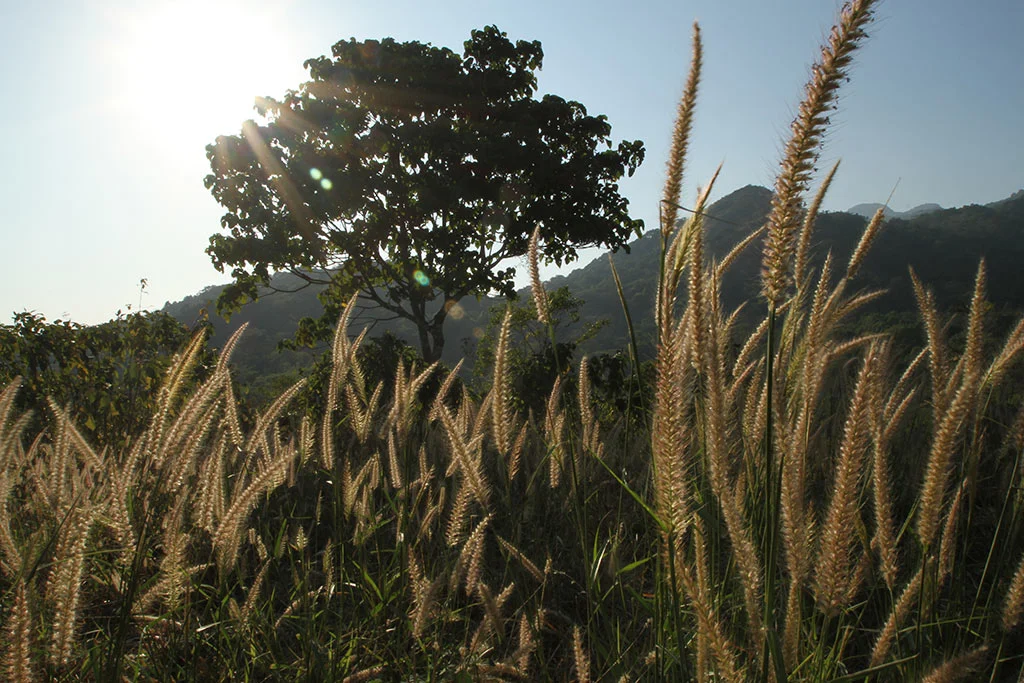
A family of Forest Department programmes based at Mukkali: the guided Keerippara buffer-forest trek and camp, Bommiyampadi cottage stay, Walk with the Master nature camp, and the vehicle-led Sairandhri rainforest visit. Entry is controlled, routes are not open for independent walking, and current availability must be confirmed with the park.
30.4 km · ~51 min by cab · straight line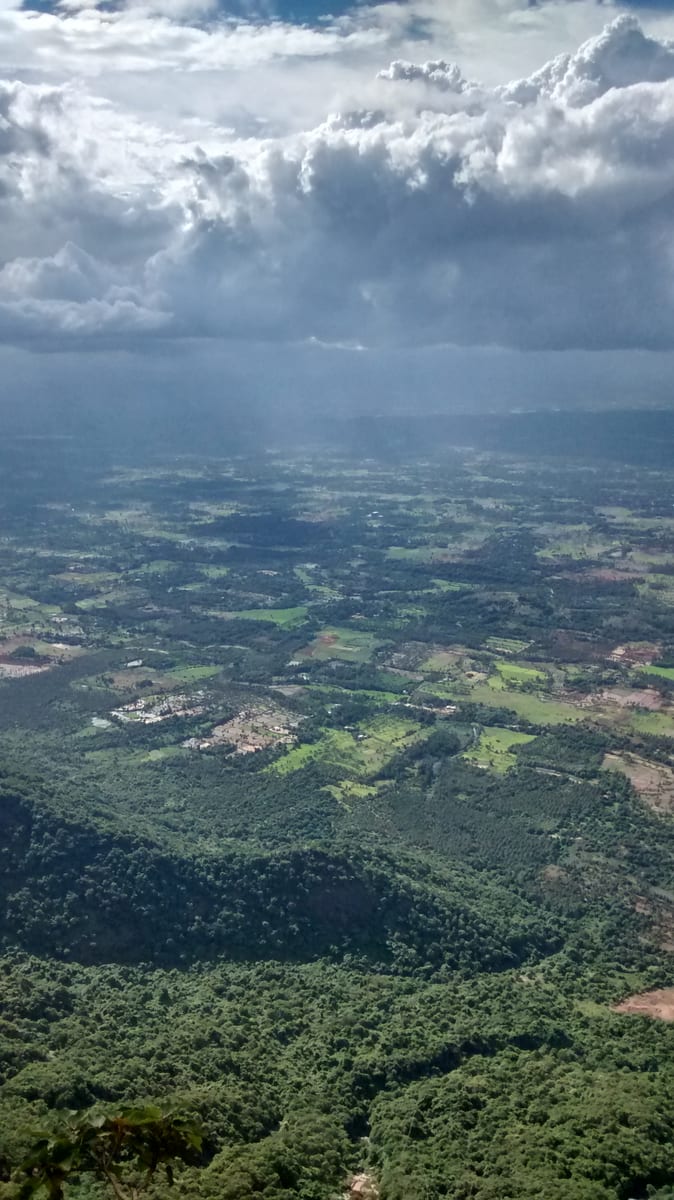
The edge of the Nelliyampathy escarpment, where the plateau stops and the Palakkad plain opens out a thousand metres below — a place you drive to and stand at, with a seasonal waterfall below the lip and a car park full of bold macaques.
30.7 km · ~51 min by cab · straight line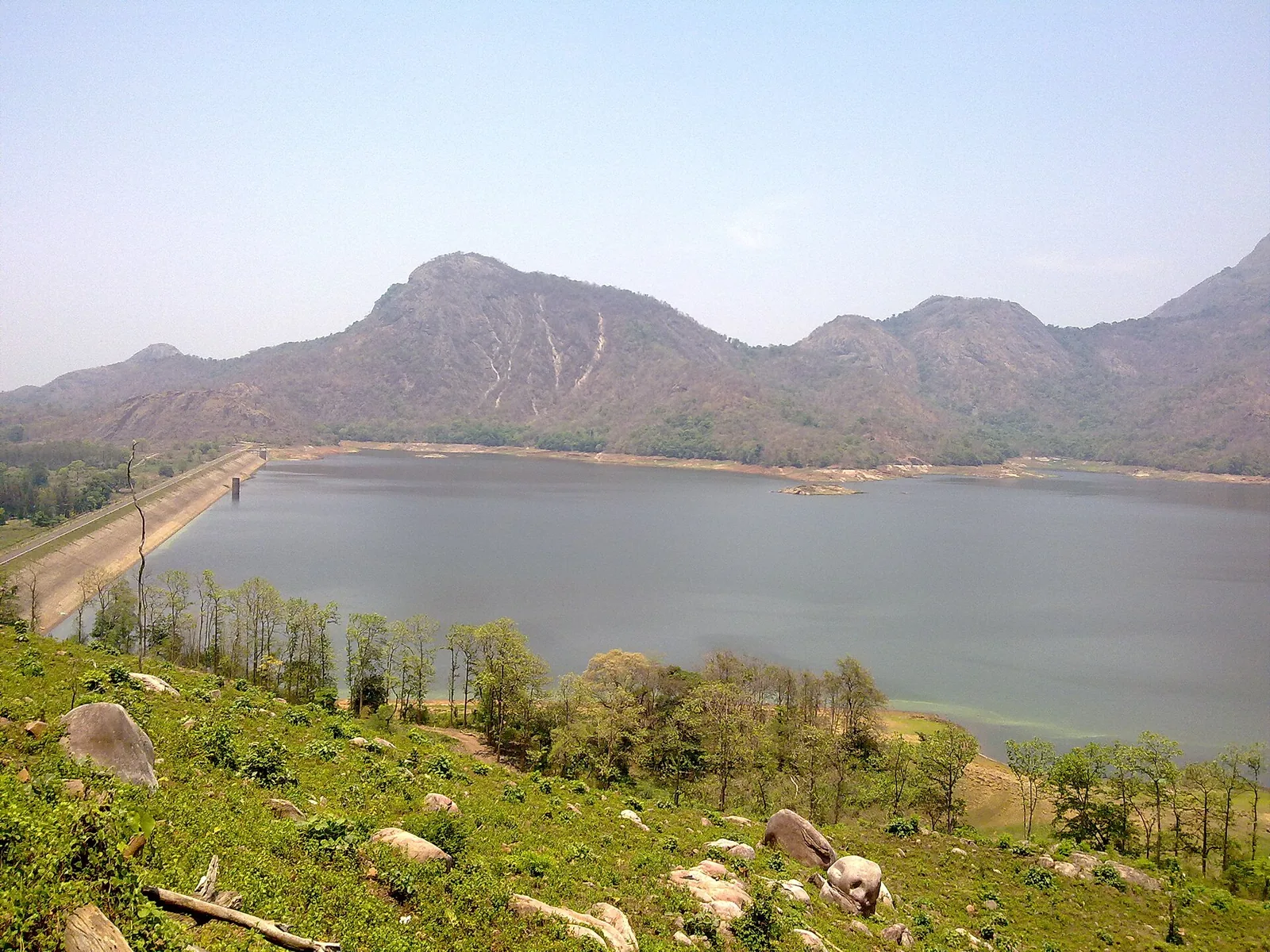
A 19th-century irrigation dam near Nemmara — one of the oldest in India, its core wall built with a jaggery-and-lime mix — with a scenic reservoir, gardens and boating.
32.4 km · ~54 min by cab · straight lineNearby toilets, pharmacies, ATMs, seating and vets are community-mapped and may be incomplete or out of date. Map data © OpenStreetMap contributors | Walking times © openrouteservice.org by HeiGIT
Very much so — it is one of the most family-friendly spots in the district. There are wide flat lawns, a children’s play area, gentle boating and the ropeway, and much of the garden is easy to stroll. It is a working leisure park, so expect crowds on weekends and holidays, and keep an eye on children near the water.
Plan on roughly half a day, about three to four hours, to comfortably take in the garden, the rock garden, the Yakshi, a ropeway ride and some boating. Families who want the aquarium, snake park, swimming pool and a leisurely picnic can easily make a full day of it.
No. The garden charges a modest entry ticket, but the ropeway, boating, aquarium, snake park and swimming pool each carry their own separate charges paid on the spot. Carry some cash for these add-ons.
Late afternoon into early evening is the sweet spot — the heat eases, the light on the reservoir and mountains is beautiful for photos, and the garden fountains and lit pathways are at their best. Arrive with enough daylight left for a boat ride or ropeway trip before things wind down.
The surrounding Western Ghats and the reservoir look their lushest and fullest in and just after the monsoon, and if the dam is spilling it is a dramatic sight. That said, heavy rain can interrupt boating and the ropeway and make the lawns soggy, so check conditions locally and keep some indoor time, such as the aquarium, in reserve.
Some individual attractions, such as the snake park and the ropeway, are commonly closed on Mondays even when the garden itself is open, and the aquarium may keep different hours on holidays.
Post-monsoon to winter is best for scenery and comfort. Summer afternoons can be hot.
Entry: No tickets are being sold — the complex is closed (see hours). The pre-closure rates, for reference only: a garden entry ticket of about ₹25 for adults and ₹10 for children (roughly ages 3–12), with the ropeway, boating, aquarium, snake park and swimming pool each charged separately on the spot. Timings: Closed until further notice. The garden complex has been shut to visitors since 11 September 2025 for the Swadesh Darshan 2.0 rebuild, which missed its 31 March 2026 deadline and was reported stalled in August 2026 (Kerala Tourism destination page and malampuzhadam.com, both checked 21 August 2026). The timings below are what applied before the closure and are recorded only as a guide to what may return: the garden opened daily from around 9:00 am to 8:00 pm. Individual attractions keep their own hours — the ropeway roughly 10:00 am–1:00 pm and 2:30 pm–8:00 pm, the snake park about 8:00 am–6:00 pm, the freshwater aquarium about 11:00 am–8:00 pm (later on holidays), and boating around 10:00 am–6:00 pm. Some attractions such as the snake park and ropeway are typically closed on Mondays. The rupee figure quoted is the Indian adult rate.
Base in Palakkad town or Malampuzha and visit by road. Check current garden, ropeway/boating/activity status before promising a family itinerary. Use late afternoon for cooler weather and better reservoir light.
2 to 4 hours; half day with Palakkad town stops.
Nearby you can pair Kalpathy Heritage Village (4.0 km), Jainimedu Jain Temple (6.7 km), Dhoni Waterfalls trek (7.4 km), Palakkad Fort (7.4 km).
Follow dam, boating and garden safety rules. Keep children close near water and ropeway/activity areas. Avoid restricted reservoir edges.
Written about Malampuzha Dam & Garden itself — its history, its legends and the arguments about them.
These guides explore Malampuzha and the surrounding area. Choose a visit that fits your interests, allowing separately for travel between stops.
Route-level itineraries and practical guides for the rest of Kerala.
Photographs: Navas Puthanazhi (CC BY-SA 4.0), Jatheesh Nharekkattu (CC BY-SA 4.0), കാക്കര (CC BY-SA 4.0), SidhardhRamesh (CC0), Zuhairali (CC BY-SA 3.0), Lallji at ml.wikipedia (CC BY-SA 3.0), Jaseem Hamza (CC BY 3.0), Nandukrishna_t_ajith (CC0), Dil Shad Roshan (CC BY-SA 4.0), This Photo was taken by Timothy A. Gonsalves. Feel free to use my photos, but please mention me as the author. I would much appreciate if you send me an email [email protected] or write on my talk page, for my information. Please contact me before commercial use. Please do not upload an edited image here without consulting me. I would like to make corrections only at my own source to ensure that the changes improve the image and are preserved.Otherwise you may upload an edited image with a new name. Please use one of the templates derivative or extract. (CC BY-SA 4.0), Shagil Kannur (CC BY-SA 4.0). Wikimedia Commons.