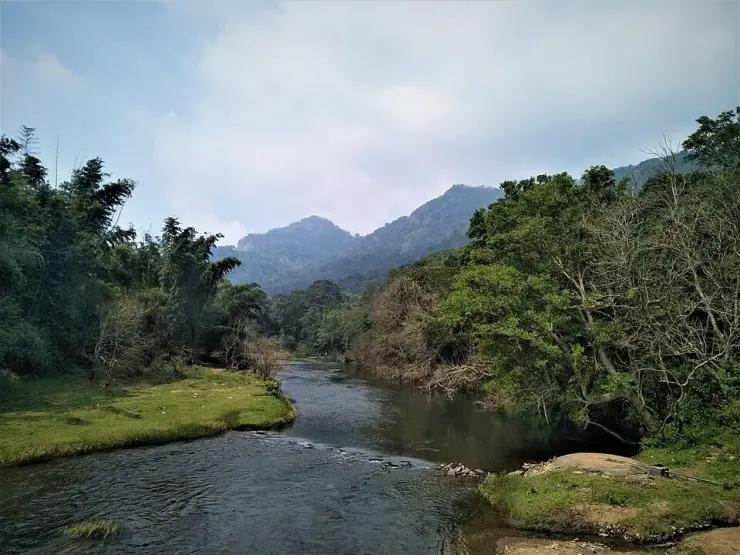
The trek begins with a choice, not a trailhead. At Mukkali the Forest Department runs several programmes under the Silent Valley name, and they lead to different ground: Keerippara is a small-group buffer-forest walk with a night at a camp shed; Bommiyampadi is a cottage stay beside cultivated valley country; Walk with the Master is a two- or three-day nature camp; Sairandhri is the familiar vehicle-led rainforest visit. The common thread is controlled access through one of the Western Ghats’ most closely protected landscapes.
The story of Silent Valley trekking
Mukkali is the practical beginning because it is where plans become permission. It sits on the Mannarkkad–Agali road at the southern edge of the protected block, with the park office, information point and barrier controlling the forest road. The map pin belongs here rather than on a picturesque ridge: the programmes split after reporting, and an unguided pin inside the forest would imply an access that does not exist.
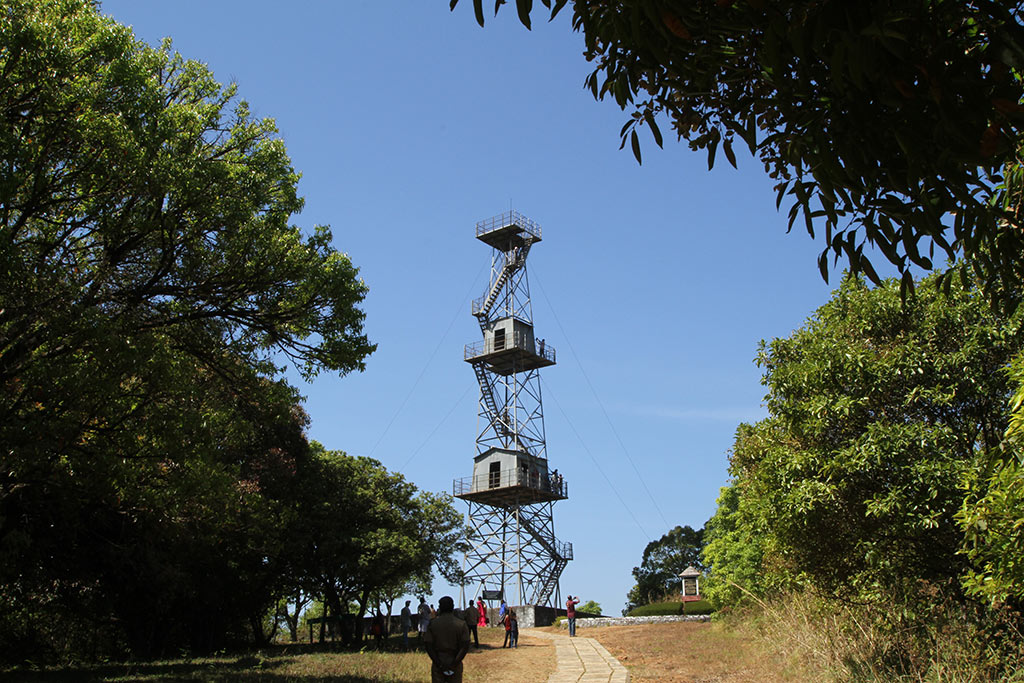
The best-known outing is Sairandhri. Kerala Tourism describes a five-hour package from 07:30 to 13:00, using Forest Development Agency jeeps or buses. It passes through changing forest types towards the watchtower and the Kunthipuzha landscape, but it is chiefly a vehicle visit with short interpreted stops. Calling it a trek creates the wrong expectation; it is the option for a traveller who wants the rainforest without committing to an overnight walk.
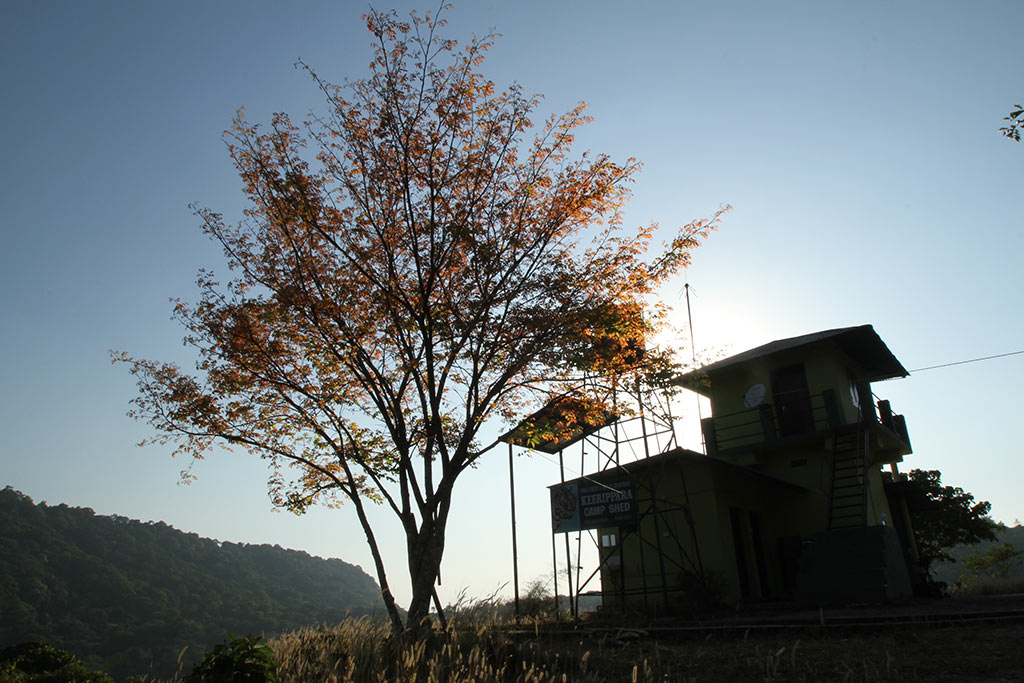
Keerippara is the programme that most closely answers the word trek. The park describes a five-kilometre guided route through buffer-zone forest to a camp shed above the Attappady ghat. Kerala Tourism’s programme page describes roughly four hours of walking, a maximum group of five and a two-day format, with a tent option and guide support. It is modest in distance but not casual: the surface is forest ground, the weather changes quickly and the party stays together.
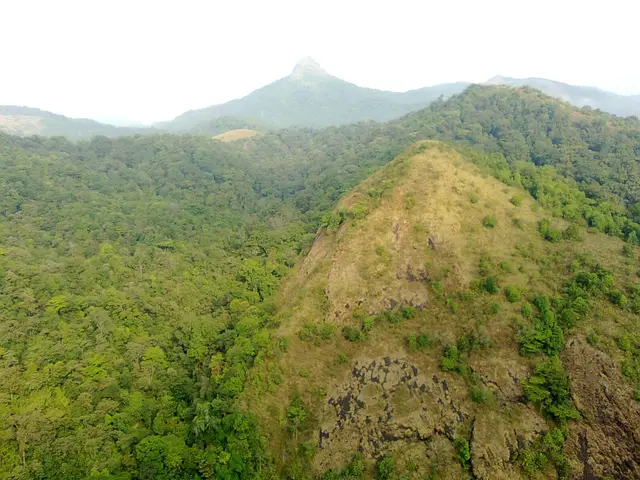
Bommiyampadi offers a different rhythm. About 13 km from Mukkali, it combines a forest-front cottage with meals, a guided outing, a visit in the Attappady side and the next morning’s Sairandhri programme. The landscape at the settlement opens into small fields below the ridges, so the experience moves between inhabited buffer country and the closed-canopy forest beyond rather than pretending the whole stay is wilderness.
Walk with the Master is a learning camp rather than a fixed tourist circuit. The official listing sets it at two or three days for a selected group of fifteen to twenty participants, with nature walks, photography and interpretation. The value is time with people who read the forest — tracks, calls, plants and weather — rather than a promise of a particular animal sighting.
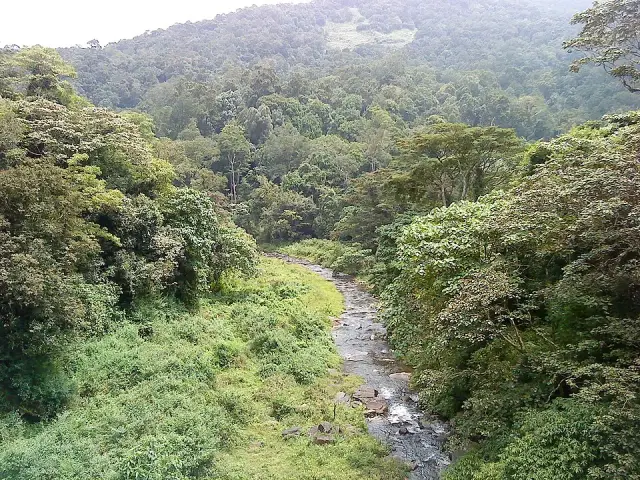
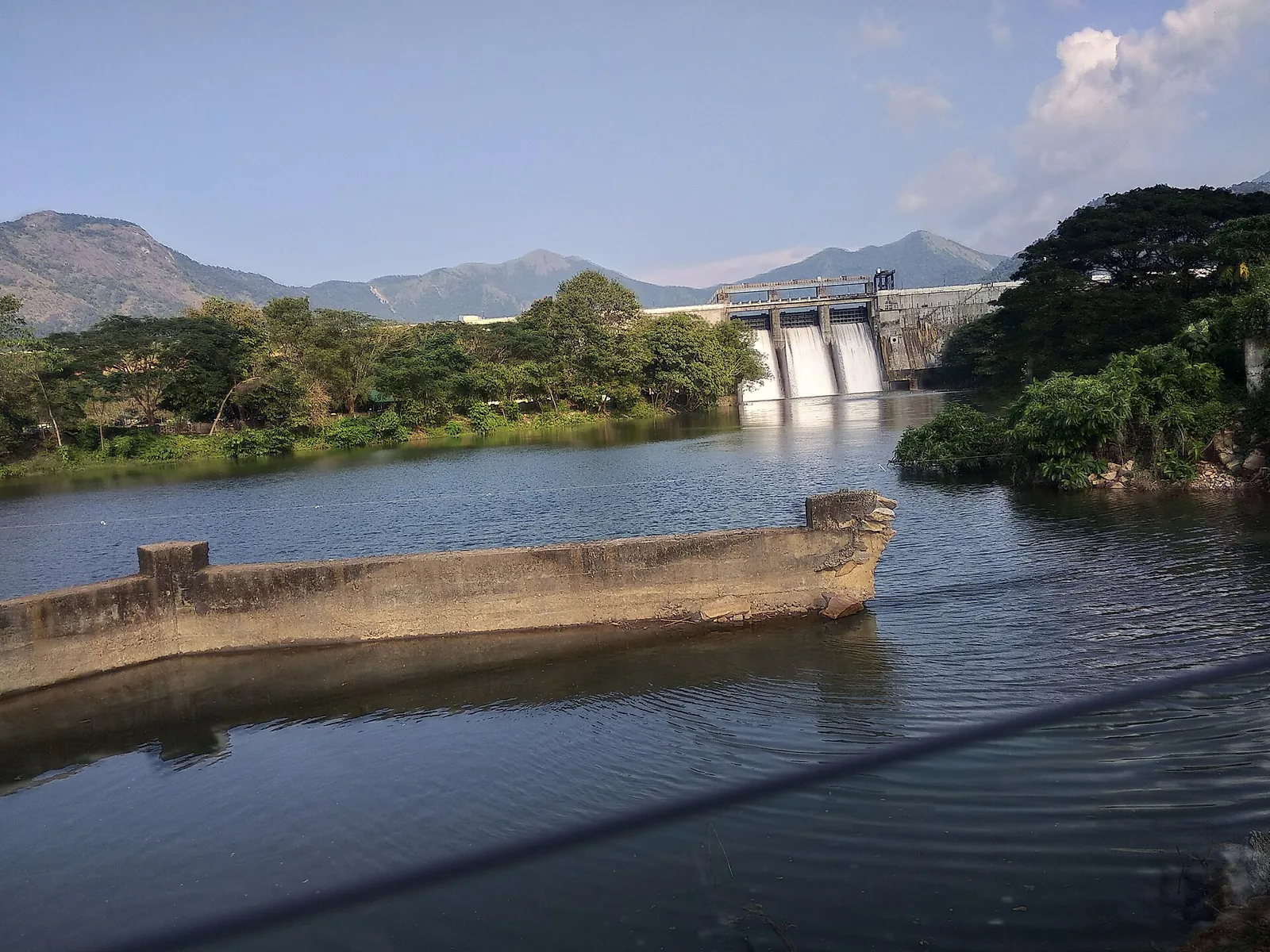
There is also a River Hut programme at Mukkali beside the Bhavani. Its presence is a useful reminder that the Silent Valley visitor system spans two watersheds. The Kunthipuzha runs west through the national park towards the Bharathapuzha, while the Bhavani turns east across Attappady towards the Kaveri. A stay at the base and a trek higher in the buffer forest can feel geographically close while belonging to different river stories.
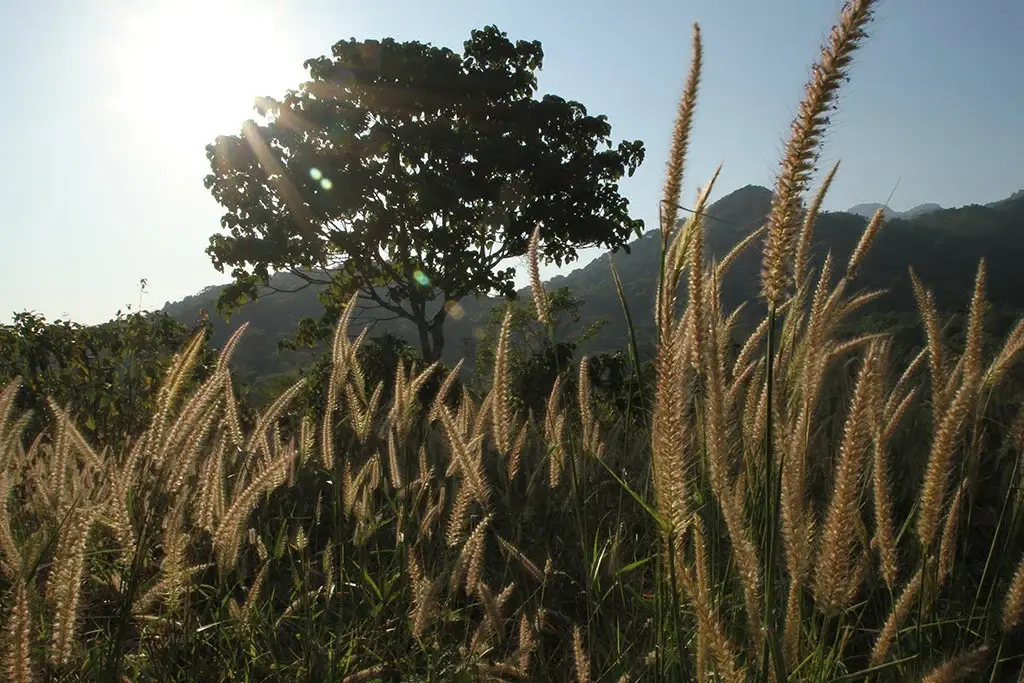
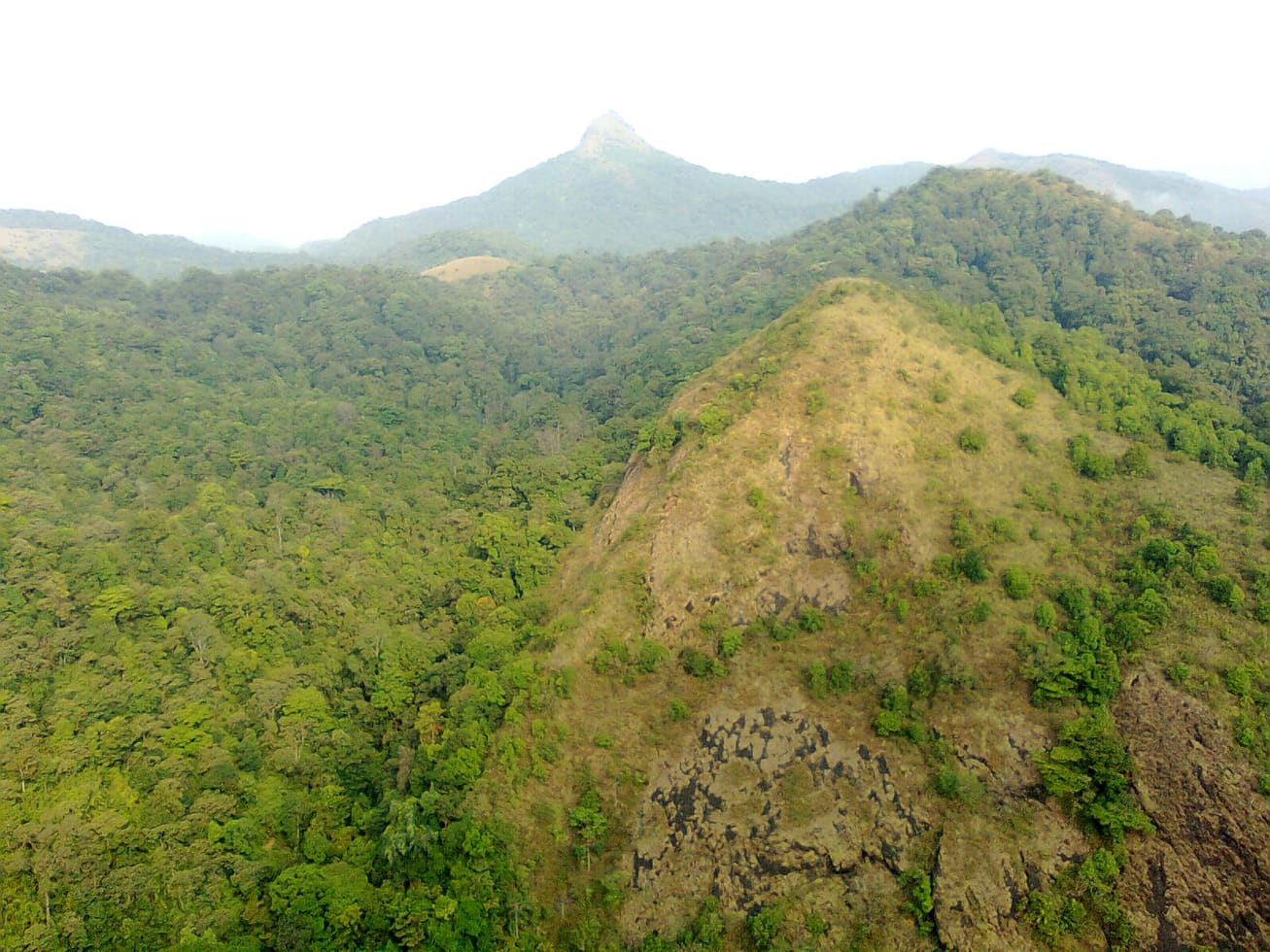
Those river directions help explain the view from Keerippara. The camp country sits above the Attappady ghat rather than inside the deep Kunthipuzha gorge, so the outlook can be open, grassy and sunlit even though the Silent Valley name suggests unbroken dark rainforest. On the walk, moist deciduous growth, bamboo and evergreen patches succeed one another with altitude and exposure. It is a transition landscape, and the official gallery’s camp shed, tawny grass and distant ridges are a truer preview than a close photograph of rainforest leaves.
An overnight changes the visit in a practical way. Day visitors to Sairandhri leave the protected road by early afternoon, whereas the camp programmes hold you through the evening change in light and the first hours of morning activity. That does not turn a shelter into a resort: facilities are basic, phone coverage may vanish, and the booking determines food, bedding and guide support. Ask those questions before arrival, because there is no useful last-minute substitute once the group has left Mukkali.
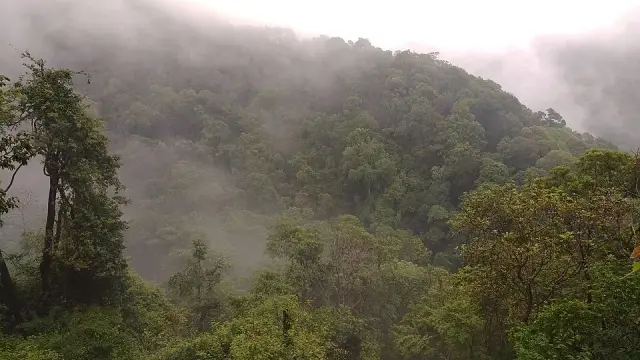
The route in deserves its own time. The road climbs from Mannarkkad into the Attappady hills through tight bends where cloud can sit low even on an otherwise clear day. Mukkali itself is easy to miss if imagined as a resort gateway; it is a small working junction and forest headquarters. Palakkad Junction and Coimbatore airport are the major arrival points named in official visitor information, but both still leave a substantial road journey. A 07:30 Sairandhri report normally means sleeping nearer Mannarkkad or Attappady rather than starting casually from Palakkad that morning.
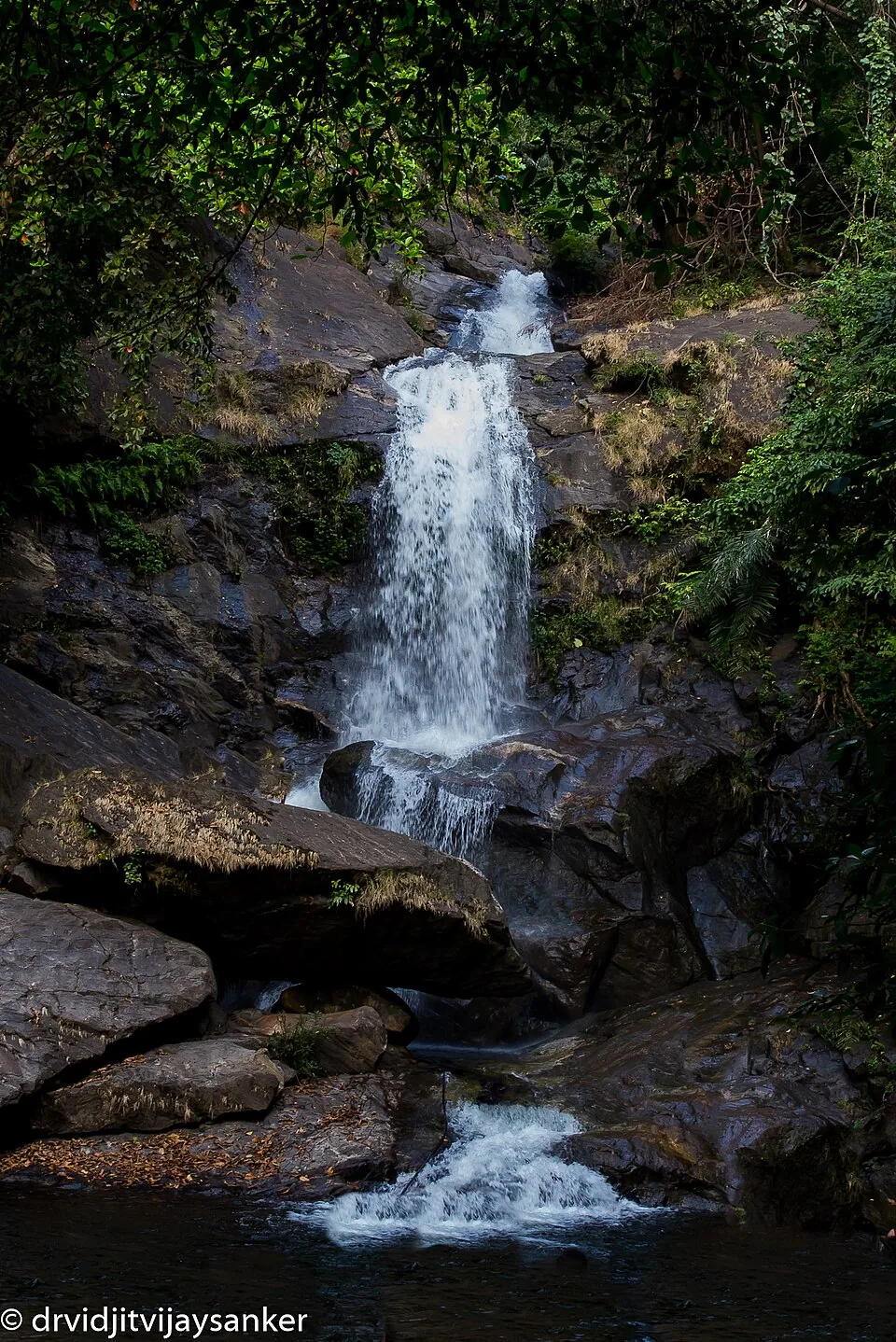
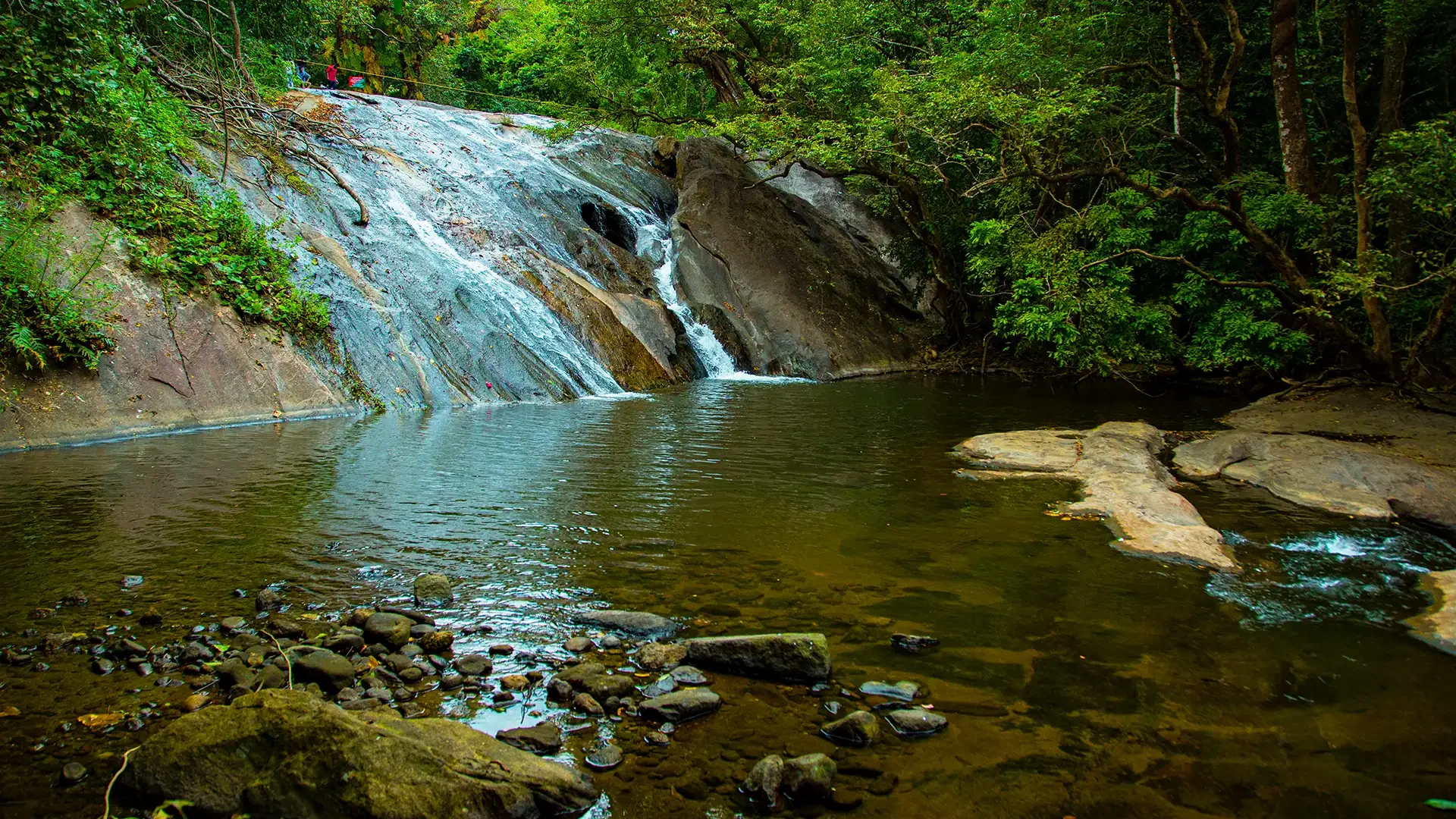
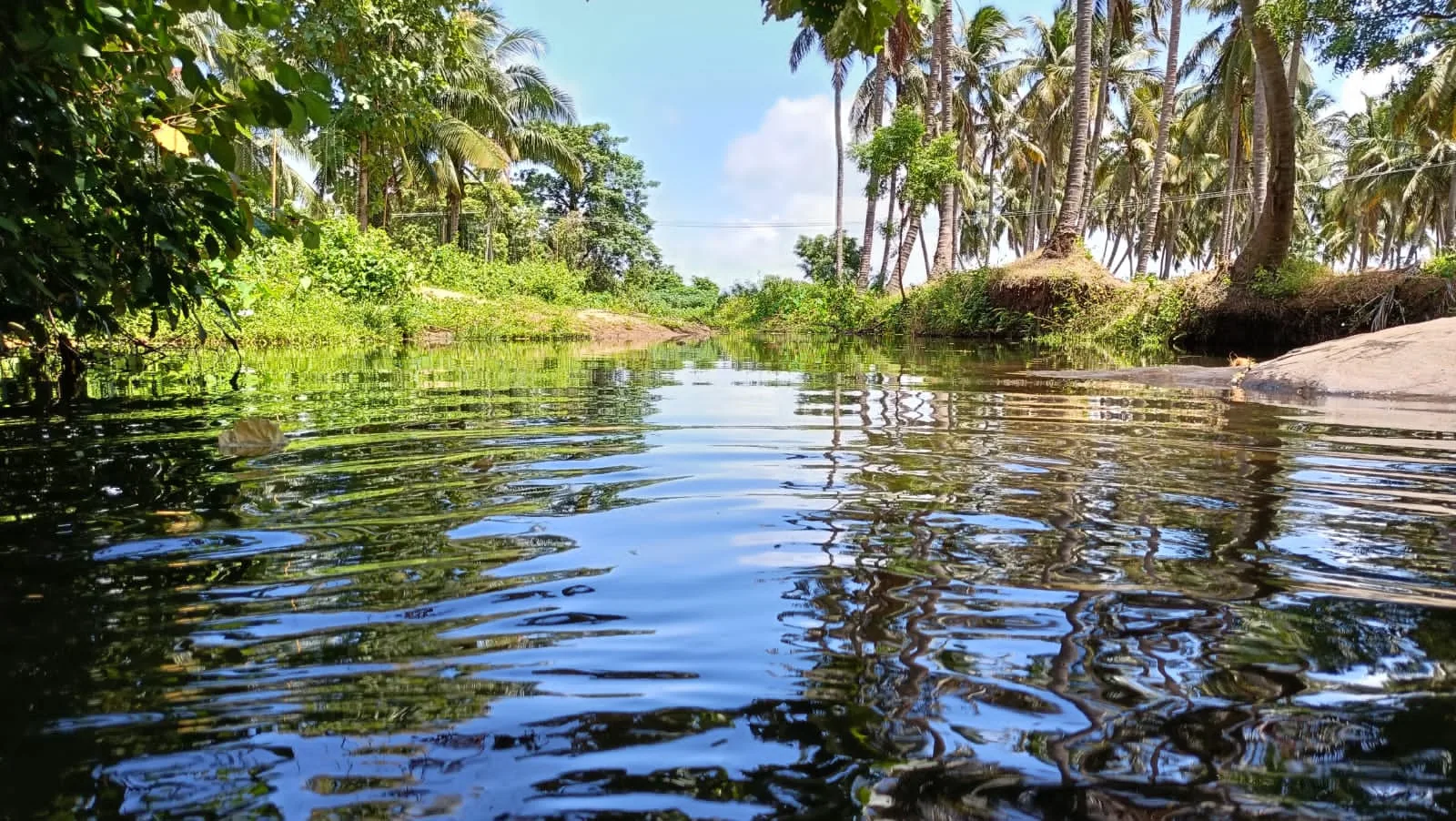
Preparation is deliberately ordinary: identification, closed footwear, socks, a rain layer, water and a dry change for an overnight. Single-use packaging should be minimised and everything carried back out. The official visitor guidance prohibits bathing in the river. This is especially important at clear pools that look benign in photographs; a protected river is habitat and drinking-water country, not an unsupervised swimming stop.
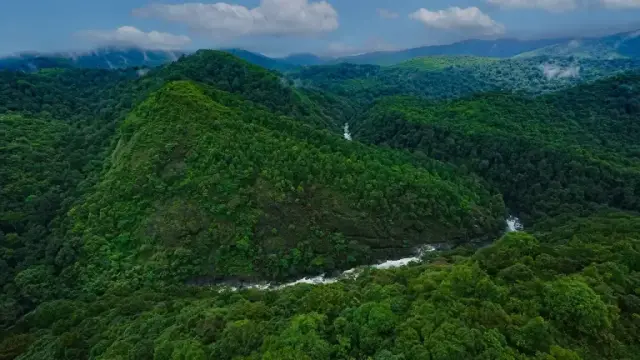
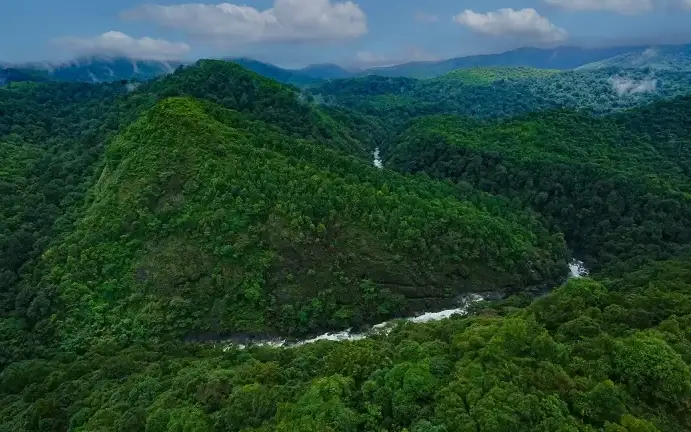
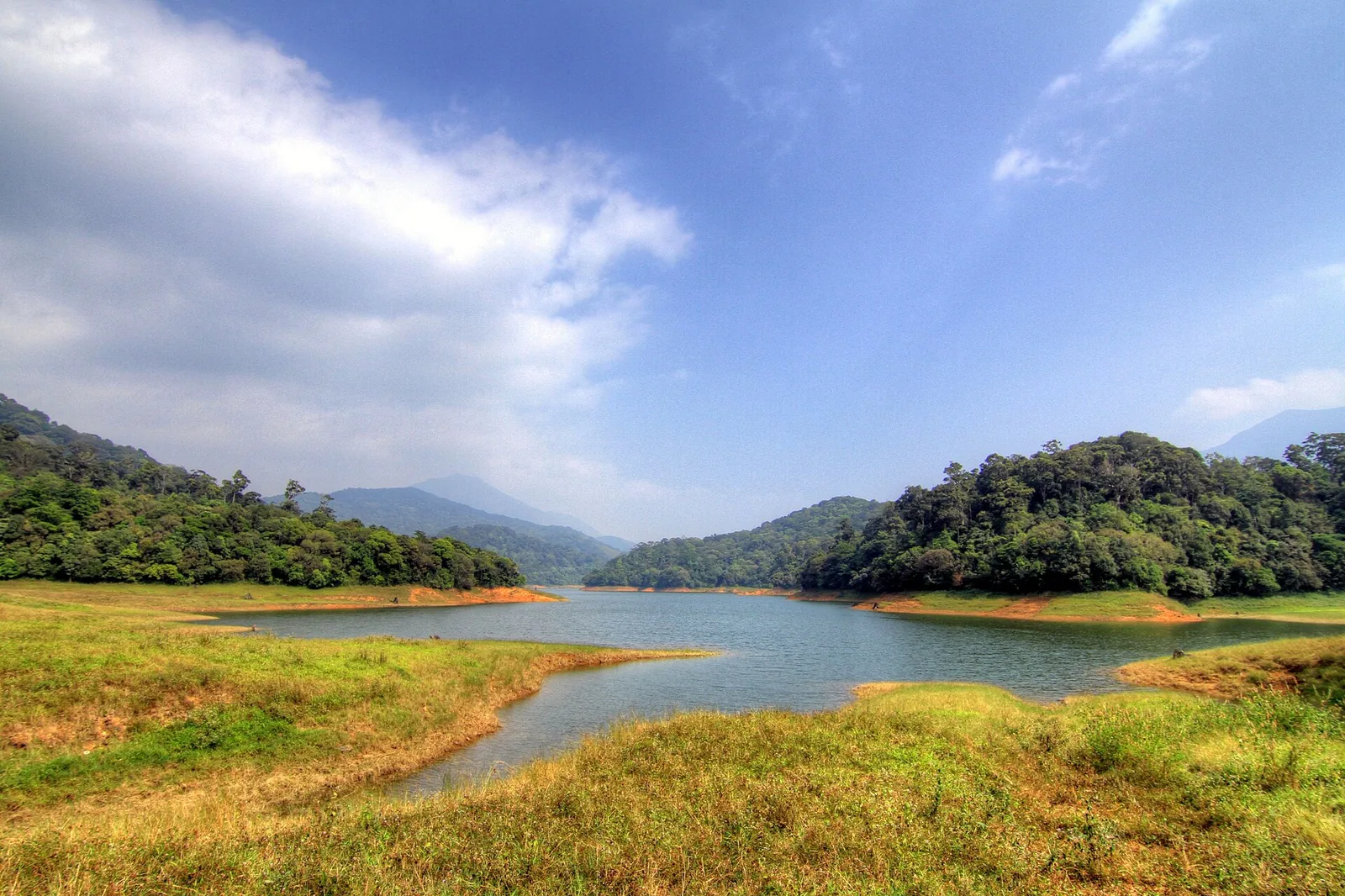
A camera works best when it records relationships rather than chases an animal. The Sairandhri watchtower gives scale to the canopy; the Keerippara shelter shows how small the camp is against the ridge; Bommiyampadi’s fields show the inhabited edge of the forest; the Kunthipuzha disappears between densely wooded slopes. None requires leaving the guide, blocking a path or calling wildlife closer. If a lion-tailed macaque remains high in the canopy or an elephant stays unseen, the programme has not failed.
Families and mixed-ability groups should separate the vehicle day from the walking products before booking. The Keerippara trail is unsurfaced and the camp publishes no step-free route, adapted toilet or wheelchair provision. A pram is not suitable for the forest path either. Sairandhri may remove most of the walking, but the department should still be asked about boarding height, seats and the ground at each stop; a road-based programme is not automatically an accessible one.
The return journey needs as much planning as the arrival. An overnight group may emerge after the useful bus connection or after a driver expected to collect a day visitor. Confirm the finish point and time in advance, and leave the programme name and expected return with the place where you are staying. Once away from Mukkali, weak mobile coverage makes a last-minute rearrangement unreliable. This is also why a guide-controlled itinerary is safer than trying to improvise a shorter line back to the road.
Wildlife determines the pace even when no animal appears. Lion-tailed macaques are the emblem of the evergreen canopy, but elephant and gaur movement is the immediate concern on foot. Guides may change a line, delay a departure or close a programme because the forest is occupied. That uncertainty is not poor organisation; it is what it means for tourism to remain subordinate to a living protected area.
The practical limit is supply. Groups are small, accommodation is finite, and weather or fire risk can stop access. Official pages also survive longer than their tariffs: different Forest Department and Kerala Tourism documents show different generations of prices. The honest plan is to choose the programme by name, call Mukkali, and ask what is operating and what it costs now.
Legend & myth
The name Sairandhri comes from the identity Draupadi assumes while the Pandavas live incognito in the Mahabharata. Local naming links the deep valley and its river country to that period of concealment. It is a place tradition, not archaeological evidence, but it fits the emotional geography: a hidden forest entered under another name.
The more modern legend is that Silent Valley is literally silent because cicadas are absent. The forest is not silent at all — water, birds, frogs and insects carry continuously through it — and the popular explanation is too neat for a complex ecosystem. The name is better treated as an inherited impression of remoteness than as a biological rule.