Silent Valley trekking

Silent Valley trekking is not one marked path. It is a set of Forest Department programmes arranged through Mukkali: a two-day small-group trek and camp at Keerippara, a forest-front stay at Bommiyampadi, a two- or three-day nature camp called Walk with the Master, and the more accessible Sairandhri visit made largely in a department vehicle.

Silent Valley trekking, Silent Valley and Mukkali
Practical guide

Plan Silent Valley trekking

Who's going?Tailor Silent Valley trekking to your trip
Typetrek
AreaSilent Valley and Mukkali
DistrictPalakkad
Best timeDecember to March is usually the…
Time neededAllow a full day for Sairandhri
Entry₹2,000
Places to visit4Listed businesses6

The pin marks Mukkali because that is the practical reporting and booking base. The walks, camp and cottages lie in different parts of the protected landscape; none should be treated as an independent trail reached by following a map.

The story

The trek begins with a choice, not a trailhead. At Mukkali the Forest Department runs several programmes under the Silent Valley name, and they lead to different ground: Keerippara is a small-group buffer-forest walk with a night at a camp shed; Bommiyampadi is a cottage stay beside cultivated valley country; Walk with the Master is a two- or three-day nature camp; Sairandhri is the familiar vehicle-led rainforest visit. The common thread is controlled access through one of the Western Ghats’ most closely protected landscapes.

The story of Silent Valley trekking

Mukkali is the practical beginning because it is where plans become permission. It sits on the Mannarkkad–Agali road at the southern edge of the protected block, with the park office, information point and barrier controlling the forest road. The map pin belongs here rather than on a picturesque ridge: the programmes split after reporting, and an unguided pin inside the forest would imply an access that does not exist.

The best-known outing is Sairandhri. Kerala Tourism describes a five-hour package from 07:30 to 13:00, using Forest Development Agency jeeps or buses. It passes through changing forest types towards the watchtower and the Kunthipuzha landscape, but it is chiefly a vehicle visit with short interpreted stops. Calling it a trek creates the wrong expectation; it is the option for a traveller who wants the rainforest without committing to an overnight walk.

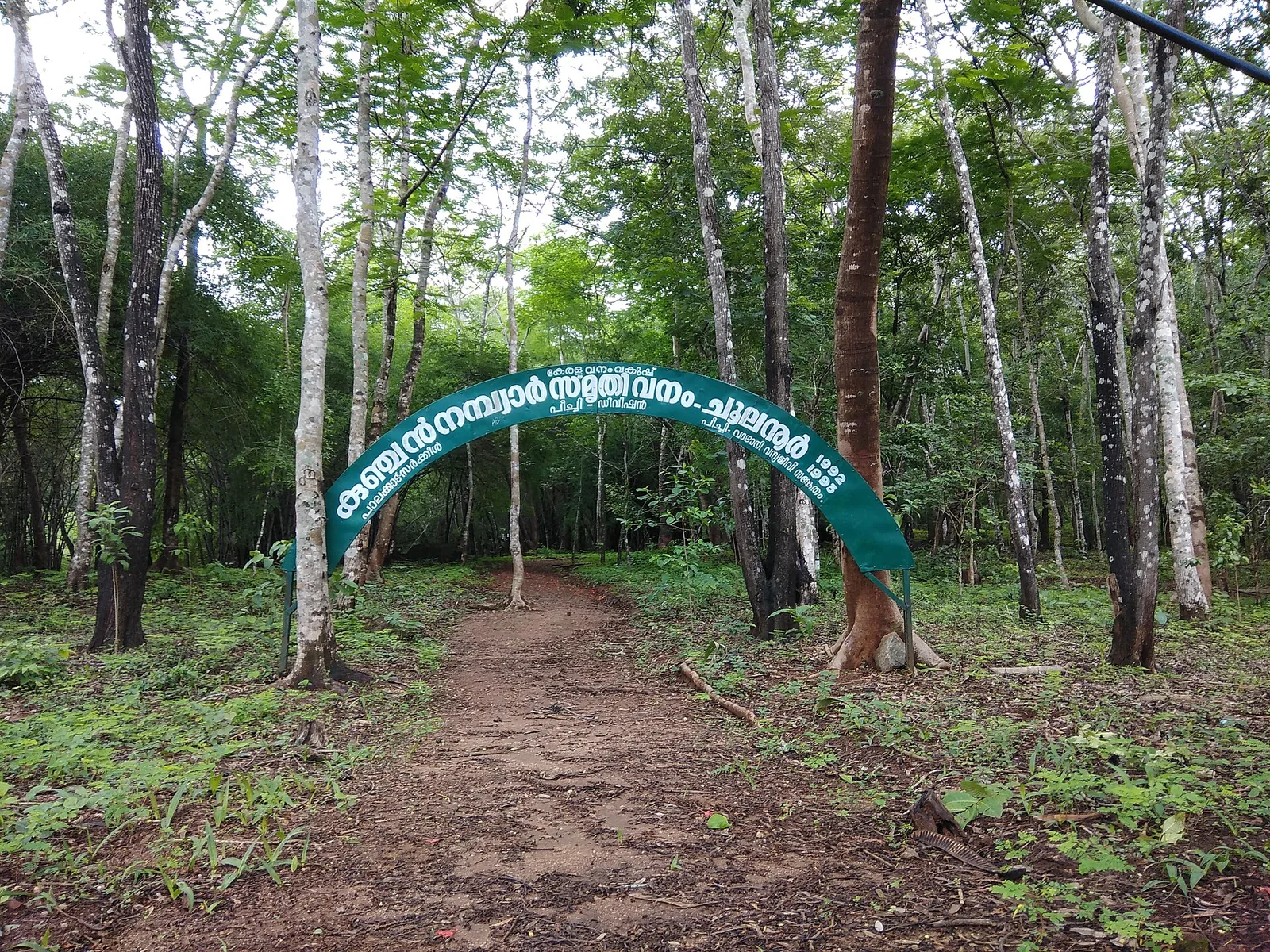
Keerippara is the programme that most closely answers the word trek. The park describes a five-kilometre guided route through buffer-zone forest to a camp shed above the Attappady ghat. Kerala Tourism’s programme page describes roughly four hours of walking, a maximum group of five and a two-day format, with a tent option and guide support. It is modest in distance but not casual: the surface is forest ground, the weather changes quickly and the party stays together.

Bommiyampadi offers a different rhythm. About 13 km from Mukkali, it combines a forest-front cottage with meals, a guided outing, a visit in the Attappady side and the next morning’s Sairandhri programme. The landscape at the settlement opens into small fields below the ridges, so the experience moves between inhabited buffer country and the closed-canopy forest beyond rather than pretending the whole stay is wilderness.

Walk with the Master is a learning camp rather than a fixed tourist circuit. The official listing sets it at two or three days for a selected group of fifteen to twenty participants, with nature walks, photography and interpretation. The value is time with people who read the forest — tracks, calls, plants and weather — rather than a promise of a particular animal sighting.

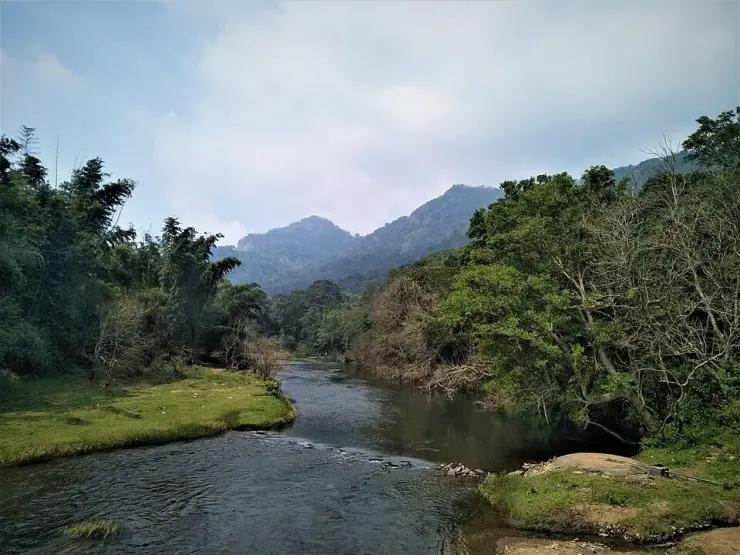
There is also a River Hut programme at Mukkali beside the Bhavani. Its presence is a useful reminder that the Silent Valley visitor system spans two watersheds. The Kunthipuzha runs west through the national park towards the Bharathapuzha, while the Bhavani turns east across Attappady towards the Kaveri. A stay at the base and a trek higher in the buffer forest can feel geographically close while belonging to different river stories.

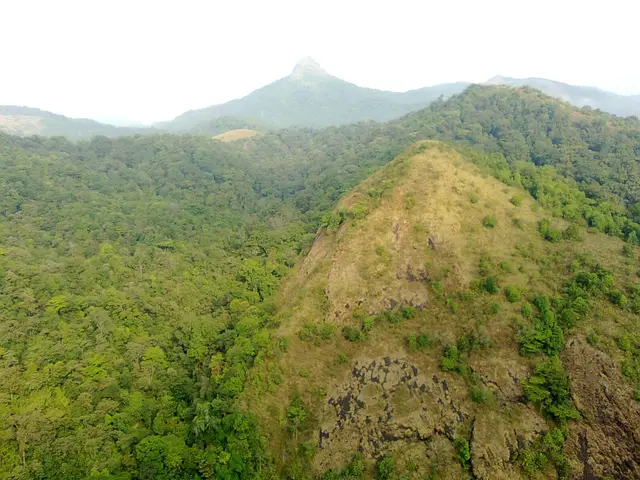
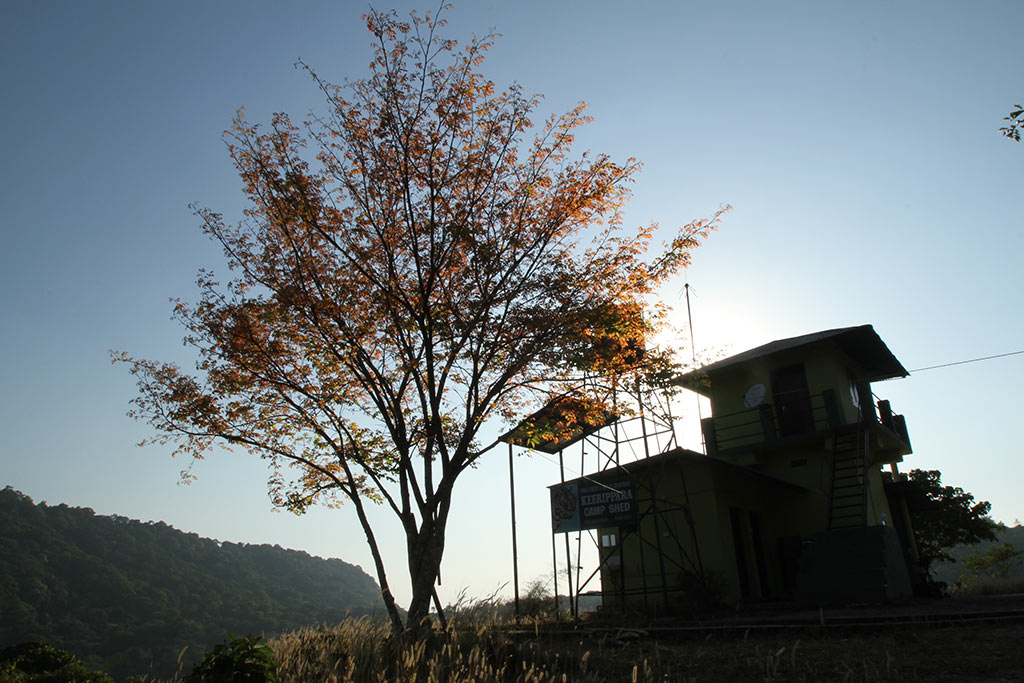
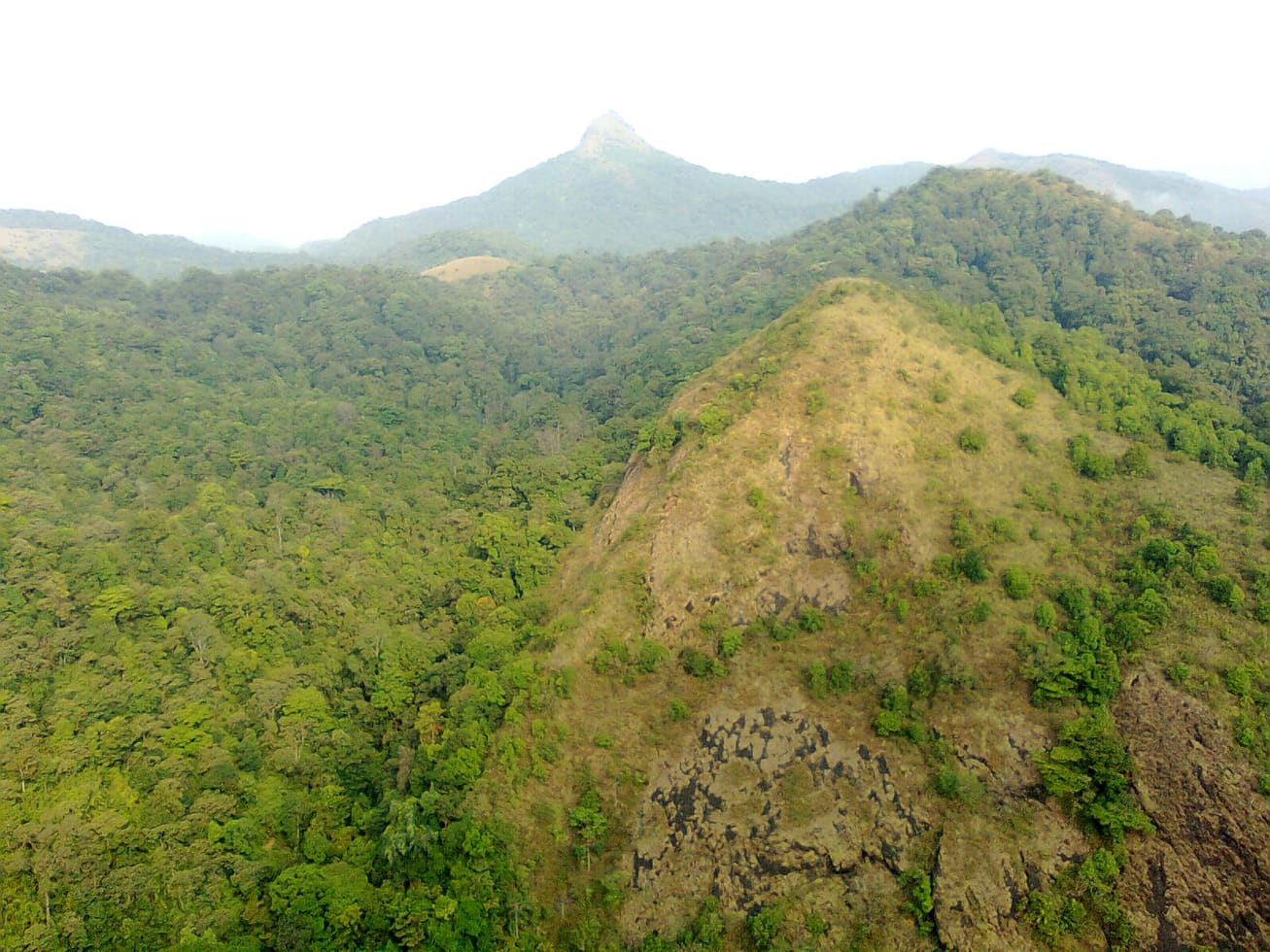
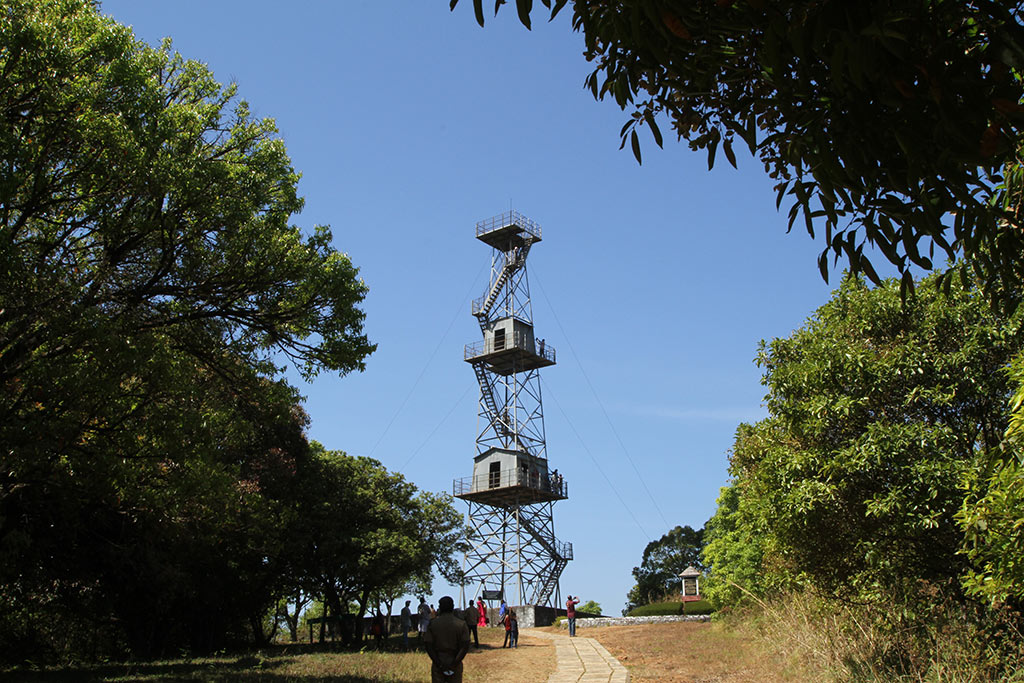
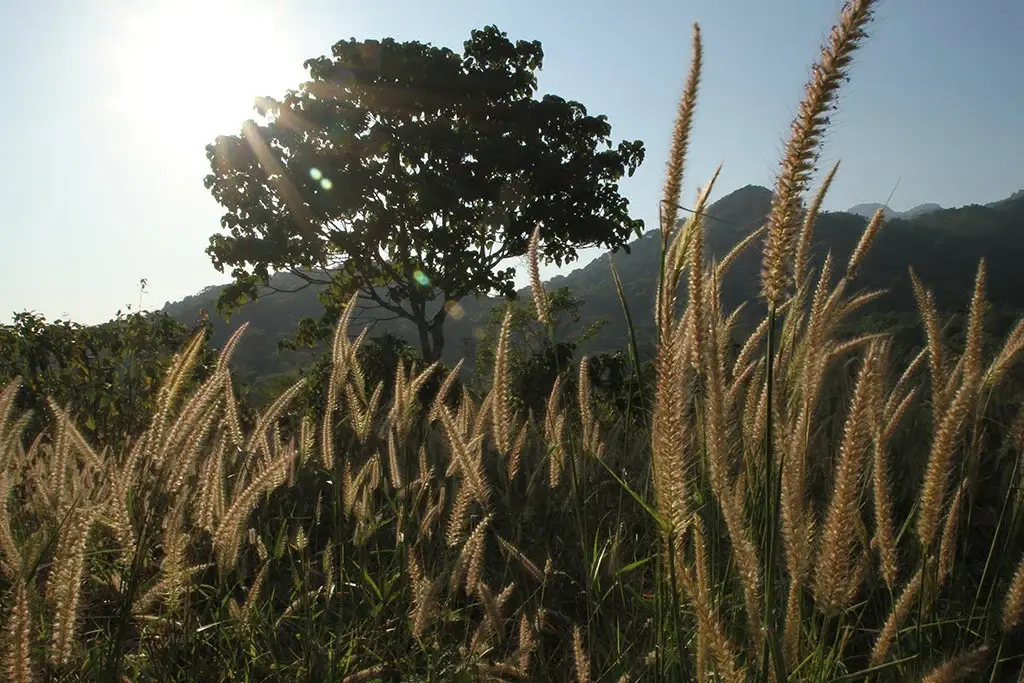
Those river directions help explain the view from Keerippara. The camp country sits above the Attappady ghat rather than inside the deep Kunthipuzha gorge, so the outlook can be open, grassy and sunlit even though the Silent Valley name suggests unbroken dark rainforest. On the walk, moist deciduous growth, bamboo and evergreen patches succeed one another with altitude and exposure. It is a transition landscape, and the official gallery’s camp shed, tawny grass and distant ridges are a truer preview than a close photograph of rainforest leaves.

An overnight changes the visit in a practical way. Day visitors to Sairandhri leave the protected road by early afternoon, whereas the camp programmes hold you through the evening change in light and the first hours of morning activity. That does not turn a shelter into a resort: facilities are basic, phone coverage may vanish, and the booking determines food, bedding and guide support. Ask those questions before arrival, because there is no useful last-minute substitute once the group has left Mukkali.

The route in deserves its own time. The road climbs from Mannarkkad into the Attappady hills through tight bends where cloud can sit low even on an otherwise clear day. Mukkali itself is easy to miss if imagined as a resort gateway; it is a small working junction and forest headquarters. Palakkad Junction and Coimbatore airport are the major arrival points named in official visitor information, but both still leave a substantial road journey. A 07:30 Sairandhri report normally means sleeping nearer Mannarkkad or Attappady rather than starting casually from Palakkad that morning.

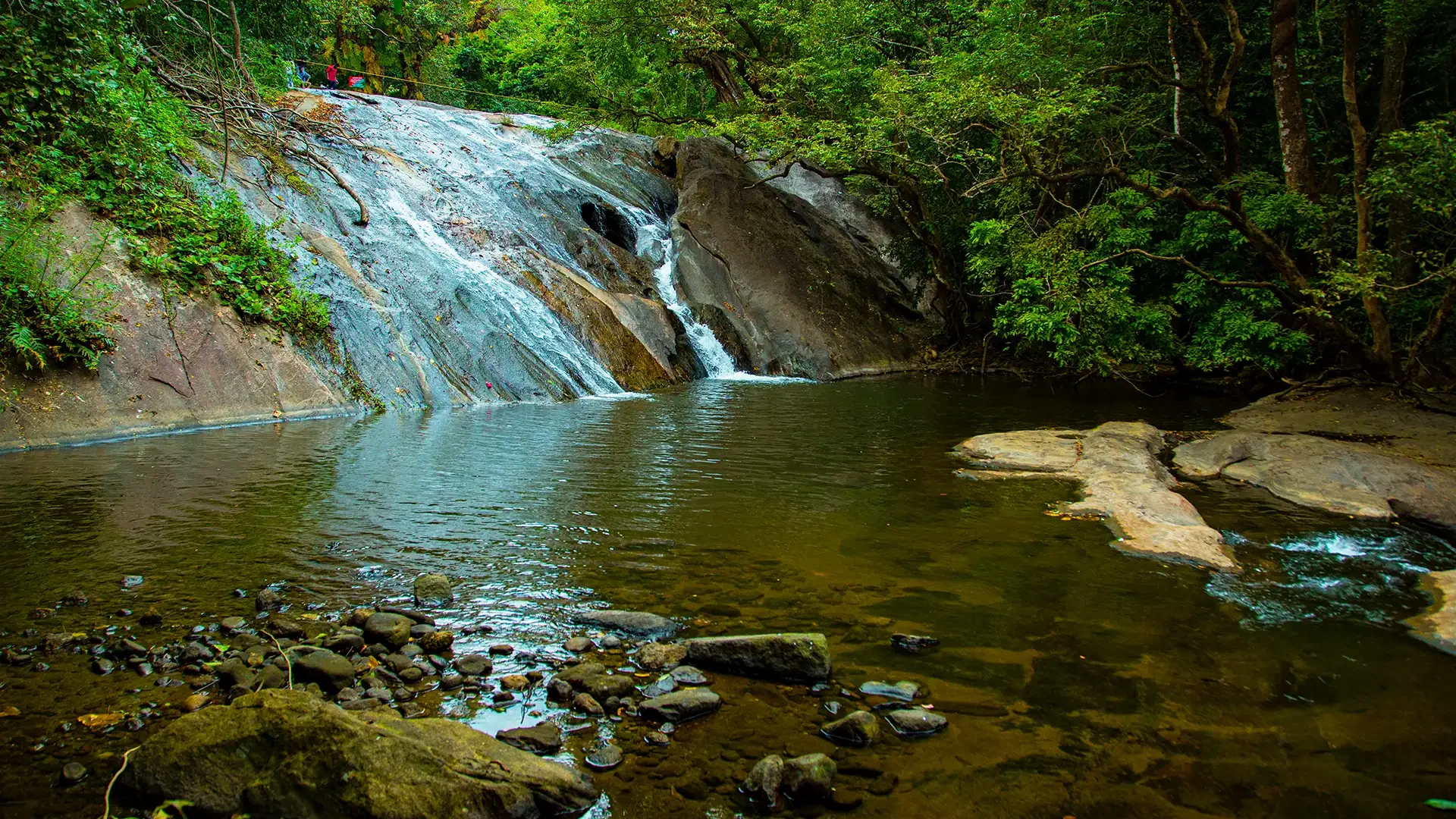
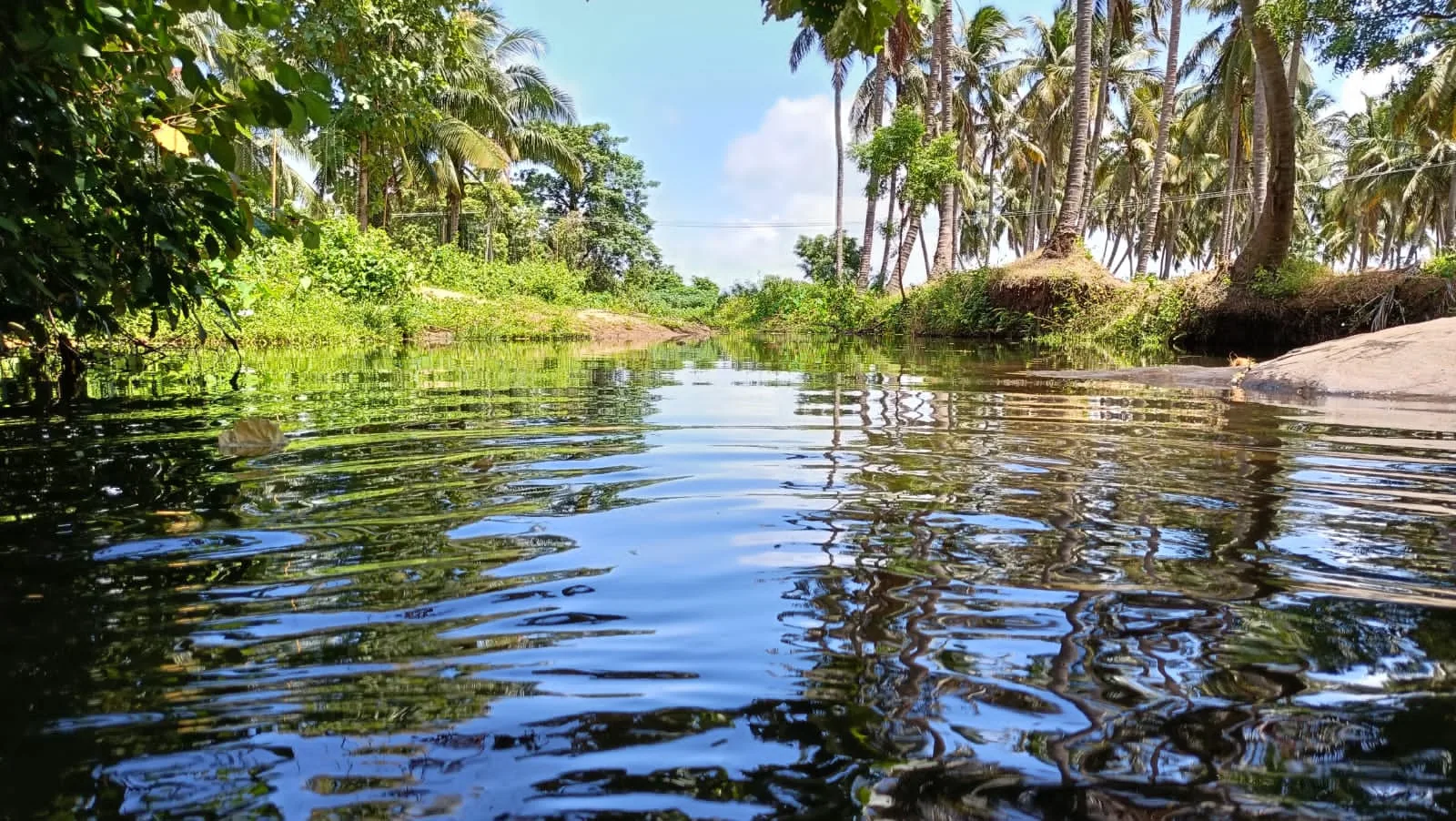
Preparation is deliberately ordinary: identification, closed footwear, socks, a rain layer, water and a dry change for an overnight. Single-use packaging should be minimised and everything carried back out. The official visitor guidance prohibits bathing in the river. This is especially important at clear pools that look benign in photographs; a protected river is habitat and drinking-water country, not an unsupervised swimming stop.

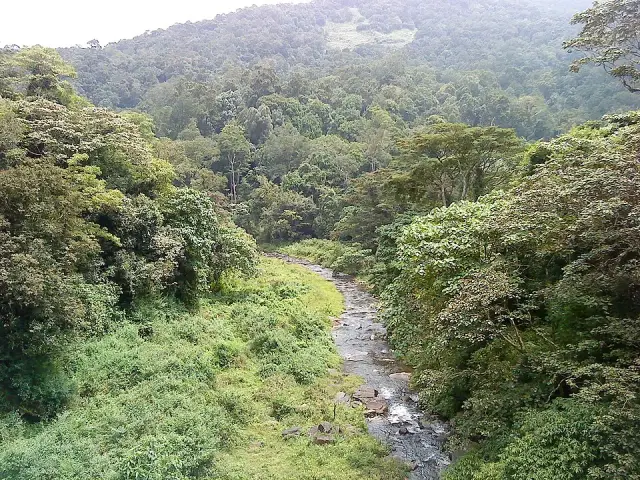
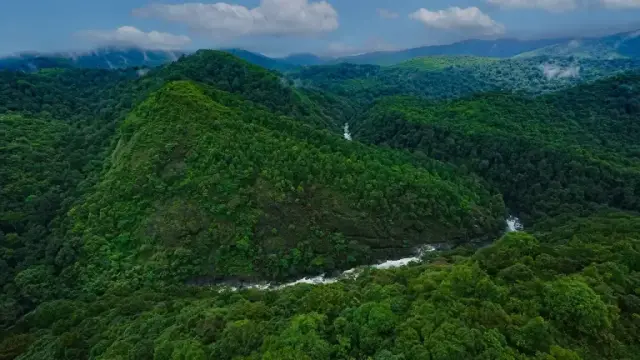
A camera works best when it records relationships rather than chases an animal. The Sairandhri watchtower gives scale to the canopy; the Keerippara shelter shows how small the camp is against the ridge; Bommiyampadi’s fields show the inhabited edge of the forest; the Kunthipuzha disappears between densely wooded slopes. None requires leaving the guide, blocking a path or calling wildlife closer. If a lion-tailed macaque remains high in the canopy or an elephant stays unseen, the programme has not failed.

Families and mixed-ability groups should separate the vehicle day from the walking products before booking. The Keerippara trail is unsurfaced and the camp publishes no step-free route, adapted toilet or wheelchair provision. A pram is not suitable for the forest path either. Sairandhri may remove most of the walking, but the department should still be asked about boarding height, seats and the ground at each stop; a road-based programme is not automatically an accessible one.

The return journey needs as much planning as the arrival. An overnight group may emerge after the useful bus connection or after a driver expected to collect a day visitor. Confirm the finish point and time in advance, and leave the programme name and expected return with the place where you are staying. Once away from Mukkali, weak mobile coverage makes a last-minute rearrangement unreliable. This is also why a guide-controlled itinerary is safer than trying to improvise a shorter line back to the road.

Wildlife determines the pace even when no animal appears. Lion-tailed macaques are the emblem of the evergreen canopy, but elephant and gaur movement is the immediate concern on foot. Guides may change a line, delay a departure or close a programme because the forest is occupied. That uncertainty is not poor organisation; it is what it means for tourism to remain subordinate to a living protected area.

The practical limit is supply. Groups are small, accommodation is finite, and weather or fire risk can stop access. Official pages also survive longer than their tariffs: different Forest Department and Kerala Tourism documents show different generations of prices. The honest plan is to choose the programme by name, call Mukkali, and ask what is operating and what it costs now.

Legend & myth

The name Sairandhri comes from the identity Draupadi assumes while the Pandavas live incognito in the Mahabharata. Local naming links the deep valley and its river country to that period of concealment. It is a place tradition, not archaeological evidence, but it fits the emotional geography: a hidden forest entered under another name.

The more modern legend is that Silent Valley is literally silent because cicadas are absent. The forest is not silent at all — water, birds, frogs and insects carry continuously through it — and the popular explanation is too neat for a complex ecosystem. The name is better treated as an inherited impression of remoteness than as a biological rule.
Read the full history of Silent Valley trekking 262 more words

History

The walking programmes exist because a much larger intervention did not. A hydroelectric project proposed on the Kunthipuzha in the twentieth century would have transformed part of this rainforest. Scientists, writers, campaigners and citizens built the Save Silent Valley movement around what would be lost, turning the valley into a defining case in Indian environmental politics.

The project was abandoned and Silent Valley was declared a national park in 1984. Its core covers 89.52 square kilometres; a 148-square-kilometre buffer was added in 2007. That core-and-buffer distinction explains the visitor design today: intensive walking and camps are placed in managed buffer country, while access towards the core follows stricter vehicle and guide controls.

Ecotourism here is therefore not an open trail network retrofitted with tickets. It was built as a limited programme run through the Forest Department and local institutions, with guides, drivers and small accommodation units controlling how many people enter and where they sleep. The restriction is the historical outcome of the conservation argument that saved the valley.

Why visit

Walk a protected Western Ghats buffer forest with someone trained to read it, rather than following a generic hill trail.

Choose a format that matches your time: one day at Sairandhri, an overnight at Keerippara or Bommiyampadi, or a longer nature camp.

See how closed-canopy rainforest, open Attappady slopes, cultivated buffer settlements and two river systems meet around Mukkali.

Understand why access is controlled in the landscape made famous by the Save Silent Valley movement.

Stay long enough for forest sound, changing light and field interpretation to matter more than a wildlife checklist.

What to expect

Highlights

  • Keerippara: a guided buffer-zone walk of about five kilometres to a camp shed above the Attappady ghat, with an overnight option and a small group limit.
  • Bommiyampadi: a forest-front cottage programme about 13 km from Mukkali, paired with a guided forest visit and the following morning’s Sairandhri trip.
  • Walk with the Master: a selected-group nature camp lasting two or three days, built around field interpretation, nature walks and photography.
  • Sairandhri: the standard five-hour visitor programme through several forest types, travelled in Forest Development Agency vehicles rather than as a free-ranging trek.
  • A protected rainforest system in which restricted access is part of the experience, not an obstacle to be bypassed.
Getting there

How to visit

  • Choose and confirm a named programme before travelling; asking simply for “the Silent Valley trek” does not identify a route or duration.
  • Contact the park on +91 8589895652 or +91 9645586629, or [email protected], and confirm the current tariff, group requirement and weather status.
  • Report at Mukkali with photo identification and enough time for the briefing. Use only the vehicle, guide and route assigned by the Forest Department.
  • Reach Mukkali on the Mannarkkad–Agali road. Fill fuel and arrange cash or food at Mannarkkad before the ghat climb.
  • Carry rain cover, water and leech protection, but check what food and single-use packaging the programme permits inside the protected area.

Distance by road

  • Coimbatore54 km
  • Kozhikode127 km
  • Kochi143 km
  • Madurai224 km
  • Mysuru251 km

Road km to Palakkad; ghat roads and traffic vary — allow extra.

Timing

Best time

December to March is usually the clearest and easiest period underfoot. Monsoon makes the forest intensely green but brings heavy rain, leeches and disrupted access; dry-season fire risk can also close programmes. Same-day confirmation outranks a seasonal promise.

Weather in Silent Valley trekkingSeasonal guide

Live forecast loads in your browser.

Today at Silent Valley trekking
Sunrise6:13 am
Sunset6:09 pm
Golden hour best light5:09 pm–6:09 pm
Blue hour after sunset6:09 pm–6:34 pm
Sun sets toward compass bearingW · 263°
Moon tonight🌑 New moon · 0%
Retreating monsoon. October and November still see spells of rain from the retreating monsoon, though it is usually lighter than mid-year. Conditions are generally good but worth checking.

Sun and moon are calculated for this location and shown in IST. Photography windows are the hour around sunrise and sunset; the sunset bearing is degrees clockwise from true north. Moon phase is accurate to about half a day.

Visitor notes

  • Published official tariff sheets and the Kerala Tourism programme page do not always show the same generation of rates. Confirm the amount attached to your exact programme before paying or setting out.
  • There is no independent trekking inside the park. A guide and a controlled itinerary protect both visitors and a rainforest where elephant movement and sudden weather changes are normal.
  • The settlements around Attappady are homes. A programme may pass through inhabited country, but that is not permission to photograph residents without asking.
Safety

Good to know

  • Stay with the guide and do not approach elephants, gaur or other wildlife. The absence of an animal on the outward leg says nothing about the return.
  • Wet roots, loose leaf litter and leeches are routine after rain. Closed shoes, long socks and a dry change of clothing are practical for the overnight walks.
  • Mobile coverage is unreliable away from Mukkali. Leave your programme name and expected return time with your accommodation or driver.
Official eco & forest programmes

Experiences around Silent Valley trekking

These are official or public-sector eco offerings that match this place, town or forest destination. Confirm availability, permits, tariffs and reporting times with the official operator before travel.

Silent Valley National Park, Silent Valley trekking
safariwildlifeinterpretation

Silent Valley Sairandhri trip

Five-hour official trip through Silent Valley forest types by Forest Development Agency jeep or bus; no accommodation inside the park.

Silent Valley DivisionAbout 5 hours
Official source →
Bommiyampadi, Silent Valley trekking
forest staytrekwildlife

Silent Valley Bommiyampadi forest-front cottage stay

Stay-over jungle retreat near Mukkali with forest-front cottage accommodation, guided forest trip, Attappady tribal-area visit and Sairandhri package next day.

Silent Valley Divisionforest cottageOvernight
Official source →
Silent Valley National Park, Silent Valley trekking
campinginterpretationwildlife

Silent Valley Walk with the Master nature camp

Two- or three-day paid nature camp for selected participants, focused on expert-led learning, nature photography and nature walks.

Silent Valley Division2-3 days
Official source →
Keerippara, Silent Valley trekking
campingforest staytrek

Silent Valley Keerippara camping

Two-day trekking and tent-stay package in Silent Valley’s buffer-zone forest, with small group and guide support.

Silent Valley DivisiontentOvernight
Official source →
Stay · eat · do · rent · see · shop

Stays, food & things to do near Silent Valley trekking

Browse listed stays, food, activities, sights, shops and rentals around Silent Valley trekking. Check each listing’s locality and contact the business directly for current arrangements.

1 place to stay near Silent Valley trekking

Official forest camp stay · Silent Valley and Mukkali
Keerippara Camp Silent Valley

Official forest camp stay in Silent Valley and Mukkali. Silent Valley National Park, Palakkad · Official forest camp stay.

Directions Commission-freeView details

Book with the place itself. India’s cyber-crime coordination centre warned in April 2025 that convincing copies of hotel and pilgrimage booking sites are being pushed through sponsored search and social ads, taking payment for rooms the property never hears about. Use the contact and source details on each profile to confirm the exact business and booking channel. A directory entry or map pin alone does not establish an operator’s identity or current availability. Roampedia takes no commission and does not collect booking payments. If a booking page reached you through an ad, check the address bar against the property’s own site before you pay. Fraud can be reported on cybercrime.gov.in or on 1930.

Nearby guides

Top experiences around Silent Valley and Mukkali

2 more places around Silent Valley and Mukkali. Open a guide to plan the visit and onward journey.

wildlifeSilent Valley National Park

11.1 km · straight line

Important rainforest national park in the Nilgiri Biosphere Reserve.

waterfallMeenvallam Waterfalls

15.8 km · straight line

A step waterfall on the Thuppanadu river in the Western Ghats near Thuppanad on the Palakkad–Mannarkkad road, reached by a short forest trek that crosses the river.

Roampedia is commission-free — own or know a stay, eatery, guide or shop near Silent Valley trekking? Submit public business details for review.

Add a nearby business
Trek facts

Silent Valley trekking — at a glance

TimingsKeerippara is published with check-in at 15:00 and check-out at 08:30 after the overnight. The Sairandhri visitor programme runs 07:30–13:00. Walk with the Master and Bommiyampadi use their own multi-day schedules; every departure remains subject to weather and forest conditions.
Best timeDecember to March for firmer ground and better visibility. June to September brings heavy monsoon rain and leeches; late dry-season fire risk can close the forest too. Confirm operations even in the usual season.
Entry price
Indian adult
₹2,000

Fees change without notice. Check the current rate at the counter.

Entry: Kerala Tourism publishes Keerippara at ₹2,000 per person, or ₹8,500 for a group of five, for the guided two-day trek and camp. A newer Forest Department tariff document lists named Silent Valley treks in a different group-price format, so this is a published reference rather than a guaranteed checkout total; confirm the current Keerippara rate with Mukkali.

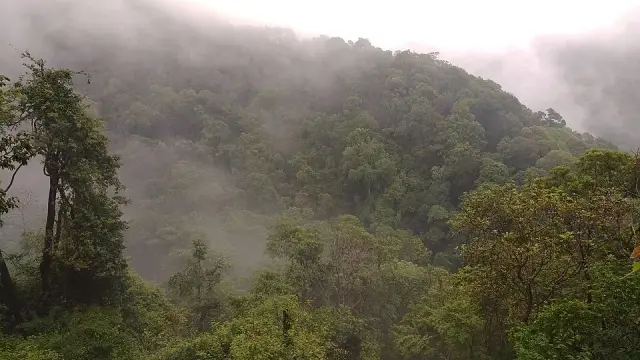
Photography: The strongest photographs are of the scale of the forest: layered canopy, the river below it, mist crossing a ridge, or the Keerippara camp shed against the trees. Wildlife is never guaranteed and must not be approached or called for a picture.

Parking: Park only where the Mukkali staff direct you. No source publishes a dedicated accessible parking bay at the trek reporting point, and a parked private vehicle is not authorised to continue on the forest road.

Getting here

How to reach Silent Valley trekking

  • ✈︎ By air Coimbatore is the nearest airport in the official visitor information, about 91 km away. The road approach still runs through Attappady or Mannarkkad according to your onward plan.
  • 🚆︎ By train Palakkad Junction is the practical major railhead, about 69 km from Mukkali by the official tourism distance. Continue by road through Mannarkkad.
  • 🚗︎ By road Mukkali is on the Mannarkkad–Agali road, about 24 km uphill from Mannarkkad. Report at the park office or the point named in your booking; private vehicles do not continue on the protected forest road towards Sairandhri.
  • 🚌︎ By bus Buses from Mannarkkad towards Agali, Attappady and Anakkatti pass Mukkali. Confirm the last service before relying on a bus after an overnight programme.
Getting back

If you are travelling by bus or ferry, check the return service with the operator before setting out. Leave time to reach the stop or jetty after your visit.

Ask at the bus stand for the time of the last service back, not the next one. If you miss it, an auto or app cab is the fallback — agree the fare before you get in.

Do

Things to do

  • Walk the Keerippara buffer-forest route to the camp shed above the Attappady ghat.
  • Choose Bommiyampadi for a forest-front cottage, a guided outing and the next morning’s Sairandhri programme.
  • Apply for Walk with the Master when you want a two- or three-day interpretation and nature-photography camp rather than a fixed sightseeing circuit.
  • Use the vehicle-led Sairandhri package when an overnight forest walk is not suitable for your group.
  • Ask about the River Hut at Mukkali if you want a base beside the Bhavani rather than accommodation deeper in the buffer programme.
Prepare

What to carry

  • Book by programme name. “Silent Valley trek” can mean four different formats, prices and reporting times.
  • Call +91 8589895652 or +91 9645586629 before leaving Mannarkkad and reconfirm the weather status, group minimum, total price and meal arrangements.
  • Carry photo identification, cash, closed shoes, long socks, rain protection and a dry change of clothes for an overnight.
  • Buy food and fuel in Mannarkkad. Mukkali is a small junction and the programmes do not permit an improvised shopping stop after reporting.
  • Keep packaging to a minimum and carry everything back out. Bathing in the park river is prohibited.
Getting around Silent Valley trekkingNot wheelchair accessible
Terrain
Steep
From the entrance
Keerippara is an unsurfaced guided forest walk of about five kilometres to a camp shed, with roughly four hours on foot in the official programme description. Bommiyampadi and Walk with the Master also include nature walks; Sairandhri is principally travelled in a department vehicle.
Step-free access
The trekking and camping programmes are not wheelchair-accessible: they use uneven forest ground and the official information publishes no step-free trail, accessible camp shelter or adapted toilet. The road-led Sairandhri programme is a different product; ask the park what its vehicle and stops can accommodate before booking.
Prams
No. The forest trails, overnight camp and variable wet ground are unsuitable for a pushchair. Ask the park about the vehicle-led Sairandhri visit for families who cannot walk the routes.

Booking and reporting support through the Mukkali park officeForest Department guide on the walking programmesCamp shed or tent accommodation on the Keerippara overnightCottage and meal package at Bommiyampadi when bookedNo published step-free trail or accessible camp toilet

  • Elephants and gaur use the forest; the guide may alter or stop a walk for wildlife movement.
  • Roots, leaf litter and slopes become slippery in rain, and leeches are common in the wet season.
  • Mobile coverage is unreliable away from Mukkali and independent walking is prohibited.

Checked 2 September 2026 against source 1source 2. Conditions change and surfaces vary with weather — if step-free access is essential, confirm with the site before you travel.

Nearby

What’s near Silent Valley trekking

damKanjirapuzha Dam

A calm reservoir and garden set among hills in the Mannarkkad side of Palakkad, a quieter alternative to Malampuzha.

8.7 km · straight line
trekSiruvani trek

A Forest Department safari and walk into the closed Siruvani reserve, starting at the Inchikunnu check post: about 10 km of escorted rainforest road to the dam that supplies Coimbatore’s drinking water, then an hour on foot up to the Keralamedu grasslands on the Kerala–Tamil Nadu border.

10.1 km · straight line
wildlifeSilent Valley National Park

Important rainforest national park in the Nilgiri Biosphere Reserve.

11.1 km · straight line
waterfallMeenvallam Waterfalls

A step waterfall on the Thuppanadu river in the Western Ghats near Thuppanad on the Palakkad–Mannarkkad road, reached by a short forest trek that crosses the river.

15.8 km · straight line
trekDhoni Waterfalls trek

A Forest Department controlled walk from Dhoni’s forest-office base to a cascade in the Palakkad foothills, with offline admission and a Monday closure.

24.5 km · straight line
heritageKalpathy Heritage Village

Kerala’s first heritage village, ~3 km from Palakkad town, built around the Sri Viswanatha Swamy temple on the Kalpathy river — a Tamil-Brahmin agraharam known as the “Kashi of the South” and for its November Ratholsavam chariot festival.

30.0 km · straight line
damMalampuzha Dam & Garden

Reservoir and garden area near Palakkad town.

30.4 km · straight line
jainJainimedu Jain Temple

A ~15th-century Jain temple on the western edge of Palakkad town, one of the few surviving traces of Jainism in Kerala, with images of the Thirthankaras and Yakshinis.

33.0 km · straight line
heritagePalakkad Fort

Well-preserved fort in Palakkad town, associated with Hyder Ali and Tipu Sultan.

35.6 km · straight line
wildlifeChoolannur Peafowl Sanctuary

A peafowl sanctuary at Mayiladumpara (“the rock where peacocks dance”) near Alathur, home to 200-plus free-roaming peacocks and over 100 bird species; best at dawn and dusk.

39.6 km · straight line
templeThiruvegappura Temple

The Thiruvegappura Sankaranarayana Temple near Ottapalam, admired for its Kerala architecture, a fine 15th–16th-century Koothambalam (temple theatre) and three sreekovils with separate flag masts.

50.1 km · straight line
heritageKollengode

A rural village ~19 km south of Palakkad below the Nelliampathy hills, known for its palace, the Vishnu temple, paddy landscapes and old Tamil-Brahmin heritage.

53.1 km · straight line

4 detailed place guides in Silent Valley and Mukkali →

On the map

Where Silent Valley trekking is

Good to know

Silent Valley trekking — frequently asked

Is Silent Valley trekking one particular route?

No. It is a convenient umbrella name for several official programmes based through Mukkali. Keerippara is the clearest guided trek-and-camp; Bommiyampadi is a cottage-based overnight; Walk with the Master is a multi-day nature camp; Sairandhri is mainly a department-vehicle visit.

Can I trek independently inside Silent Valley?

No. Entry is controlled and programmes use Forest Department guides, vehicles and assigned routes. A map pin is not permission, and there is no public self-guided trail into the national park.

Which programme involves the most walking?

Keerippara is the most straightforward trekking product in the current official descriptions: about five kilometres through buffer forest, roughly four hours on foot, with a small group and an overnight camp format.

Where do I report?

Confirm the instruction when booking, but Mukkali is the visitor and administrative base. The pin on this page marks Mukkali rather than a camp or summit because the programmes branch to different locations from there.

How far ahead should I book?

Book before travelling. Group sizes and accommodation are limited, and weather, wildlife movement or fire conditions can suspend a programme. The park numbers published by Kerala Tourism are +91 8589895652 and +91 9645586629.

Are the prices online reliable?

Treat them as a published reference, not a guarantee. Official programme pages and newer tariff documents show different rate generations, so confirm the exact programme and current total directly with the park before paying.

When is the best season?

December to March is usually easier for walking and visibility. Monsoon brings heavy rain and leeches, while dry-season fire risk can also lead to closure. Programme confirmation matters more than the month alone.

Is the trek wheelchair-accessible?

The forest treks and camps are not. They use uneven, unsurfaced ground and publish no step-free trail or accessible camp facilities. Ask the park separately about what part of the vehicle-led Sairandhri visit may be manageable for your needs.

When is the best time to visit Silent Valley trekking?

December to March is usually the clearest and easiest period underfoot. Monsoon makes the forest intensely green but brings heavy rain, leeches and disrupted access; dry-season fire risk can also close programmes. Same-day confirmation outranks a seasonal promise.

What are the entry fee and timings at Silent Valley trekking?

Entry: Kerala Tourism publishes Keerippara at ₹2,000 per person, or ₹8,500 for a group of five, for the guided two-day trek and camp. A newer Forest Department tariff document lists named Silent Valley treks in a different group-price format, so this is a published reference rather than a guaranteed checkout total; confirm the current Keerippara rate with Mukkali. Timings: Keerippara is published with check-in at 15:00 and check-out at 08:30 after the overnight. The Sairandhri visitor programme runs 07:30–13:00. Walk with the Master and Bommiyampadi use their own multi-day schedules; every departure remains subject to weather and forest conditions. The rupee figure quoted is the Indian adult rate.

How do I reach Silent Valley trekking?

Choose and confirm a named programme before travelling; asking simply for “the Silent Valley trek” does not identify a route or duration. Contact the park on +91 8589895652 or +91 9645586629, or [email protected], and confirm the current tariff, group requirement and weather status. Report at Mukkali with photo identification and enough time for the briefing. Use only the vehicle, guide and route assigned by the Forest Department. Reach Mukkali on the Mannarkkad–Agali road. Fill fuel and arrange cash or food at Mannarkkad before the ghat climb. Carry rain cover, water and leech protection, but check what food and single-use packaging the programme permits inside the protected area.

How much time do I need for Silent Valley trekking?

Allow a full day for Sairandhri. Keerippara and Bommiyampadi are overnight programmes, while Walk with the Master lasts two or three days.

What else is near Silent Valley trekking?

Nearby you can pair Kanjirapuzha Dam (8.7 km, approximate straight-line separation), Siruvani trek (10.1 km, approximate straight-line separation), Silent Valley National Park (11.1 km, approximate straight-line separation), Meenvallam Waterfalls (15.8 km, approximate straight-line separation).

What should I know before visiting Silent Valley trekking?

Stay with the guide and do not approach elephants, gaur or other wildlife. The absence of an animal on the outward leg says nothing about the return. Wet roots, loose leaf litter and leeches are routine after rain. Closed shoes, long socks and a dry change of clothing are practical for the overnight walks. Mobile coverage is unreliable away from Mukkali. Leave your programme name and expected return time with your accommodation or driver.

Image credits

Photographs: Kerala Tourism (© Kerala Tourism; official photograph), Lijo Lawrance (CC BY-SA 4.0), Ramesh Kunnappully (CC BY-SA 4.0), PP Yoonus (CC BY-SA 3.0). Wikimedia Commons.