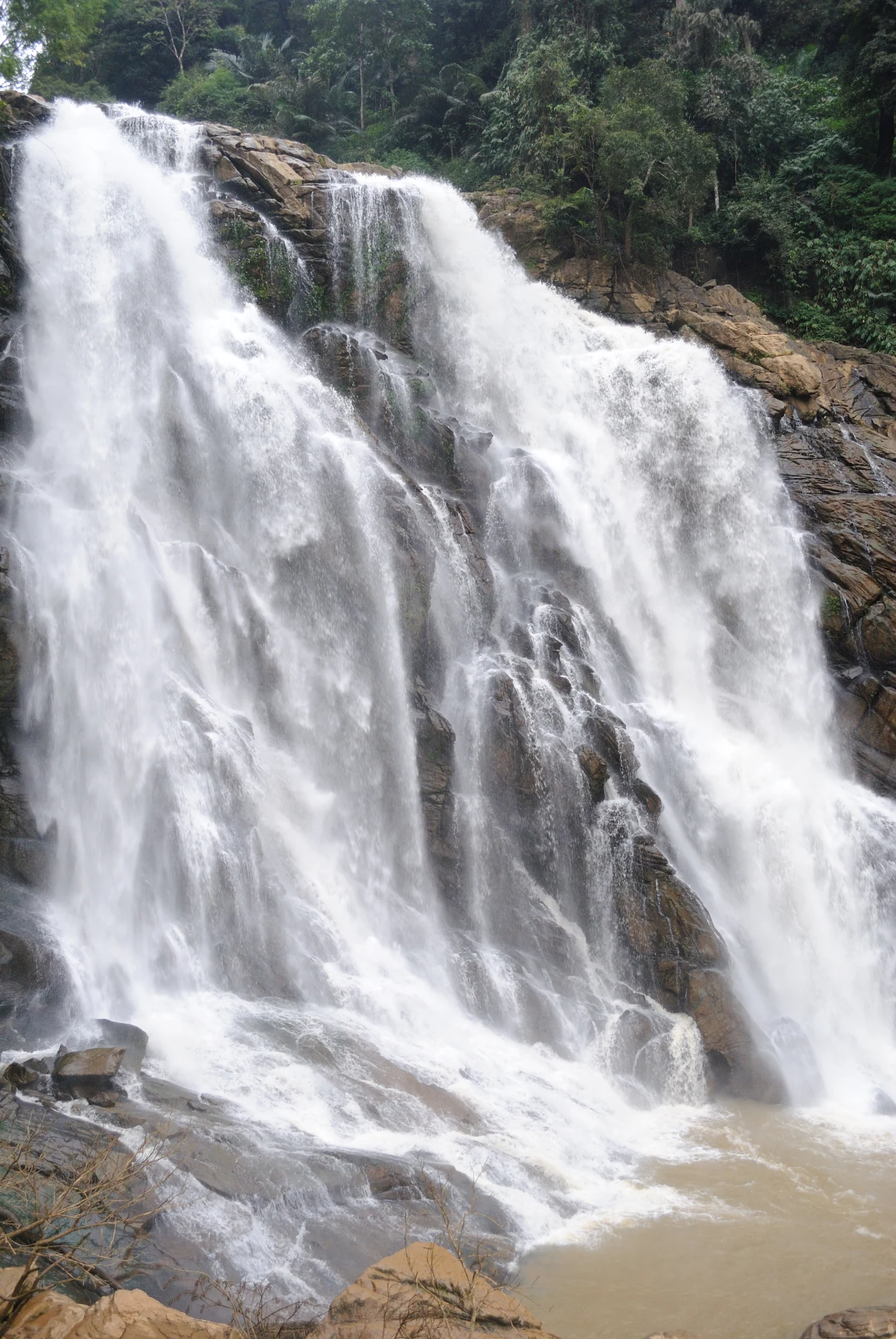
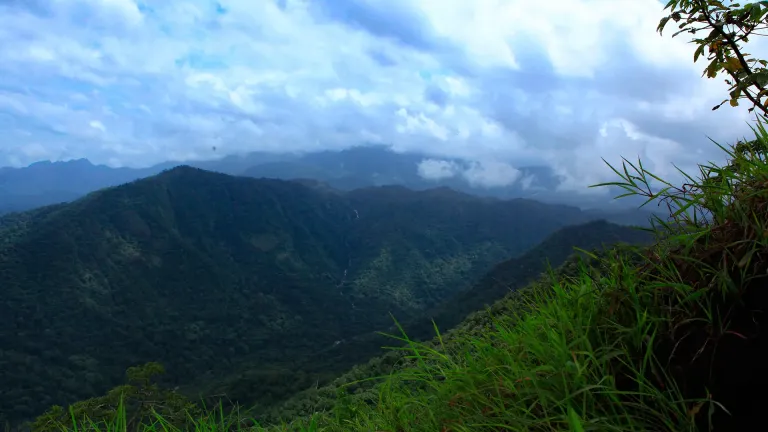
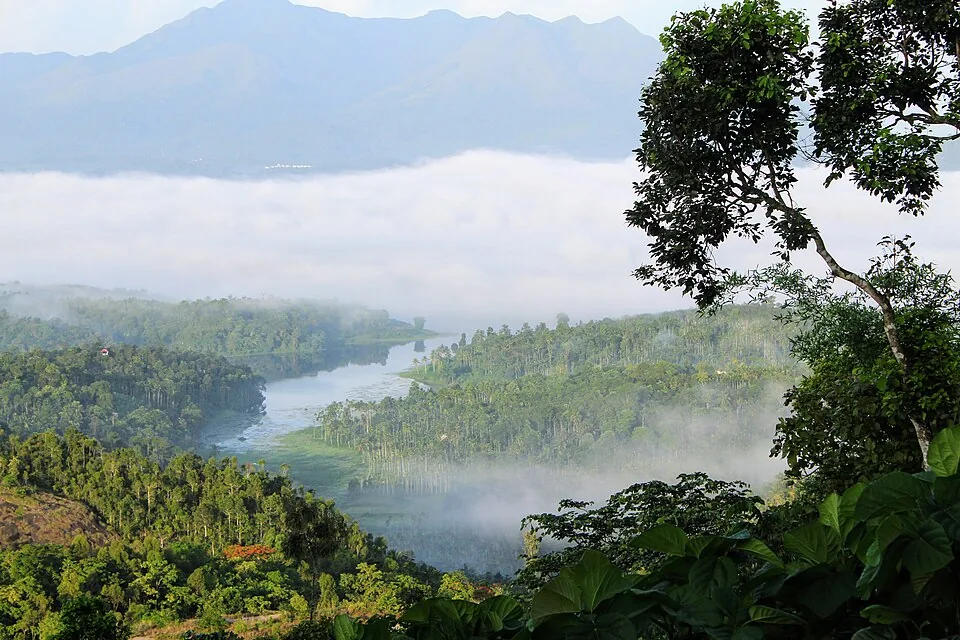
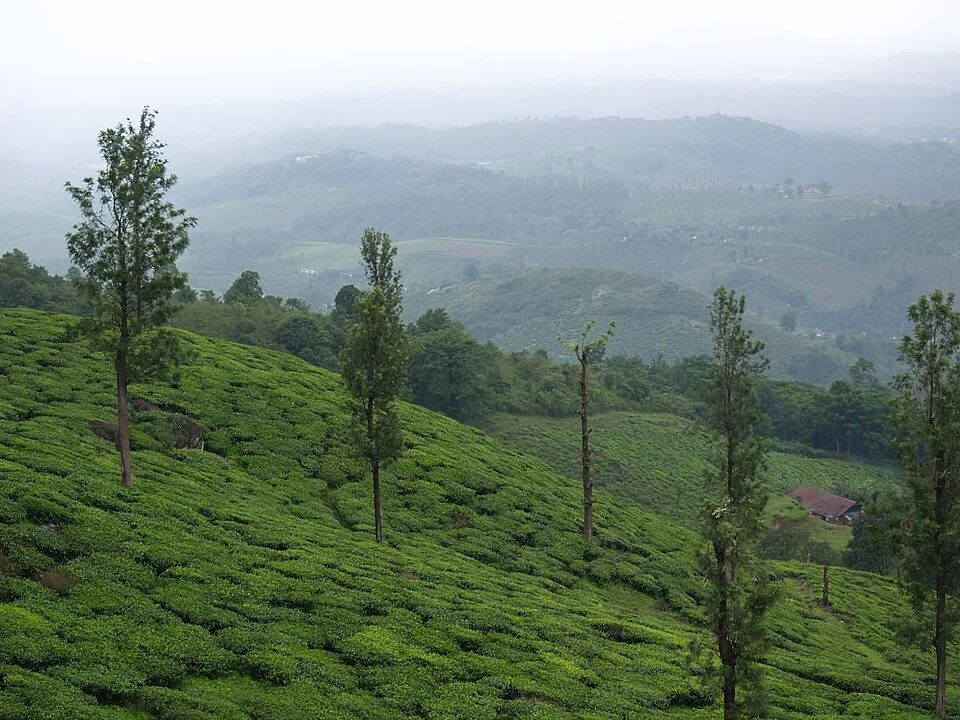
Wayanad Wildlife Sanctuary

Wayanad Wildlife Sanctuary is the forest anchor of eastern Wayanad, with Muthanga on the Sulthan Bathery side and Tholpetty on the Mananthavady side. It forms part of the larger Nilgiri Biosphere landscape with Bandipur, Nagarhole and Mudumalai across nearby state borders.

Wayanad Wildlife Sanctuary, Sulthan Bathery
Practical guide

Plan Wayanad Wildlife Sanctuary

Who's going?Tailor Wayanad Wildlife Sanctuary to your trip
Typewildlife
AreaSulthan Bathery
DistrictWayanad
Best timeDryer months are usually easier for…
Time neededHalf day for one forest gate
Places to visit8Listed businesses37

This is a controlled forest visit, not a guaranteed tiger-sighting safari. The best traveller experience comes from booking official entry, respecting forest timing and using verified stays or drivers who understand Muthanga/Tholpetty reporting points.

The story

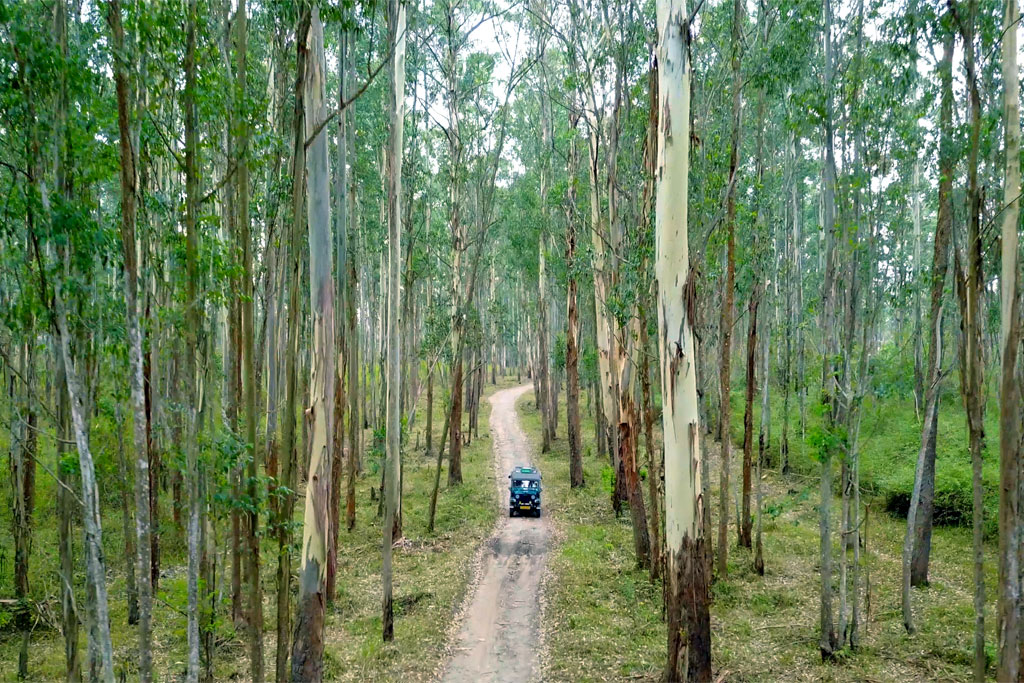
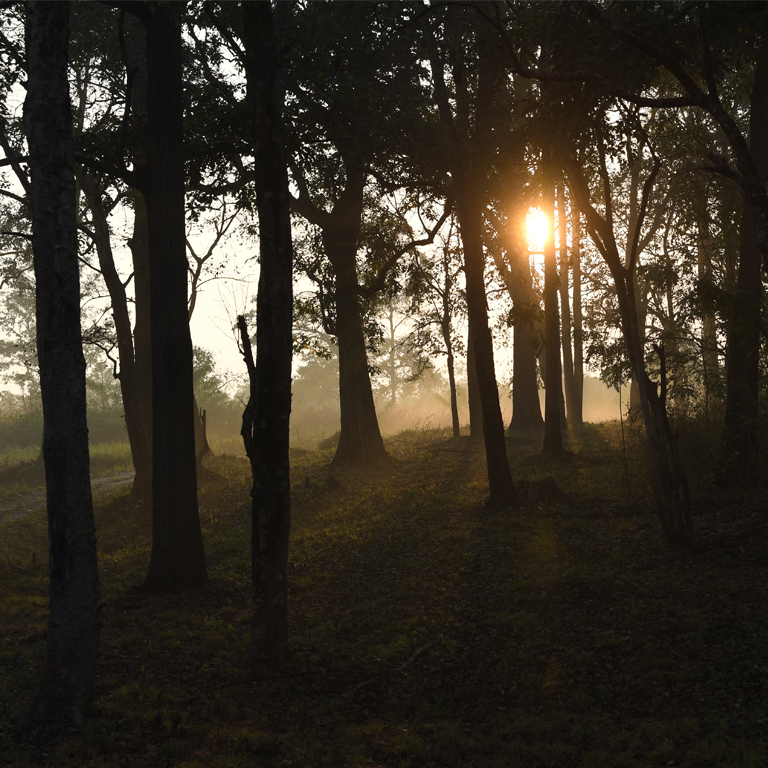
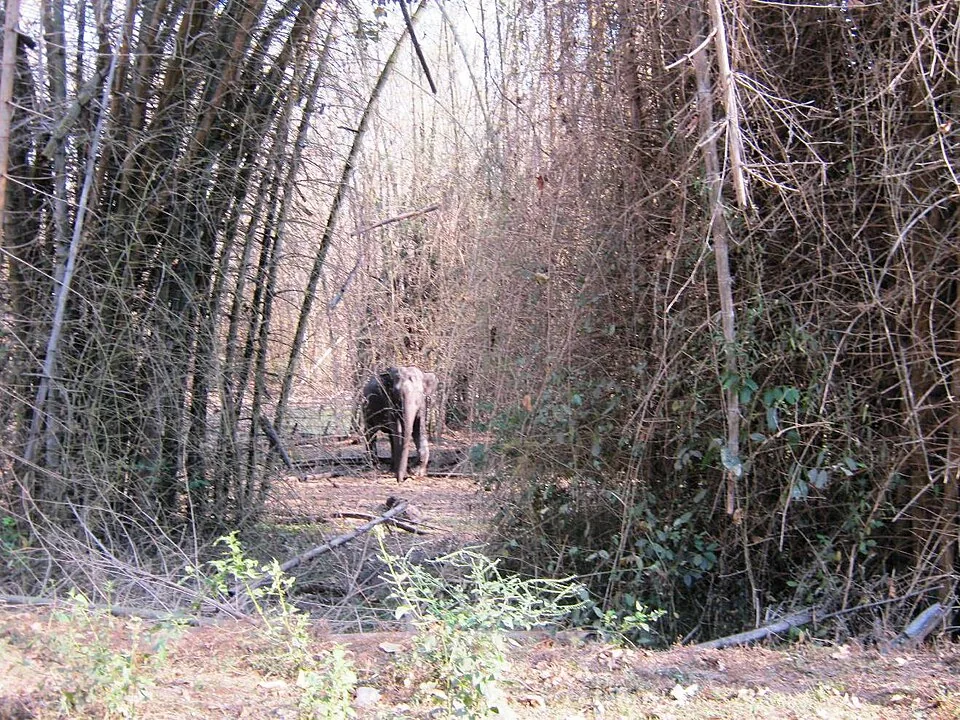
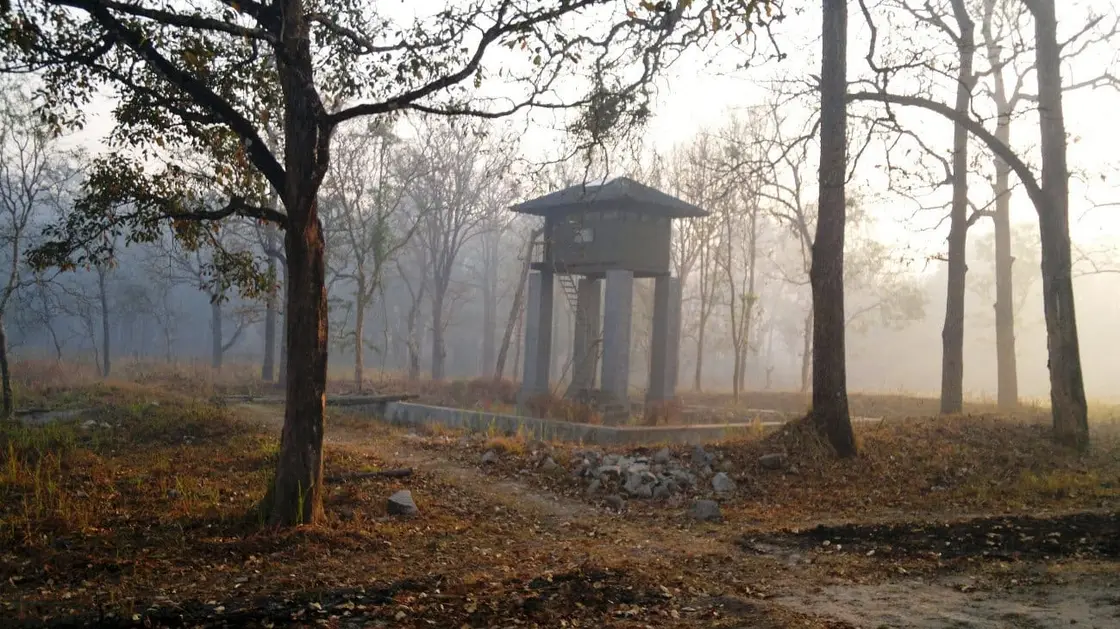
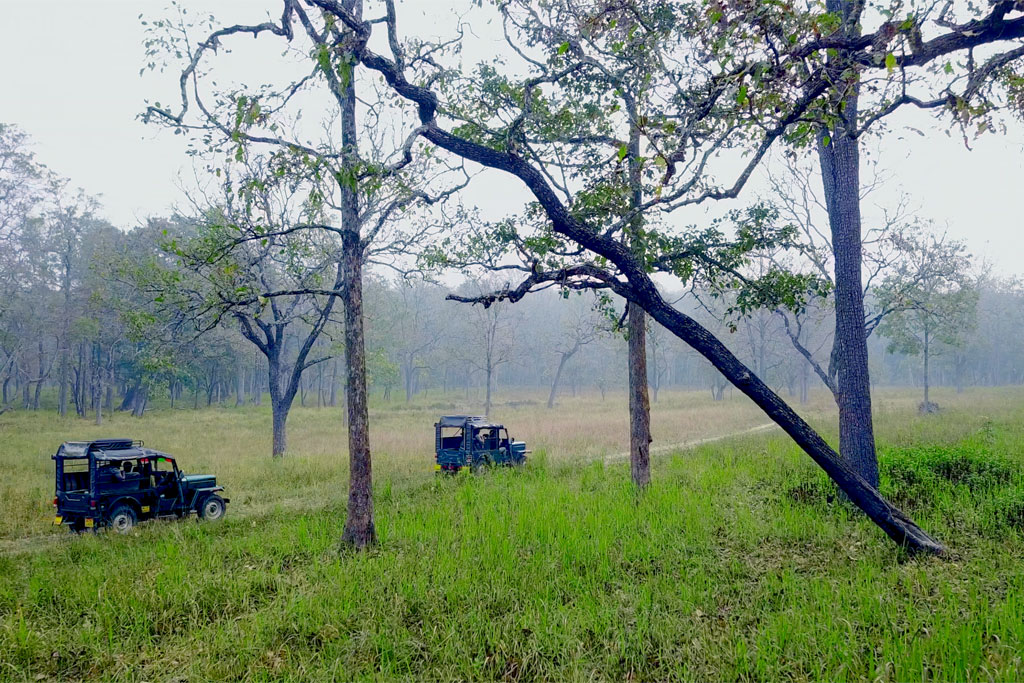
Spread across roughly 344 square kilometres of teak woodland, bamboo brakes and grassy clearings on Kerala’s high eastern frontier, Wayanad Wildlife Sanctuary is one of South India’s great elephant landscapes — a green corridor where herds, gaur and the occasional tiger move freely between three states. Reached through the Muthanga gate near Sulthan Bathery in the south and the Tholpetty gate in the north, it is best experienced from an open jeep at first light, when mist still hangs over the meadows and the jungle is at its most alive.

The story of Wayanad Wildlife Sanctuary

The sanctuary sits at a remarkable meeting point — the place where the Western Ghats, the Nilgiri Hills and the Deccan Plateau fold into one another. That geography is the whole story here. Because Wayanad’s forests join seamlessly with Nagarhole and Bandipur in Karnataka and Mudumalai in Tamil Nadu, they form part of one of the largest surviving wild elephant habitats in Asia, an unbroken sweep of protected jungle that ignores the state borders drawn on maps.

There are two ways in, and they feel like different worlds. Muthanga, in the south, lies just off the busy Kozhikode–Mysuru highway near Sulthan Bathery and is the range most visitors reach — a mosaic of moist deciduous teak and open swampy grassland where elephants gather. Tholpetty, in the north near Mananthavady and the temple town of Thirunelly, is quieter and more forested, backing onto the Brahmagiri hills. Each range runs its own safaris and keeps its own booking counter.

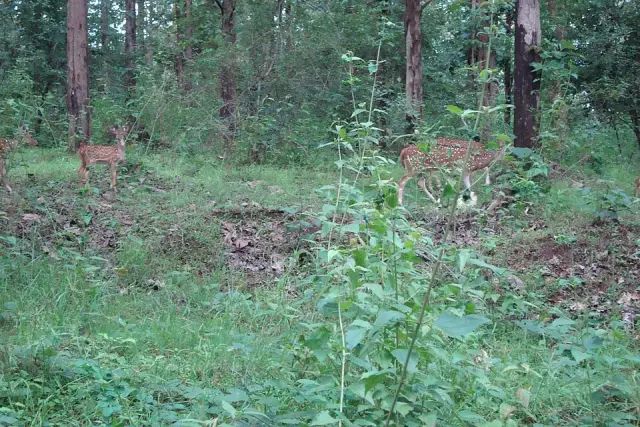
A typical visit is built around the jeep safari. Vehicles set out in convoys along rutted forest tracks with a Forest Department guide aboard, the engine kept low so that the jungle can be heard as much as seen. Spotted deer scatter across the road, langurs crash through the canopy, a peacock steps out of the undergrowth, and — if the morning is kind — a herd of elephants materialises at the edge of a clearing. Sightings are never promised; the reward is the wild itself, unstaged.

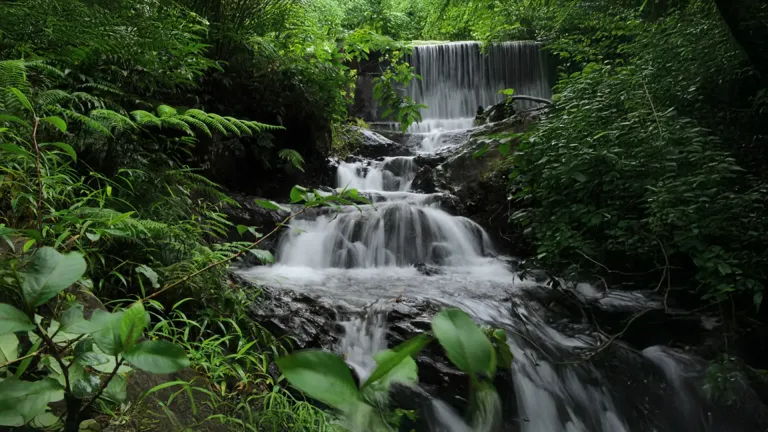
The country changes character with the seasons. In the dry months of spring the deciduous teak sheds its leaves and animals drift towards the shrinking waterholes, making them easier to spot. After the monsoon the whole landscape turns an impossible green, streams run full, and the birdlife is at its richest — Malabar grey hornbills, woodpeckers, cuckoos and owls calling across the valleys. The air stays cool for most of the year thanks to the sanctuary’s elevation of roughly 650 to 1,150 metres.

Beyond the marquee mammals, Wayanad is a stronghold of Western Ghats biodiversity — gaur (the massive Indian bison), sambar and spotted deer, wild boar, sloth bear, leopard, dhole (the Indian wild dog) and jungle cat all range through it, while the flagship tiger population makes this one of the more important big-cat corridors outside the formal reserves. Rosewood, venteak and giant clumps of bamboo shade the trails, and there are pockets of west-coast semi-evergreen growth along the wetter folds.

This is also a deeply human landscape. Wayanad — a name often read as a shortening of Vayal Nadu, the land of paddy fields — has been home to some of Kerala’s oldest tribal communities for centuries, among them the Paniya, Kuruma, Kurichiya, Adiya and Kattunayakan. Small hamlets, such as the Urali settlement near the Muthanga gate, still sit at the sanctuary’s edge, a reminder that these jungles have always been lived alongside, not merely looked at.

Legend & myth

Wayanad carries one of Kerala’s richest folk associations with the Ramayana, and the great jungle is central to it. By local tradition the exiled Sita is said to have taken shelter in these jungles, and the nearby shrine at Pulpally is linked in legend to Lava and Kusha, her twin sons — so that the woods around the sanctuary are remembered as an ashram-wood where the epic’s final chapters unfolded. It is a regional legend rather than recorded history, but it colours the way local people speak of the land.

A second story belongs to the tribal heritage of the hills themselves — the legend of Karinthandan, a Paniya tribal chief said to have lived in the 18th century, who is remembered as the man who first guided outsiders through the treacherous Thamarassery ghat pass into Wayanad. As the tale is told, he was betrayed and killed once he had shown the route. The legend, still recounted by the Paniya people as the story of their hero, is a reminder that the knowledge of these hills was first held by the people who lived in them.

Read the full history of Wayanad Wildlife Sanctuary 505 more words

History

Wayanad Wildlife Sanctuary was established in 1973 to protect the flora and fauna of this stretch of the Western Ghats, and today ranks as the second largest wildlife sanctuary in Kerala, covering an area usually cited at about 344 square kilometres (roughly 344.44 sq km).

The sanctuary is an integral part of the Nilgiri Biosphere Reserve — India’s first biosphere reserve, notified in 1986 — which links it to neighbouring protected forests across Karnataka and Tamil Nadu, including Nagarhole, Bandipur and Mudumalai. This contiguity is what gives Wayanad its outsized importance for wide-ranging animals such as elephants and tigers, which need territory far larger than any single sanctuary can offer.

In recognition of its elephant herds — among the largest concentrations of Asian elephants anywhere — the sanctuary was brought under Project Elephant, the national conservation programme, in 1991–92. Alongside the elephant, the tiger is treated as a flagship species here, and much of the management effort is focused on keeping the cross-state corridors open for both.

Administratively the sanctuary spreads across four hill ranges — Sulthan Bathery, Muthanga, Kurichiat and Tholpetty — but for visitors it resolves into two entry points: Muthanga in the south and Tholpetty in the north. Historically these were part of one continuous forest; over time plantations and settlement carved a gap between the northern and southern blocks, which is why the two safari zones are reached separately today.

The sanctuary has not been without difficulty. Conflict between people and wildlife along its fringes — crop-raiding elephants and, on occasion, livestock-killing big cats — remains a live management challenge, and events over the years have underlined how closely tribal communities, plantation villages and the protected forest are bound together in this corner of Kerala.

Why visit

It is one of the most reliable places in Kerala to see wild Asian elephants, along with gaur, spotted and sambar deer, and a genuine chance — never a guarantee — of a tiger or leopard, all from an open forest jeep.

The open-jeep safari through teak forest and mist-filled meadows at dawn is a proper wilderness experience, run by the Forest Department with a compulsory local guide, rather than a manicured tourist attraction.

As part of the Nilgiri Biosphere Reserve and contiguous with Nagarhole, Bandipur and Mudumalai, the forest sits inside one of Asia’s great wildlife corridors — you are, in effect, on the edge of a landscape that spans three states.

Birdwatchers are richly rewarded: Malabar grey hornbill, white-bellied woodpecker, peafowl, cuckoos and owls are among the many species that thrive in the deciduous and semi-evergreen forest, especially after the monsoon.

The two gates offer two moods — busy, accessible Muthanga near Sulthan Bathery, and quieter, more forested Tholpetty in the north near Thirunelly — so you can choose the experience that suits your route through Wayanad.

It pairs naturally with the rest of Wayanad’s highlands — Edakkal Caves, Sulthan Bathery’s Jain temple, waterfalls and hill viewpoints are all within easy reach — making the sanctuary the wild heart of a broader hill-country trip.
What to expect

Highlights

  • Muthanga and Tholpetty forest zones, elephant habitat and Nilgiri Biosphere context.
  • Good fit for official safaris, birding, forest-edge stays and Wayanad road trips.
  • The businesses around this place are resorts, guides, drivers and family food stops.
Getting there

How to visit

  • Choose Muthanga from Sulthan Bathery or Tholpetty from Mananthavady, then confirm the current official entry system.
  • Book early where required; safari slots and access can be limited by season, weather and forest rules.
  • Pair the visit with Edakkal Caves, Sulthan Bathery or Mananthavady depending on the chosen gate.

Distance by road

  • Kozhikode71 km
  • Mysuru138 km
  • Coimbatore210 km
  • Mangaluru254 km
  • Kochi256 km

Road km to Wayanad; ghat roads and traffic vary — allow extra.

Timing

Best time

Dryer months are usually easier for access and wildlife movement, while monsoon can bring lush scenery and restrictions.

Weather in Wayanad Wildlife SanctuarySeasonal guide

Live forecast loads in your browser.

Today at Wayanad Wildlife Sanctuary
Sunrise6:13 am
Sunset6:17 pm
Golden hour best light5:17 pm–6:17 pm
Blue hour after sunset6:17 pm–6:42 pm
Sun sets toward compass bearingW · 268°
Moon tonight🌖 Waning gibbous · 97%
South-west monsoon. June to September brings heavy rain to Kerala. Trails, falls and ghat roads can be slippery, swollen or closed at short notice, and forest departments sometimes suspend access. Check locally on the day before you travel.

Check the official alert before you travel. Kerala’s beaches, waterfalls and trekking routes close at short notice during heavy rain, and district alert levels change day to day. We do not publish an alert level of our own — read it from the state authority: Kerala State Disaster Management Authority, or the district control room on 1077.

Sun and moon are calculated for this location and shown in IST. Photography windows are the hour around sunrise and sunset; the sunset bearing is degrees clockwise from true north. Moon phase is accurate to about half a day.

Visitor notes

  • Wildlife moves freely, so treat any sighting as a bonus rather than the promised purpose of the visit.
  • Carry ID, water and quiet clothing; follow plastic restrictions.
  • Roads near forest edges require careful driving at dawn and dusk.
Safety

Good to know

  • Stay inside official vehicles/routes and follow guide instructions.
  • Do not feed, call, chase or approach wildlife.
  • Avoid night movement and unauthorised forest shortcuts.
Official eco & forest programmes

Experiences around Wayanad Wildlife Sanctuary

These are official or public-sector eco offerings that match this place, town or forest destination. Confirm availability, permits, tariffs and reporting times with the official operator before travel.

Wayanad Wildlife Sanctuary, Wayanad Wildlife Sanctuary
safariwildlife

Wayanad Wildlife Sanctuary Muthanga jeep safari

Two-hour forest-department jeep safari in the Muthanga tourist zone, with morning and evening slots and separate jeep hire.

Wayanad Wildlife SanctuaryAbout 2 hours
Official source →
Wayanad Wildlife Sanctuary, Wayanad Wildlife Sanctuary
forest staywildlife

Muthanga Serambi forest wood house

Forest Wood House / Serambi accommodation at Muthanga for small groups, listed on the official ecotourism programme page.

Wayanad Wildlife Sanctuaryforest cottageOvernight
Official source →
Wayanad Wildlife Sanctuary, Wayanad Wildlife Sanctuary
forest staywildlife

Muthanga forest dormitory

Large forest-department dormitory accommodation at Muthanga, useful for budget wildlife travellers and groups.

Wayanad Wildlife SanctuarydormitoryOvernight
Official source →
Wayanad Wildlife Sanctuary, Wayanad Wildlife Sanctuary
safariwildlife

Tholpetty wildlife safari

Northern Wayanad wildlife safari zone around Tholpetty, usually planned from Mananthavady or Thirunelli.

Wayanad Wildlife Sanctuary
Official source →
Stay · eat · do · rent · see · shop

Stays, food & things to do near Wayanad Wildlife Sanctuary

Verified hotels, homestays, restaurants, experiences, sights, shops and rentals around Wayanad Wildlife Sanctuary — commission-free, with direct contact. Filter by what you need.

4 things to do near Wayanad Wildlife Sanctuary

Camp TGH Sulthan Bathery — Tent camping in Sulthan BatheryPhoto: Kerala Tourism
Verified
Tent camping · Sulthan Bathery
Camp TGH Sulthan Bathery
11.2 km · ~19 min by cab

Kerala Tourism-accredited tent-camping operator near Santhinagar Colony at Kottakunnu — the town’s camping option for east-Wayanad trips, booked direct.

Directions Commission-freeView details
Wildlife sanctuary · Sulthan Bathery
Wayanad Wildlife Sanctuary Official
0 m · 1 min walk

Wayanad Wildlife Sanctuary covers the Muthanga and Tholpetty tourism zones, with official contacts for safari, accommodation and forest-control-room checks. Wayanad Wildlife Sanctuary, Muthanga, Tholpetty.

Directions Commission-freeView details
Edakkal Caves DTPC Wayanad — Heritage site in Sulthan BatheryPhoto: DTPC Wayanad
Verified
Heritage site · Sulthan Bathery
Edakkal Caves DTPC Wayanad
15.7 km · ~26 min by cab

Heritage site in Sulthan Bathery. Edakkal Caves, Sulthan Bathery, Heritage.

Directions Commission-freeView details
Verified
Bus station and public transport · Sulthan Bathery
KSRTC Sulthan Bathery Bus Station
11.9 km · ~20 min by cab

The official KSRTC station, 1.5 km up the Kozhikode road from the centre — the long-distance end of the town’s three bus stands, working Kalpetta, Mananthavady, Kozhikode and the Mysuru side.

Directions Commission-freeView details

Book with the place itself. India’s cyber-crime coordination centre warned in April 2025 that convincing copies of hotel and pilgrimage booking sites are being pushed through sponsored search and social ads, taking payment for rooms the property never hears about. Every listing here links to the business’s own contact details and its own Google or Bing profile — we take no commission and sit in nobody’s payment path. If a booking page reached you through an ad, check the address bar against the property’s own site before you pay. Fraud can be reported on cybercrime.gov.in or on 1930.

Ranked guides

Top experiences around Sulthan Bathery

8 more places around Sulthan Bathery. Open a guide to plan the visit and onward journey.

caveEdakkal Caves

15.7 km · ~26 min by cab

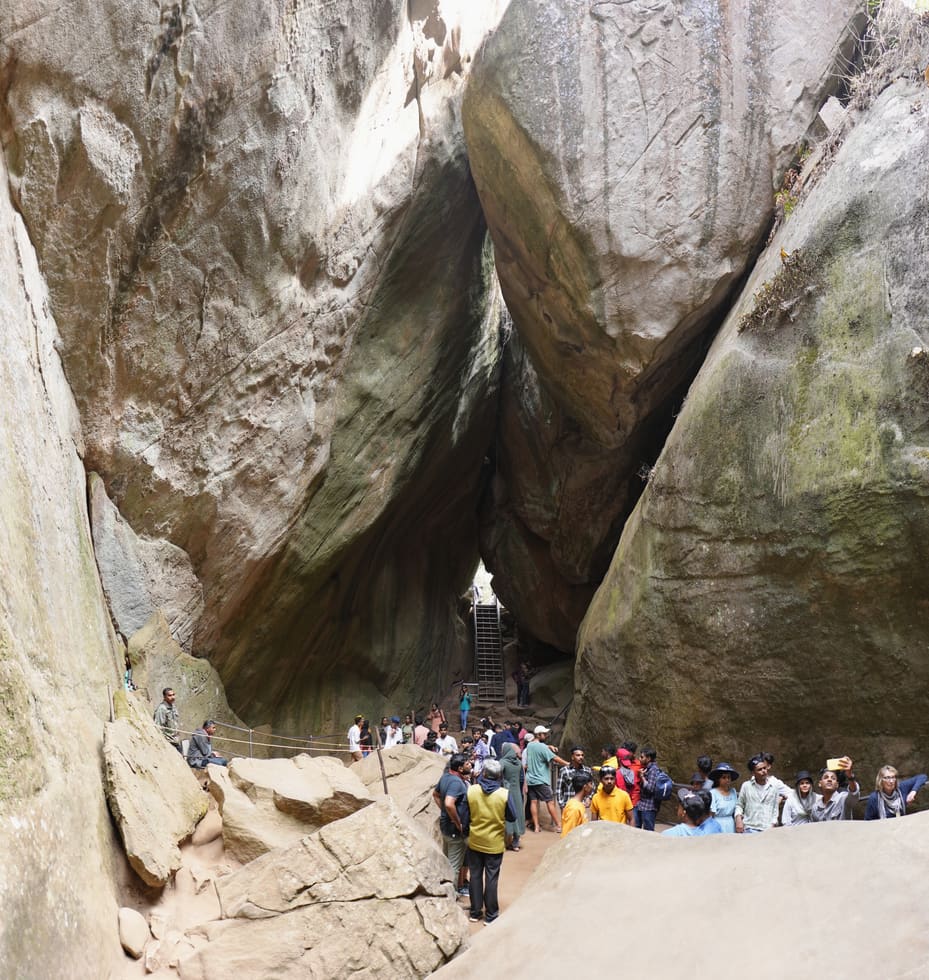
Not a cave but a cleft — a boulder wedged over a rift high on Ambukuthi, its walls scratched with petroglyphs that scholars have argued over since the 1890s. Park at the road head 12 km from town, buy the ticket and climb early: the site caps its crowds and the queue builds by mid-morning.

wildlifeMuthanga Wildlife Sanctuary

The southern gate of Wayanad Wildlife Sanctuary, 14 km east on the Mysuru highway — the eco-tourism counter at the entrance runs a morning and an afternoon safari session, and the counter opens well before the drive. Elephants, gaur and deer are the honest expectation; the tiger is luck.

waterfallChethalayam Falls

16.6 km · ~28 min by cab

The permission-first waterfall: the forest office on the Pulpally road, 12.5 km from town, issues the mandatory pass, and the falls are a four-kilometre forest walk beyond it. Seasonal to the point of vanishing in the dry months — the birding along the trek is the reliable half of the outing.

museumWayanad Heritage Museum

18.2 km · ~30 min by cab

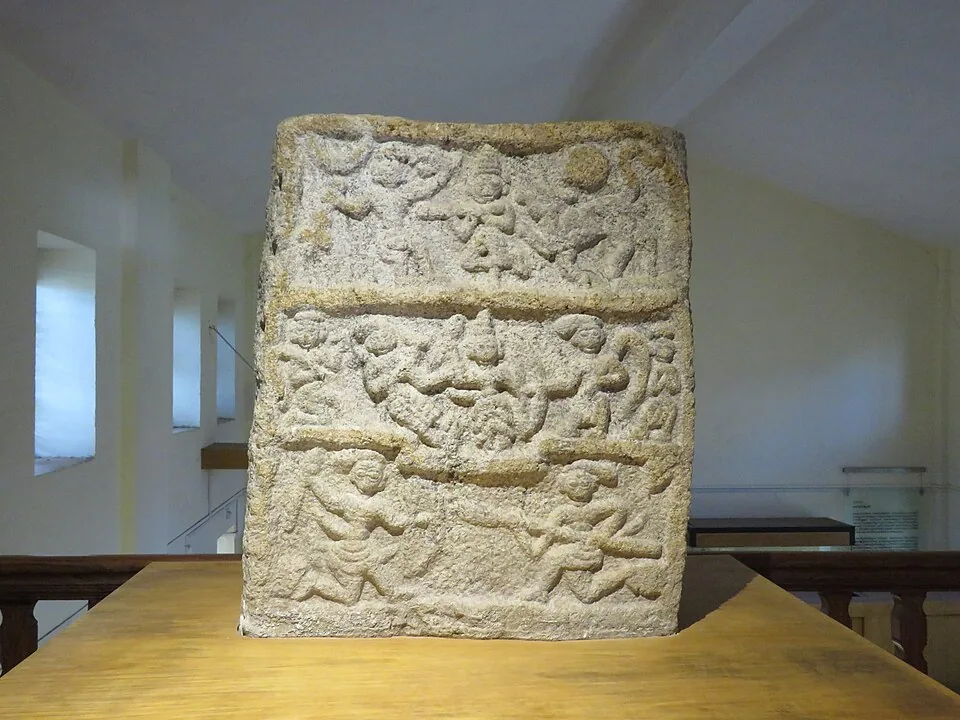
Four small galleries at Ambalavayal, 11 km south, holding what east Wayanad’s fields keep turning up — hero stones carved for men who died fighting battles and beasts, megalithic burial finds, Adivasi working kit. The natural second stop on an Edakkal day.

jainPuliyarmala Jain Temple

The Anantnath Swami temple at Puliyarmala near Kalpetta — the quieter, living Jain shrine of Wayanad, often paired with the conserved basti at Sulthan Bathery.

jainJain Temple

12.9 km · ~22 min by cab

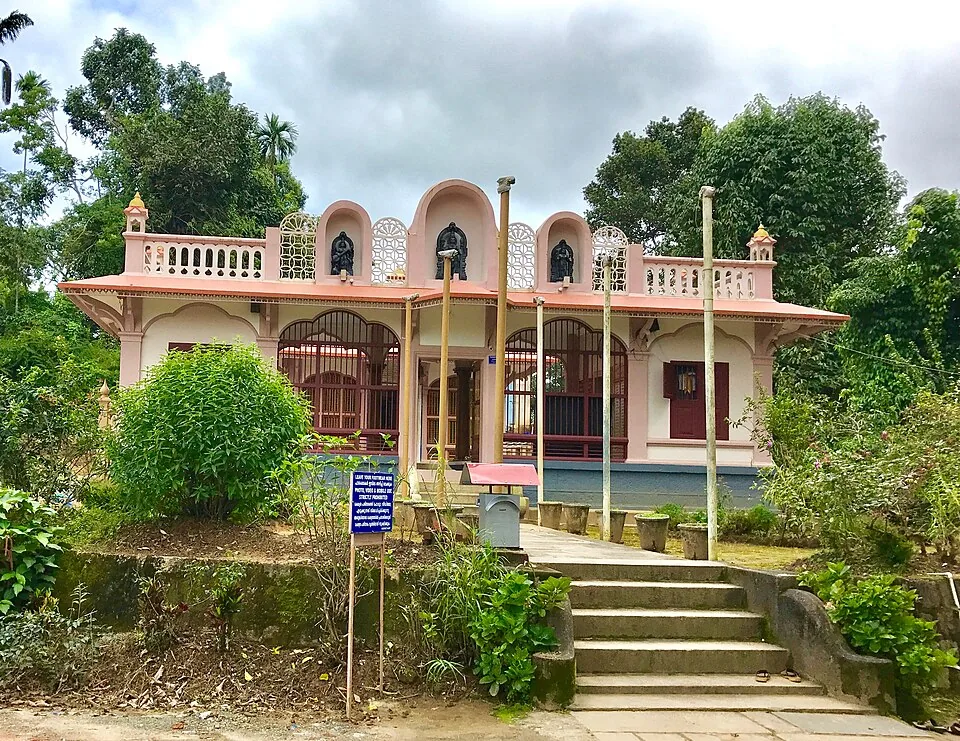
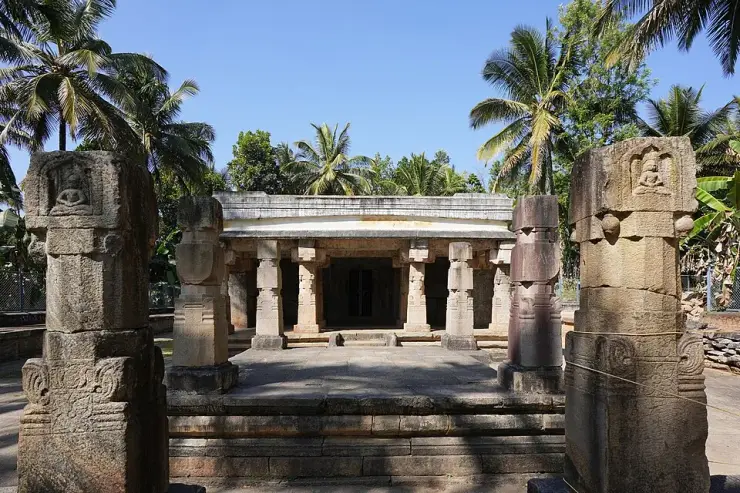
The thirteenth-century granite basti at Kidanganad that gave the town its name — a shrine, then a trade depot, then Tipu Sultan’s ammunition store, the Sultan’s battery. ASI-protected, deliberately empty of image and festival, and the one sight in Bathery you can walk to, 1.4 km from the centre.

templeSeetha Lava Kusha Temple

25.6 km · ~43 min by cab

The anchor of Wayanad’s Ramayana country at Pulpally, 26 km north-east — local tradition places Sita’s forest exile and her twin sons Lava and Kusha here, and the temple carries the story. A half-day extension into the quiet north-east rather than a quick stop.

viewpointPhantom Rock

18.4 km · ~31 min by cab

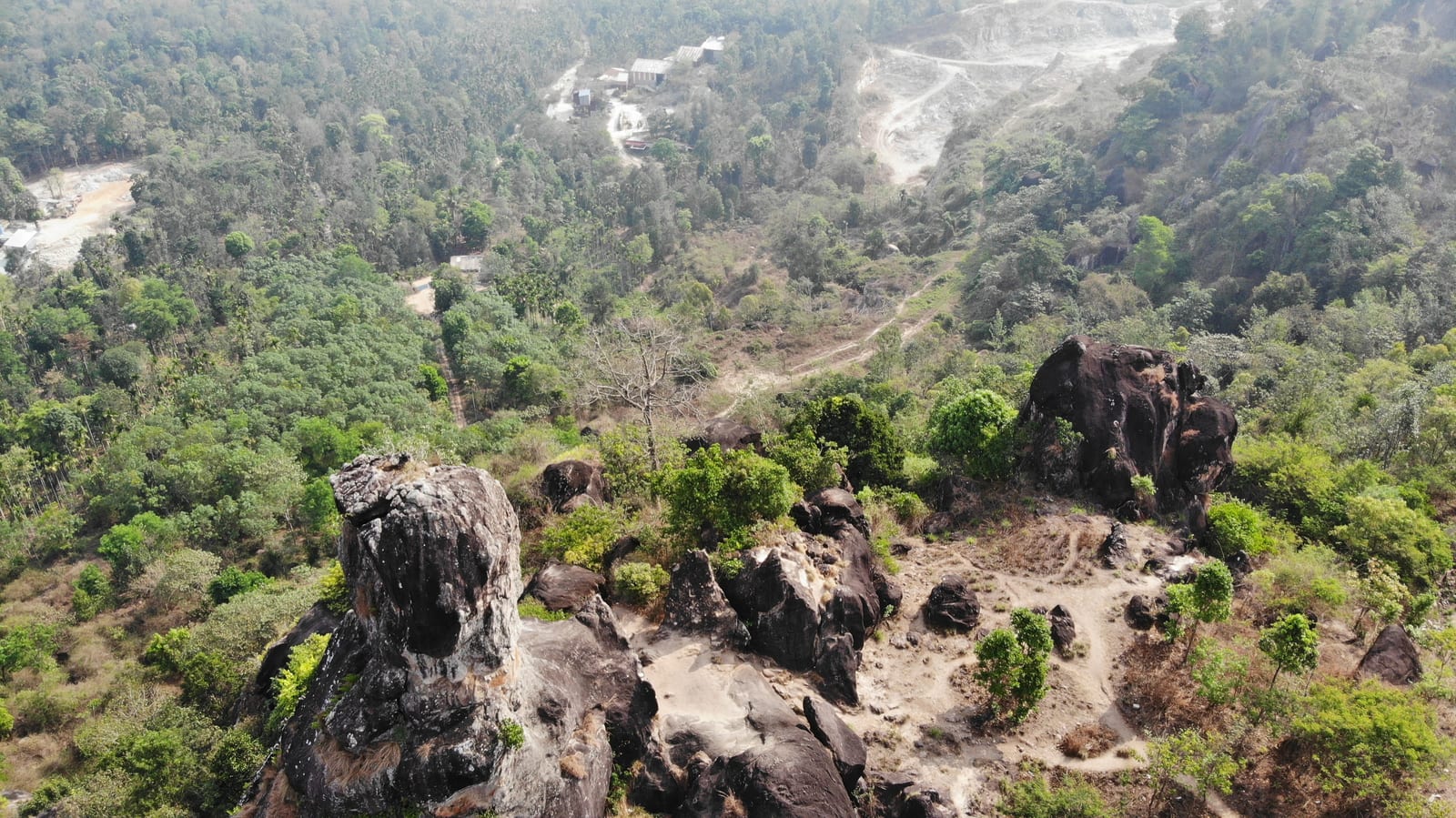
The skull-shaped tor the locals call Cheengeri Mala, nine kilometres out toward Ambalavayal — a short walk from the road, a quiet half-hour, and the natural filler between the town, the museum and Edakkal on a caves day.

Roampedia is commission-free — own or know a stay, eatery, guide or shop near Wayanad Wildlife Sanctuary? List it and it appears here once verified.

Add a nearby business
Before you go

Wayanad Wildlife Sanctuary — at a glance

TimingsTwo safari sessions daily — an early-morning slot roughly 7 am–10 am and an afternoon slot roughly 3 pm–5 pm at Muthanga; Tholpetty often opens a little earlier in the morning.
Best timeNovember to March is the most comfortable and popular window. The dry spring months (about March–May) can give better wildlife sightings near waterholes, though it is hot. The monsoon (roughly June–September) turns the forest lush but limits or suspends safaris.

Entry: Sanctuary entry is modest — around ₹350 per adult and ₹175 per child for Indian visitors, with higher rates for foreign nationals; the open jeep safari (seating about four) is a separate charge of roughly ₹2,100 for Indians and about ₹4,200 for foreigners, plus a compulsory guide fee.

Festivals: The sanctuary has no festivals of its own, but nearby Wayanad temples — including the Ramayana-linked Pulpally shrine and Thirunelly near Tholpetty — hold their own annual celebrations; regional Kerala festivals such as Onam and Vishu are widely observed in the surrounding towns.

Photography: Still cameras and phones are generally permitted on the safari; a telephoto/zoom lens is very useful for wildlife at distance. Professional or commercial photography and drones may need special permission (confirm locally). Keep quiet and avoid flash near animals.

Getting here

How to reach Wayanad Wildlife Sanctuary

  • ✈︎ By air The nearest airports are Kozhikode (Calicut) International Airport, roughly 65–85 km from Muthanga, and Kannur International Airport to the north-west; Mysuru Airport is about 90 km via Gundlupet, though with limited flights.
  • 🚆︎ By train The closest major railheads are Mysuru (Mysore), around 90 km from Muthanga, and Kozhikode (Calicut), roughly 110–120 km away; from either, continue by road to Sulthan Bathery and the sanctuary gate.
  • 🚗︎ By road Muthanga lies directly on the Kozhikode–Sulthan Bathery–Mysuru road (NH 766), about 14 km from Sulthan Bathery and around 100 km from Mysuru via Gundlupet; the northern Tholpetty gate is reached via Mananthavady. Roads through the reserve are subject to night-traffic restrictions.
  • 🚌︎ By bus Frequent KSRTC and private buses on the Kozhikode–Mysuru route pass through Sulthan Bathery, the base for the Muthanga gate; Mananthavady is the base for Tholpetty. From either town, hire a taxi or auto for the short final hop to the sanctuary gate.
Getting back

If you are travelling by bus or ferry, check the return service with the operator before setting out. Leave time to reach the stop or jetty after your visit.

Ask at the bus stand for the time of the last service back, not the next one. If you miss it, an auto or app cab is the fallback — agree the fare before you get in.

Do

Things to do

  • Take the open-jeep safari at the Muthanga gate near Sulthan Bathery — the classic first-light drive through teak forest and elephant meadows
  • Do the quieter, more forested safari at the Tholpetty gate in the north, near Mananthavady and Thirunelly
  • Go birdwatching for Malabar grey hornbill, white-bellied woodpecker, peafowl, cuckoos and owls, especially after the monsoon
  • Watch for gaur, spotted and sambar deer, wild boar and langur along the forest tracks
  • Time an early-morning session to catch mist over the grasslands and the best chance of active wildlife
  • Pair the visit with nearby Wayanad highlights — Edakkal Caves, Sulthan Bathery’s Jain temple, and hill viewpoints
  • Learn about the forest’s tribal heritage — Paniya, Kuruma, Kurichiya and Kattunayakan communities live along the sanctuary’s edge
Getting around Wayanad Wildlife Sanctuary

If you need step-free access, contact the site before travelling. Ask about a level entrance, steps along the route, the nearest drop-off point, seating and accessible toilets.

If you need help at Wayanad Wildlife Sanctuary
112All emergencies (police · fire · medical)The single number to call in any emergency (ERSS).

Emergency numbers are verified against official government and state tourism sources. 112 works anywhere in India.

Nearby

What’s near Wayanad Wildlife Sanctuary

jainJain Temple

Sulthan Bathery Jain temple with old stone architecture and east-Wayanad heritage context.

12.9 km · ~22 min by cab · straight line
caveEdakkal Caves

Rock shelter with ancient petroglyphs and a steep Ambukuthi hill walk, best planned from Sulthan Bathery or Ambalavayal.

15.7 km · ~26 min by cab · straight line
waterfallChethalayam Falls

Seasonal waterfall near Sulthan Bathery, best treated as a quiet nature stop with access checked before travel.

16.6 km · ~28 min by cab · straight line
museumWayanad Heritage Museum

Ambalavayal museum focused on Wayanad archaeology, tribal history and heritage artefacts.

18.2 km · ~30 min by cab · straight line
viewpointPhantom Rock

A natural rock formation near Ambalavayal that resembles a human skull, locally called Cheengeri Mala, reached by a short walk and popular as an eastern-Wayanad viewpoint stop.

18.4 km · ~31 min by cab · straight line
waterfallMeenmutty Waterfalls

The closed Meppadi–Vaduvanchal waterfall, also listed as Meenmutty Falls trek. The map marks Vaduvanchal bus stand for town orientation, not an open waterfall entrance. Banasura Meenmutty is a different site.

20.3 km · ~34 min by cab · straight line
trekMeenmutty Falls trek

The closed forest approach to Meenmutty Falls near Vaduvanchal on the Meppadi–Gudalur side of Wayanad. This is not Banasura Meenmutty near Padinjarathara; use this guide for identity and access context, not a bookable trek.

20.3 km · ~34 min by cab · straight line
viewpointSunrise Valley View Point

A weather-dependent sunrise viewpoint name in the Vaduvanchal circuit. The map marks Vaduvanchal as the honest reporting base because no authoritative exact public gate is documented; it is not presented as an alias for Neelimala.

20.6 km · ~34 min by cab · straight line
damKarapuzha Dam

Reservoir and garden-side attraction near the Ambalavayal/Kalpetta side of Wayanad.

22.7 km · ~38 min by cab · straight line
templeSeetha Lava Kusha Temple

Pulpally-side temple with Ramayana-linked local tradition, usually planned as a north/east-Wayanad extension.

25.6 km · ~43 min by cab · straight line
heritageRipon Tea Estate

A working tea-estate landscape rather than a single ticketed attraction. The map marks Rippon 52 village as the honest visitor base; any private walk or factory visit needs its own confirmed property address.

26.4 km · ~44 min by cab · straight line
heritageUravu Bamboo Village

Thrikkaipatta bamboo craft and responsible-tourism village experience, useful from the Vythiri/Lakkidi side.

26.5 km · ~44 min by cab · straight line

All 8 places to visit in Sulthan Bathery →

On the map

Where Wayanad Wildlife Sanctuary is

Good to know

Wayanad Wildlife Sanctuary — frequently asked

How do I book a jeep safari at Wayanad Wildlife Sanctuary?

Safaris are run by the Kerala Forest Department and are booked at the entry counter at either the Muthanga or Tholpetty gate (with online booking also offered for some slots). Entry to the forest is only permitted as part of a jeep safari with a Forest Department guide aboard; you cannot drive in independently. Slots and vehicles are limited, so it is wise to reach the counter well before the safari time — around 30 minutes ahead is commonly advised.

What are the safari timings?

Safaris run in two sessions, an early-morning slot and a late-afternoon slot — broadly around 7 am to 10 am and 3 pm to 5 pm at Muthanga, with Tholpetty often starting a little earlier in the morning. The exact windows change with the season and can be curtailed, so always verify the current timings with the sanctuary or the entry counter before you go.

Am I guaranteed to see elephants or tigers?

No. This is a wild, un-fenced forest, and sightings depend on season, luck and the animals’ own movements. Elephants, gaur and deer are seen fairly often, especially in the dry months near waterholes; tigers and leopards are present but sighted only occasionally. Treat any big-cat encounter as a bonus, not an expectation.

What is the difference between the Muthanga and Tholpetty gates?

They are the two ranges of the same sanctuary. Muthanga lies in the south, just off the Sulthan Bathery–Mysuru road (about 14 km from Sulthan Bathery), and is the busier, more easily reached gate. Tholpetty is in the north near Mananthavady and Thirunelly, quieter and more heavily forested. Each runs its own safaris and has its own separate booking counter.

When is the best time to visit?

November to March is generally considered the best period, with pleasant weather and good conditions. The dry spring months (roughly March to May) can actually improve sightings, as animals gather at shrinking waterholes, though it is hotter. The monsoon (broadly June to September) brings lush greenery but poor visibility, and safaris may be limited or suspended.

Can the sanctuary close, and are there any restrictions?

Yes. Sections can close temporarily — for example during the fire-risk period in the dry season or when the monsoon makes tracks impassable — and safari numbers are capped regardless. A Forest Department guide is compulsory on every safari. Always check whether the range you plan to visit is open before travelling, and follow all forest rules (no getting down from the vehicle, no feeding animals, no littering).

When is the best time to visit Wayanad Wildlife Sanctuary?

Dryer months are usually easier for access and wildlife movement, while monsoon can bring lush scenery and restrictions.

What are the entry fee and timings at Wayanad Wildlife Sanctuary?

Entry: Sanctuary entry is modest — around ₹350 per adult and ₹175 per child for Indian visitors, with higher rates for foreign nationals; the open jeep safari (seating about four) is a separate charge of roughly ₹2,100 for Indians and about ₹4,200 for foreigners, plus a compulsory guide fee. Timings: Two safari sessions daily — an early-morning slot roughly 7 am–10 am and an afternoon slot roughly 3 pm–5 pm at Muthanga; Tholpetty often opens a little earlier in the morning.

How do I reach Wayanad Wildlife Sanctuary?

Choose Muthanga from Sulthan Bathery or Tholpetty from Mananthavady, then confirm the current official entry system. Book early where required; safari slots and access can be limited by season, weather and forest rules. Pair the visit with Edakkal Caves, Sulthan Bathery or Mananthavady depending on the chosen gate.

How much time do I need for Wayanad Wildlife Sanctuary?

Half day for one forest gate; full day if connecting it with other Wayanad sights.

What else is near Wayanad Wildlife Sanctuary?

Nearby you can pair Jain Temple (12.9 km), Edakkal Caves (15.7 km), Chethalayam Falls (16.6 km), Wayanad Heritage Museum (18.2 km).

What should I know before visiting Wayanad Wildlife Sanctuary?

Stay inside official vehicles/routes and follow guide instructions. Do not feed, call, chase or approach wildlife. Avoid night movement and unauthorised forest shortcuts.

Read before you go

Wayanad Wildlife Sanctuary guides, stories & itineraries

Stories & history of Wayanad Wildlife Sanctuary

Written about Wayanad Wildlife Sanctuary itself — its history, its legends and the arguments about them.

Around Sulthan Bathery

These guides explore Sulthan Bathery and the surrounding area. Choose a visit that fits your interests, allowing separately for travel between stops.

Kerala-wide guides & itineraries

Route-level itineraries and practical guides for the rest of Kerala.

See all 55 Wayanad guides & stories →

Image credits

Photographs: Jaseem Hamza (CC BY 3.0), Rainer Halama (CC BY-SA 4.0), Rameshng (CC BY-SA 3.0), Kerala Tourism Ecotourism (Official tourism image). Wikimedia Commons.