Olakkannesvara Temple

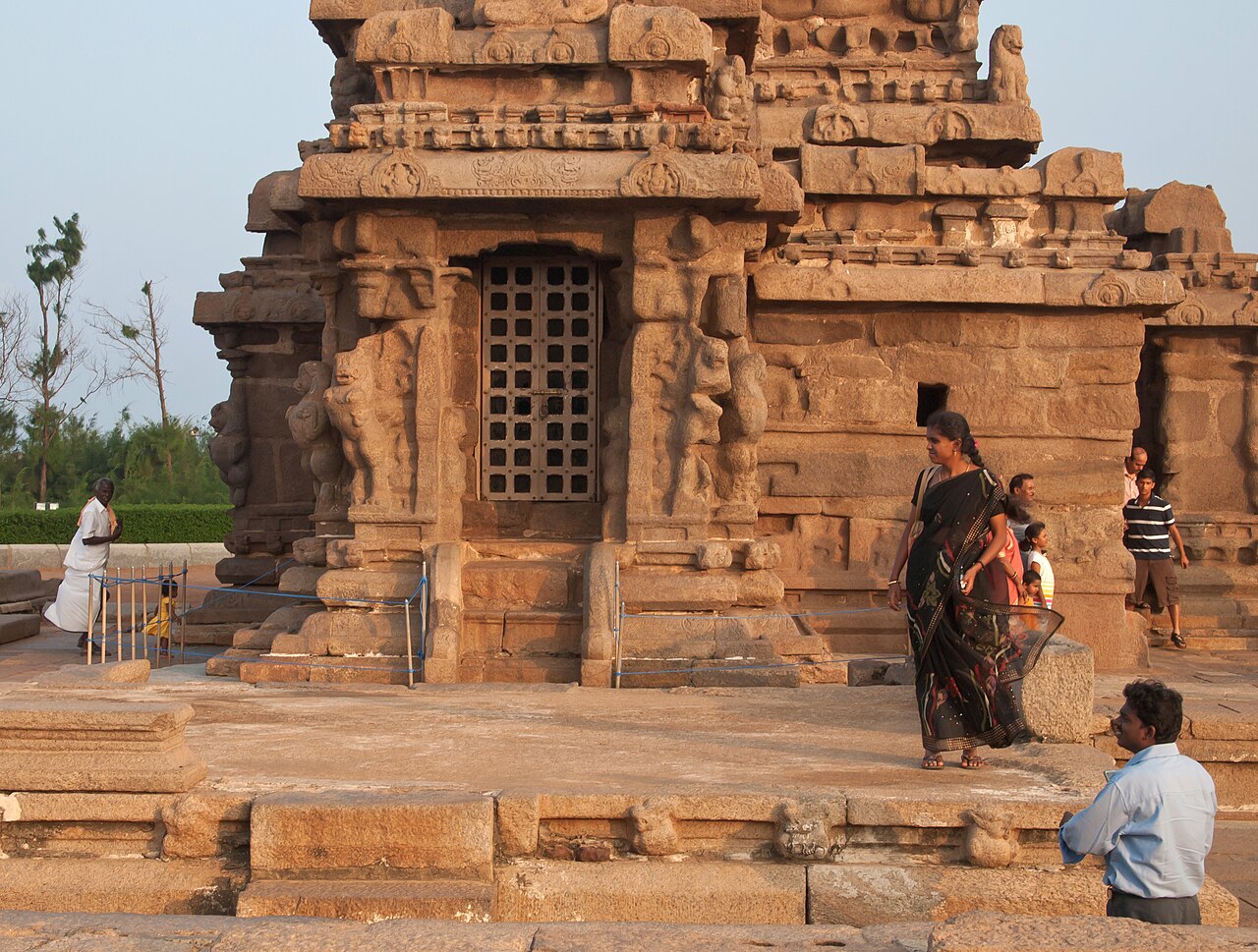
A ruined early-8th-century Pallava structural Shiva temple perched on the hilltop above the Mahishasuramardini cave, long known as the 'Old Lighthouse' of Mamallapuram and commanding sweeping views over the town and Bay of Bengal.

Olakkannesvara Temple, Mamallapuram
Practical guide

Plan Olakkannesvara Temple

Who's going?Tailor Olakkannesvara Temple to your trip
Typeheritage
Nearest baseMamallapuram
DistrictChengalpattu
Best timeChoose a cooler daylight visit and…
Time neededAllow about one to two hours at…
EntryVaries — see below
Places to visit28Listed businesses3

Olakkannesvara Temple works best as a focused visit from Mamallapuram, with enough time to understand its defining feature and follow current access rules.

The story

A ruined early-8th-century Pallava structural Shiva temple perched on the hilltop above the Mahishasuramardini cave, long known as the 'Old Lighthouse' of Mamallapuram and commanding sweeping views over the town and Bay of Bengal.

The story of Olakkannesvara Temple

For Olakkannesvara Temple, a ruined early-8th-century Pallava structural Shiva temple perched on the hilltop above the Mahishasuramardini cave, long known as the 'Old Lighthouse' of Mamallapuram and commanding sweeping views over the town and Bay of Bengal. For Olakkannesvara Temple, this is a living place of worship, so its architecture and history should be read without turning devotional tradition into proven chronology.

A sensible plan for Olakkannesvara Temple begins in Mamallapuram: settle the return journey, carry water and keep time in reserve for a closed gate or a slower rural road. For Olakkannesvara Temple, do not infer toilets, food, parking or step-free access from the existence of a map pin.

At Olakkannesvara Temple, the most important distinction is between inscription or documented patronage and the traditions through which devotees understand the shrine. For Olakkannesvara Temple, both belong in the story, but a belief, healing claim or foundation legend should remain clearly labelled as tradition.

Understanding Olakkannesvara Temple also means placing it within Chengalpattu: the attraction's identity comes from its own surviving feature, living use and local setting, not from borrowing the fame or story of a better-known site elsewhere in Tamil Nadu.

Do not make Olakkannesvara Temple responsible for an overfilled district itinerary. For Olakkannesvara Temple, one carefully observed visit, followed by a meal or transport break in Mamallapuram, is more reliable than assuming several rural sites share the same hours and facilities.

Read the full history of Olakkannesvara Temple 262 more words

History

A ruined early-8th-century Pallava structural Shiva temple perched on the hilltop above the Mahishasuramardini cave, long known as the 'Old Lighthouse' of Mamallapuram and commanding sweeping views over the town and Bay of Bengal. This documented core is the safest starting point for understanding Olakkannesvara Temple. Dates, dynastic associations and superlatives repeated without a named inscription, conservation record or official interpretation should be treated cautiously rather than added as fact.

Olakkannesvara Temple also belongs to the history of Mamallapuram and the wider Chengalpattu district. Its present condition reflects continuing use, repair, environmental exposure or changing settlement around it; the surviving place is not an unchanged remnant of one period.

A useful historical visit compares the defining feature described above with what is visible now. Notice materials, plan, landscape and present use, and allow a locked area, altered structure or living ritual to remain part of the honest account rather than filling the gap with an unsupported reconstruction.

Why visit

Visit Olakkannesvara Temple for the specific feature and local history described on this page, rather than as a generic stop in Chengalpattu.

The most useful visit combines close observation at Olakkannesvara Temple with a realistic return plan through Mamallapuram; it does not depend on an unverified ticket, unrestricted access or a promised experience.

Its value is clearest when you give the place enough time to understand the feature named in its story instead of reducing the stop to a photograph.

The surrounding Mamallapuram context makes Olakkannesvara Temple practical to combine with verified local food, accommodation and visitor services while keeping the attraction itself in focus.

What to expect

Highlights

  • Read the defining shrine and living worship tradition of Olakkannesvara Temple.
  • Understand how Olakkannesvara Temple belongs to Mamallapuram and Chengalpattu rather than treating it as an isolated map pin.
  • Separate documented evidence from local tradition, later alteration and unsupported online claims.
  • Use the verified Mamallapuram inventory for practical trip support without assuming every listing is beside the entrance.
Getting there

How to visit

  • Use Mamallapuram as the practical base and confirm the recognised public approach to Olakkannesvara Temple before departure.
  • Check the current opening, permission, worship or conservation arrangements with the authority responsible for Olakkannesvara Temple.
  • Arrange the return journey before entering; do not assume app-cab coverage, lighting or a ticket counter at the site.
  • Allow the current visitor boundary, worship routine or conservation instruction to determine what can actually be seen.

Distance by road

  • Chennai55 km
  • Kanchipuram65 km
  • Puducherry95 km
  • Chengalpattu (town)30 km
  • Vellore130 km

Road km to Chengalpattu; ghat roads and traffic vary — allow extra.

Timing

Best time

Choose a cooler daylight visit and verify the current operating or worship session for Olakkannesvara Temple; festivals, maintenance and weather can change access.

Weather in Olakkannesvara TempleSeasonal guide

Live forecast loads in your browser.

Today at Olakkannesvara Temple
Sunrise5:59 am
Sunset5:50 pm
Golden hour best light4:50 pm–5:50 pm
Blue hour after sunset5:50 pm–6:15 pm
Sun sets toward compass bearingW · 261°
Moon tonight🌒 Waxing crescent · 24%

Sun and moon are calculated for this location and shown in IST. Photography windows are the hour around sunrise and sunset; the sunset bearing is degrees clockwise from true north. Moon phase is accurate to about half a day.

Visitor notes

  • Confirm the exact visitor entrance, current access and last safe return from Olakkannesvara Temple on the day of travel.
  • Ask before photographing interiors, worship, residents or working areas at Olakkannesvara Temple.
  • Treat the map as a locator and follow signs or staff directions to the currently open public entrance.
Safety

Good to know

  • Obey barriers and staff instructions at Olakkannesvara Temple; do not climb structures, enter restricted ground or block worship and working access.
  • Use suitable footwear, carry water and keep enough daylight for the return to Mamallapuram.
  • Keep children close around traffic, water, drops, crowds and uneven surfaces; seek local advice where the visitor boundary is unclear.
Stay · eat · do · rent · see · shop

Stays, food & things to do near Olakkannesvara Temple

Verified hotels, homestays, restaurants, experiences, sights, shops and rentals around Olakkannesvara Temple — commission-free, with direct contact. Filter by what you need.

3 places to stay near Olakkannesvara Temple

Top pick
Hotel
Hotel Mamalla Heritage

A hotel on East Raja Street in Fisherman Colony, off the East Coast Road. It is one of the older established houses in the town.

Directions Commission-freeView details
Top pick
Guest house
Vilasam Rooms

Budget rooms on South Mada Street, in the temple quarter. Its own site sells rooms rather than packages.

Directions Commission-freeView details
Top pick
Hotel
Baylinz

A hotel on Othavadai Street, the traveller street a block back from the beach. It advertises a lift, which is unusual on that street.

Directions Commission-freeView details

Book with the place itself. India’s cyber-crime coordination centre warned in April 2025 that convincing copies of hotel and pilgrimage booking sites are being pushed through sponsored search and social ads, taking payment for rooms the property never hears about. Every listing here links to the business’s own contact details and its own Google or Bing profile — we take no commission and sit in nobody’s payment path. If a booking page reached you through an ad, check the address bar against the property’s own site before you pay. Fraud can be reported on cybercrime.gov.in or on 1930.

Ranked

More ways to explore Mamallapuram

Olakkannesvara Temple is planned from Mamallapuram in Chengalpattu district; listings on the page cover that wider town base and are not all beside the entrance.

Across the whole of Mamallapuram

Ranked guides

Top experiences around Olakkannesvara Temple

27 more places around Mamallapuram. Open a guide to plan the visit and onward journey.

templeShore Temple

The flagship of Mahabalipuram's UNESCO ensemble: an early-8th-century Pallava structural granite temple rising right beside the Bay of Bengal, built under Narasimhavarman II (Rajasimha).

heritagePancha Rathas

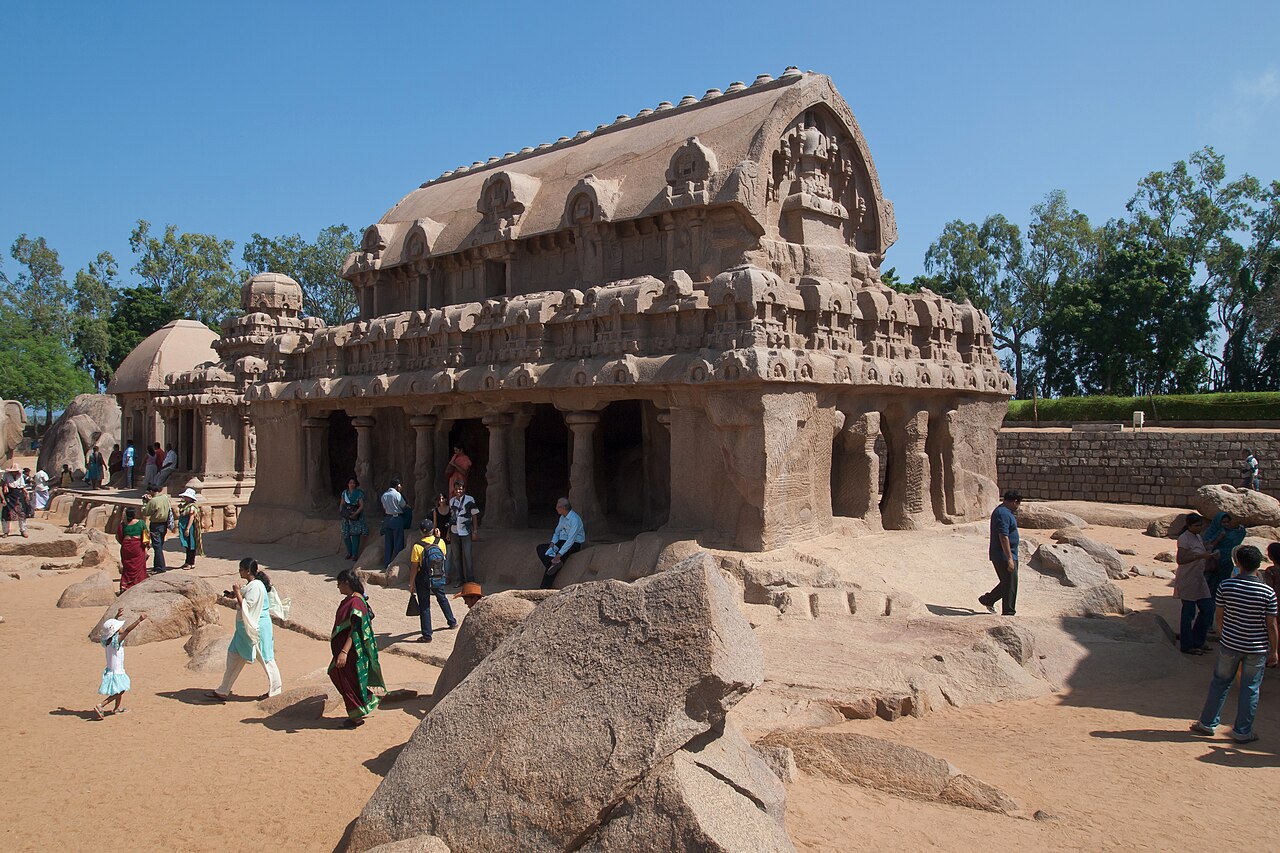
Five monolithic 7th-century Pallava temples, each hewn from a single granite boulder and named for the Pandava brothers and Draupadi; a highlight of Mahabalipuram's UNESCO ensemble.

heritageArjuna's Penance

200 m · 2 min walk

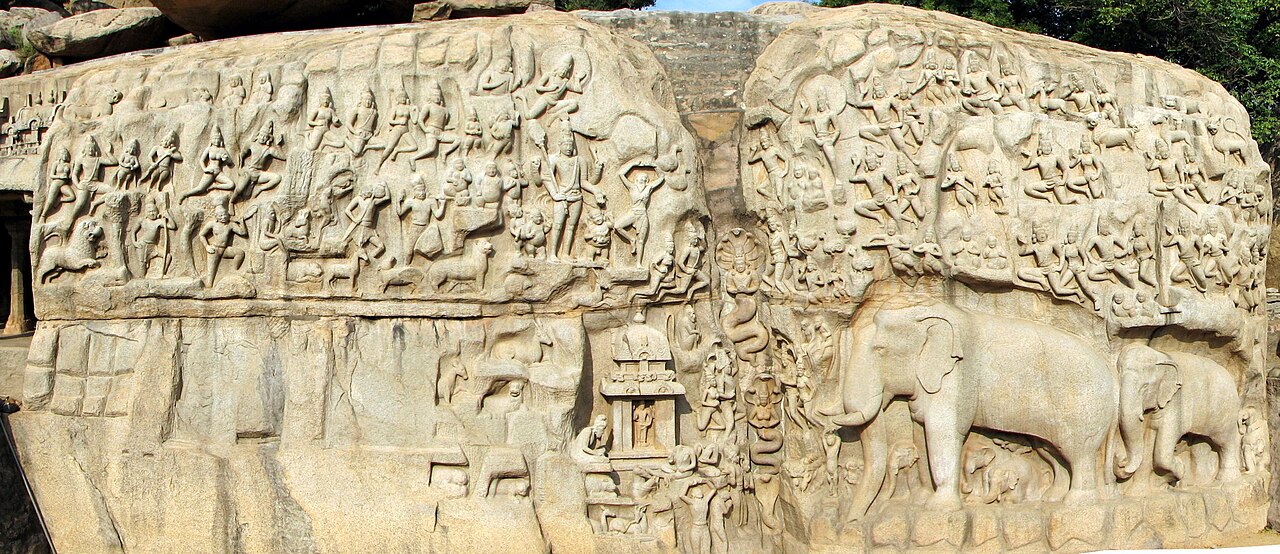
Also called the Descent of the Ganges, this giant 7th-century Pallava open-air bas-relief, among the largest in the world, is carved across two adjoining boulders crowded with gods, sages, and life-size elephants.

heritageKrishna's Butterball

300 m · 4 min walk

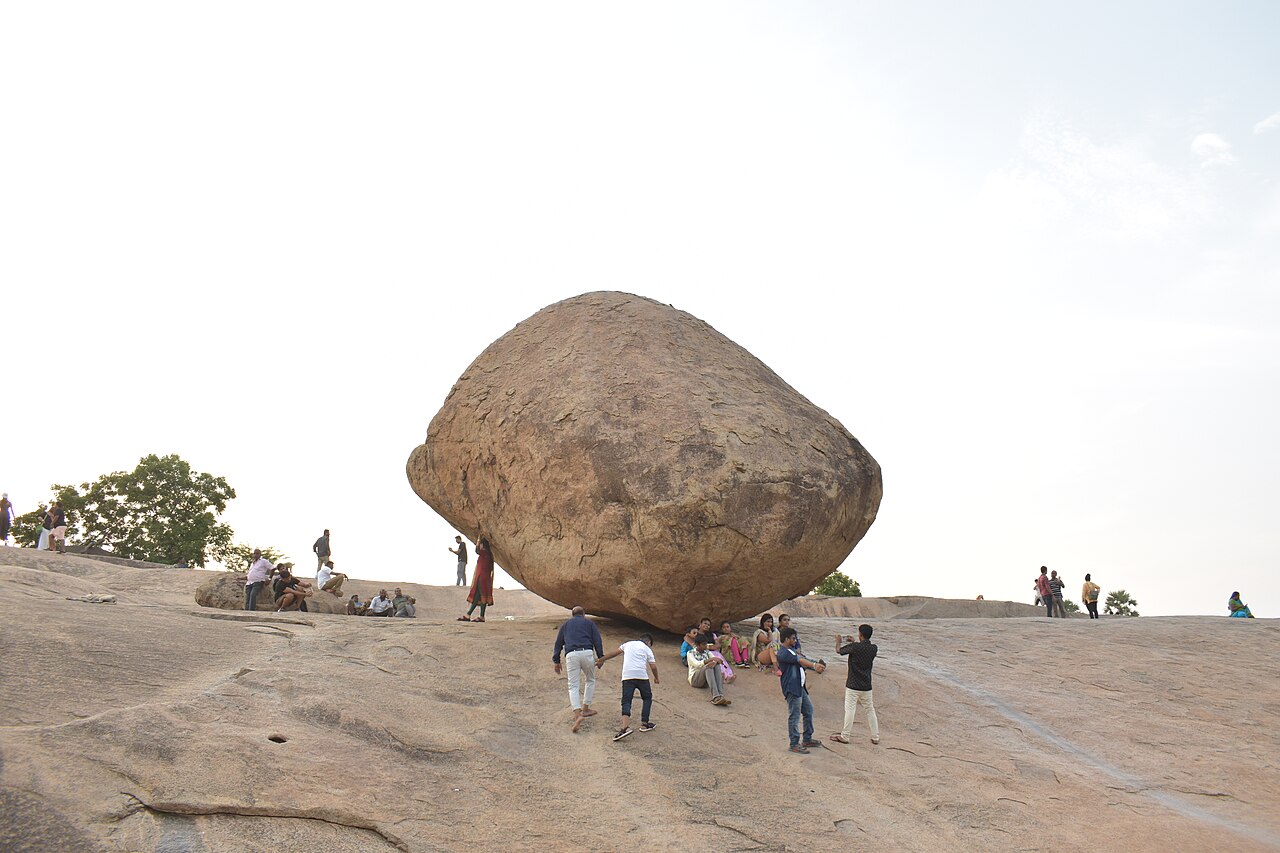
Known in Tamil as Vaan Irai Kal, this enormous natural boulder rests improbably on a smooth slope of the Mamallapuram hill, a beloved landmark beside the town's Pallava monuments.

heritageGanesha Ratha

230 m · 3 min walk

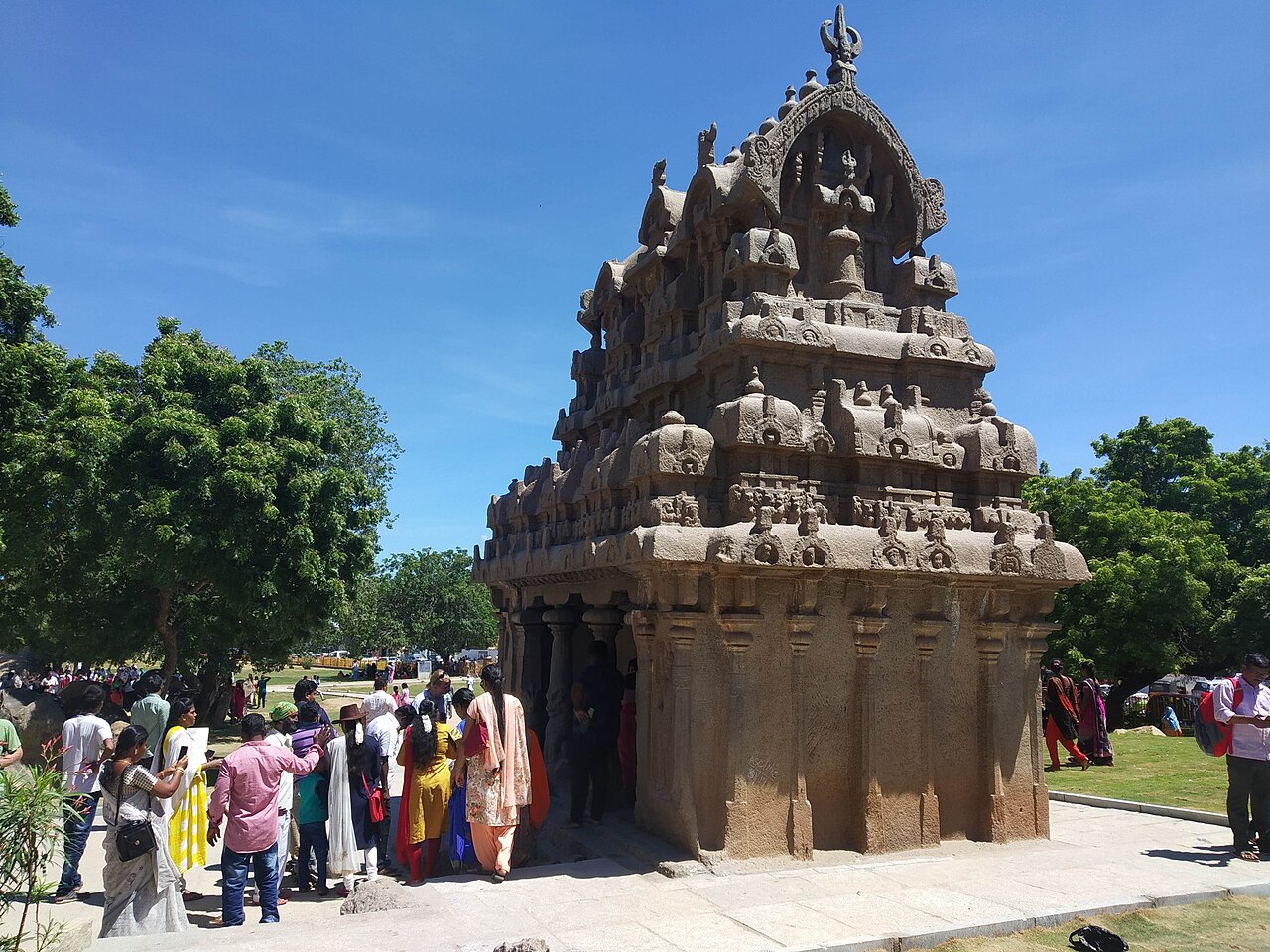
A single-block Pallava rock-cut shrine from the 7th century, carved in the chariot form of the Pancha Rathas and later dedicated to Ganesha. It sits just behind Arjuna's Penance within the UNESCO monument cluster.

heritageMahabalipuram Lighthouse

130 m · 2 min walk

An early-1900s working lighthouse on the Mamallapuram hill, standing beside the ancient Olakkannesvara temple, the Pallava-era "Old Lighthouse." Climbing it opens sweeping views over the coast and the monument town.

beachMahabalipuram Beach

The Bay of Bengal shoreline running alongside Mahabalipuram's monuments and fishing hamlets. Come for sunrise, colourful fishing boats and simple seafood shacks by the sand.

wildlifeMadras Crocodile Bank Trust

A reptile conservation park and research station on the ECR, founded in 1976 by Romulus Whitaker. It holds thousands of crocodiles and alligators across many species, runs a snake venom-extraction programme and works with the Irula tribal cooperative.

heritageDakshinaChitra

A living-history museum on the ECR at Muttukadu, opened in 1996 by the Madras Craft Foundation, with relocated and reconstructed traditional South Indian houses, craft demonstrations and folk performances.

wildlifeVedanthangal Bird Sanctuary

One of India's oldest water-bird sanctuaries, protected since the 18th century and declared an official sanctuary in 1936. This wetland southwest of Chennai draws thousands of migratory birds that nest here, with the peak from November to March.

templeVedagiriswarar Temple, Thirukazhukundram

A hilltop Shiva temple, Vedagiriswarar, reached by a climb of roughly 500 stone steps at Thirukazhukundram, long known as Pakshi Tirtham. In tradition two eagles or kites once came daily to the summit, while the Bhaktavatsaleswarar temple sits at the base of the hill.

beachCovelong Beach

The beach at Kovalam or Covelong on the ECR, roughly 40 km south of Chennai, on the site of an old Dutch and Nawab-era port. Today it is known for its fishing village, a heritage beach resort set in a former Nawab's fort and a well-known surf school.

heritageSadras Dutch Fort

A weathered 17th-18th century Dutch East India Company fort at Sadras (Sadurangapattinam) on the Coromandel coast, with brick ramparts, sea-facing bastions and a small Dutch cemetery of carved tombstones. It is an ASI-protected ruin standing quietly by the Bay of Bengal.

heritageAlamparai Fort

A ruined 18th-century fort at Alamparai (Alamparai Kottai) on the coast near Kadapakkam, built in the Nawab era as a busy trading port. Its broken ramparts run out towards a backwater estuary where the water meets the sea, making it one of the ECR's most atmospheric ASI ruins.

activityMuttukadu Boat House

A TTDC boating centre on the Muttukadu backwater lagoon along the ECR, about 36 km from Chennai. It offers rowboats, motorboats, kayaking and windsurfing on calm water, and serves as the venue for a backwater festival.

heritageVaraha Cave Temple

190 m · 2 min walk

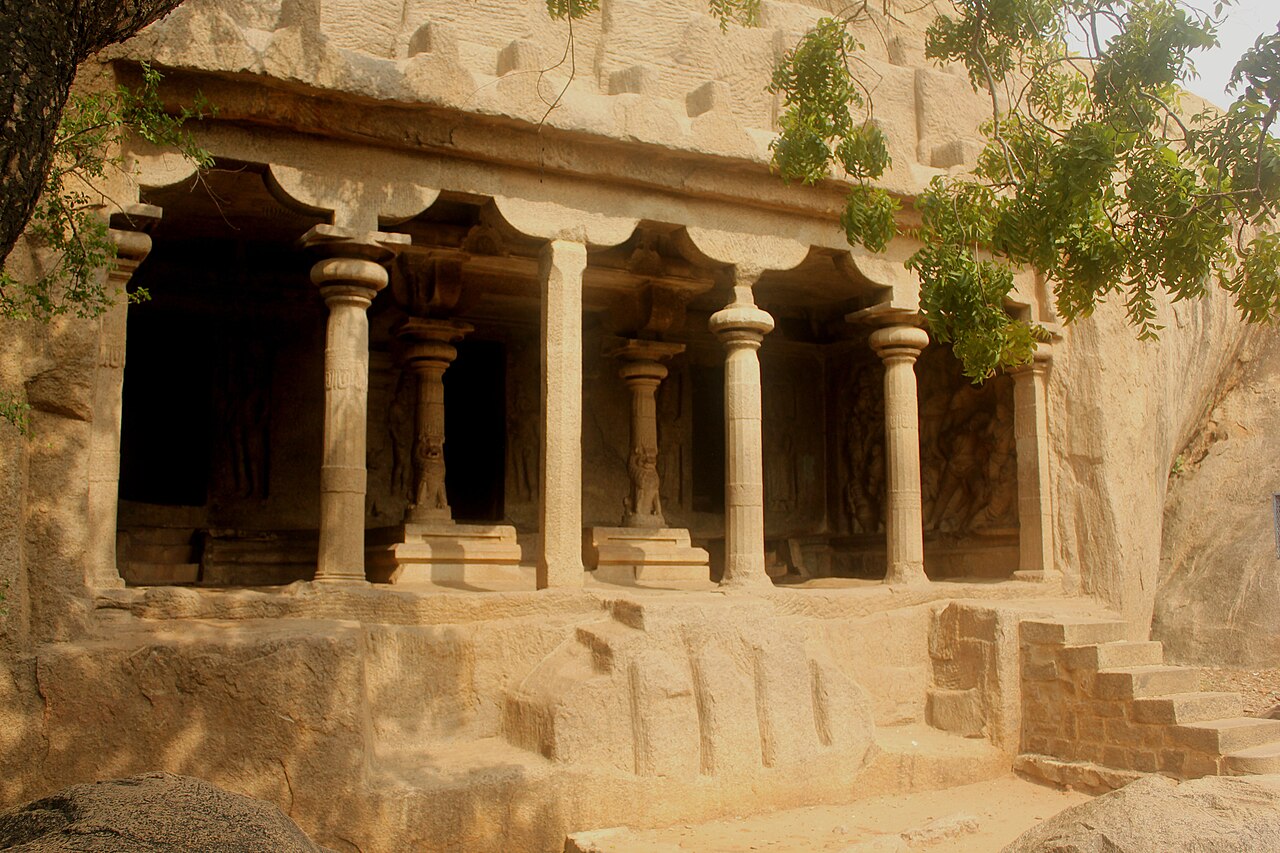
Often called the earliest monument at Mamallapuram, this 7th-century Pallava rock-cut mandapa (the Adivaraha Cave) is celebrated for four naturalistic wall panels including Vishnu as the boar Varaha lifting the earth goddess.

heritageMahishasuramardini Cave

20 m · 1 min walk

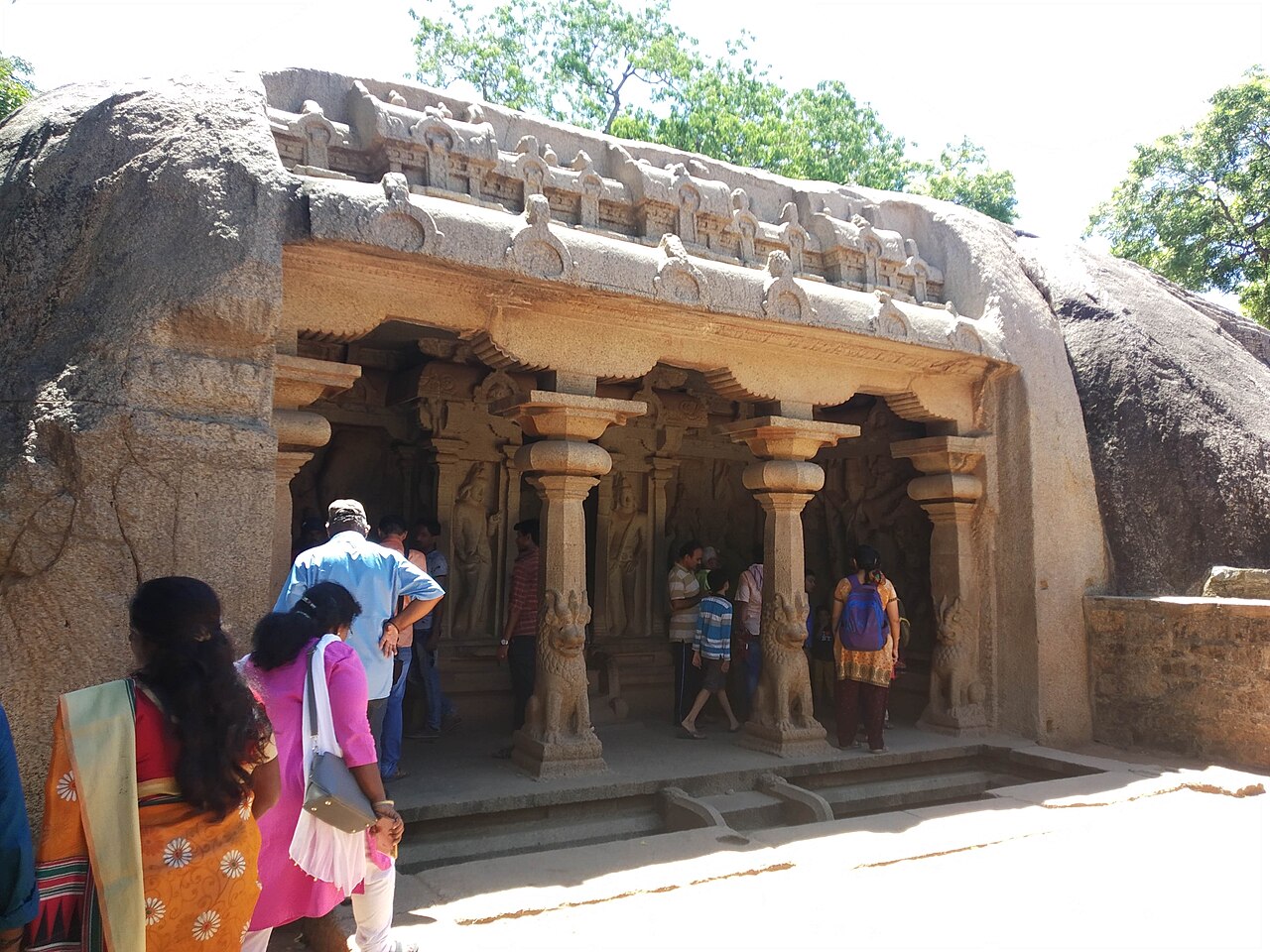
A late-7th-century Pallava rock-cut mandapa on the Mamallapuram hill, famed for its dynamic relief of the goddess Durga slaying the buffalo-demon Mahishasura and, on the facing wall, a serene reclining Vishnu, with the later Olakkannesvara temple perched on the rock above.

heritageTrimurti Cave Temple

A 7th-century Pallava rock-cut shrine at Mamallapuram carved as three adjacent cells honouring the Hindu trinity, Brahma, Vishnu and Shiva, with the central Shiva shrine given prominence and a striking Durga figure carved on the outer rock.

heritageKrishna Mandapa

150 m · 2 min walk

A rock-cut mandapa at Mamallapuram whose great mid-7th-century Pallava bas-relief shows Krishna raising Mount Govardhana on one hand to shelter the cowherds and their cattle from the storm.

heritagePanchapandava Cave Temple

160 m · 2 min walk

The largest cave temple at Mamallapuram, a spacious but deliberately unfinished late-7th-century Pallava rock-cut mandapa popularly named for the five Pandava brothers of the Mahabharata.

templeSthalasayana Perumal Temple

190 m · 2 min walk

The living Vishnu temple in Mamallapuram town, one of the 108 Divya Desams, where the deity Sthalasayana Perumal is worshipped in a reclining, ground-resting form and which tradition links to the Alvar saint Bhutathazhwar.

heritageTiger Cave

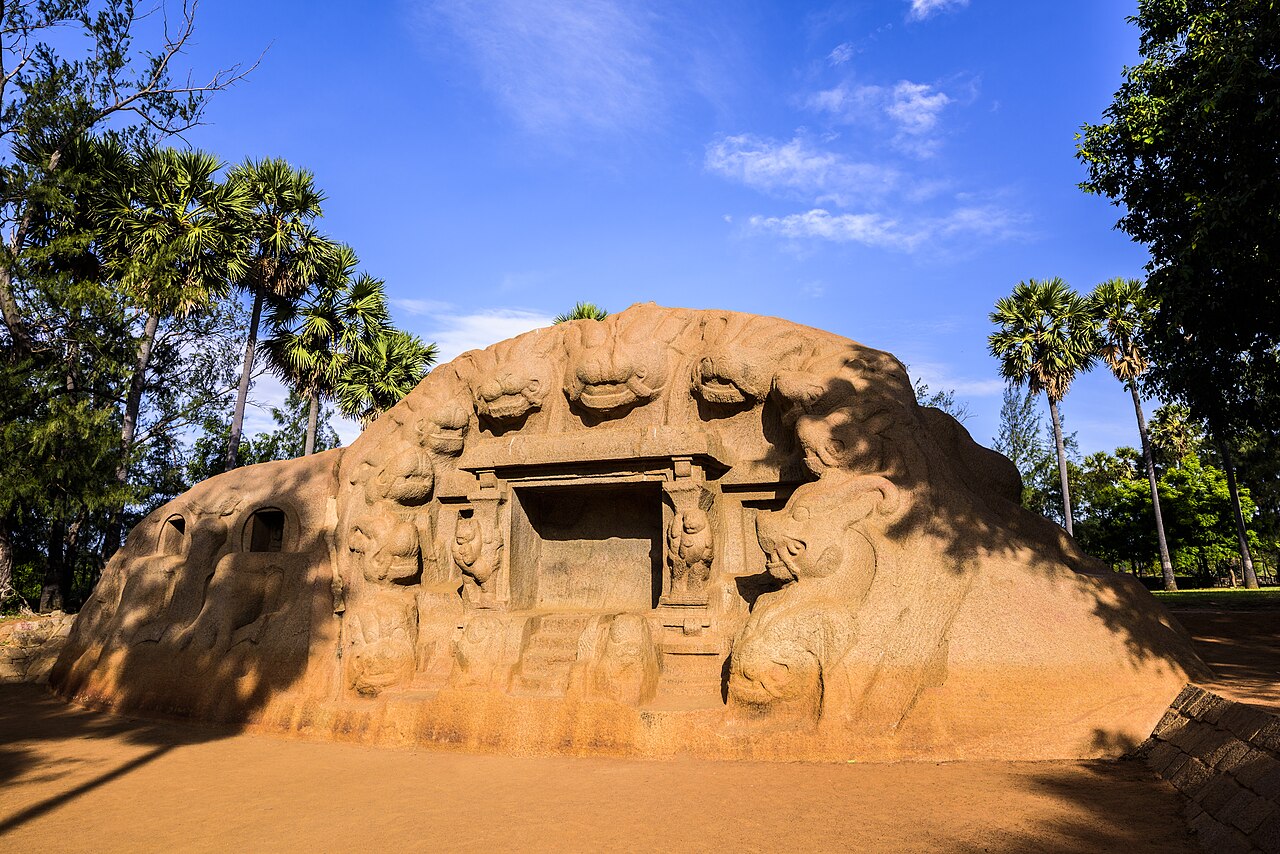
A striking open-air Pallava rock-cut pavilion at Saluvankuppam, framed by a fan of carved yali (mythical lion-tiger) heads, set in a coastal grove a short drive north of Mamallapuram.

templeThiruporur Kandaswamy Temple

A working Murugan temple at Thiruporur in inland Chengalpattu, worshipping the god as Kandaswamy and closely tied to the 17th-century saint Chidambara Swamigal, with a tall five-tiered gopuram over a granite sanctum.

M
Mukundanayanar Temple
Place
heritageMukundanayanar Temple

A small, elegant structural Shiva temple in the Mamallapuram group, built in the early 8th century during the reign of Rajasimha Pallava. It stands apart on the northern edge of the town. The shrine shows the transition from rock-cut to structural architecture that later produced the Shore Temple.

heritageRayar Gopuram

170 m · 2 min walk

An unfinished Pallava monument of massive pillars and beams, believed to be an incomplete gateway (gopuram) abandoned mid-construction. The exposed, half-carved columns give a rare glimpse into how Mamallapuram's monolithic structures were quarried and shaped in stages.

V
Valaiyankuttai and Pidari Rathas
Place
heritageValaiyankuttai and Pidari Rathas

240 m · 3 min walk

A set of outlying monolithic chariot-shrines carved from single boulders, sculpted like the more famous Pancha Rathas but set apart to the north near a tank. Part of the UNESCO Group of Monuments, they show the same 7th-century Pallava rock-cutting tradition in a less-visited setting.

G
Government College of Architecture and Sculpture
Place
heritageGovernment College of Architecture and Sculpture

290 m · 4 min walk

A specialised institution at Mamallapuram that trains sthapatis (temple architects) and stone sculptors in the traditional Shilpa Shastra, keeping alive the craft that produced the town's Pallava monuments. Visitors can watch students carving granite deities and reliefs by hand.

Roampedia is commission-free — own or know a stay, eatery, guide or shop near Olakkannesvara Temple? List it and it appears here once verified.

Add a nearby business
Before you go

Olakkannesvara Temple — at a glance

TimingsOpen daily during daylight hours, roughly sunrise to sunset (indicative)
Best timeCooler, drier months from roughly November to February; early morning or late afternoon for comfortable light and clear sea views (indicative)

Entry: The hilltop temple itself is an open-access ASI monument, though reaching it is via the adjoining modern lighthouse compound, where a small entry charge may apply (indicative)

Festivals: Olakkannesvara Temple is a living place of worship. Its busiest ritual days depend on its own calendar; ask the managing authority for this year’s programme rather than relying on a generic Tamil Nadu festival list.

Photography: Photography rules can change with worship, conservation, security and private activity. Follow signs and ask before photographing interiors, ceremonies, collections or identifiable people at Olakkannesvara Temple.

Parking: Use the parking or drop-off arrangement indicated near Olakkannesvara Temple; keep procession routes, entrances and residential doorways clear.

Getting here

How to reach Olakkannesvara Temple

  • ✈︎ By air Use the airport serving Chengalpattu and complete the journey to Mamallapuram by road or rail; verify the transfer time before booking a same-day visit to Olakkannesvara Temple.
  • 🚆︎ By train Use the practical railhead for Mamallapuram, then confirm the final local-road connection to Olakkannesvara Temple; the geographically nearest station may not have the most useful service.
  • 🚗︎ By road Travel to Mamallapuram, then follow the map link to Olakkannesvara Temple. Use the shrine entrance indicated locally and allow extra time for traffic, footwear storage and worship queues.
  • 🚌︎ By bus Check current TNSTC or local-bus service to Mamallapuram and ask for the correct stop for Olakkannesvara Temple. Confirm the last usable return before starting the visit.
Getting around

Getting around Olakkannesvara Temple

Mamallapuram is the practical movement base. Use walking, an auto-rickshaw, a locally arranged taxi or current public transport according to distance, and agree the return plan before entering Olakkannesvara Temple.

Online taxis: App-cab availability can change by time and locality. Check the live Uber or Ola app before relying on a pickup at Olakkannesvara Temple, and keep the local bus or auto-rickshaw option as a fallback.

Do

Things to do

  • Identify the feature that gives Olakkannesvara Temple its visitor value.
  • Read the site in relation to Mamallapuram and Chengalpattu.
  • Distinguish documented history from living tradition and later alteration.
  • Combine it only with genuinely nearby stops that preserve a safe return margin.
  • Pause at the principal viewpoint, shrine, exhibit or surviving feature instead of treating Olakkannesvara Temple as a drive-by photo stop.
Plan

Good to know

  • Save the route offline before leaving Mamallapuram.
  • Carry water and sun or rain protection.
  • Accept an exterior-only visit when current access does not permit entry.
  • Keep identification, personal medication and enough cash for local transport.
Facilities

On site

  • Use refreshments and toilets in Mamallapuram before the visit if needed, and follow Olakkannesvara Temple's rules on food and drinking water inside worship areas.
  • Plan meal and shopping stops separately so they do not interrupt the worship visit or block the shrine approach.
  • For darshan, offerings or accessibility assistance, use the shrine office or staff on duty and obtain receipts for paid services.
Stay safe

Safety

  • Follow current site, worship and security instructions.
  • Do not cross barriers, climb structures or enter unstable, private or restricted ground.
  • Keep enough daylight and transport margin for the return to Mamallapuram.
Getting around Olakkannesvara Temple

If you need step-free access, contact the site before travelling. Ask about a level entrance, steps along the route, the nearest drop-off point, seating and accessible toilets.

If you need help at Olakkannesvara Temple
112All emergencies (police · fire · medical)The single number to call in any emergency (ERSS).

Emergency numbers are verified against official government and state tourism sources. 112 works anywhere in India.

Eat nearby

What to eat in Mamallapuram

Mamallapuram is the sensible meal base for a visit to Olakkannesvara Temple. These are regional dishes to look for, not claims that food is sold at the attraction; check current opening hours and dietary requirements directly.

Explore food in Mamallapuram →
01

Fresh Tamil tiffin

For breakfast or an early supper, choose idli, pongal, vadai or dosai cooked to order at a busy local dining room.

02

Tamil Nadu meals

A rice meal with sambar, kuzhambu, vegetables, rasam and curd is the most dependable midday option; arrive before the lunch service finishes.

03

Tea, coffee and a fresh snack

Use the nearest town for filter coffee or tea with a freshly fried or baked snack, especially before travelling to a rural site with no dependable food counter.

Nearby

What’s near Olakkannesvara Temple

heritageMahishasuramardini Cave

A late-7th-century Pallava rock-cut mandapa on the Mamallapuram hill, famed for its dynamic relief of the goddess Durga slaying the buffalo-demon Mahishasura and, on the facing wall, a serene reclining Vishnu, with the later Olakkannesvara temple perched on the rock above.

20 m · 1 min walk · straight line
heritageMahabalipuram Lighthouse

An early-1900s working lighthouse on the Mamallapuram hill, standing beside the ancient Olakkannesvara temple, the Pallava-era "Old Lighthouse." Climbing it opens sweeping views over the coast and the monument town.

130 m · 2 min walk · straight line
heritageKrishna Mandapa

A rock-cut mandapa at Mamallapuram whose great mid-7th-century Pallava bas-relief shows Krishna raising Mount Govardhana on one hand to shelter the cowherds and their cattle from the storm.

150 m · 2 min walk · straight line
heritagePanchapandava Cave Temple

The largest cave temple at Mamallapuram, a spacious but deliberately unfinished late-7th-century Pallava rock-cut mandapa popularly named for the five Pandava brothers of the Mahabharata.

160 m · 2 min walk · straight line
heritageRayar Gopuram

An unfinished Pallava monument of massive pillars and beams, believed to be an incomplete gateway (gopuram) abandoned mid-construction. The exposed, half-carved columns give a rare glimpse into how Mamallapuram's monolithic structures were quarried and shaped in stages.

170 m · 2 min walk · straight line
heritageVaraha Cave Temple

Often called the earliest monument at Mamallapuram, this 7th-century Pallava rock-cut mandapa (the Adivaraha Cave) is celebrated for four naturalistic wall panels including Vishnu as the boar Varaha lifting the earth goddess.

190 m · 2 min walk · straight line
templeSthalasayana Perumal Temple

The living Vishnu temple in Mamallapuram town, one of the 108 Divya Desams, where the deity Sthalasayana Perumal is worshipped in a reclining, ground-resting form and which tradition links to the Alvar saint Bhutathazhwar.

190 m · 2 min walk · straight line
heritageArjuna's Penance

Also called the Descent of the Ganges, this giant 7th-century Pallava open-air bas-relief, among the largest in the world, is carved across two adjoining boulders crowded with gods, sages, and life-size elephants.

200 m · 2 min walk · straight line
heritageGanesha Ratha

A single-block Pallava rock-cut shrine from the 7th century, carved in the chariot form of the Pancha Rathas and later dedicated to Ganesha. It sits just behind Arjuna's Penance within the UNESCO monument cluster.

230 m · 3 min walk · straight line
V
Valaiyankuttai and Pidari Rathas
Place
heritageValaiyankuttai and Pidari Rathas

A set of outlying monolithic chariot-shrines carved from single boulders, sculpted like the more famous Pancha Rathas but set apart to the north near a tank. Part of the UNESCO Group of Monuments, they show the same 7th-century Pallava rock-cutting tradition in a less-visited setting.

240 m · 3 min walk · straight line
G
Government College of Architecture and Sculpture
Place
heritageGovernment College of Architecture and Sculpture

A specialised institution at Mamallapuram that trains sthapatis (temple architects) and stone sculptors in the traditional Shilpa Shastra, keeping alive the craft that produced the town's Pallava monuments. Visitors can watch students carving granite deities and reliefs by hand.

290 m · 4 min walk · straight line
heritageKrishna's Butterball

Known in Tamil as Vaan Irai Kal, this enormous natural boulder rests improbably on a smooth slope of the Mamallapuram hill, a beloved landmark beside the town's Pallava monuments.

300 m · 4 min walk · straight line

All 28 places to visit in Mamallapuram →

On the map

Where Olakkannesvara Temple is

Good to know

Olakkannesvara Temple — frequently asked

What should I verify before visiting Olakkannesvara Temple?

Confirm the current public entrance, opening session, permission or ticket rule and return transport from Mamallapuram. Site management and local notices take priority over an undated listing.

How much time should I allow for Olakkannesvara Temple?

Allow about an hour at the site, plus the complete approach, any worship or security queue and a comfortable daylight margin for returning to Mamallapuram.

What is significant about Olakkannesvara Temple?

A ruined early-8th-century Pallava structural Shiva temple perched on the hilltop above the Mahishasuramardini cave, long known as the 'Old Lighthouse' of Mamallapuram and commanding sweeping views over the town and Bay of Bengal.

Can I photograph Olakkannesvara Temple?

Do not assume that every interior, ceremony, resident, object or protected area may be photographed. Follow current signs and ask the responsible staff or worship authority before taking pictures.

Is Olakkannesvara Temple accessible without steps?

A vehicle reaching the mapped point does not prove a step-free visit. Confirm the actual entrance, surface, gradients, thresholds, seating and toilet access before travelling.

When is the best time to visit Olakkannesvara Temple?

Choose a cooler daylight visit and verify the current operating or worship session for Olakkannesvara Temple; festivals, maintenance and weather can change access.

What are the entry fee and timings at Olakkannesvara Temple?

Entry: The hilltop temple itself is an open-access ASI monument, though reaching it is via the adjoining modern lighthouse compound, where a small entry charge may apply (indicative). Timings: Open daily during daylight hours, roughly sunrise to sunset (indicative).

How do I reach Olakkannesvara Temple?

Use Mamallapuram as the practical base and confirm the recognised public approach to Olakkannesvara Temple before departure. Check the current opening, permission, worship or conservation arrangements with the authority responsible for Olakkannesvara Temple. Arrange the return journey before entering; do not assume app-cab coverage, lighting or a ticket counter at the site. Allow the current visitor boundary, worship routine or conservation instruction to determine what can actually be seen.

How much time do I need for Olakkannesvara Temple?

Allow about one to two hours at Olakkannesvara Temple, plus the complete approach, any queue and the return to Mamallapuram.

What else is near Olakkannesvara Temple?

Nearby you can pair Mahishasuramardini Cave (20 m), Mahabalipuram Lighthouse (130 m), Krishna Mandapa (150 m), Panchapandava Cave Temple (160 m).

What should I know before visiting Olakkannesvara Temple?

Obey barriers and staff instructions at Olakkannesvara Temple; do not climb structures, enter restricted ground or block worship and working access. Use suitable footwear, carry water and keep enough daylight for the return to Mamallapuram. Keep children close around traffic, water, drops, crowds and uneven surfaces; seek local advice where the visitor boundary is unclear.

Read before you go

Olakkannesvara Temple guides, stories & itineraries

Stories & history of Olakkannesvara Temple

Written about Olakkannesvara Temple itself — its history, its legends and the arguments about them.

Around Mamallapuram

These reads cover nearby destinations, each with its own arrival point and visit arrangements.

Tamil Nadu-wide guides & itineraries

Route-level itineraries and practical guides for the rest of Tamil Nadu.

See all 42 Chengalpattu guides & stories →

Image credits

Photographs: Tushraa (CC BY-SA 4.0), This Photo was taken by Timothy A. Gonsalves. Feel free to use my phot (CC BY-SA 4.0), Rainer Halama (CC BY-SA 4.0). Wikimedia Commons.