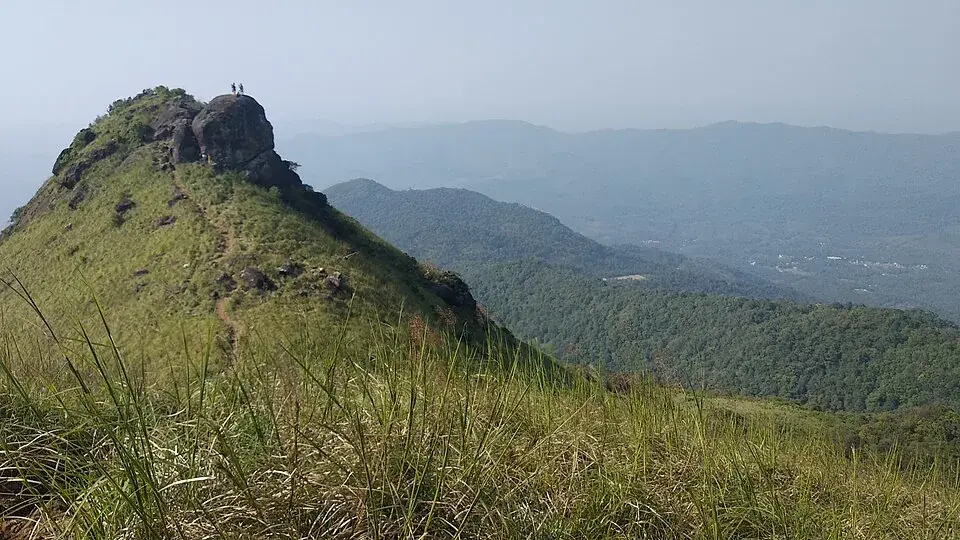
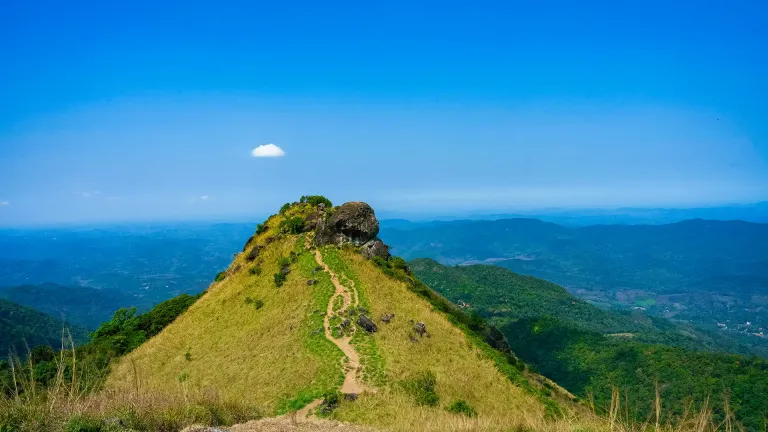
High on the Western Ghats in the far north of Kerala, Ranipuram is a rolling world of golden grasslands, stunted evergreen shola pockets and wind-scoured monolithic rocks that locals fondly call the “Ooty of Kerala”. At its summit the district of Kasaragod runs out of higher ground, and on a clear morning the view spills across three states.
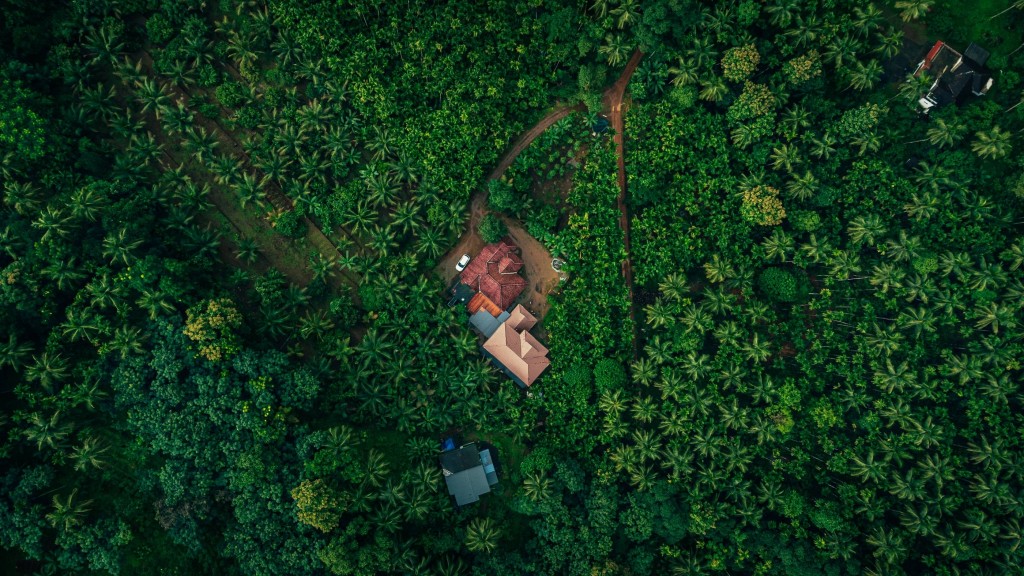
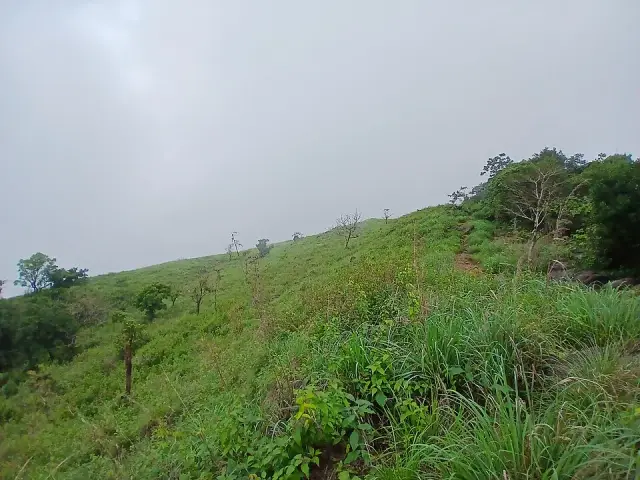
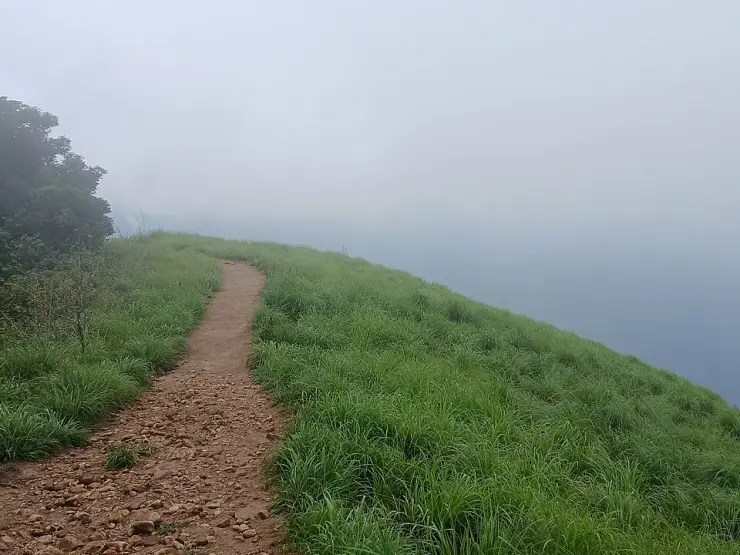
Ranipuram does not announce itself. From the quiet plantation village of Panathady you climb a bruising jeep track through cardamom and rubber, the forest closing overhead, until — quite suddenly — the trees fall away and you step onto open meadow. This abrupt handover from dense canopy to wind-blown grassland is the signature of the place, and it never quite loses its surprise.
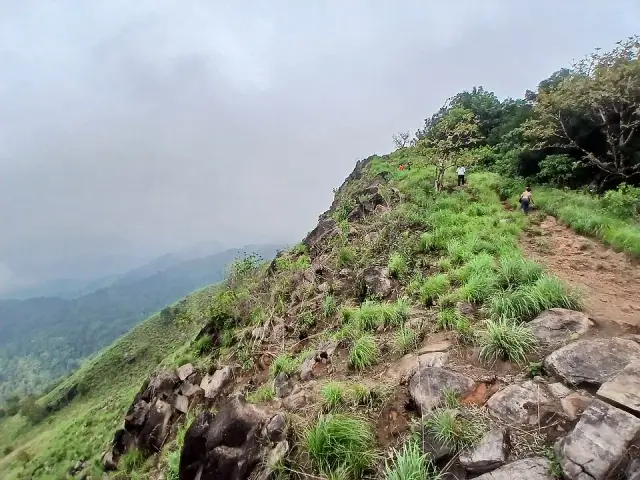
The grasslands are dominated by lemongrass, and when the breeze moves across them the whole hillside seems to breathe. Scattered through the meadows are dark islands of shola — patches of gnarled, moss-hung evergreen forest that hunker in the folds and valleys where the wind cannot reach. Ranipuram is the only place in the whole of Kasaragod district where these ancient shola forests survive, which gives the hill an ecological rarity far out of proportion to its modest fame.
Rising from the turf are the monolithic rocks that give the summit its drama: great weathered boulders and outcrops that trekkers scramble up for the final view. The topmost point is a grass-covered crown that many visitors know simply as the “Mani” viewpoint, and reaching it is the reward at the end of the walk.
This is genuinely wild country. Ranipuram forms part of a reserve forest, and herds of wild elephants move across the slopes, following age-old paths between valley and ridge. Leopards prowl the shola edges, Malabar giant squirrels crash through the canopy, and king cobras and Russell’s vipers keep walkers watching their feet. It is a landscape to be respected rather than tamed.
For birdwatchers the hill is a quiet treasure. Surveys have recorded close to a hundred species here, among them the Malabar grey hornbill, the great Indian hornbill, the Indian black eagle wheeling over the ridgelines, the flash of an Asian paradise flycatcher and the calls of wood pigeon and peafowl drifting up from the forest.
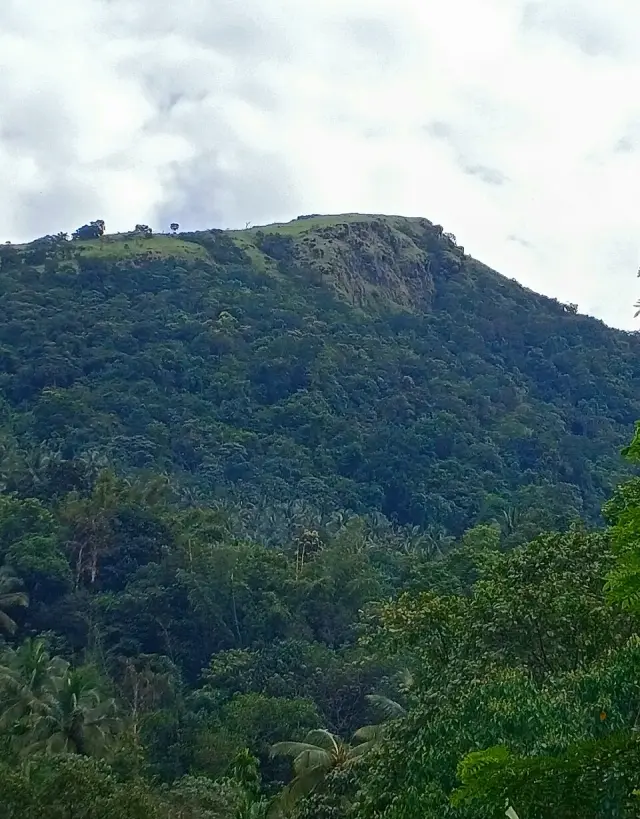
Standing at 1,048 metres, the summit is the highest point in Kasaragod district. From up here the ground drops away on every side and the panorama stretches over the ghats towards the plains — a big, uncrowded, elemental view that feels a world away from Kerala’s more famous and more trodden hill stations.
More about Ranipuram
History
For most of its history this hill was known not as Ranipuram but as Madathumala — a Malayalam name (മാടത്തുമല) that captured its characteristically undulating, hummocked terrain. Under that older name it was little more than a remote upland of grass and shola on the eastern rim of Kasaragod, grazed and traversed but barely settled.
The change came in the 1970s. The Catholic Diocese of Kottayam acquired land in these hills to resettle Knanaya Catholic families, part of the wider mid-twentieth-century migration of Christian farming communities from central Travancore into the Malabar highlands in search of cultivable land.
It was these settlers who gave the hill its present name. Devoted to the Virgin Mary — the Queen — they renamed Madathumala as Ranipuram, literally the “abode of the Queen”, in her honour. Modern tourism has since reinterpreted the name more loosely as the abode of the queen of the grasslands, but its origin lies in the Marian devotion of the migrant community.
Administratively the hill sits within Panathady panchayat in Vellarikundu taluk, and its uppermost reaches are protected as reserve forest under the Kerala Forest and Wildlife Department. That status is what preserved the shola–grassland mosaic and the elephant corridors even as the surrounding lower slopes were cleared for plantations.
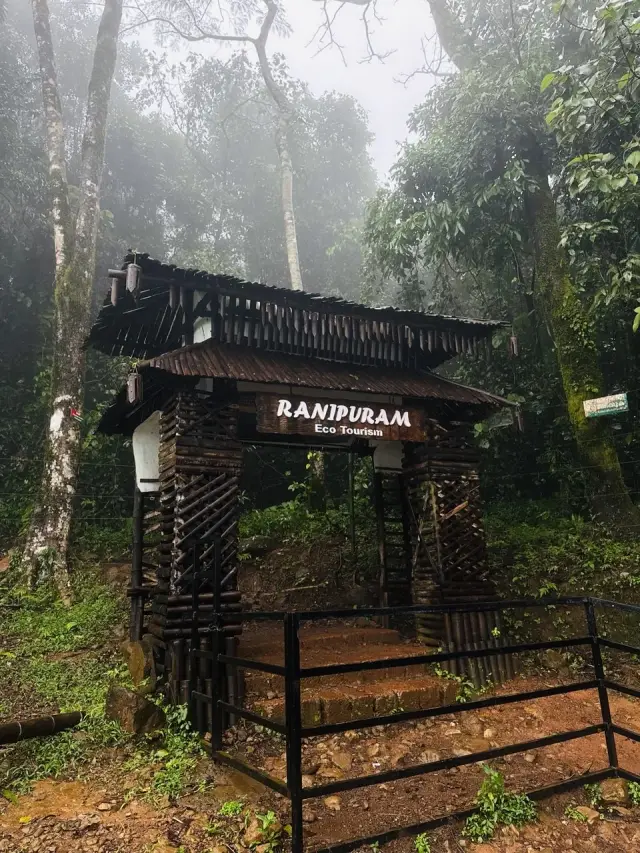
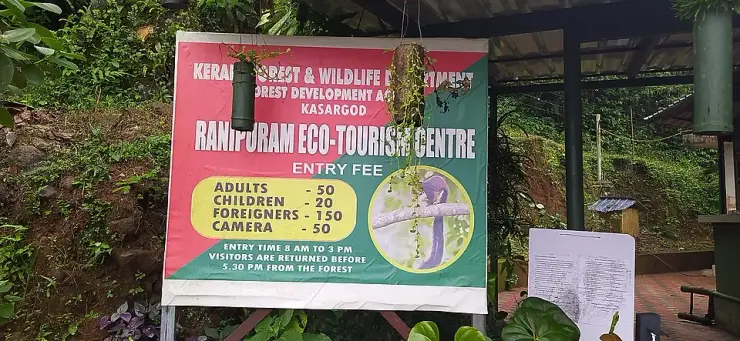
Trekking here developed comparatively late and remains deliberately low-key. The Forest Department controls access from a checkpost, ticketing walkers and setting daily cut-off times, while the District Tourism Promotion Council and KTDC added simple cottages and eco-cabins at the Panathady base. The result is a hill station that has stayed small, green and refreshingly unspoilt.
Why visit
It is one of Kerala’s last genuinely uncrowded hill stations — a place where you can walk grasslands and shola forest for a whole morning and meet almost no one.
The 2.5 km trek from the forest checkpost to the grassy summit is short enough for reasonably fit first-timers yet rich enough to feel like a real Western Ghats expedition, ending with a sweeping ridge-top panorama.
The shola–grassland mosaic is ecologically unique for the district, and the monolithic summit rocks give the walk a distinctive, almost otherworldly finish.
Wildlife is close and real: wild elephants, leopards, Malabar giant squirrels and nearly a hundred bird species make this a rewarding hill for naturalists and birders.
The cool, clear northern-Malabar climate and the “Ooty of Kerala” nickname deliver the highland escape without the traffic, resorts and crowds of the better-known southern hill towns.
Its remoteness in the deep north of Kerala, close to the Karnataka border, makes it an easy, offbeat add-on to a Kasaragod or Bekal coastal trip for travellers who want somewhere the guidebooks have largely missed.