What to expect
Highlights
- Temple visit at Thirumandhamkunnu Temple
- Kerala temple architecture and rituals
- Local food, shops and pilgrim services nearby
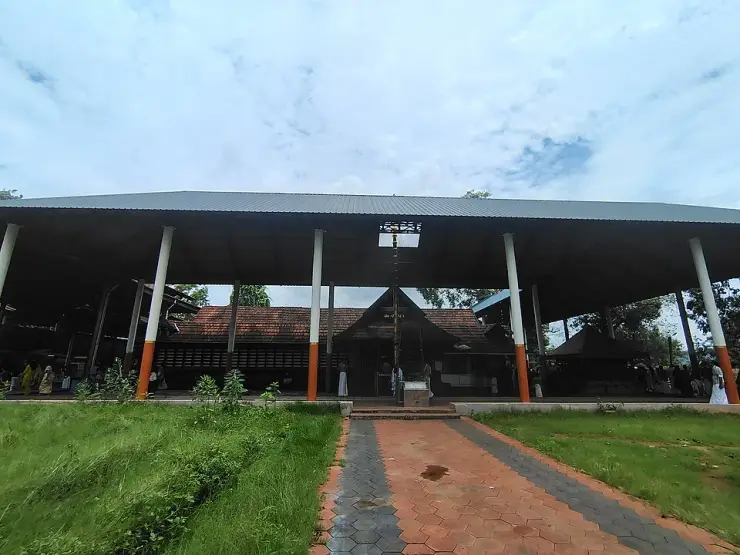
The Thirumandhamkunnu Bhagavathy (Durga) temple at Angadipuram — a major Devi pilgrimage and the paradevata shrine of the old Valluvanad rajas, famous for its Pooram festival.
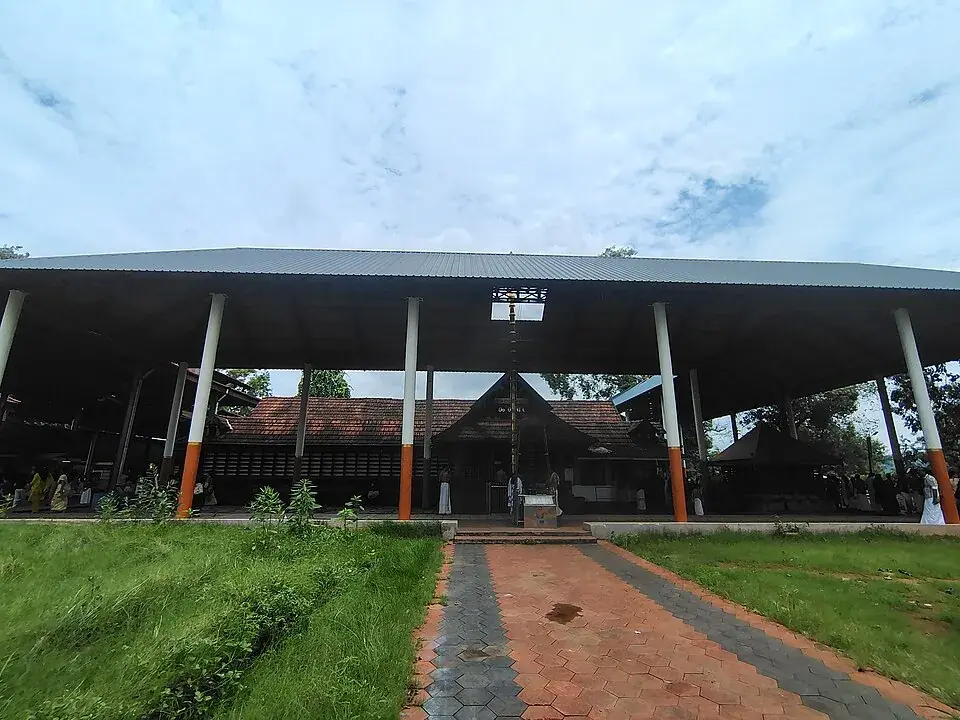
Check entry arrangements. Ask temple staff about visitor entry, dress requirements and access to the inner shrine before you travel, especially if you are visiting as a non-Hindu.
Dress respectfully and follow the institution’s admission and photography rules.
Crowning a low green hill at Angadipuram, this ancient Bhagavathy shrine is where the warrior-kings of Valluvanad knelt before their goddess — and from whose gate their Chaver martyrs once marched to die at the Mamankam.
The Thirumandhamkunnu Bhagavathy Temple stands on a small wooded hill at Angadipuram, a short distance from Perinthalmanna in the heartland of Malappuram district. For centuries this was the spiritual centre of Valluvanad — the medieval chiefdom whose rulers, the Vellattiri or Valluvakonathiri rajas, made this hilltop goddess their paradevata, or tutelary family deity. To understand the temple is to understand the little kingdom that revered it, and few Devi shrines in the Malabar region carry so dense a weight of royal memory.
The presiding deity worshipped here is Bhagavathy — venerated locally as Thirumandhamkunnilamma, and understood in the fierce, protective aspect of Bhadrakali or Durga, the Supreme Mother, Shakti. Yet the temple has an older Shaiva layer beneath it: tradition holds that a Shiva linga lies at the very core of the sanctum, and Shiva and Ganapathy are also worshipped on the hill. The temple is especially known for its Mangalya Puja, a rite sought by devotees praying for marriage and married happiness.
One of the most striking features here is the Sreemoolasthanam, the original sanctum, which by custom is said to stand open to the sky without a roof — a mark, devotees say, of its great antiquity as a sacred grove hilltop shrine rather than a later built temple. The split linga associated with the origin legend is believed to rest below the peedam (pedestal), screened from ordinary view and revealed only during particular rituals. The shrine has both eastern and western openings for darshan.
In front of the main entrance stands the chaver thara, a memorial platform to the Chaver warriors — the sworn martyr-soldiers of Valluvanad. It is one of the most poignant monuments on the hill, a stone reminder that this was not only a place of worship but the mustering point of men who set out knowing they would not return. That link between the goddess and the battlefield of the Mamankam is what gives Thirumandhamkunnu a resonance beyond the ordinary temple.
The temple year builds towards the great Thirumandhamkunnu Pooram, an eleven-day festival held in the Malayalam month of Meenam (roughly March to April), one of the most important temple festivals in Malappuram district. In the months before it, from around Vrischikam, the hill echoes nightly with Kalampattu — the ritual singing before an intricate powder-drawing (kalam) of the goddess — building the devotional charge that the Pooram finally releases in caparisoned elephants, percussion and the arattu procession to the temple tank.
For the traveller, Thirumandhamkunnu offers a rare combination: a living, actively worshipped Devi temple of the first rank; a hilltop setting of quiet green calm; and a direct thread into one of the most dramatic chapters of Kerala history, the twelve-yearly Mamankam and the doomed valour of the Chaver. It remains first and foremost a place of worship, so it rewards visitors who come with the patience and respect due to a sanctified royal shrine rather than merely a monument.
The temple name and origin are explained through the legend of Mandhata (Mandhatavu), remembered as a king-sage of the Surya (solar) dynasty and a great devotee of Shiva. As the legend is told, Mandhata performed severe penance upon Mount Kailash, and Shiva, pleased, granted him a sacred Shiva linga to carry back and enshrine. Descending the mountain with the divine gift, the king rested on this hill in the Malabar country and set the linga down — whereupon it rooted itself immovably to the spot, choosing, as it were, its own home. From Mandham (a form of the sage-king's name) and kunnu (the Malayalam word for hill) the place is said to take its name, Thirumandhamkunnu, the sacred hill of Mandhata.
The legend continues that Parvati, learning the linga had been given away, sent the goddess Bhadrakali to reclaim it. A fierce celestial battle is said to have followed, lasting many days, in which even attanga nuts flung by the king are described as turning into arrows. In the end, rather than wrench the linga apart from her devotee, the goddess is said to have chosen to enter and abide within it herself, vowing to remain on the hill forever — and so Shiva and Devi are worshipped together at the core of the shrine, the goddess as the living presence the temple is named and famed for.
This account is preserved and cherished as sacred legend and temple tradition rather than as documented history, and several versions circulate. It is offered here as the devotional story that explains the hill, the name, the split linga said to lie beneath the pedestal, and the annual Attangayeru ritual that commemorates the legendary battle.
As documented regional history, the temple was the paradevata — the official tutelary goddess — of the rulers of Valluvanad, a medieval chiefdom of the Malabar region with its seat at Angadipuram. The Valluvanad rajas, styled Vellattiri or Valluvakonathiri, drew their legitimacy and protection from Thirumandhamkunnilamma, and the temple functioned as the spiritual anchor of their small state. Local tradition credits the Valluvanad royal line with building and endowing the temple in its present form, with major renovation recorded in the twentieth century.
The temple is inseparable from the history of the Mamankam, the great festival-assembly held roughly every twelfth year on the banks of the Bharathapuzha at Thirunavaya. Thirunavaya and the presidency of the Mamankam had originally belonged to the rulers of Valluvanad, but between the fourteenth and later centuries the Zamorin (Samoothiri) of Kozhikode seized control of Thirunavaya and assumed the honour of presiding over the Mamankam. That loss festered into one of the longest-running feuds in Kerala history.
Denied their ancestral right, the Valluvanad rulers answered with the Chaver — sworn suicide-warriors, drawn largely from Nair fighting families, who took a vow of death. As regional history and tradition record, at each Mamankam bands of Chaver would set out and attempt to cut their way through the Zamorin's massed guard to reach and kill him, avenging the seizure of Thirunavaya and the deaths of Valluvanad princes. It was understood on all sides to be a fight to the death, with virtually no expectation of survival for the martyrs.
By long tradition these Chaver bands began their final march from Thirumandhamkunnu, worshipping their family goddess on the hill before descending to the river at Thirunavaya — which is why the chaver thara memorial stands before the temple to this day. The Mamankam continued to be held into the mid-eighteenth century (the last are generally dated to around 1755 to 1766), and stories survive of extraordinarily young and skilled Chaver coming within a sword's length of the Zamorin himself.
Around the temple grew an ordered establishment of hereditary service families and officials tied to the royal cult — Brahmin lineages entrusted with the shrine's upkeep and worship, and Nair officeholders with ceremonial duties — while the Valluvanad rulers later entrusted day-to-day management to local feudal lords. Through the collapse of the old chiefdom and the coming of colonial and modern administration, the temple endured as a major Devi centre, and it remains an actively worshipped and much-visited pilgrimage shrine of Malappuram district today.
One of the foremost Bhagavathy (Devi) temples of the Malabar region, the tutelary goddess of the old Valluvanad kingdom.
A serene, green hilltop setting near Perinthalmanna, quietly atmospheric away from festival crowds.
The chaver thara memorial and the direct, tangible link to the Mamankam and the legendary Chaver martyrs.
The ancient roofless Sreemoolasthanam sanctum and the origin legend of the split Shiva linga beneath the pedestal.
The spectacular eleven-day Thirumandhamkunnu Pooram, with caparisoned elephants, percussion and the arattu procession.
The months-long nightly Kalampattu tradition — ritual song and powder-drawing of the goddess — leading up to the Pooram.
Road km to Malappuram; ghat roads and traffic vary — allow extra.
Morning or early evening is usually best; festival days can be powerful but crowded.
Live forecast loads in your browser.
Sun and moon are calculated for this location and shown in IST. Photography windows are the hour around sunrise and sunset; the sunset bearing is degrees clockwise from true north. Moon phase is accurate to about half a day.
Verified hotels, homestays, restaurants, experiences, sights, shops and rentals around Thirumandhamkunnu Temple — commission-free, with direct contact. Filter by what you need.
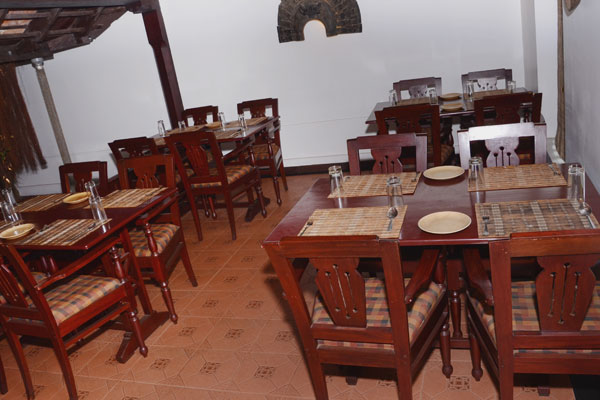
Hotel restaurant in Perinthalmanna and Kodikuthimala. Chengara Heritage, Perinthalmanna, Malappuram district, Kerala · perinthalmanna-and-kodikuthimala, eat, Hotel restaurant.
Arabian restaurant serving slow-cooked kuzhi mandi and biryani since 2013. Located on Pattambi Road near the post office in central Perinthalmanna.
Book with the place itself. India’s cyber-crime coordination centre warned in April 2025 that convincing copies of hotel and pilgrimage booking sites are being pushed through sponsored search and social ads, taking payment for rooms the property never hears about. Every listing here links to the business’s own contact details and its own Google or Bing profile — we take no commission and sit in nobody’s payment path. If a booking page reached you through an ad, check the address bar against the property’s own site before you pay. Fraud can be reported on cybercrime.gov.in or on 1930.
Find food, accommodation and activities across Perinthalmanna and Kodikuthimala. Browse the guides for places to eat, stay and explore along your route.
One more place around Perinthalmanna and Kodikuthimala worth a day of its own.
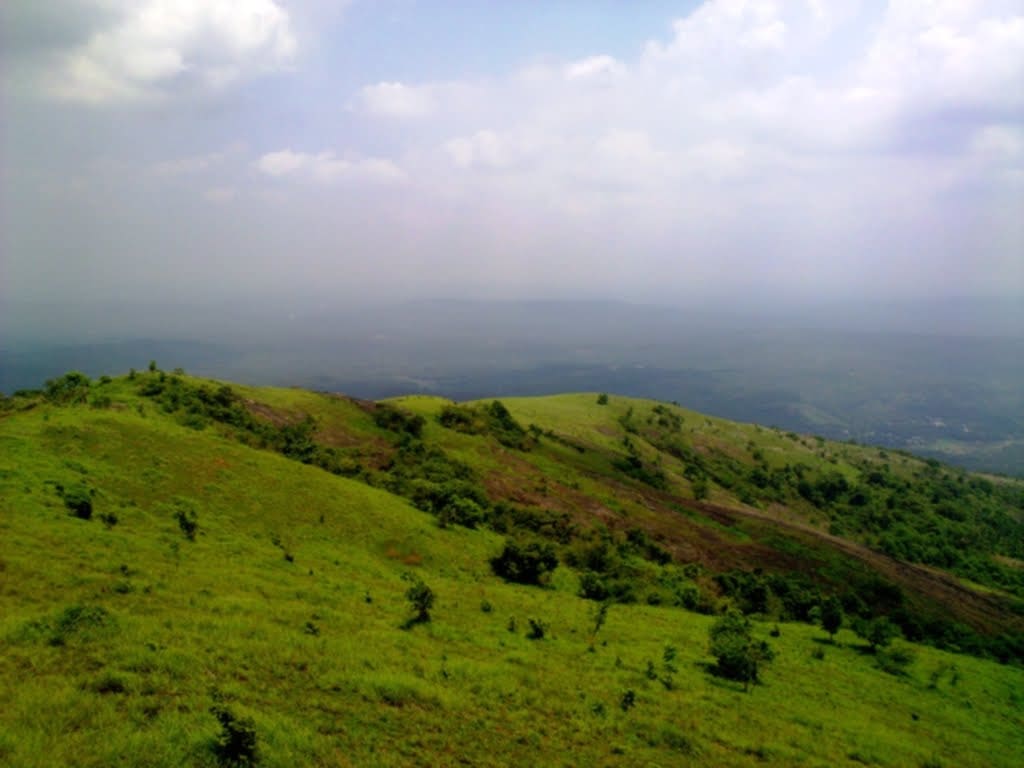
9.7 km · ~16 min by cab
The “Ooty of Malappuram” — a breezy hill viewpoint about 11 km from Perinthalmanna, good for sunrise, sunset and paragliding views.
Roampedia is commission-free — own or know a stay, eatery, guide or shop near Thirumandhamkunnu Temple? List it and it appears here once verified.
Add a nearby businessEntry: Darshan is generally free; specific sevas, poojas and offerings such as Mangalya Puja or Laksharchana carry set charges paid at the temple counter.
Dress code: Traditional, modest temple attire is expected — commonly a mundu/dhoti for men (often bare-chested by custom in the inner areas) and saree or salwar for women; avoid shorts and revealing clothing, and confirm the current dress norms at the temple.
Festivals: The eleven-day Thirumandhamkunnu Pooram in Meenam (around March to April) is the flagship festival, preceded by months of nightly Kalampattu from Vrischikam; the arattu procession and the Attangayeru ritual (commemorating the origin legend, on the first new-moon day of Thulam) are also observed.
Photography: Photography inside the sanctum and of the deity is usually restricted or prohibited; outdoor photography of the hill and grounds may be permitted — always ask and follow temple staff instructions.
If you are travelling by bus or ferry, check the return service with the operator before setting out. Leave time to reach the stop or jetty after your visit.
Ask at the bus stand for the time of the last service back, not the next one. If you miss it, an auto or app cab is the fallback — agree the fare before you get in.
If you need step-free access, contact the site before travelling. Ask about a level entrance, steps along the route, the nearest drop-off point, seating and accessible toilets.
Charge cap and free-transaction limits: Reserve Bank of India, in force since 1 May 2025.
These services are listed within about 1.2 km of Thirumandhamkunnu Temple. Walking distances follow mapped routes; access and opening hours can change. Other services may be closer but are not included here.
Emergency numbers are verified against official government and state tourism sources. 112 works anywhere in India.
The “Ooty of Malappuram” — a breezy hill viewpoint about 11 km from Perinthalmanna, good for sunrise, sunset and paragliding views.
9.7 km · ~16 min by cab · straight line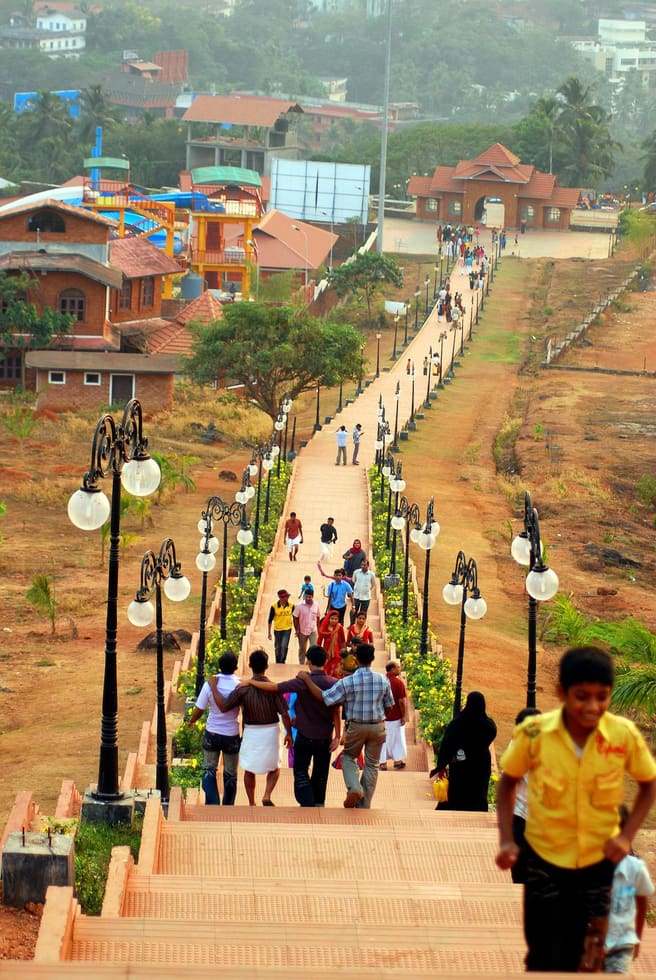
A hill garden and cultural park in Malappuram town, with an art gallery, open-air theatre and amusement attractions — a popular family picnic spot.
15.0 km · ~25 min by cab · straight line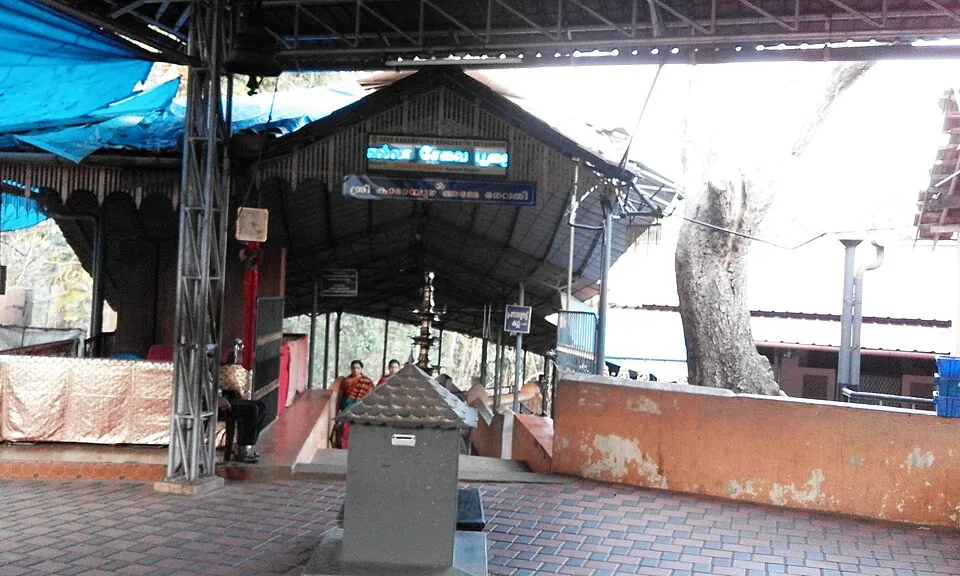
A revered Devi temple near Vettichira with no idol — the goddess is worshipped in a natural rock fissure; devotees offer the poomoodal and muri-pooja. Founded by legend of Adi Shankara.
17.7 km · ~30 min by cab · straight line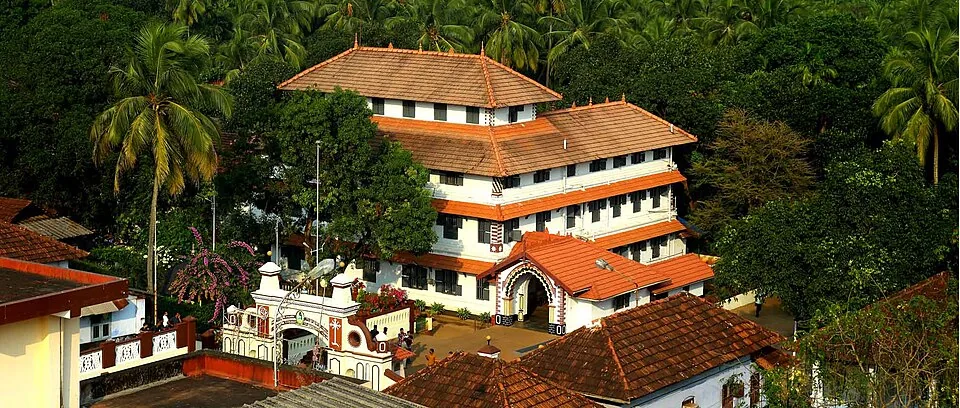
The famous Ayurveda institution at Kottakkal, founded in 1902 by Vaidyaratnam P.S. Varier — hospital, medicine-making, herb gardens and the PSV Natyasangham Kathakali academy.
21.1 km · ~35 min by cab · straight line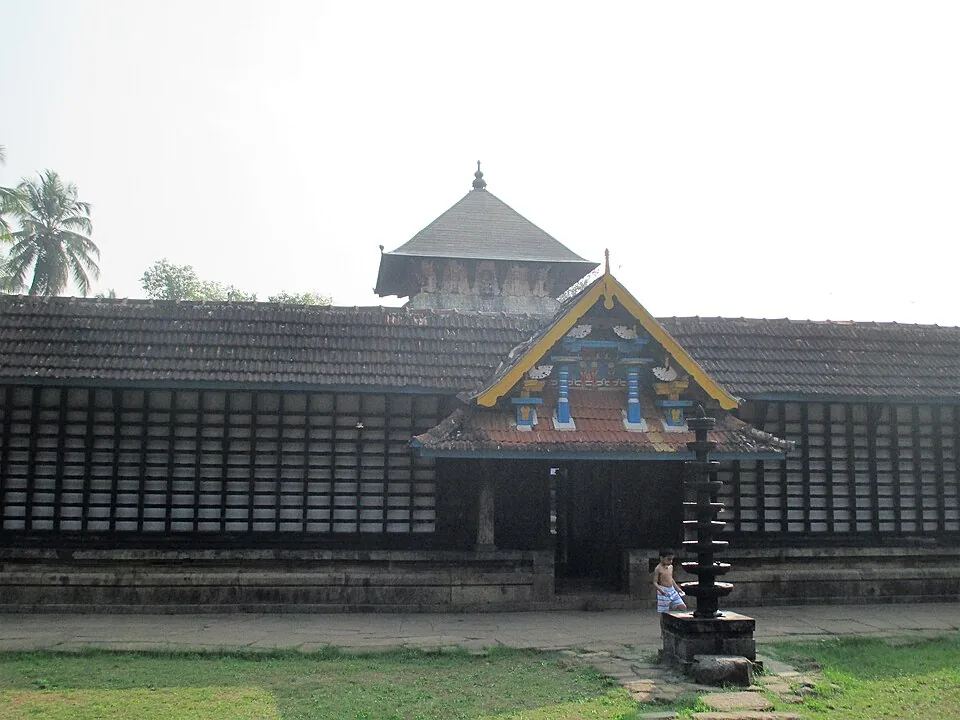
An ancient Vishnu temple on the Bharathapuzha at Thirunavaya, near the historic Mamankam fair-ground and a major venue for ancestral (bali/shraddha) rites.
25.5 km · ~43 min by cab · straight line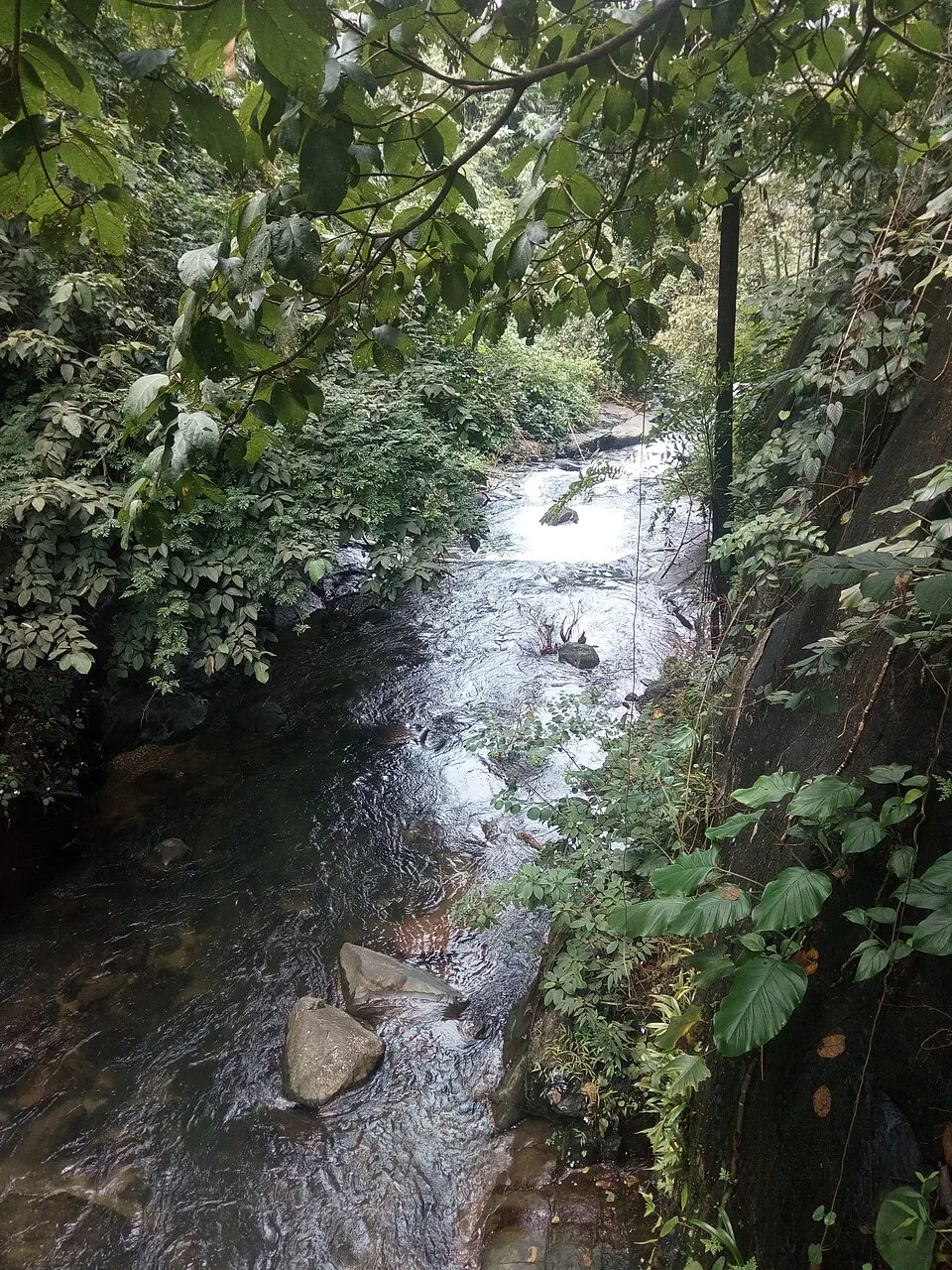
A high forest waterfall on the Western Ghat edge near Karuvarakundu/Kalikavu, dropping into a clear pool — remote and scenic; slippery rocks demand care.
26.4 km · ~44 min by cab · straight line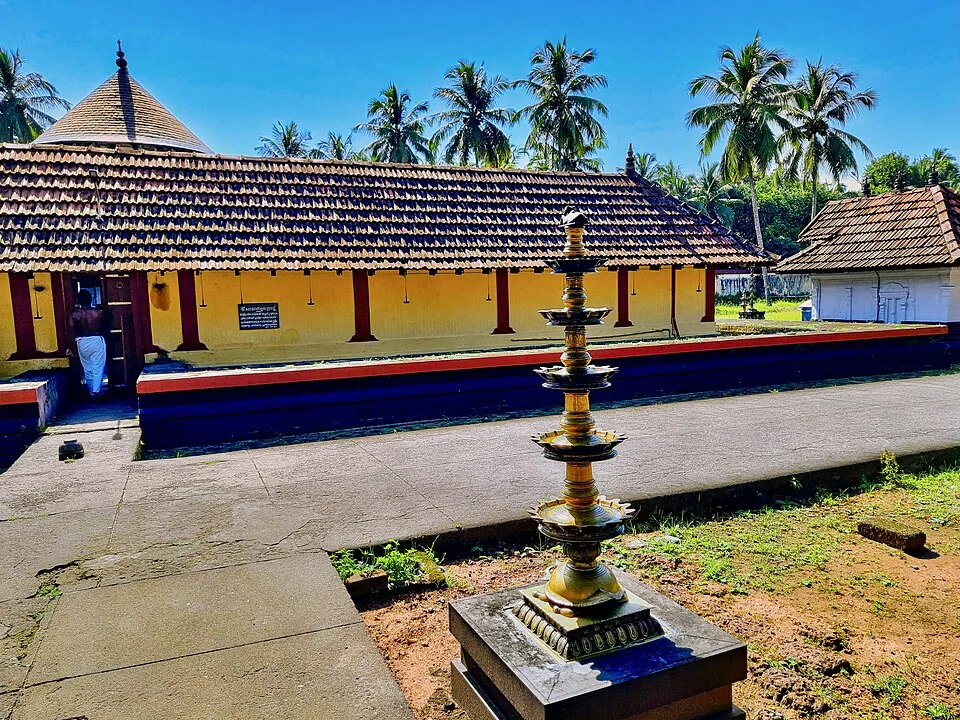
A west-facing Shiva temple south of Tirur, nine shrines inside six acres, built around the moment Shiva came out of the linga to stop Death taking the boy Markandeya.
31.0 km · ~52 min by cab · straight line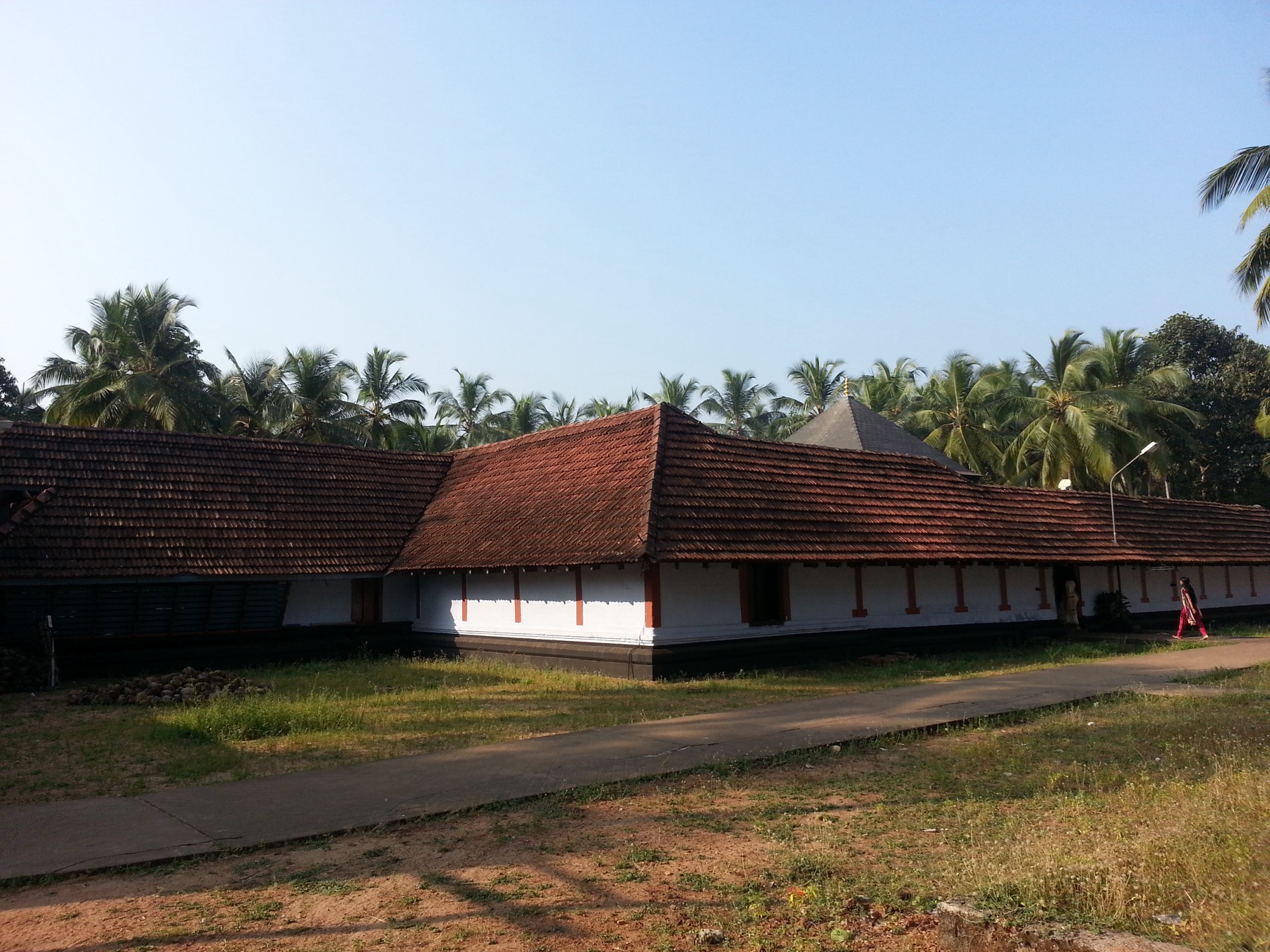
The Alathiyur Perumthrikkovil near Tirur, where the sanctum holds Sri Rama alone and the Hanuman carved outside it — leaning, caught in the act of listening to his orders — is the figure the crowds come for.
31.1 km · ~52 min by cab · straight line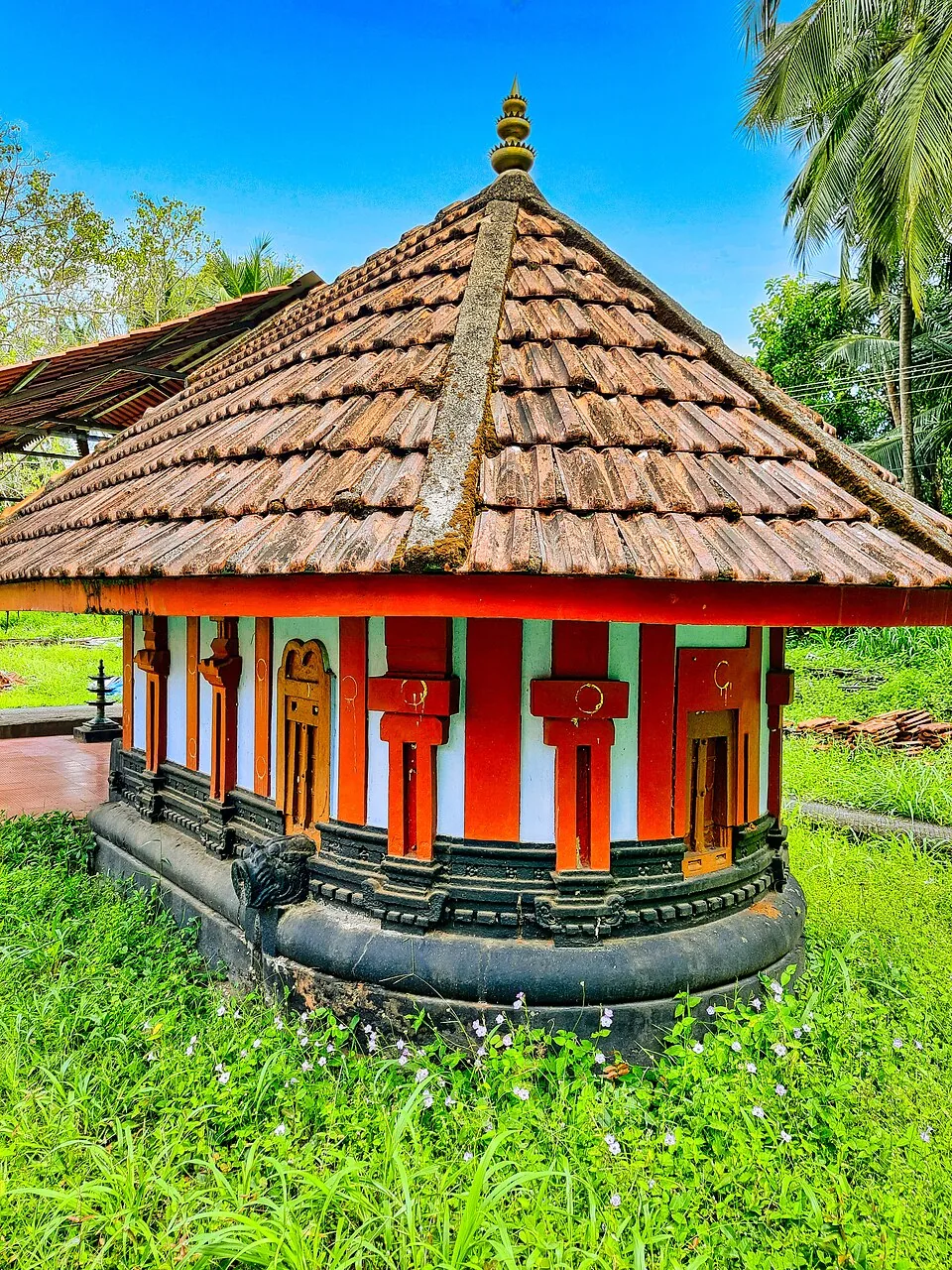
One of the hundred and eight Shiva temples of Kerala, a kilometre from Thunchan Parambu — an apsidal ninth-century shrine that opens at half past two in the morning because the god here was installed at dusk.
31.5 km · ~52 min by cab · straight line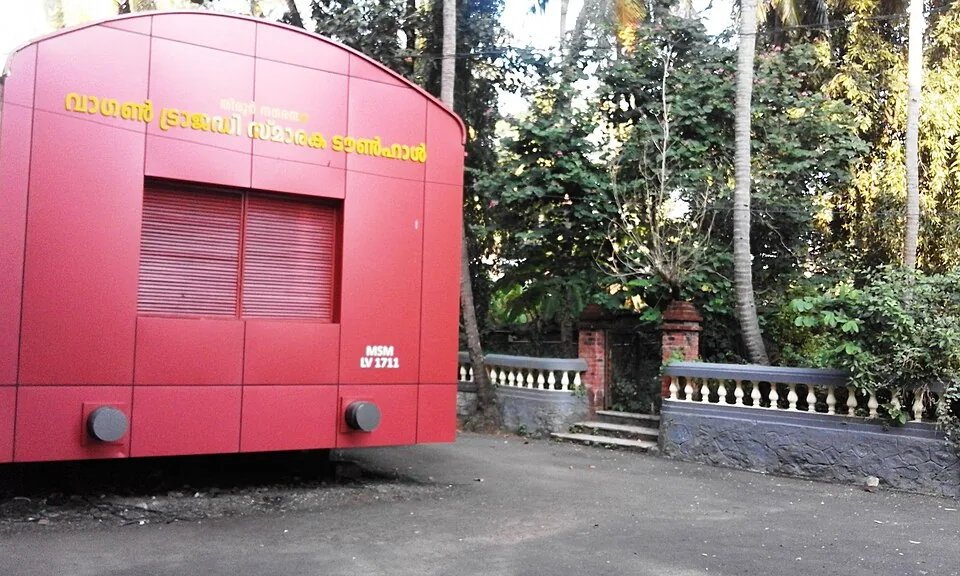
Tirur's town hall, built as a full-size railway goods wagon in signal red and lettered MSM LV 1711 — the memorial to the hundred prisoners shut into wagon 1711 at the station down the road on 19 November 1921.
31.5 km · ~53 min by cab · straight line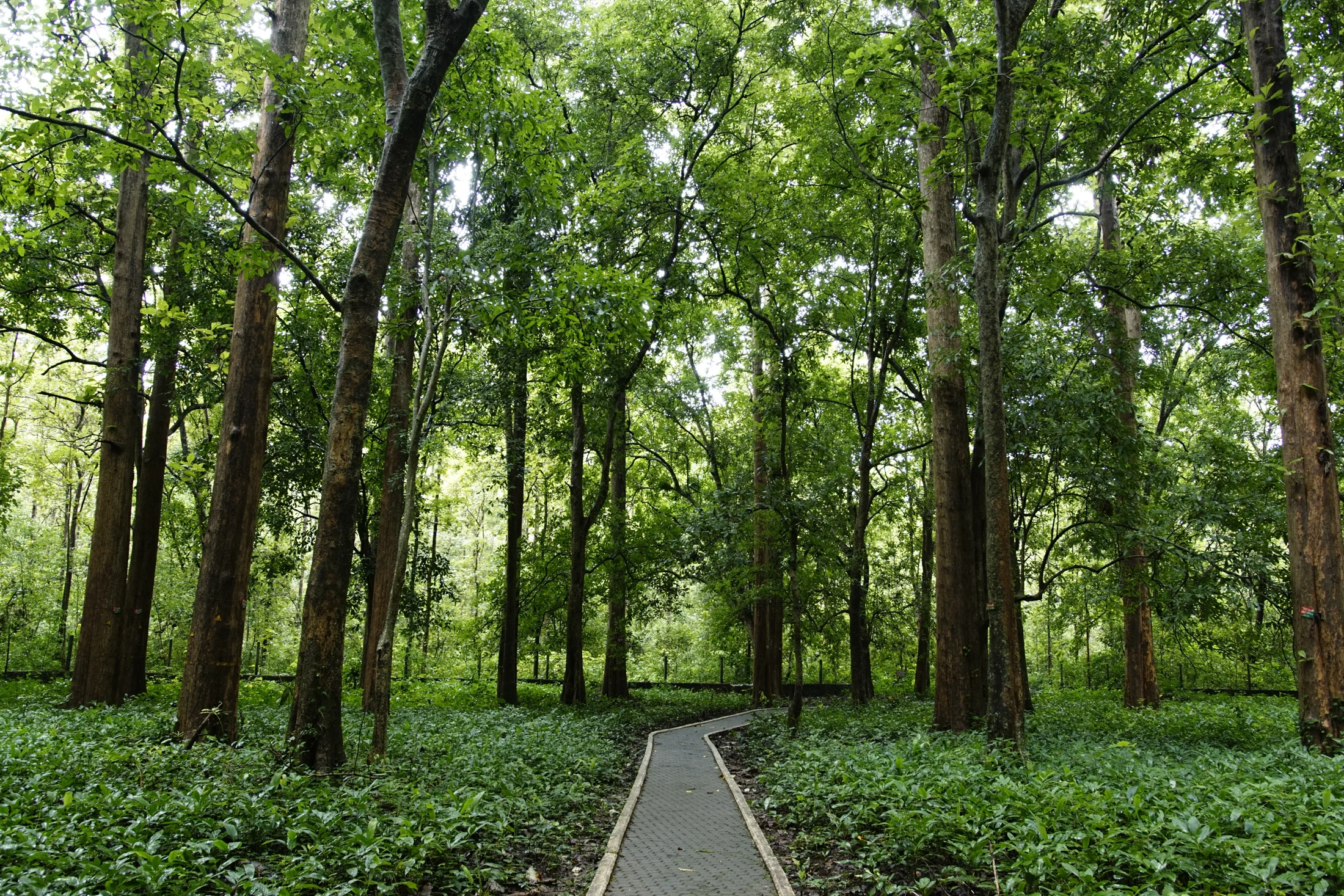
The preserved teak plantation and Forest Department ecotourism centre near Nilambur, associated with H. V. Conolly and Chathu Menon. Keep the historic plot, present visitor gardens and river crossing distinct.
31.9 km · ~53 min by cab · straight line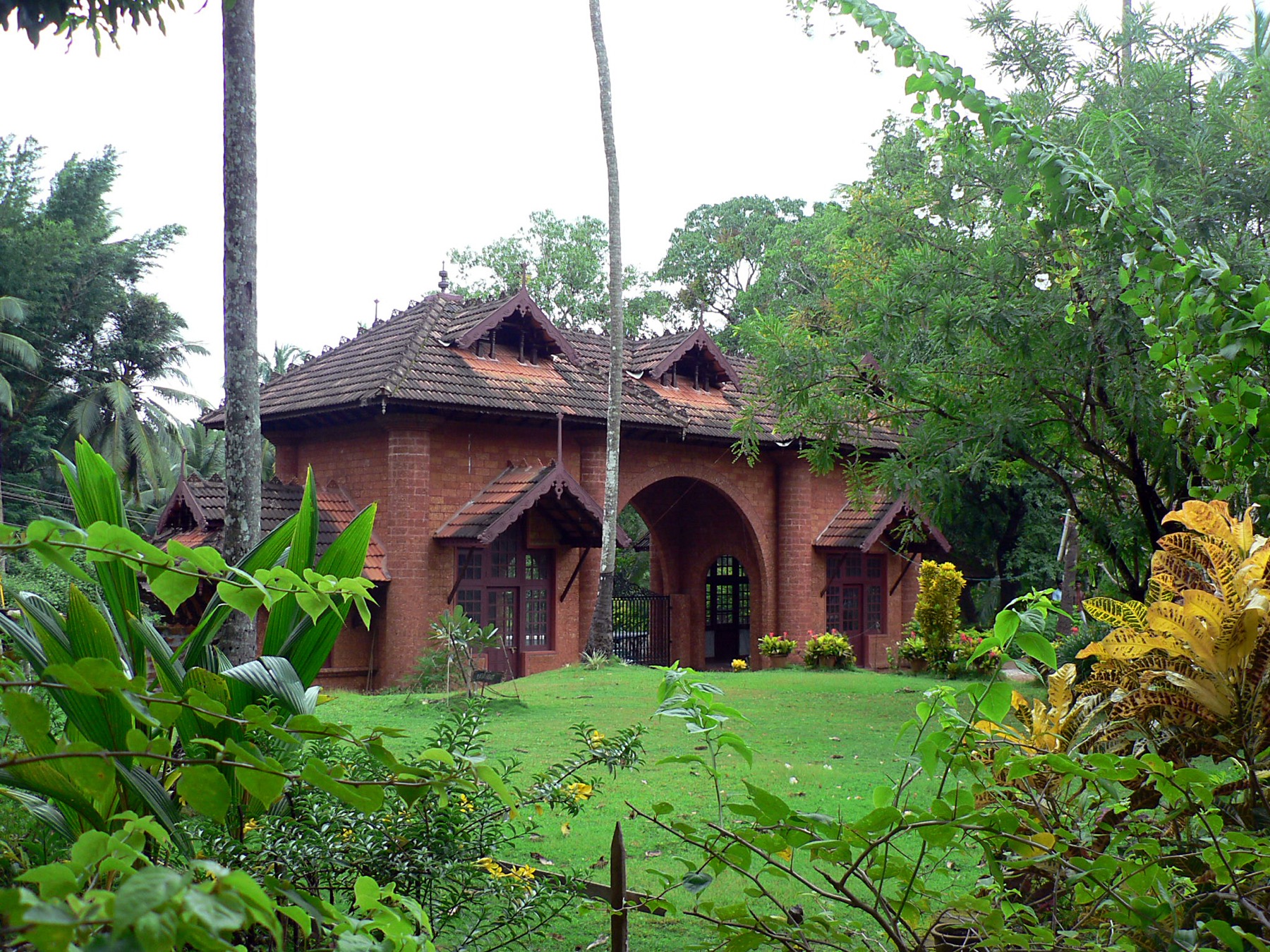
At Tirur, the ground of Thunchath Ezhuthachan, the “father of the Malayalam language” — a working literary institution with a museum, a manuscript library and the Vidyarambham first-letters tradition at Vijayadashami.
32.2 km · ~54 min by cab · straight lineNearby toilets, pharmacies, ATMs, seating and vets are community-mapped and may be incomplete or out of date. Map data © OpenStreetMap contributors | Walking times © openrouteservice.org by HeiGIT
The famed deity is Bhagavathy, worshipped locally as Thirumandhamkunnilamma in the aspect of Bhadrakali or Durga, the Mother Goddess (Shakti). By tradition a Shiva linga lies at the core of the sanctum, so Shiva is also present, and Ganapathy is worshipped on the hill.
The goddess was the paradevata (tutelary deity) of the Valluvanad rulers. As regional history and tradition record, their Chaver suicide-warriors set out from this hill to challenge the Zamorin at the great Mamankam festival at Thirunavaya; the chaver thara memorial before the temple commemorates them.
By legend the sacred hill (kunnu in Malayalam) is where the king-sage Mandhata (Mandhatavu) set down a Shiva linga received from Shiva on Kailash, after which it rooted itself there — giving the hill his name. This is cherished as sacred legend rather than documented history.
The eleven-day Thirumandhamkunnu Pooram is held in the Malayalam month of Meenam, usually falling around March to April, and is a major festival of Malappuram district. Nightly Kalampattu is performed for months beforehand. Confirm the exact dates for a given year locally.
As with many traditional Kerala Devi temples, entry to the inner shrine may be reserved for Hindus and customs can vary; visitors are advised to check current access norms at the temple before travelling and to respect whatever restrictions apply.
The temple is generally reported to open early in the morning around 4 a.m. for the morning poojas and to close around midday, reopening in the late afternoon (about 4 p.m.) for evening worship. Timings shift on festival days, so confirm locally before visiting.
Morning or early evening is usually best; festival days can be powerful but crowded.
Entry: Darshan is generally free; specific sevas, poojas and offerings such as Mangalya Puja or Laksharchana carry set charges paid at the temple counter. Timings: Typically open early morning (reported from around 4 a.m.) for the morning poojas including Usha, Pantheeradi and Ucha pooja, closing around midday, and reopening in the late afternoon (about 4 p.m.) into the evening; timings extend and change during festivals.
Base yourself in Perinthalmanna and Kodikuthimala or a nearby town in Malappuram, then confirm the last-mile route locally before leaving. Check temple entry customs, dress rules and festival crowd conditions before arrival. If the visit depends on forest, temple, boat, ferry, weather or seasonal access, check the official/local rule on the day before travel.
45 minutes to 2 hours, longer during festival or queue periods.
Nearby you can pair Kodikuthimala (9.7 km), Kottakkunnu (15.0 km), Kadampuzha Devi Temple (17.7 km), Kottakkal Arya Vaidya Sala (21.1 km).
Use official counters for offerings/tickets where applicable. Keep footwear and valuables secure in crowded areas.
Written about Thirumandhamkunnu Temple itself — its history, its legends and the arguments about them.
Route-level itineraries and practical guides for the rest of Kerala.
Photographs: Manukrishnan80 (CC BY-SA 3.0), The original uploader was PrasanthR at Malayalam Wikipedia. (CC BY 3.0), Abhilashkrishn (CC BY-SA 4.0), Rajendu (സംവാദം) (CC BY-SA 3.0), Dhruvaraj S from India (CC BY 2.0), RajeshUnuppally at Malayalam Wikipedia (CC BY 3.0), Rajakeshav (CC BY-SA 3.0), Rojypala (CC BY-SA 3.0). Wikimedia Commons.