What to expect
Highlights
- Trek route around Siruvani trek
- Western Ghats landscapes and viewpoints
- Guided operator and permit planning
A Forest Department safari and walk into the closed Siruvani reserve, starting at the Inchikunnu check post: about 10 km of escorted rainforest road to the dam that supplies Coimbatore’s drinking water, then an hour on foot up to the Keralamedu grasslands on the Kerala–Tamil Nadu border.
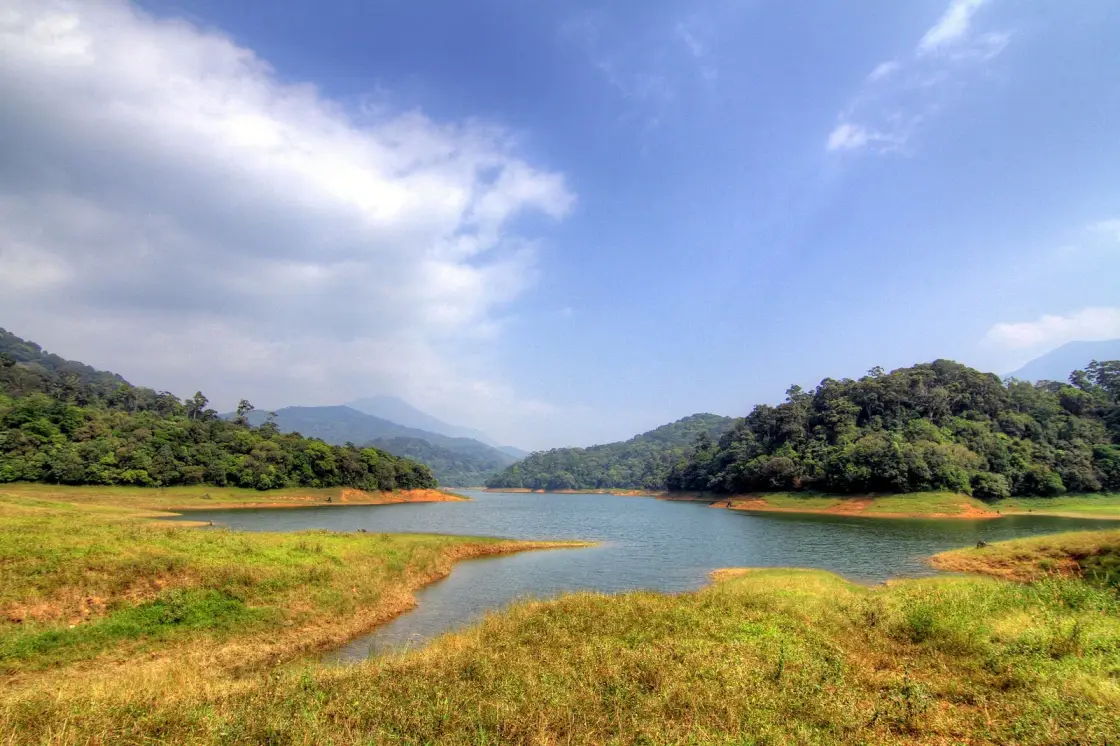
A Forest Department safari and walk that starts at a check post gate, runs ten kilometres of closed rainforest road to the dam that drinks for Coimbatore, and ends an hour uphill on grassland at the state border.
This is not a trail you can simply turn up and walk. The Siruvani forest is a closed reserve, and the whole trip begins at the Inchikunnu check post on the Siruvani Main Road, where the Forest Department decides whether you go in. Beyond that barrier private vehicles need permission, and the programme run by Mannarkkad Eco-tourism is the ordinary way to get it: you pay at the gate, take a guide, and drive your own vehicle onward under escort.
The drive is the first half of the day and it is not filler. It is about ten kilometres of unsealed road; the gate to the dam measures 9.7 km, matching Kerala Tourism's "around 10 km" — through some of the least-disturbed wet evergreen jungle in this part of Kerala. The road climbs from lowland plantation country into canopy that closes overhead, and the reservoir surfaces at roughly 800 m, held in a bowl of hills that run up past 2,000 m behind it.
At the dam the border does something odd and very visible: there are two gateway structures at the site, one built in Kerala's temple-roof idiom and one in a Tamil style, because the water behind the wall belongs to a bargain between two states. Above the reservoir the eastern skyline is Muthikulam hill, with a waterfall coming off it that people mostly see from a distance rather than reach.
On the reservoir bank stands the Pattiyar bungalow, a British-era bungalow that Kerala Tourism describes as more than 150 years old, with the Muthikulam falls visible from its veranda. Pattiyar is also one of the six base camps the 2007 bird survey worked from, which tells you what kind of building it is — a working rest house in deep country, not a hotel.
The walk itself comes last. From the dam the guided party goes on foot for about an hour up to Keralamedu, high grassland on the Kerala–Tamil Nadu line. The vegetation changes as you climb: wet evergreen jungle below, then, above roughly 1,700 m on the Muthikulam and Karimala ridges, rolling grassland with stunted evergreen shola tucked into the folds. From the top the ground falls away east into Tamil Nadu and, on a clear day, you are looking down at the Coimbatore plain.
The gate shuts early. The programme runs 09:00 to 15:00, and it is called off outright when the weather or the department says so — this is elephant country with a working rain figure of 2,000–4,500 mm a year. Phone the Mannarkkad Divisional Forest Office before you drive out; that call is the difference between a day in the rainforest and a locked barrier.
The name Muthikulam is explained locally as muthi plus kulam — the old woman's pond. In the telling repeated around Karimala, Shiva dug a square pond in the hill for his consort to bathe in, she bathed there, and the pond became the source of the Siruvani waters. It is offered as local tradition rather than as history, and no one points to a date.
There is a second and much louder claim, and it needs to be handled carefully: that Siruvani water is the second tastiest or second sweetest in the world. It is repeated everywhere, including by Tamil Nadu's own tourism accounts, and it is always second — the first place is variously given and never sourced. We could find no ranking body, no UNESCO finding, no study behind it. What is real is the mineral balance people are describing: the water leaves this catchment unusually soft and clean-tasting, which is exactly why Coimbatore built a pipeline to it. Enjoy the boast; do not repeat it as a fact.
The dam at the end of that road is Kerala's ground and Tamil Nadu's water. An agreement was executed in August 1973 between the two state governments for drinking-water supply to Coimbatore town and its neighbouring areas; the Siruvani dam sits in Attappadi taluk of Palakkad district, was built by the Kerala Public Works Department, and was paid for with funds provided by the Tamil Nadu government. It was completed in 1984 and stands 57 m high and 224 m long. The two gateways at the site are the polite architectural form of that arrangement.
The country around it is a recognised site of international biodiversity importance — the Muthikulam–Siruvani Reserve Forest, listed both as an Important Bird and Biodiversity Area and as an Alliance for Zero Extinction site, and confirmed as a Key Biodiversity Area at its last assessment in 2016. Its size is given differently by the two databases: the KBA factsheet says 284.78 sq km (28,477.75 ha) spanning 300–2,060 m, while the BirdLife IBA entry gives 24,700 ha. We print both rather than pick.
What makes these hills matter is where they sit. The Palghat Gap is a roughly 40 km wide lowland break in the Western Ghats, and the high-altitude life of the Nilgiris is cut off by it. Siruvani–Muthikulam is one of the few compact high plateaus north of the Gap that still holds some of those endemic species, which is why a genetic bottleneck in the Nilgiri populations is not the whole story of the southern Ghats.
The birds were properly counted only recently. Over four days in February 2007 about 35 birdwatchers worked 36 transects from six base camps — Muthikulam, Karimala, Kuravampady, Singampara, Koodam and Pattiyar — and published the result the following year as Praveen J. and P. O. Nameer, "Bird diversity of Siruvani and Muthikulam Hills, Western Ghats, Kerala" (Indian Birds 3(6): 210–217). They logged 158 species, 14 of them endemic to the Western Ghats and nine on the Red Data list. Before that survey, as the paper says plainly, very little had been collated about the birds of these hills at all.
The headline find was the Nilgiri Laughingthrush, an endangered bird that had never been recorded outside the Nilgiri Plateau: 18 sightings totalling 33 individuals from Muthikulam across to the Elival ridge, mostly above about 1,600 m, with the team suggesting this may be the largest population of the species in Kerala. The same survey recorded the vulnerable Nilgiri Wood-Pigeon at nine encounters, the vulnerable White-bellied Shortwing in shrubby undergrowth at Muthikulam, and a single Broad-tailed Grassbird near the marshy ground by Siruvani dam. The forest also holds Vateria macrocarpa, a critically endangered evergreen tree endemic to this region.
None of that is on a signboard at the gate. It is the reason the gate is there.
Ten kilometres of closed-road rainforest that you cannot drive on any other day.
The dam with two gateways — one Kerala, one Tamil — that explains a fifty-year water bargain.
An hour's climb to Keralamedu grassland on the state border, looking down on Coimbatore.
Grassland-and-shola habitat above 1,700 m holding Western Ghats endemics found nowhere north of here.
The 150-year-old Pattiyar forest bungalow on the reservoir bank, below the Muthikulam falls.
Butterflies and birds in quantity — 158 species were logged here in four days.
Road km to Palakkad; ghat roads and traffic vary — allow extra.
Post-monsoon to late winter is usually best; avoid heavy-rain days and closed forest periods.
Live forecast loads in your browser.
Sun and moon are calculated for this location and shown in IST. Photography windows are the hour around sunrise and sunset; the sunset bearing is degrees clockwise from true north. Moon phase is accurate to about half a day.
These are official or public-sector eco offerings that match this place, town or forest destination. Confirm availability, permits, tariffs and reporting times with the official operator before travel.

Popular guided waterfall trek near Palakkad, listed by Kerala Tourism’s ecotourism programme pages.
Official source →Browse listed stays, food, activities, sights, shops and rentals around Siruvani trek. Check each listing’s locality and contact the business directly for current arrangements.
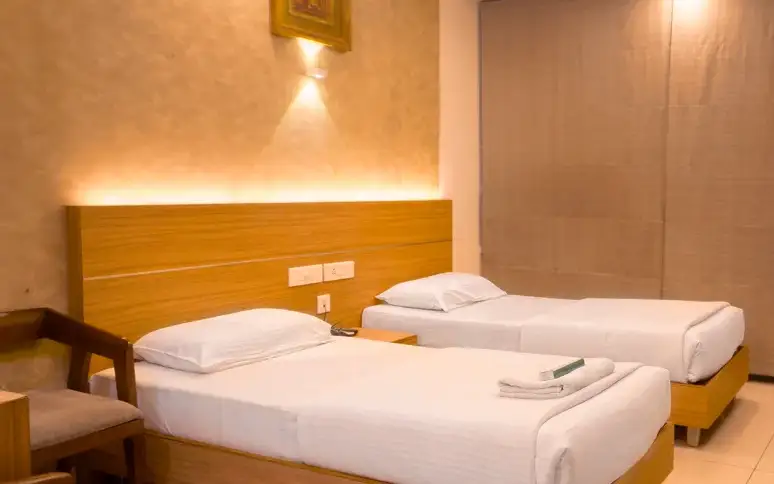
A long-running pure-veg multi-cuisine restaurant beside the KSRTC bus stand in Palakkad. It serves South Indian meals and fast food, with rooms also on site.
Kapilavasthu Restaurant is a Palakkad town vegetarian restaurant near the KSRTC Bus Stand, useful for practical bus-stand meals, take-away, home delivery and outdoor catering. Vegetarian, KSRTC Bus Stand, Palakkad meals.
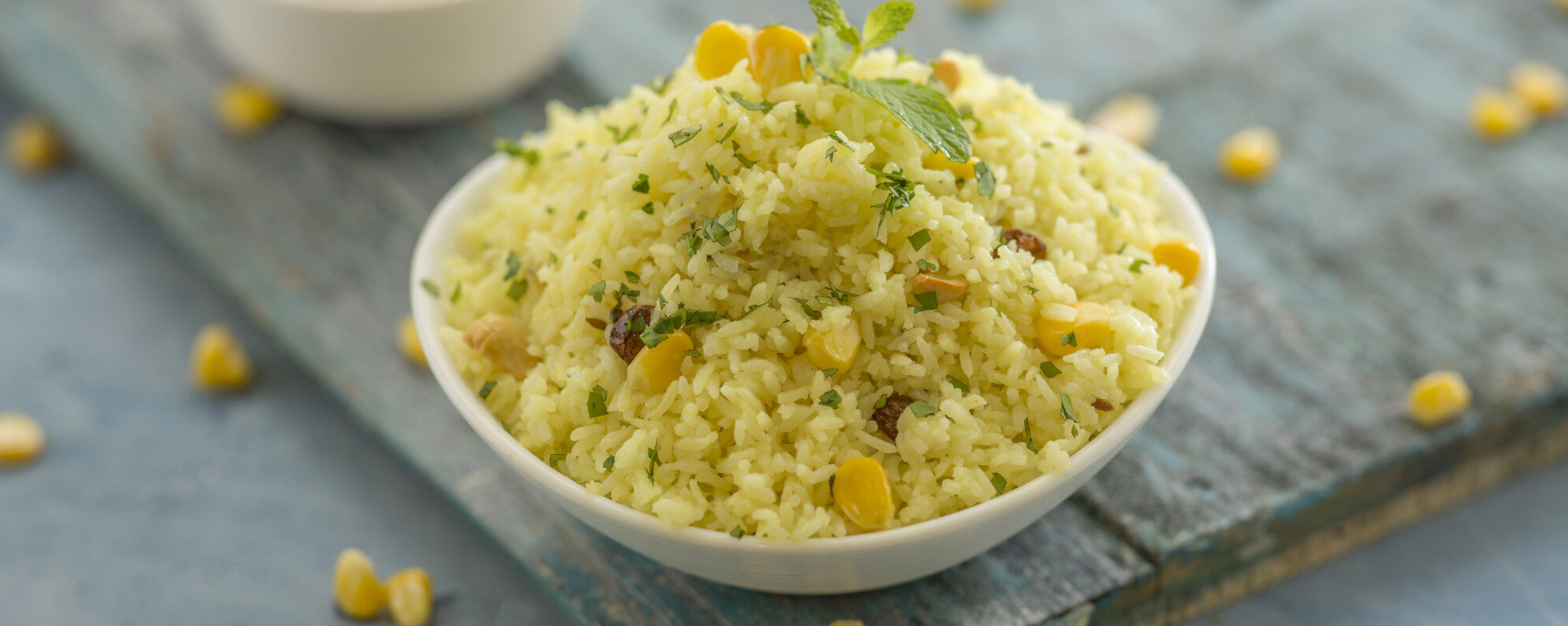
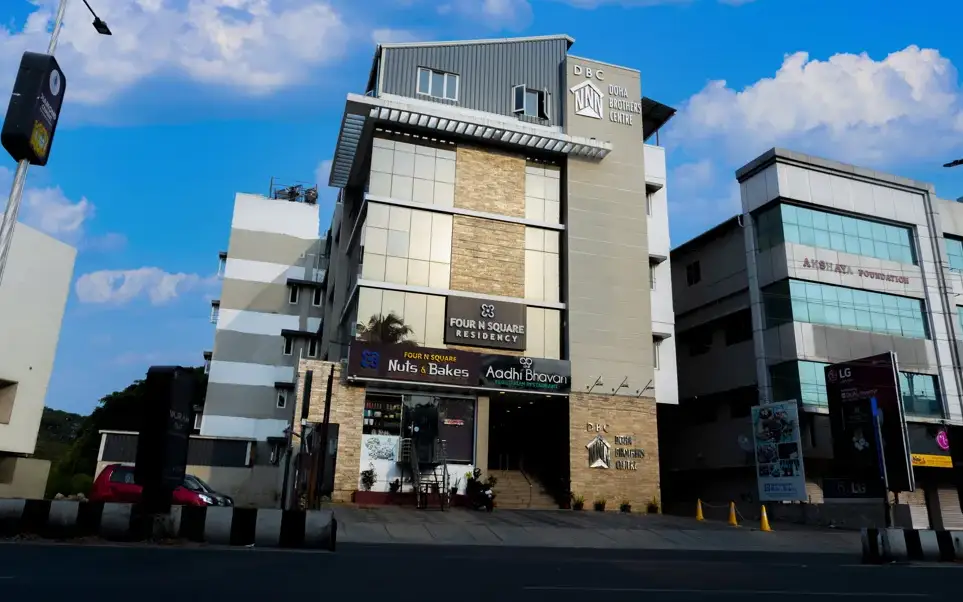
Aadhi Bhavan is a pure vegetarian restaurant at Doha Brothers Centre on Stadium Bypass Road, useful for breakfast, meals, bakery/nuts stops and family dining in Palakkad town. Vegetarian, Stadium Bypass Road, Breakfast.
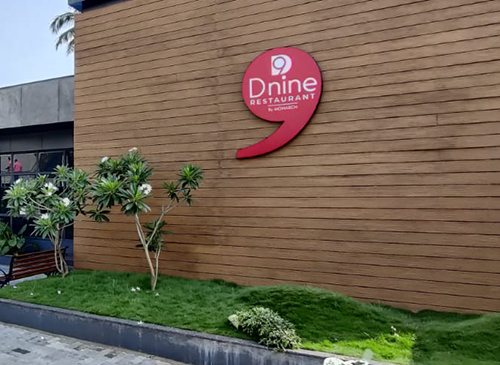
Dnine by Monarch is a Palakkad town restaurant at West Yakkara, useful for multicuisine dining, family meals, banquet enquiries and catering. Palakkad food, West Yakkara, Family restaurant.
A Palakkad favourite since 2010 known for Rawuthur-style dum biryani and kebabs. Its outlet near the stadium bus stand also serves Kerala sadya.
A multi-cuisine family restaurant with a branch on Coimbatore Road in Palakkad town. The menu spans Kerala breakfasts, North Indian, Arabian and Chinese.
Book with the place itself. India’s cyber-crime coordination centre warned in April 2025 that convincing copies of hotel and pilgrimage booking sites are being pushed through sponsored search and social ads, taking payment for rooms the property never hears about. Use the contact and source details on each profile to confirm the exact business and booking channel. A directory entry or map pin alone does not establish an operator’s identity or current availability. Roampedia takes no commission and does not collect booking payments. If a booking page reached you through an ad, check the address bar against the property’s own site before you pay. Fraud can be reported on cybercrime.gov.in or on 1930.
Find food, accommodation and activities across Palakkad town. Browse the guides for places to eat, stay and explore along your route.
13 more places around Palakkad town. Open a guide to plan the visit and onward journey.
A colonial-era masonry aqueduct and river crossing near Karingarapully, read as working water-history infrastructure rather than a conventional staffed monument.
The memorial and cultural centre at the birthplace associated with Kunchan Nambiar, presenting the poet and the Ottan Thullal performance tradition.
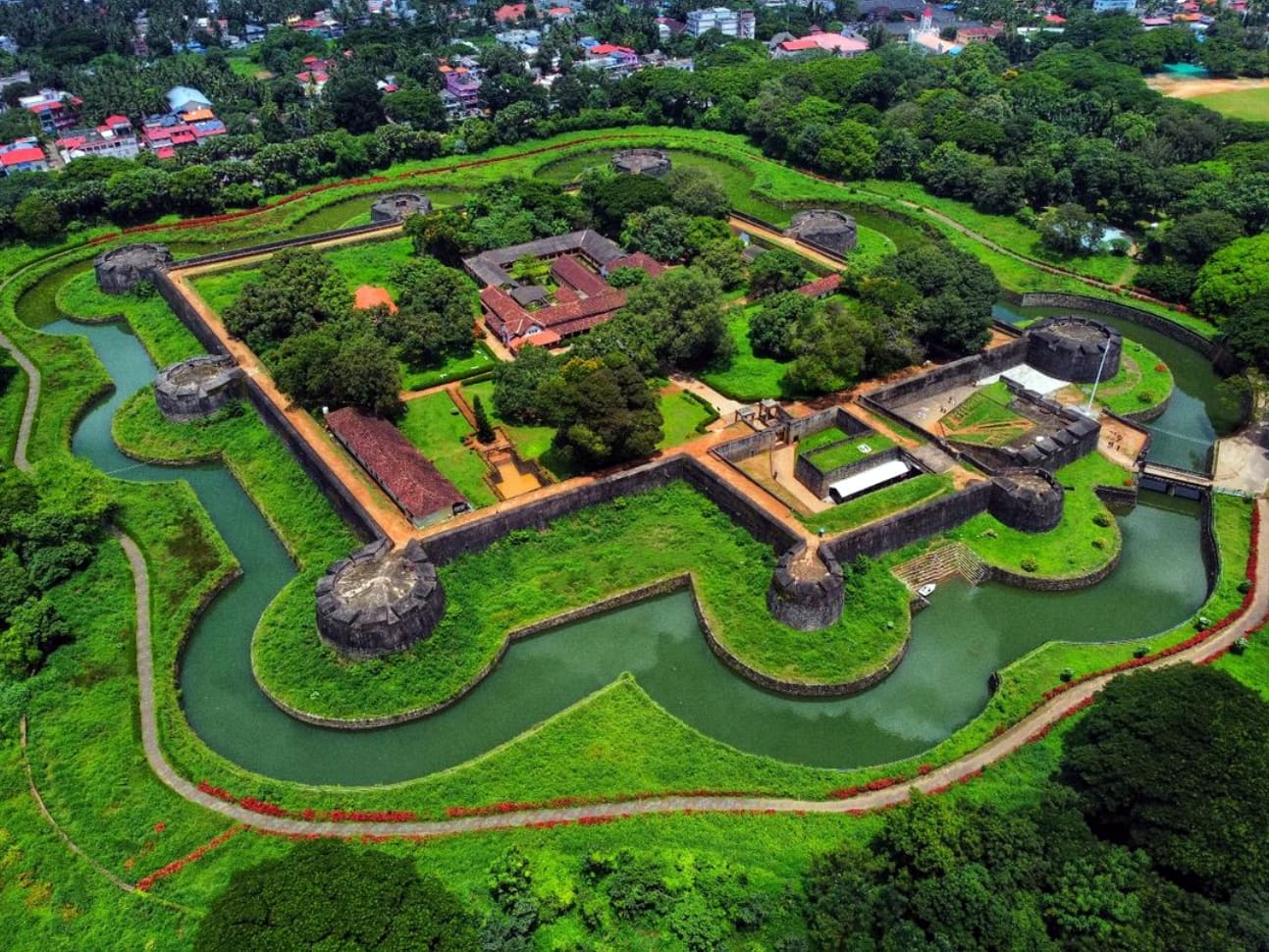
25.5 km · straight line
Well-preserved fort in Palakkad town, associated with Hyder Ali and Tipu Sultan.
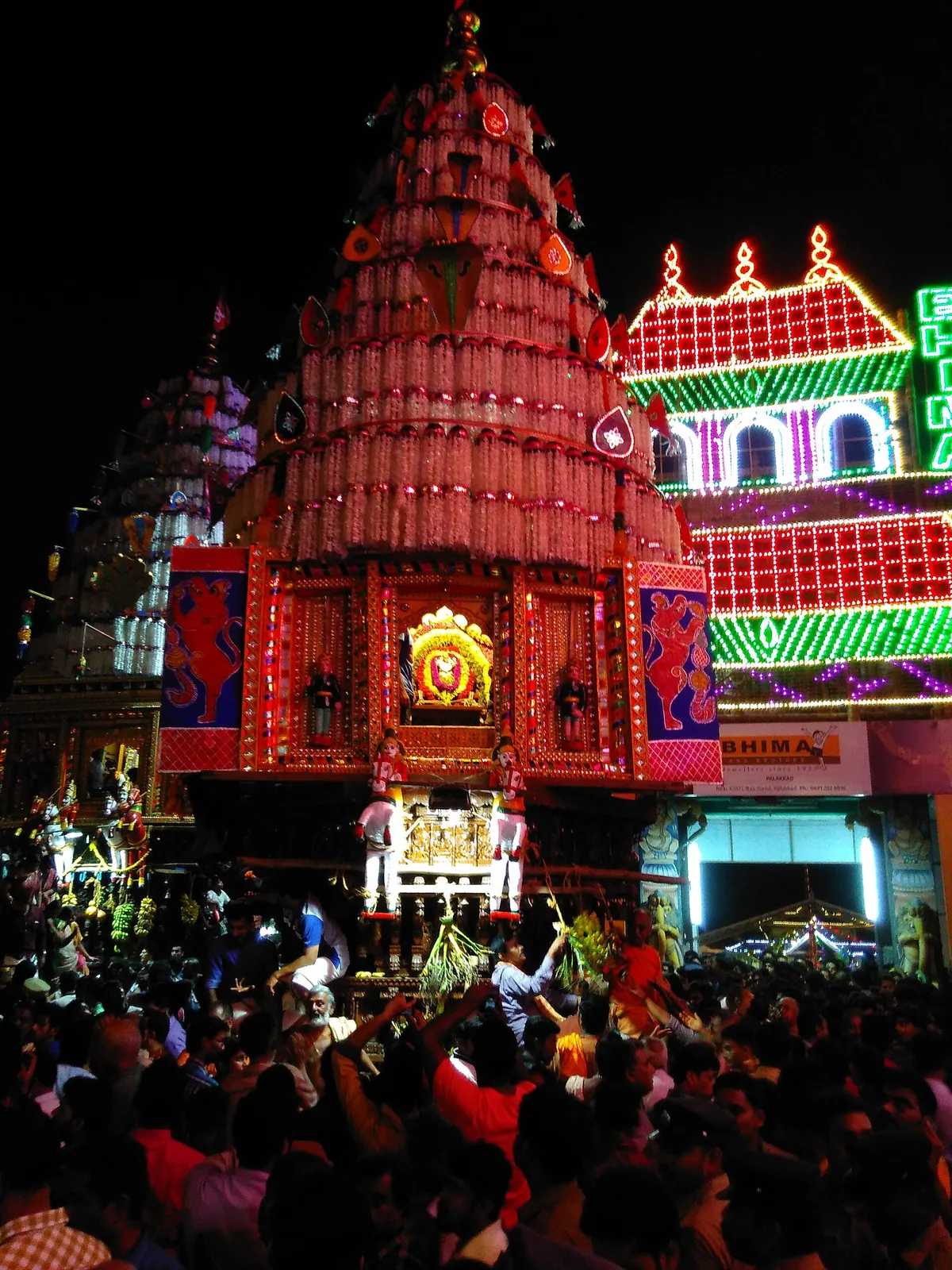
19.9 km · straight line
Kerala’s first heritage village, ~3 km from Palakkad town, built around the Sri Viswanatha Swamy temple on the Kalpathy river — a Tamil-Brahmin agraharam known as the “Kashi of the South” and for its November Ratholsavam chariot festival.
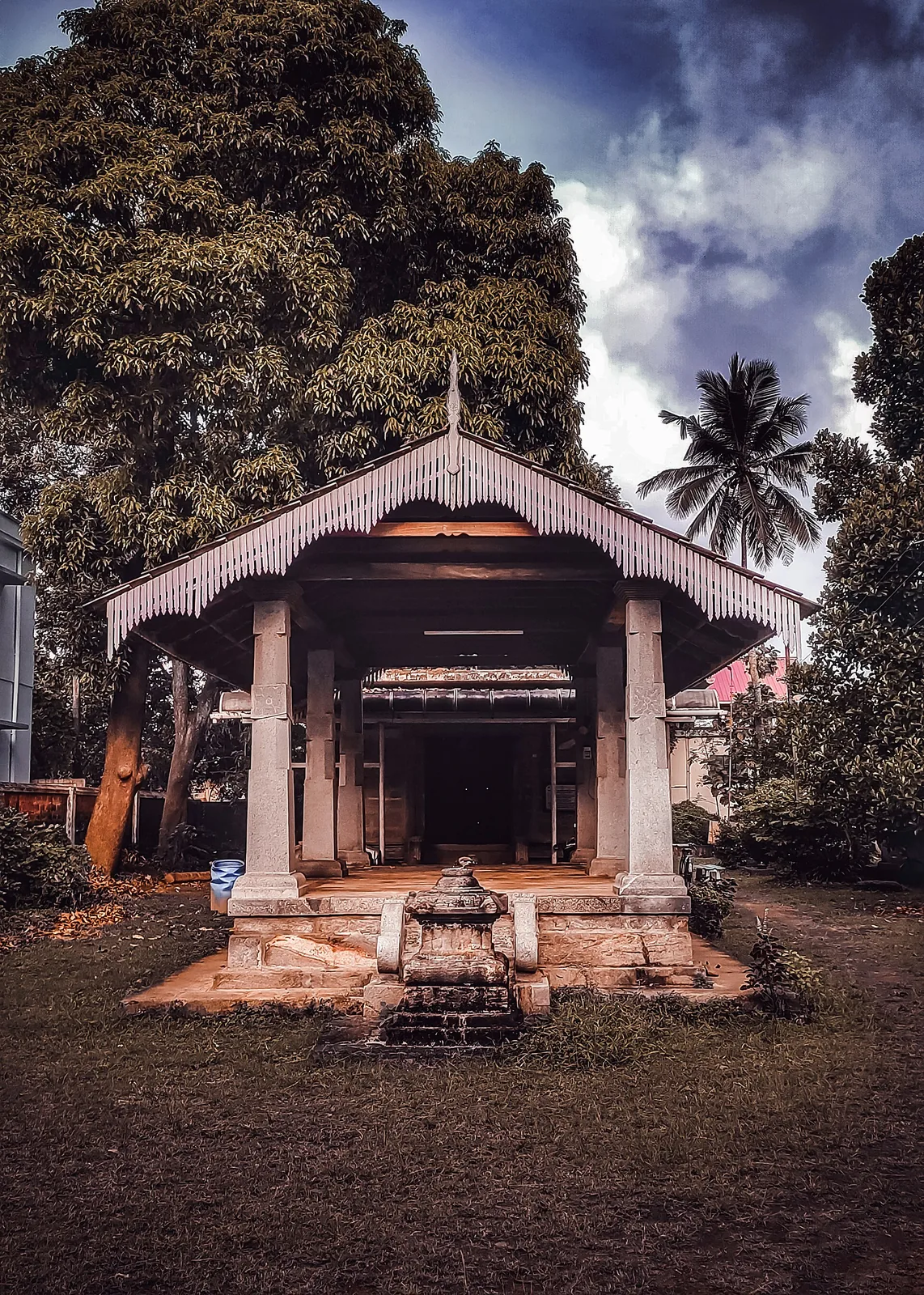
22.9 km · straight line
A ~15th-century Jain temple on the western edge of Palakkad town, one of the few surviving traces of Jainism in Kerala, with images of the Thirthankaras and Yakshinis.
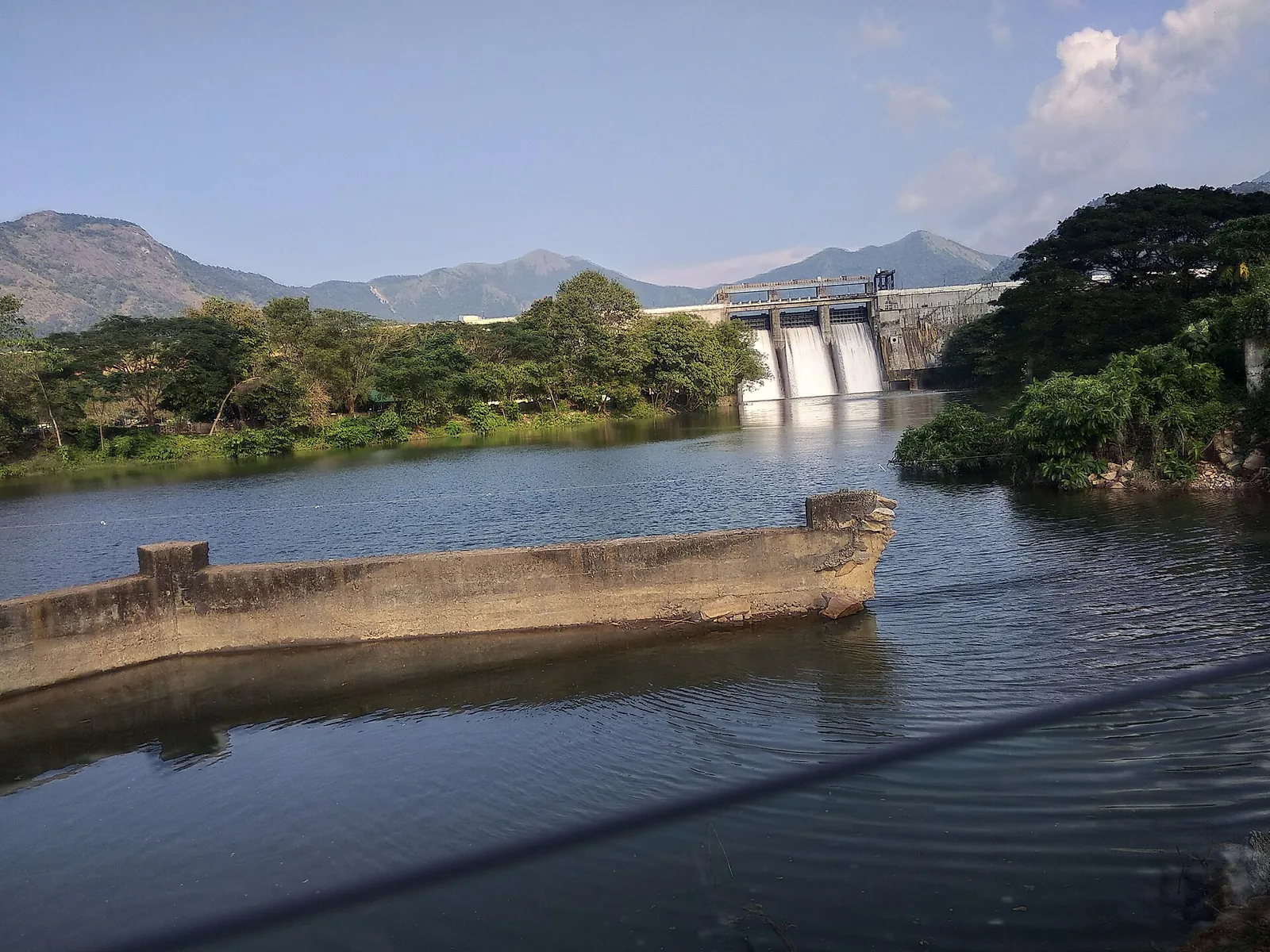
4.7 km · straight line
A calm reservoir and garden set among hills in the Mannarkkad side of Palakkad, a quieter alternative to Malampuzha.
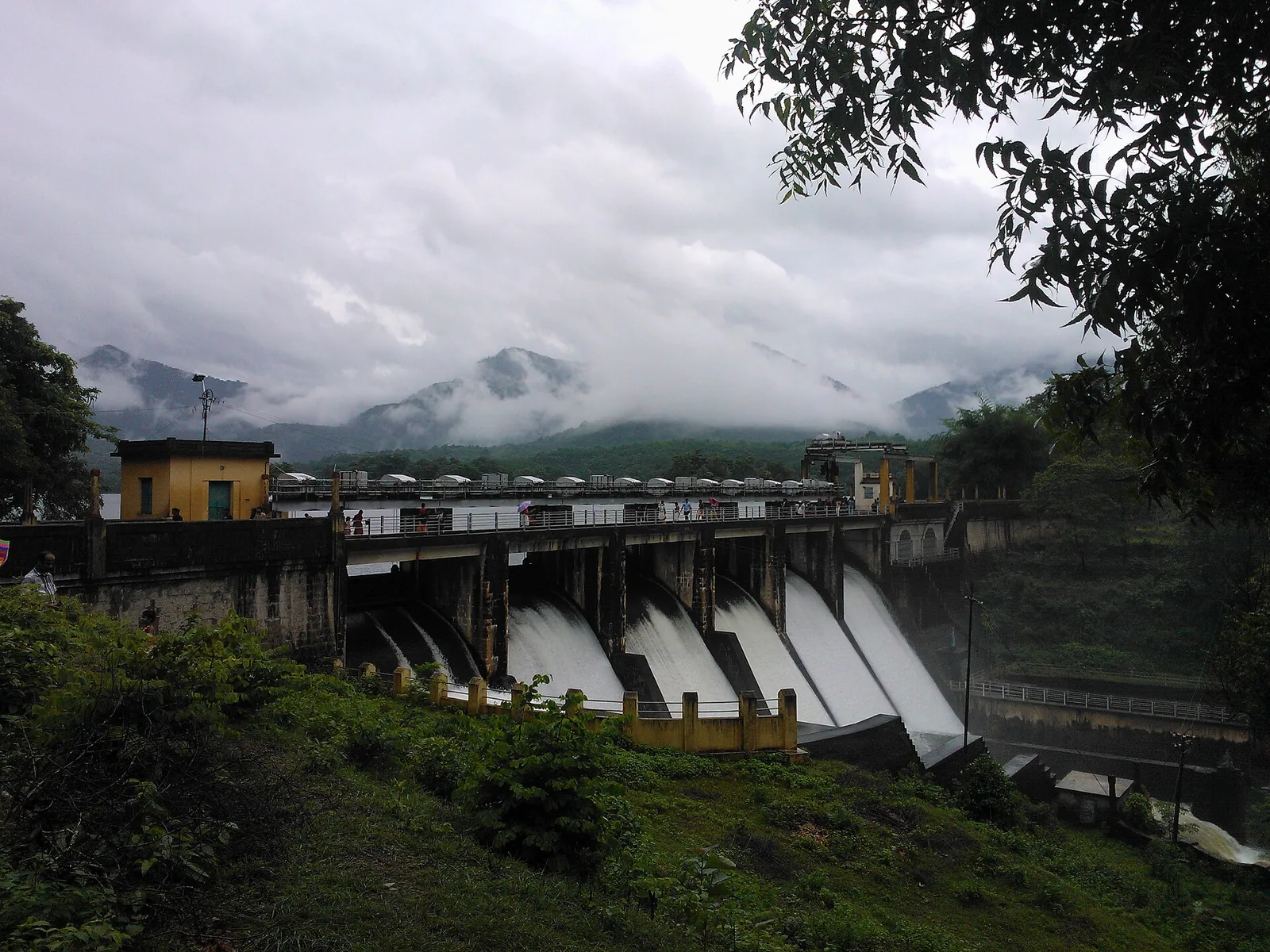
A quiet reservoir among wooded hills near Alathur, south-west of Palakkad town — good for a peaceful drive and picnic.
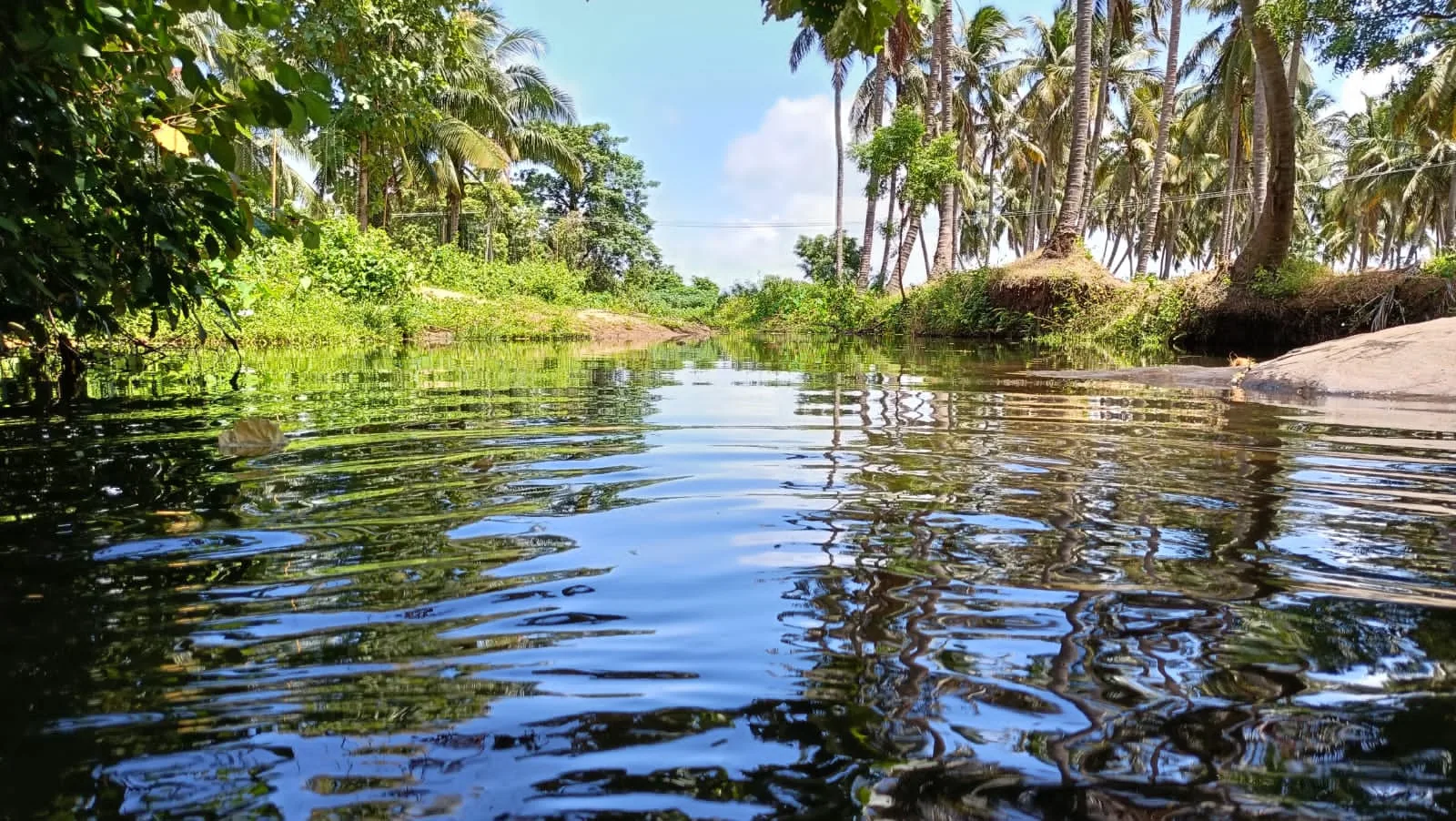
43.1 km · straight line
A rural village ~19 km south of Palakkad below the Nelliampathy hills, known for its palace, the Vishnu temple, paddy landscapes and old Tamil-Brahmin heritage.
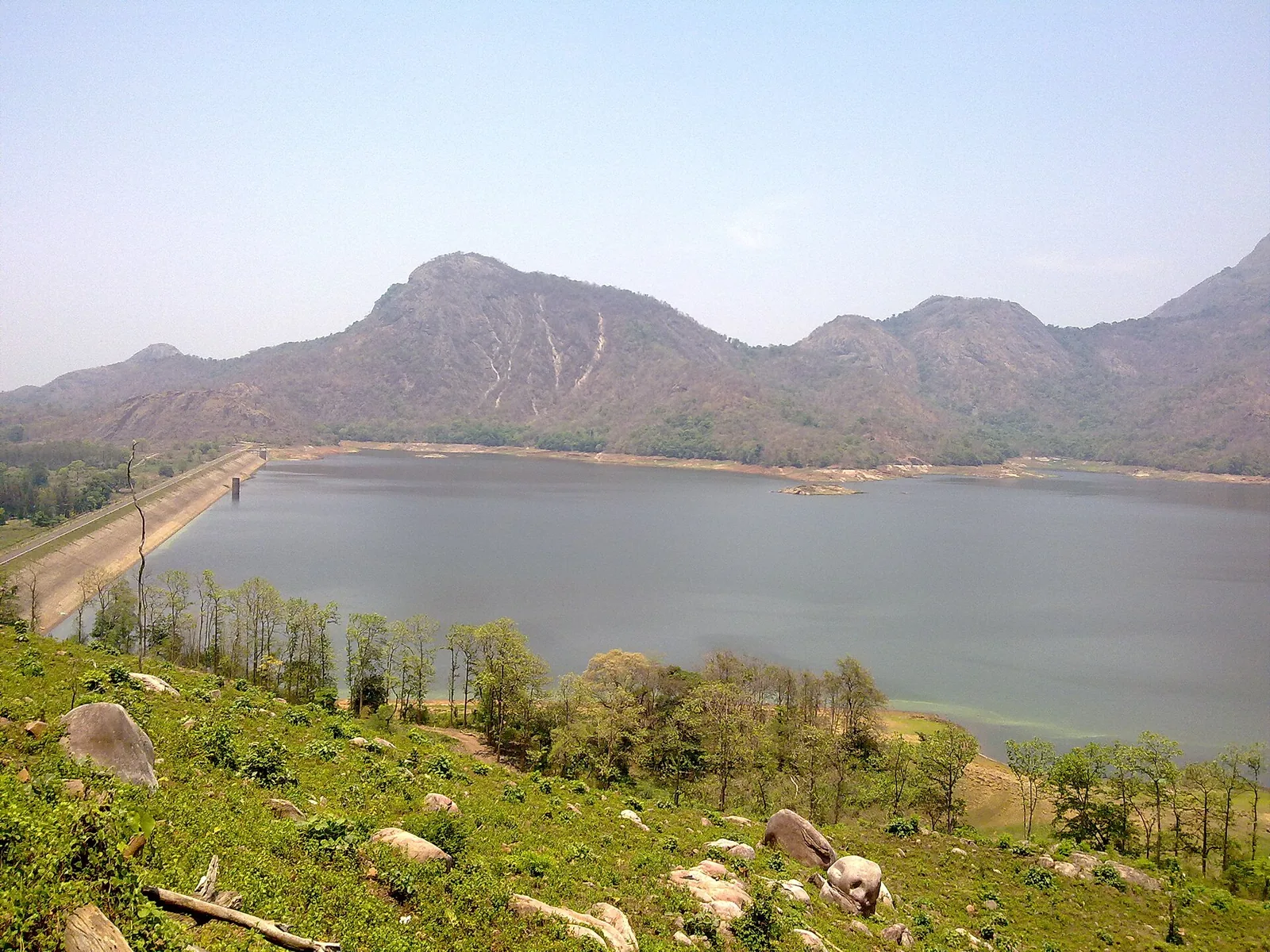
49.3 km · straight line
A 19th-century irrigation dam near Nemmara — one of the oldest in India, its core wall built with a jaggery-and-lime mix — with a scenic reservoir, gardens and boating.
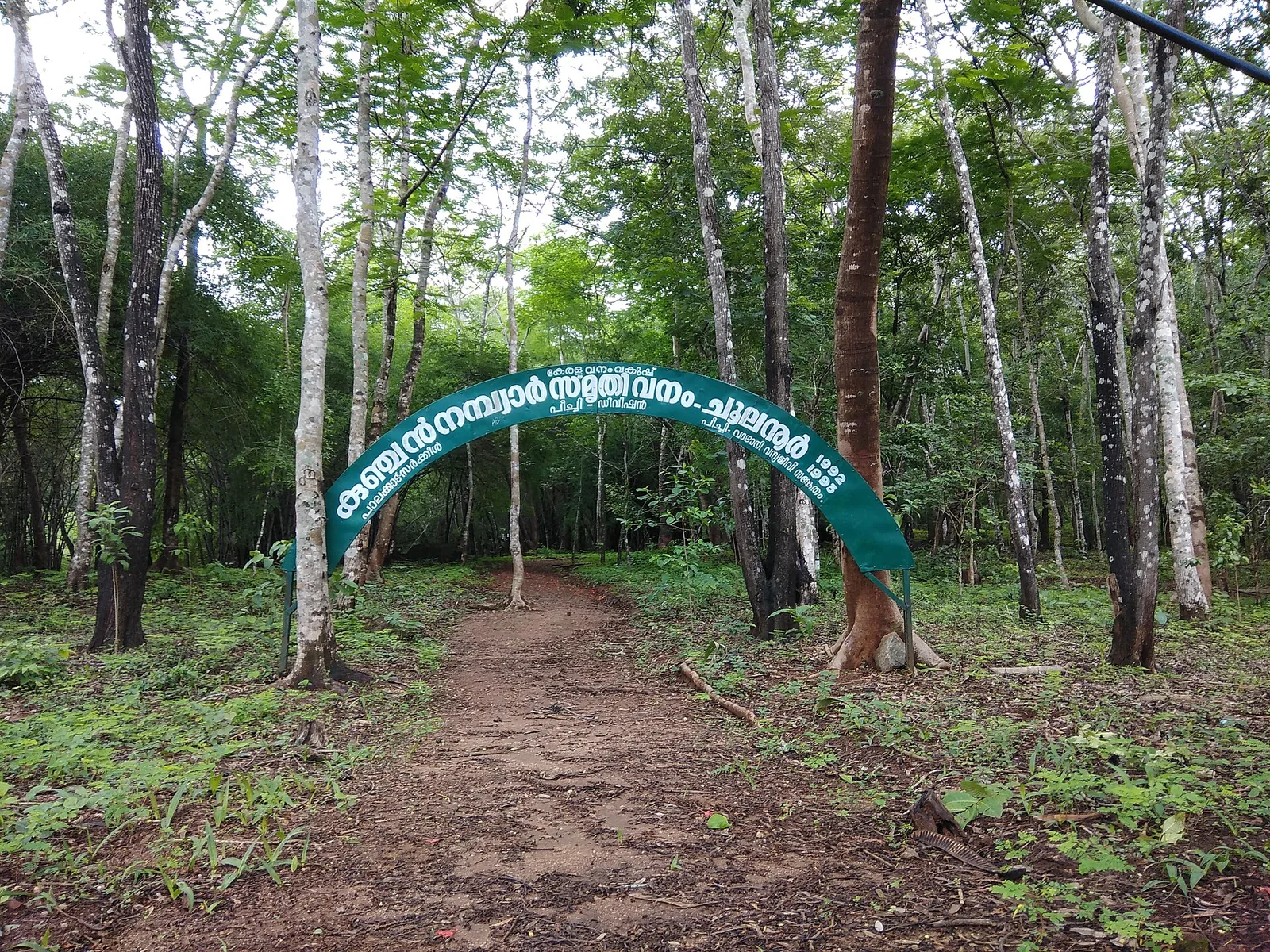
32.1 km · straight line
A peafowl sanctuary at Mayiladumpara (“the rock where peacocks dance”) near Alathur, home to 200-plus free-roaming peacocks and over 100 bird species; best at dawn and dusk.
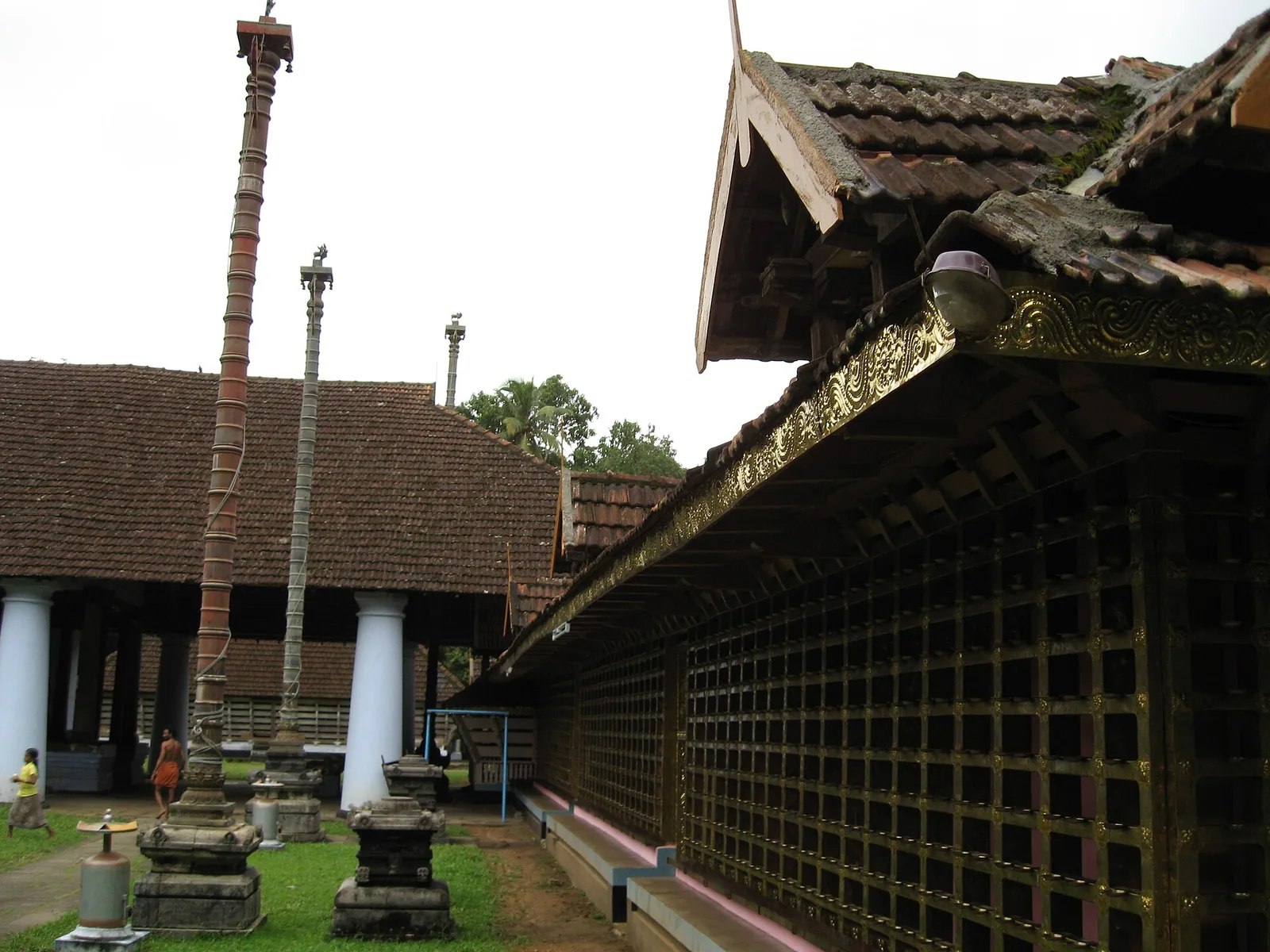
The Thiruvegappura Sankaranarayana Temple near Ottapalam, admired for its Kerala architecture, a fine 15th–16th-century Koothambalam (temple theatre) and three sreekovils with separate flag masts.
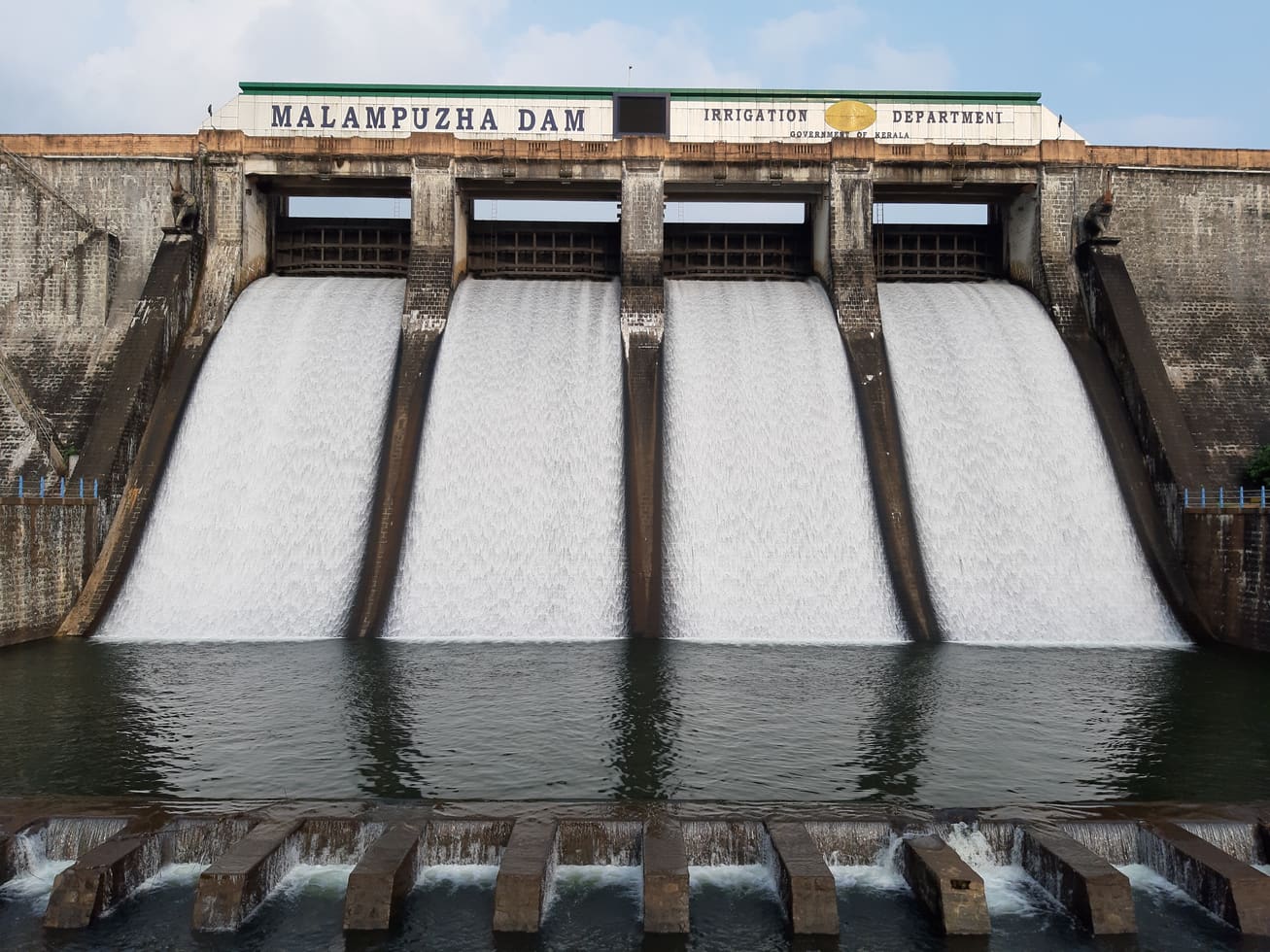
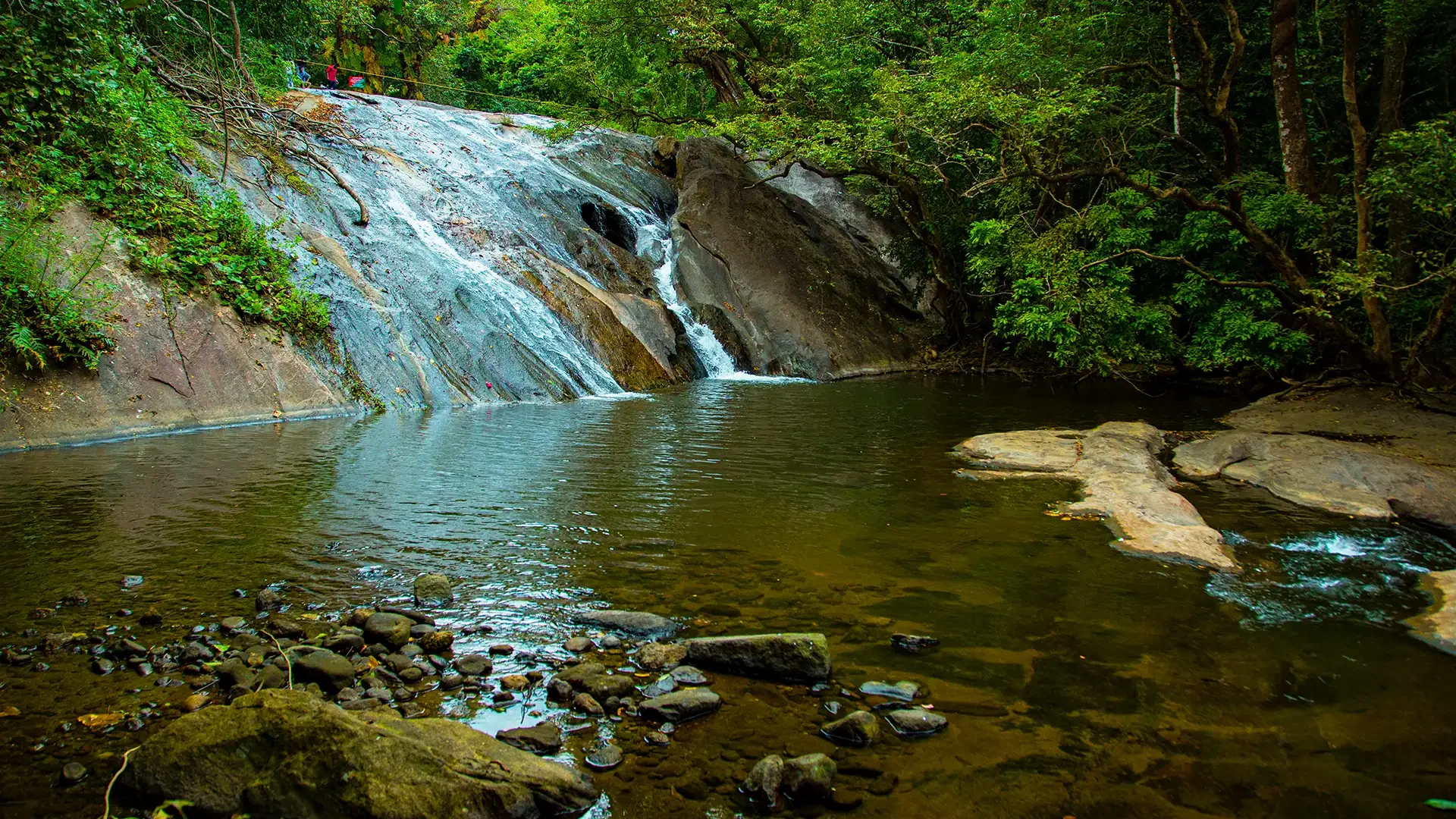
14.4 km · straight line
A Forest Department controlled walk from Dhoni’s forest-office base to a cascade in the Palakkad foothills, with offline admission and a Monday closure.
Roampedia is commission-free — own or know a stay, eatery, guide or shop near Siruvani trek? Submit public business details for review.
Add a nearby businessChildren ₹10. Camera ₹40, guide ₹400, vehicle ₹800 (car/jeep) or ₹1,100 (tempo/minibus) — all charged separately at the check post.
Foreign rate verified 2026-08-24 · source
Entry: The useful minimum is not the ₹35 adult ticket. For one adult arriving in the required car/jeep, Kerala Tourism's published components total ₹1,235: ₹35 admission + ₹400 guide + ₹800 vehicle. Add ₹35 for each further adult and ₹40 if carrying a camera; child ₹10, foreign visitor ₹160, or ₹1,100 instead of ₹800 for a tempo/minibus. Confirm the party total with the Mannarkkad DFO before travel.
Dress code: Closed walking shoes with grip, long trousers and light layers; the forest is leech country in and after the rains. Carry your own water — there is nothing to buy past the check post.
Photography: A camera fee of ₹40 is charged at the gate. This is a closed reserve forest, so drones should be assumed prohibited unless the Forest Department says otherwise in writing.
Parking: You take your own vehicle in — the safari is driven, under escort, from the Inchikunnu check post. There is no public transport past the gate.
If you are travelling by bus or ferry, check the return service with the operator before setting out. Leave time to reach the stop or jetty after your visit.
Ask at the bus stand for the time of the last service back, not the next one. If you miss it, an auto or app cab is the fallback — agree the fare before you get in.
Checked 24 August 2026 against source 1source 2. Conditions change and surfaces vary with weather — if step-free access is essential, confirm with the site before you travel.
Published emergency and visitor-assistance contacts. For an immediate emergency, call 112. Shared Kerala contact sources checked 4 October 2026; publication does not establish a tested live response.
A calm reservoir and garden set among hills in the Mannarkkad side of Palakkad, a quieter alternative to Malampuzha.
4.7 km · straight line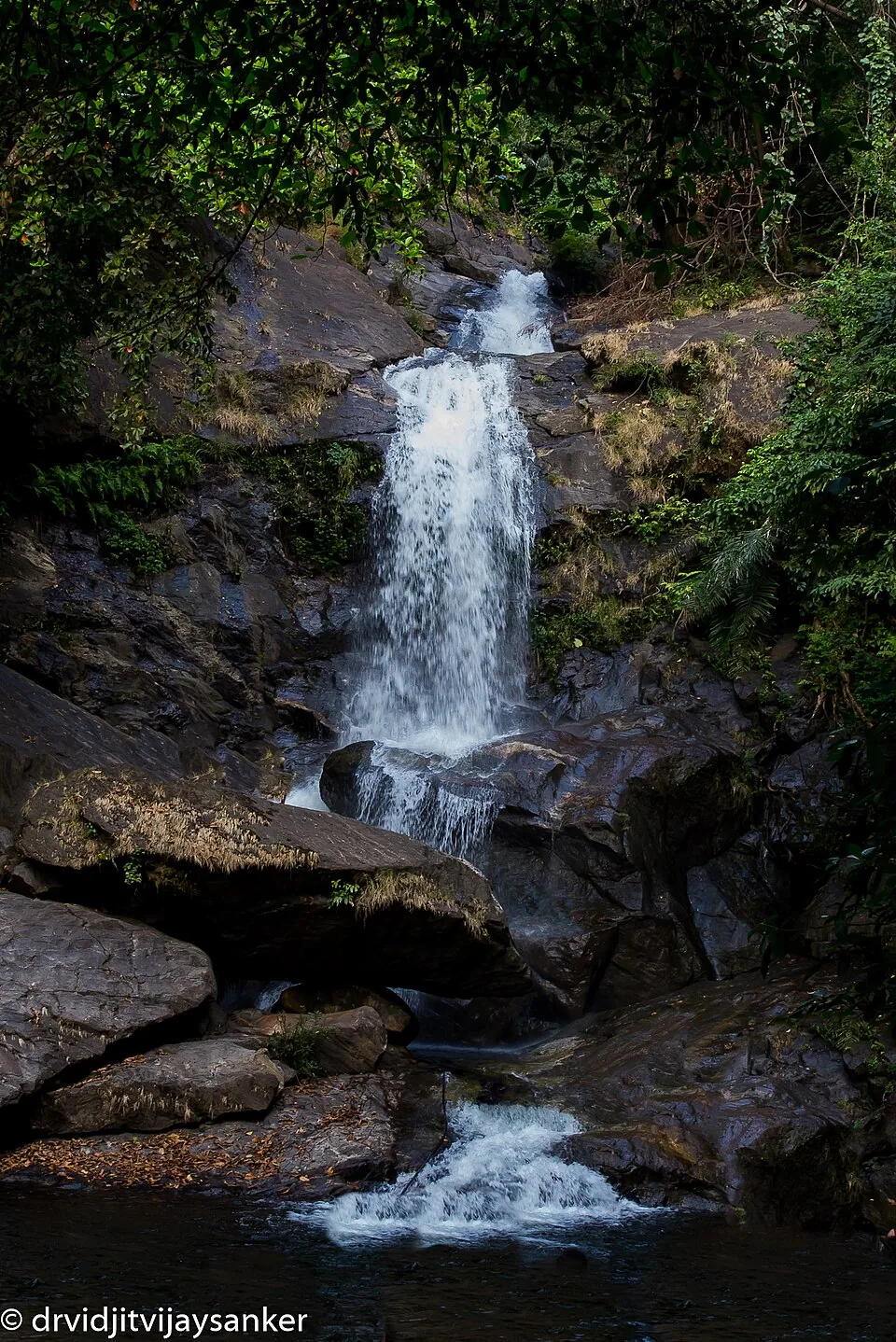
A step waterfall on the Thuppanadu river in the Western Ghats near Thuppanad on the Palakkad–Mannarkkad road, reached by a short forest trek that crosses the river.
7.0 km · straight line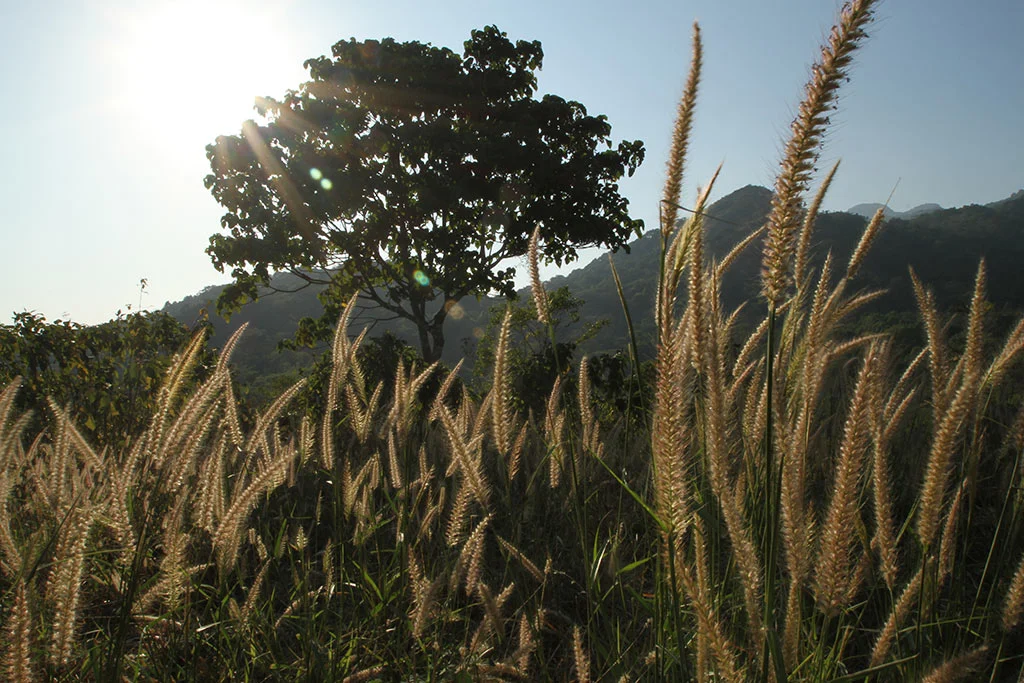
A family of Forest Department programmes based at Mukkali: the guided Keerippara buffer-forest trek and camp, Bommiyampadi cottage stay, Walk with the Master nature camp, and the vehicle-led Sairandhri rainforest visit. Entry is controlled, routes are not open for independent walking, and current availability must be confirmed with the park.
10.1 km · straight lineA Forest Department controlled walk from Dhoni’s forest-office base to a cascade in the Palakkad foothills, with offline admission and a Monday closure.
14.4 km · straight lineKerala’s first heritage village, ~3 km from Palakkad town, built around the Sri Viswanatha Swamy temple on the Kalpathy river — a Tamil-Brahmin agraharam known as the “Kashi of the South” and for its November Ratholsavam chariot festival.
19.9 km · straight line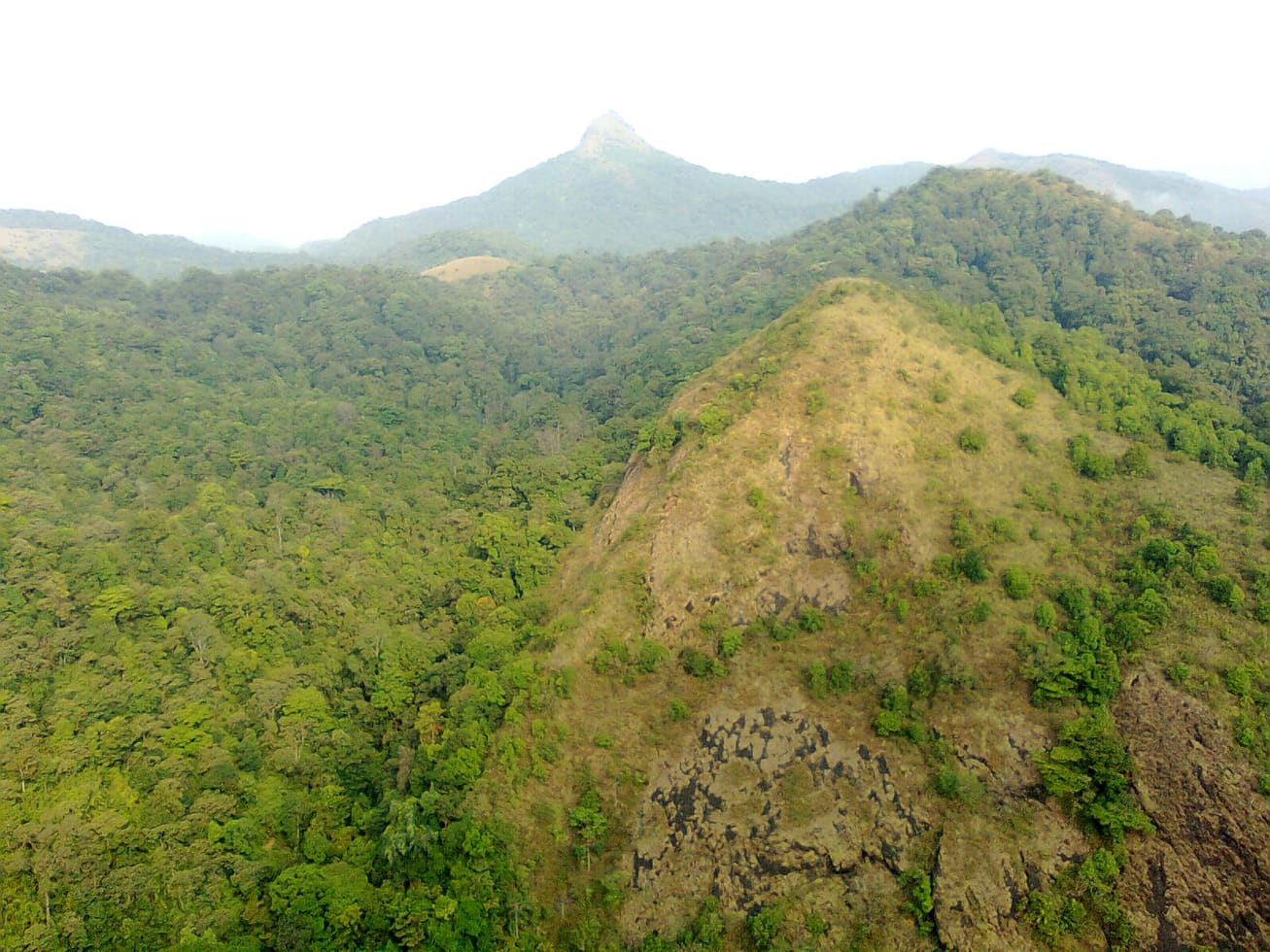
Important rainforest national park in the Nilgiri Biosphere Reserve.
20.9 km · straight lineA ~15th-century Jain temple on the western edge of Palakkad town, one of the few surviving traces of Jainism in Kerala, with images of the Thirthankaras and Yakshinis.
22.9 km · straight lineWell-preserved fort in Palakkad town, associated with Hyder Ali and Tipu Sultan.
25.5 km · straight lineA peafowl sanctuary at Mayiladumpara (“the rock where peacocks dance”) near Alathur, home to 200-plus free-roaming peacocks and over 100 bird species; best at dawn and dusk.
32.1 km · straight lineA rural village ~19 km south of Palakkad below the Nelliampathy hills, known for its palace, the Vishnu temple, paddy landscapes and old Tamil-Brahmin heritage.
43.1 km · straight lineA 19th-century irrigation dam near Nemmara — one of the oldest in India, its core wall built with a jaggery-and-lime mix — with a scenic reservoir, gardens and boating.
49.3 km · straight lineNo. The Inchikunnu check post on the Siruvani Main Road is the limit for private vehicles without permission, and the forest beyond is closed reserve. The normal way in is the Mannarkkad Eco-tourism safari, where you pay at the gate, take a forest guide and drive your own vehicle onward under escort.
Kerala Tourism's published rates for the programme are ₹35 an adult, ₹10 a child and ₹160 for foreign nationals, plus ₹40 for a camera, ₹400 for the guide and a vehicle charge of ₹800 for a car or jeep or ₹1,100 for a tempo or minibus. Government rates change without notice — confirm on the phone before you travel.
The walking part is about an hour uphill from the dam to the Keralamedu grasslands, after roughly 10 km of driving from the check post. It is a guided forest walk rather than a technical trek, but it is a climb, on forest ground, in a reserve where you go at the guide's pace.
The programme runs 09:00 to 15:00, and it can be suspended at short notice for weather or forest conditions. Ring the Divisional Forest Officer, Mannarkkad on +91 4924 222574 to confirm before setting out.
No, and they get confused constantly. The bathing waterfalls that Coimbatore day-trippers visit are on the Tamil Nadu side. This page is the Kerala side — the Palakkad district reserve forest, the dam in Attappadi taluk, and the guided safari and grassland walk run out of Mannarkkad.
Treat the phone as the real channel. Kerala Tourism still directs visitors to keralaforestecotourism.com, but on 24 August 2026 that domain did not resolve at all, and the department's ecotourism.forest.kerala.gov.in booking portal was serving a broken security certificate. The Mannarkkad DFO number above was the working route.
Post-monsoon to late winter is usually best; avoid heavy-rain days and closed forest periods.
Entry: The useful minimum is not the ₹35 adult ticket. For one adult arriving in the required car/jeep, Kerala Tourism's published components total ₹1,235: ₹35 admission + ₹400 guide + ₹800 vehicle. Add ₹35 for each further adult and ₹40 if carrying a camera; child ₹10, foreign visitor ₹160, or ₹1,100 instead of ₹800 for a tempo/minibus. Confirm the party total with the Mannarkkad DFO before travel. Timings: The Mannarkkad Eco-tourism programme runs 09:00 AM to 03:00 PM (Kerala Tourism's published timing). Entry can be suspended at short notice for weather or forest conditions — confirm by phone the day before. Indian adults pay about ₹35 and foreign visitors about ₹160.
Base yourself in Palakkad town or a nearby town in Palakkad, then confirm the last-mile route locally before leaving. Confirm permits, guide requirement and reporting point before travel; many Kerala treks are controlled by forest authorities. If the visit depends on forest, temple, boat, ferry, weather or seasonal access, check the official/local rule on the day before travel.
Half day to full day unless officially listed as multi-day.
Nearby you can pair Kanjirapuzha Dam (4.7 km, approximate straight-line separation), Meenvallam Waterfalls (7.0 km, approximate straight-line separation), Silent Valley trekking (10.1 km, approximate straight-line separation), Dhoni Waterfalls trek (14.4 km, approximate straight-line separation).
Use approved guides where required. Do not enter closed forest routes or trek in heavy rain.
Written about Siruvani trek itself — its history, its legends and the arguments about them.


These guides explore Palakkad town and the surrounding area. Choose a visit that fits your interests, allowing separately for travel between stops.


Route-level itineraries and practical guides for the rest of Kerala.


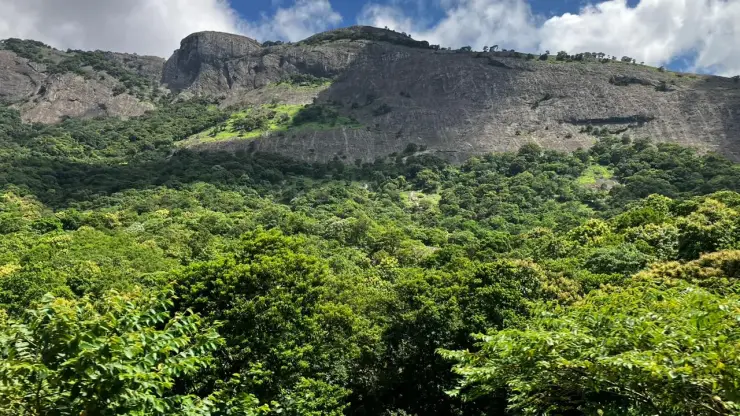
Photographs: Dhruvaraj S (CC BY 2.0), Basheer Olakara (CC BY 2.0), Firos AK (CC BY-SA 4.0), Abhishek Jacob (CC BY-SA 3.0). Wikimedia Commons.